Rufous-winged Fulvetta
Schoeniparus castaneceps
栗头雀鹛
Introduction
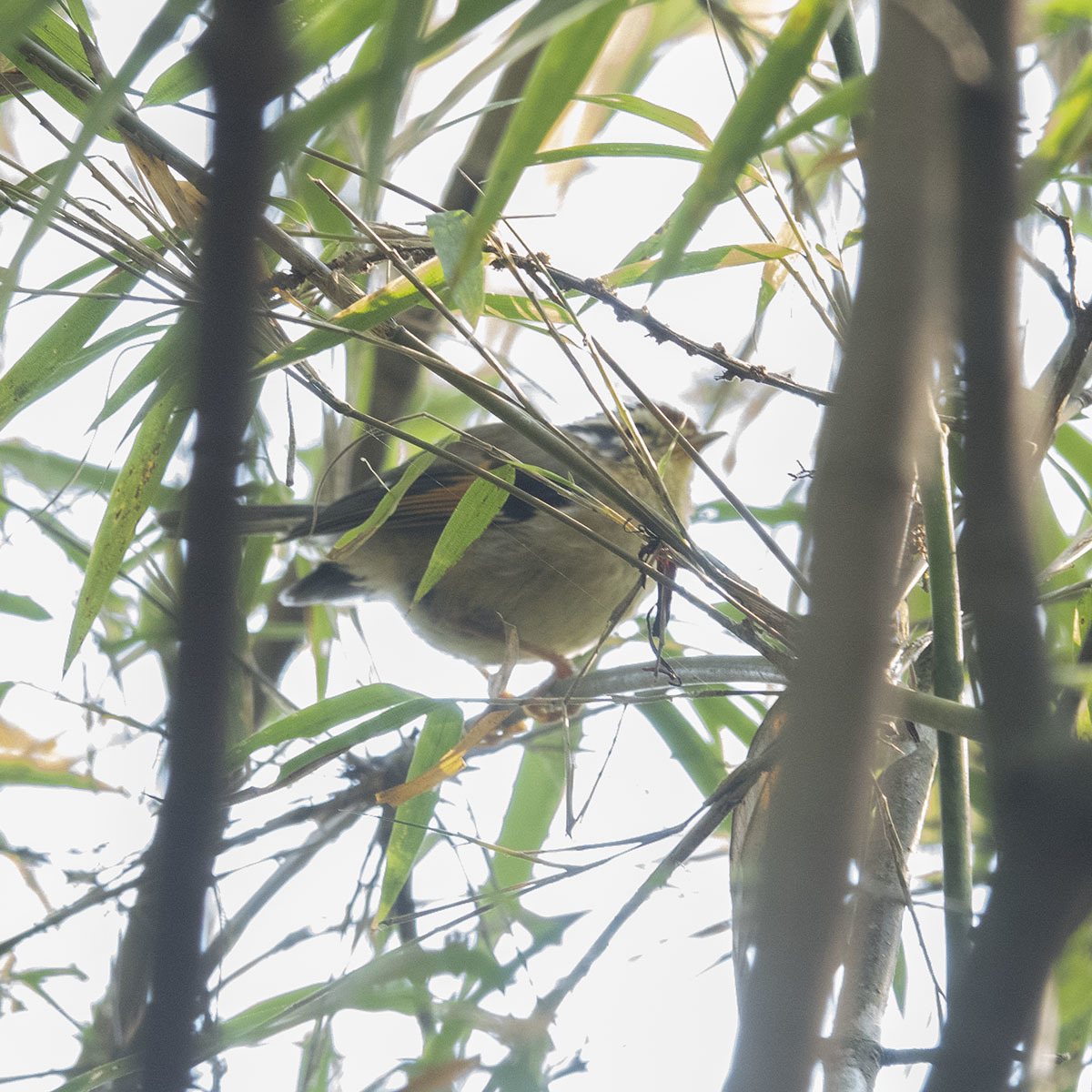
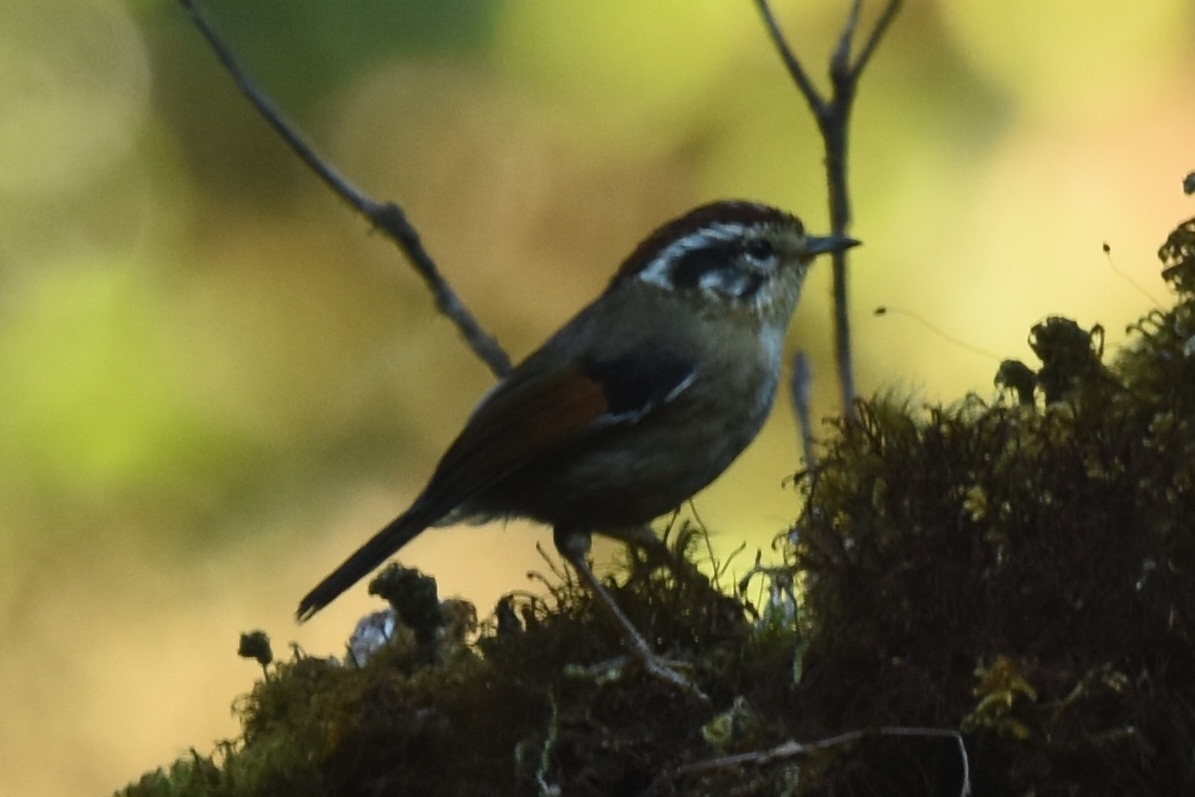
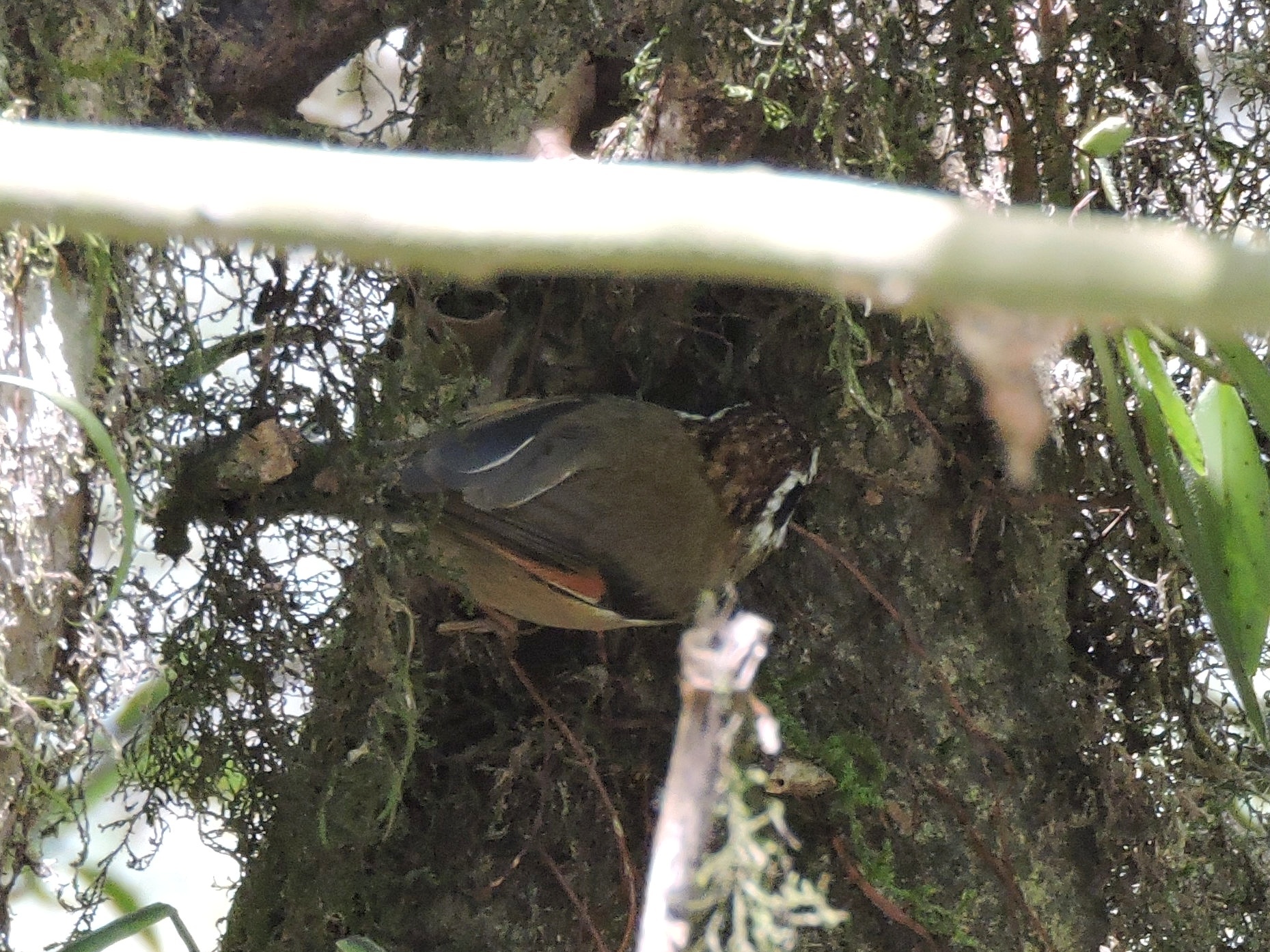
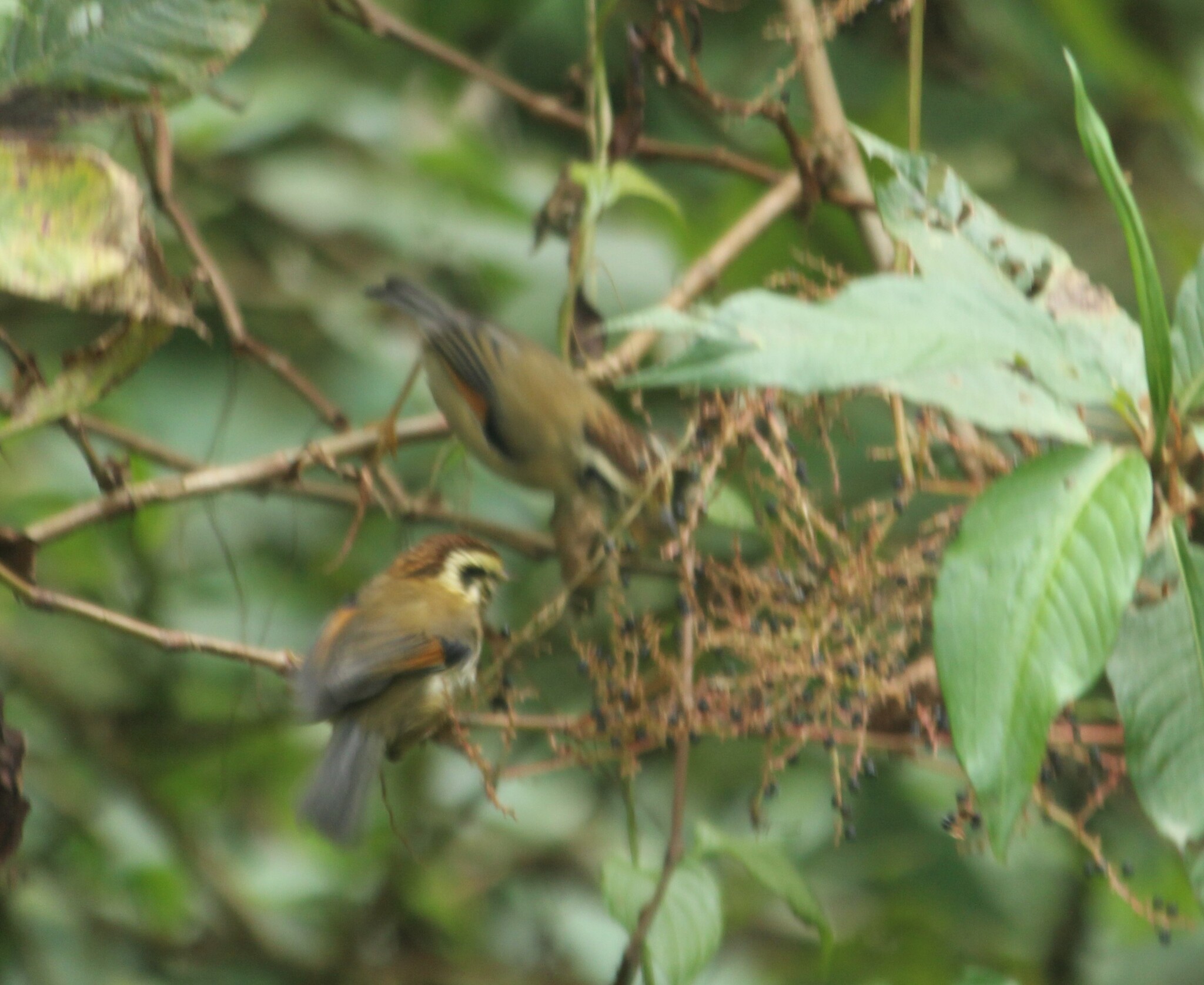
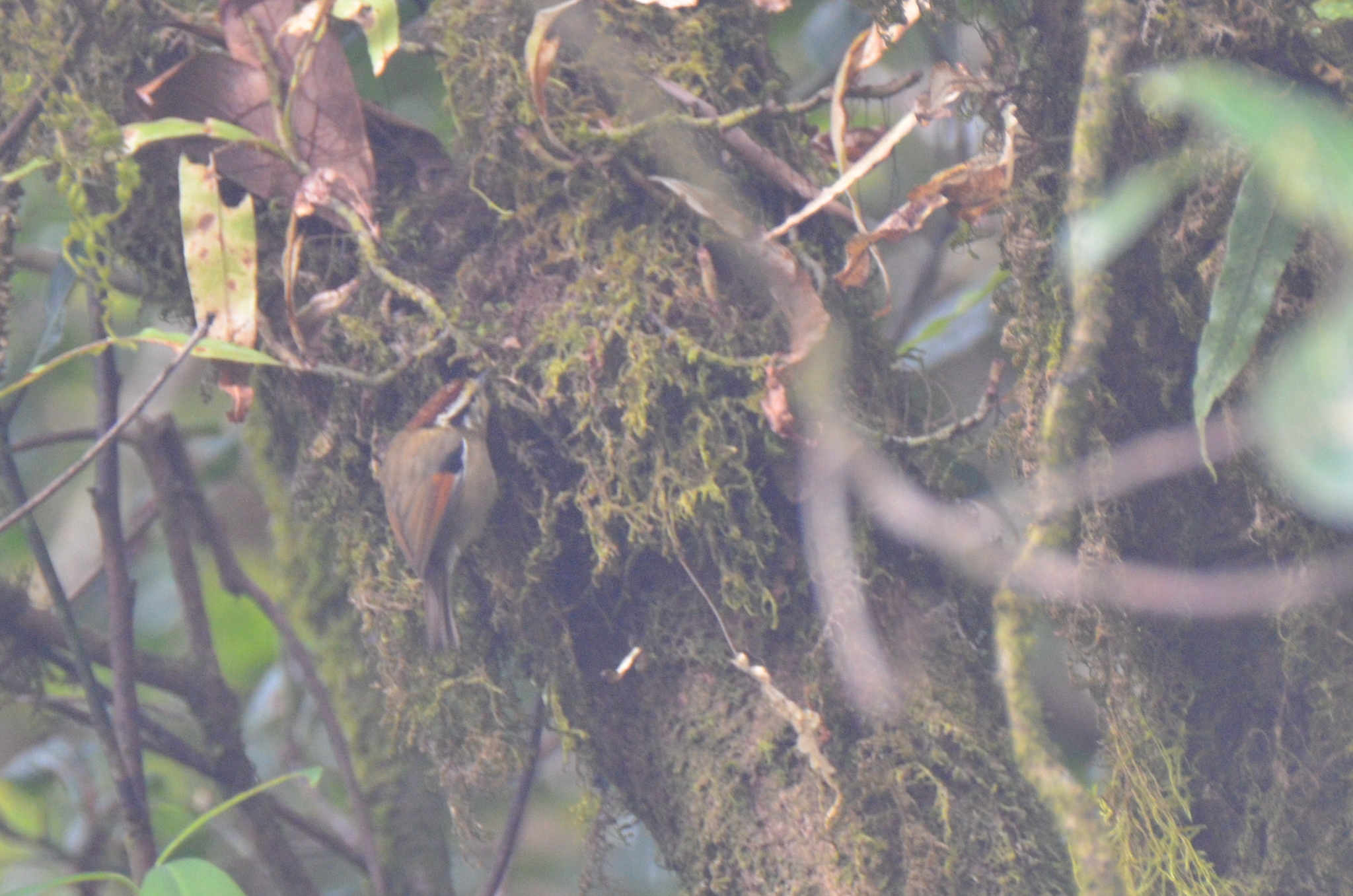
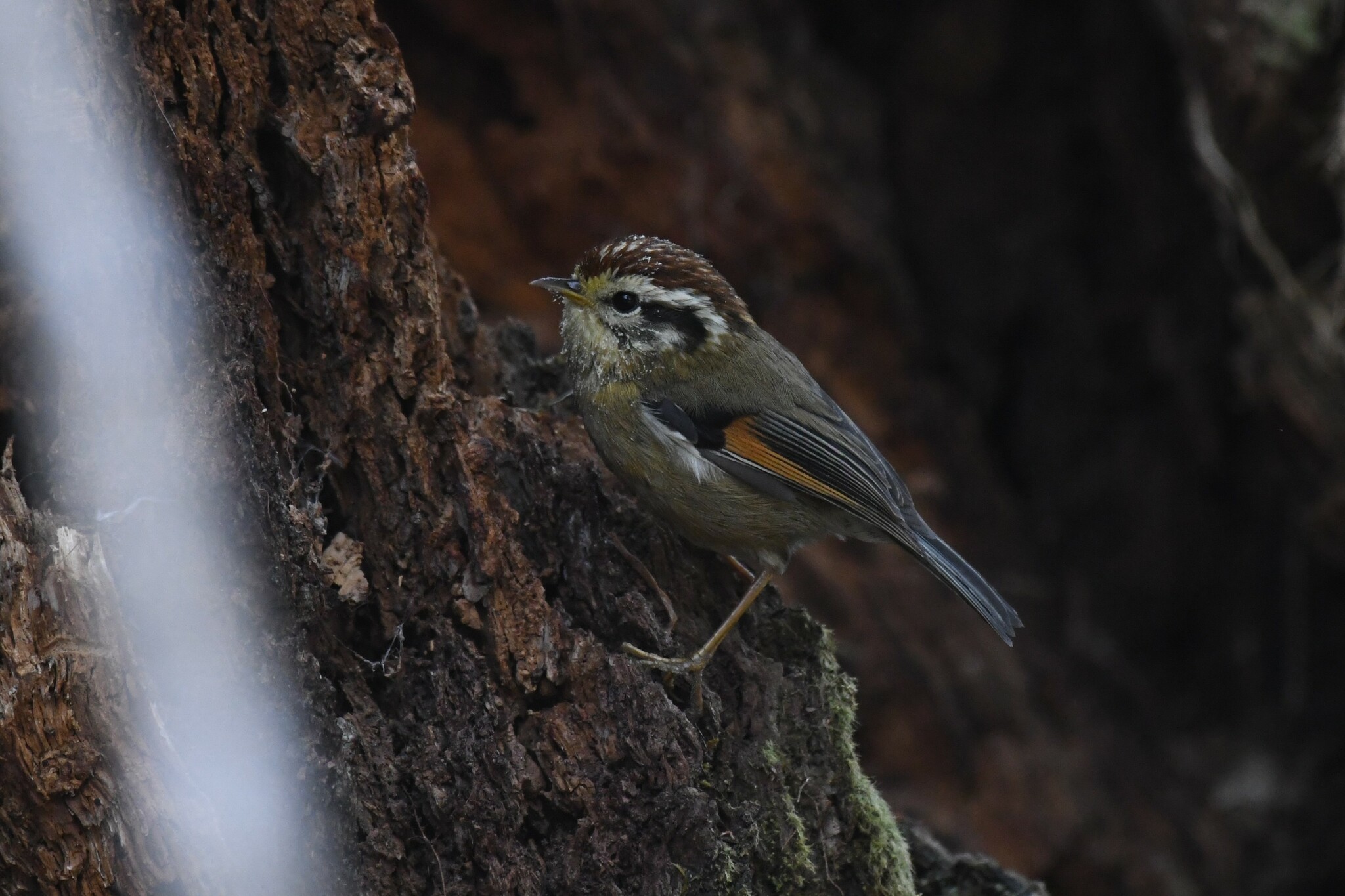
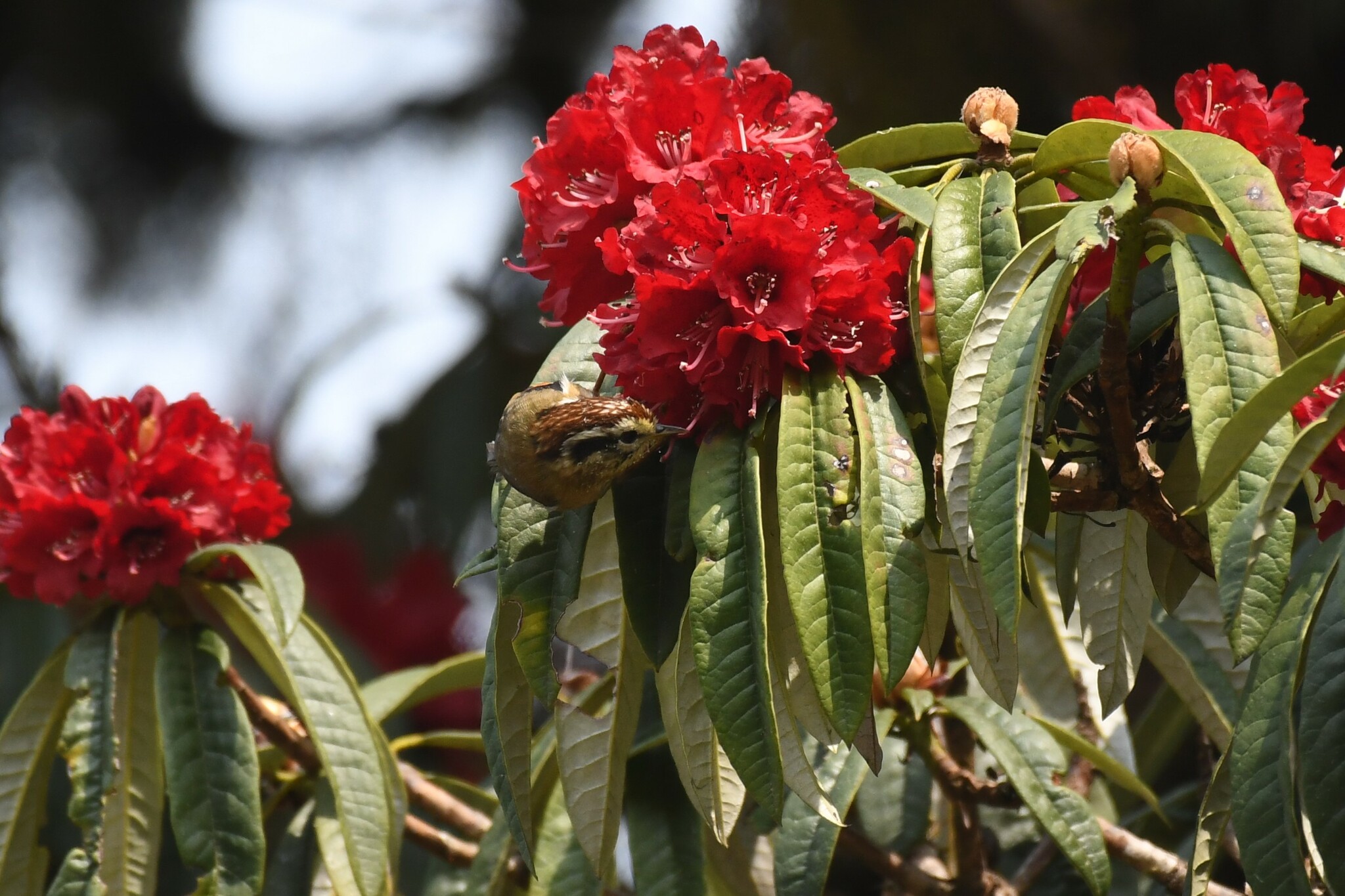
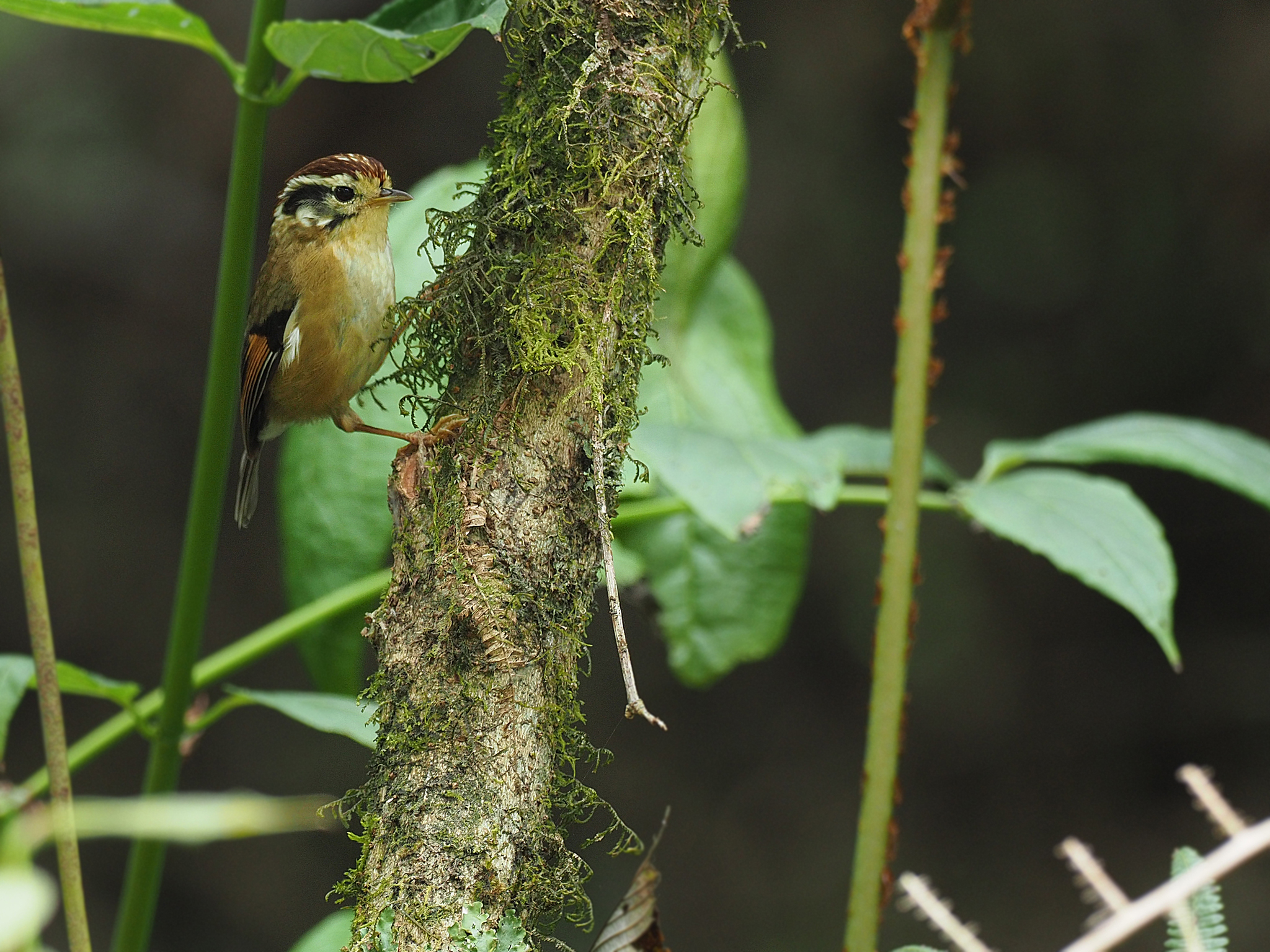
A bird species in the family Pellorneidae. The common name is misleading as it is not closely related to typical fulvettas (genus Fulvetta). The black-crowned fulvetta (S. klossi) was until recently classified as a subspecies of this species. Inhabits evergreen montane forests at elevations above 1200 meters ASL. Characterized by distinctive wing patterning with contrasting rufous primaries and black coverts. Feeds while clinging to vertical tree trunks. A vocal species producing a rich, warbled song.
Description
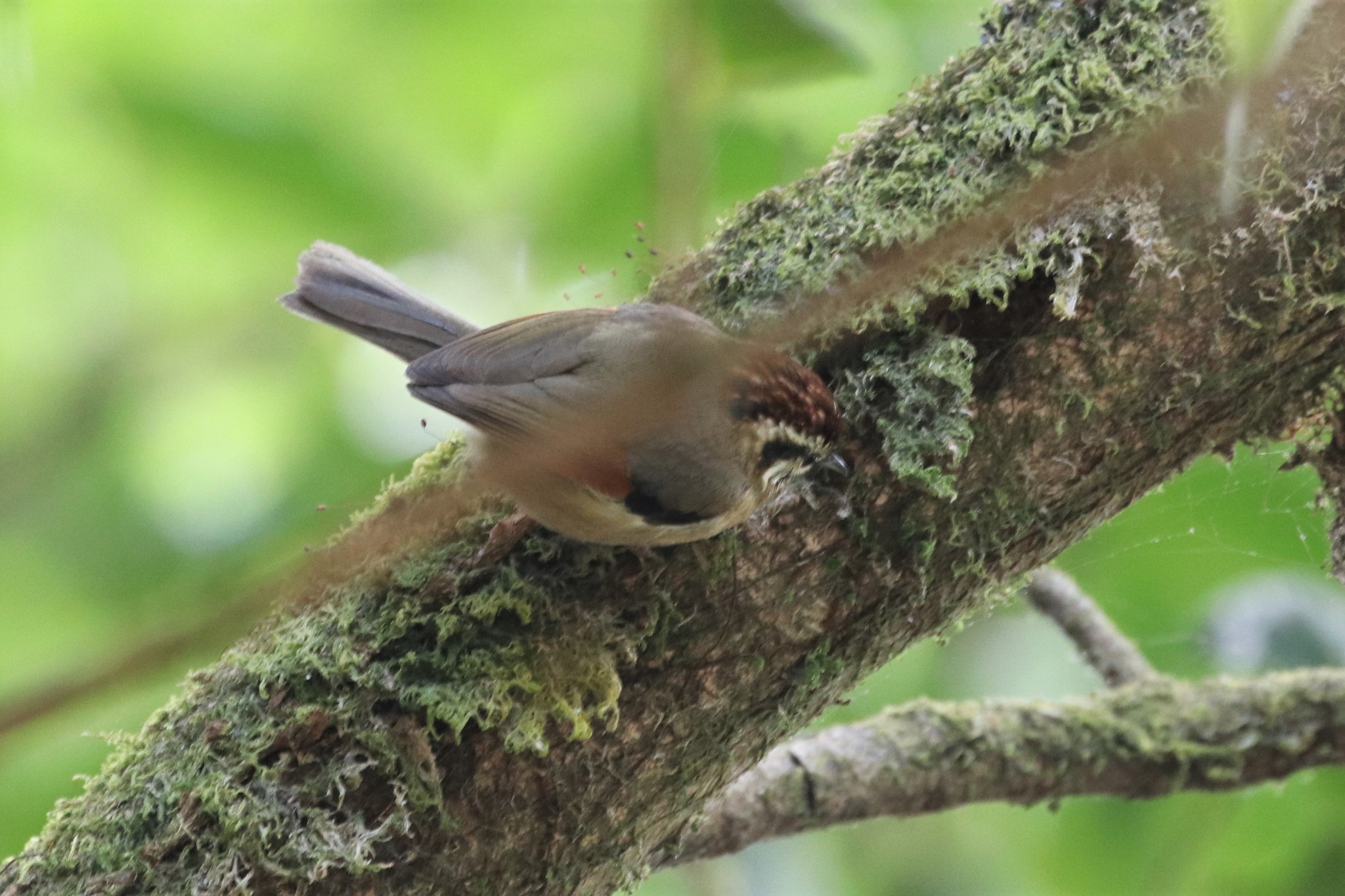
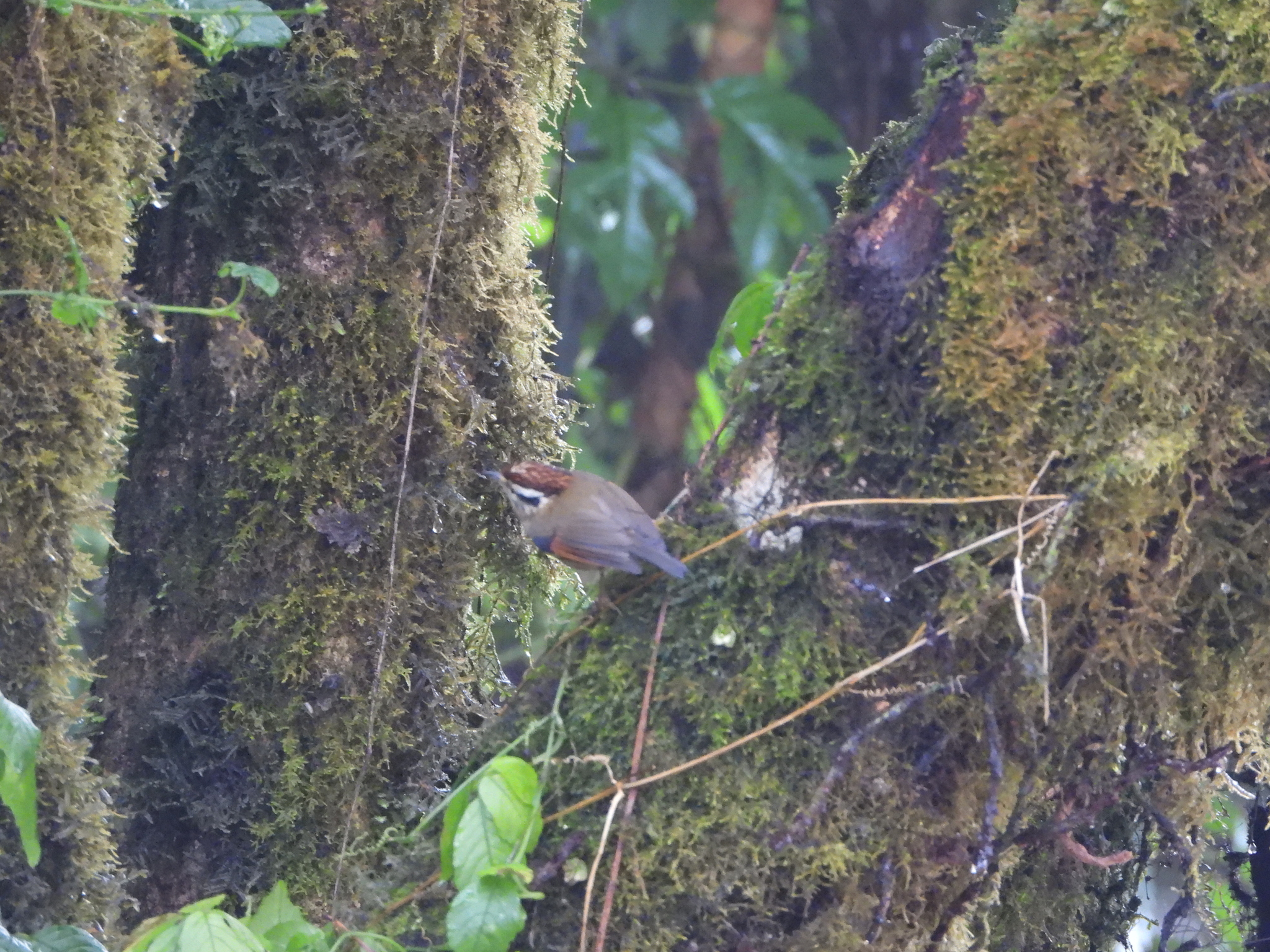
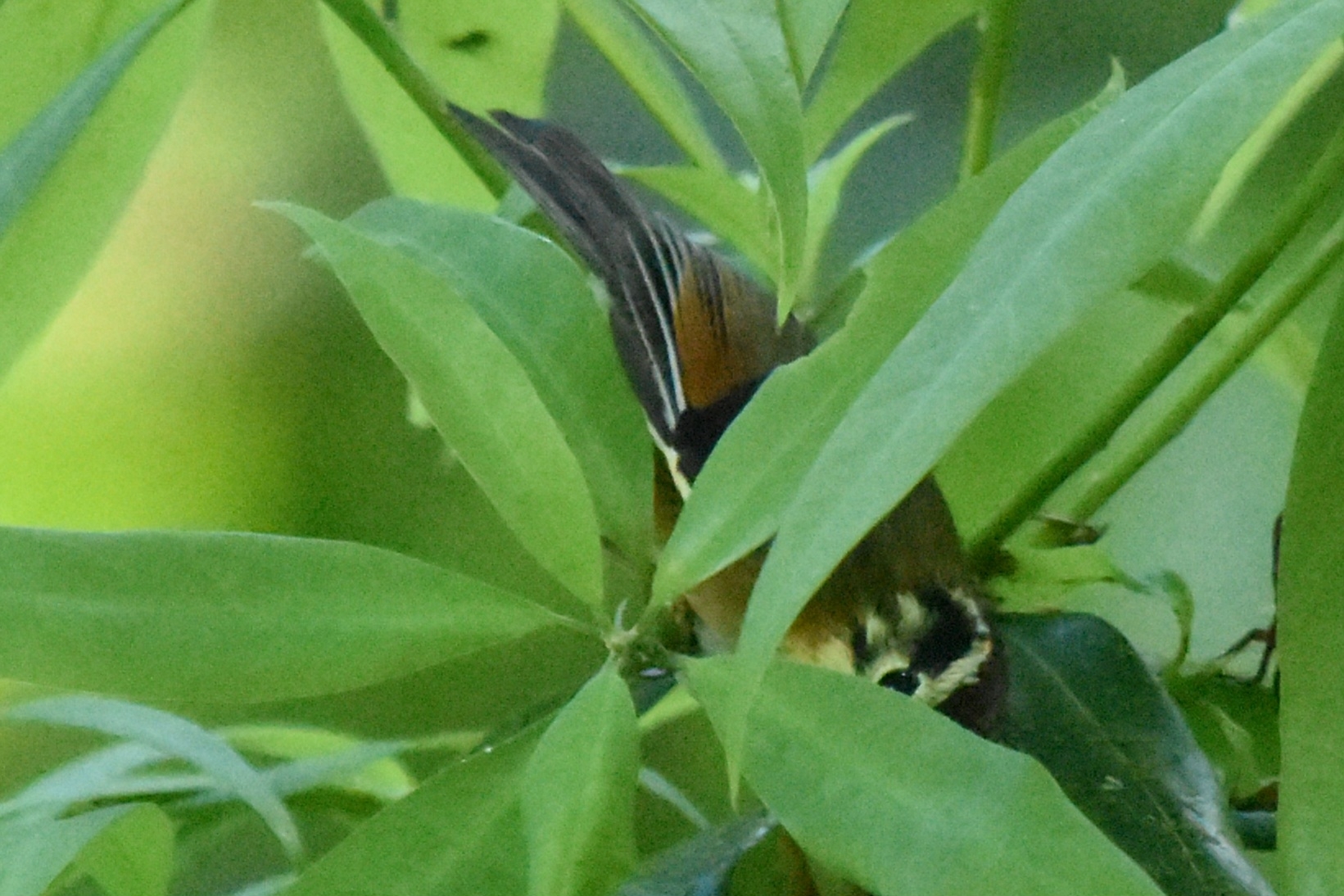
A small bird measuring 11 cm in length. The crown is chestnut with dark streaking, complemented by a prominent white supercilium. Upperparts are brown, while underparts appear pale. The wings display a striking contrast: bright rufous primary feathers against black coverts.
Identification
The combination of dark-streaked chestnut crown, white supercilium, and distinctive wing pattern with rufous primaries contrasting against black coverts distinguishes this species. The small size (11 cm) and vertical trunk-feeding behavior are also characteristic field marks.
Distribution & Habitat
Inhabits evergreen montane forests at elevations above 1200 meters above sea level. This habitat preference for high-elevation evergreen forest is a key aspect of its distribution.
Behavior & Ecology
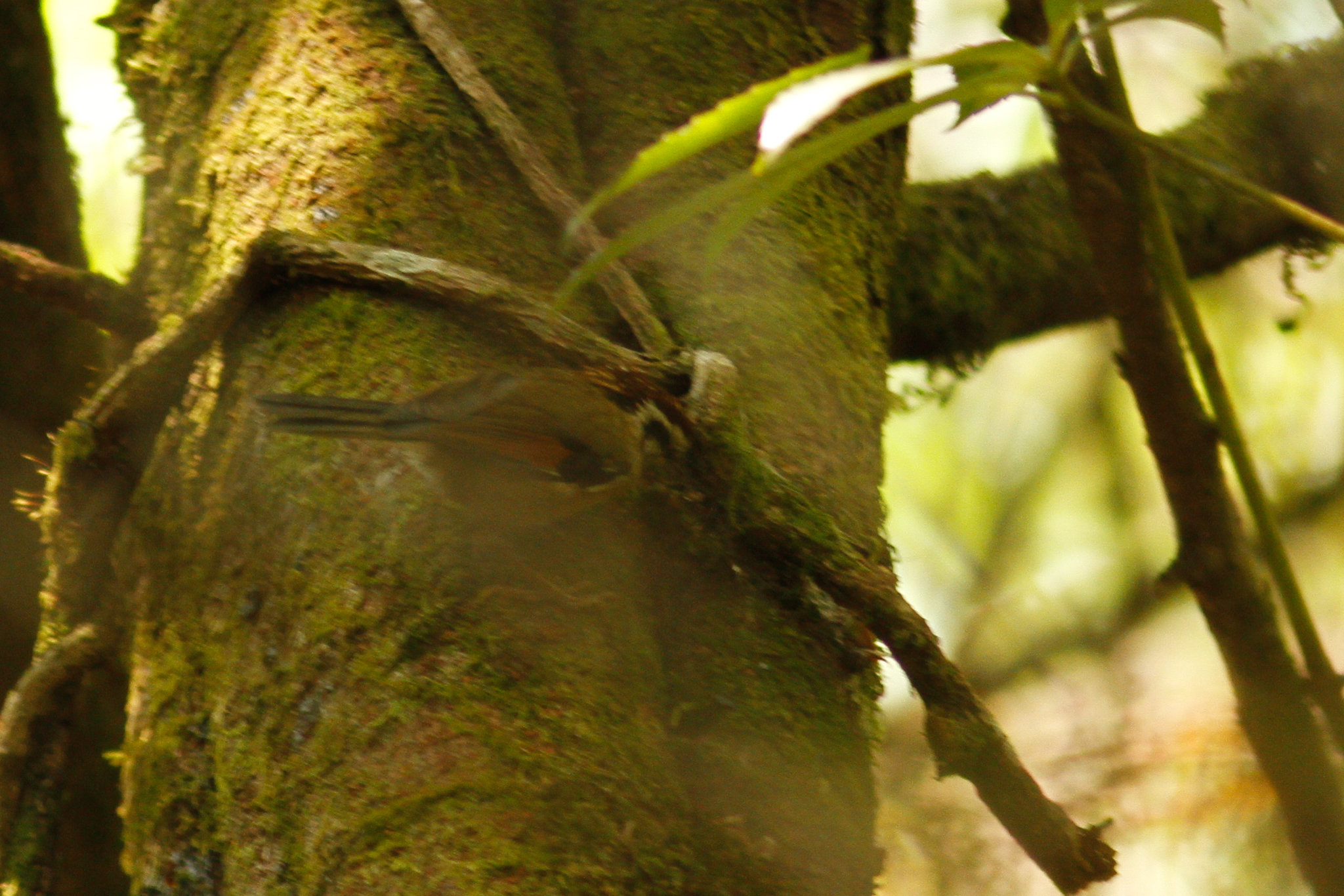
A noisy and active species. Feeds by clinging to and foraging along vertical tree trunks. Produces a rich, warbled song described as ti-du-di-du-di-du-di-du, as well as a wheezy tsi-tsi-tsi-tsi call.
Conservation
Not assessed in the provided text.
Culture
Not mentioned in the provided text.
Source: Wikipedia · CC BY-SA 3.0
Taxonomy
- Order
- Passeriformes
- Family
- Pellorneidae
- Genus
- Schoeniparus
- eBird Code
- ruwful1
Subspecies (4)
-
Schoeniparus castaneceps castaneceps
Nepal to Assam, Myanmar, southeastern Tibet, and northwestern Thailand
-
Schoeniparus castaneceps exul
southern China (southeastern Yunnan) to northern Thailand plateau, Laos, and northwestern Tonkin
-
Schoeniparus castaneceps soror
highlands of Malaya (northern Perak to southern Selangor and Pahang)
-
Schoeniparus castaneceps stepanyani
central Vietnam (Kon Tum Province and Gia Lai Province)
Data Sources
Species description from Wikipedia, licensed under CC BY-SA 3.0.
Bird images and sounds sourced from GBIF, contributed by citizen scientists worldwide under Creative Commons licenses.
Taxonomy data from AviList 2025.