
Passeriformes / Muscicapidae / Saxicola
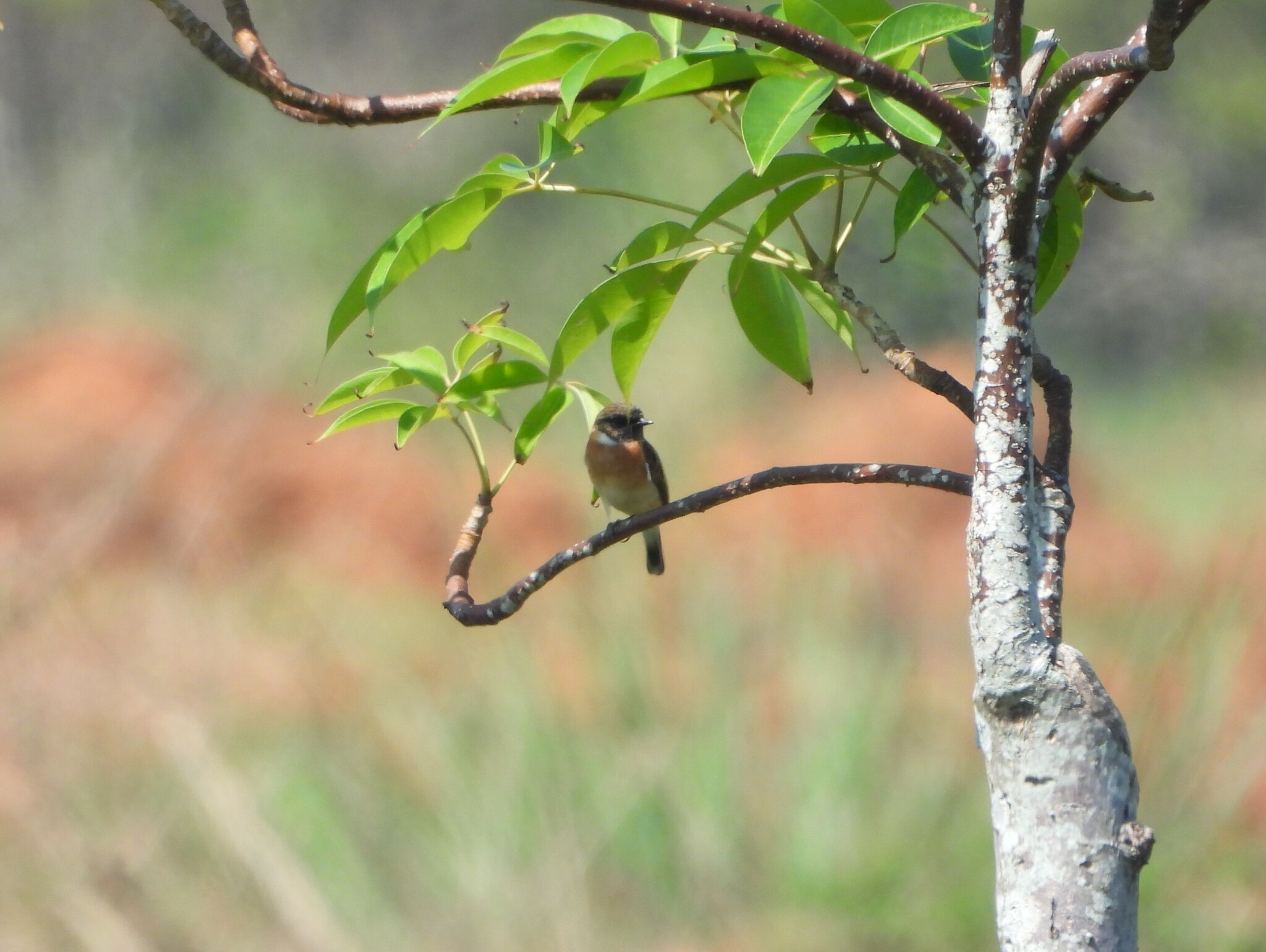
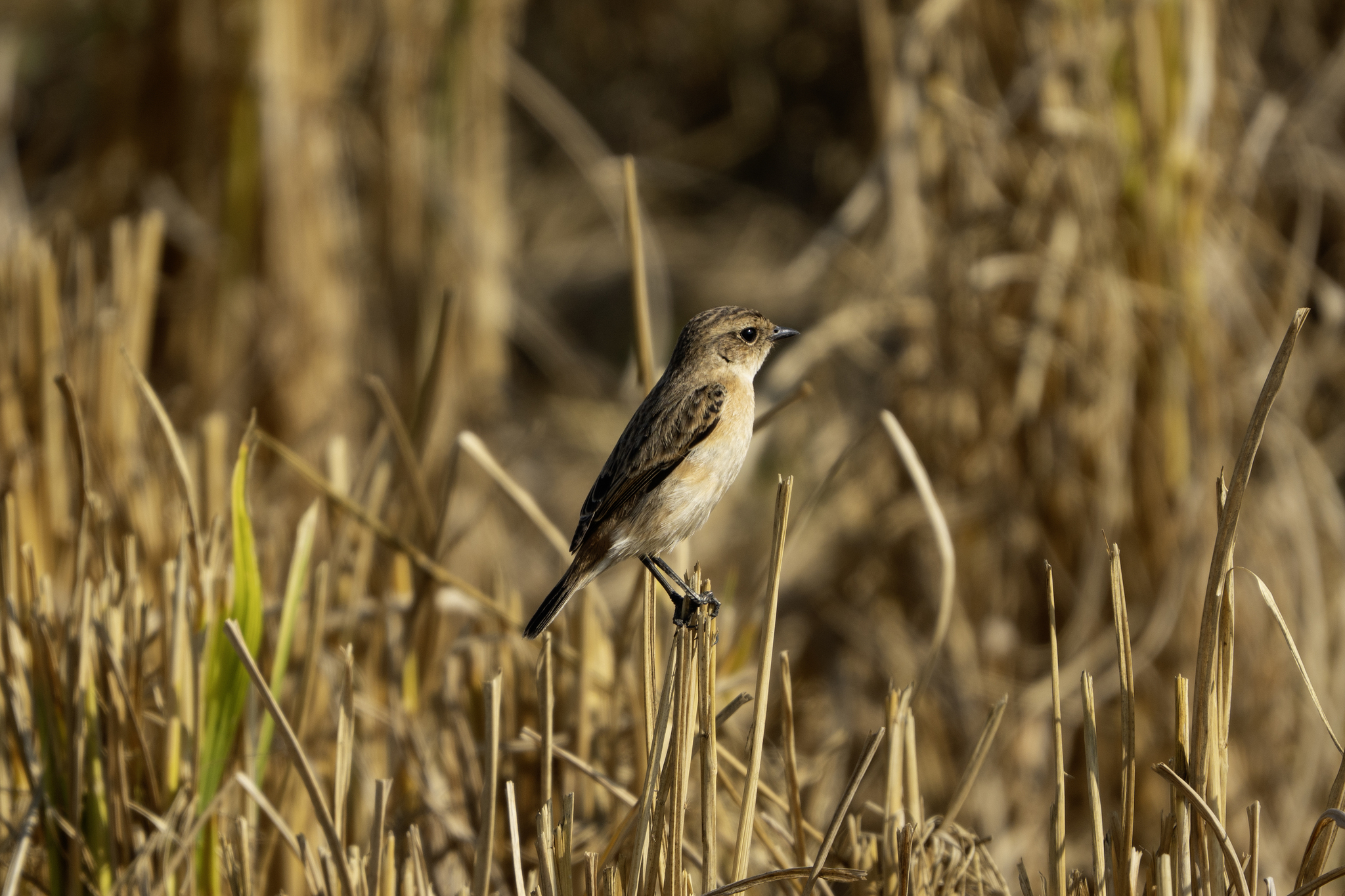
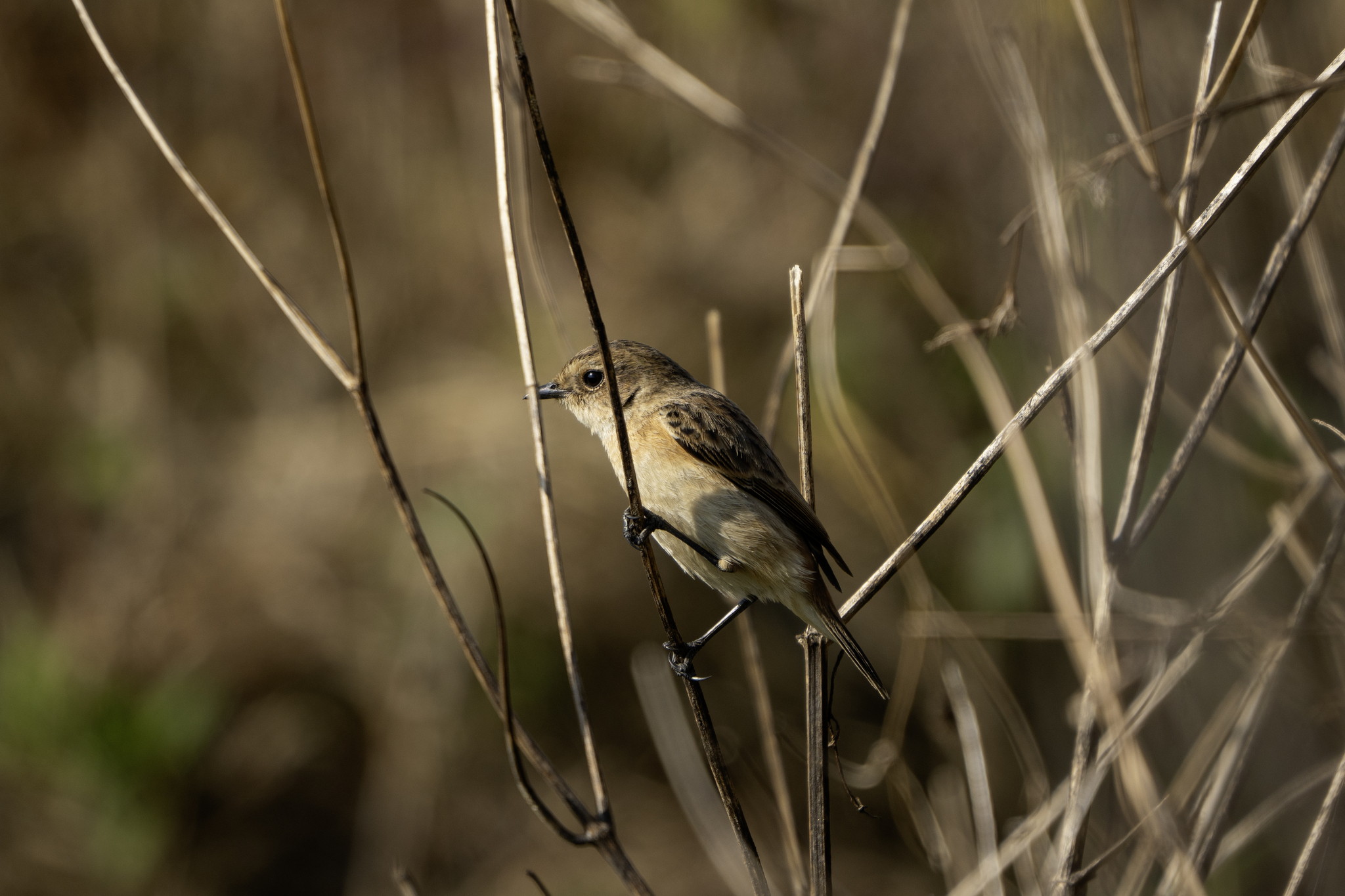
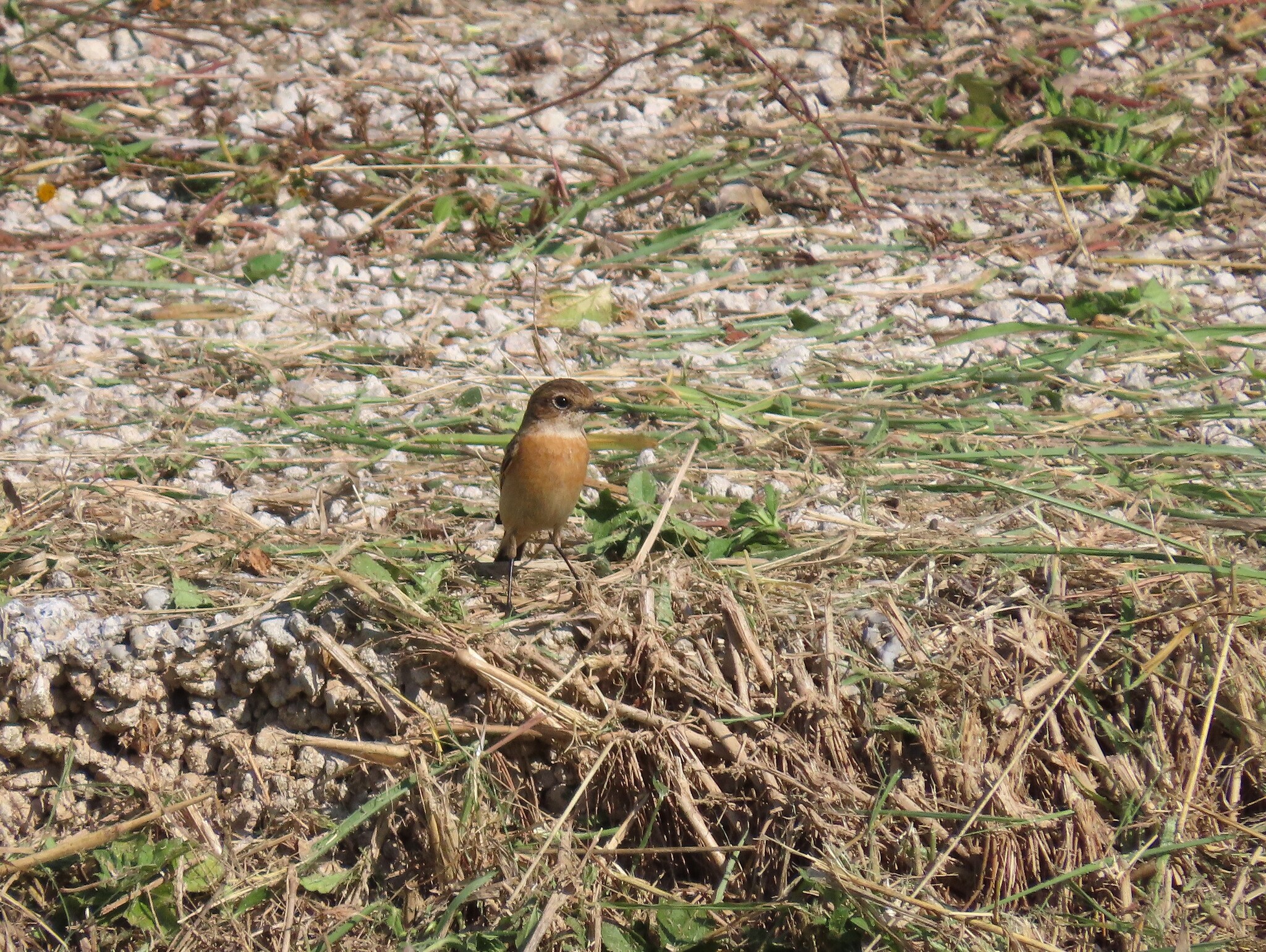
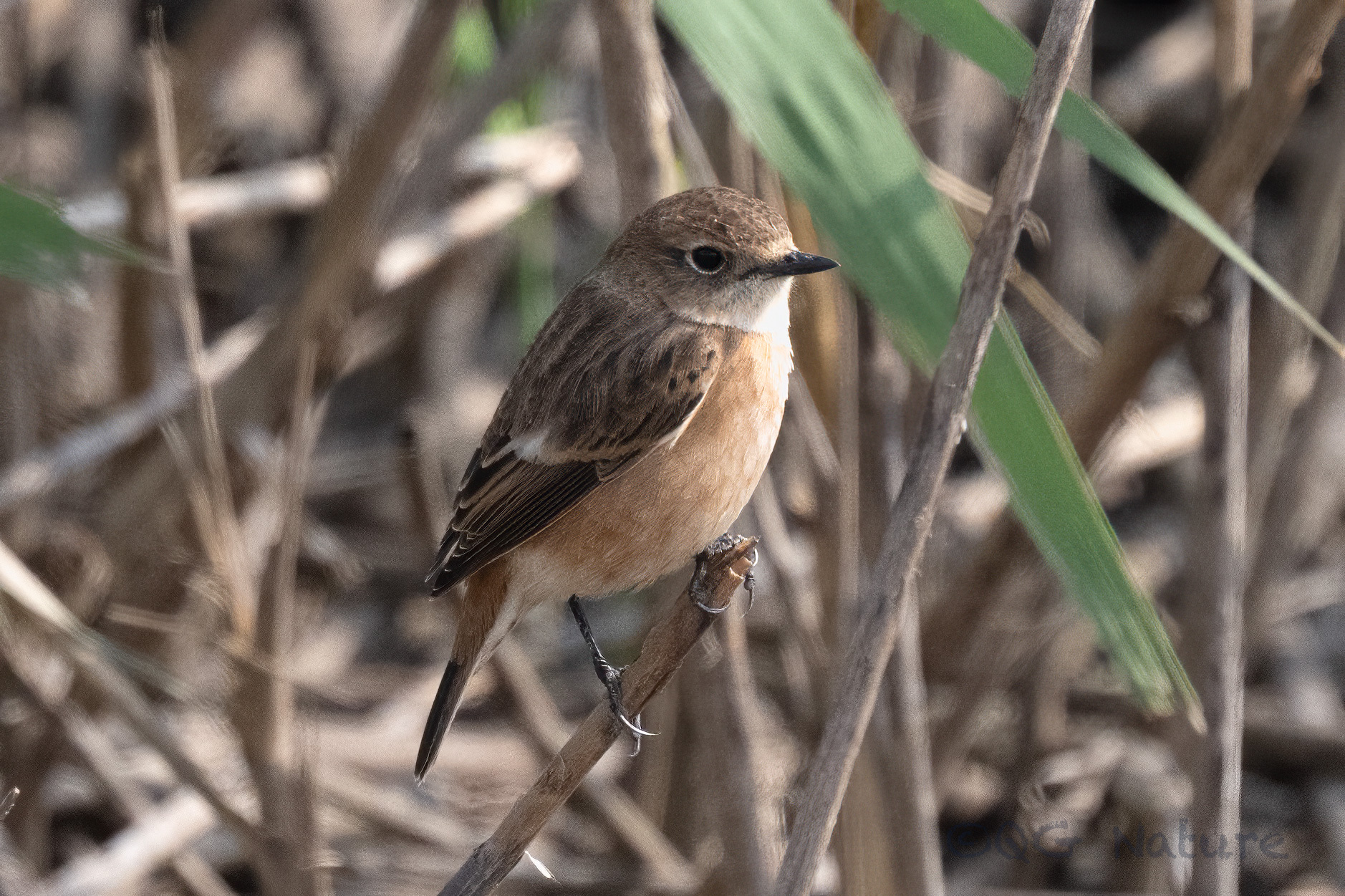
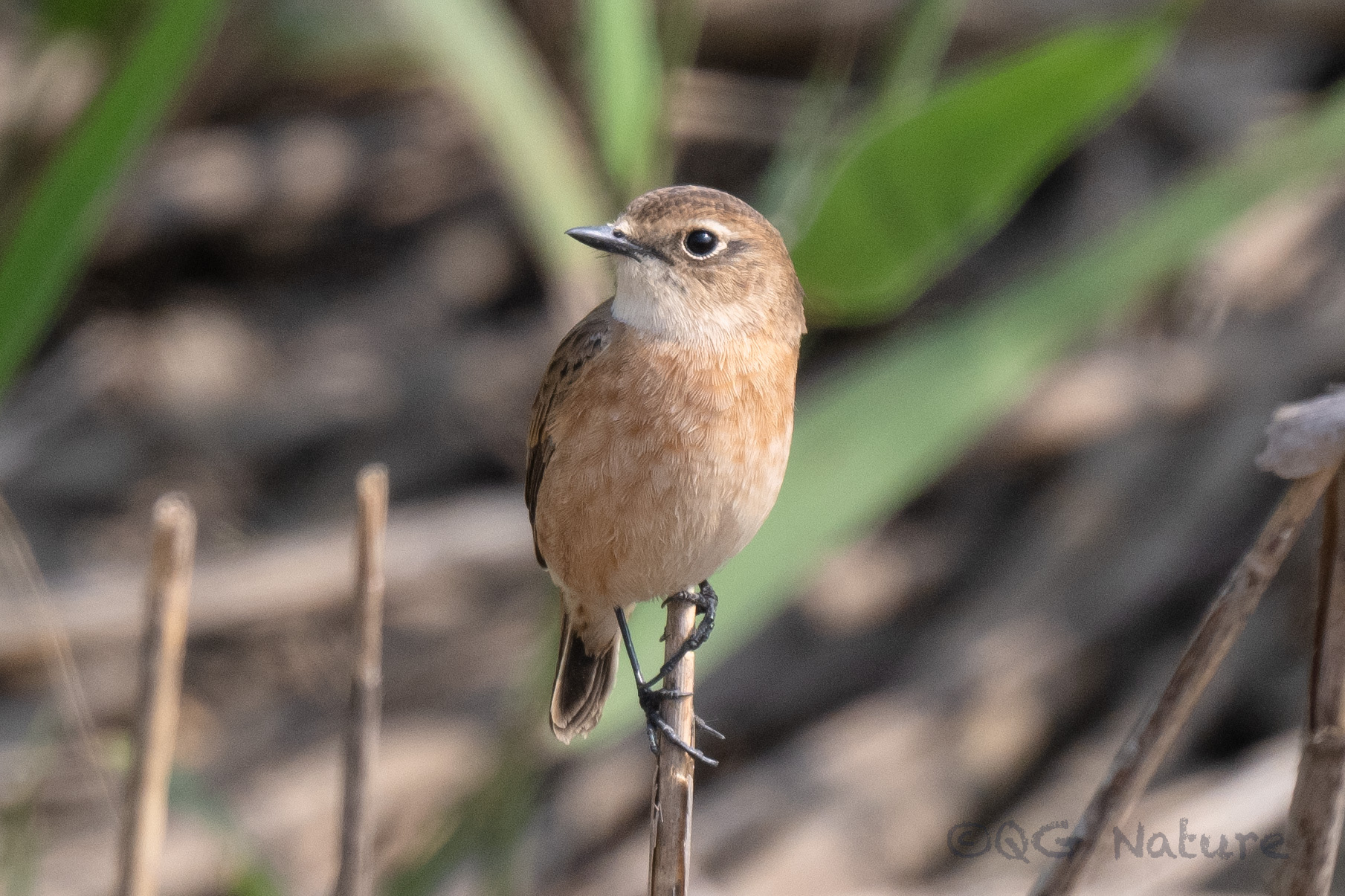
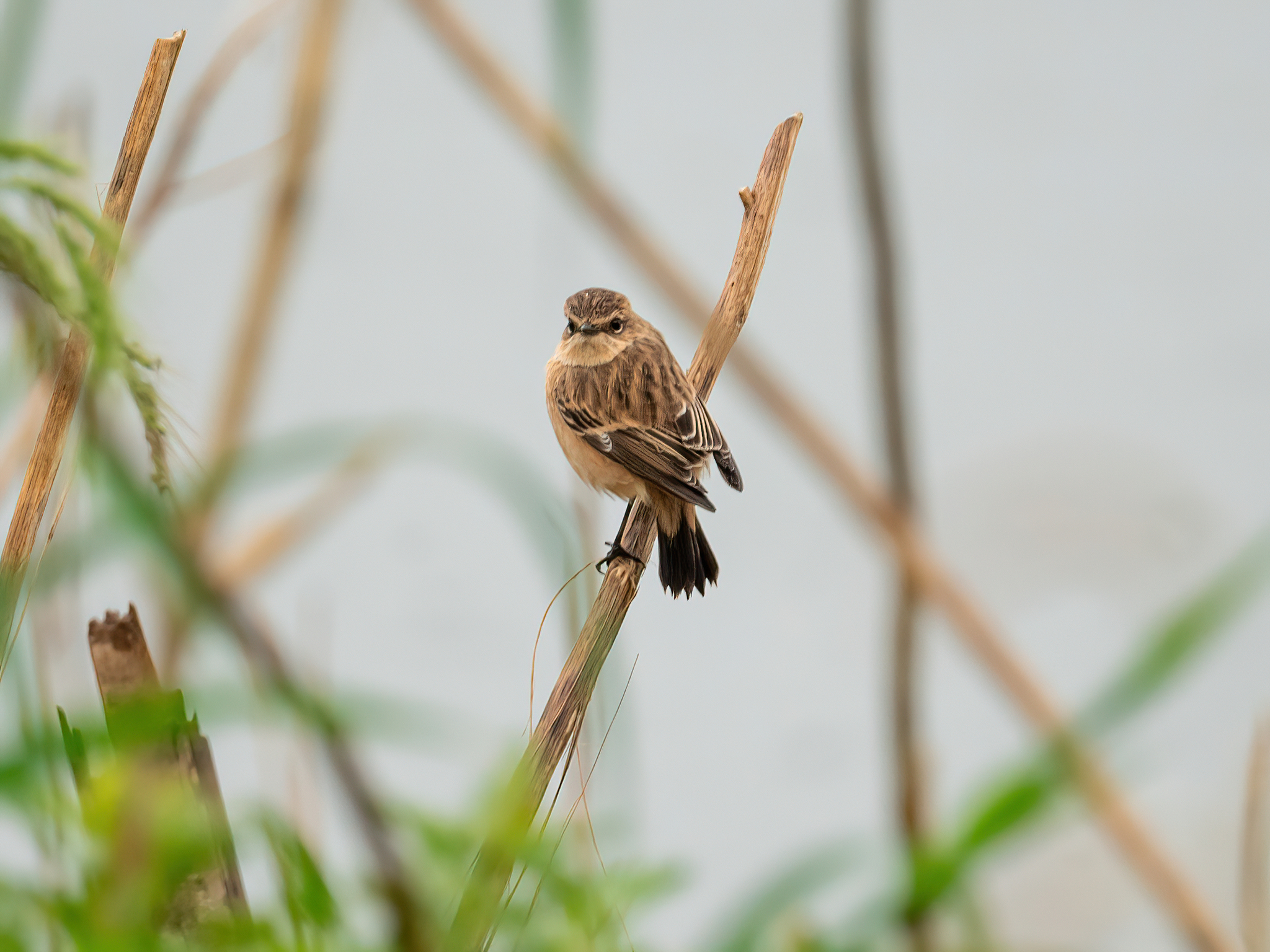
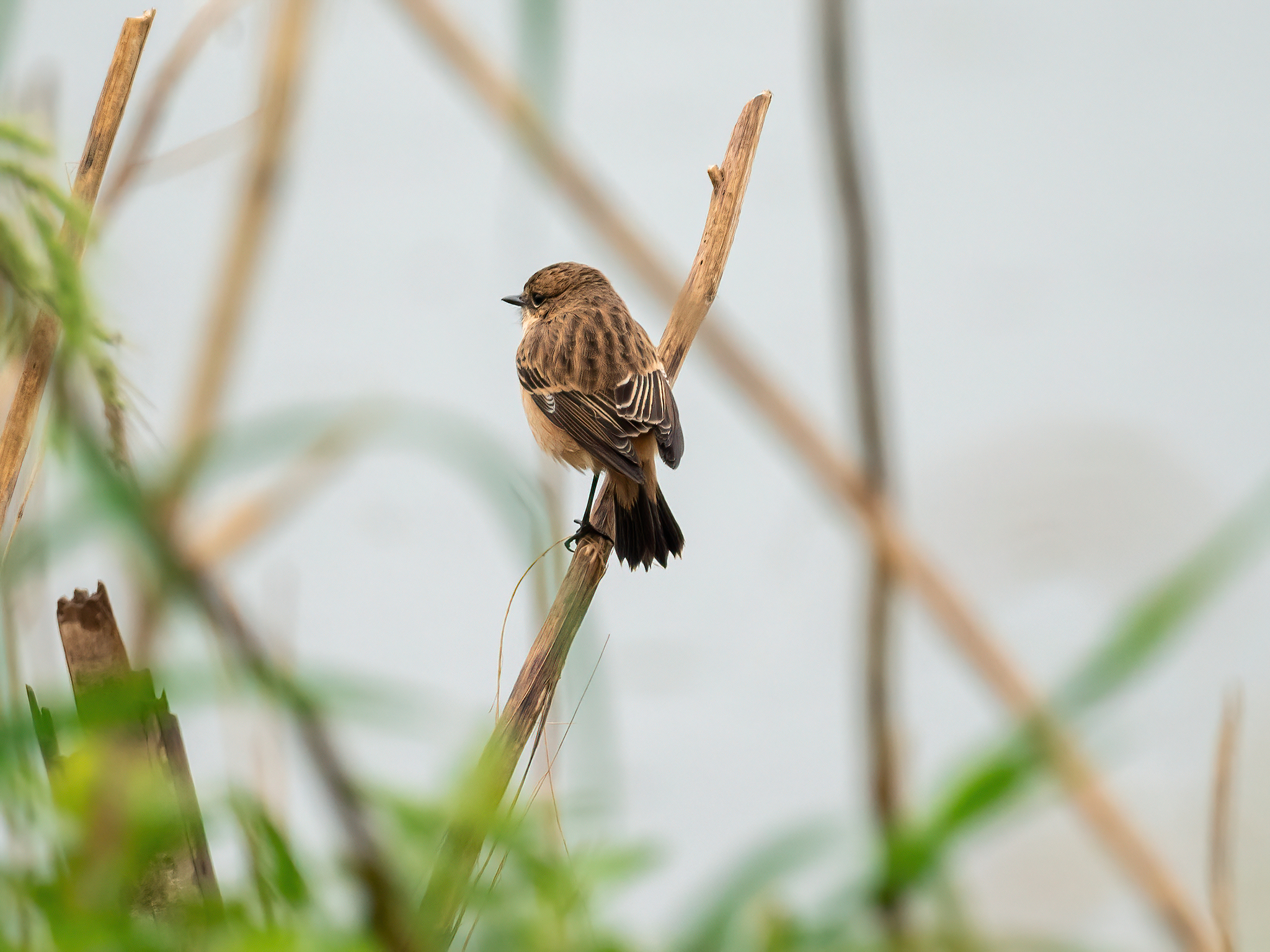
Siberian Stonechat
Saxicola maurus · 黑喉石䳭
Introduction
A species of the Old World flycatcher family (Muscicapidae), formerly placed in Turdidae. It breeds in the East Palearctic, including easternmost Europe, and winters in the Old World tropics. The bird is widespread and common.
Description
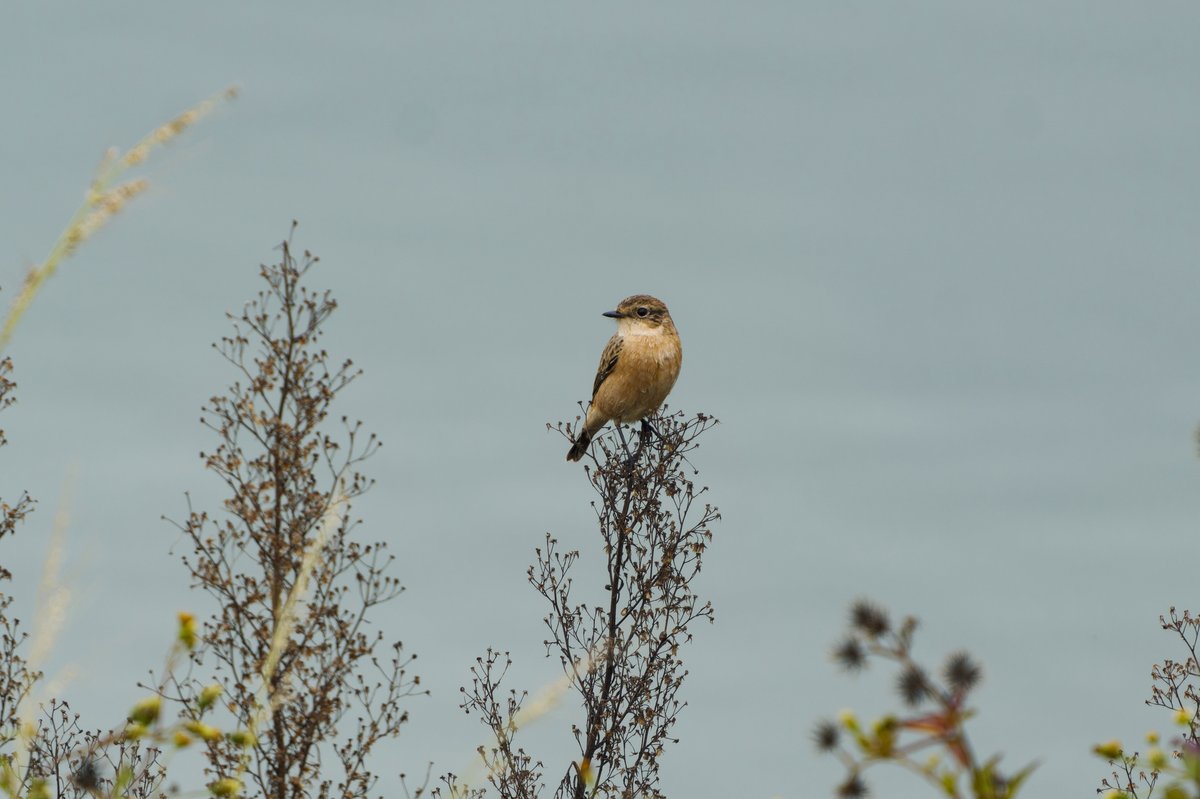
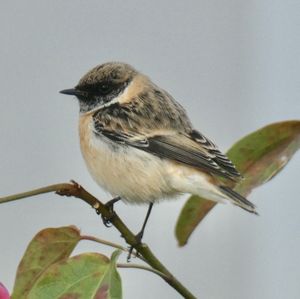
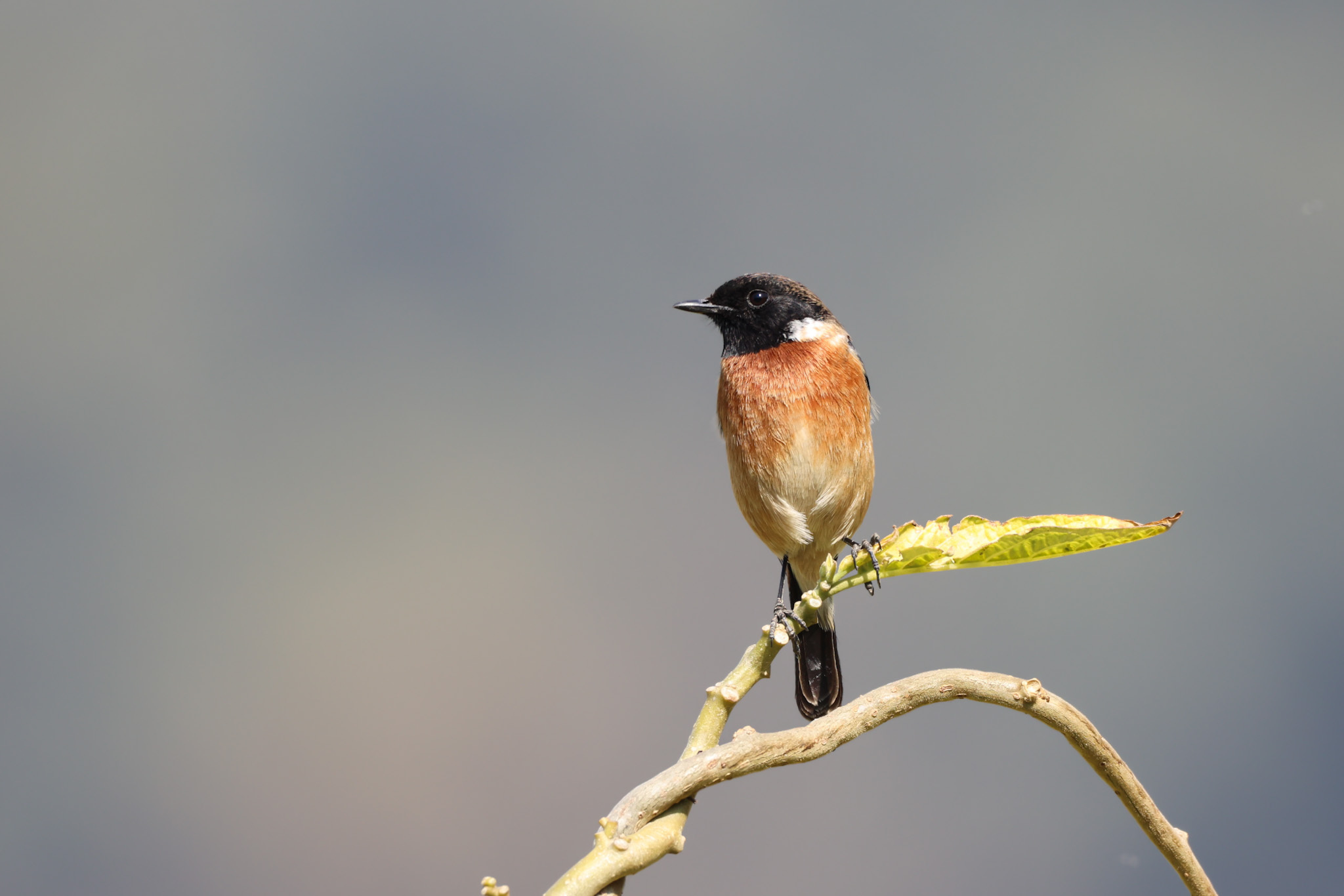
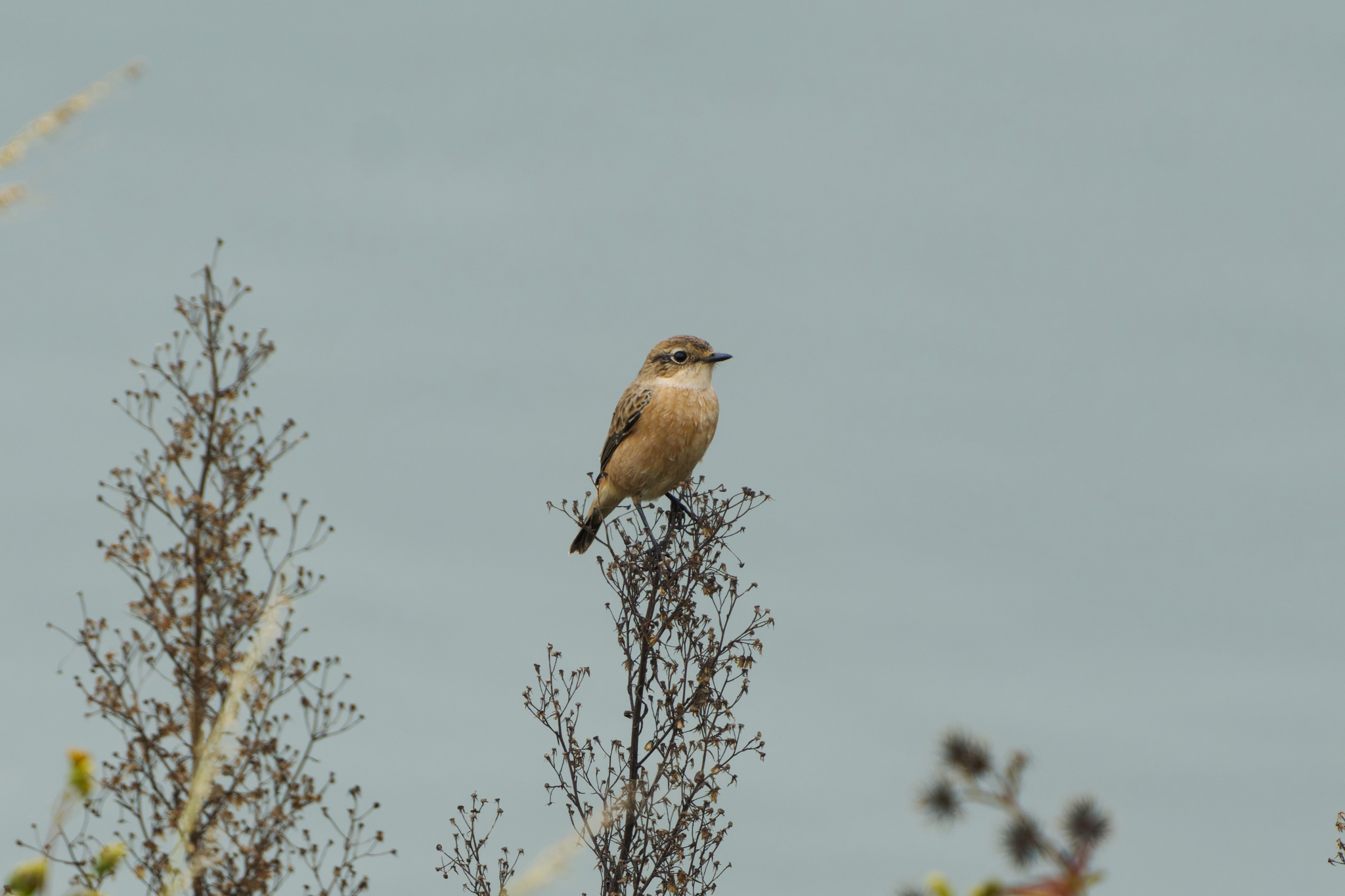
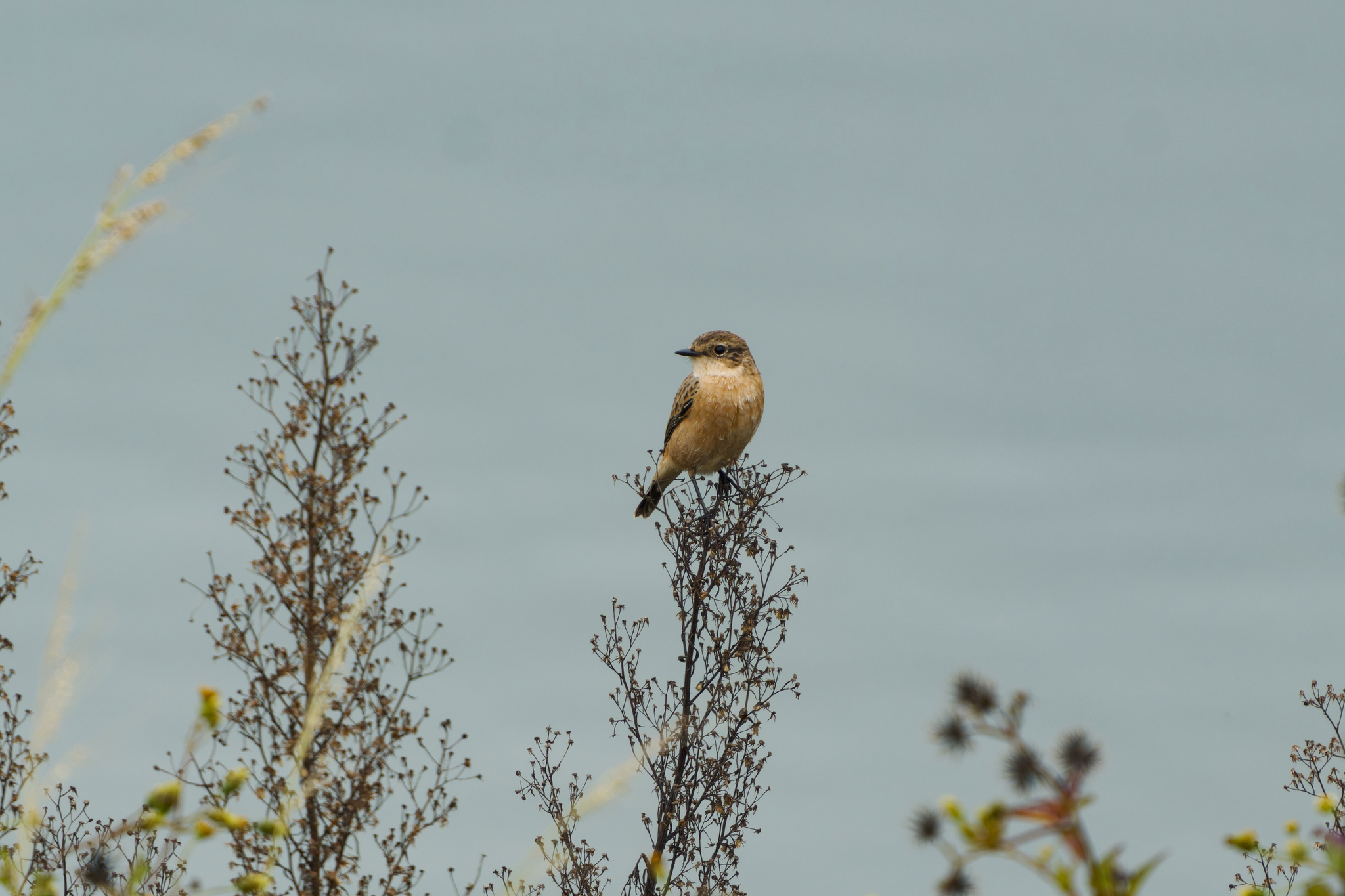
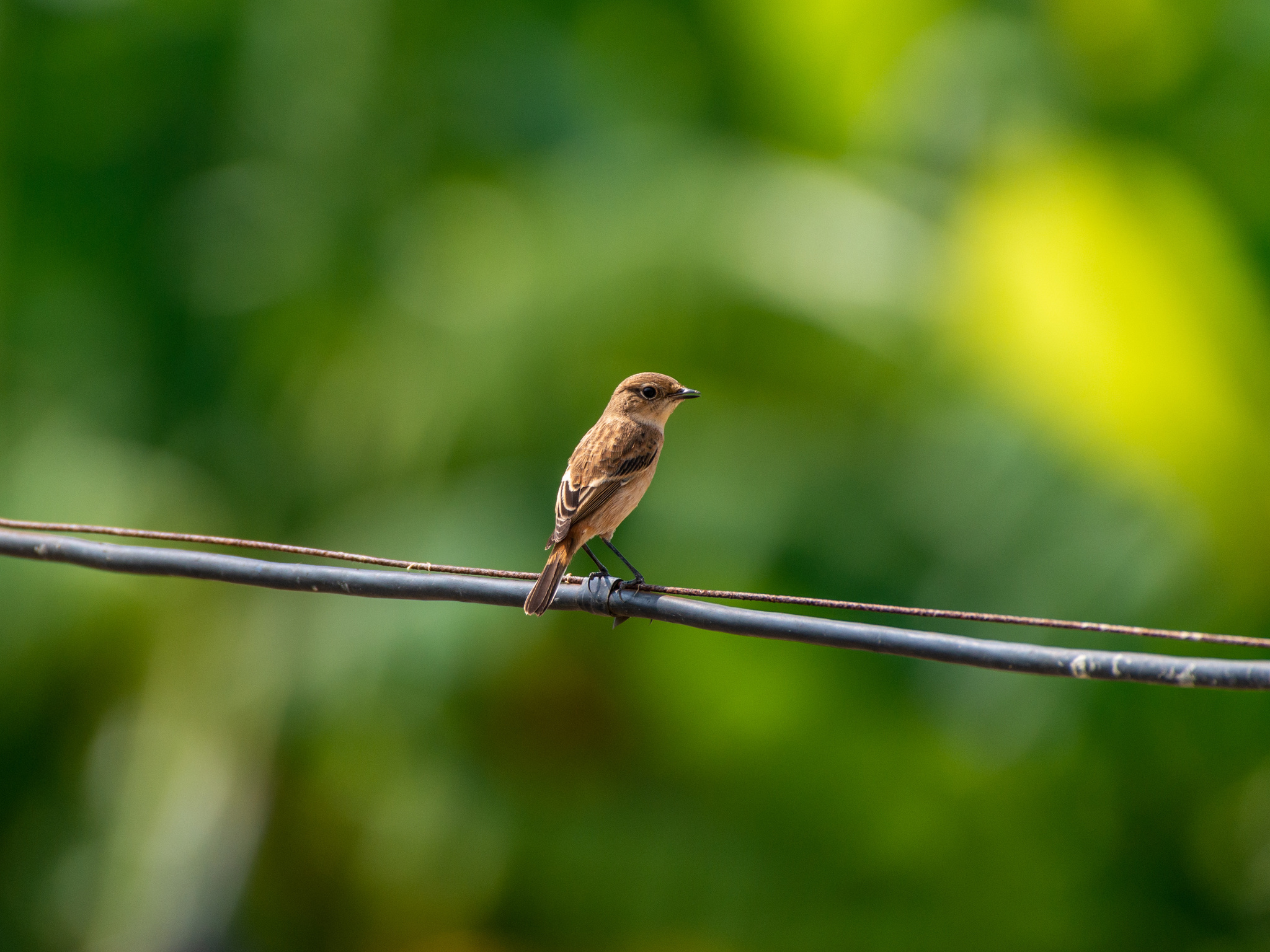
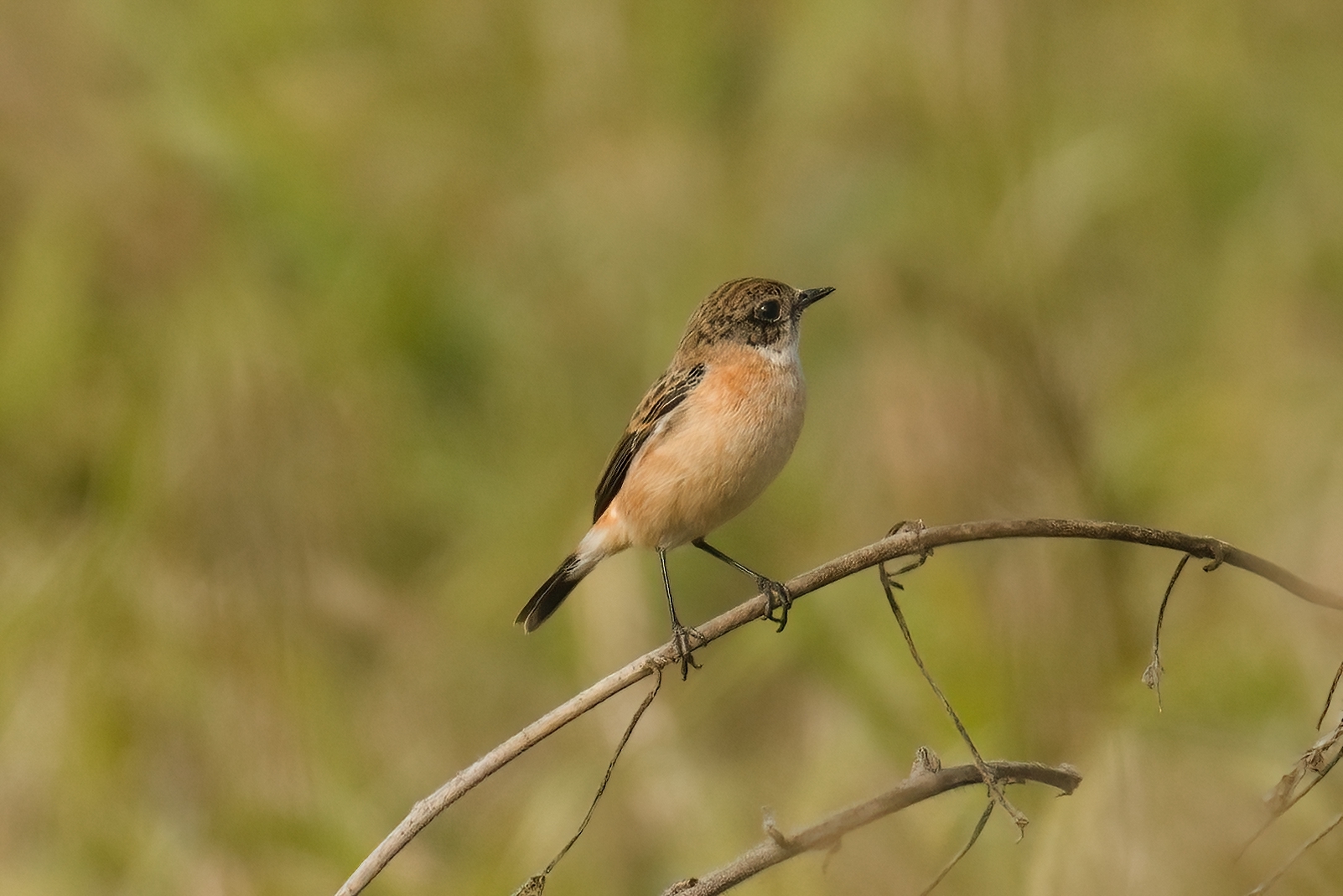
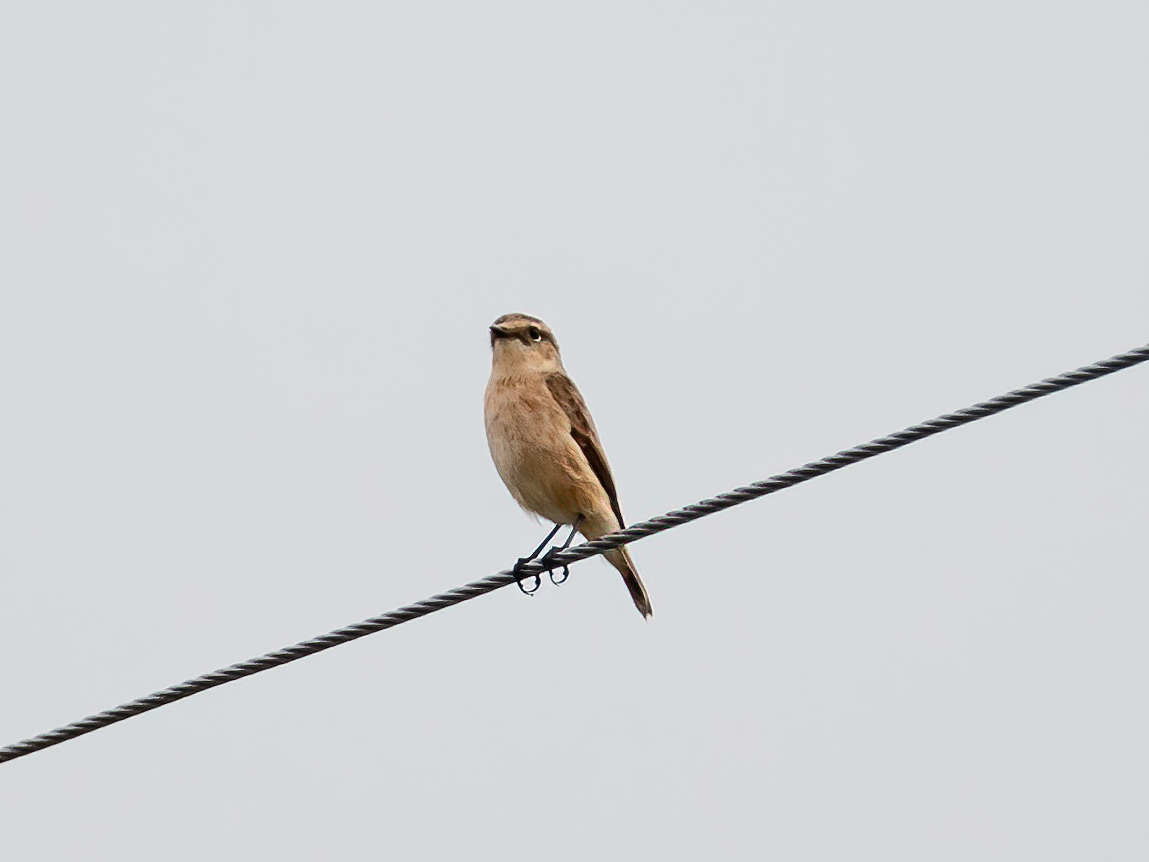
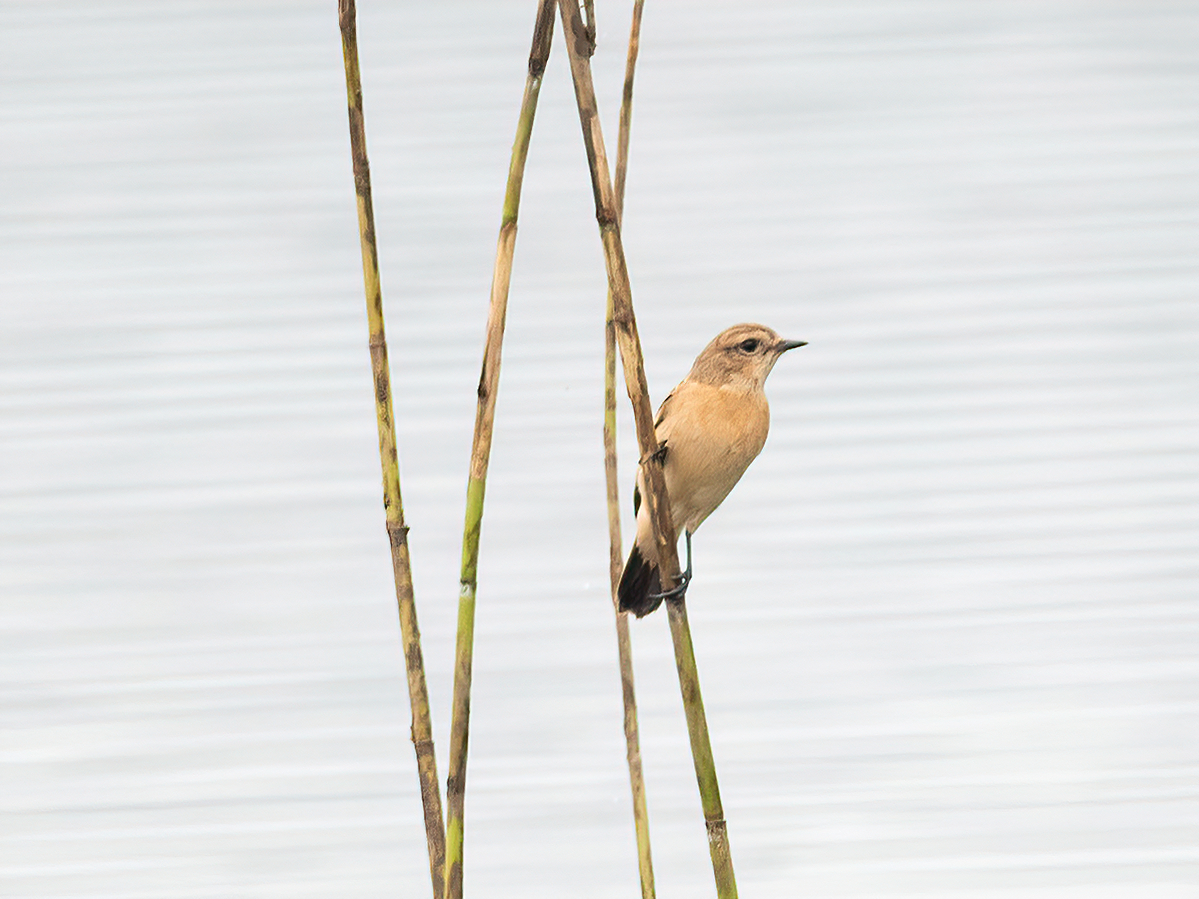
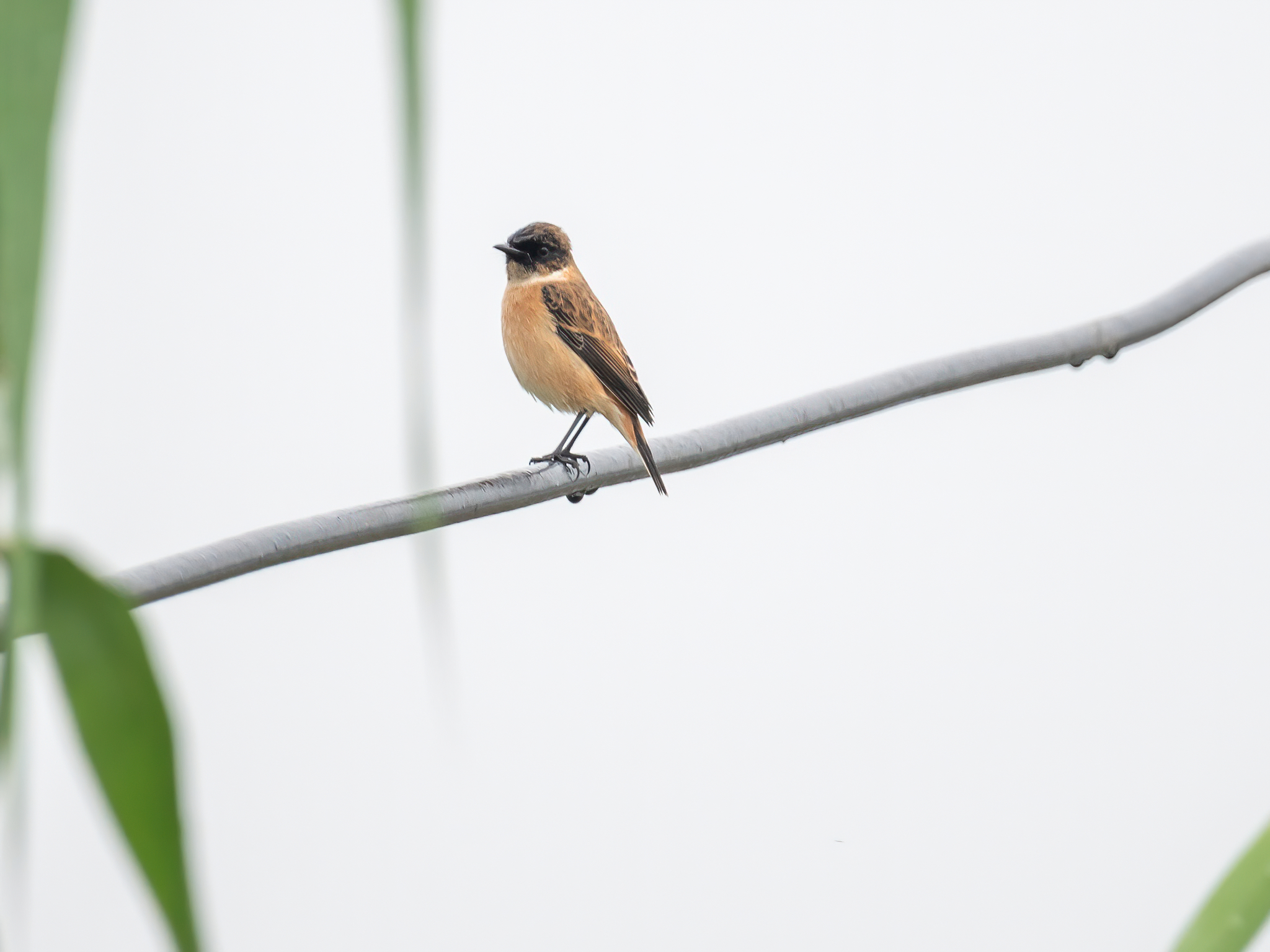
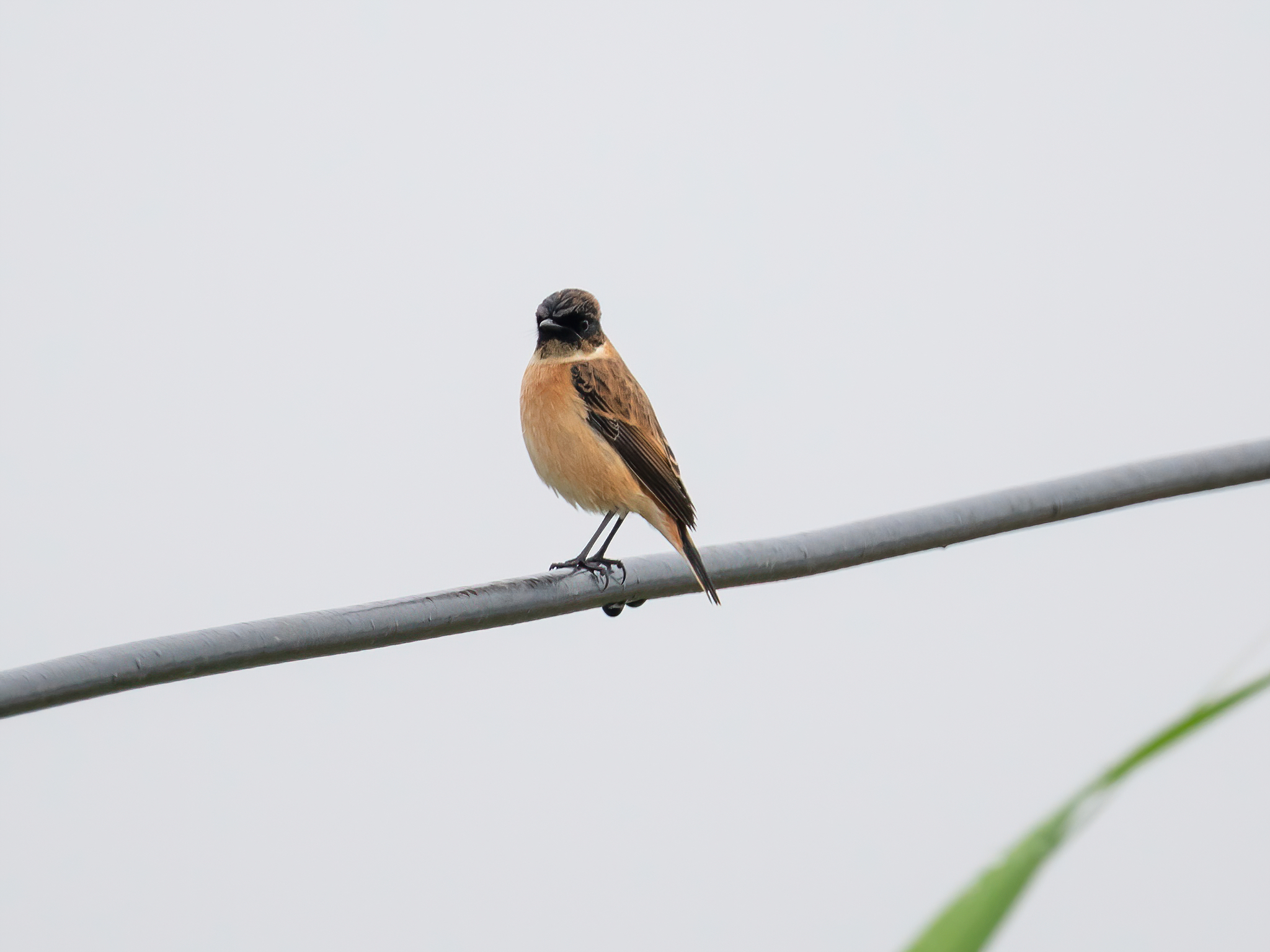
Typically darker above and paler below than the European stonechat, with a white rump and whiter underparts featuring less orange on the breast. Breeding males have black upperparts and head, lacking brownish tones, with a conspicuous white collar, scapular patch, and rump, and a restricted area of orange on the throat. Females have pale brown upperparts and head, white neck patches (not a full collar), and a pale, unstreaked pinkish-yellow rump. Winter males are intermediate, showing a supercilium resembling the whinchat but distinguished by a full white collar. Primary remiges are distinctly longer than in the European stonechat.
Identification
Distinguished from the European stonechat by darker upperparts, paler underparts, and longer primary remiges. Winter males and females are separated from the whinchat by the presence of a full white collar. Males produce a clicking call like two pebbles knocked together; the song is high and twittering, similar to the dunnock.
Distribution & Habitat
Breeds across temperate Asia from latitude 71°N in Siberia south to the Himalaya and southwest China, west to eastern Turkey and the Caspian Sea area, and in far northeast Europe (mainly Russia, occasionally Finland). Six subspecies are recognized with ranges including the steppes of the lower Volga, mountains of eastern Turkey to Iran, eastern Russia to central Asia, the Himalayas, western China, and eastern Siberia to Japan and Korea. Migratory; winters from southern Japan south to Thailand and India, and west to northeast Africa. Small numbers reach western Europe and exceptionally Alaska during migration.
Behavior & Ecology
Insectivorous. Breeds in open rough scrubland or rough grassland with scattered shrubs, from sea level to about 4,000 m ASL. Avoids cool temperate conditions, remaining in northern latitudes only during hot continental summers. In Himalayan foothills, migrants forage in fields and pastures above 2,000 m ASL before moving south to tropical regions for winter.
Source: Wikipedia · CC BY-SA 3.0
Taxonomy
- Order
- Passeriformes
- Family
- Muscicapidae
- Genus
- Saxicola
Taxonomy Changes
Saxicola stejnegeri → Saxicola maurus
Subspecies lump — GBIF Backbone Taxonomy uses the former name; AviList 2025 uses the current name.
Vocalizations
Subspecies (6)
-
Saxicola maurus hemprichii
steppes of lower Volga and mouth of Ural River to eastern Caucasus
Data Sources
Species description from Wikipedia, licensed under CC BY-SA 3.0.
Bird images and sounds sourced from GBIF, contributed by citizen scientists worldwide under Creative Commons licenses.
Taxonomy data from AviList 2025.