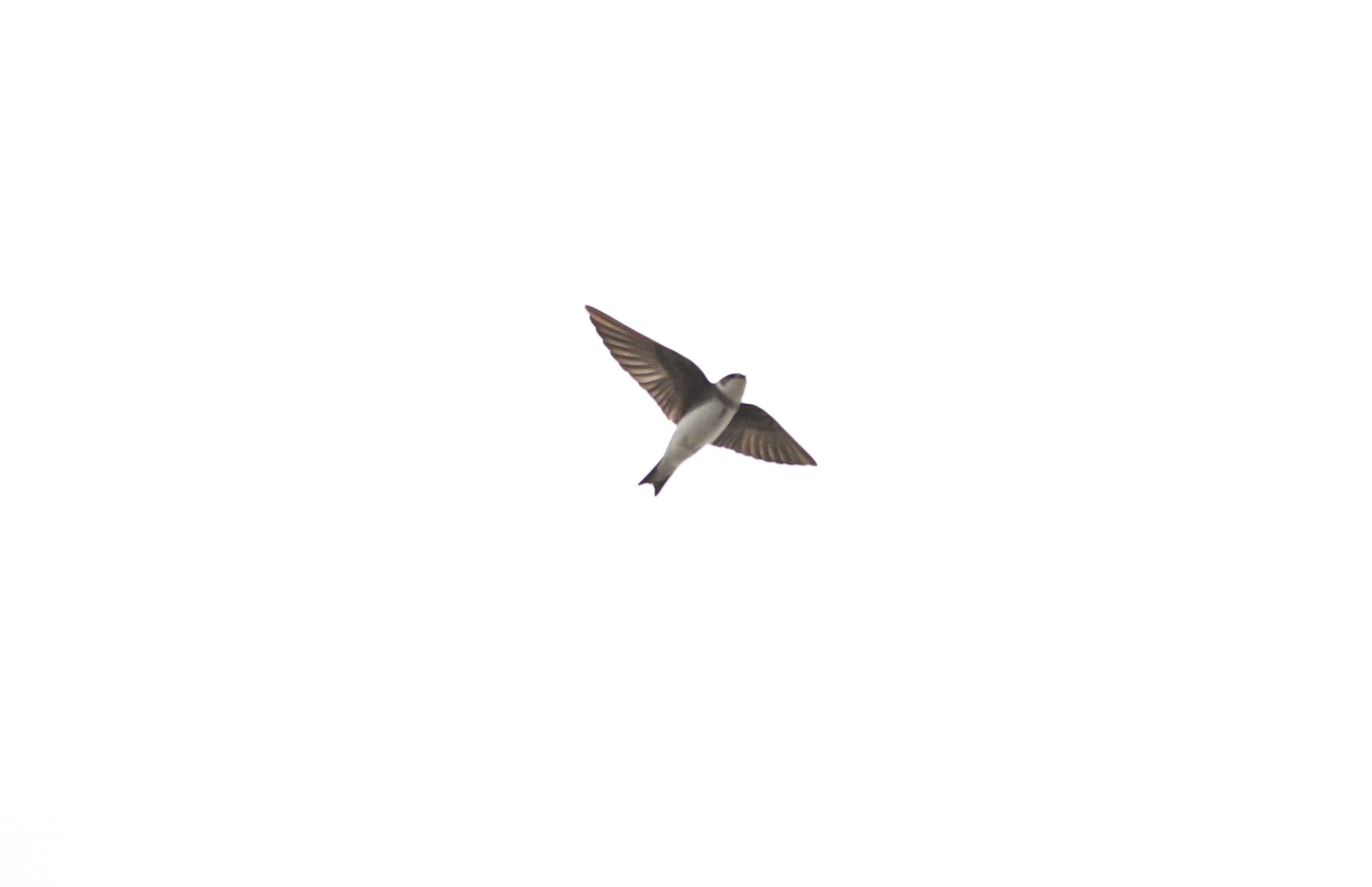

Passeriformes / Hirundinidae / Riparia
Sand Martin
Riparia riparia · 崖沙燕
Introduction
Migratory passerine in the swallow family Hirundinidae. Breeds across the Holarctic, including Europe, Asia, and North America. Winters in eastern and southern Africa, southern Asia, and South America. Inhabits areas near large bodies of water such as rivers, lakes, or oceans. Nests colonially in burrows dug into sand or gravel banks. Classified as Least Concern by the IUCN, though noted to be decreasing.
Description
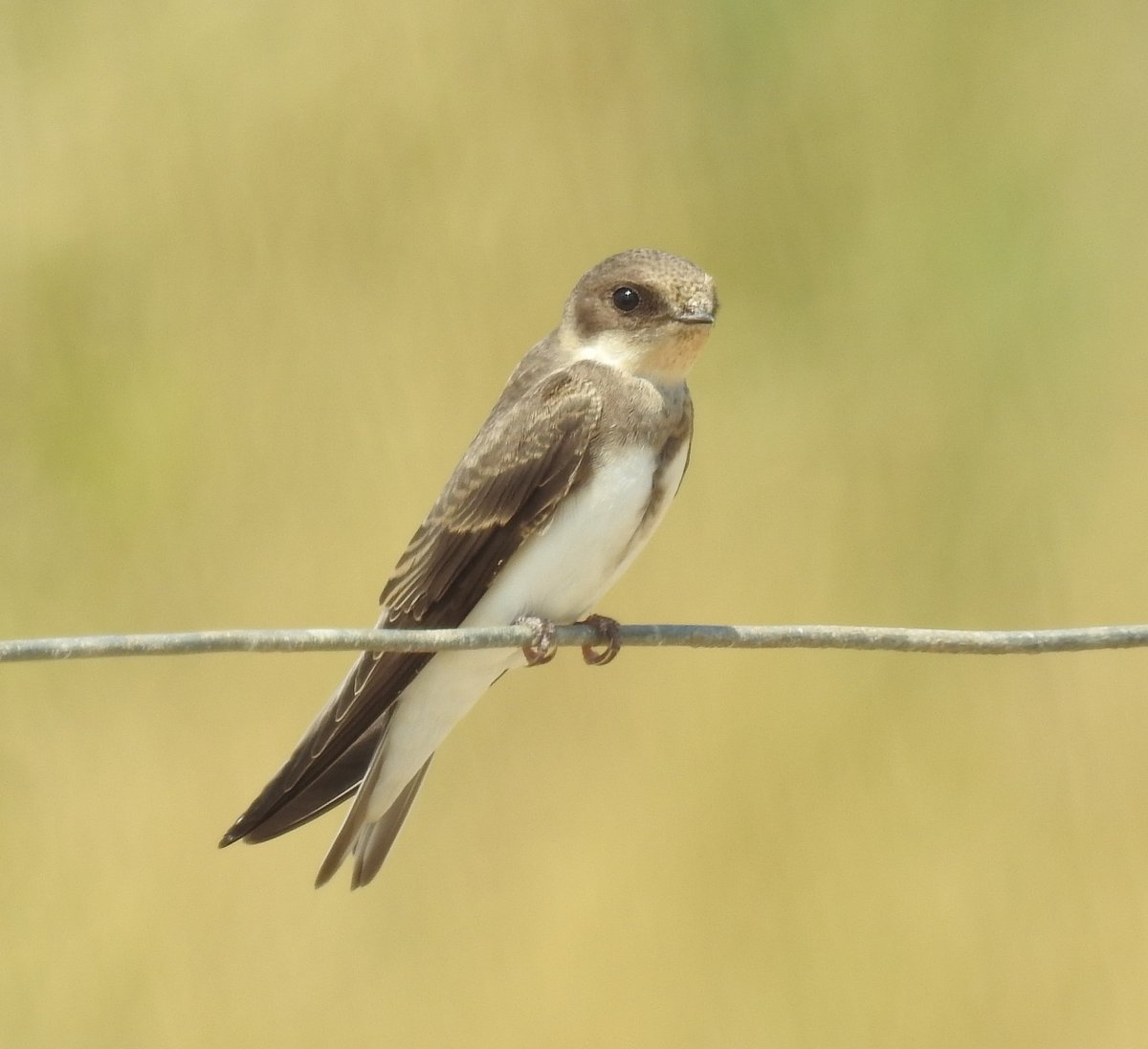
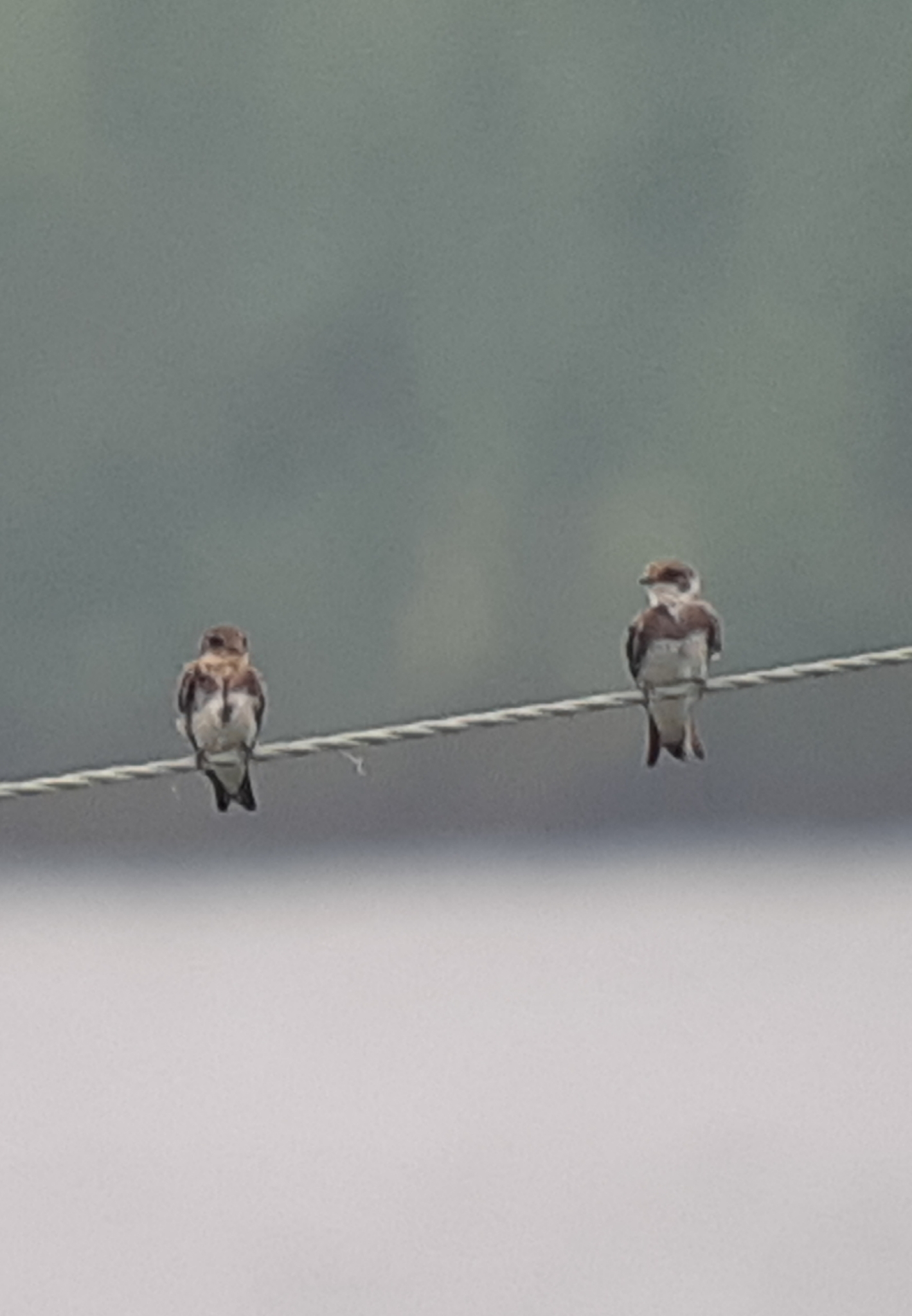
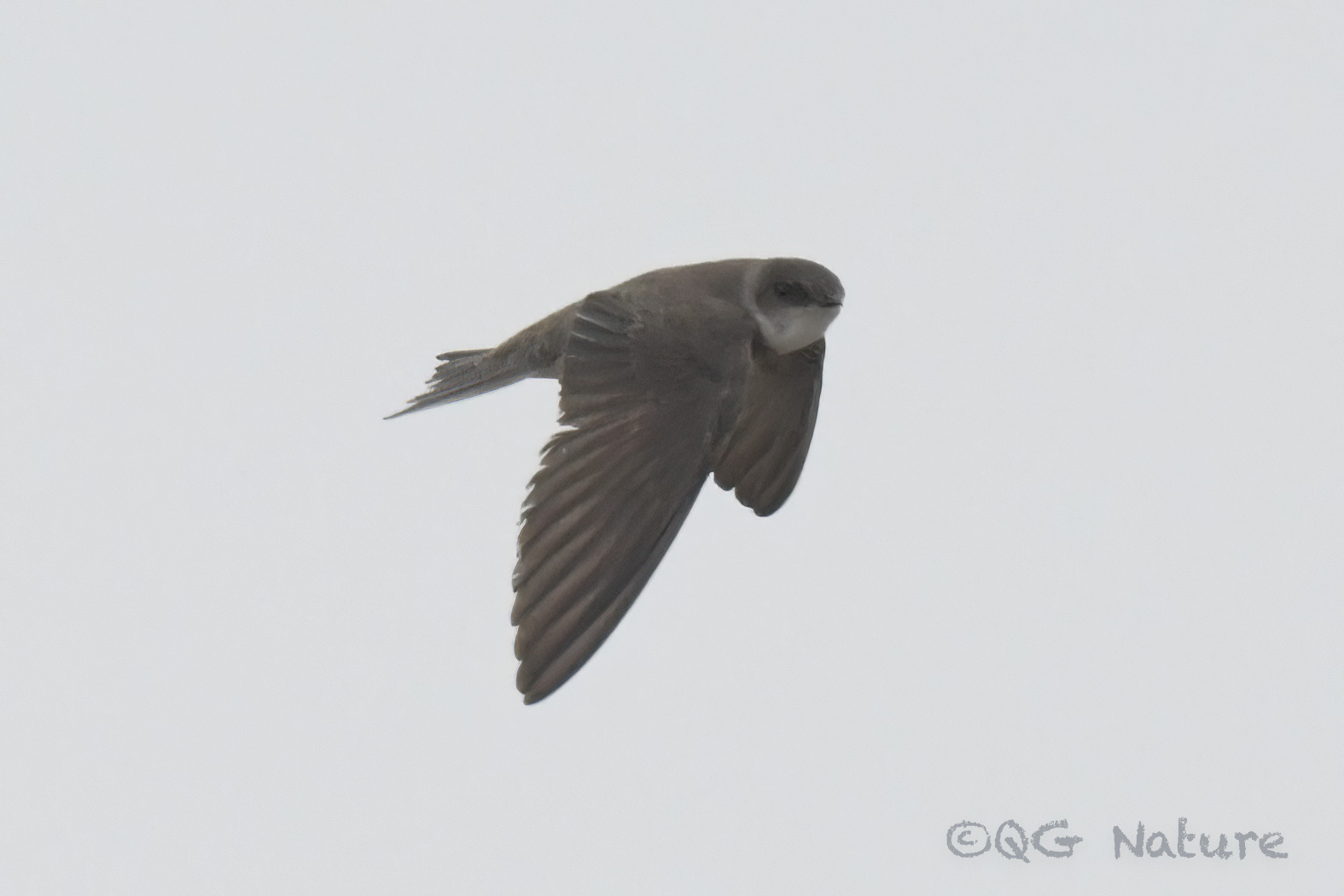
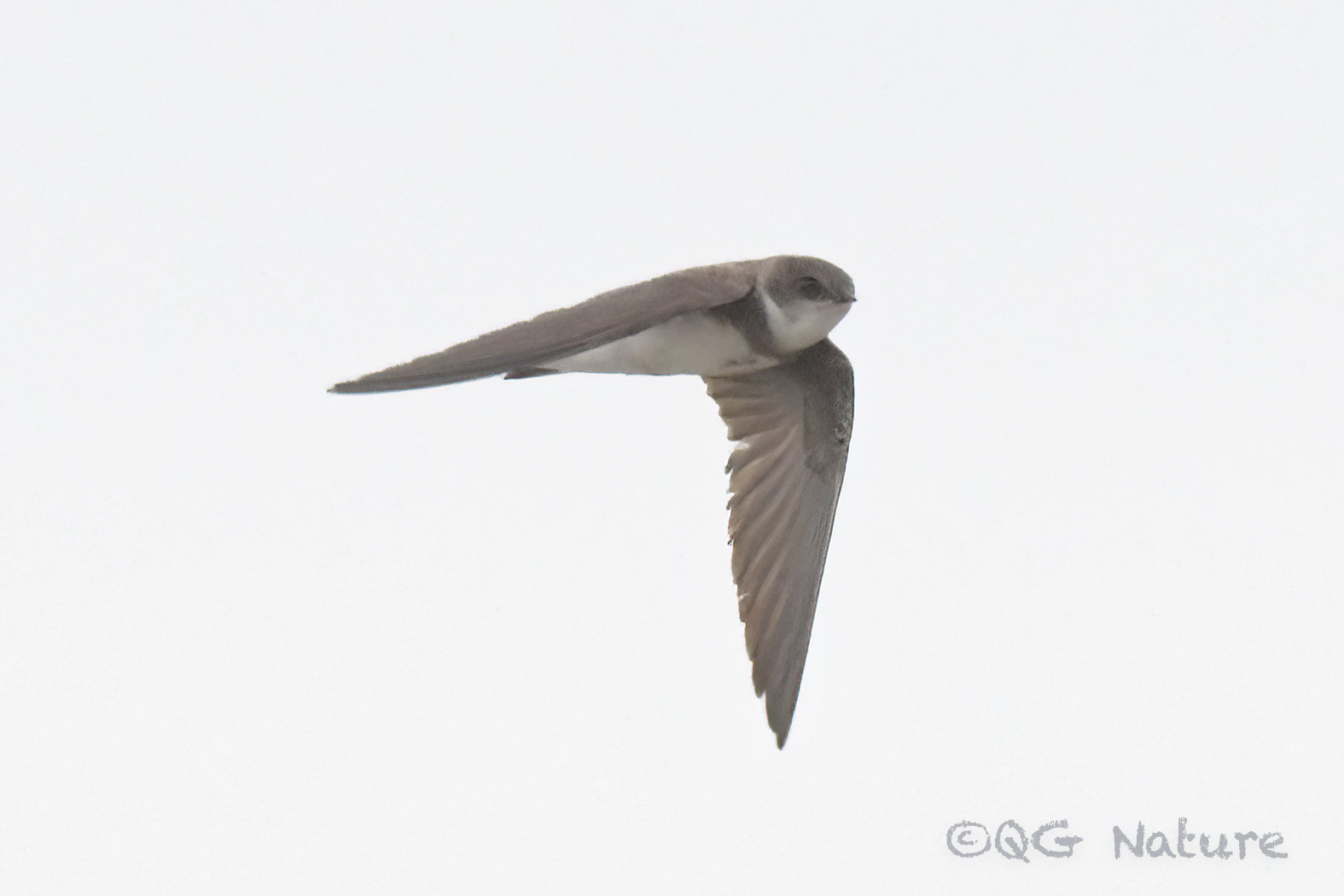
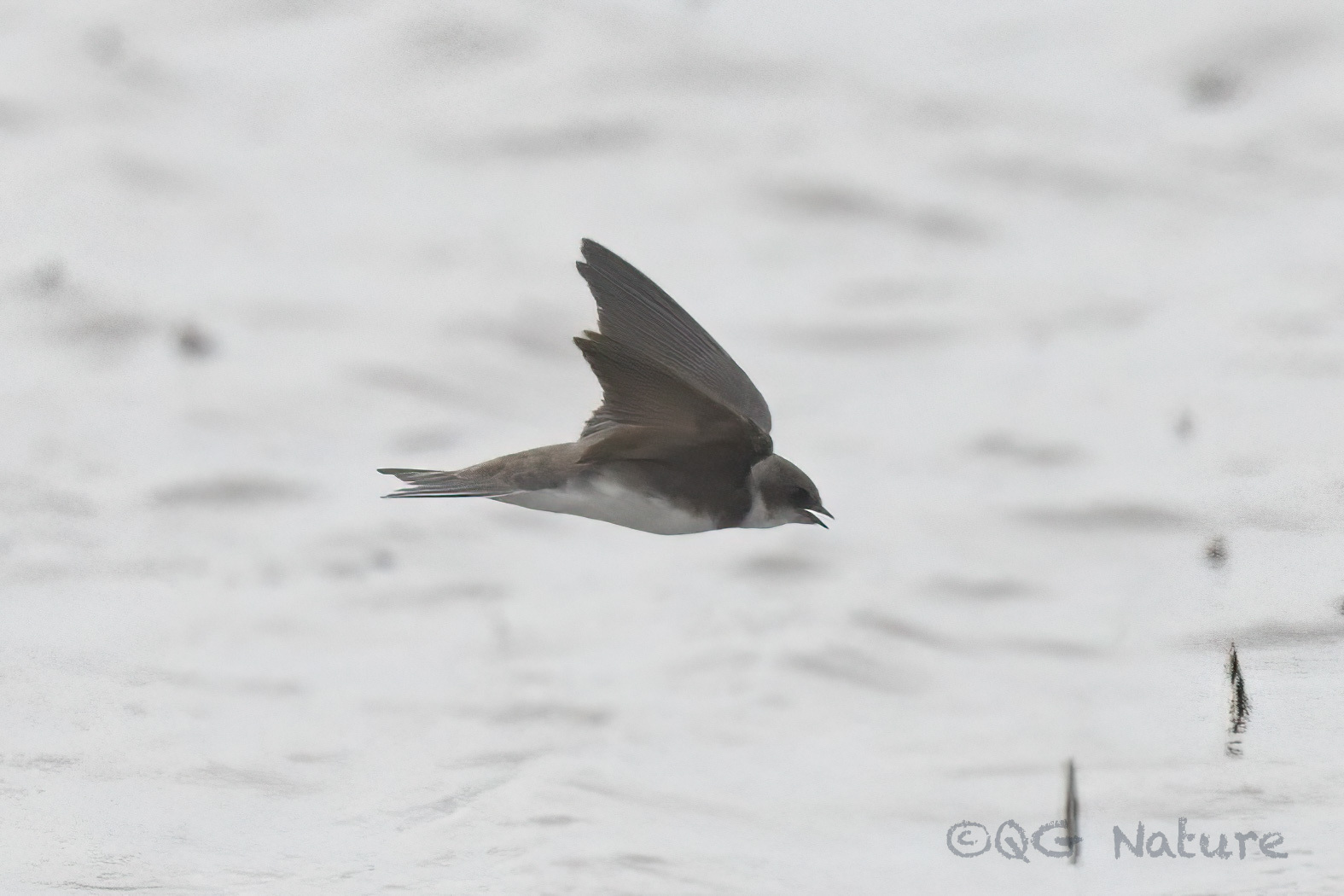
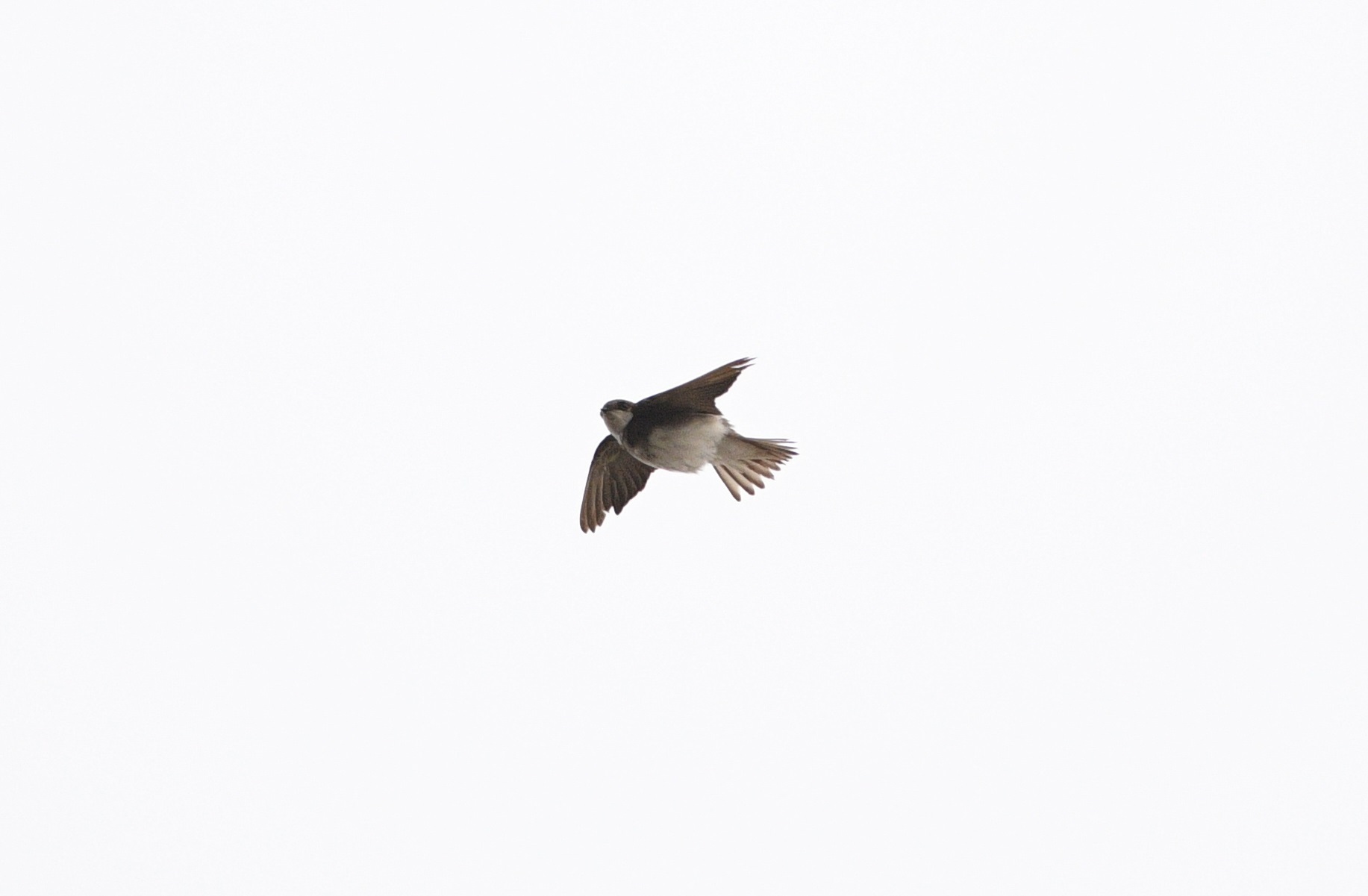
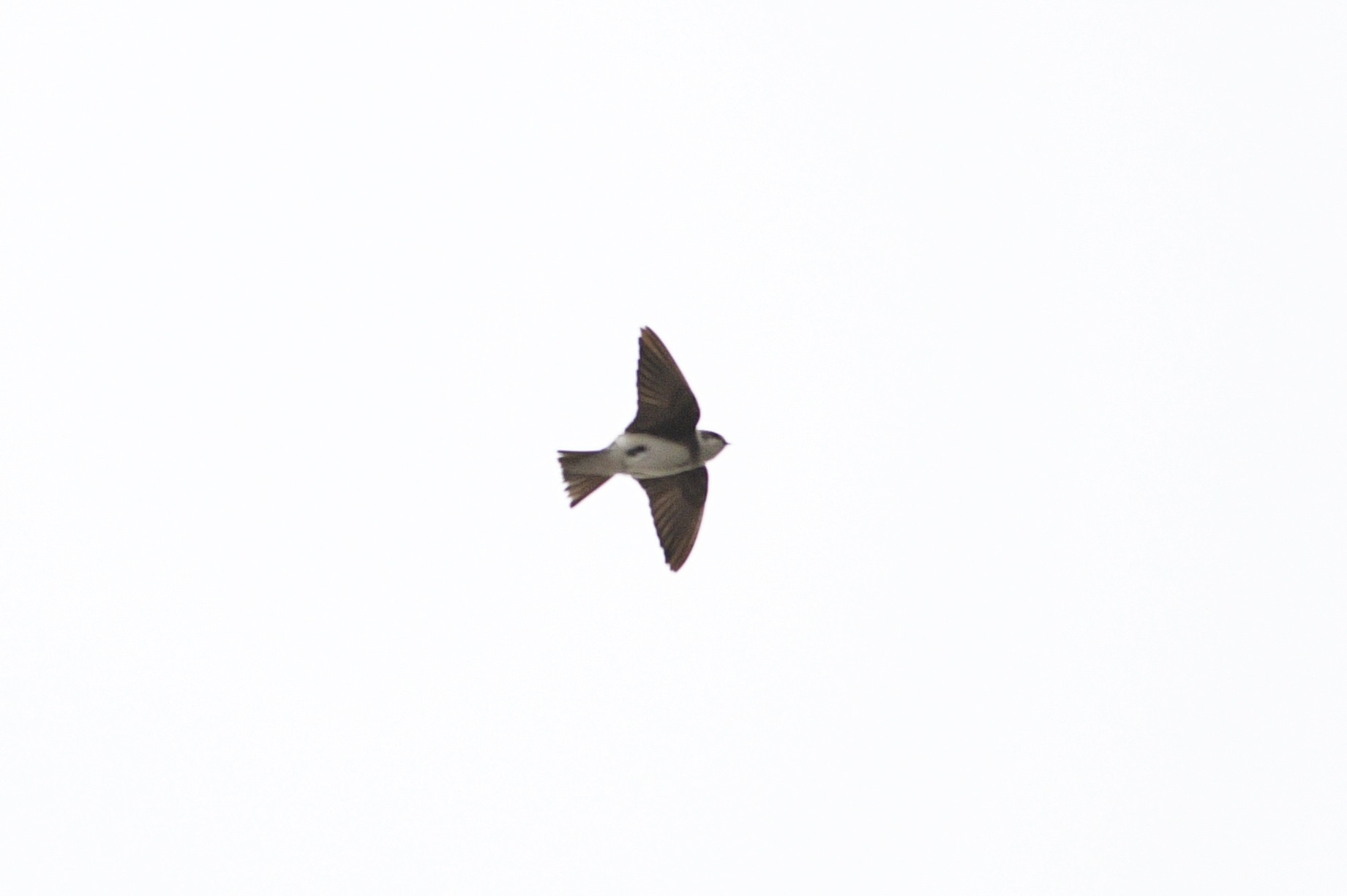
Length 12–13 cm (4.7–5.1 in); wingspan 26.5–29 cm (10.4–11.4 in); weight 11–16 g (0.39–0.56 oz), increasing to 19.5 g (0.69 oz) before migration. Brown above with a narrow brown band on the breast; white below. Bill is black; legs are brown. Young have rufous tips to the coverts and margins to the secondaries.
Identification
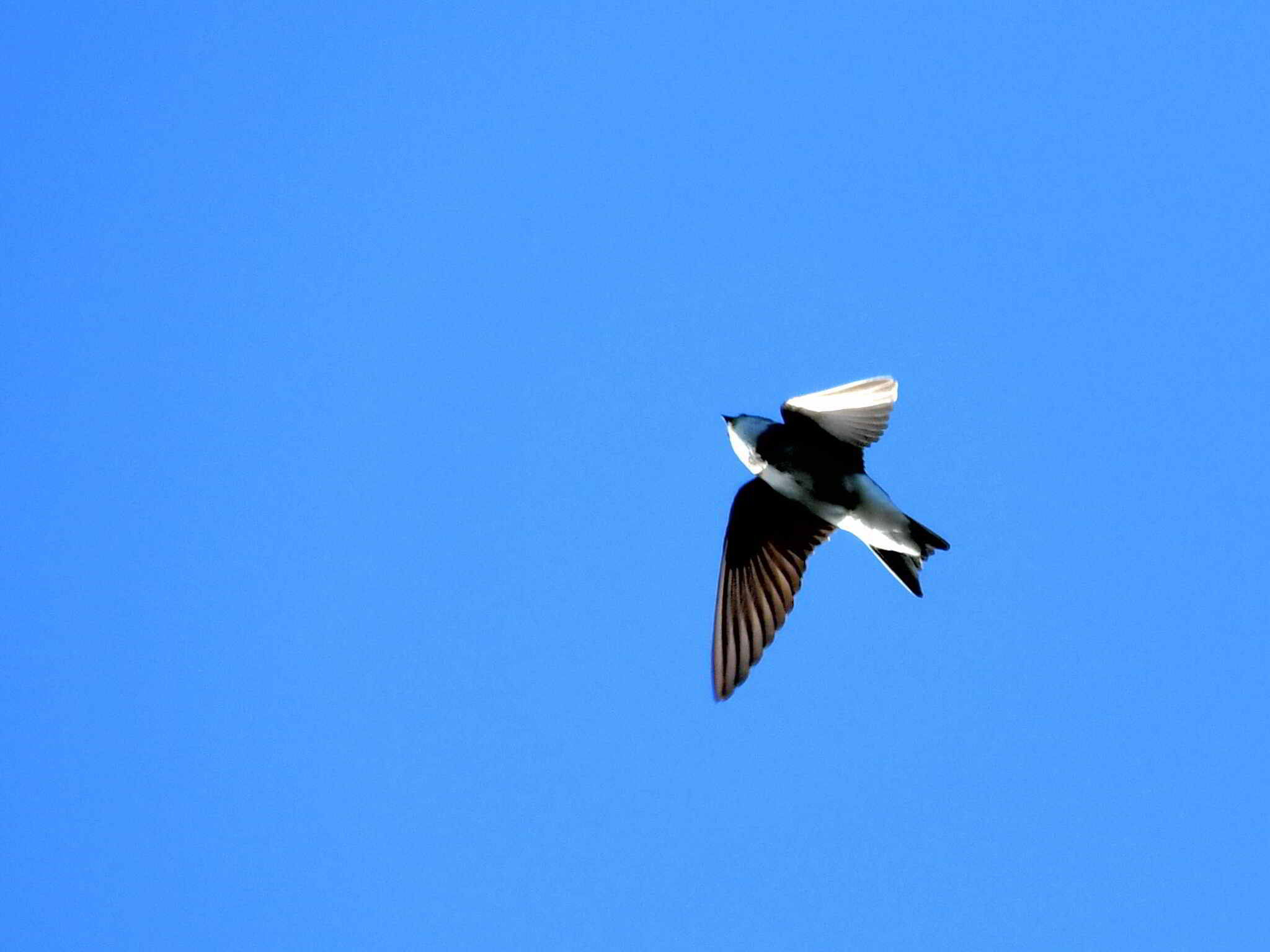
Distinguished by brown back, breast band, white throat, small size, and quick jerky flight. Separated from similar swallows like the common house martin, American cliff swallow, and tree swallow by these features. The banded martin is similar in plumage but nearly double the weight. Song is a continuous gravelly twittering in flight, becoming a conversational undertone at roosts. Harsh alarm call used against predators.
Distribution & Habitat
Breeding range covers the Holarctic: Europe, western Asia, North America (subspecies R. r. riparia); eastern mainland Asia (R. r. taczanowskii); Sakhalin, Kuril Islands, and Japan (R. r. ijimae); Egypt (R. r. shelleyi). Winters in Africa, South America, southern Asia, and southeast Asia. Found near rivers, lakes, or oceans year-round. Arrives in Britain mid-March; northern Ohio by mid-April. Departs breeding range by end of September.
Behavior & Ecology
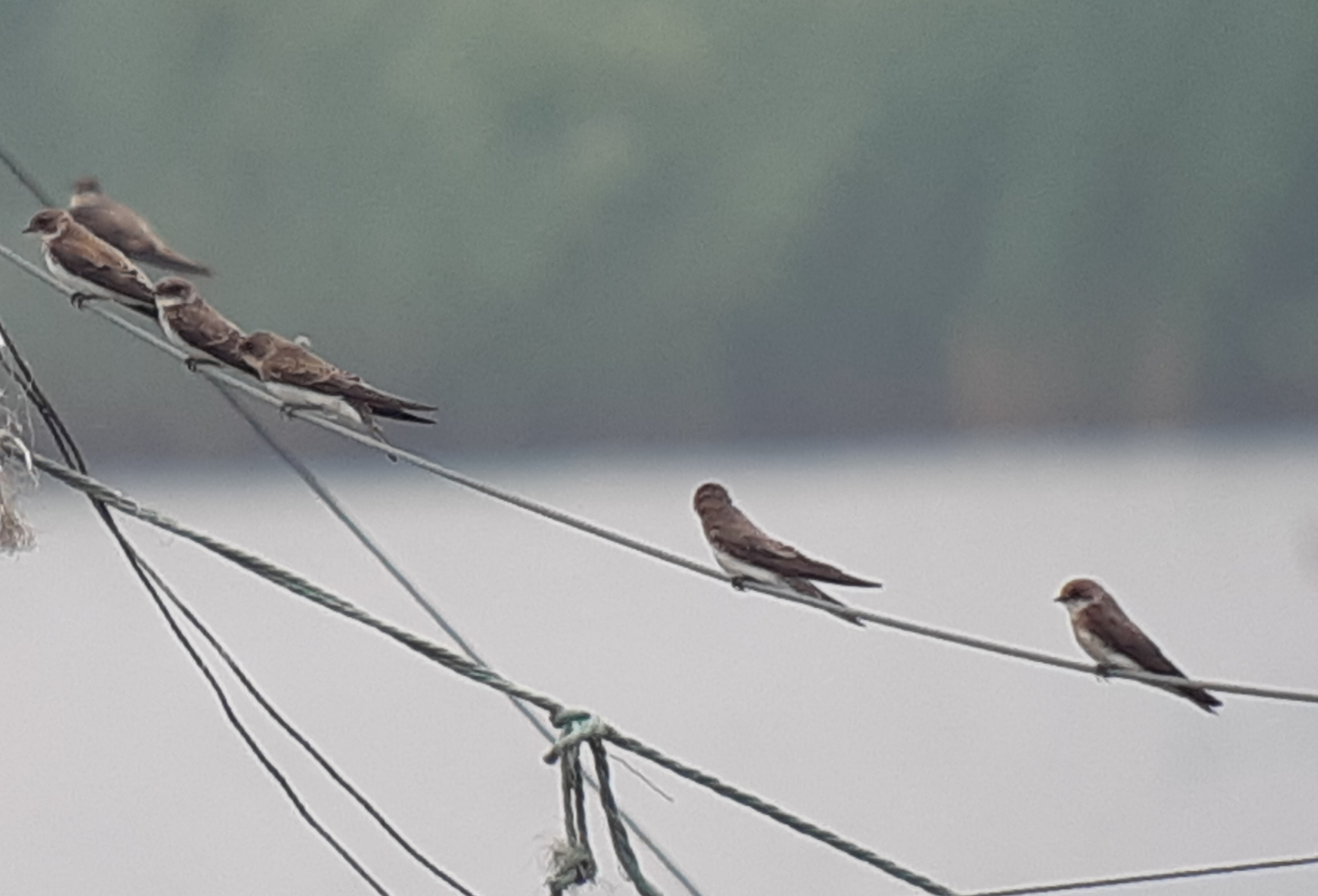
Sociable nester; colonies range from a dozen to hundreds of pairs. Nests are located at the end of tunnels few inches to three or four feet long, bored into sand, gravel, or loess. Nest chamber contains straw and feathers. Lays four or five white eggs in mid-late May; second brood is usual except in northernmost sites. Diet consists of small insects, mostly gnats and aquatic flies. Roost numbers increase in August.
Conservation
Globally classified as Least Concern by the IUCN, but populations are decreasing. Listed as Threatened under Schedule 1 of the Canadian Species at Risk Act due to a 98% population loss over the past 40 years. Considered threatened in California, with remaining populations in the Sacramento Valley, Año Nuevo State Park, and Fort Funston. Faces threats from habitat loss and fragmentation.
Source: Wikipedia · CC BY-SA 3.0
Taxonomy
- Order
- Passeriformes
- Family
- Hirundinidae
- Genus
- Riparia
Subspecies (4)
-
Riparia riparia ijimae
breeds Sakhalin Island, Kuril Islands, and Japan; winters to southeastern Asia
Data Sources
Species description from Wikipedia, licensed under CC BY-SA 3.0.
Bird images and sounds sourced from GBIF, contributed by citizen scientists worldwide under Creative Commons licenses.
Taxonomy data from AviList 2025.