

Sand Martin
Riparia riparia
崖沙燕
Introduction
The sand martin (Riparia riparia) is a member of the swallow family (Hirundinidae). It breeds across the Holarctic region. This species nests colonially in sandy riverbanks, gravel pits, and coastal cliffs, typically arriving in Britain from mid-March, approximately one to two weeks before the barn swallow. It departs for wintering areas in late summer. The sand martin is characterized by early arrival and departure timing and colonial nesting behavior.
Description
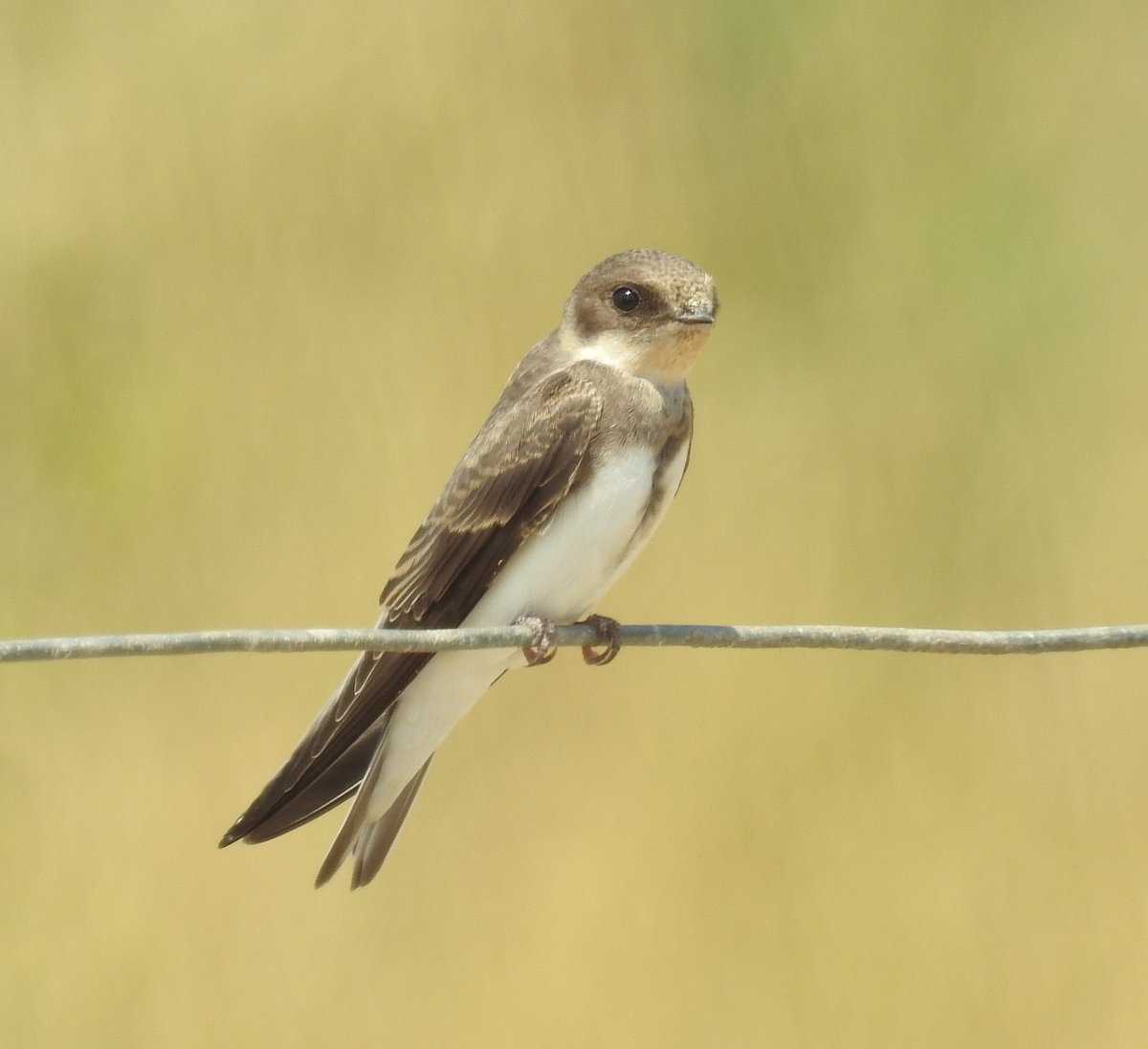
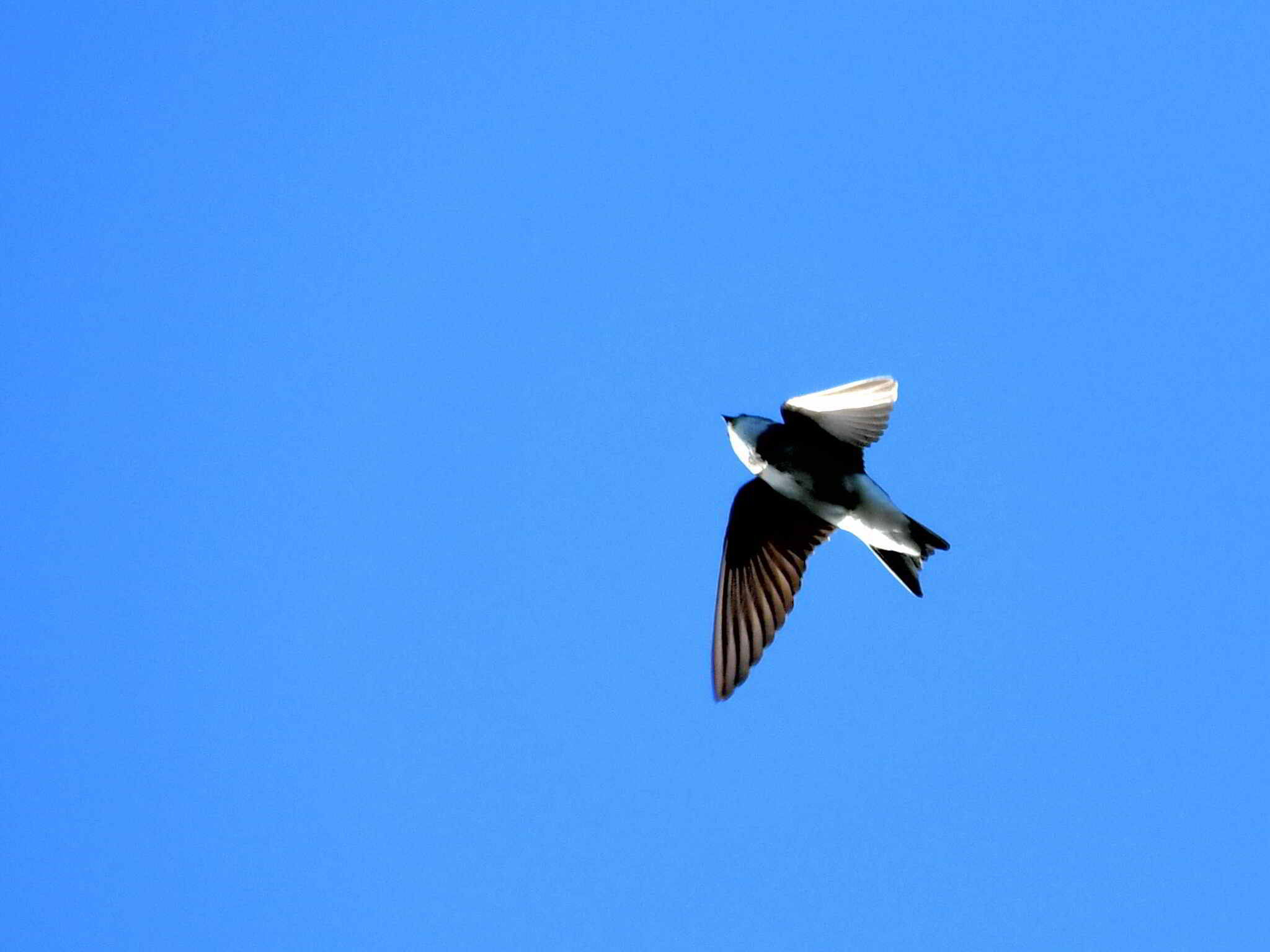
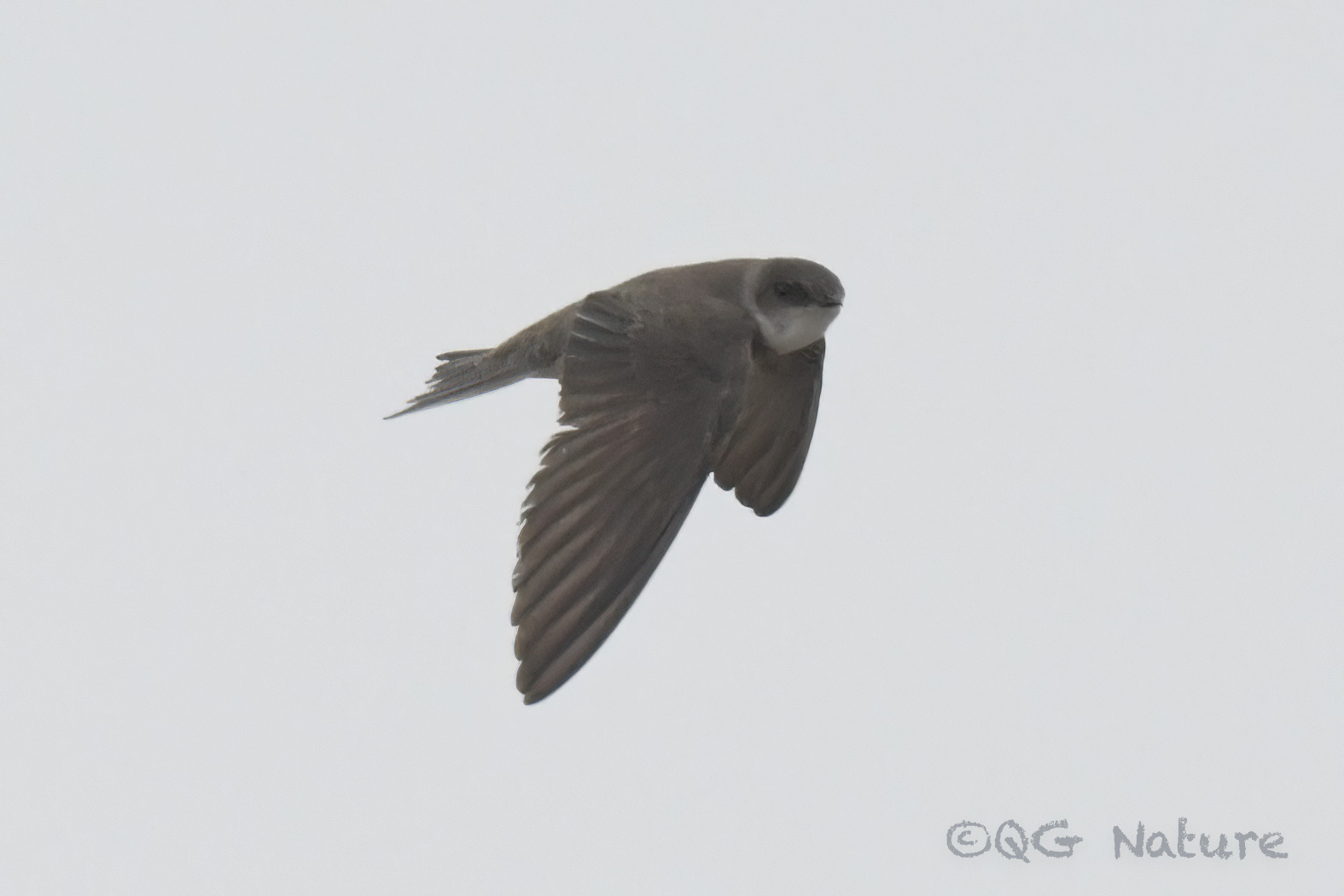
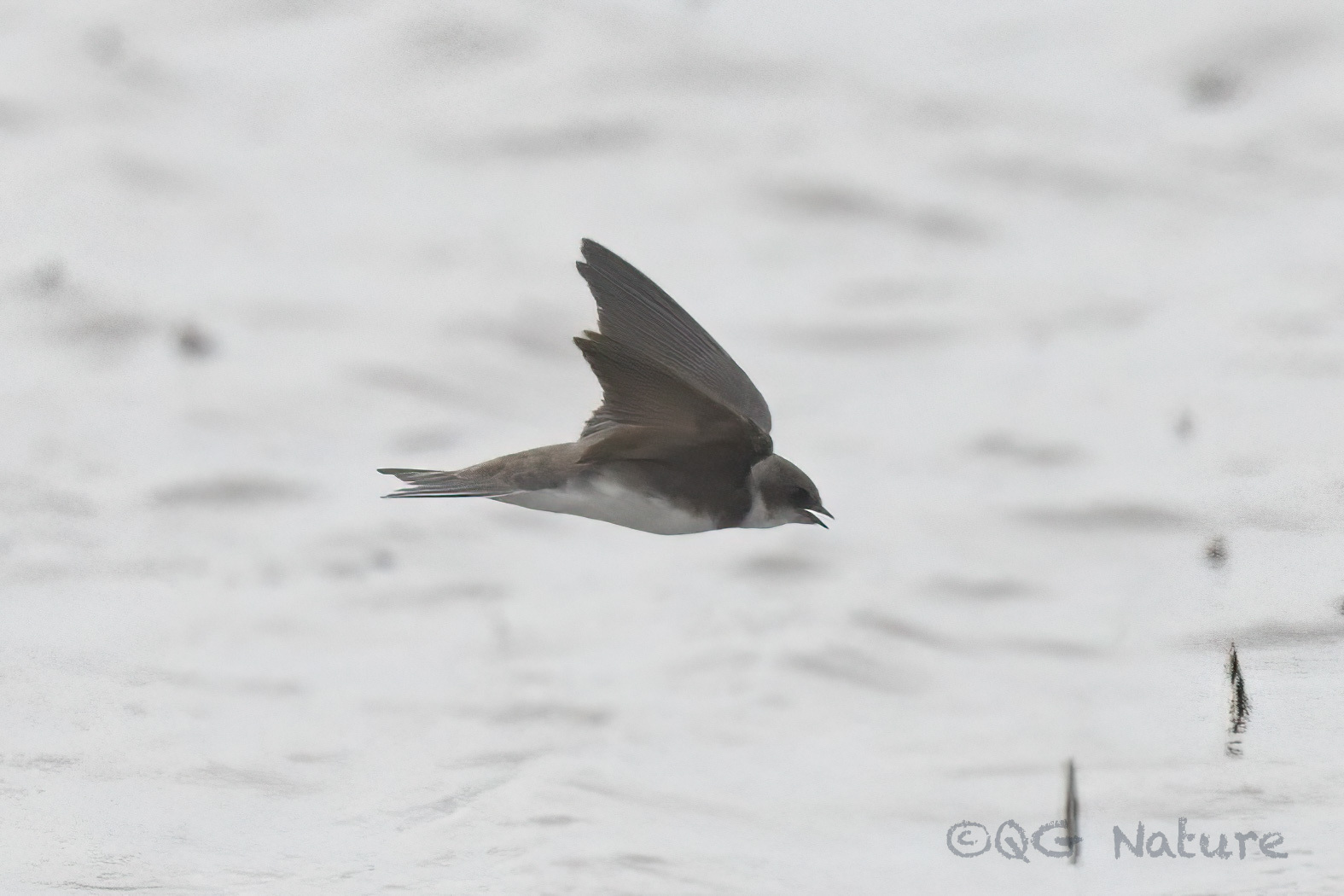
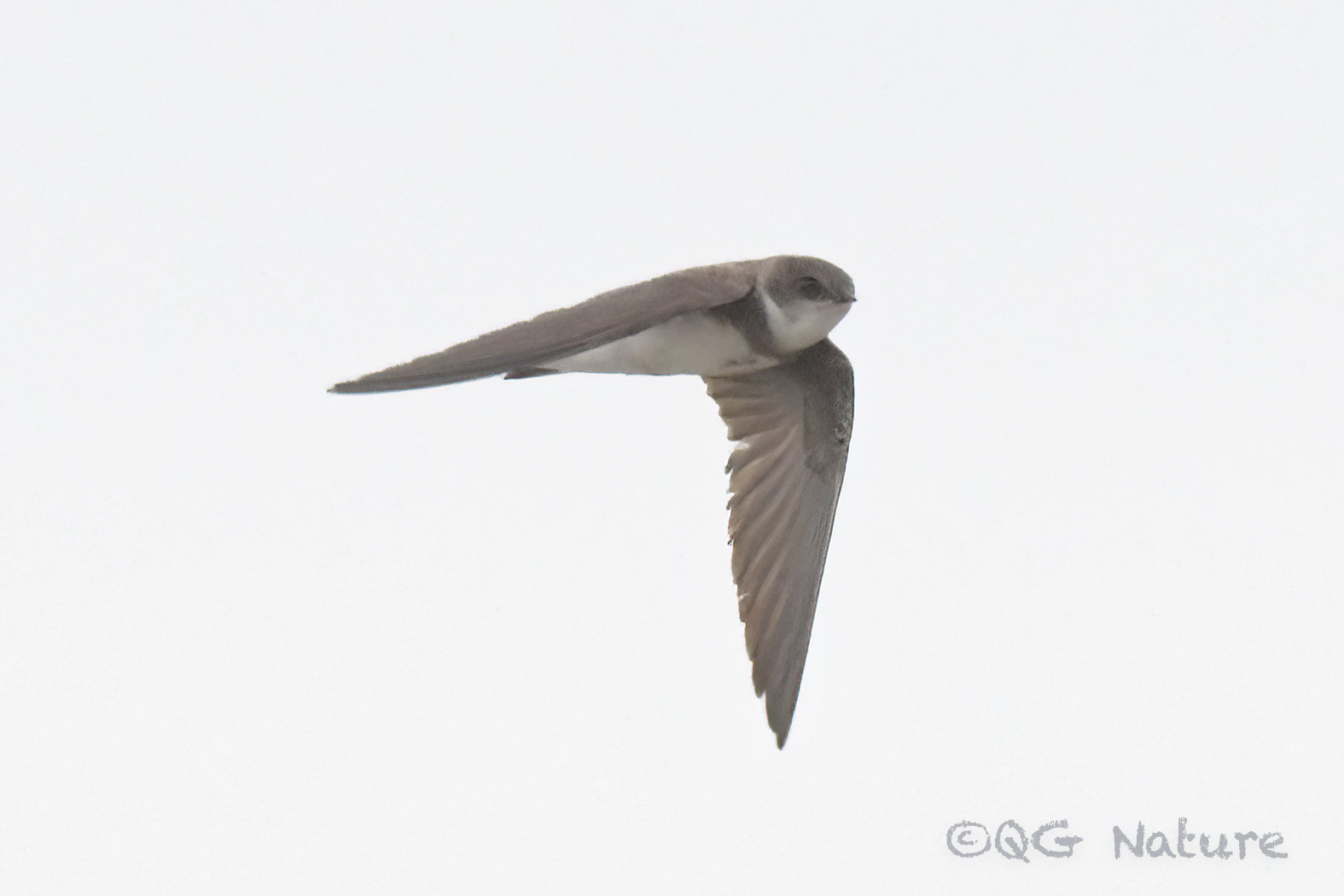
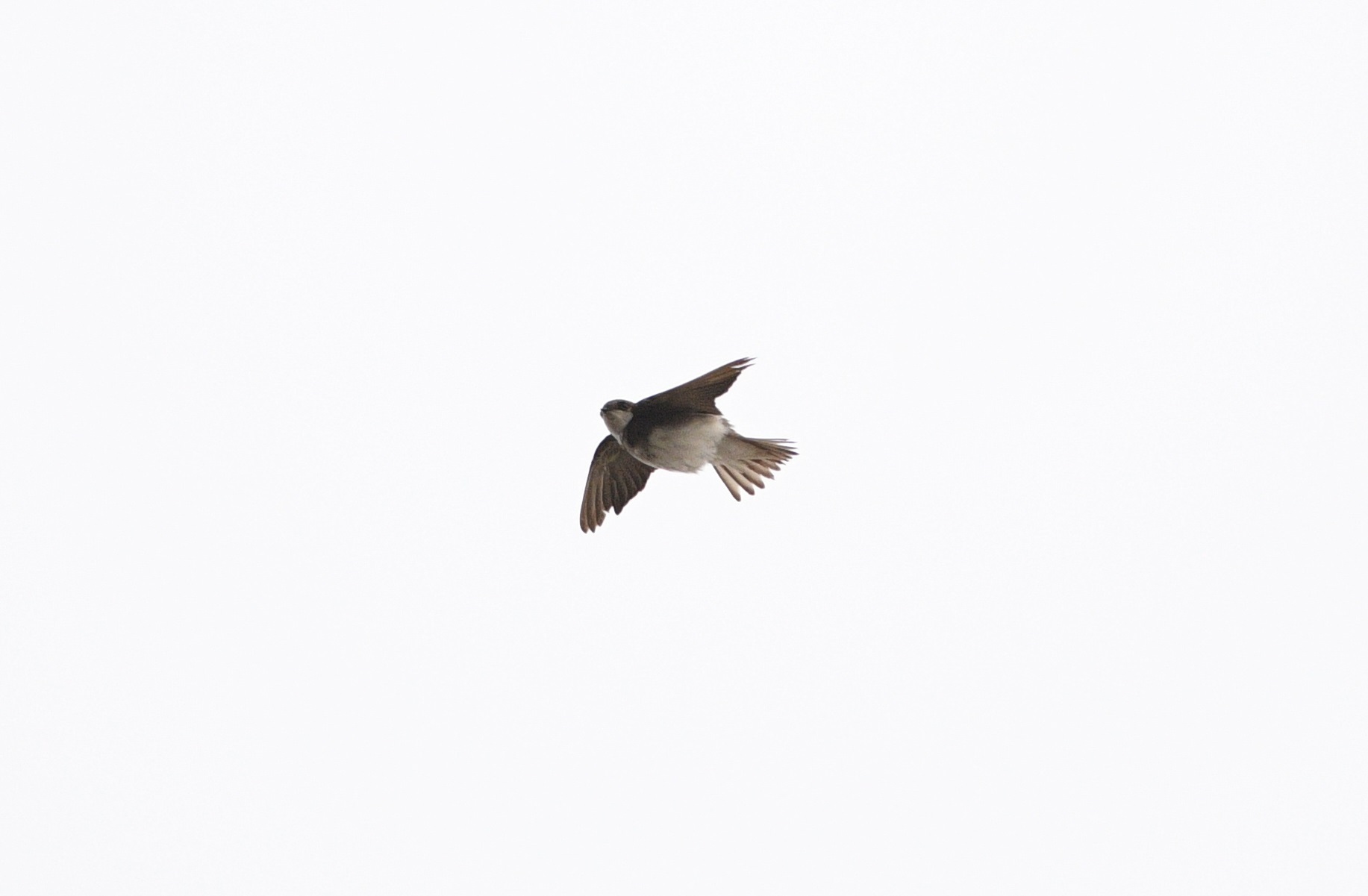
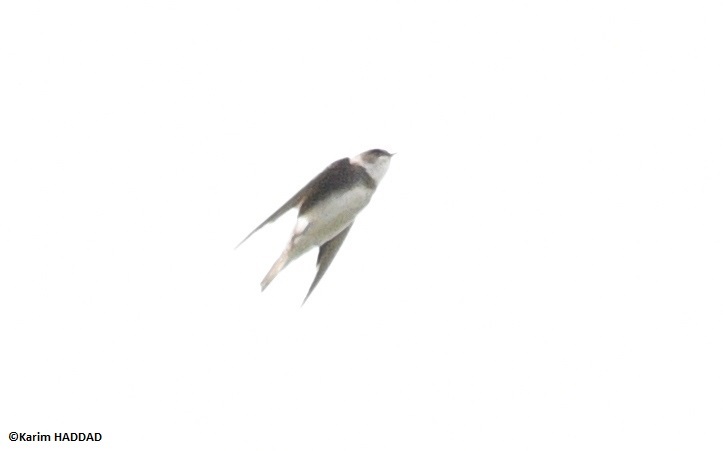
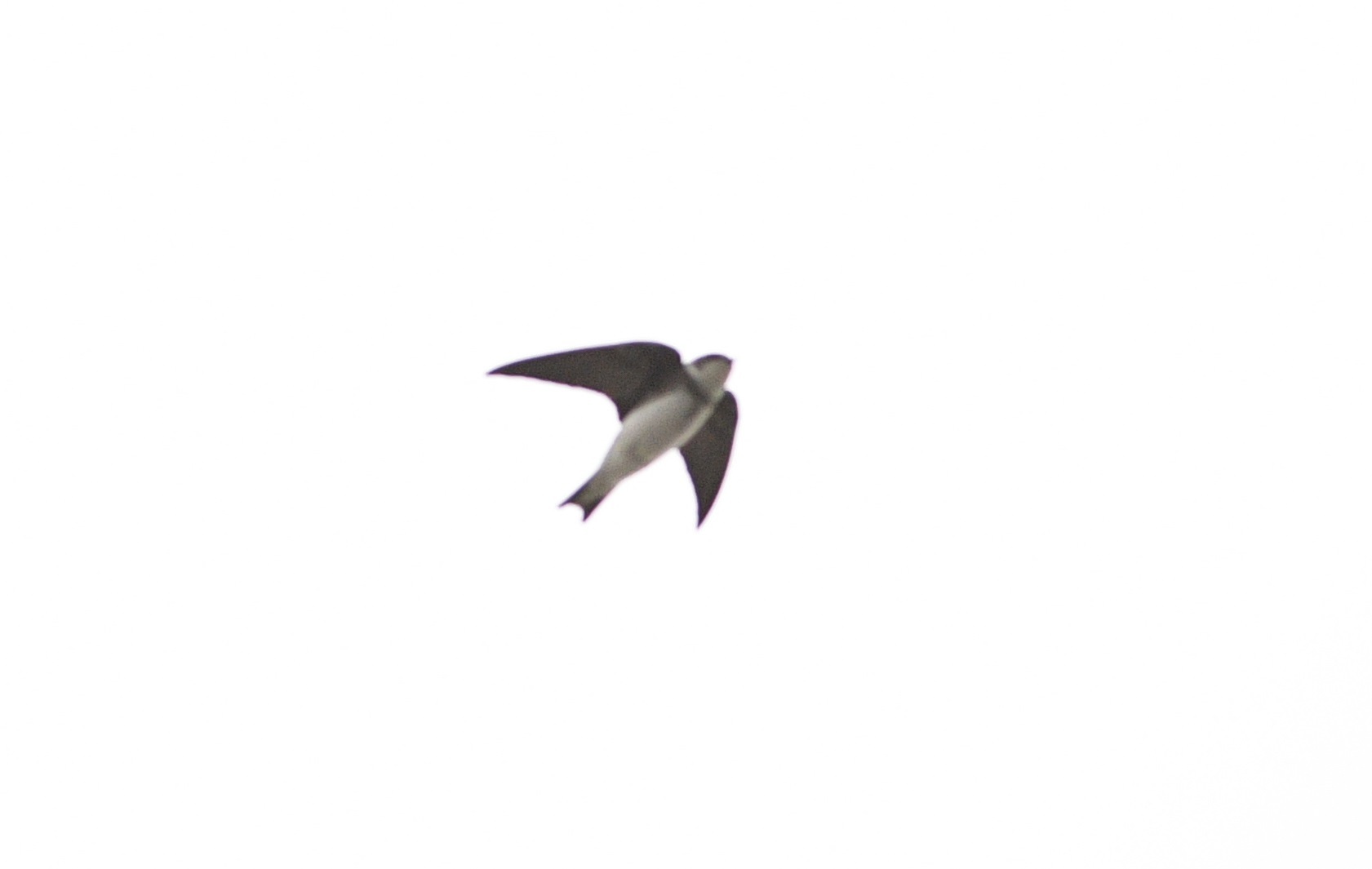
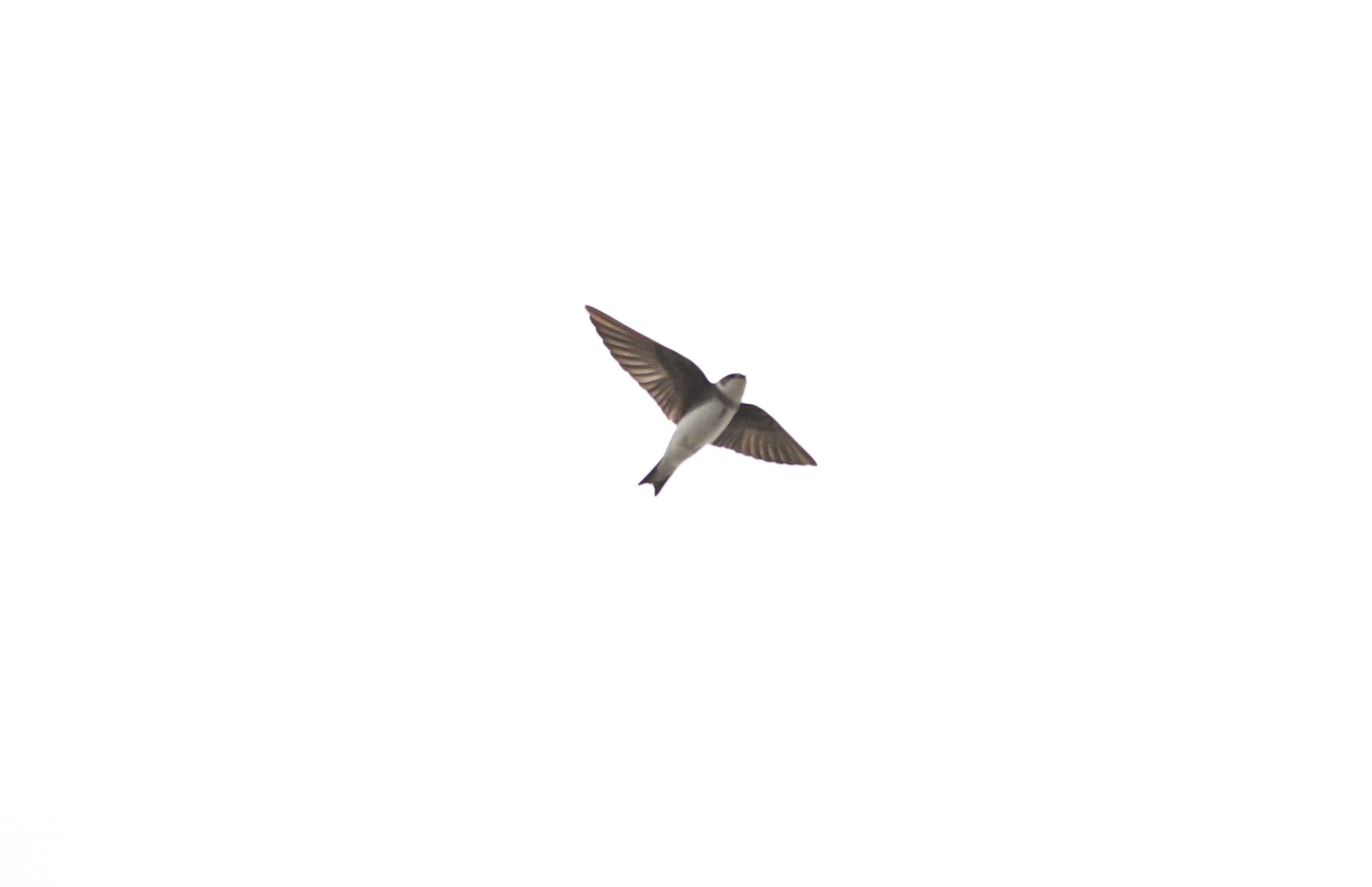
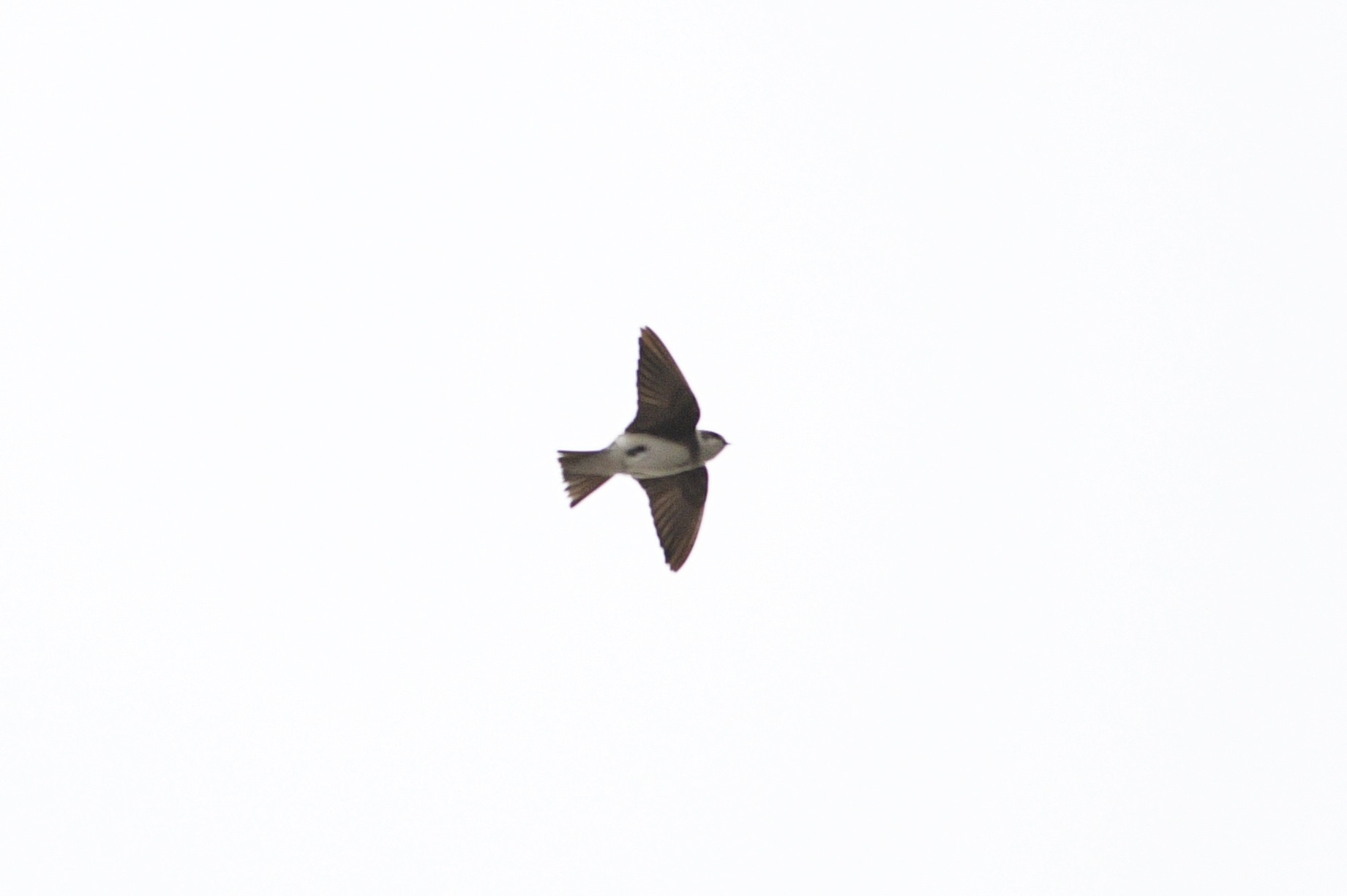
This is the smallest European swallow, measuring 12–13 cm in length with a wingspan of 26.5–29 cm. The adult has brown upperparts and clean white underparts, crossed by a distinctive narrow brown band across the breast. The bill is black and the legs are brown. In flight, the combination of brown upperparts, white throat, and visible breast band creates a profile quite different from other swallows. The young birds can be distinguished by rufous-coloured tips to the wing coverts and margins to the secondaries. Weight ranges from 11–16 grams typically, but can reach 19.5 grams before migration as birds fatten up for their long journey.
Identification
The sand martin's brown upperparts and prominent breast band separate it from most other swallows. The quick, jerky flight style is characteristic. Compared to the common house martin, which has a white rump and white underparts without a breast band, the sand martin appears darker overall. In North America, it can be distinguished from the tree swallow by its brown (not iridescent green-blue) upperparts, and from the cliff swallow by its white underparts and lack of a rufous collar. The pale martin of central Asia is similar but has paler grey-brown upperparts and a less distinct breast band. Within the sand martin's range, pale martins may occasionally be found in mixed colonies, but they do not interbreed.
Distribution & Habitat
The sand martin has an extensive summer breeding range spanning the entire Holarctic, from western Europe across Asia to the Pacific Ocean, and throughout North America. It winters in eastern and southern Africa, southern Asia, and South America. The species shows a preference for open country near water—rivers, lakes, and coastal areas—throughout its range. In Britain, it arrives in mid-March; in northern Ohio, peak arrival occurs by mid-April, though timing has shifted approximately ten days earlier over the past century. The species departs breeding areas early, typically vanishing from northern latitudes by the end of September. Four subspecies are recognised, with variations in their specific breeding and wintering ranges across this vast distribution.
Behavior & Ecology
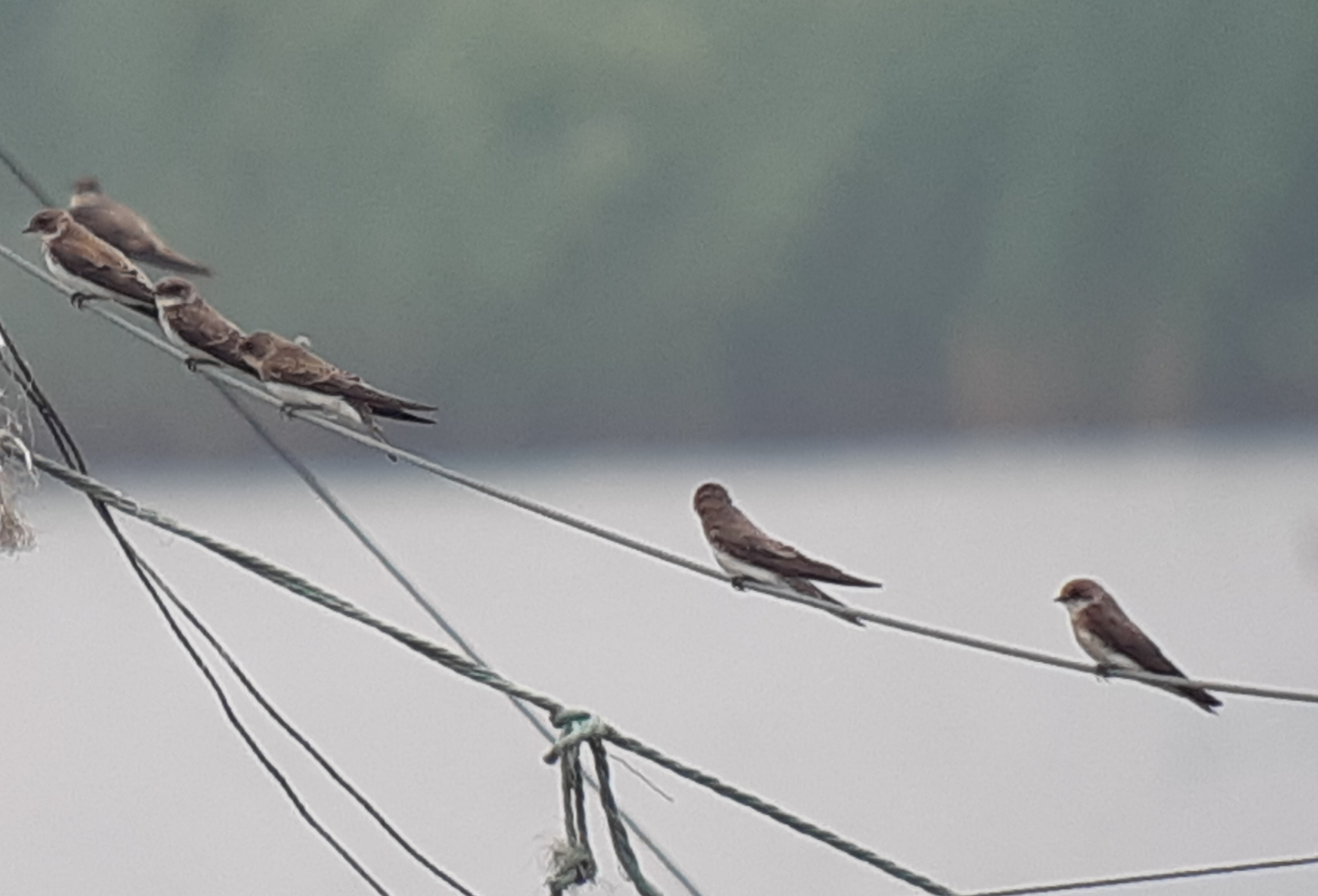
Sand martins are highly colonial breeders, with colonies ranging from just a dozen pairs to several hundred individuals nesting in close proximity. Each pair excavates a tunnel ranging from a few inches to three or four feet in length in vertical sand or gravel banks, ending in a chamber lined with straw and feathers. Egg-laying occurs from mid-May onwards, with four or five white eggs typical; most pairs raise two broods except at the most northerly sites. The diet consists almost entirely of small insects, particularly gnats and other flies with aquatic larval stages. The song is a continuous gravelly twittering given in flight, becoming a softer conversational undertone when birds settle at roosts. A harsh alarm call summons collective defense against predators such as falcons and crows.
Conservation
Classified as Least Concern by the IUCN, the sand martin is described as not rare globally but is noted to be decreasing. However, significant regional declines have triggered legal protection in several countries. In Canada, the species is listed as Threatened under the federal Species at Risk Act, with populations having declined by approximately 98% over the past 40 years. California has designated the species as threatened, with remaining populations confined to the Sacramento Valley and two coastal sites at Año Nuevo State Park and Fort Funston. The primary threats across its range include habitat loss and fragmentation, particularly the destruction or degradation of the vertical sand and gravel banks essential for breeding.
Culture
Linnaeus included this species in his 10th edition of Systema Naturae in 1758, providing the original scientific description that named it Hirundo riparia. The specific name 'riparia' means 'of the riverbank' and derives from the Latin 'ripa' (riverbank), directly referencing this bird's characteristic nesting habitat. While the species does not feature prominently in folklore, its early spring arrival has made it a noted calendar bird in many European traditions, symbolising the return of milder weather and the insect season upon which many other species depend.
Source: Wikipedia · CC BY-SA 3.0
Taxonomy
- Order
- Passeriformes
- Family
- Hirundinidae
- Genus
- Riparia
- eBird Code
- banswa
Subspecies (4)
-
Riparia riparia ijimae
breeds Sakhalin Island, Kuril Islands, and Japan; winters to southeastern Asia
-
Riparia riparia riparia
Holarctic; breeds in North America from Alaska to eastern Canada southward broadly to northern USA, and patchily to southern USA and northeastern Mexico, and from Europe eastward through Russia, Türkiye, Syria to Siberia and central Asia; winters primarily in South America and Africa
-
Riparia riparia shelleyi
breeds Egypt; winters to Sudan and Ethiopia
-
Riparia riparia taczanowskii
breeds southern Siberia and central Mongolia to eastern Siberia; winters to southeastern Asia
Data Sources
Species description from Wikipedia, licensed under CC BY-SA 3.0.
Bird images and sounds sourced from GBIF, contributed by citizen scientists worldwide under Creative Commons licenses.
Taxonomy data from AviList 2025.