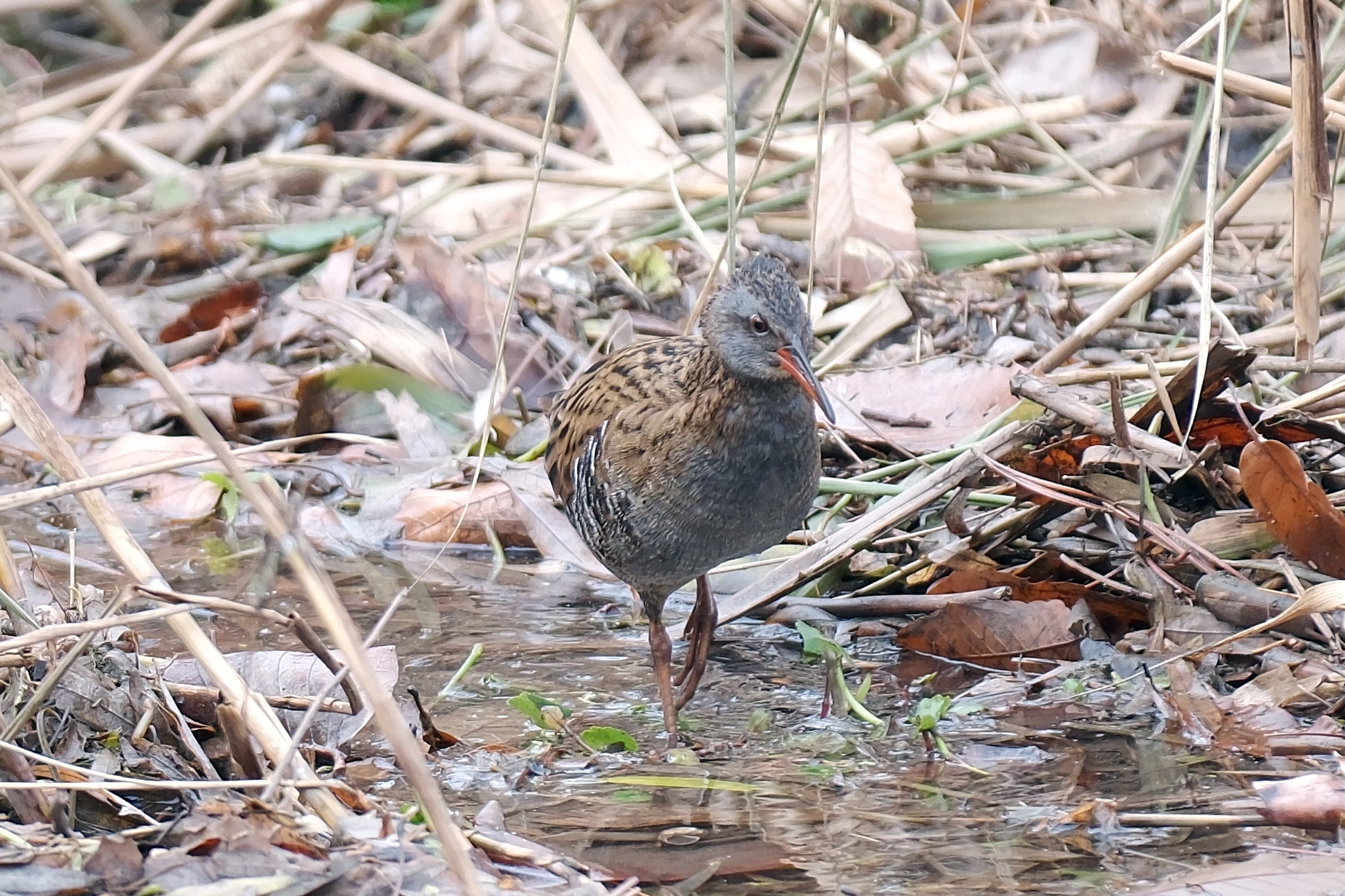
Gruiformes / Rallidae / Rallus
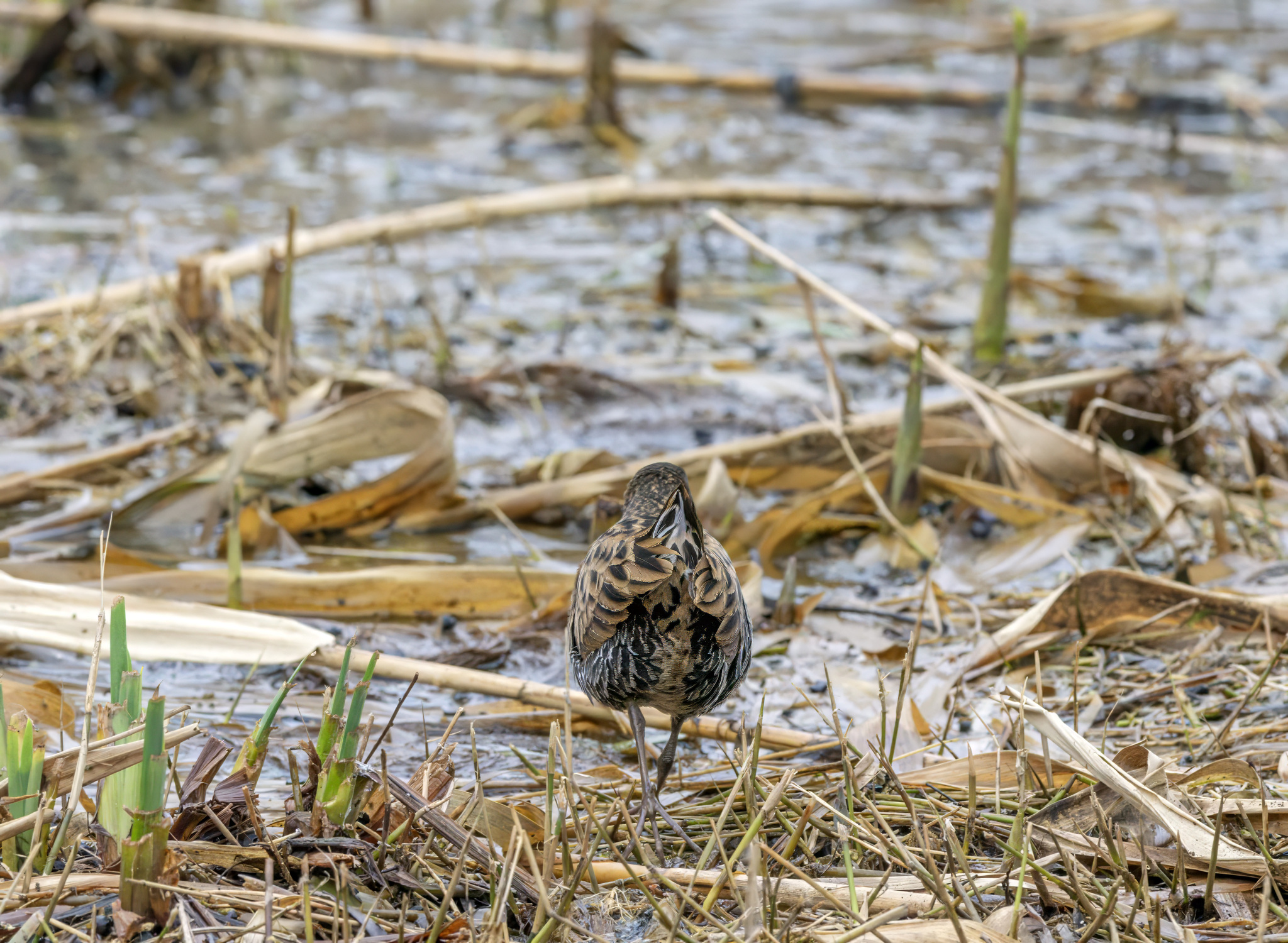
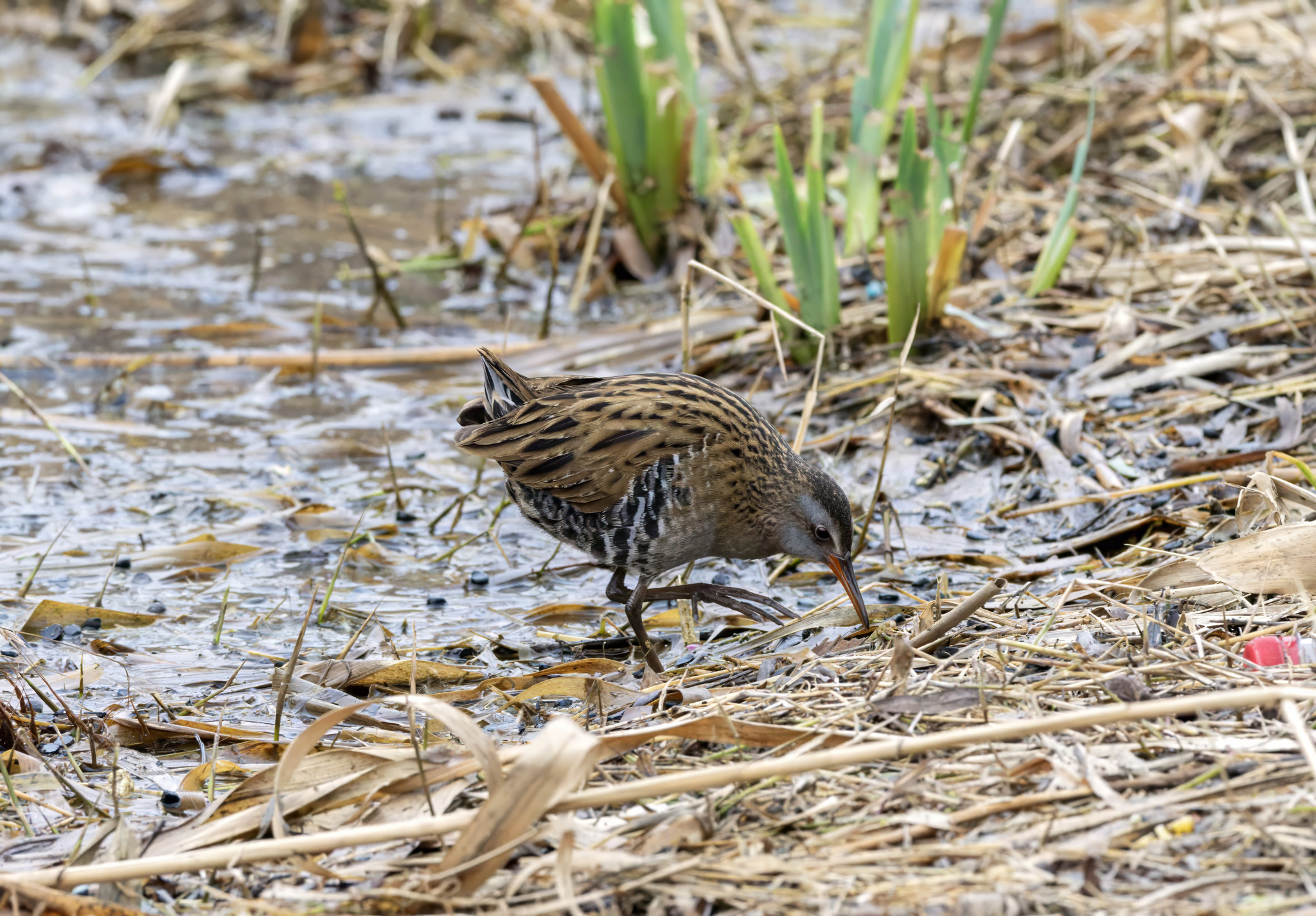
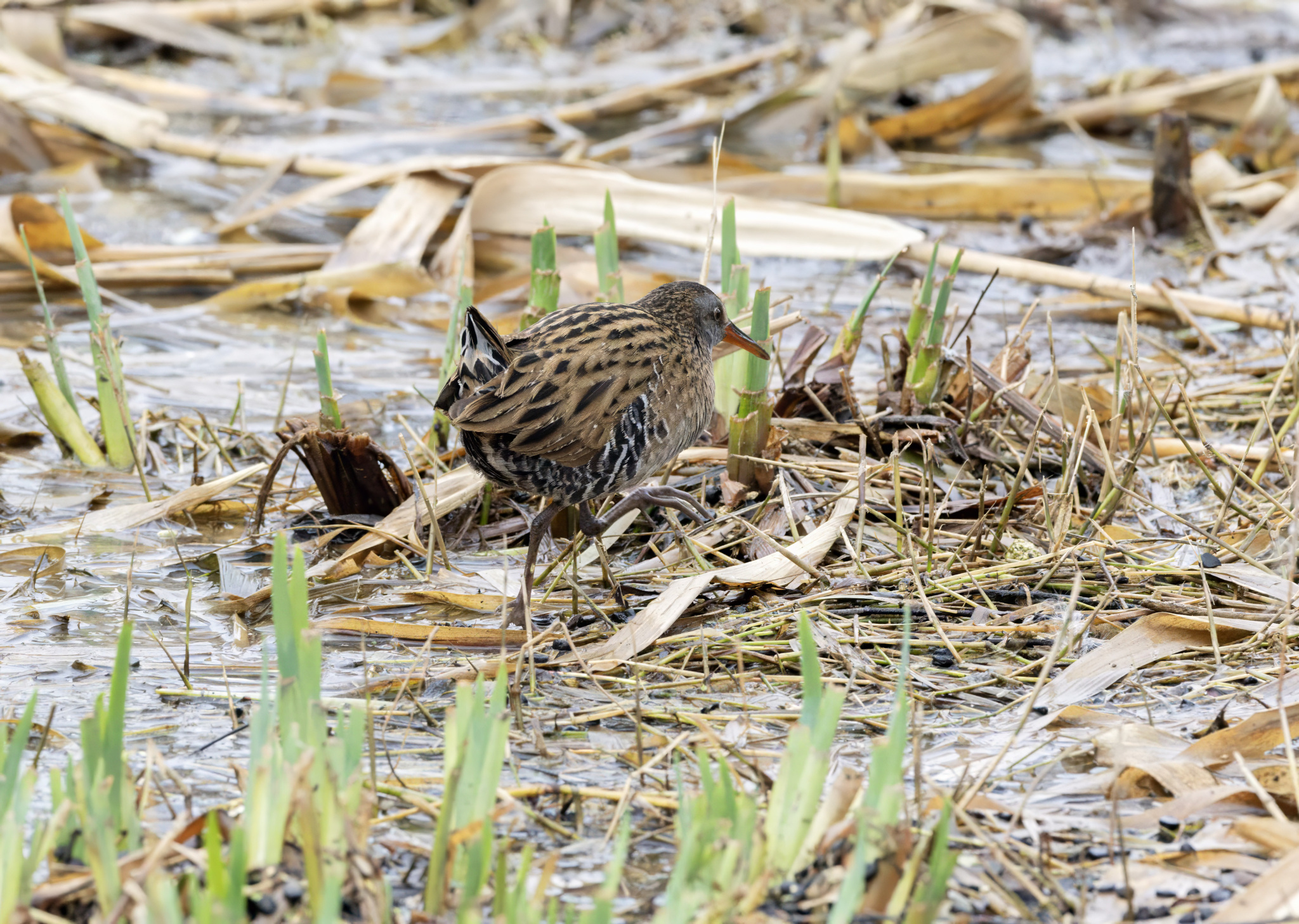
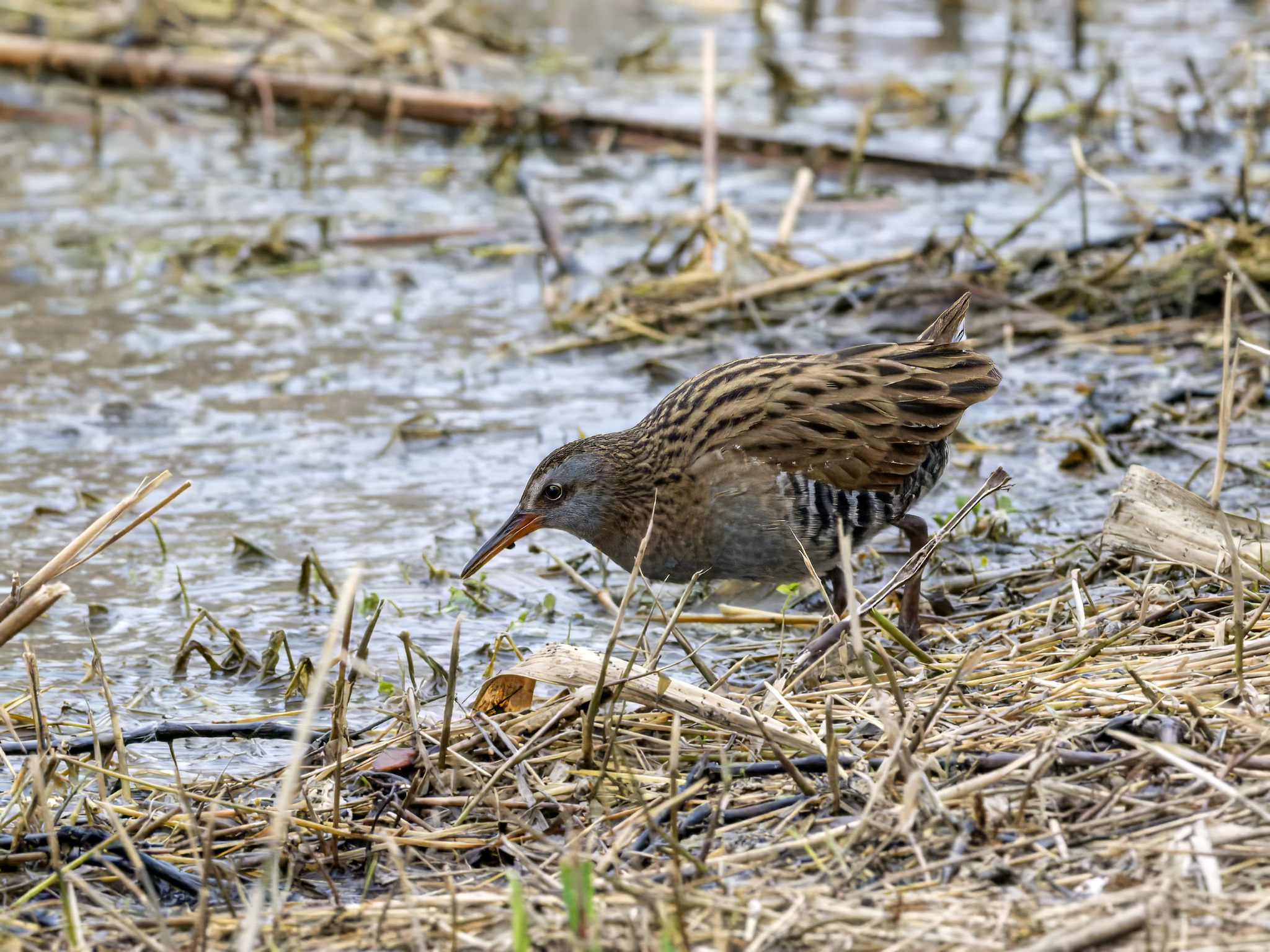
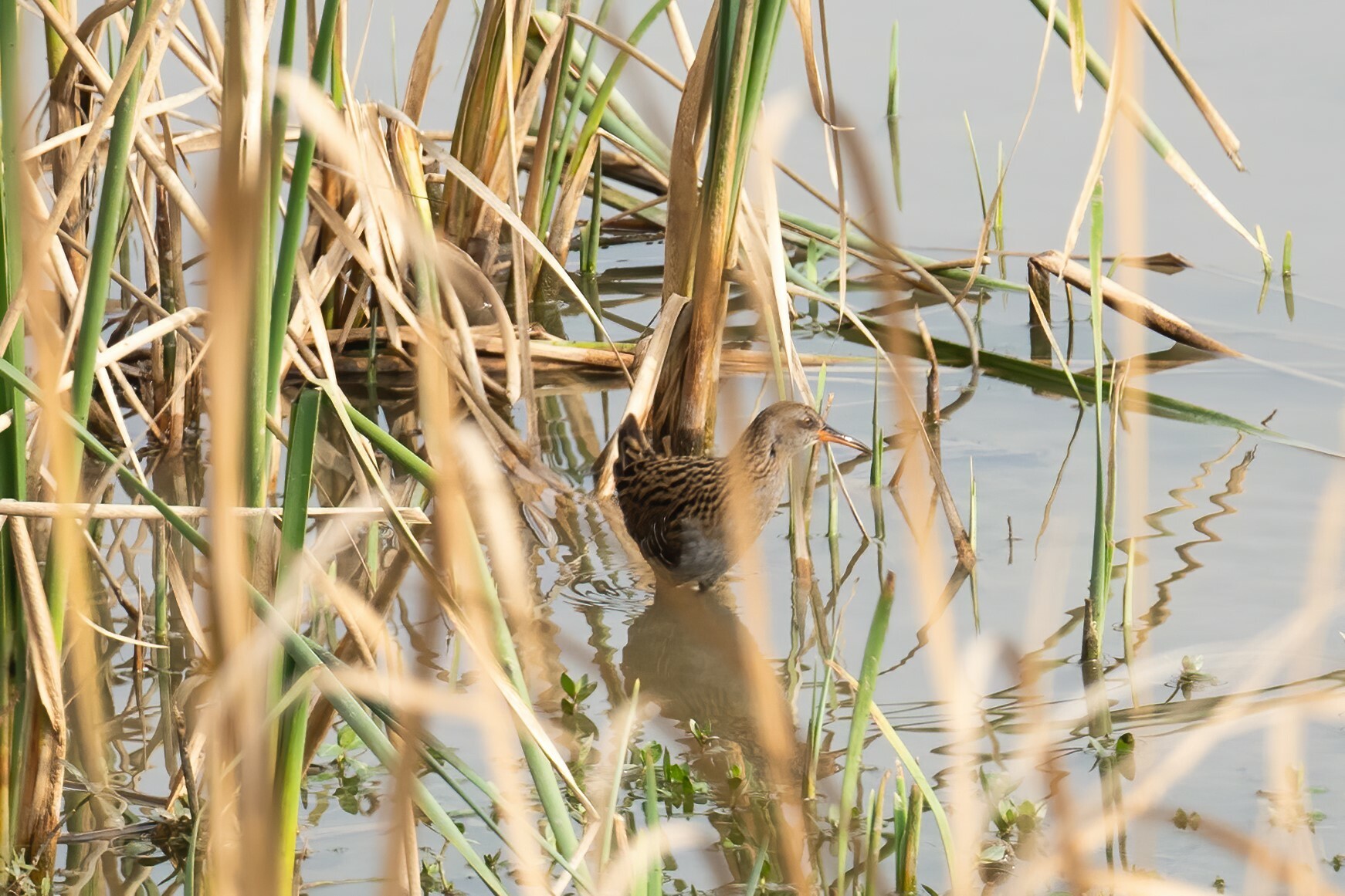
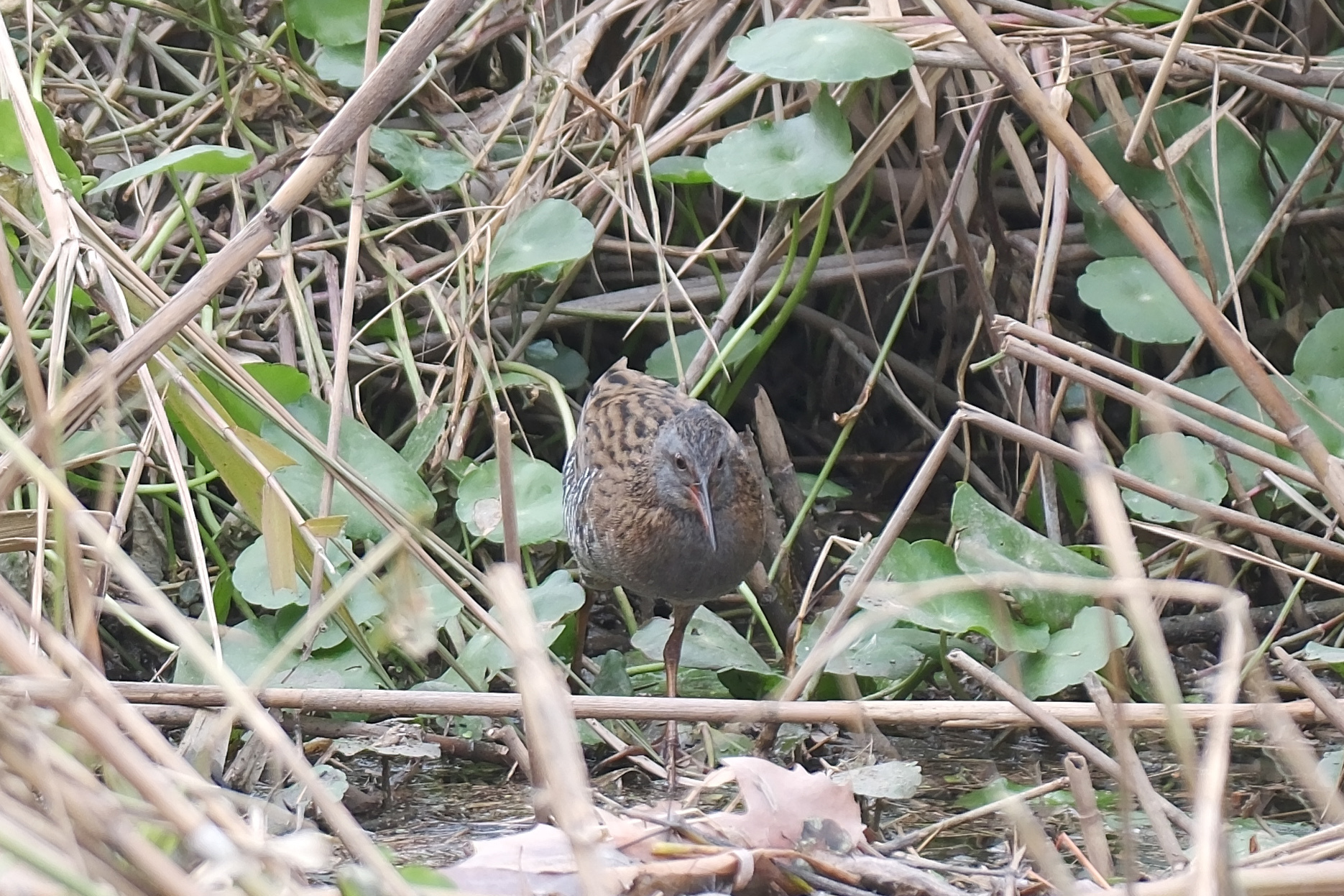
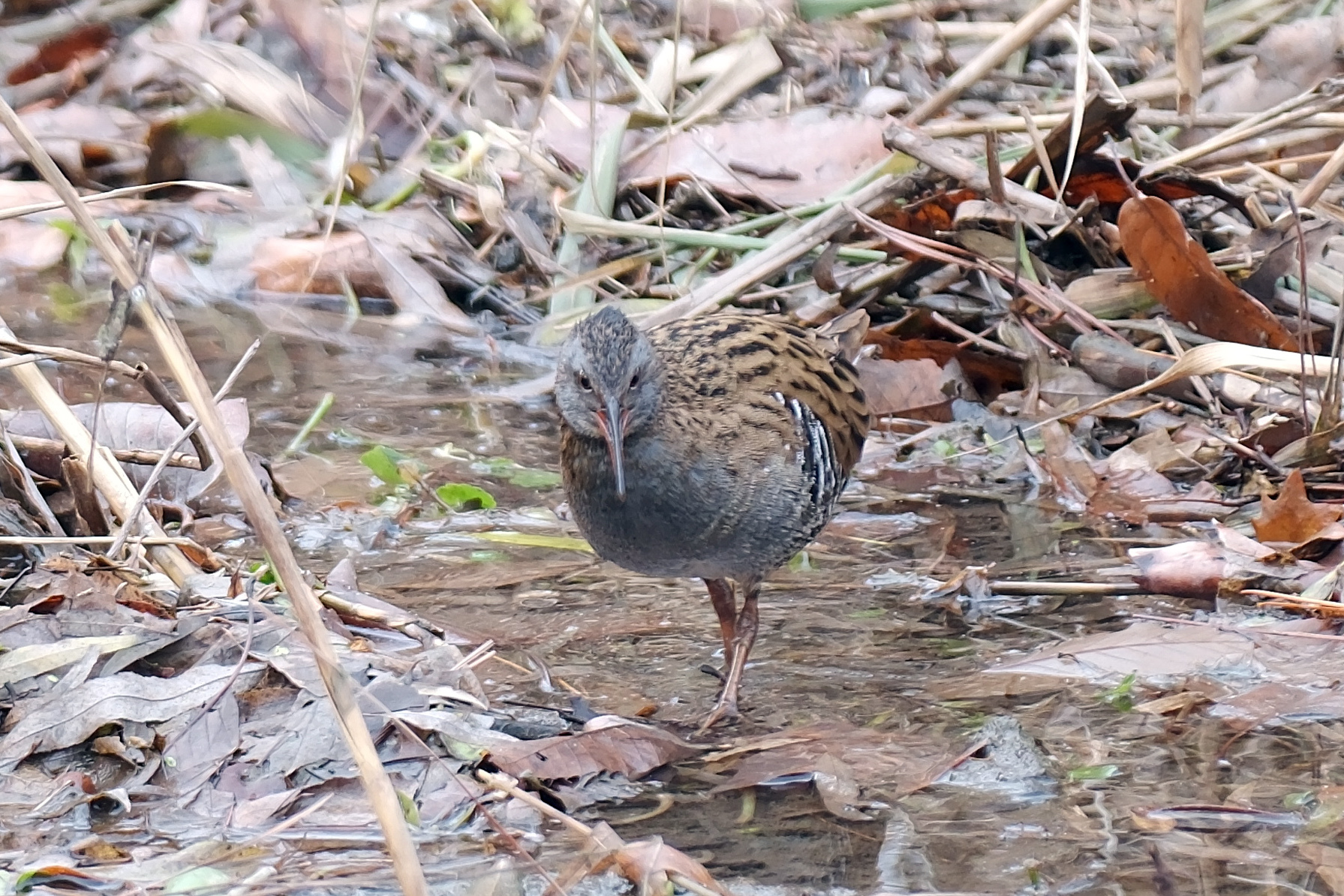
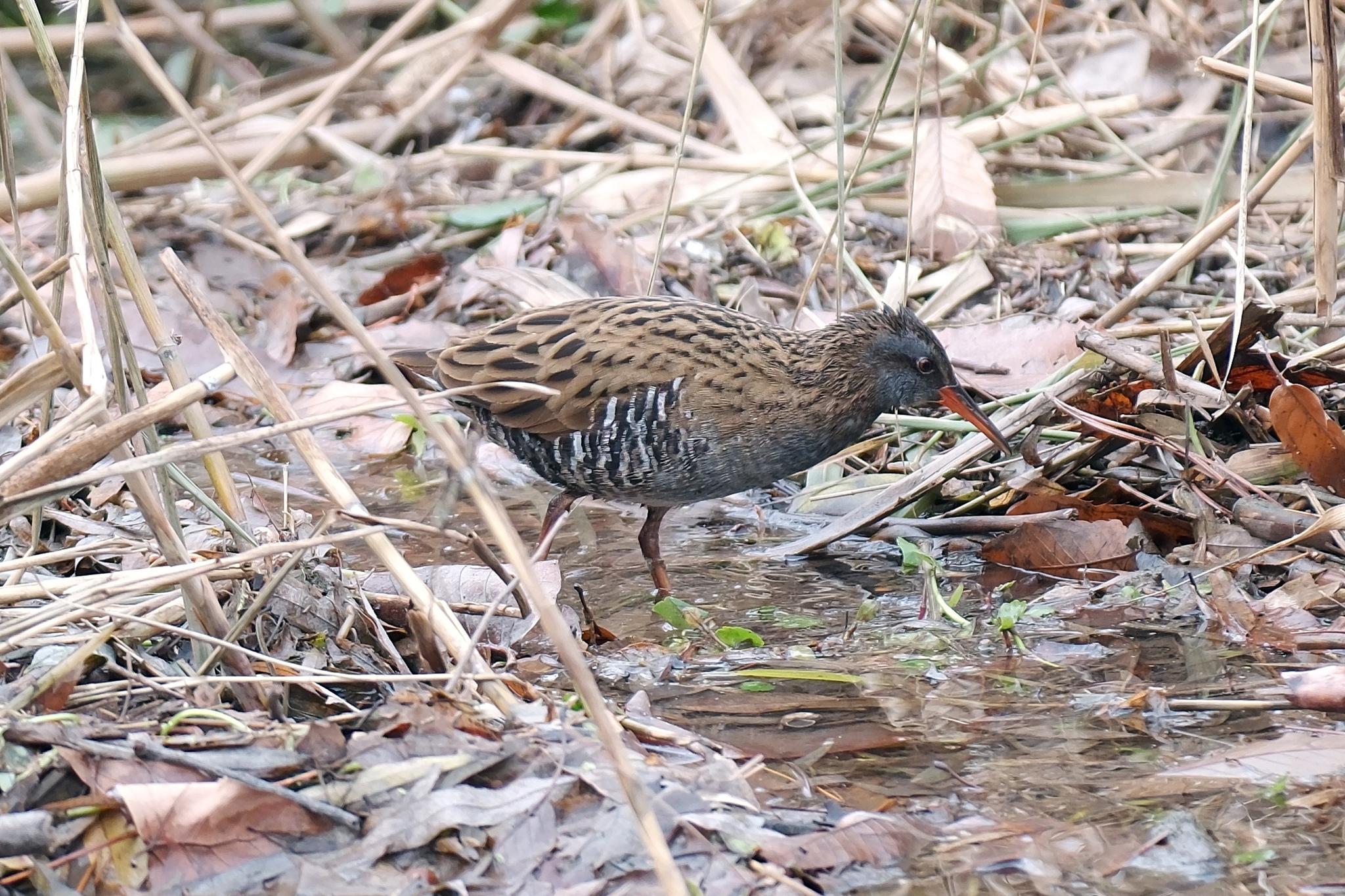
Brown-cheeked Rail
Rallus indicus · 普通秧鸡
Introduction
A species in the family Rallidae, formerly considered a subspecies of the water rail. It breeds in northern Mongolia, eastern Siberia, northeast China, Korea, and northern Japan, and winters in southeast Asia.
Description
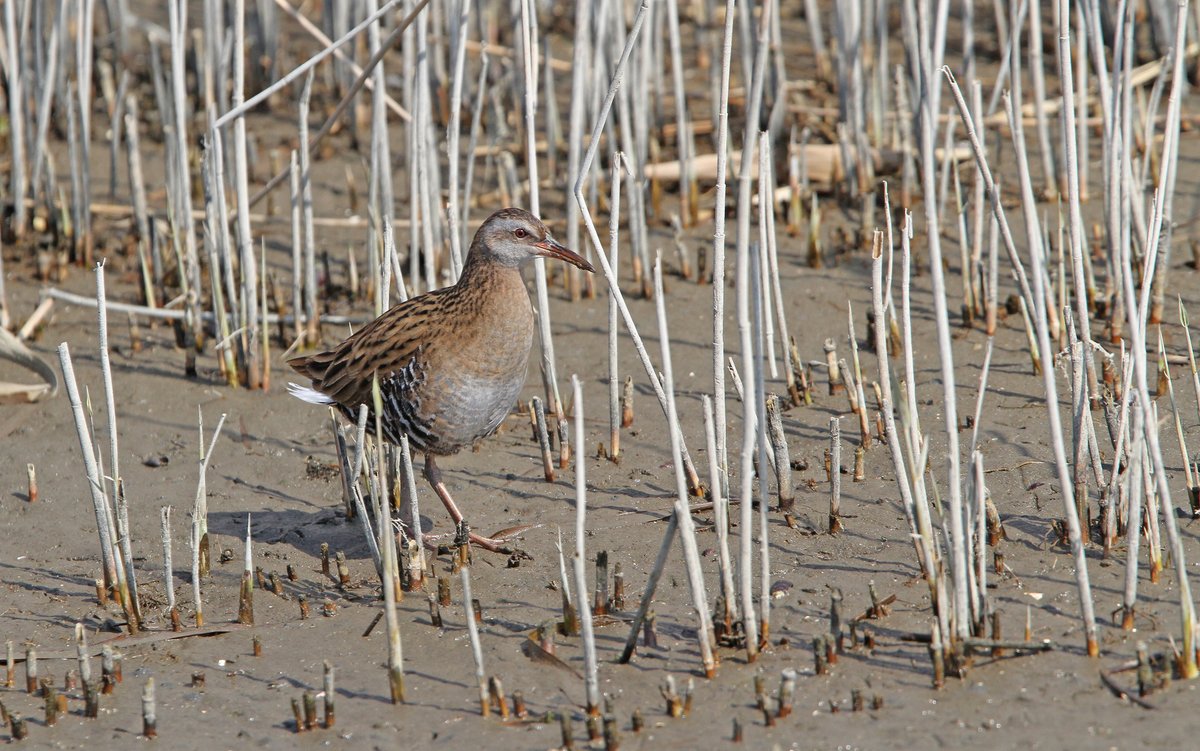
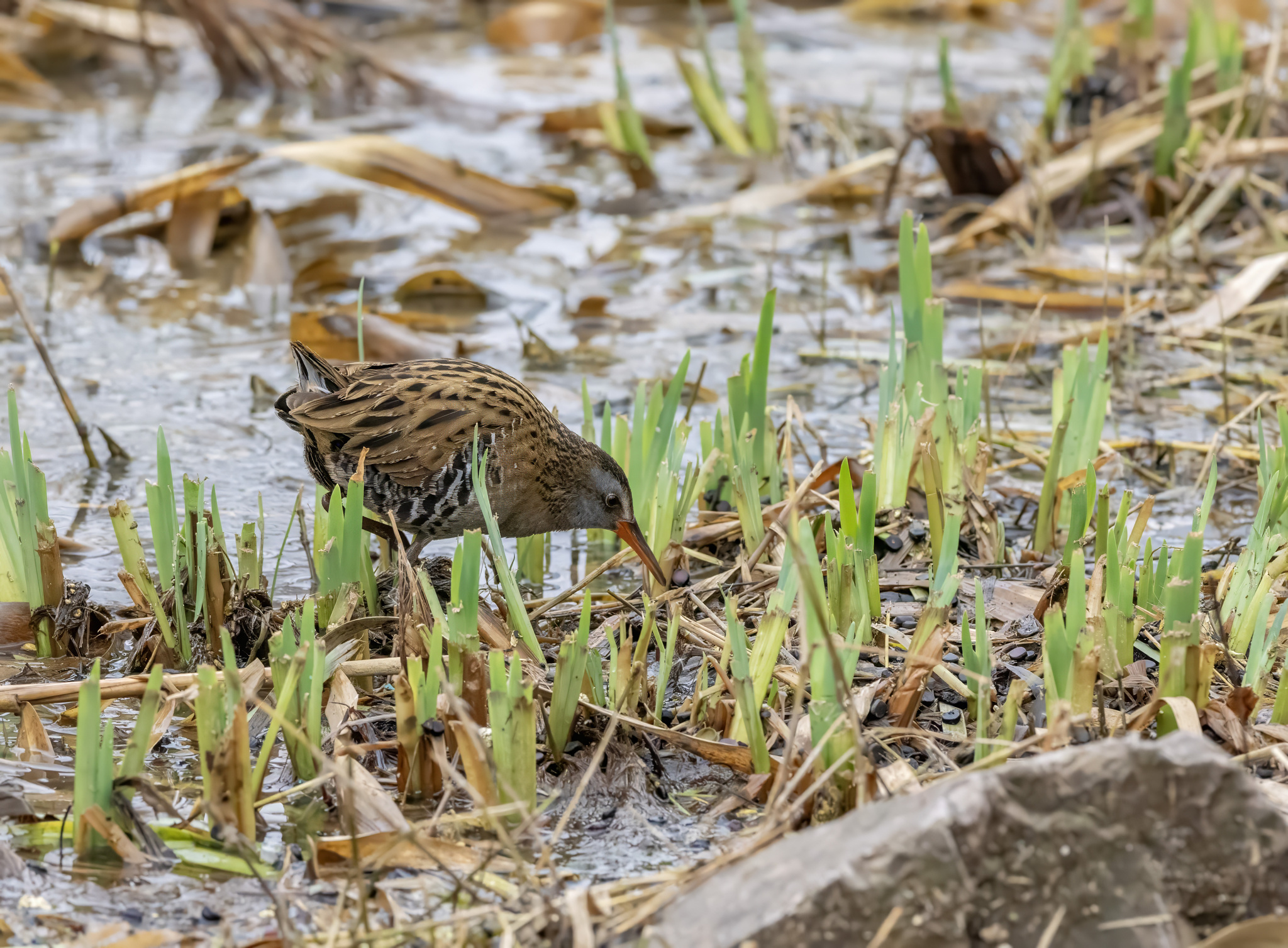
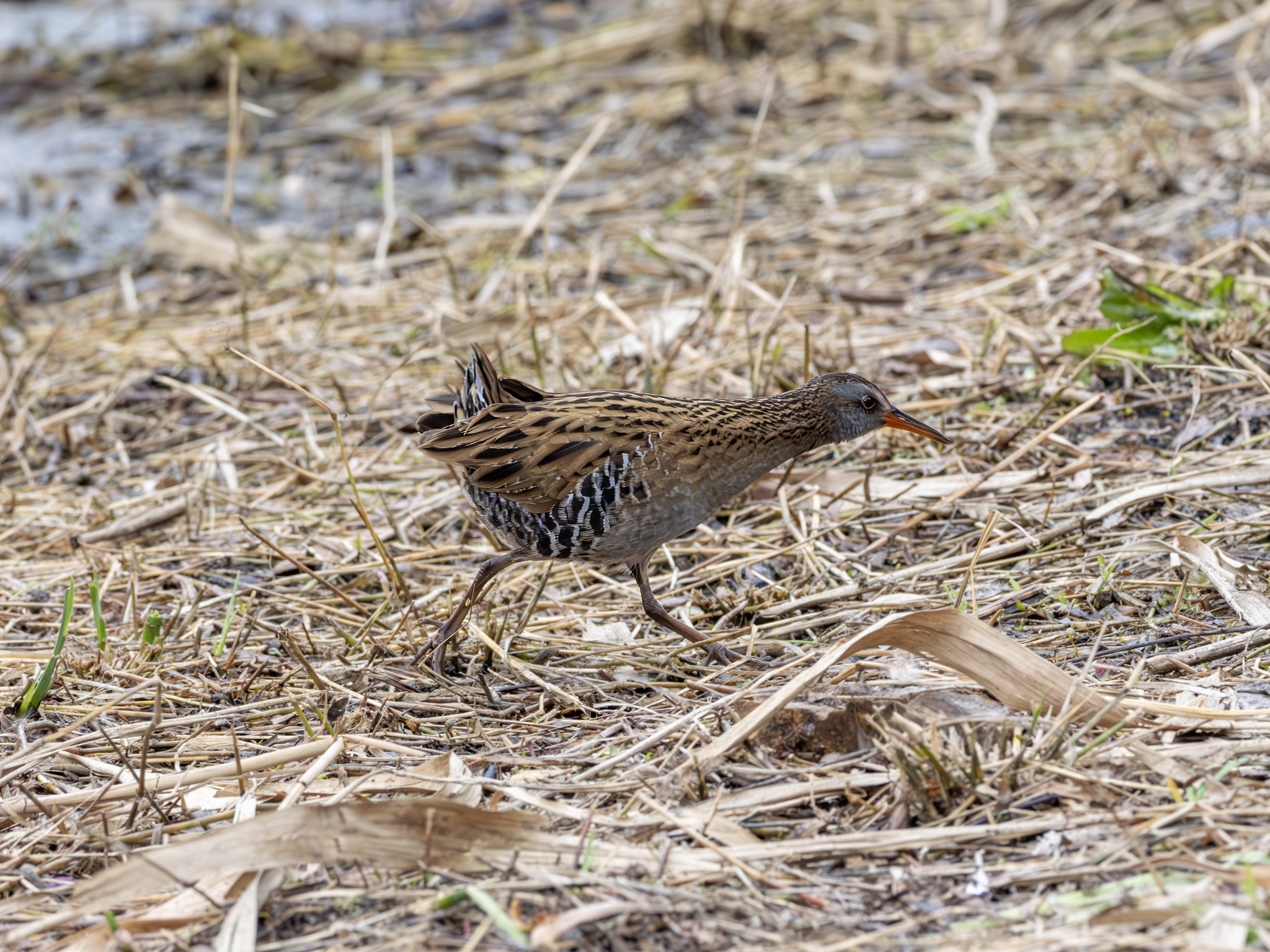
Differs from the nominate form by paler upperparts, brown-tinged underparts, and a brown stripe through the eye. Compared to R. a. korejewi, it is darker above with a browner breast, white throat, and more obvious brown eyestripe. The average weight of wind-dried nests in Japan is 95 g (3.4 oz).
Identification
Distinguished by very different vocalisations from the water rail. The courtship call is a sharp piping kyu, longer and clearer than that of the European race. The song consists of metallic slurred shrink, shrink notes, about two per second, repeated after a short pause. It does not respond to recorded announcement calls of the nominate R. a. aquaticus.
Distribution & Habitat
Breeds in northern Mongolia, eastern Siberia, northeast China, Korea, and northern Japan. Mainly migratory, wintering in southern Japan, eastern China, northern Borneo, and southeast Asia. Uncommon in northern Bangladesh, Burma, Laos, and northern and central Thailand; rarely reaches further south in mainland southeast Asia. Recorded in Sri Lanka and mainly northern India, with few records as far south as Mumbai. Breeding birds in Hokkaido mostly migrate south, including to Korea, though some remain in coastal marshes of Honshu during winter.
Behavior & Ecology
Nest and eggs are identical to those of other subspecies of water rail. The courtship call is given throughout the year. Migrants arriving in India may be exhausted enough to be caught by hand.
Source: Wikipedia · CC BY-SA 3.0
Taxonomy
- Order
- Gruiformes
- Family
- Rallidae
- Genus
- Rallus
Distribution
breeds eastern Siberia to Japan; winters to southeastern Asia and Borneo
Vocalizations
Data Sources
Species description from Wikipedia, licensed under CC BY-SA 3.0.
Bird images and sounds sourced from GBIF, contributed by citizen scientists worldwide under Creative Commons licenses.
Taxonomy data from AviList 2025.