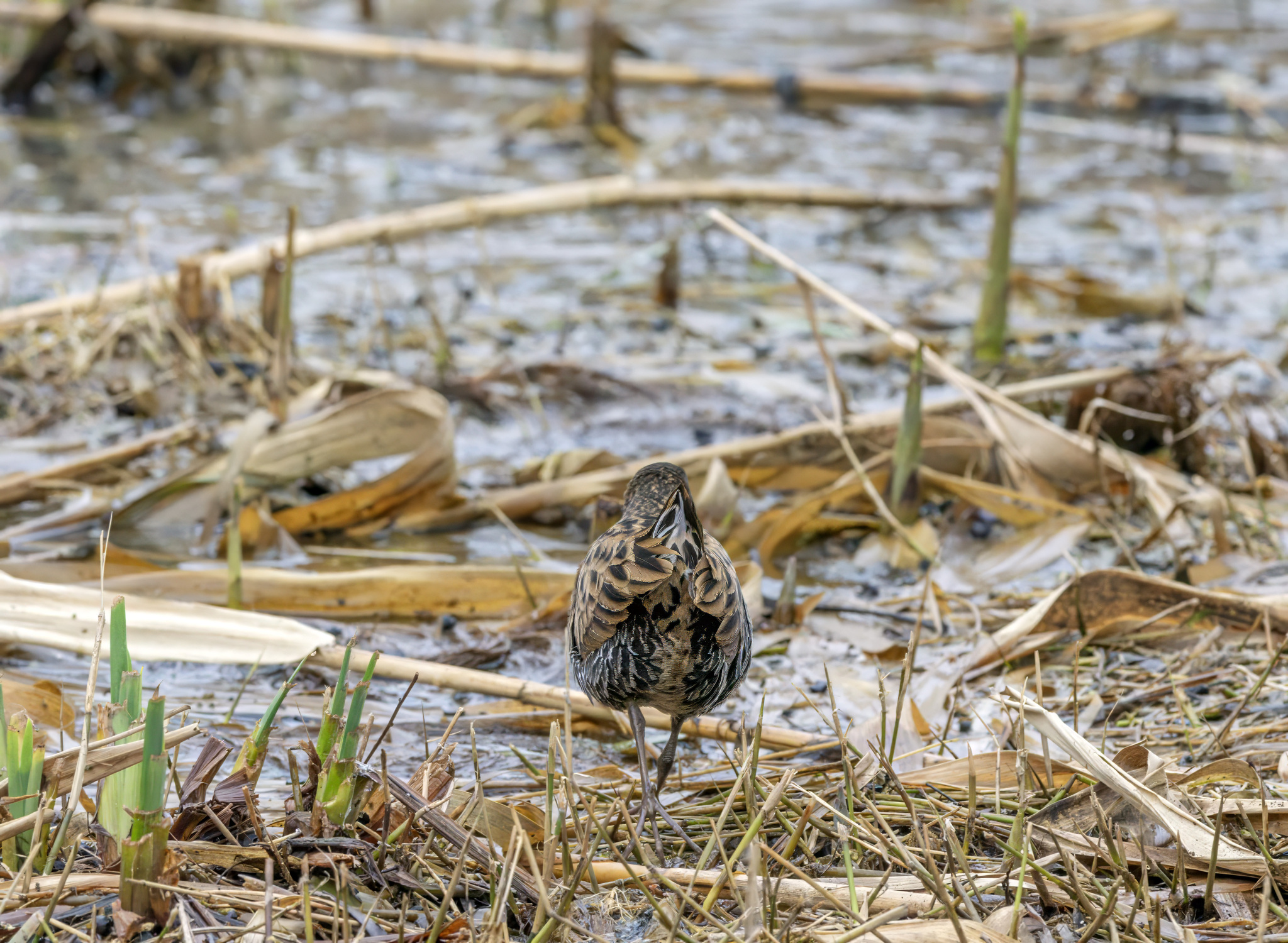
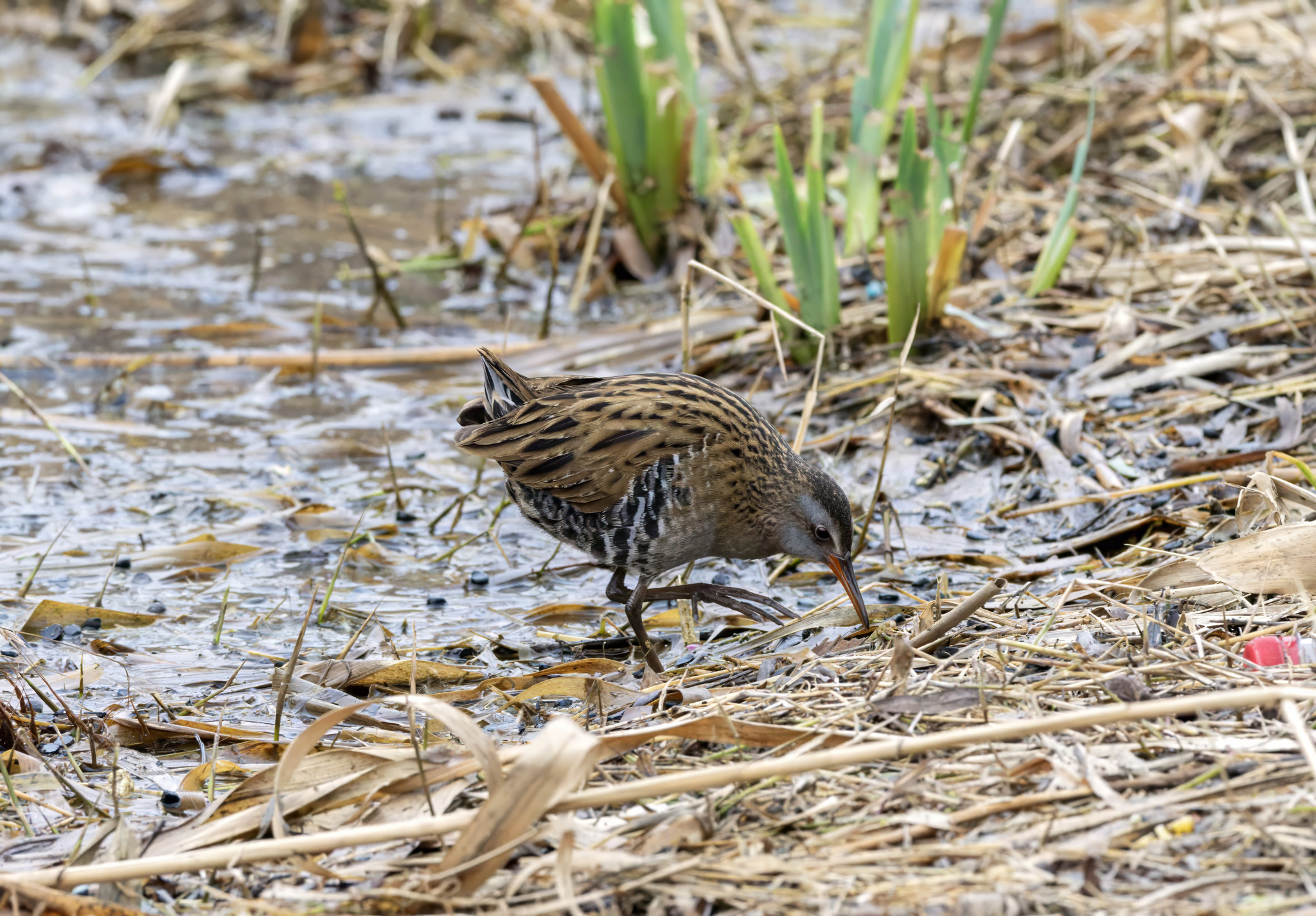
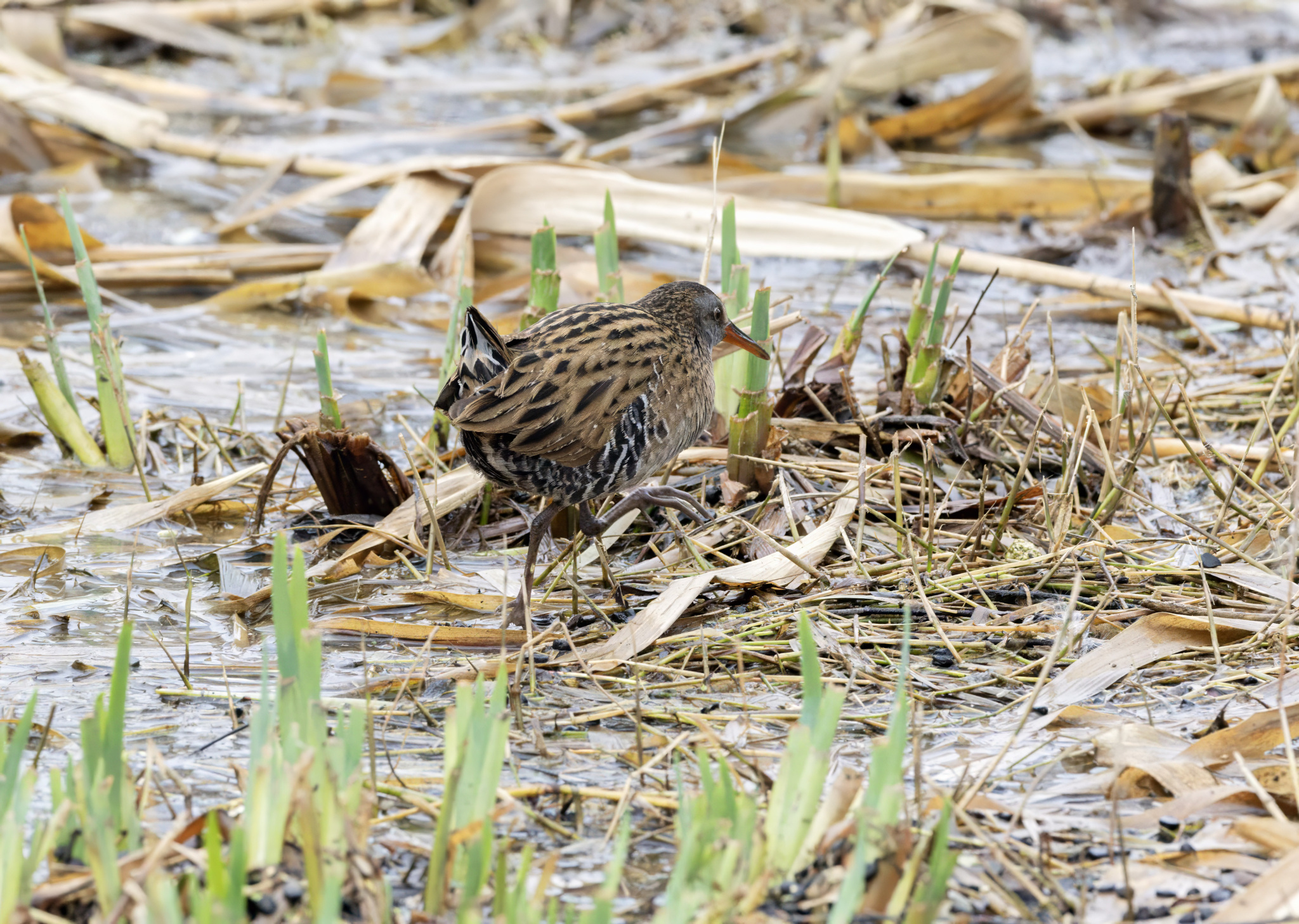
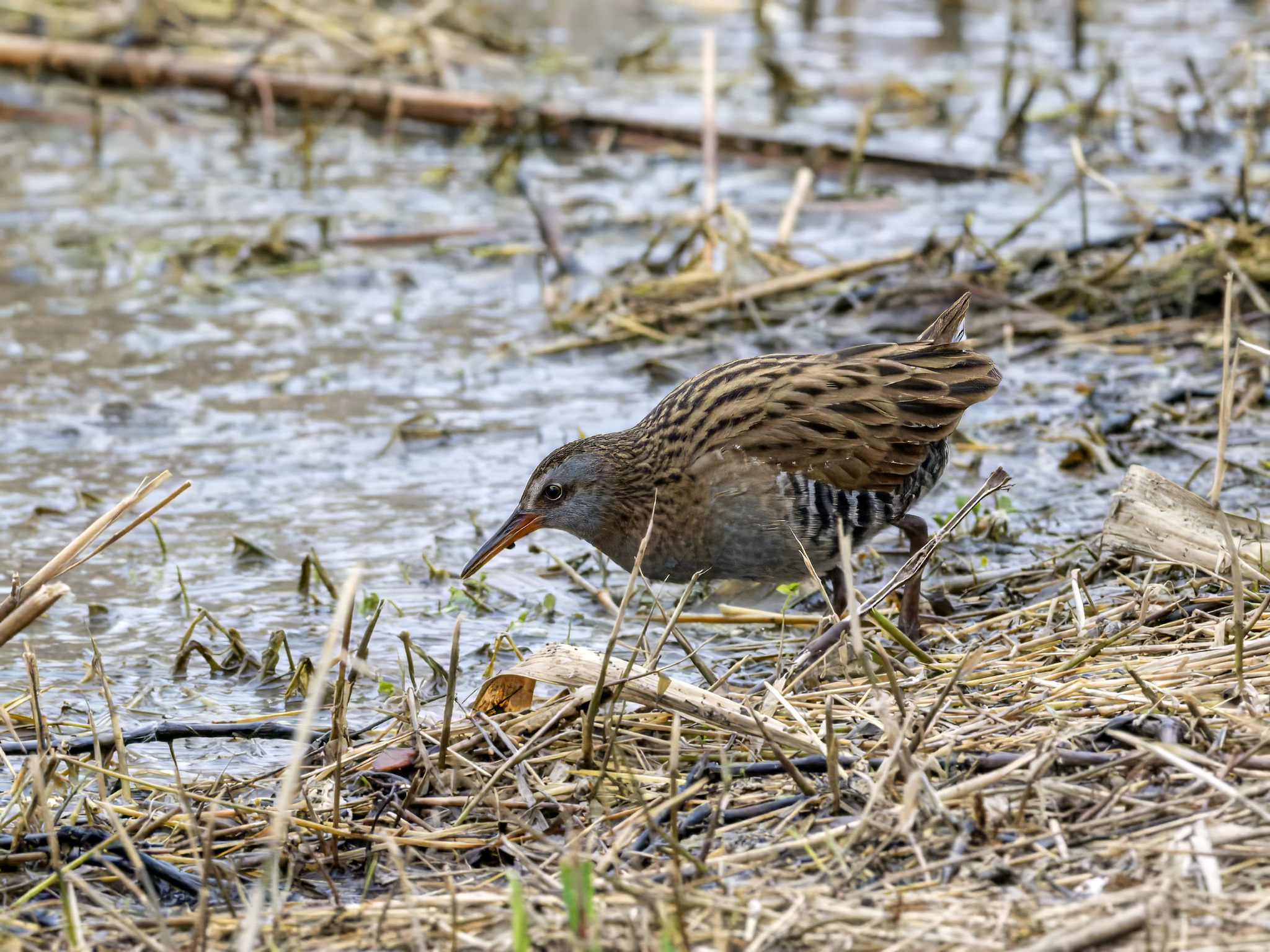
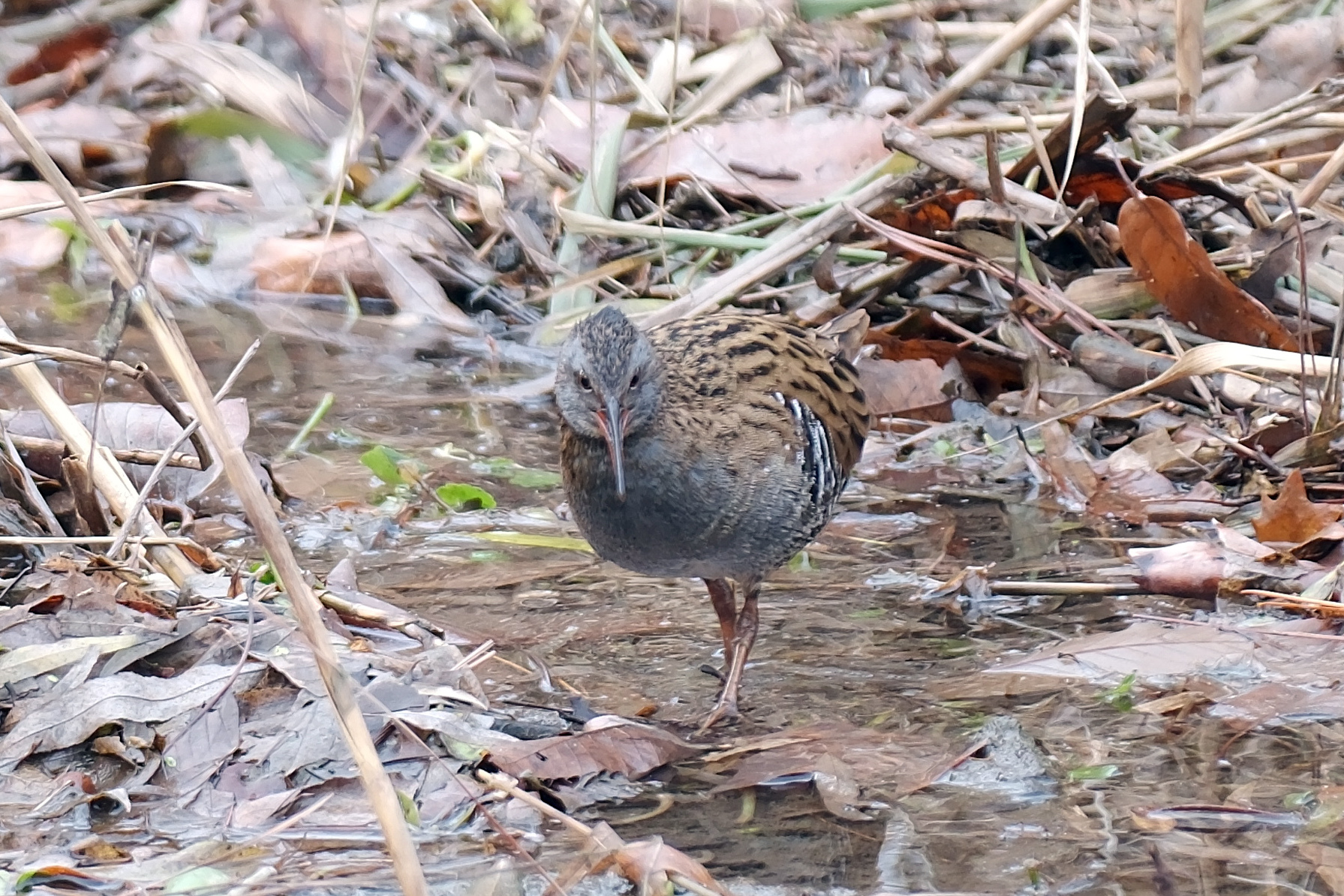
Brown-cheeked Rail
Rallus indicus
普通秧鸡
Introduction
This species represents the eastern population of what was formerly considered the water rail complex. It inhabits dense wetland vegetation and moves with jerky movements, peering through reed stems and aquatic vegetation. The species was split from its western counterpart based on genetic evidence and vocal differences, with the two forms estimated to have diverged over 500,000 years ago. It breeds across northern Asia from Mongolia through Siberia to Japan, then migrates southward for the winter. It produces sharp piping calls. The species favors freshwater marshes with tall emergent vegetation, including reedbeds and sedge swamps.
Description
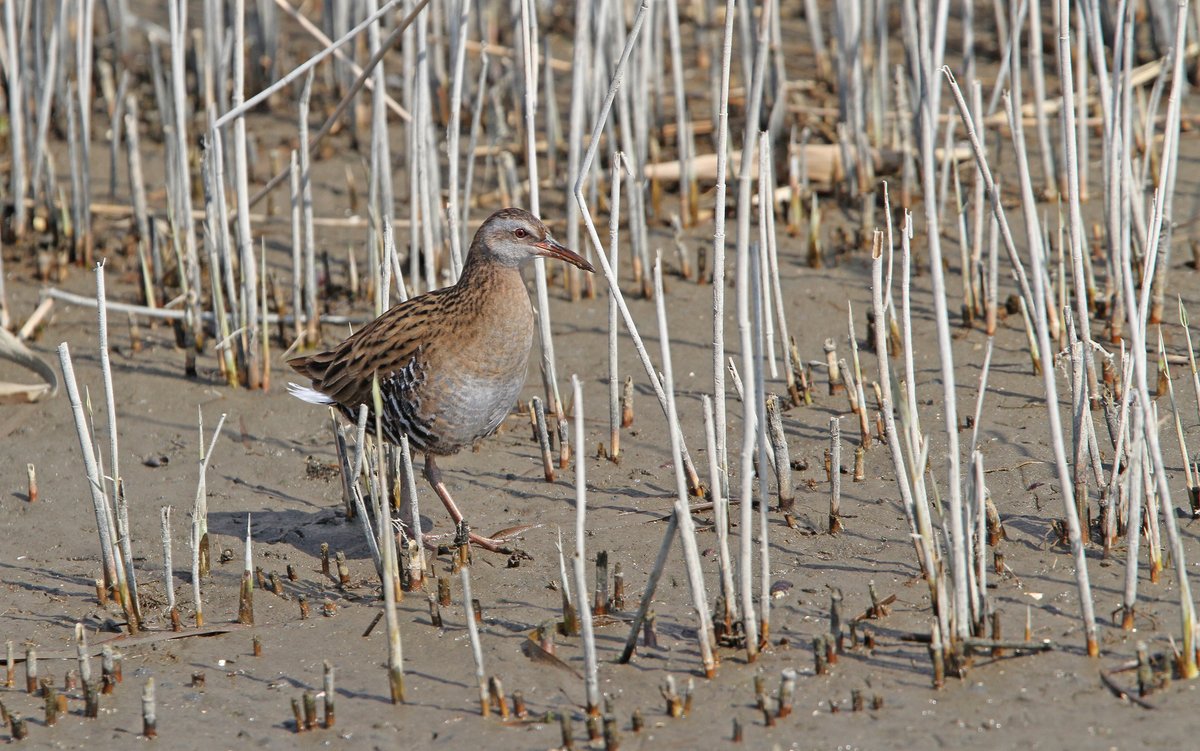
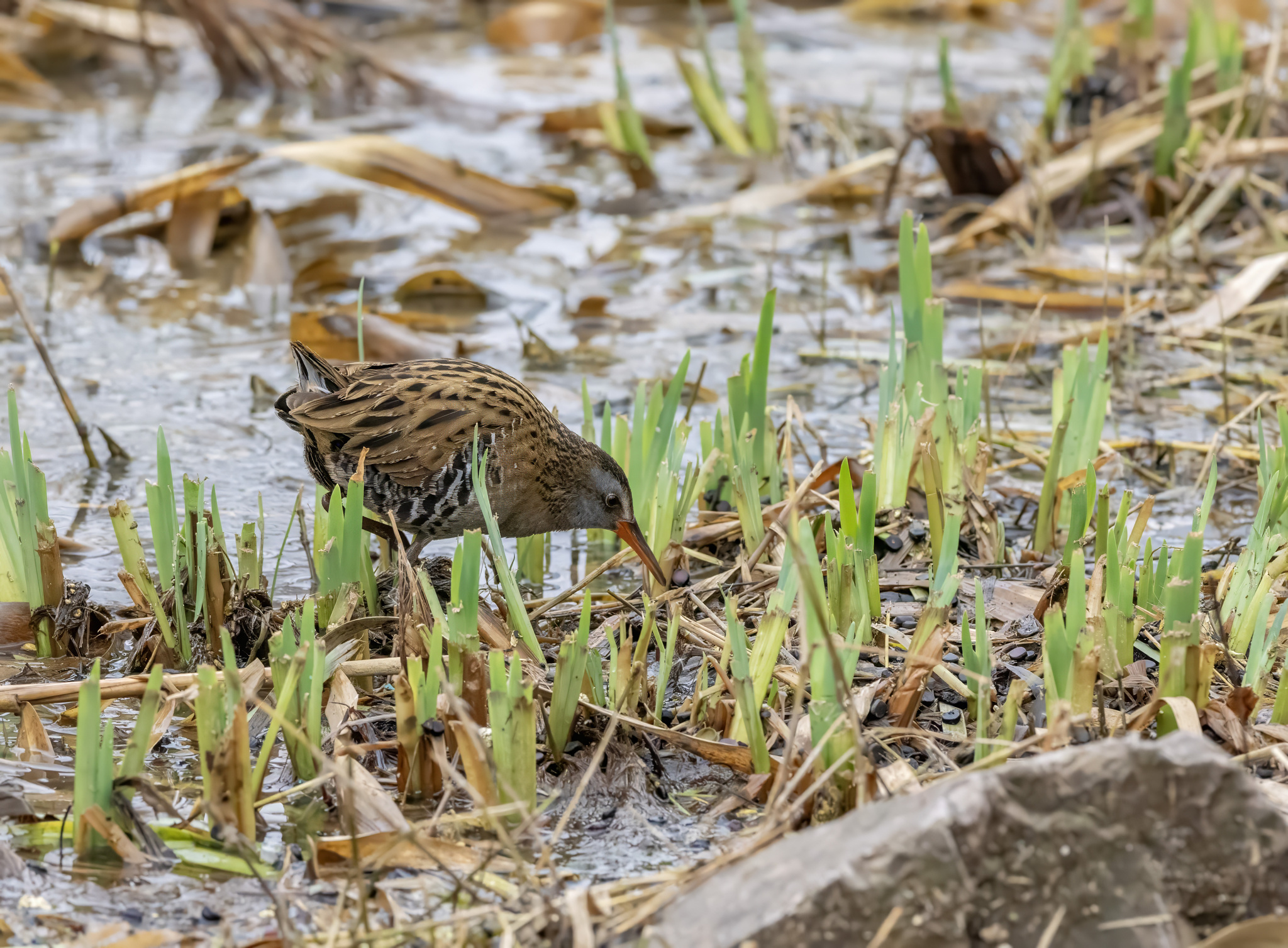
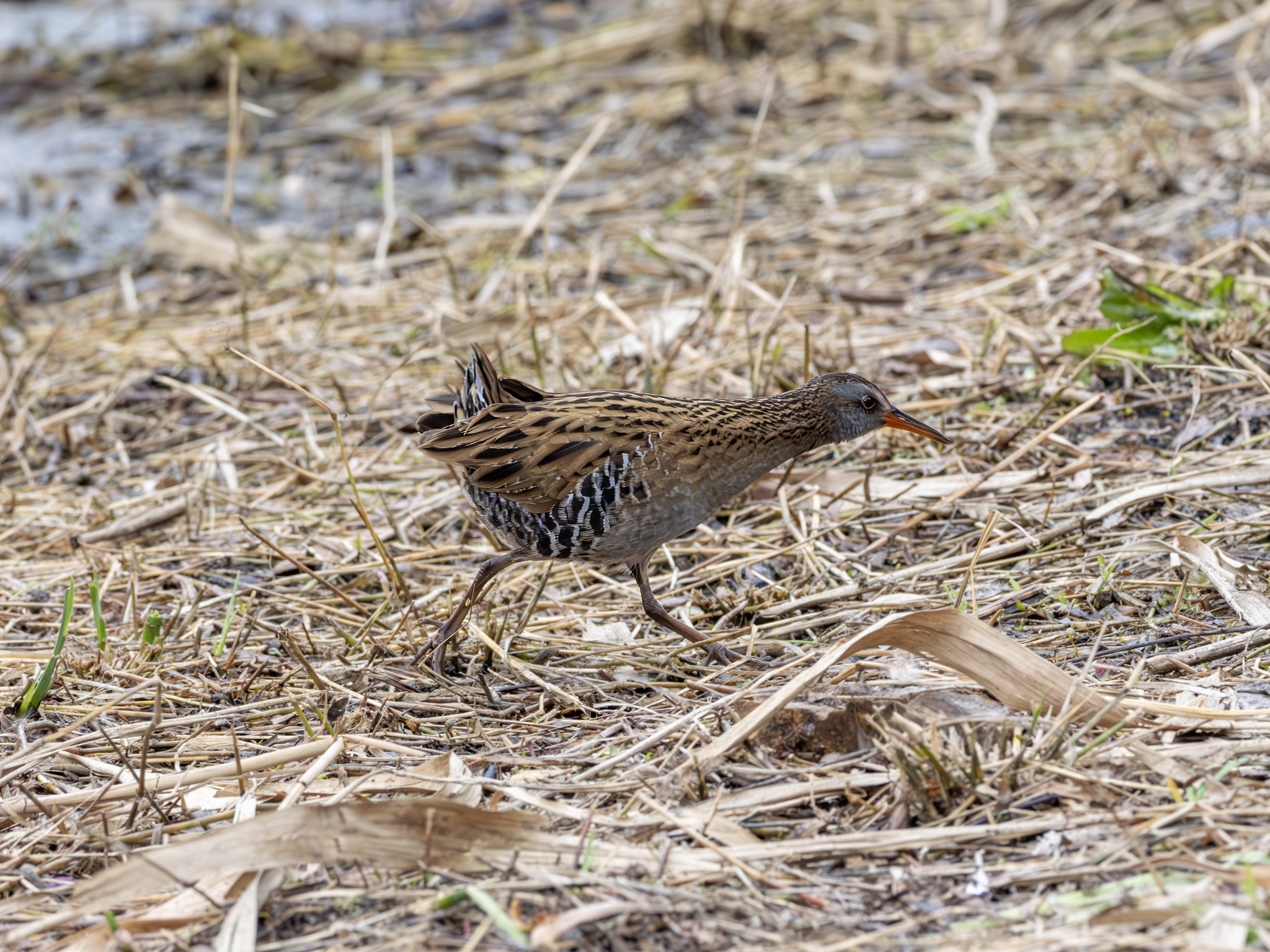
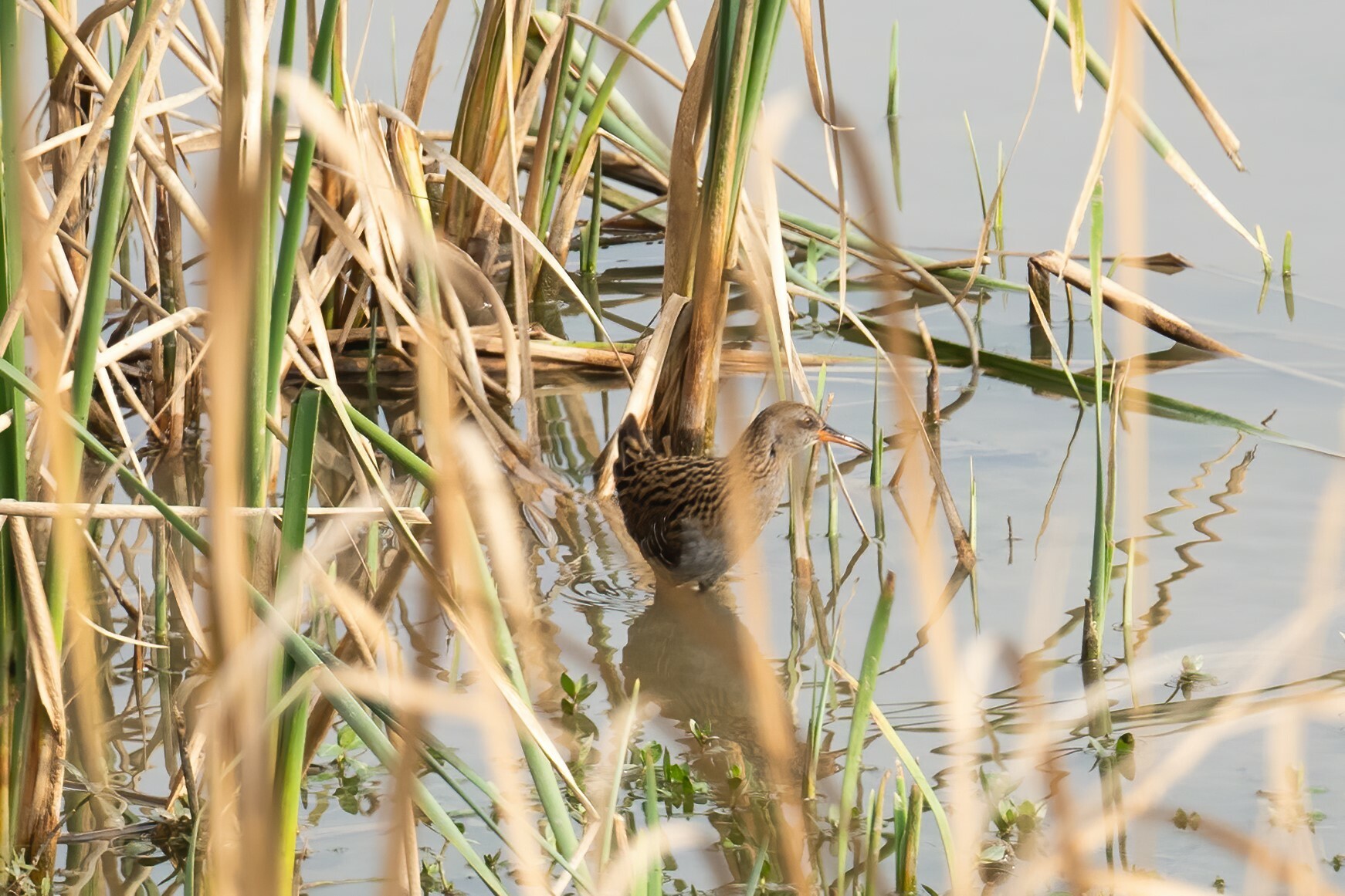
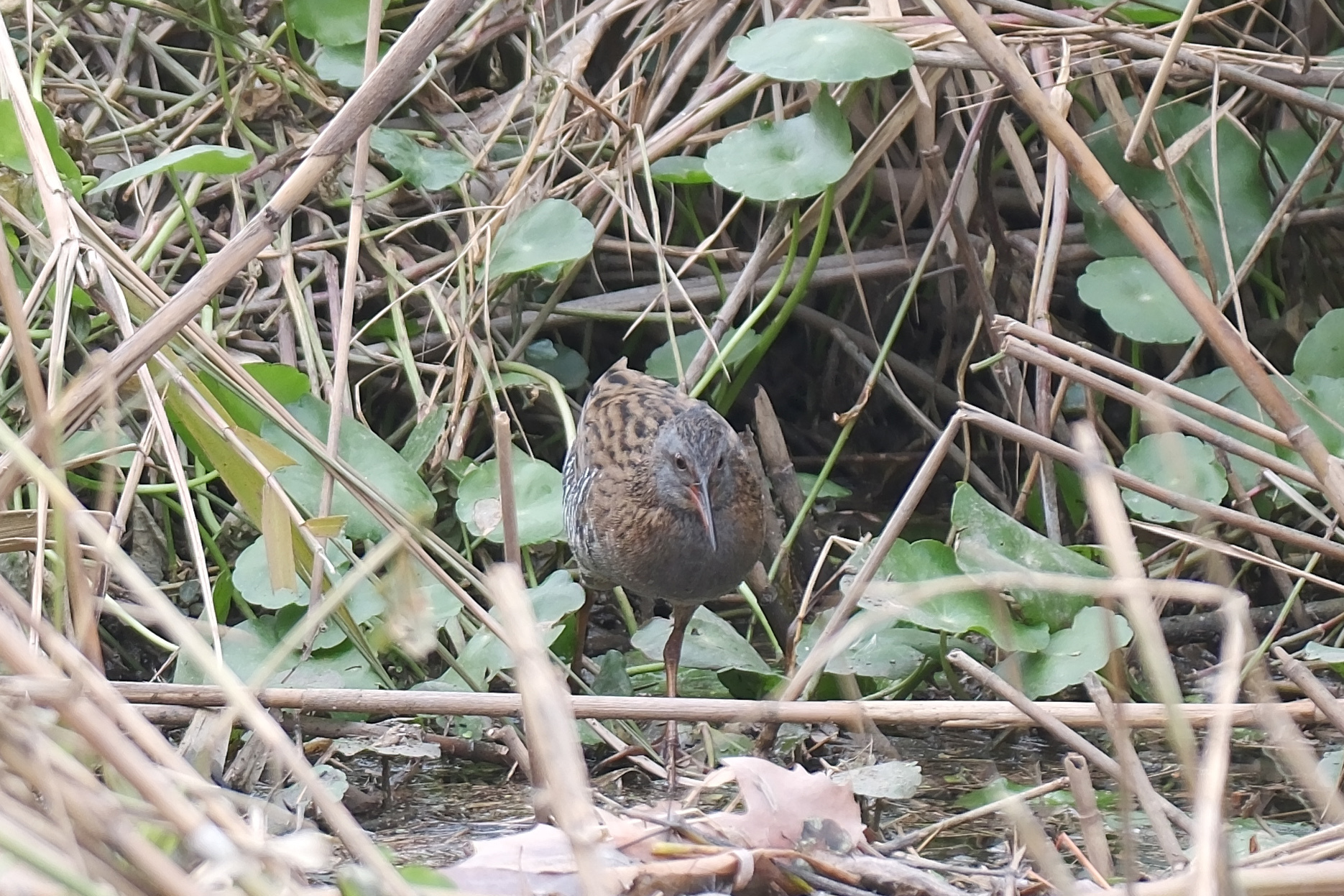
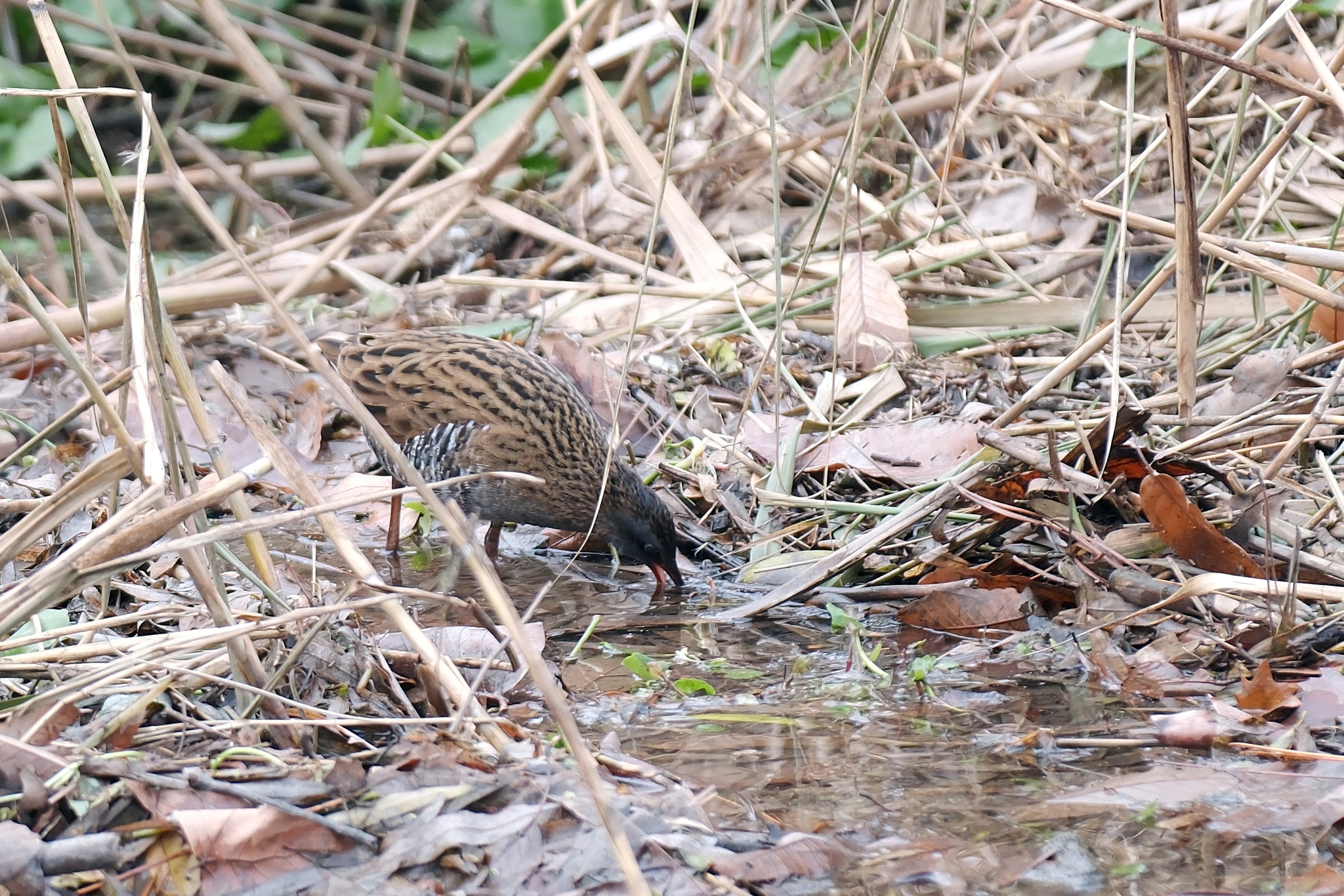
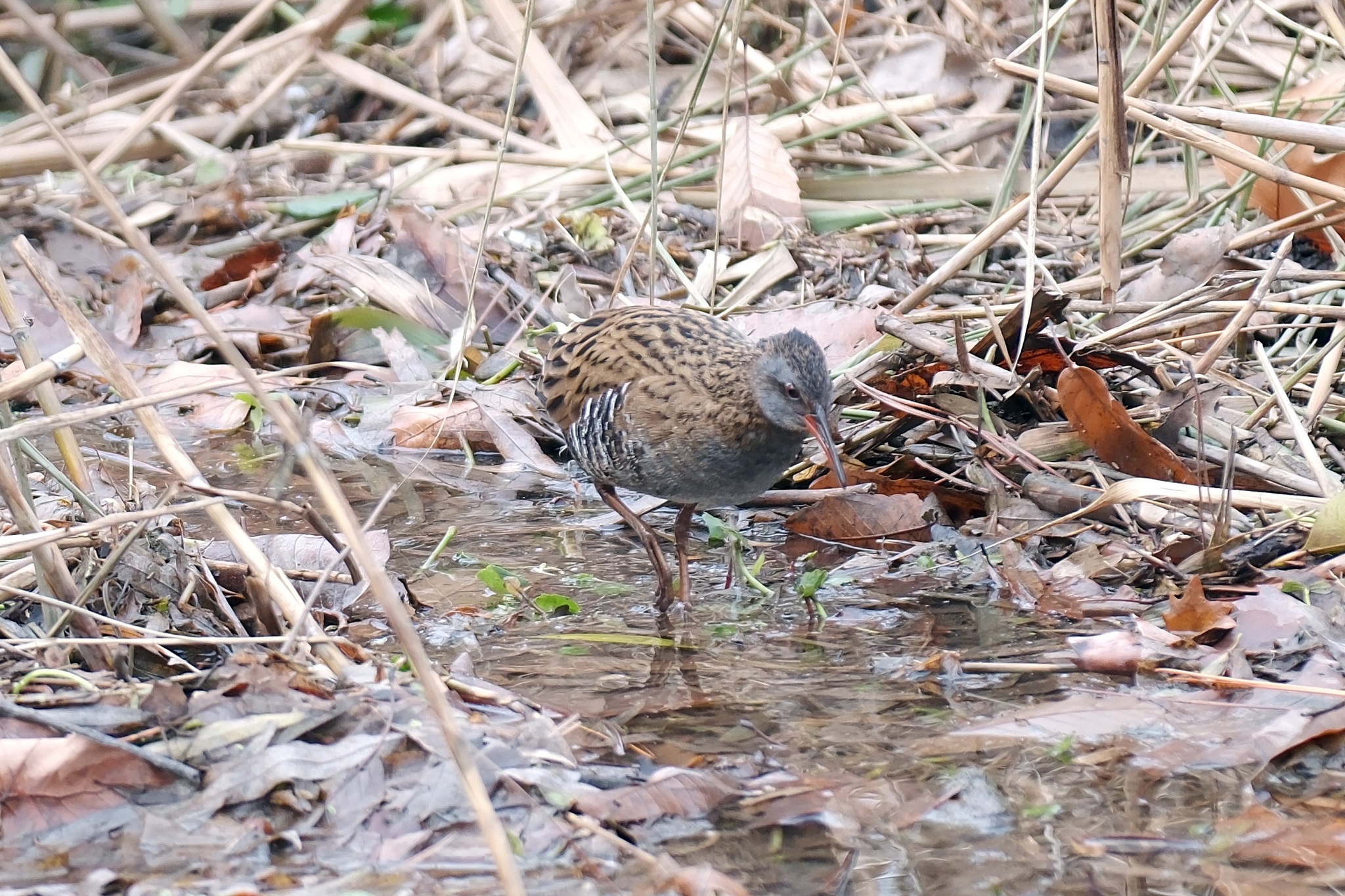
This medium-sized rail has the typical slender body shape of its family, adapted for movement through dense vegetation. The plumage is characterized by brownish-tinged underparts and a distinctive brown stripe running through the eye. The upperparts are paler than the nominate water rail form, while the breast shows warmer brown tones. A white throat patch contrasts with the darker plumage. The legs and bill are relatively long for a rail, adaptations for wading through shallow water and marsh vegetation. The overall coloration provides excellent camouflage among dead reed stems and autumn vegetation.
Identification
The most reliable identification feature is the combination of the brown eyestripe and white throat, which distinguishes it from the western water rail form. The brown-tinged underparts separate it from the nominate race, which shows grayer underparts. Compared to the R. a. korejewi subspecies, this form is darker above with a more prominent eyestripe. The vocalizations are distinctly different: the courtship call is a sharper, longer, and clearer 'kyu' than the European race, and the song consists of metallic 'shrink' notes delivered at about two per second. These birds do not respond to calls of the western form, providing a useful field test where both species might occur.
Distribution & Habitat
The breeding range extends across northern Asia, encompassing northern Mongolia, eastern Siberia, northeast China, Korea, and northern Japan. The species is primarily migratory, wintering in southern Japan, eastern China, and northern Borneo. In Southeast Asia, it occurs uncommonly in northern Bangladesh, Burma, Laos, and northern and central Thailand, rarely reaching further south on the mainland. Vagrants have been recorded on Sri Lanka. In India, wintering birds occur mainly in northern regions with occasional records as far south as Mumbai. Migrants on Hokkaido mostly move south to Korea, though some remain in coastal marshes of Honshu during winter.
Behavior & Ecology
The species is most active during twilight and nighttime, though calling may occur throughout the day. The distinctive vocal repertoire includes a courtship call described as a sharp piping 'kyu', longer and clearer than that of the European water rail. The territorial song consists of a series of metallic slurred 'shrink' notes delivered at approximately two notes per second, with short pauses between series. Pairs are territorial during breeding season. The nest is a well-concealed cup constructed among dense marsh vegetation, with average wind-dried nest weight in Japan recorded at 95 grams. The diet consists of small invertebrates, seeds, and plant material obtained by probing in mud and shallow water.
Conservation
IUCN conservation status assessment not provided in source material.
Culture
Cultural significance and folklore not documented in source material.
Source: Wikipedia · CC BY-SA 3.0
Taxonomy
- Order
- Gruiformes
- Family
- Rallidae
- Genus
- Rallus
- eBird Code
- bncrai1
Distribution
breeds eastern Siberia to Japan; winters to southeastern Asia and Borneo
Vocalizations
Data Sources
Species description from Wikipedia, licensed under CC BY-SA 3.0.
Bird images and sounds sourced from GBIF, contributed by citizen scientists worldwide under Creative Commons licenses.
Taxonomy data from AviList 2025.