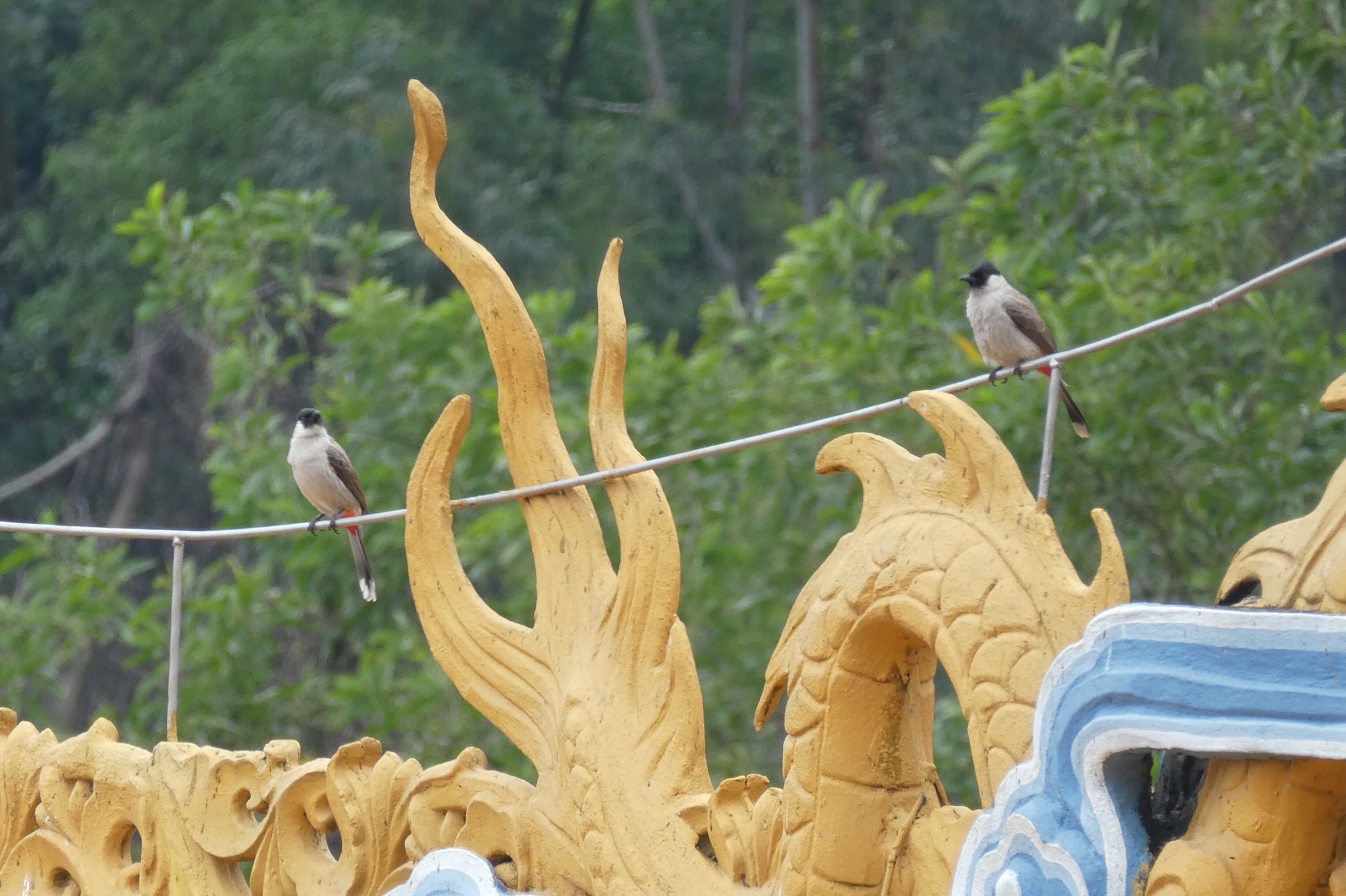
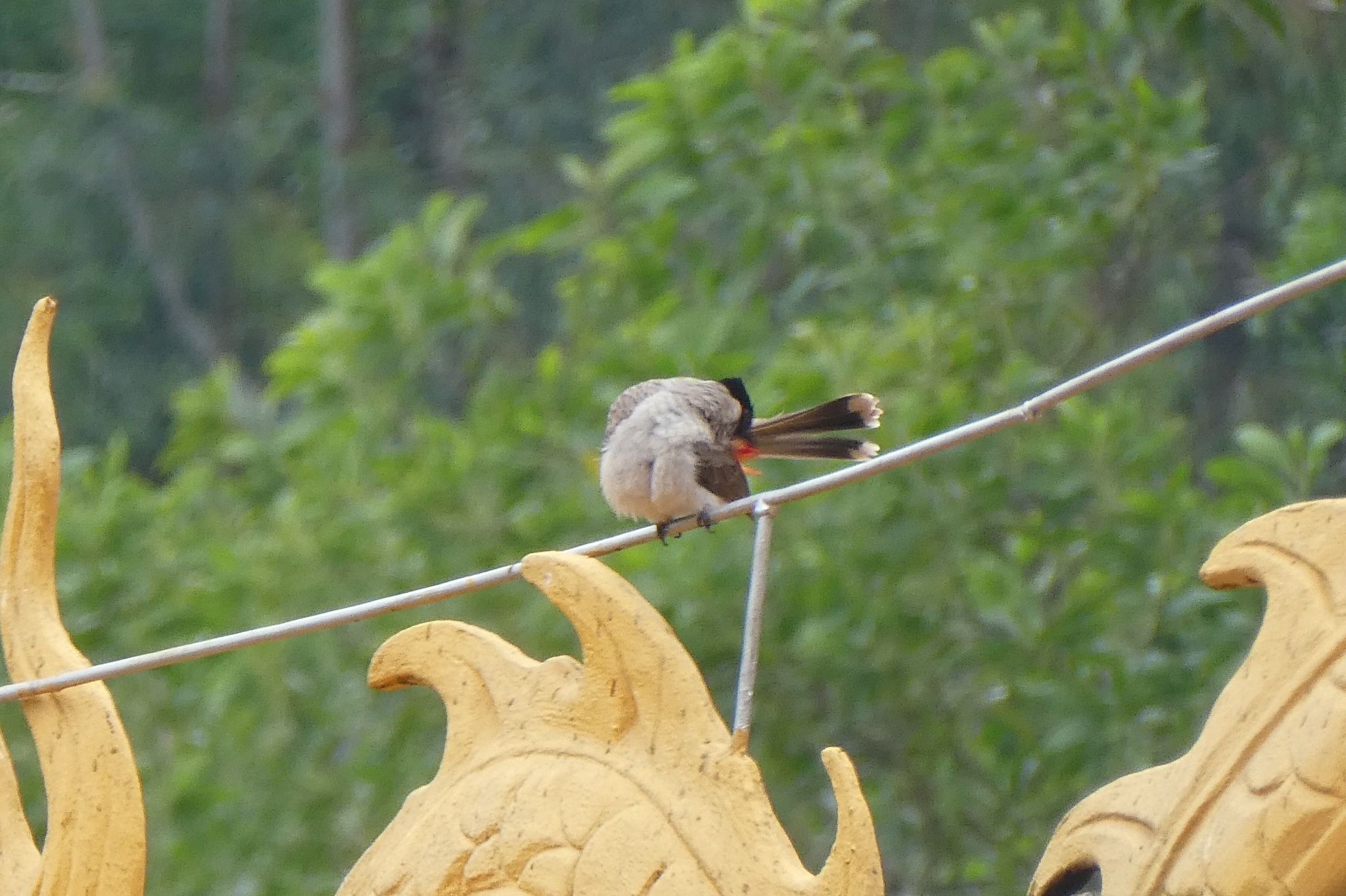
Passeriformes / Pycnonotidae / Pycnonotus
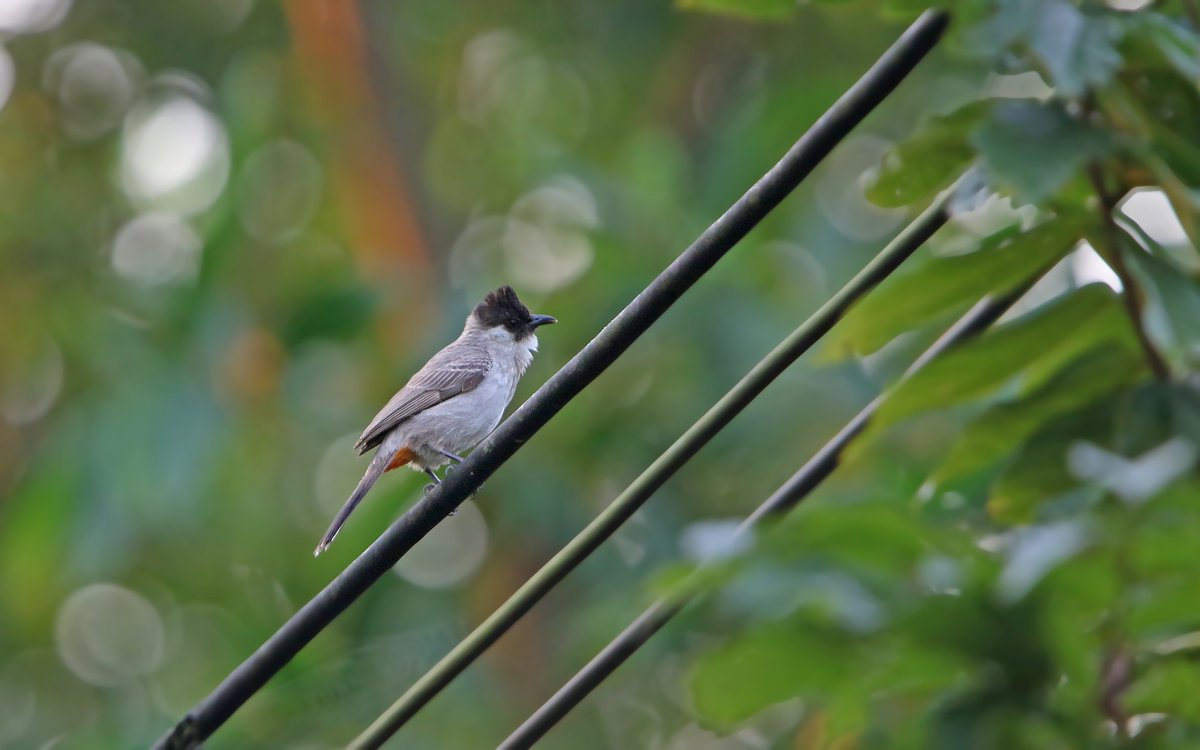
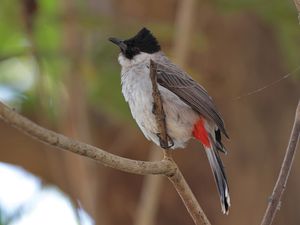
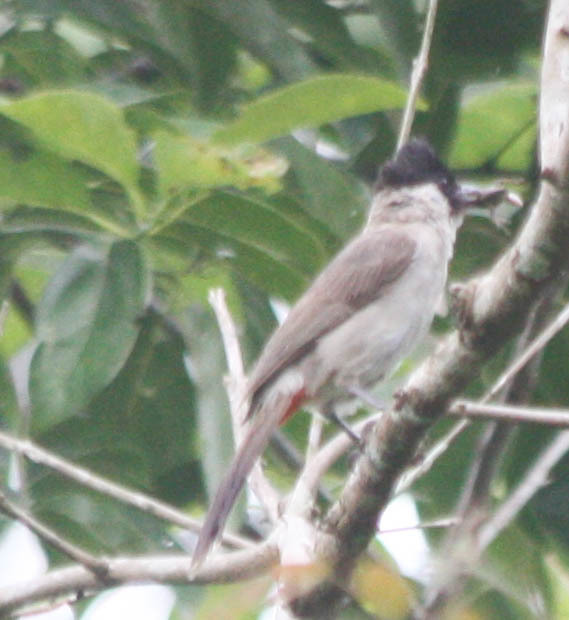
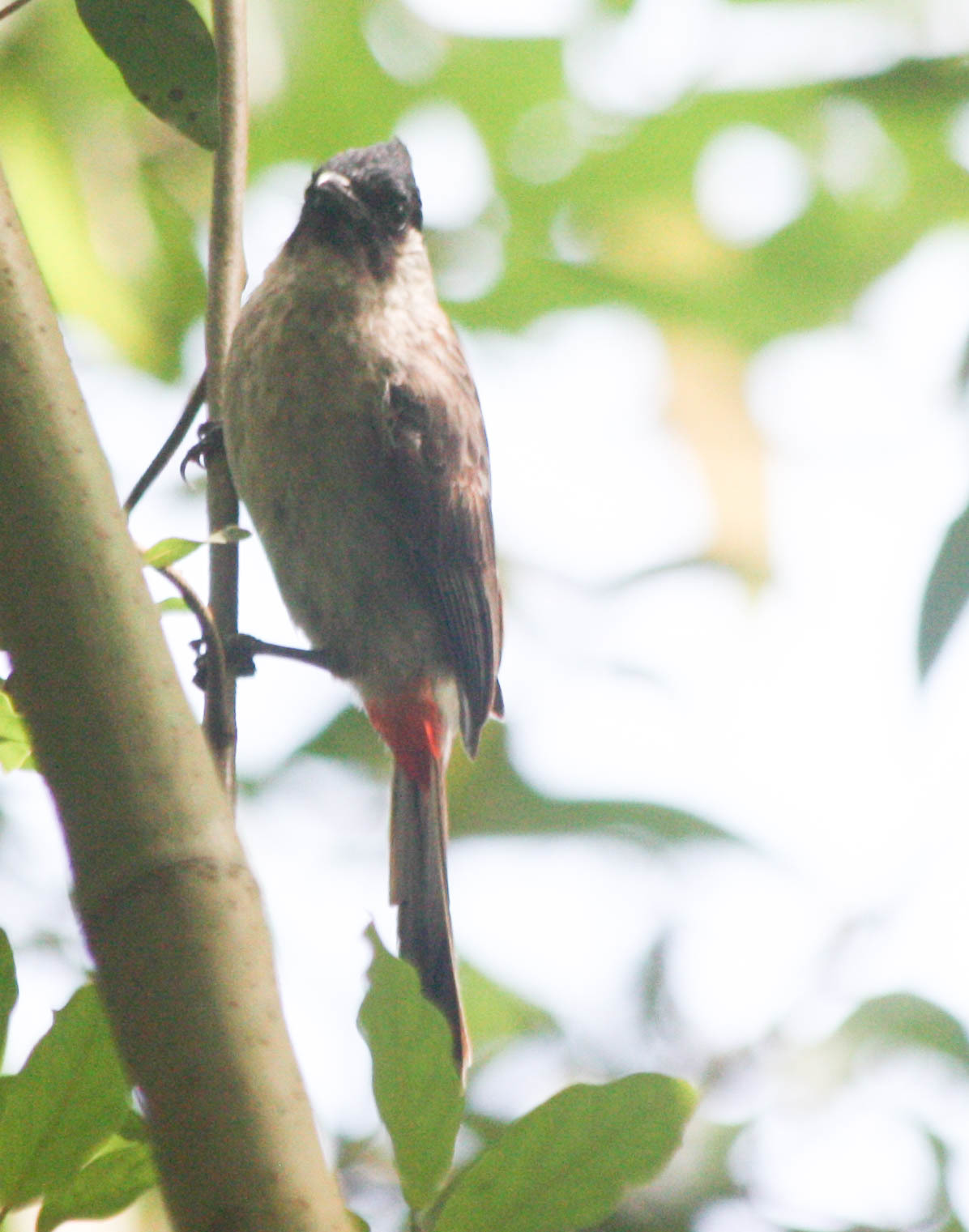
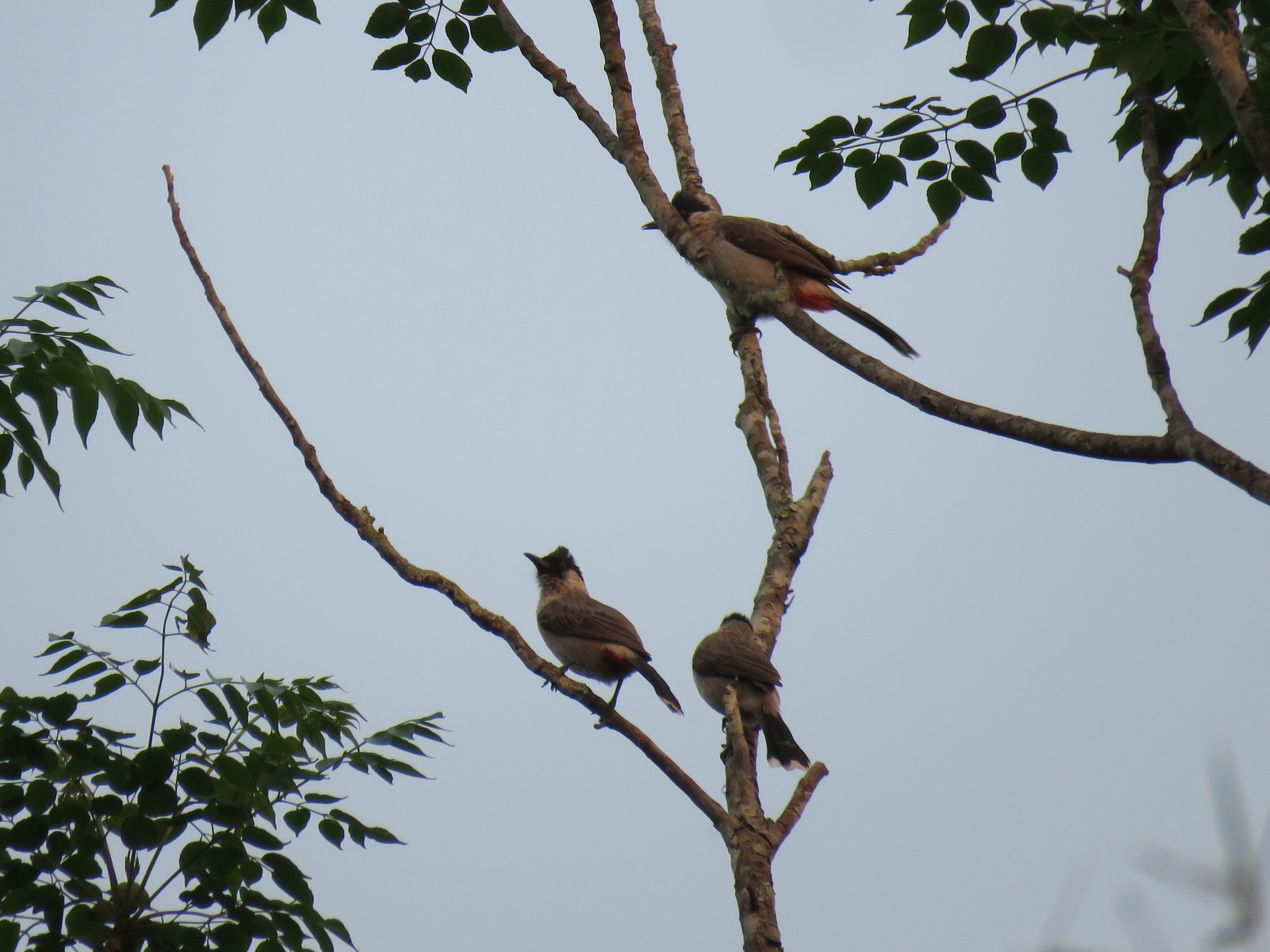
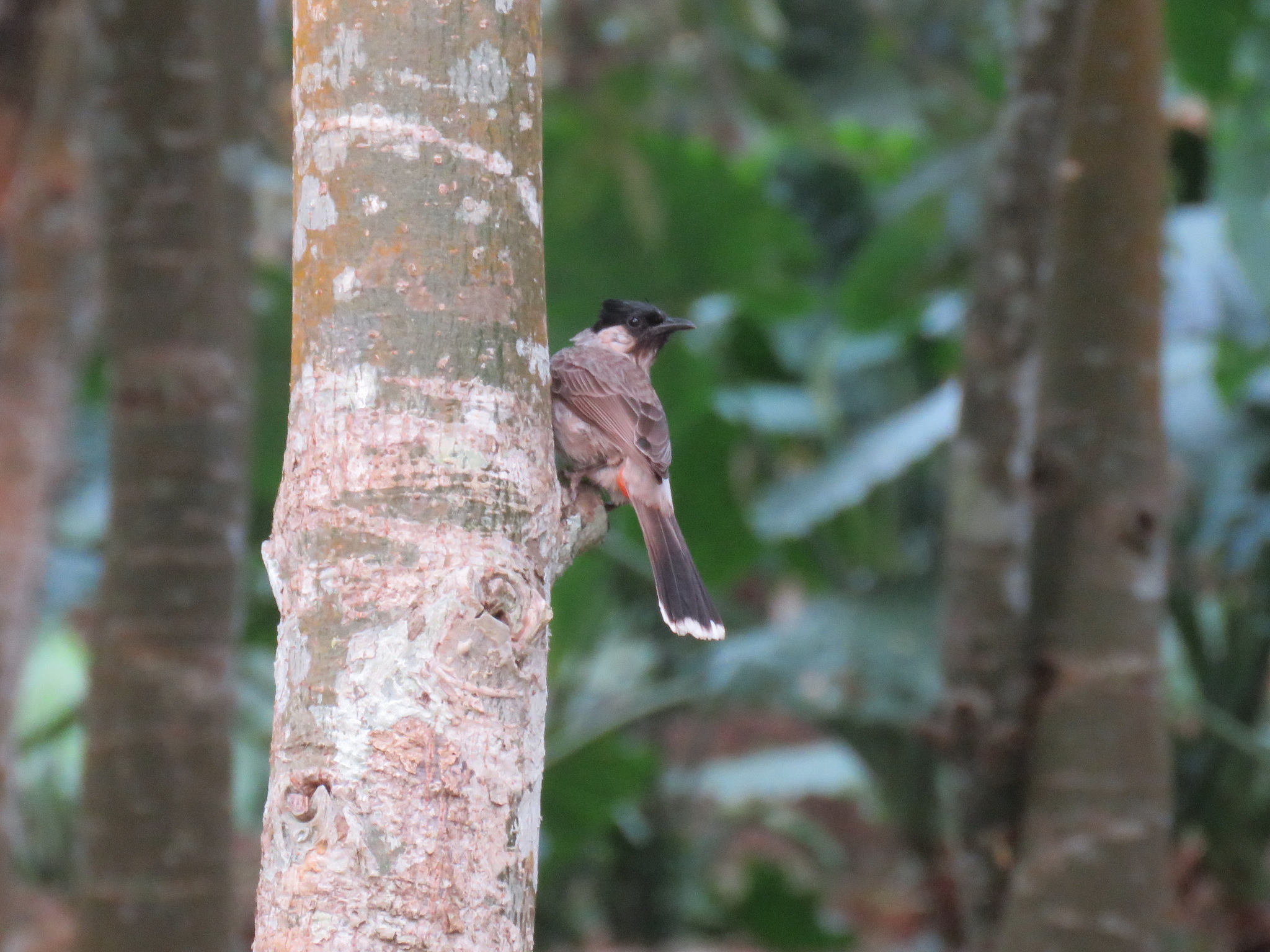
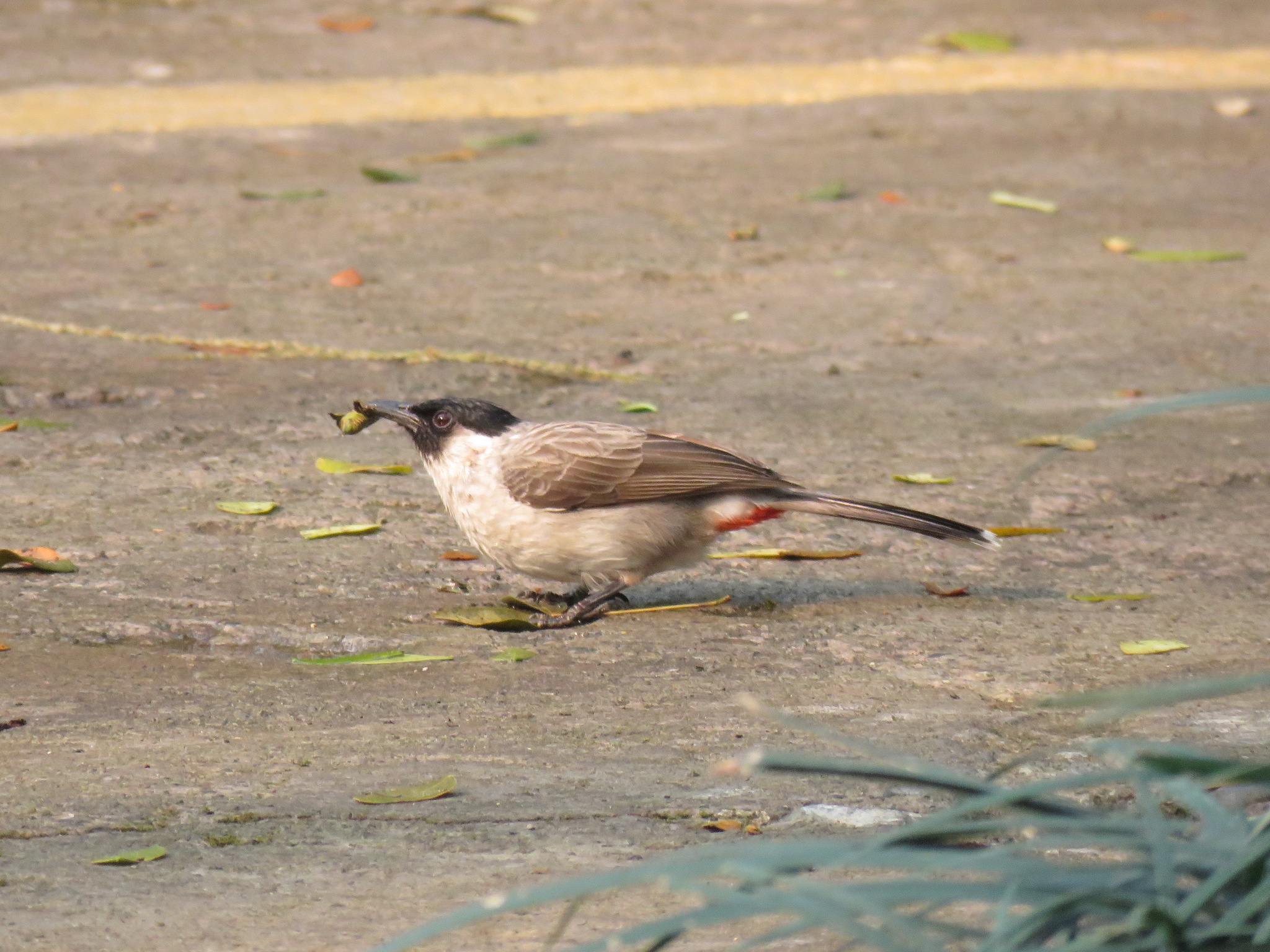
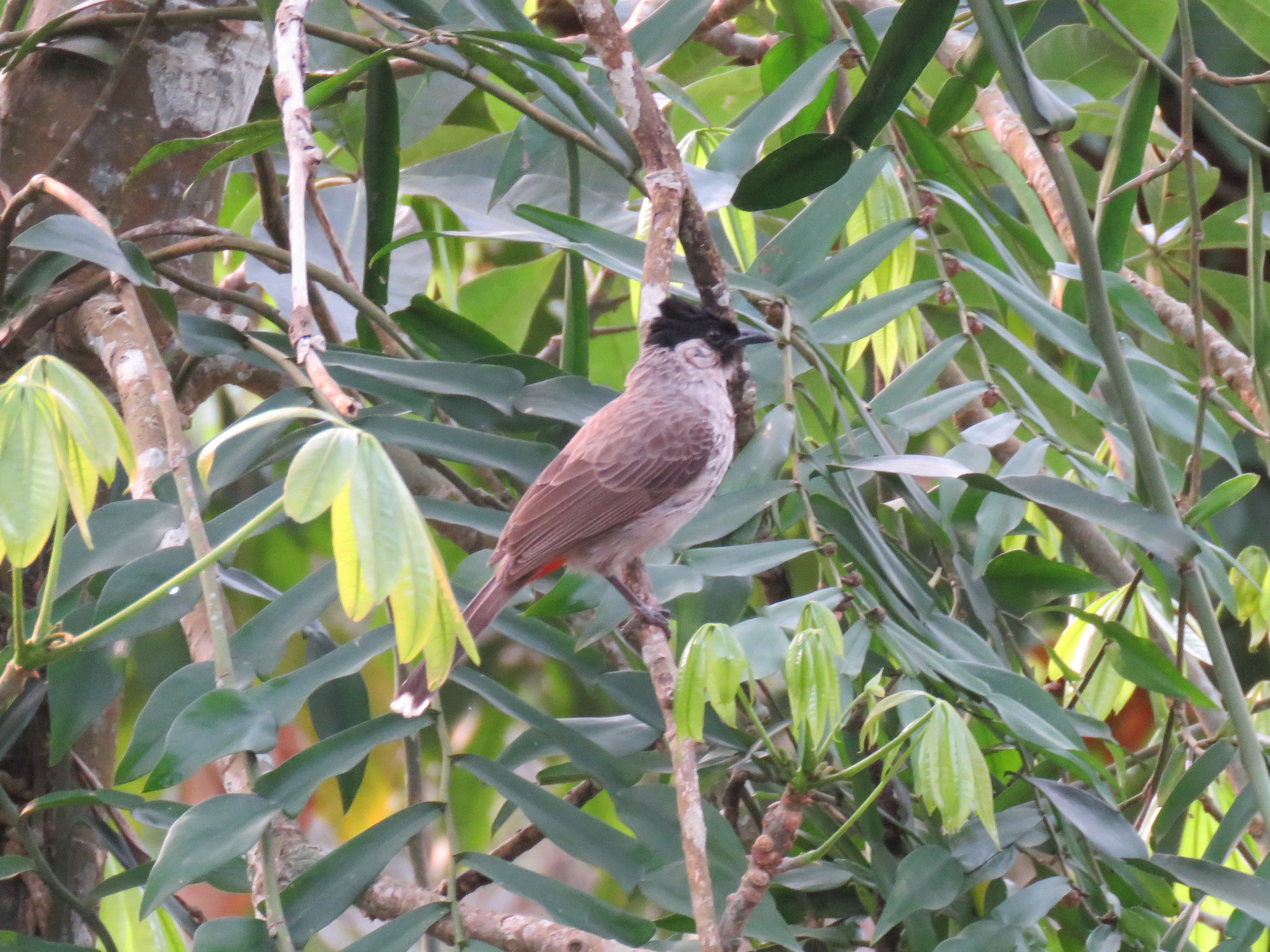
Sooty-headed Bulbul
Pycnonotus aurigaster · 白喉红臀鹎
Introduction
A songbird in the family Pycnonotidae found in south-eastern Asia. Its natural habitat is subtropical or tropical moist lowland forests.
Description
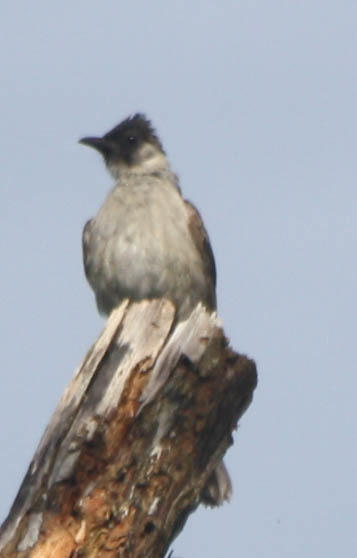
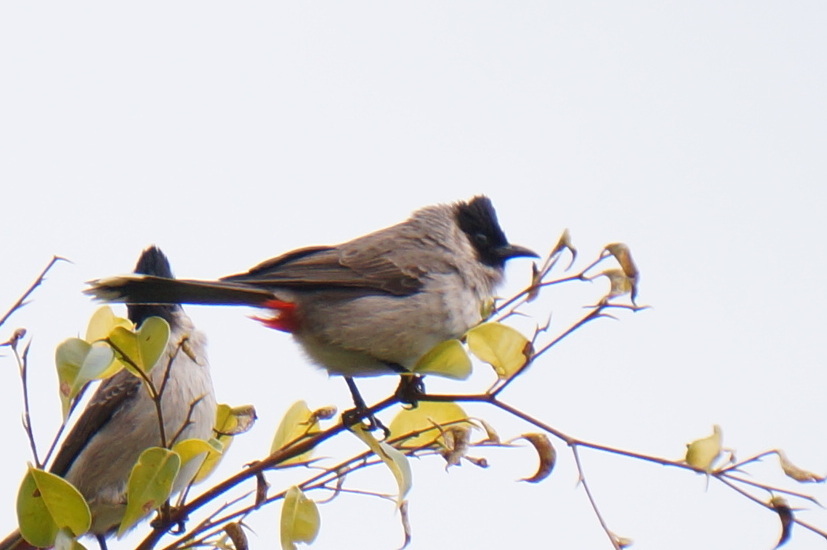
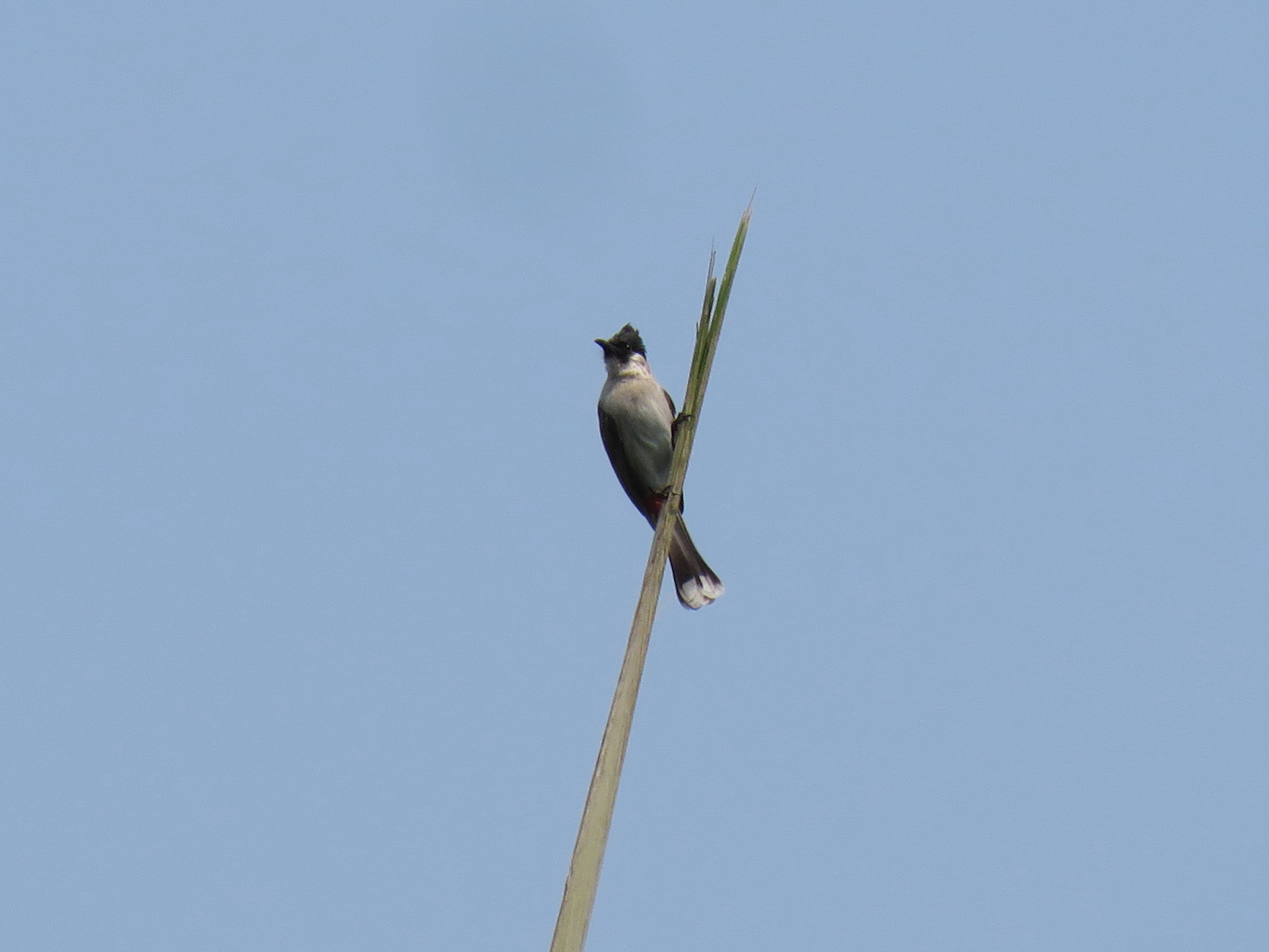
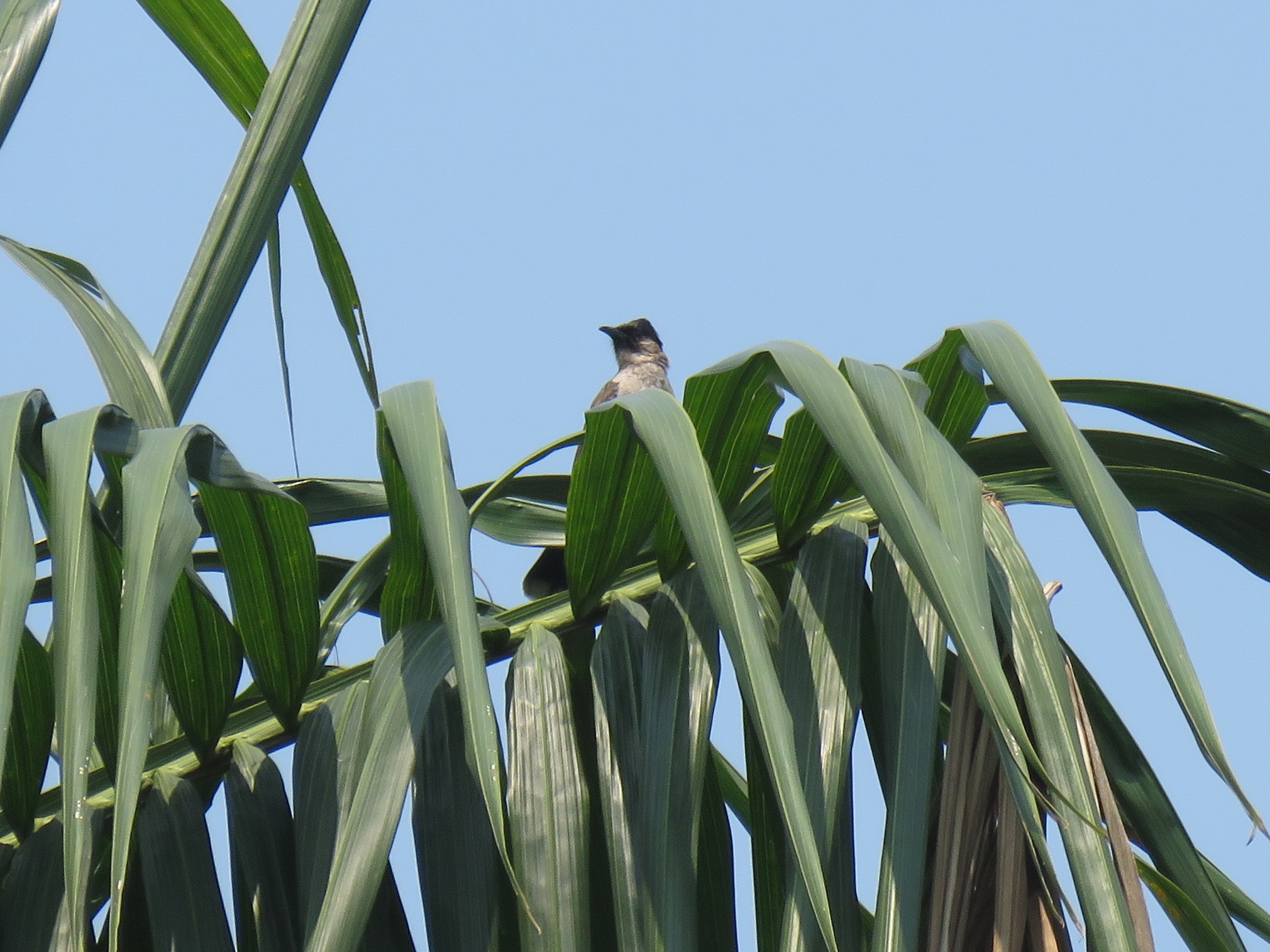
A medium-sized songbird measuring between 18 and 21 centimetres in length with a short crest. It has a tan front and a less extensive area of black on its head compared to similar species. Certain subspecies possess a gold-colored vent.
Identification
Distinguished from the red-vented bulbul by its tan front, less extensive black on the head, and gold-colored vent in certain subspecies. The call consists of a series of whistled notes similar in tone to the red-whiskered bulbul but delivered in a more hurried manner.
Distribution & Habitat
Found in Vietnam, Cambodia, Thailand, Burma, southern China, Hong Kong, Macao, Malaysia, Singapore, and Indonesia. In China, it is mainly limited to the south but recorded as far north as Shanghai and Chengdu. The distribution is disjunct, broken into two subpopulations by the Malay Peninsula, where it does not occur between Prachuap Khiri Khan province in Thailand and Kuala Lumpur in Malaysia. Nine subspecies are recognized with ranges including south-eastern China, southern China, north-eastern Vietnam, central Vietnam, eastern Myanmar, northern Indochina, south-eastern Myanmar, northern Thailand, central and southern Thailand, central Laos, eastern Thailand, southern Indochina, Java, and Bali.
Behavior & Ecology
In Hong Kong, it is markedly less common than red-whiskered and light-vented bulbuls. It appears to prefer dryland agricultural areas above other habitats but can also be found in fire-damaged and degraded hill shrubland.
Source: Wikipedia · CC BY-SA 3.0
Taxonomy
- Order
- Passeriformes
- Family
- Pycnonotidae
- Genus
- Pycnonotus
Vocalizations
Subspecies (9)
-
Pycnonotus aurigaster aurigaster
Java and Bali; introduced Singapore, Sumatra, and southern Sulawesi
Data Sources
Species description from Wikipedia, licensed under CC BY-SA 3.0.
Bird images and sounds sourced from GBIF, contributed by citizen scientists worldwide under Creative Commons licenses.
Taxonomy data from AviList 2025.