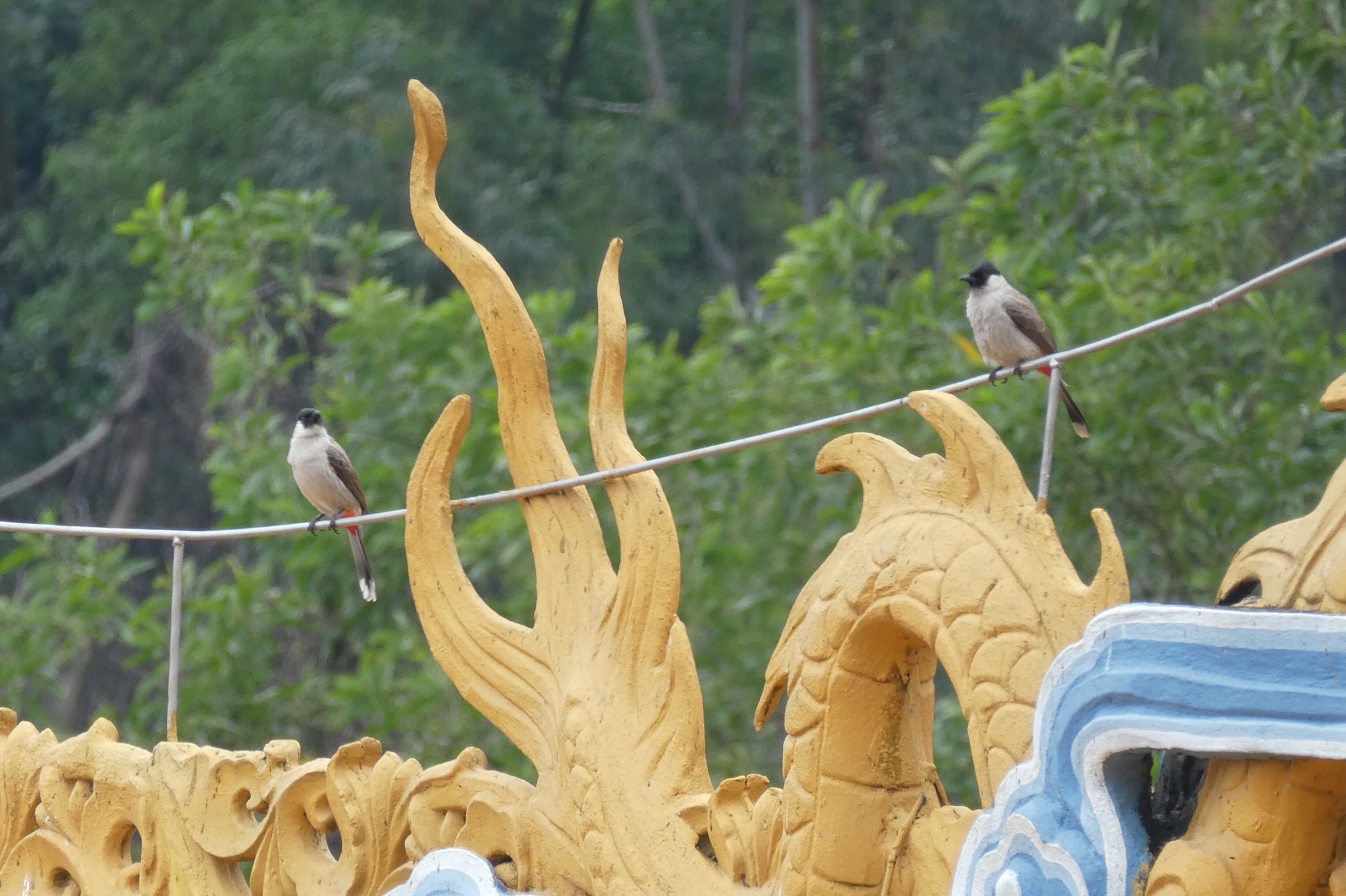
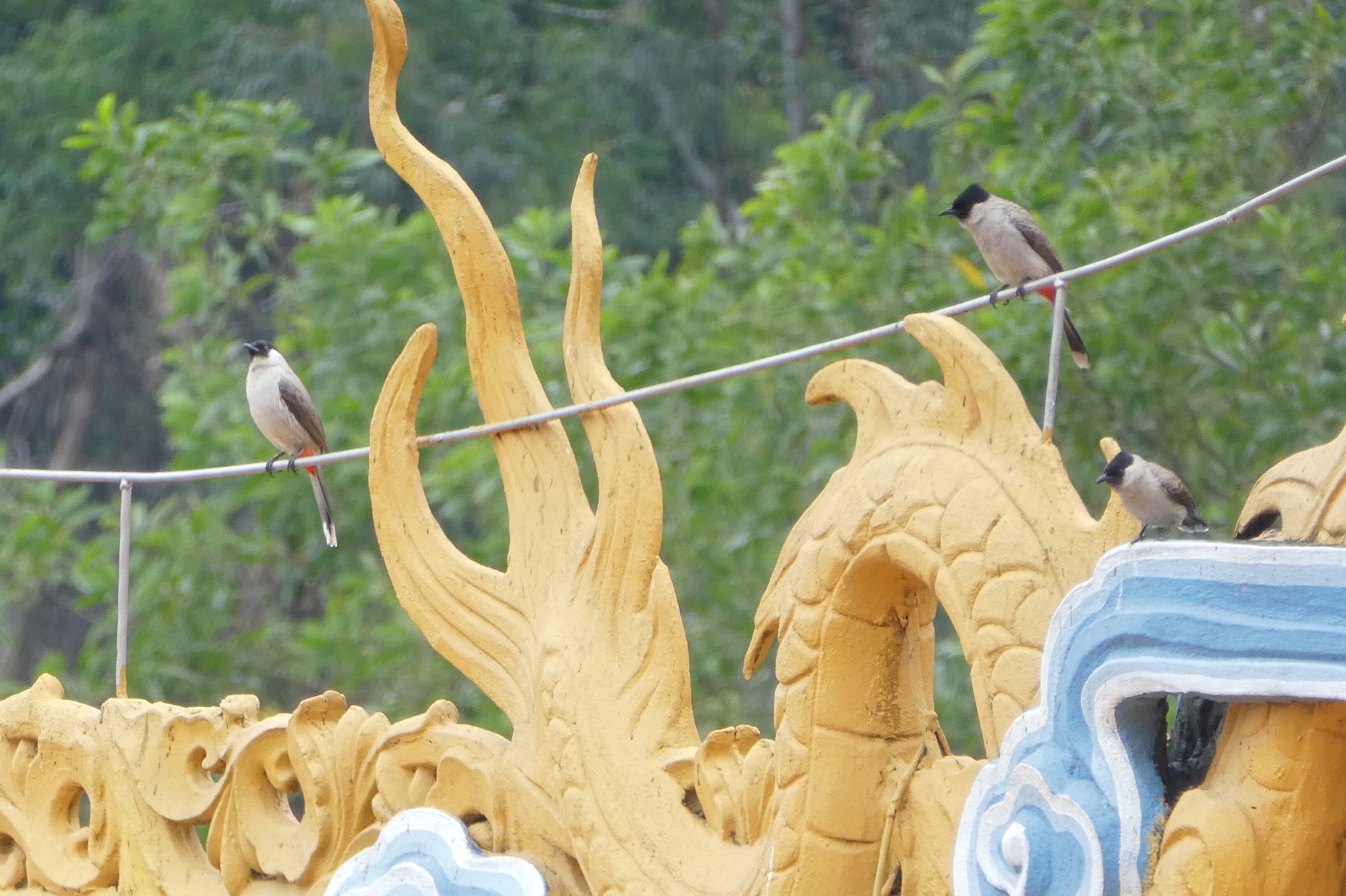
Sooty-headed Bulbul
Pycnonotus aurigaster
白喉红臀鹎
Introduction
The Cream-vented Bulbul (Pycnonotus simplex) is a medium-sized songbird in the bulbul family (Pycnonotidae). It occurs across south-eastern Asia, including Hong Kong, Indo-China, and the Sunda region. This species occupies dryland agricultural landscapes and degraded habitats, including fire-affected shrubland, which distinguishes it from congeners that favor forest edges or urban gardens. It coexists with red-whiskered and light-vented bulbuls in parts of its range but occupies a distinct ecological niche. It shows some adaptability to human-modified landscapes but remains less associated with urban areas than several related species.
Description
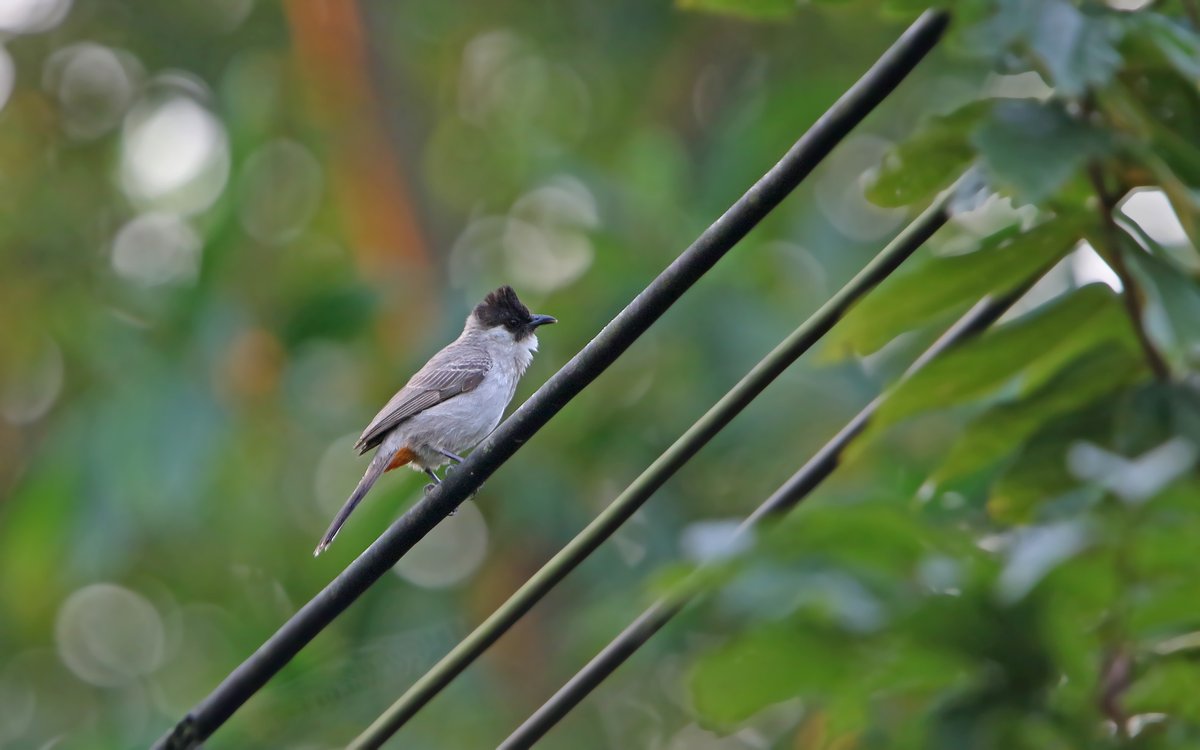
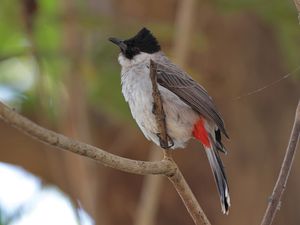
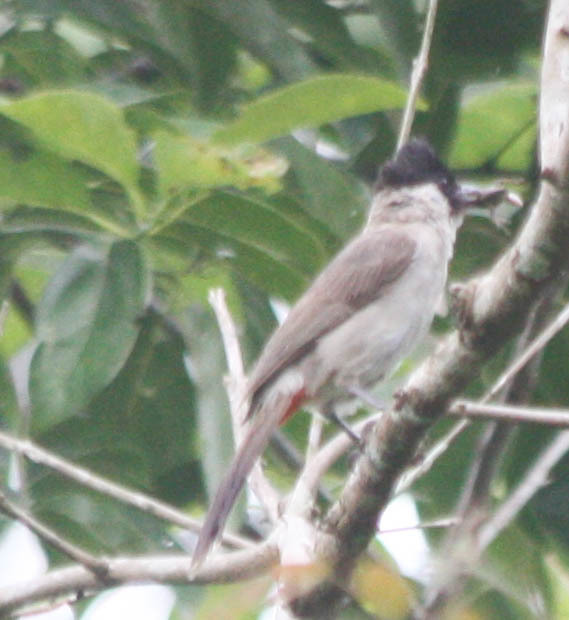
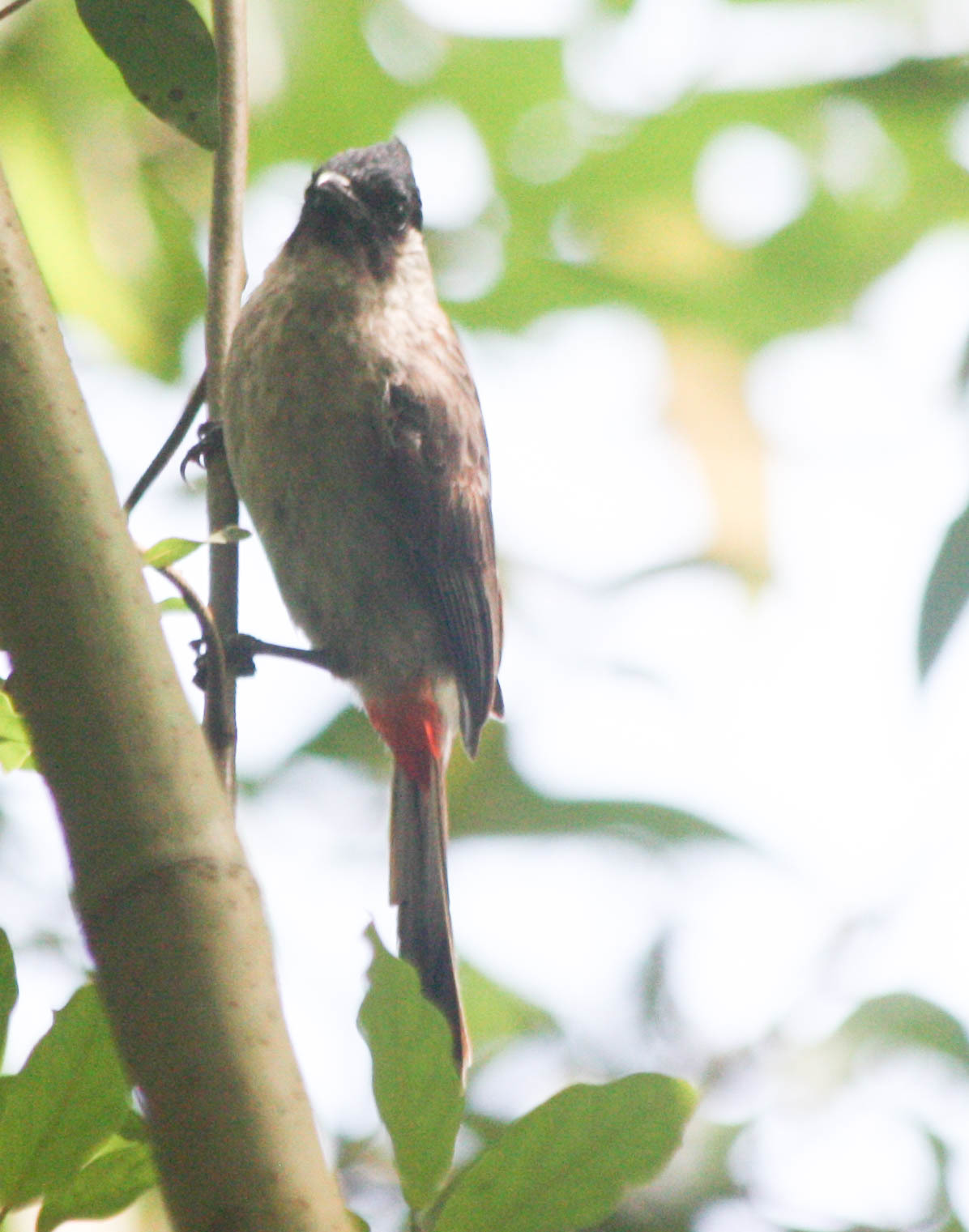
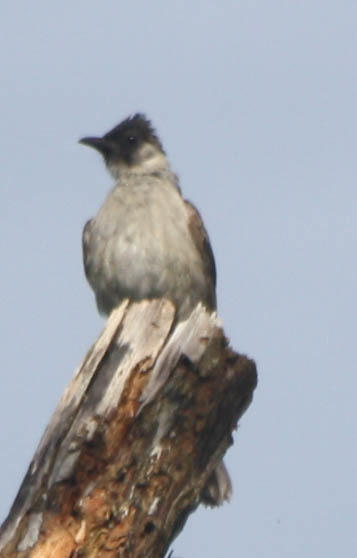
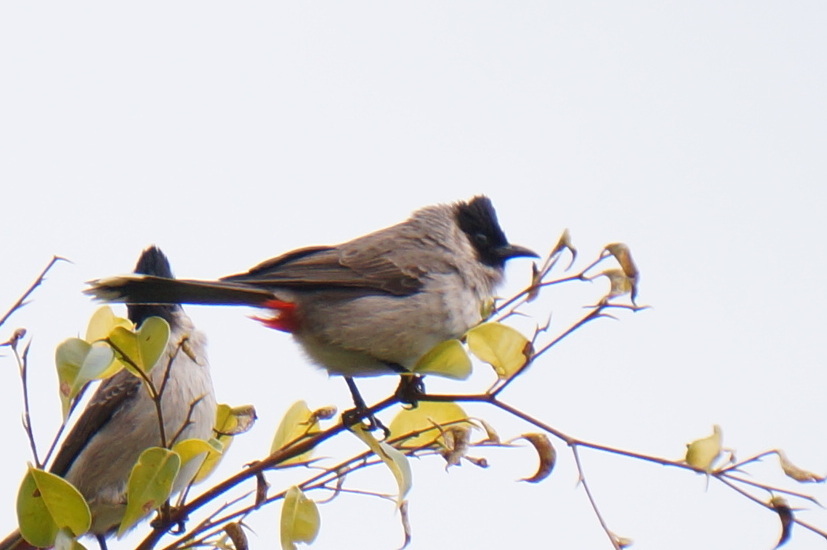
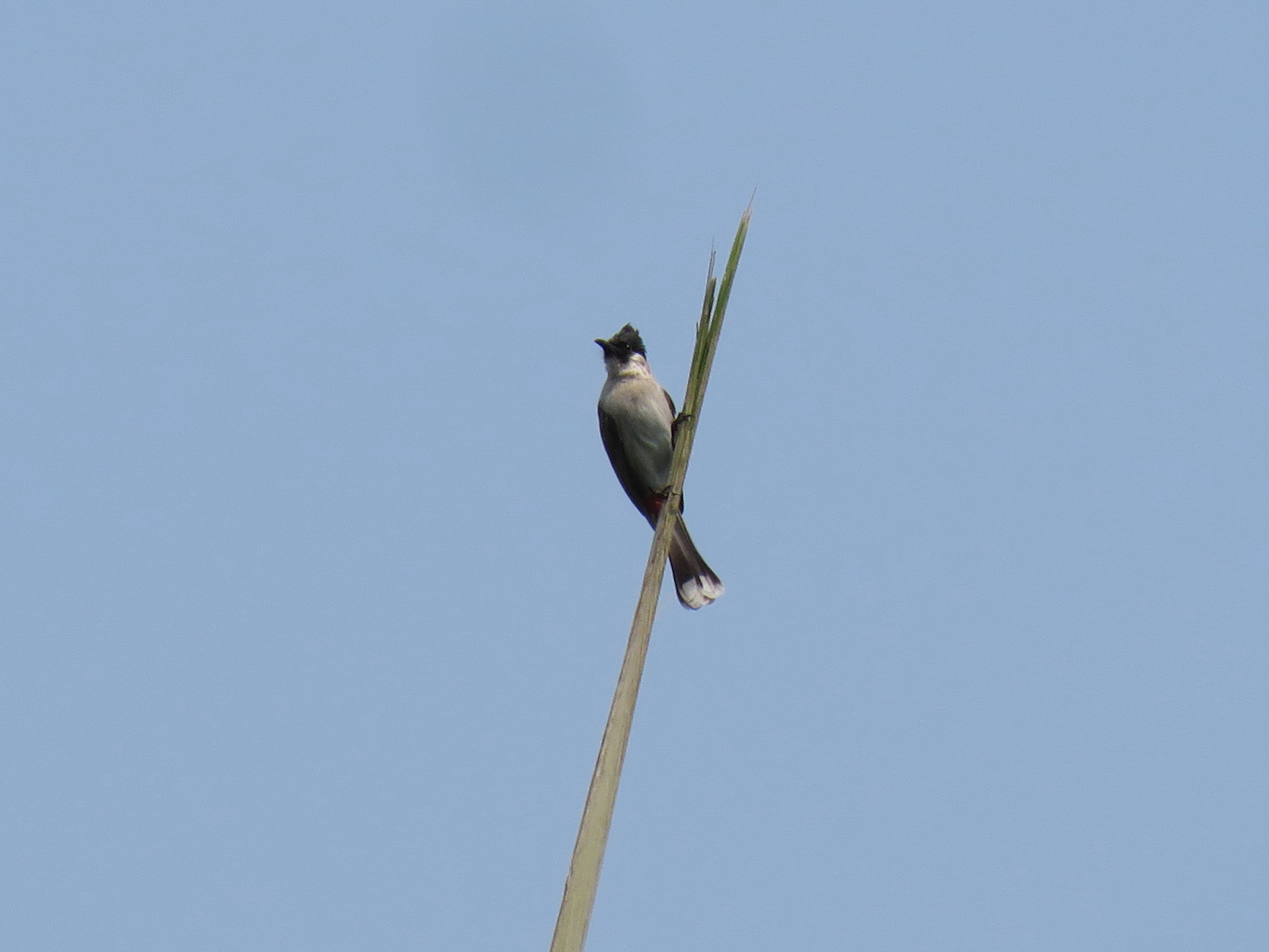
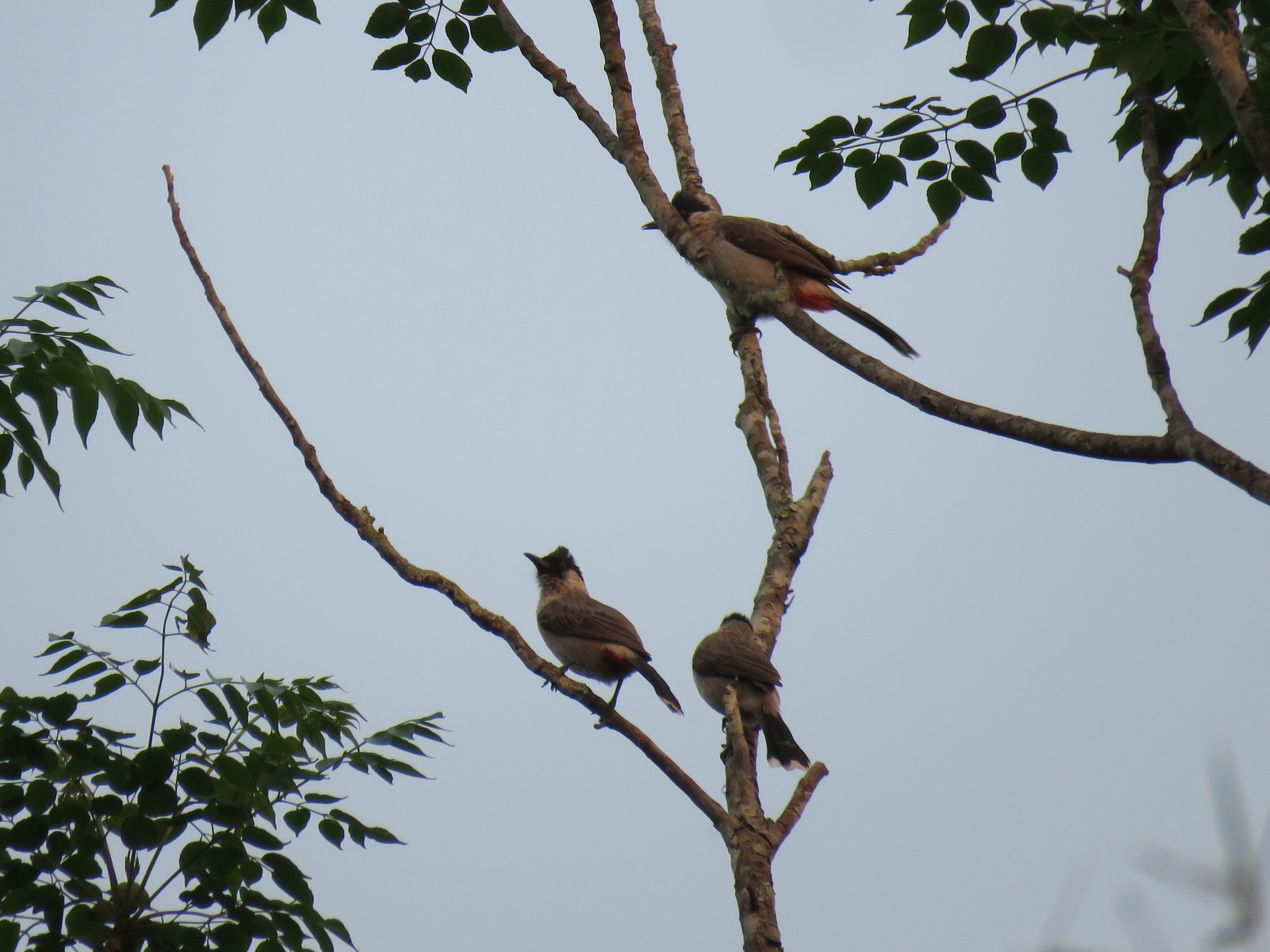
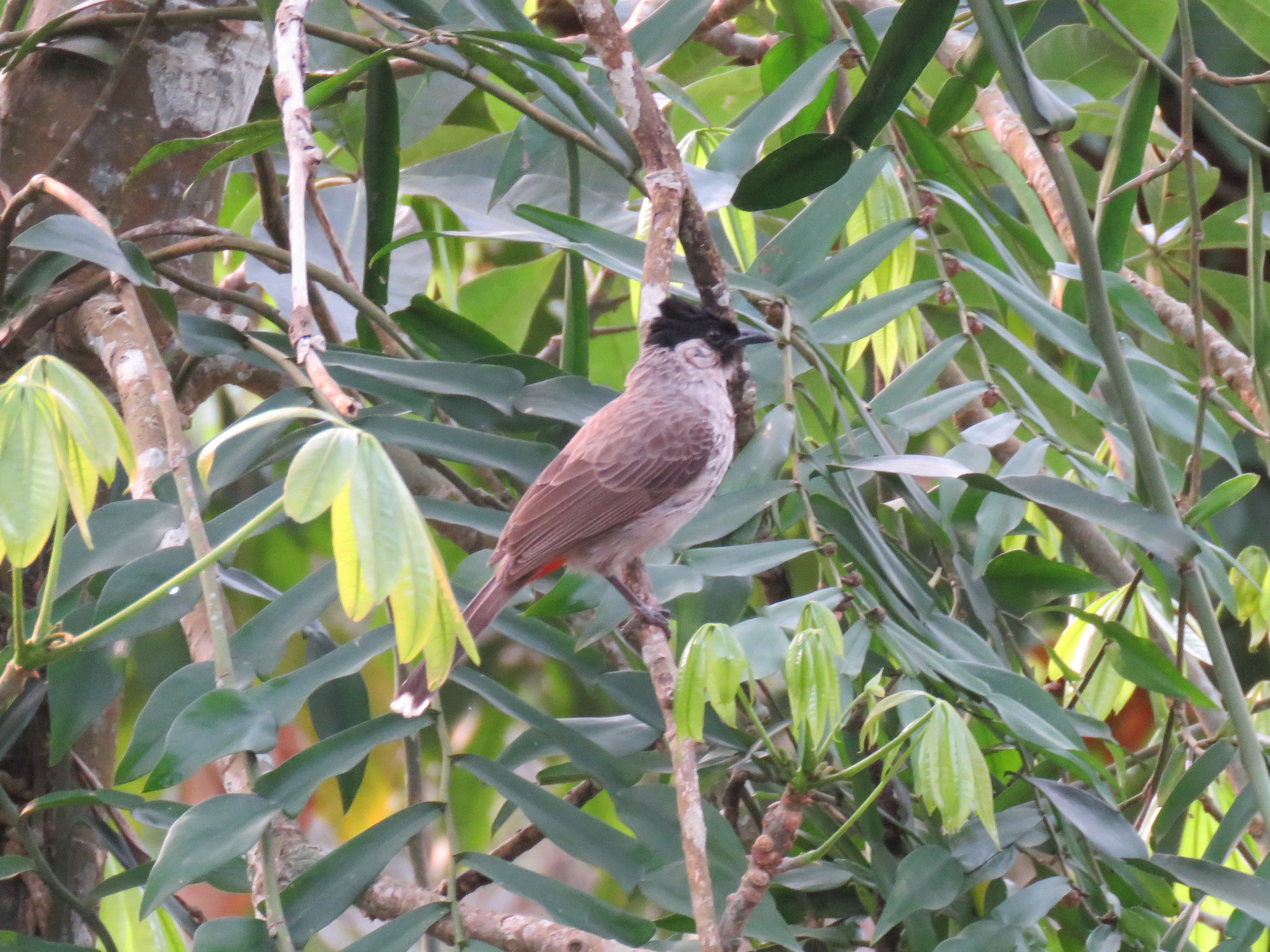
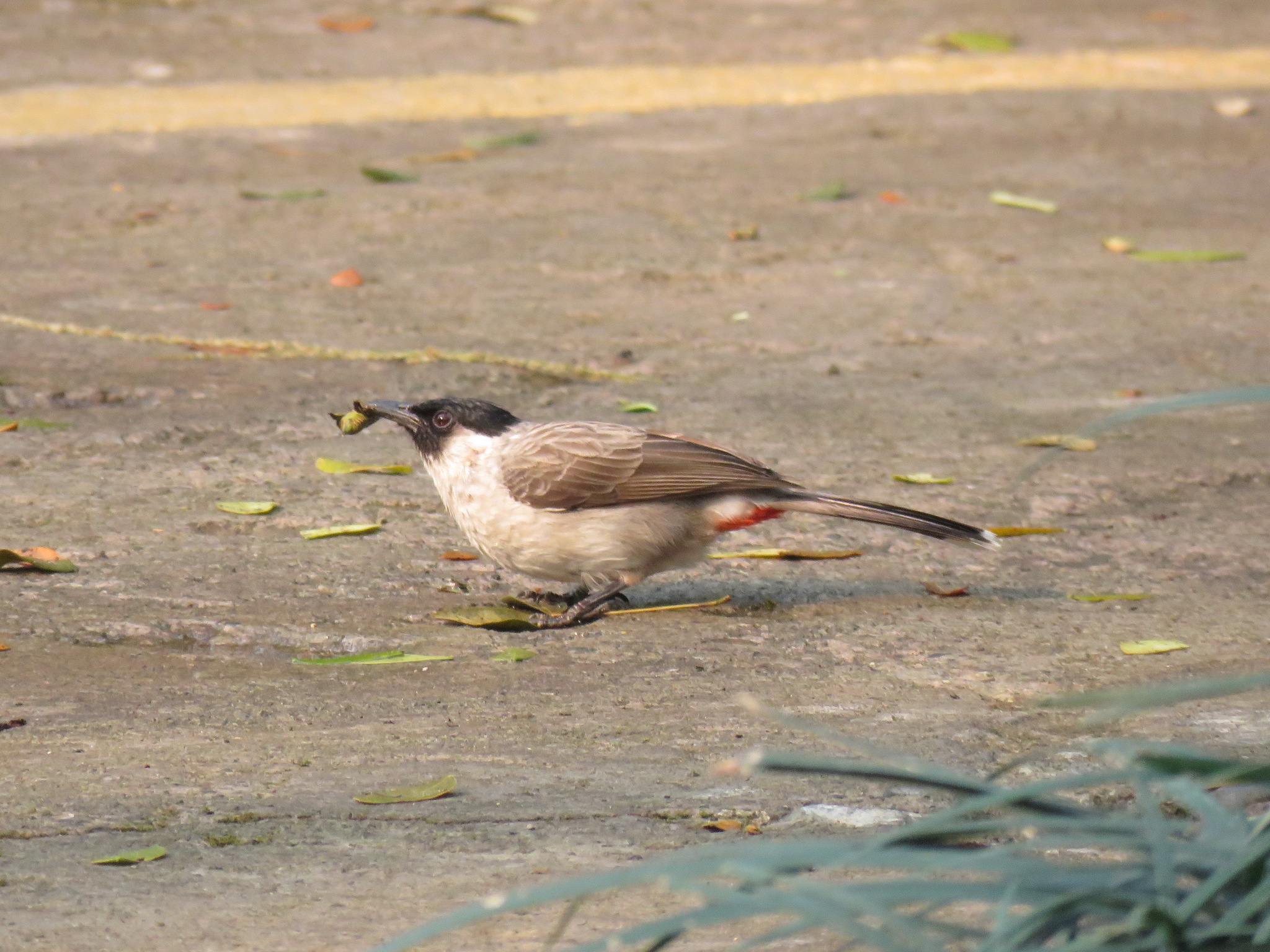
A compact, medium-sized bulbul measuring 18 to 21 centimeters in length, this species possesses a distinctive short crest that gives its head a slightly raised appearance. The plumage shows geographic variation among subspecies, but generally features a tan or pale front and breast contrasting with darker upperparts. The most diagnostic feature separating it from similar species is the gold-colored vent found in several subspecies, though this varies in intensity across its range. The head shows a black cap that is less extensive than that of the closely related red-vented bulbul, creating a more restrained facial pattern. Overall, the bird presents a relatively plain but cleanly marked appearance compared to the more dramatically marked red-whiskered bulbul.
Identification
The primary identification challenge involves separating this species from the very similar red-vented bulbul. The key distinguishing features are the tan rather than white front, the less extensive black cap that does not extend as far down the face and throat, and the gold-colored rather than red vent. The call provides additional identification clues, consisting of a rapid series of whistled notes that closely resembles the red-whiskered bulbul in tone but is delivered in a noticeably faster, more hurried tempo. In areas where multiple bulbul species overlap, careful attention to these plumage details and vocalizations is essential for confident identification.
Distribution & Habitat
This species occupies a broad range across south-eastern Asia, including Vietnam, Cambodia, Thailand, Burma, southern China, Hong Kong, Macao, Malaysia, Singapore, and Indonesia. In China, the northern limits extend to Shanghai in the east and Chengdu in the west, though the core population concentrates in the southern palaeotropical regions. The distribution shows a notable disjunct pattern, with two main population clusters separated by the Malay Peninsula where the species is absent between Prachuap Khiri Khan province in Thailand and Kuala Lumpur in Malaysia. The species inhabits subtropical and tropical moist lowland forests, though it shows particular adaptability to dryland agricultural areas and degraded habitats including fire-damaged shrubland.
Behavior & Ecology
In Hong Kong, this bulbul demonstrates a clear habitat preference for dryland agricultural areas over other habitat types, distinguishing it from the red-whiskered and light-vented bulbuls that more commonly inhabit gardens and urban areas. It also frequents fire-damaged and degraded hill shrubland, suggesting some tolerance for disturbed environments. The vocalization consists of a hurried series of whistled notes, similar in quality to other bulbuls but delivered at a faster pace. Social behavior and specific dietary details are not extensively documented in available sources, though like other bulbuls it likely feeds on fruits, insects, and seeds.
Culture
Cultural information specific to this species is not extensively documented in available sources. The alternate name 'golden-vented bulbul' references the distinctive vent coloration that helps distinguish it from related species.
Source: Wikipedia · CC BY-SA 3.0
Taxonomy
- Order
- Passeriformes
- Family
- Pycnonotidae
- Genus
- Pycnonotus
- eBird Code
- sohbul1
Vocalizations
Subspecies (9)
-
Pycnonotus aurigaster aurigaster
Java and Bali; introduced Singapore, Sumatra, and southern Sulawesi
-
Pycnonotus aurigaster chrysorrhoides
southern China (Fujian, eastern Guangdong, and Hong Kong)
-
Pycnonotus aurigaster dolichurus
central Vietnam (Quangtri and Thuathien provinces)
-
Pycnonotus aurigaster germani
southeastern Thailand to southern Indochina
-
Pycnonotus aurigaster klossi
southeastern Myanmar to northern Thailand
-
Pycnonotus aurigaster latouchei
southwestern China to northern Thailand, northern Laos, and northern Vietnam
-
Pycnonotus aurigaster resurrectus
southern China (Guangdong and Naozhou Island); northern Vietnam
-
Pycnonotus aurigaster schauenseei
southern Myanmar to southwestern Thailand
-
Pycnonotus aurigaster thais
southern Thailand
Data Sources
Species description from Wikipedia, licensed under CC BY-SA 3.0.
Bird images and sounds sourced from GBIF, contributed by citizen scientists worldwide under Creative Commons licenses.
Taxonomy data from AviList 2025.