Galliformes / Phasianidae / Pucrasia
Koklass Pheasant
Pucrasia macrolopha · 勺鸡
Introduction
A medium-sized gamebird and the only species in the monotypic genus Pucrasia, closely related to grouse and turkeys. It inhabits high-altitude boreal forests from Afghanistan to central Nepal and northeastern Tibet to northern and eastern China. Distinctive traits include being one of the few gamebirds that regularly fly uphill with sustained flights of many miles, and a diet that shifts from largely vegetarian to highly insectivorous during breeding.
Description
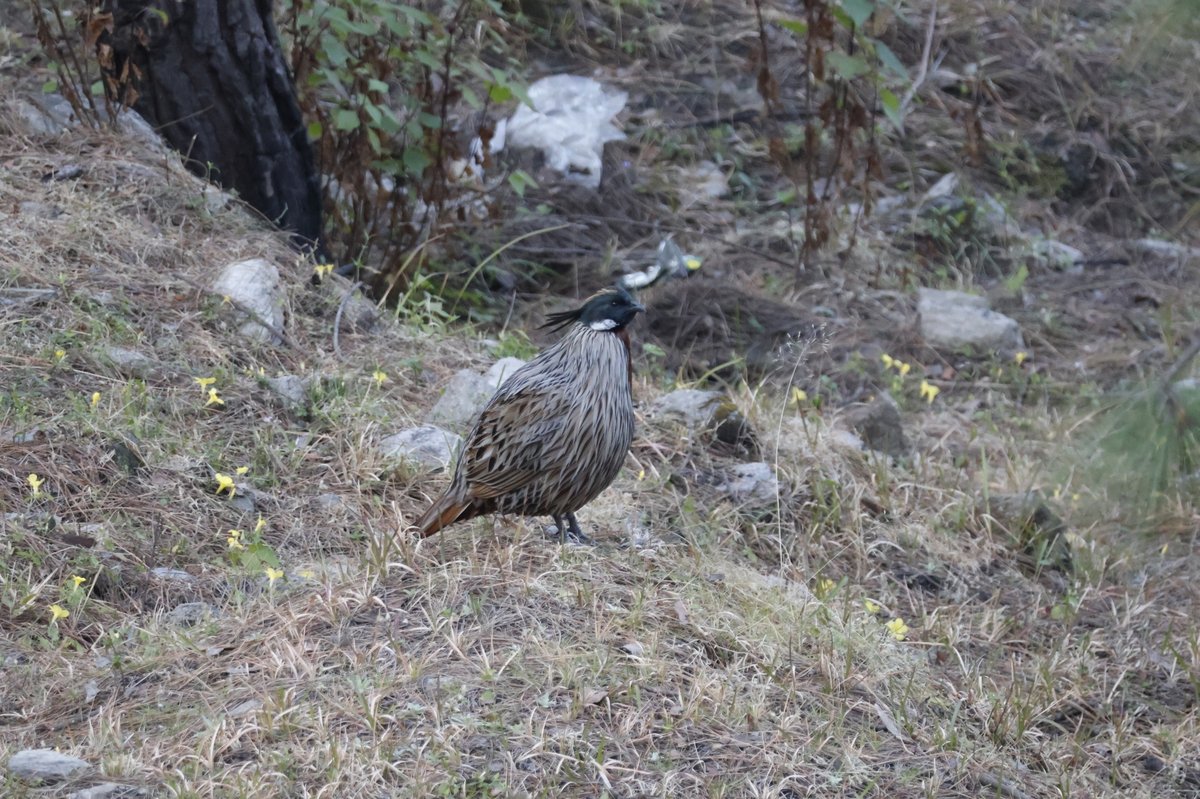
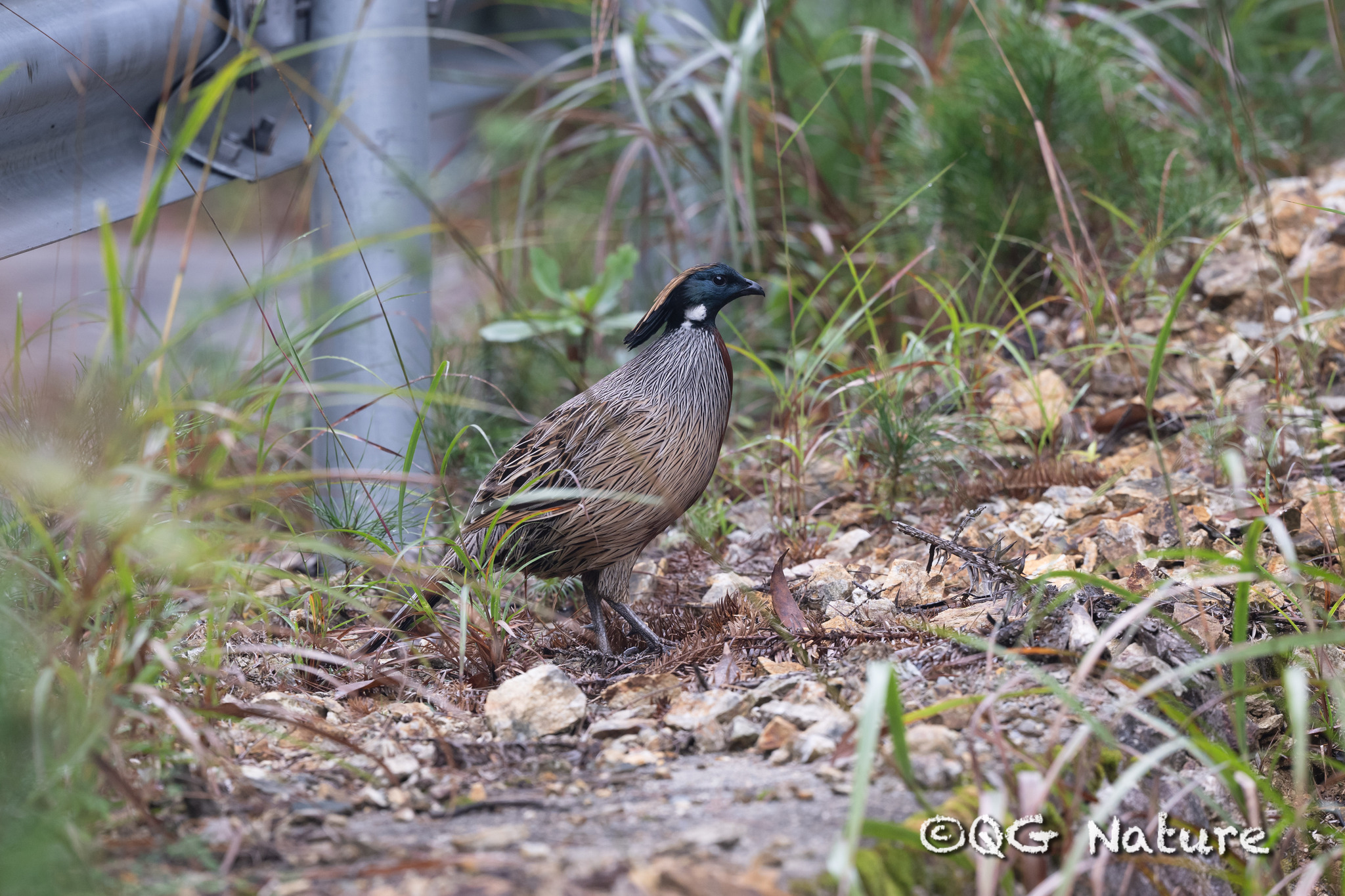
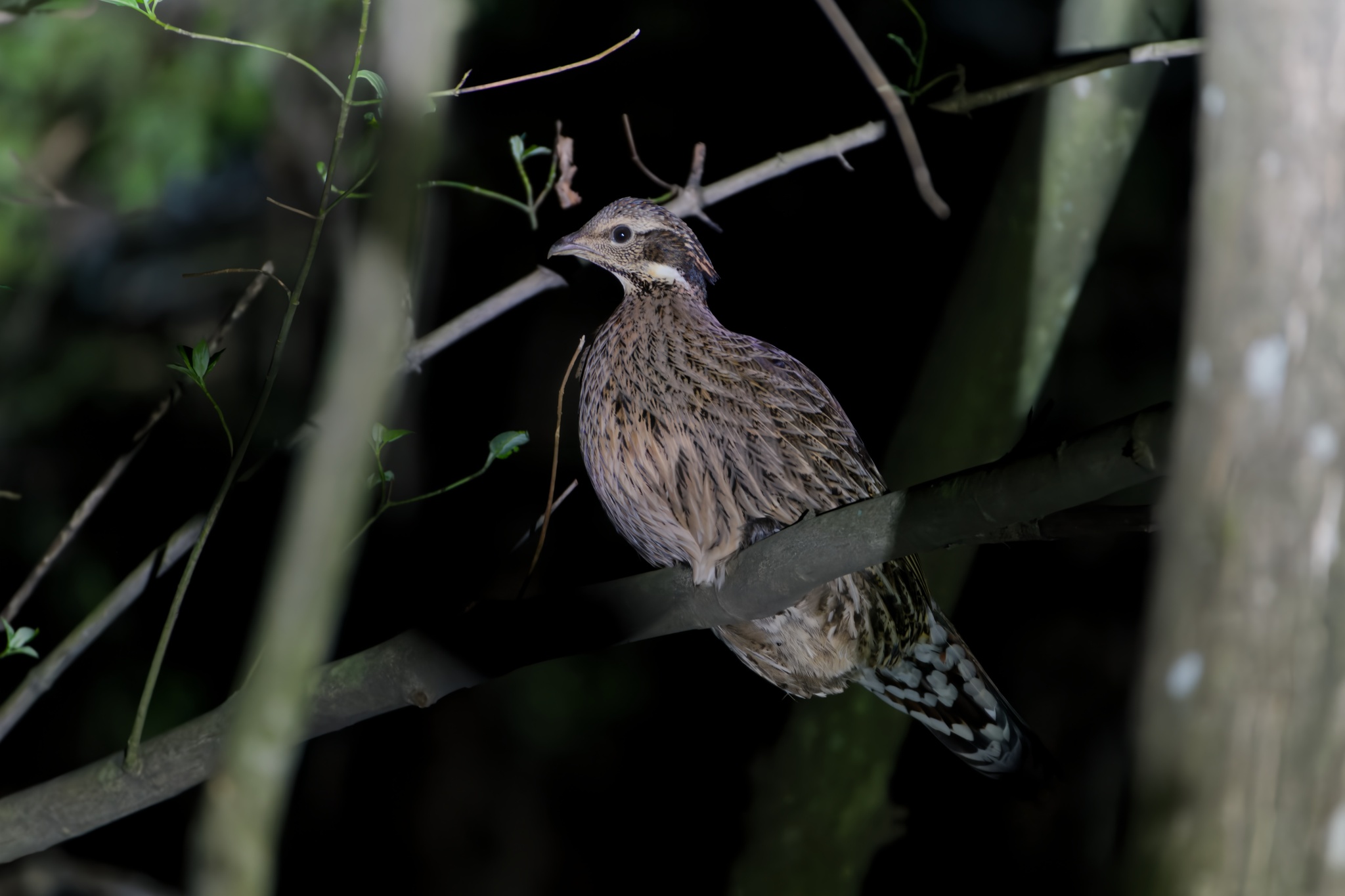
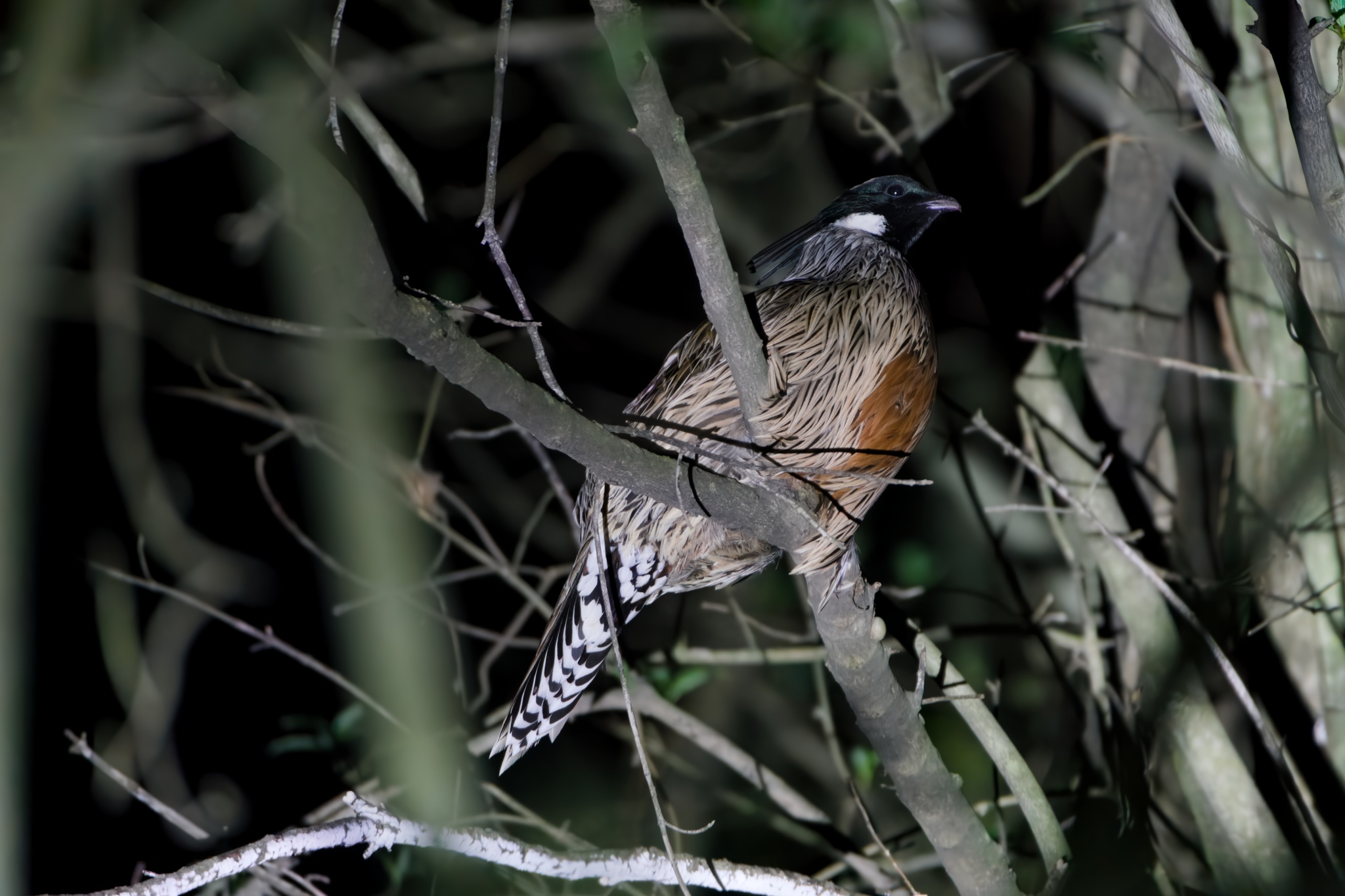
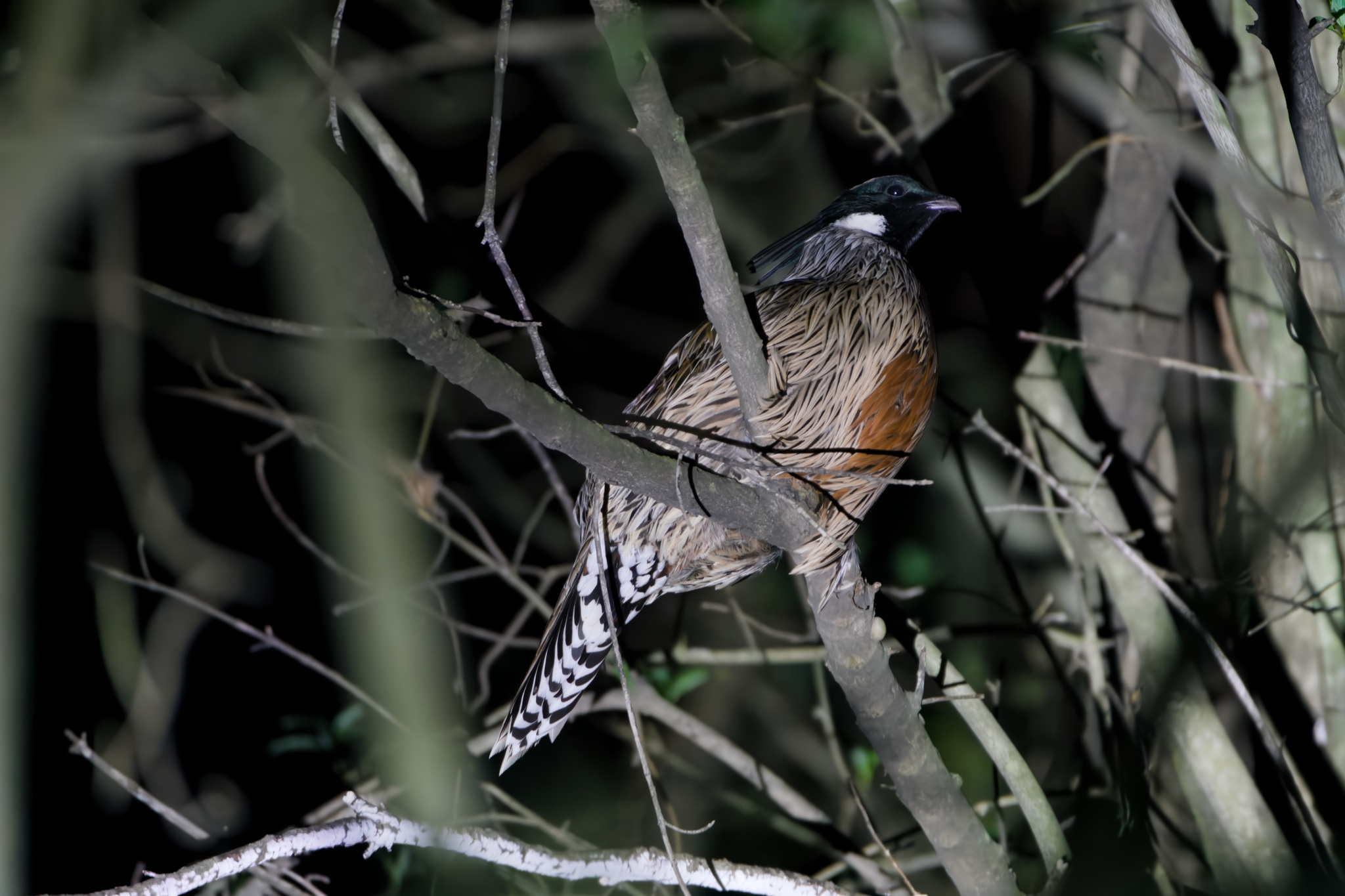
Males weigh 1135–1415 g with a body length of 58–64 cm; females weigh 1025–1135 g with a body length of 18–22 cm. Males have silver-grey upper parts streaked velvety-black down the center of each feather, a black head, chestnut breast, and prominent white patches on the sides of the neck. Females have pale brown upper parts. Both sexes possess distinct elongated tails tipped with pale feathers. Immatures and juveniles resemble adult females in plumage pattern.
Identification
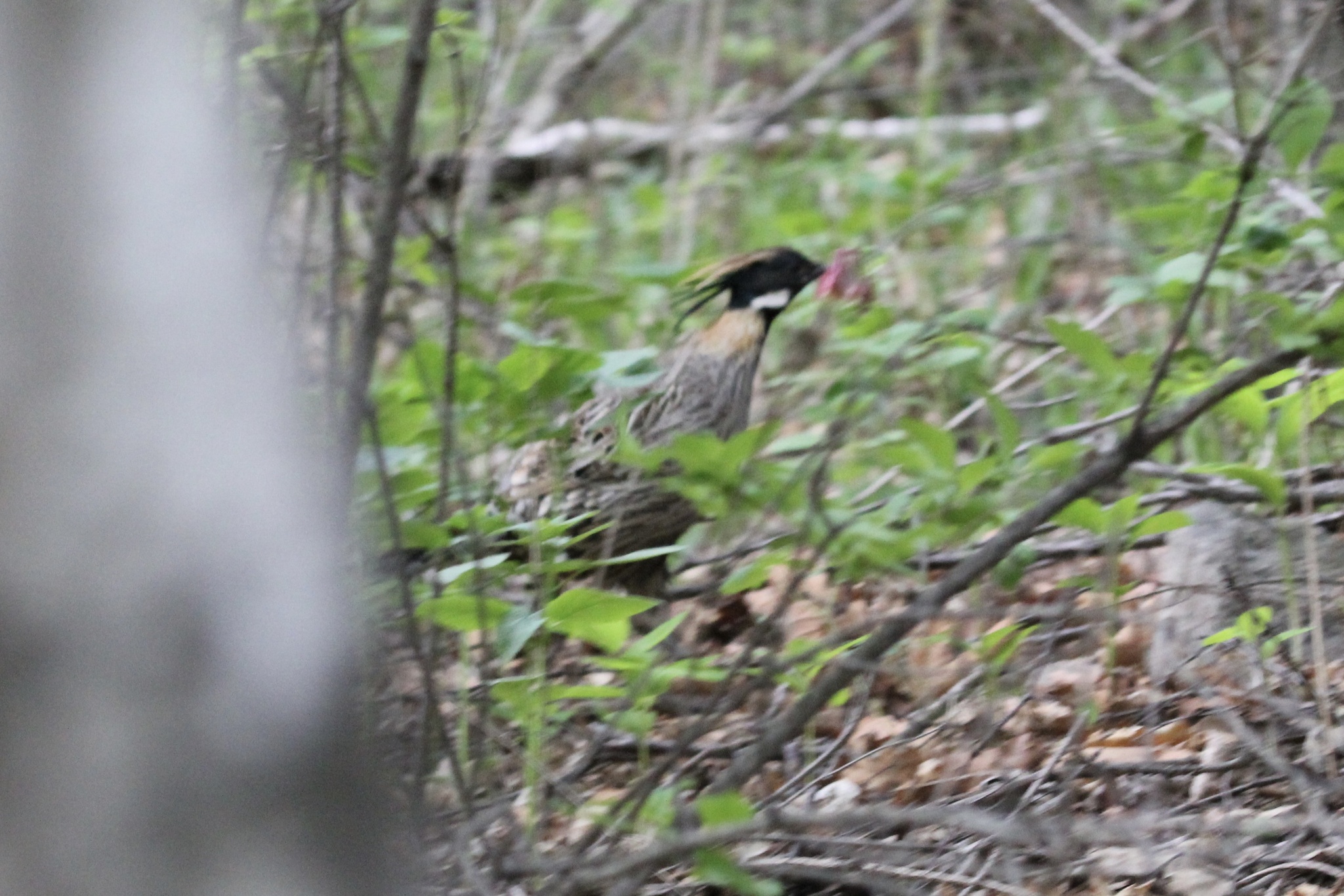
Moderate sexual dimorphism distinguishes sexes. Males are identified by silver-grey plumage with black streaks, black head, chestnut breast, and white neck patches. Females are pale brown above. Both sexes have long tails with pale tips. The species is elusive and skulks under bushes, making direct sighting difficult, but loud chorus or predawn calls during breeding season and autumn reveal presence.
Distribution & Habitat
Range extends from Afghanistan to central Nepal, and northeastern Tibet to northern and eastern China. Nine recognized subspecies exist. P. m. biddulphi ranges from Kashmir to Kullu in India. P. m. nipalensis, P. m. castanea, and P. m. macrolopha are endemic to the southern side of northwest and western Himalaya. The other five subspecies are confined to China and Mongolia. Habitat consists of high-altitude forests, not extending above the tree line.
Behavior & Ecology
Monogamous with a slight tendency toward social polyandry; both parents rear chicks. They remain in pairs or small family groups year-round. Diet is largely vegetarian for much of the year, consuming pine nuts, pine shoots, bamboo shoots, and seeds. During warmer nesting and chick-rearing months, they become highly insectivorous, living almost exclusively on ants, while also consuming catkins, pollen, and fruit. They nest on the ground and roost at night on trees or under rock overhangs.
Source: Wikipedia · CC BY-SA 3.0
Taxonomy
- Order
- Galliformes
- Family
- Phasianidae
- Genus
- Pucrasia
Subspecies (9)
-
Pucrasia macrolopha biddulphi
northern Pakistan and northern India (eastward to western Himachal Pradesh)
Data Sources
Species description from Wikipedia, licensed under CC BY-SA 3.0.
Bird images and sounds sourced from GBIF, contributed by citizen scientists worldwide under Creative Commons licenses.
Taxonomy data from AviList 2025.