Koklass Pheasant
Pucrasia macrolopha
勺鸡
Introduction
Gamebird in monotypic genus Pucrasia, closely related to grouse and turkeys (distantly to pheasants). Boreal-adapted species occurring in high-altitude forests from Afghanistan to central Nepal, and northeastern Tibet to northern and eastern China. One of few gamebirds that regularly fly uphill, capable of sustained flights of many miles. Monogamous with slight tendency toward social polyandry; both parents rear chicks. Diet shifts seasonally: largely vegetarian (pine nuts, shoots, seeds) year-round, highly insectivorous during nesting/chick-rearing (primarily ants, also catkins, pollen, fruit). Polytypic with nine recognized subspecies.
Description
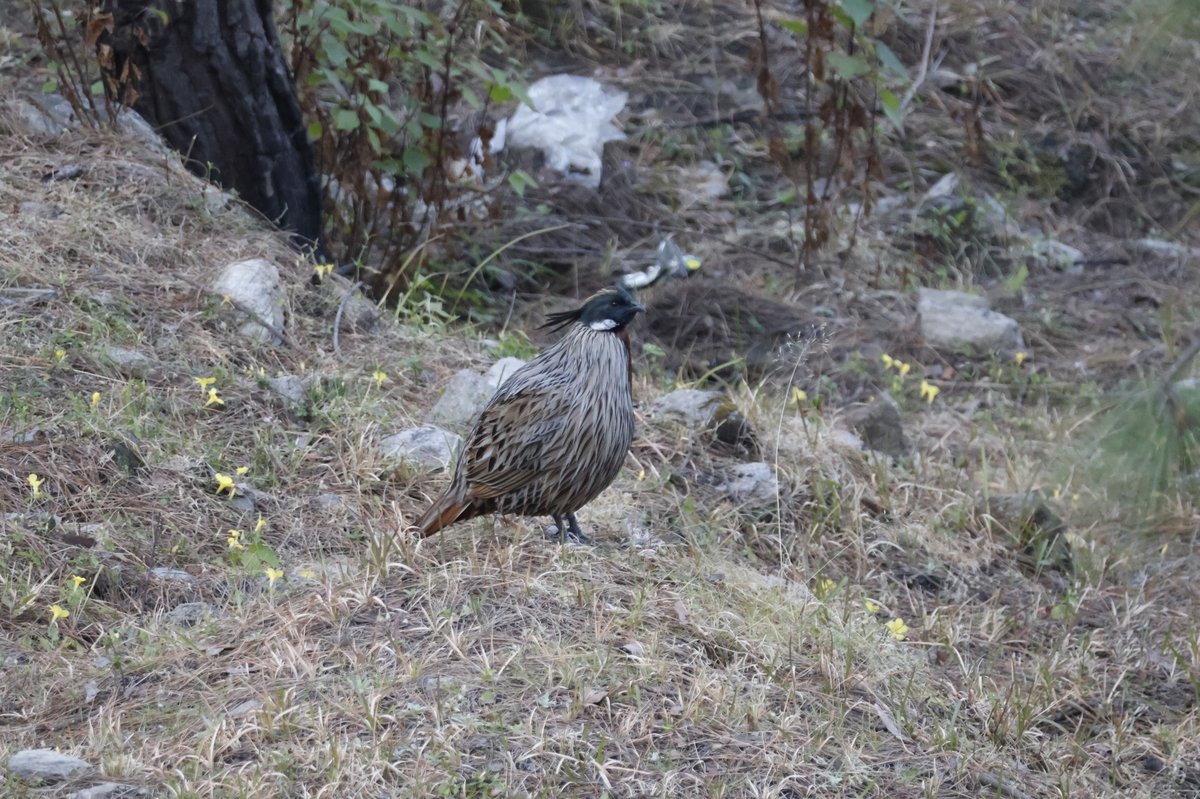
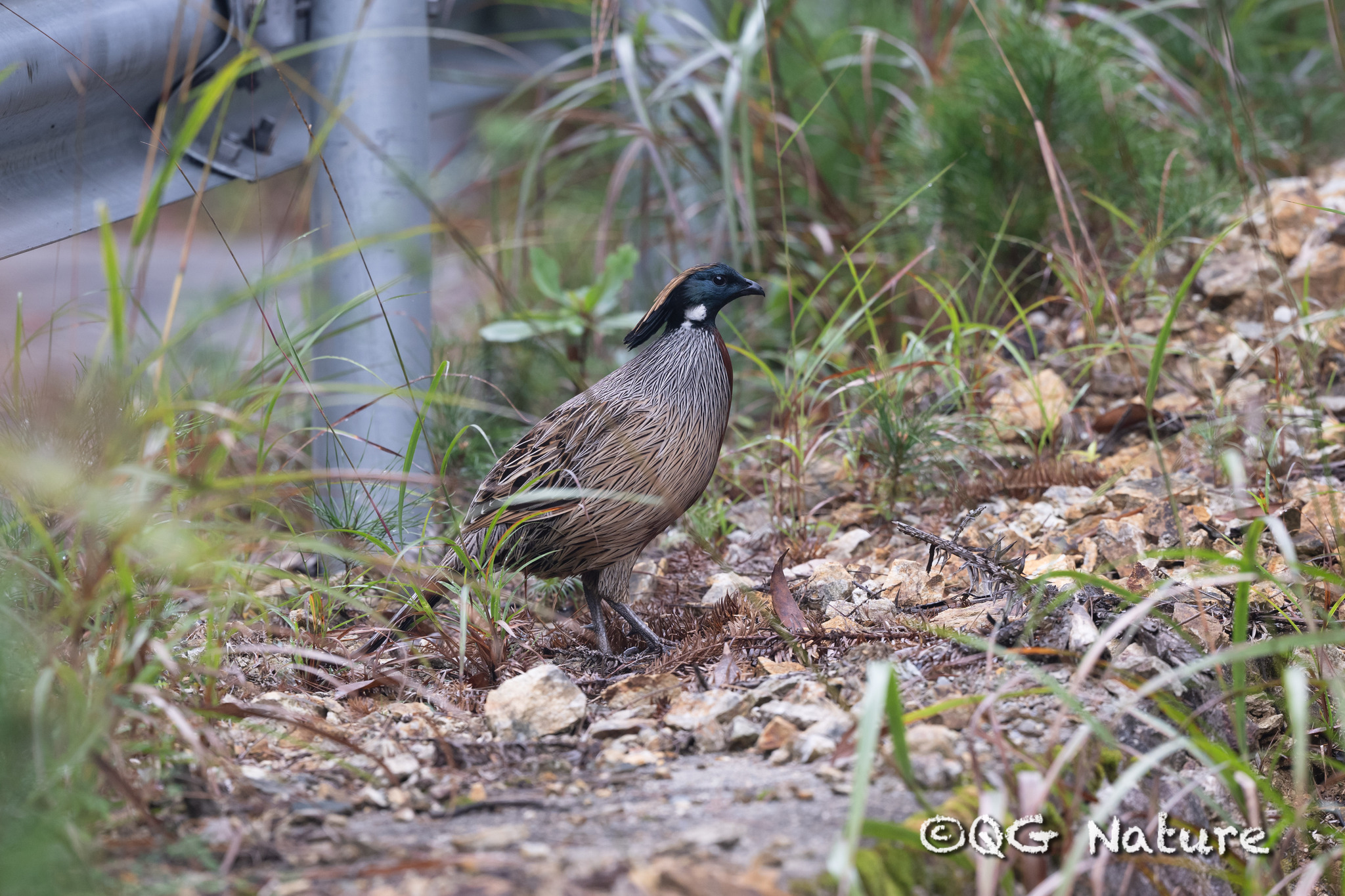
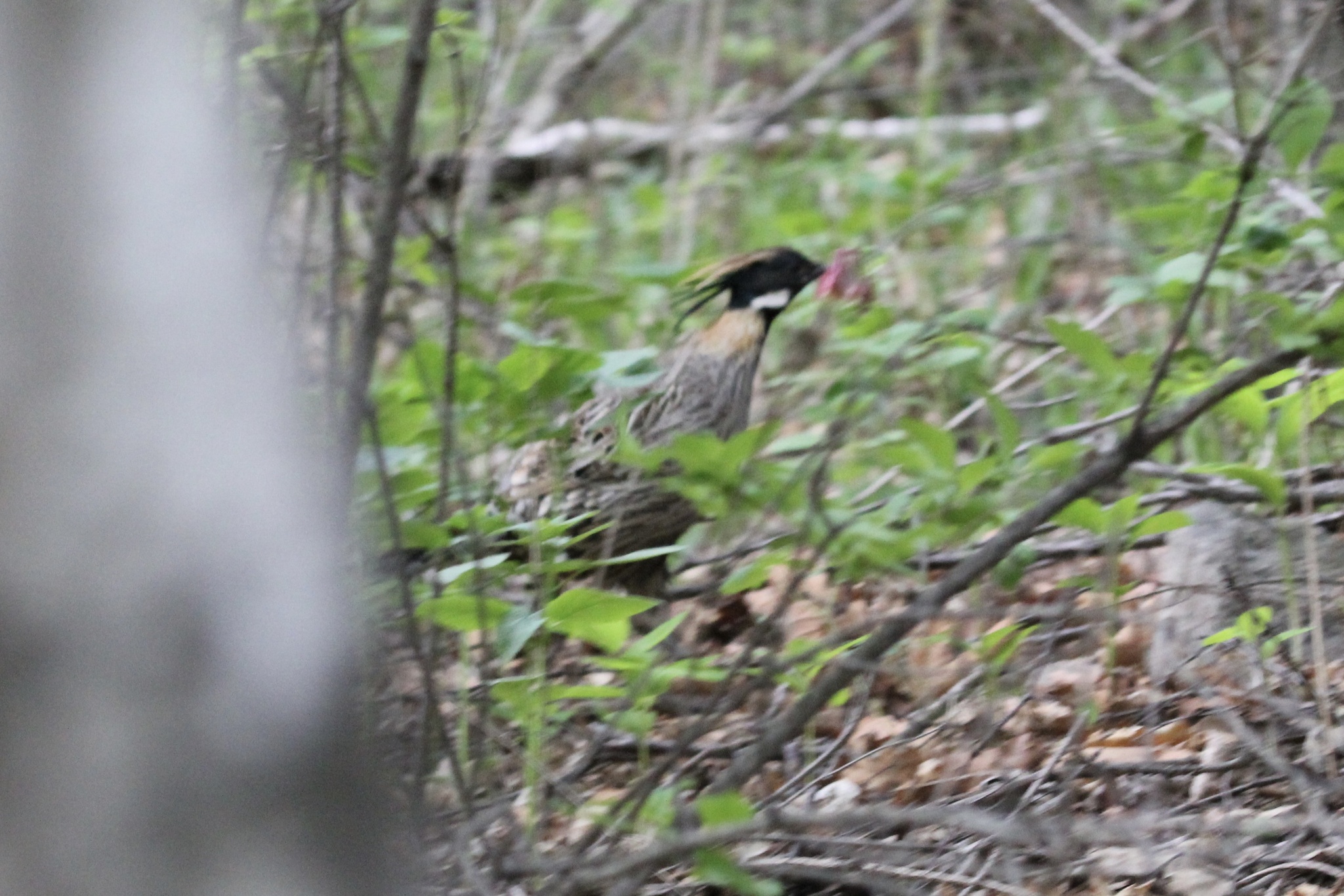
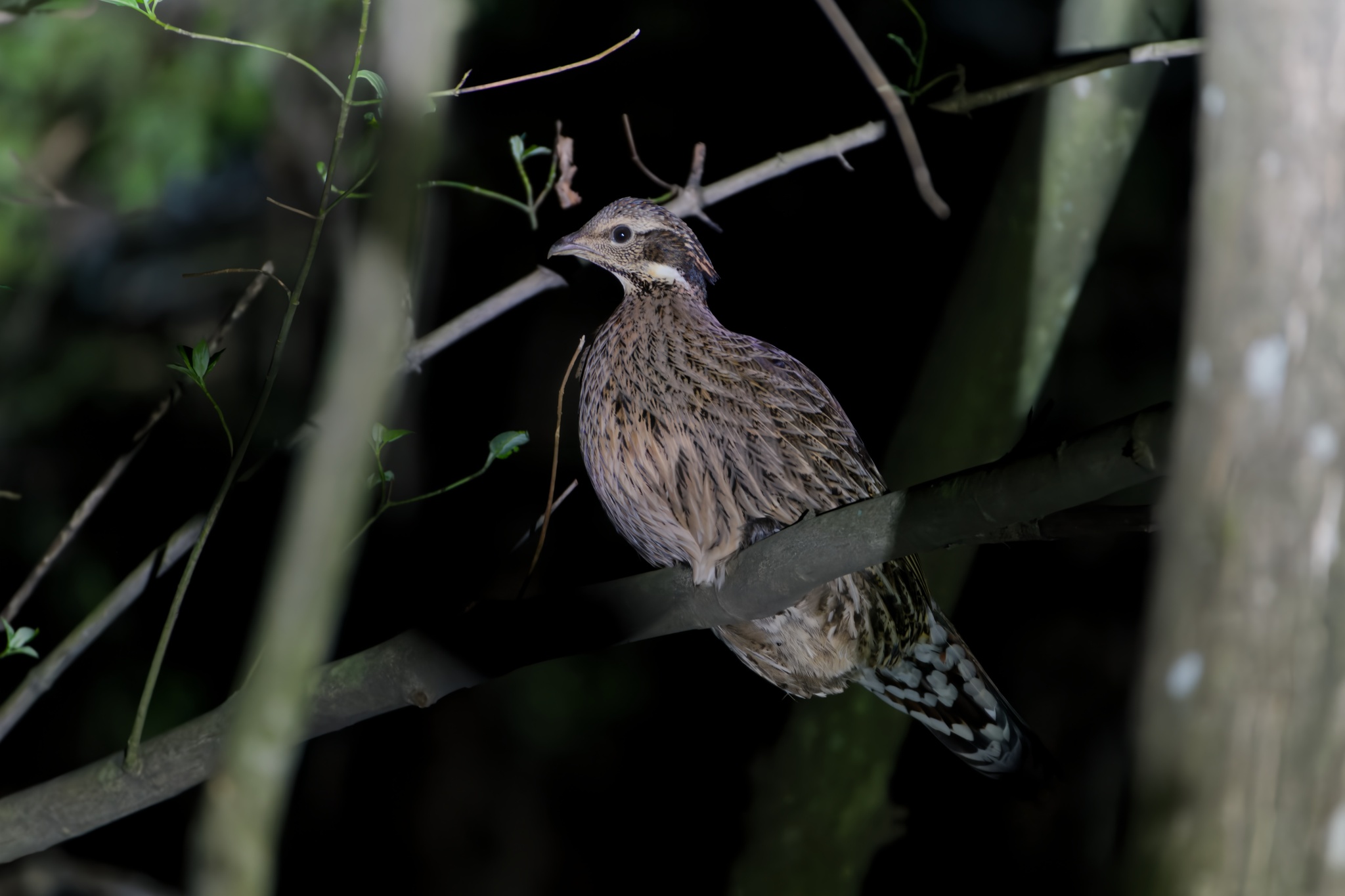
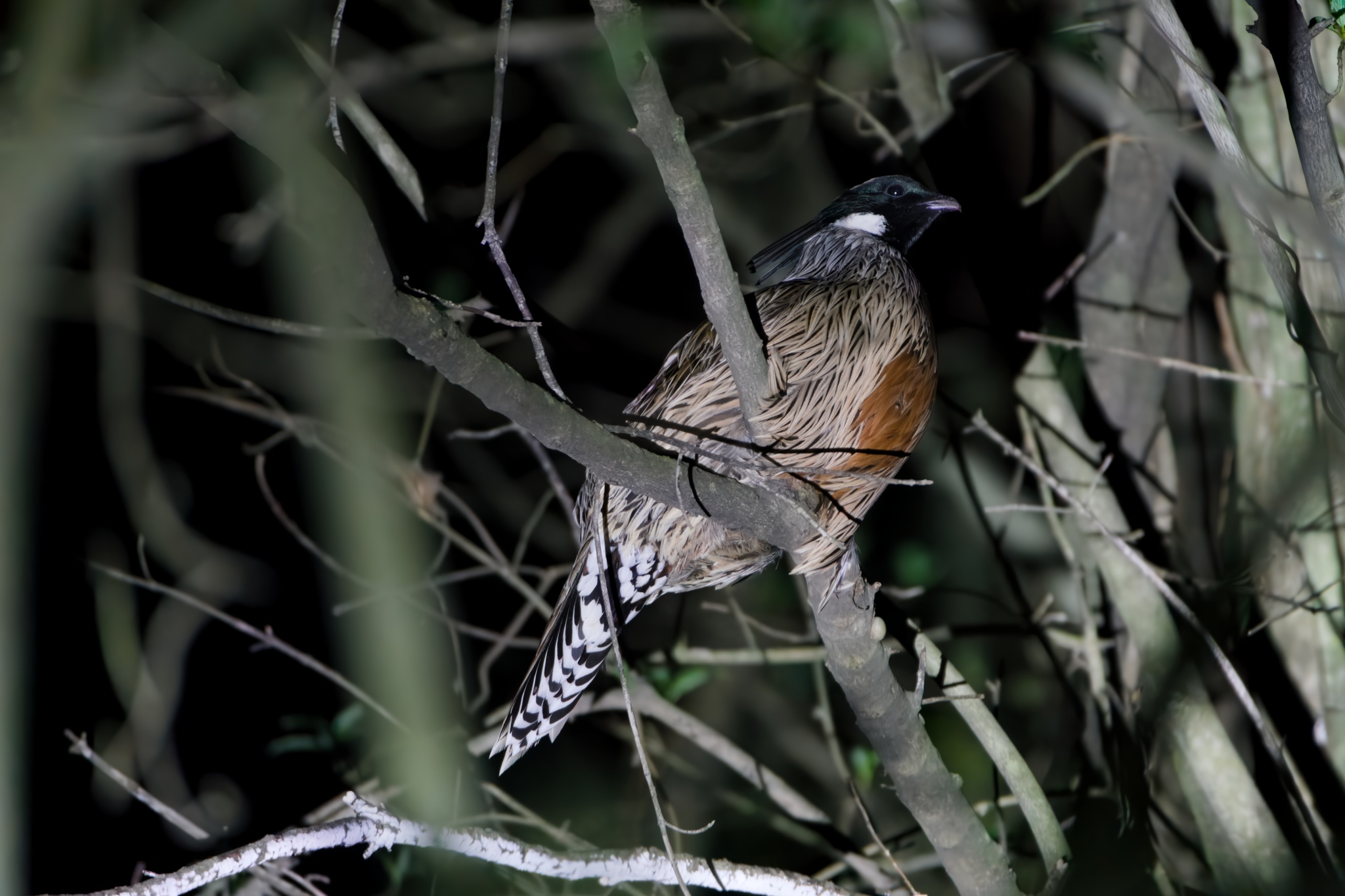
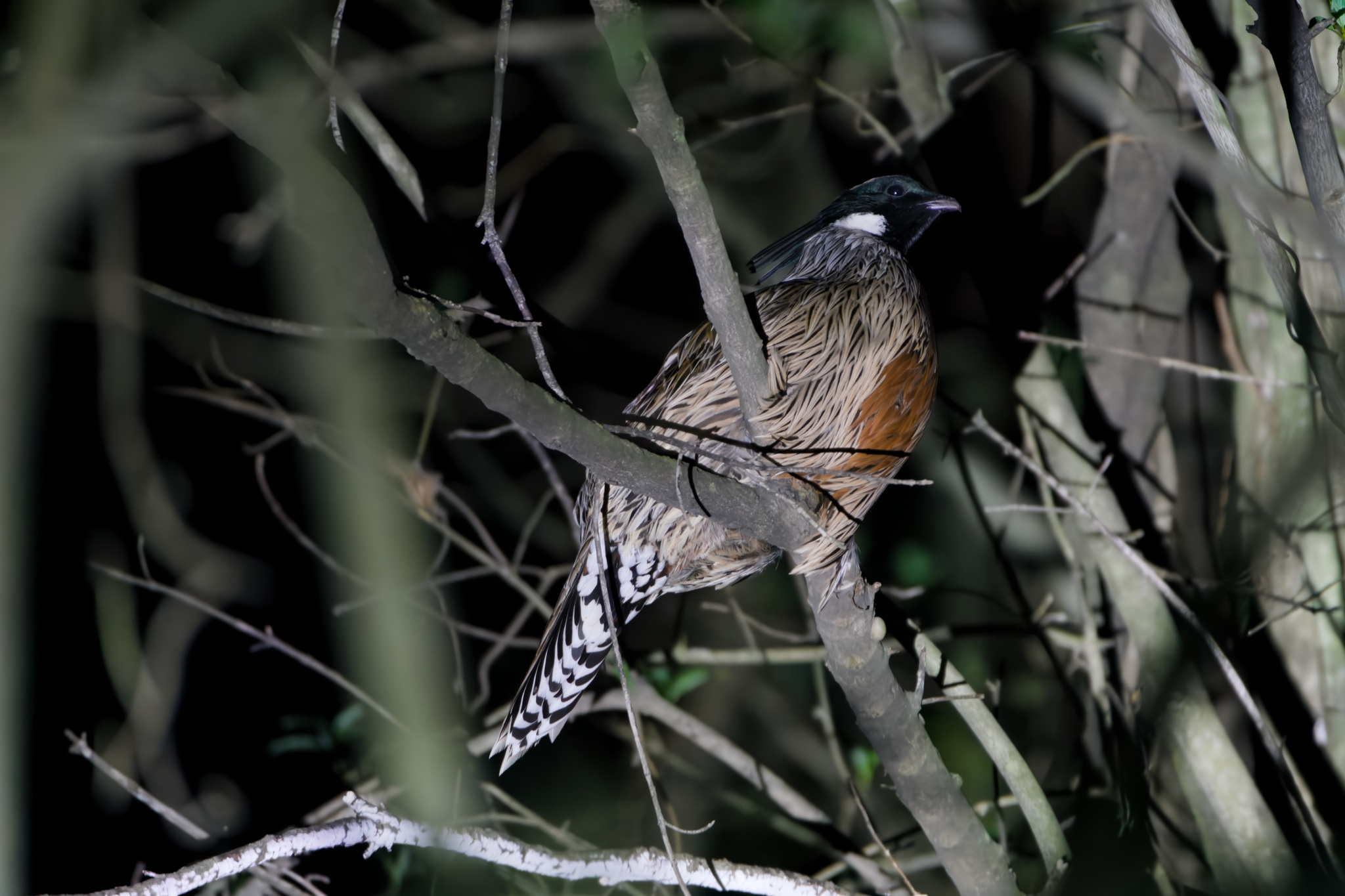
Medium-sized pheasant with moderate sexual dimorphism. Males have silver-grey upper parts streaked velvety-black down feather centers, black head, chestnut breast, and prominent white neck patches. Females display pale brown upper parts. Both sexes possess distinct elongated tails tipped with pale feathers. Males measure 58–64 cm in length and weigh 1135–1415 g; females weigh 1025–1135 g. Immatures and juveniles resemble adult females. One of the less colorful pheasants.
Identification
Distinguished by unique combination of silver-grey male plumage with black streaking, black head, chestnut breast, and white neck patches. Females identified by pale brown plumage with elongated pale-tipped tail. Both sexes share this tail feature. Differs from other pheasants by its grouse-like appearance and habitat preferences. Does not occur above the tree line.
Distribution & Habitat
High-altitude forest species ranging from Afghanistan through the Himalayas to central Nepal, extending northeast to Tibet and across northern and eastern China. Subspecies P. m. biddulphi occurs from Kashmir to Kullu, India. Other subspecies endemic to southern slopes of northwest and western Himalaya, while several are confined to China and Mongolia. Does not extend above the tree line.
Behavior & Ecology
Remains in pairs or small family groups year-round. Ground nester; roosts in trees or under rock overhangs at night. Loud chorus and predawn calls during breeding season and autumn reveal presence despite cryptic habits. Known for regular uphill flight capability and sustained flights over many miles.
Conservation
Not specified in article.
Culture
Name derived onomatopoeically from territorial call; both 'koklass' and 'pucrasia' reflect this derivation.
Source: Wikipedia · CC BY-SA 3.0
Taxonomy
- Order
- Galliformes
- Family
- Phasianidae
- Genus
- Pucrasia
- eBird Code
- kokphe1
Subspecies (9)
-
Pucrasia macrolopha biddulphi
northern Pakistan and northern India (eastward to western Himachal Pradesh)
-
Pucrasia macrolopha castanea
mountains of eastern Afghanistan and adjacent Pakistan
-
Pucrasia macrolopha darwini
mountains of central China (Hubei and southeastern Sichuan to Fujian)
-
Pucrasia macrolopha joretiana
mountains of east-central China (southwestern Anhui)
-
Pucrasia macrolopha macrolopha
western Himalayas (Kashmir to Kumaon)
-
Pucrasia macrolopha meyeri
mountains of south-central China (western Sichuan to northwestern Yunnan)
-
Pucrasia macrolopha nipalensis
mountains of western Nepal
-
Pucrasia macrolopha ruficollis
mountains of central China (southern Gansu, Shaanxi, and western Sichuan)
-
Pucrasia macrolopha xanthospila
northern Shaanxi to Inner Mongolia, western Liaoning, and southwestern Manchuria
Data Sources
Species description from Wikipedia, licensed under CC BY-SA 3.0.
Bird images and sounds sourced from GBIF, contributed by citizen scientists worldwide under Creative Commons licenses.
Taxonomy data from AviList 2025.