Piciformes / Megalaimidae / Psilopogon
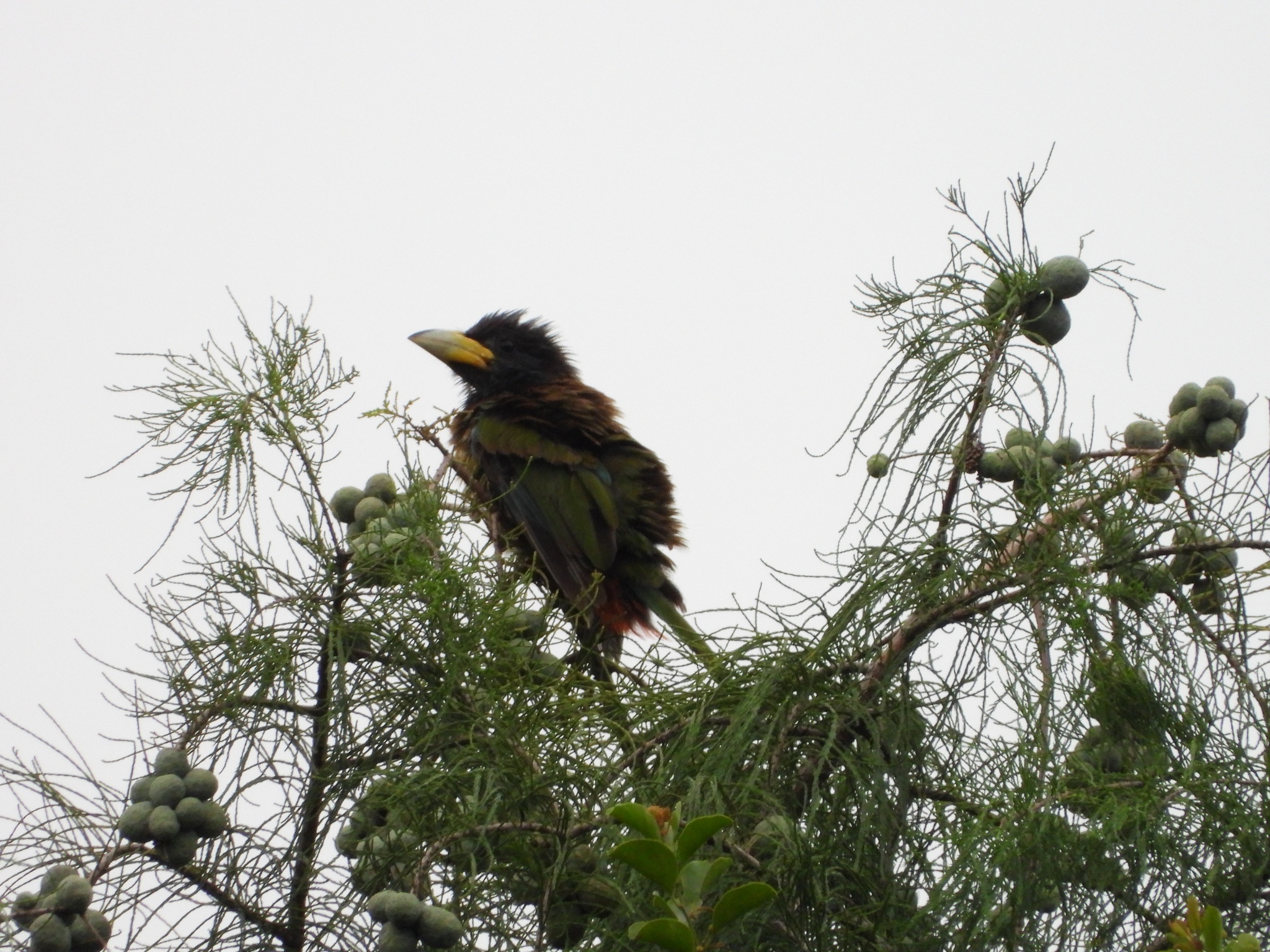
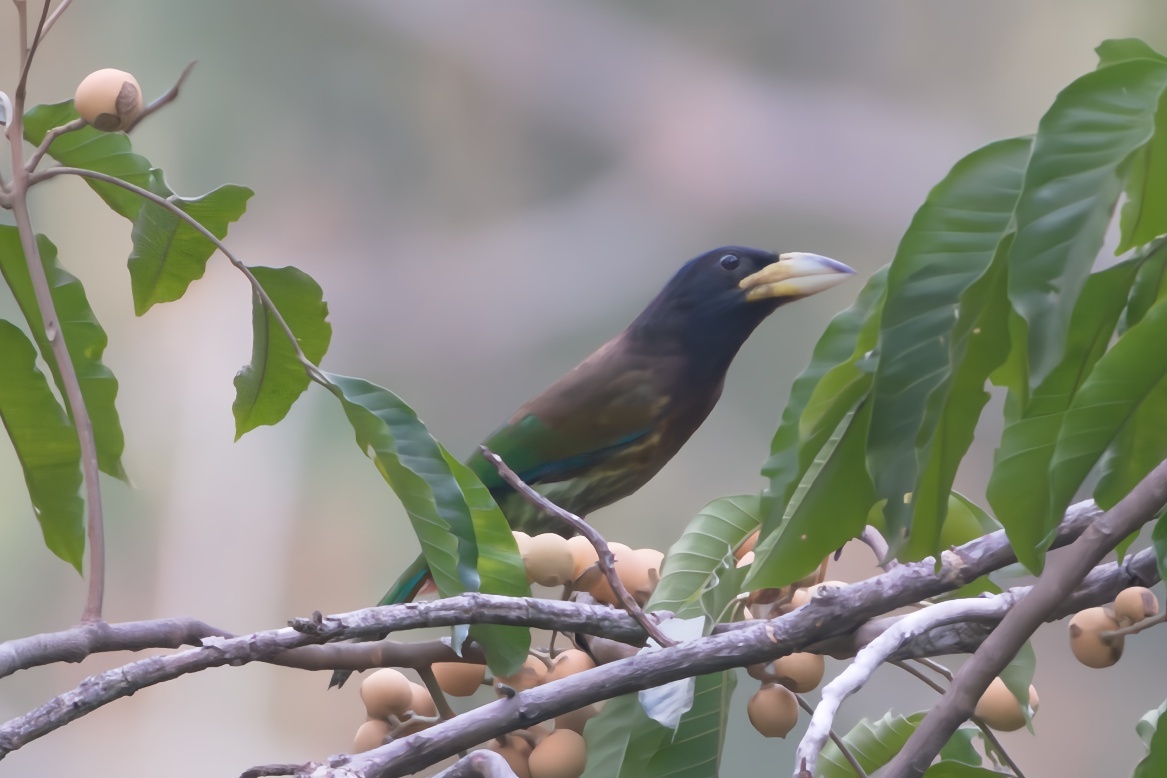
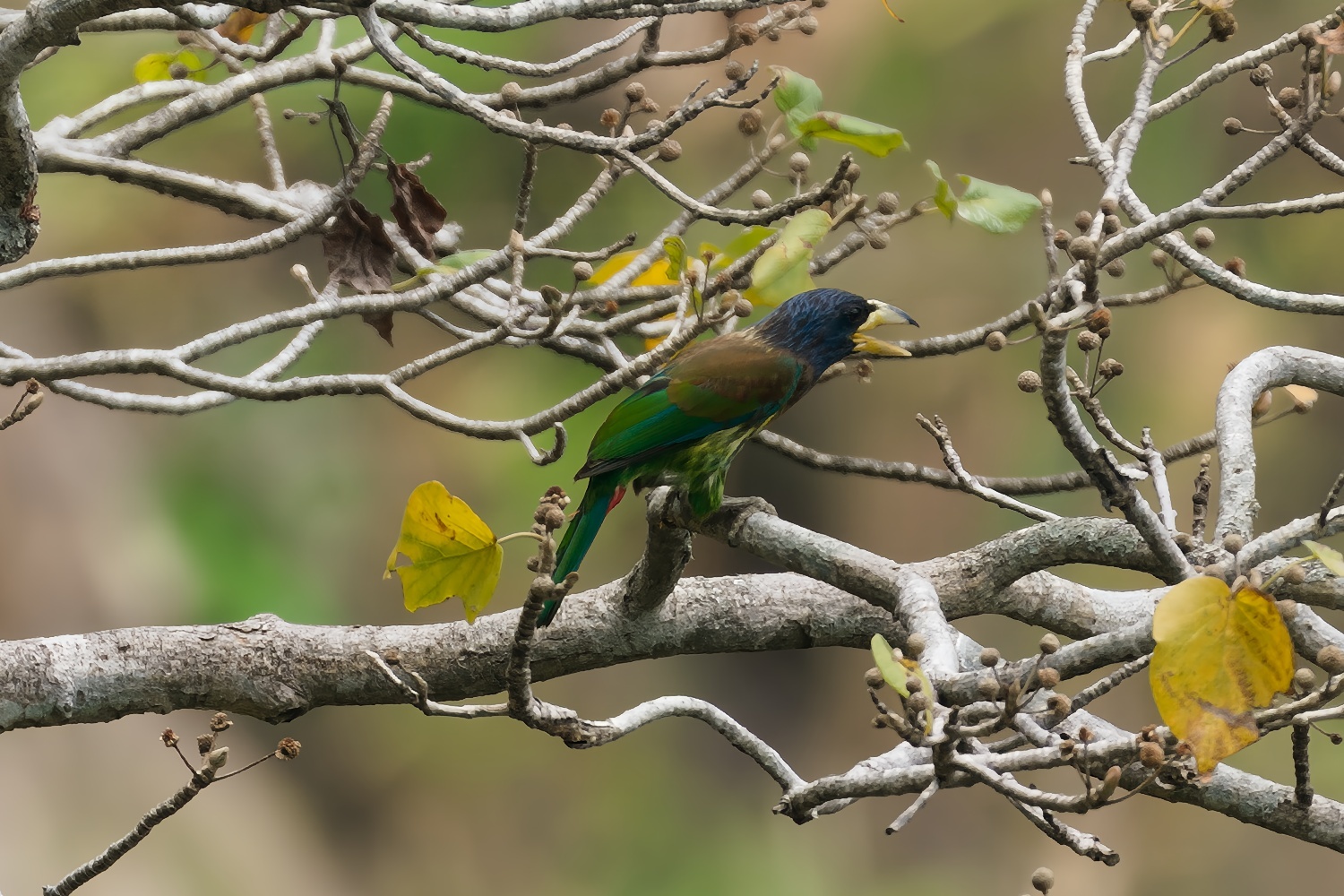
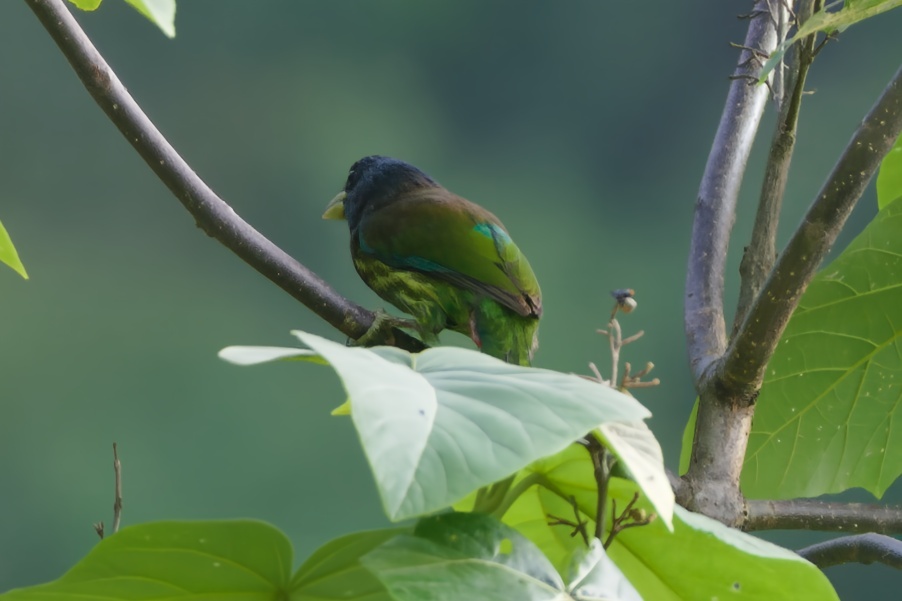
Great Barbet
Psilopogon virens · 大拟啄木鸟
Introduction
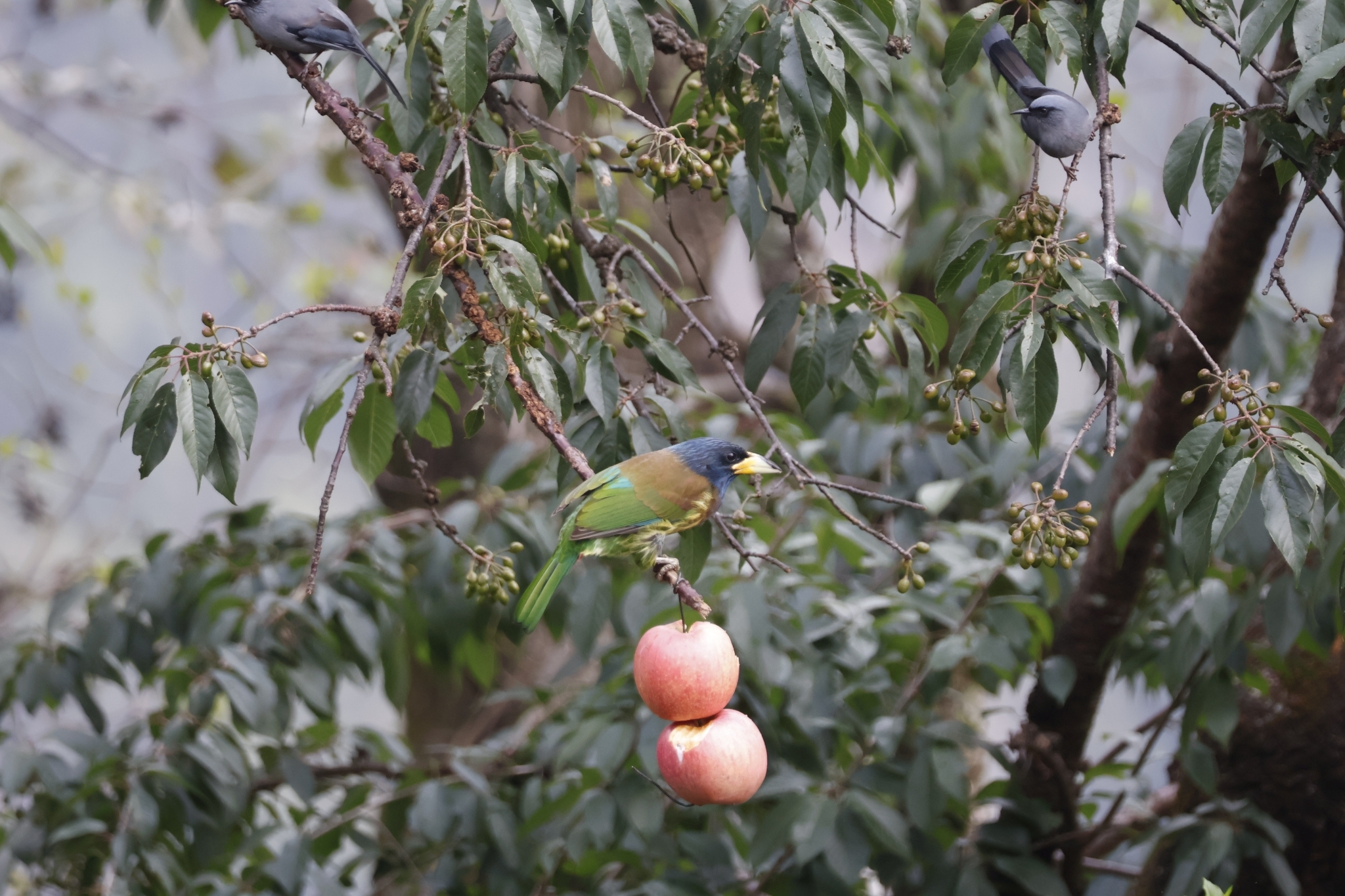
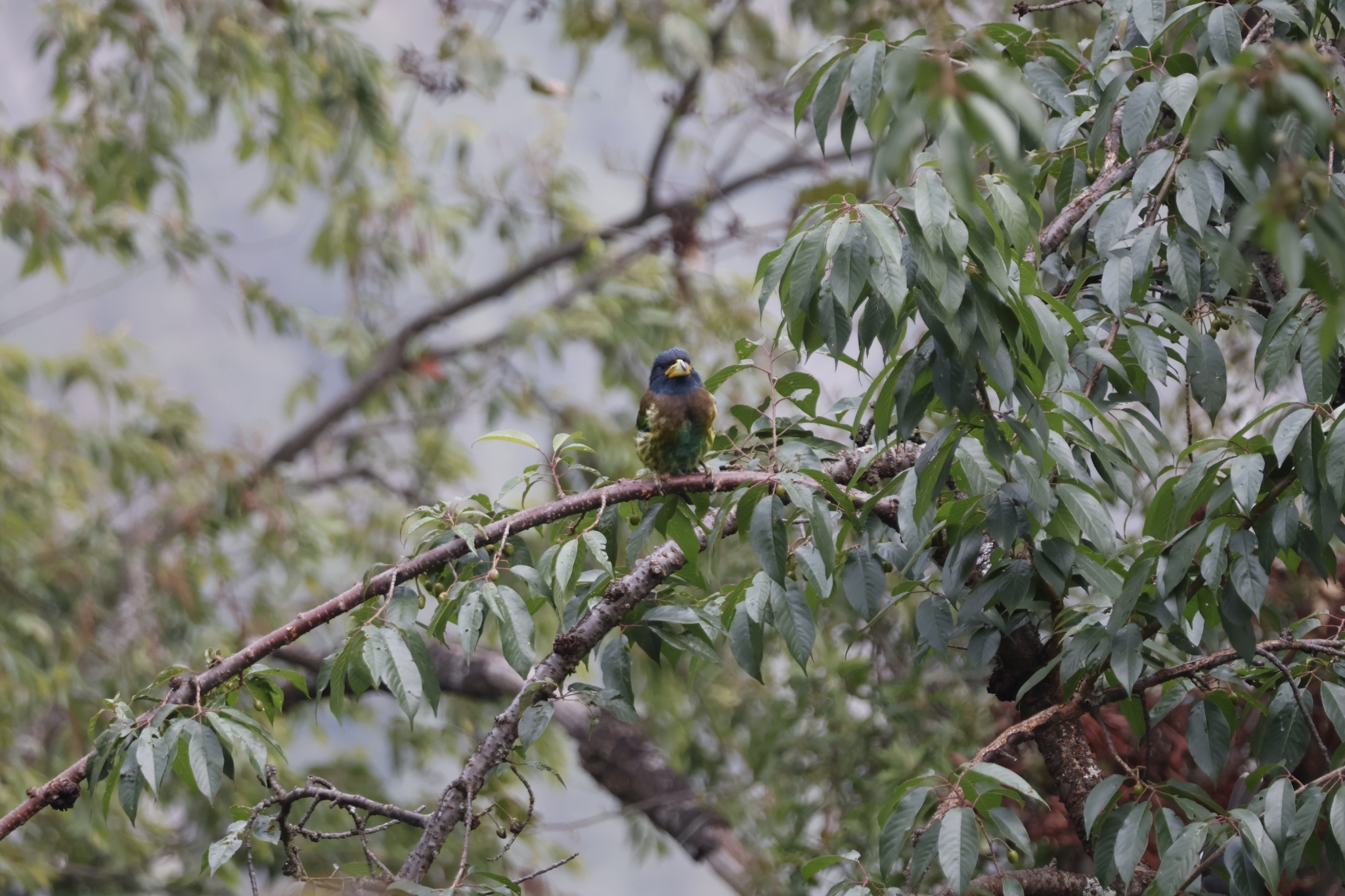
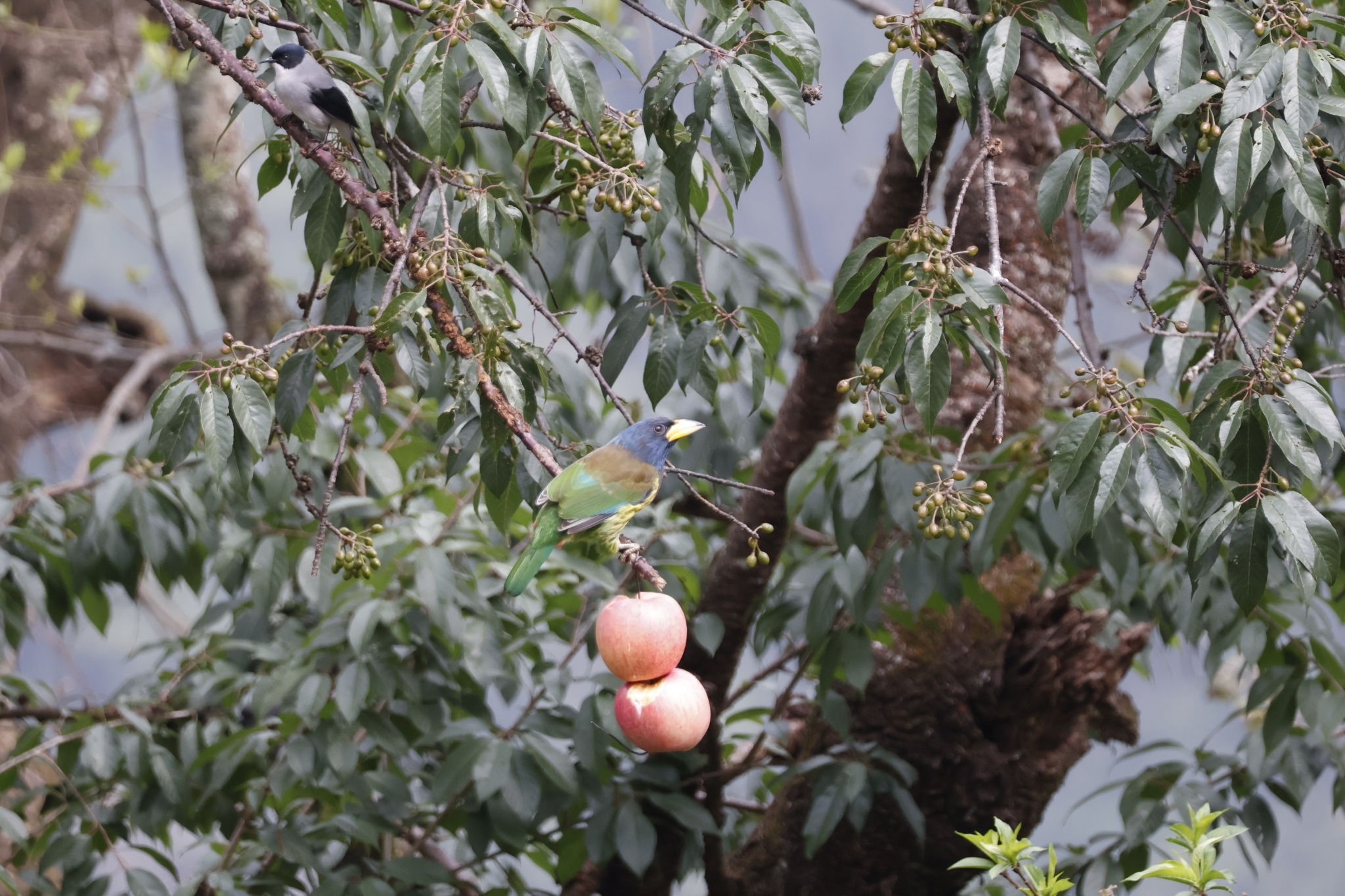
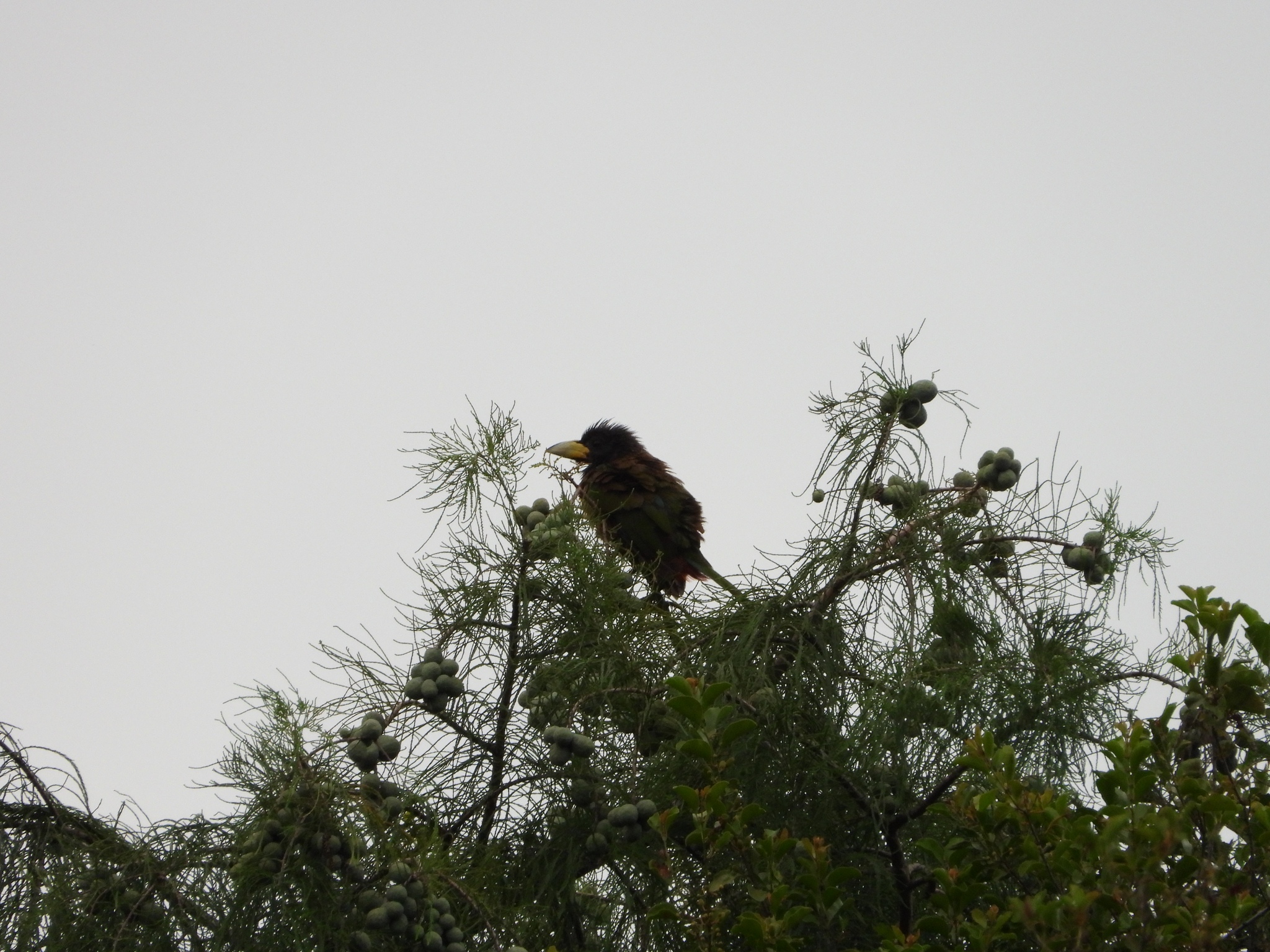
Member of the Asian barbet family native to the Indian subcontinent and Southeast Asia. Inhabits forests up to 3,000 m (9,800 ft) altitude. Listed as Least Concern on the IUCN Red List since 2004 due to wide distribution.
Description
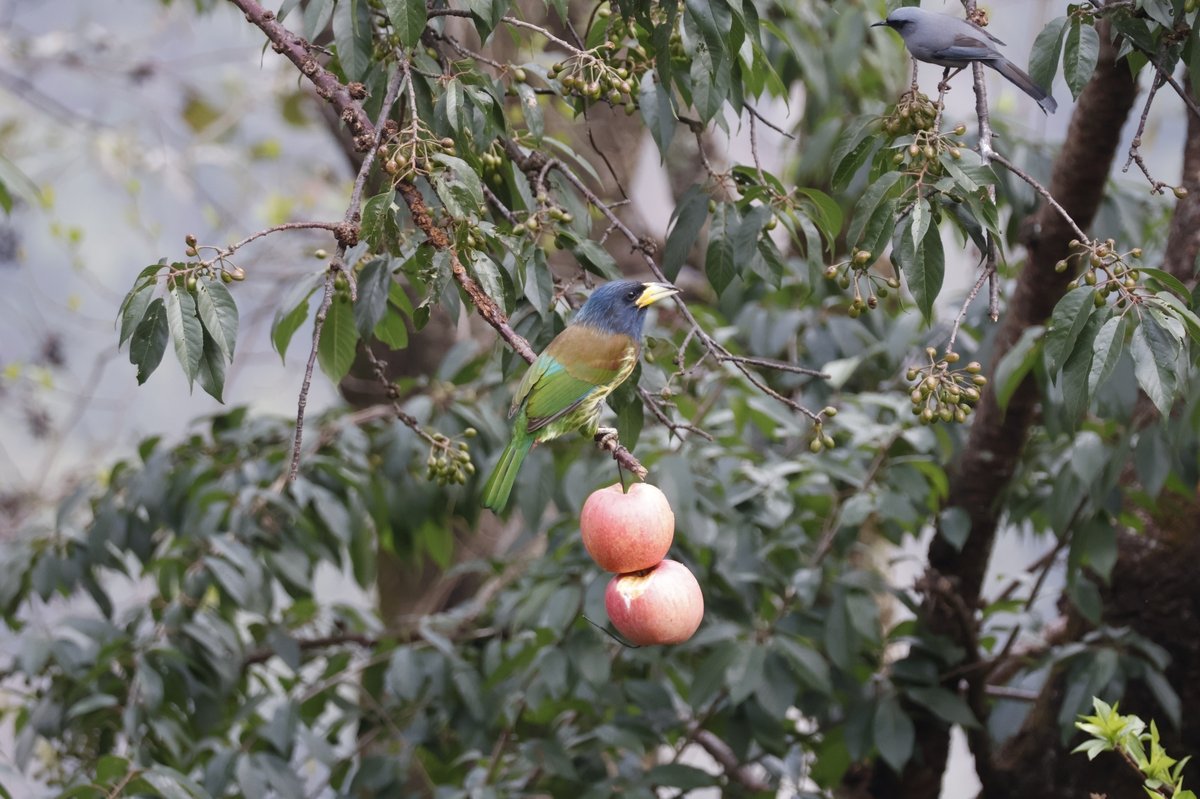
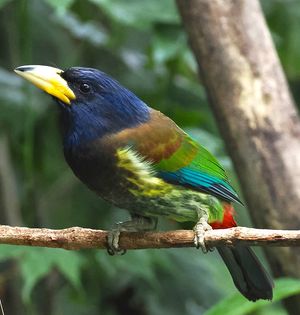
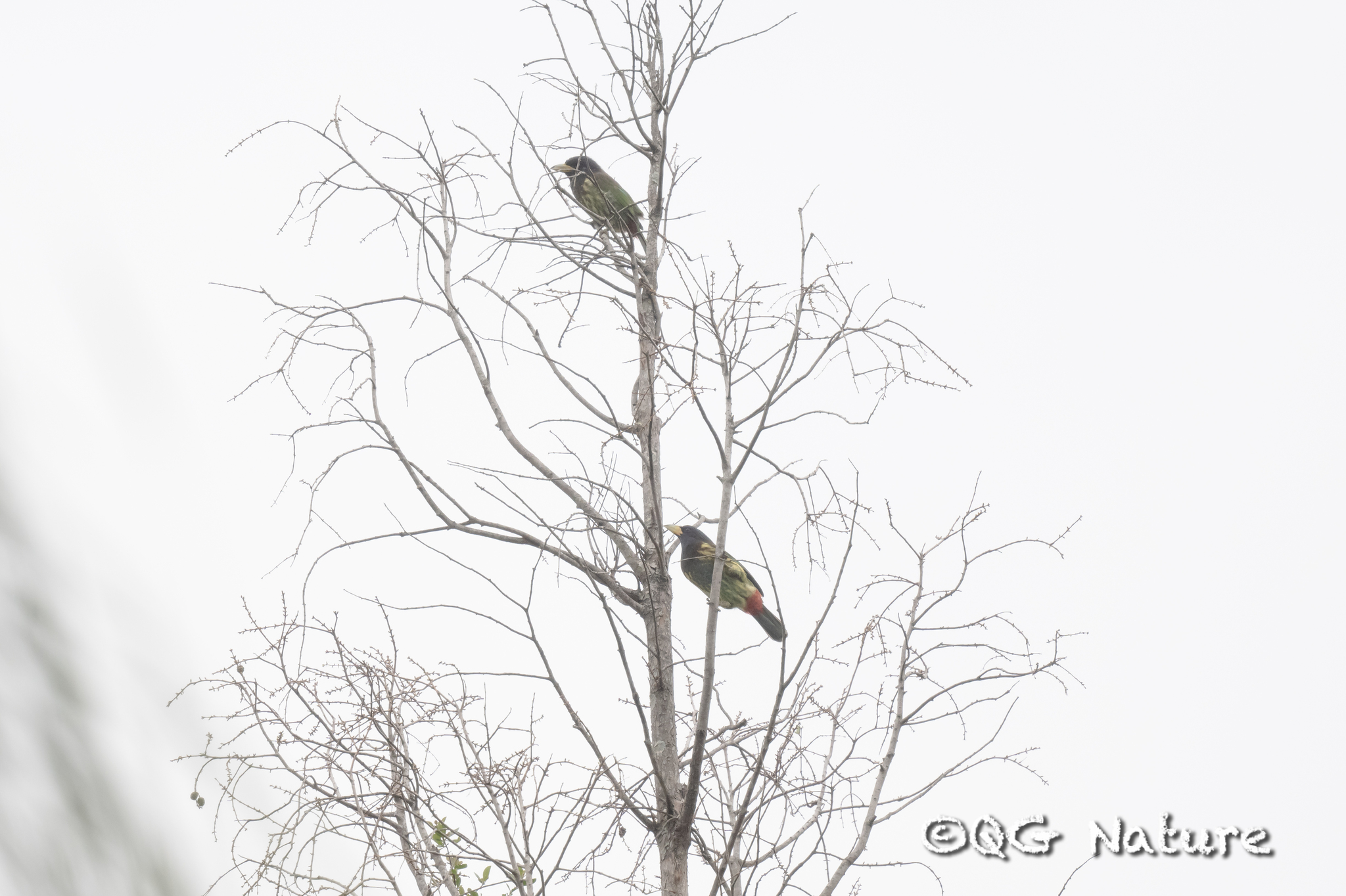
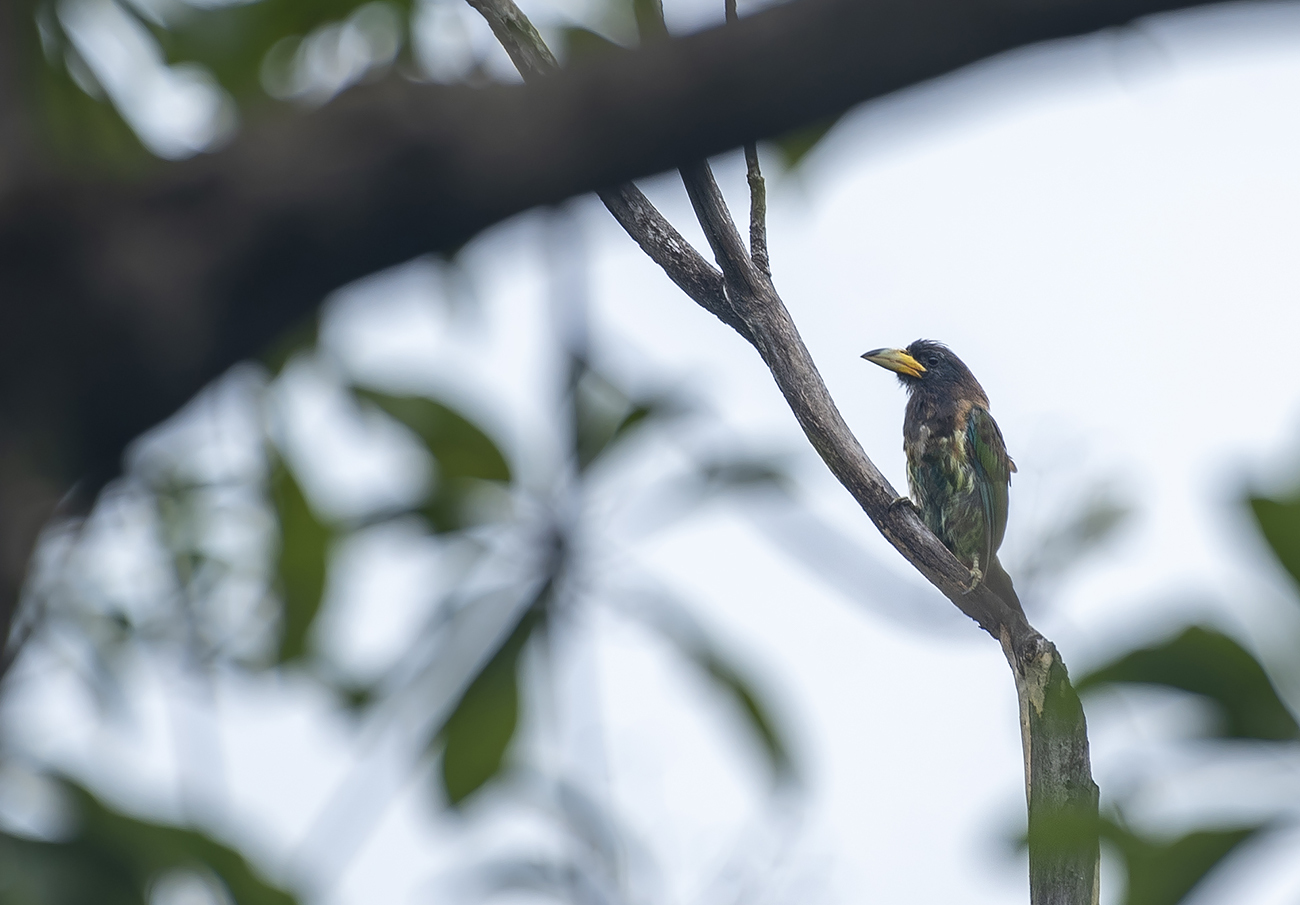
Largest barbet species with a body length of 32–35 cm (13–14 in) and weight of 192–295 g (6.8–10.4 oz). Features a blue head, large yellow bill, green plumage, brown and green-streaked body and belly, and a red vent.
Distribution & Habitat
Resident breeder in lower-to-middle altitudes of the Himalayas, ranging across northern Pakistan, India, Nepal, Bhutan, Bangladesh, and parts of Southeast Asia including Laos. Four subspecies recognized: P. v. virens (central Myanmar, Thailand, Vietnam, China); P. v. marshallorum (northeastern Pakistan to western Nepal); P. v. magnificus (eastern Nepal to Assam); P. v. clamator (Assam, northern Myanmar, northern Thailand, Yunnan).
Behavior & Ecology
Nesting season occurs from April to July, with nests built in tree holes. Both sexes care for the young. Diet consists mainly of fruits and insects. Vocalizations include a loud territorial call 'kay-oh', a harsh alarm 'keeab', and a repetitive 'piou-piou-piou-piou'.
Source: Wikipedia · CC BY-SA 3.0
Taxonomy
- Order
- Piciformes
- Family
- Megalaimidae
- Genus
- Psilopogon
Vocalizations
Subspecies (5)
-
Psilopogon virens clamator
northeastern India (northeastern Assam), northern Myanmar, southwestern China (western Yunnan), and northwestern Thailand
Data Sources
Species description from Wikipedia, licensed under CC BY-SA 3.0.
Bird images and sounds sourced from GBIF, contributed by citizen scientists worldwide under Creative Commons licenses.
Taxonomy data from AviList 2025.