Passeriformes / Paridae / Pseudopodoces
Ground Tit
Pseudopodoces humilis · 地山雀
Introduction
A member of the tit family (Paridae) and the only species in the genus Pseudopodoces, this bird inhabits the Tibetan Plateau north of the Himalayas. It is adapted to open alpine steppe and arid regions above 3,000 meters, exhibiting ground-dwelling behavior and excavating its own nesting burrows.
Description
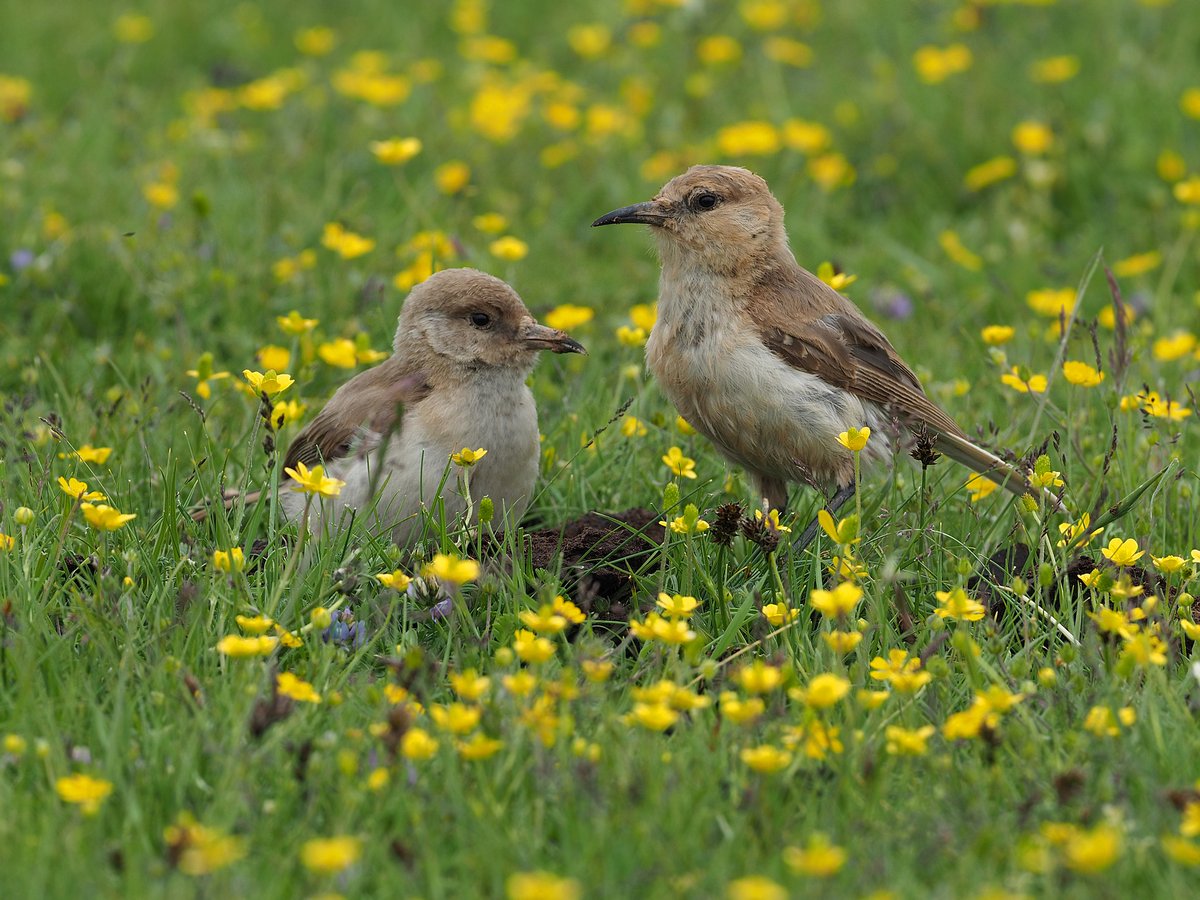
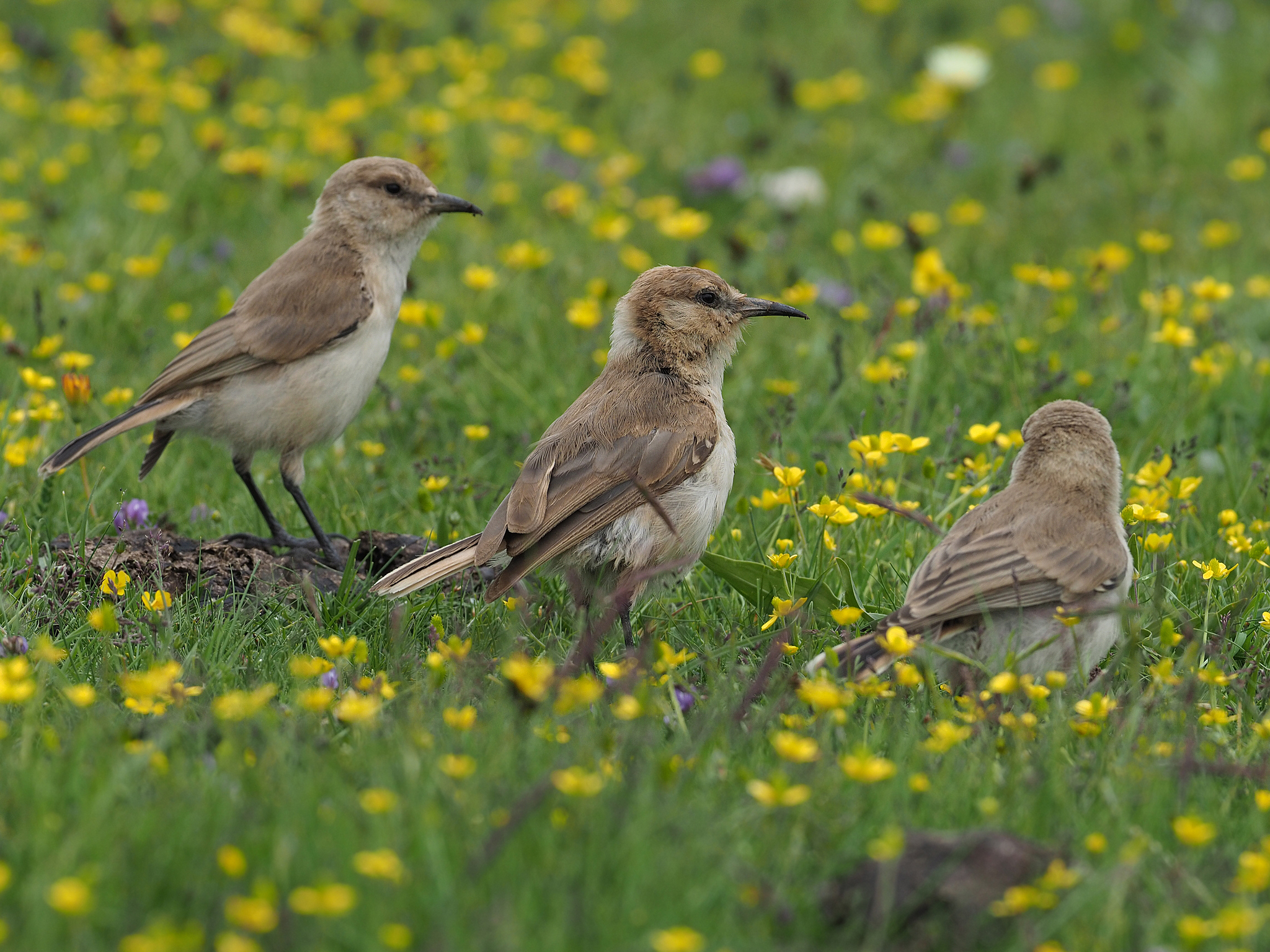
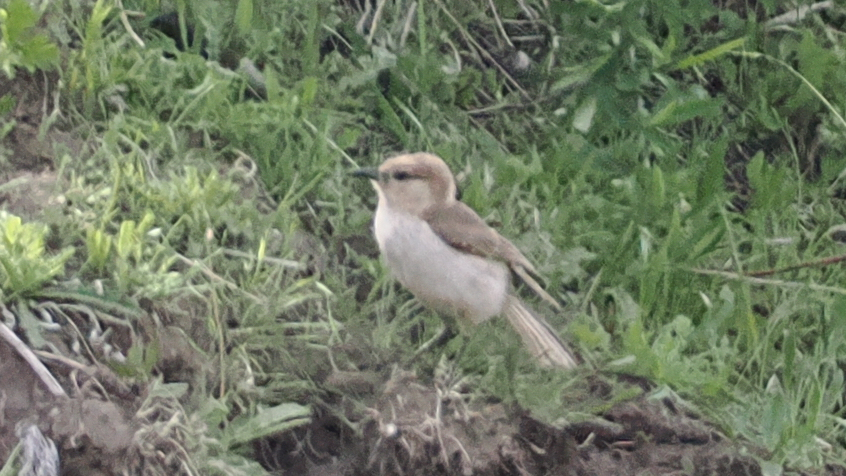
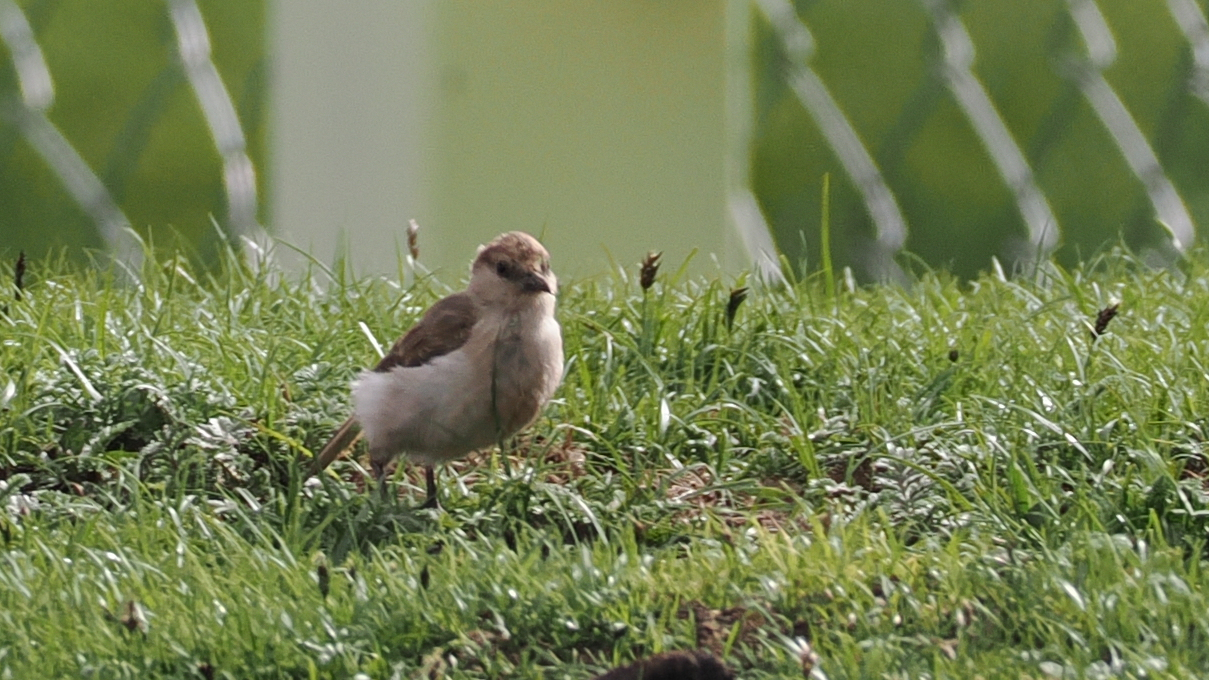
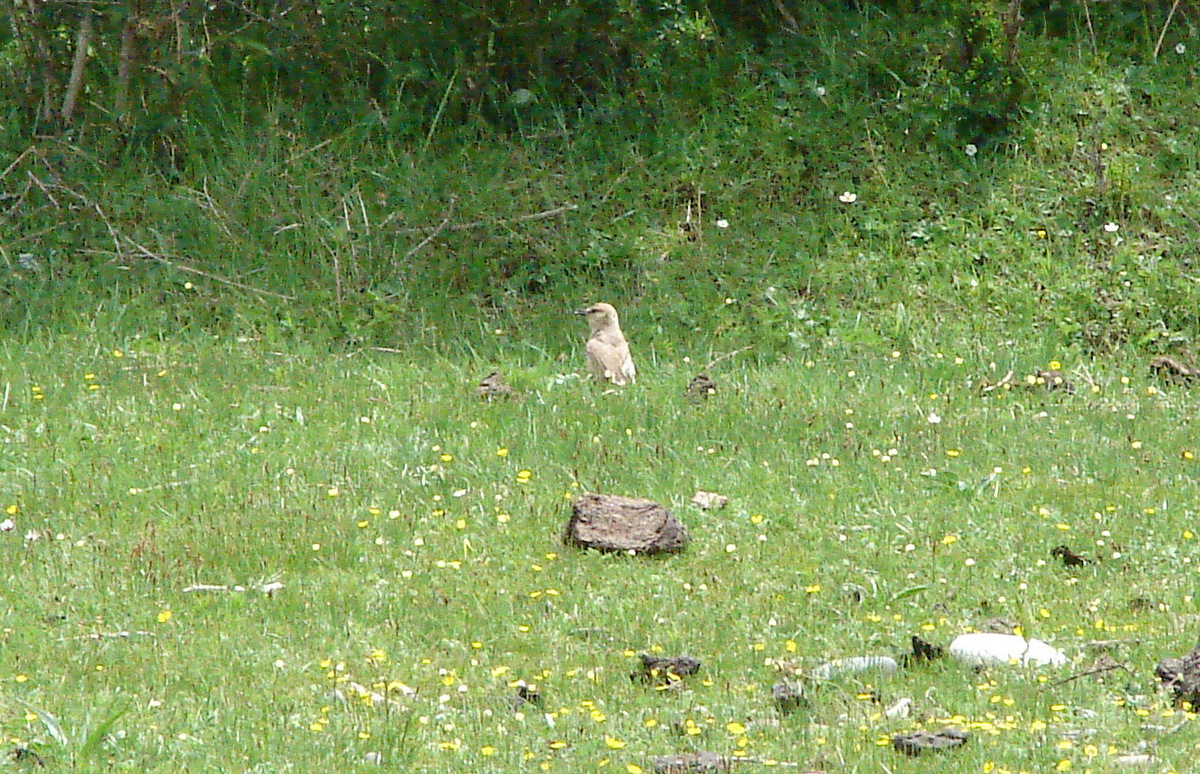
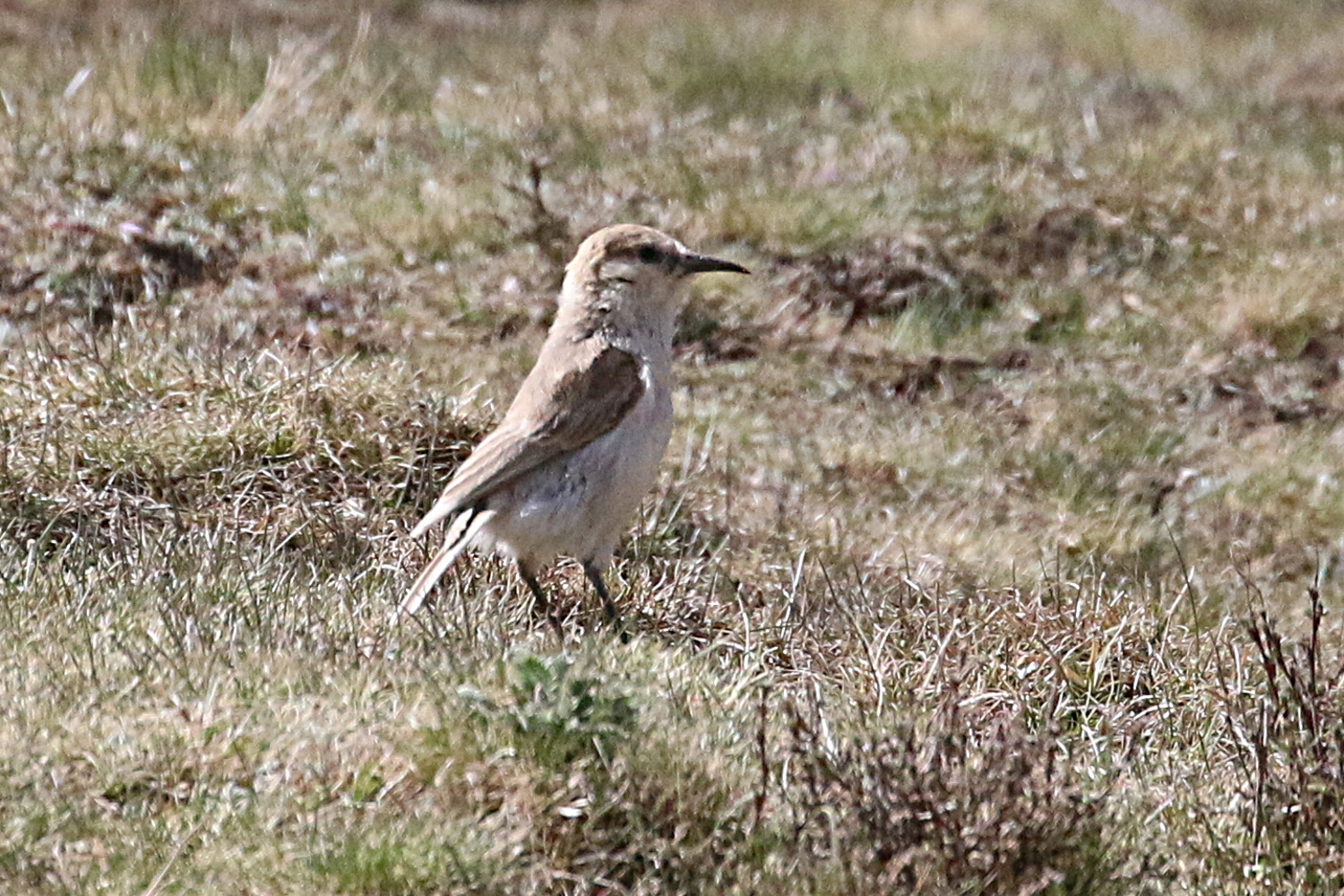
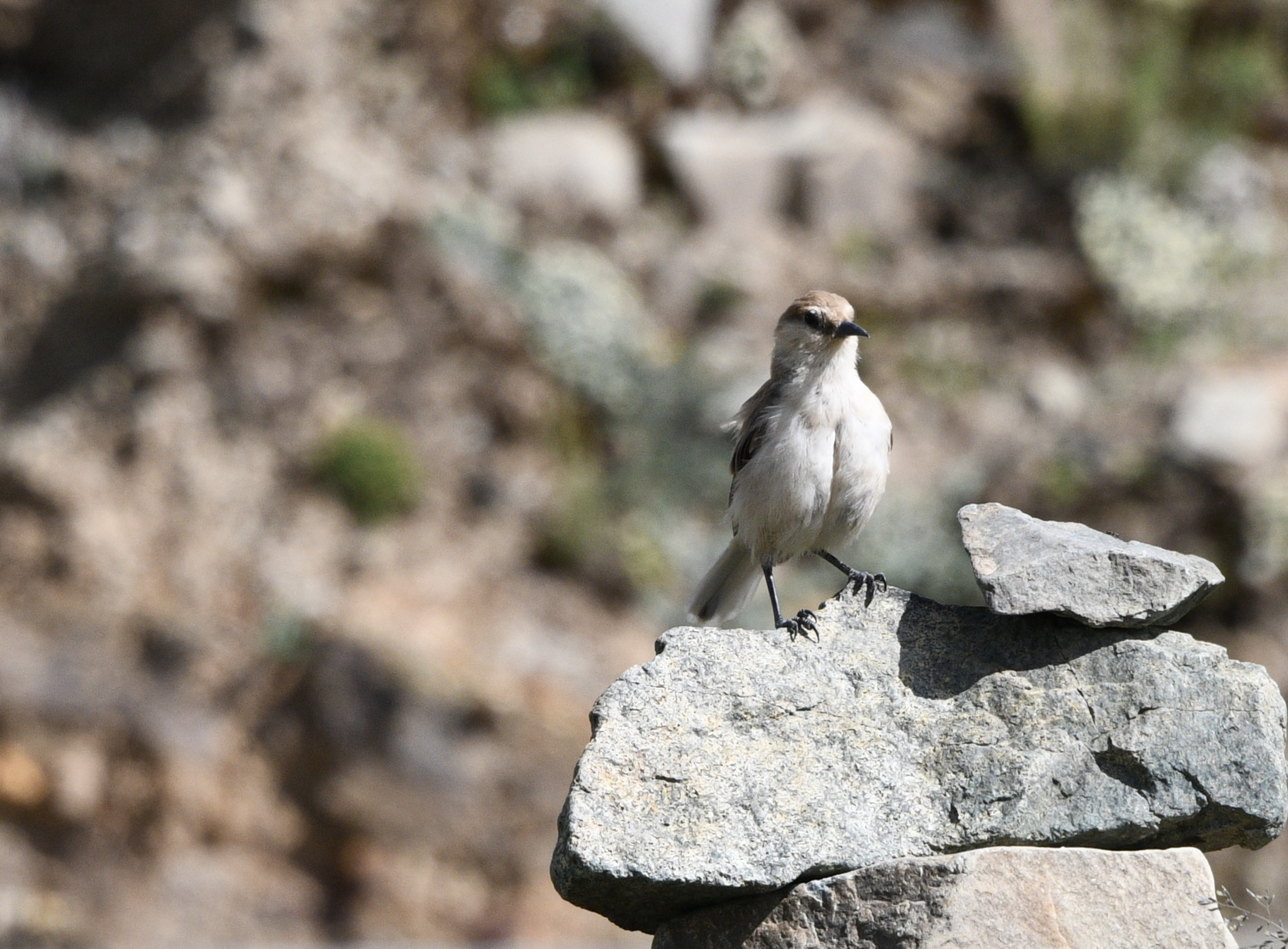
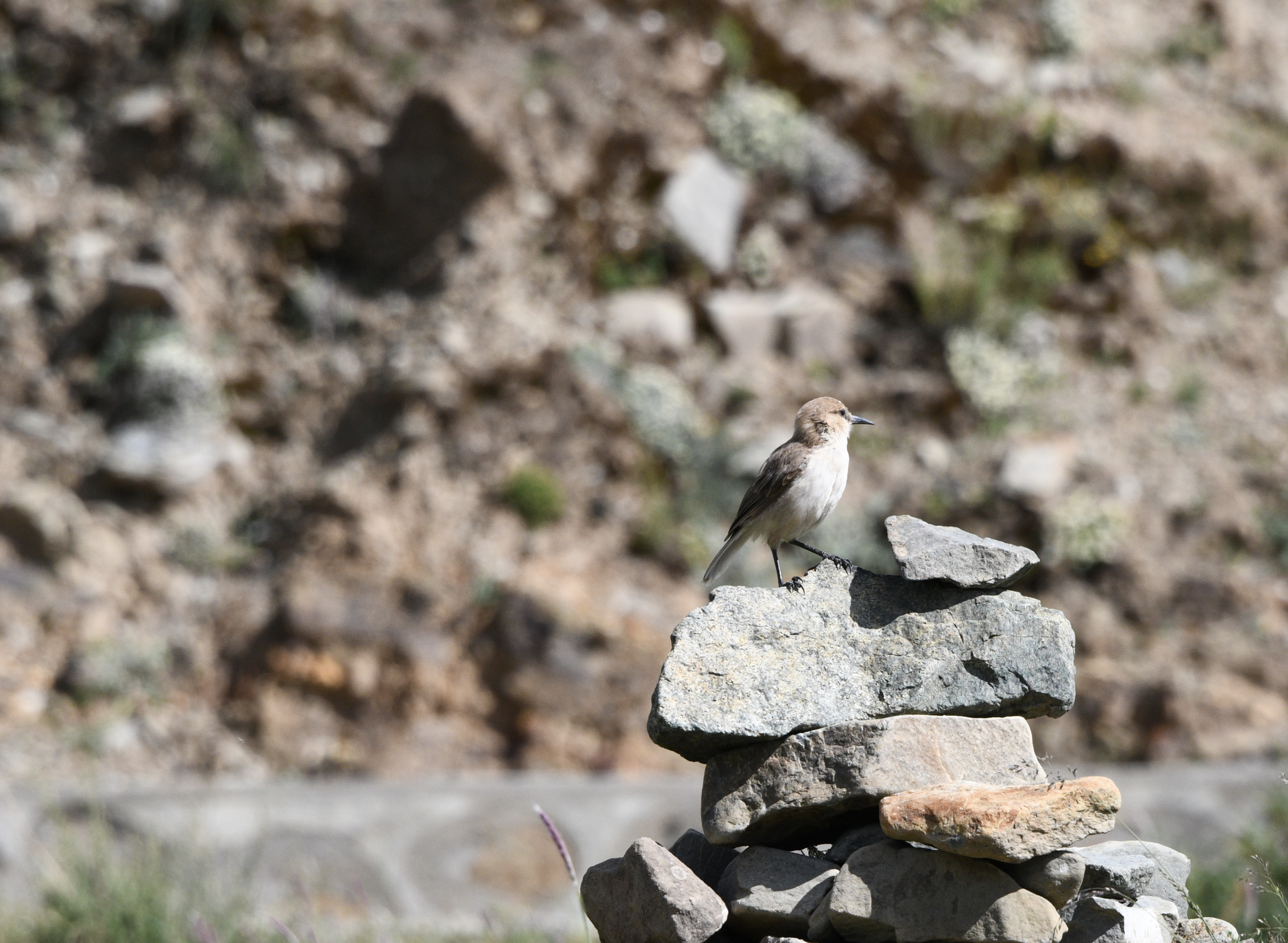
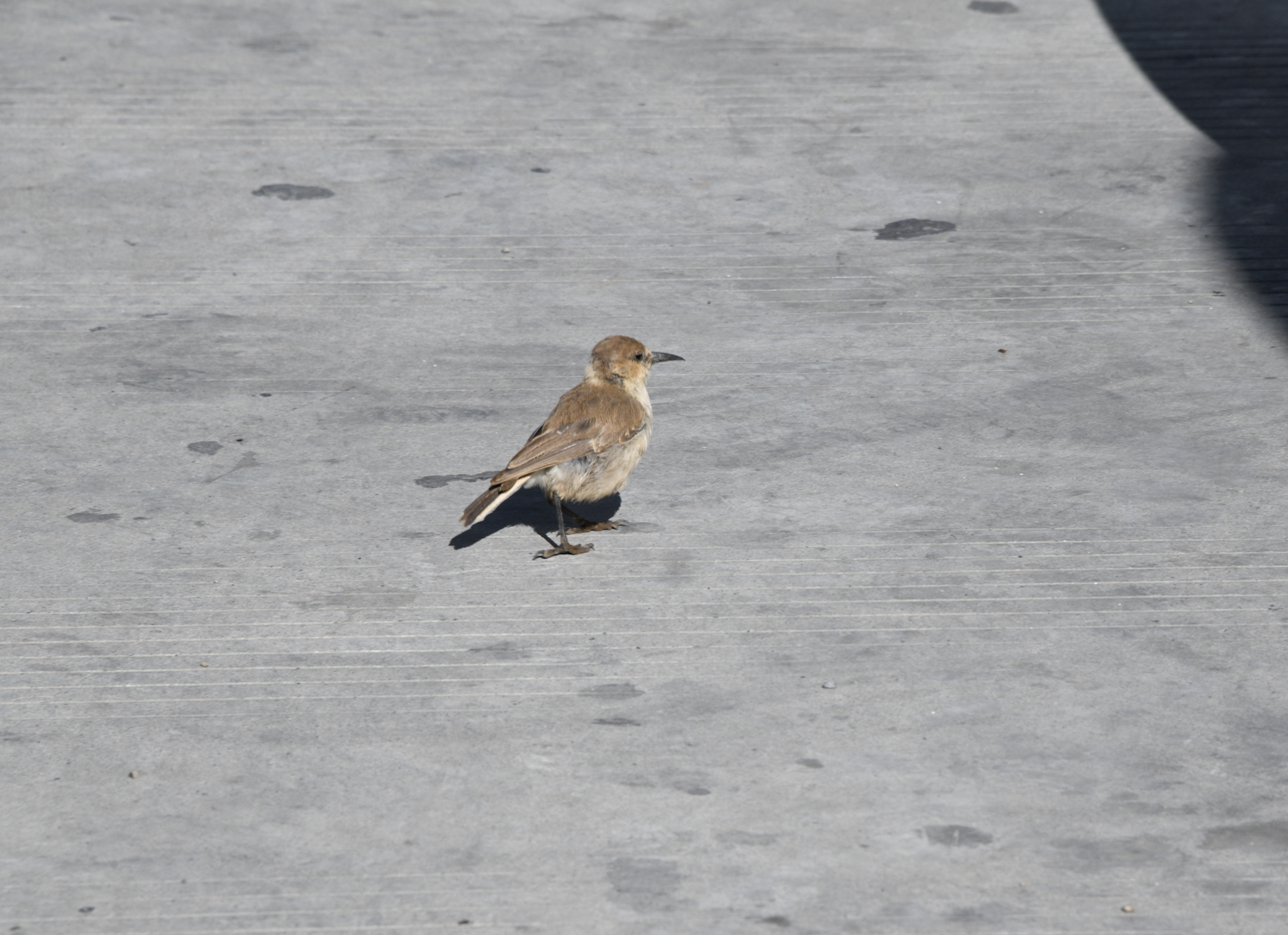
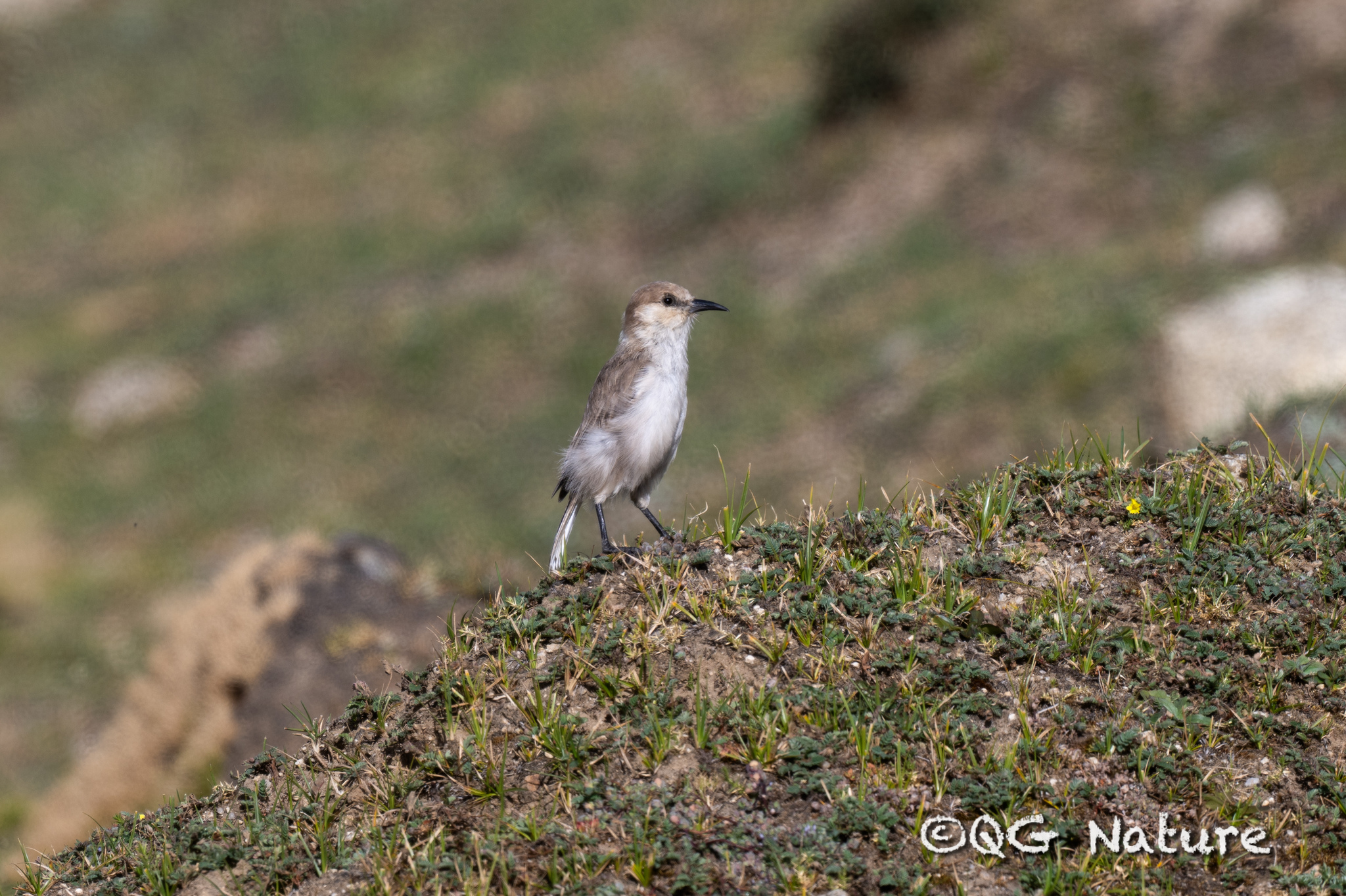
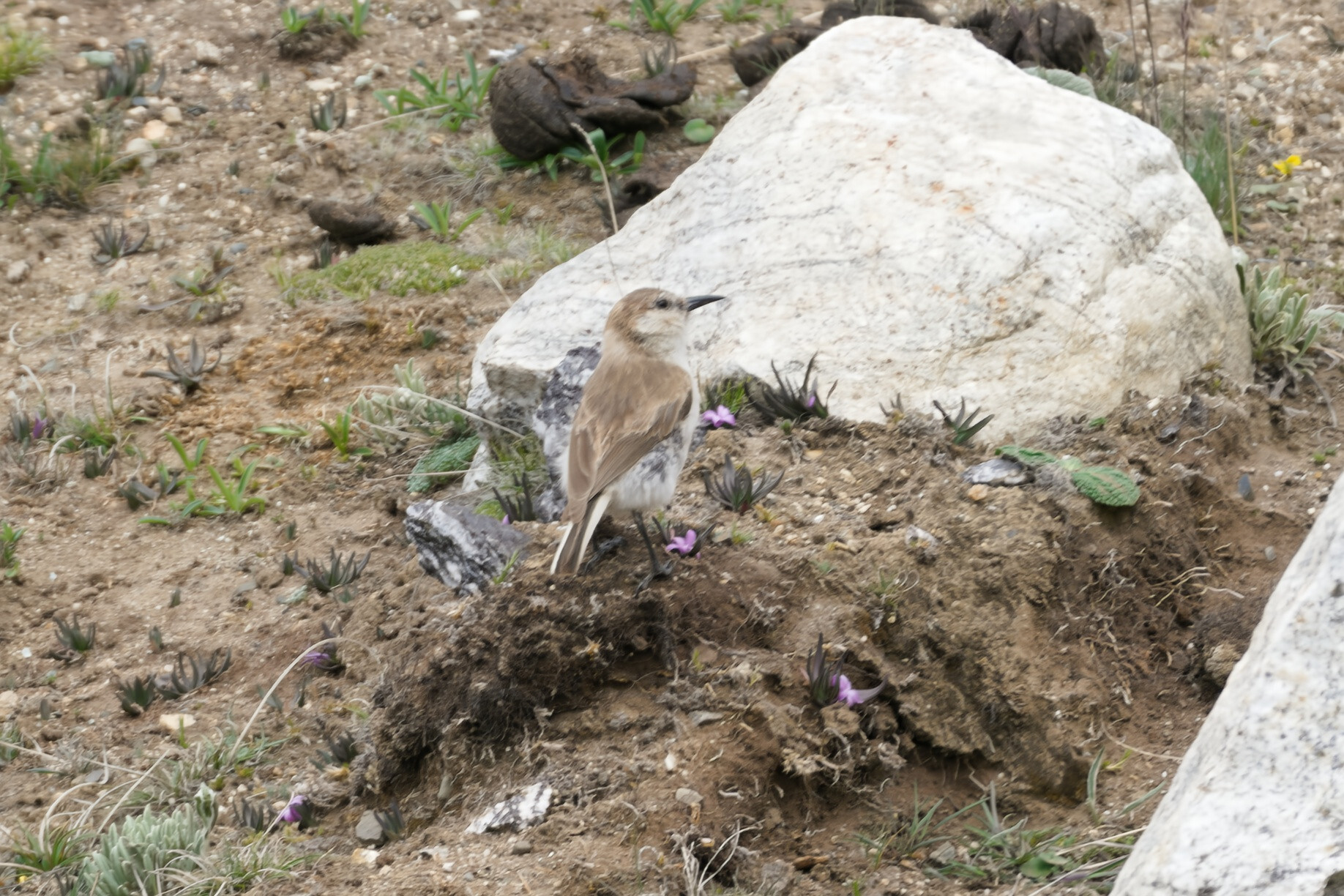
Approximately the size of a house sparrow, it lacks conspicuous markings and has soft, cryptic plumage. The underside is greyish-fawn with a tawny hue, while upper parts are darker fawn-brown. The head matches the underside but features a darker cap and light nape patch. Central rectrices and primary remiges are slightly darker. The bill is strong, slightly downcurved, and black, resembling that of a chough in shape. Legs and feet are black. Males and females are identical in appearance.
Identification
Resembles a wheatear in habitus but lacks black feathers. Distinguished from ground jays by smaller size and movement style: it moves in unpredictable hops and bounces rather than striding. Flight is weak and low over the ground. Vocalizations include a plaintive whistling 'cheep-cheep-cheep-cheep' and a two-syllable finch-like call.
Distribution & Habitat
Found across the Tibetan Plateau in China, India, Nepal, and Bhutan, including western Sichuan and Gansu. It inhabits open alpine steppe and arid regions with scattered shrubs, rarely occurring below 3,000 meters above sea level. It avoids areas with dense vegetation or trees. The species is non-migratory but may descend to lower valley altitudes in winter.
Behavior & Ecology
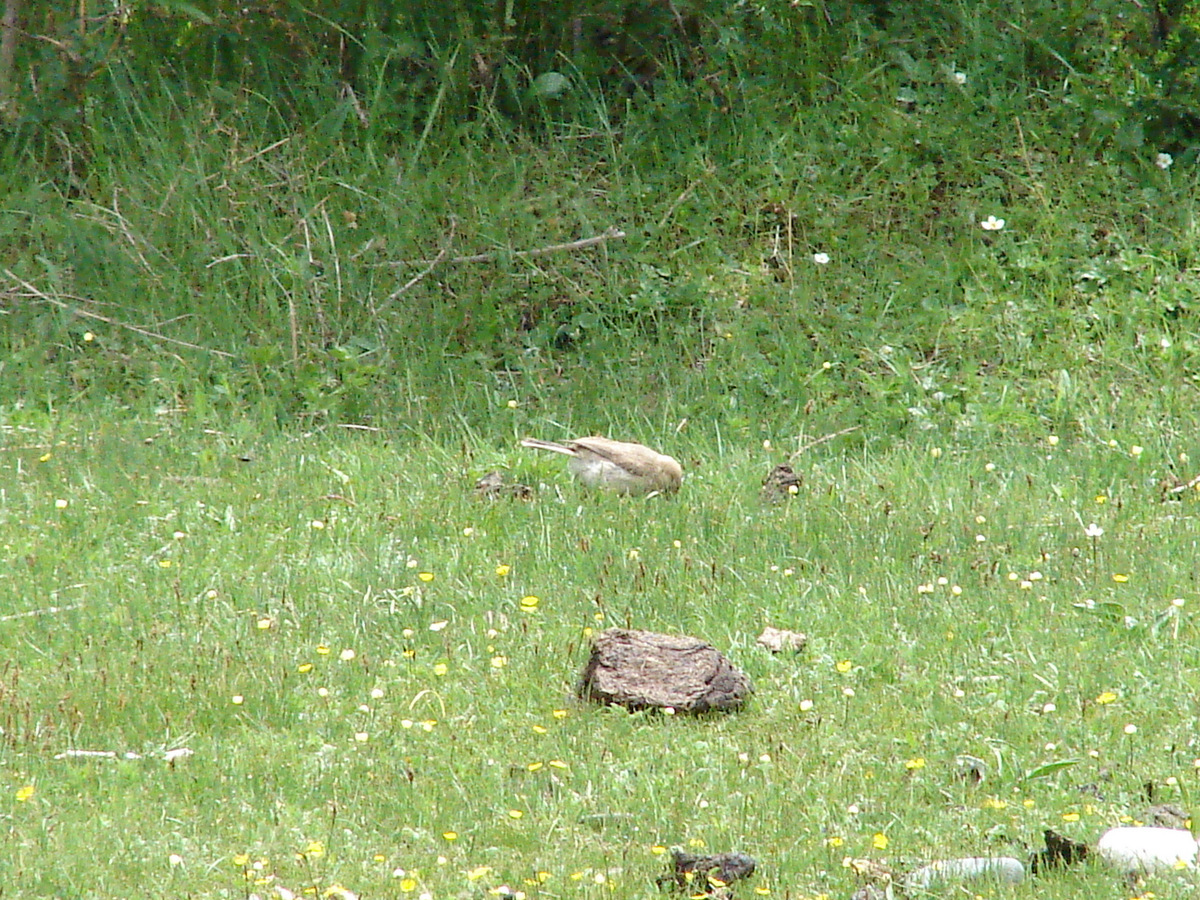
Terrestrial forager feeding on arthropods by probing yak dung, peering into rock crevices, and digging in mud near puddles. It escapes predators by bolting into holes. Nests are excavated horizontally into earth banks up to 1.8 meters deep, lined with grass and wool. Clutches contain 4–6 pure white eggs. Cooperative breeding occurs, with yearling male helpers often assisting monogamous pairs. Young may be fed by parents as late as August. Roosting burrows are dug for cold months.
Conservation
Listed on the IUCN Red List of Threatened Species (assessment referenced from 2017).
Source: Wikipedia · CC BY-SA 3.0
Taxonomy
- Order
- Passeriformes
- Family
- Paridae
- Genus
- Pseudopodoces
Distribution
semiarid steppes of Tibetan plateau
Data Sources
Species description from Wikipedia, licensed under CC BY-SA 3.0.
Bird images and sounds sourced from GBIF, contributed by citizen scientists worldwide under Creative Commons licenses.
Taxonomy data from AviList 2025.