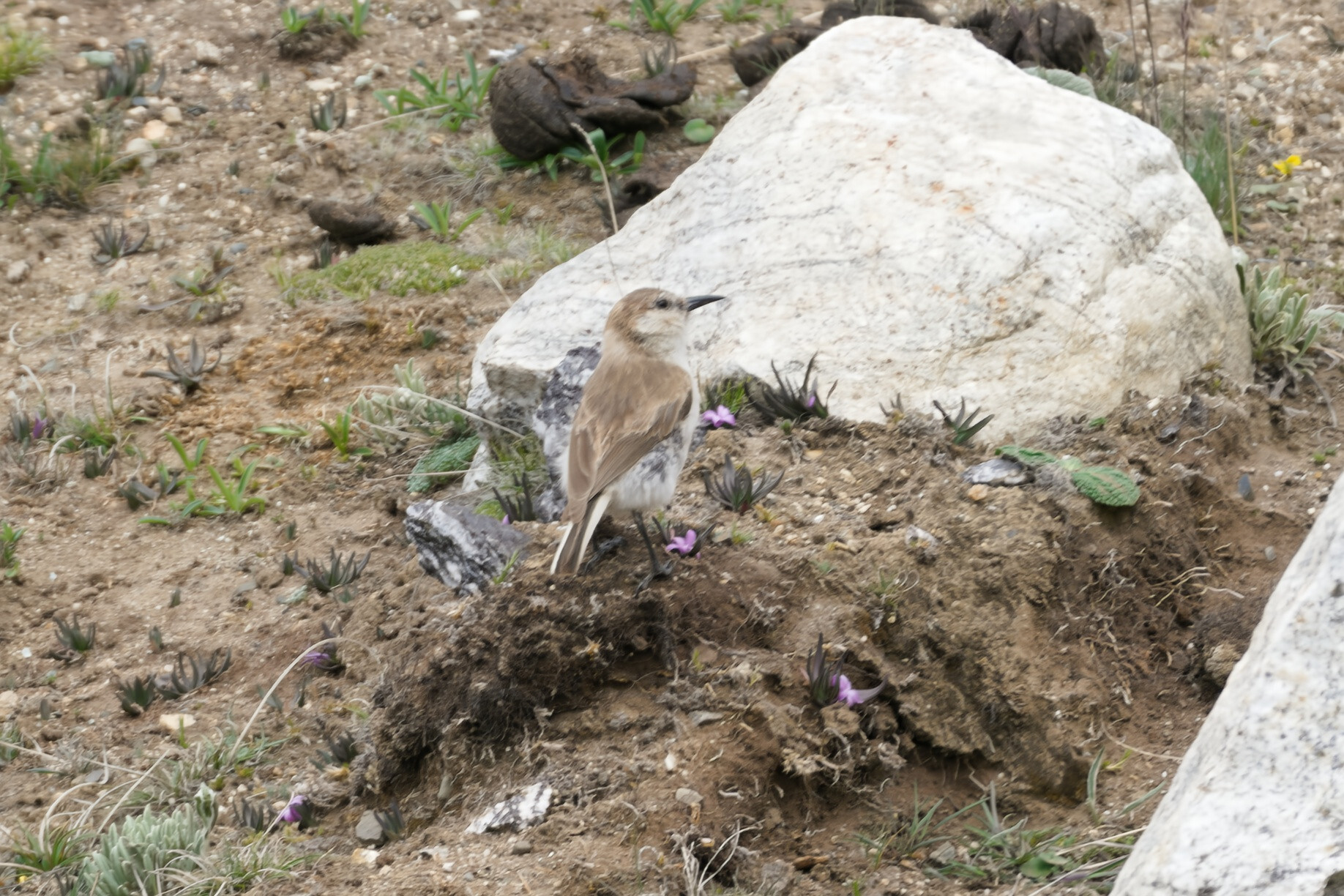
Ground Tit
Pseudopodoces humilis
地山雀
Introduction
A passerine bird of the tit family (Paridae), the only species in the genus Pseudopodoces. Native to the Tibetan Plateau north of the Himalayas. Originally described in 1871, this small bird was historically misclassified as a ground jay (Corvidae) due to its confusing morphology and habits. Molecular sequence comparisons from 2003 onwards definitively placed it within Paridae, showing closer phylogenetic relationship to the great tit (Parus major) than to chickadees. Inhabits open alpine steppe and arid regions with scattered shrubs above 3,000 meters elevation, avoiding areas with dense vegetation. Not migratory but may descend to lower valleys in winter.
Description
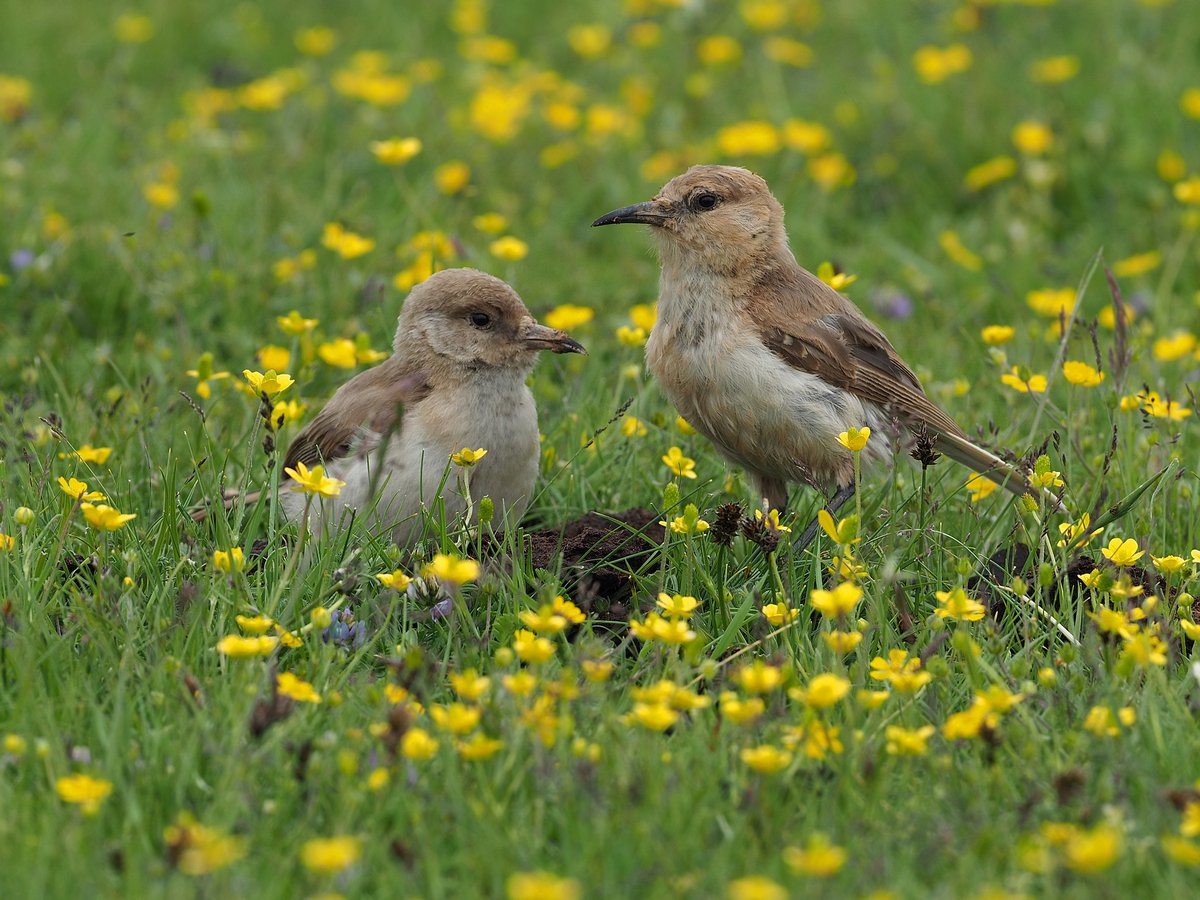
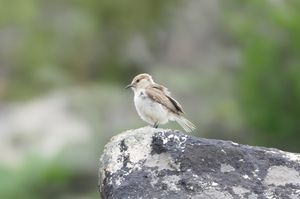
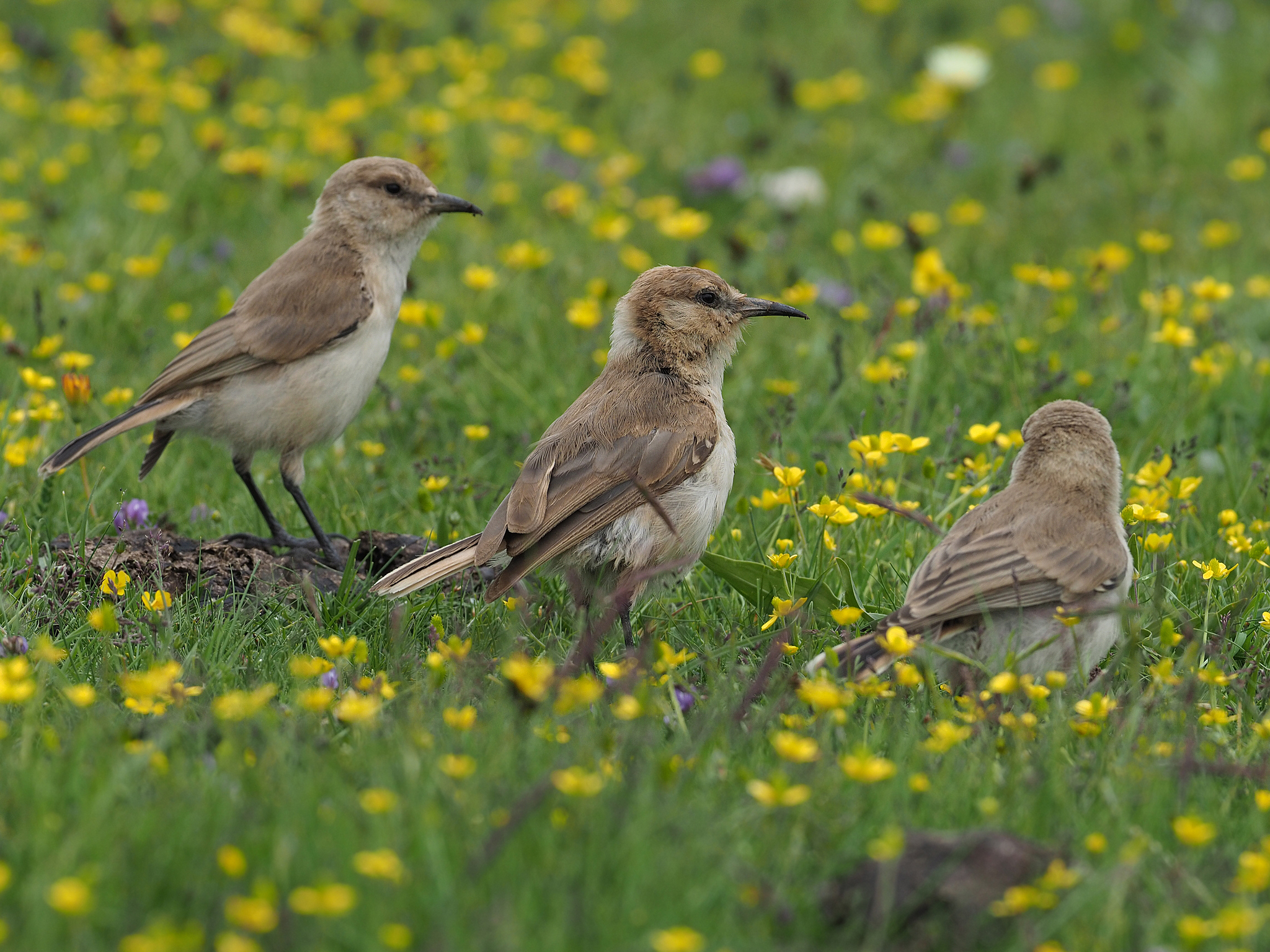
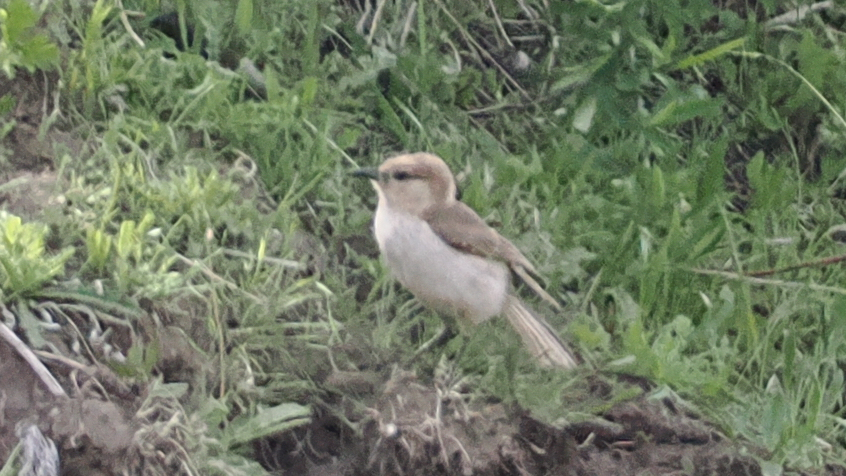
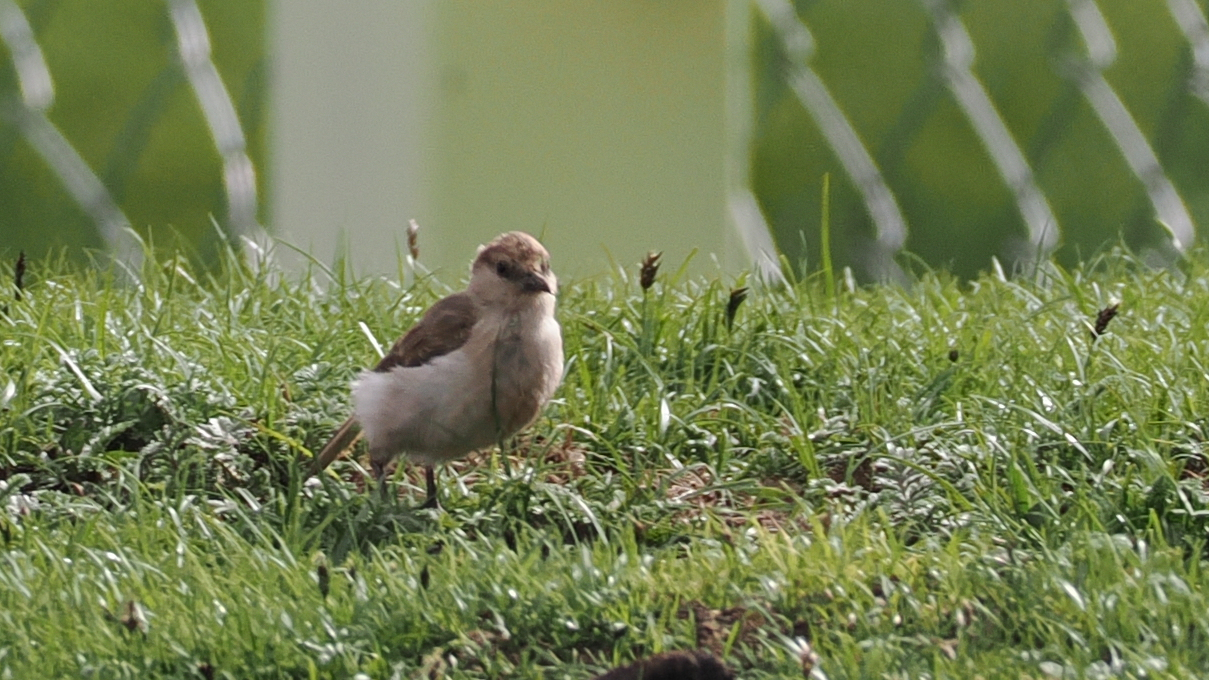
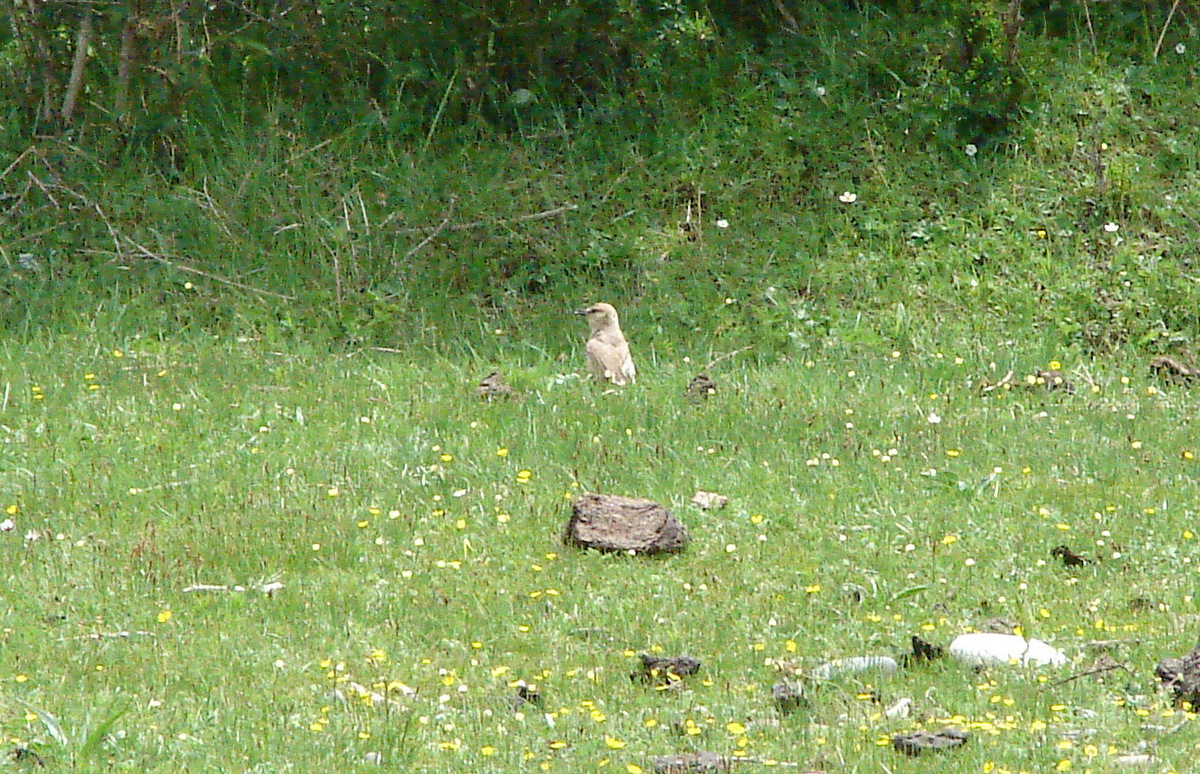
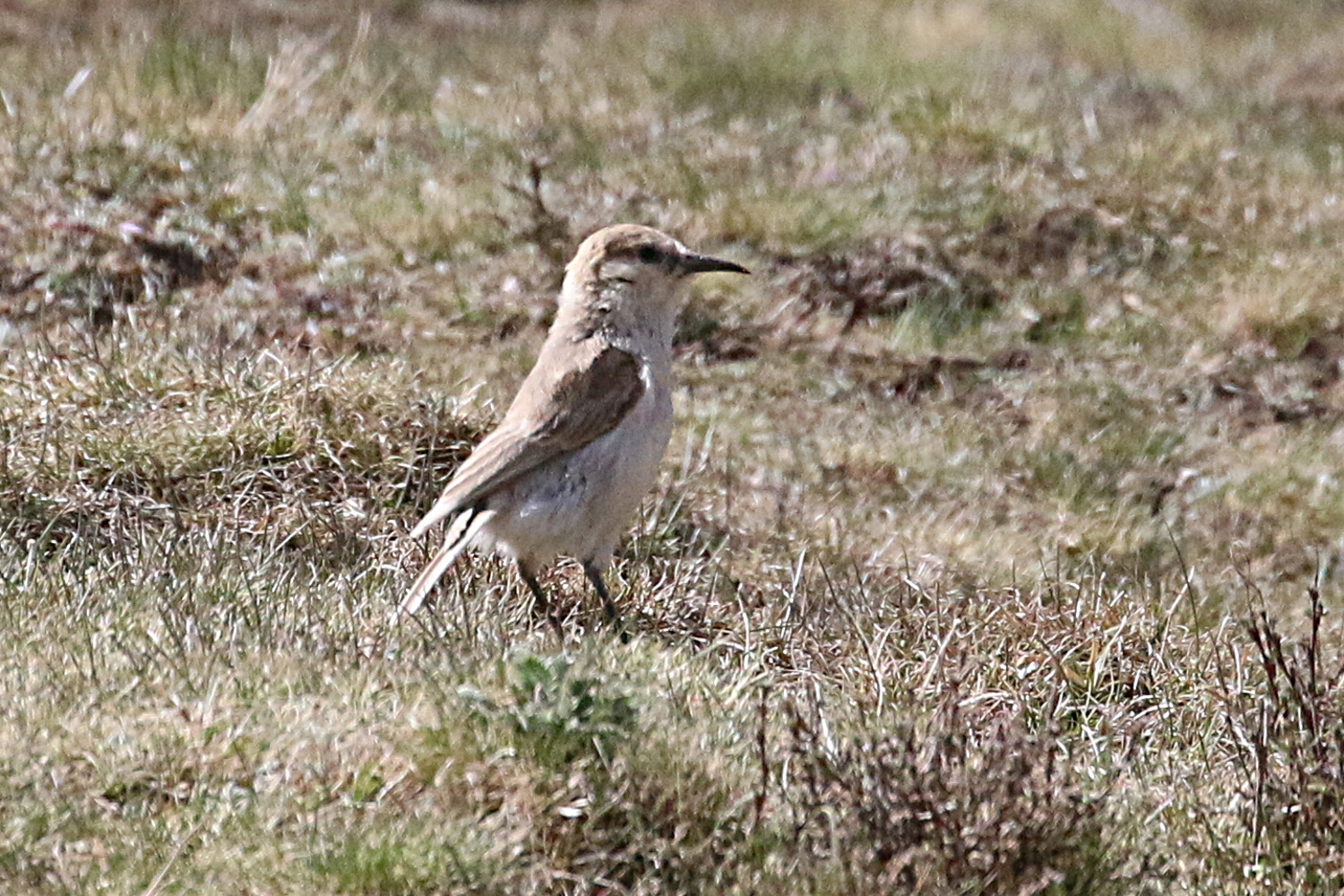
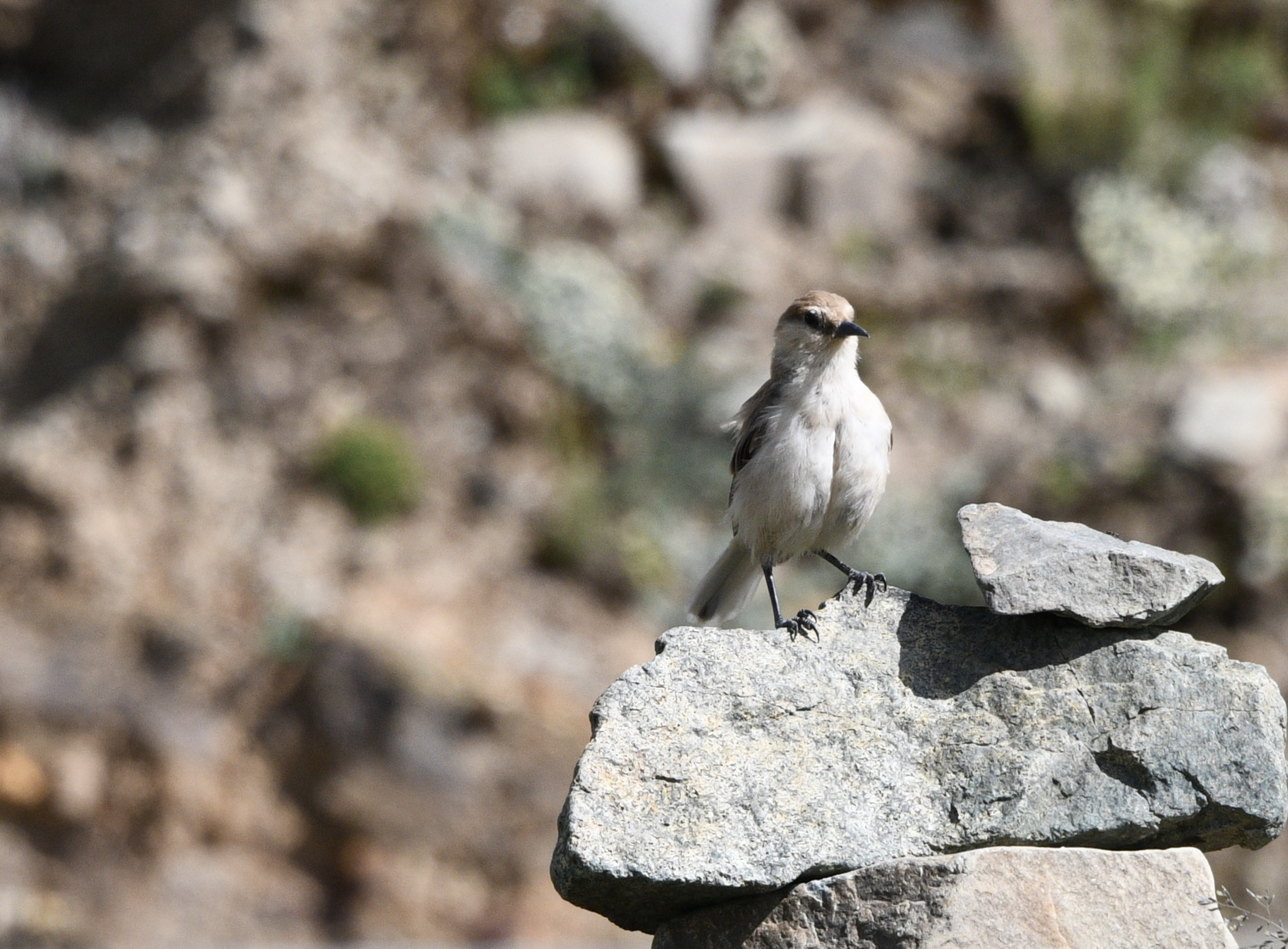
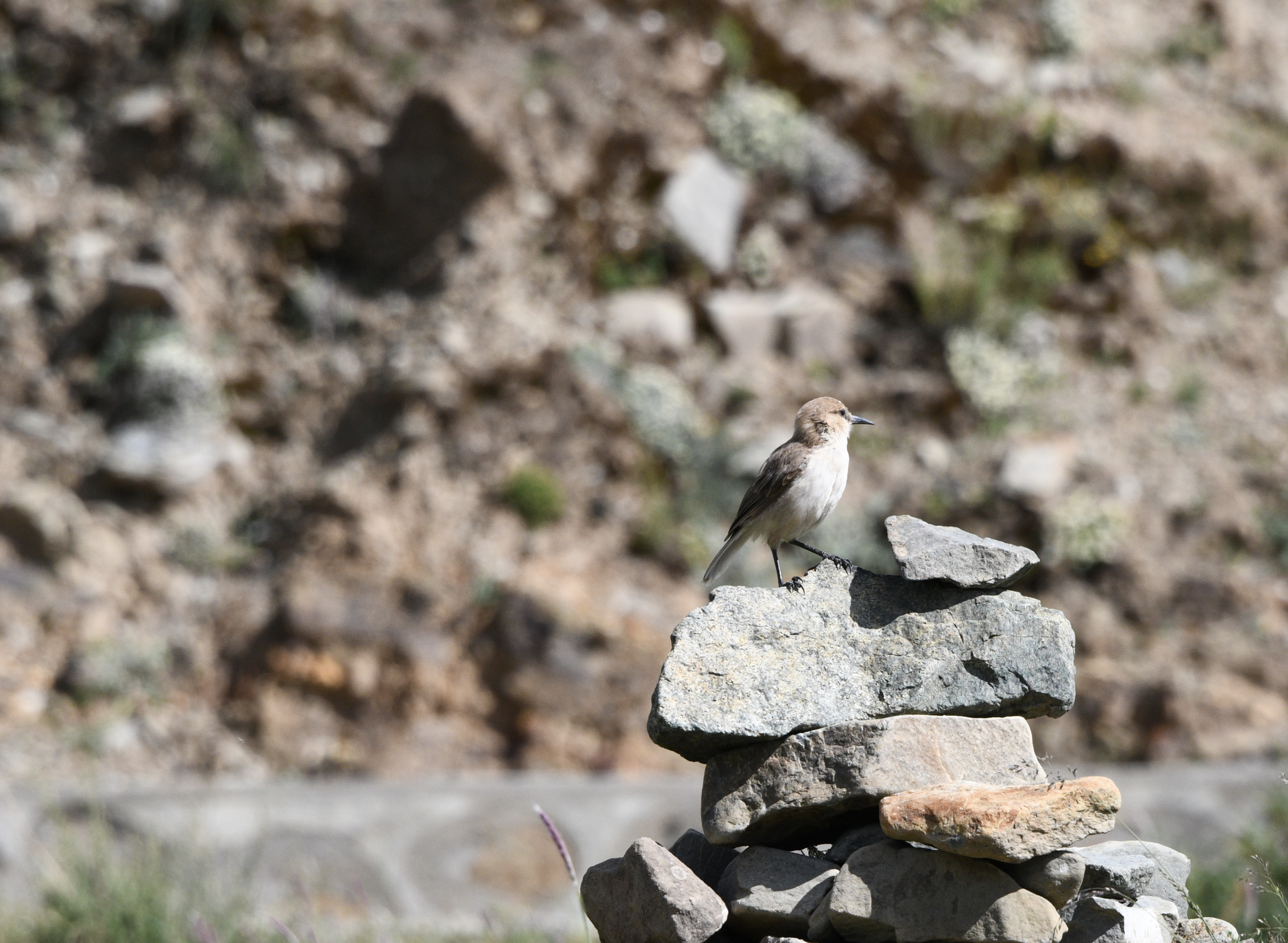
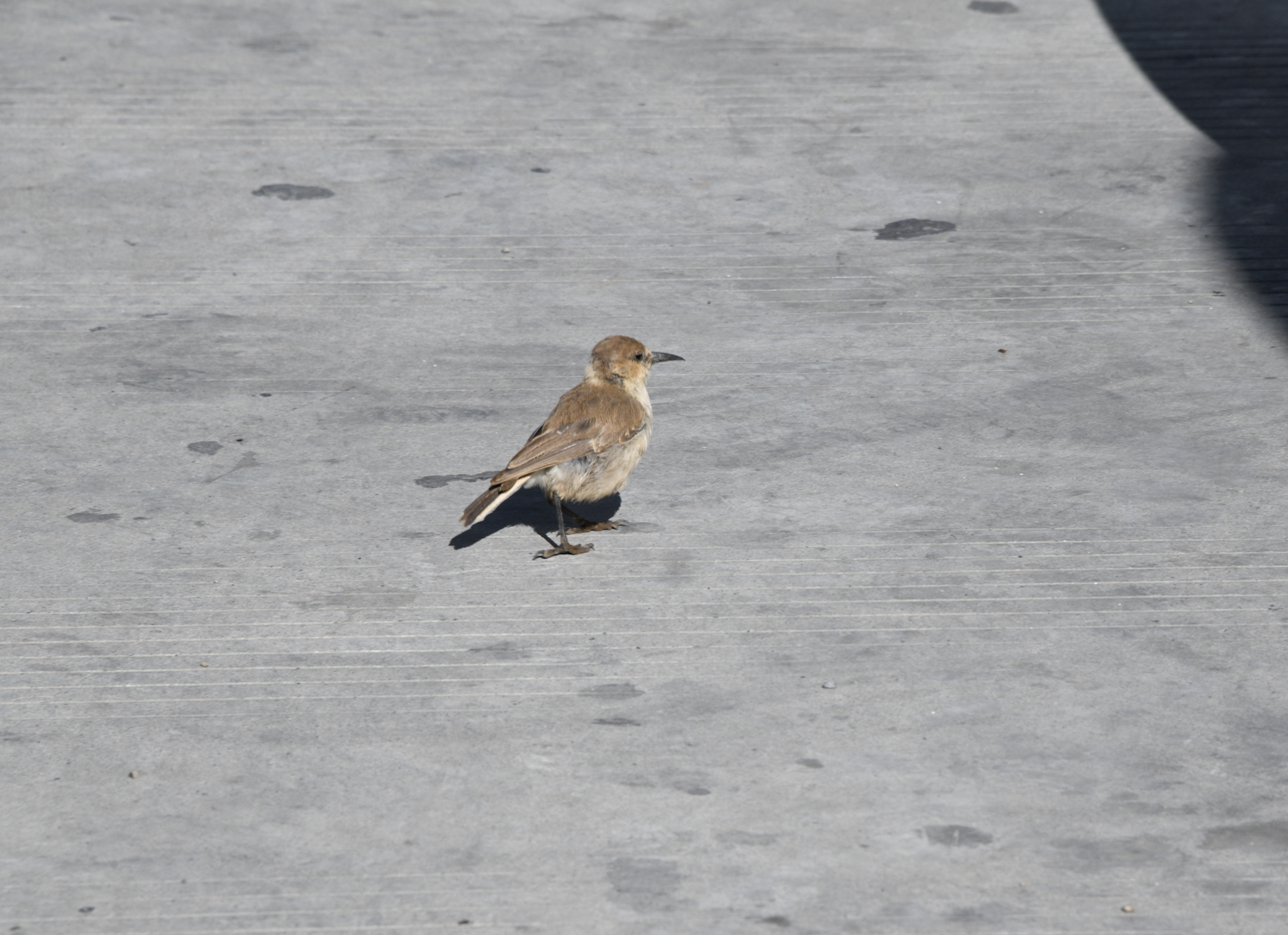
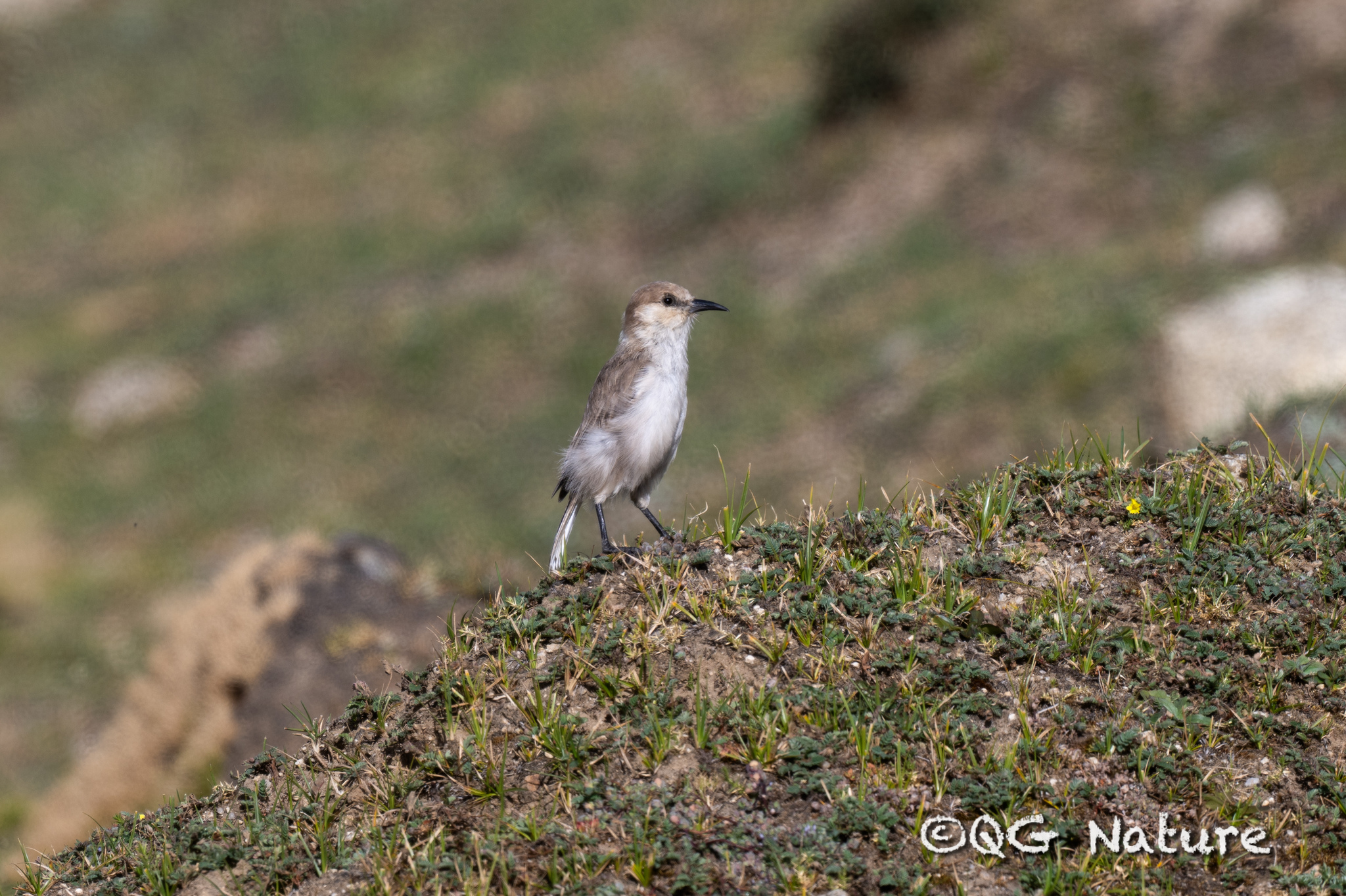
A small, compact bird approximately the size of a house sparrow. The plumage is soft, lax, and extremely cryptic, blending perfectly with its rocky alpine habitat. The underside is greyish-fawn with a tawny hue, while upperparts are darker fawn-brown with the central tail feathers and primary wing feathers darkest. The head matches the underside coloration with a darker cap and light nape patch, superficially resembling some Parus and Periparus tits. The most distinctive feature is a strong, slightly downcurved black bill resembling that of a chough in shape. The legs and feet are also black. Sexes are monomorphic in appearance.
Identification
Much smaller than unrelated ground jays (Podoces), with which it shares a superficial resemblance. Unlike wheatears (Oenanthe), it lacks black plumage. The chough-shaped but entirely black bill distinguishes it from true choughs. On the ground, it moves with unpredictable hops and long bounces—jumping up to three times its body length—rather than running or striding like ground jays. Observers describe the movement as resembling a small greyish-brown rubber ball rolling along the terrain.
Distribution & Habitat
Endemic to the Tibetan Plateau of China, extending into neighboring western Sichuan and Gansu provinces, and across border regions into western India, Nepal, and Bhutan. Inhabits open alpine steppe and arid regions with small scattered shrubs. Occurs exclusively above 3,000 meters elevation and is absent from areas with dense vegetation or tree cover. Remains in the region year-round, though individuals may descend to lower valleys during winter months.
Behavior & Ecology
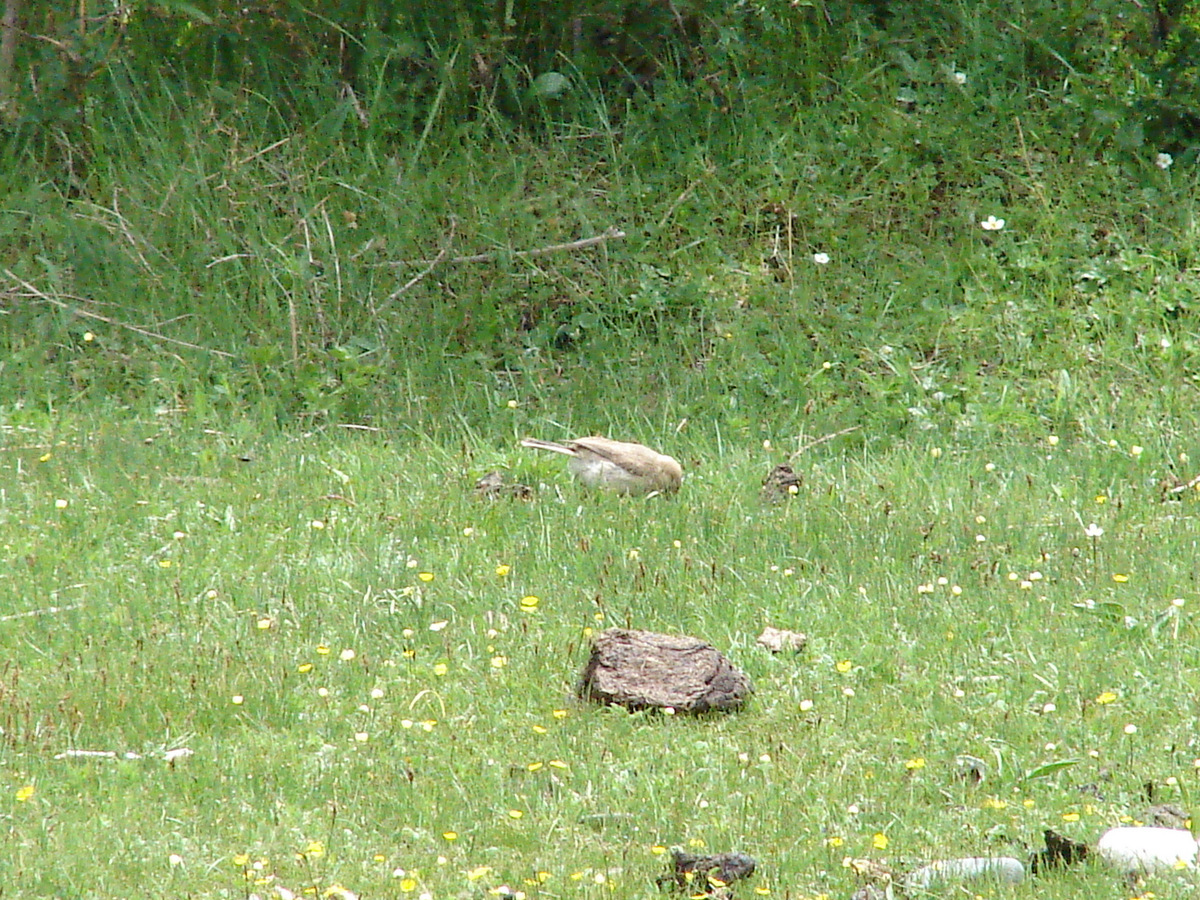
Forages on the ground, consuming various arthropods. Unusual foraging behaviors include probing yak dung to flush prey and poking mud in and near puddles similar to hoopoes. The bill is extensively used for digging. When threatened by predators, it bolts into the nearest ground hole like a rodent. Frequently found near pikas, though this association likely reflects shared habitat preferences rather than mutualism. Breeding season involves excavating horizontal burrows up to 1.8 meters deep in earth banks, with nests placed in chambers lined with wool on a grass base. Lays 4-6 pure white eggs. Cooperative breeding occurs, with monogamous pairs often accompanied by male offspring from previous seasons. Young remain with parents for extended periods, receiving food as late as August. Vocalizations include plaintive whistling notes and two-syllable finch-like calls. Also digs separate roosting burrows for winter.
Conservation
IUCN Red List status: Least Concern (2017 assessment by BirdLife International). Population trend appears stable with no significant threats identified. The species' remote, high-elevation habitat provides natural protection from many anthropogenic pressures.
Culture
No documented cultural significance, folklore, or traditional uses are recorded for this species.
Source: Wikipedia · CC BY-SA 3.0
Taxonomy
- Order
- Passeriformes
- Family
- Paridae
- Genus
- Pseudopodoces
- eBird Code
- grotit1
Distribution
semiarid steppes of Tibetan plateau
Data Sources
Species description from Wikipedia, licensed under CC BY-SA 3.0.
Bird images and sounds sourced from GBIF, contributed by citizen scientists worldwide under Creative Commons licenses.
Taxonomy data from AviList 2025.