Passeriformes / Prunellidae / Prunella
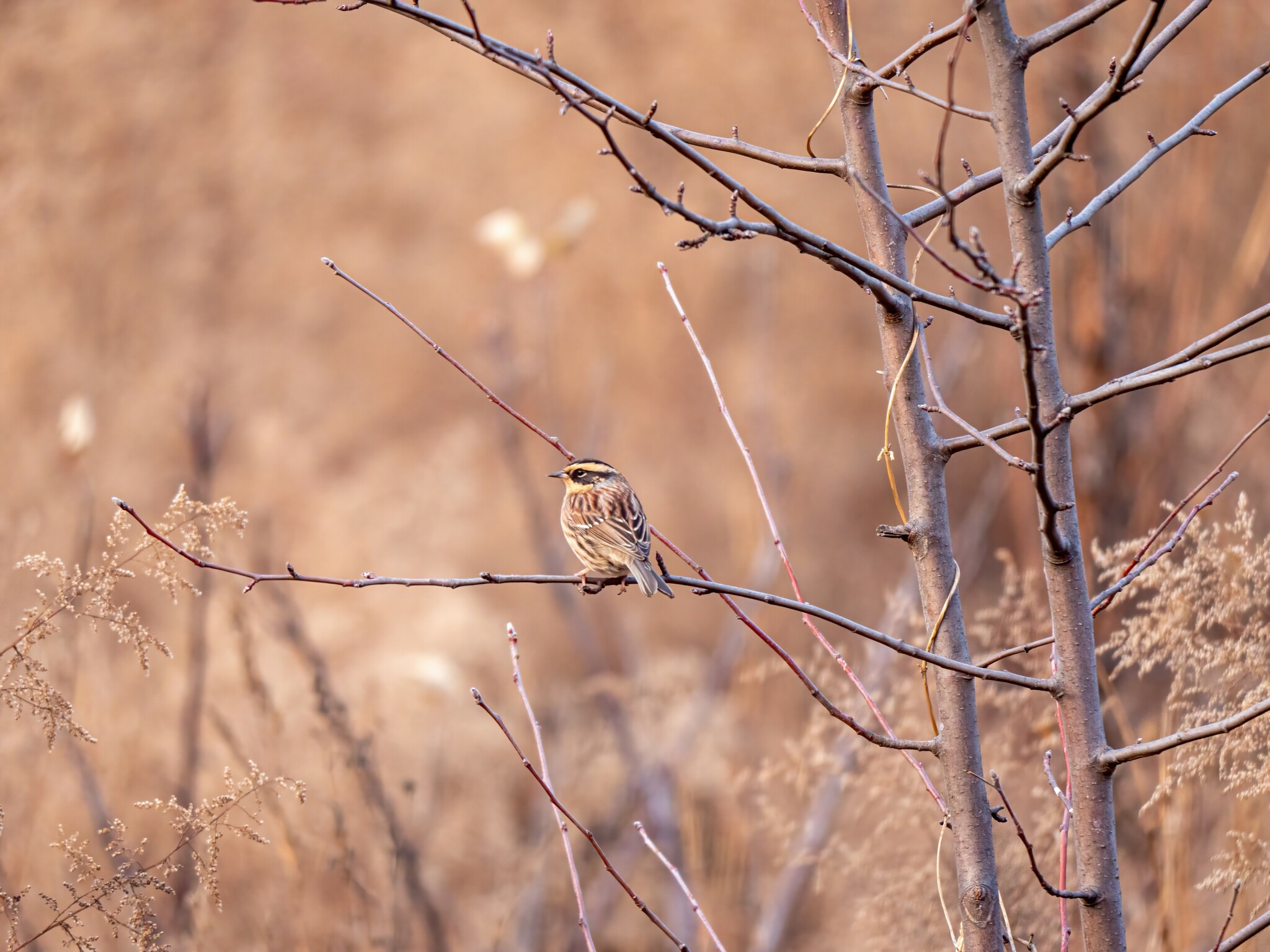
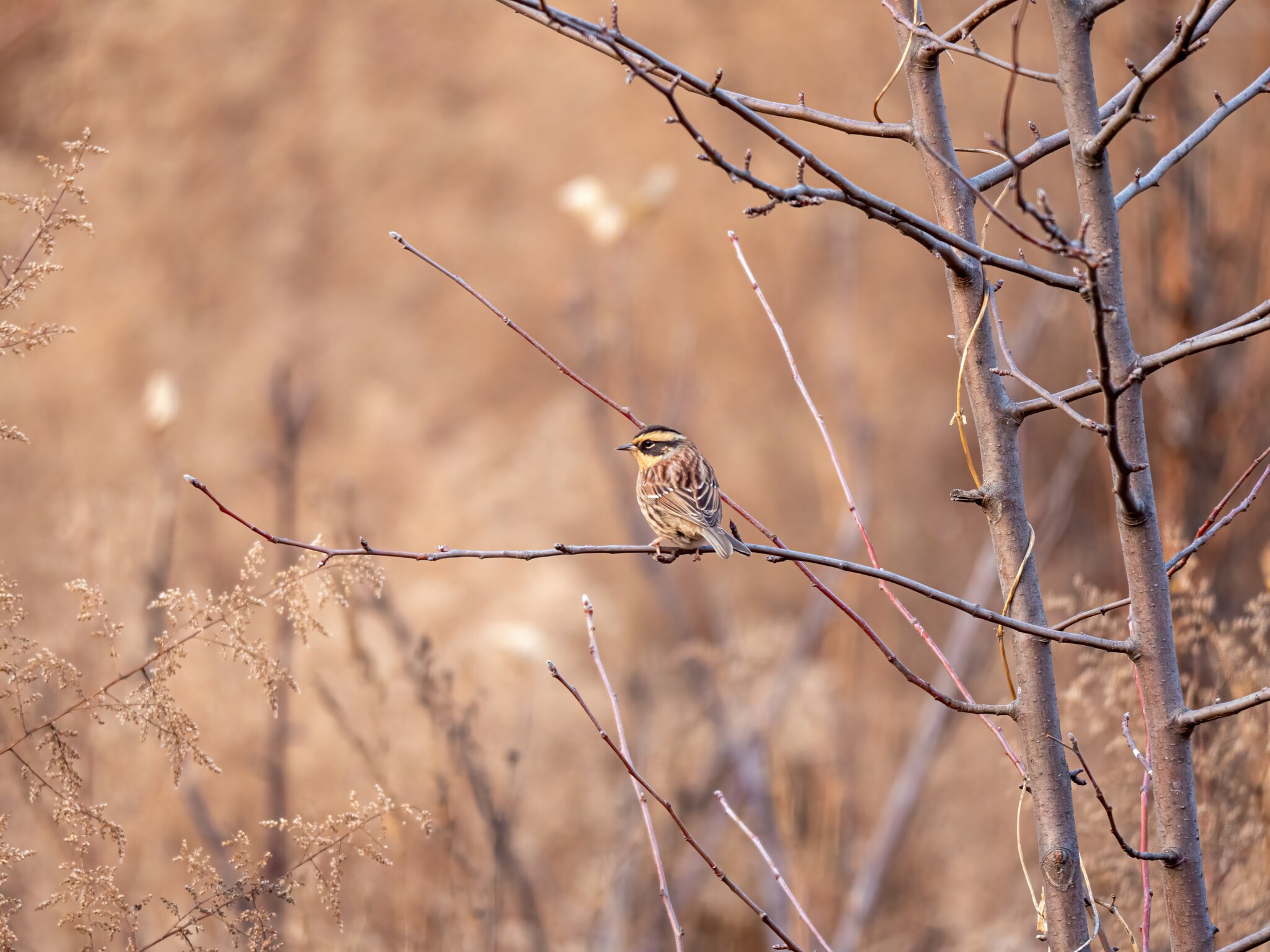
Siberian Accentor
Prunella montanella · 棕眉山岩鹨
Introduction
A small passerine bird breeding in northern Russia from the Ural Mountains eastwards across Siberia. It is migratory, wintering in Korea and eastern China, with rare occurrences in western Europe and northwestern North America. Typical breeding habitat includes subarctic deciduous forests and open coniferous woodland, often close to water. The species has a large and stable population and is evaluated as Least Concern by the IUCN.
Description
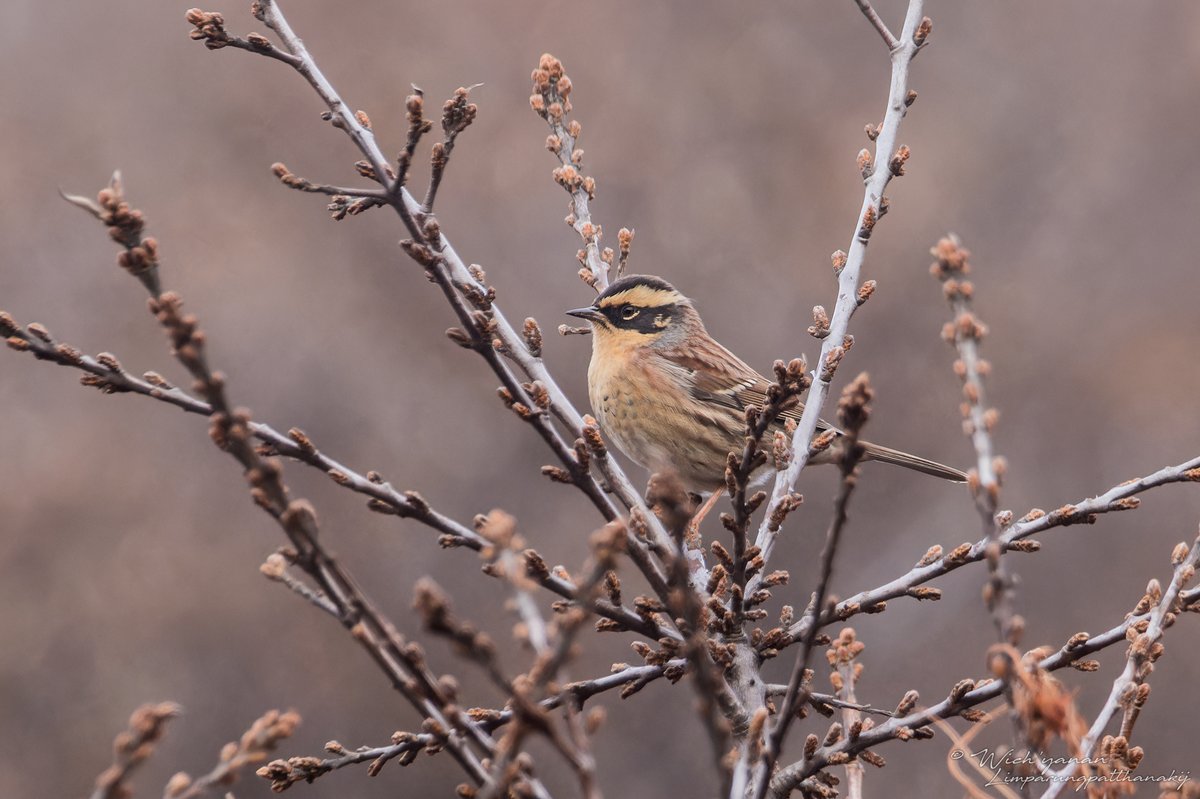
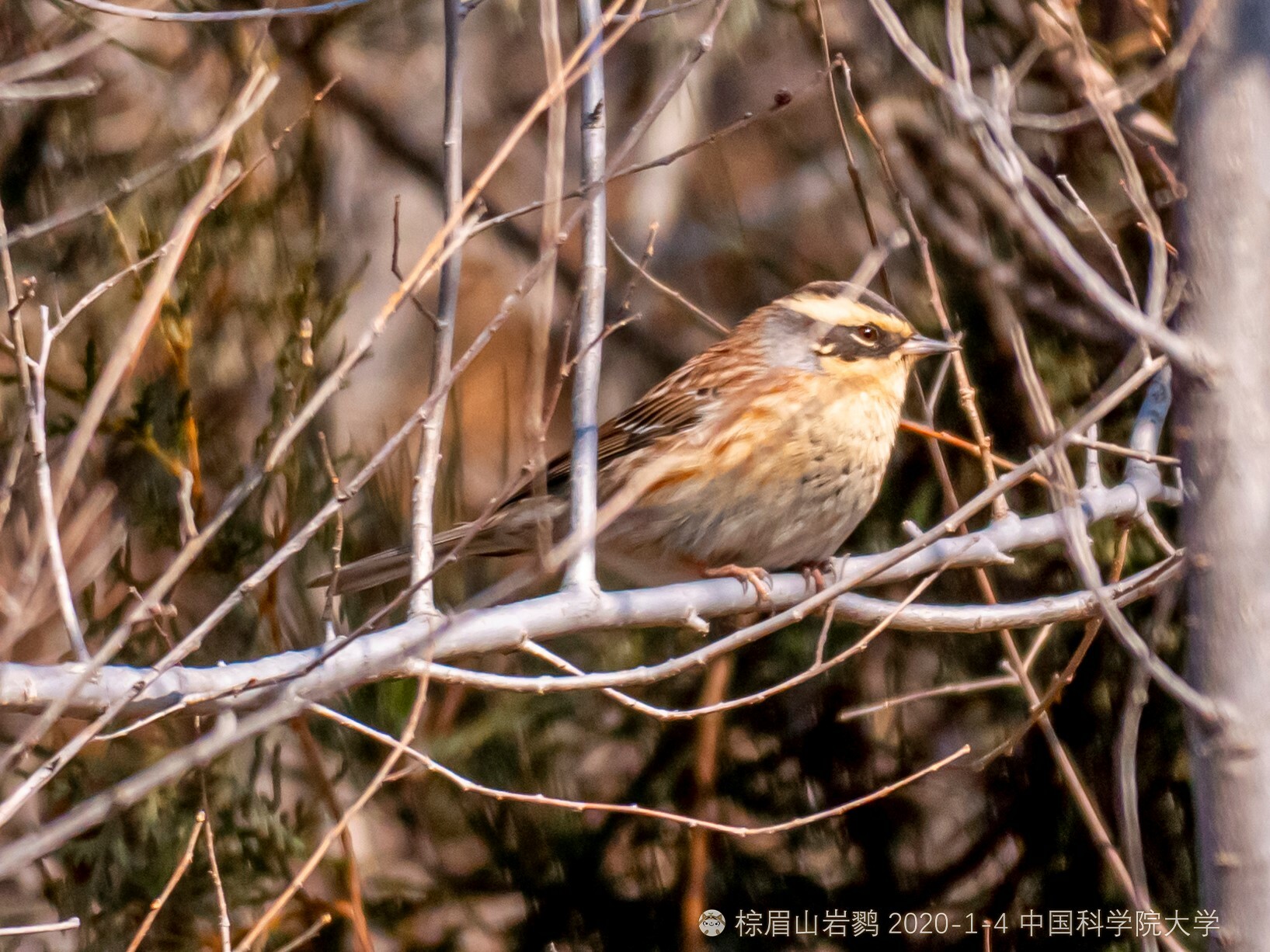
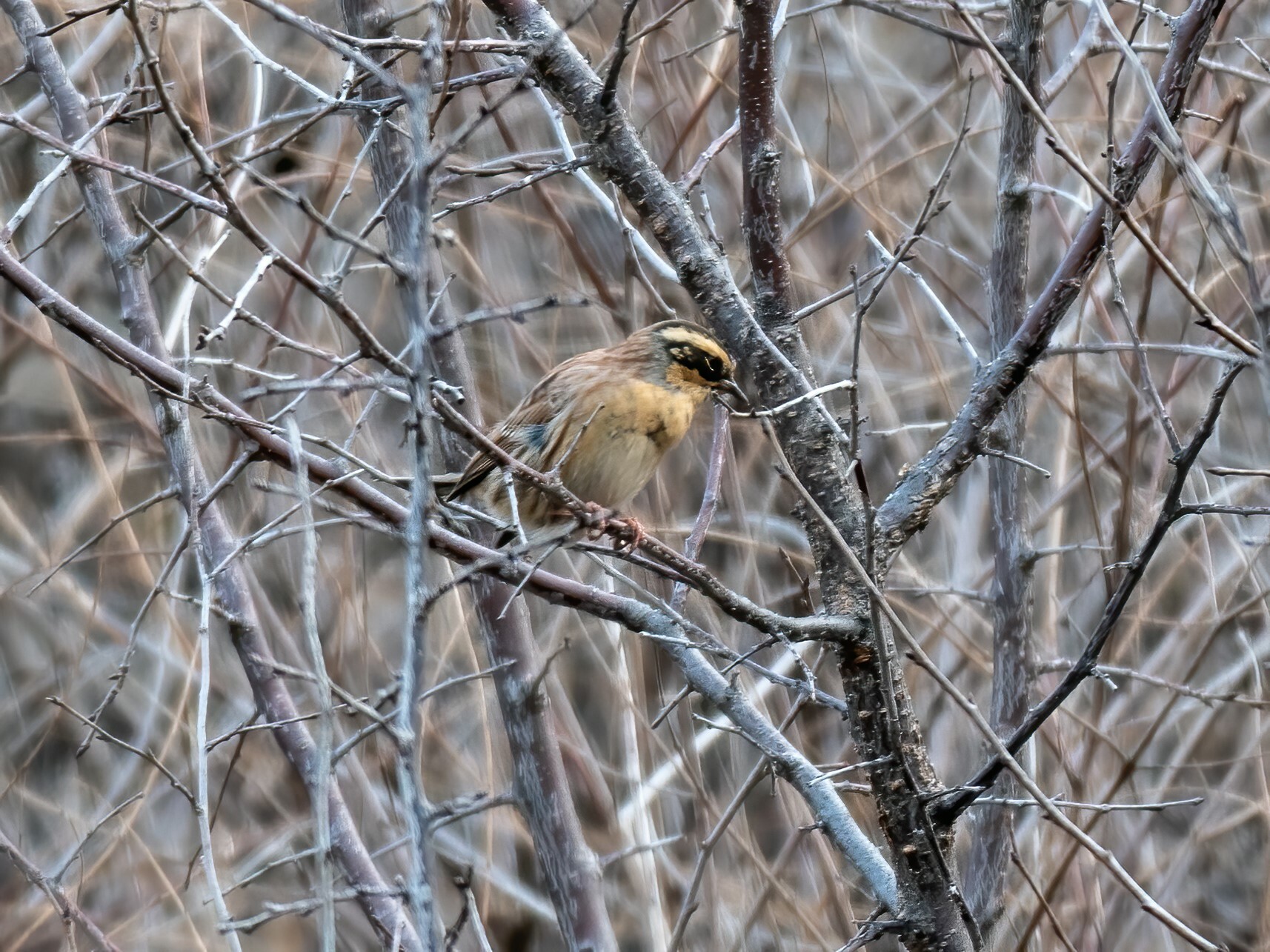
Average length is 14.5 cm (5.7 in) and weight is 17.5 g (0.62 oz). Adults have brown upperparts and wings with bright chestnut streaking on the back, a greyish-brown rump and tail, and two narrow whitish bars on folded wings. The head features a dark brown crown, a long wide pale yellow supercilium, a blackish patch behind the eye, and grey neck sides. Underparts are ochre yellow, becoming buff on flanks and greyish on the lower belly, with rich chestnut streaks on the breast sides and flanks. The iris is warm red-brown, the bill is dark and sharply pointed, and legs are reddish. Females have slightly duller underparts with weaker streaking; juveniles are overall duller with brown spots on the breast. Subspecies P. m. badia is smaller and darker with richer brown upperparts and deeper buff underparts.
Identification
Distinguished from the similar black-throated accentor by rustier back colour, yellow (not off-white) supercilium, and absence of a white line below the black face mask. First-autumn black-throated accentors may have an inconspicuous dark throat but lack these specific markings.
Distribution & Habitat
Breeds in a belt across northern Russia from west of the Ural Mountains to the Pacific coast, with a fragmented band across southern Siberia. Two subspecies: P. m. montanella breeds from just inside Europe to the Lena River and south from the Ob to the Amur; P. m. badia breeds in northeastern Siberia east from the Lena to the Sea of Okhotsk. Migratory, wintering in east China, Korea, small numbers in Mongolia, and rarely Japan. Vagrants recorded in Belarus, Kazakhstan, Lebanon, several European countries, and North America (mainly western Alaska and British Columbia, with records in Alberta, Idaho, and Montana).
Behavior & Ecology
Typically skulking, disappearing into cover. Feeds mainly on insects picked off the ground or from vegetation, including near snow fields; winter diet includes seeds and food plants like crowberry and bistort. Breeding season is June to August. Nests are open cups built 0.4–8 meters above ground in dense shrubs or trees, constructed from coarse vegetation and lined with hair or fine grasses. The female lays four to six glossy deep blue-green eggs (18.6 x 13.7 mm), incubating them for about ten days. Both parents feed the chicks. Two broods may be produced annually in the south, one in the north. Birds may occur in small groups of two to six closely spaced nests in the nominate subspecies.
Conservation
Evaluated as Least Concern by the IUCN due to a large and stable population. The breeding range is estimated at 2.2 million square kilometres. Population estimates for the European part vary from 100 to 500 breeding pairs. Breeding densities exceed 30 pairs/km² in northwestern Russia, decreasing to around 5 pairs/km² in the east. Long-term threats may include climate change.
Source: Wikipedia · CC BY-SA 3.0
Taxonomy
- Order
- Passeriformes
- Family
- Prunellidae
- Genus
- Prunella
Subspecies (2)
-
Prunella montanella badia
breeds northeastern Siberia (lower Lena River to Sea of Okhotsk); winters in north-central and northeastern China
Data Sources
Species description from Wikipedia, licensed under CC BY-SA 3.0.
Bird images and sounds sourced from GBIF, contributed by citizen scientists worldwide under Creative Commons licenses.
Taxonomy data from AviList 2025.