Passeriformes / Prunellidae / Prunella
Brown Accentor
Prunella fulvescens · 褐岩鹨
Introduction
A species in the family Prunellidae found in Afghanistan, China, India, Kazakhstan, Mongolia, Nepal, Pakistan, Russia, Tajikistan, Turkmenistan, and Uzbekistan. It inhabits Mediterranean-type shrubby vegetation at altitudes of 3,300–5,100 meters, preferring drier habitats than related species. Classified as Least Concern.
Description
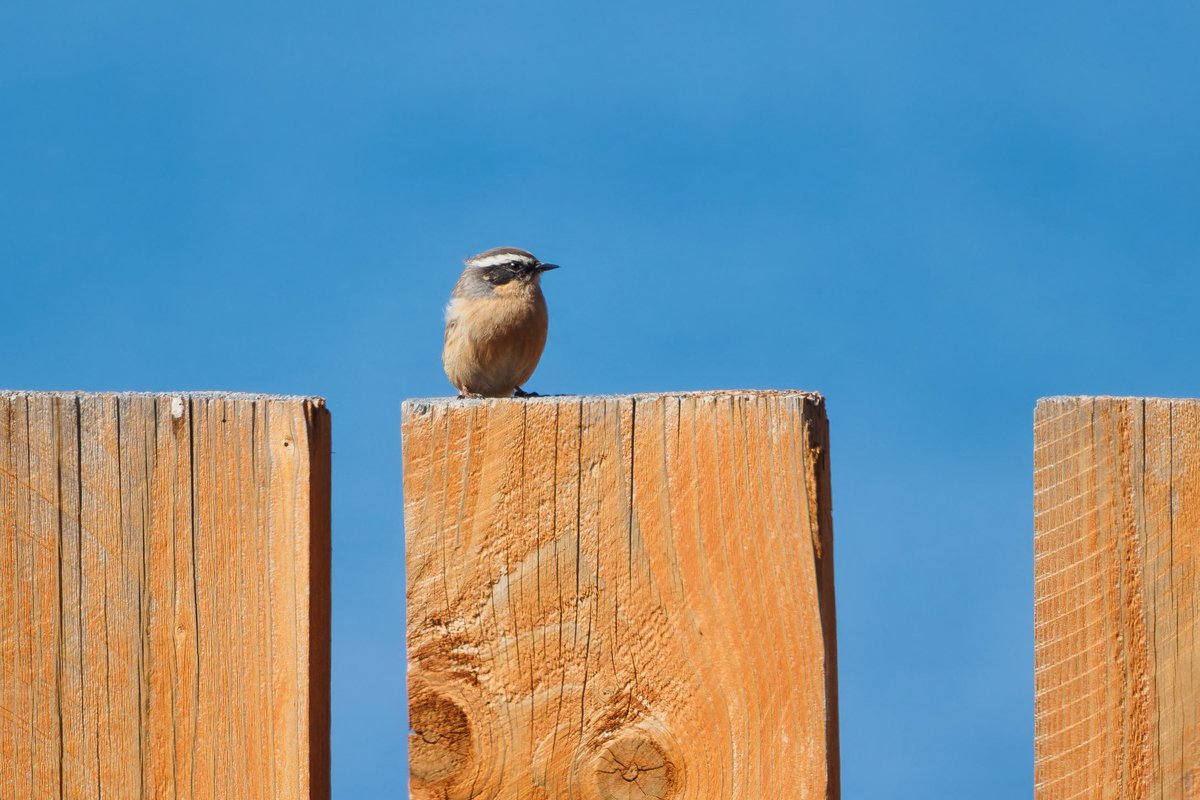
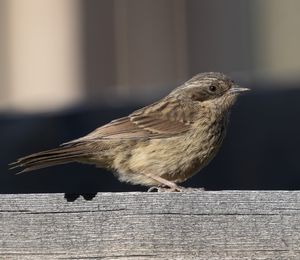
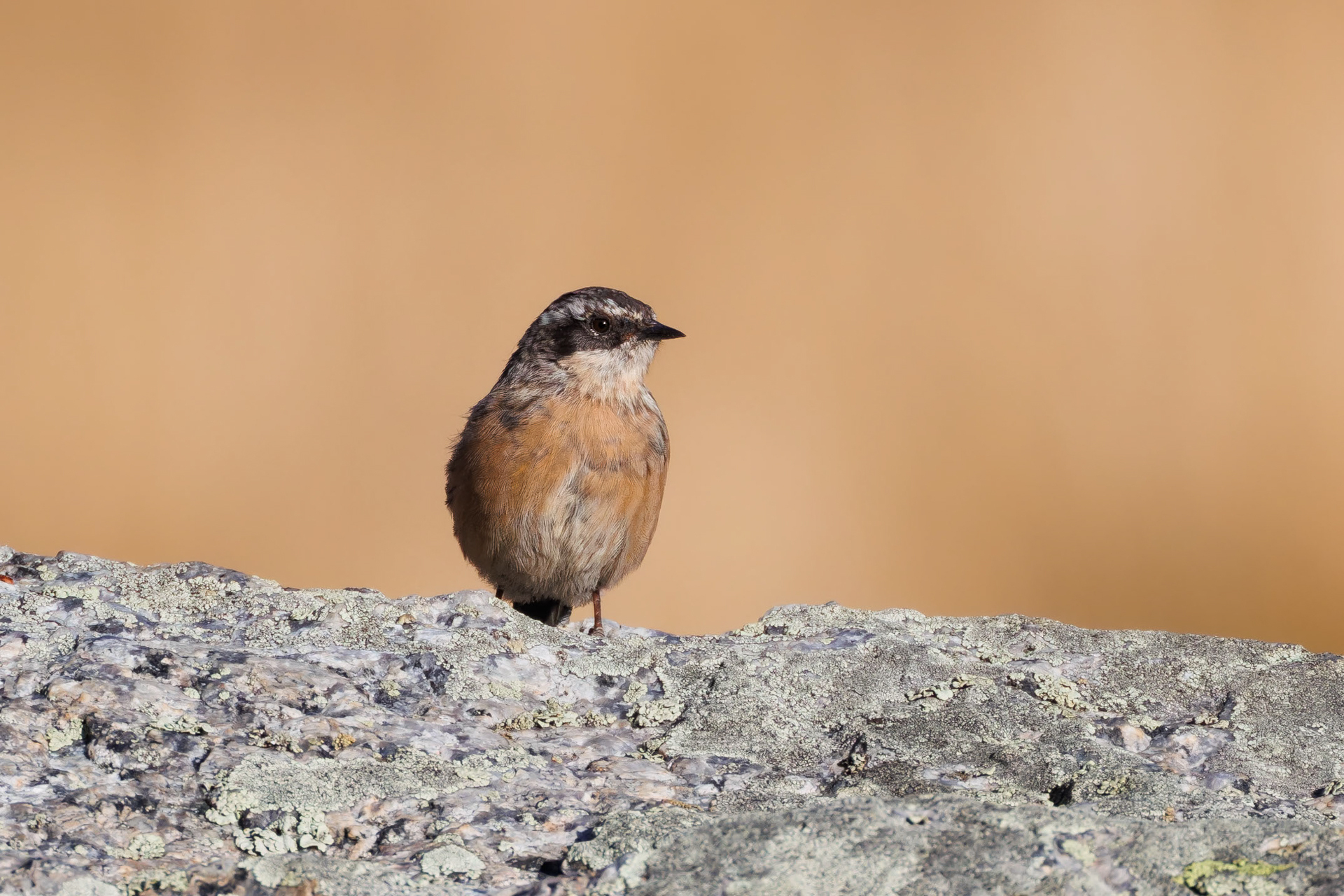
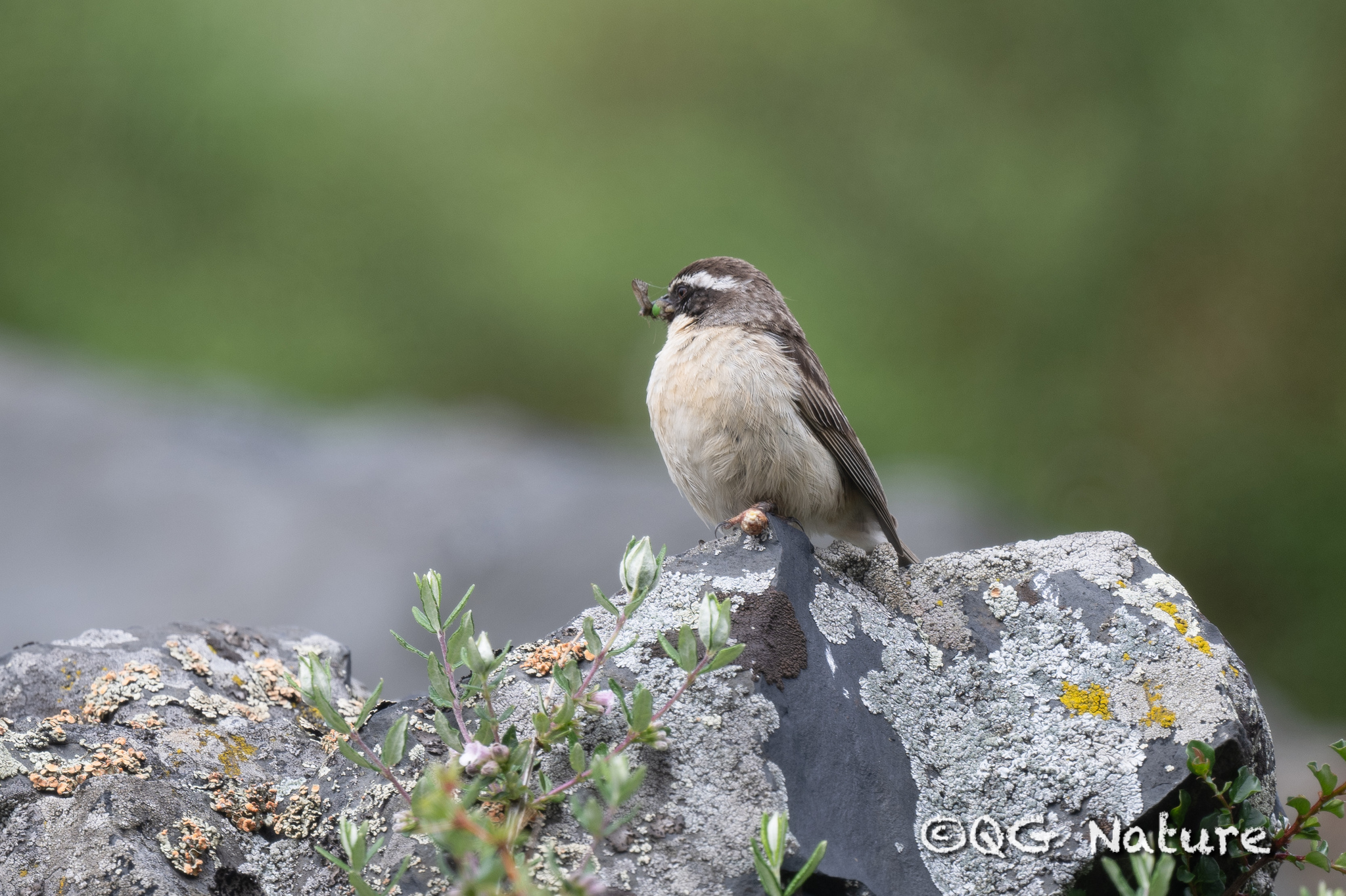
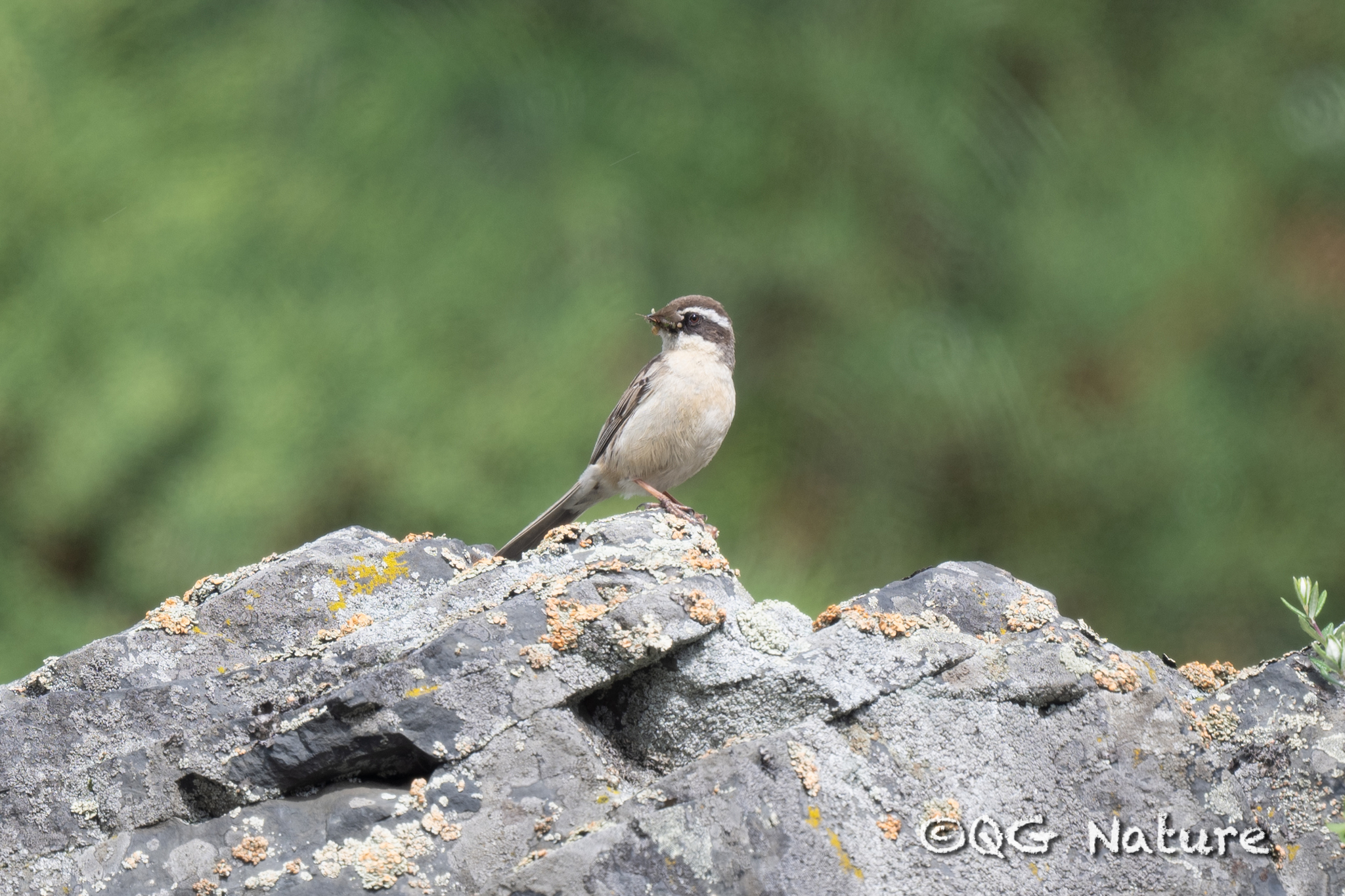
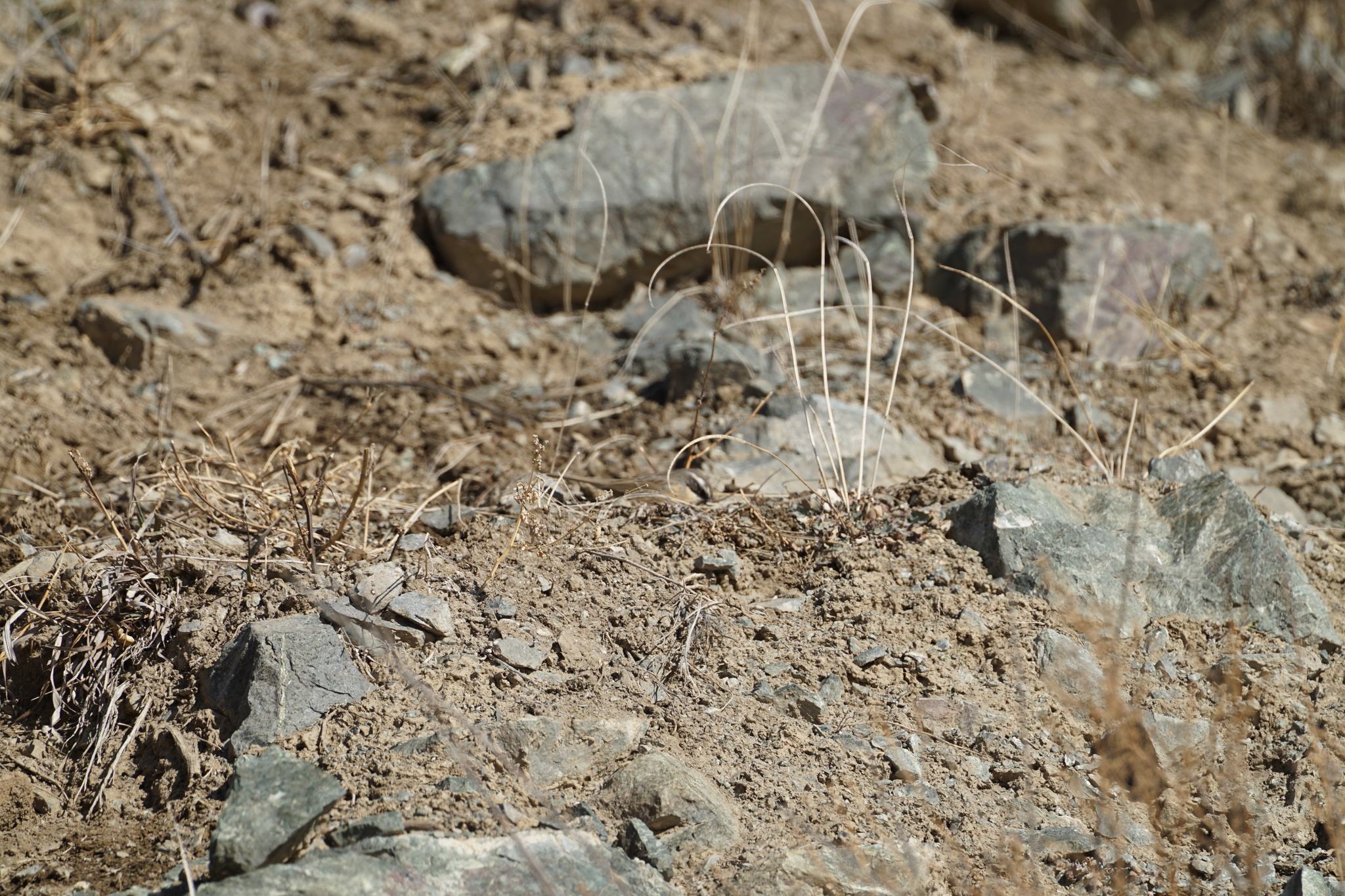
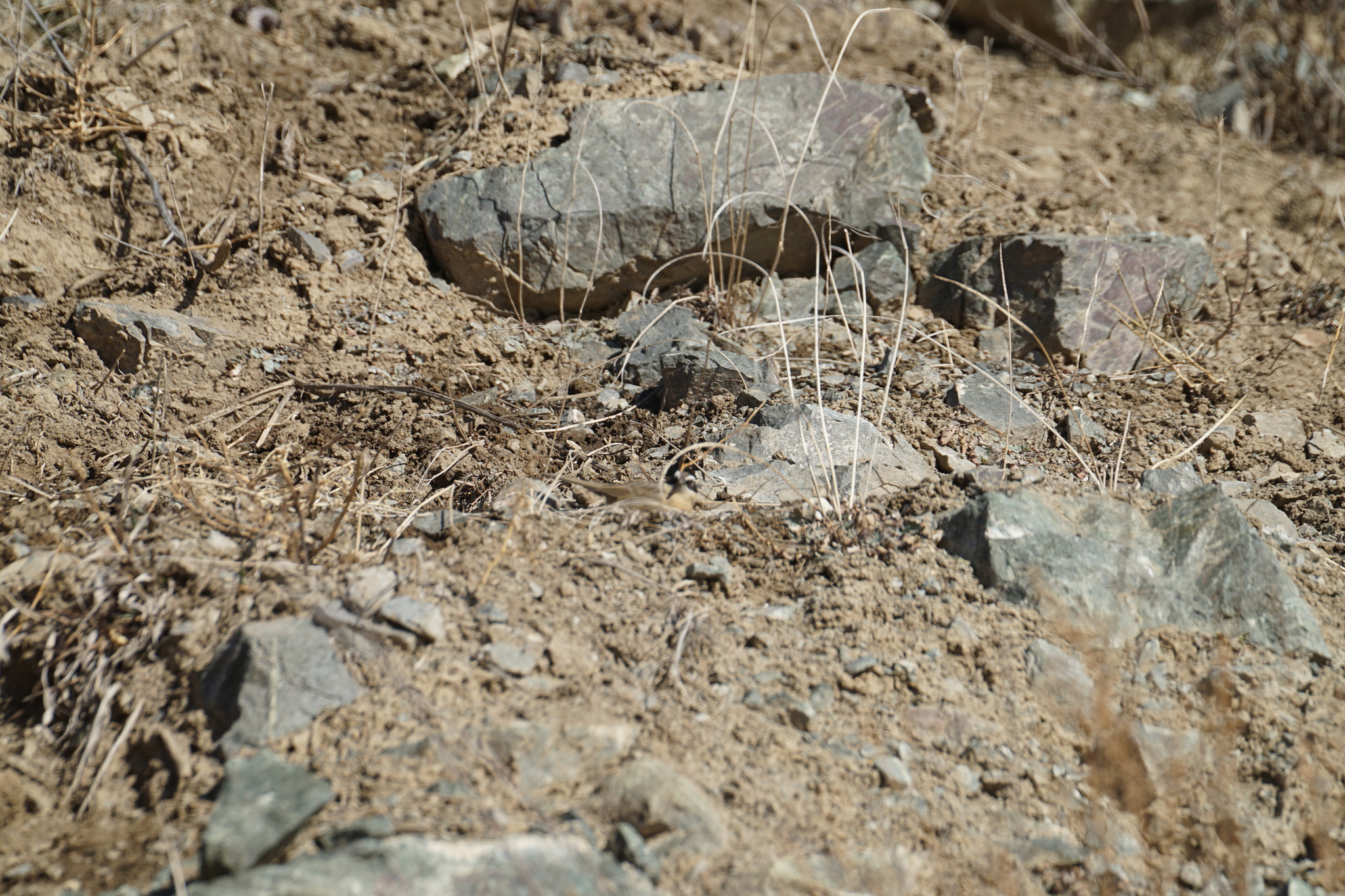
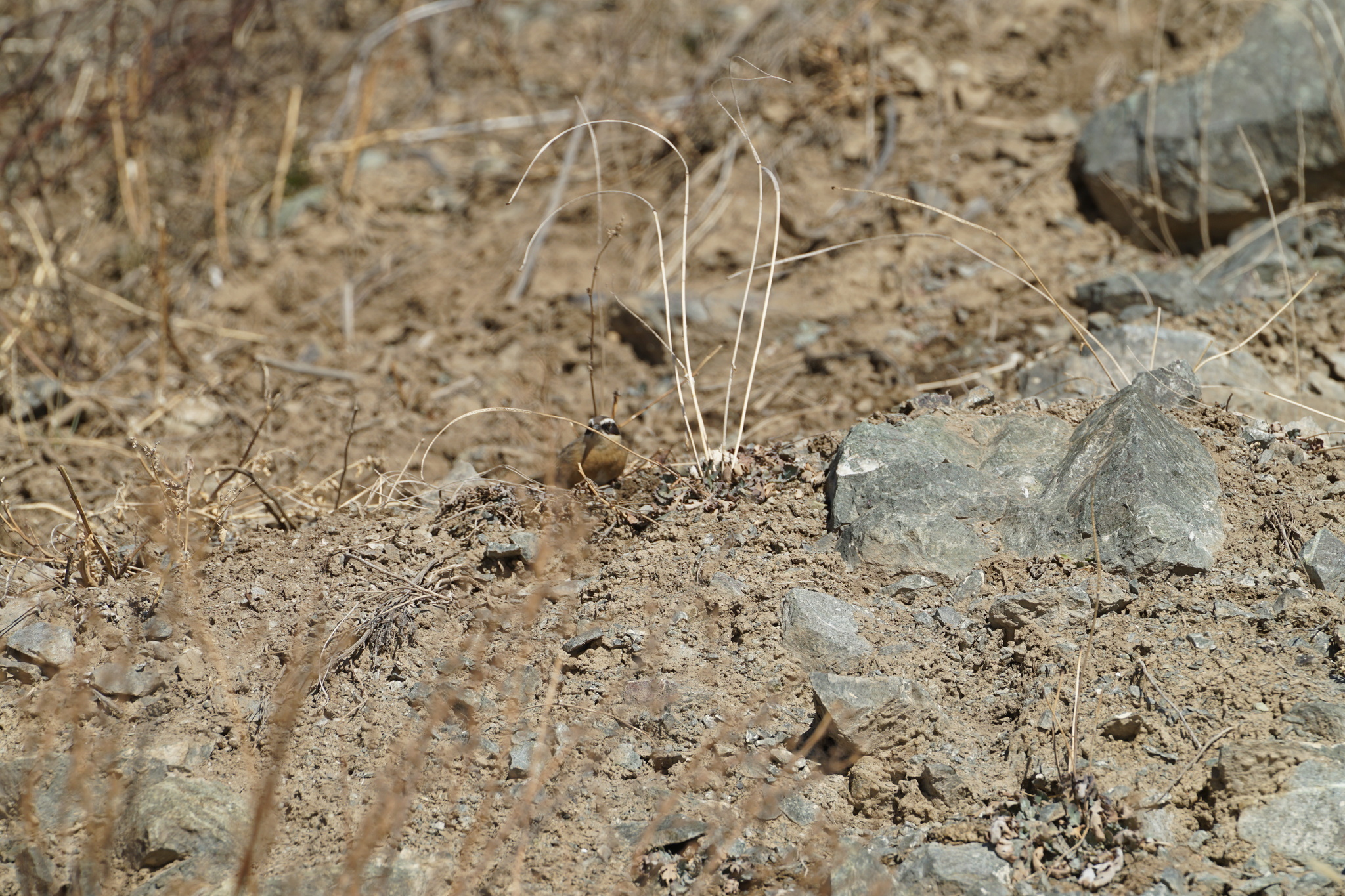
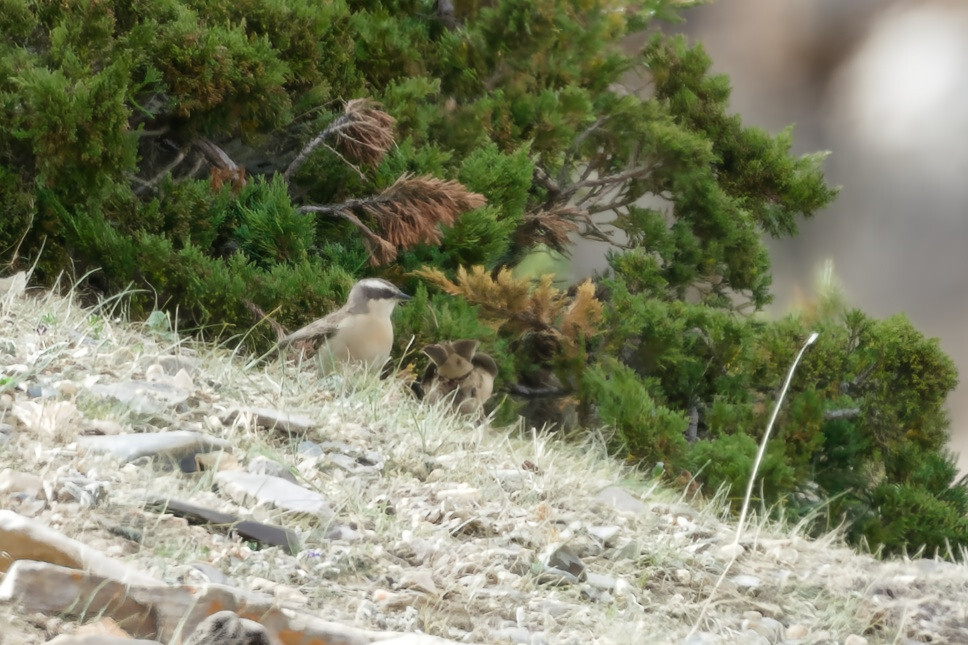
Identified by a white supercilium that is broader behind the eye, a blackish-brown mask, blackish-brown ear-coverts, a yellowish breast, and a yellowish belly. Males are larger than females.
Distribution & Habitat
Range includes Afghanistan, China, India, Kazakhstan, Mongolia, Nepal, Pakistan, Russia, Tajikistan, Turkmenistan, and Uzbekistan. Natural habitat is Mediterranean-type shrubby vegetation. Breeds between 3,300–5,100 meters altitude. Reported common in Central Asia, locally common in winter in Pakistan, locally common in northern India, and common in north-western Nepal.
Behavior & Ecology
Mostly monogamous, though polyandry has been recorded. Territorial during the breeding season starting in late May. Females lay clutches of 3-4 eggs from late June to late July, incubating them for 12-14 days. Both sexes feed nestlings for 13-15 days, with females performing the majority of feeding. Adults eat seeds, fruits, and insects; nestlings eat only insects.
Conservation
Classified as Least Concern due to extensive range, stable population trend, and population size not approaching threatened levels. Global population size has not been quantified.
Source: Wikipedia · CC BY-SA 3.0
Taxonomy
- Order
- Passeriformes
- Family
- Prunellidae
- Genus
- Prunella
Subspecies (5)
-
Prunella fulvescens dahurica
Altai Mountains to Mongolia
Data Sources
Species description from Wikipedia, licensed under CC BY-SA 3.0.
Bird images and sounds sourced from GBIF, contributed by citizen scientists worldwide under Creative Commons licenses.
Taxonomy data from AviList 2025.