
Brown Accentor
Prunella fulvescens
褐岩鹨
Introduction
A passerine bird in the Prunellidae family. Found across Afghanistan, China, India, Kazakhstan, Mongolia, Nepal, Pakistan, Russia, Tajikistan, Turkmenistan, and Uzbekistan. Inhabits Mediterranean-type shrubby vegetation at elevations of 3,300-5,100 meters during breeding season. Prefers drier habitats than other accentor species. Classified as Least Concern due to extensive range and stable population trend.
Description
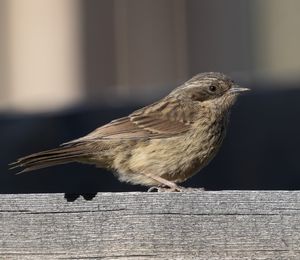
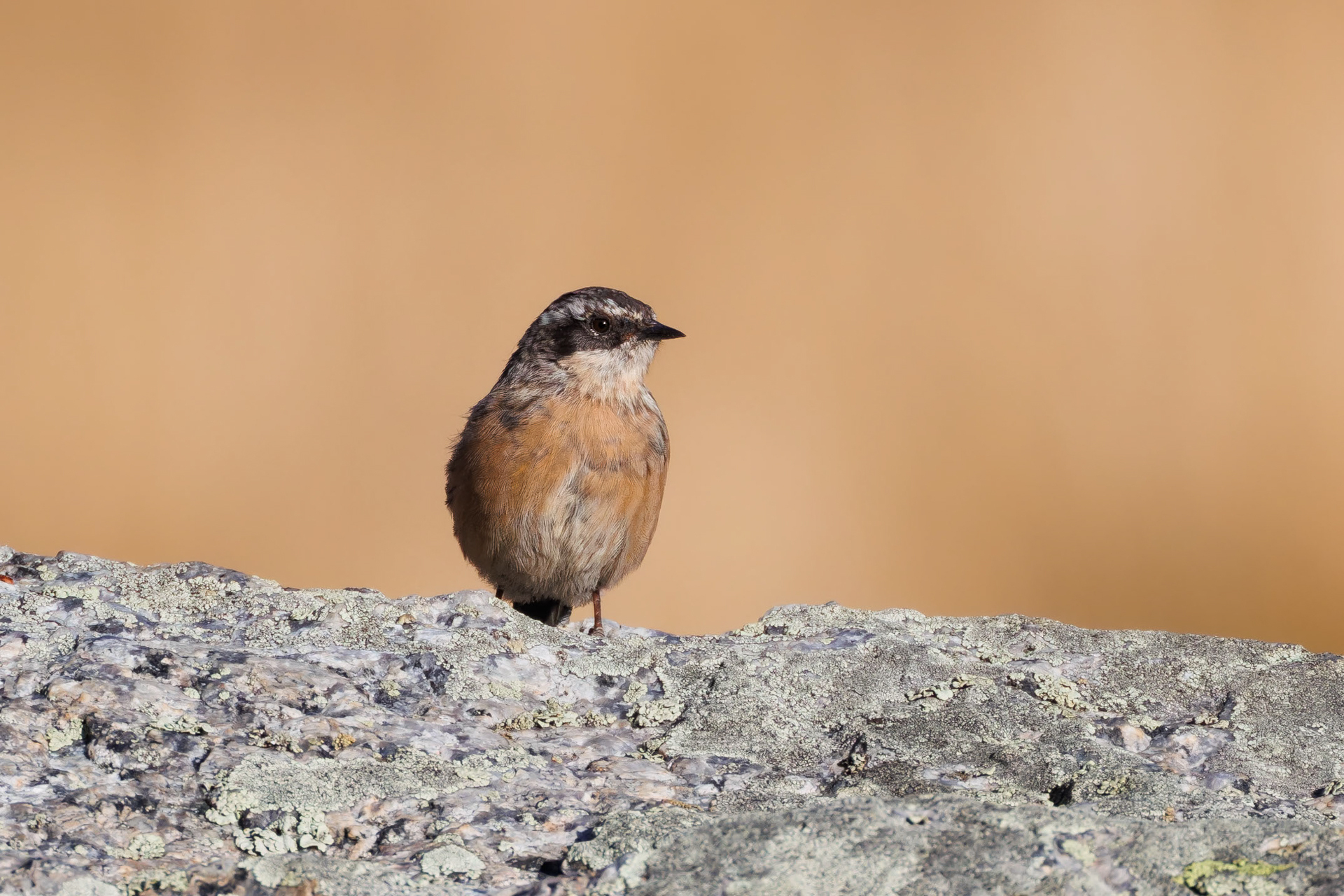
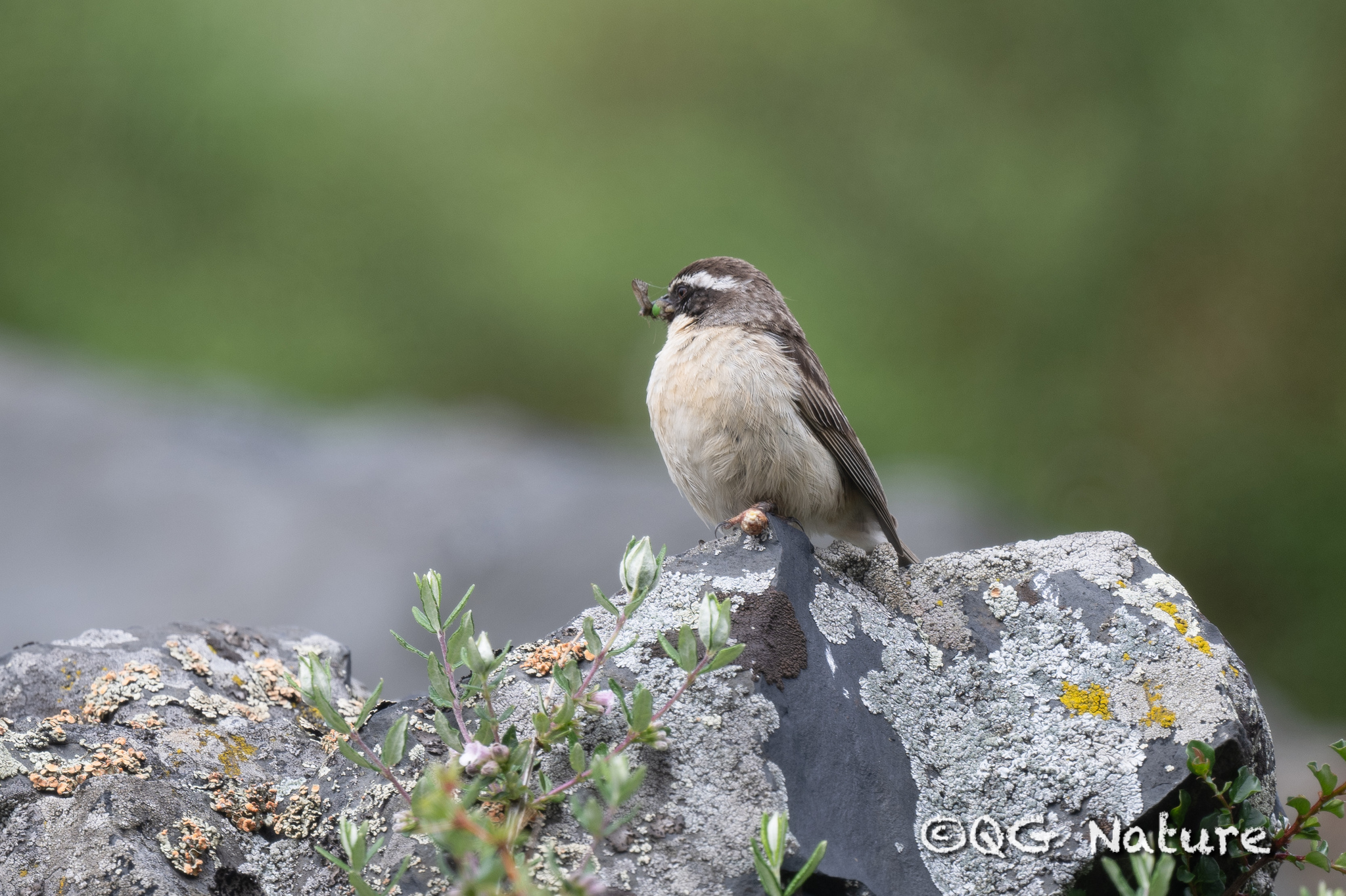
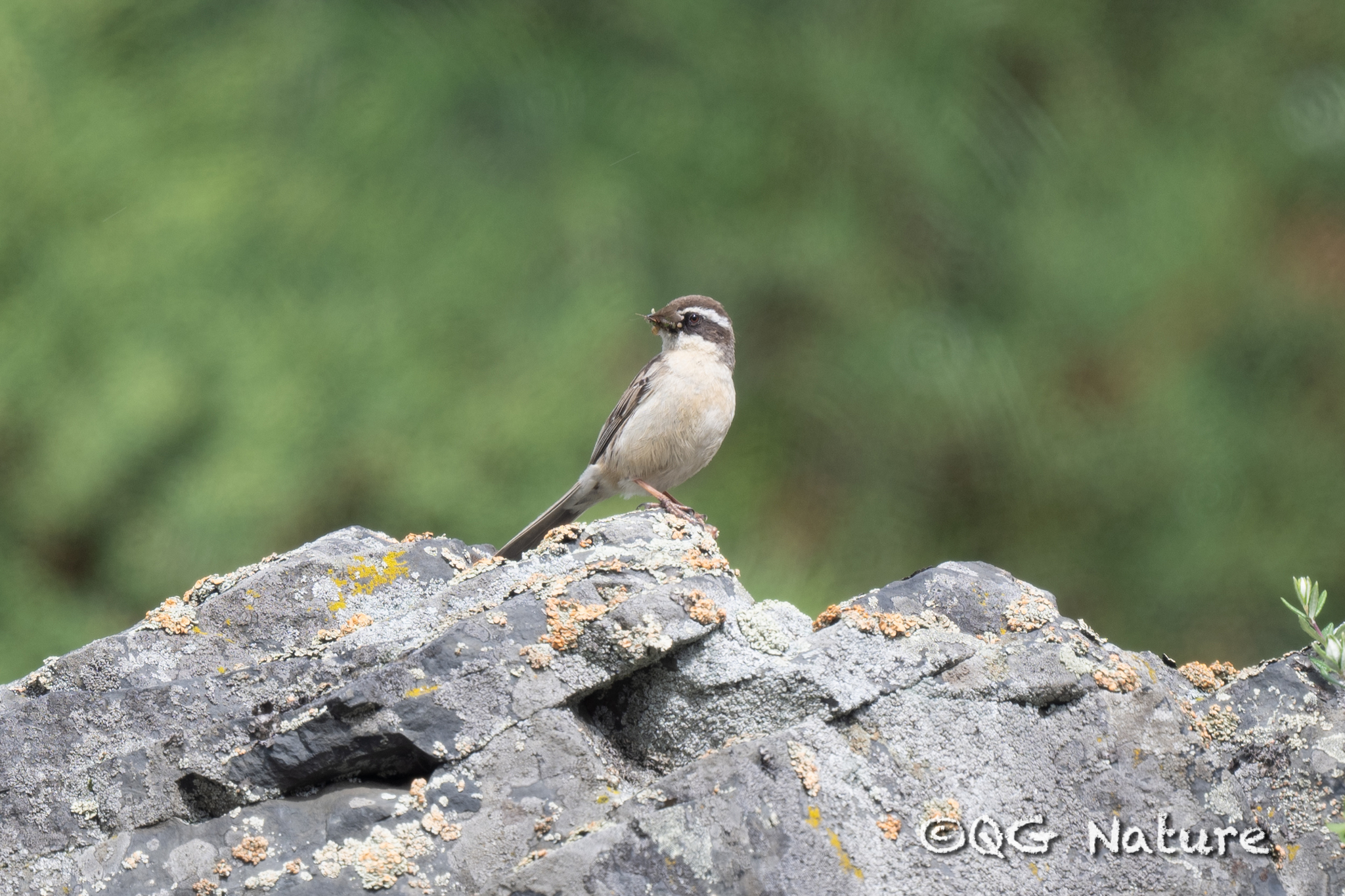
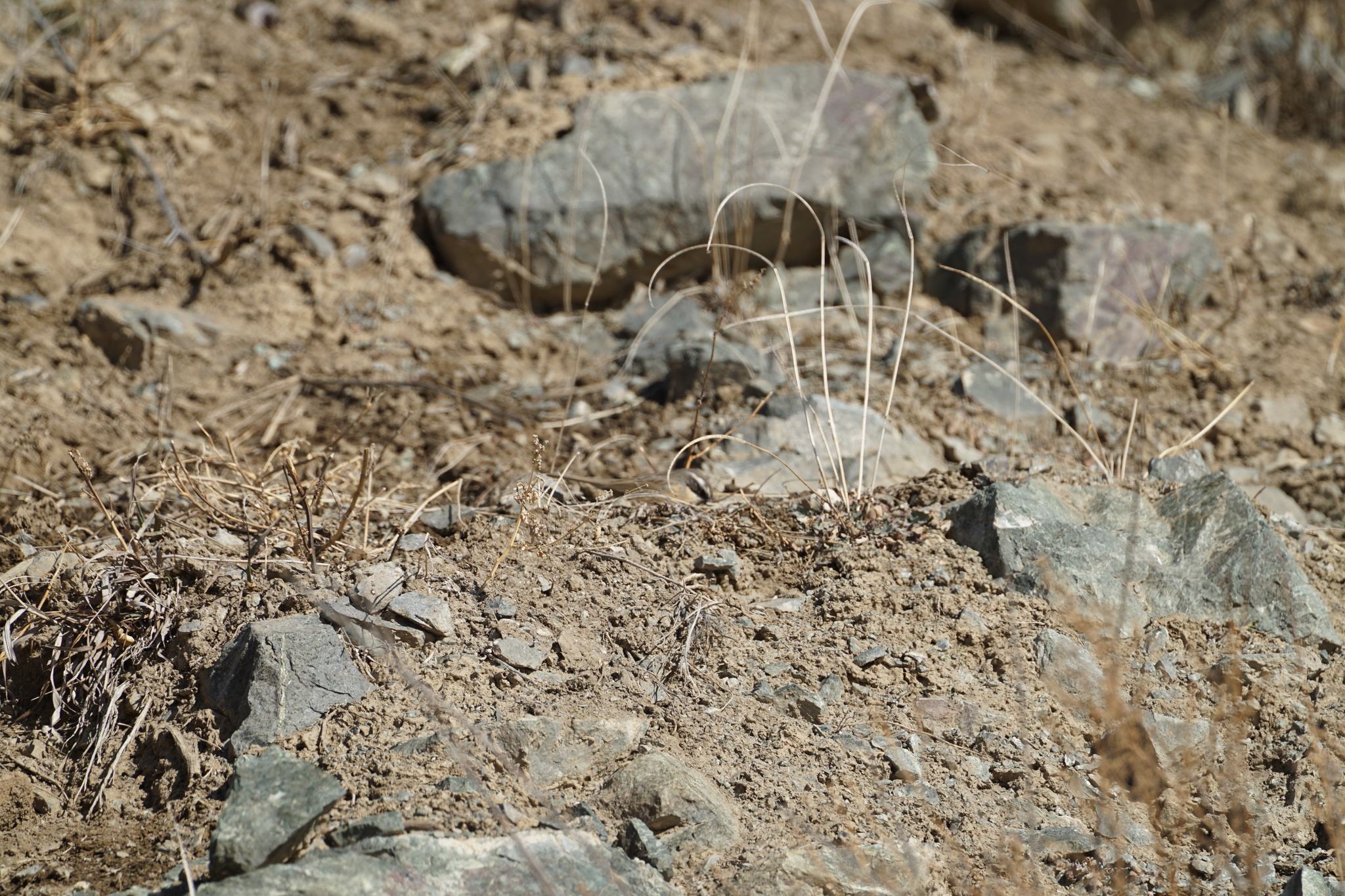
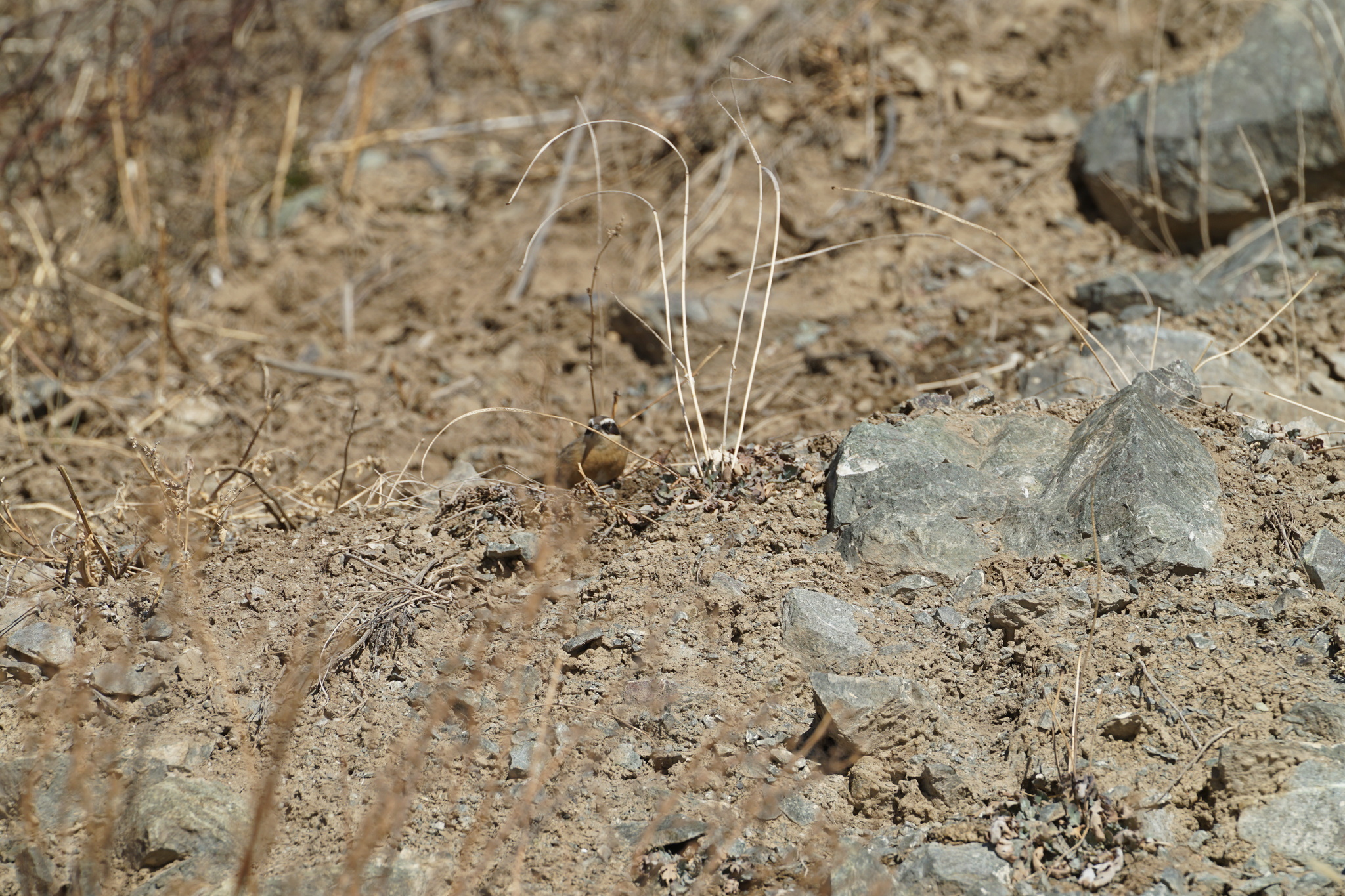
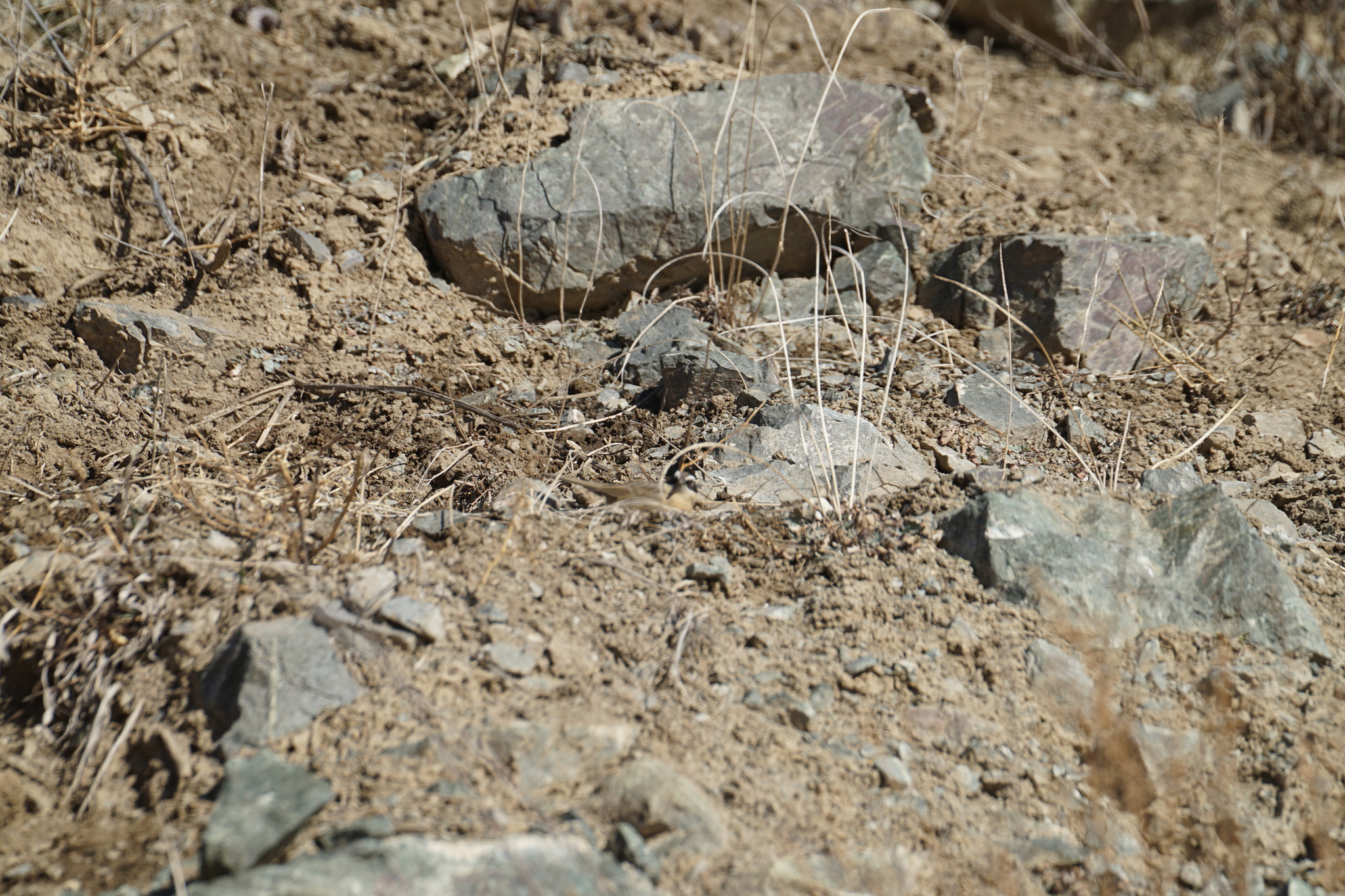
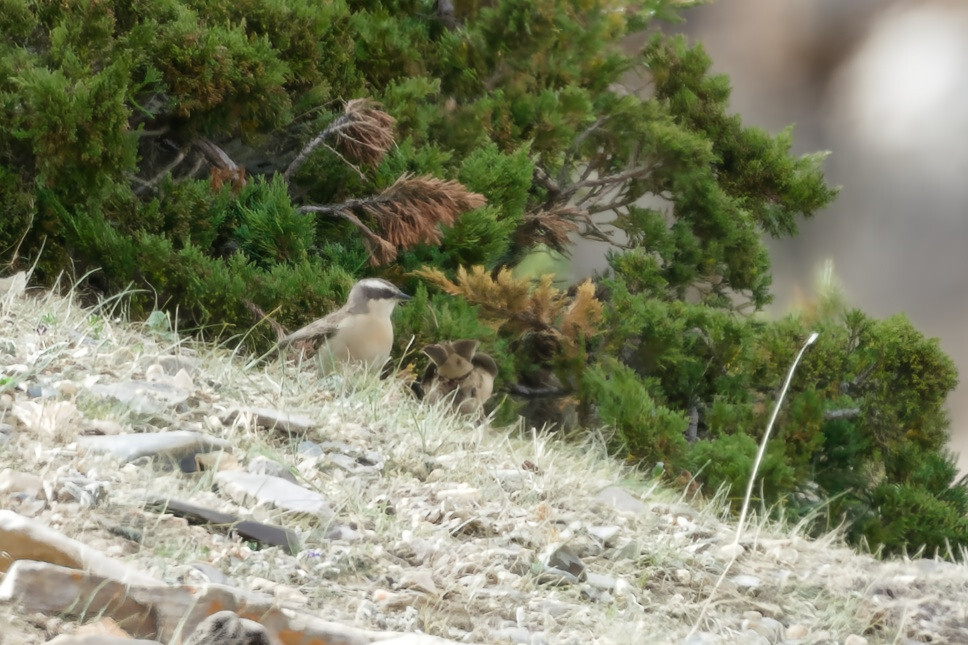
A small passerine with a white supercilium that is broader behind the eye. Shows a blackish-brown mask and blackish-brown ear-coverts. The underparts are yellowish, with the breast and belly being distinctly yellow-toned. Exhibits sexual dimorphism with males being larger than females.
Distribution & Habitat
Range extends across Central and South Asia from Afghanistan through China to the Indian subcontinent. Inhabits Mediterranean-type shrubby vegetation in high-altitude regions between 3,300-5,100 meters elevation during the breeding season. Shows preference for drier habitats compared to other accentor species.
Behavior & Ecology
Primarily feeds on seeds, fruits, and insects as adults, while nestlings are fed exclusively insects. Shows mostly monogamous breeding behavior, though polyandry has been observed. The breeding season commences in late May, with birds being territorial during this period. Females lay clutches of 3-4 eggs from late June to late July, with an incubation period of 12-14 days. Both parents provision nestlings for 13-15 days, though the female performs the majority of feeding.
Conservation
Classified as Least Concern due to extensive range, stable population trend, and population size not approaching threatened levels. Global population size remains unquantified. The species is reported as common in Central Asia, locally common in winter in Pakistan, locally common in northern India, and common in north-western Nepal.
Source: Wikipedia · CC BY-SA 3.0
Taxonomy
- Order
- Passeriformes
- Family
- Prunellidae
- Genus
- Prunella
- eBird Code
- broacc1
Subspecies (5)
-
Prunella fulvescens dahurica
Altai Mountains to Mongolia
-
Prunella fulvescens dresseri
mountains of western China (southwestern Xinjiang to western Gansu and northern Tibet)
-
Prunella fulvescens fulvescens
Tien Shan Mountains to northeastern Afghanistan and northern Pakistan
-
Prunella fulvescens khamensis
western Himalayas eastward through eastern Tibet and southwestern China
-
Prunella fulvescens nanshanica
montane forest of western China on Qinghai/Gansu border
Data Sources
Species description from Wikipedia, licensed under CC BY-SA 3.0.
Bird images and sounds sourced from GBIF, contributed by citizen scientists worldwide under Creative Commons licenses.
Taxonomy data from AviList 2025.