
Passeriformes / Cisticolidae / Prinia
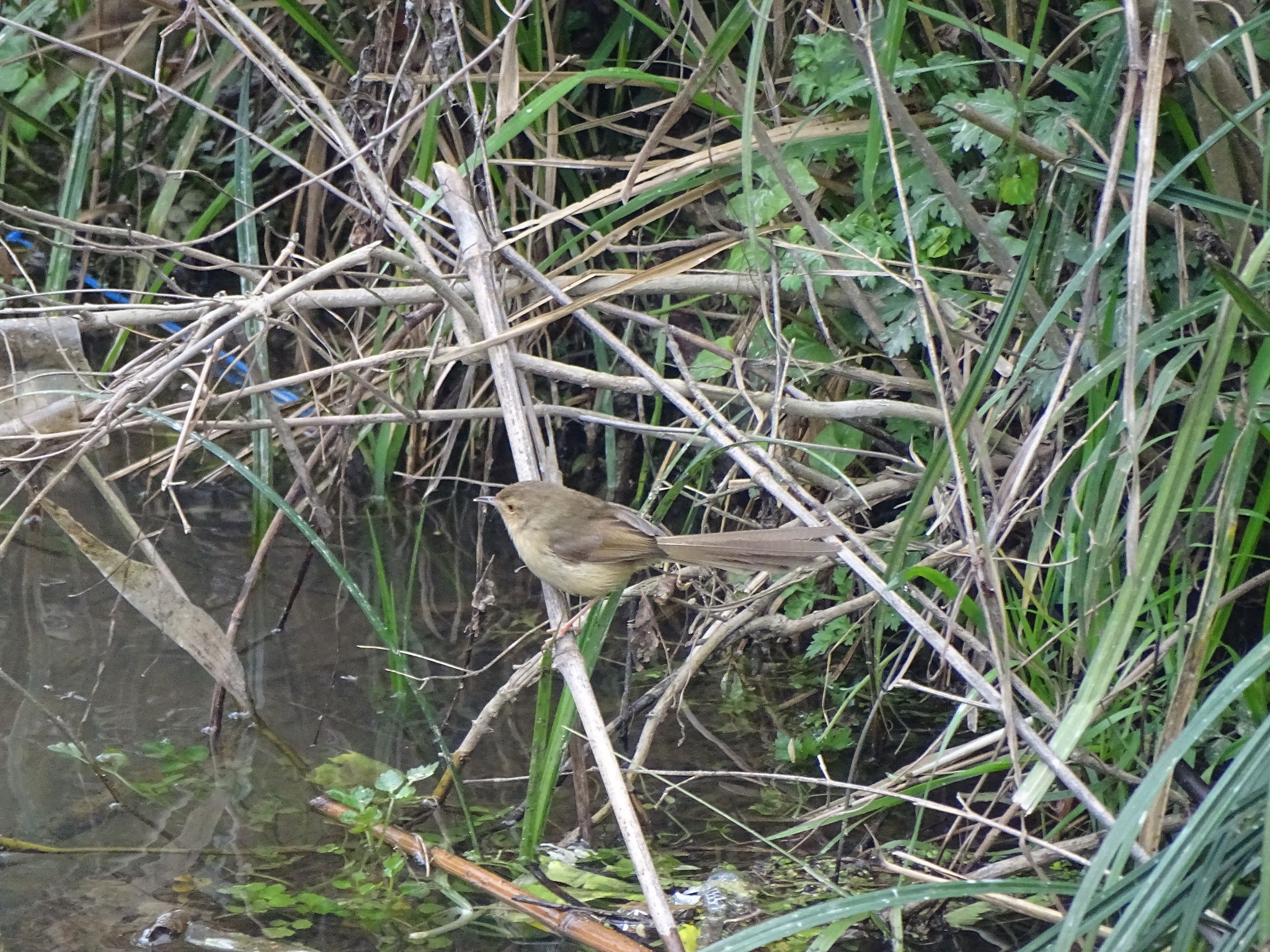
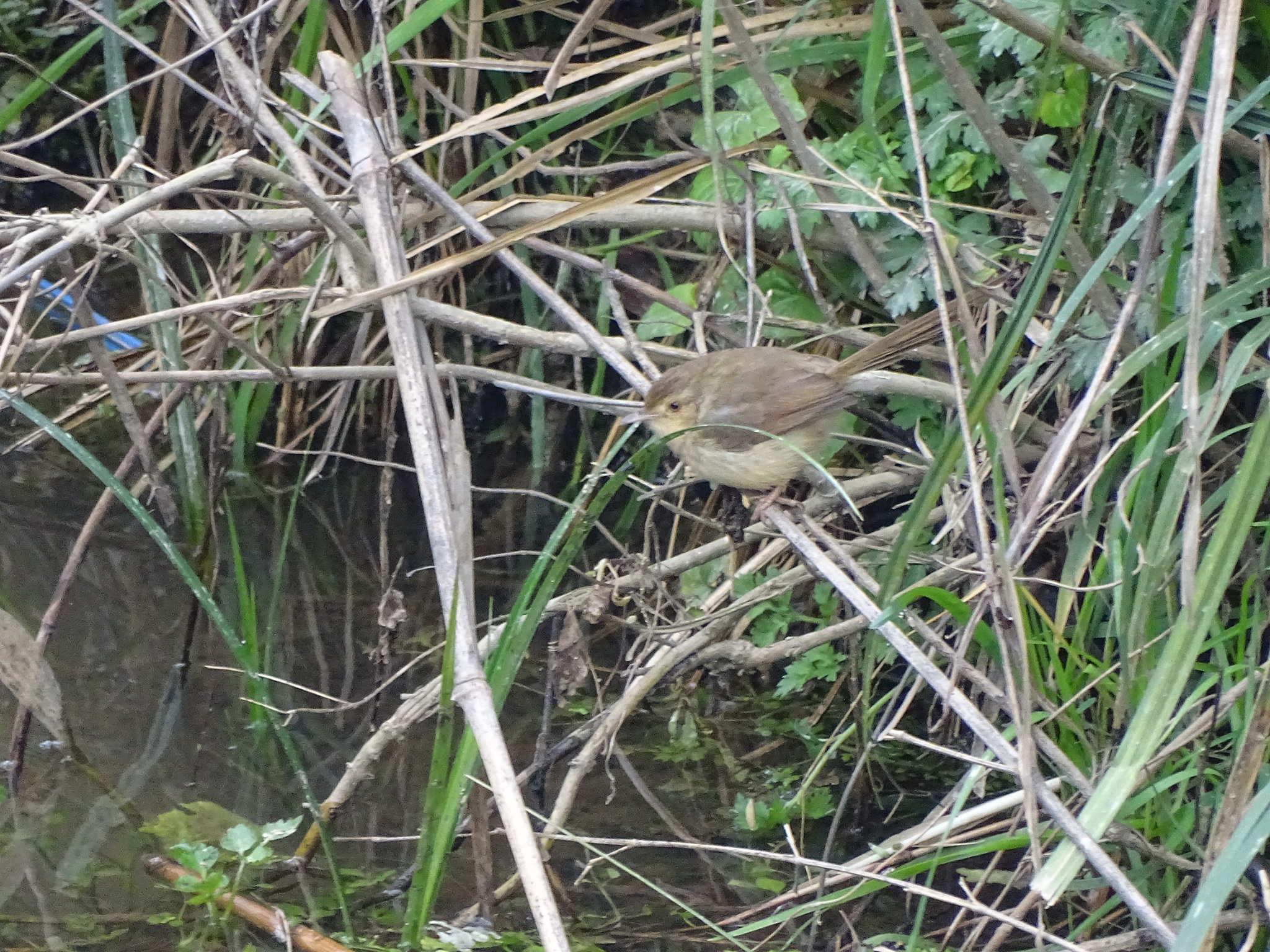
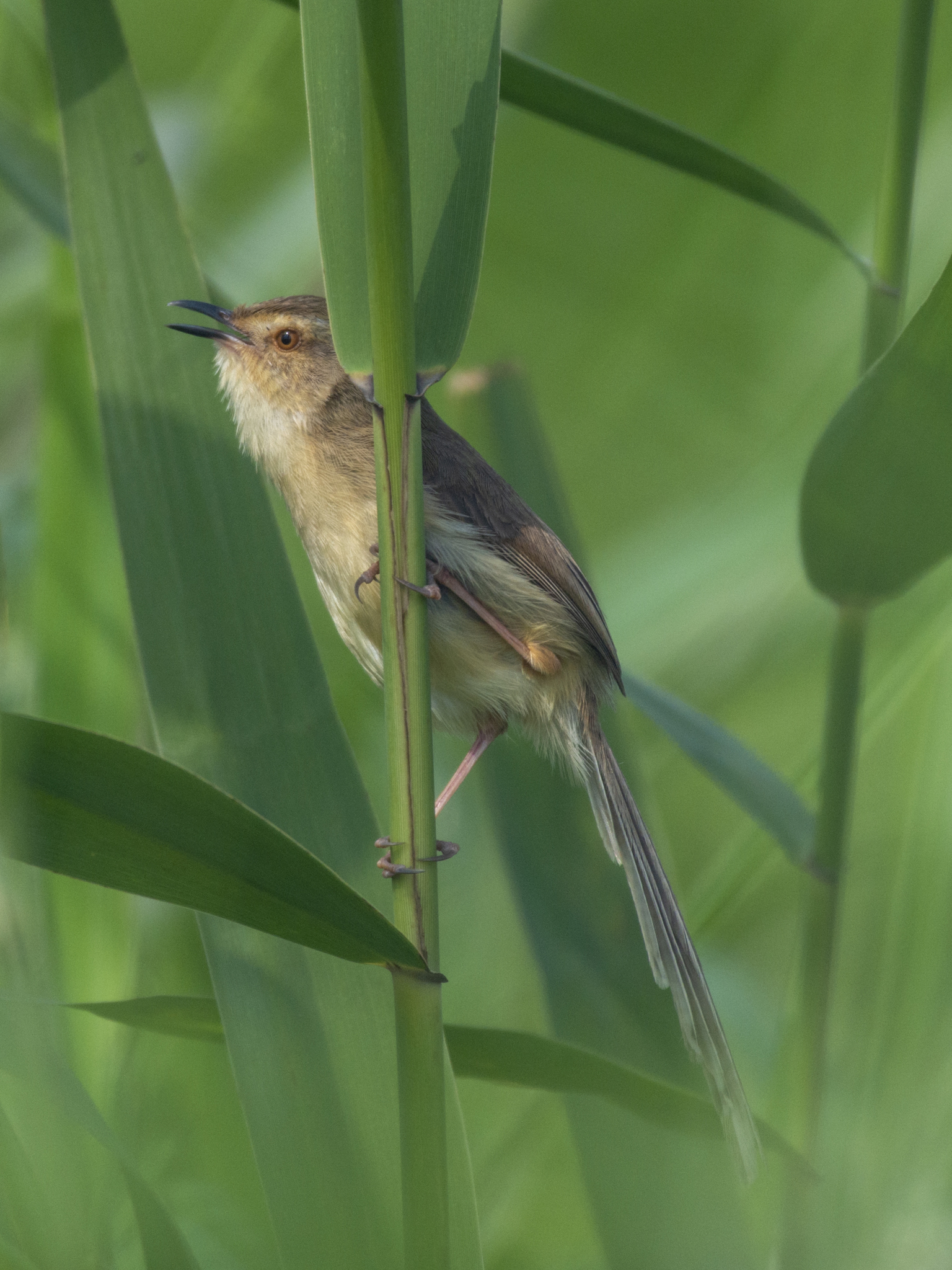
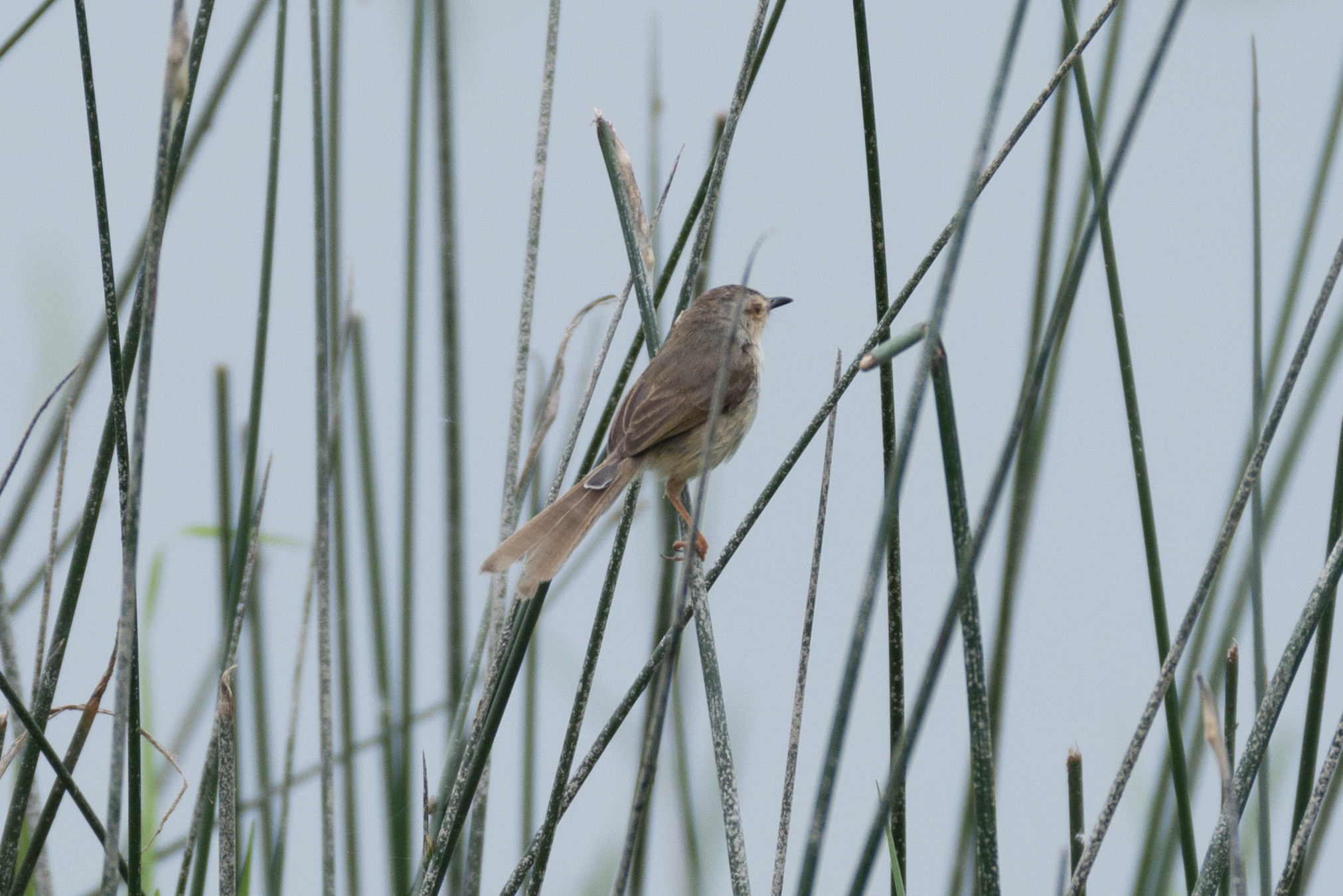
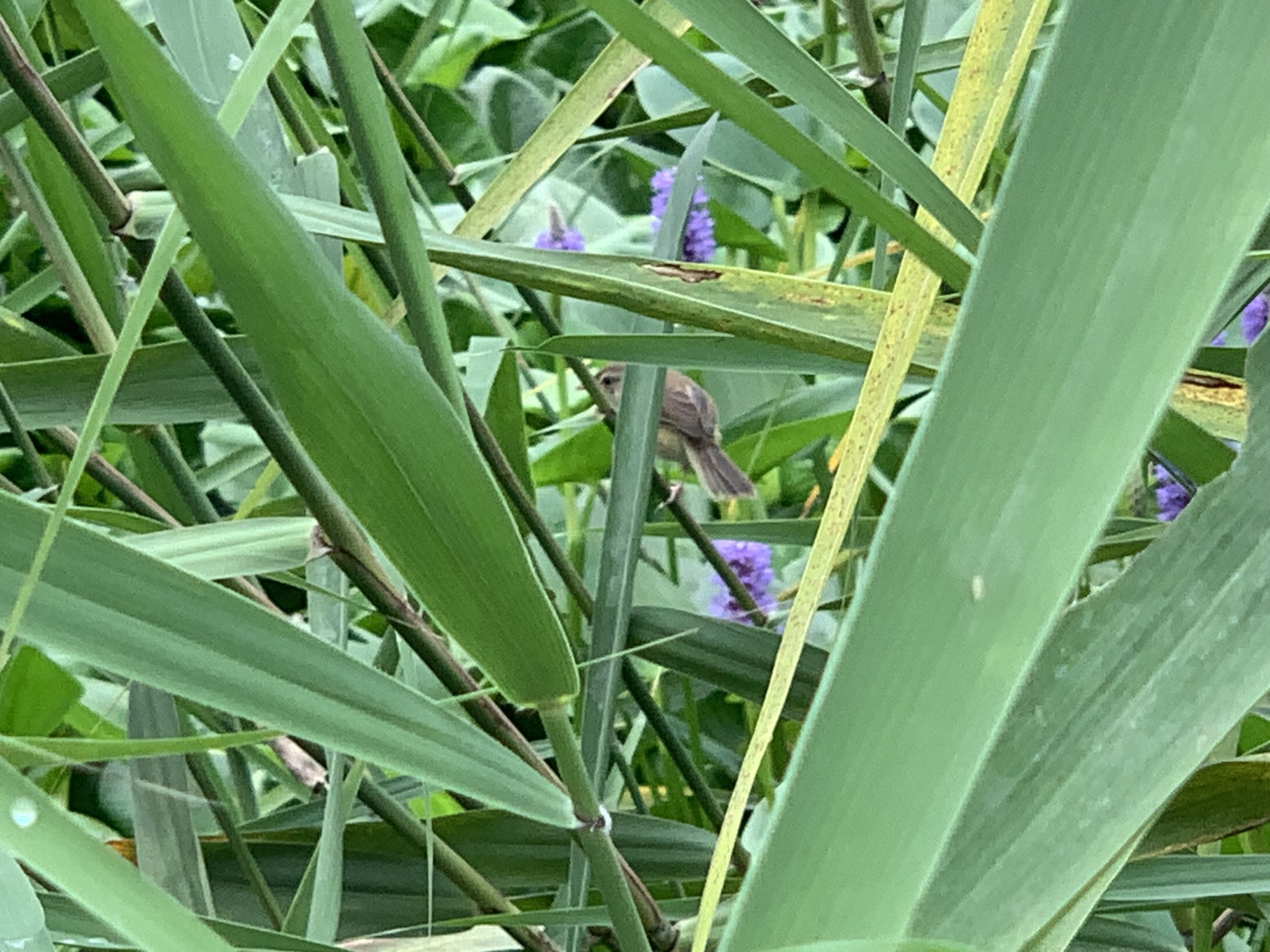
Plain Prinia
Prinia inornata · 纯色山鹪莺
Introduction
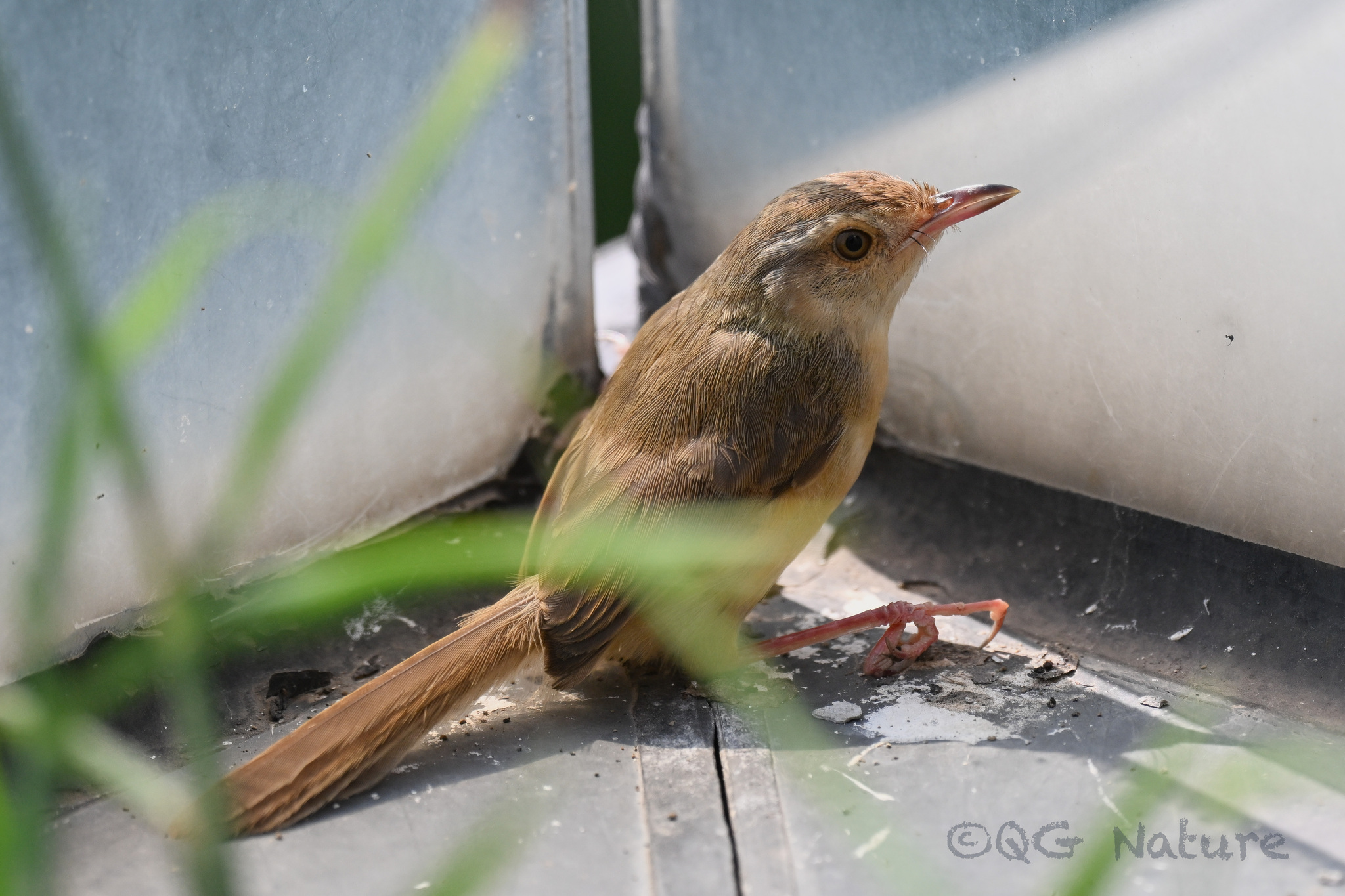
A small cisticolid warbler found in southeast Asia. It is a resident breeder ranging from Pakistan and India to south China and southeast Asia. Formerly included in the tawny-flanked prinia, the two are now usually considered separate species.
Description
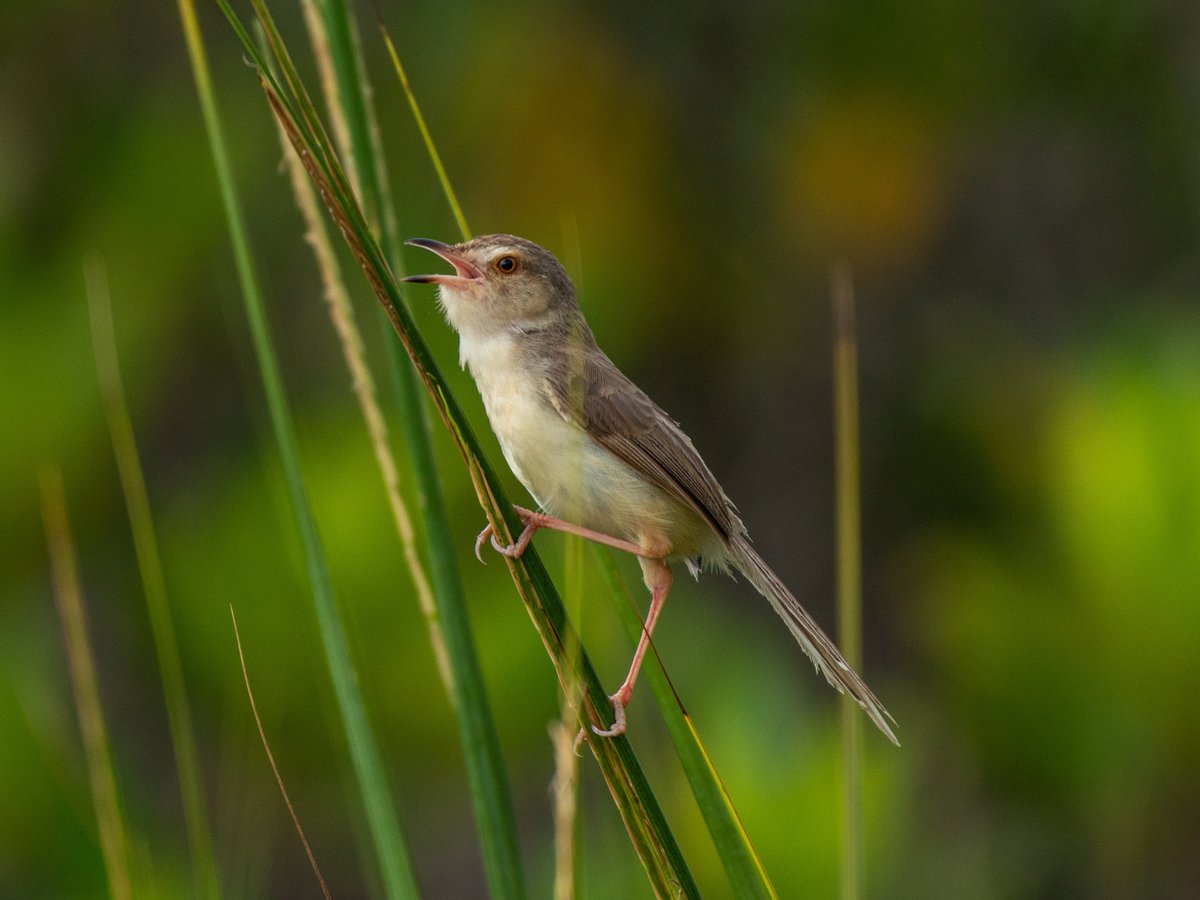
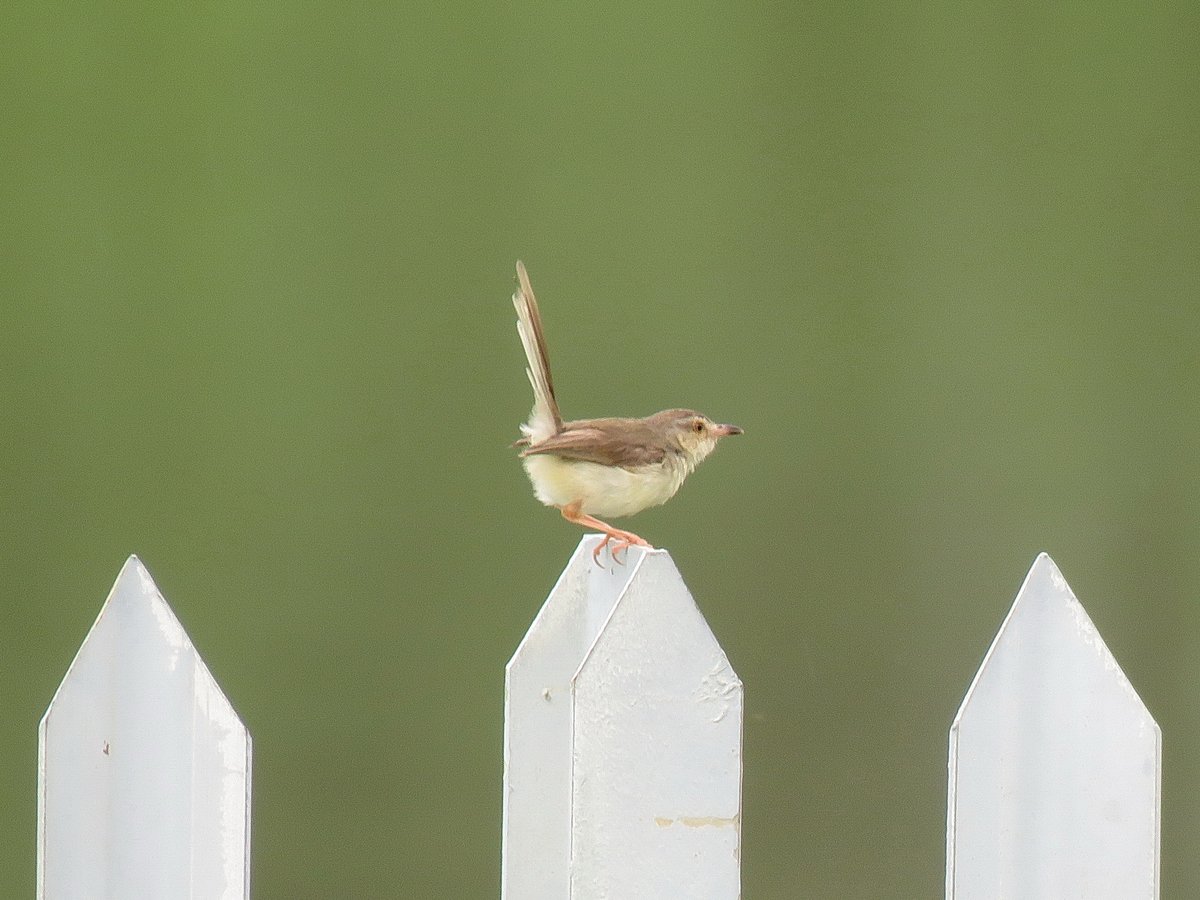
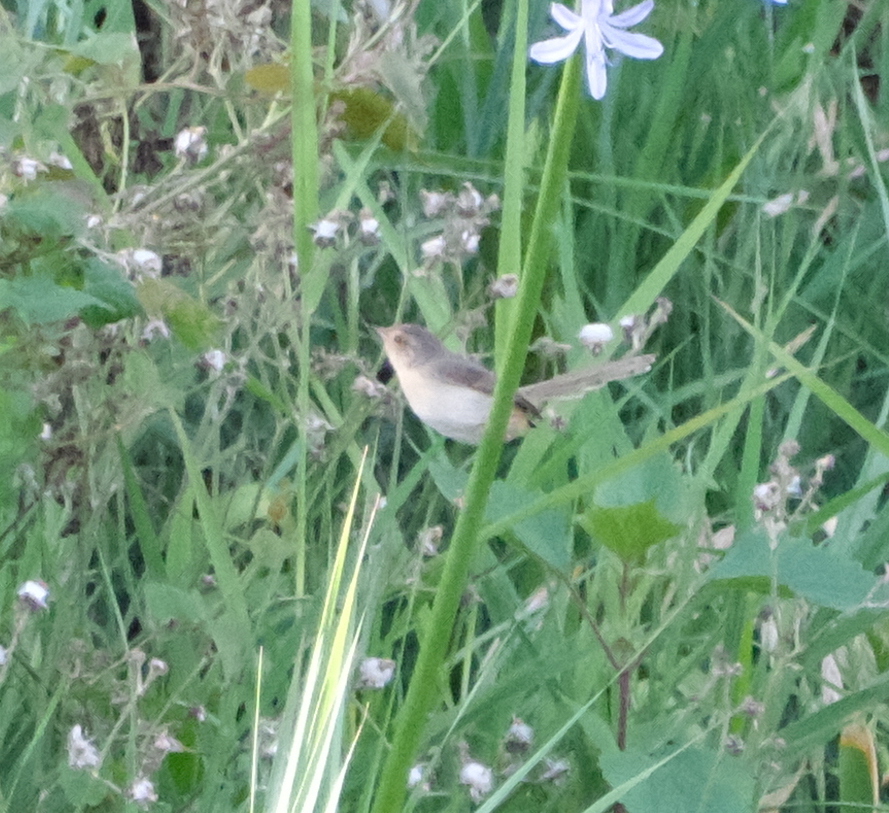
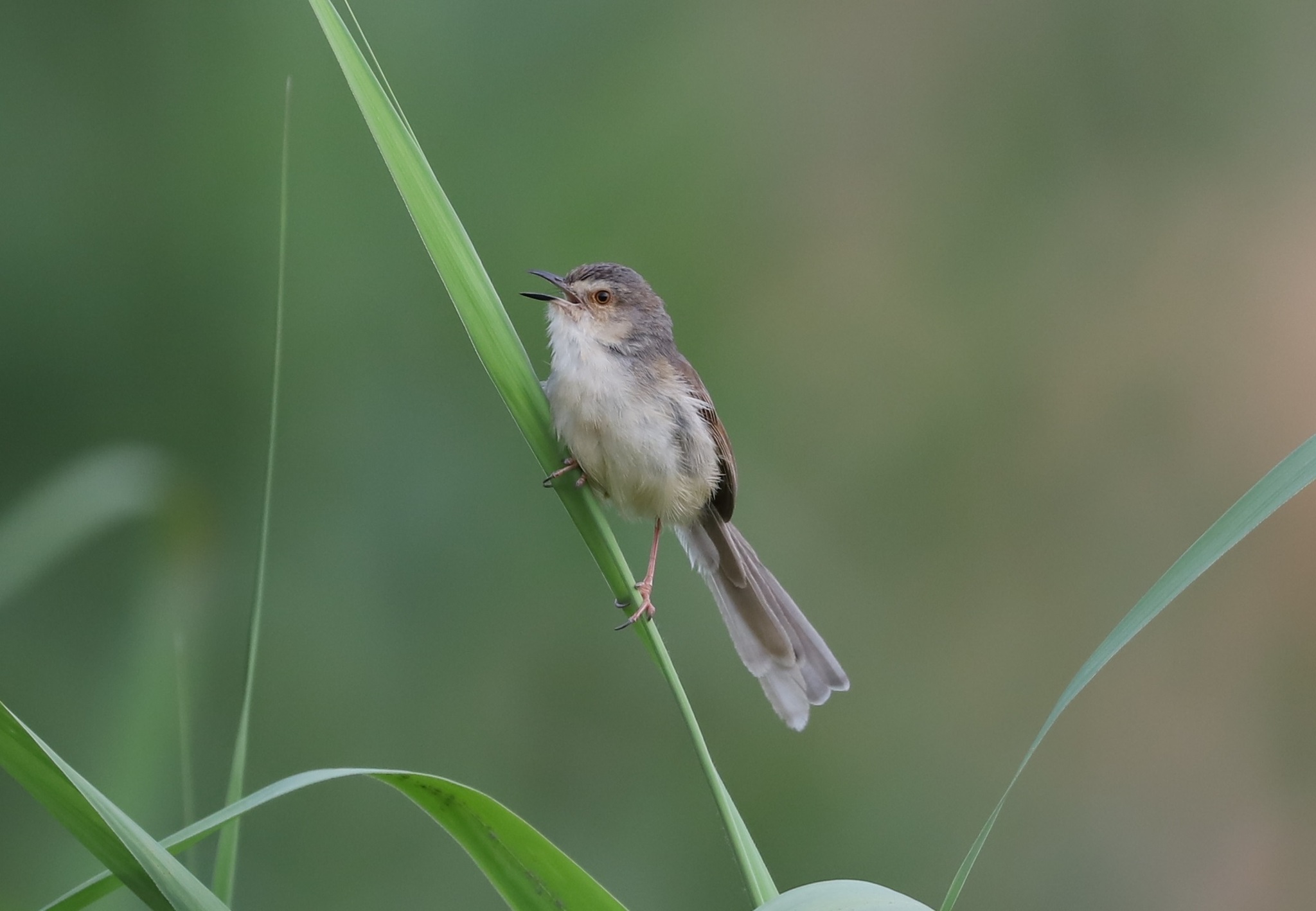
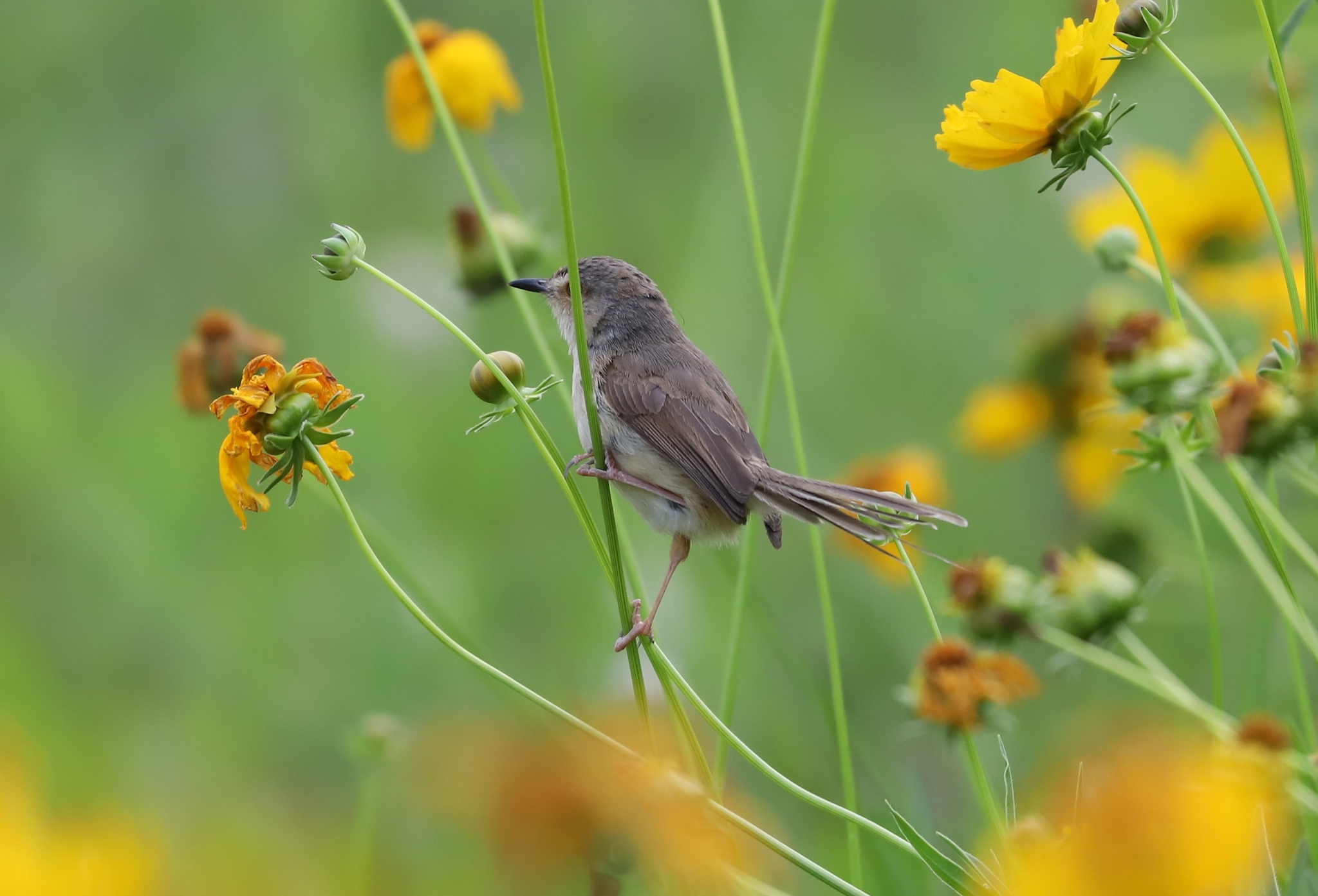
These 13–14-cm long warblers have short rounded wings, a longish tail, strong legs, and a short black bill. In breeding plumage, adults are grey-brown above with a short white supercilium and rufous fringes on the closed wings. The underparts are whitish-buff. The sexes are identical. In winter, the upperparts are a warmer brown, the underparts more buff, and the tail is longer than in summer. Several races differ in plumage shade. The endemic race in Sri Lanka retains summer plumage, including the shorter tail, all year round.
Distribution & Habitat
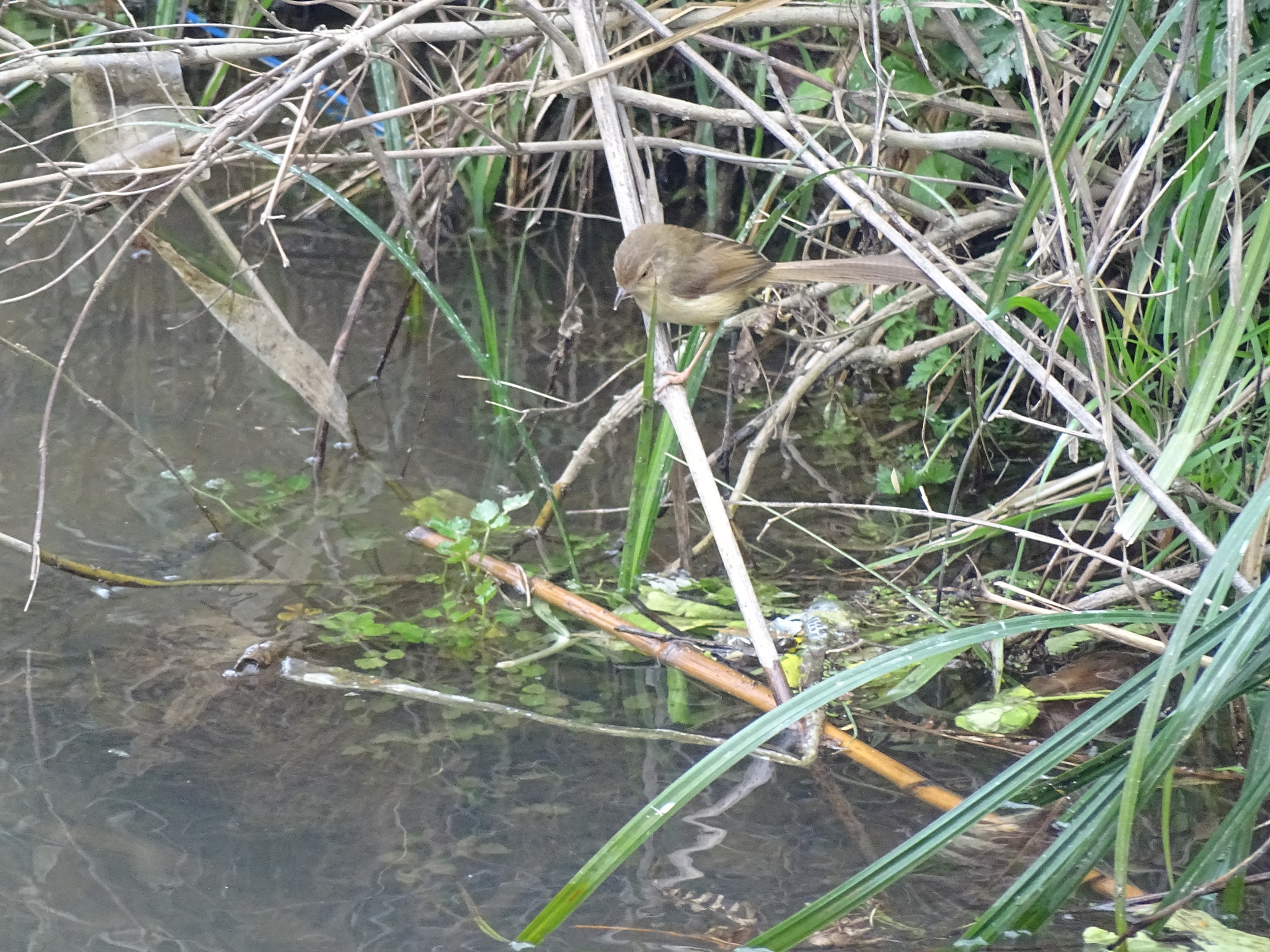
Resident breeder from Pakistan and India to south China and southeast Asia. Typically found in wet lowland grassland, open woodland, scrub, and sometimes gardens. Subspecies include P. i. terricolor in Punjab, India; P. i. fusca in Nepalgunj, Nepal; P. i. franklinii in Tamil Nadu, India; P. i. insularis in Sri Lanka; and P. i. herberti in Bangkok, Thailand.
Behavior & Ecology
This skulking passerine builds its nest in a shrub or tall grass and lays three to six eggs. It is insectivorous. The song is a repetitive tlee-tlee-tlee.
Source: Wikipedia · CC BY-SA 3.0
Taxonomy
- Order
- Passeriformes
- Family
- Cisticolidae
- Genus
- Prinia
Vocalizations
Subspecies (10)
-
Prinia inornata blanfordi
Myanmar and northern Thailand
Data Sources
Species description from Wikipedia, licensed under CC BY-SA 3.0.
Bird images and sounds sourced from GBIF, contributed by citizen scientists worldwide under Creative Commons licenses.
Taxonomy data from AviList 2025.