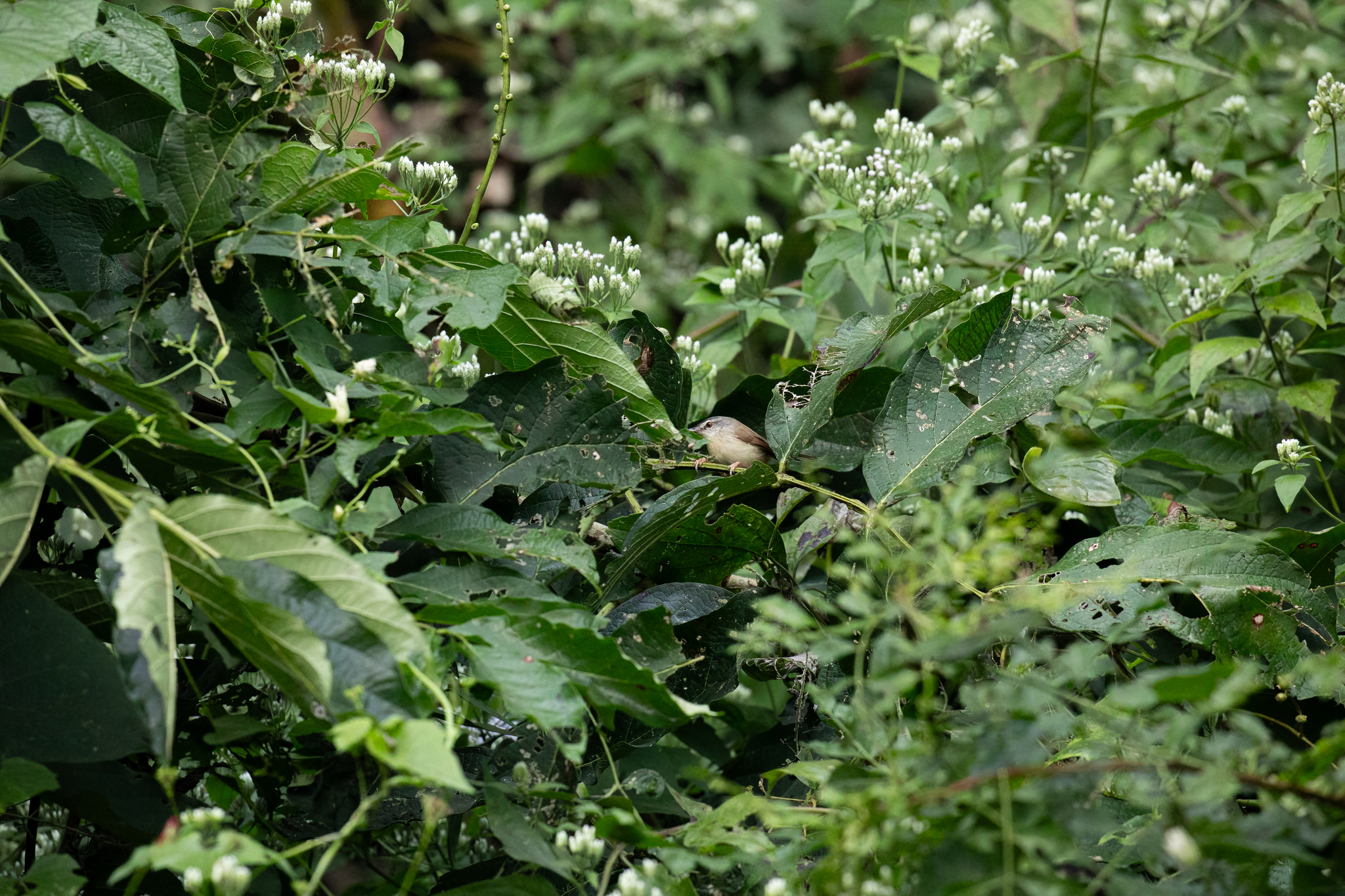
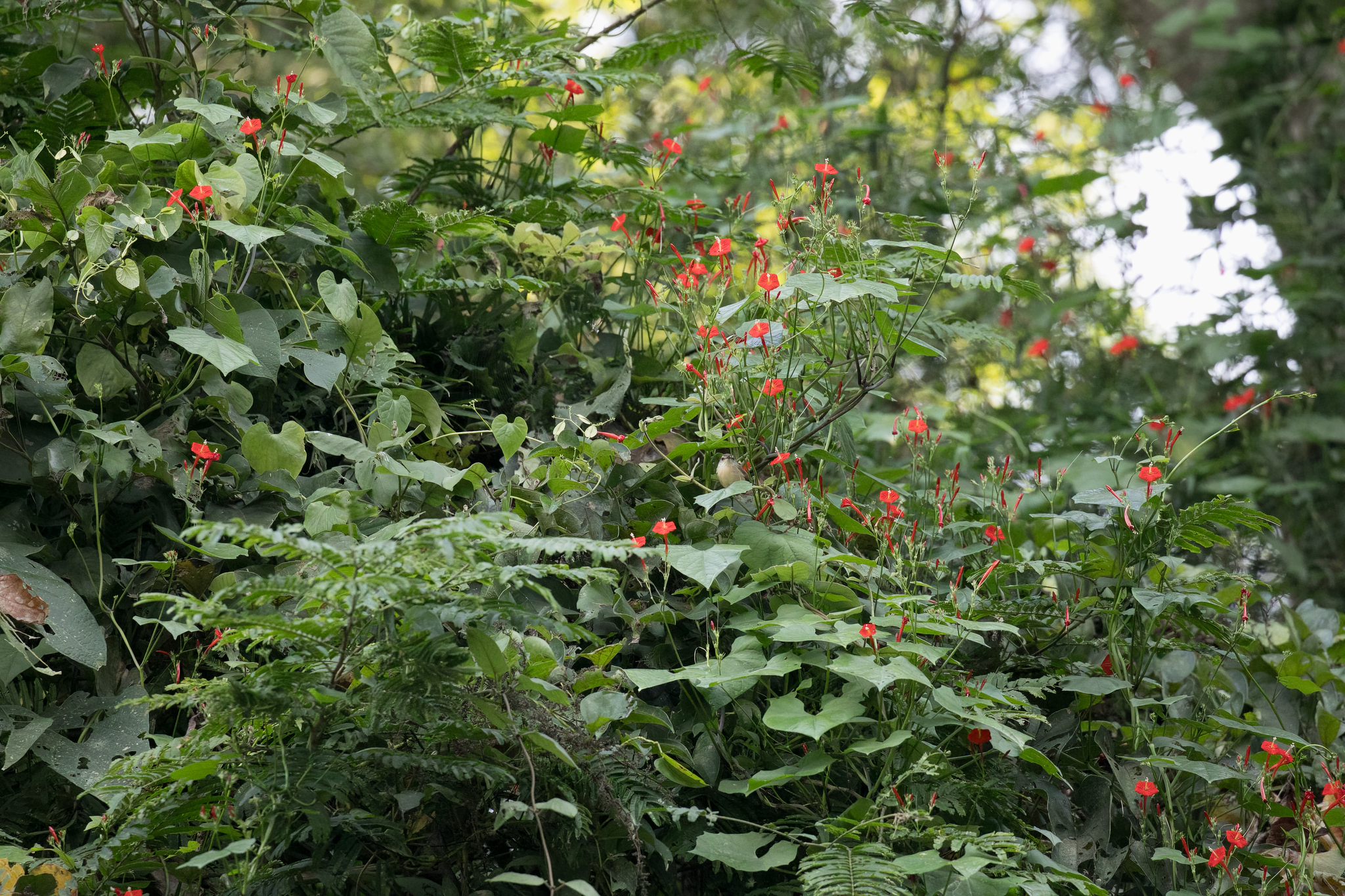
Passeriformes / Cisticolidae / Prinia
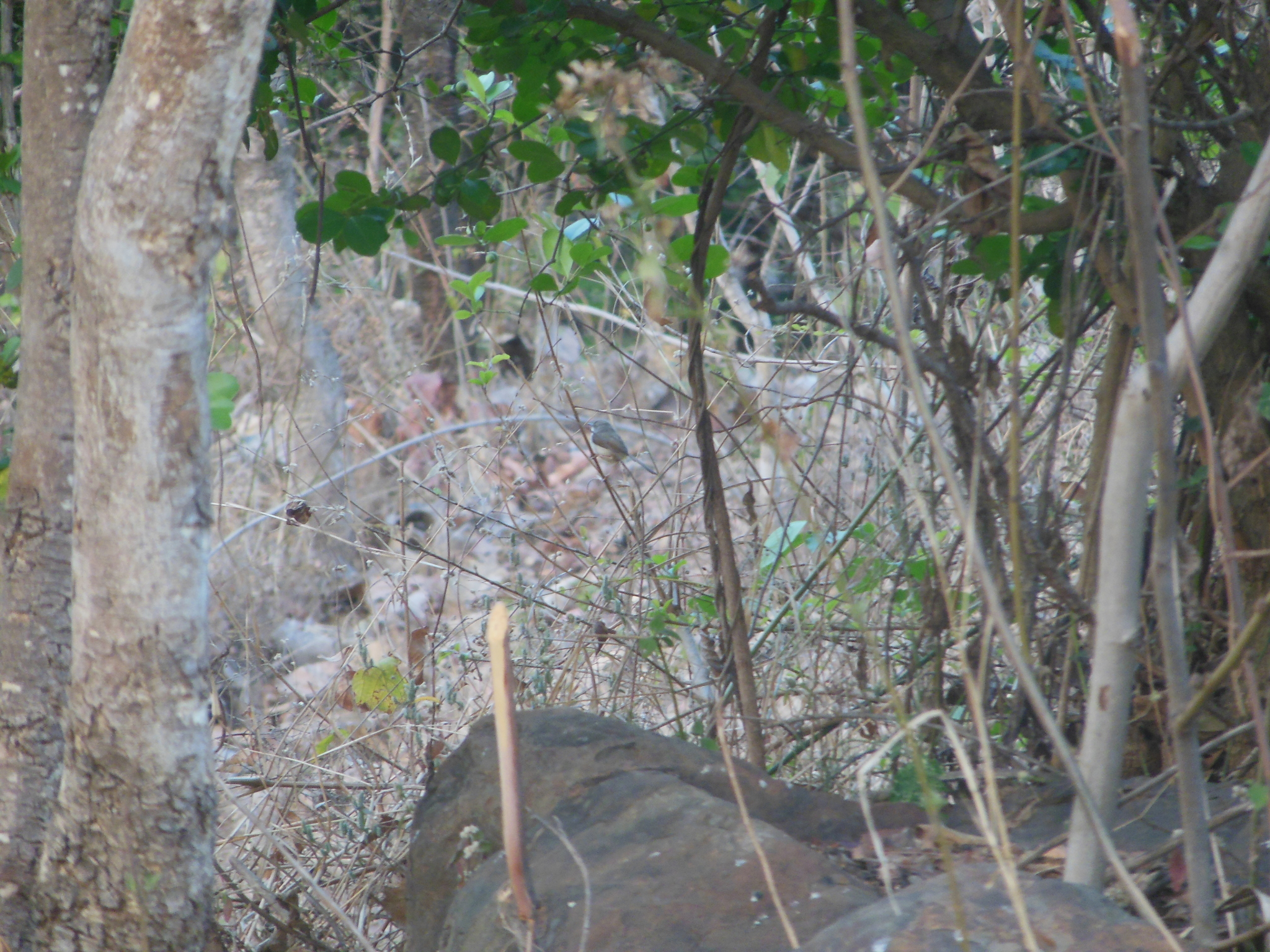
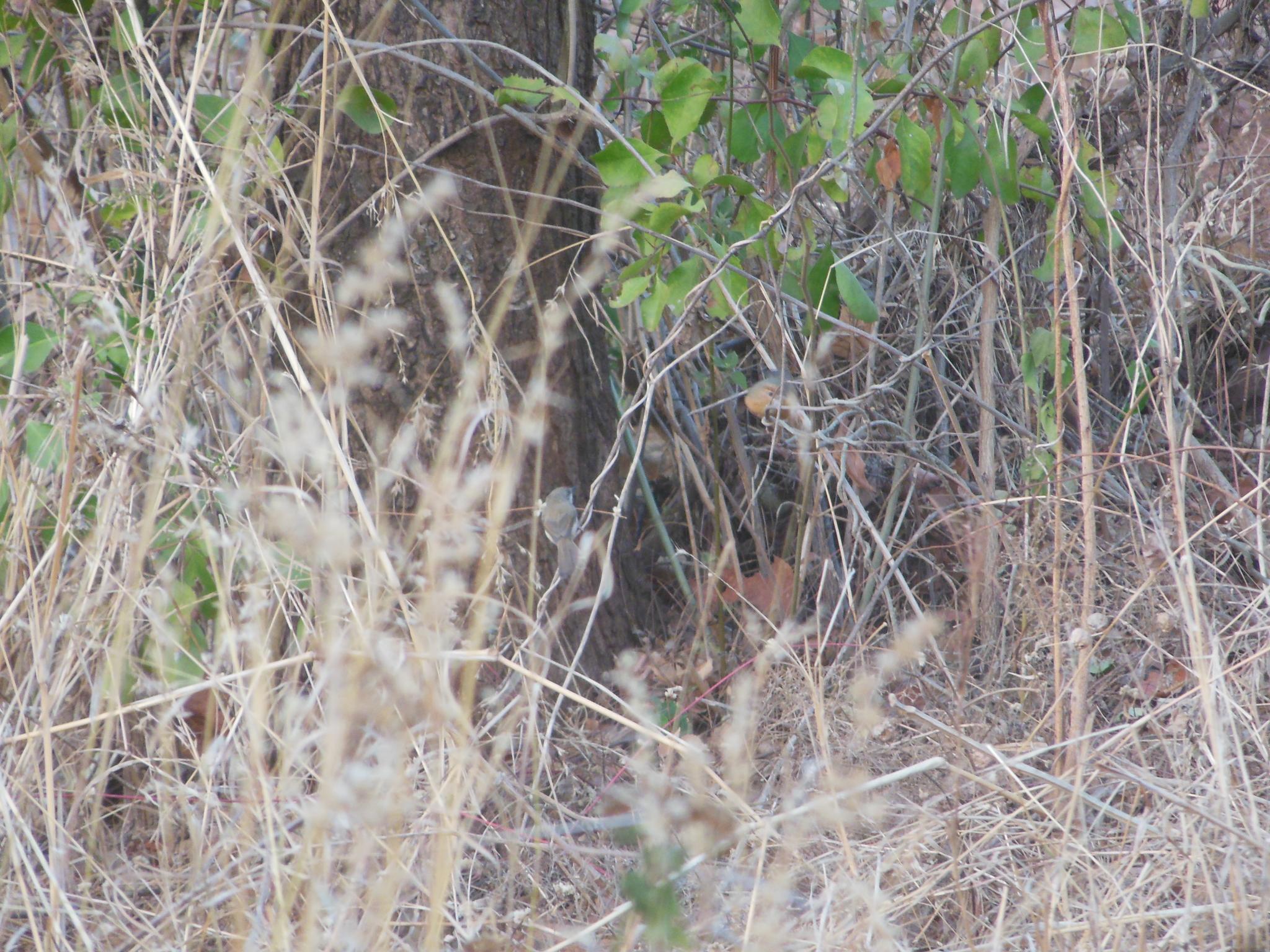
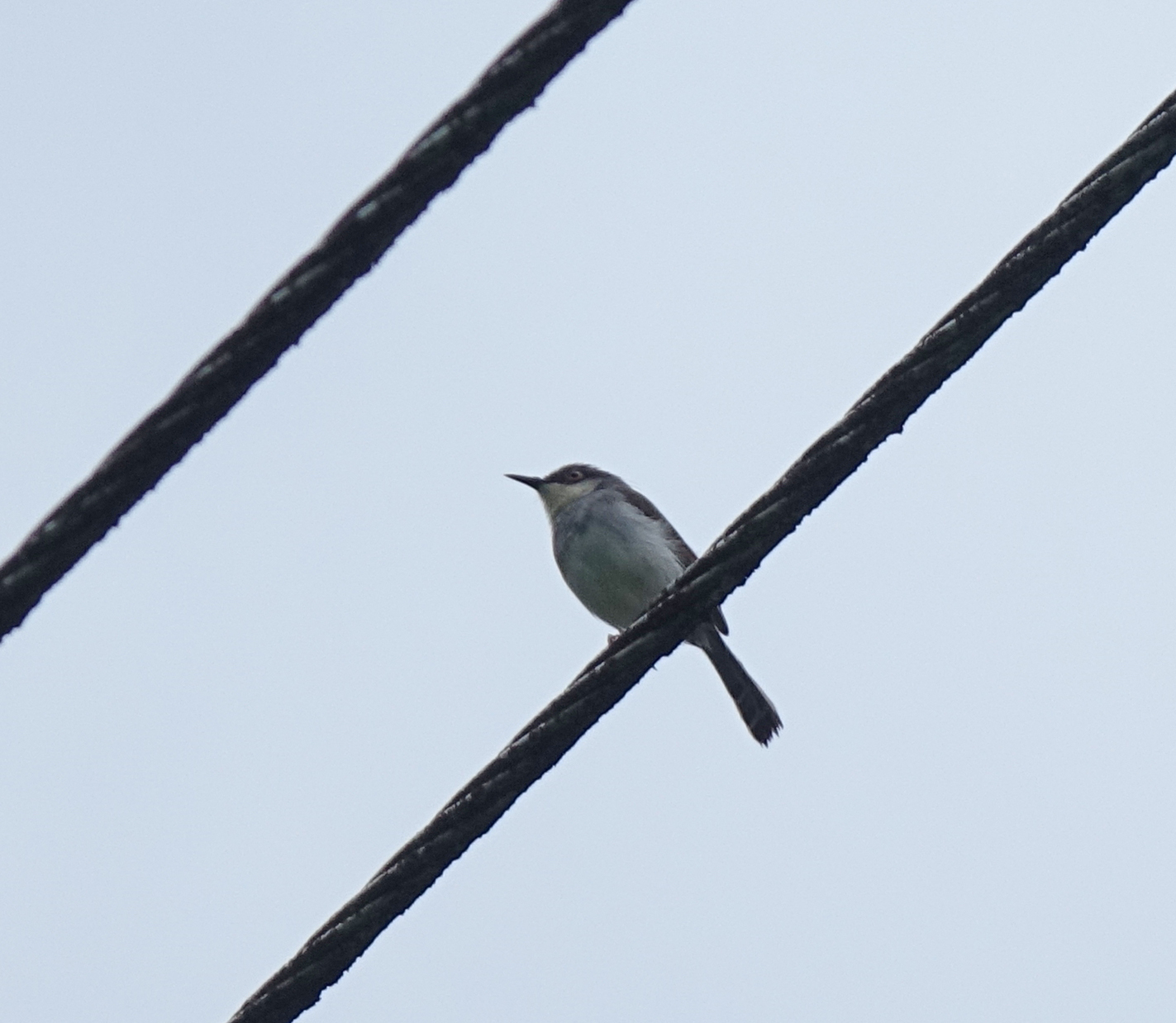
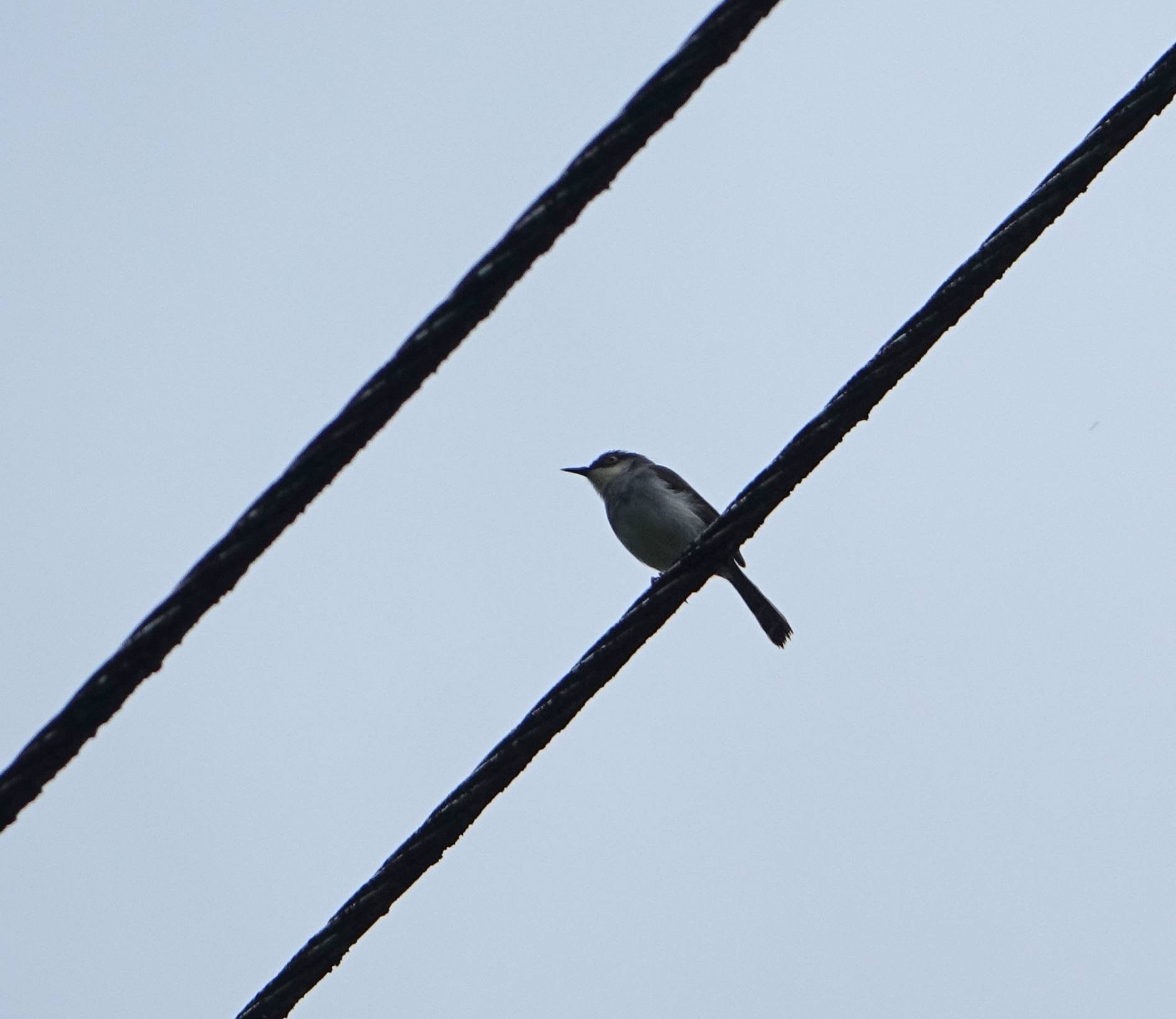
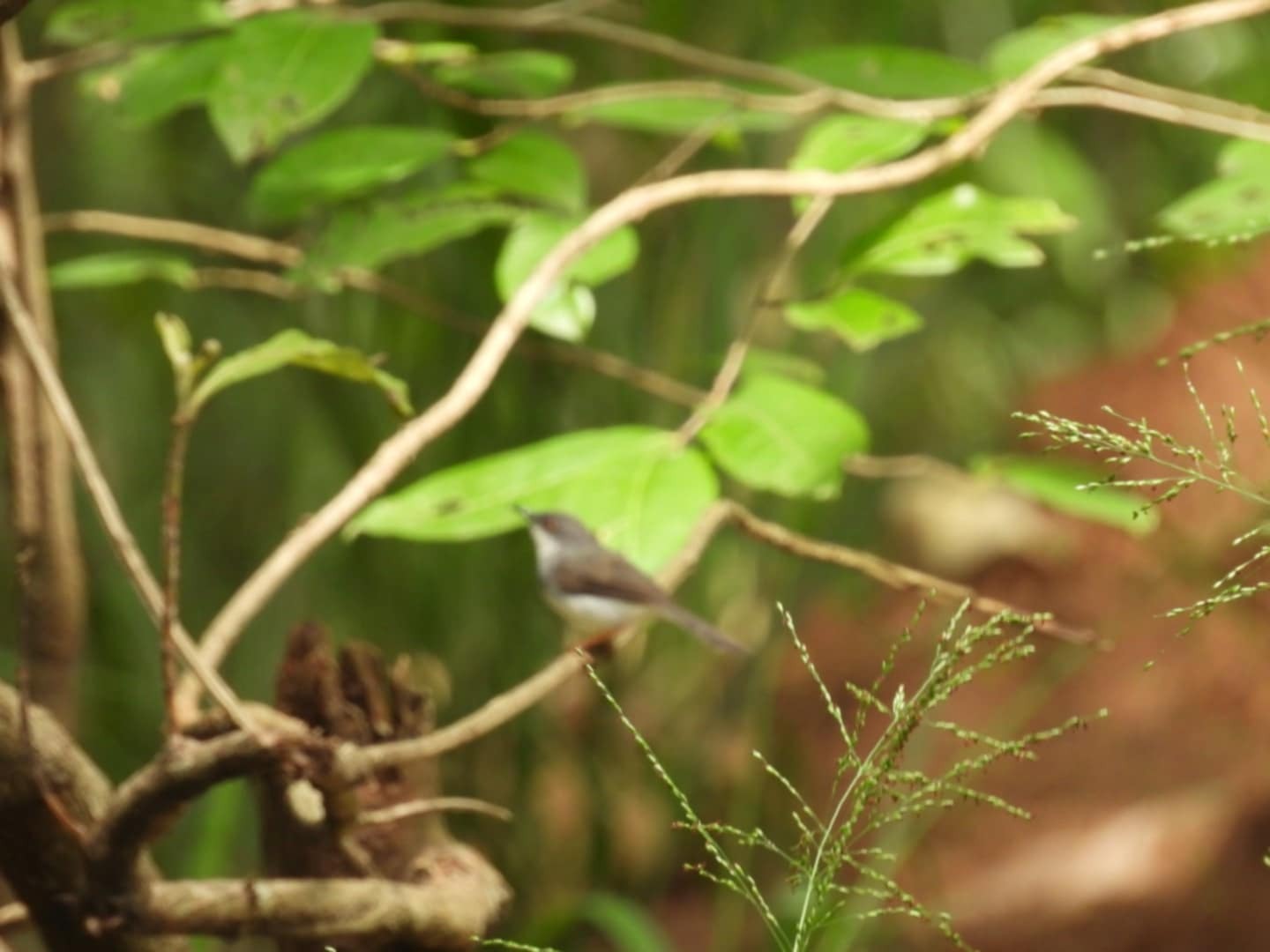
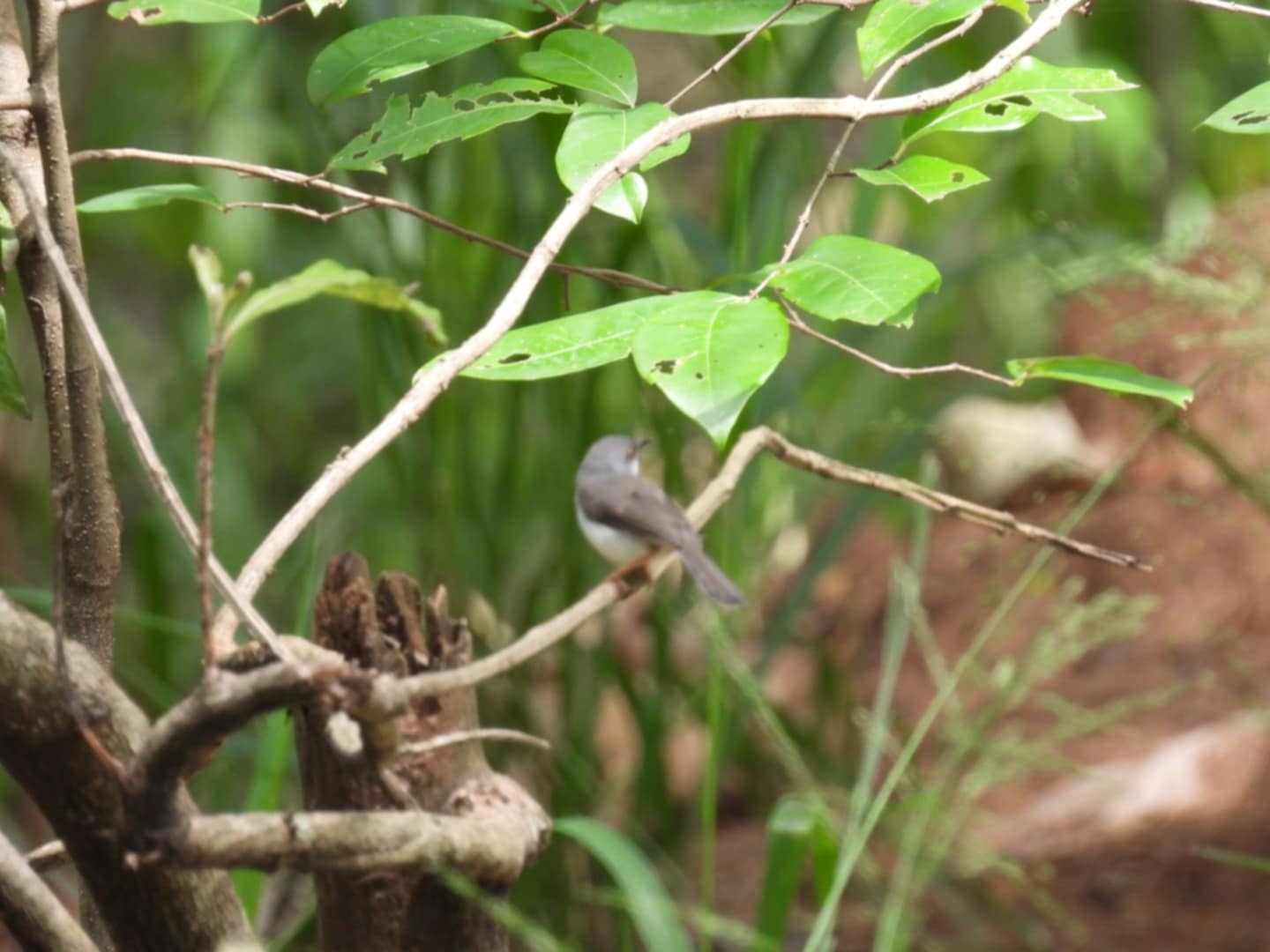
Grey-breasted Prinia
Prinia hodgsonii · 灰胸山鹪莺
Introduction
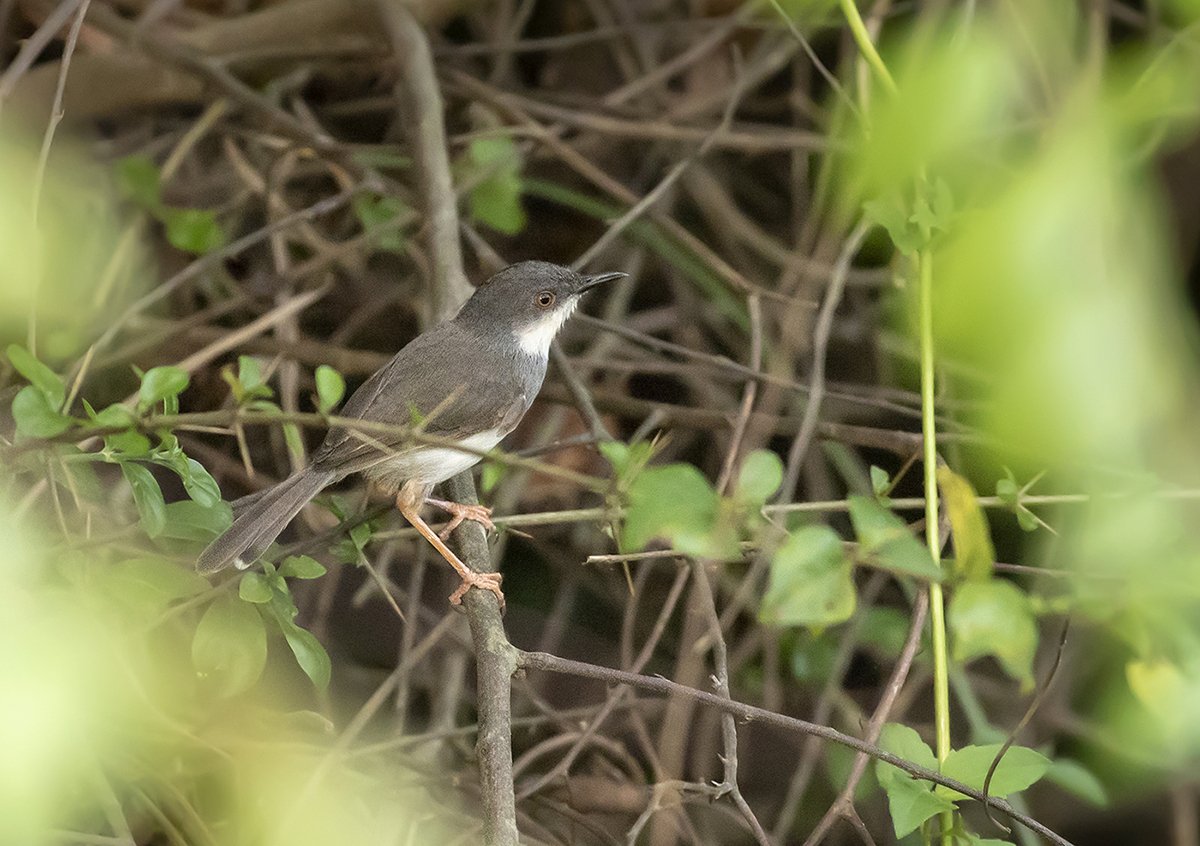
A small passerine wren-warbler resident in the Indian subcontinent, Sri Lanka, and Southeast Asia. It inhabits scrub, forest clearings, and open vegetated areas. Distinctive traits include holding the tail upright and a smoky grey breast band contrasting with a white throat during breeding season.
Description
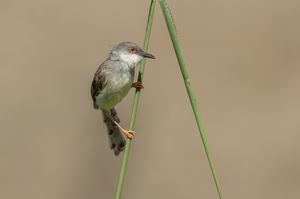
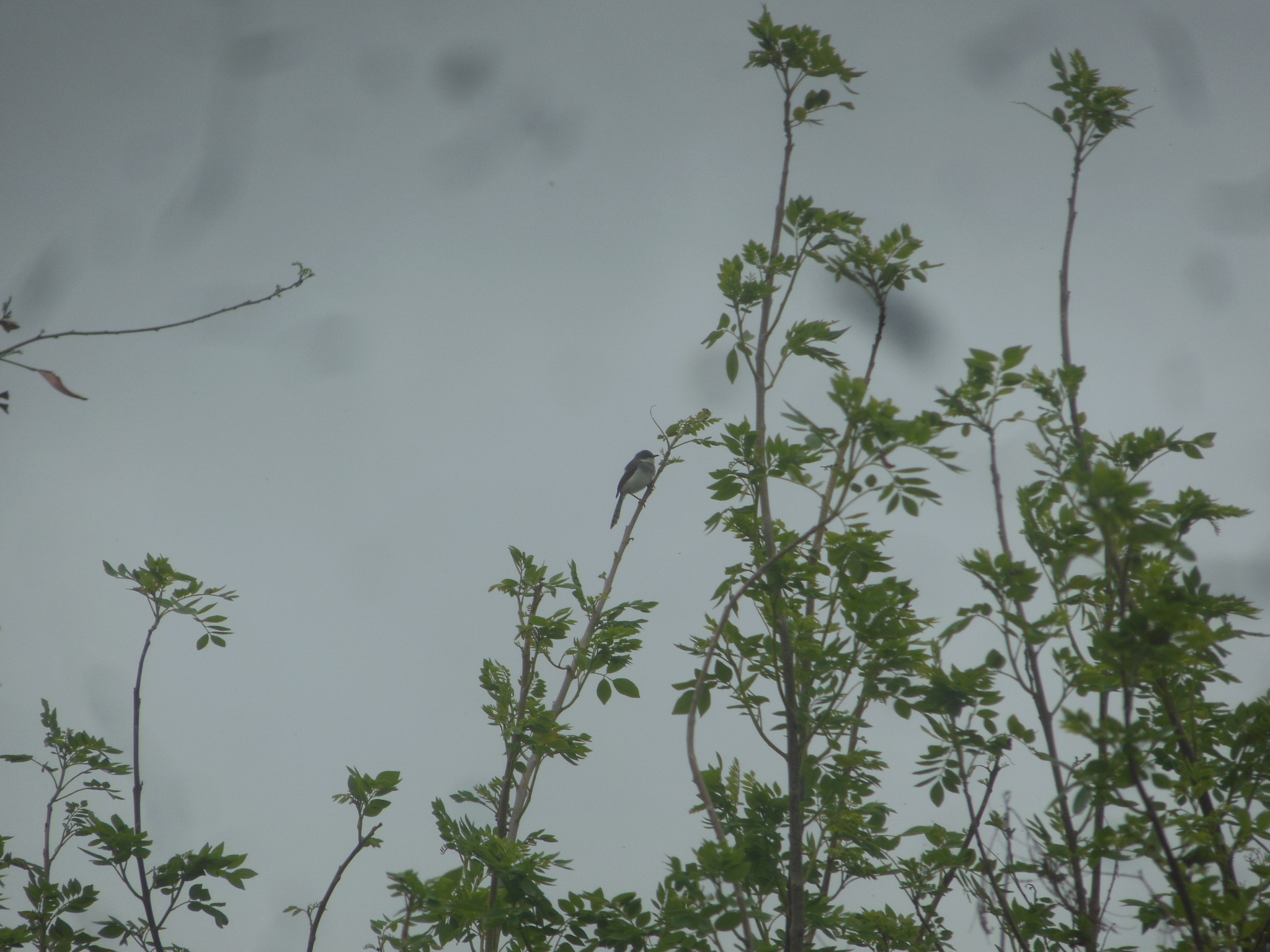
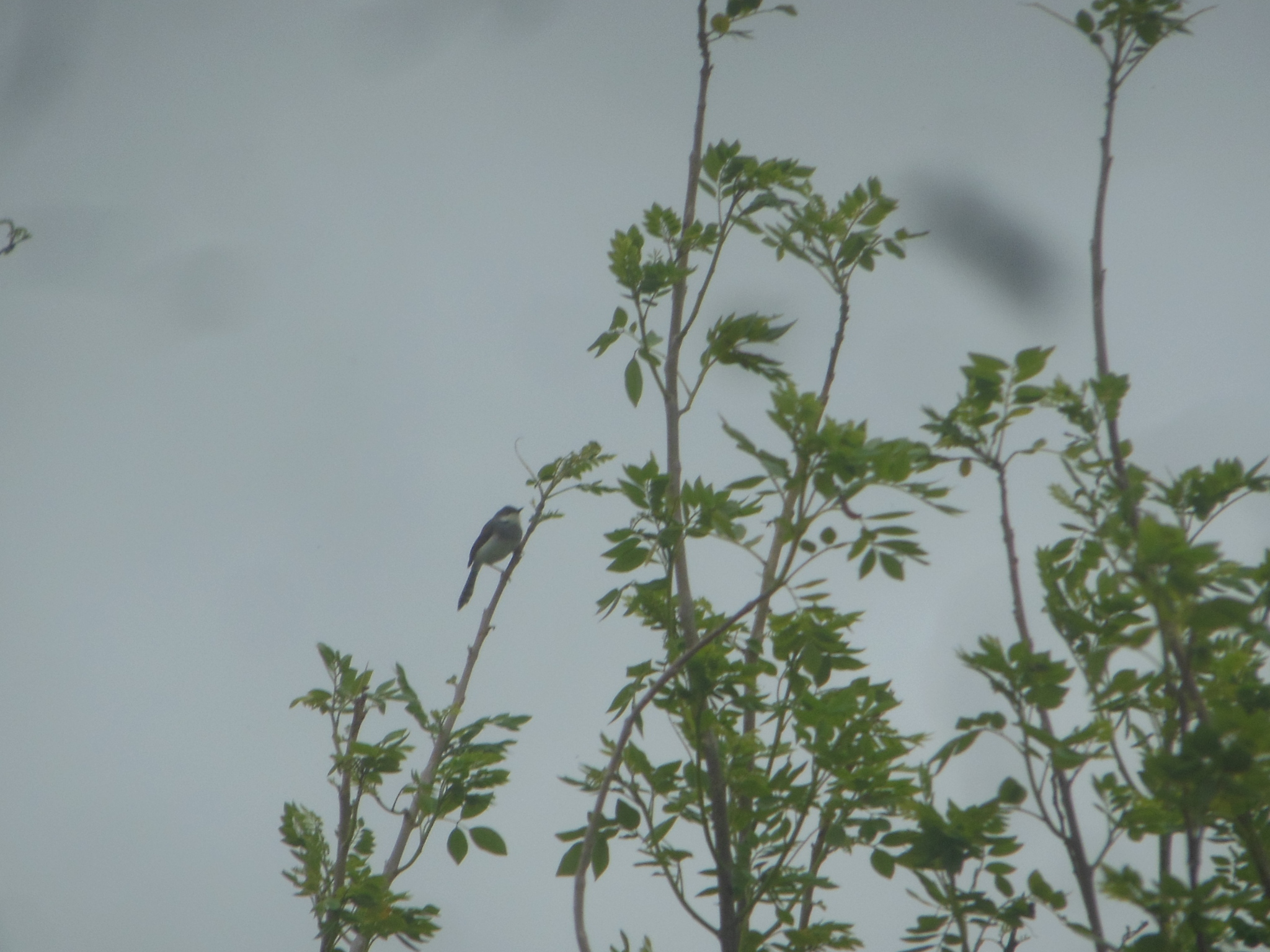
Measures 11–13 cm (4–5 in) in length. Features a longish grey graduated tail with white-tipped feathers, strong pinkish legs, a short black bill, and an orange eye ring. Breeding plumage displays smoky grey upperparts, a rufous wing panel, and a distinct grey breast band against a white throat. Non-breeding birds are olive-brown above with rufous wings, often lacking the breast band, and showing a weak supercilium. Young birds resemble non-breeding adults but are more rufous above with a pale lower mandible. In the Sri Lankan subspecies, females have an incomplete breast band.
Identification
Identified by the smoky grey breast band contrasting with a white throat in breeding plumage. The tail is held upright and jerked while flitting. Distinguished from similar species like the rufescent prinia by these markings. Non-breeding individuals may lack the breast band and show a faint supercilium. Pollen on the forehead can cause misidentification.
Distribution & Habitat
Resident in the Indian Peninsula, Himalayan foothills, Sri Lanka, Pakistan, Burma, Vietnam, and Yunnan province, China. Subspecies P. h. hodgsonii ranges from Gangetic plains to Mysore and Bangladesh; P. h. rufula inhabits Himalayan foothills from Swat to Arunachal Pradesh; P. h. albogularis is found in the Western Ghats; P. h. pectoralis resides in eastern/southeastern Sri Lanka; P. h. erro covers East Myanmar to Indochina; P. h. confusa ranges from South China to Laos and Vietnam. Altitude ranges up to 1000 m for nominate subspecies and 1800 m for P. h. rufula.
Behavior & Ecology
Insectivorous, feeding on ants, beetles, and caterpillars among twigs and foliage; also consumes nectar from Erythrina and Bombax trees. Often found in pairs or small groups of up to twenty. Breeding coincides with rains. Males perform aerobatic displays and sing a squeaky series: chiwee-chiwee-chiwi-chip-chip-chip. Nests are grass cups sewn with cobwebs between leaves, placed near the ground. Clutches contain 3–4 eggs varying from glossy blue to white with reddish-brown speckles. Incubation lasts 10–11 days with both parents participating.
Source: Wikipedia · CC BY-SA 3.0
Taxonomy
- Order
- Passeriformes
- Family
- Cisticolidae
- Genus
- Prinia
Vocalizations
Subspecies (6)
-
Prinia hodgsonii albogularis
southwestern peninsular India (Eastern Ghats to southern Mysore and Kerala)
Data Sources
Species description from Wikipedia, licensed under CC BY-SA 3.0.
Bird images and sounds sourced from GBIF, contributed by citizen scientists worldwide under Creative Commons licenses.
Taxonomy data from AviList 2025.