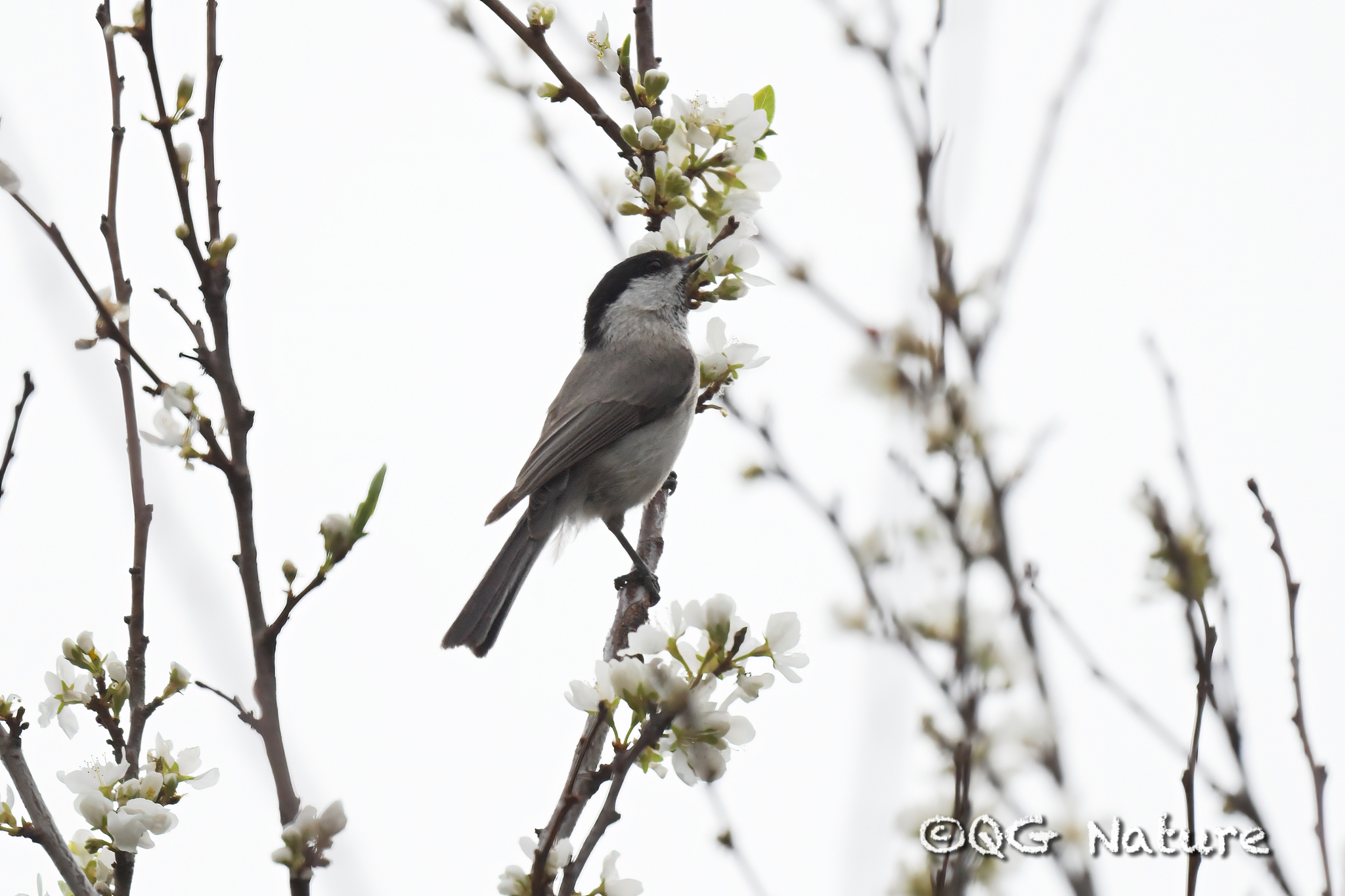
Passeriformes / Paridae / Poecile
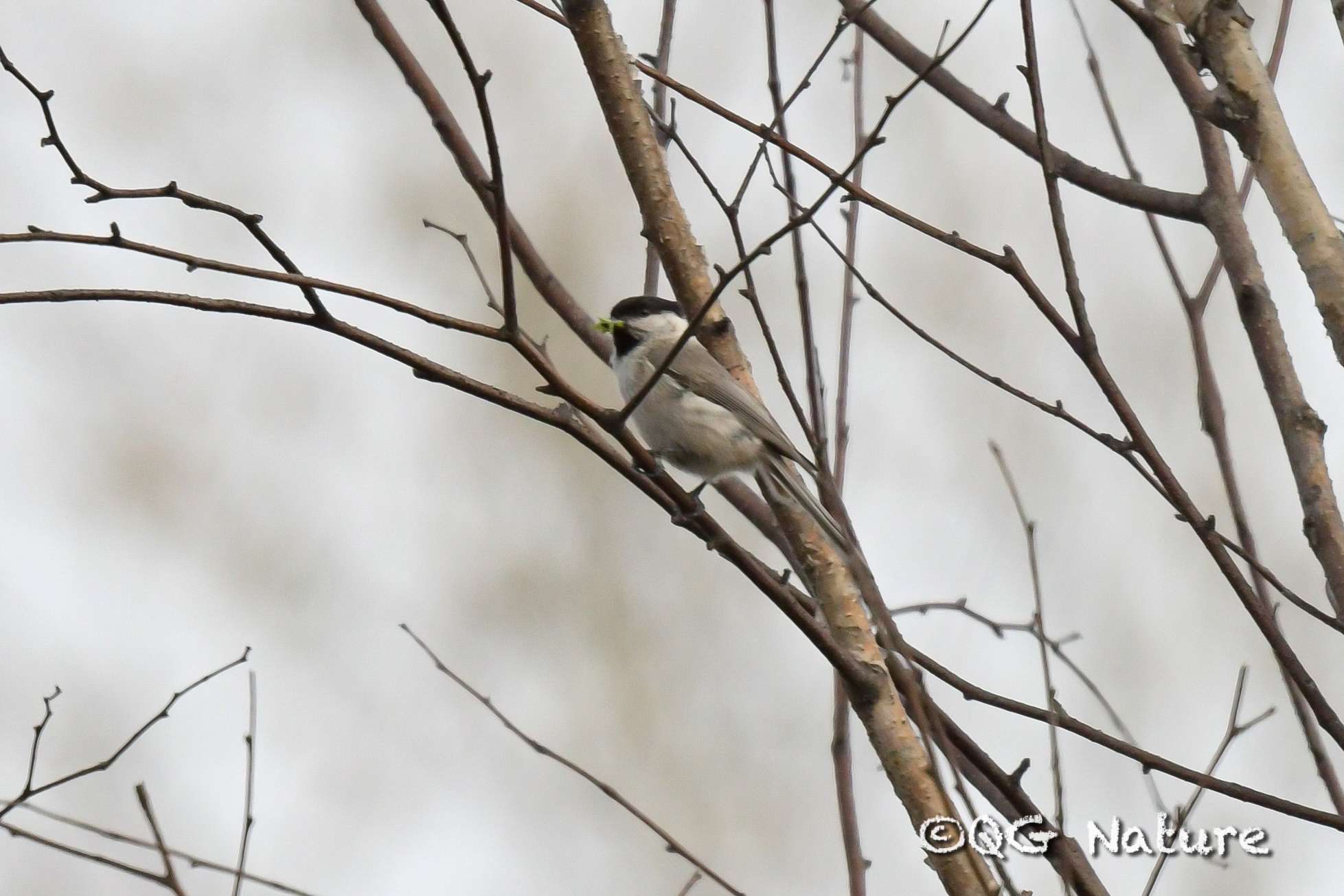
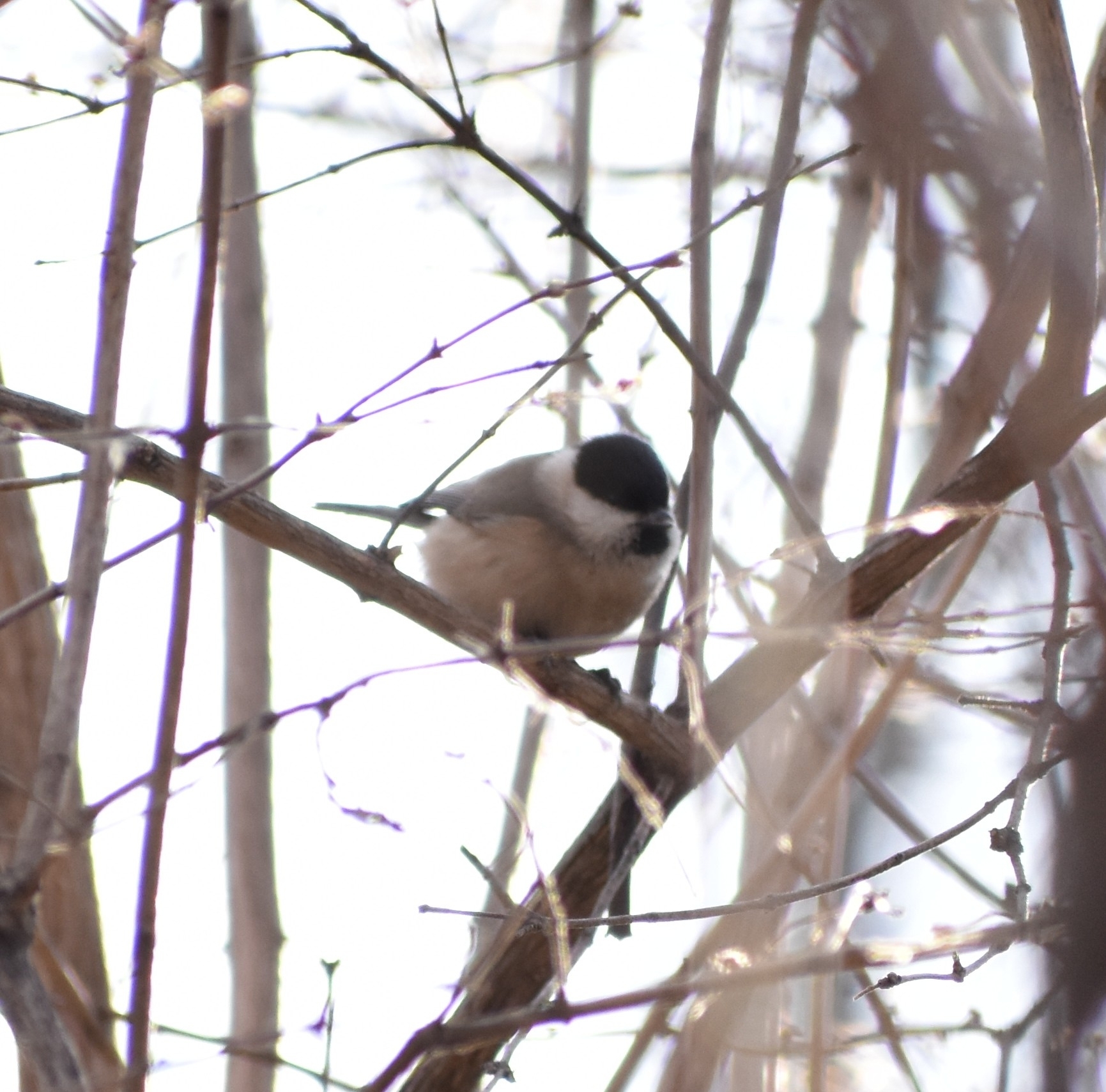
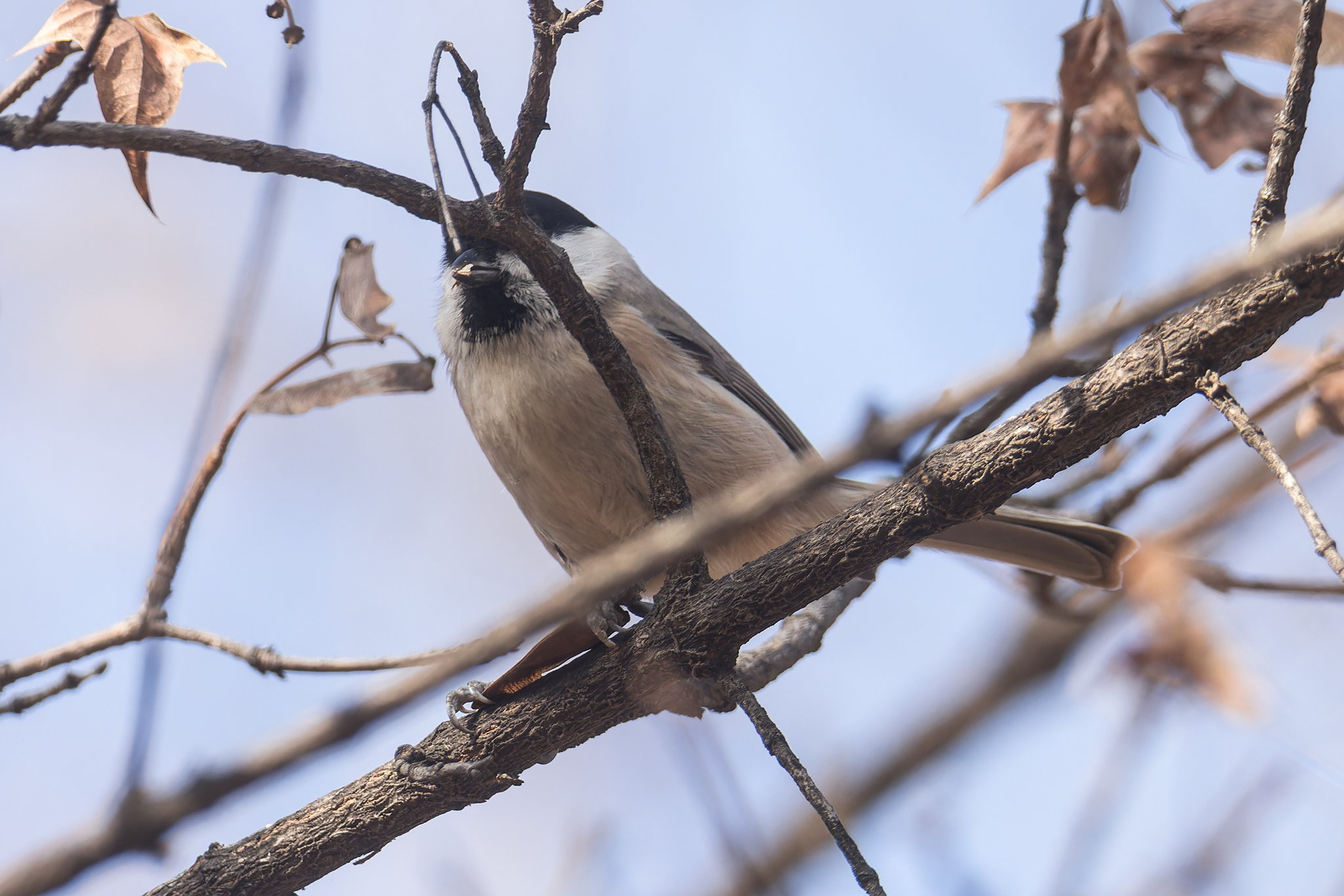
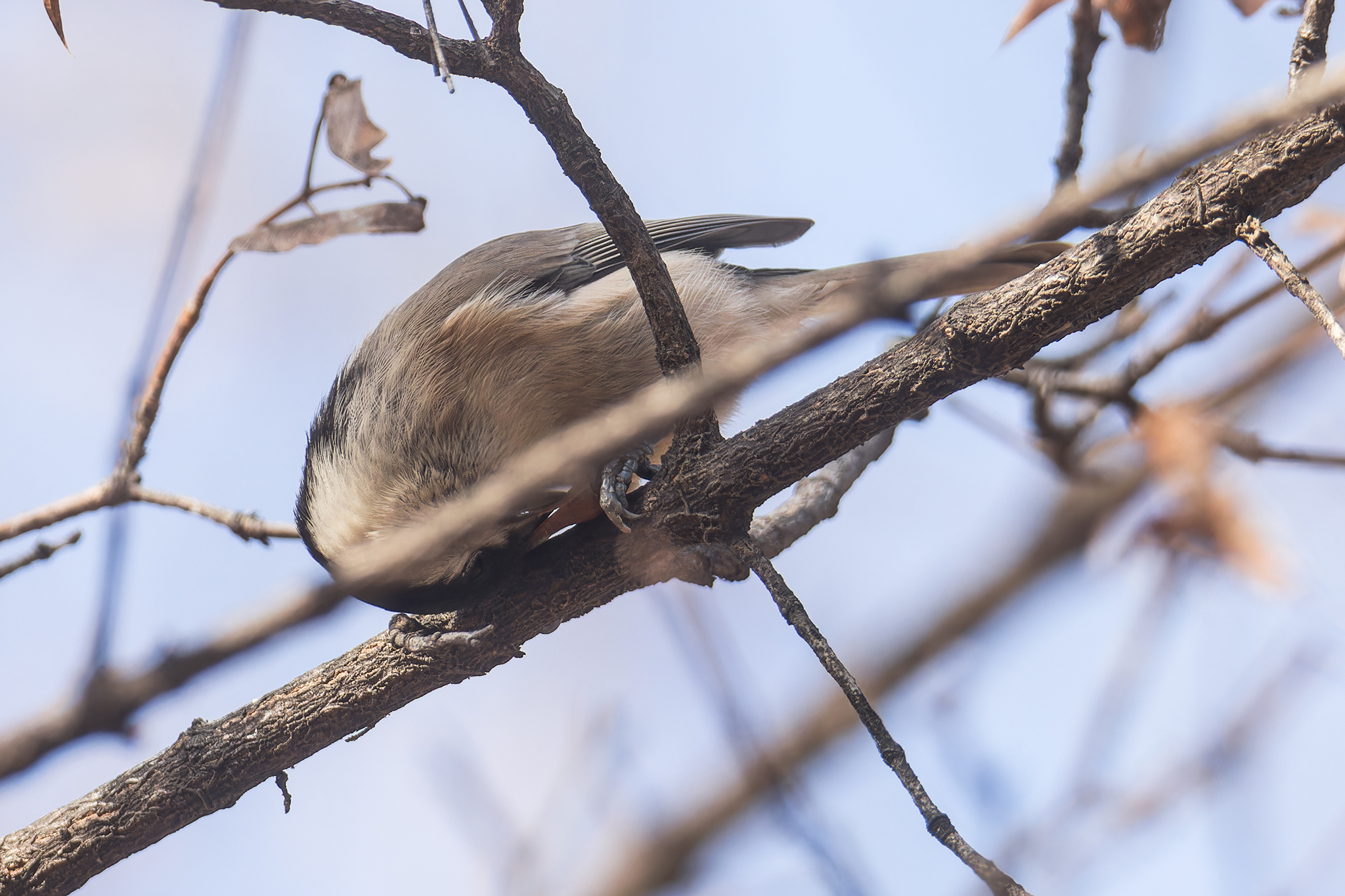
Marsh Tit
Poecile palustris · 沼泽山雀
Introduction
A Eurasian passerine in the tit family Paridae, genus Poecile. It inhabits temperate Europe and northern Asia, occurring in habitats ranging from moist broadleaved woodland to dry woodlands, parks, and gardens. The species is omnivorous and exhibits a food-storing strategy. Globally classified as Least Concern, though significant population declines have been recorded in specific regions such as the United Kingdom.
Description
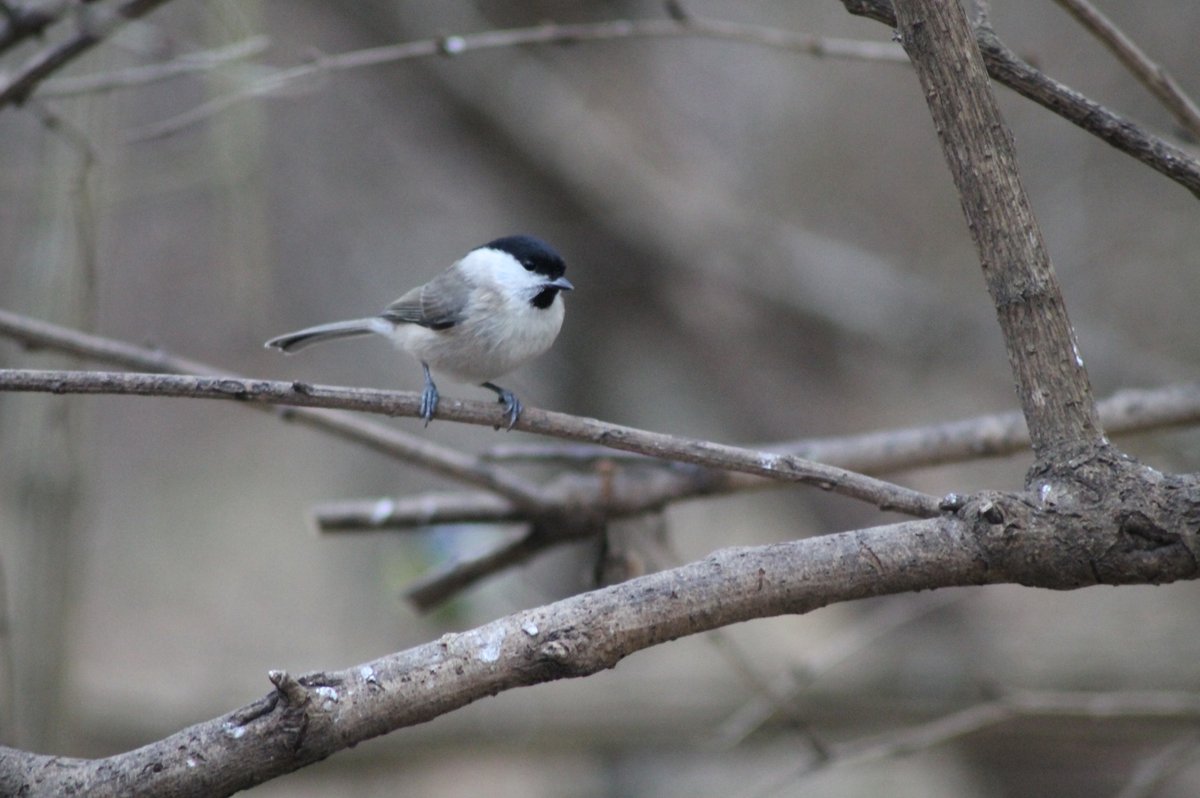
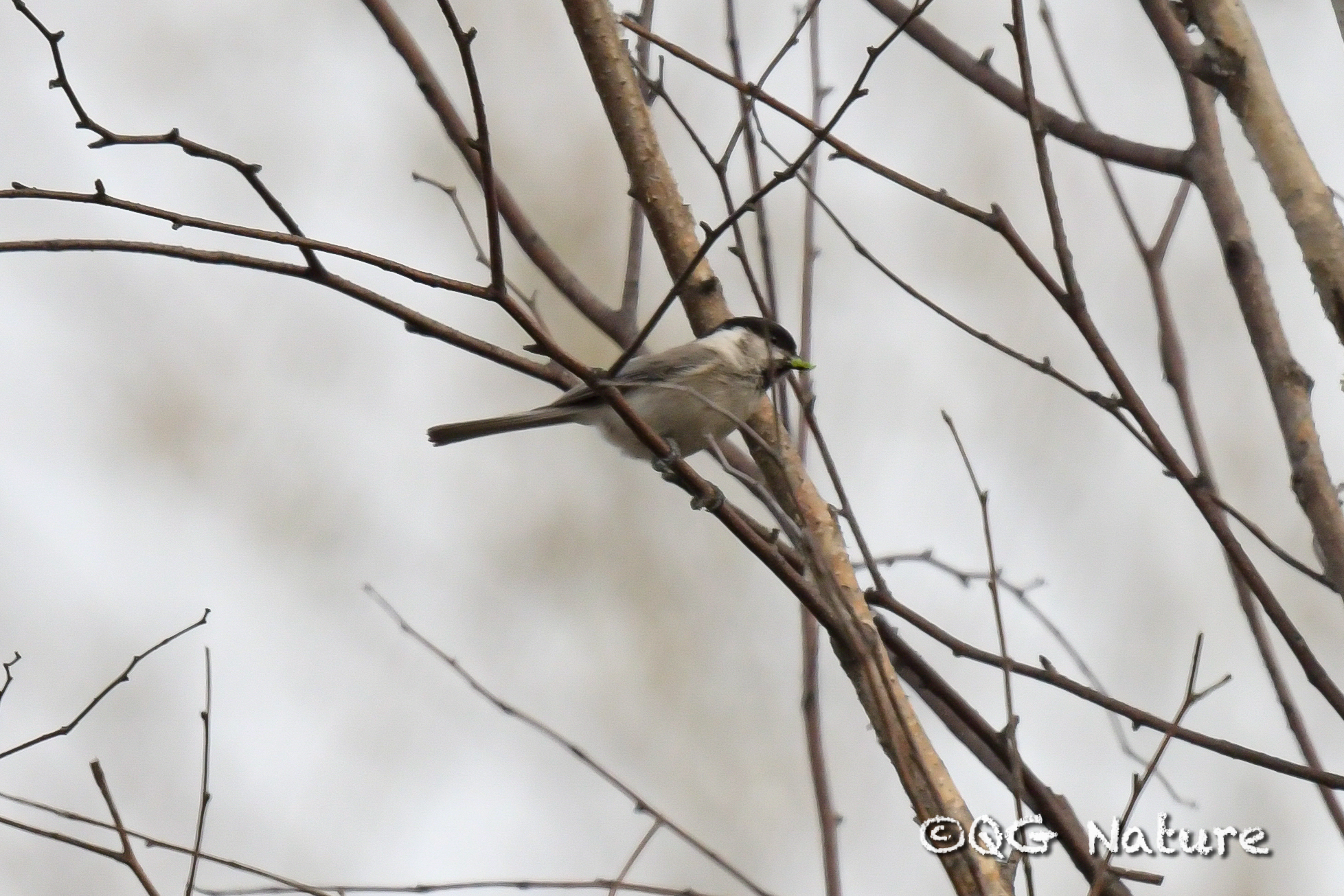
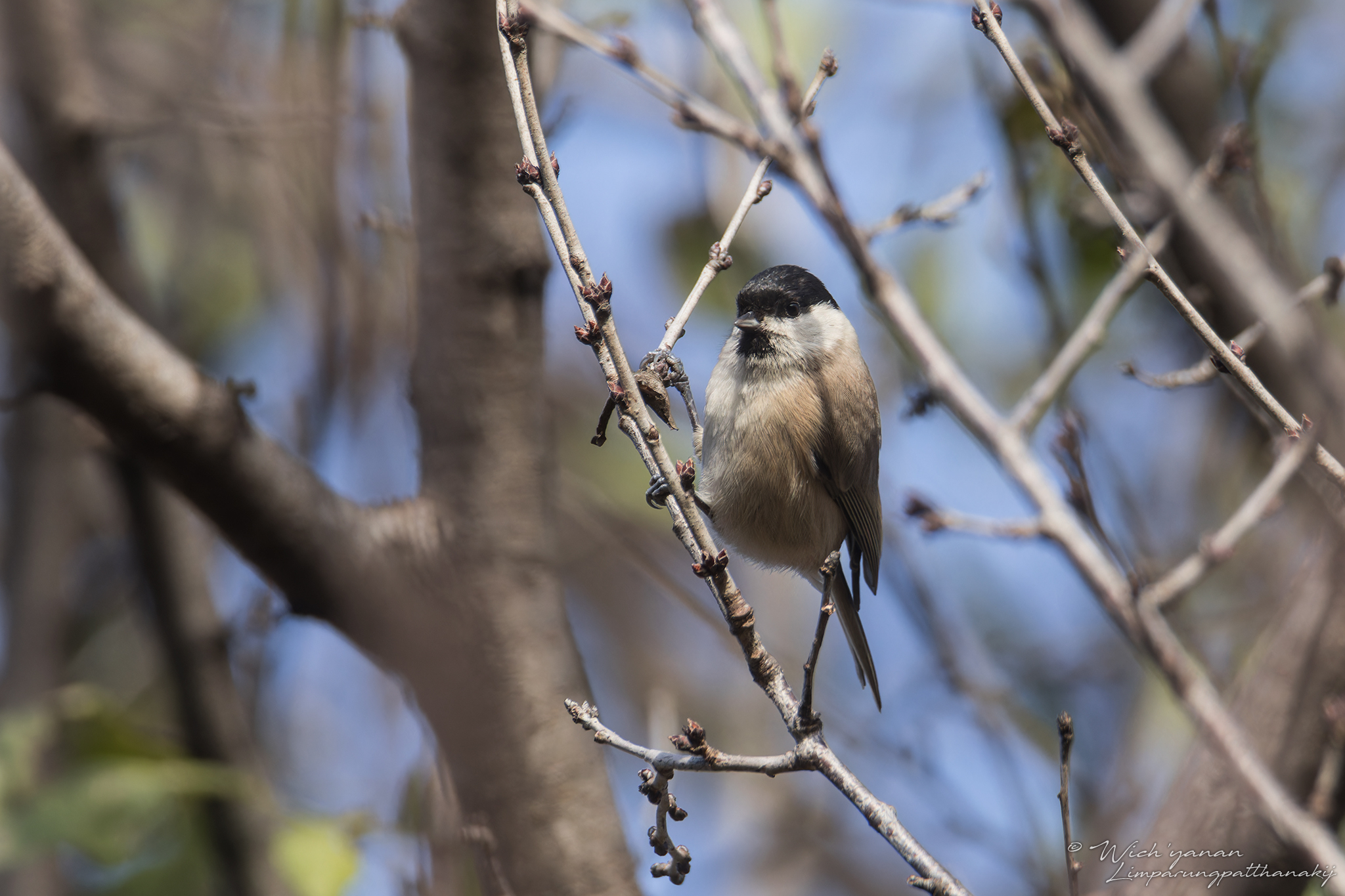
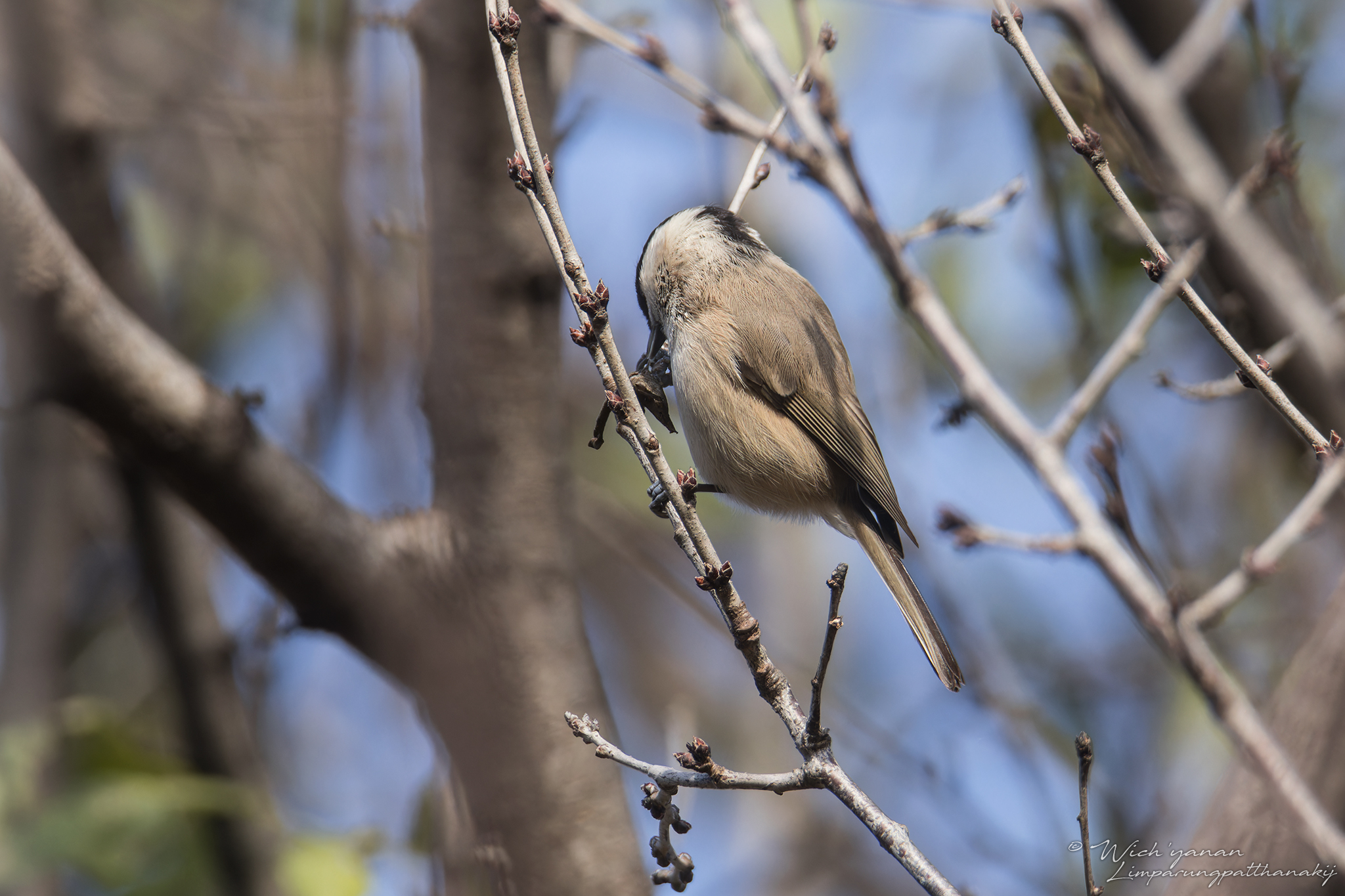
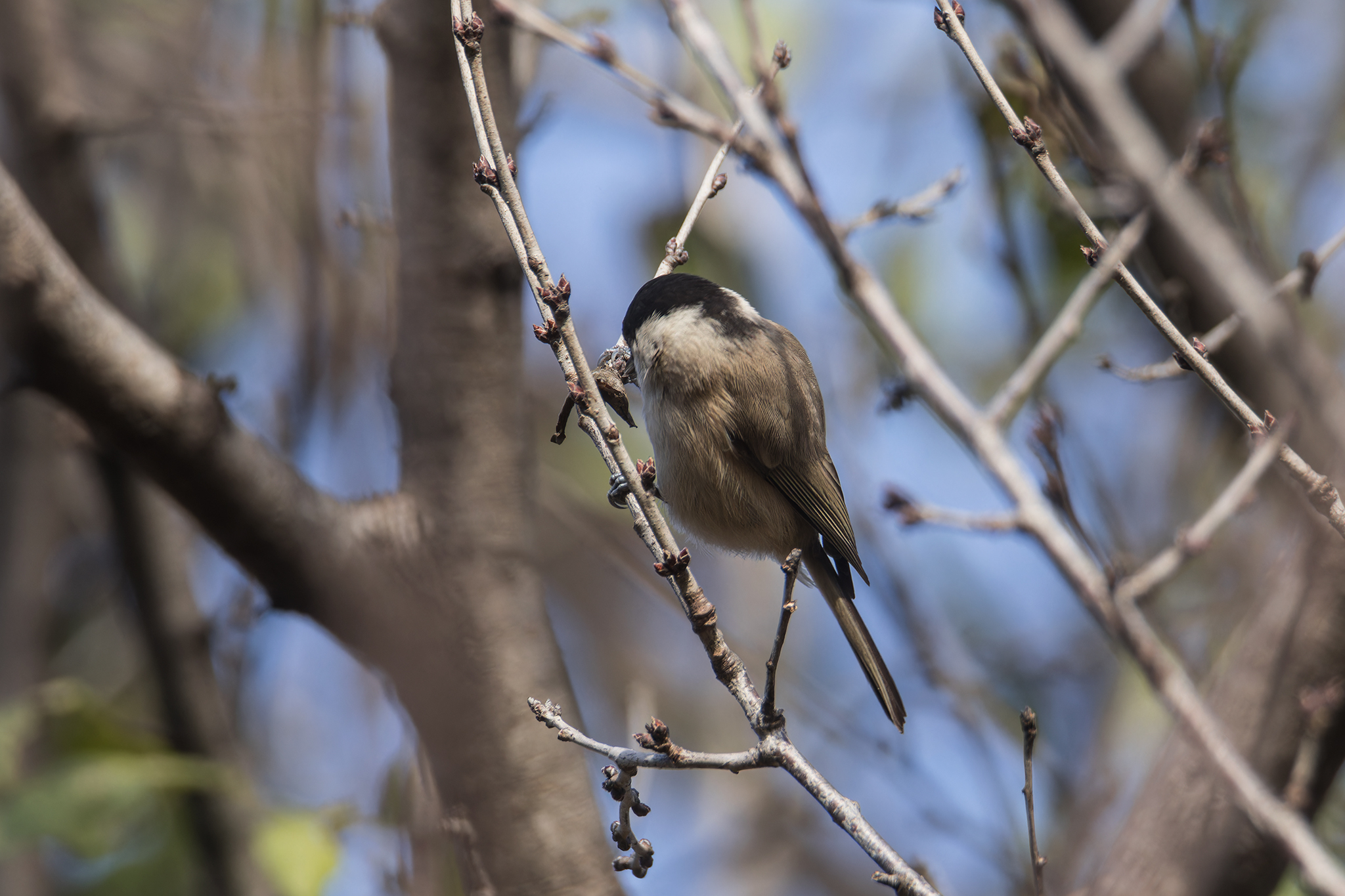
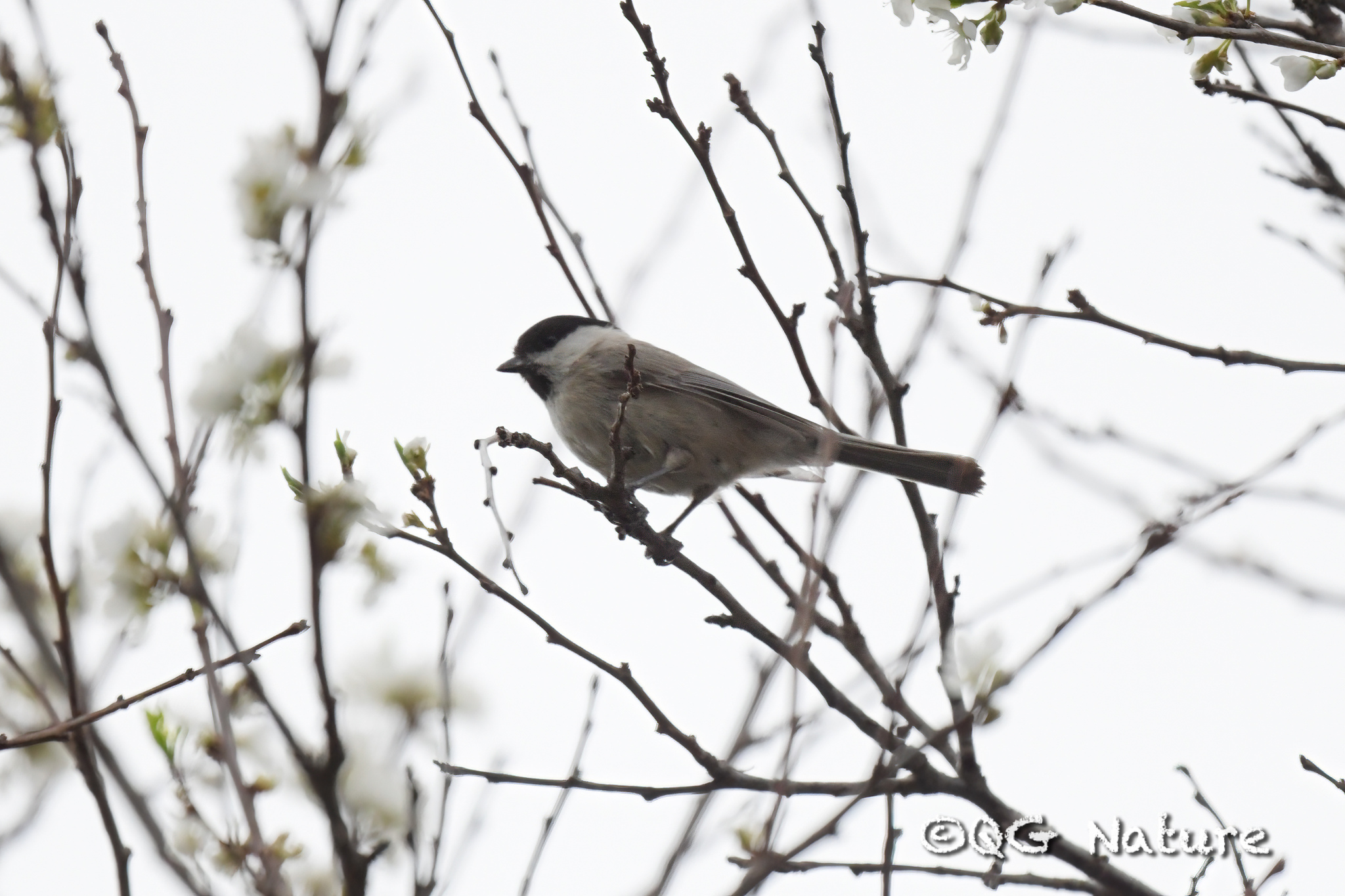
Length 11.5–12 cm (4.5–4.7 in), wingspan 19 cm (7.5 in), weight 12 g (0.42 oz). Features a black cap and nape with a blue sheen, white cheeks turning dusky brown on ear coverts, and a small black bib below the bill. Upperparts, tail, and wings are greyish-brown; underparts are off-white with a buff or brown tinge on flanks. Bill is black, legs dark grey. Juveniles have duller black caps and bibs, greyish upperparts, and paler underparts.
Identification
Distinguished from the similar willow tit by voice, specifically an explosive 'pitchou' call and varied songs like 'schip-schip-schip'. Physical markers include a glossier black cap, smaller black bib, lack of a pale wing panel (though juveniles may show one), and a smaller, shorter head with crisp markings. When handled, the pale cutting edge of the bill is a reliable diagnostic feature.
Distribution & Habitat
Range extends from northern Spain and southeastern Scotland east to western Russia, with a gap in western Asia, reappearing from the Altai Mountains to northern Japan, China, and Korea. Sedentary with short post-breeding movements; some northern populations move south in winter. Prefers lowland moist broadleaved woods (oak, beech) but occupies alder woodland, riverside trees, and orchards up to 1,300 m altitude. Requires mature trees with a shrub layer.
Behavior & Ecology
Omnivorous diet: insects and spiders in spring/summer; seeds, nuts, and berries in autumn/winter, with a preference for beechmast. Caches large numbers of seeds in leaf litter, tree stumps, and moss, relying on memory for retrieval. Monogamous, often pairing for life. Nests in existing tree holes, walls, or nestboxes, lining them with moss and hair. Clutch size 5–9 white, red-speckled eggs. Female incubates 14–16 days; chicks fledge after 18–21 days.
Conservation
Globally classified as Least Concern with a European population of 6.1–12 million. However, UK numbers declined by more than 50% between the 1970s and 2007, placing it on the UK Red List. Declines are linked to low survival rates and reduced woodland structural diversity, particularly damage to the shrub layer caused by deer browsing.
Source: Wikipedia · CC BY-SA 3.0
Taxonomy
- Order
- Passeriformes
- Family
- Paridae
- Genus
- Poecile
Subspecies (10)
-
Poecile palustris brevirostris
Siberia to Mongolia, northeastern China, and Korea
Data Sources
Species description from Wikipedia, licensed under CC BY-SA 3.0.
Bird images and sounds sourced from GBIF, contributed by citizen scientists worldwide under Creative Commons licenses.
Taxonomy data from AviList 2025.