Passeriformes / Paridae / Poecile
Willow Tit
Poecile montanus · 褐头山雀
Introduction
A passerine bird in the tit family, Paridae. It is a widespread and common resident breeder throughout temperate and subarctic Europe and across the Palearctic. It is more of a conifer specialist than closely related species, which explains its breeding range extending much farther north. Most birds are resident and do not migrate.
Description
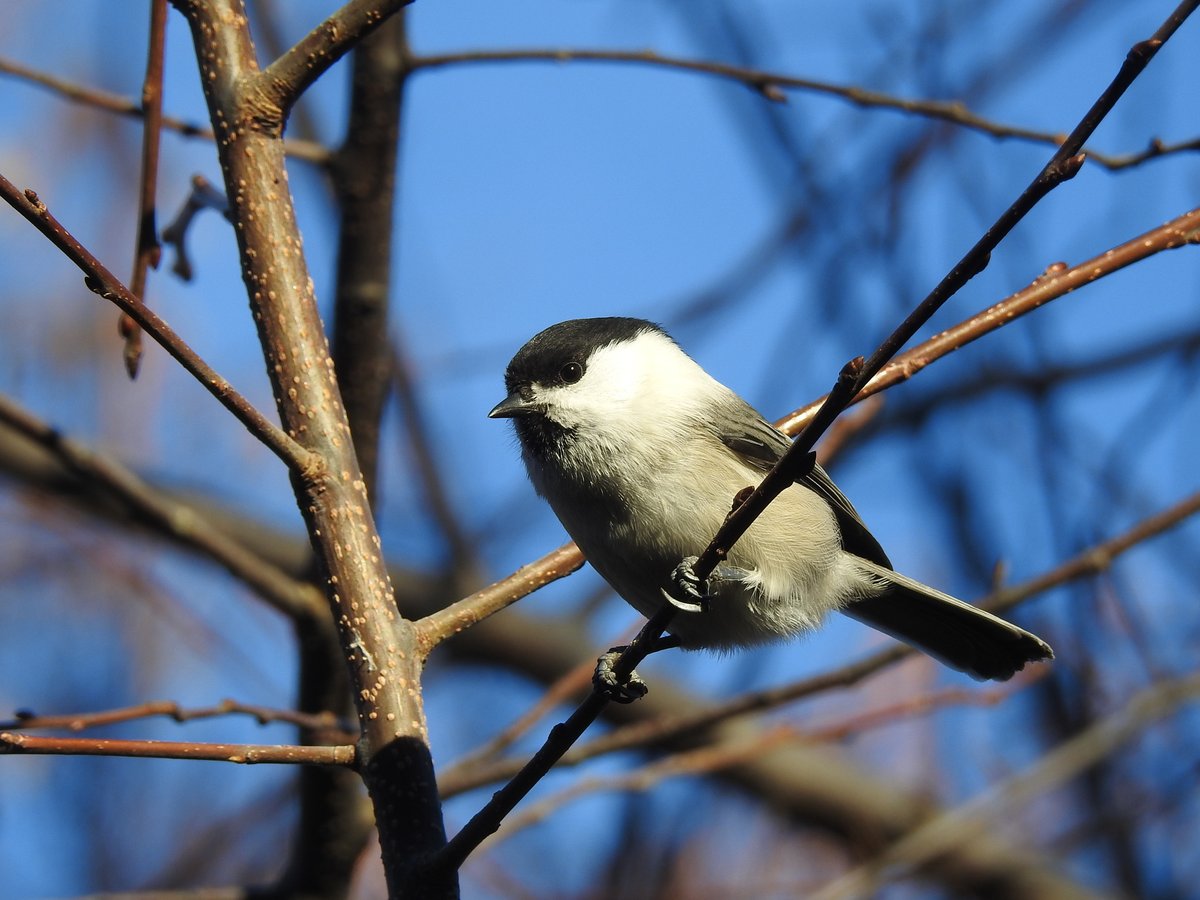
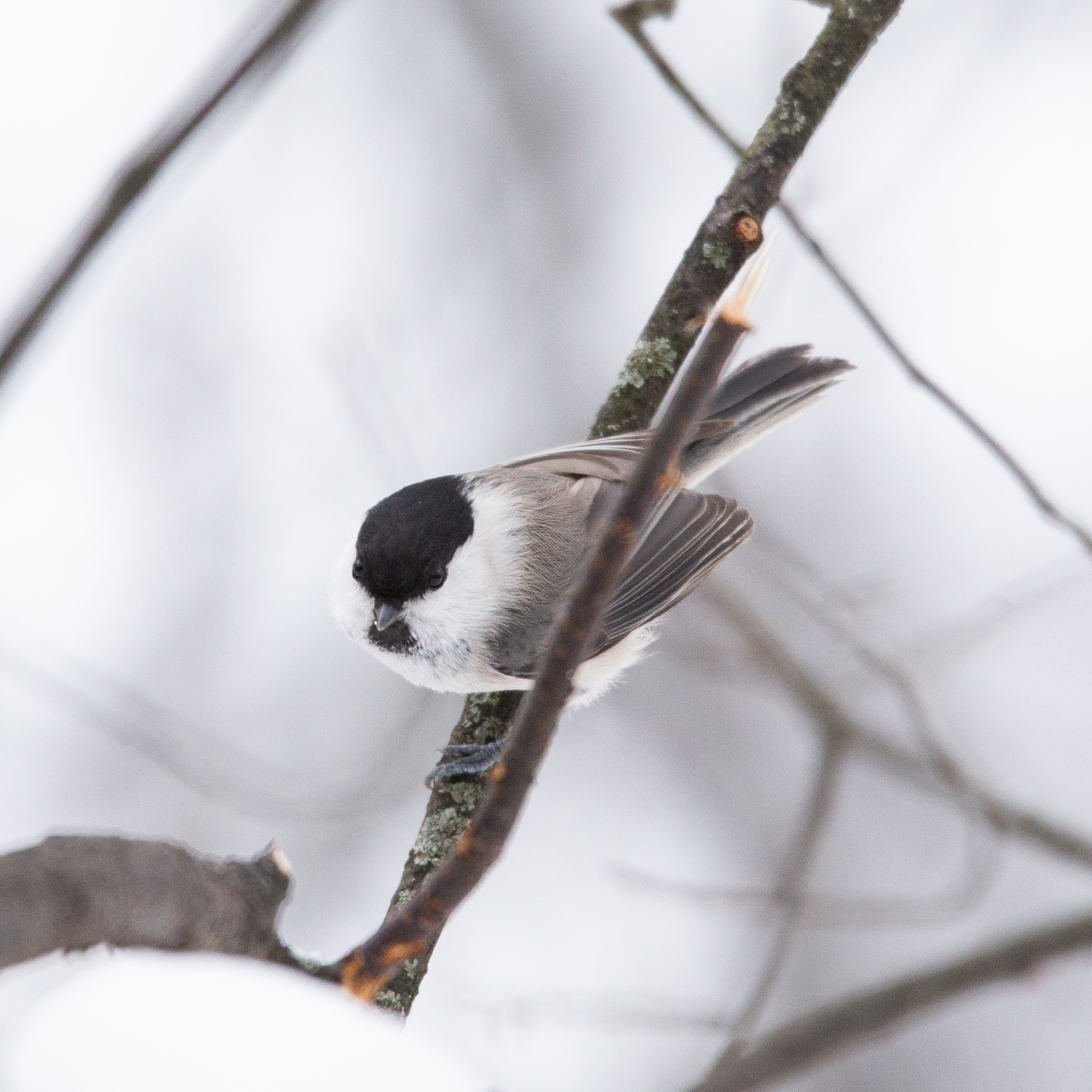
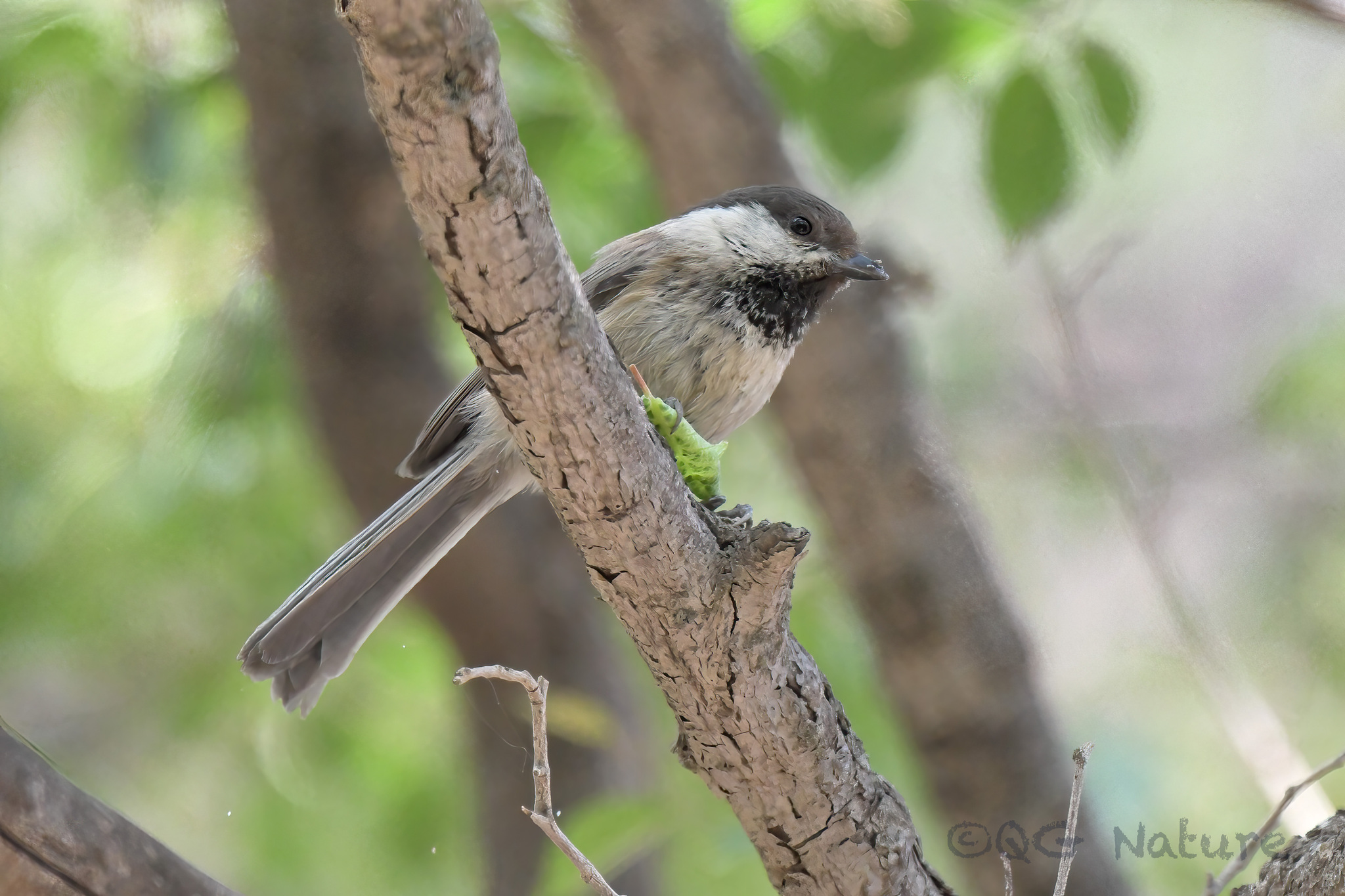
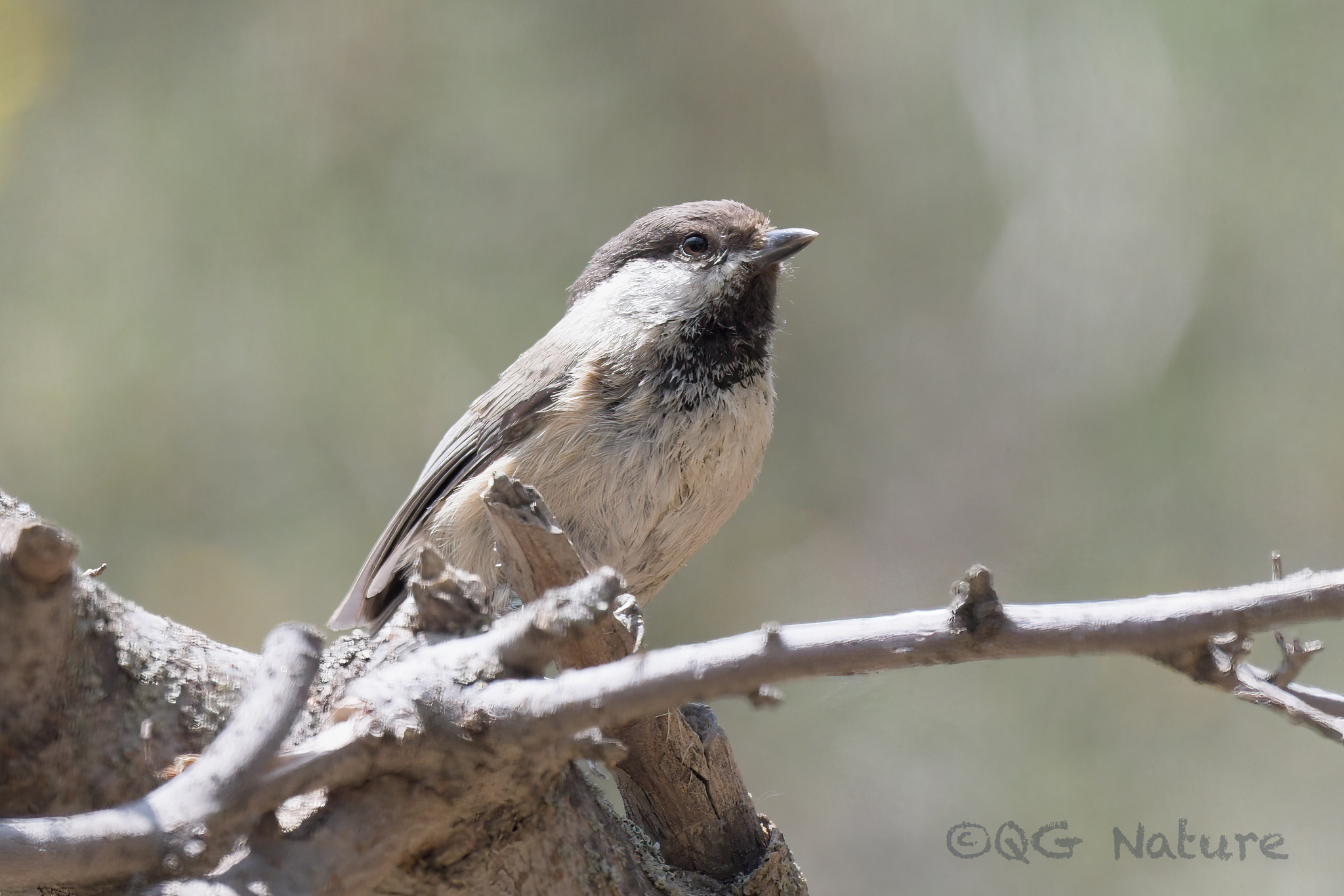
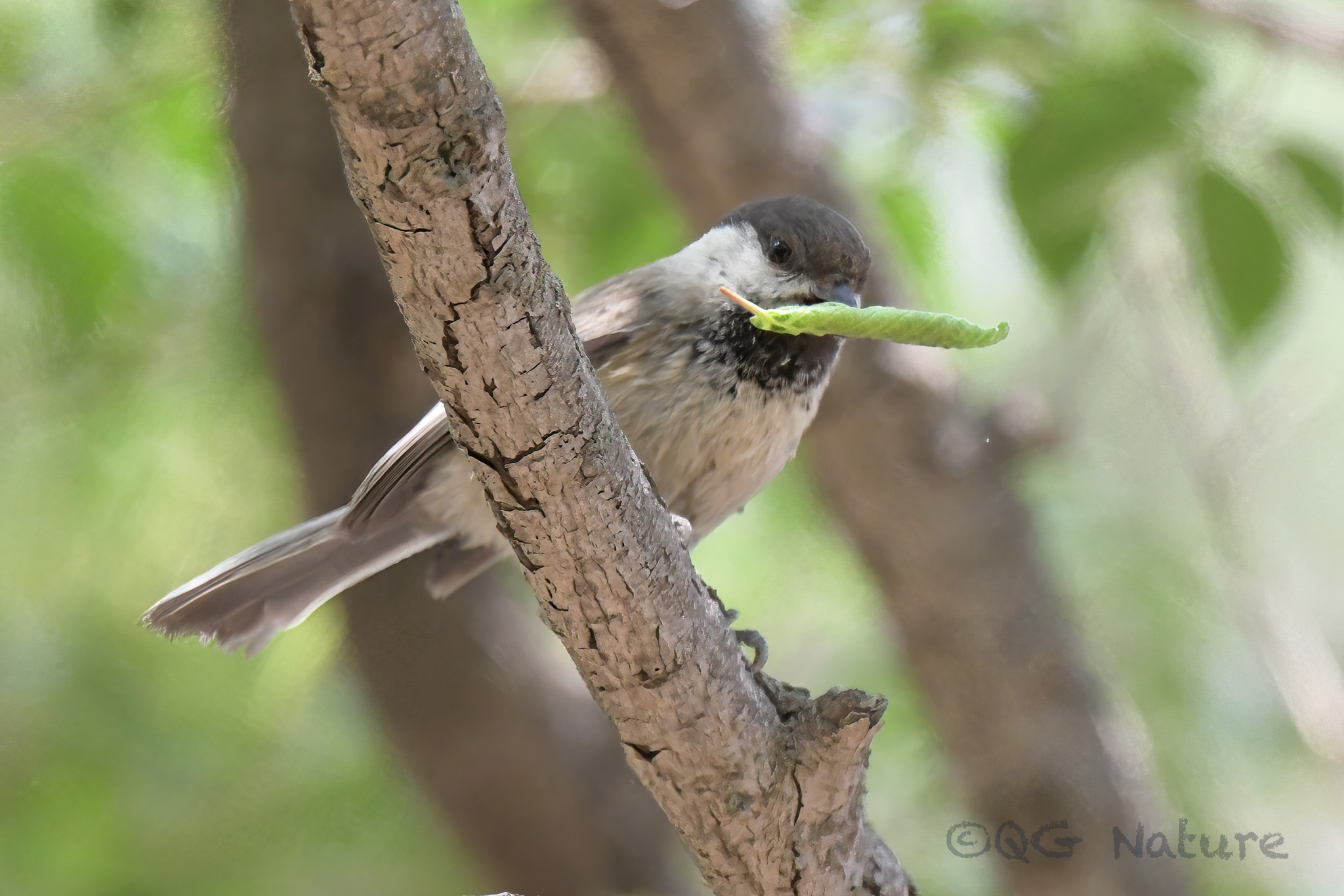
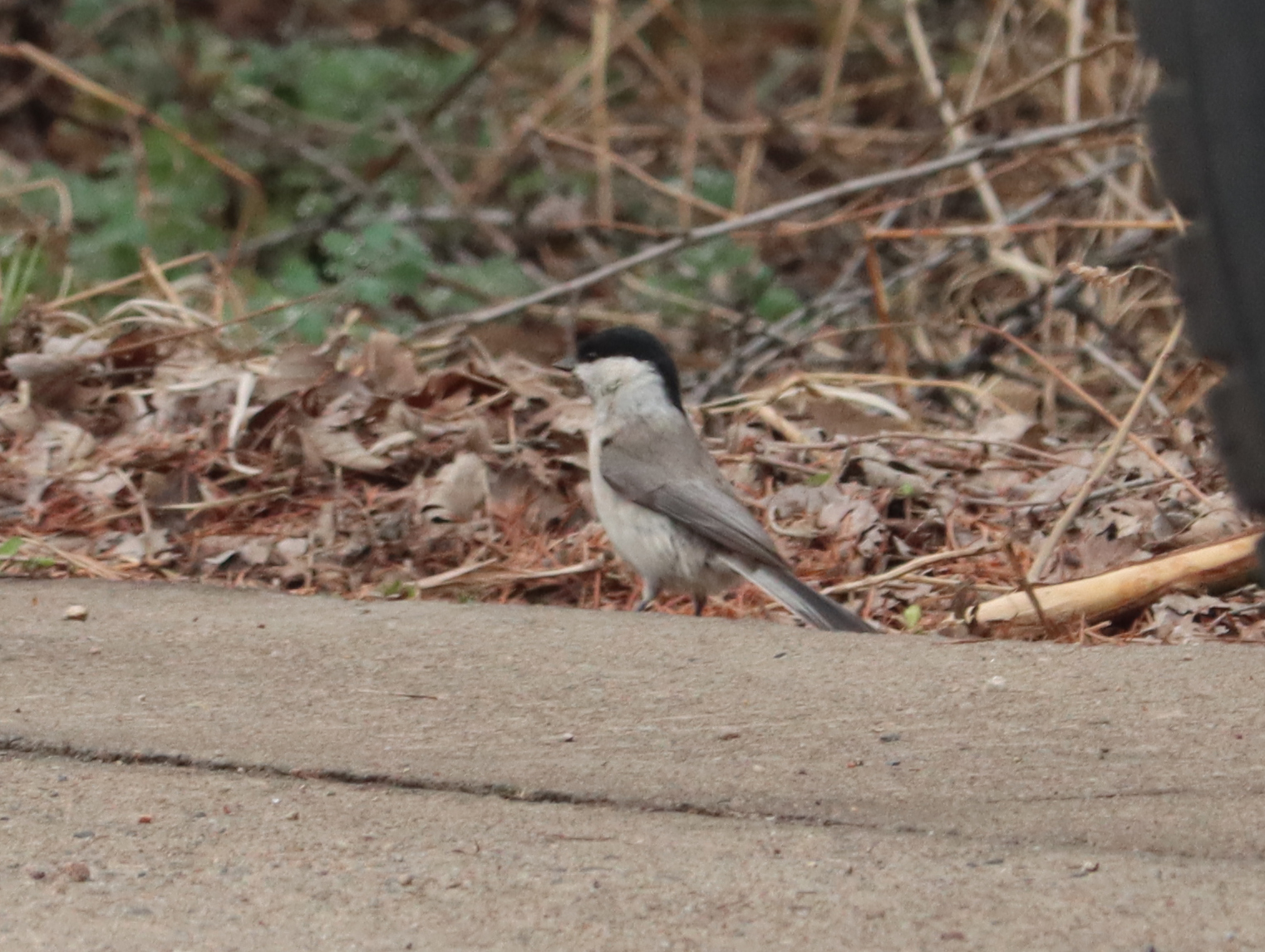
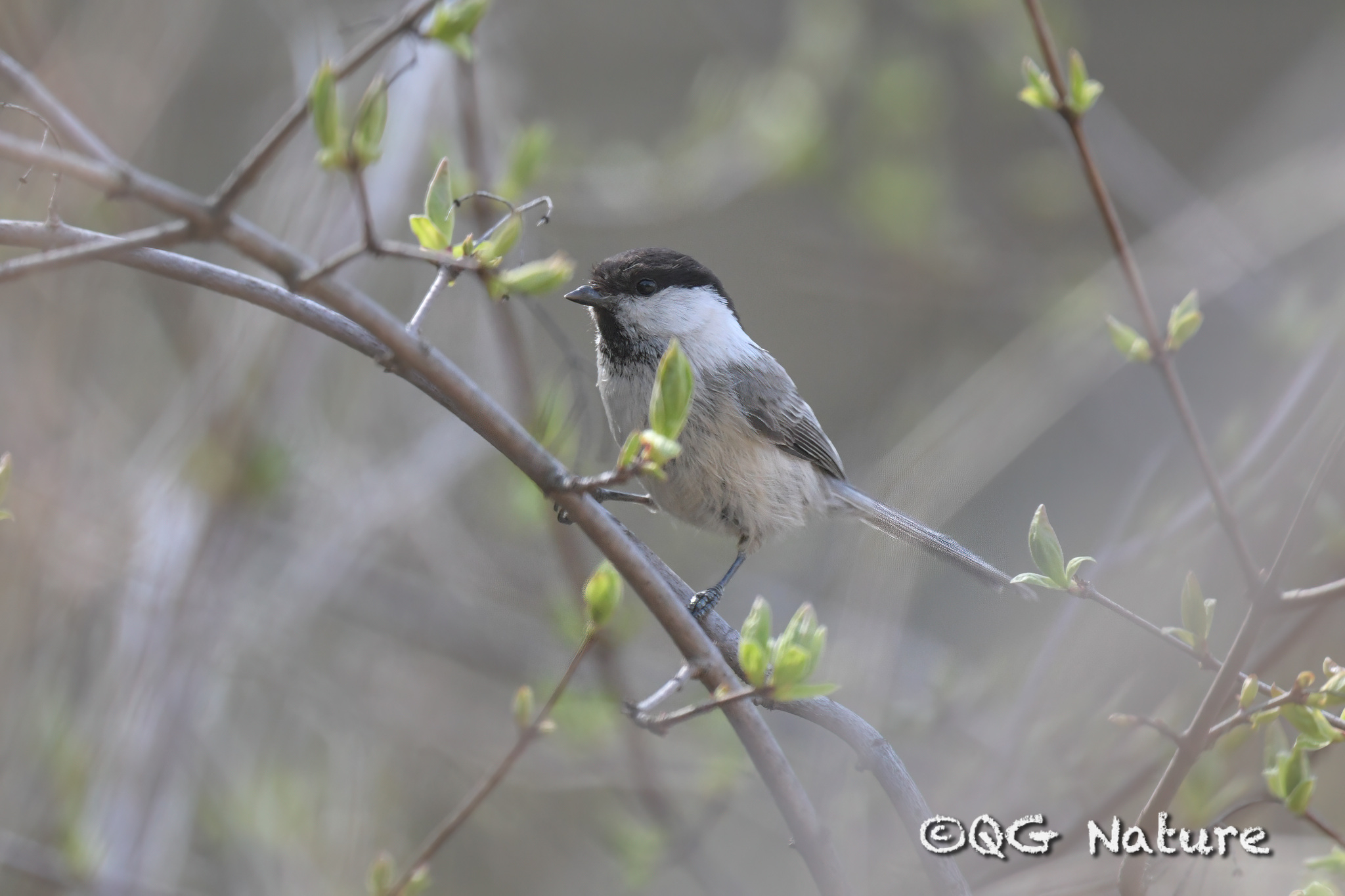
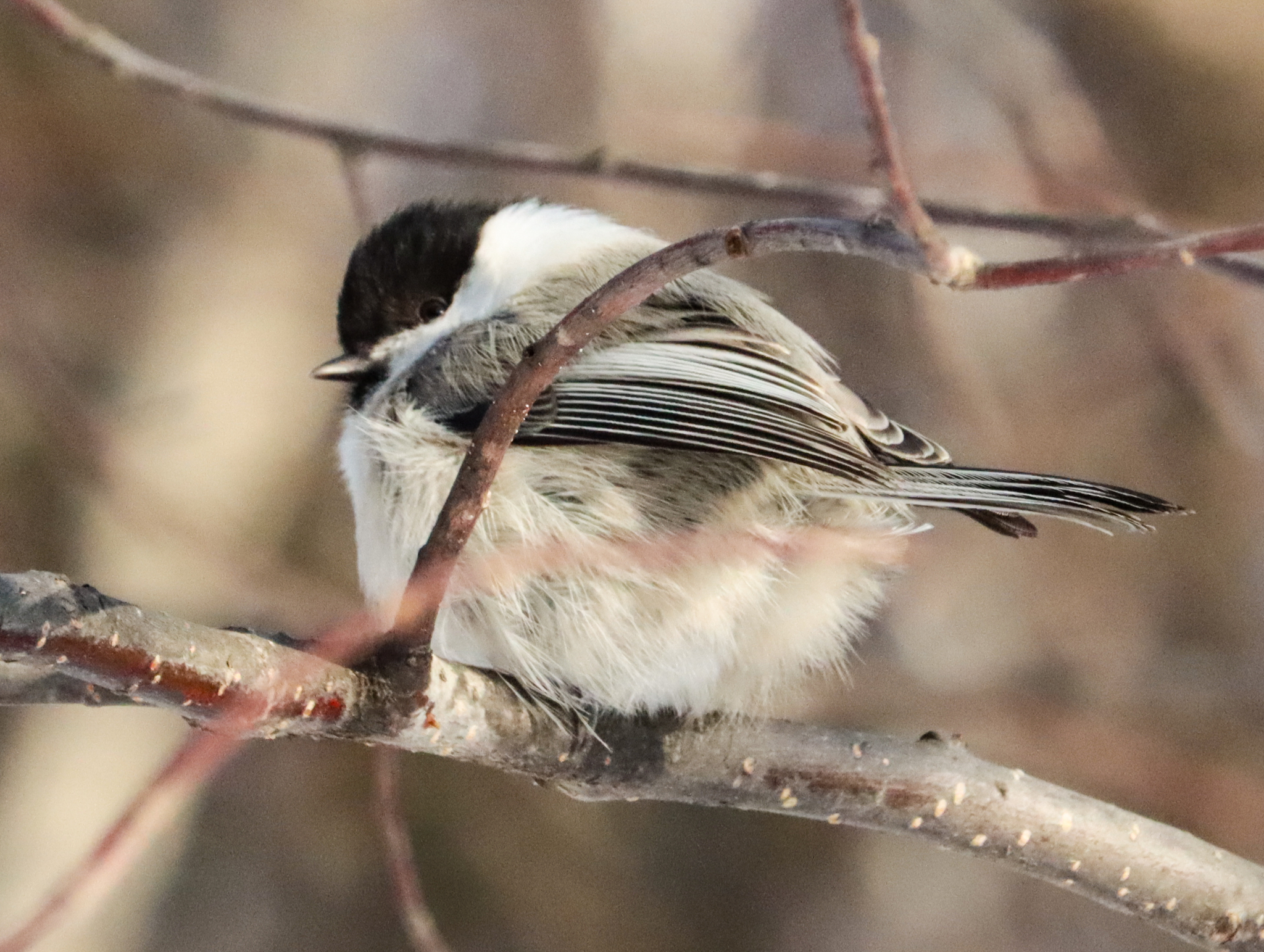
Length is 11.5 cm (4.5 in), wingspan is 17–20.5 cm (6.7–8.1 in), and weight is around 11 g (0.39 oz). It has a large head, a thin bill, a long dull black cap that descends to the mantle, and a black bib. The sides of the face are white, the back is grey-brown, and the underparts are buff. The sexes are similar in appearance. In the east of its range, it is much paler than similar species; western races are increasingly similar. It is distinguished by a sooty brown rather than glossy blue-black cap, buff underparts, and distinctly rufous flanks. Pale buff edgings to the secondaries form a light patch on the closed wing.
Identification
Distinguished from similar species by a sooty brown cap instead of glossy blue-black, buff underparts, and rufous flanks. A light patch formed by pale buff edgings to the secondaries is visible on the closed wing. The commonest call is a nasal zee, zee, zee, though notes vary considerably. Occasionally, a double note, ipsee, ipsee, is repeated four or five times.
Distribution & Habitat
Widespread resident breeder throughout temperate and subarctic Europe and across the Palearctic. There are 14 recognised subspecies with ranges including Britain, northwest France to west Germany, southeast France to Greece, Germany and west Poland to Austria, Scandinavia south to Ukraine, southeast European Russia to Kazakhstan, central east Siberia to north Korea, northeast Siberia, Kamchatka Peninsula and north Kuril Islands, Sakhalin and south Kuril Islands, Japan, southeast Kazakhstan to northwest China, central north China, and northeast China.
Behavior & Ecology
Excavates its own nesting hole, even piercing hard bark, usually in a rotten stump or decayed tree. Nests are cups of felted material such as fur, hair, and wood chips, sometimes using feathers. The clutch is typically between six and nine white eggs marked with red-brown speckles and spots, measuring around 15.8 mm × 12.3 mm and weighing 1.2 g. Eggs are incubated by the female alone for 13–15 days. Both parents care for and feed the chicks, but only the female broods them. Nestlings fledge after 17–20 days. Only a single brood is raised each season. Juvenile first-year survival rate is 0.58, and adult annual survival rate is 0.64. Typical lifespan for survivors is three years, with a maximum recorded age of 11 years. Feeds on insects, caterpillars, and seeds. Parasitised by the moorhen flea.
Conservation
Classed as of least-concern by the International Union for Conservation of Nature. The estimated population is between 175 and 253 million mature individuals. The population appears to be slowly decreasing but not rapidly enough to approach vulnerability thresholds. In the United Kingdom, numbers declined by 83% between 1995 and 2017, with a contraction in range. This rapid decline is attributed to habitat loss, competition for nest holes particularly from blue tits, and nest predation by the great spotted woodpecker, whose numbers increased fourfold over the same period.
Source: Wikipedia · CC BY-SA 3.0
Taxonomy
- Order
- Passeriformes
- Family
- Paridae
- Genus
- Poecile
Taxonomy Changes
Parus montanus → Poecile montanus
Genus transfer — GBIF Backbone Taxonomy uses the former name; AviList 2025 uses the current name.
Subspecies (14)
-
Poecile montanus affinis
north-central China (Ningxia to southern Gansu and northeastern Qinghai)
Data Sources
Species description from Wikipedia, licensed under CC BY-SA 3.0.
Bird images and sounds sourced from GBIF, contributed by citizen scientists worldwide under Creative Commons licenses.
Taxonomy data from AviList 2025.