Podicipediformes / Podicipedidae / Podiceps
Great Crested Grebe
Podiceps cristatus · 凤头䴙䴘
Introduction
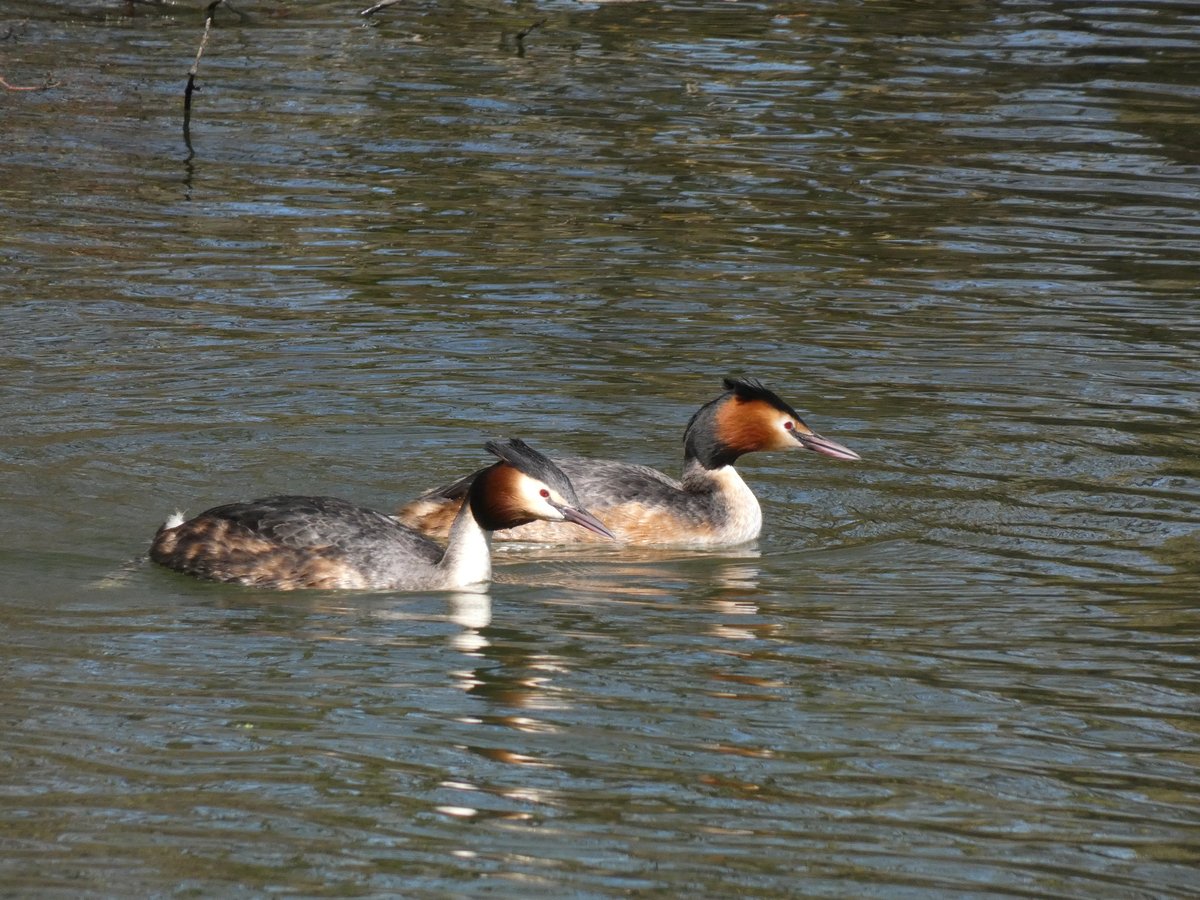
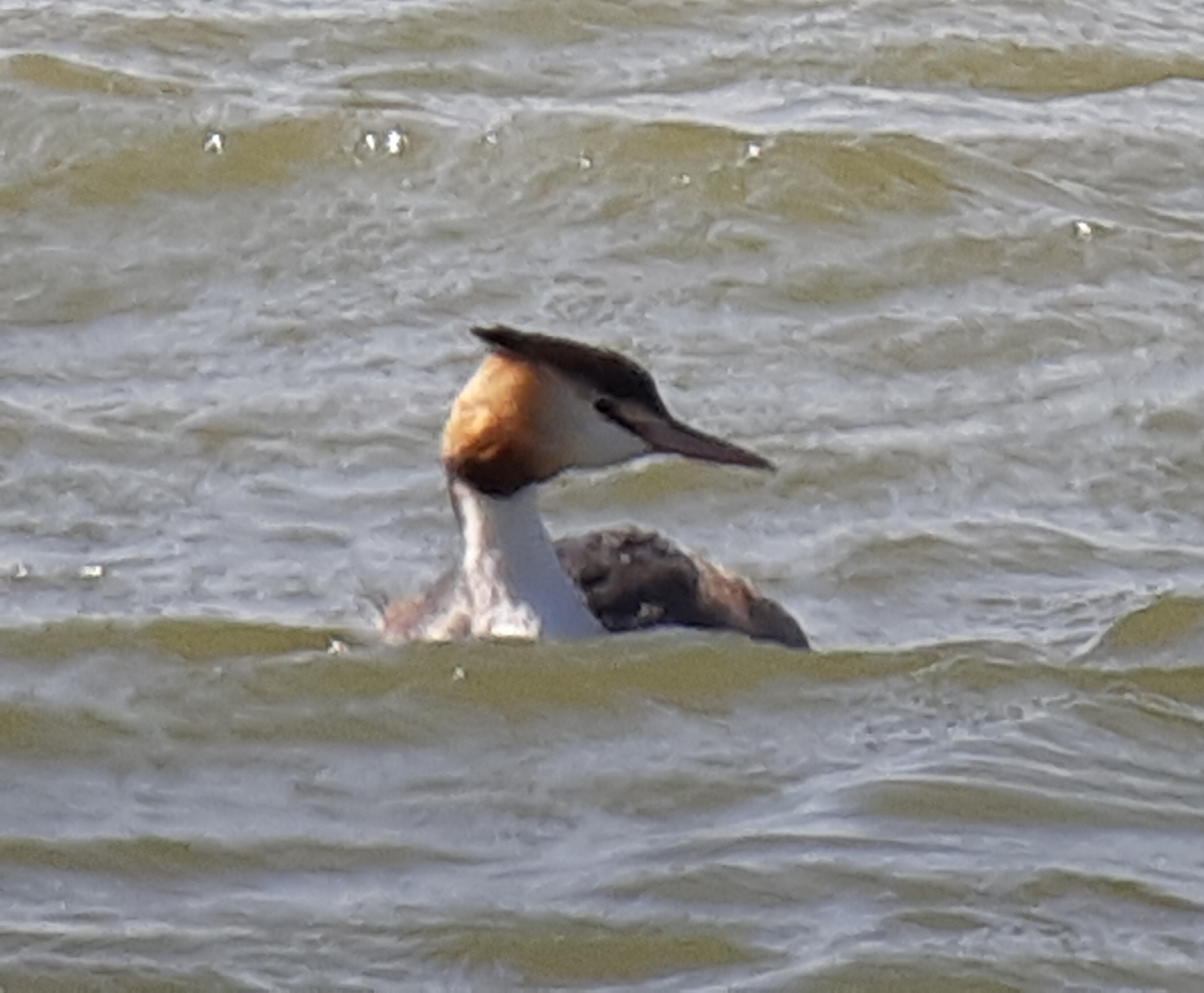
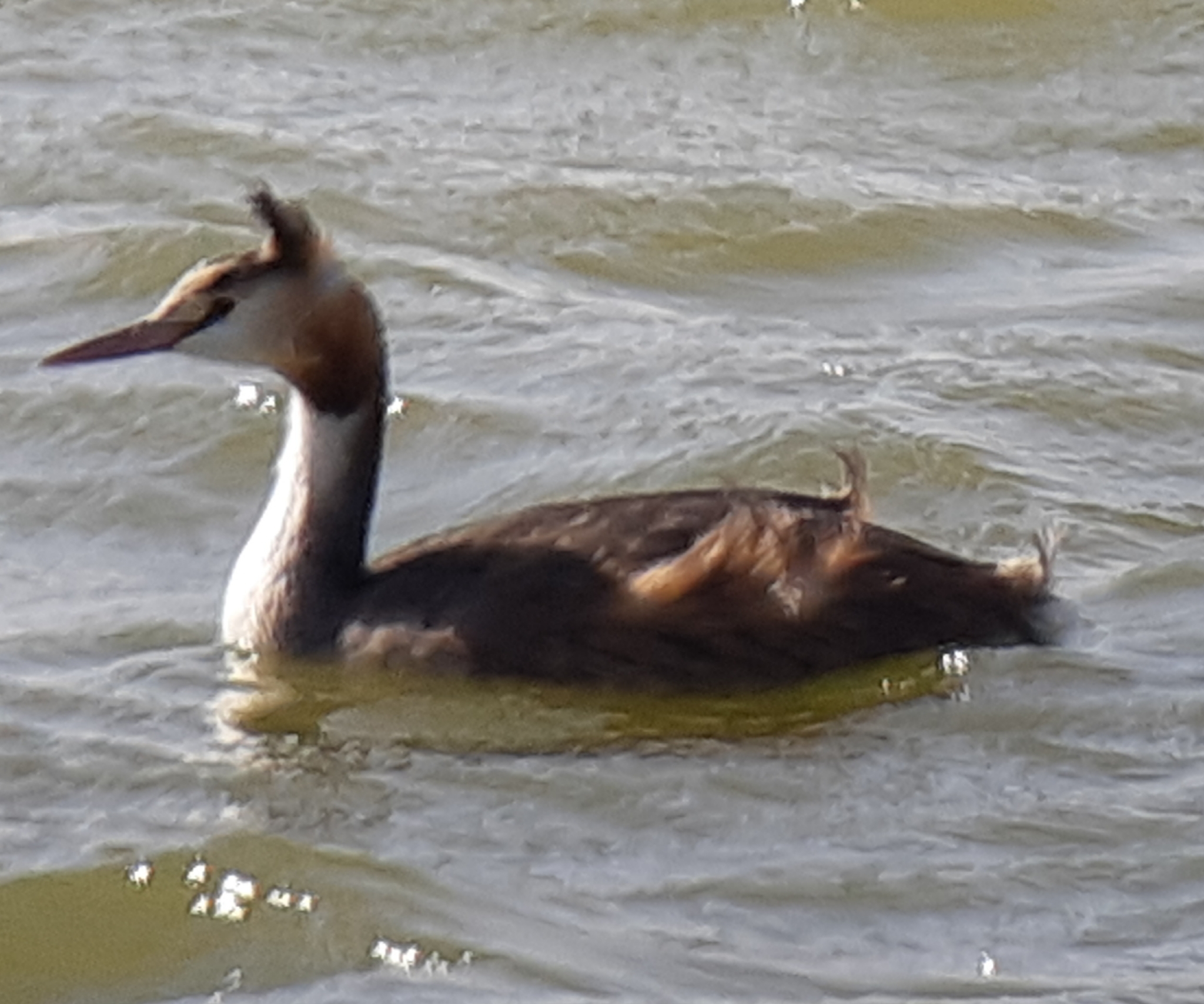
Member of the grebe family of water birds and the type species of the genus Podiceps. Characterized by striking black, orange-brown, and white plumage and elaborate courtship displays involving synchronized dances. Breeds in vegetated areas of freshwater lakes.
Description
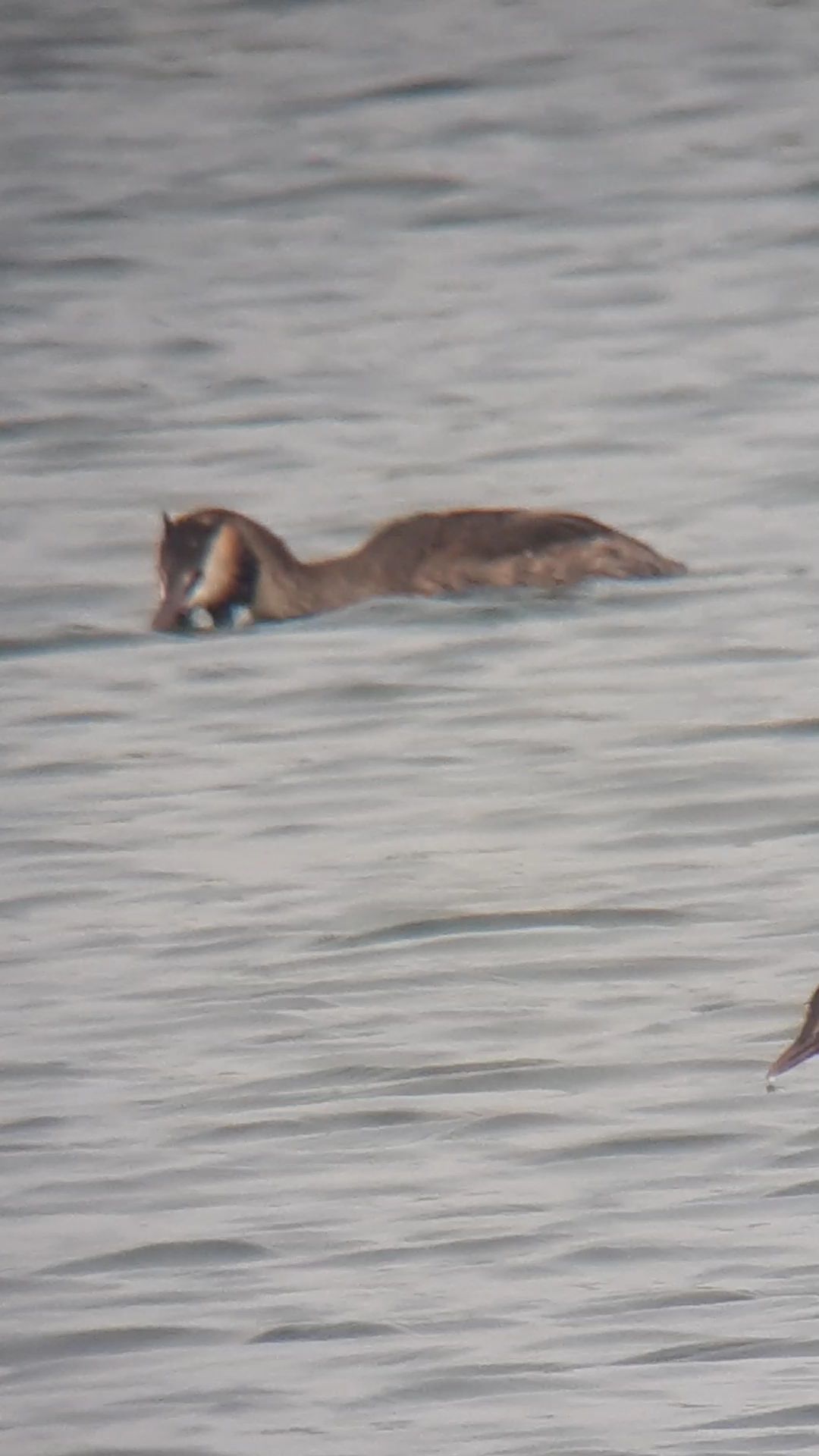
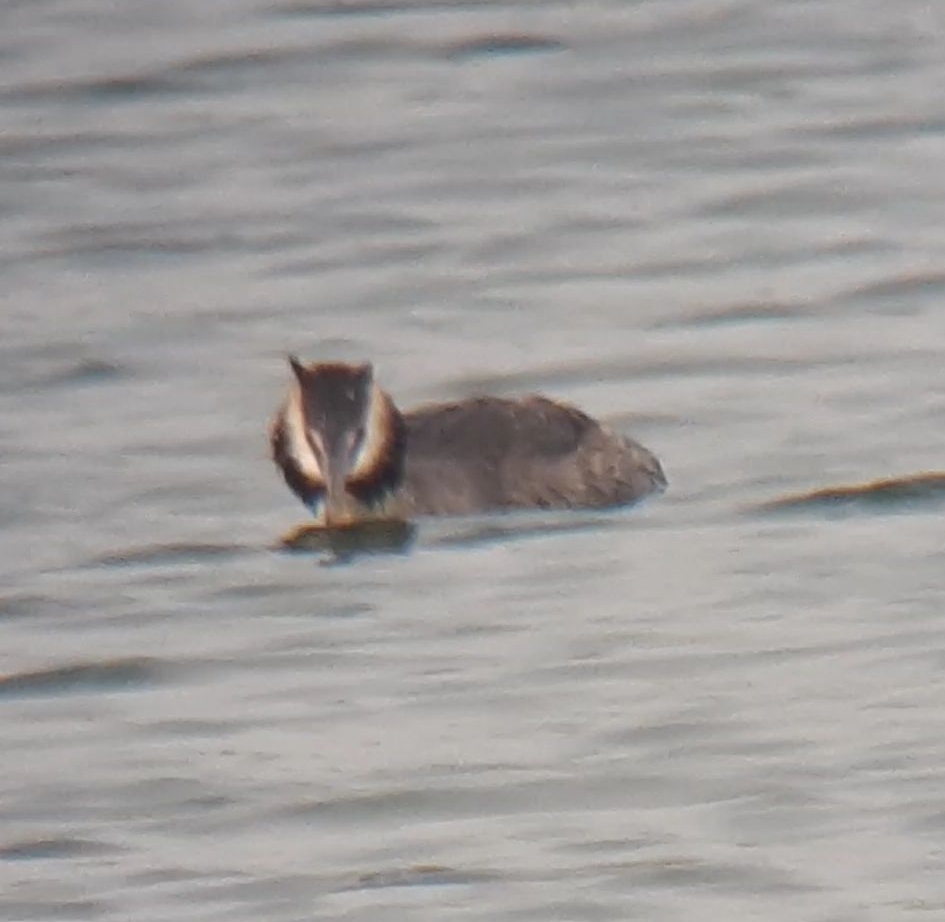
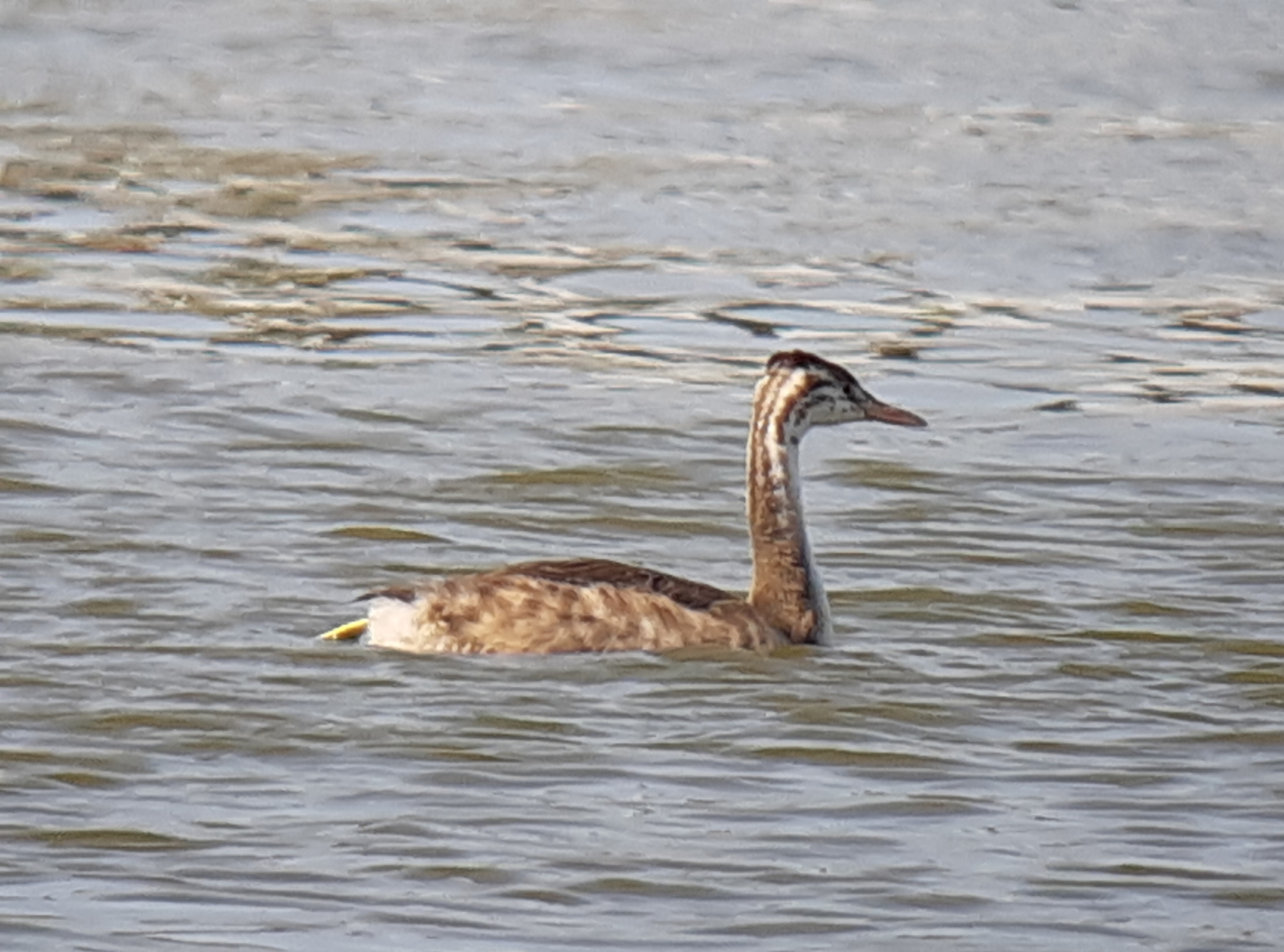
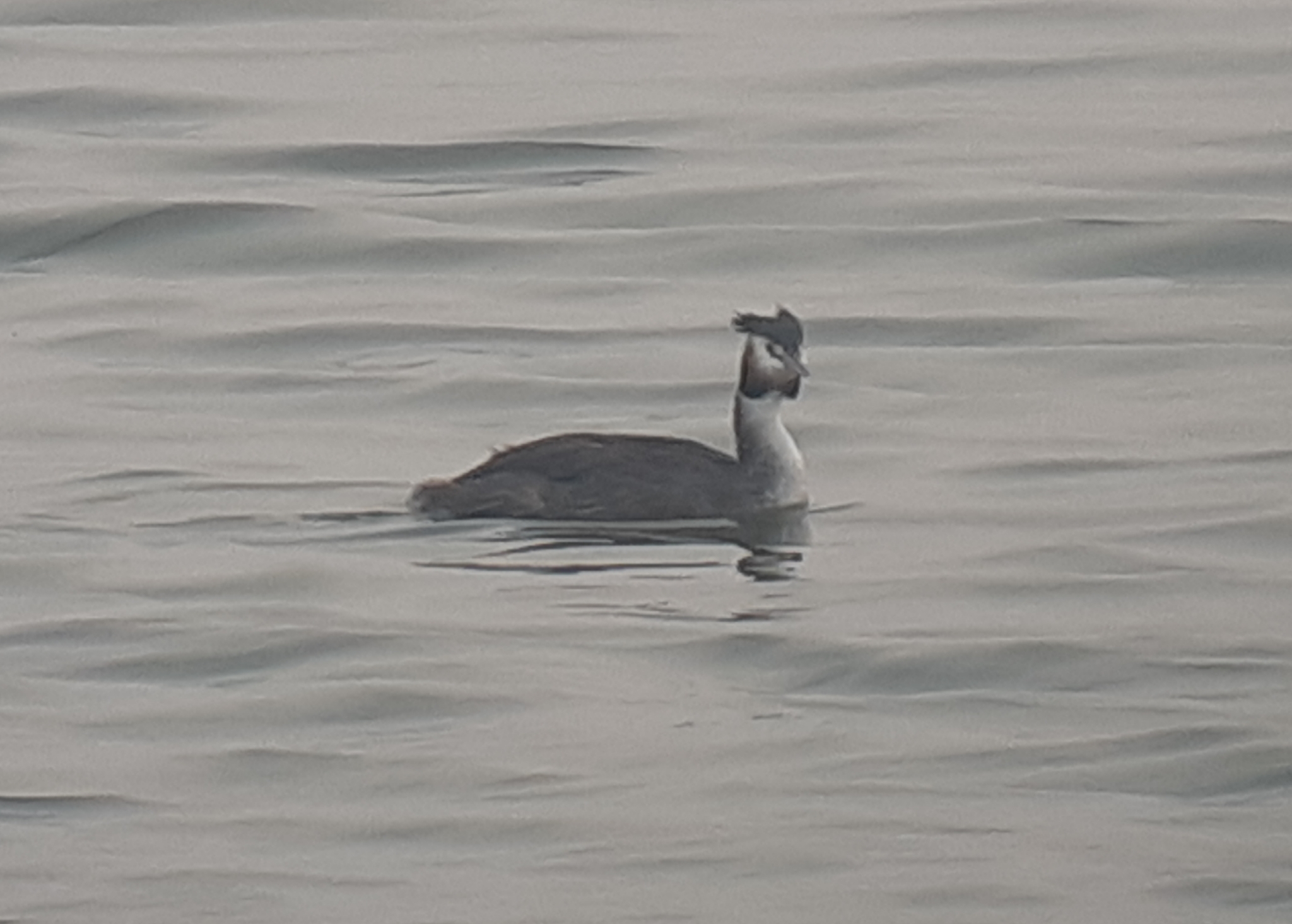
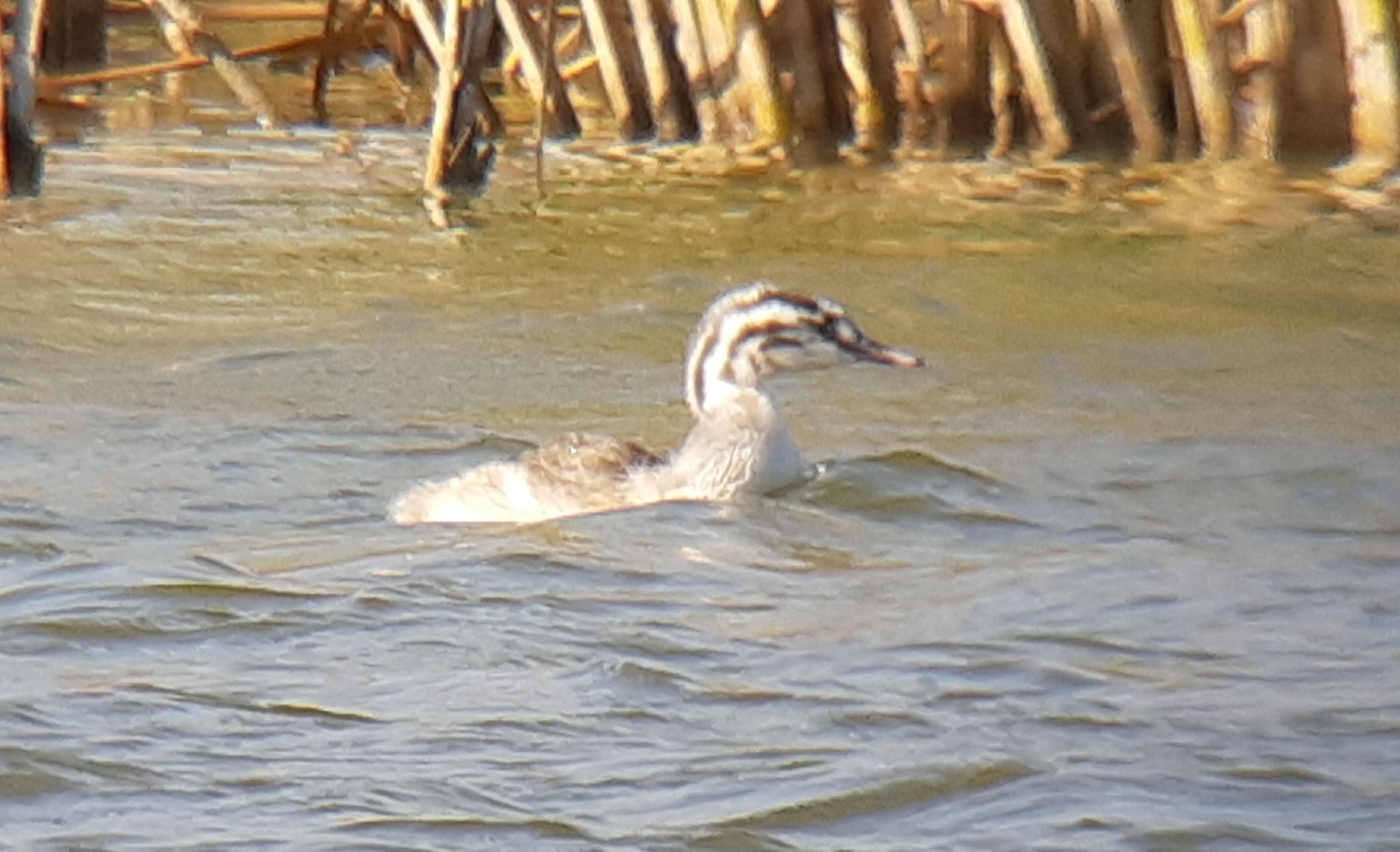
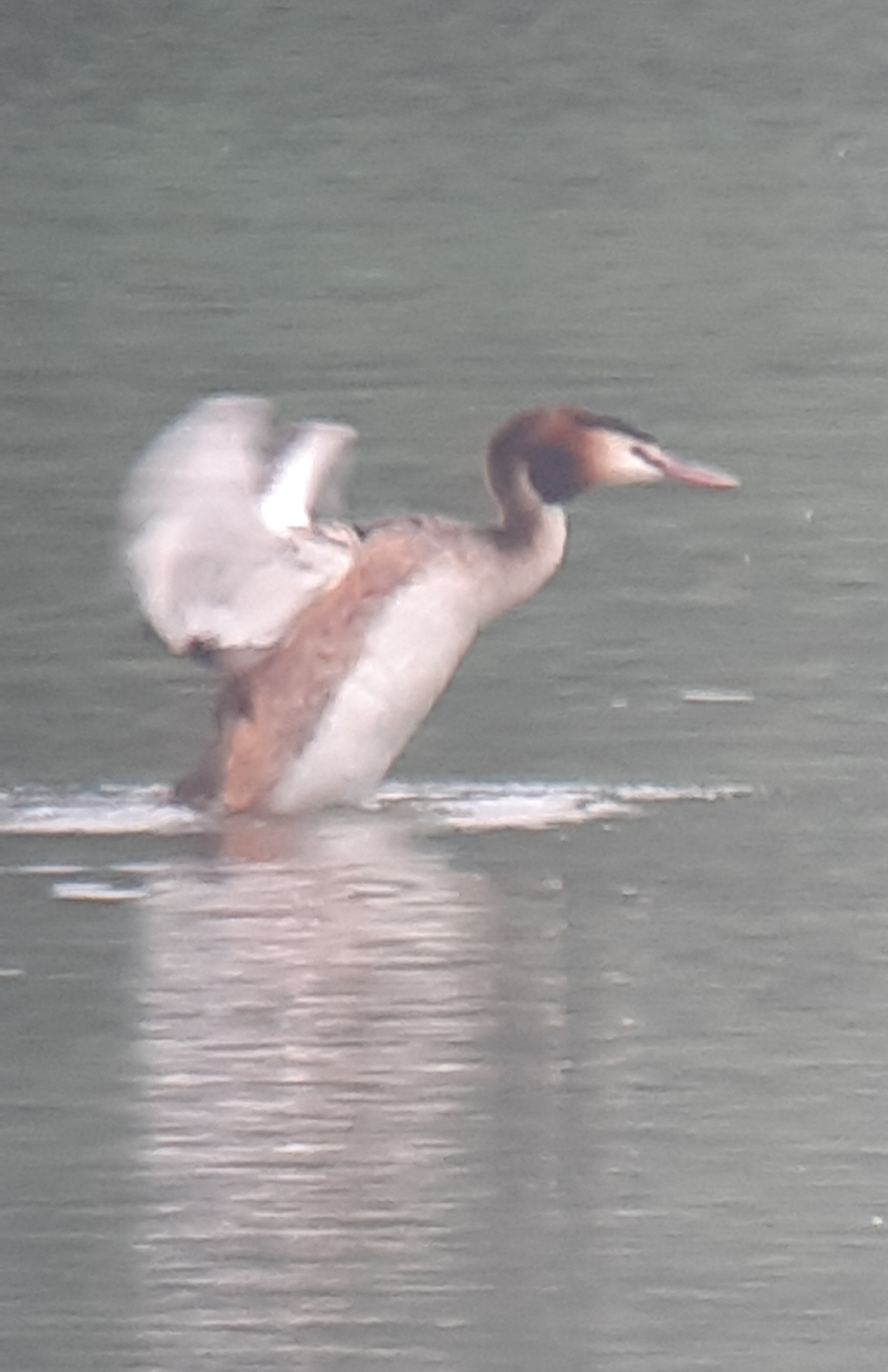
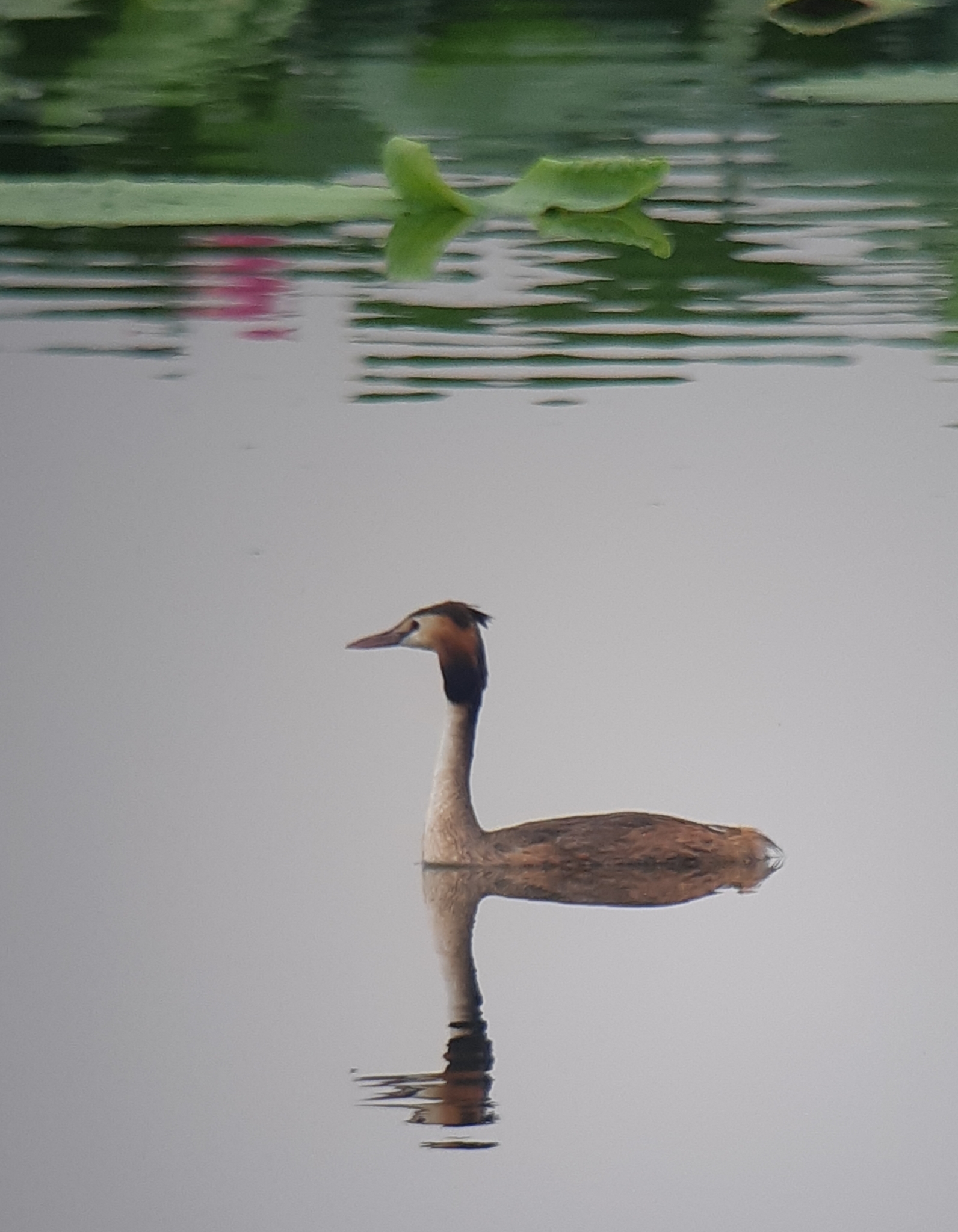
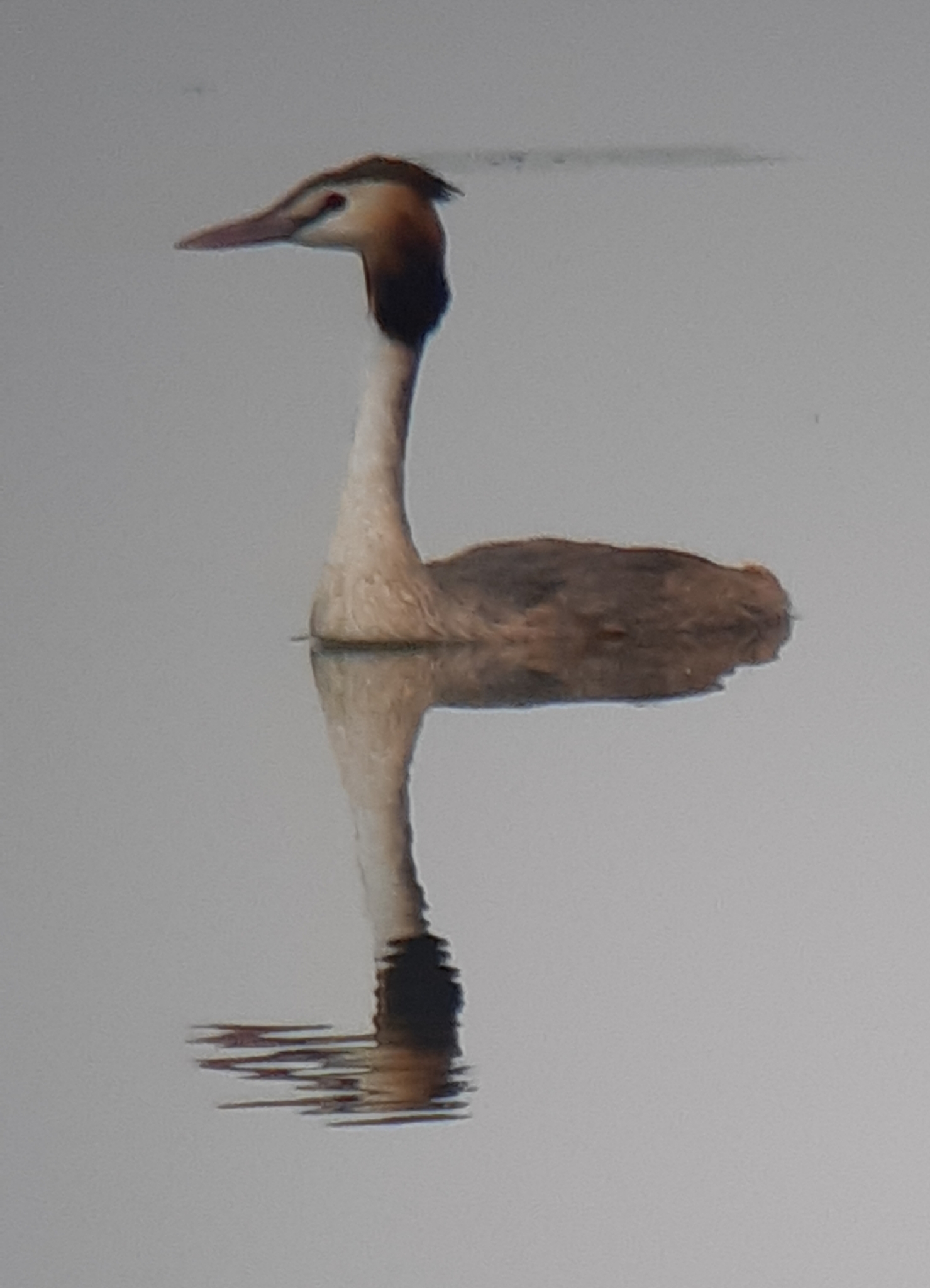
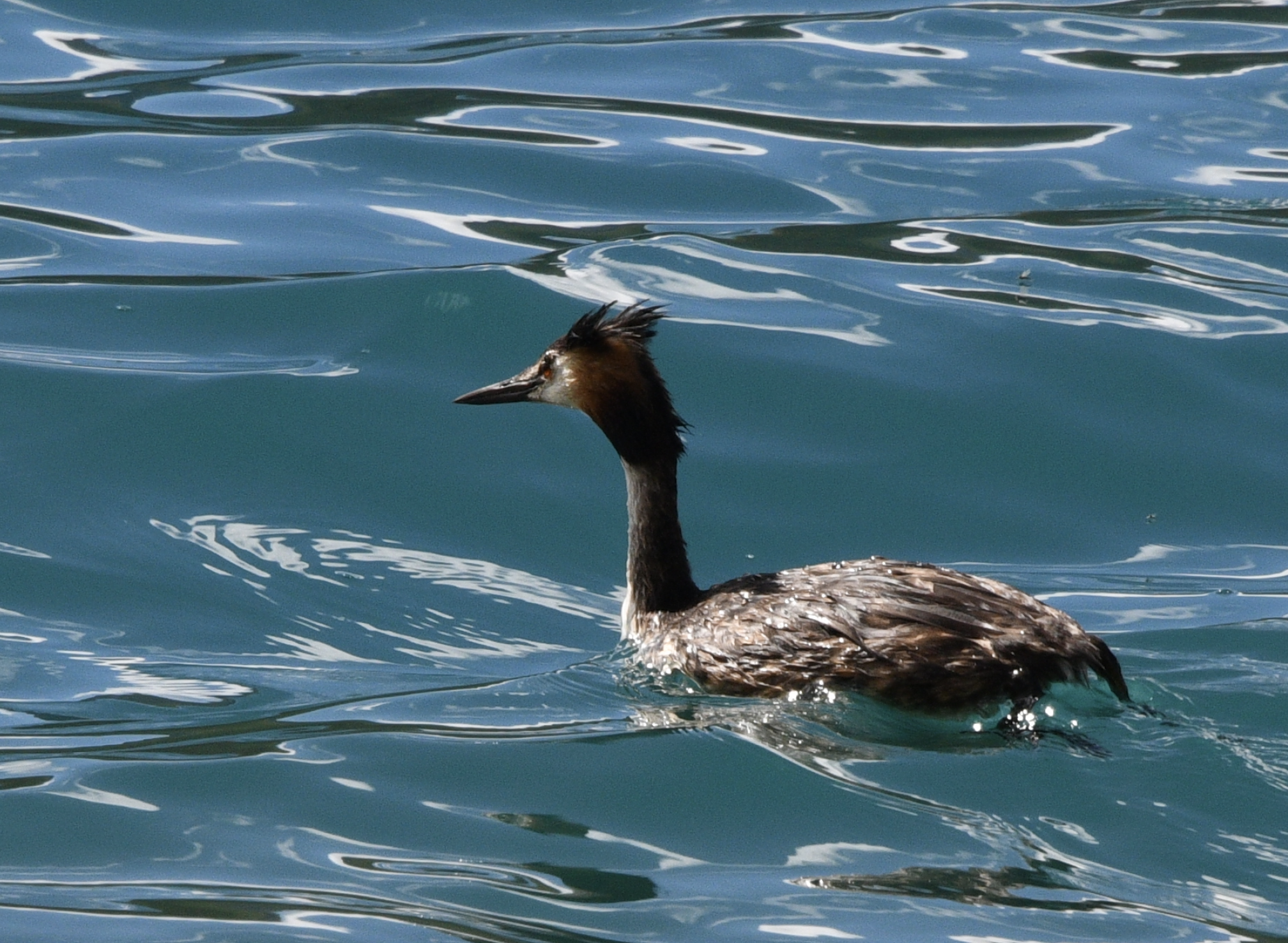
Largest grebe species in the Old World, measuring 46–51 cm (18–20 in) long with a 59–73 cm (23–29 in) wingspan and weighing 0.9 to 1.5 kg (2.0 to 3.3 lb). Adults in summer have distinctive head and neck decorations. Winter plumage is whiter than most grebes, featuring white above the eye and a pink bill. Chicks have boldly striped heads with alternating black and white stripes, known as 'humbugs', which are lost during the first winter. Birds in warmer tropical and subtropical regions may retain breeding plumage year-round.
Identification
Adults are unmistakable in summer due to head and neck decorations. In winter, identified by whiter appearance compared to other grebes, white patch above the eye, and pink bill. Vocalizations include a loud barking 'rah-rah-rah', a clicking 'kek', and deep growls.
Distribution & Habitat
Subspecies P. c. cristatus breeds across Europe and east across the Palearctic; resident in milder western regions but migrates from colder areas, wintering on freshwater lakes, reservoirs, or coasts. African subspecies P. c. infuscatus and Australasian subspecies P. c. australis are mainly sedentary, found in regions such as Kenya and parts of Australia.
Behavior & Ecology
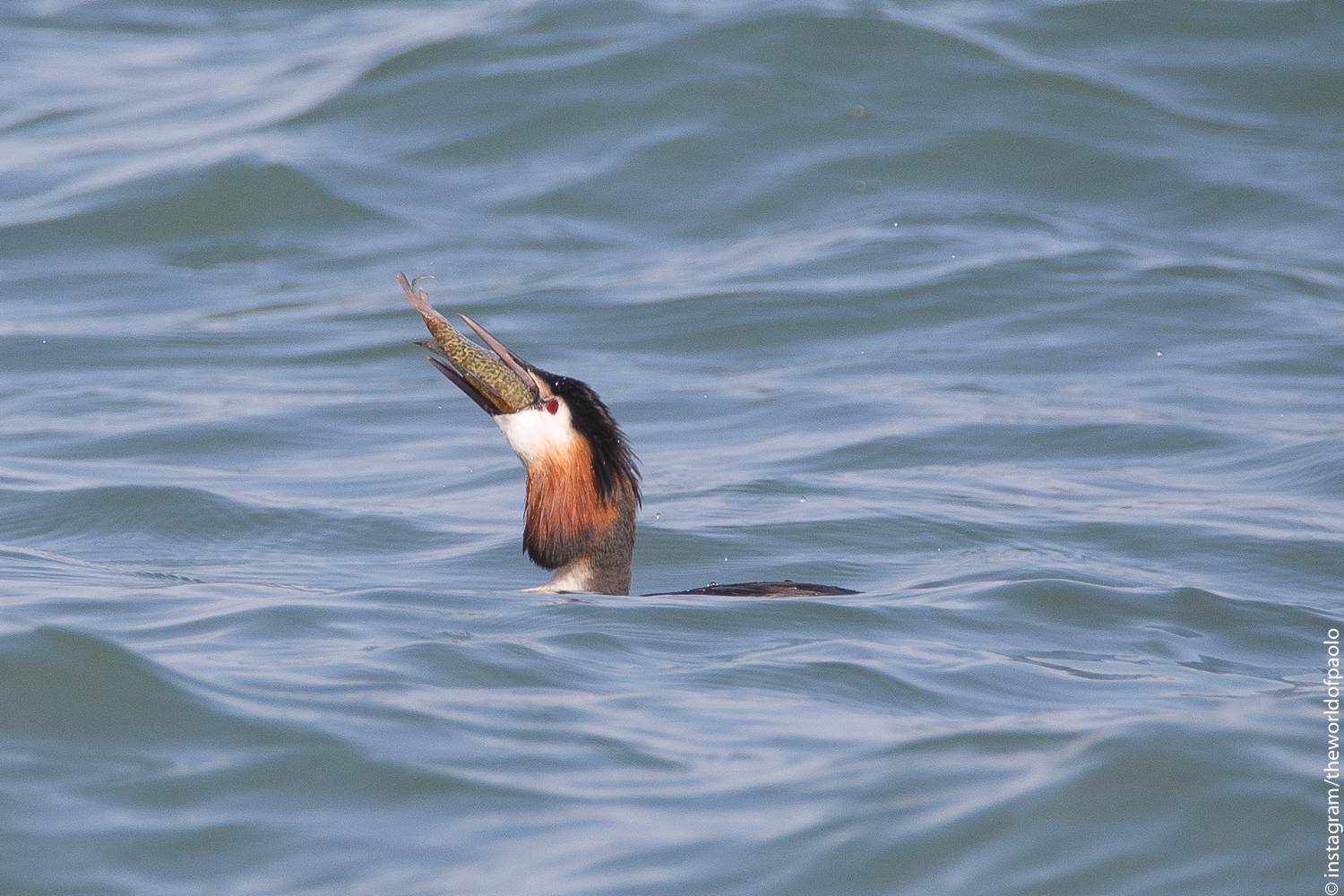
Excellent swimmer and diver that pursues fish prey underwater. Diet includes fish, small crustaceans, insects, small frogs, and newts. Nests on the water's edge, built by both sexes. Clutch averages four chalky-white eggs (54 mm × 37 mm, 42 g). Incubation by both parents begins with the first egg; hatching occurs asynchronously after 27 to 29 days. Precocial young are cared for by both parents, learning to swim and dive by riding on adults' backs.
Conservation
Hunted almost to extinction in the United Kingdom in the 19th century for head plumes used in hat decoration. Conservation efforts have taken place on New Zealand's Lake Wānaka since 2013. The species is now a common sight in the UK following protection measures.
Source: Wikipedia · CC BY-SA 3.0
Taxonomy
- Order
- Podicipediformes
- Family
- Podicipedidae
- Genus
- Podiceps
Subspecies (3)
-
Podiceps cristatus australis
Australia including Tasmania, and South Island (New Zealand)
Data Sources
Species description from Wikipedia, licensed under CC BY-SA 3.0.
Bird images and sounds sourced from GBIF, contributed by citizen scientists worldwide under Creative Commons licenses.
Taxonomy data from AviList 2025.