
Great Crested Grebe
Podiceps cristatus
凤头䴙䴘
Introduction
Great crested grebe (Podiceps cristatus) is the largest grebe species in the Old World, occurring across Europe, Asia, Africa, and Australasia. It inhabits freshwater lakes and large bodies of water. This species performs elaborate courtship rituals featuring synchronized water dances between pairs. Parents transport young on their backs. Near-extinct in Britain by the late 19th century due to plume hunting, populations have recovered following conservation measures.
Description
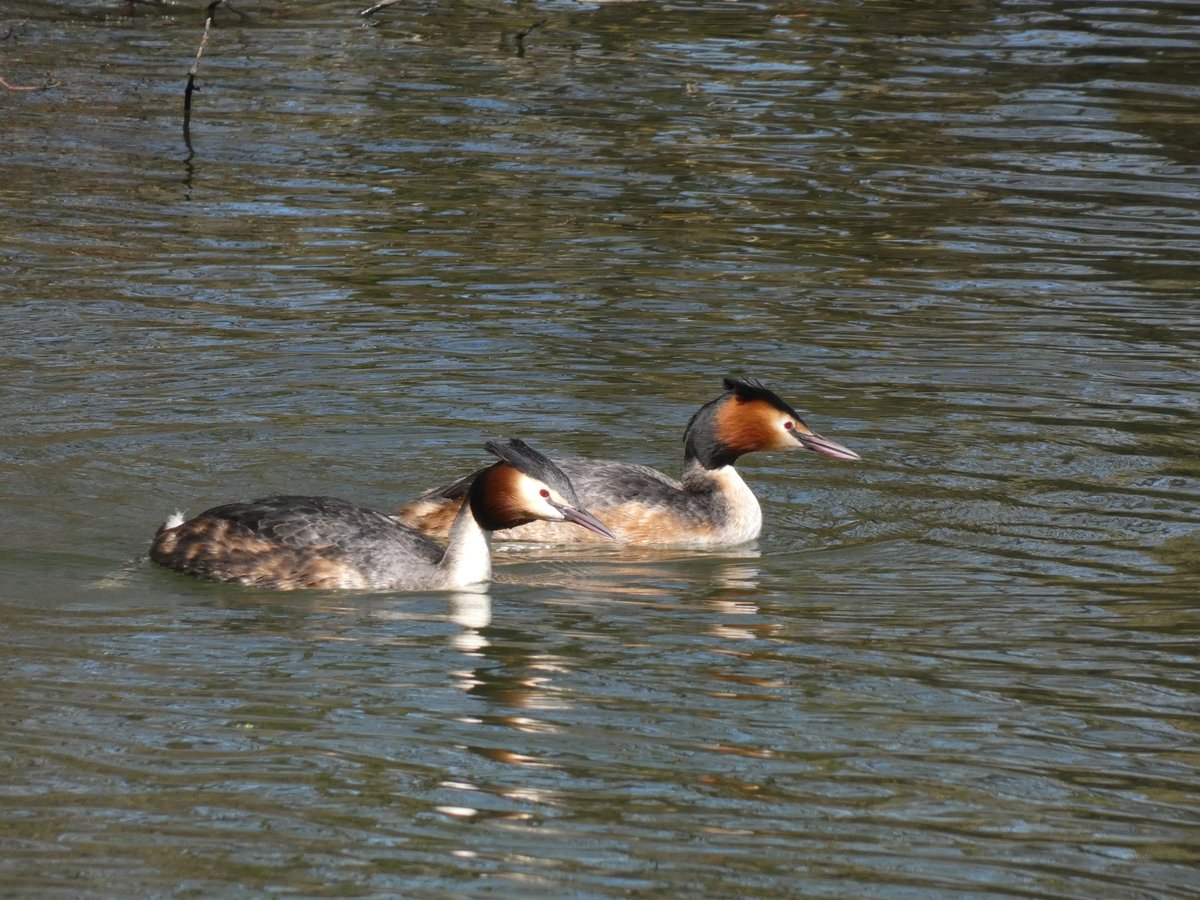
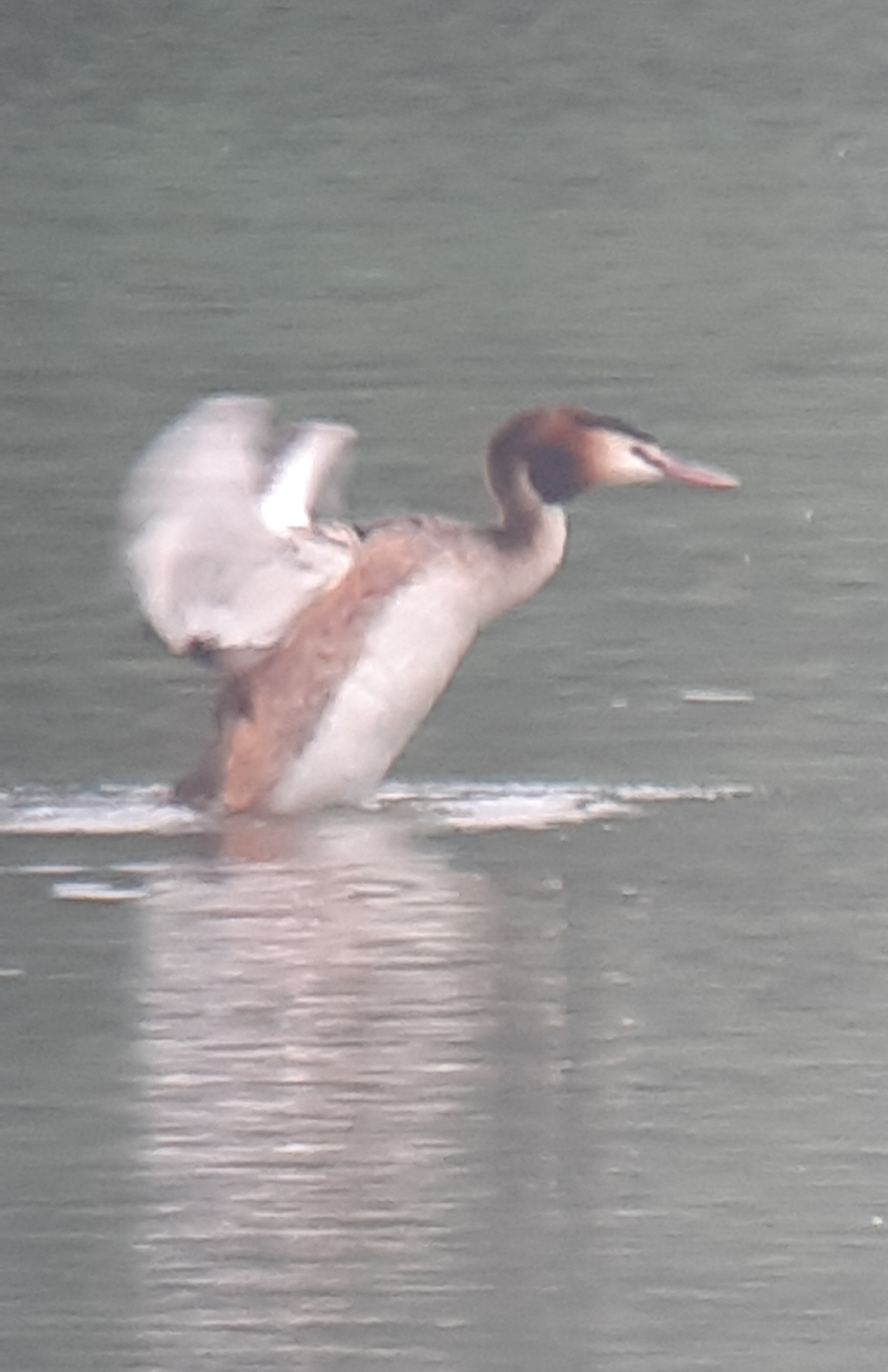
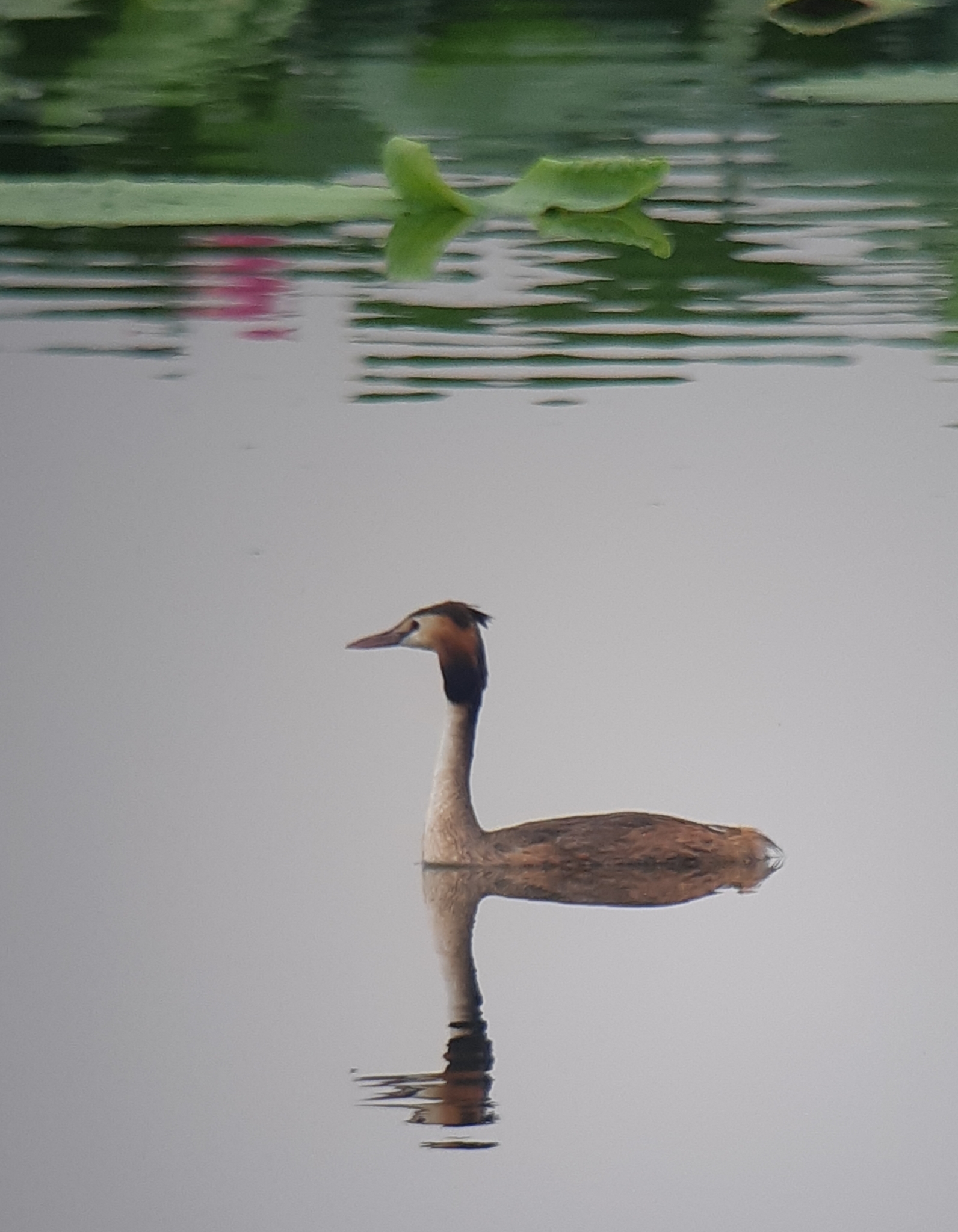
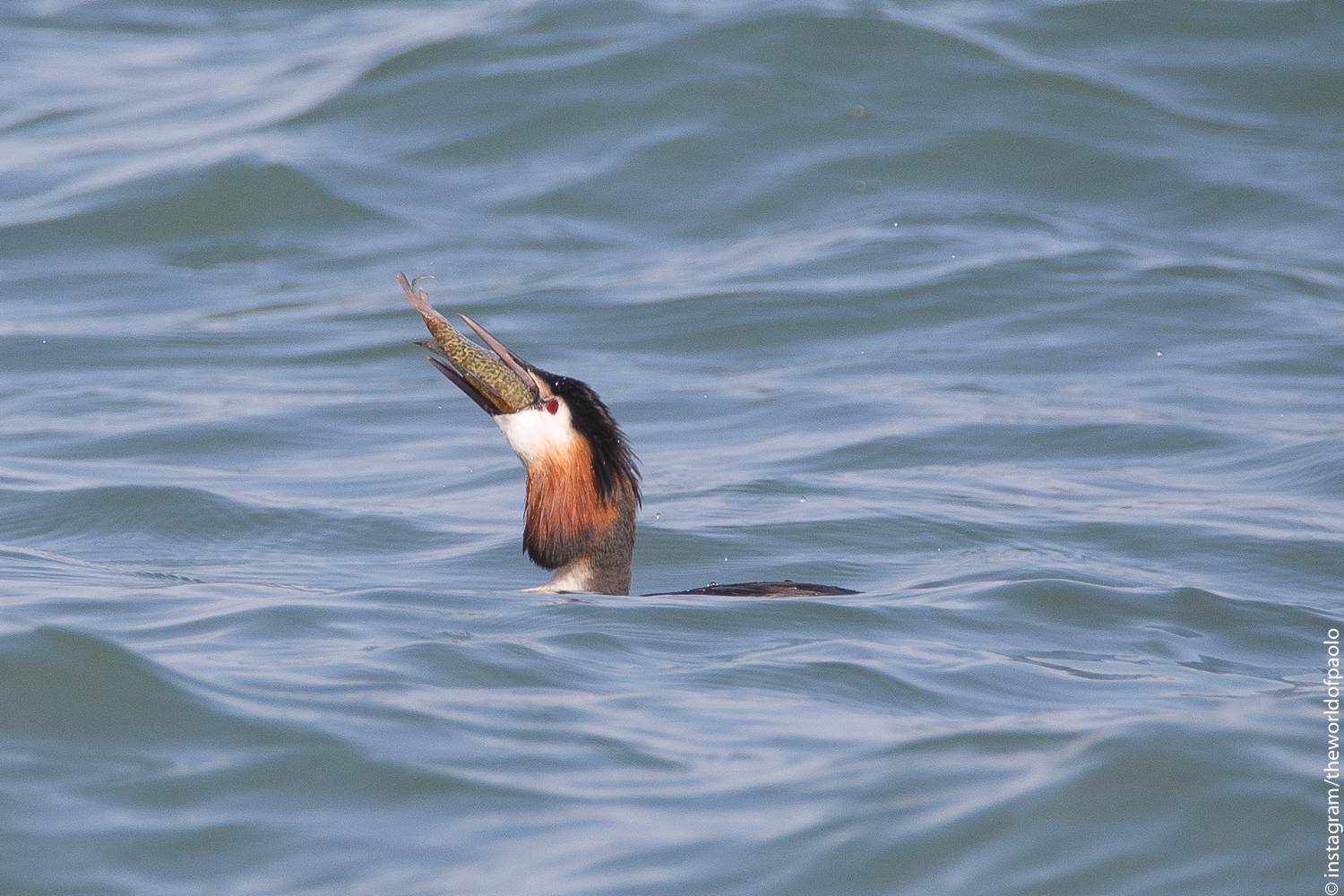
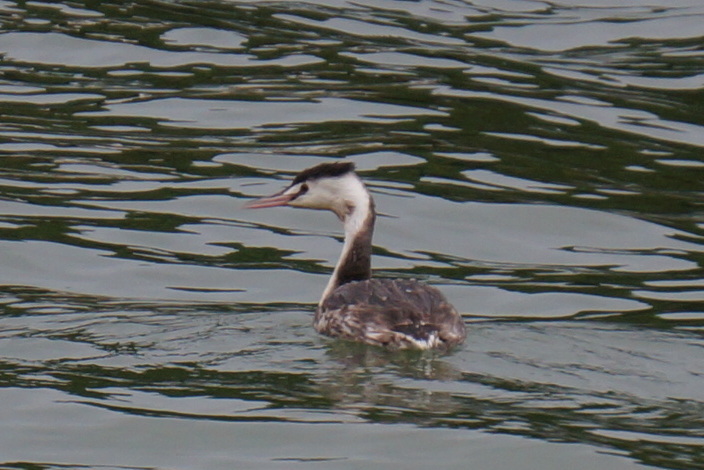
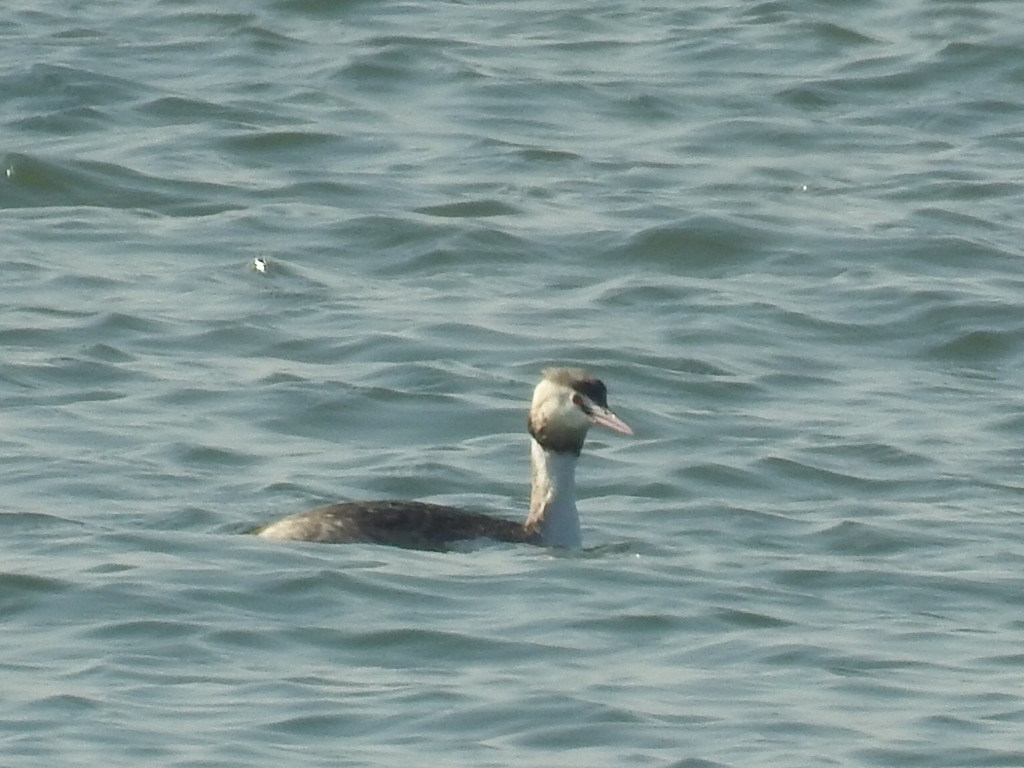
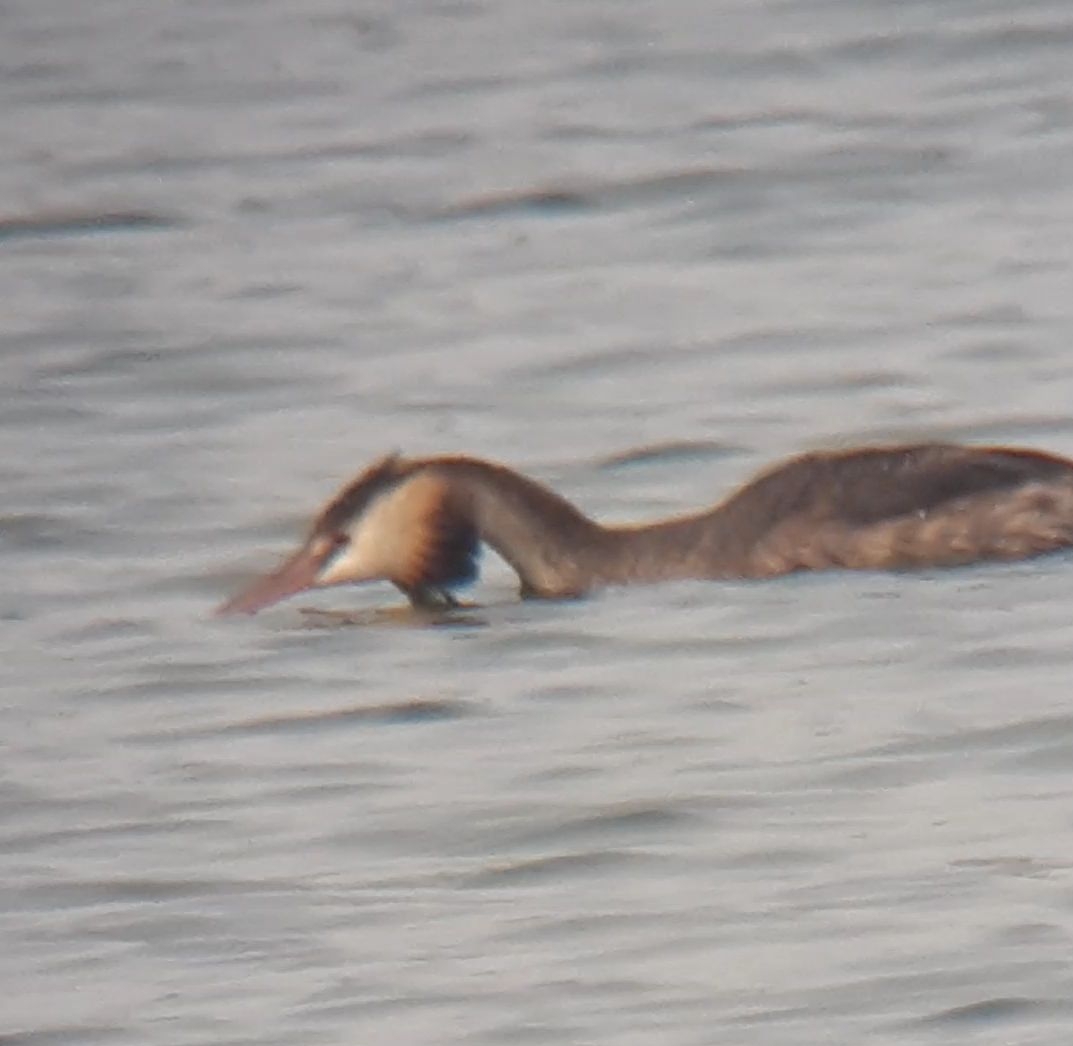
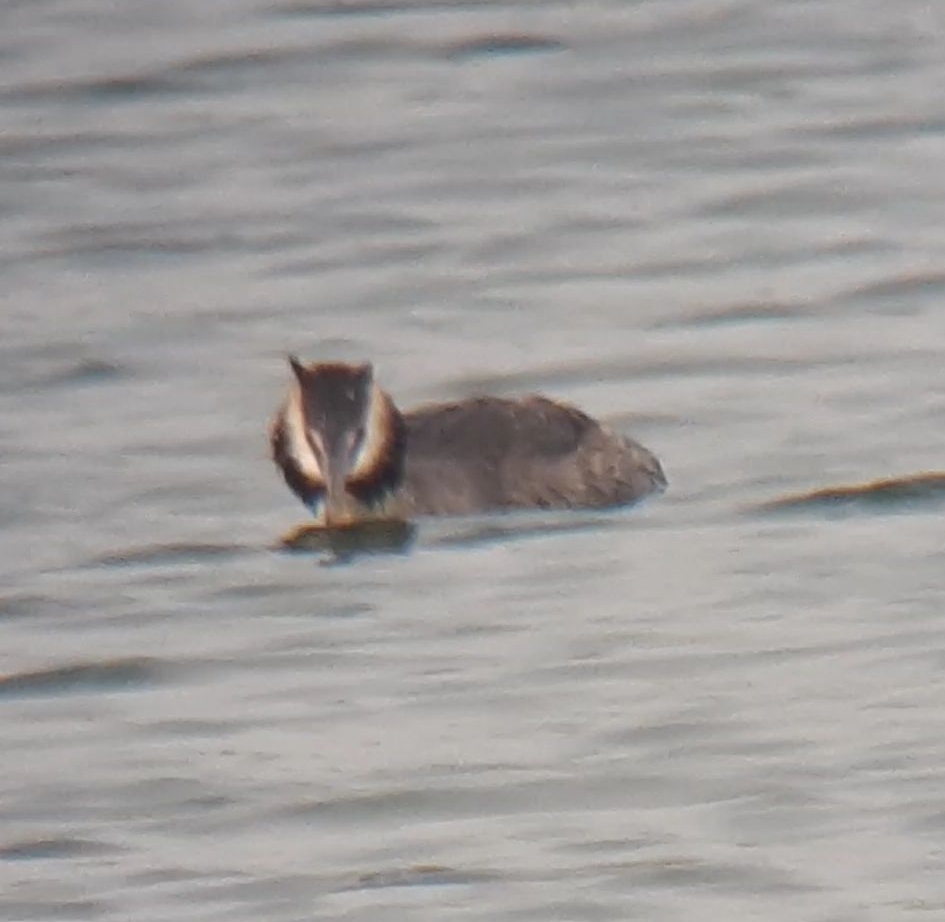
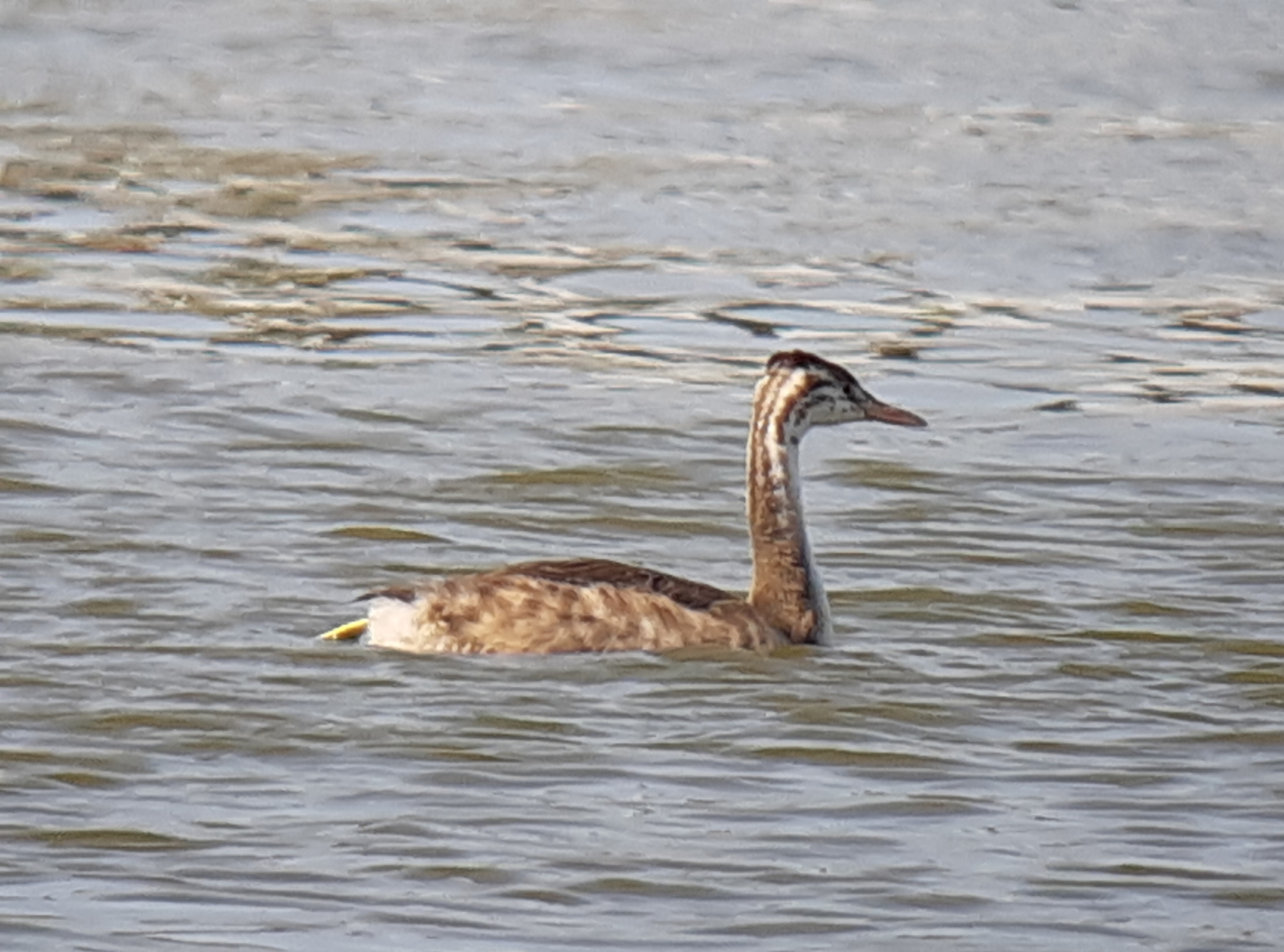
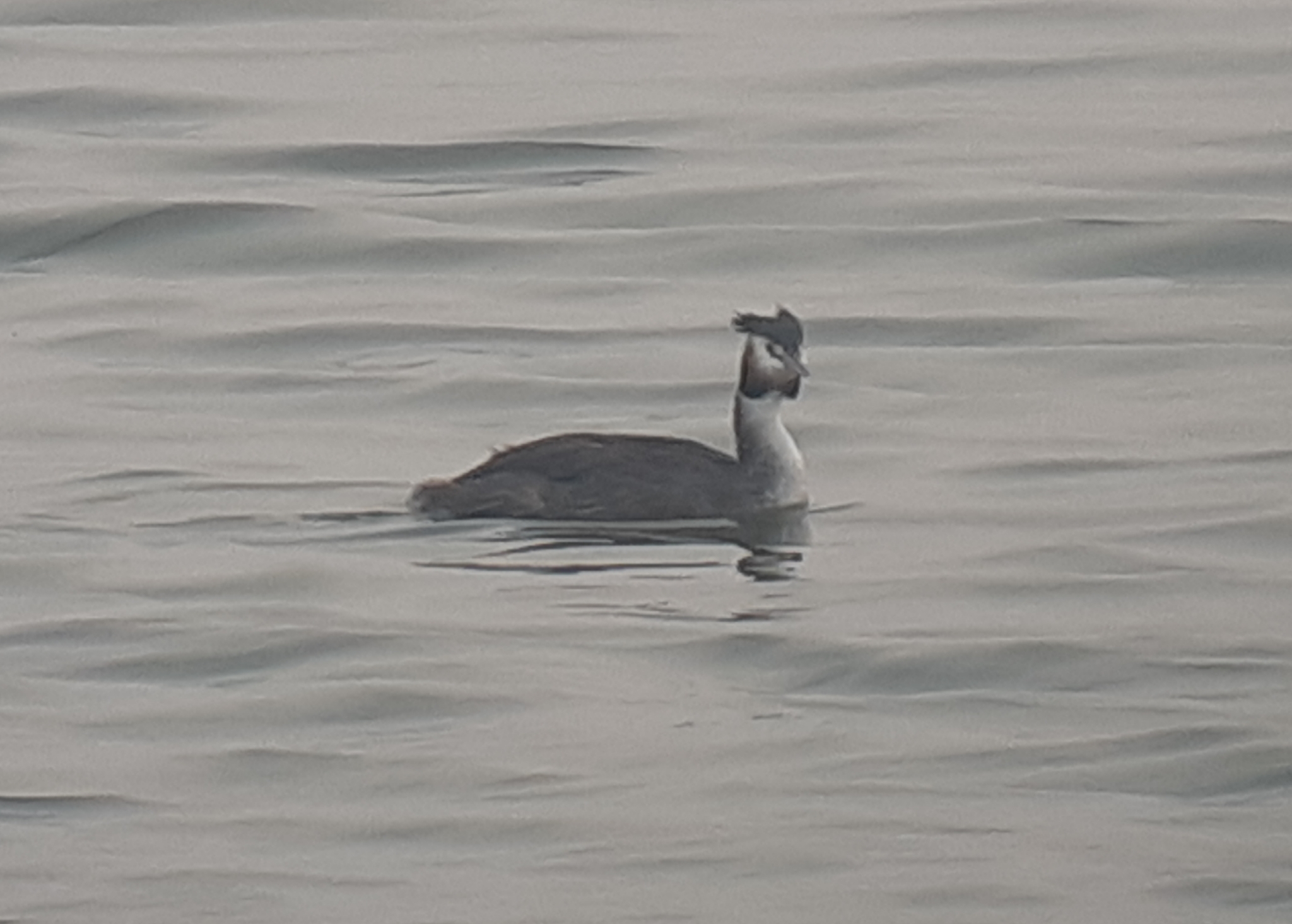
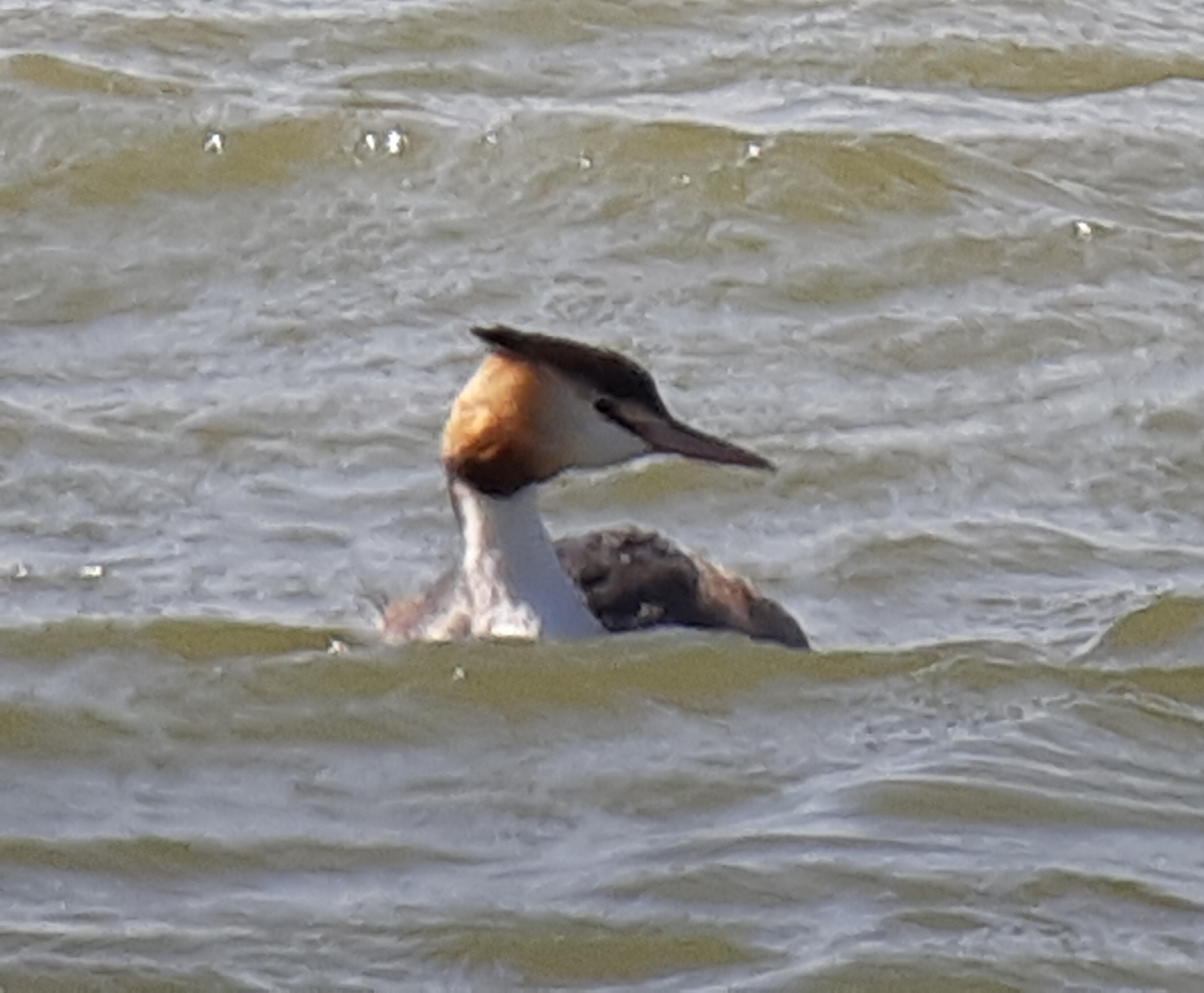
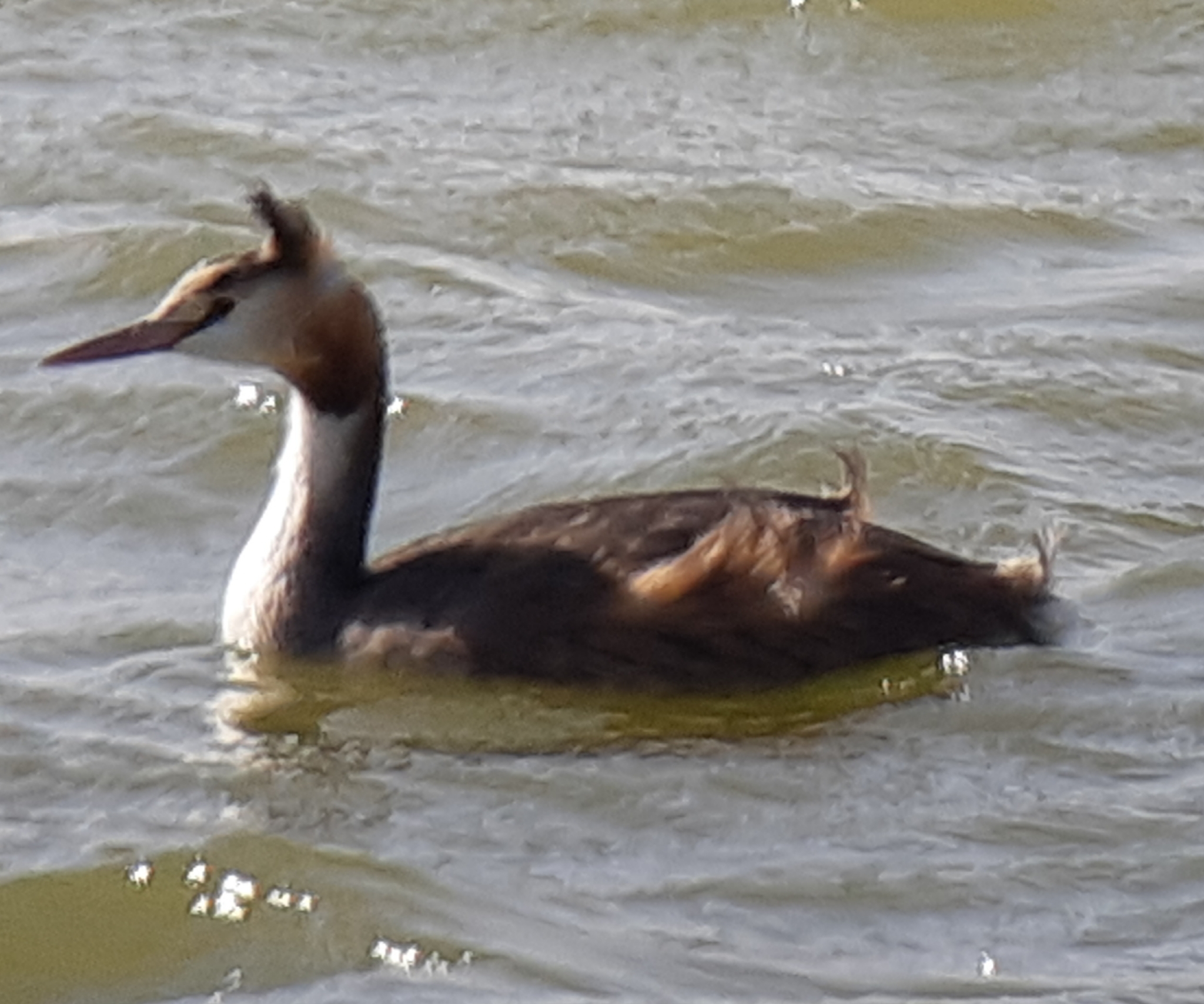
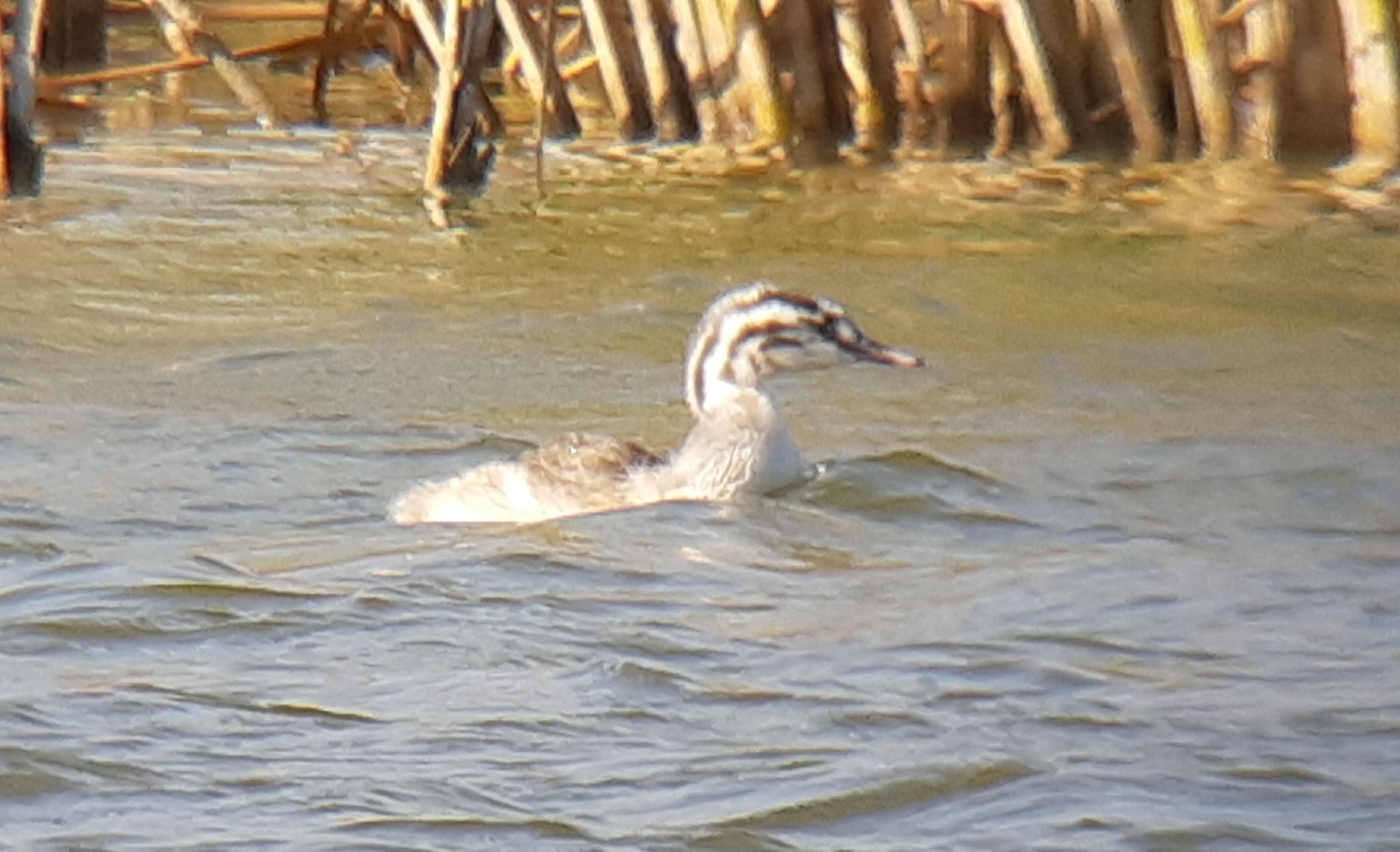
The great crested grebe is the largest grebe species in the Old World, measuring 46-51 cm in length with a substantial 59-73 cm wingspan and weighing 0.9-1.5 kg. It possesses an elongated neck, a streamlined body, and relatively large feet positioned toward the rear of the body. In summer breeding plumage, adults display elaborate head and neck decorations including distinctive black crests and ornamental orange-brown tippets framing the face. The upperparts are dark brown while the underparts are silvery-white. During winter, the plumage becomes much paler, with extensive white on the face extending above the eye and a distinctive pink bill. Subspecies in tropical and subtropical regions, including the African P. c. infuscatus and Australasian P. c. australis, often retain breeding plumage year-round with minimal or no winter molt. The boldly striped chicks, nicknamed 'humbugs' for their black and white facial stripes, lose these markings during their first winter.
Identification
Adults in breeding plumage are unmistakable among European and Asian waterbirds, with their prominent black crests and decorative orange-brown neck plumes. In winter, identification relies on the extensive white face that extends above the eye—paler than most other grebe species—combined with the pink bill. The great crested grebe is larger than the similar red-necked grebe, which has a darker face and different bill coloring. The horned grebe is smaller with more contrasting black and white head patterns. In regions where tropical subspecies occur, the lack of winter plumage change can help distinguish them from migratory temperate birds that molt seasonally.
Distribution & Habitat
This species breeds across vegetated freshwater lakes throughout Europe and eastward across the Palearctic region. Western populations in milder climates are largely resident, while birds from colder regions migrate to spend winter on ice-free lakes, reservoirs, or coastal waters. The African subspecies P. c. infuscatus, found in Kenya and other regions, remains mainly sedentary year-round. The Australasian subspecies P. c. australis occupies lakes and wetlands in Australia and New Zealand, also being primarily sedentary with some local movements. Scattered populations occur throughout the temperate zones of the Northern Hemisphere during the breeding season.
Behavior & Ecology
The great crested grebe practices elaborate courtship rituals featuring spectacular synchronized displays on the water, including parallel swimming, head-shaking movements, and the famous 'penguin dance' where both birds rise vertically from the water facing each other. Like all grebes, it nests at the water's edge among emergent vegetation, with both sexes building the floating platform. Clutches average four chalky-white eggs measuring approximately 54mm by 37mm, incubated by both parents for 27-29 days. Hatching is asynchronous, and the precocial chicks can swim and dive almost immediately. Adults teach swimming skills by carrying chicks on their backs while diving, re-emerging nearby so chicks practice swimming back. The diet consists primarily of fish, supplemented by crustaceans, insects, small frogs, and newts. Vocalizations include a loud barking 'rah-rah-rah' call, clicking 'kek' notes, and deep growls.
Conservation
The species holds a status of Least Concern globally, though it faced catastrophic population decline in 19th-century Britain where plume hunting for hat decorations nearly drove it to extinction. This crisis directly inspired the founding of the Royal Society for the Protection of Birds in 1889. Thanks to legal protection and habitat preservation, British populations have recovered dramatically and the species is now a common sight. Conservation efforts continue at New Zealand's Lake Wānaka since 2013, focusing on protecting breeding habitats for the local subspecies. Threats in various regions include habitat loss from wetland drainage, water pollution affecting fish prey populations, and disturbance at nesting sites.
Culture
The great crested grebe holds a special place in ornithological history as the subject of Julian Huxley's groundbreaking 1914 paper 'The Courtship-habits of the Great Crested Grebe,' a landmark publication in the field of ethology that established new standards for observing and analyzing animal behavior. In New Zealand, the species, known by its Māori name pūteketeke, gained unexpected cultural prominence in 2023 when comedian John Oliver campaigned for it in the country's Bird of the Year competition, declaring himself the 'campaign manager' during a Last Week Tonight episode. The bird won the competition amid considerable media attention, with the announcement celebrating 'Pūteketeke pandemonium prevails.'
Source: Wikipedia · CC BY-SA 3.0
Taxonomy
- Order
- Podicipediformes
- Family
- Podicipedidae
- Genus
- Podiceps
- eBird Code
- grcgre1
Subspecies (3)
-
Podiceps cristatus australis
Australia including Tasmania, and South Island (New Zealand)
-
Podiceps cristatus cristatus
breeds Eurasia from northwestern Europe and southern Scandinavia to southern Spain, eastward through southern Russia and northern and west-central Mongolia, and northern Afghanistan, locally in northwestern India, to northeastern Russia, northeastern China, and northern Honshu (north-central Japan); winters to coasts of Baltic, Black, and Mediterranean seas, Persian Gulf, and northern Indian subcontinent to eastern China and southern Japan
-
Podiceps cristatus infuscatus
montane lakes of Eritrea, Ethiopia and East Africa; also southern Africa
Data Sources
Species description from Wikipedia, licensed under CC BY-SA 3.0.
Bird images and sounds sourced from GBIF, contributed by citizen scientists worldwide under Creative Commons licenses.
Taxonomy data from AviList 2025.