Podicipediformes / Podicipedidae / Podiceps
Horned Grebe
Podiceps auritus · 角䴙䴘
Introduction
A relatively small waterbird in the family Podicipedidae, classified as Vulnerable by the IUCN. It breeds in boreal and subarctic regions of Eurasia and North America, wintering in marine environments. Distinctive traits include elaborate pair-bonding ceremonies and the ability to swallow fish whole using a feather plug filter.
Description
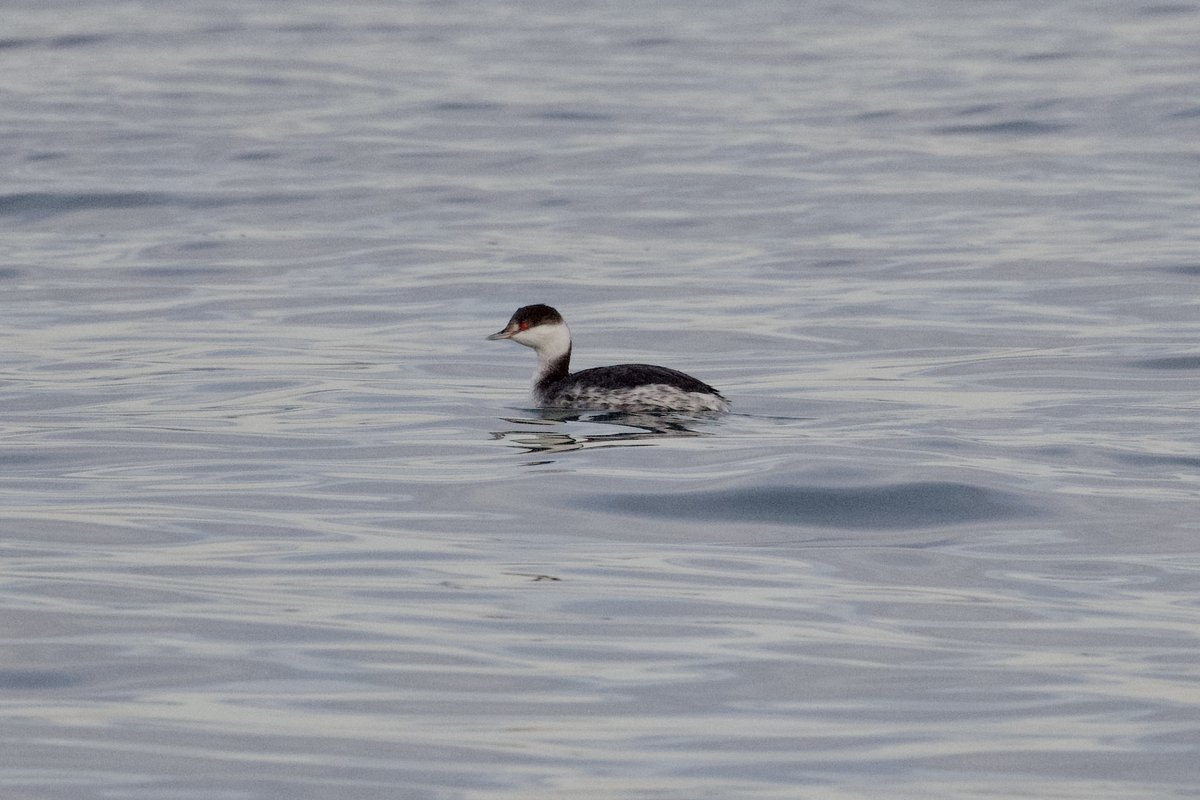
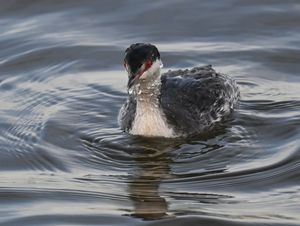
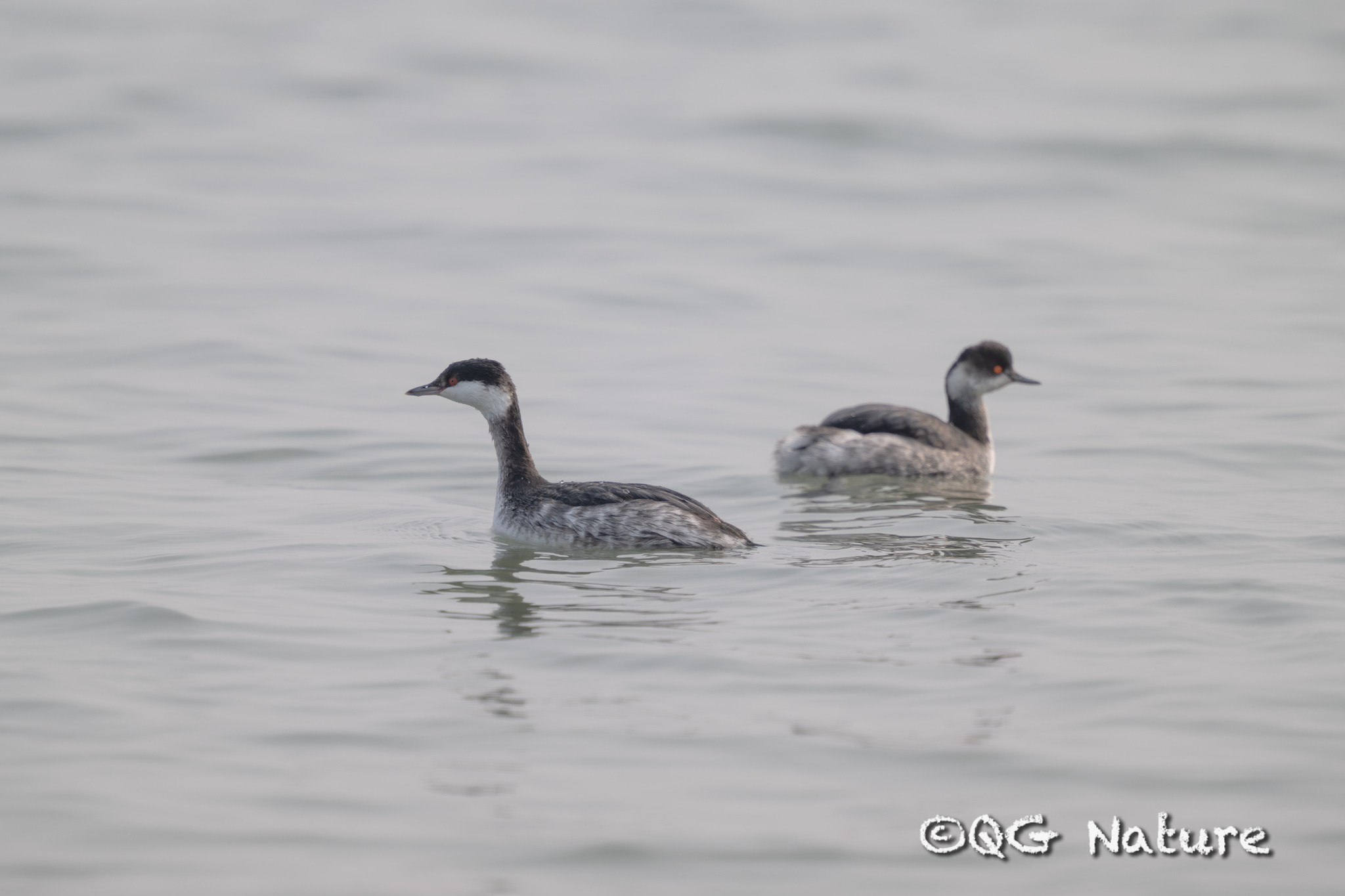
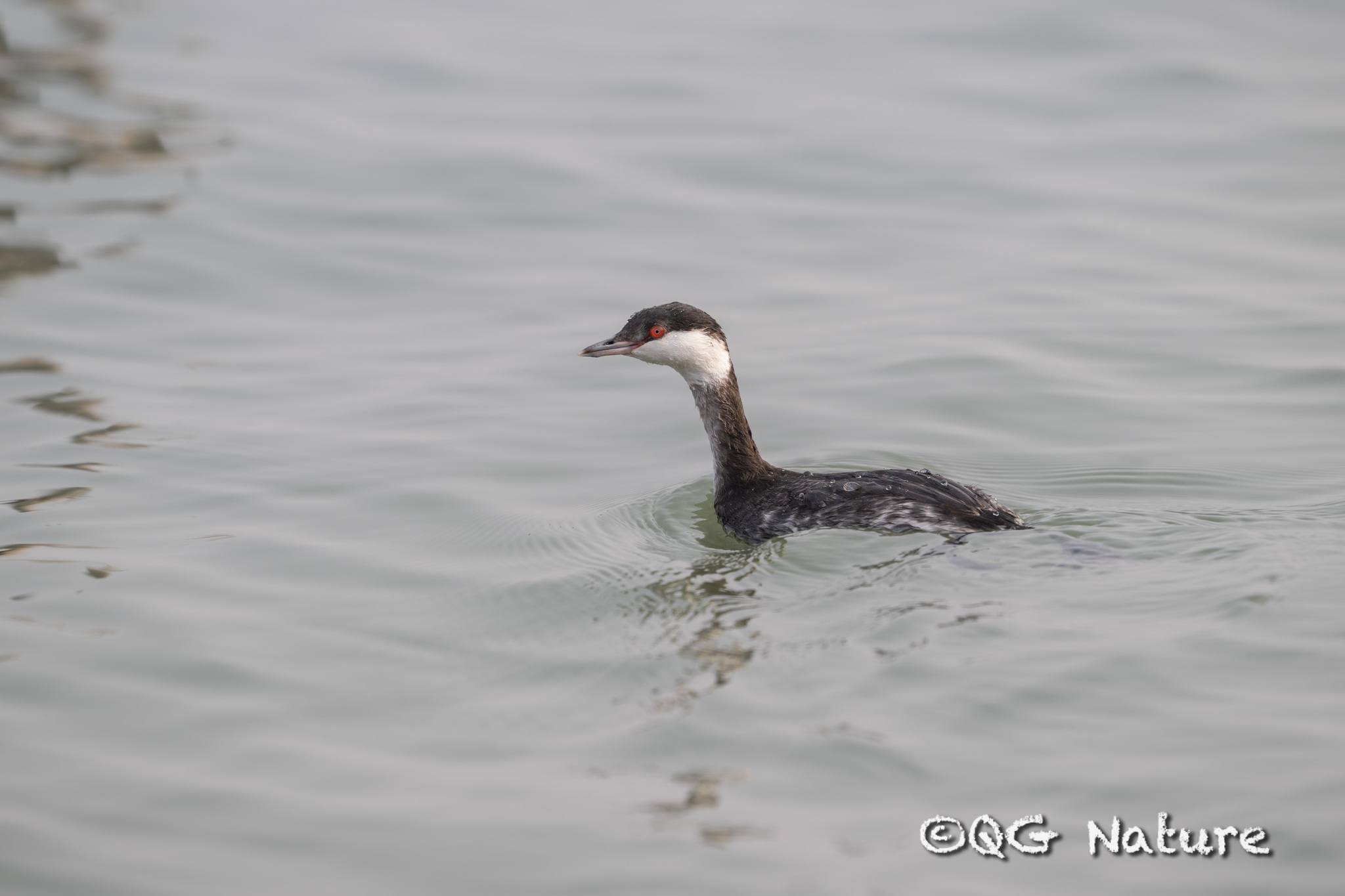
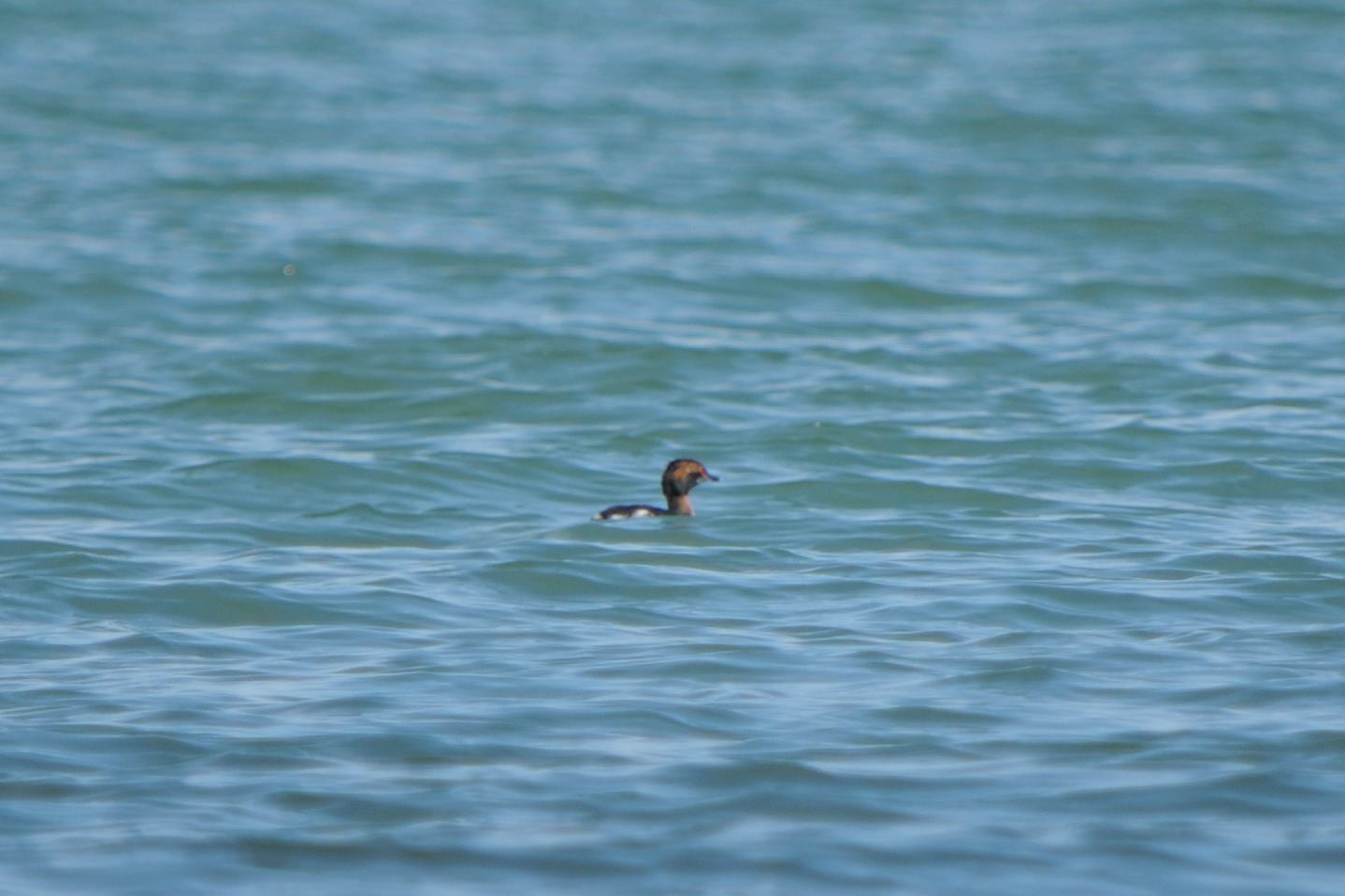
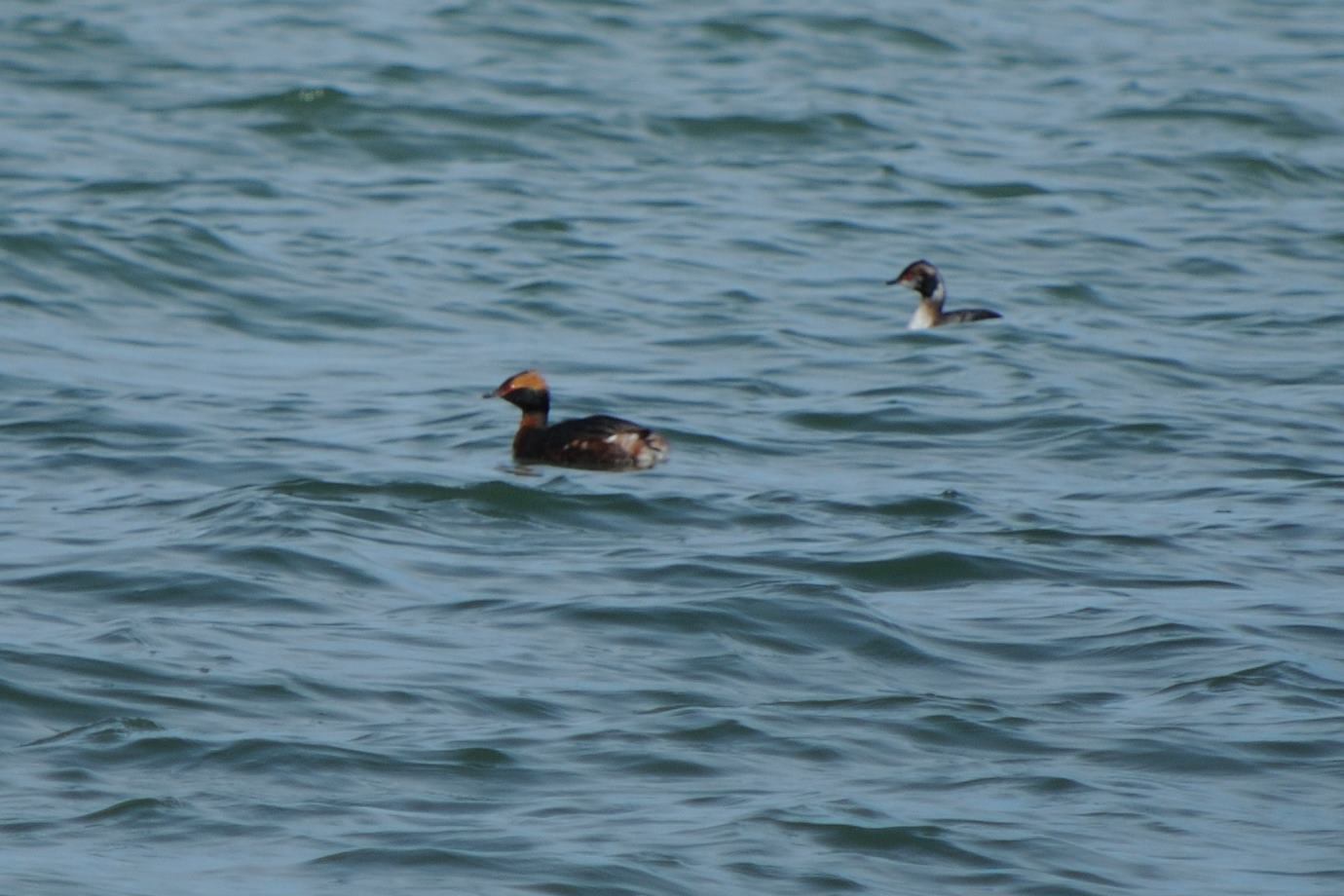
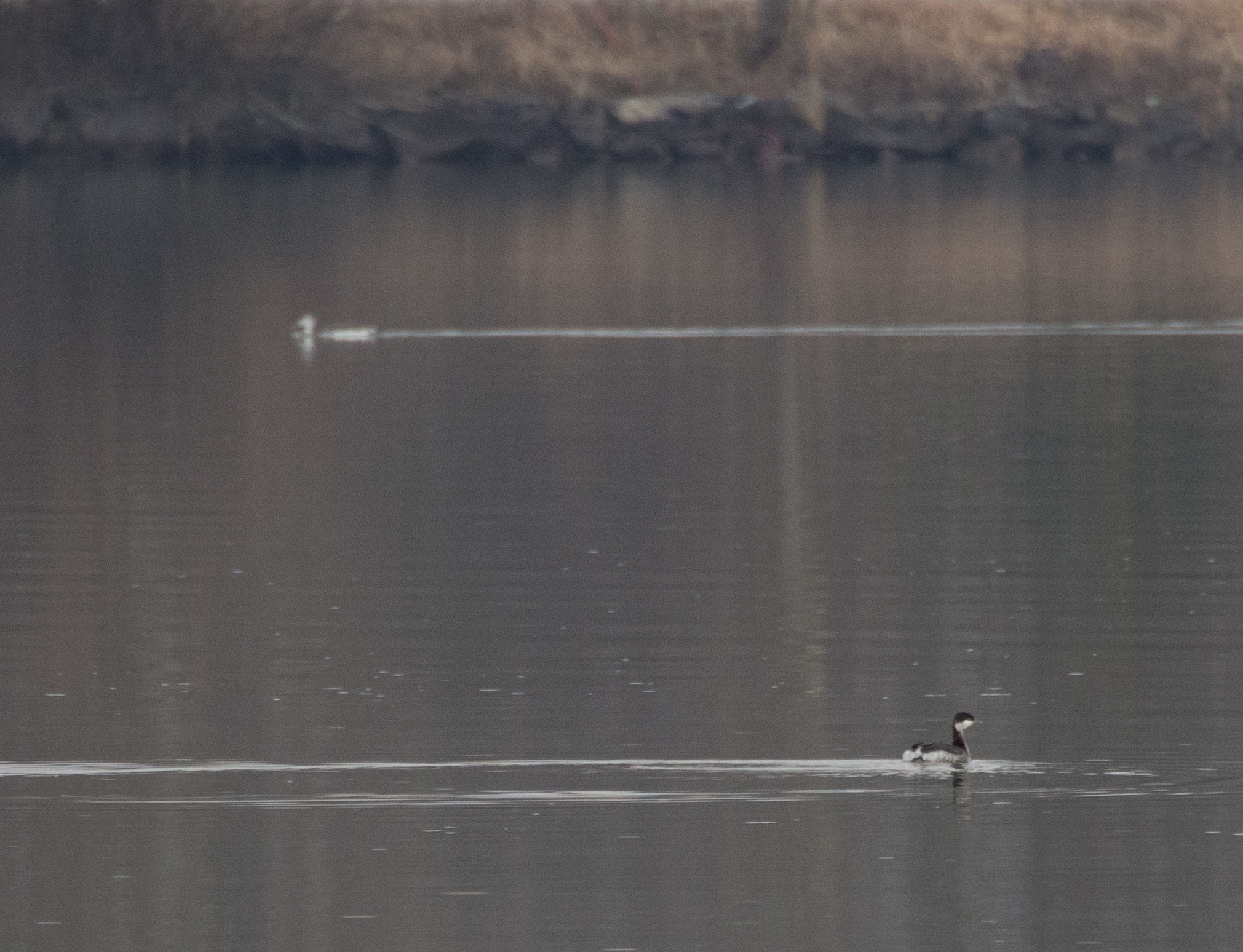
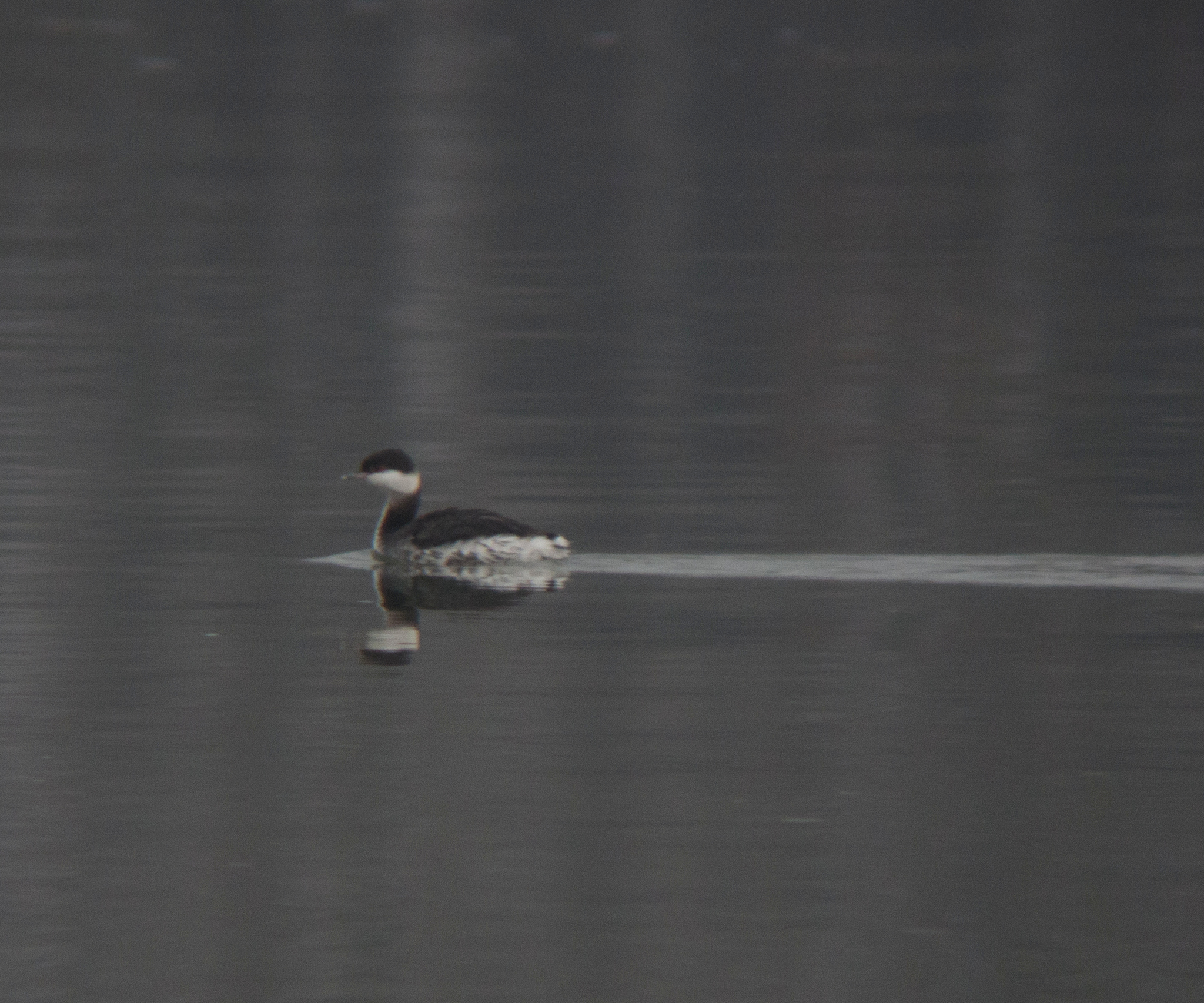
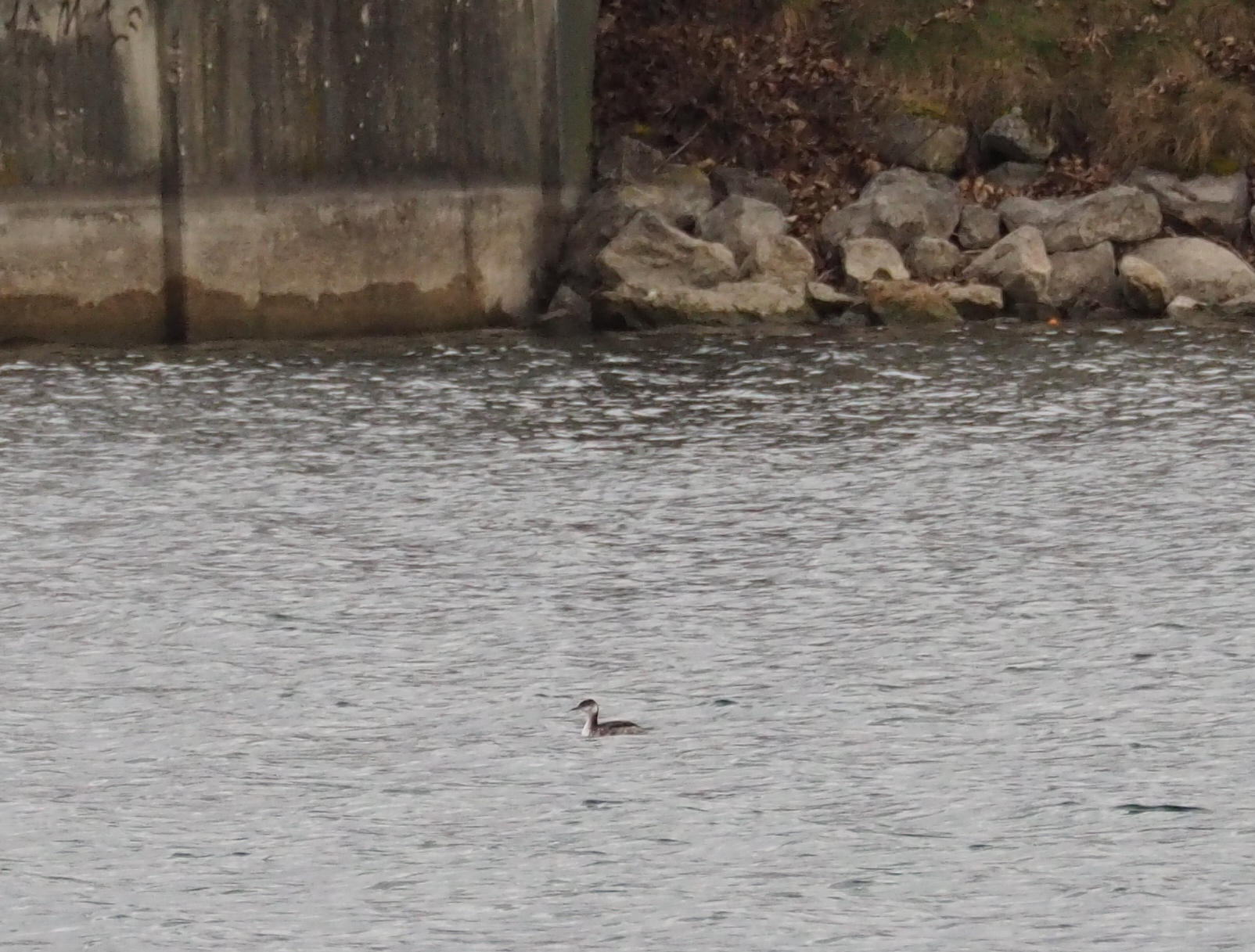
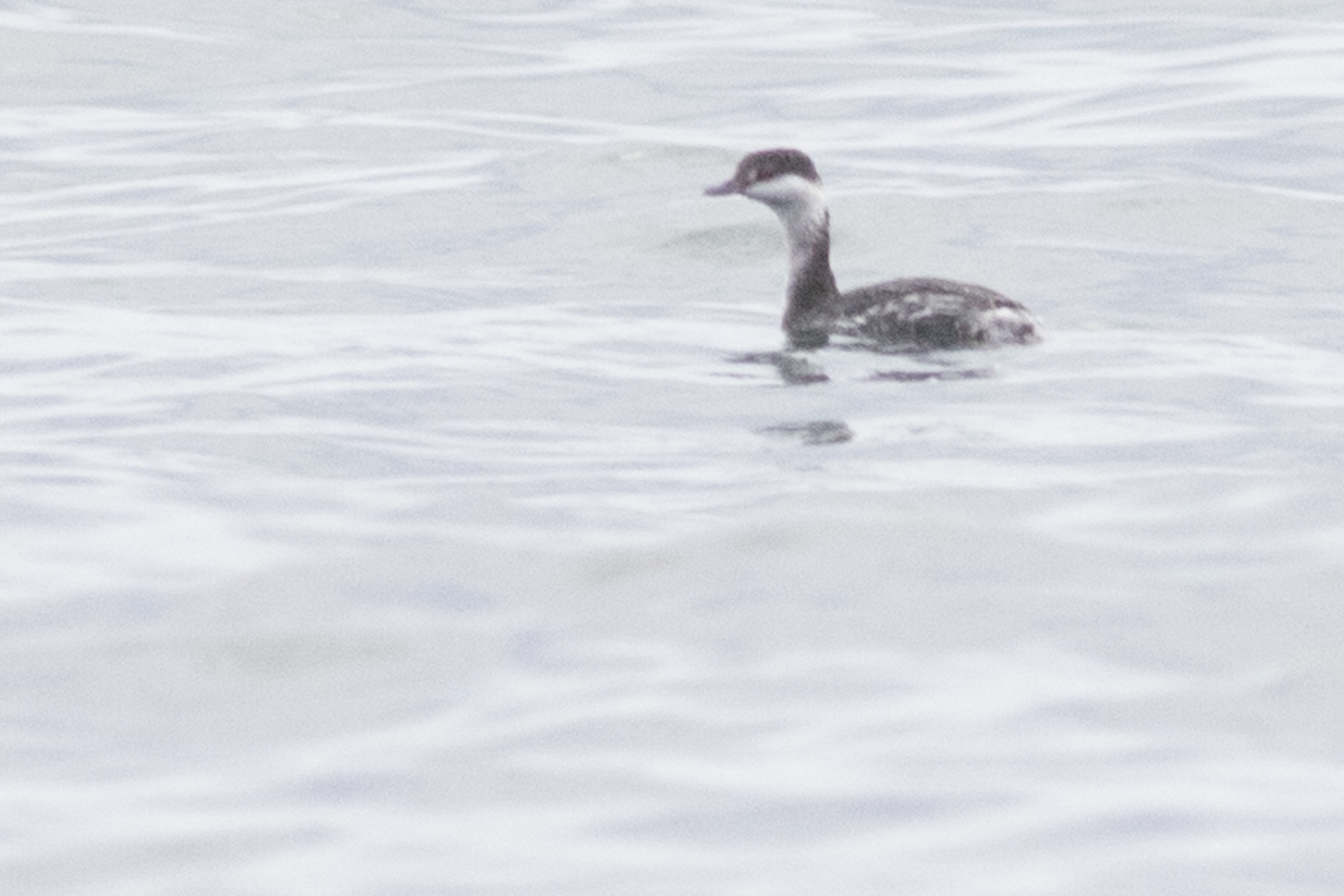
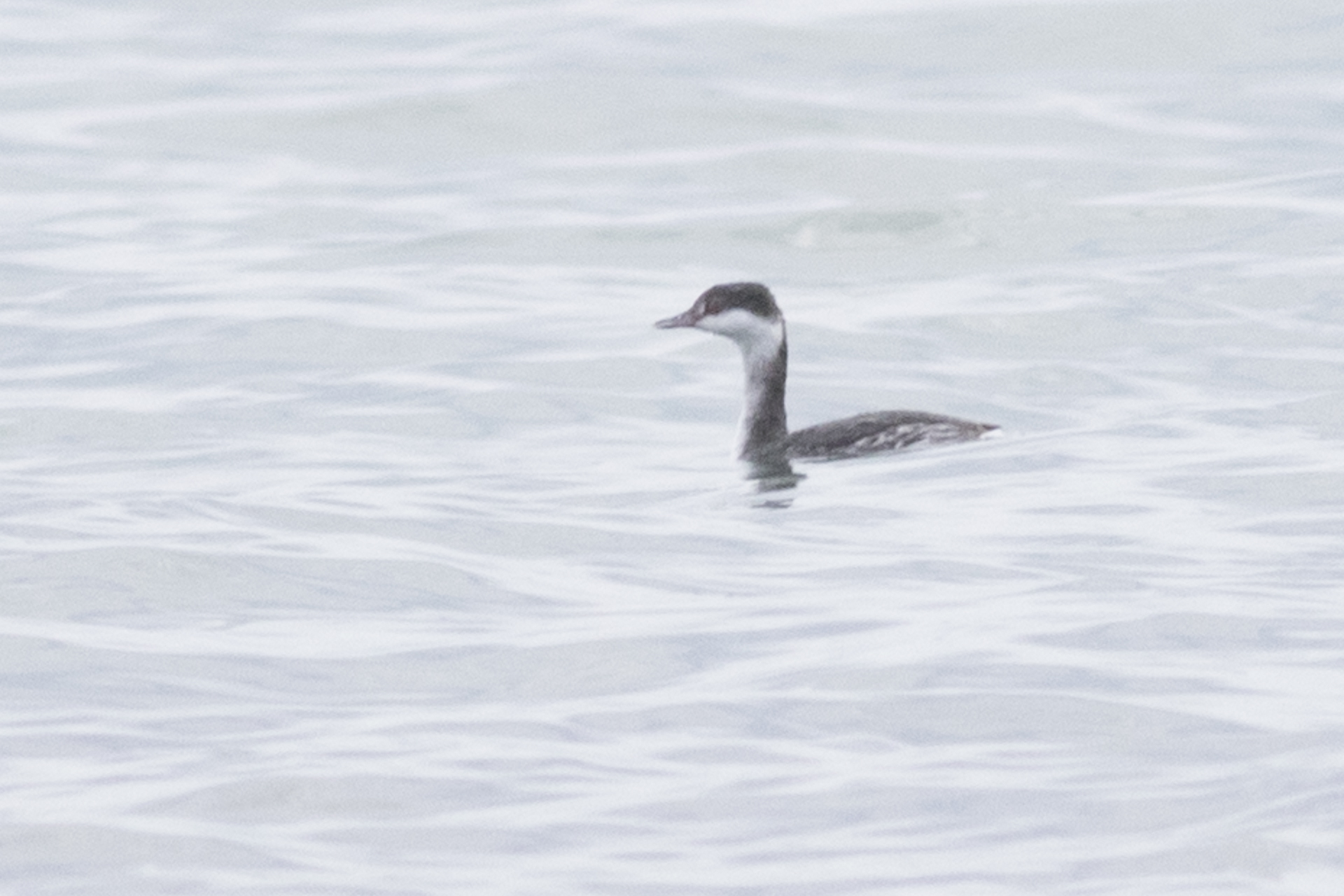
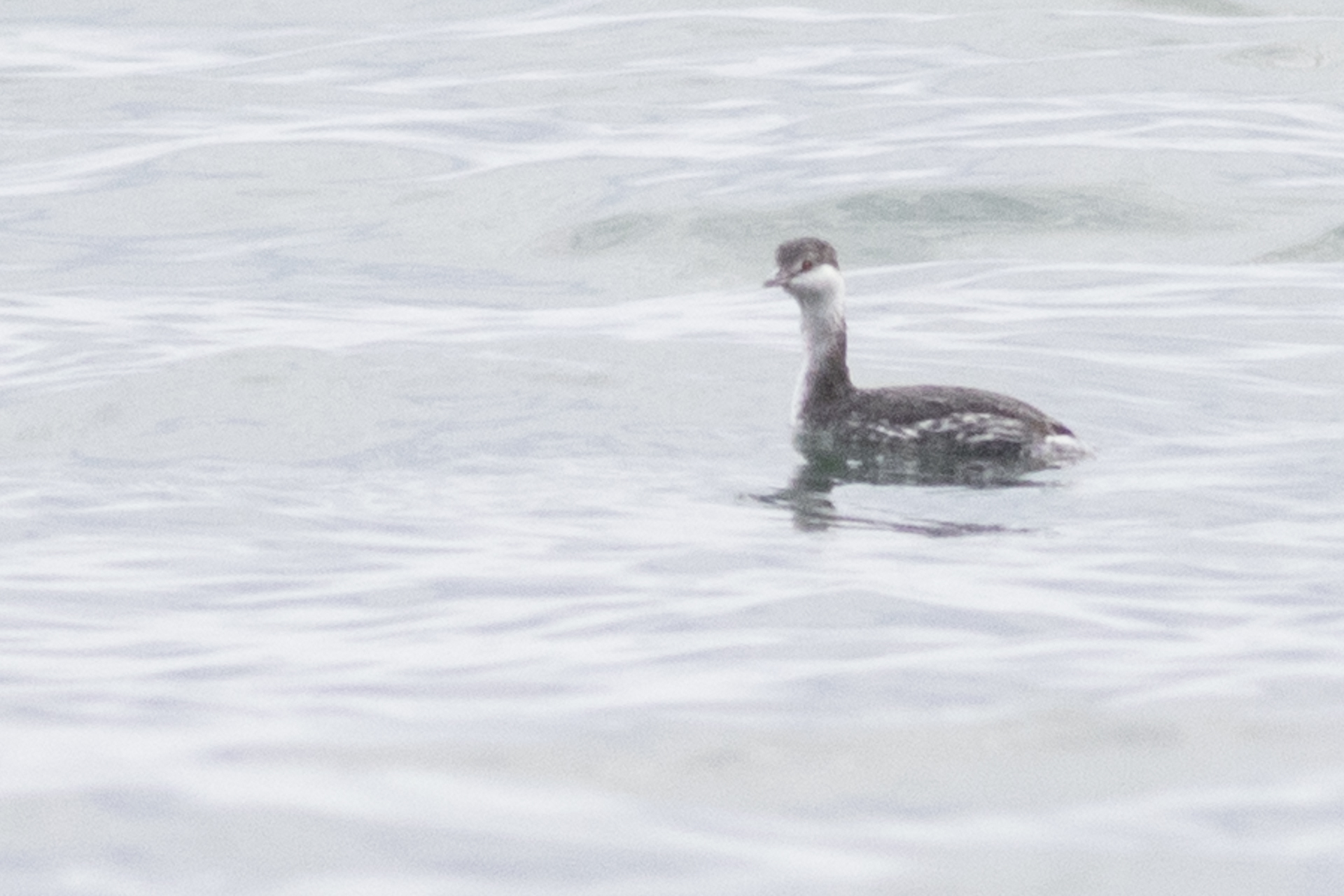
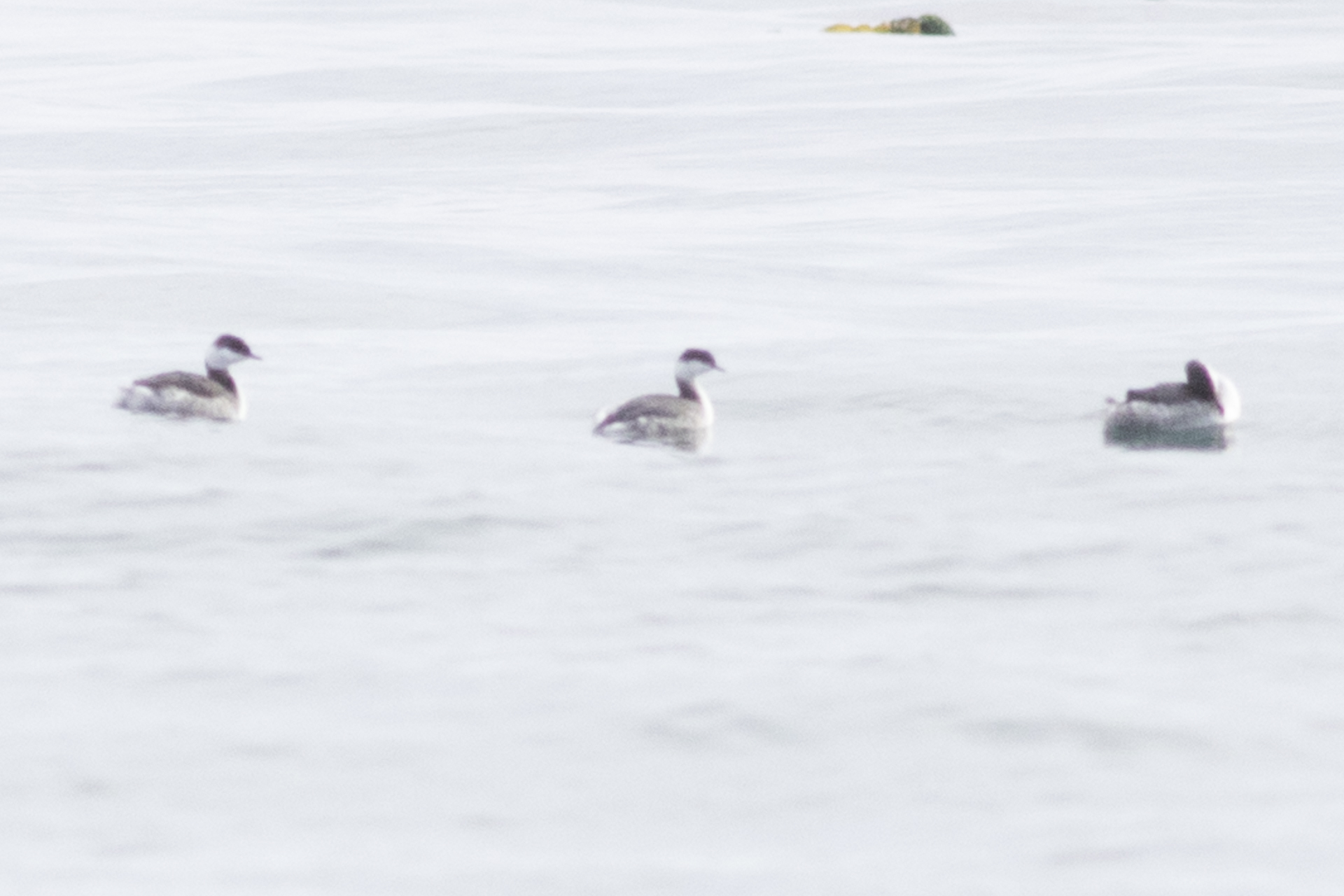
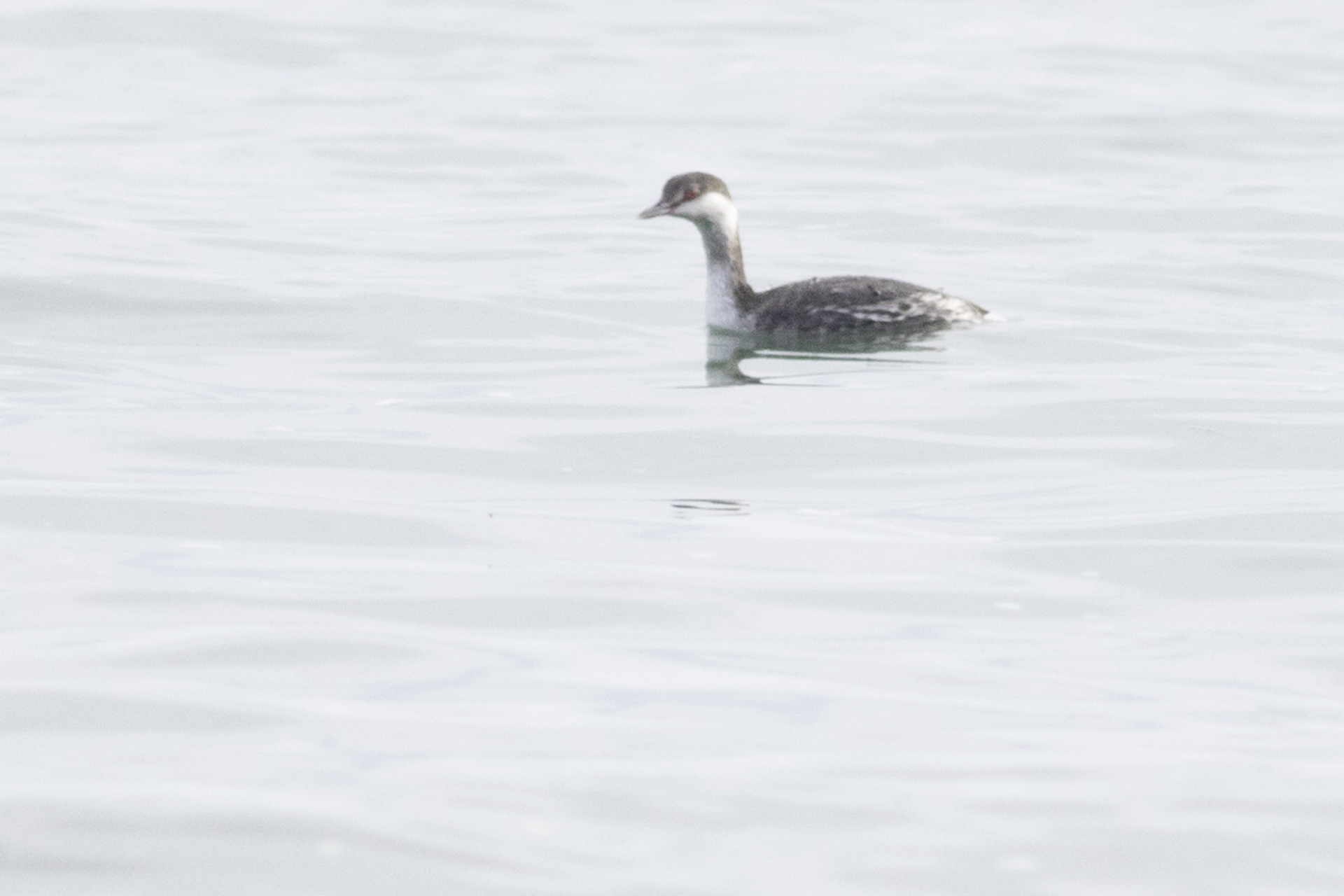
Length 31–38 cm, wingspan 55–74 cm, weight 300–570 g. Breeding plumage features bright orange-yellow or straw-yellow crest feathers ('horns'), black fan-shaped cheek feathers, chestnut brown neck and flanks, and a black crown and back. Non-breeding plumage is black and white with a dull black-grey back and crown, white neck and cheeks, and a straight line separating the crown from the cheeks. Juveniles are duller with a brown-tinged back and paler beak. Chicks have grey backs, white bellies, and distinct black-and-white facial striping. Males are slightly larger and brighter than females.
Identification
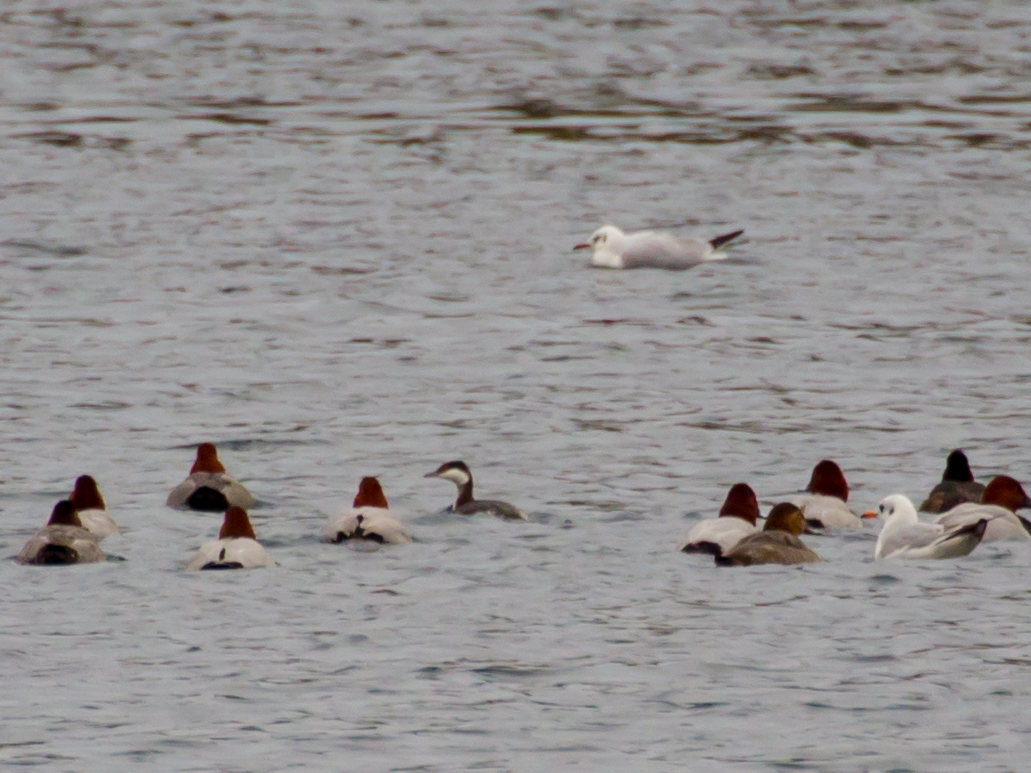
Distinguished by characteristic 'horns' in breeding plumage. In winter, often confused with the black-necked grebe but differentiated by a flatter forehead, straighter bill (not uptilted), cleaner white cheeks (not dusky), and less fluffy rump. The border between the crown and cheeks extends in a straight line behind the eyes.
Distribution & Habitat
Two subspecies: P. a. auritus breeds in northern Europe and Asia (Iceland to Russian Far East); P. a. cornutus breeds in Canada and parts of the United States. Breeds in shallow freshwater ponds, marshes, and lake edges with emergent vegetation. Migrates via lakes and rivers to winter in marine estuaries, bays, and sandy beaches, though some populations winter on inland lakes.
Behavior & Ecology
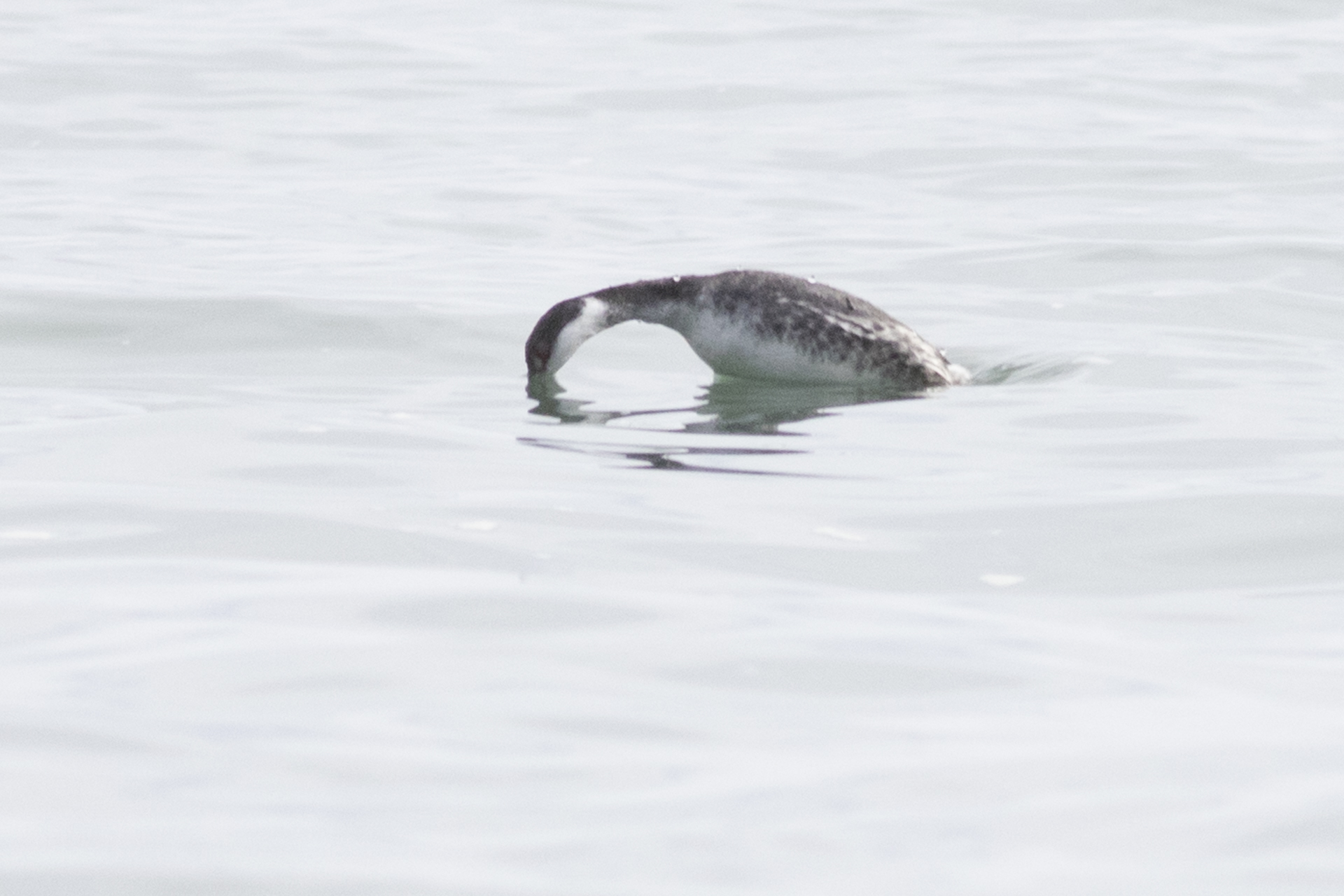
Feeds by diving for aquatic arthropods, fish, and crustaceans, or catching airborne insects. Swallows prey headfirst and consumes feathers to form a stomach filter for bones. Monogamous with four pair-bonding ceremonies: discovery, weed, head-shaking, and triumph. Nests on platforms of plant matter attached to vegetation. Clutch size is 3–8 eggs, incubated by both sexes for 22–25 days. Chicks ride on parents' backs for up to 14 days and fledge at 55–60 days. Vocalizations include a loud, nasally descending 'aaarrh' call.
Conservation
IUCN status Vulnerable (uplisted in 2015). Global population declined 30% over three decades; North American population declined 79%. Threats include human disturbance, forestry operations, fluctuating water levels, competition from stocked rainbow trout, net entanglement, oil spills, and disease. Habitat loss from drainage accounts for 5% global loss. Western Canadian population is of special concern; Magdalen Islands breeding population is endangered.
Source: Wikipedia · CC BY-SA 3.0
Taxonomy
- Order
- Podicipediformes
- Family
- Podicipedidae
- Genus
- Podiceps
Subspecies (2)
-
Podiceps auritus auritus
locally in Palearctic, breeding from northern Scandinavia eastward through Chukotsky and Kamchatka, southward to northern central Asia and Sakhalin; winters mainly coastally and in bays southward to central Europe and Japan to eastern China
Data Sources
Species description from Wikipedia, licensed under CC BY-SA 3.0.
Bird images and sounds sourced from GBIF, contributed by citizen scientists worldwide under Creative Commons licenses.
Taxonomy data from AviList 2025.