Charadriiformes / Charadriidae / Pluvialis
Pacific Golden Plover
Pluvialis fulva · 金鸻
Introduction
A migratory shorebird in the genus Pluvialis, breeding in Alaska and Siberia and wintering across the Pacific. It is monotypic with no recognized subspecies. The species feeds mostly inland in open spaces with short vegetation and exhibits strong site fidelity in nonbreeding grounds. Assessed as Least Concern by the IUCN, though the population trend is decreasing.
Description
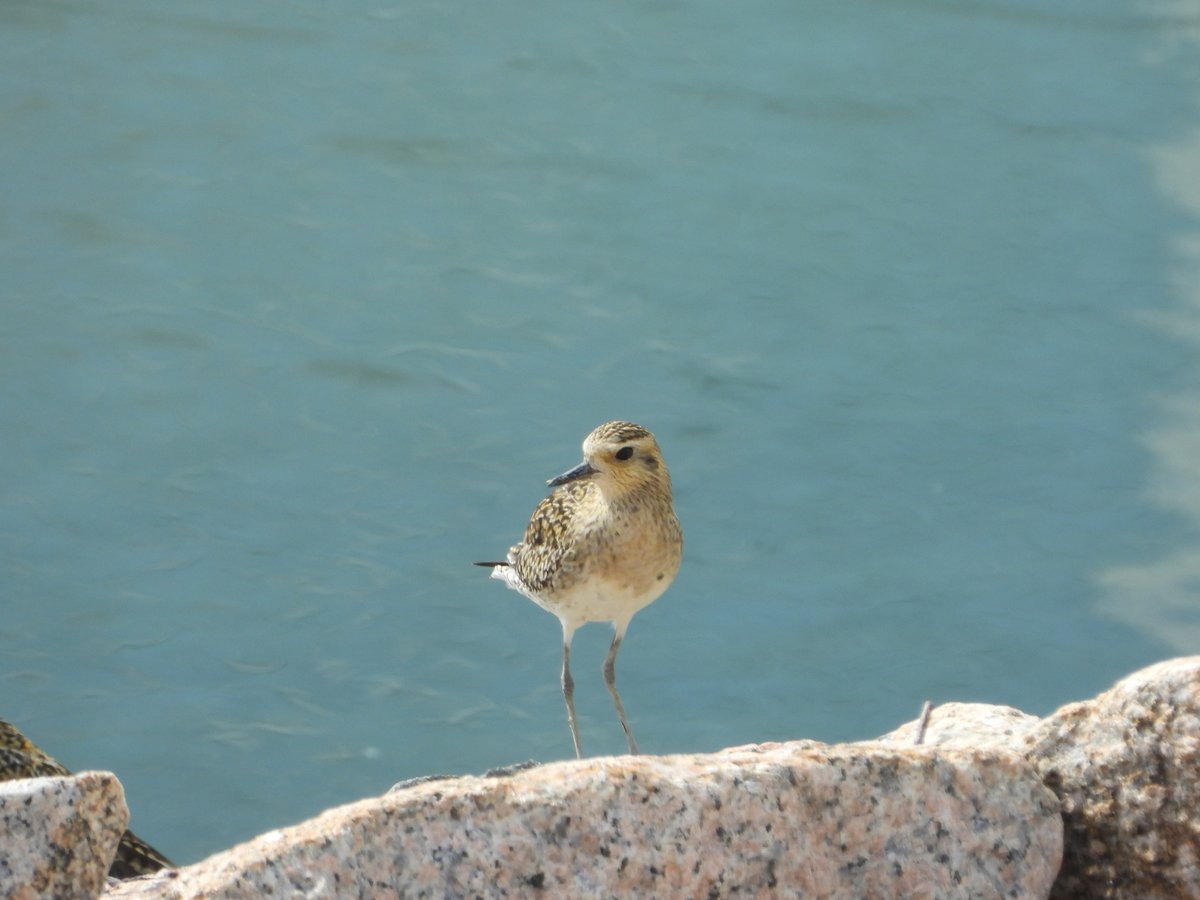
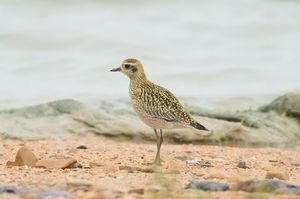
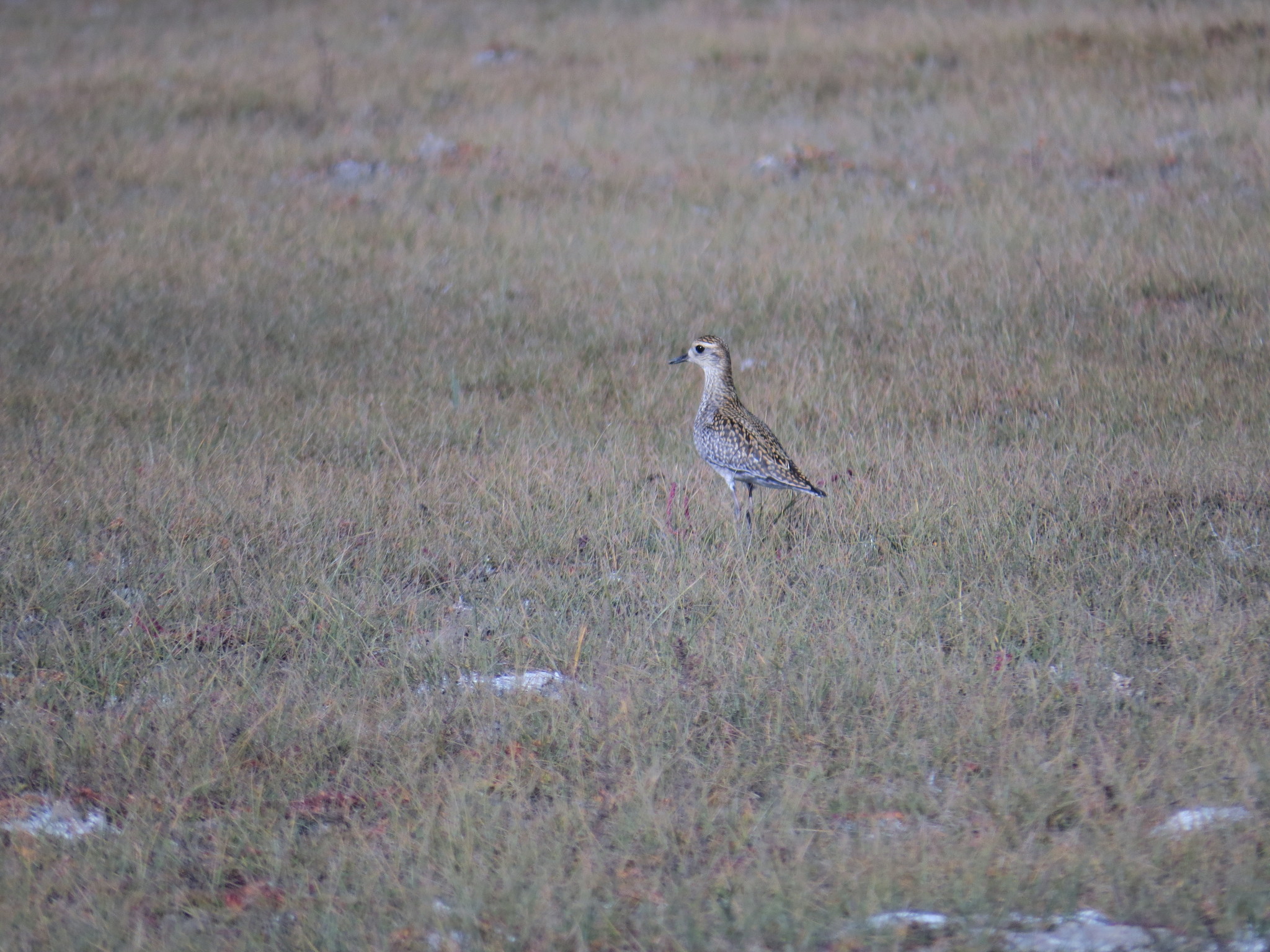
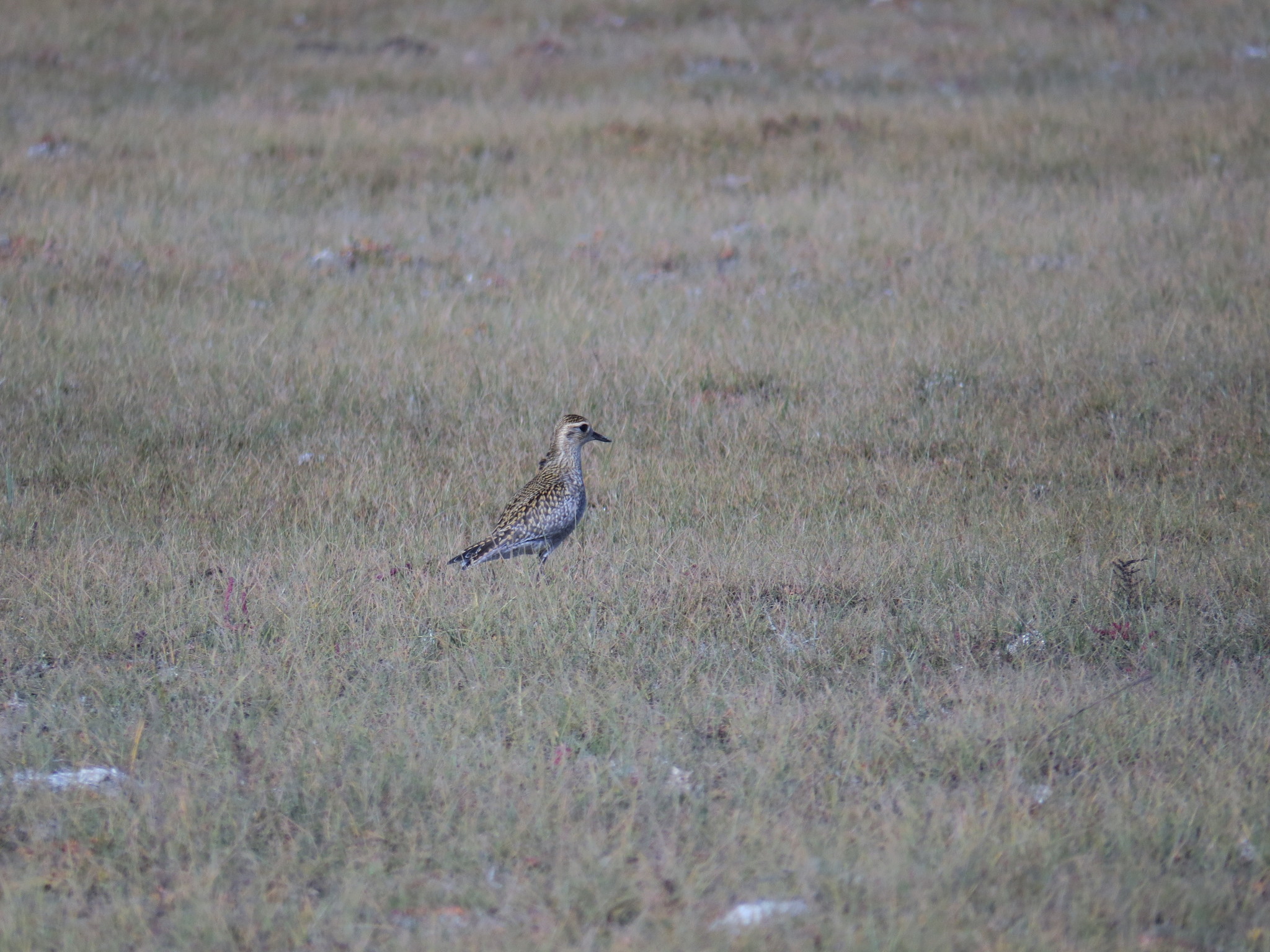
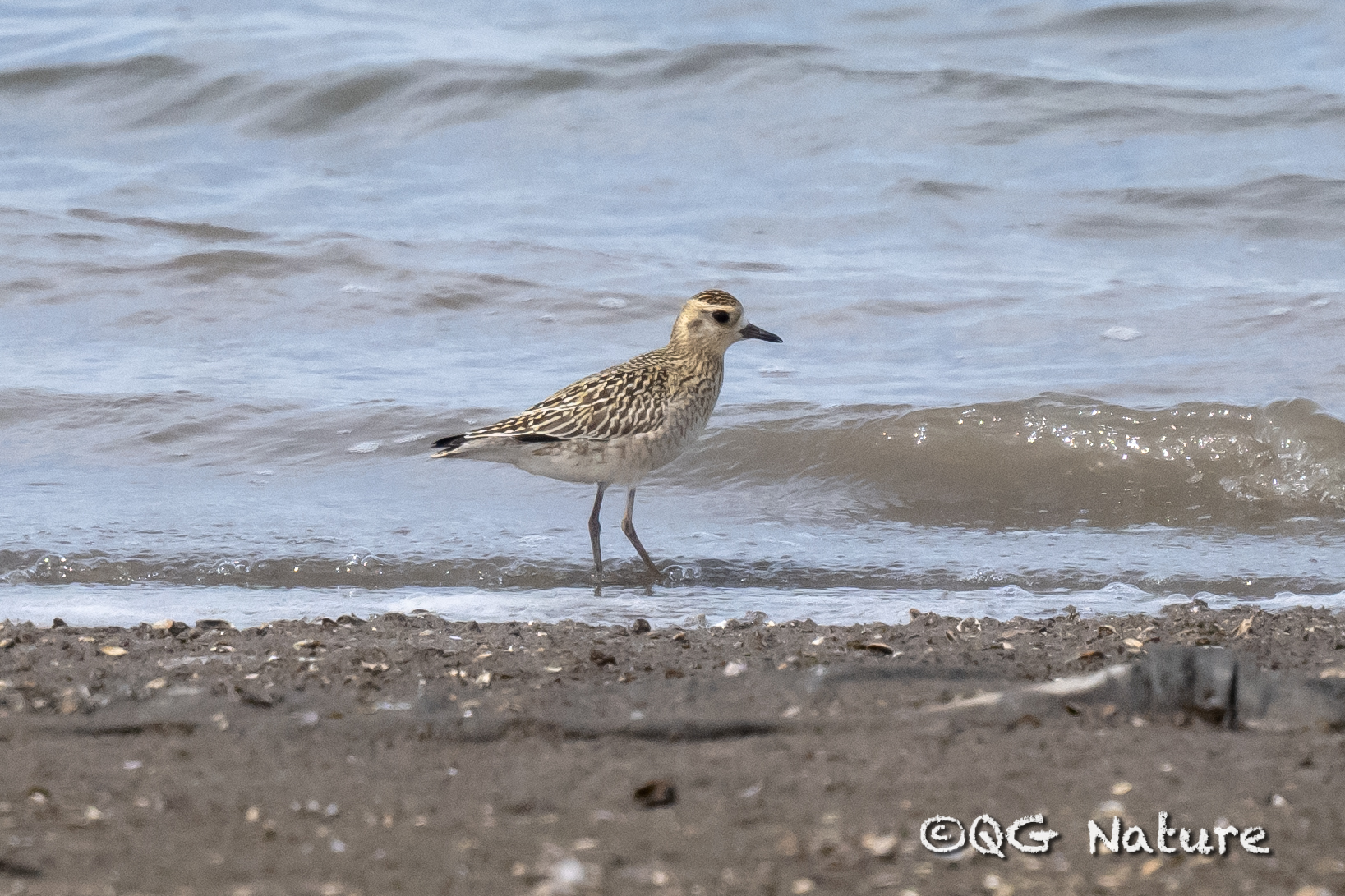
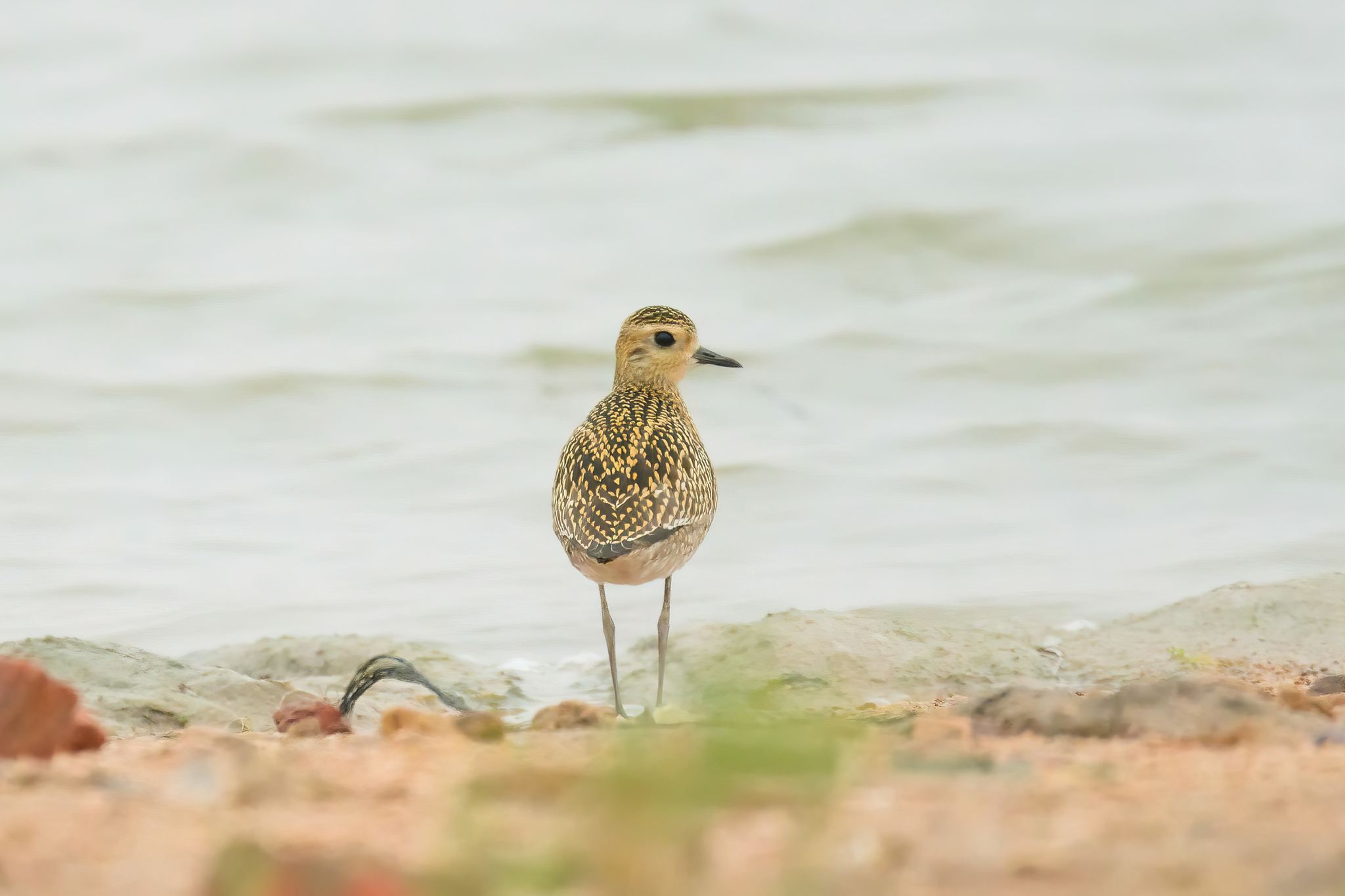
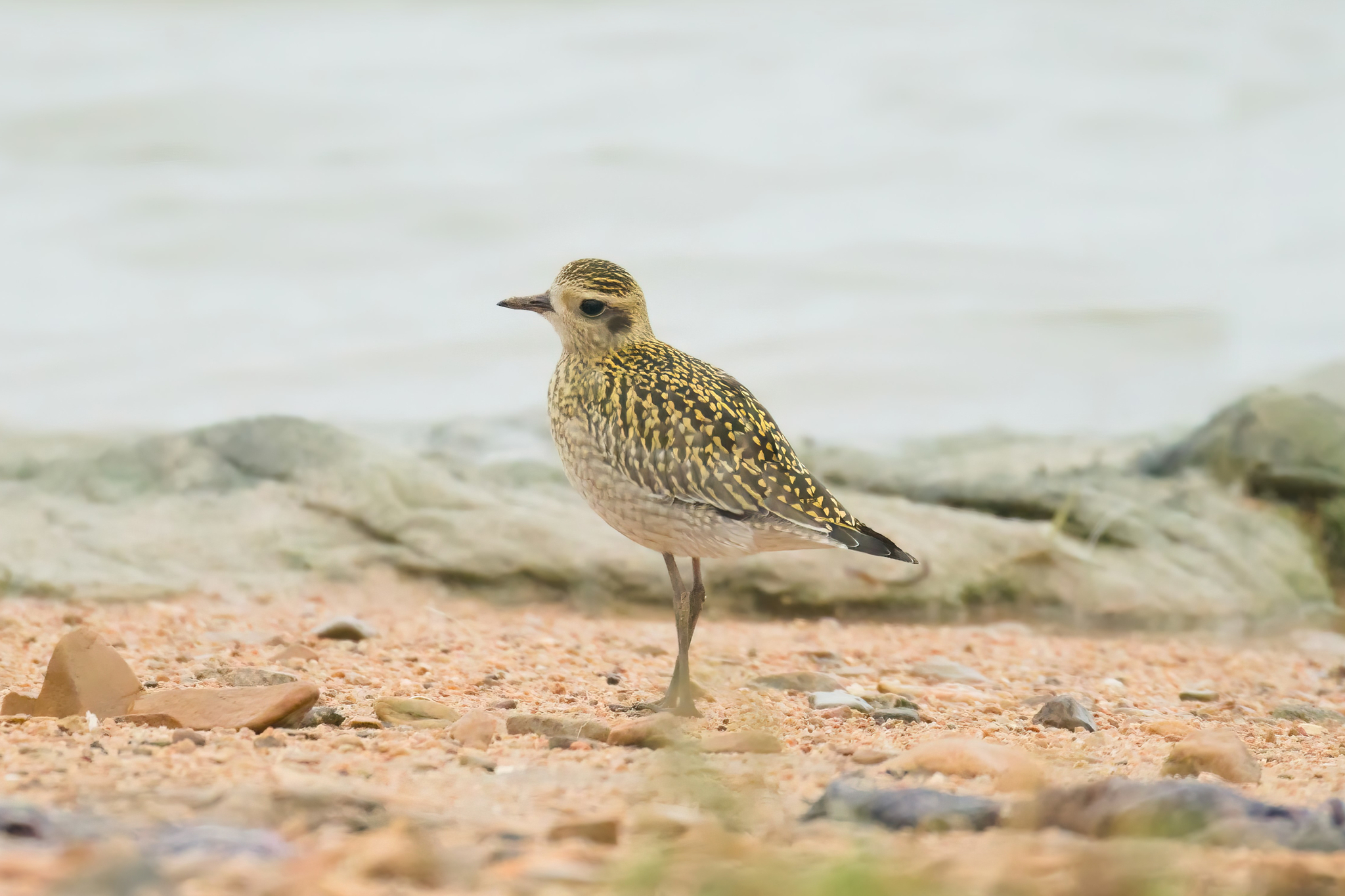
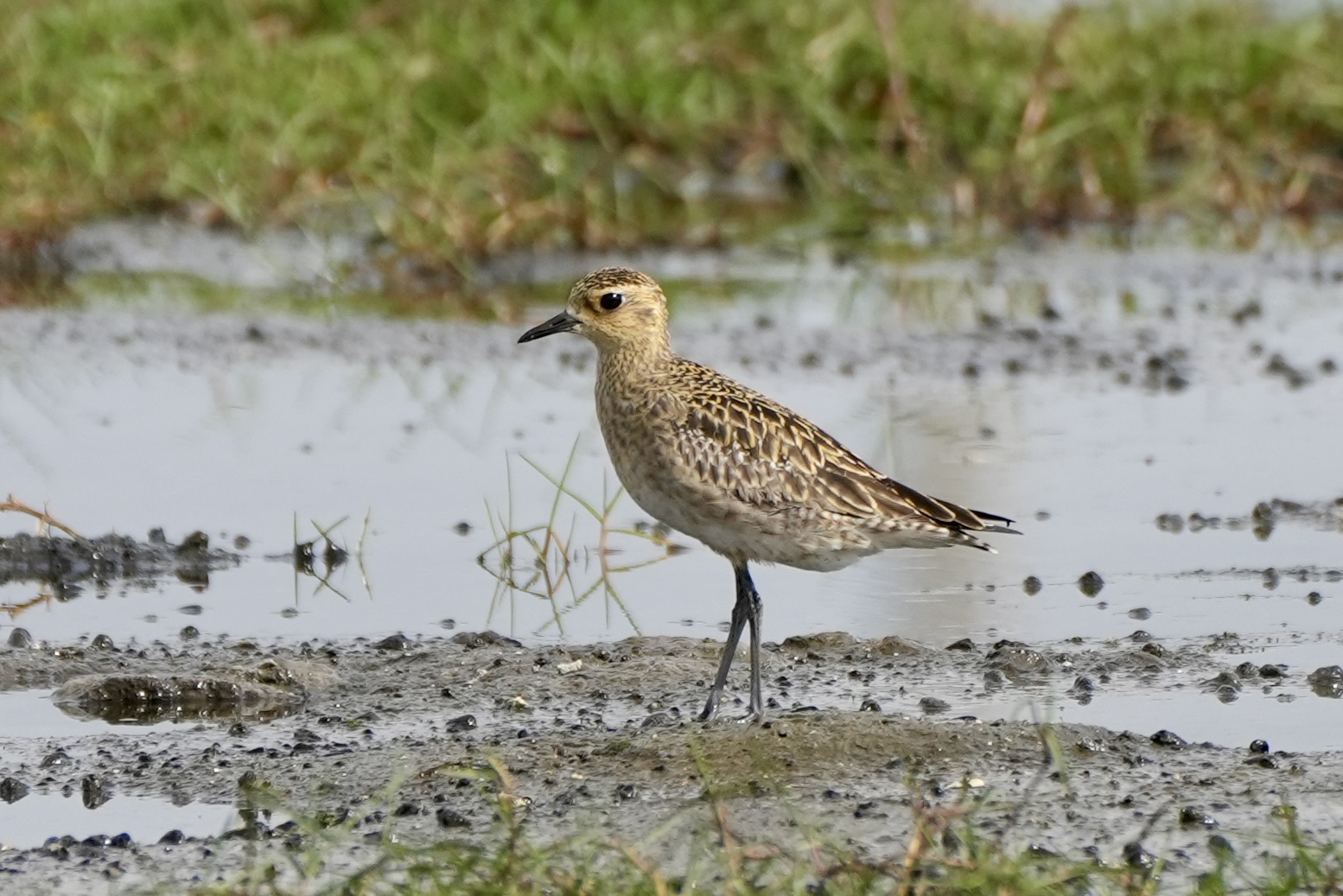
Adults are about 25 cm (9.8 in) long with a wingspan averaging 61 cm (24 in). Fat-free weight is around 135 g (4.8 oz), increasing to about 200 g (7.1 oz) before migration. In breeding plumage, males are spotted gold and black on the crown, back, and wings, with a black face and neck bordered by white, a black breast, and dark rump. The bill is black, and legs are gray to black. Females are similar but have a mottled, less distinct black breast. In nonbreeding plumage, sexes are identical, featuring dark brown, gray, and yellowish patterning replacing the black areas, with lighter underparts. Downy chicks are spotted gold and black on the head and back with whitish-yellow underparts.
Identification
Slimmer than the American golden plover, with longer legs and usually more yellow on the back. More similar to the American golden plover than to the European golden plover.
Distribution & Habitat
Breeds during May, June, and July in Arctic tundra areas of Alaska and Siberia. Migrates south to Asia, Australasia, and Pacific islands in August and September, remaining until April or May. A rare vagrant to western Europe. Prefers open spaces with short vegetation, including tundra, mowed grass, beaches, and tidal flats. In Hawaii, adapts to human-altered environments such as backyards, parks, cemeteries, rooftops, pastures, and golf courses.
Behavior & Ecology
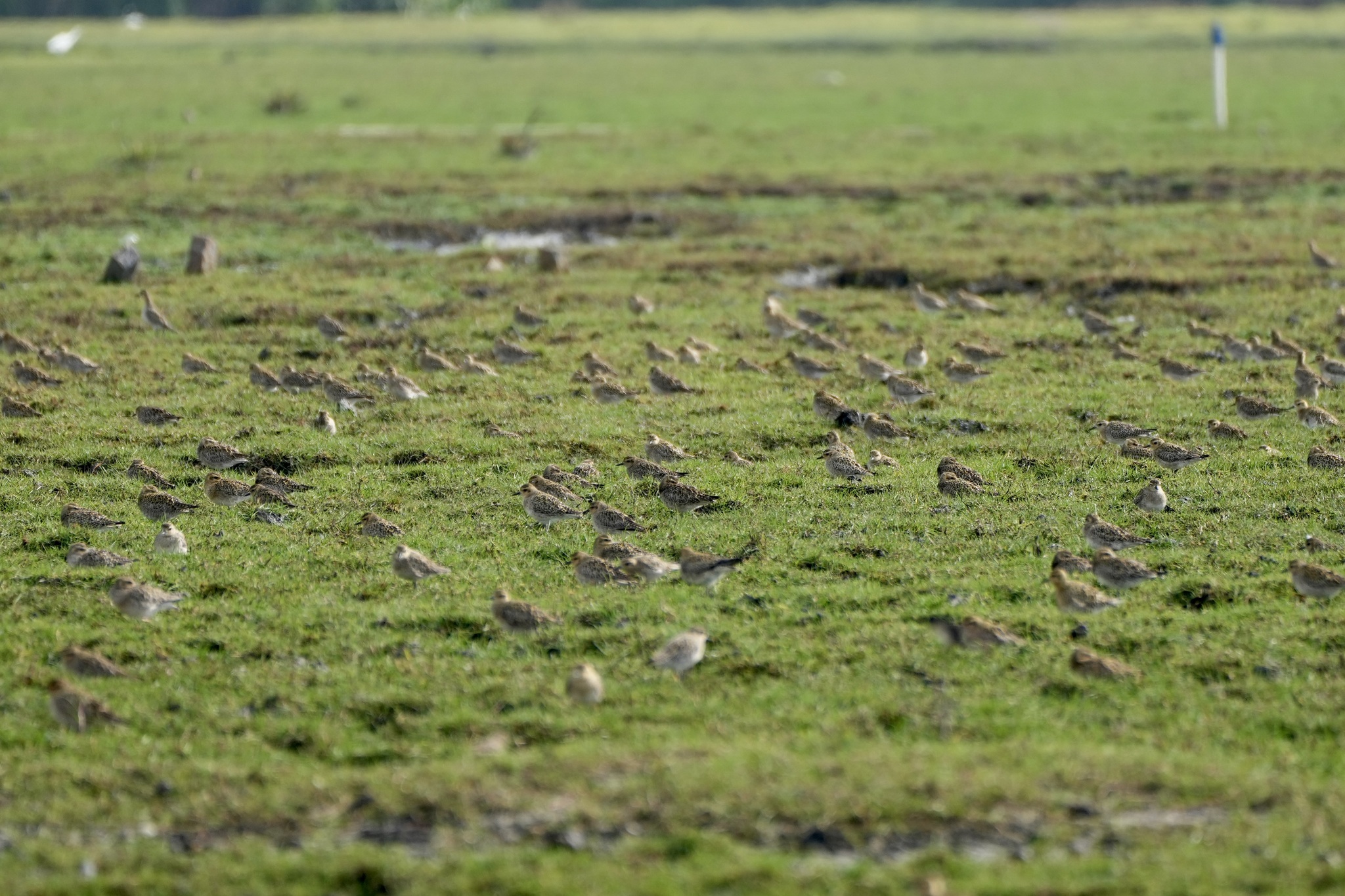
Males often arrive first at breeding grounds, defending territories. Nests are shallow scrapes lined with lichen, moss, and grasses. The female lays four buff-colored eggs with black and brown splotches. Both parents share incubation, chick care, and defense against predators. Chicks leave the nest soon after hatching to forage, returning for warmth. Juveniles fledge at 26–28 days. Females usually depart migration first; juveniles may migrate as late as October or November. Foraging involves a run-stop-peck pattern, eating insects, spiders, mollusks, crustaceans, small reptiles, berries, leaves, and seeds. Wintering birds are mostly solitary within territories, while non-territorial individuals feed in loose groups. Some birds make a 3,000 miles (4,800 km) nonstop flight between Alaska and Hawaii in 3–4 days. Flocks gather prior to northward migration, flying at altitudes from 3,000 ft (910 m) to 16,000 ft (4,900 m). The oldest recorded individual lived at least 21 years and 3 months.
Conservation
Assessed as Least Concern on the IUCN Red List (dated 10/01/16). The population trend is decreasing, with main threats being global habitat shift and alteration due to climate change and severe weather.
Source: Wikipedia · CC BY-SA 3.0
Taxonomy
- Order
- Charadriiformes
- Family
- Charadriidae
- Genus
- Pluvialis
Distribution
breeds Arctic and subarctic Russia from Yamal Peninsula eastward to Chukotskiy Peninsula and northern Kamchatka and Bering Sea coasts of western Alaska; winters to coastal Horn of Africa and Indian subcontinent eastward through Taiwan and Indonesian Archipelago throughout Australasia and Micronesia to eastern Polynesia; widely vagrant elsewhere
Vocalizations
Data Sources
Species description from Wikipedia, licensed under CC BY-SA 3.0.
Bird images and sounds sourced from GBIF, contributed by citizen scientists worldwide under Creative Commons licenses.
Taxonomy data from AviList 2025.