European Golden Plover
Pluvialis apricaria
欧金鸻
Introduction
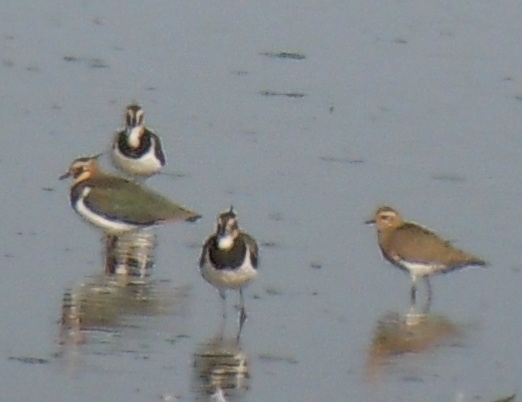
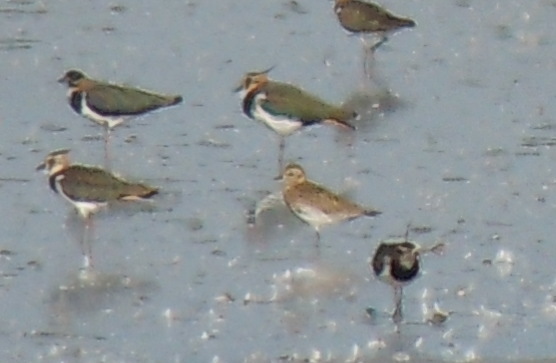
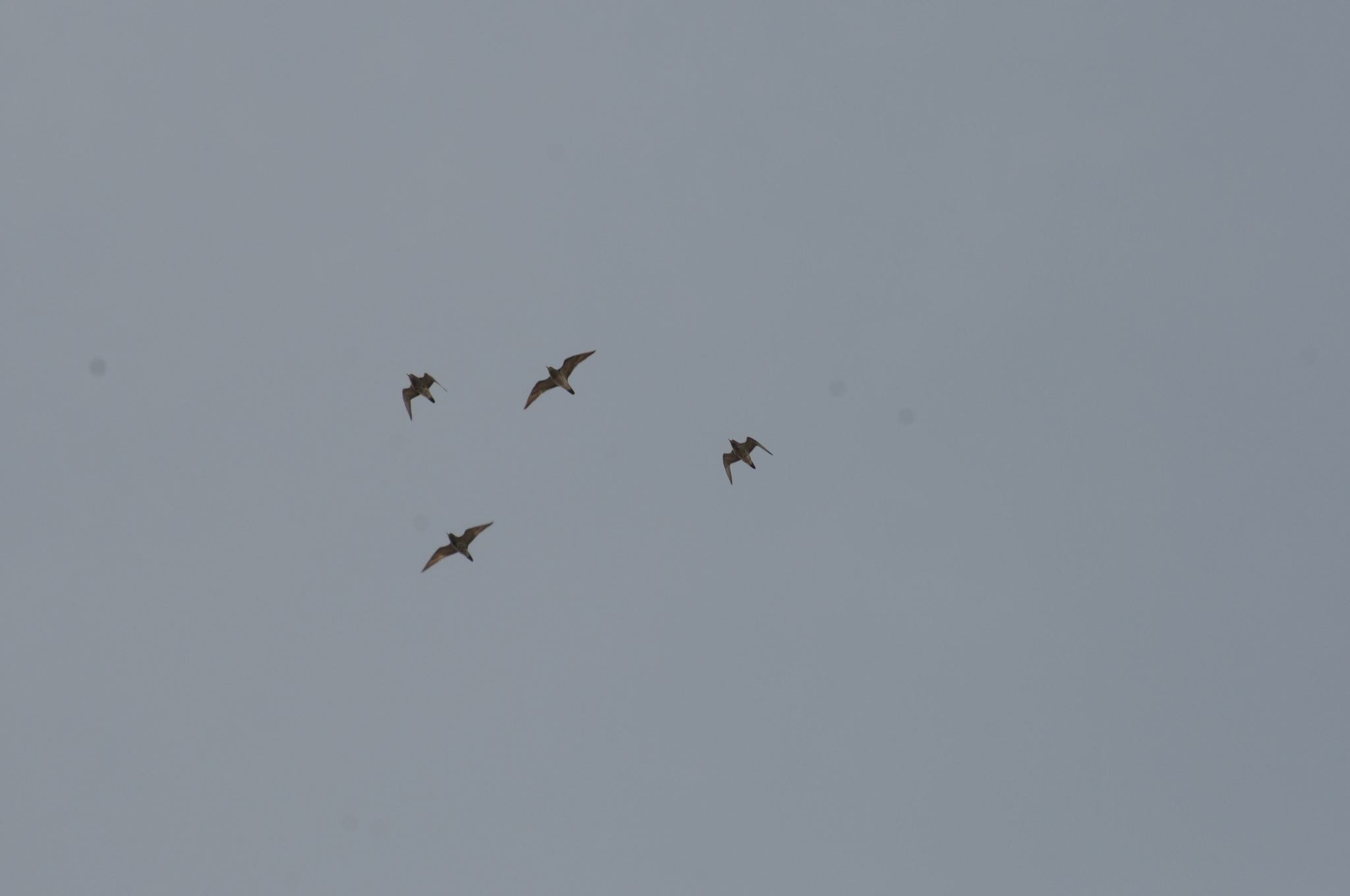
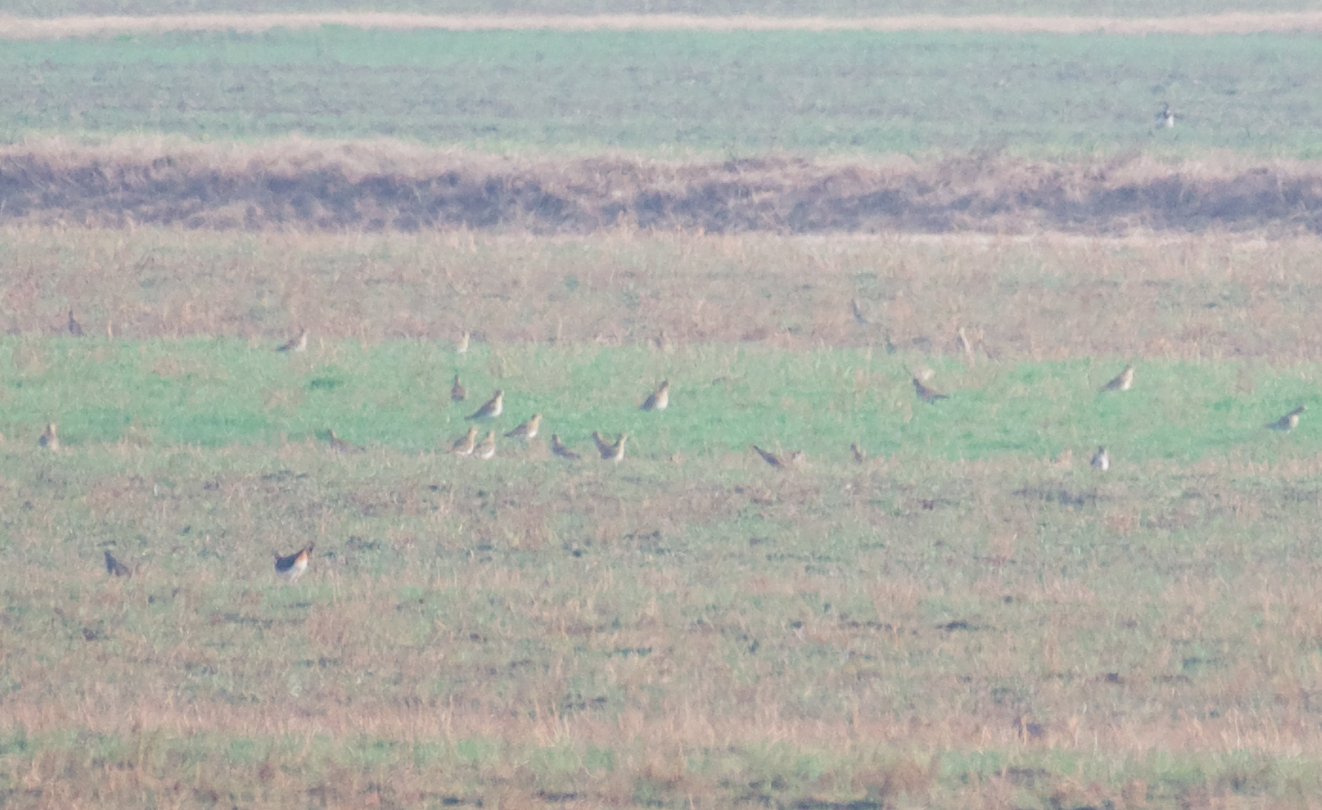
Golden Plover (Pluvialis apricaria) is a migratory wader that breeds across Arctic and subarctic Europe, including tundra and moorland regions. It occurs as a passage migrant and winter visitor throughout Britain and Ireland, where it inhabits agricultural plains, wetlands, moorlands, and lowland fields. The species forms large winter flocks numbering hundreds to thousands of individuals, often associating with lapwings, snipe, and other waders. During the breeding season, males perform a distinctive rolling display flight with aerial maneuvers over their territories. The species is characterized by golden-spangled upperparts and white underparts. Its vocalization consists of a descending, whistled 'tuu' call, commonly heard in winter habitats across lowland Britain and Ireland.
Description
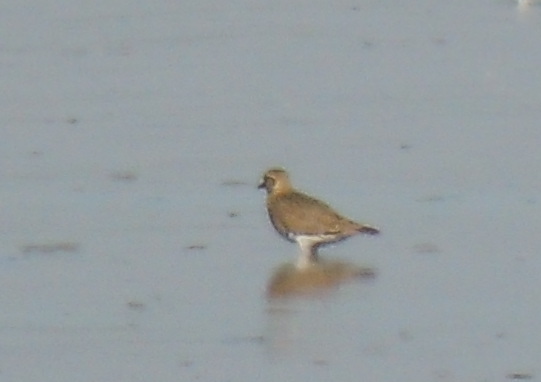
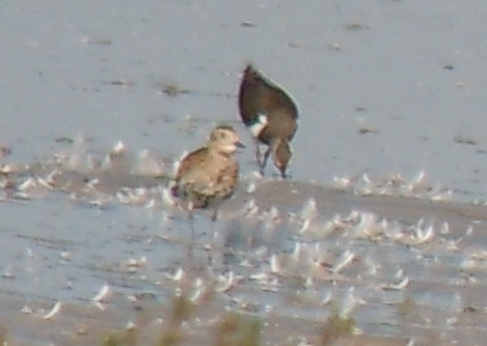
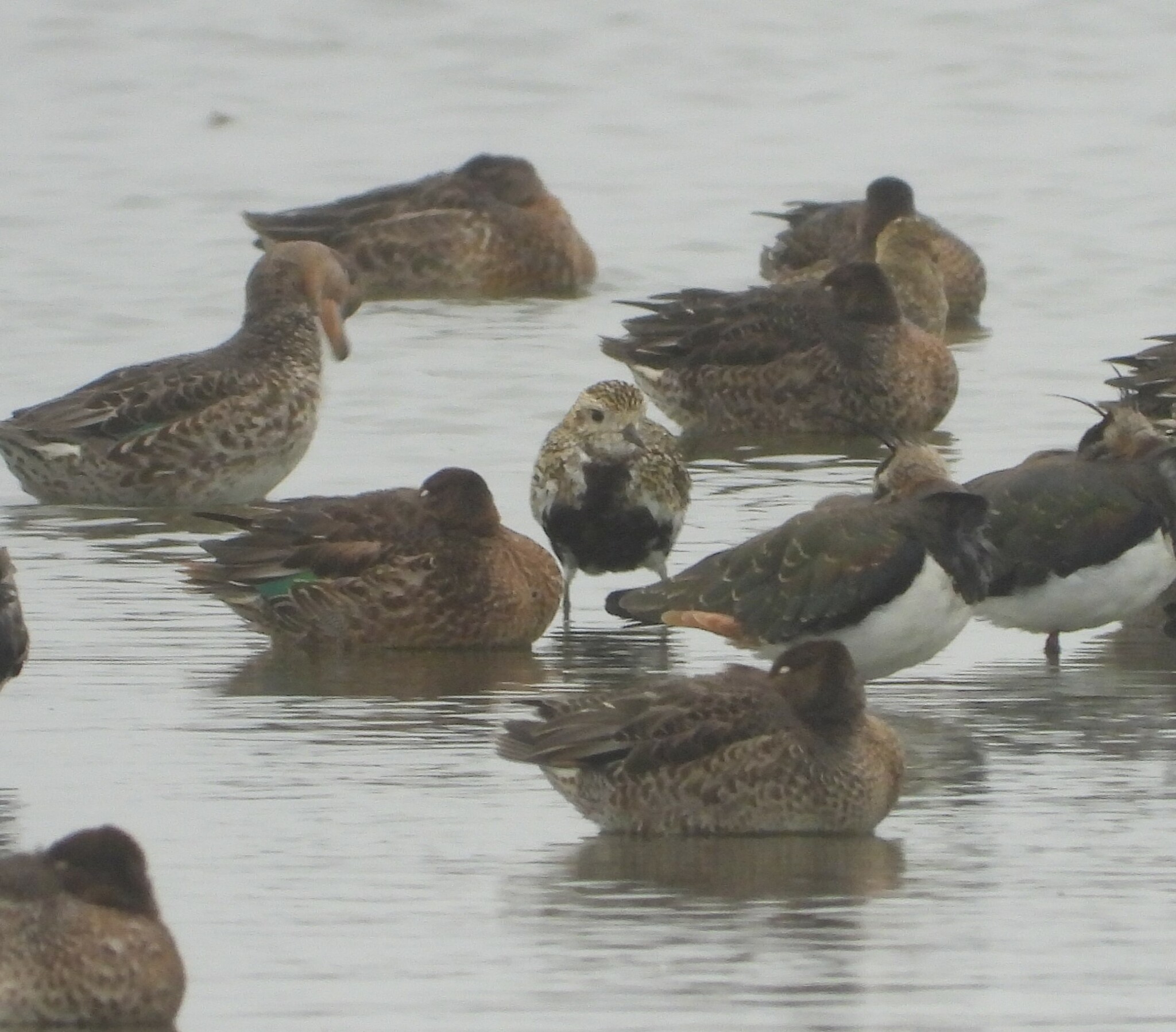
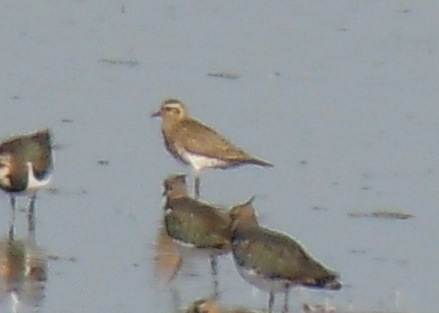
This is a thickset, medium-sized plover with wings that extend only slightly beyond the tail in flight. The most striking feature is the bold white 's'-shaped band that sweeps from the forehead down the sides to the flanks, creating a distinctive pattern against the otherwise golden and brown upperparts. In breeding plumage, the upperparts display a beautiful mosaic of gold, buff, and black markings, while the underparts are predominantly black. Winter plumage is more subdued, with the black underparts fading to white with dark mottling. The legs are dark grey to black, and the bill is relatively short and straight.
Identification
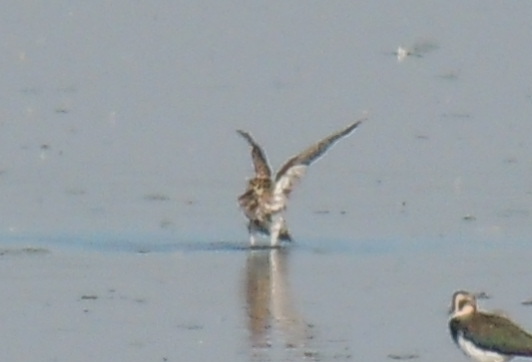
Similar to the American golden plover and Pacific golden plover, but this species is noticeably bulkier and shorter-legged than its relatives. The most reliable distinguishing feature is the white axillary (armpit) feathers, visible when the bird stretches its wings or in flight; the American and Pacific golden plovers have grey axilleries. In direct comparison, the other two golden plovers appear slimmer and more elegant, with proportionately longer legs. The bulkier structure and shorter-tailed appearance also help distinguish this species from its more streamlined cousins.
Distribution & Habitat
Breeds across Arctic tundra and moorland habitats from Iceland eastwards through Scandinavia to central Siberia, with the southernmost populations in Wales and Belarus. The Dartmoor population became extinct around 2010. In winter, it migrates southwest to milder regions, including most of Europe from Ireland and Denmark southwards to the Mediterranean, northwest Africa as far as Algeria, and southwest Asia to the Caspian coast of Iran. Favours open agricultural plains, ploughed fields, and short meadows near wetlands, typically in flat lowland terrain but also found on subarctic plateaus. Vagrants occasionally reach eastern Canada, Gambia, Pakistan, and northern India.
Behavior & Ecology
The characteristic call is a melancholic, slightly descending 'tuu', often given in flight or when disturbed. Flight action is rapid and powerful with regular wingbeats. During breeding season, males perform elaborate display flights over moorland territories. Chicks are dependent on specific insect prey: in Britain they rely heavily on cranefly larvae, while in Sweden march flies form the primary food source. Adults feed on insects, worms, and seeds. Outside breeding season, they form large flocks that roost communally and move together to feeding grounds.
Conservation
Classified as Least Concern by the IUCN, reflecting the species' overall secure status, with Iceland holding approximately one-third of the global population. However, populations on the southern edge of the breeding range have declined significantly or become extinct in several countries including Britain, Denmark, Belgium, Poland, Germany, and southern Sweden. The species is protected under the Agreement on the Conservation of African-Eurasian Migratory Waterbirds (AEWA). Primary threats include habitat loss, agricultural intensification, and disturbance at breeding and wintering sites.
Culture
In Icelandic folklore, the arrival of the first plover signals the true beginning of spring, making this species a much-anticipated herald of the new season. Icelandic media traditionally reports the first sighting each year, which occurred on 27 March in 2017 and 16 March in 2020. The plover holds additional cultural significance as a symbol of femininity and womanhood in Iceland. Perhaps most remarkably, this bird played a pivotal role in the origin of the Guinness World Records book. On 10 November 1951, Sir Hugh Beaver missed a shot at a Eurasian golden plover during a shooting party in County Wexford, Ireland, sparking an argument about whether the golden plover or red grouse was Europe's fastest game bird. This incident led Beaver to commission the first Guinness World Records, which became a bestseller.
Source: Wikipedia · CC BY-SA 3.0
Taxonomy
- Order
- Charadriiformes
- Family
- Charadriidae
- Genus
- Pluvialis
- eBird Code
- eugplo
Distribution
breeds inland low Arctic (mainly) to temperate zone from Greenland eastward to Taymyr Peninsula (north-central Russia); winters to inland and coastal southern Europe, northern Africa, and Middle East
Vocalizations
Data Sources
Species description from Wikipedia, licensed under CC BY-SA 3.0.
Bird images and sounds sourced from GBIF, contributed by citizen scientists worldwide under Creative Commons licenses.
Taxonomy data from AviList 2025.