Pelecaniformes / Threskiornithidae / Platalea
Eurasian Spoonbill
Platalea leucorodia · 白琵鹭
Introduction
A wading bird of the family Threskiornithidae, native to Europe, Africa, and Asia. It is partially migratory, with northern populations migrating south for winter. The species prefers extensive, shallow wetlands and uses its distinctive bill to filter feed. The global population was estimated at 63,000–65,000 mature birds in 2015.
Description
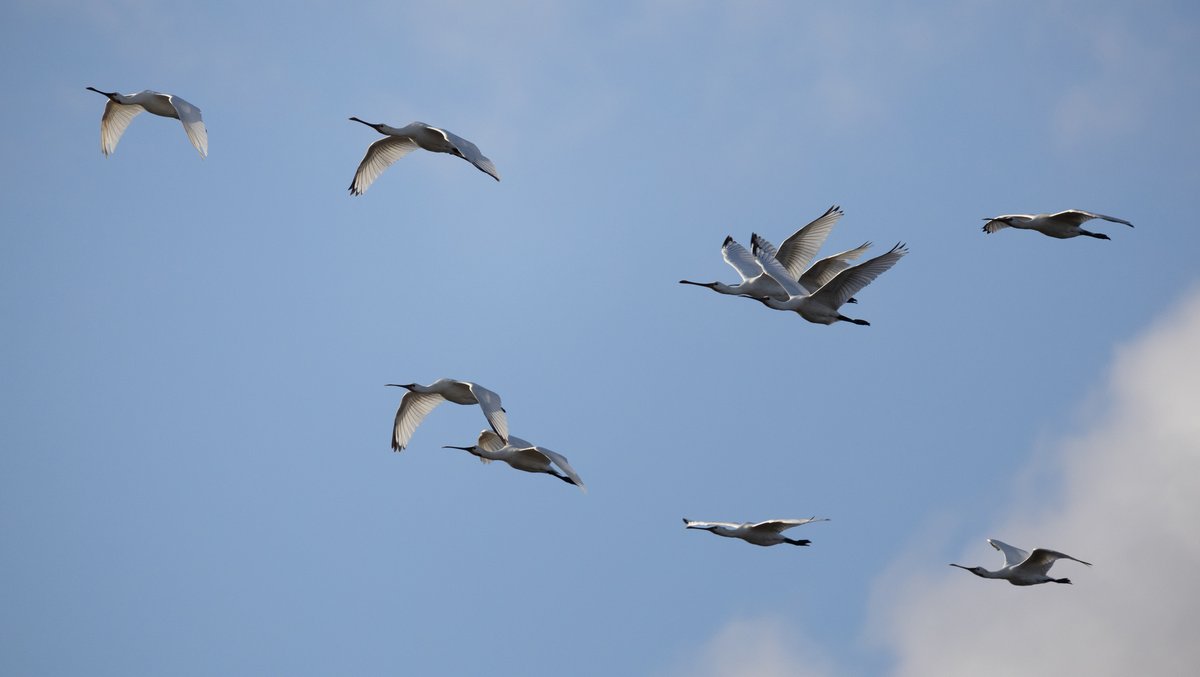
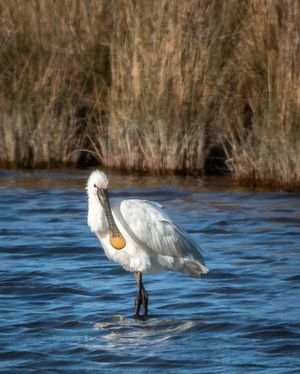
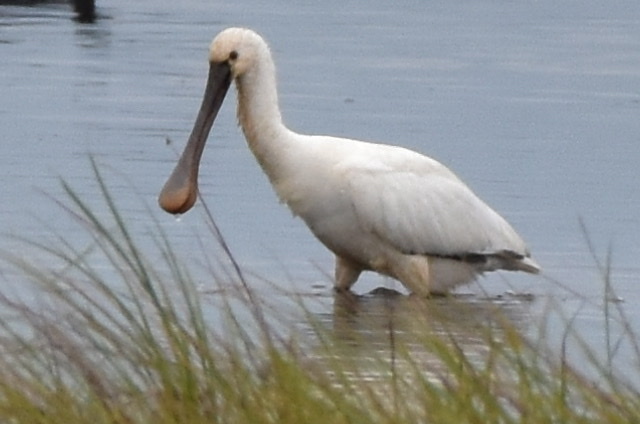
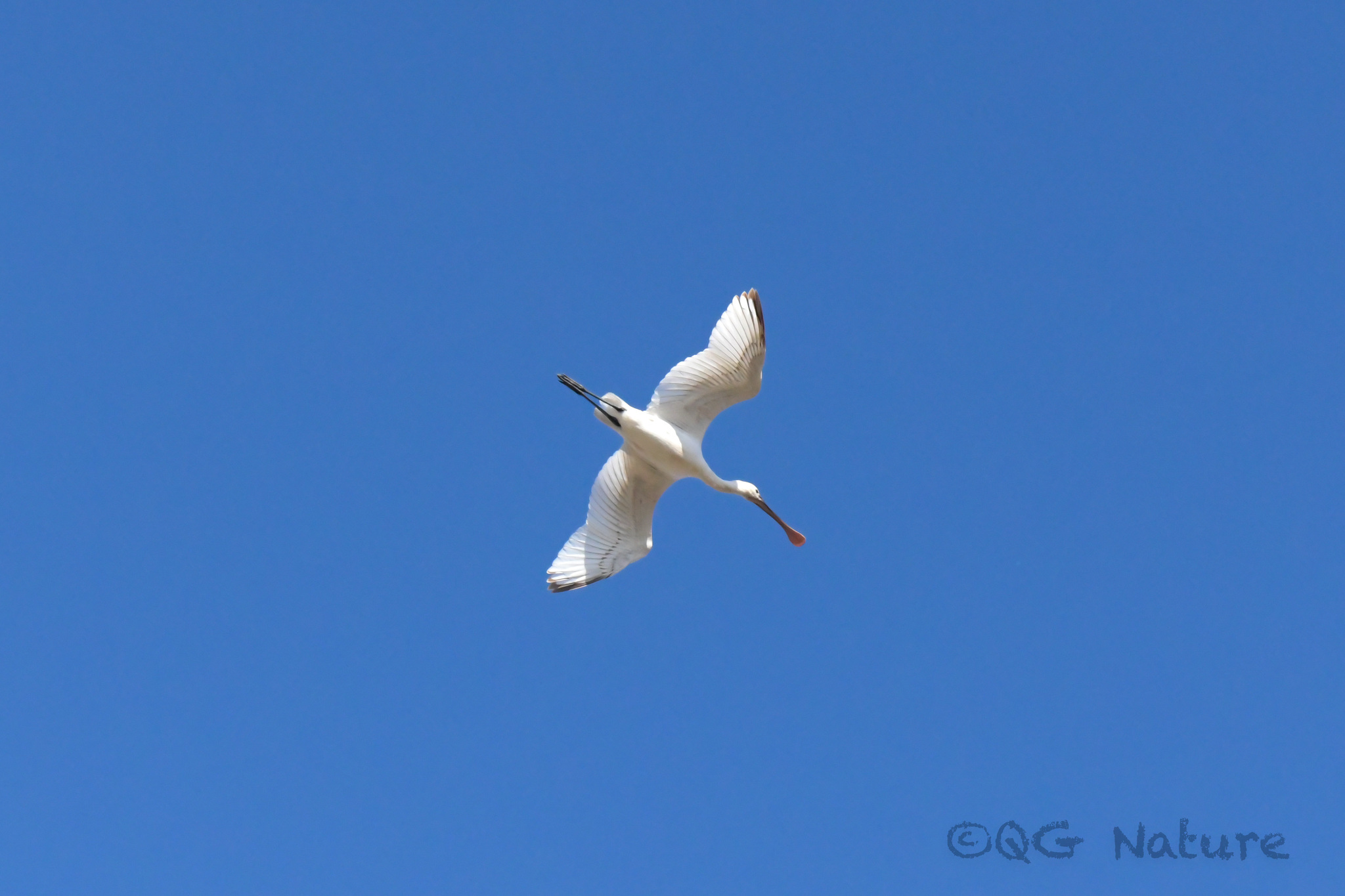
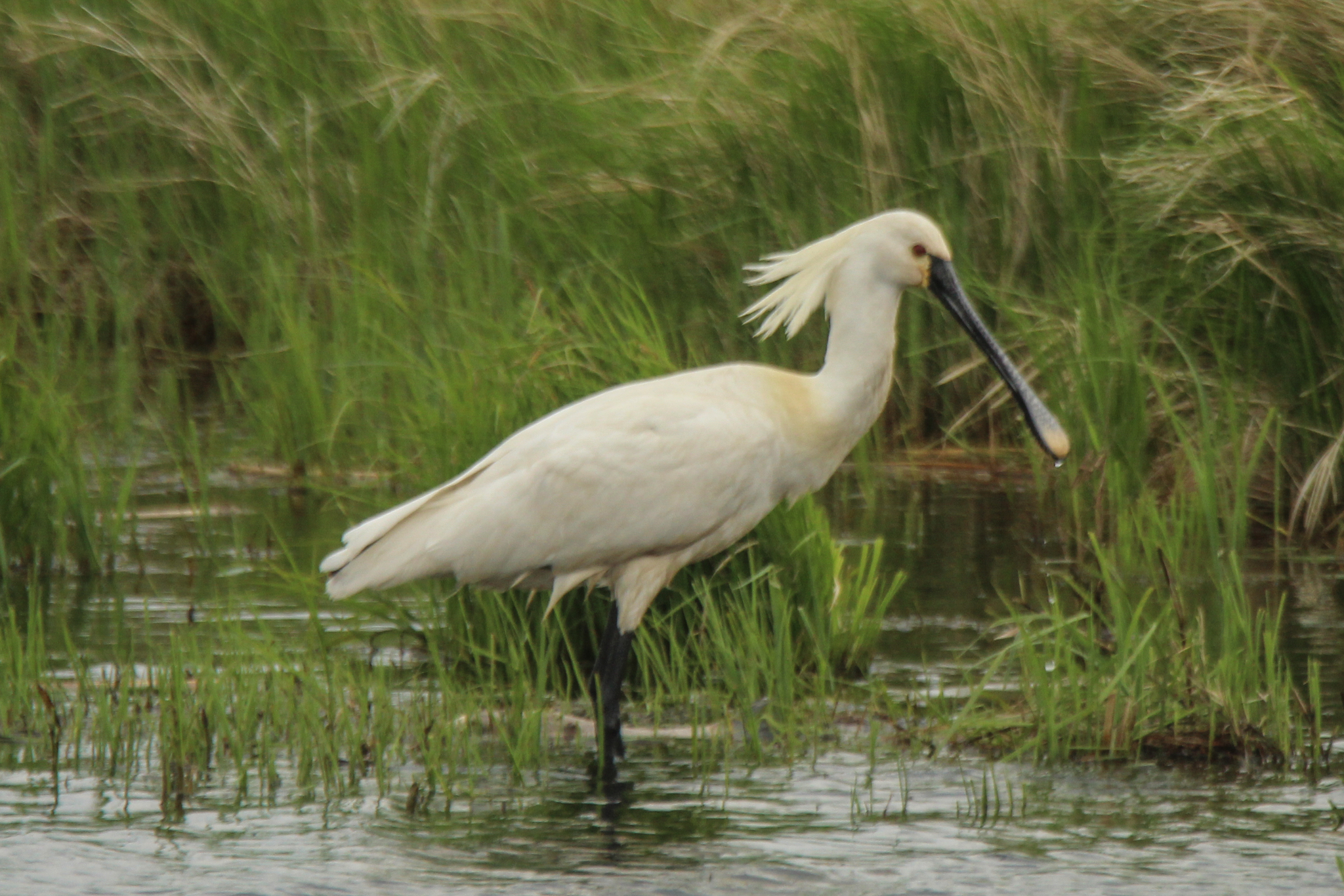
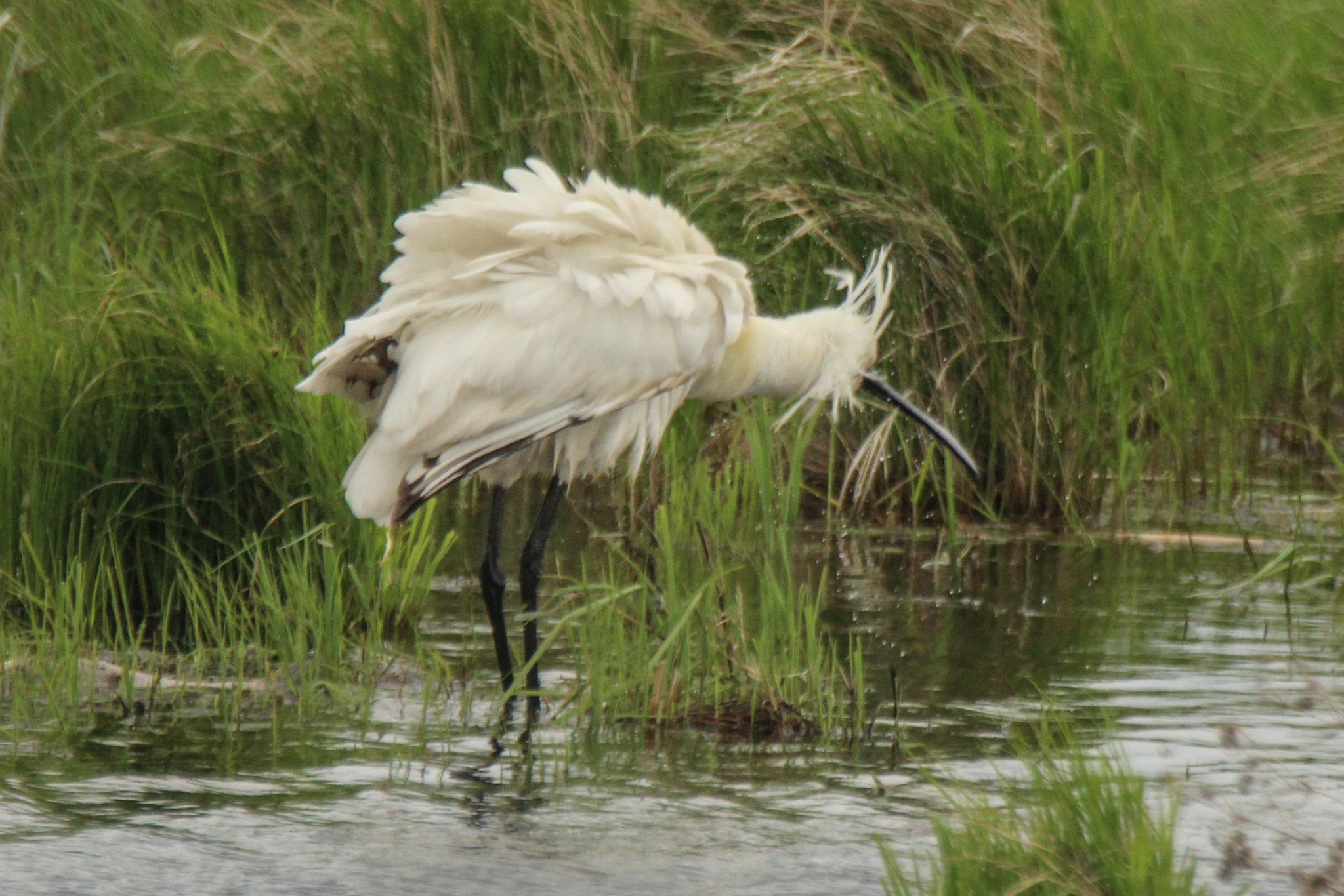
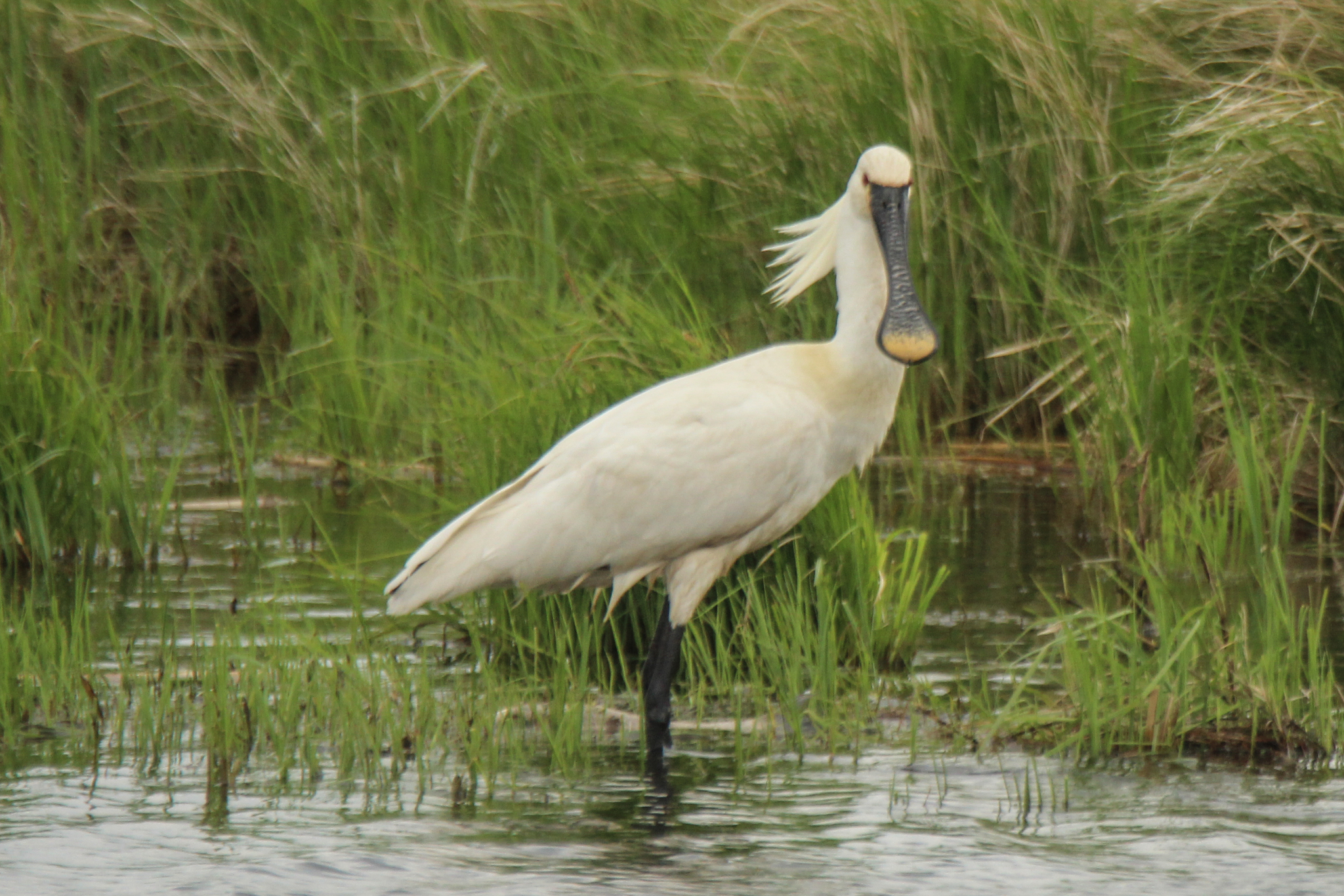
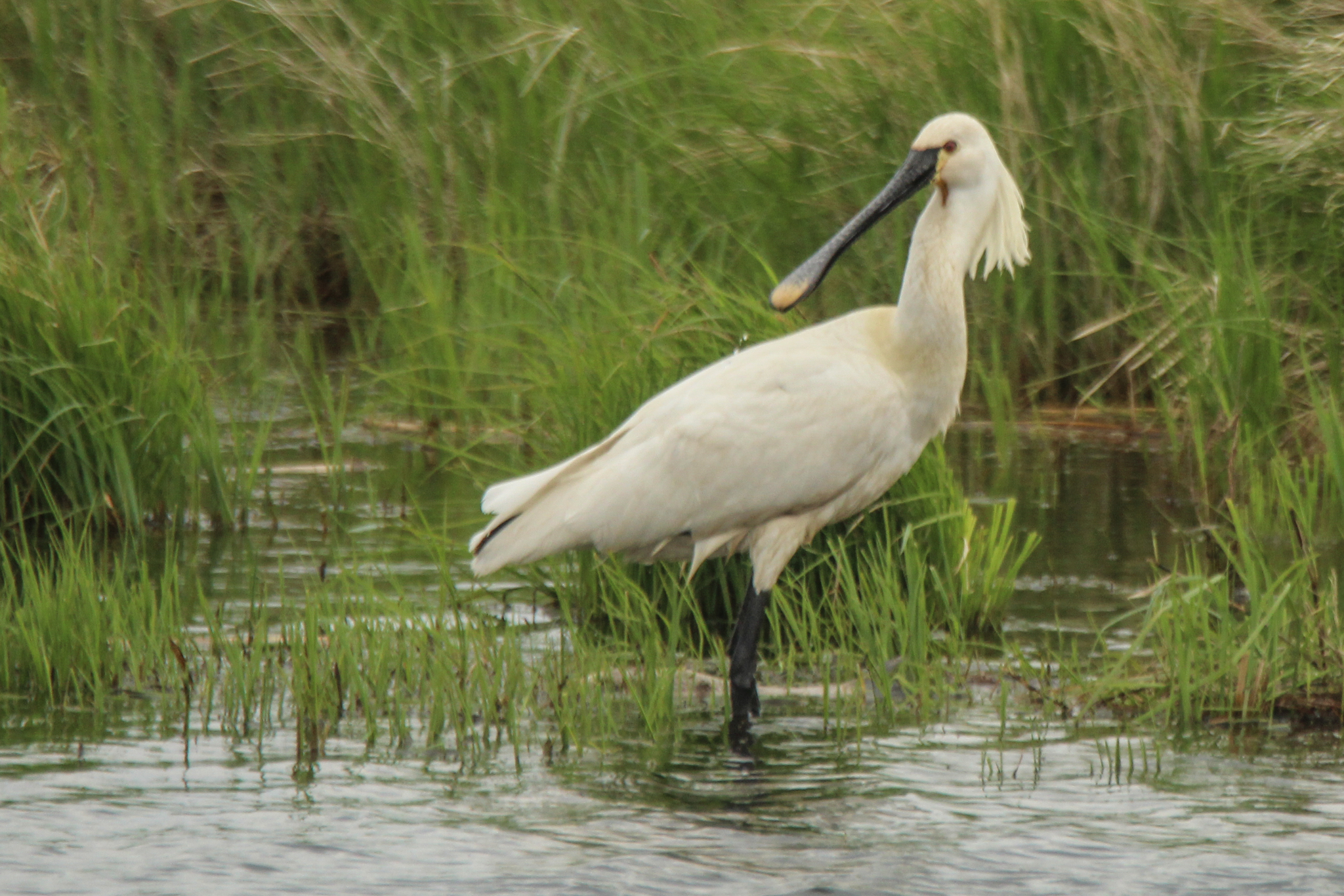
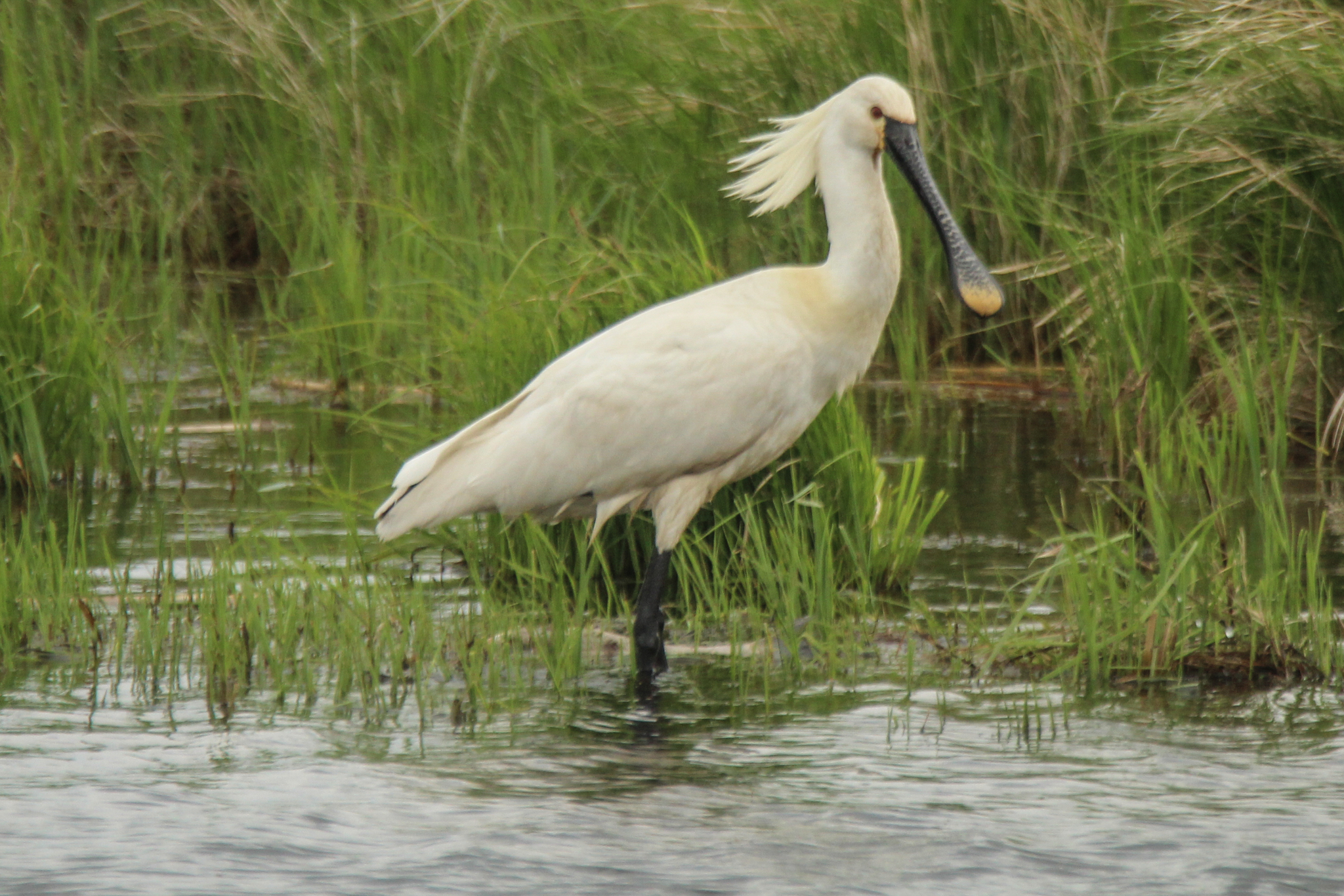
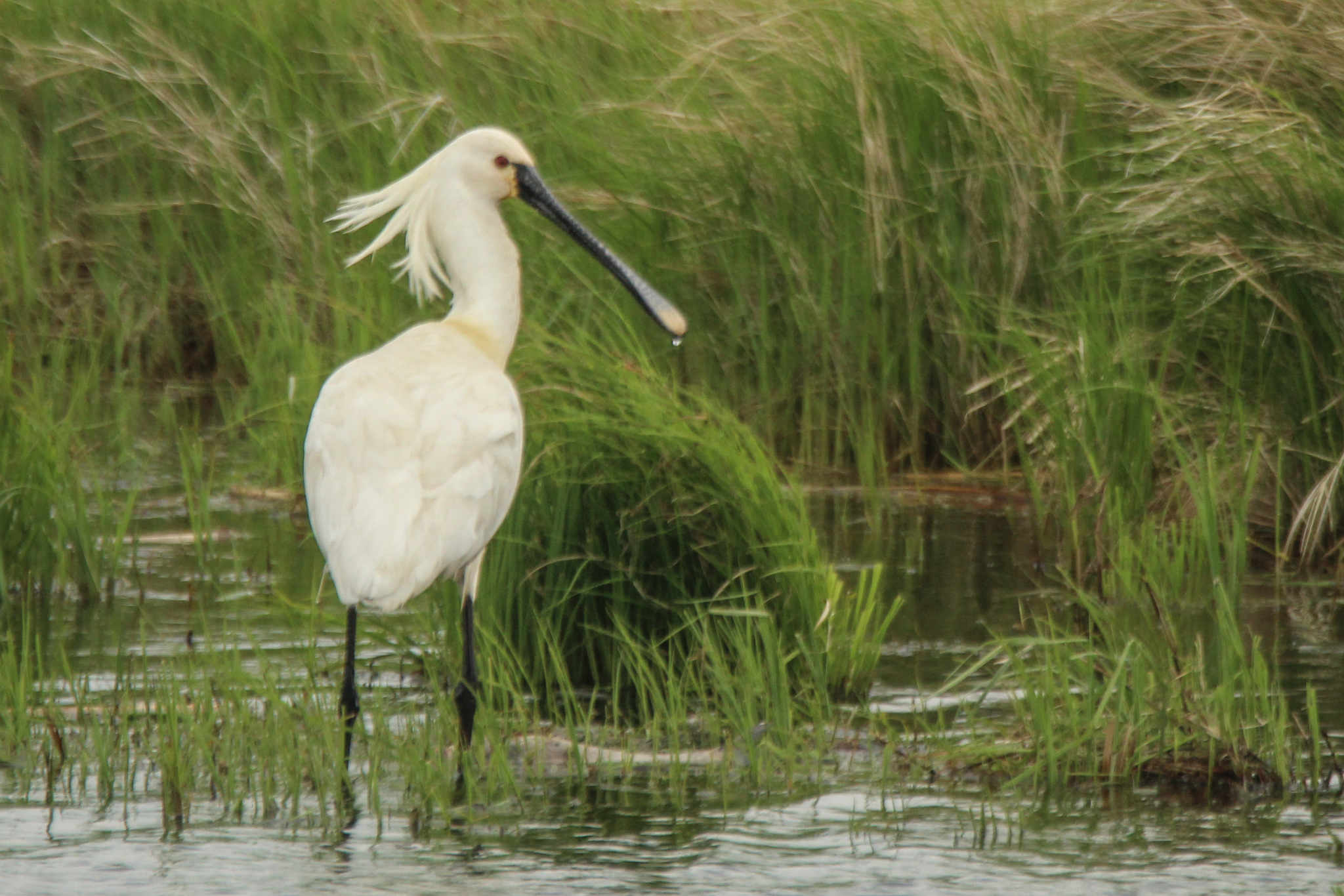
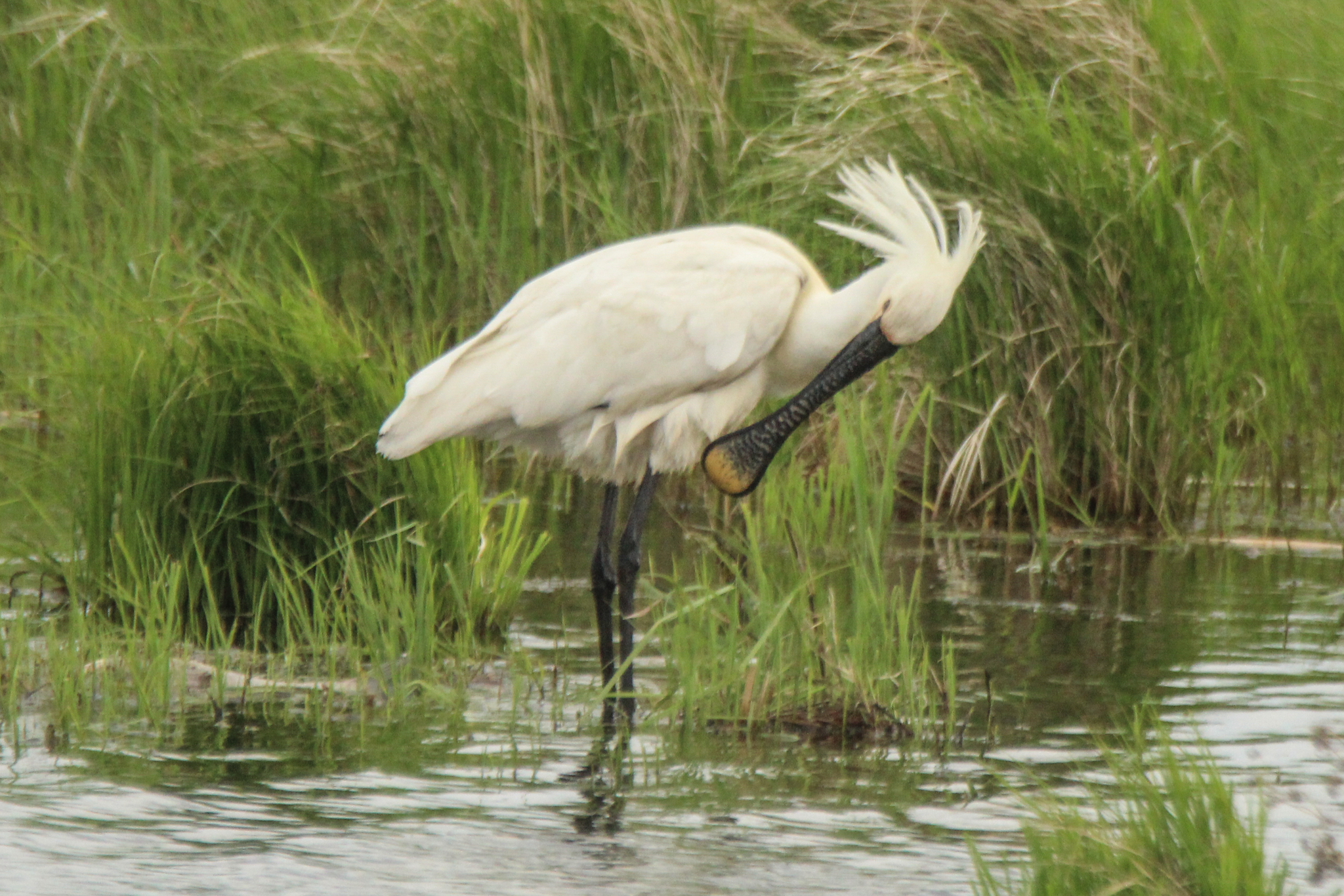
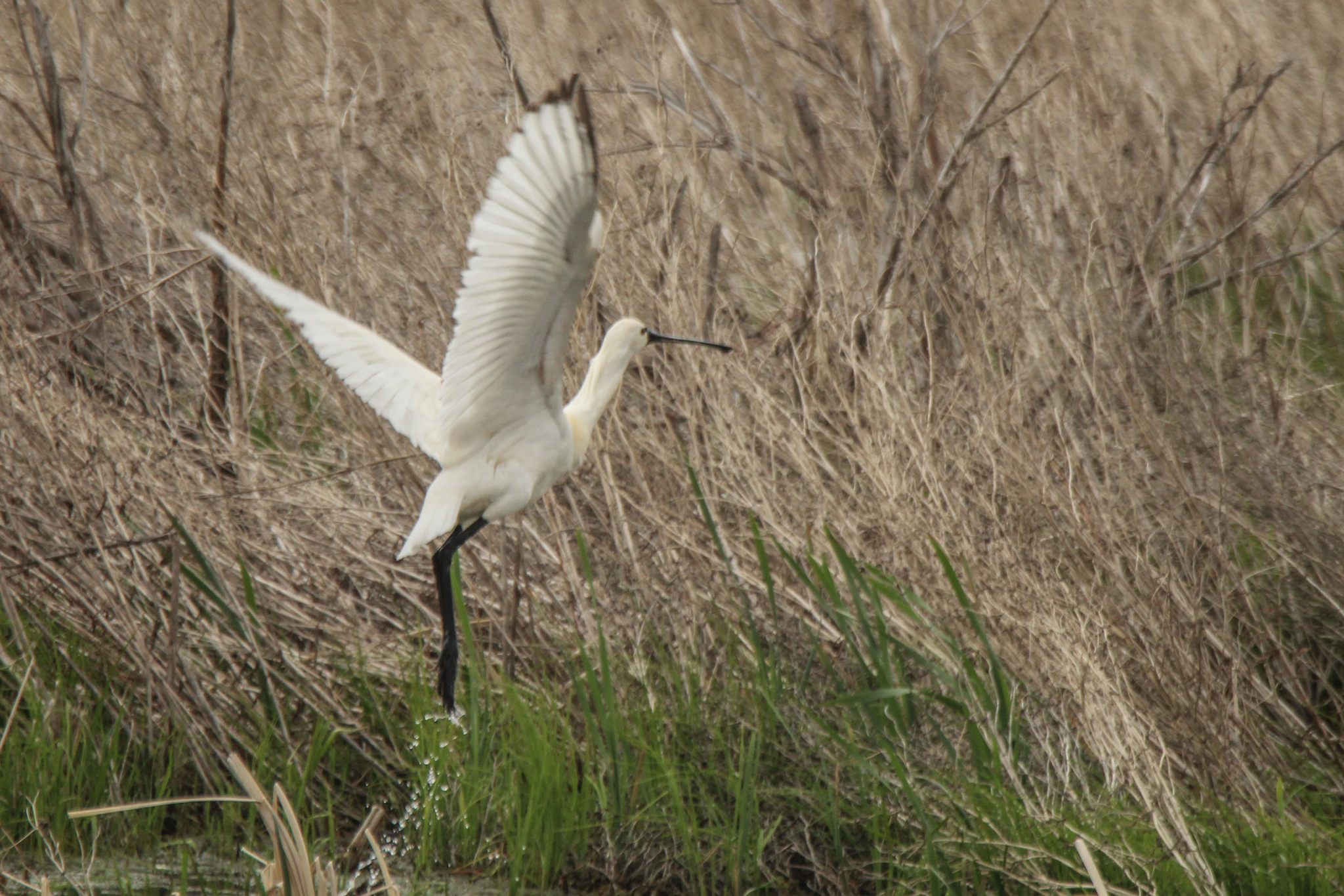
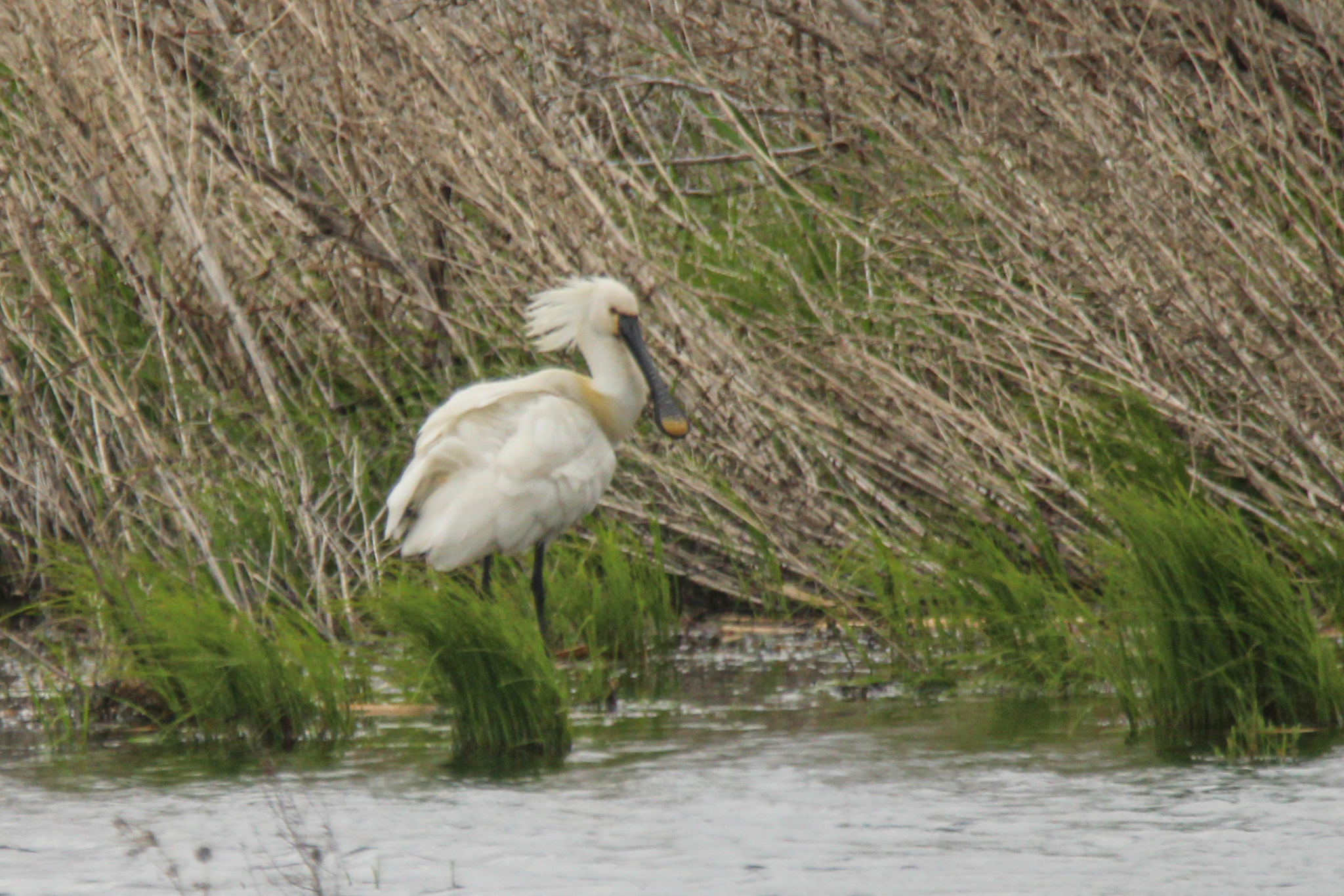
Breeding adults are all white with dark legs, a black bill with a yellow tip, a yellow breast patch, and a crest. Non-breeders lack the crest and breast patch. Immature birds have a pale bill and black tips to the primary flight feathers. Unlike herons, this species flies with its neck outstretched.
Identification
Distinguished from the African spoonbill by the absence of a red face and legs, and the presence of a crest in breeding plumage. Identification cues include the unique spatulate bill shape, white plumage, and flying style with an outstretched neck. Vocalizations are rare; colonies produce bill snapping, deep grunting, and occasional trumpeting noises.
Distribution & Habitat
Breeds across Europe (from the UK and Portugal to Denmark and the Black Sea), Asia (Black Sea to Korean Peninsula, India, Sri Lanka), and Africa (Mauritania, Red Sea, Gulf of Aden). Three subspecies are recognized: P. l. leucorodia (Europe to Asia), P. l. balsaci (west Mauritania), and P. l. archeri (Red Sea and Somalia). Northern populations migrate to southwestern Europe, northern Africa, and warm Asia for winter; southern populations are resident or nomadic. Rare vagrants recorded in Ireland, Brazil, Trinidad and Tobago, and other locations outside the normal range.
Behavior & Ecology
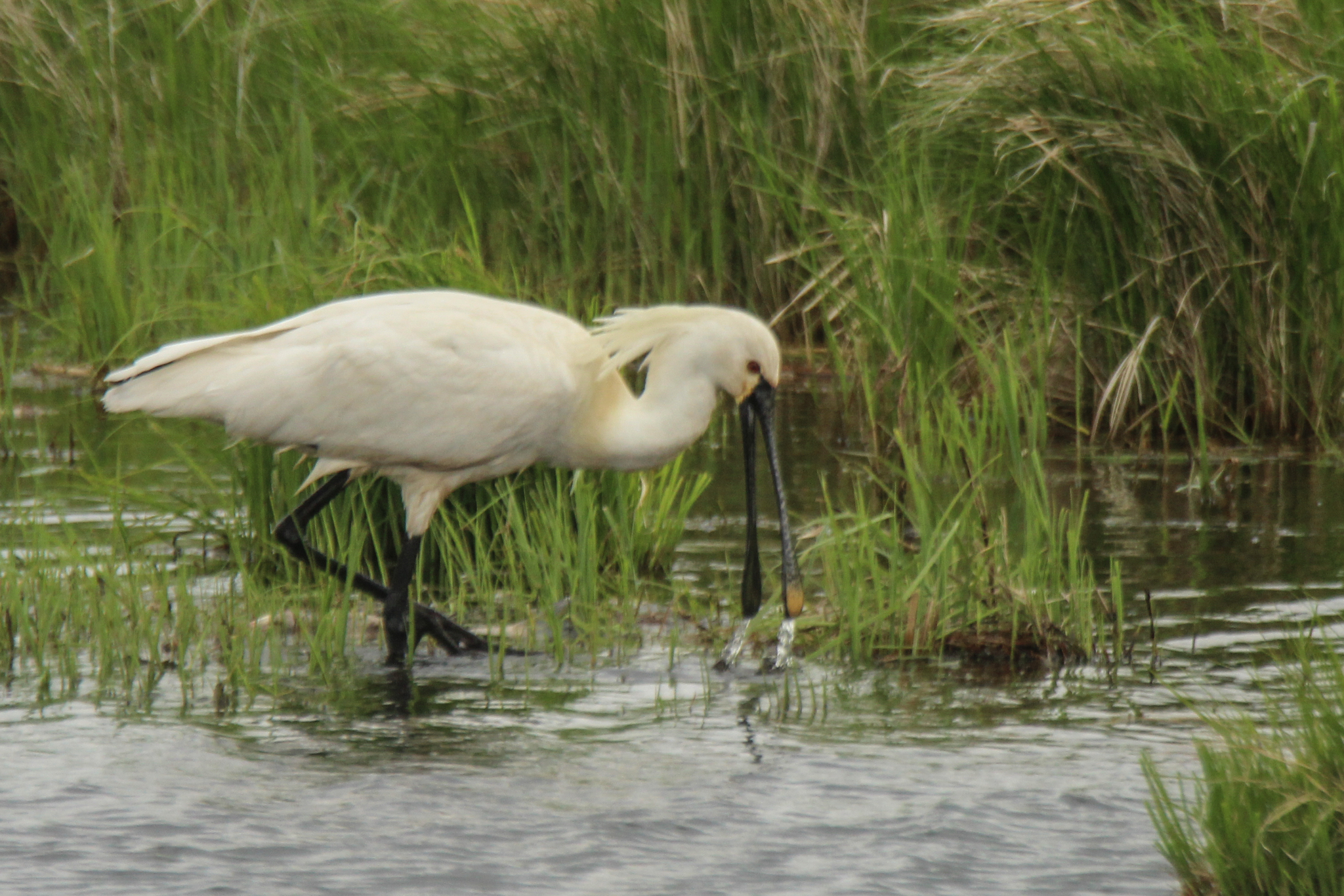
Forages in shallow wetlands using sideways sweeps of the bill to filter aquatic insects, mollusks, crustaceans, worms, frogs, and small fish up to 10–15 cm long. Breeds in spring in the Palearctic, timed with rainfall in tropical regions. Nests in single-species or mixed colonies on ground islands or in vegetation up to 5 m high, with nests spaced 1–2 m apart. Colonies are typically within 10–15 km of feeding areas. Migrates in flocks of up to 100 individuals, utilizing stopover sites.
Conservation
The global population was estimated at 63,000–65,000 mature birds in 2015, with the European population increasing to approximately 29,000 mature birds in 2020 after a decline between 1960 and 1990. Threats include habitat loss, drainage, pollution, disappearance of reed swamps, disturbance, and predation by red foxes. Conservation measures include habitat protection, toxin bans (e.g., DDT), and international action plans under the Agreement on the Conservation of African-Eurasian Migratory Waterbirds.
Culture
Traditionally known as the 'shovelard' in England. Depicted in Hieronymus Bosch's 15th-century painting The Garden of Earthly Delights.
Source: Wikipedia · CC BY-SA 3.0
Taxonomy
- Order
- Pelecaniformes
- Family
- Threskiornithidae
- Genus
- Platalea
Vocalizations
Subspecies (3)
-
Platalea leucorodia archeri
coasts of Red Sea and Somalia
Data Sources
Species description from Wikipedia, licensed under CC BY-SA 3.0.
Bird images and sounds sourced from GBIF, contributed by citizen scientists worldwide under Creative Commons licenses.
Taxonomy data from AviList 2025.