Eurasian Spoonbill
Platalea leucorodia
白琵鹭
Introduction
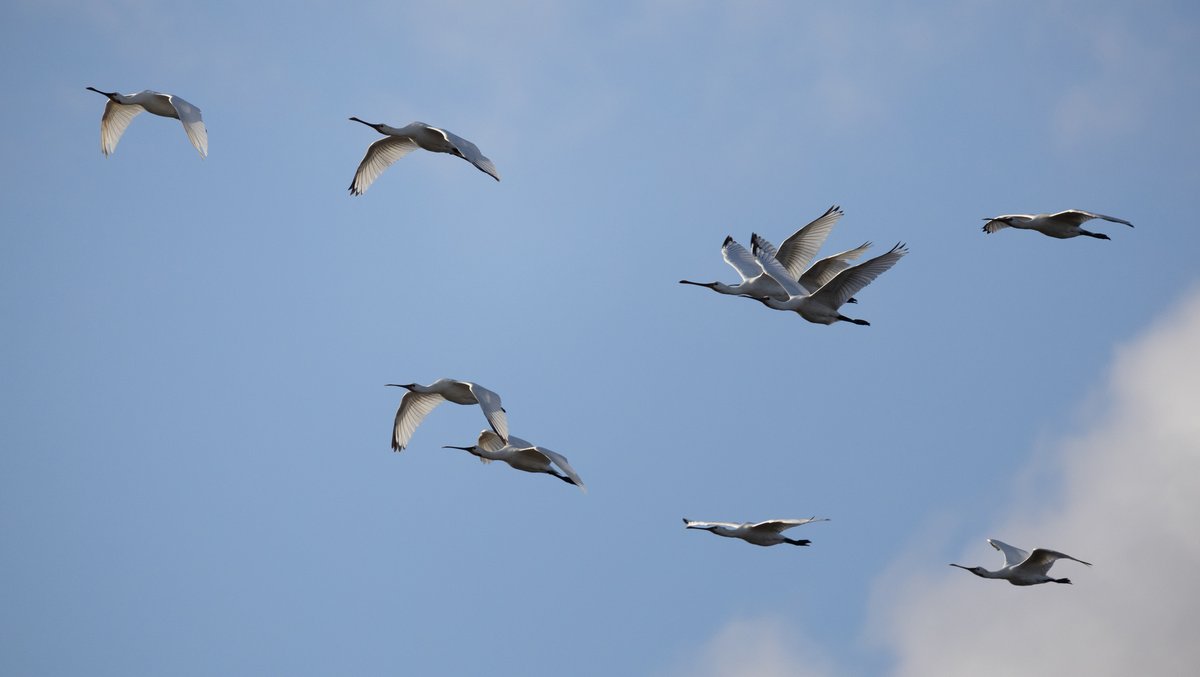
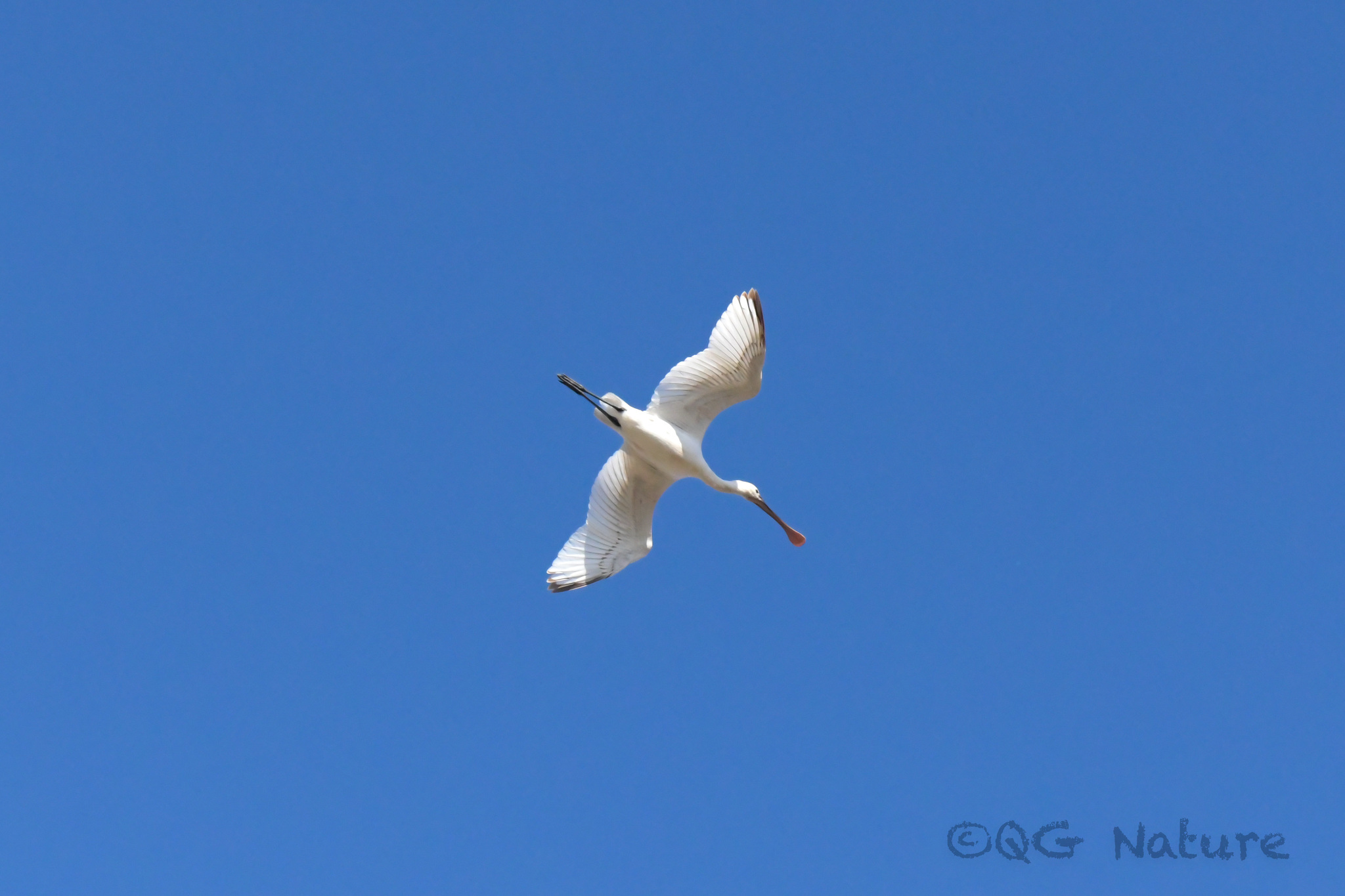
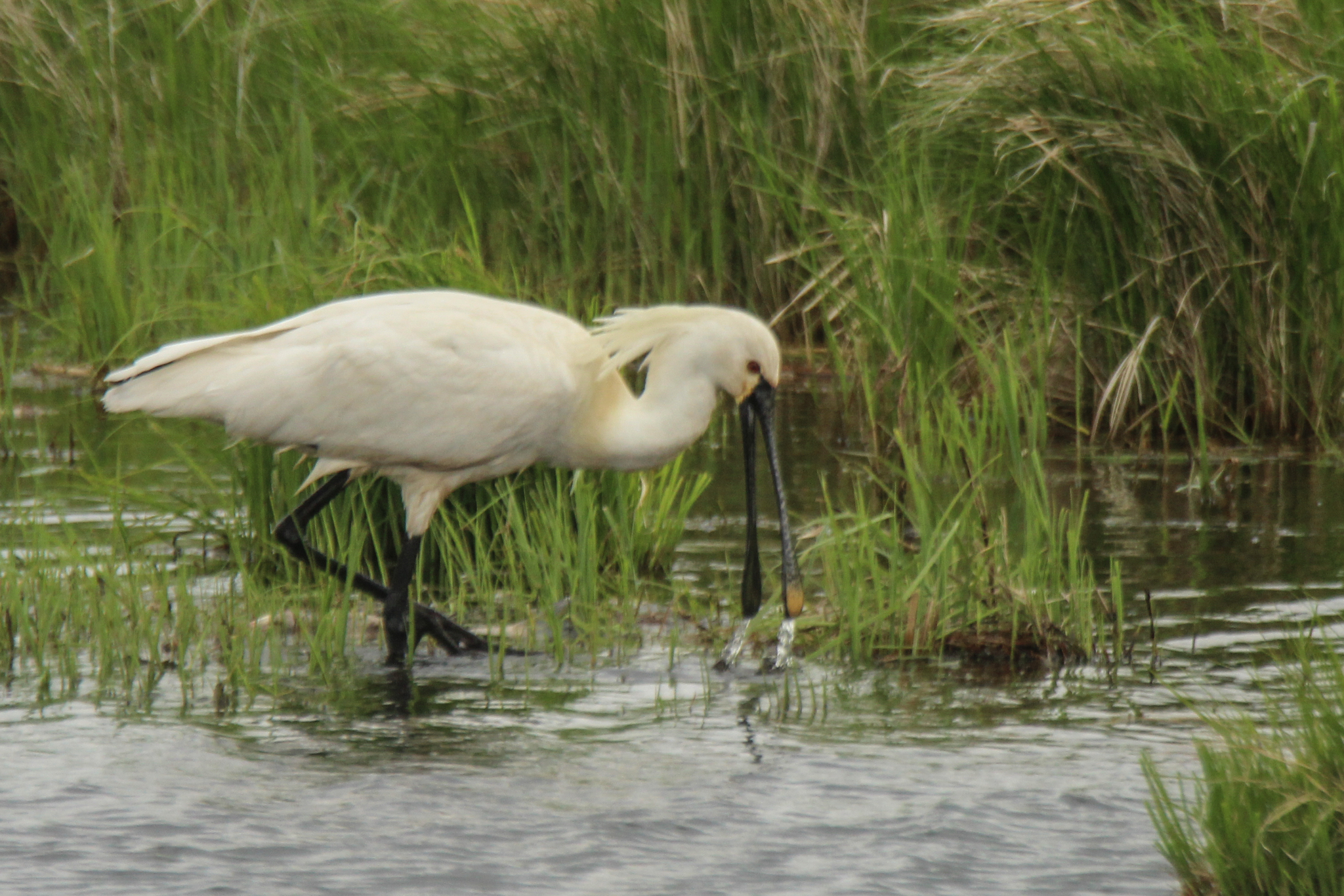
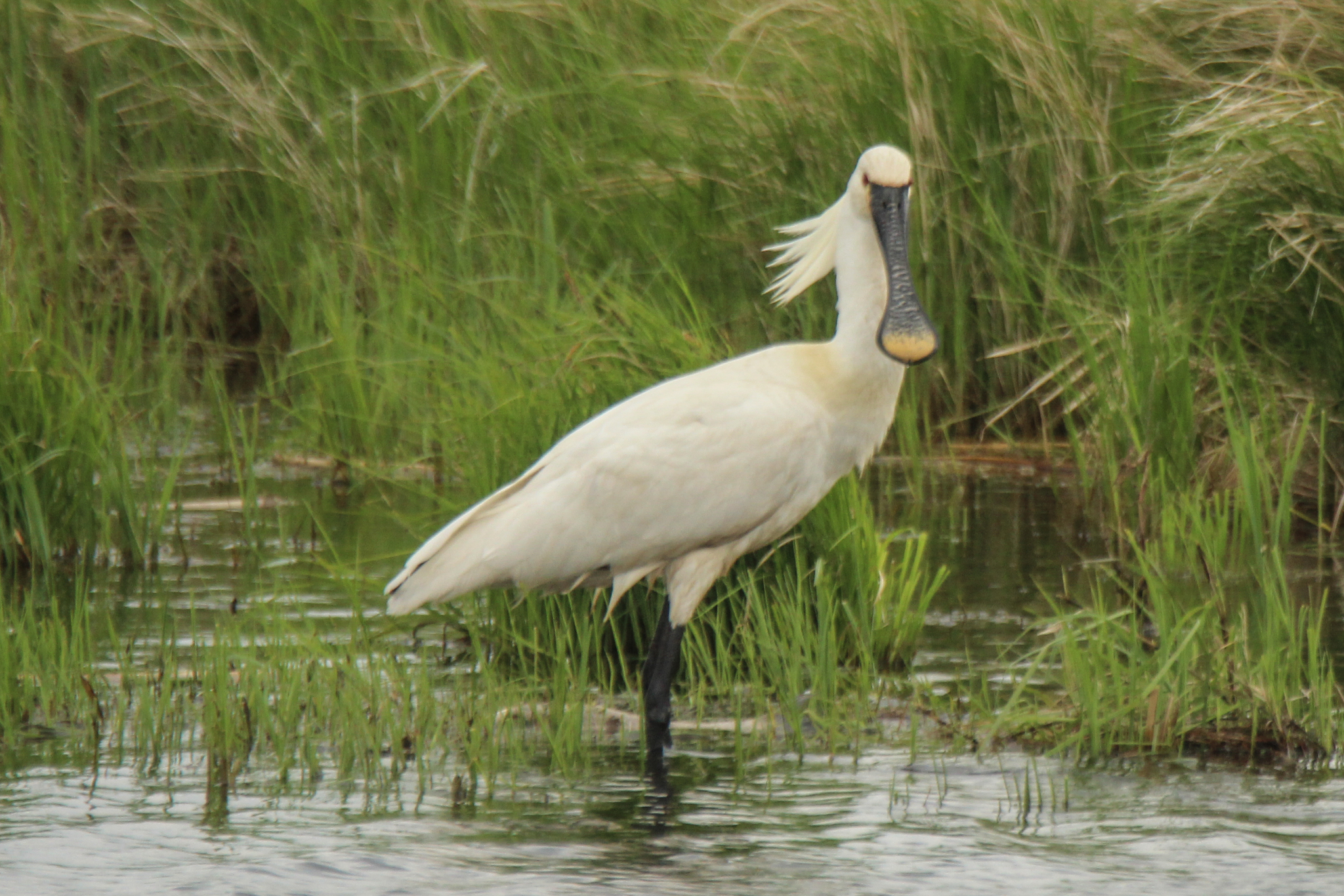
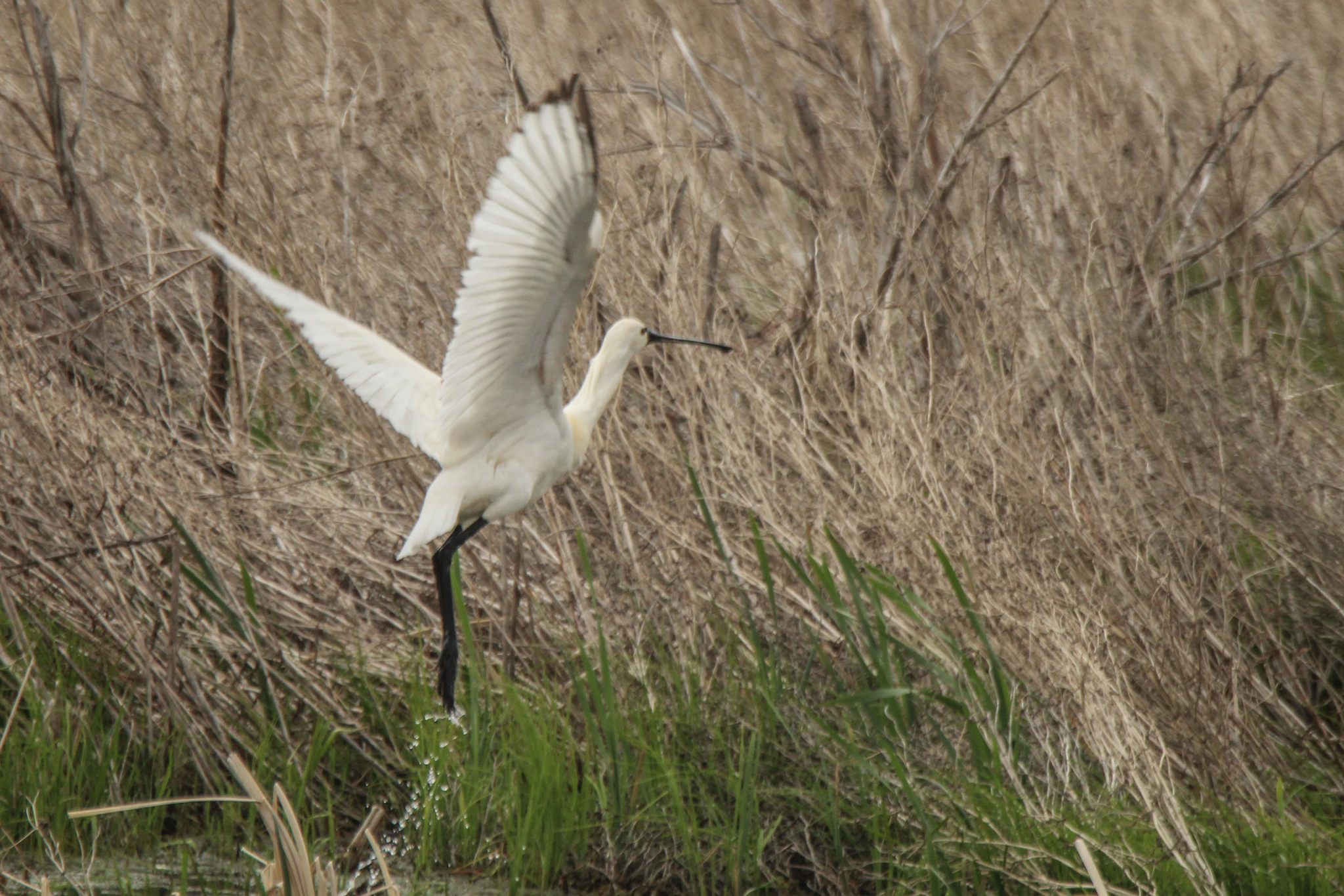
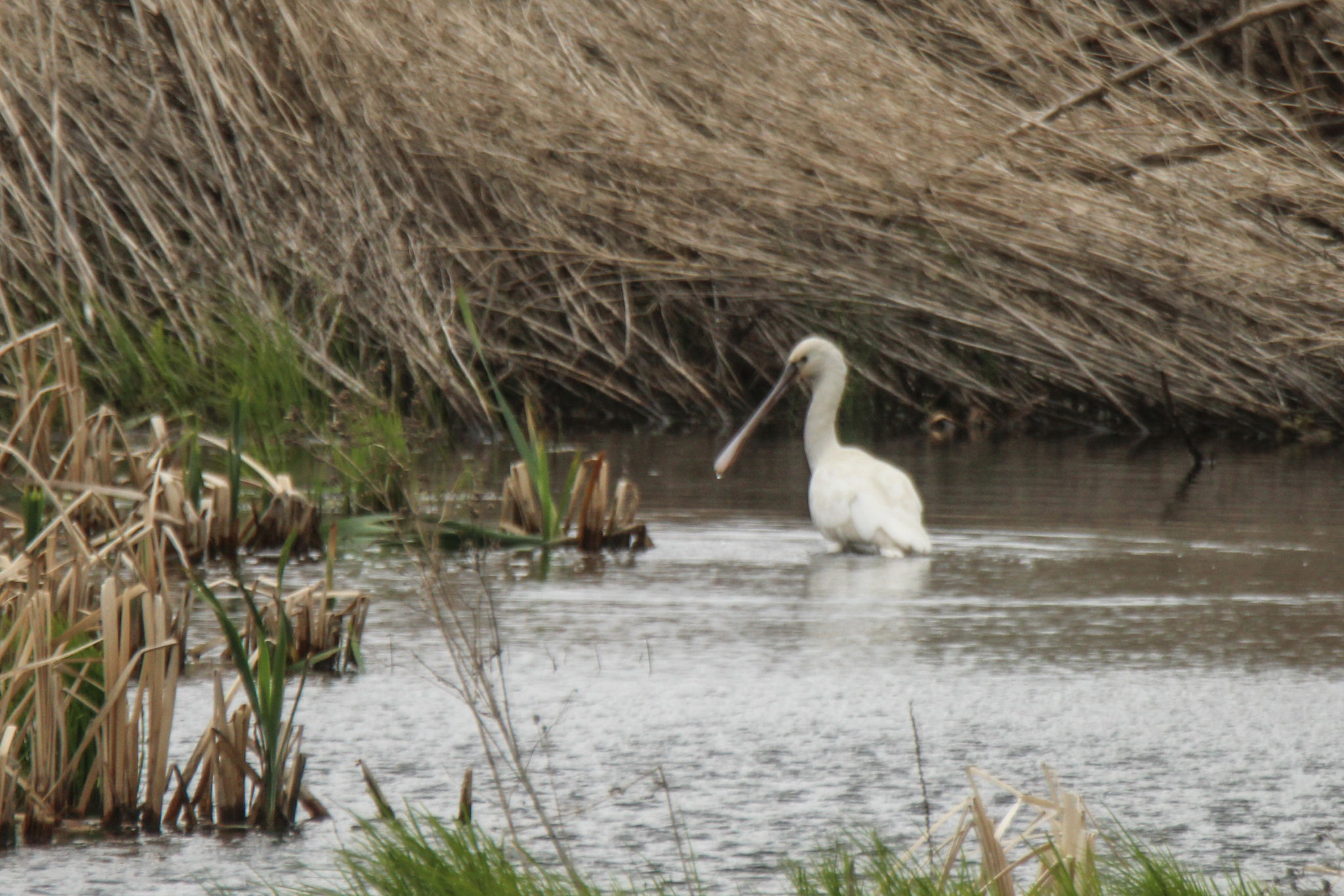
Eurasian spoonbill (Platalea leucorodia) is a wading bird with an extensive Eurasian and African range. It is entirely white with a distinctive spoon-shaped bill. In flight, it extends its neck fully, unlike herons which retract theirs. Northern populations are migratory, moving southward, while southern populations are resident. The species inhabits extensive shallow wetlands, where it forages by sweeping its bill side to side through shallow water. Breeding colonies produce bill-snapping, occasional grunts, and trumpeting calls.
Description
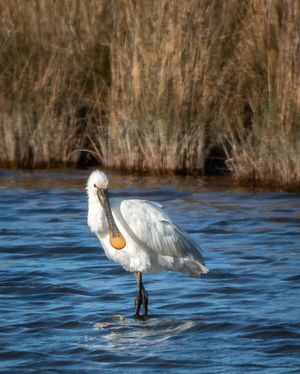
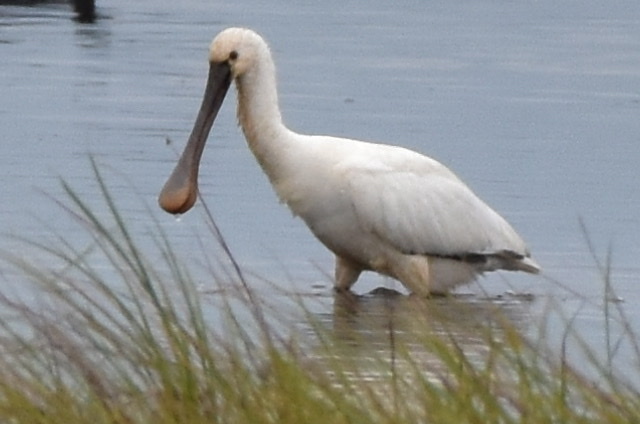
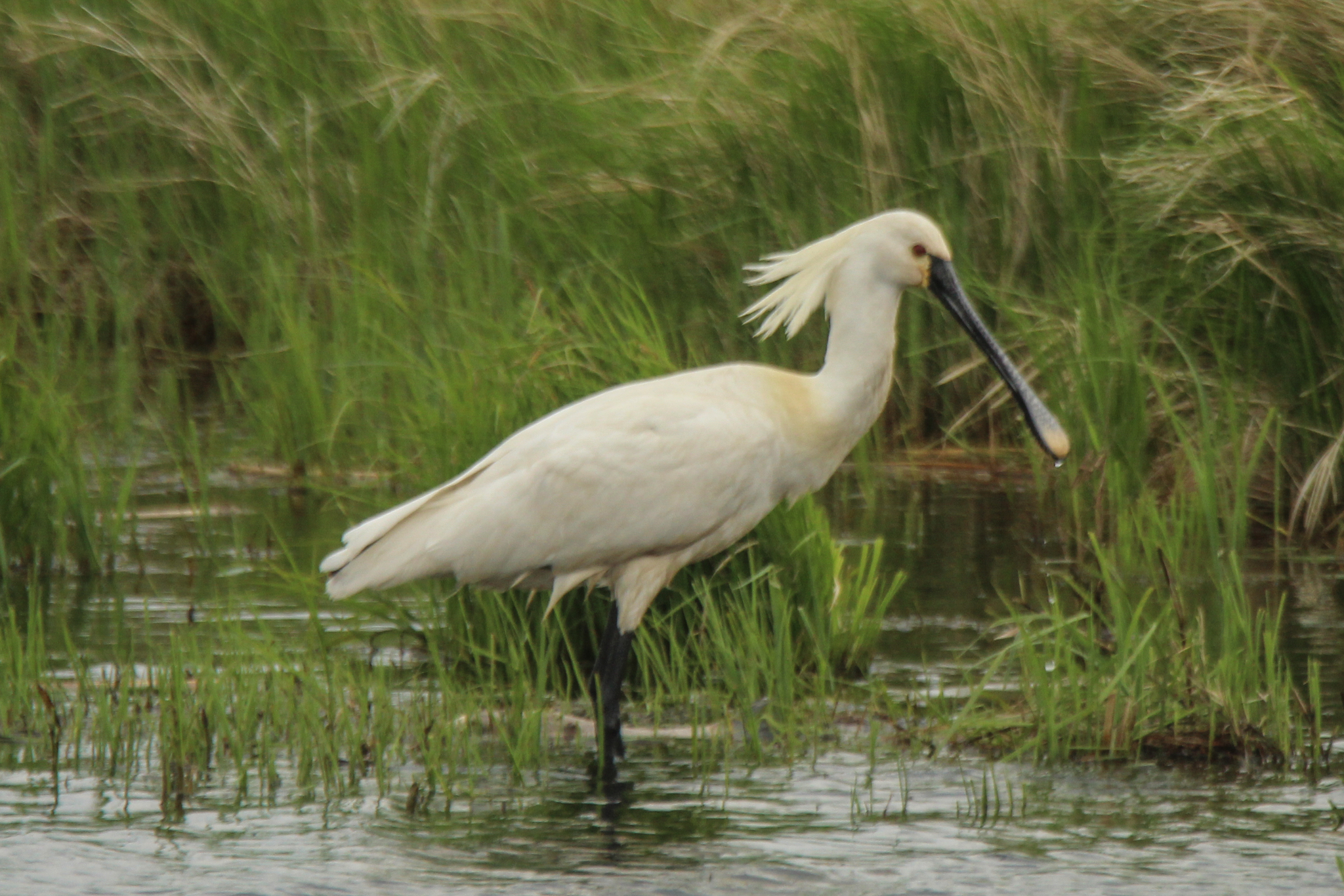
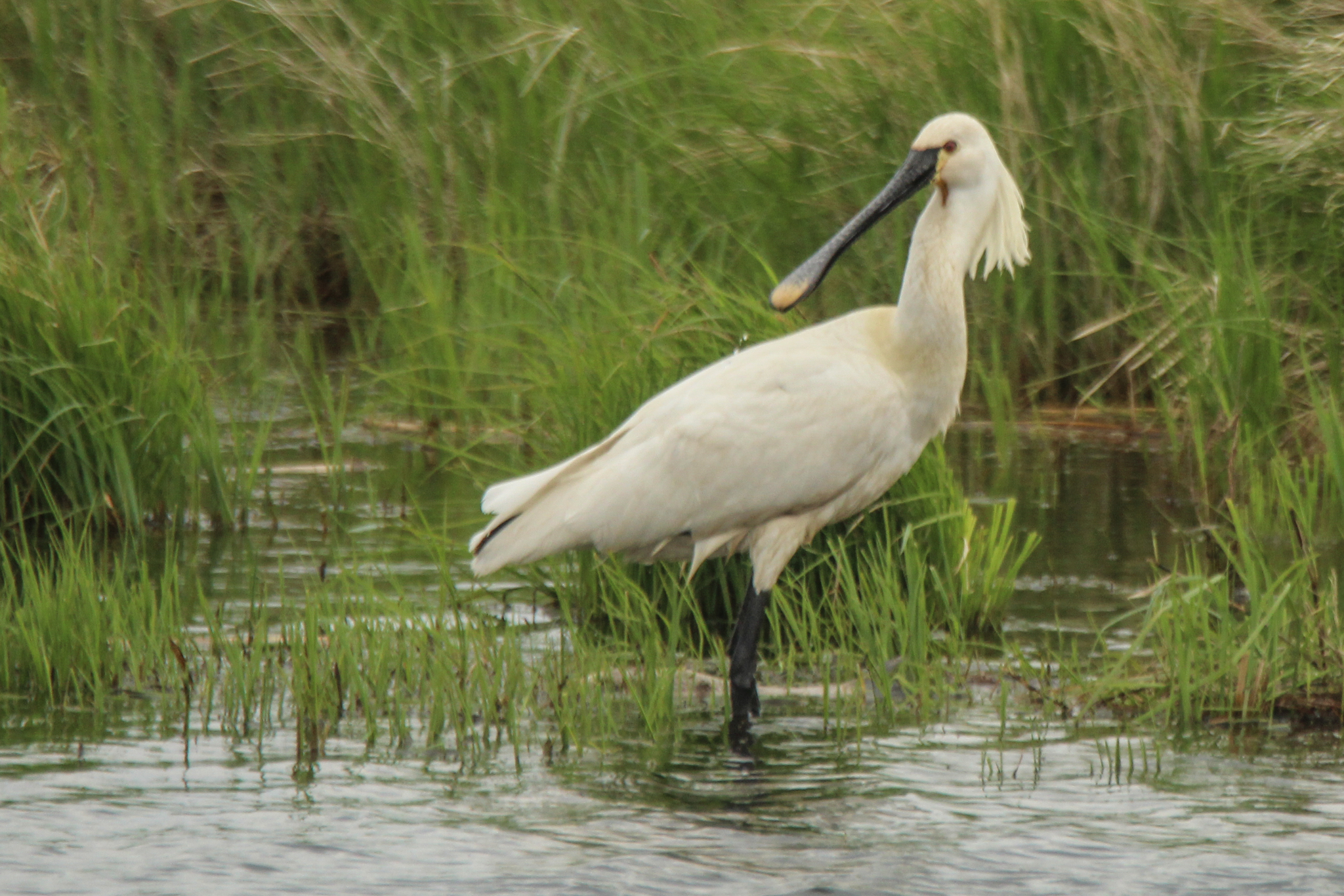
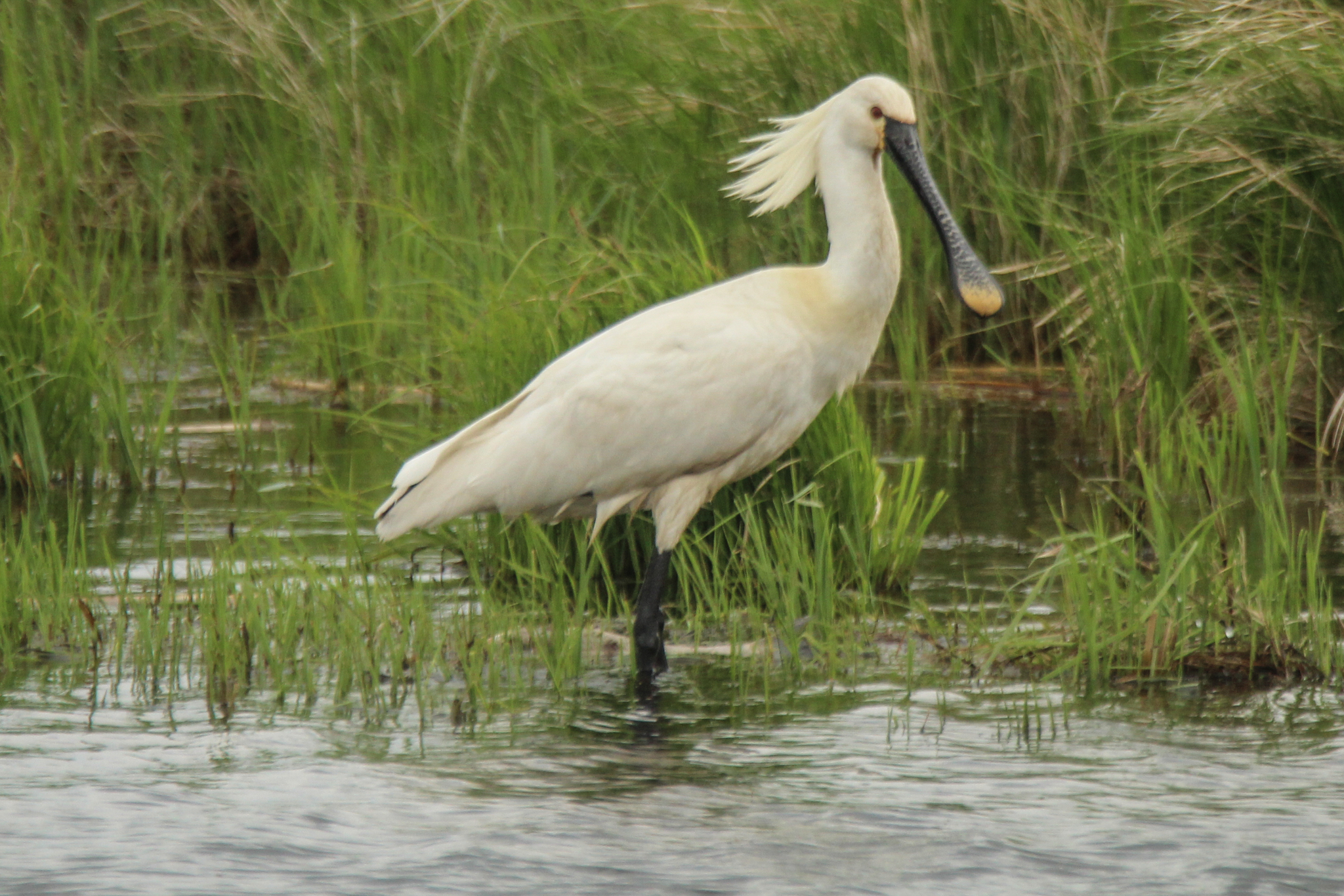
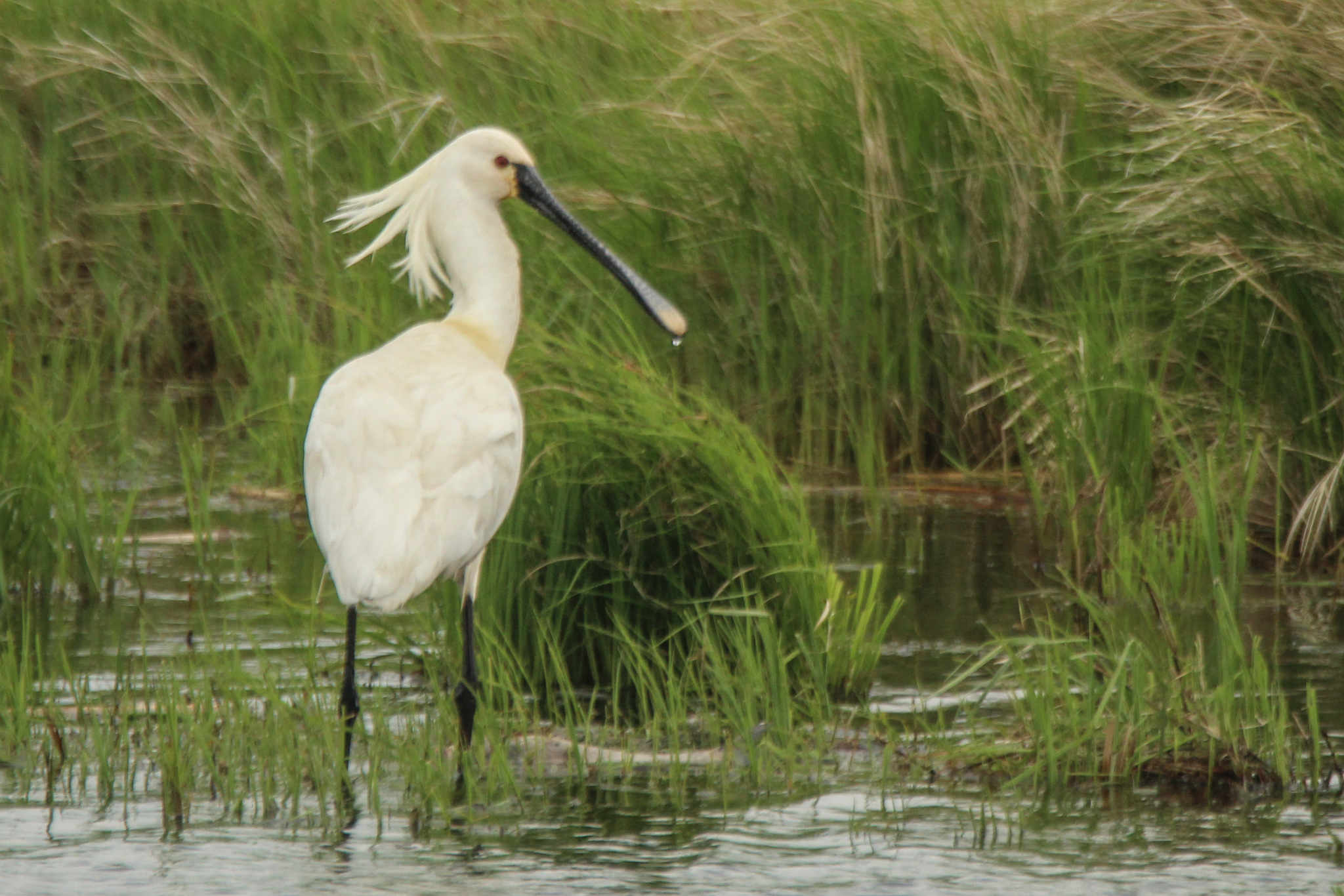
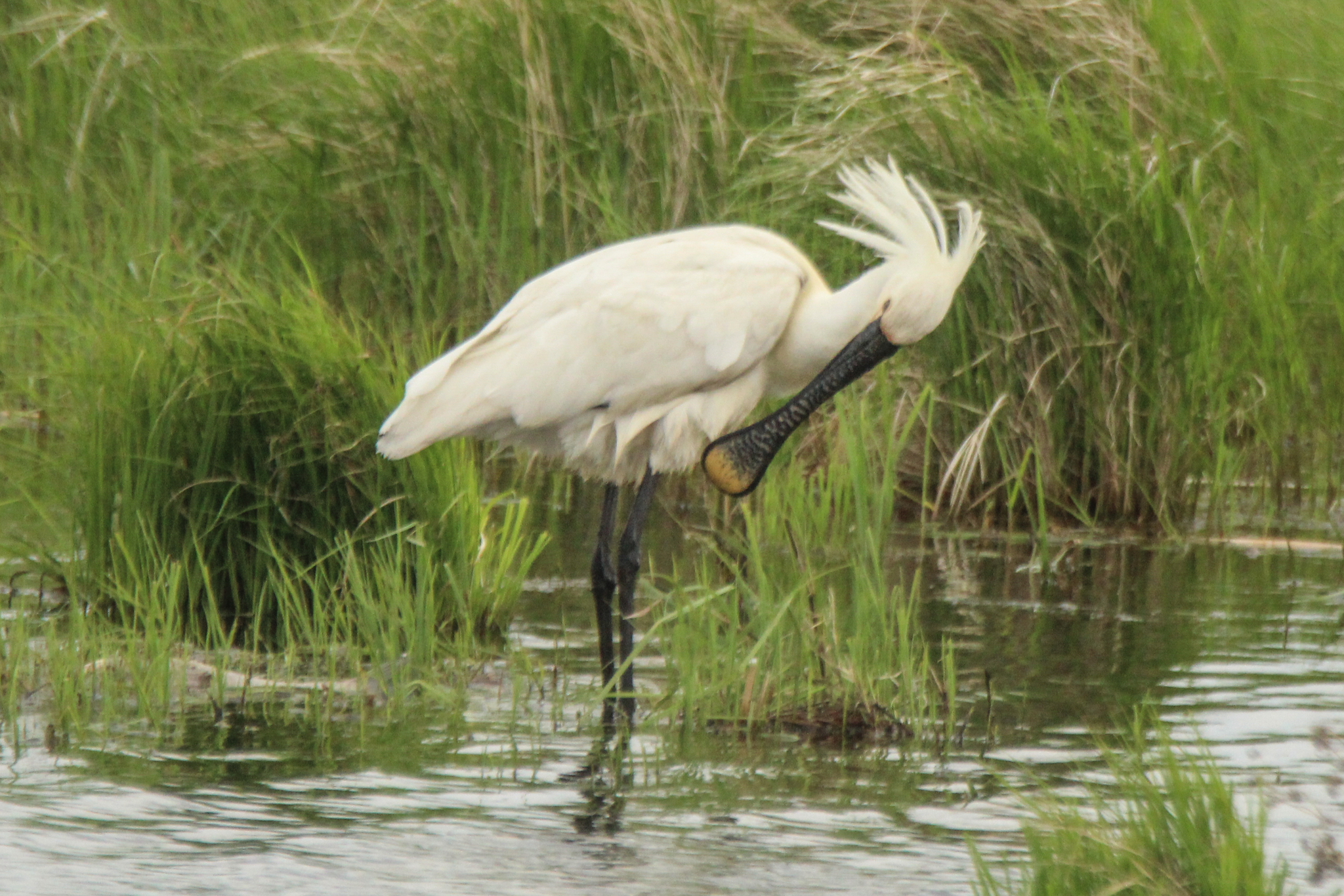
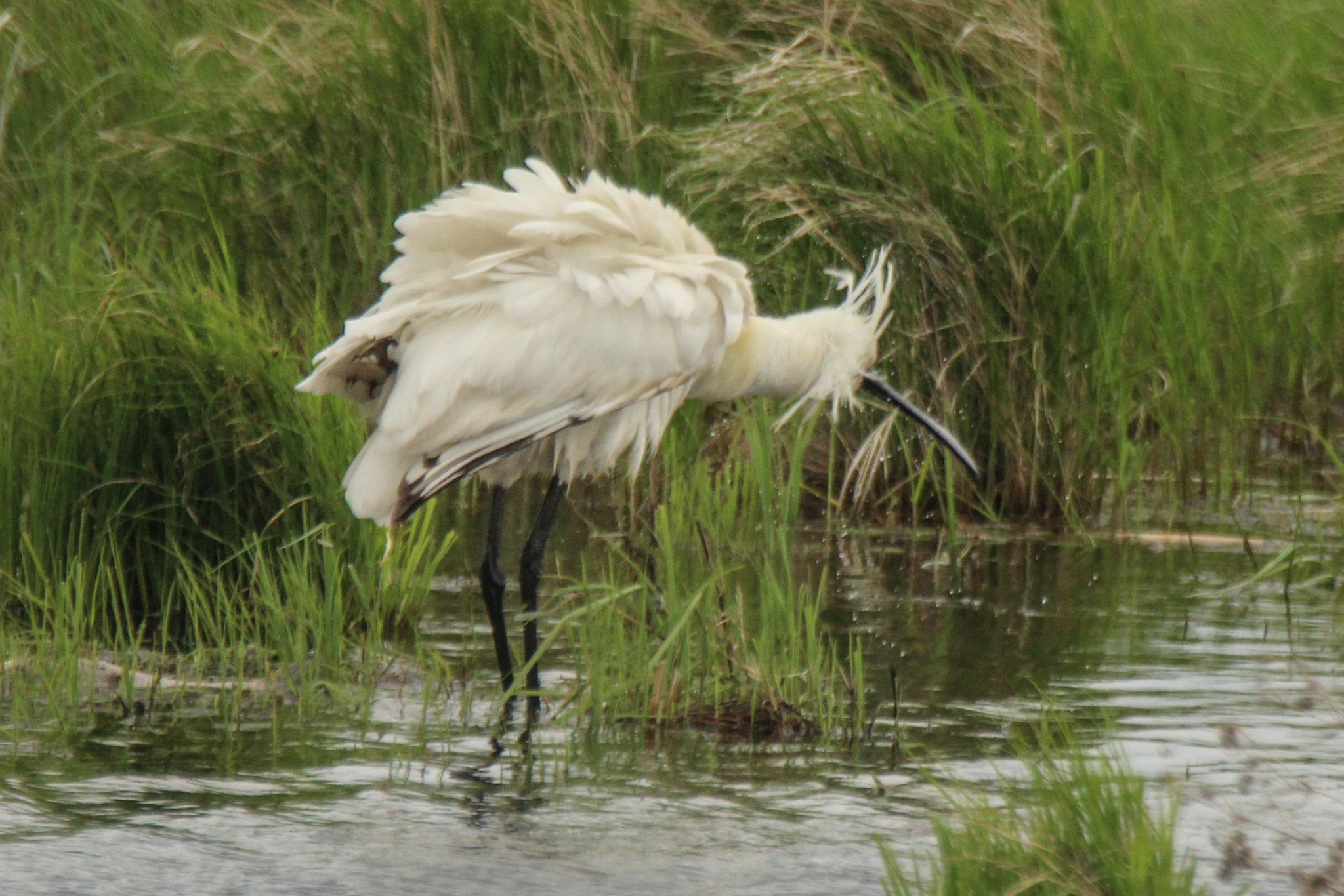
This large wading bird appears almost entirely white in adult plumage, standing out vividly against wetland habitats. The dark legs provide striking contrast, while the most diagnostic feature is the long, flat bill that widens dramatically at the tip into a spoon-like shape—black in color with a distinctive yellow tip. During the breeding season, adults develop an elegant crest on the head and display a prominent yellow breast patch. Non-breeding adults lose these features, reverting to a plainer appearance. Immature birds can be distinguished by their paler bills and the black tips visible on their primary flight feathers. The species measures approximately 80-93 cm in length and has a wingspan of 120-135 cm. Unlike herons, spoonbills fly with necks stretched straight out rather than folded back in an S-shape.
Identification
In most of its range, this species is virtually unmistakable due to its unique bill shape and all-white plumage. The primary identification challenge involves distinguishing it from the African spoonbill where their ranges overlap. The Eurasian species is distinguished by its black bill with a yellow tip, dark legs, and the presence of a crest during breeding season, whereas the African spoonbill has a red face and legs and lacks a crest. At rest, the spoonbill's profile is unmistakable; in flight, the extended neck separates it from herons and egrets, which fold their necks. The species is typically silent, though observers at breeding colonies may hear bill snapping, occasional deep grunting, and trumpeting sounds.
Distribution & Habitat
This species occupies an extensive range across Europe, Asia, and Africa. European populations breed from the United Kingdom and Portugal westward, extending north to Denmark and east to the Balkans and Black Sea. Asian breeding populations stretch across the continent from the Black Sea to the Korean Peninsula, including Kuwait, southern Iraq, Iran, Pakistan, India, and Sri Lanka. African populations breed along the coasts of Mauritania and more widely around the Red Sea and Gulf of Aden. Northern populations are migratory, wintering in southwestern Europe, northern Africa, and warmer parts of Asia, while southern populations are largely resident. The species shows a strong preference for extensive shallow wetlands with muddy or sandy beds, including marshes, rivers, lakes, floodplains, and mangrove swamps, in both fresh and saline waters. It has been recorded as a rare vagrant in Ireland, Belarus, Brazil, the Canary Islands, Greenland, and several Caribbean islands.
Behavior & Ecology
Breeding occurs in spring across the Palearctic range, while tropical populations time nesting to coincide with rainfall. The species nests in single-species colonies or within mixed colonies of herons, egrets, and cormorants, preferring undisturbed islands or areas with dense vegetation such as reedbeds. Nests are constructed from sticks and vegetation, either on the ground or up to 5 meters high in trees and bushes, with neighboring nests typically spaced just 1-2 meters apart. Most activity concentrates during morning and evening hours, though tidal rhythms influence coastal foraging. The diet is diverse, comprising aquatic insects, mollusks, newts, crustaceans, worms, frogs, tadpoles, and small fish up to 15 centimeters long. Feeding involves distinctive side-to-side sweeping motions of the bill to filter prey from the water. Migratory populations travel in flocks of up to 100 birds, making stopovers lasting several days. Communal roosts may be located up to 15 kilometers from feeding areas, though some birds travel 35-40 kilometers to forage.
Conservation
The species holds a status of Least Concern globally, with an estimated population of 63,000-65,000 mature birds as of 2015. European populations experienced significant decline between 1960 and 1990 but have since recovered substantially, reaching approximately 29,000 mature individuals by 2020. The Netherlands provides a notable conservation success story: breeding pairs fell to fewer than 150 in 1968 but rebounded to nearly 3,000 pairs by 2015, following habitat protection measures and DDT bans. Denmark's northernmost population became established in 1996 and grew to around 600 pairs by 2021. The United Kingdom, where the species was extirpated around 1668, has seen gradual return, with a colony at Holkham reaching 28 breeding pairs by 2018. Primary threats include habitat loss and degradation from drainage, pollution, and the disappearance of reed swamps. Human disturbance at breeding colonies and predation by red foxes also impact populations, though conservation efforts through networks like the Eurasian Spoonbill International Expert Group have supported recovery.
Culture
The species held traditional significance in England, where it was known as the 'shovelard'—a name that later transferred to the northern shoveler duck. Its distinctive appearance has featured in art history, including a 1726 drawing by Jacobus Houbraken and its inclusion in Hieronymus Bosch's famous triptych 'The Garden of Earthly Delights' from the 15th century. The species appears in the New International Encyclopedia from 1902, reflecting its long recognition in natural history literature.
Source: Wikipedia · CC BY-SA 3.0
Taxonomy
- Order
- Pelecaniformes
- Family
- Threskiornithidae
- Genus
- Platalea
- eBird Code
- eurspo1
Vocalizations
Subspecies (3)
-
Platalea leucorodia archeri
coasts of Red Sea and Somalia
-
Platalea leucorodia balsaci
Banc d'Arguin (off coast of Mauritania)
-
Platalea leucorodia leucorodia
breeds southern Palearctic to India; winters to central Africa and southeastern China
Data Sources
Species description from Wikipedia, licensed under CC BY-SA 3.0.
Bird images and sounds sourced from GBIF, contributed by citizen scientists worldwide under Creative Commons licenses.
Taxonomy data from AviList 2025.