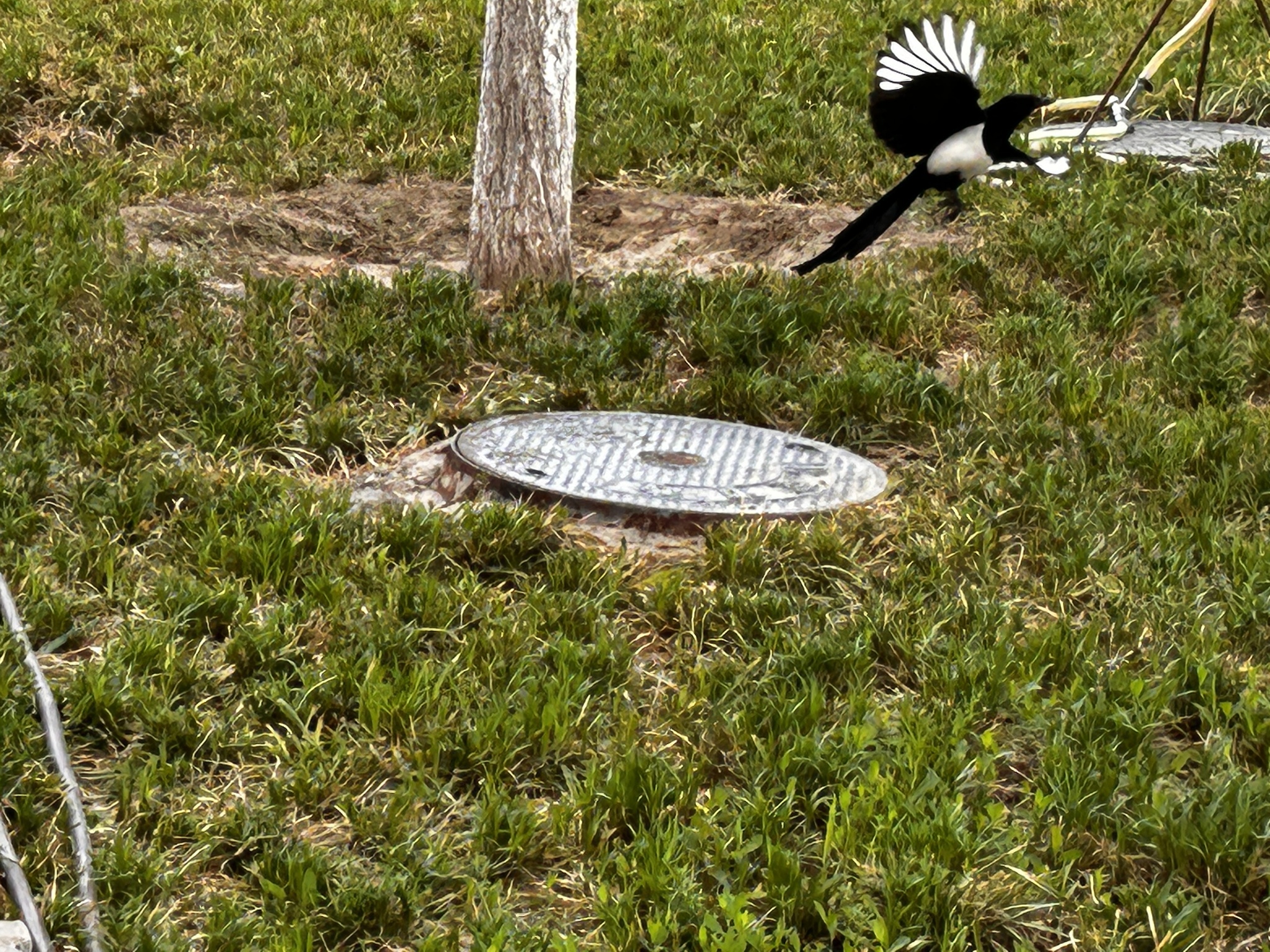

Passeriformes / Corvidae / Pica
Oriental Magpie
Pica serica · 喜鹊
Introduction
A corvid species found from south-eastern Russia to eastern China, Korea, Taiwan, Japan, and northern Indochina and Myanmar. It is the largest magpie, characterized by a stocky build, proportionally shorter tail, and longer wings compared to relatives. The lineage diverged from other Pica species in the Early Pliocene, approximately 5–4.5 million years ago.
Description
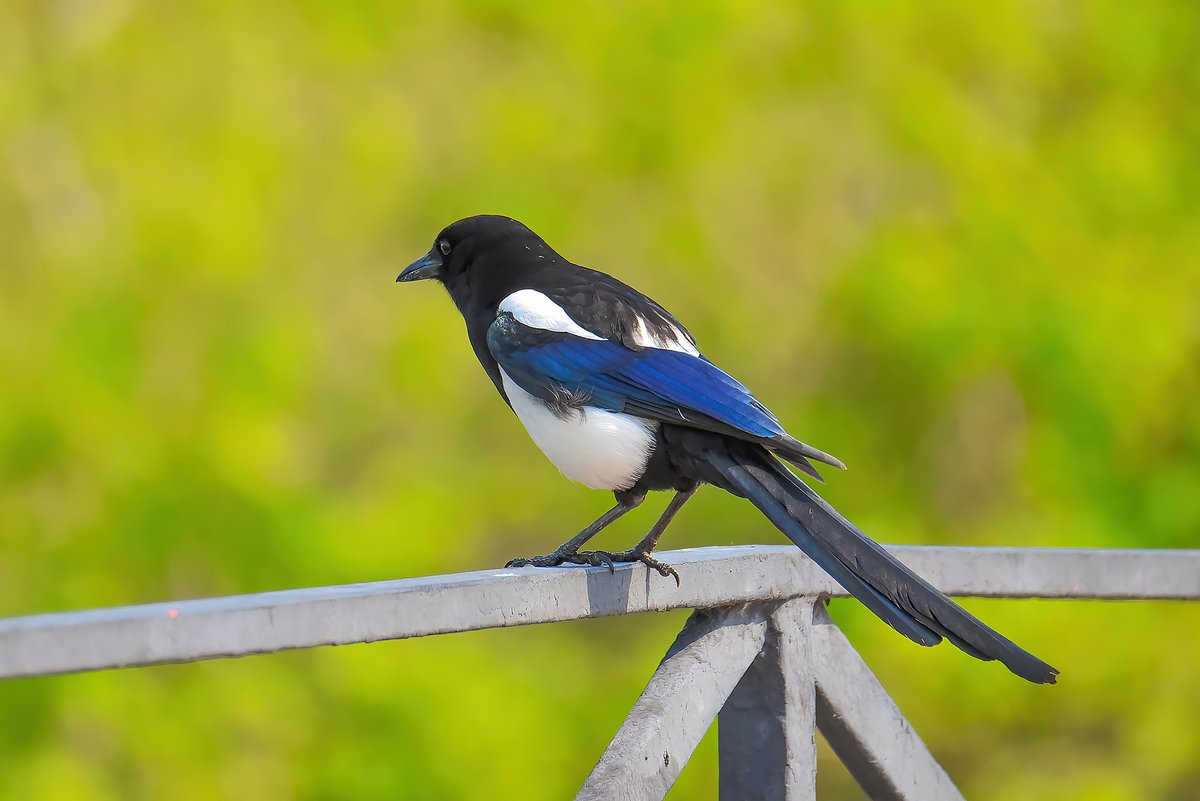
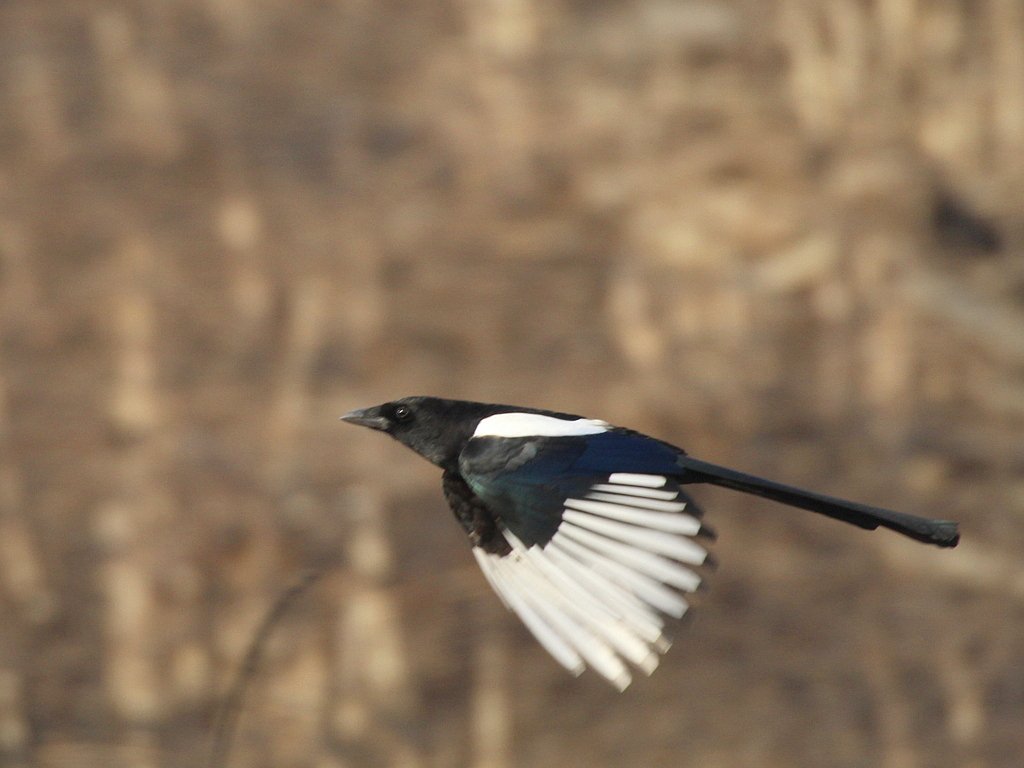
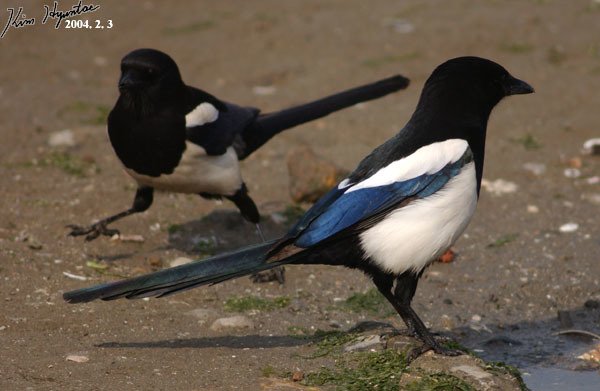
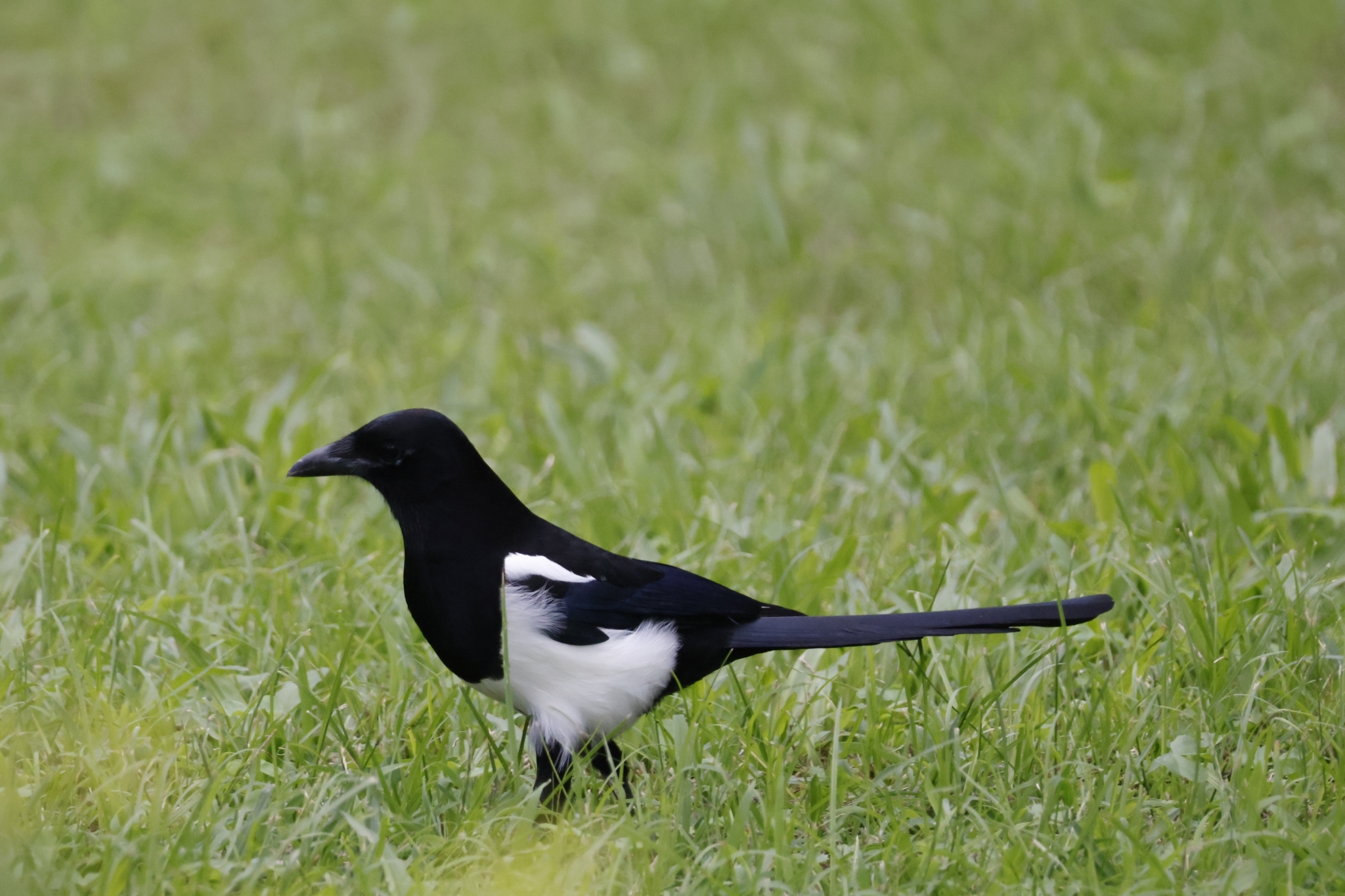
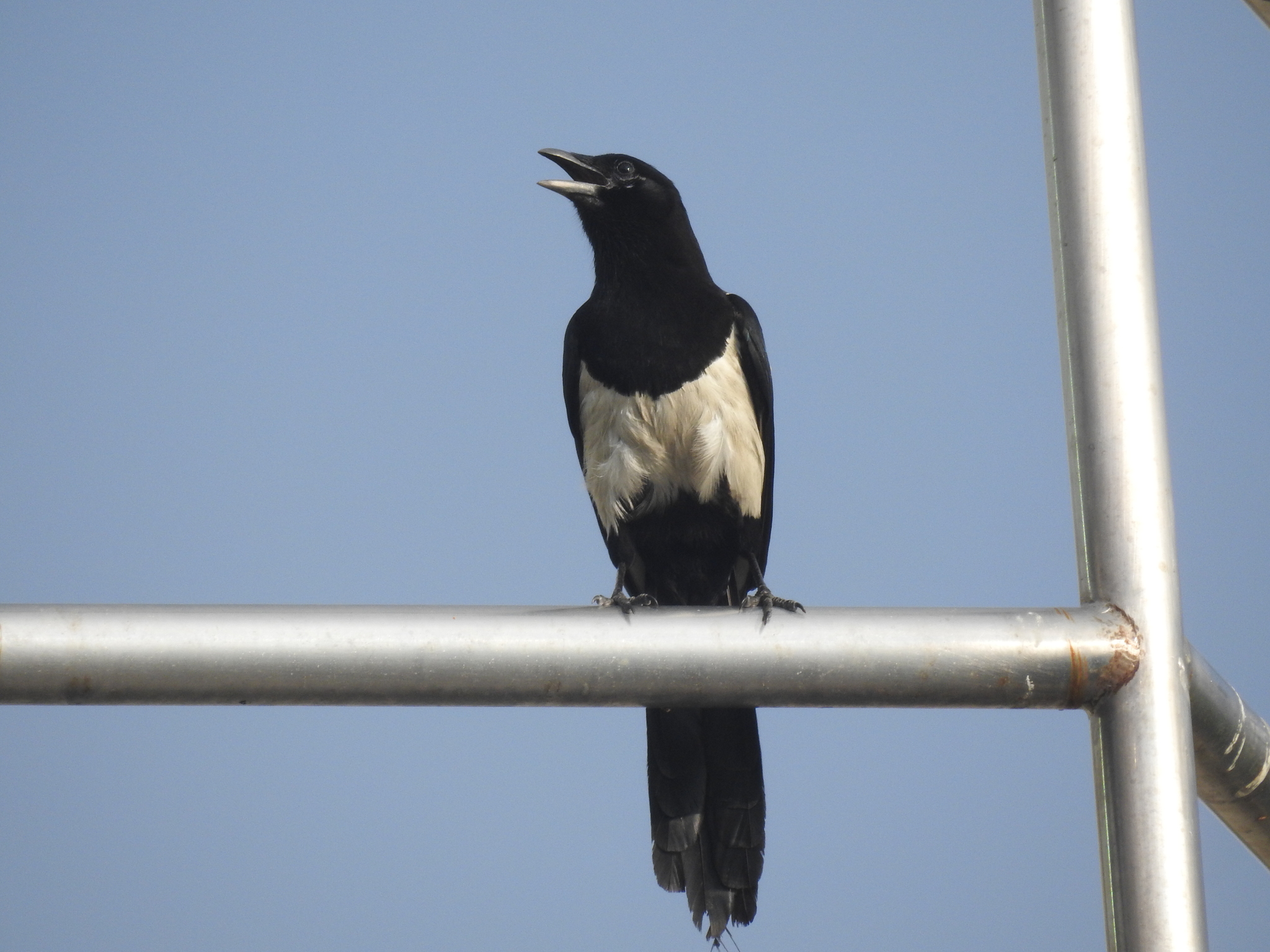
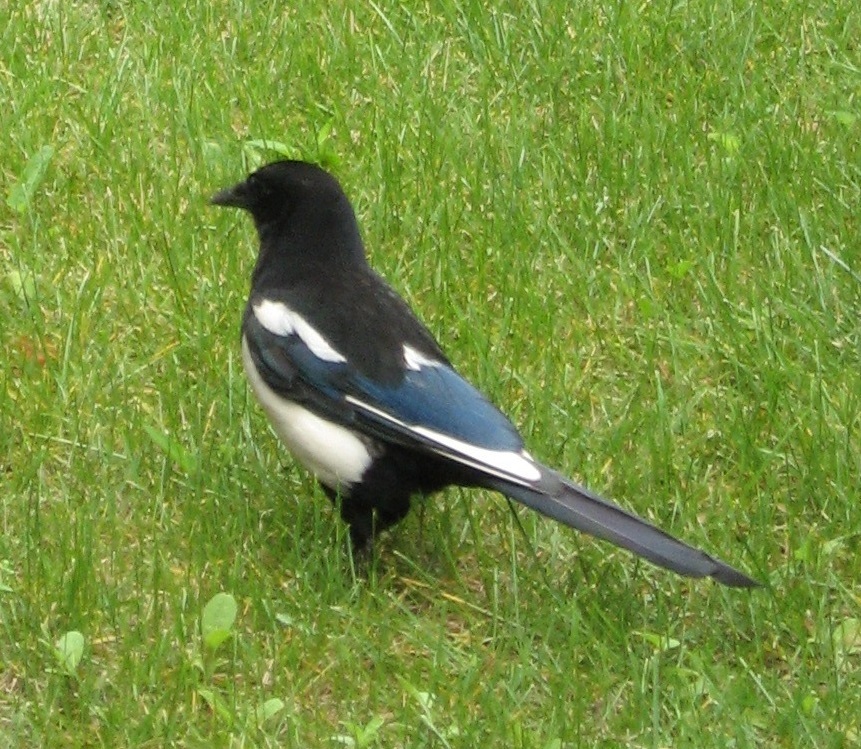
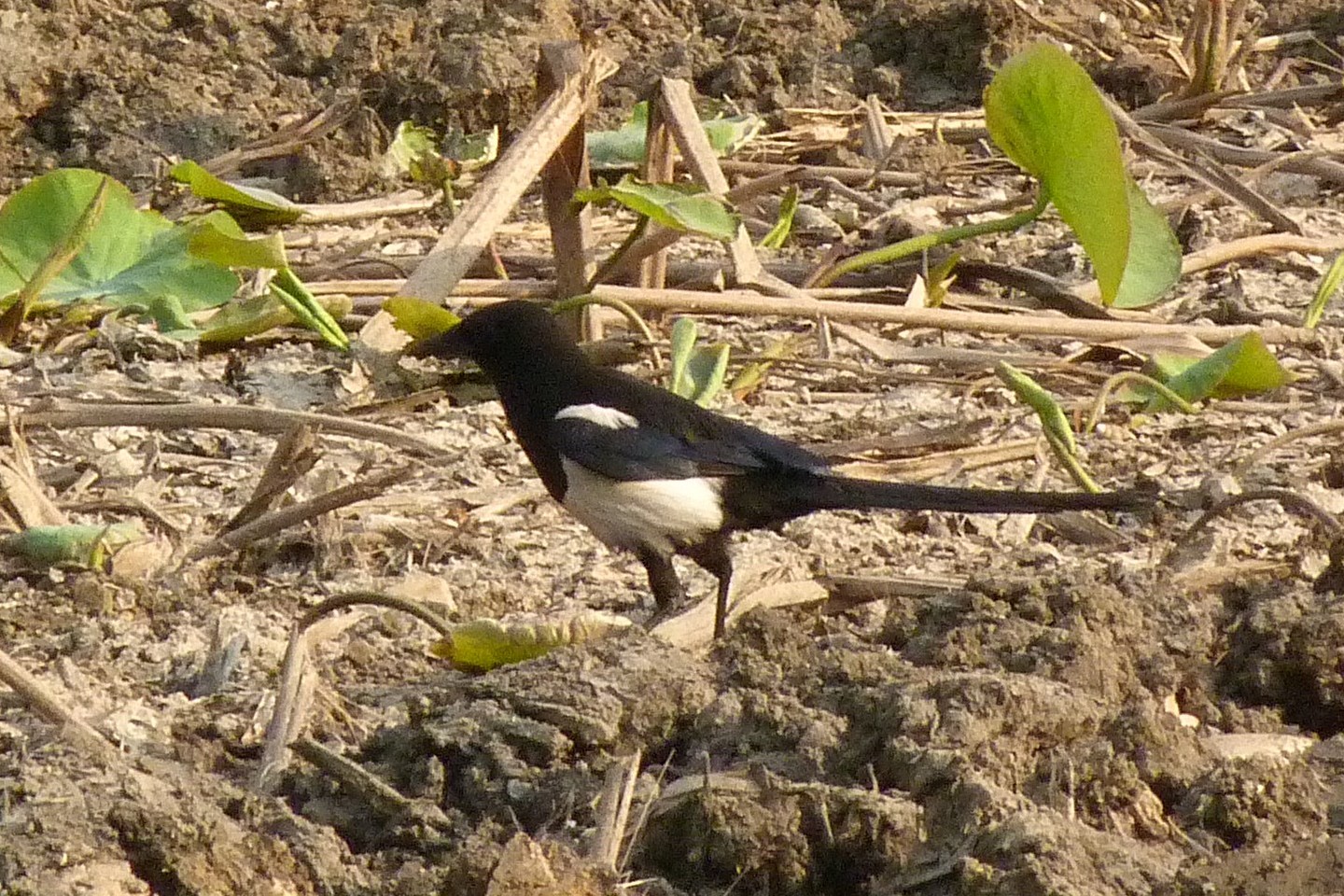
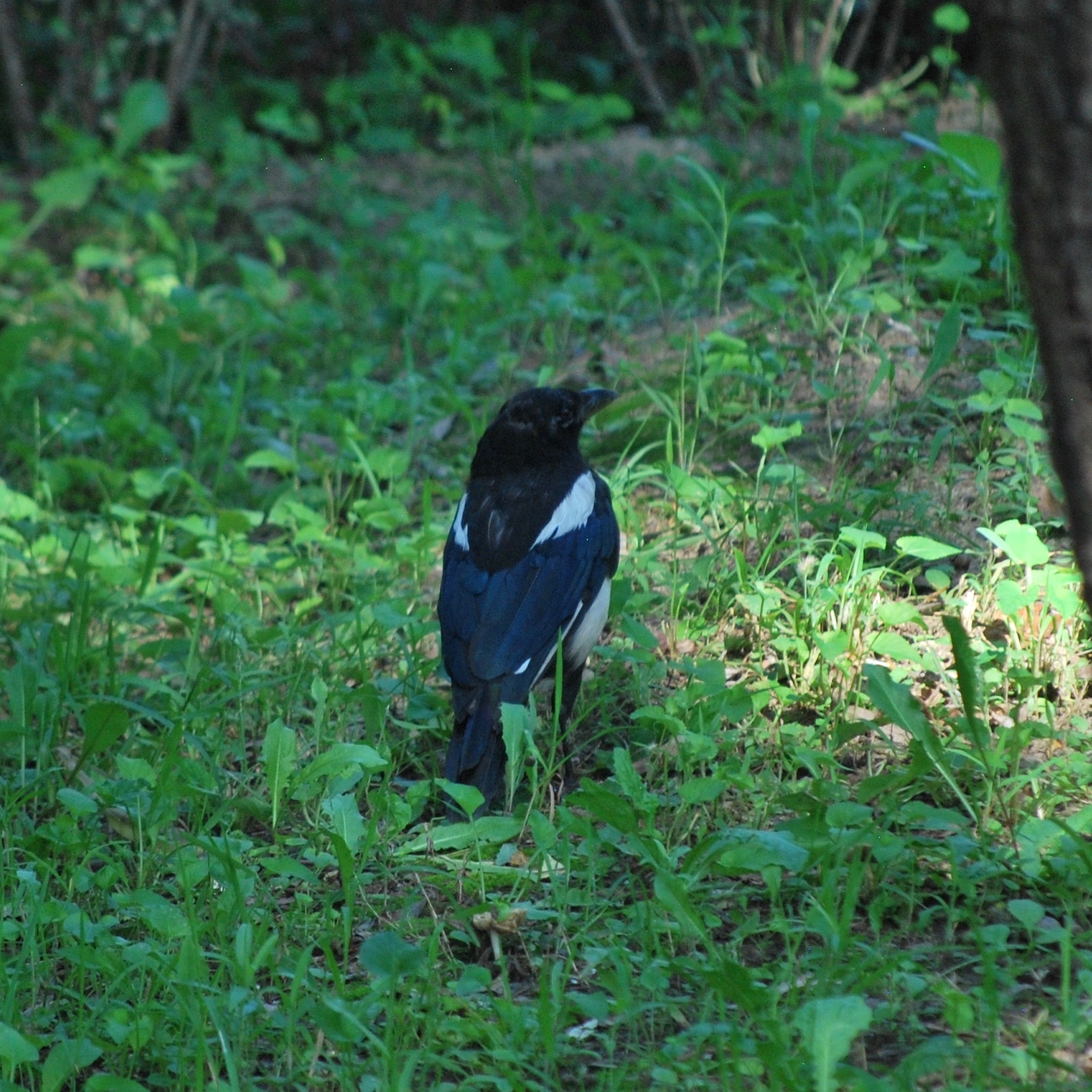
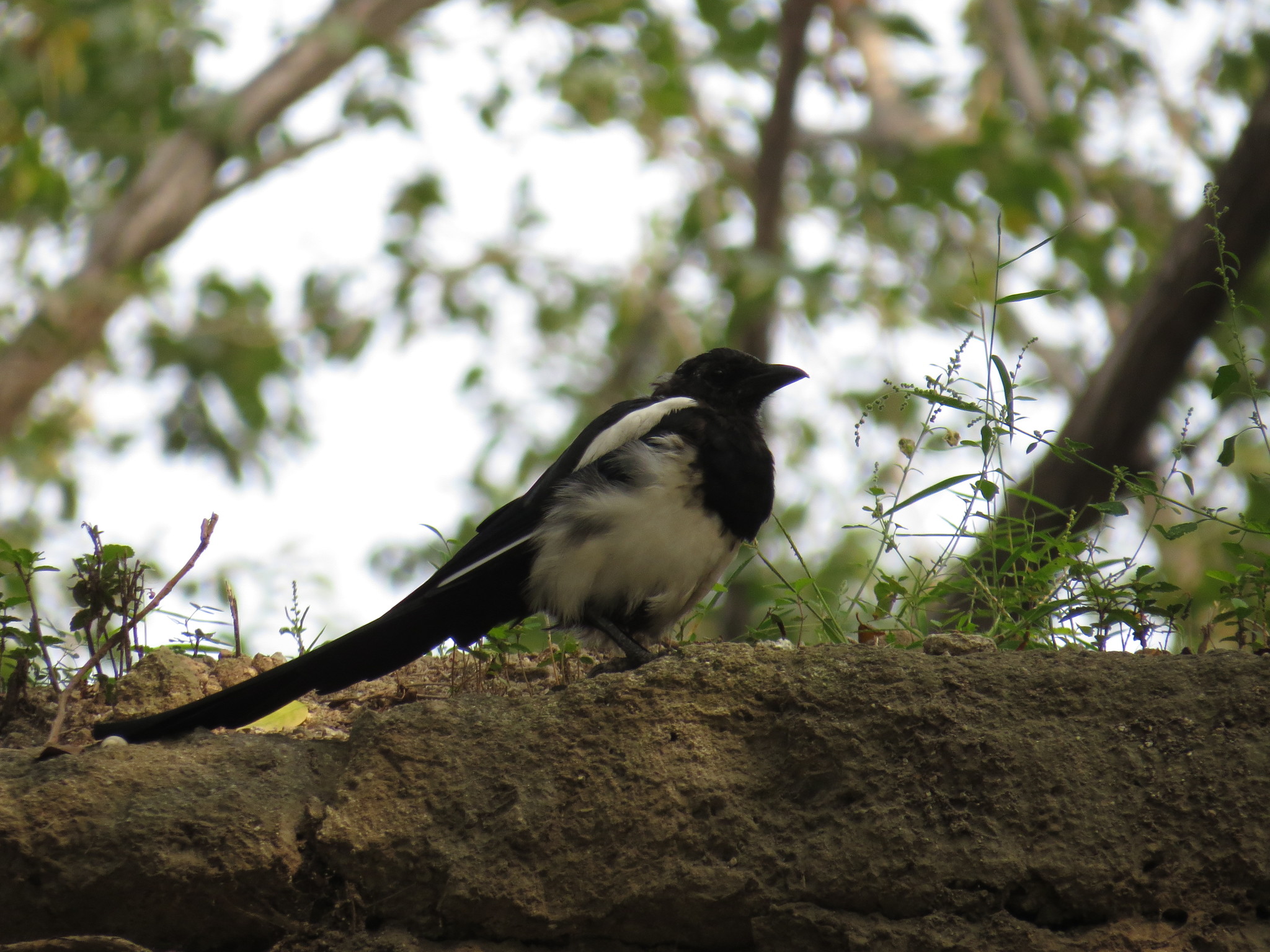
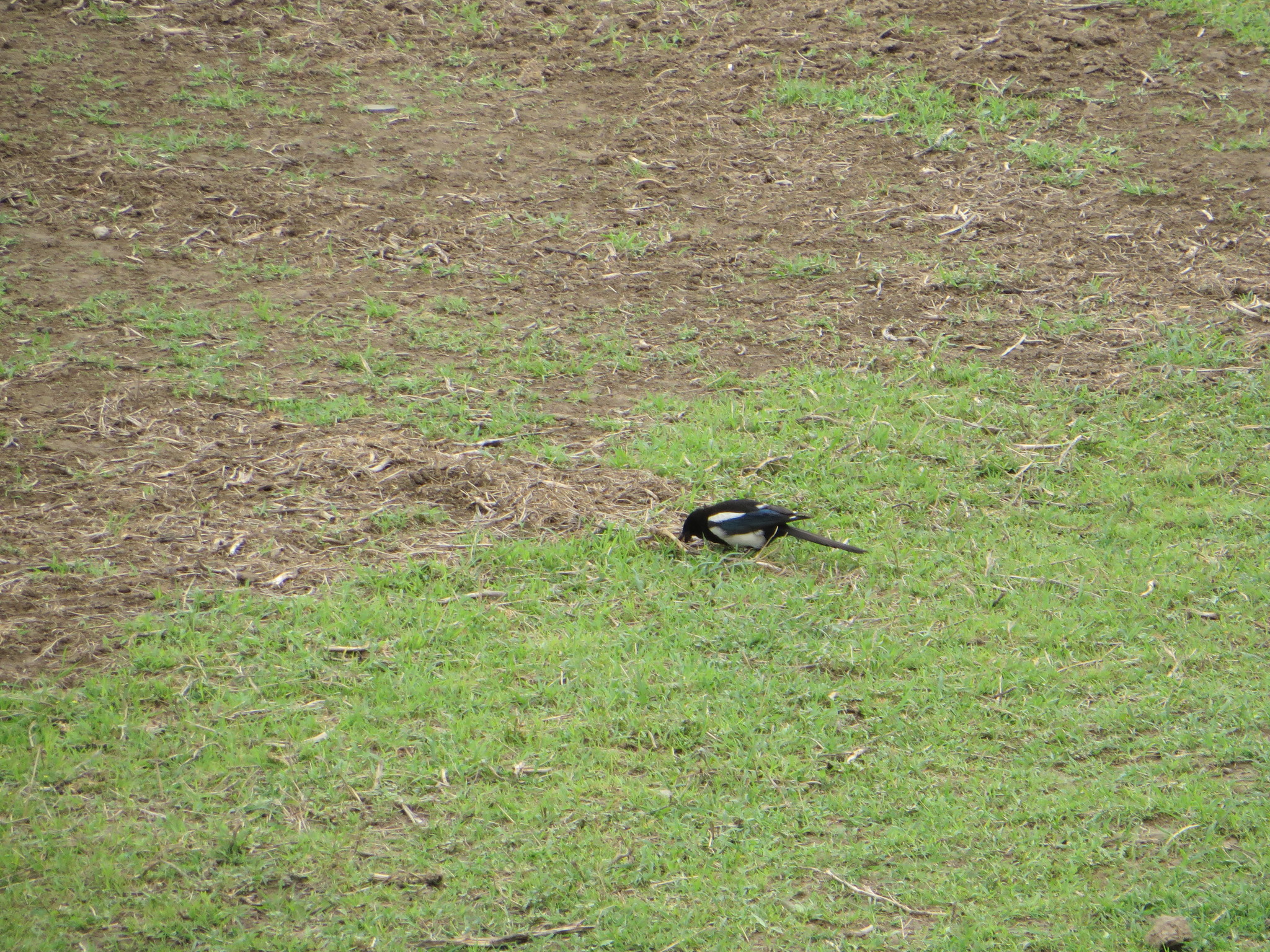
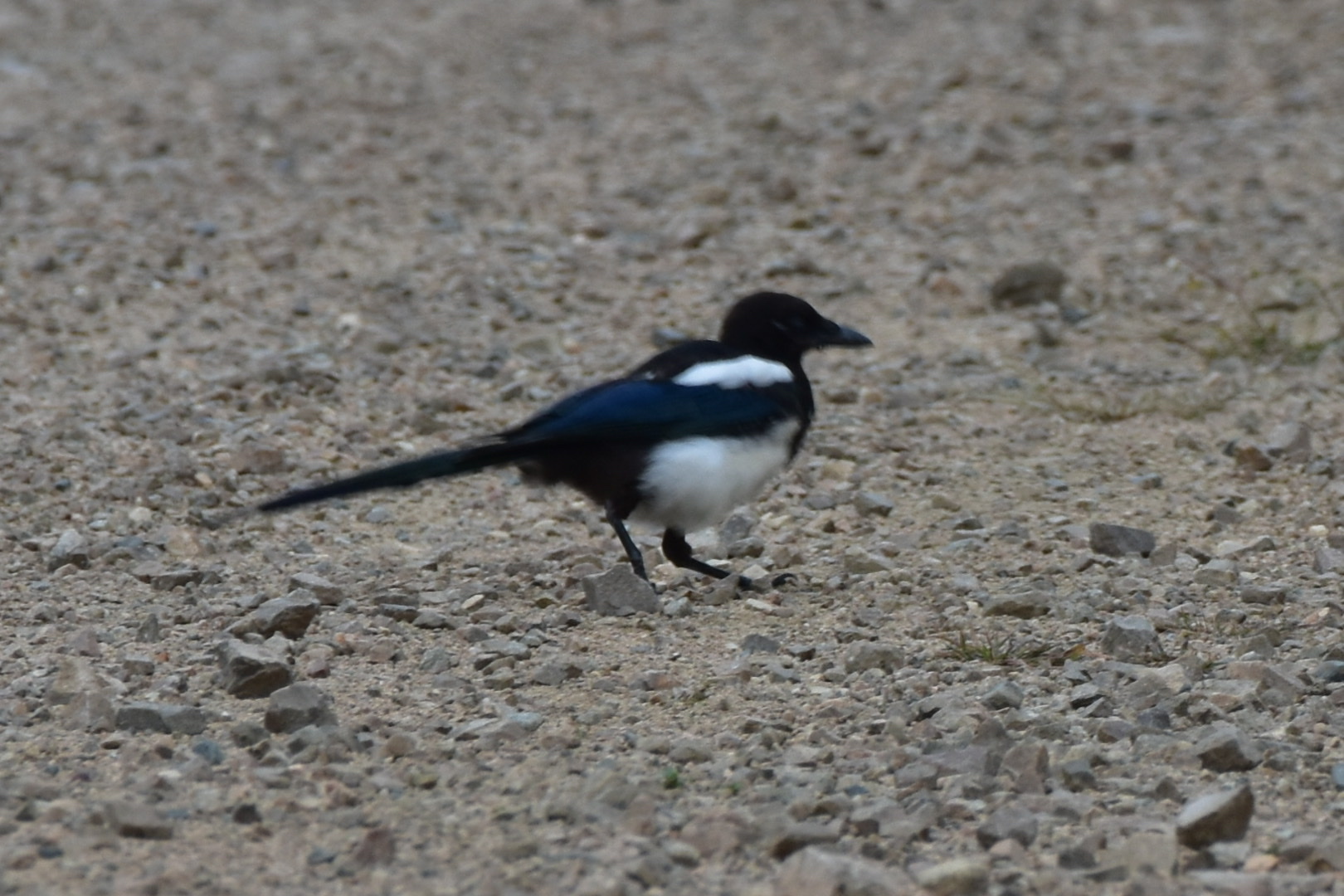
The largest magpie, somewhat stockier than the Eurasian magpie, with a proportionally shorter tail and longer wings. The back, tail, and particularly the remiges show strong purplish-blue iridescence with few if any green hues. The rump plumage is mostly black, with only a few and often hidden traces of the white band connecting the white shoulder patches seen in relatives.
Identification
Distinguished from the Eurasian magpie by a stockier build, shorter tail, and longer wings. The iridescence is purplish-blue rather than green. The rump is mostly black, lacking the prominent white band connecting the shoulder patches found in related species. The call is the same as the Eurasian magpie but much softer.
Distribution & Habitat
Range extends from south-eastern Russia to eastern China, Korea, Taiwan, Japan, and northern Indochina and Myanmar. In Japan, it occurs on all main islands except Shikoku. Proposed subspecies include P. p. jankowskii and P. p. japonica.
Behavior & Ecology
Vocalizations consist of a call identical to that of the Eurasian magpie, though significantly softer in volume.
Culture
In China, regarded as an omen of good fortune; the Chinese name includes the character for 'happiness'. It was the official ‘bird of joy’ for the Qing dynasty and features in the Qixi Festival folktale where magpies form a bridge for lovers. In Korea, celebrated as a bird of good fortune, sturdy spirit, and prosperity; it is a symbol of Korean identity and the official bird of numerous South Korean administrative regions. Since 2023, it is the national bird of the Democratic People’s Republic of Korea. Korean folklore includes a tradition where children throw lost teeth on roofs while singing to the bird to receive new ones.
Source: Wikipedia · CC BY-SA 3.0
Taxonomy
- Order
- Passeriformes
- Family
- Corvidae
- Genus
- Pica
Vocalizations
Subspecies (2)
-
Pica serica anderssoni
southeastern Russia, far northeastern China, and Korean Peninsula
Data Sources
Species description from Wikipedia, licensed under CC BY-SA 3.0.
Bird images and sounds sourced from GBIF, contributed by citizen scientists worldwide under Creative Commons licenses.
Taxonomy data from AviList 2025.