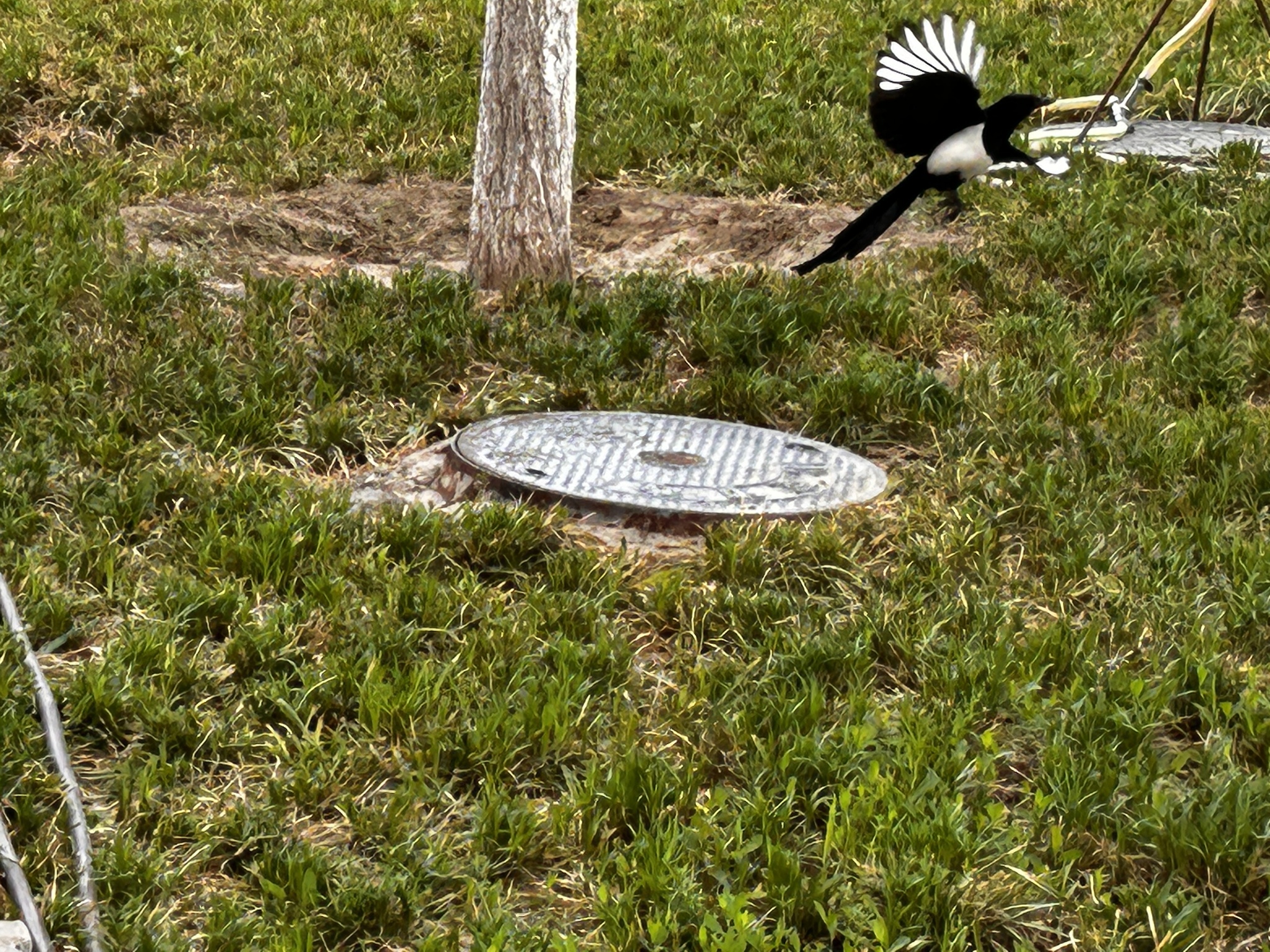

Oriental Magpie
Pica serica
喜鹊
Introduction
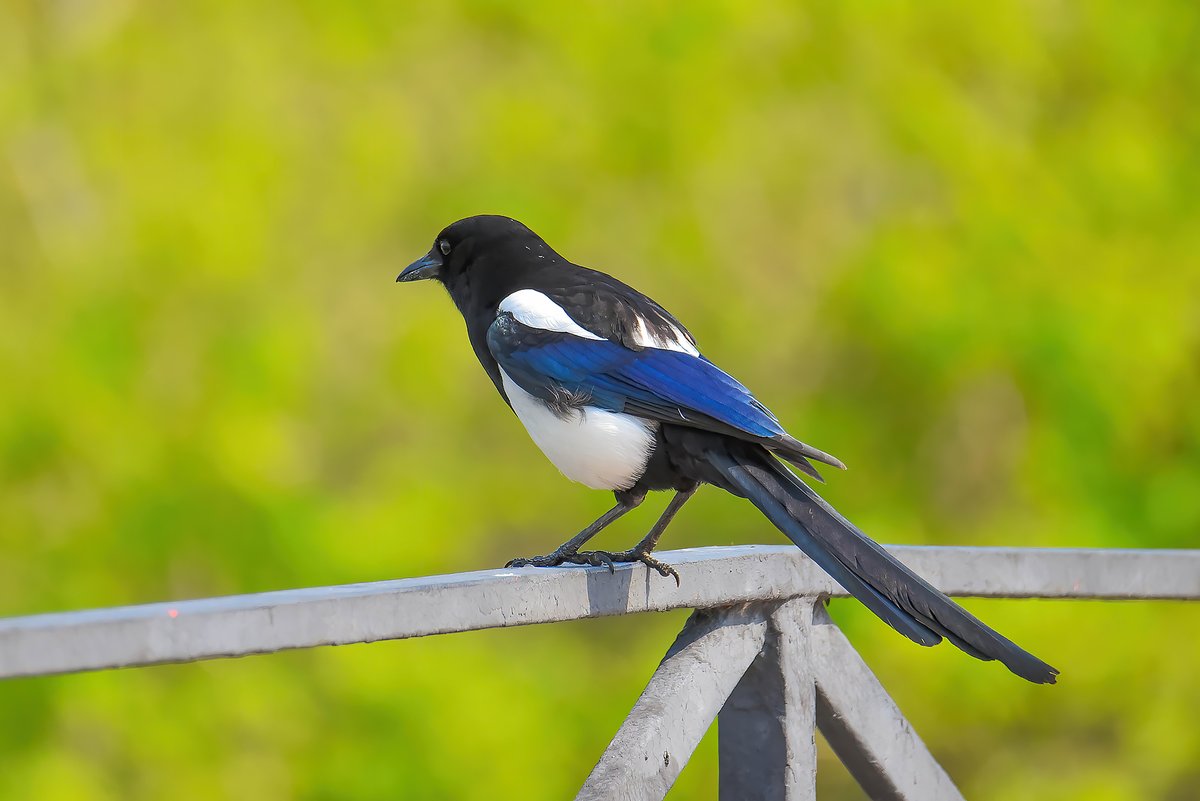
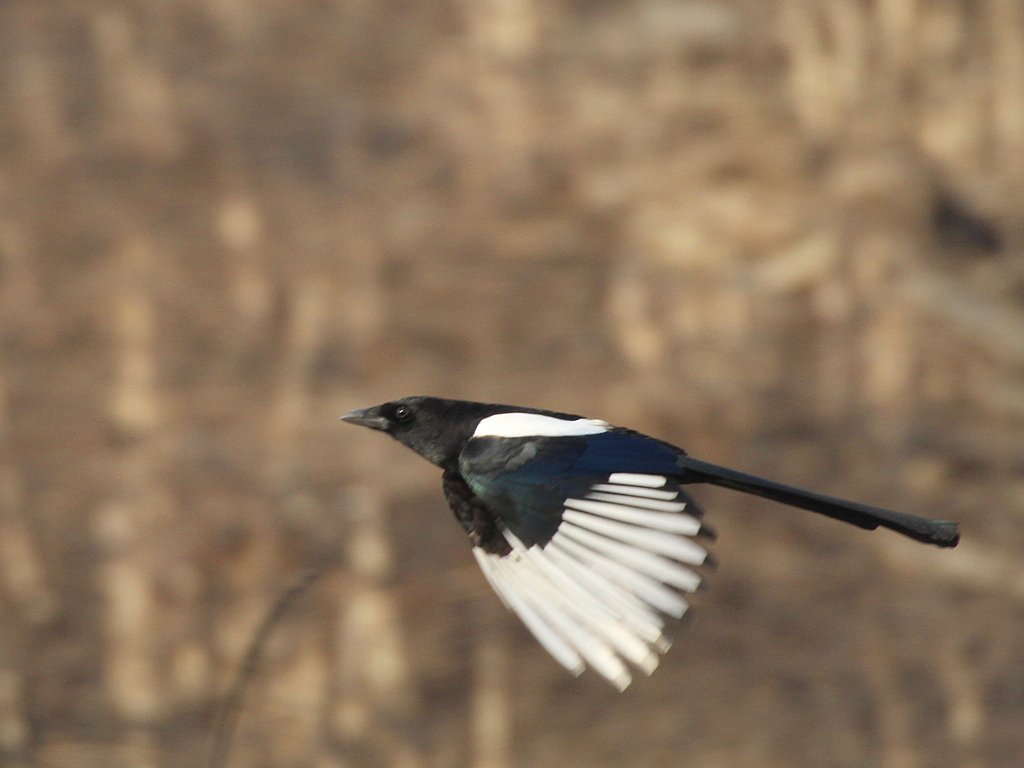
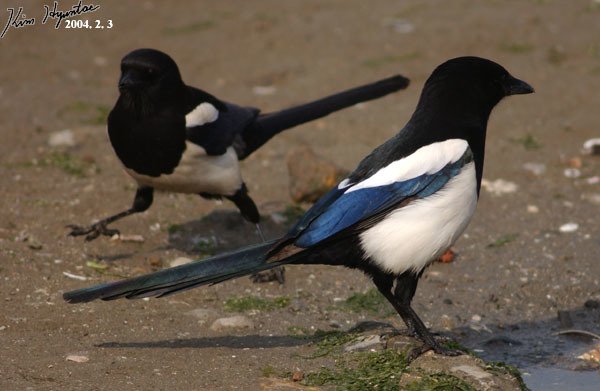
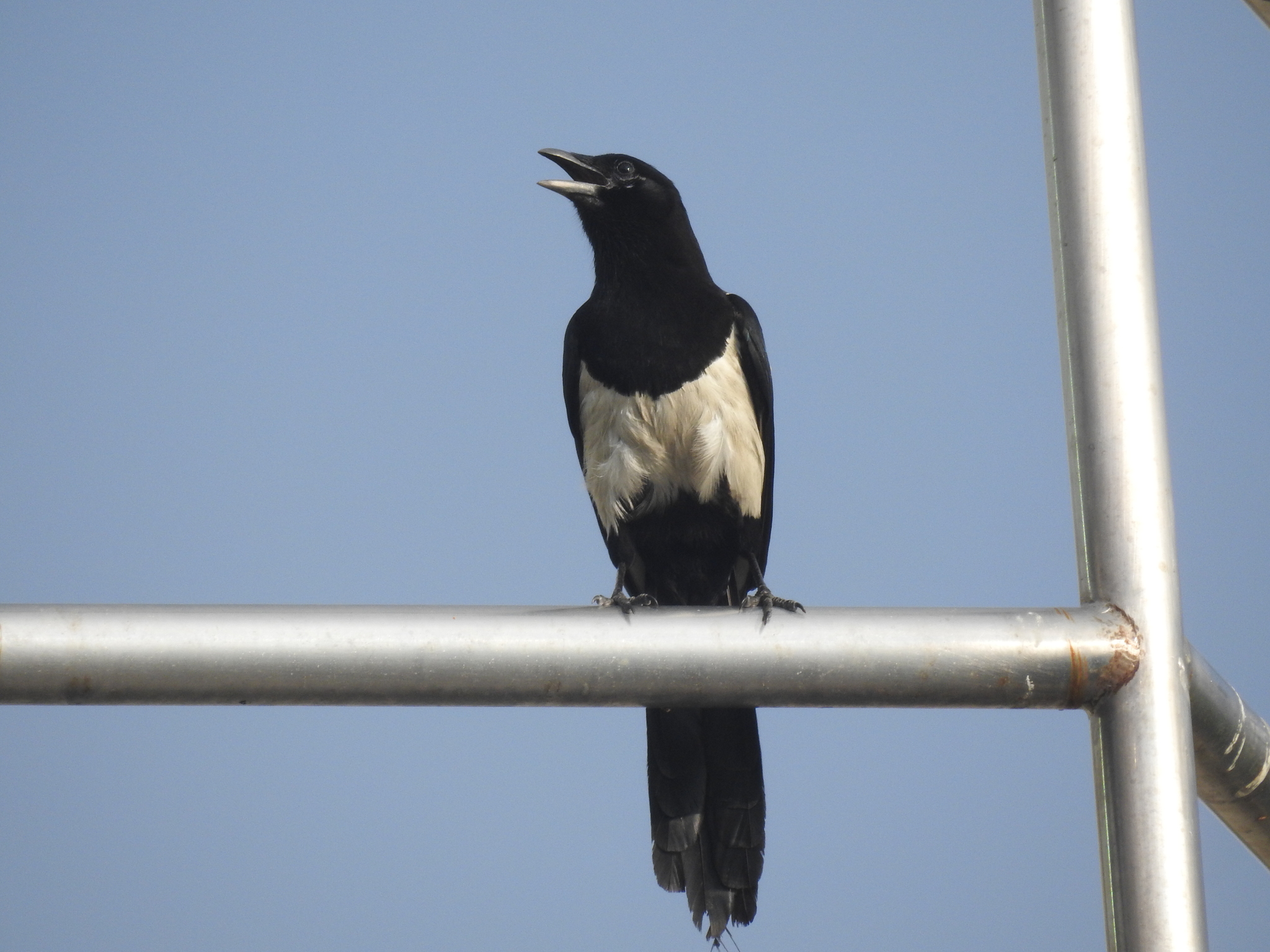
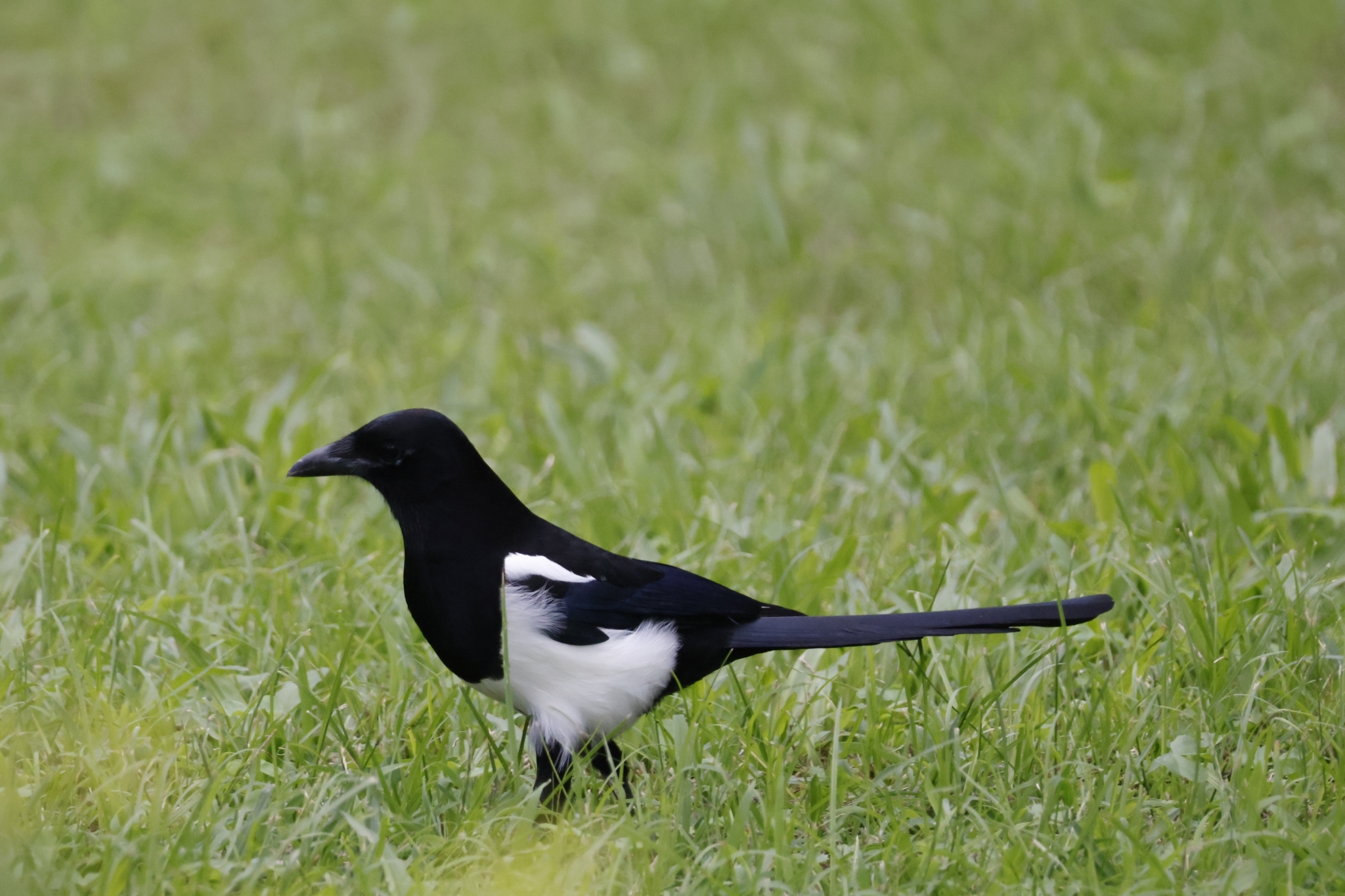
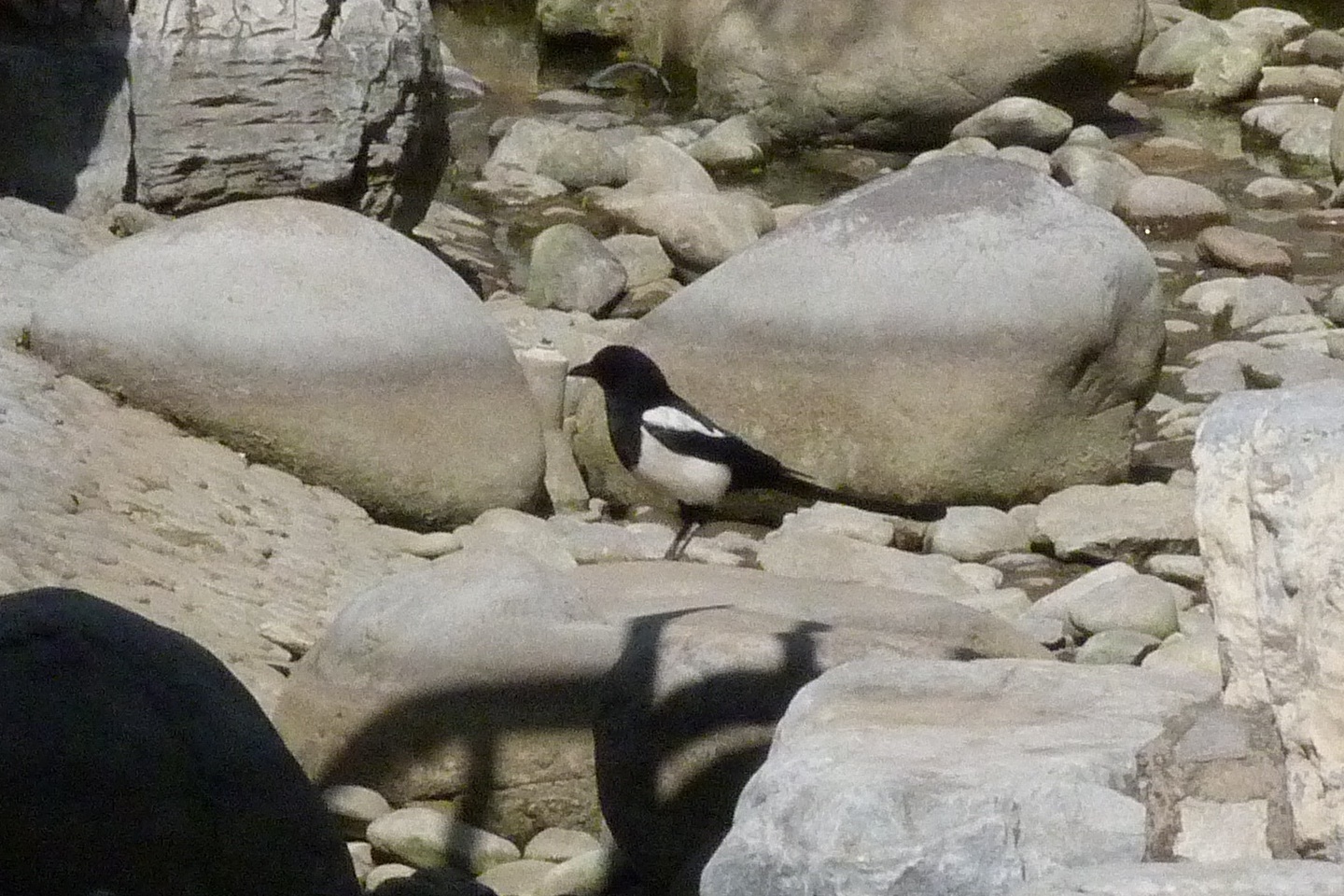
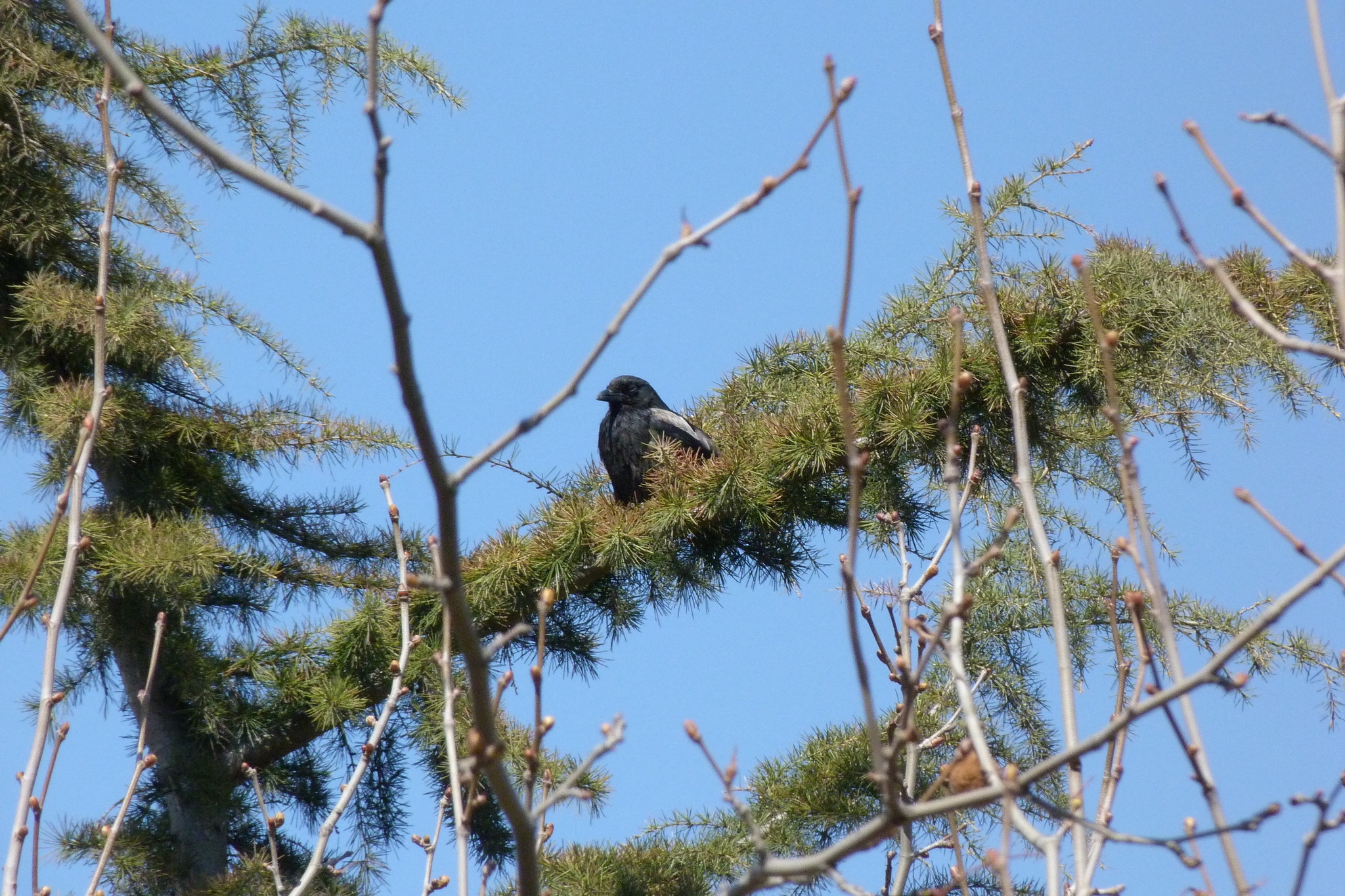
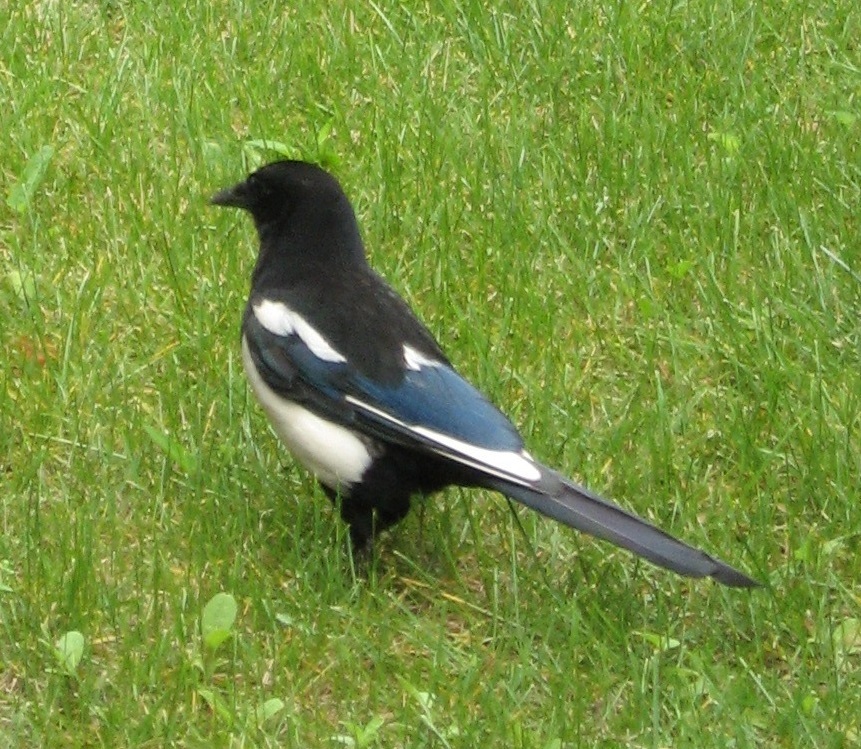
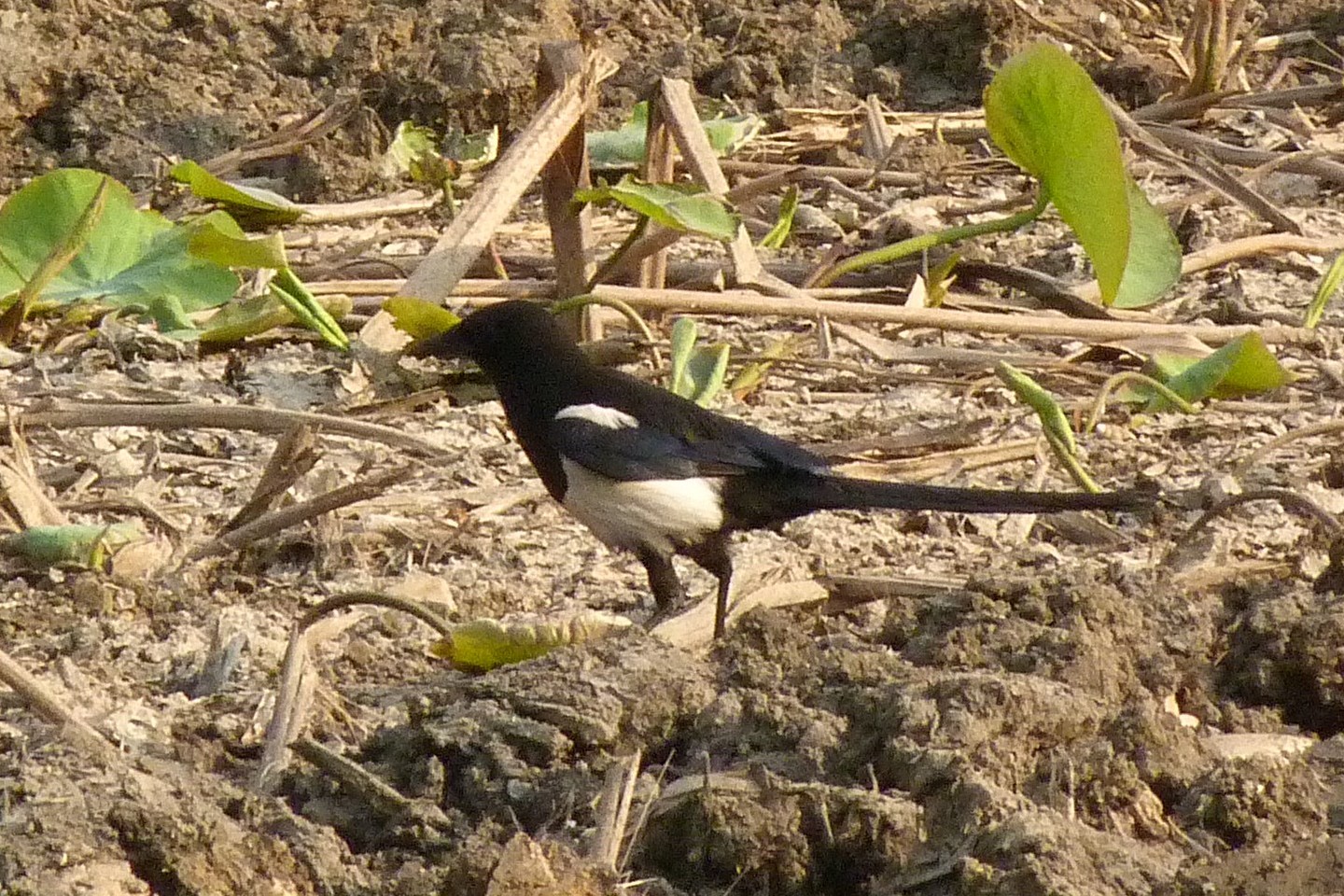
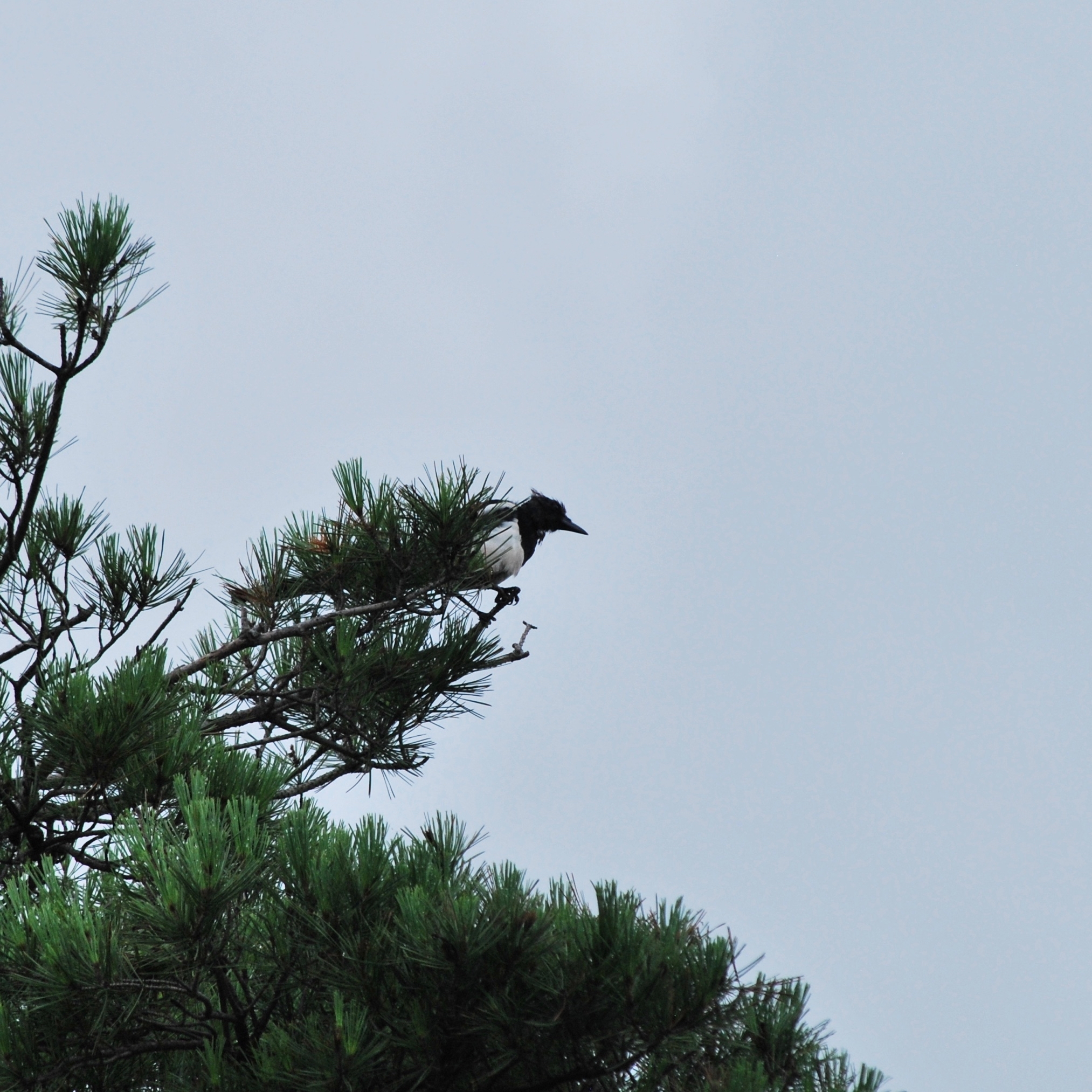
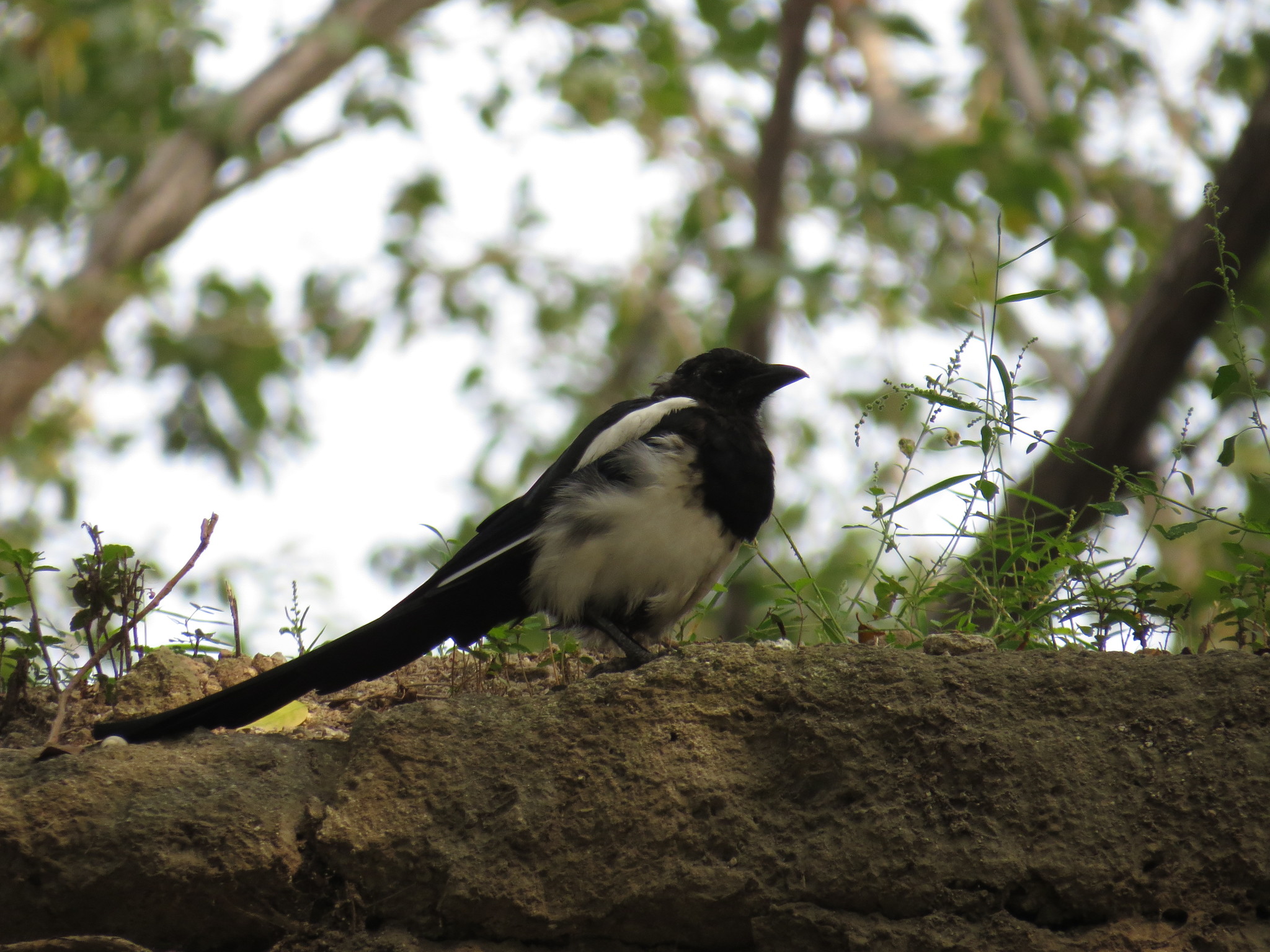
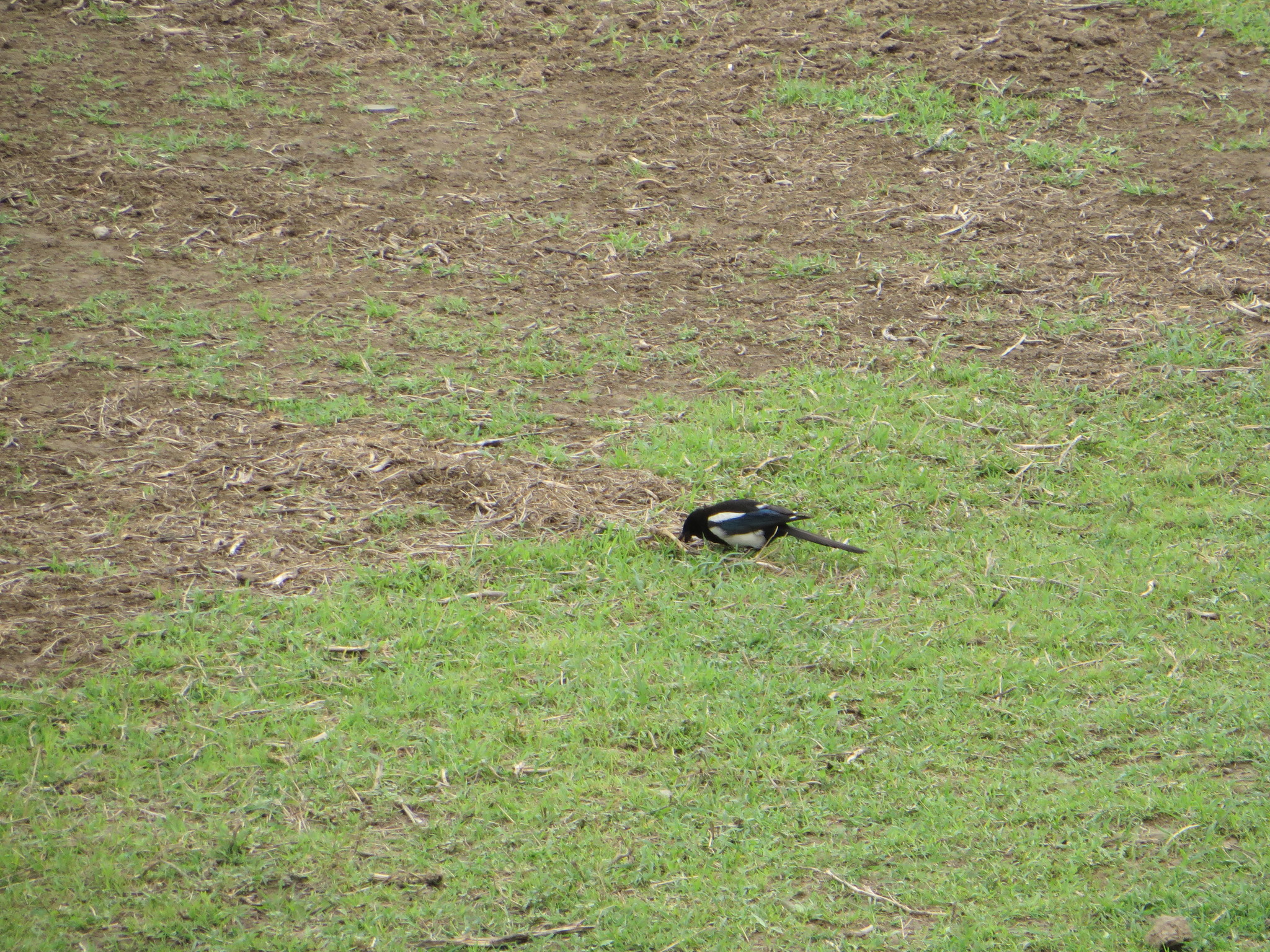
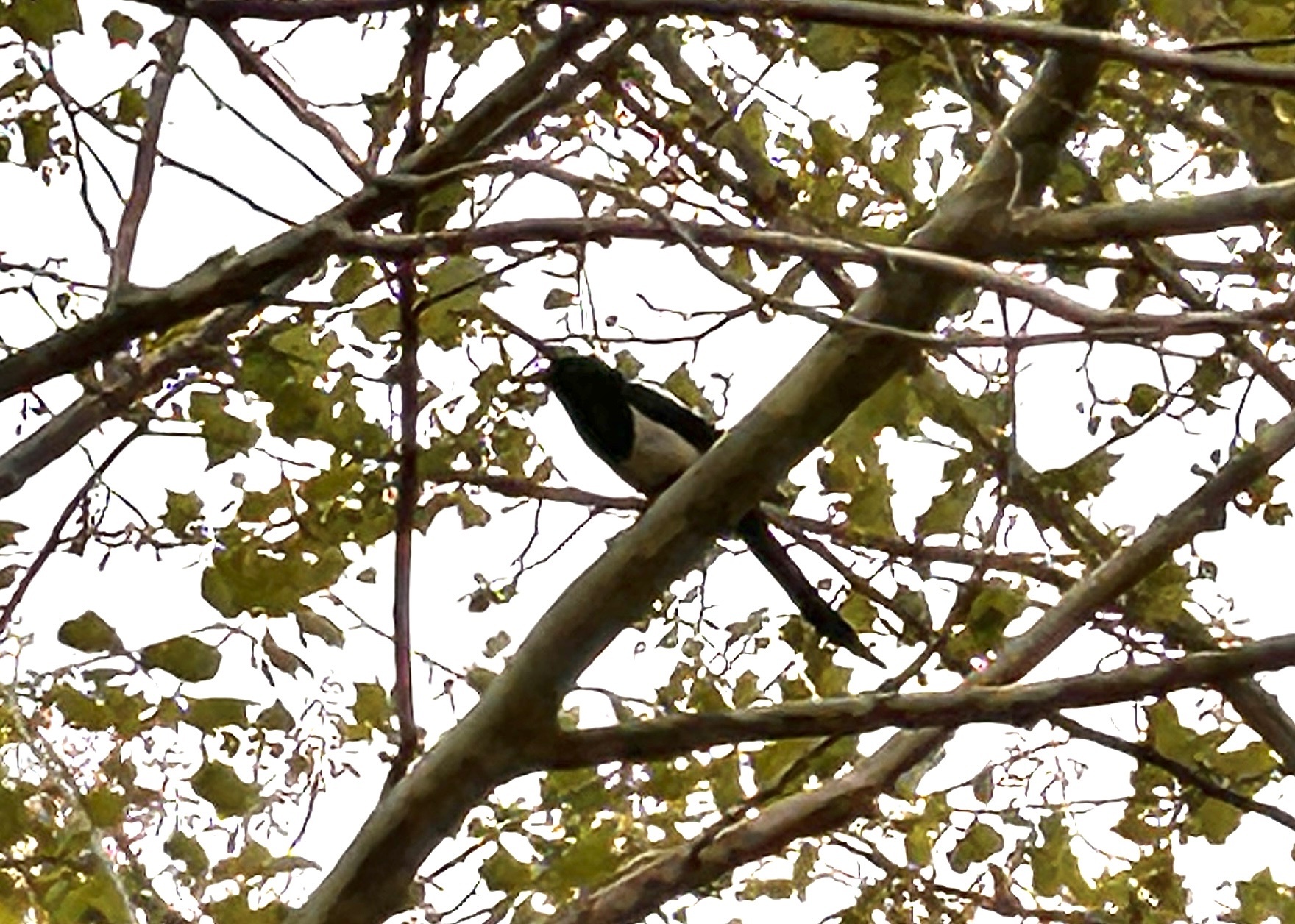
The Oriental magpie (Pica serica) is the largest member of the magpie family (Corvidae). It occurs across East Asia, including Korea, China, and Japan. This species displays black-and-white plumage with purplish-blue iridescence on the wings and tail. Compared to the Eurasian magpie, it has a stockier build and proportionally shorter tail. It inhabits varied habitats including urban areas, forest edges, and temple grounds. These birds are social, occurring in pairs or small family groups year-round. They are vocal, producing softer calls than the Eurasian magpie.
Description
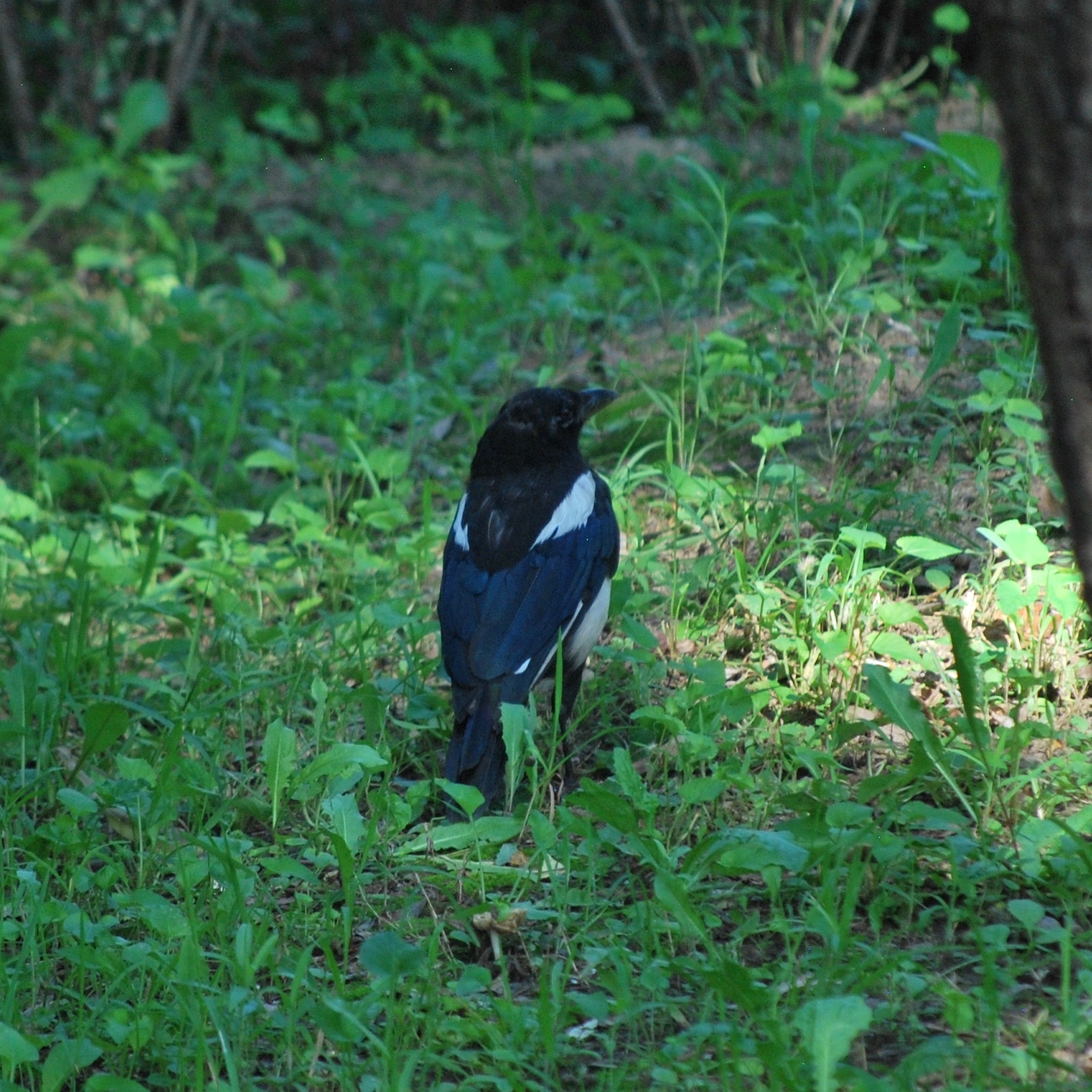
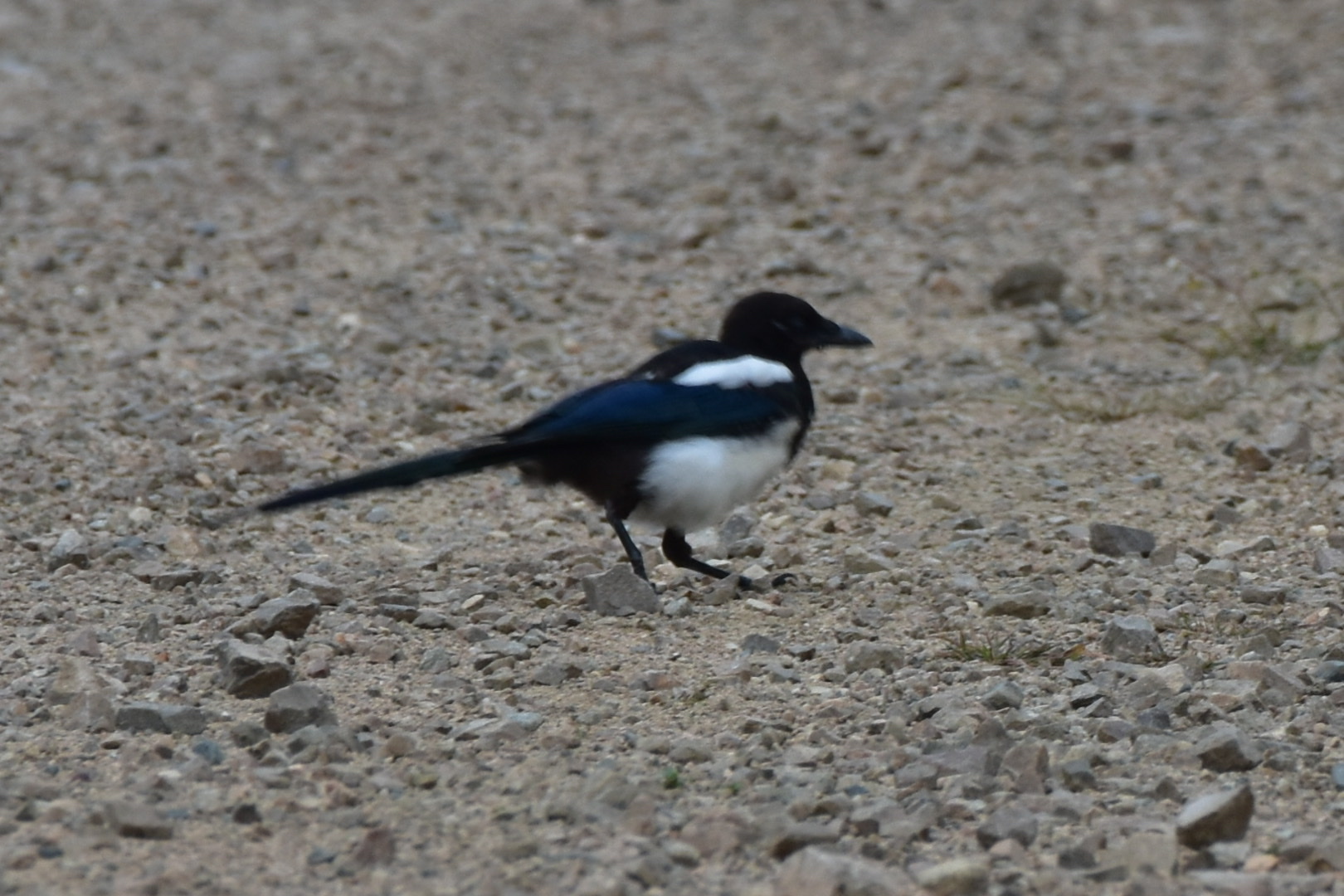
This is the largest magpie species, with a notably stockier build compared to other magpies. The proportions differ from the Eurasian magpie, featuring a proportionally shorter tail and longer wings. The plumage displays a striking black-and-white pattern, but with distinctive coloration: the back, tail, and flight feathers (remiges) exhibit strong purplish-blue iridescence with minimal green hues. The rump is predominantly black, showing only faint, often concealed traces of the white band that connects the white shoulder patches in related species. The overall appearance is bold and elegant, with the contrasting black and white plumage being highly visible in the field.
Identification
Field identification centers on comparison with the Eurasian magpie. The Oriental magpie appears stockier with a shorter tail and longer wings. The key distinguishing feature is the iridescence: strong purplish-blue tones replace the green hues typical of the Eurasian species. The rump shows mostly black with only hidden traces of white. The call is similar to the Eurasian magpie but noticeably softer. Note that this species is completely unrelated to the Oriental magpie-robin, which is a much smaller, thrush-like bird despite the similar common name.
Distribution & Habitat
This species occupies a broad range across East Asia, extending from southeastern Russia through eastern China, Korea, and Taiwan to Japan. It also occurs in northern Indochina and Myanmar. In Japan, it is present on all main islands except Shikoku. The species occupies various habitats including forests, forest edges, agricultural areas, and urban environments. Some populations may be resident year-round while others may make short-distance movements, though migration patterns are not extensively documented in the provided material.
Behavior & Ecology
The Oriental magpie belongs to the Corvidae family, sharing the intelligence and adaptability characteristic of crows and jays. Like other magpies, it is an omnivorous forager with a varied diet including insects, small vertebrates, seeds, and fruits. It is often observed in pairs or family groups, displaying the social behavior typical of many corvid species. The vocalization is described as identical to the Eurasian magpie but delivered in a much softer manner. Breeding behavior follows the typical magpie pattern of building large, domed nests, though specific details are not provided.
Culture
The Oriental magpie holds profound cultural significance throughout East Asia. In China, it is regarded as an omen of good fortune, reflected in the Chinese word 'xǐquè' where the first character means happiness. It served as the official 'bird of joy' during the Qing dynasty. The Qixi Festival celebrates a folktale in which magpies form a bridge reuniting lovers. In Korea, the magpie ('kkachi') symbolizes great fortune and prosperity, featuring in folklore about bringing new teeth to children. It represents Korean identity and has been adopted as the official bird by numerous Korean municipalities. Since 2023, North Korea designated it as the national bird, replacing the Eurasian goshawk.
Source: Wikipedia · CC BY-SA 3.0
Taxonomy
- Order
- Passeriformes
- Family
- Corvidae
- Genus
- Pica
- eBird Code
- orimag1
Vocalizations
Subspecies (2)
-
Pica serica anderssoni
southeastern Russia, far northeastern China, and Korean Peninsula
-
Pica serica serica
northern Myanmar eastward to eastern China and Taiwan, and southward to northern Indochina
Data Sources
Species description from Wikipedia, licensed under CC BY-SA 3.0.
Bird images and sounds sourced from GBIF, contributed by citizen scientists worldwide under Creative Commons licenses.
Taxonomy data from AviList 2025.