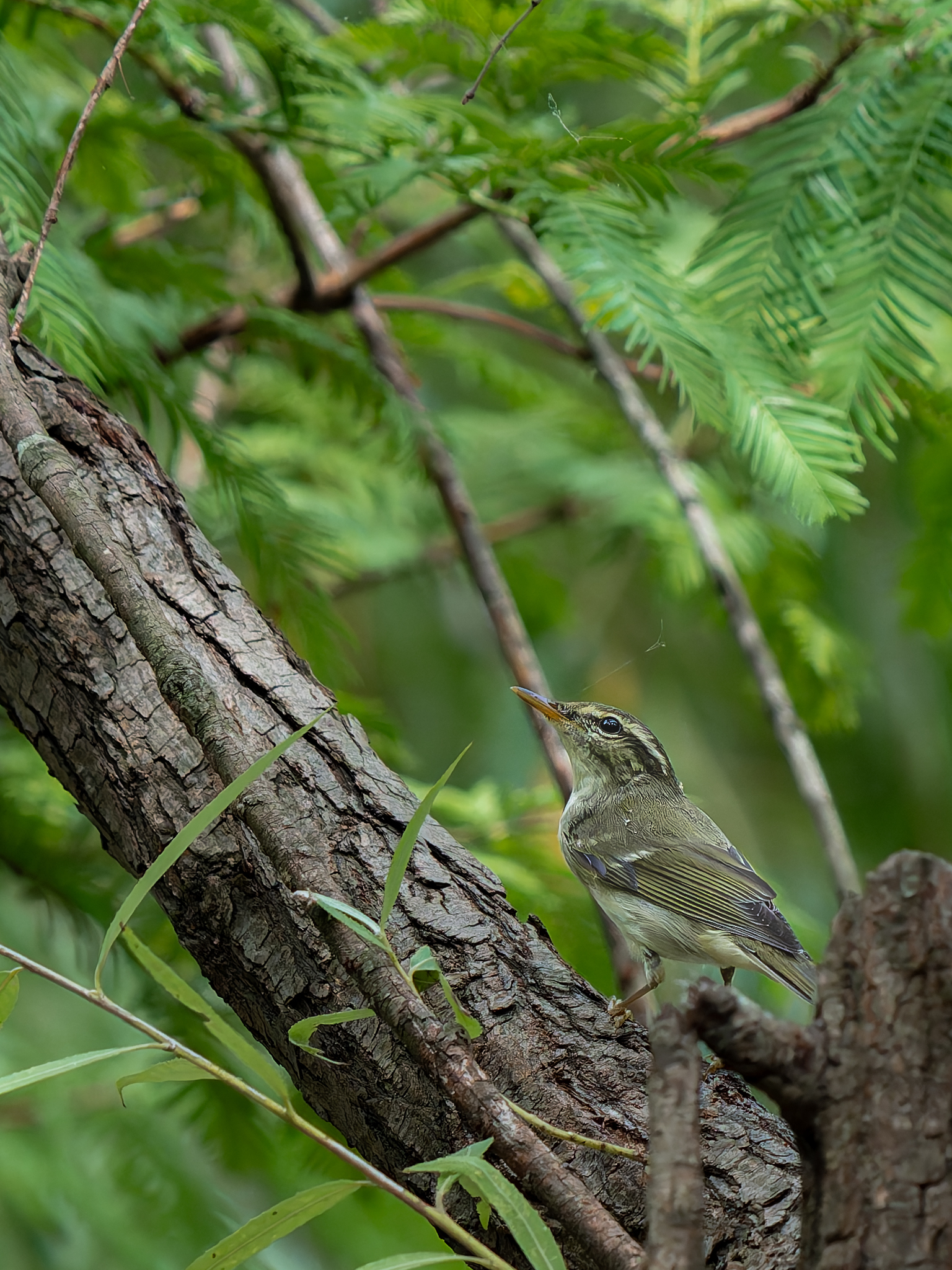
Passeriformes / Phylloscopidae / Phylloscopus
Arctic Warbler
Phylloscopus borealis · 极北柳莺
Introduction
A widespread leaf warbler in the genus Phylloscopus, breeding in birch or mixed birch forest near water across Fennoscandia and the northern Palearctic, with a breeding population in Alaska. It is strongly migratory, with the entire population wintering in southeast Asia, undertaking one of the longest migrations of any Old World insectivorous bird.
Description
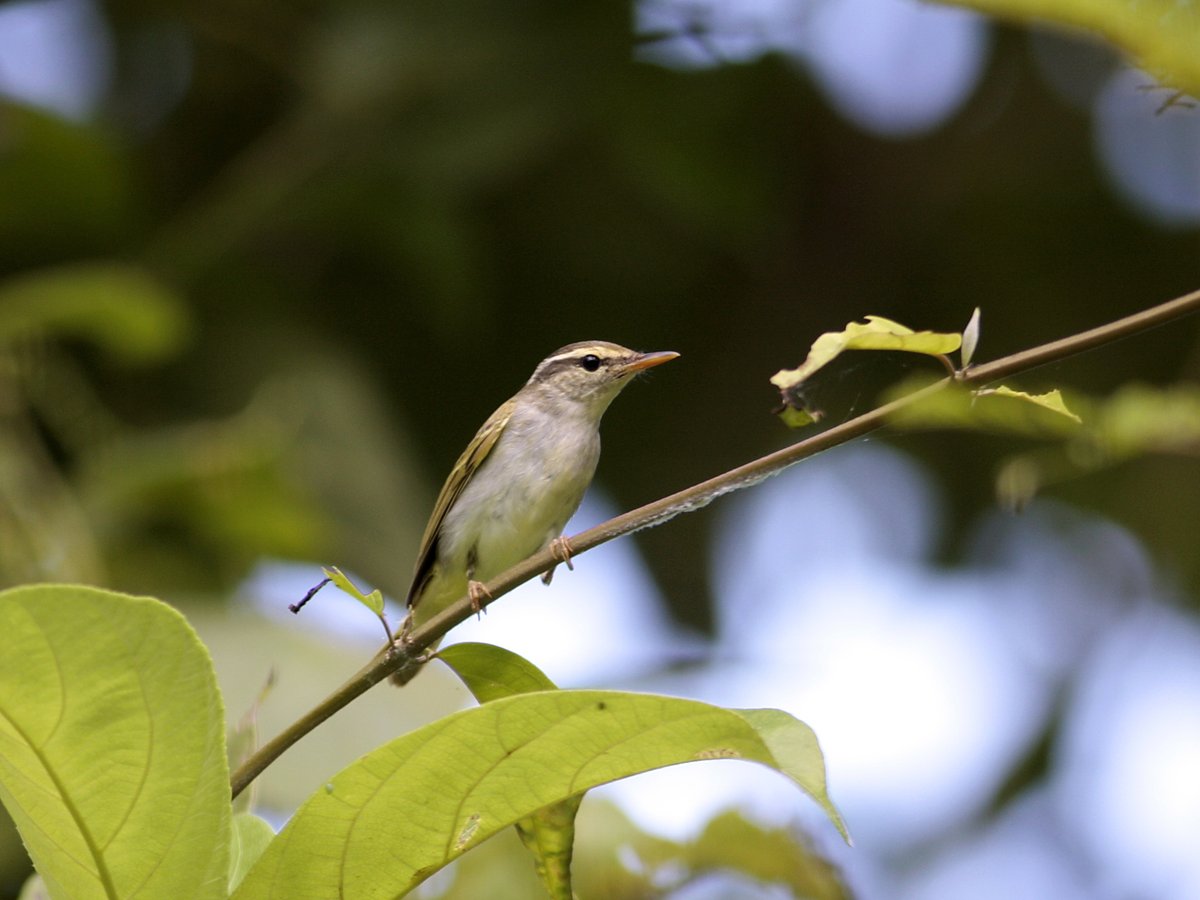
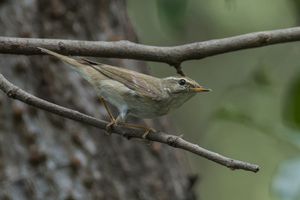
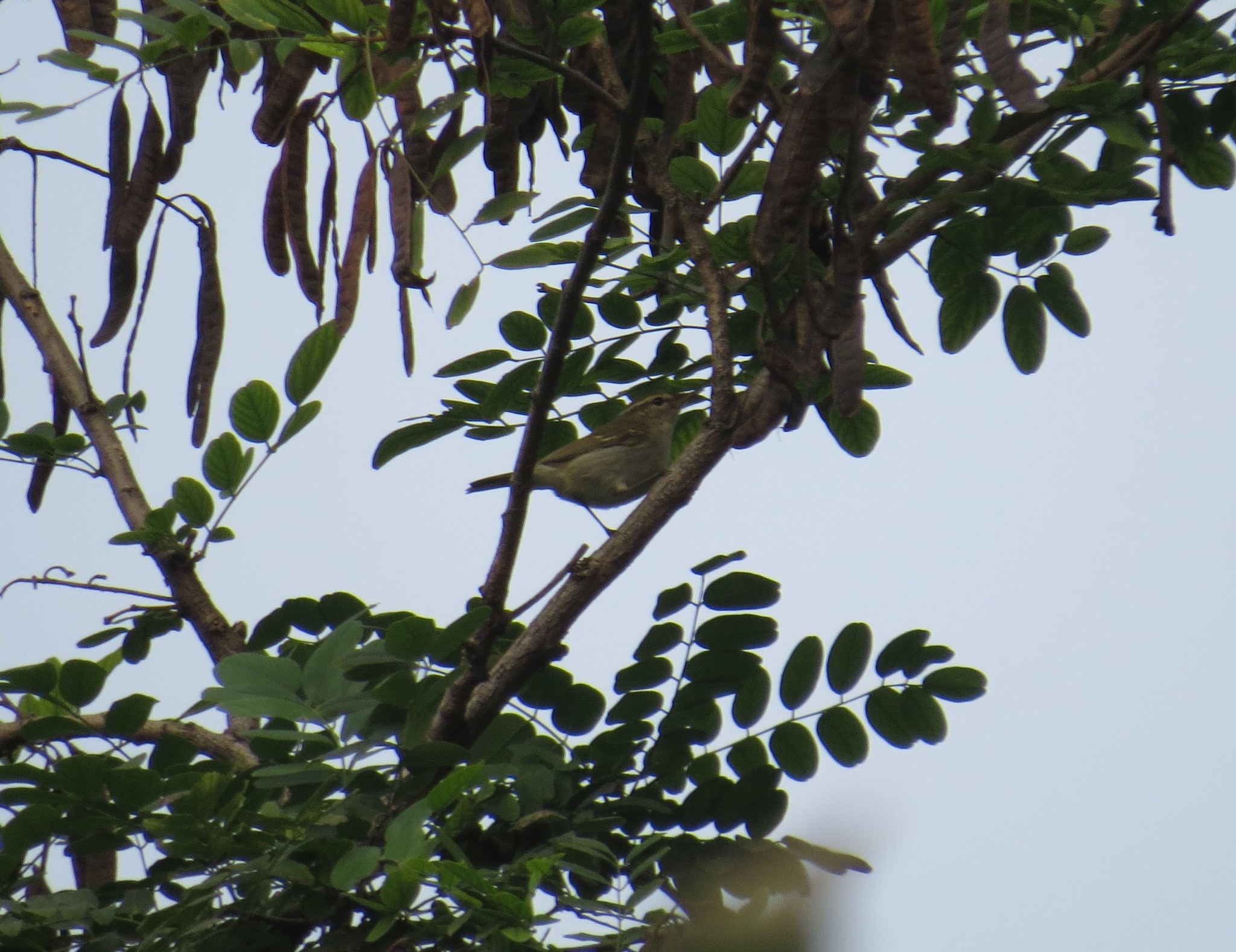
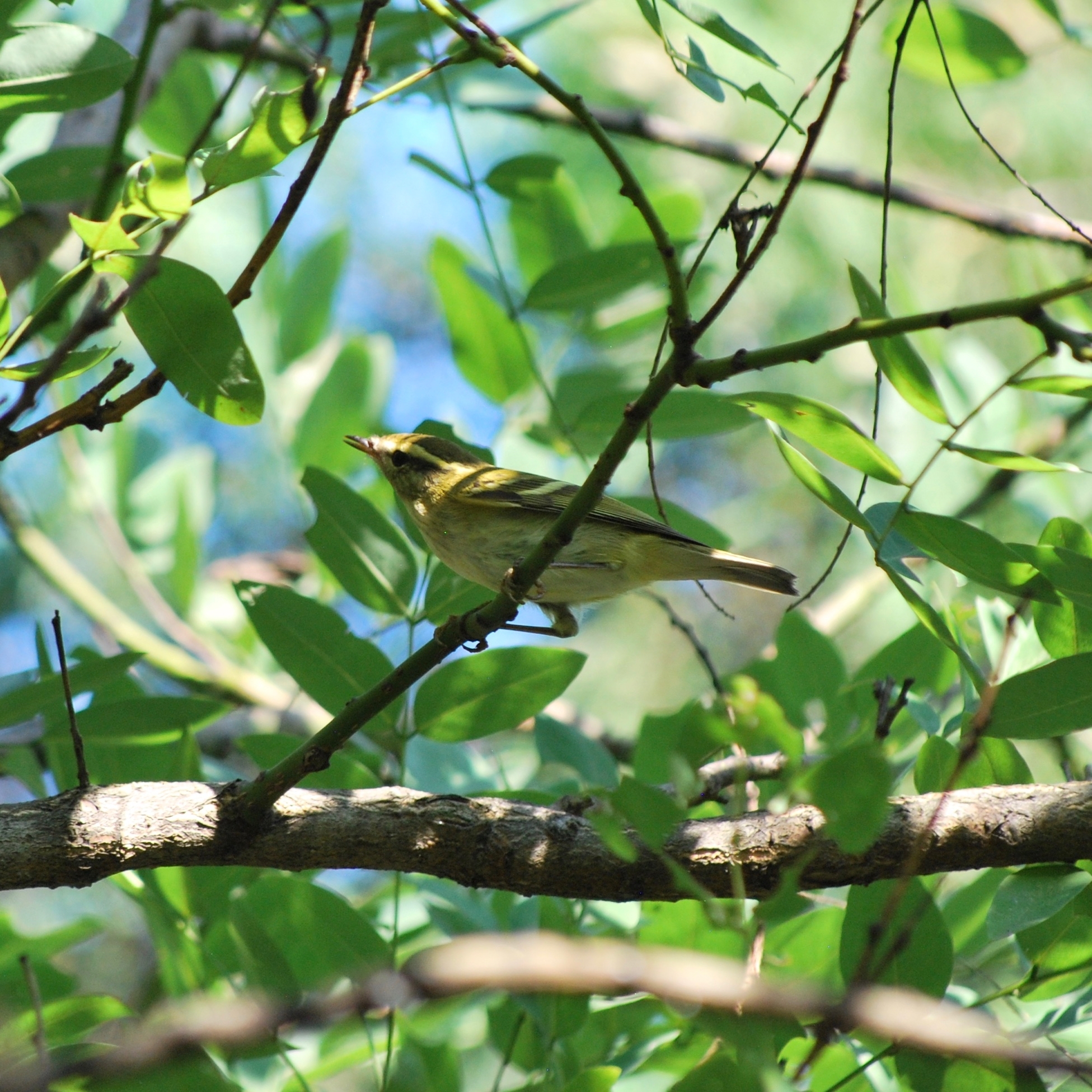
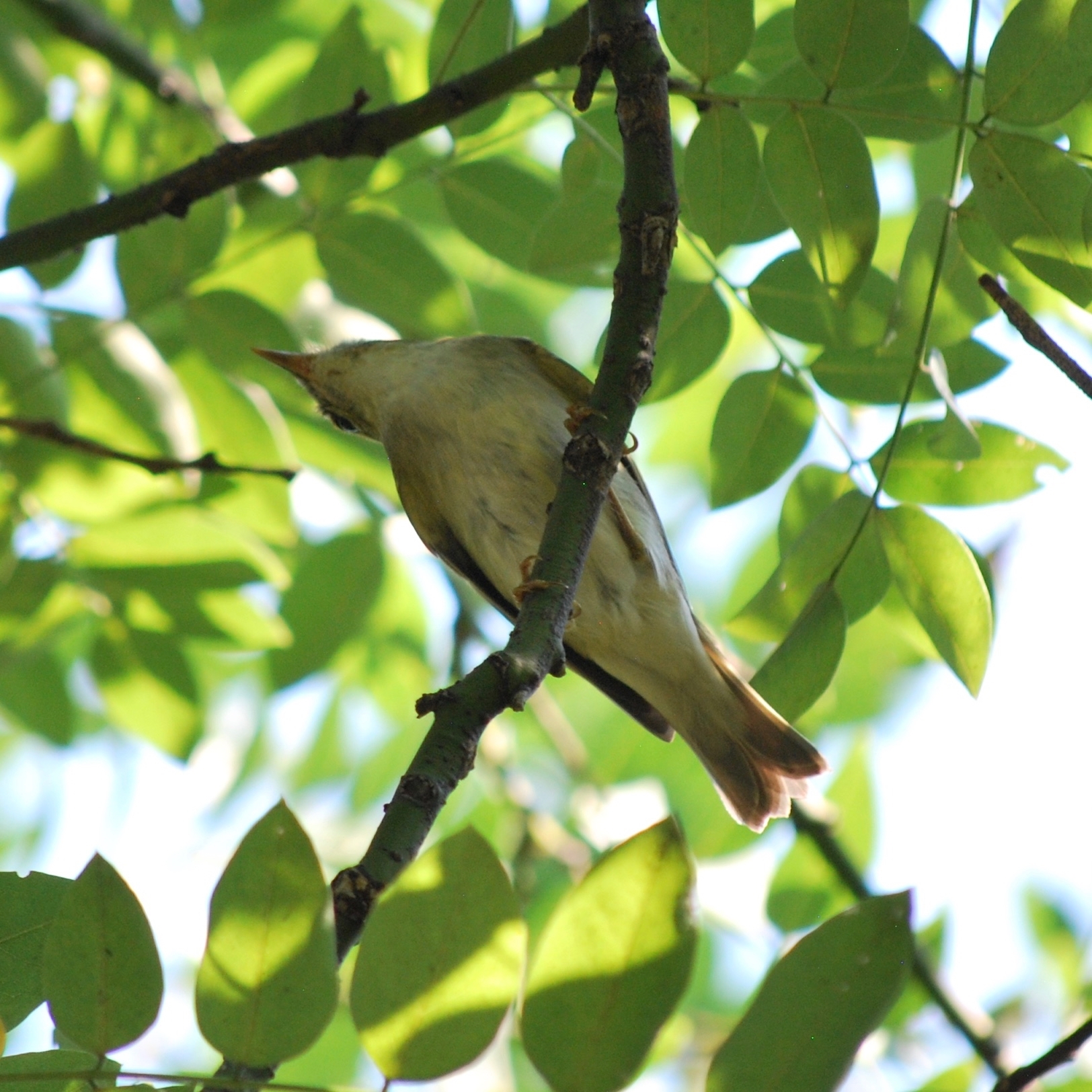
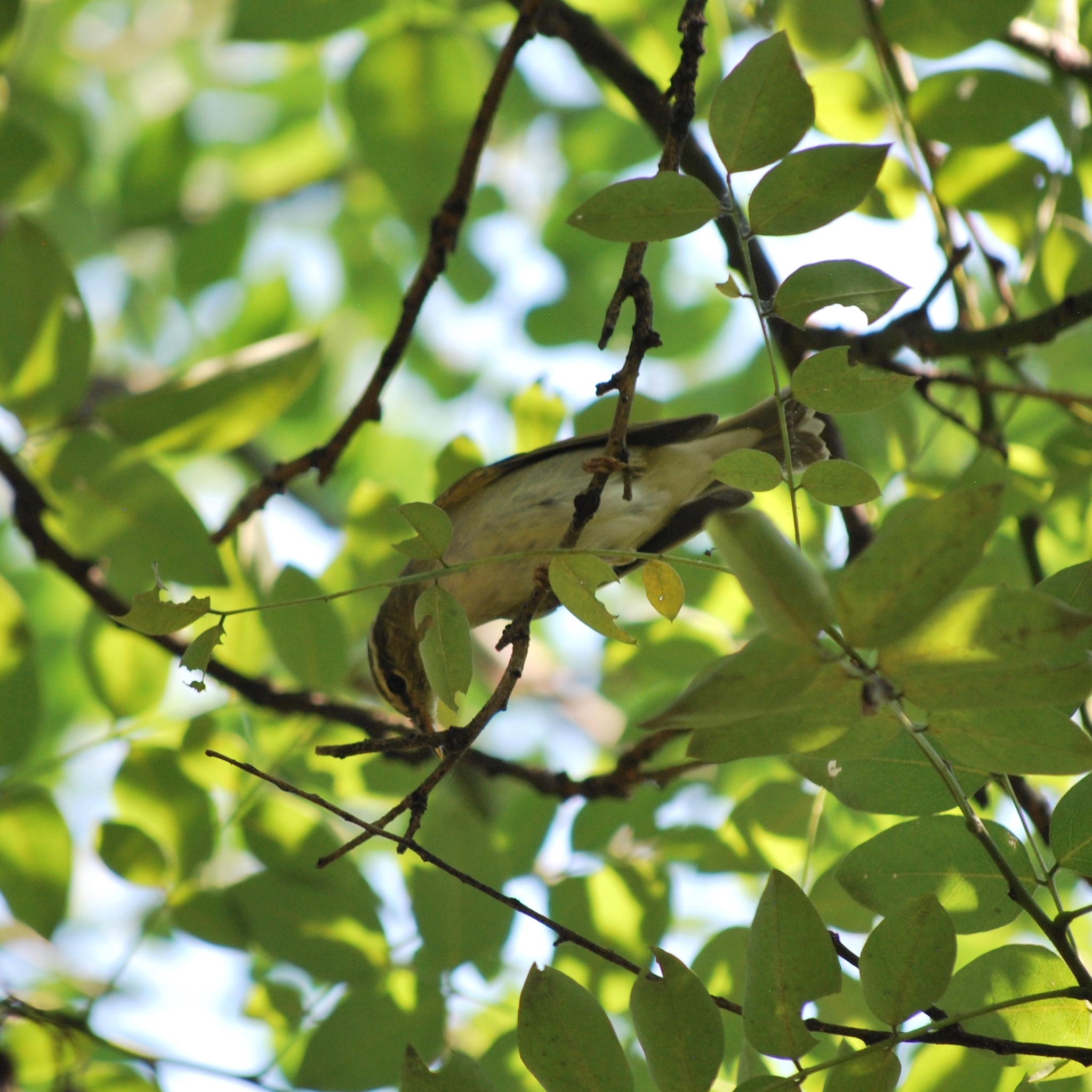
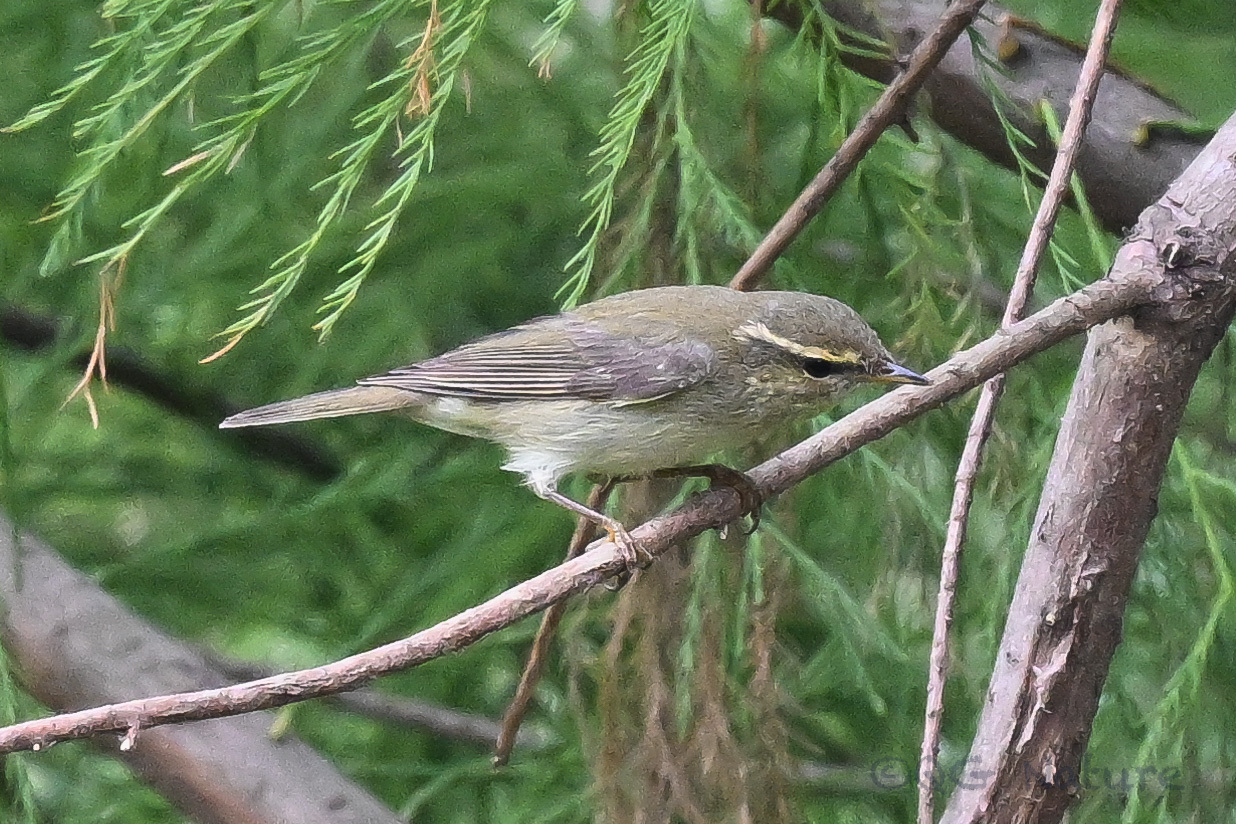
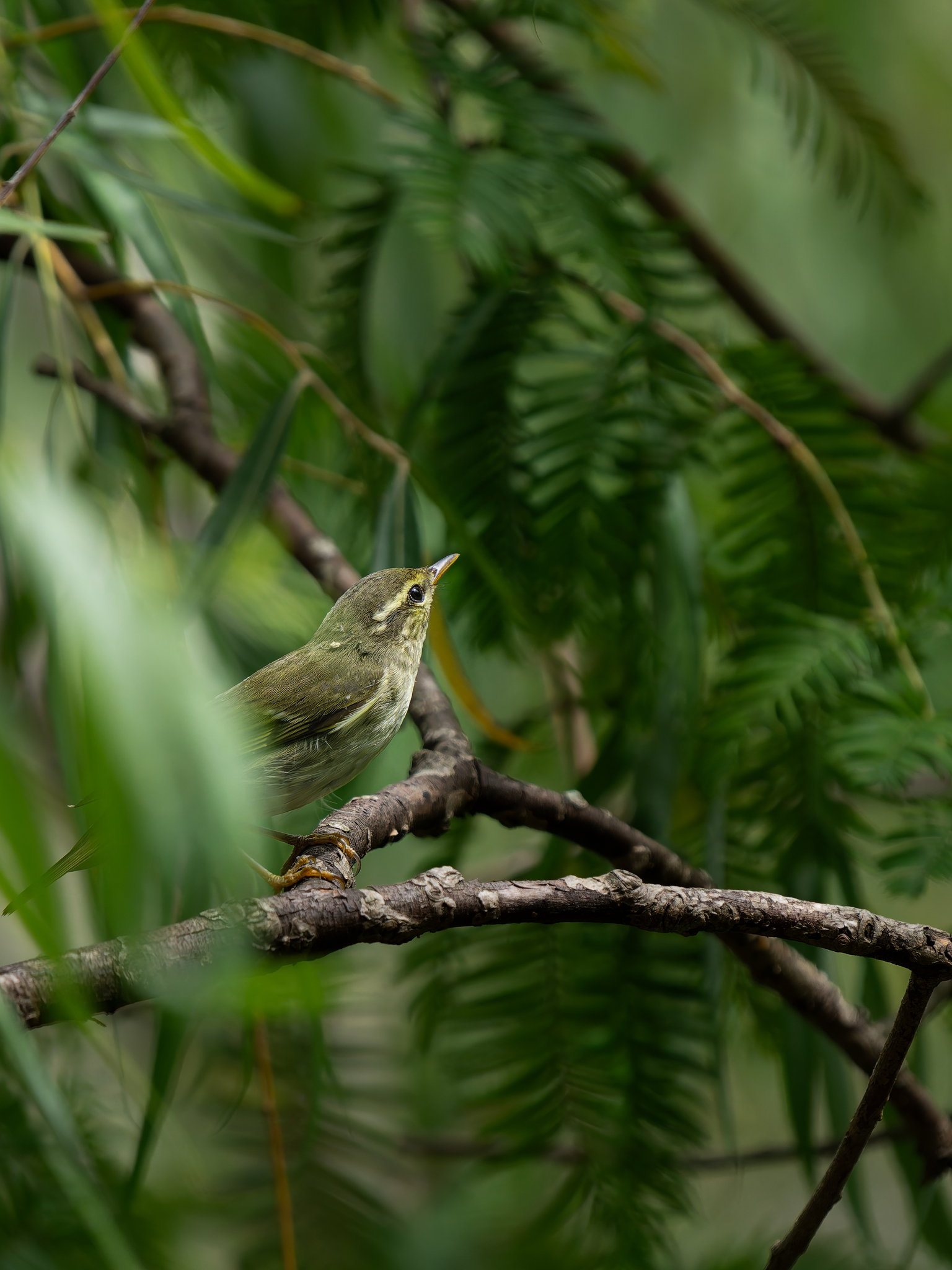
Typical leaf warbler appearance, greyish-green above and off-white below. It possesses a single wing bar. Larger than the greenish warbler, it has a heavier, dagger-like bill with a dark tip to the lower mandible.
Identification
Distinguished from most similar species by a single wing bar, though this trait is shared with the greenish warbler. Differentiated from the greenish warbler by larger size, a heavier dagger-like bill, and a dark tip to the lower mandible. The song is a fast trill.
Distribution & Habitat
Breeds in Fennoscandia, the northern Palearctic, and Alaska. Winters in southeast Asia. Occurs as an autumn vagrant in western Europe and is annual in Great Britain, with 225 confirmed sightings there between 1958 and 2001. Populations formerly included in this species in Kamchatka, the Kuril Islands, and Japan are now treated as distinct species.
Behavior & Ecology
Insectivorous. Nests on the ground in a low shrub.
Source: Wikipedia · CC BY-SA 3.0
Taxonomy
- Order
- Passeriformes
- Family
- Phylloscopidae
- Genus
- Phylloscopus
Distribution
breeds from northern Scandinavia eastward to Siberia (excluding the Kamchatka Peninsula) and western Alaska, southward to south-central Siberia, northern Mongolia, and northeastern China (northeastern Nei Mongol and Heilongjiang); winters from southeast Asia (Myanmar eastward to Vietnam), southeastern China (Fujian, northern Guangdong), and Taiwan southward to Philippines and Wallacea
Data Sources
Species description from Wikipedia, licensed under CC BY-SA 3.0.
Bird images and sounds sourced from GBIF, contributed by citizen scientists worldwide under Creative Commons licenses.
Taxonomy data from AviList 2025.