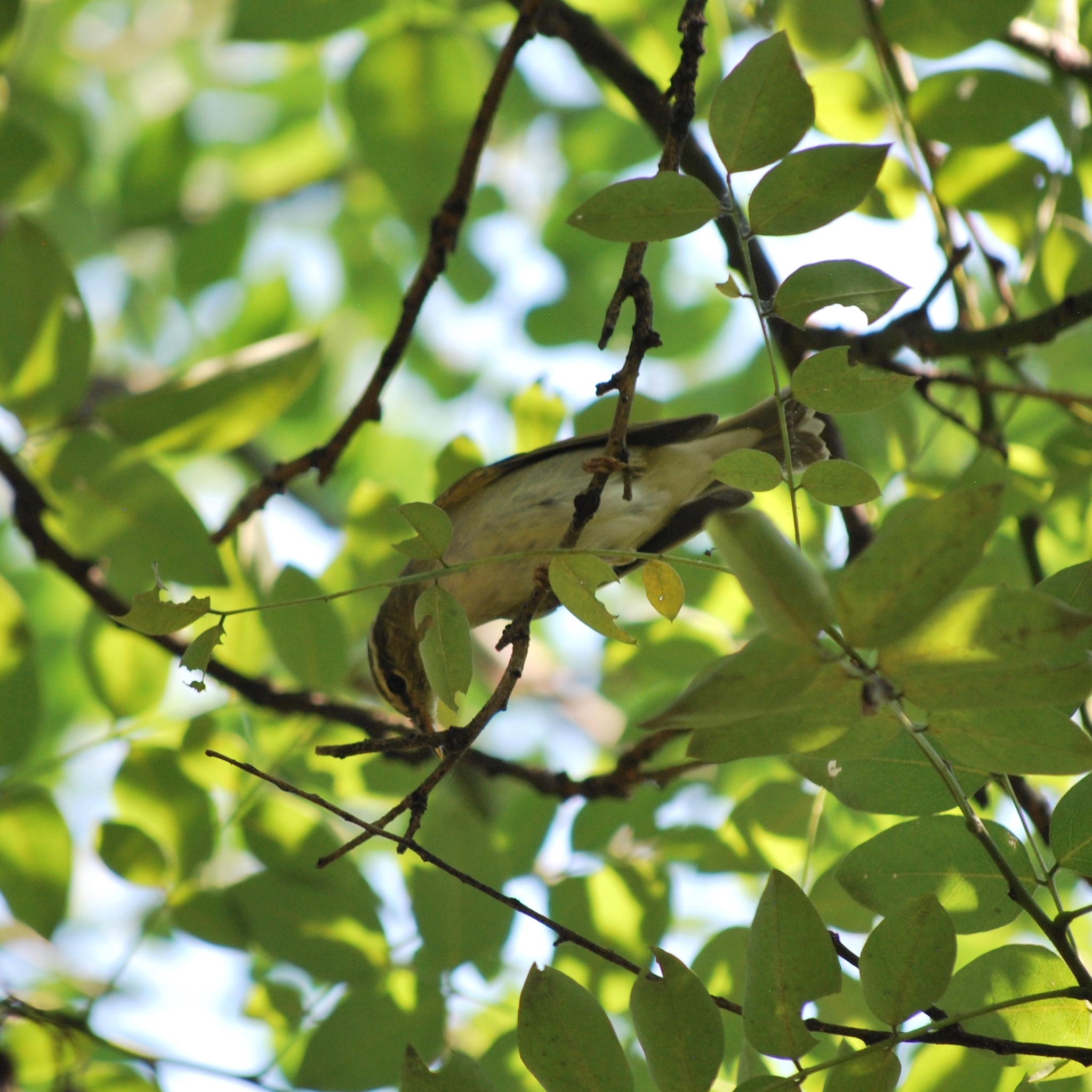
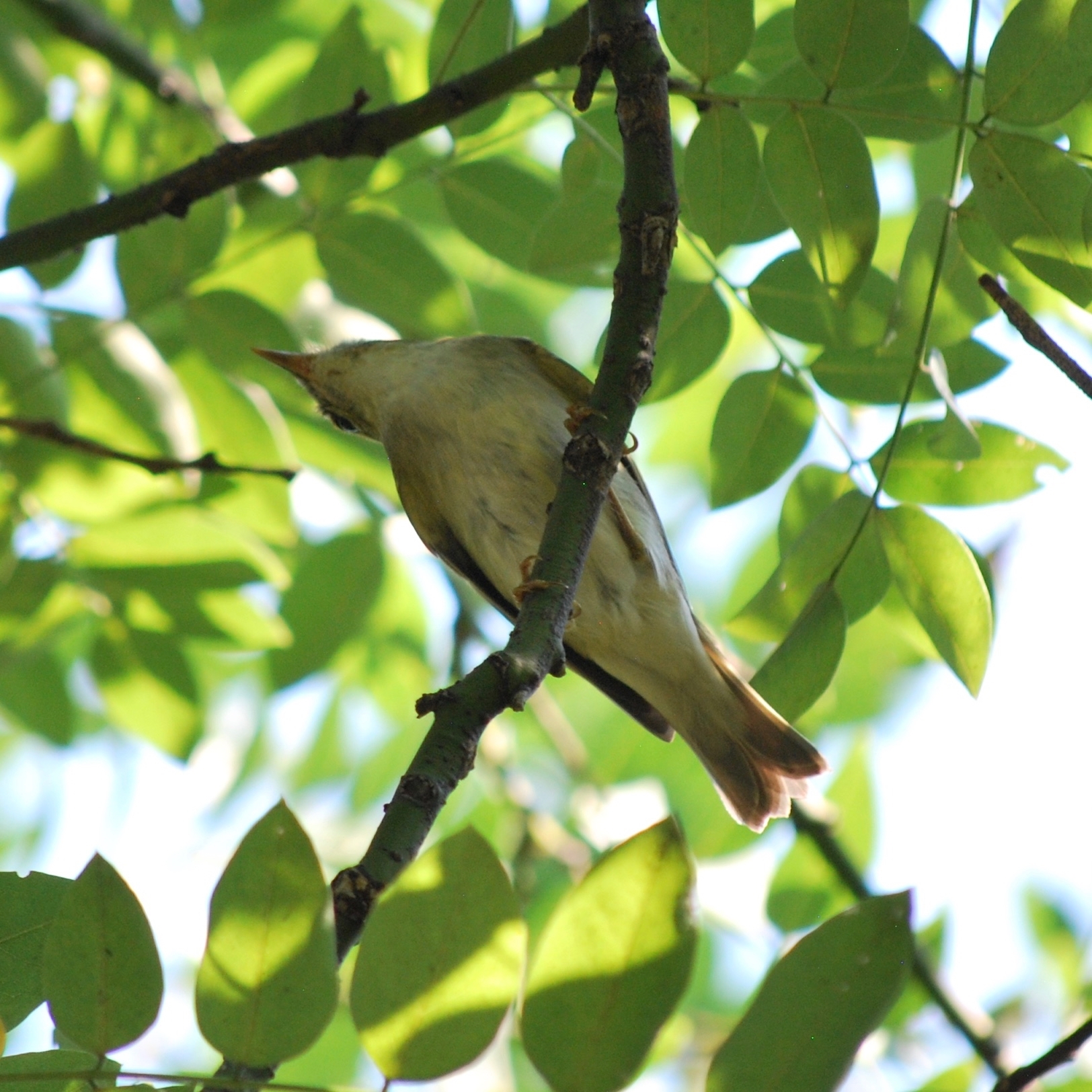
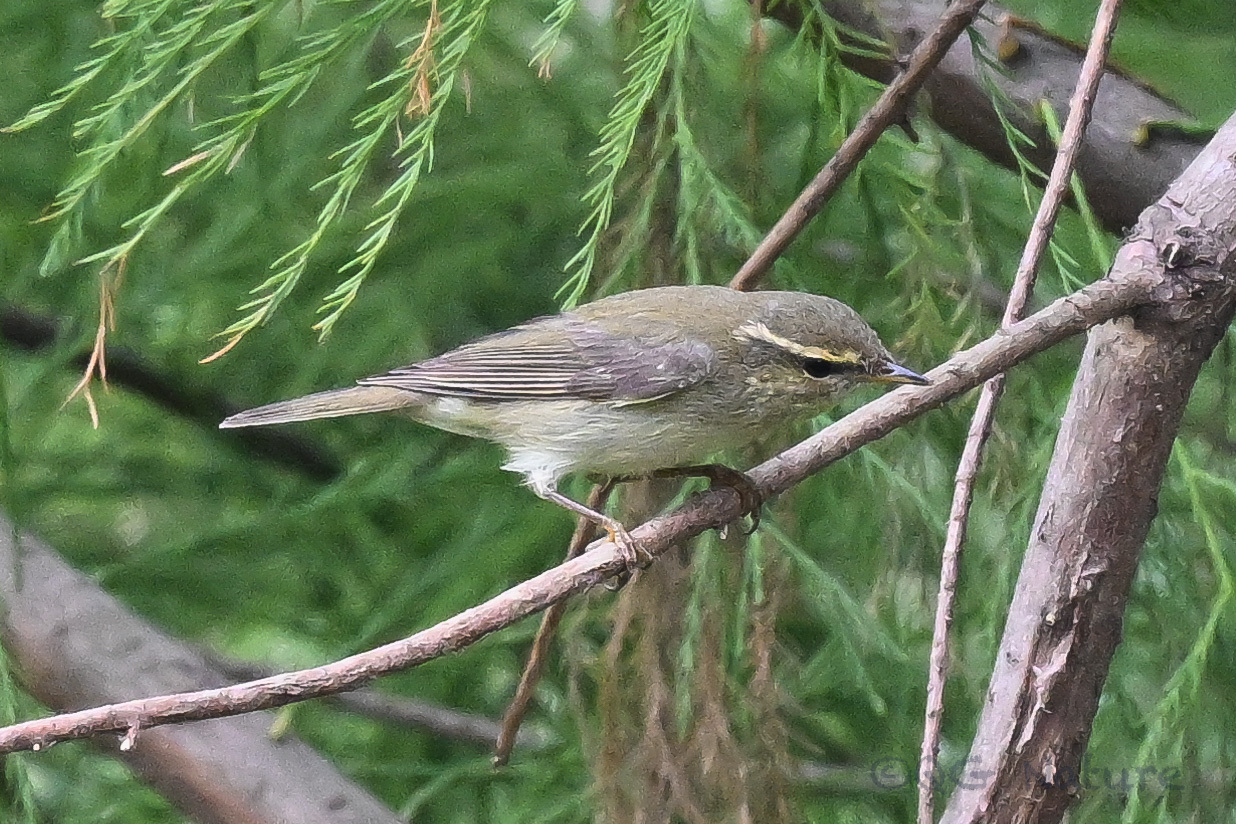
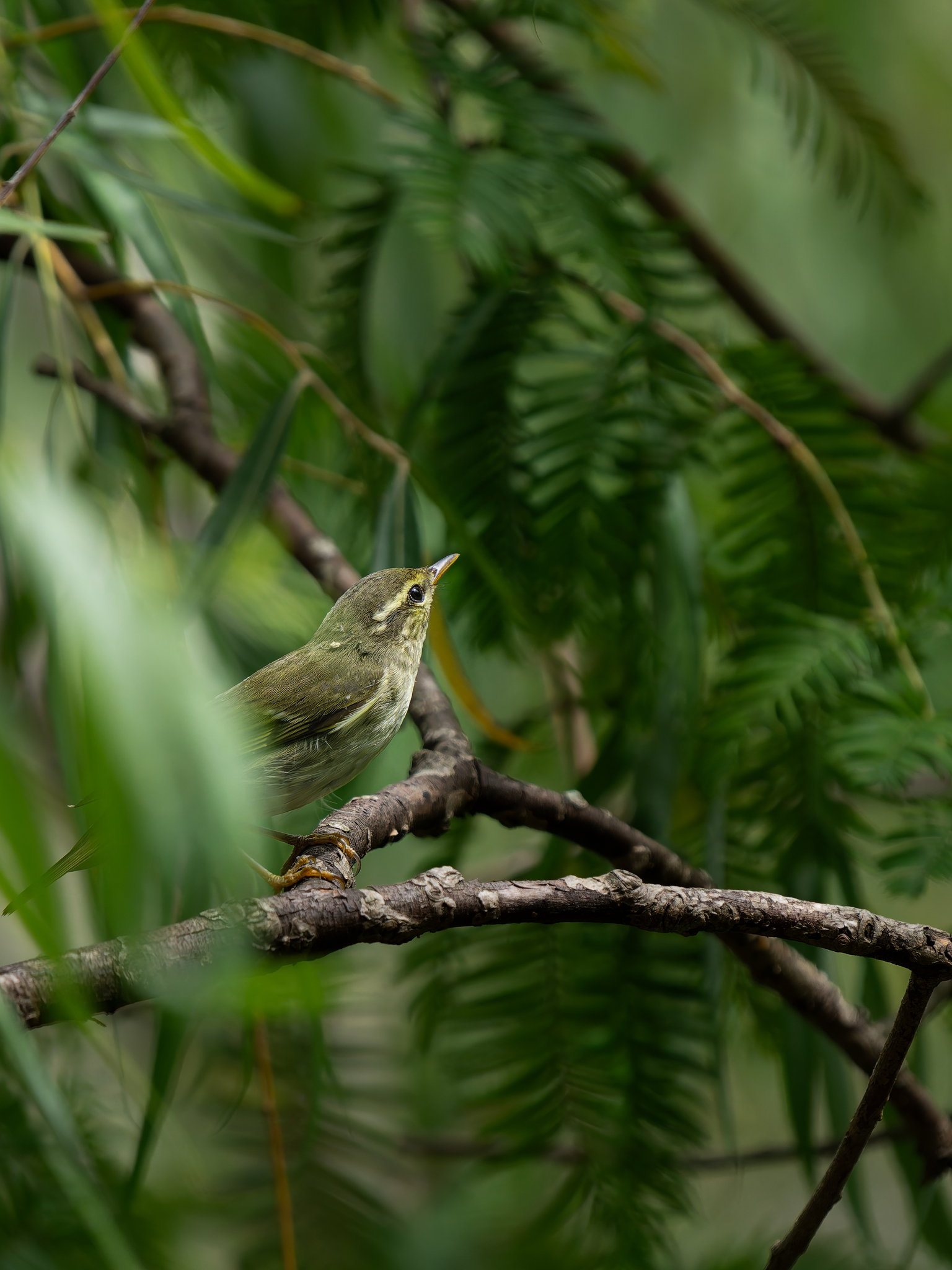
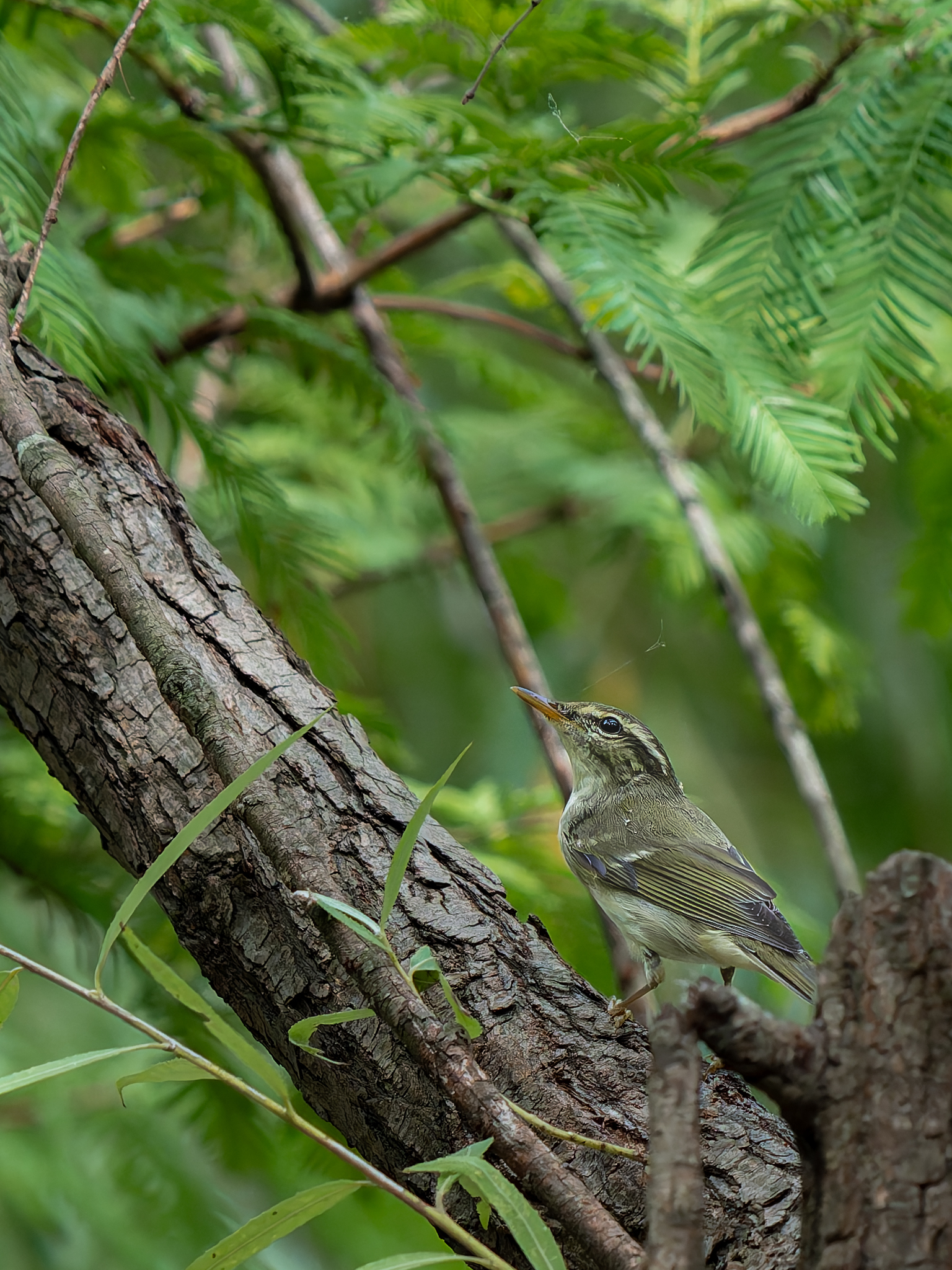
Arctic Warbler
Phylloscopus borealis
极北柳莺
Introduction
The Arctic warbler is a leaf warbler species. It breeds in birch or mixed birch forest near water across Fennoscandia and the northern Palearctic, with isolated populations in Alaska. It migrates to winter in southeast Asia, undertaking one of the longest migrations of any Old World insectivorous bird. It forages in the canopy and mid-story layers, feeding on insects.
Description
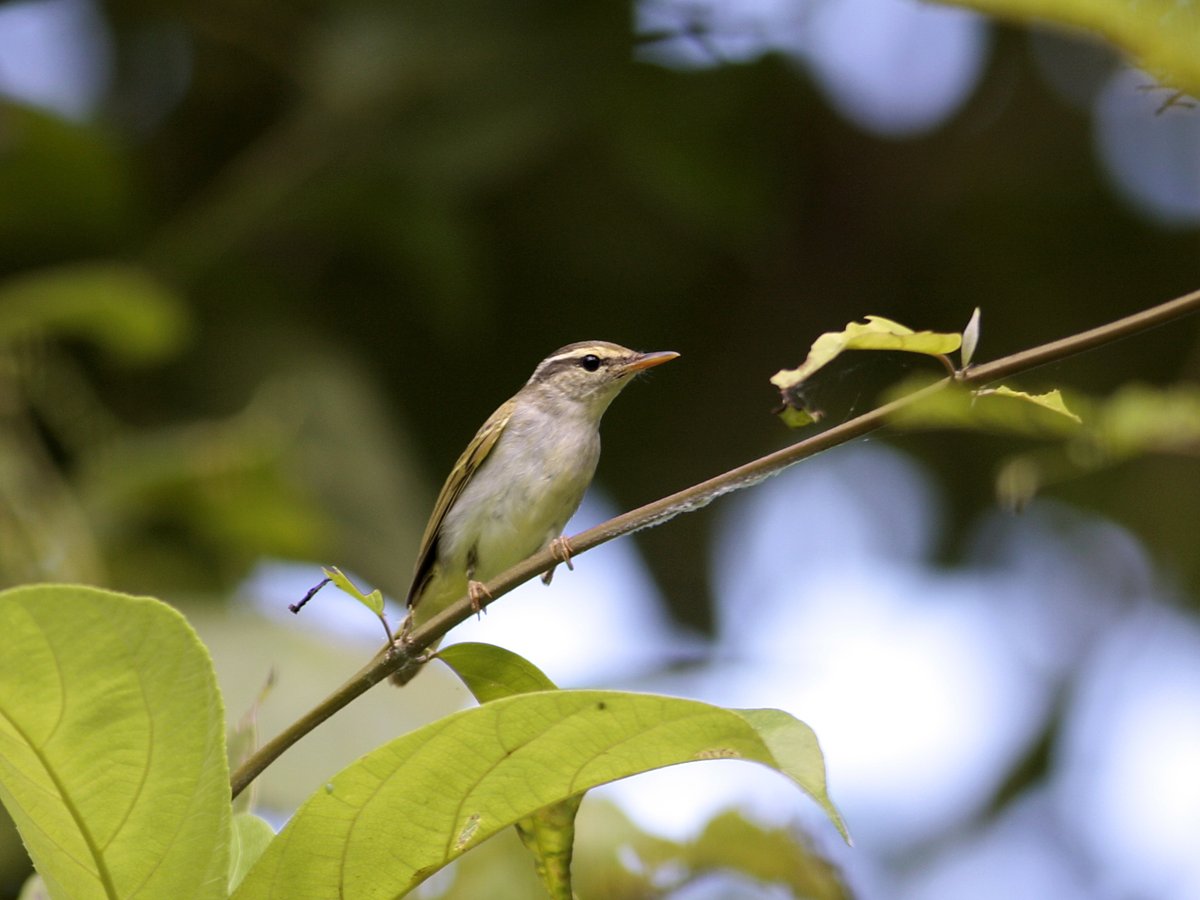
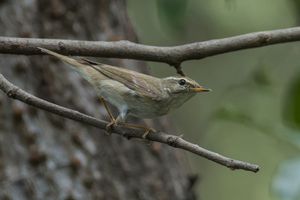
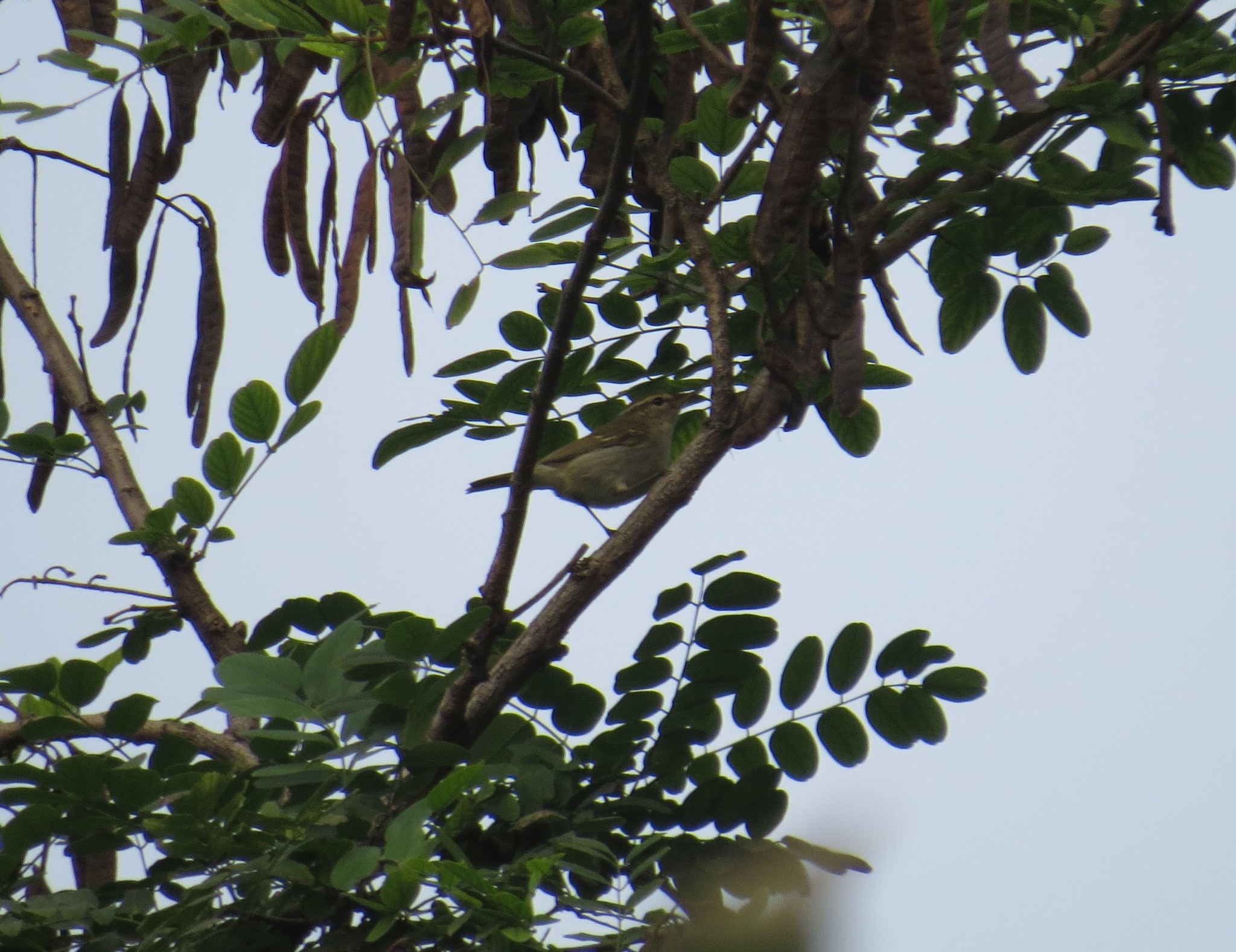
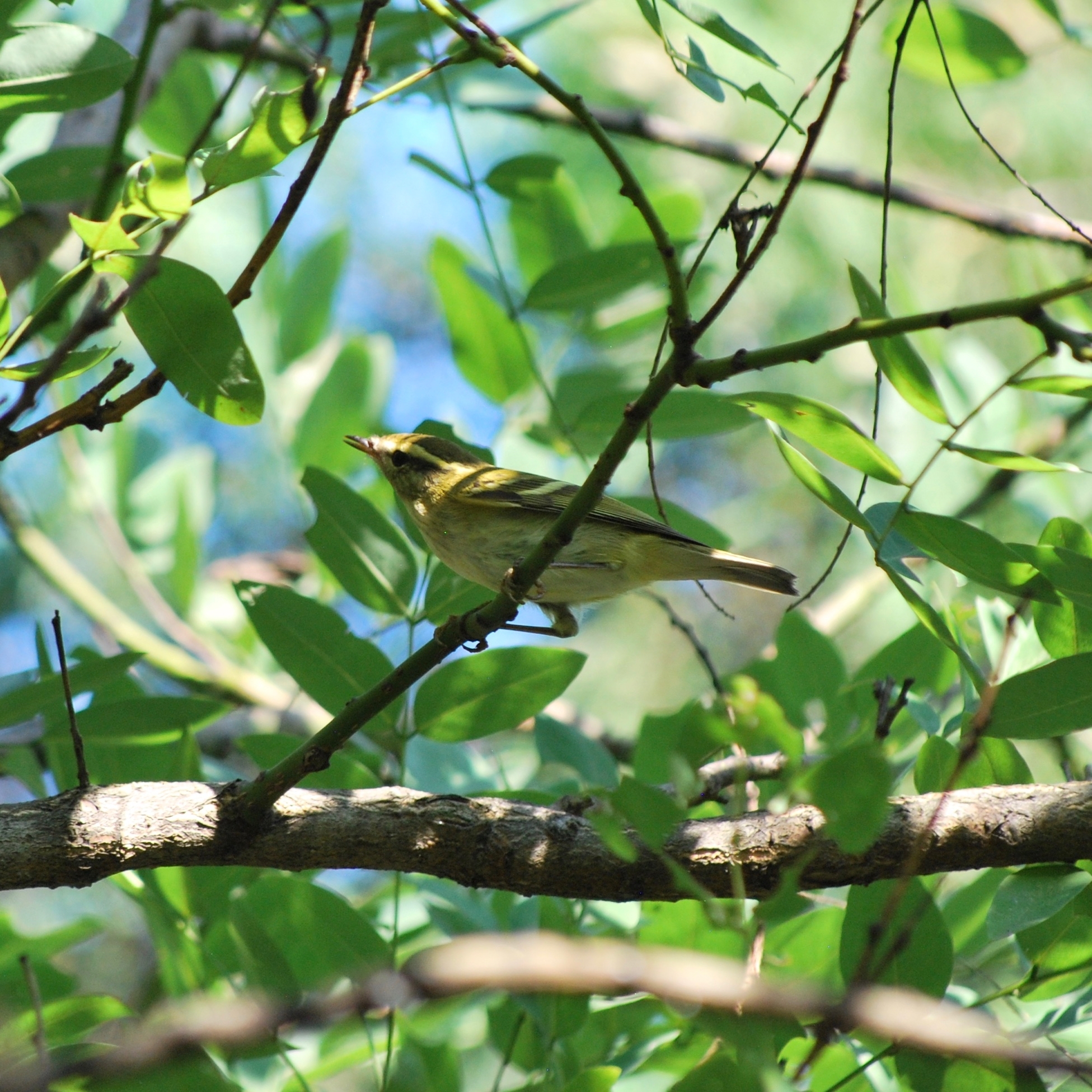
This species exemplifies the typical leaf warbler appearance with greyish-green upperparts contrasting against off-white underparts. The single wing bar serves as a key identifying feature, visible on the folded wing. Compared to similar species, it shows a notably larger size and possesses a heavy, dagger-like bill with a distinctive dark tip to the lower mandible. These structural differences, particularly the robust bill, help distinguish it from its closest relatives in the Phylloscopus genus.
Identification
The single wing bar immediately separates this species from most similar leaf warblers, though the greenish warbler also shares this feature. The critical distinguishing characteristics are its larger overall size and the heavy, dagger-like bill with a dark-tipped lower mandible. Its vocalization - a fast trill - provides another reliable identification clue for patient observers. When encountered in western Europe as an autumn vagrant, these field marks are essential for differentiation from resident and migrant Phylloscopus species.
Distribution & Habitat
During the breeding season, this species occupies birch and mixed birch forests near water throughout Fennoscandia and the northern Palearctic, with an isolated population in Alaska representing its North American range. The entire global population migrates to winter in southeast Asia. As an autumn vagrant, it occurs regularly in western Europe, with Great Britain recording annual appearances. British observers recorded 225 confirmed sightings between 1958 and 2001.
Behavior & Ecology
Like most Old World warblers, this species is primarily insectivorous, foraging actively through foliage for its prey. The breeding strategy involves nesting on the ground concealed within low shrub vegetation. Its song is distinctive - a fast trill that carries through the breeding woodland. Beyond the breeding season, it joins mixed-species flocks during migration and on the wintering grounds.
Conservation
Not available
Culture
Not available
Source: Wikipedia · CC BY-SA 3.0
Taxonomy
- Order
- Passeriformes
- Family
- Phylloscopidae
- Genus
- Phylloscopus
- eBird Code
- arcwar1
Distribution
breeds from northern Scandinavia eastward to Siberia (excluding the Kamchatka Peninsula) and western Alaska, southward to south-central Siberia, northern Mongolia, and northeastern China (northeastern Nei Mongol and Heilongjiang); winters from southeast Asia (Myanmar eastward to Vietnam), southeastern China (Fujian, northern Guangdong), and Taiwan southward to Philippines and Wallacea
Data Sources
Species description from Wikipedia, licensed under CC BY-SA 3.0.
Bird images and sounds sourced from GBIF, contributed by citizen scientists worldwide under Creative Commons licenses.
Taxonomy data from AviList 2025.