Galliformes / Phasianidae / Phasianus
Common Pheasant
Phasianus colchicus · 环颈雉
Introduction
A bird in the pheasant family (Phasianidae), native to Asia and the extreme southeast of Europe in the northern foothills of the Caucasus Mountains. It has been widely introduced elsewhere as a game bird. The species diverged from the genus Gallus over 20 million years ago. It is one of the world's most hunted birds and is common on game farms where it is commercially bred.
Description
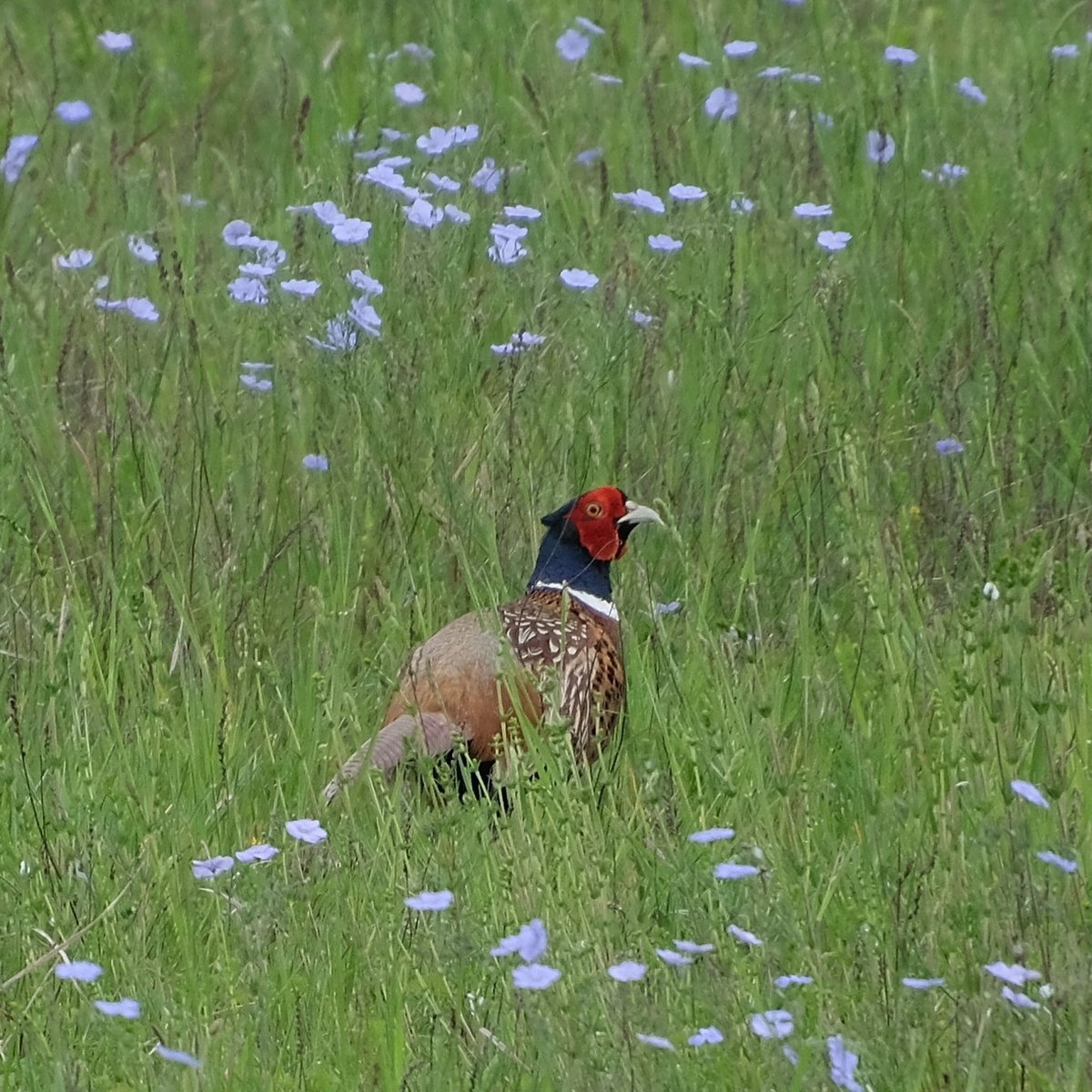
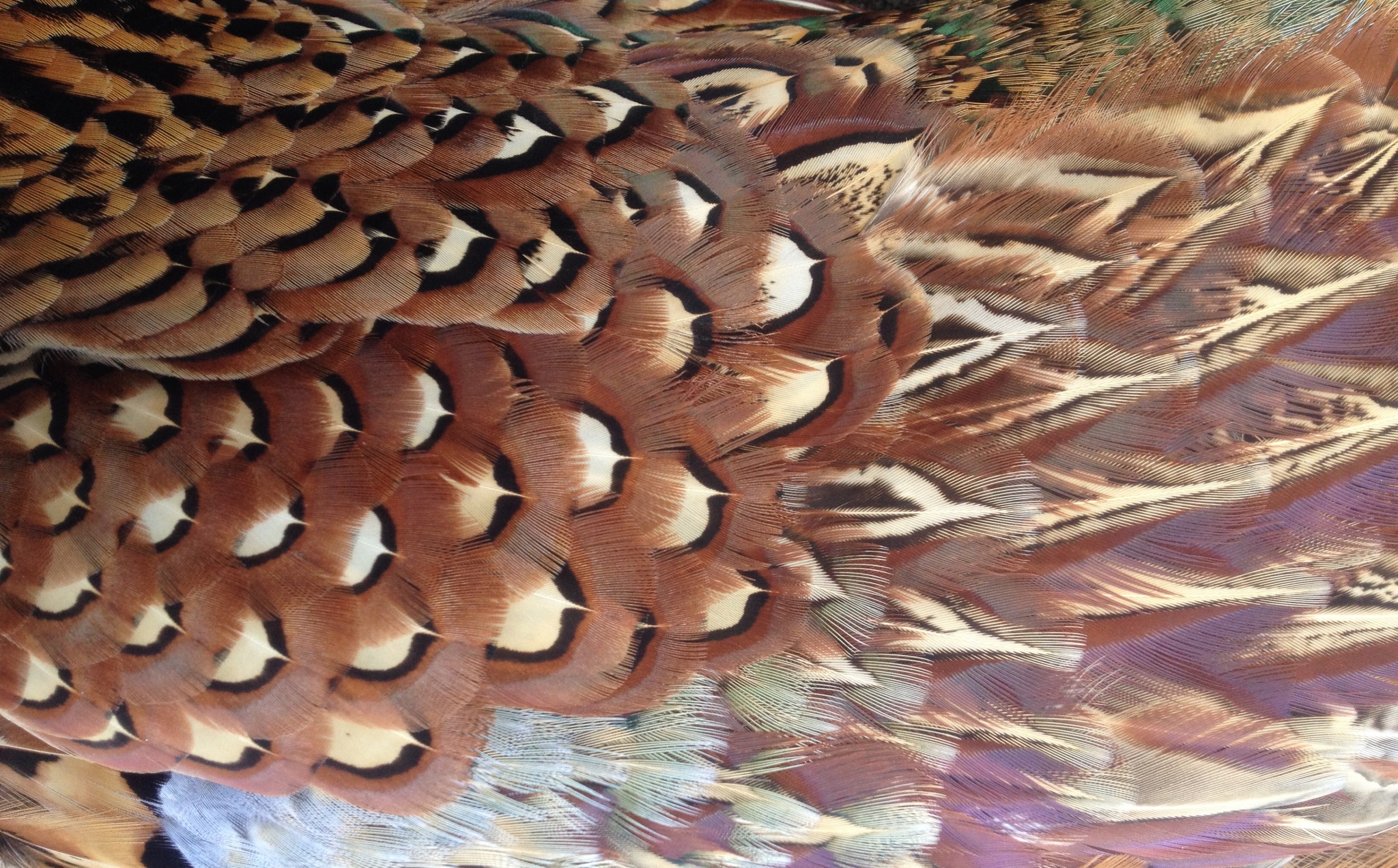
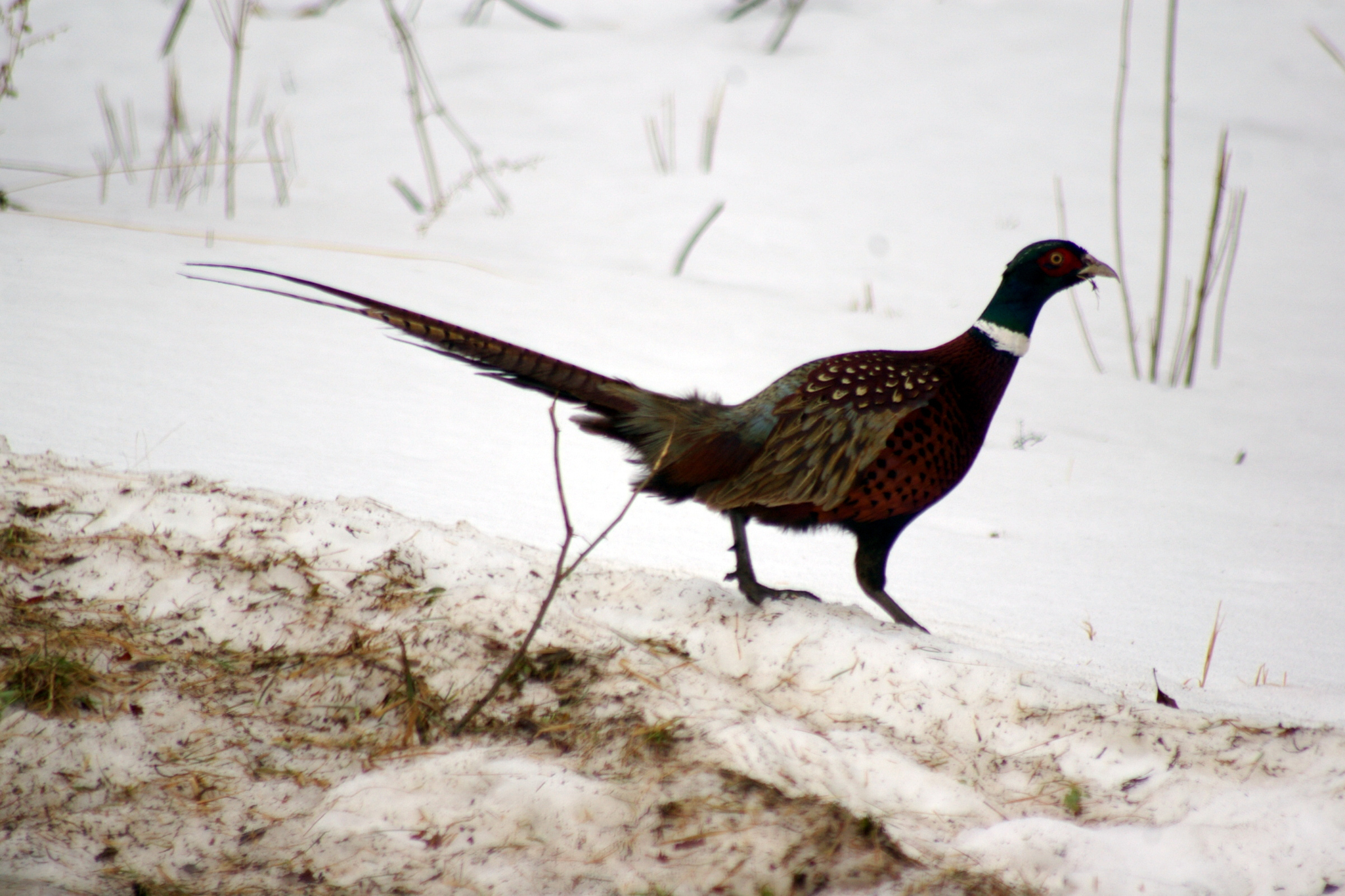
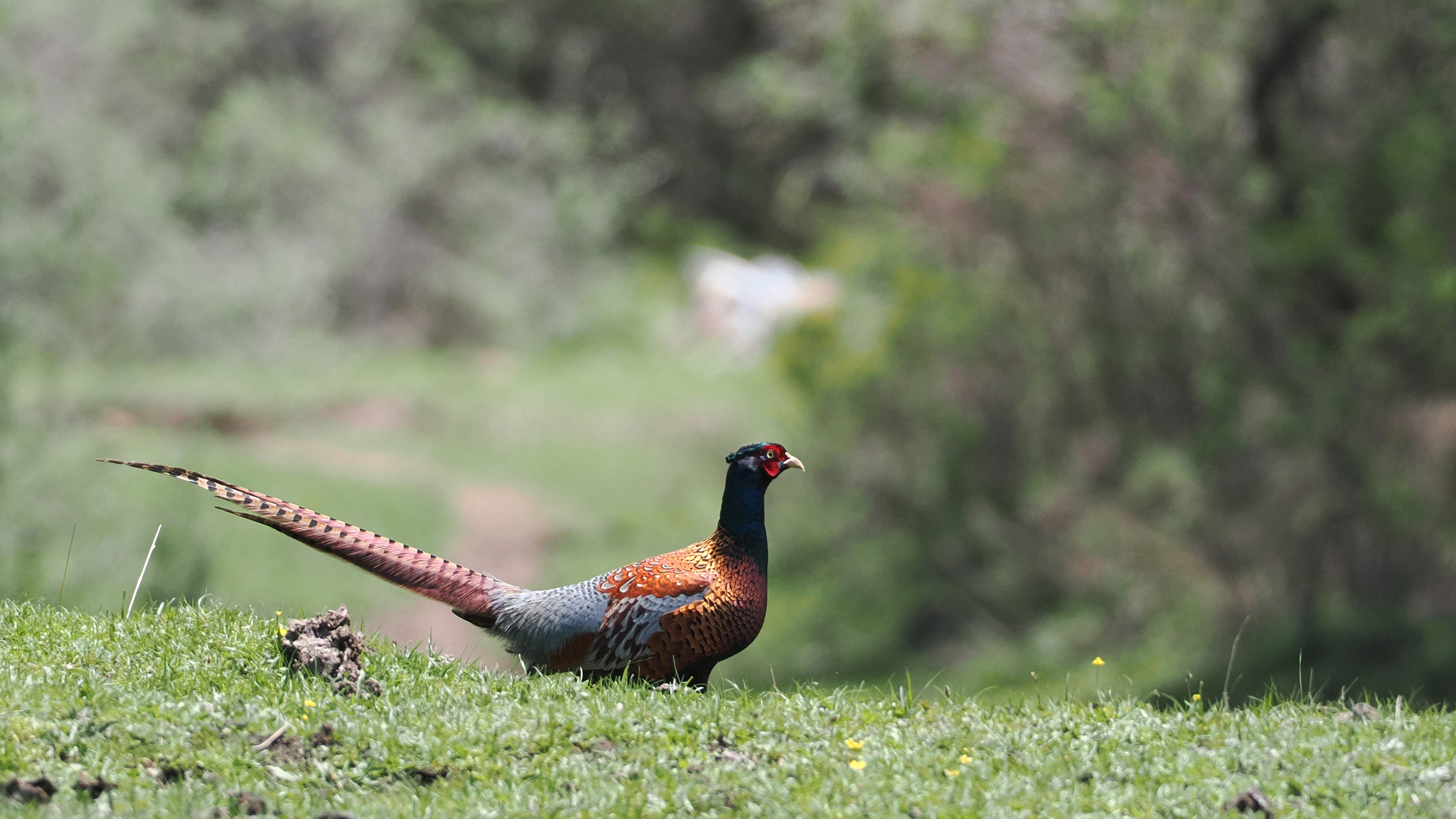
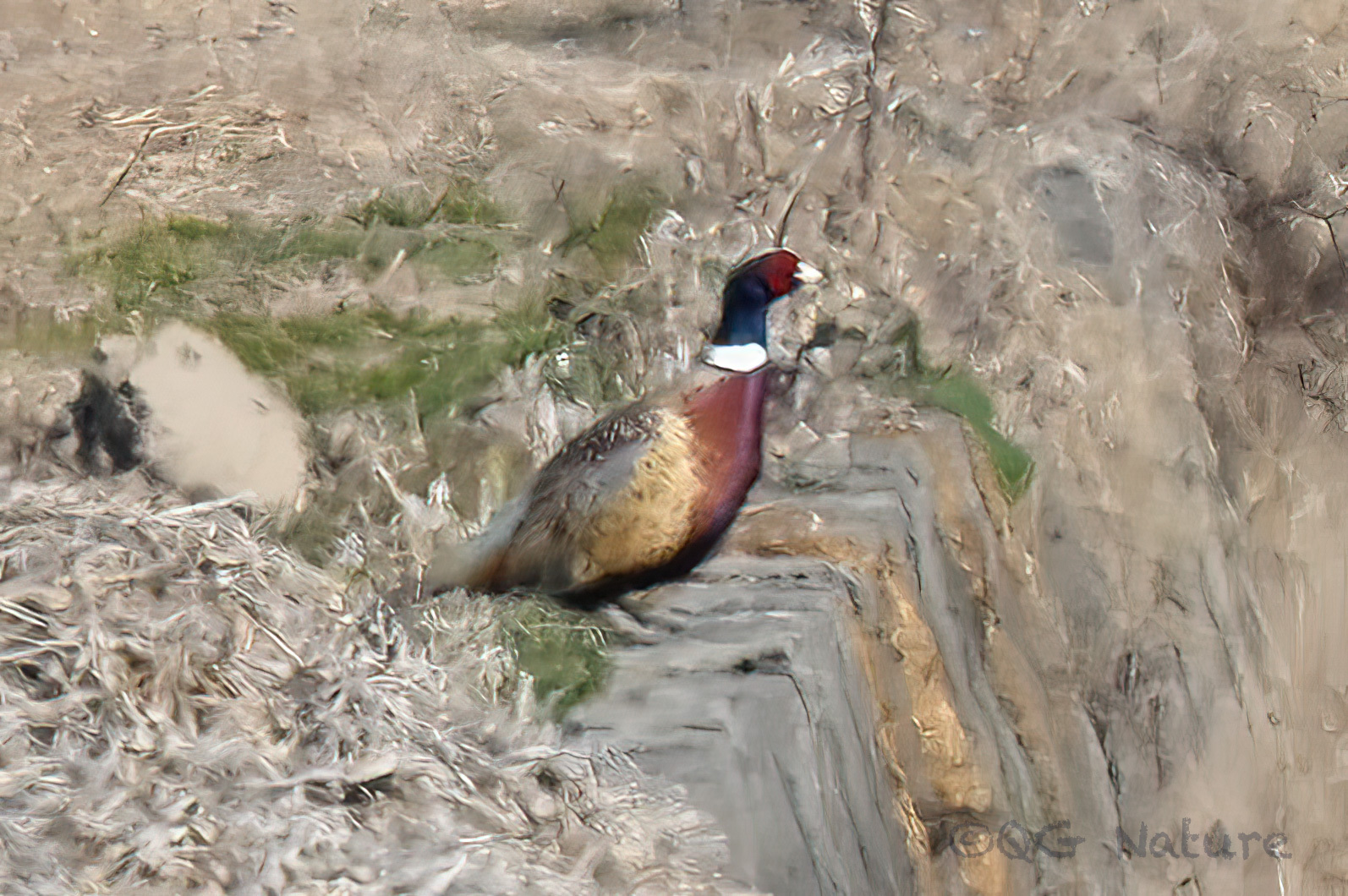
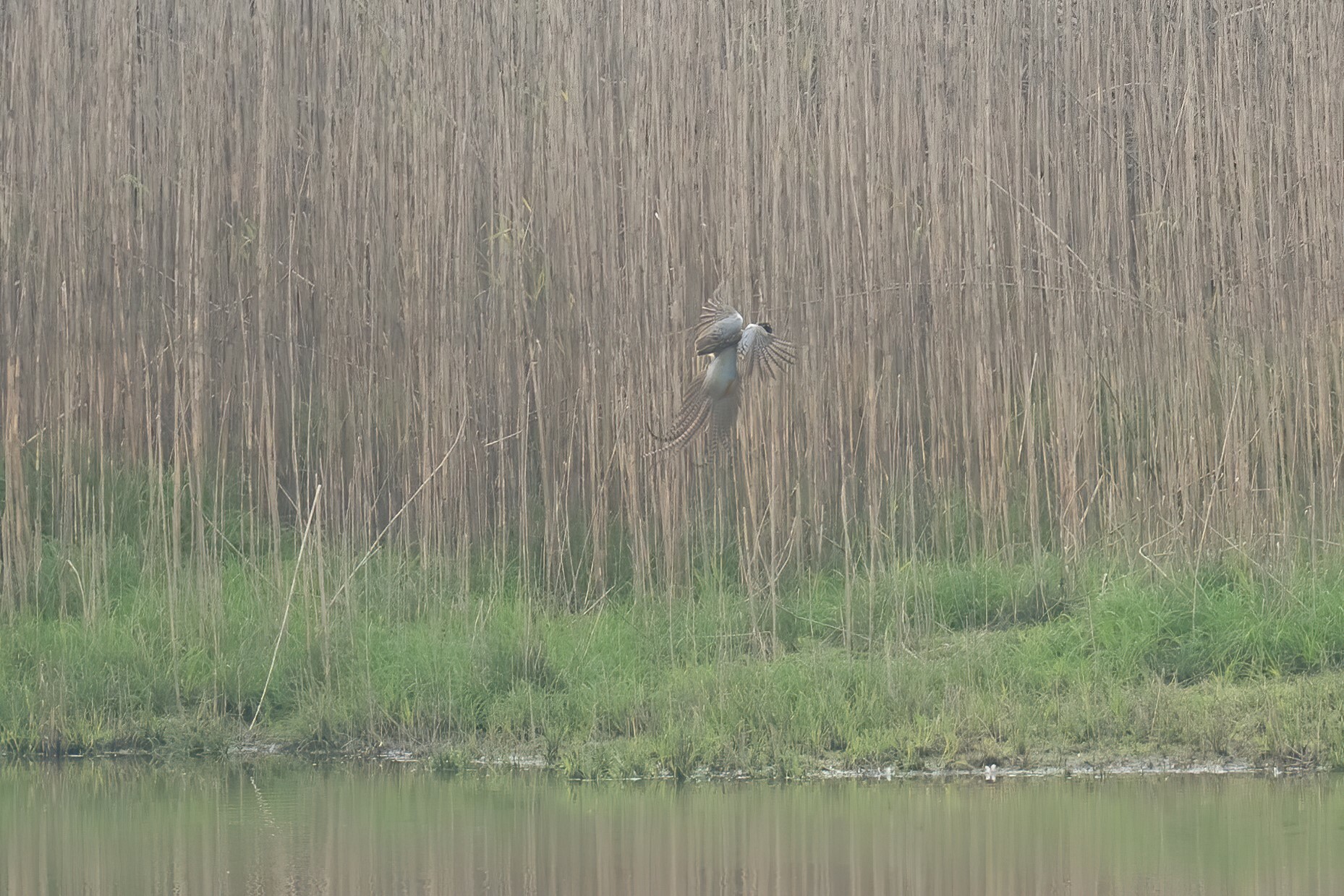
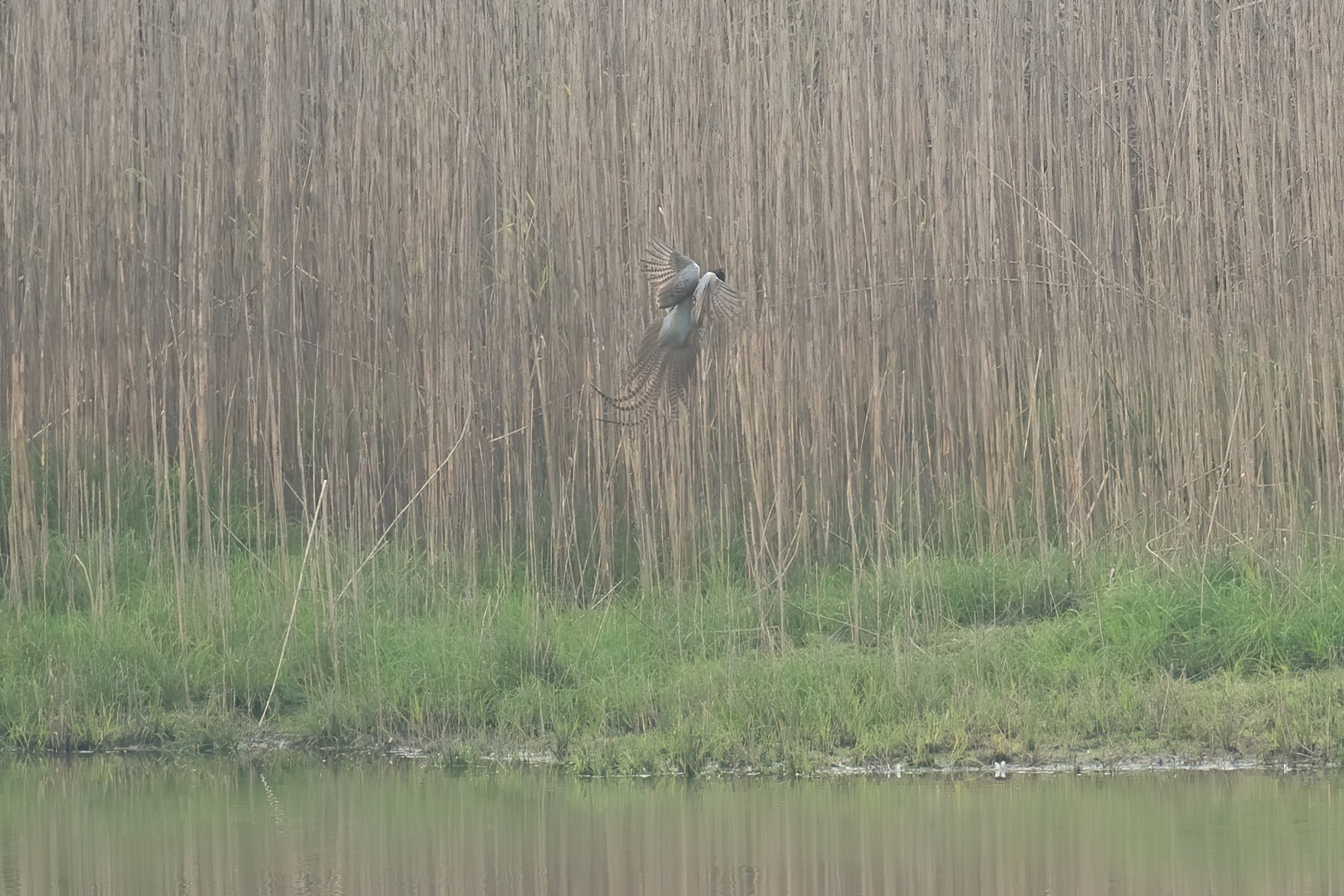
Body weight ranges from 0.5 to 3 kg, with males averaging 1.2 kg and females 0.9 kg. Wingspan ranges from 56–86 cm. The adult male of the nominate subspecies is 60–89 cm in length, with a long brown streaked black tail accounting for almost 50 cm. Body plumage is barred bright gold or fiery copper-red and chestnut-brown with an iridescent sheen of green and purple; the rump is sometimes uniform blue. The head is bottle green with a small crest and distinctive red wattle. Two ear-tufts are present behind the face. Females and juveniles are duller with mottled brown plumage, measuring 50–63 cm long including a tail of around 20 cm. Juvenile males begin growing characteristic bright feathers at about 10 weeks. Various colour mutations occur, including melanistic (black) and flavistic (isabelline or fawn) specimens.
Identification
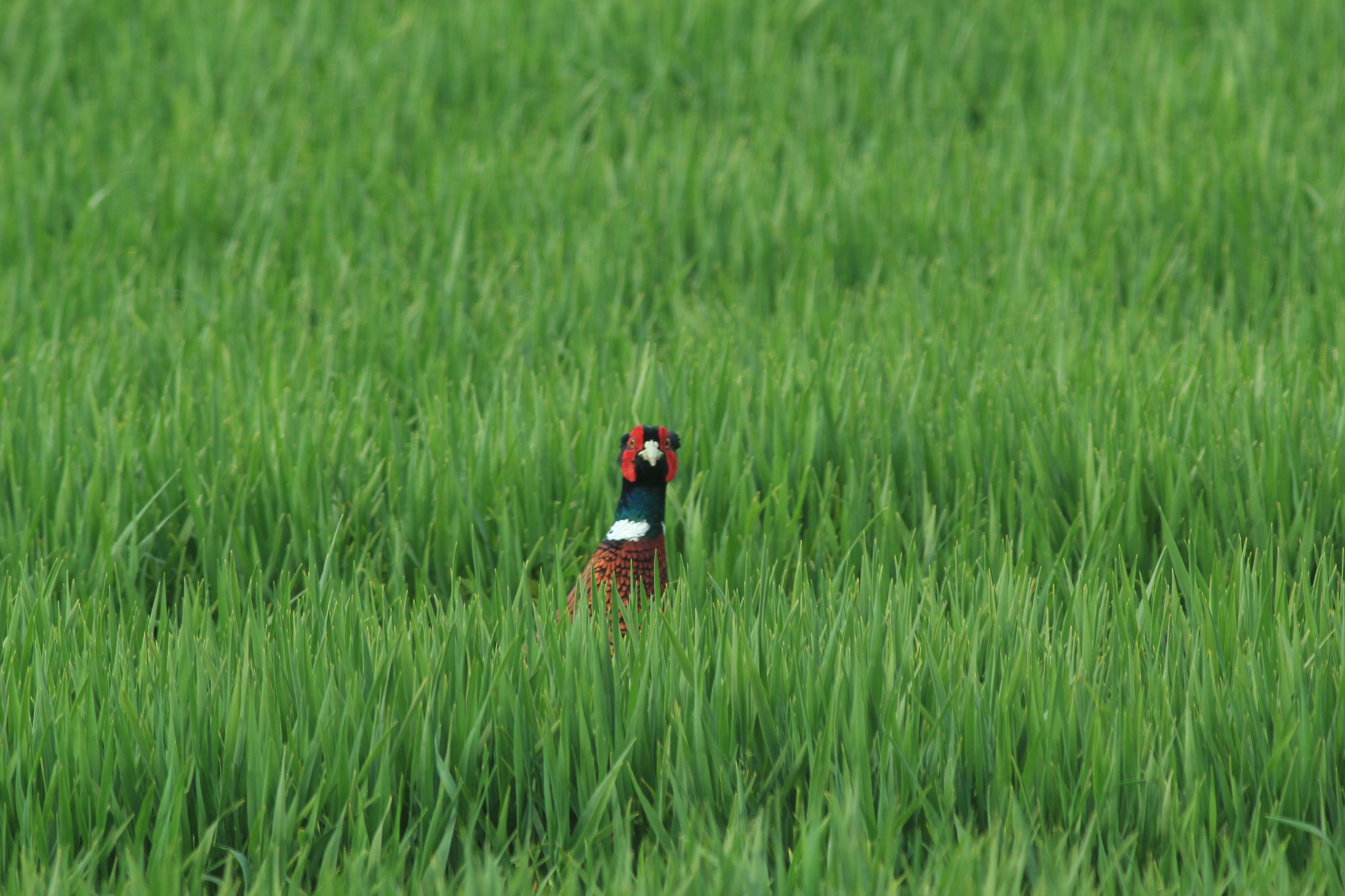
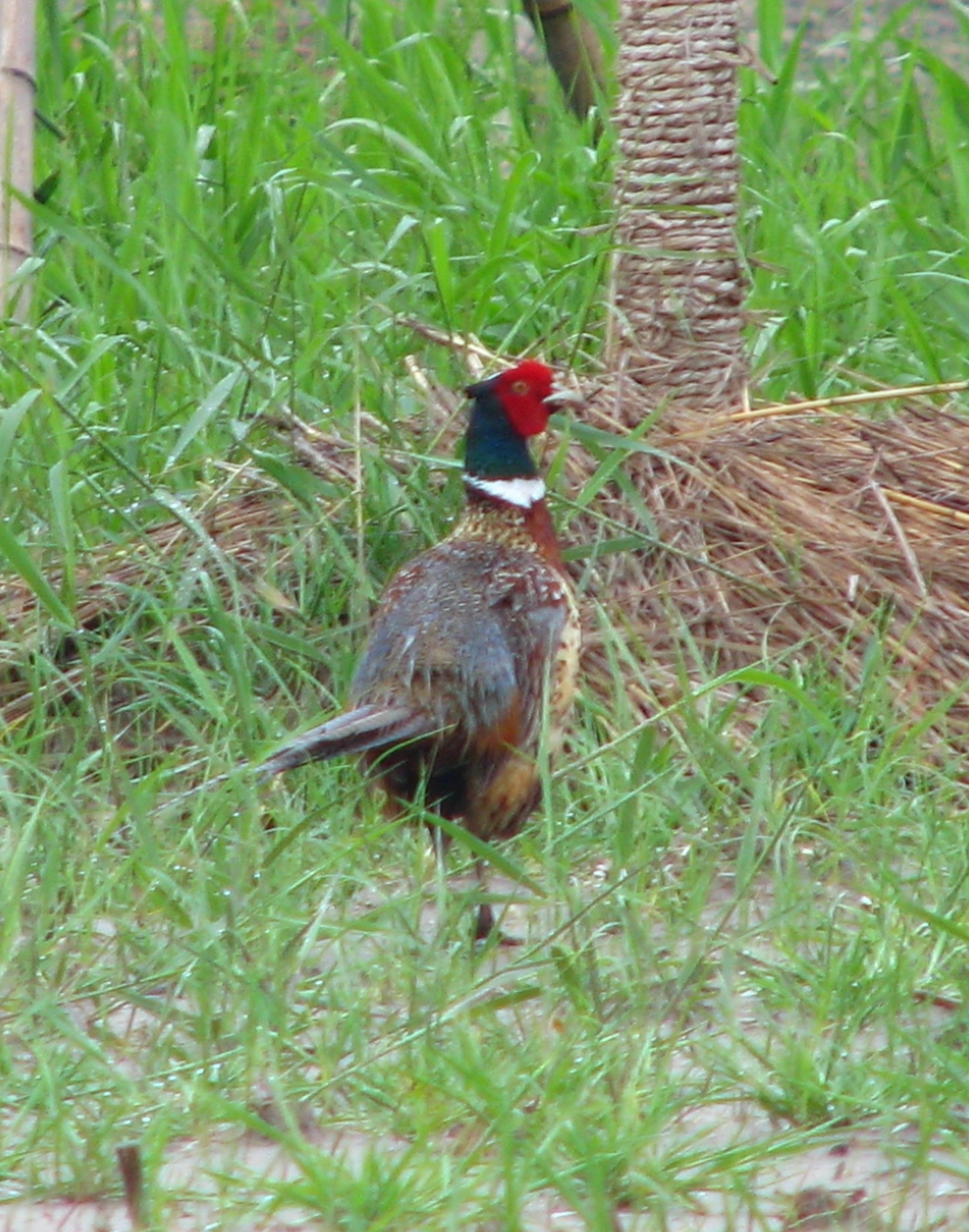
Males of many subspecies possess a white neck ring, though the nominate subspecies lacks this feature. Males have a bottle-green head, red wattle, and long tail. Females are mottled brown and lack the bright colours and long tail of males. Similar to the green pheasant, which has darker, uniformly bottle-green plumage on the breast and belly, a shorter tail in males, and always lacks a neck ring. Green pheasant females are darker with many black dots on the breast and belly.
Distribution & Habitat
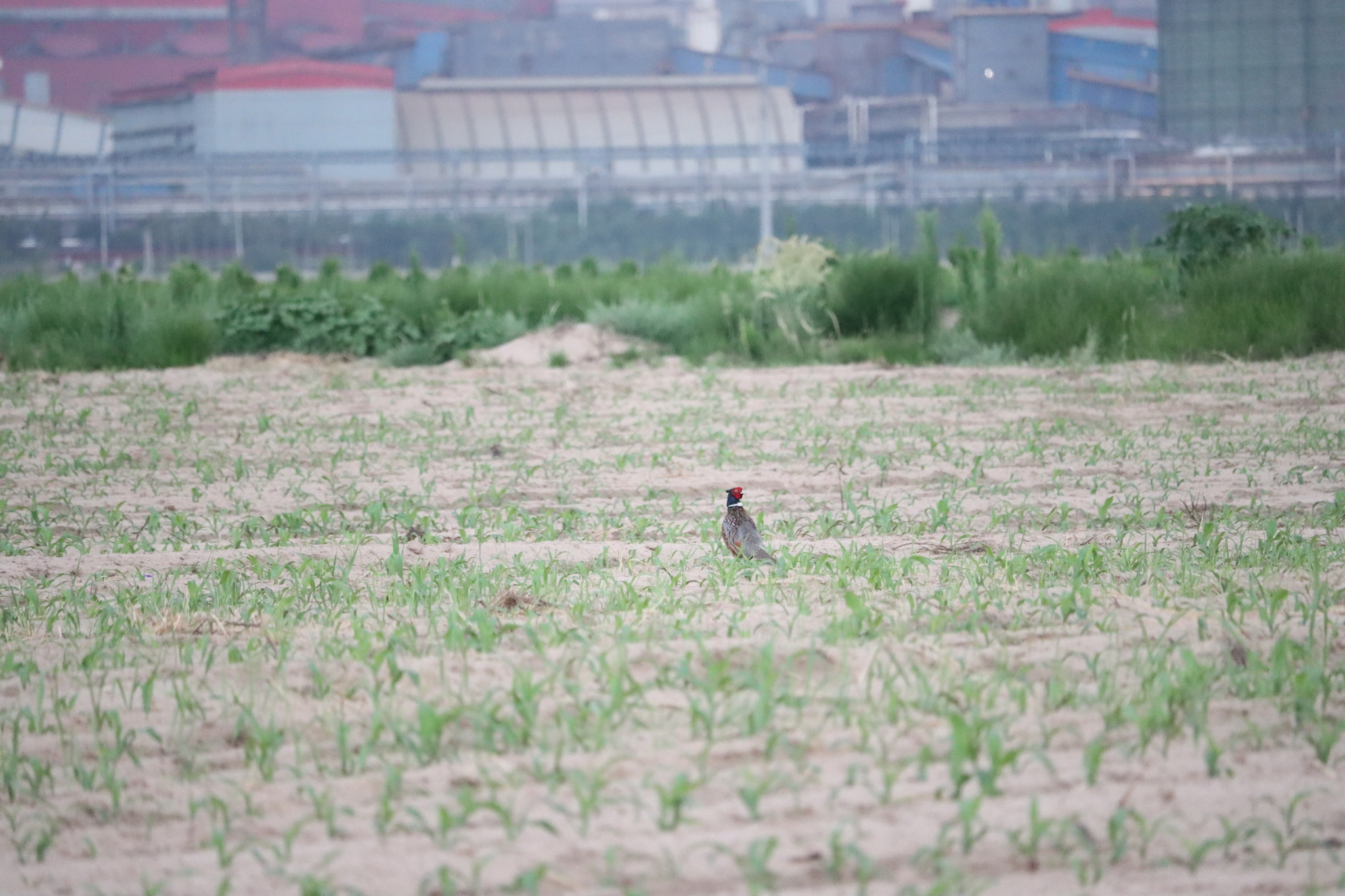
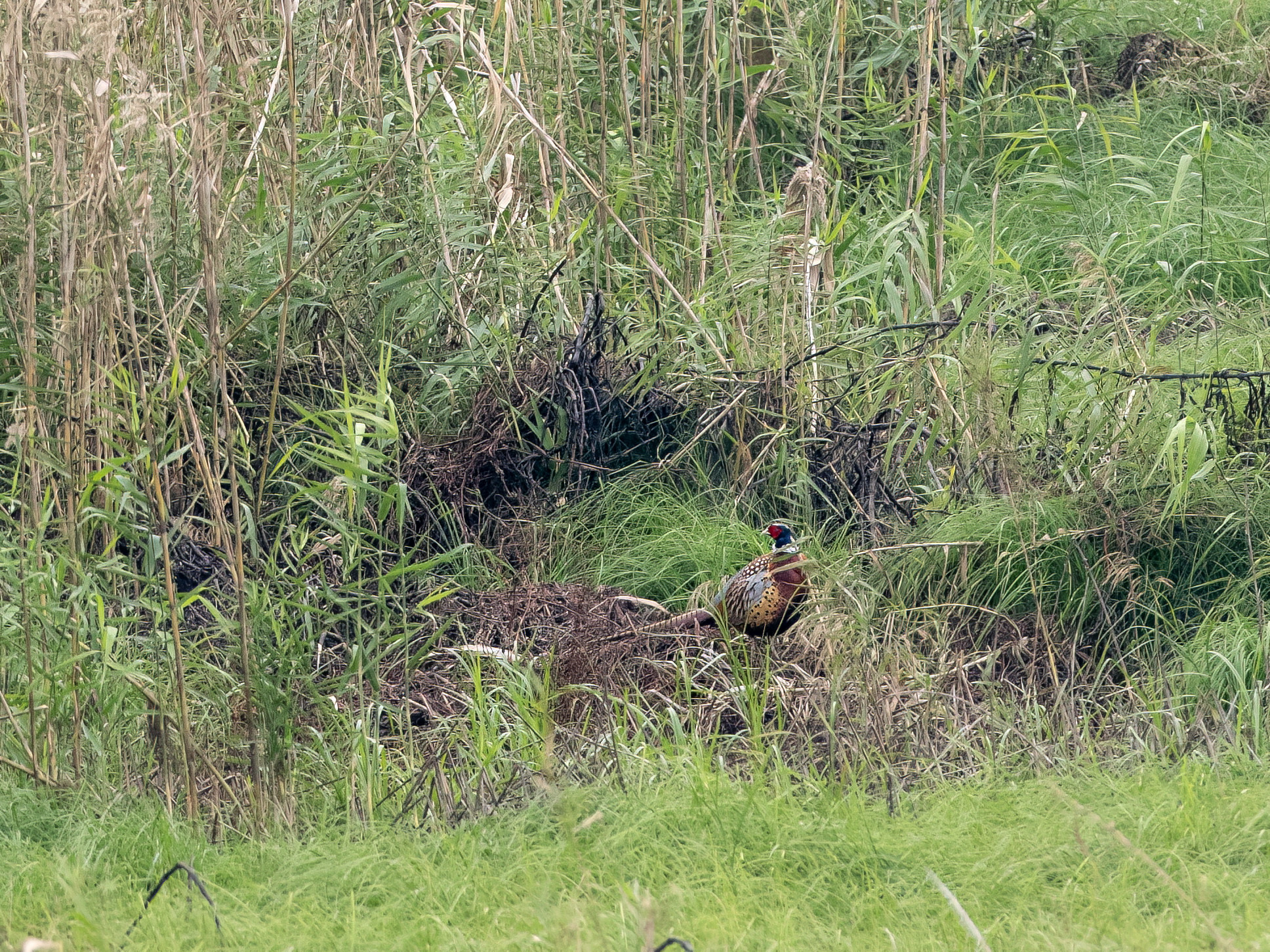
Native range extends from the eastern Black Sea and Caspian Sea to Manchuria, Siberia, Korea, Mainland China, and Taiwan. Found in woodland, farmland, scrub, and wetlands, specifically grassland near water with small copses of trees. Widely introduced to Europe, North America, Japan, New Zealand, Australia, South Africa, and parts of South America. In North America, established throughout the Rocky Mountain states, Midwest, Plains states, southern Canada, and Mexico. Introductions failed in humid Southern US states and the American Southwest.
Behavior & Ecology
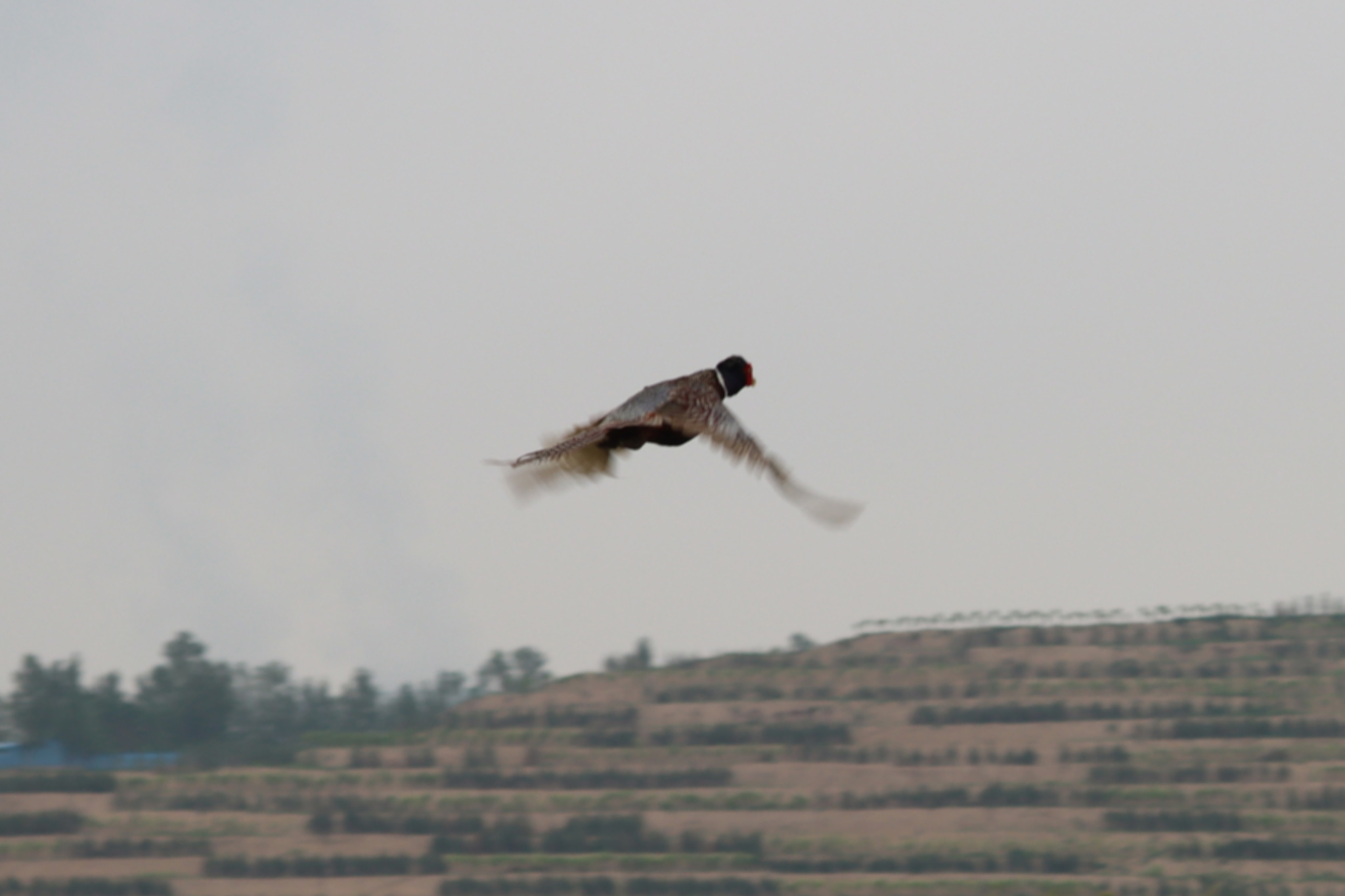
Gregarious outside the breeding season, forming loose flocks. Polygynous during breeding, with males often accompanied by a harem. Nests solely on the ground in scrapes lined with grass and leaves, frequently under dense cover. Breeding begins in April; hens lay a clutch of eight to fifteen brown-olive eggs, incubated for 23–25 days. Chicks leave the nest hours after hatching and fly after 12–14 days. Diet includes fruit, seeds, grain, mast, berries, leaves, and invertebrates such as slugs, earthworms, and insects. Small vertebrates like lizards and field voles are occasionally taken. Prefers to run but bursts upwards at great speed if startled, reaching flight speeds up to 90 km/h when chased.
Conservation
Many subspecies are in danger of disappearing due to hybridisation with introduced birds. The last black-necked pheasant population in Europe survives in Greece with an estimated 100–250 individuals (2012). In Bulgaria, pure populations were lost in the 1970s due to hybridisation. In the United States, populations have decreased over the last 30 years in agricultural areas due to changes in farming practices, pesticide application, habitat fragmentation, and increased predation.
Culture
The ring-necked pheasant is the state bird of South Dakota. Indigenous Paiwan people of Taiwan adorn motifs of the bird on beams of their homes, and feathers are worn by commoners and politicians. A well-known gamebird, it is the subject of driven shoots in the UK and popular hunting in the US. Featured in literature such as Roald Dahl's 'Danny the Champion of the World'.
Source: Wikipedia · CC BY-SA 3.0
Taxonomy
- Order
- Galliformes
- Family
- Phasianidae
- Genus
- Phasianus
Subspecies (30)
-
Phasianus colchicus alaschanicus
north-central China, in the foothills of the Helan (Alashan) Mountains
Data Sources
Species description from Wikipedia, licensed under CC BY-SA 3.0.
Bird images and sounds sourced from GBIF, contributed by citizen scientists worldwide under Creative Commons licenses.
Taxonomy data from AviList 2025.