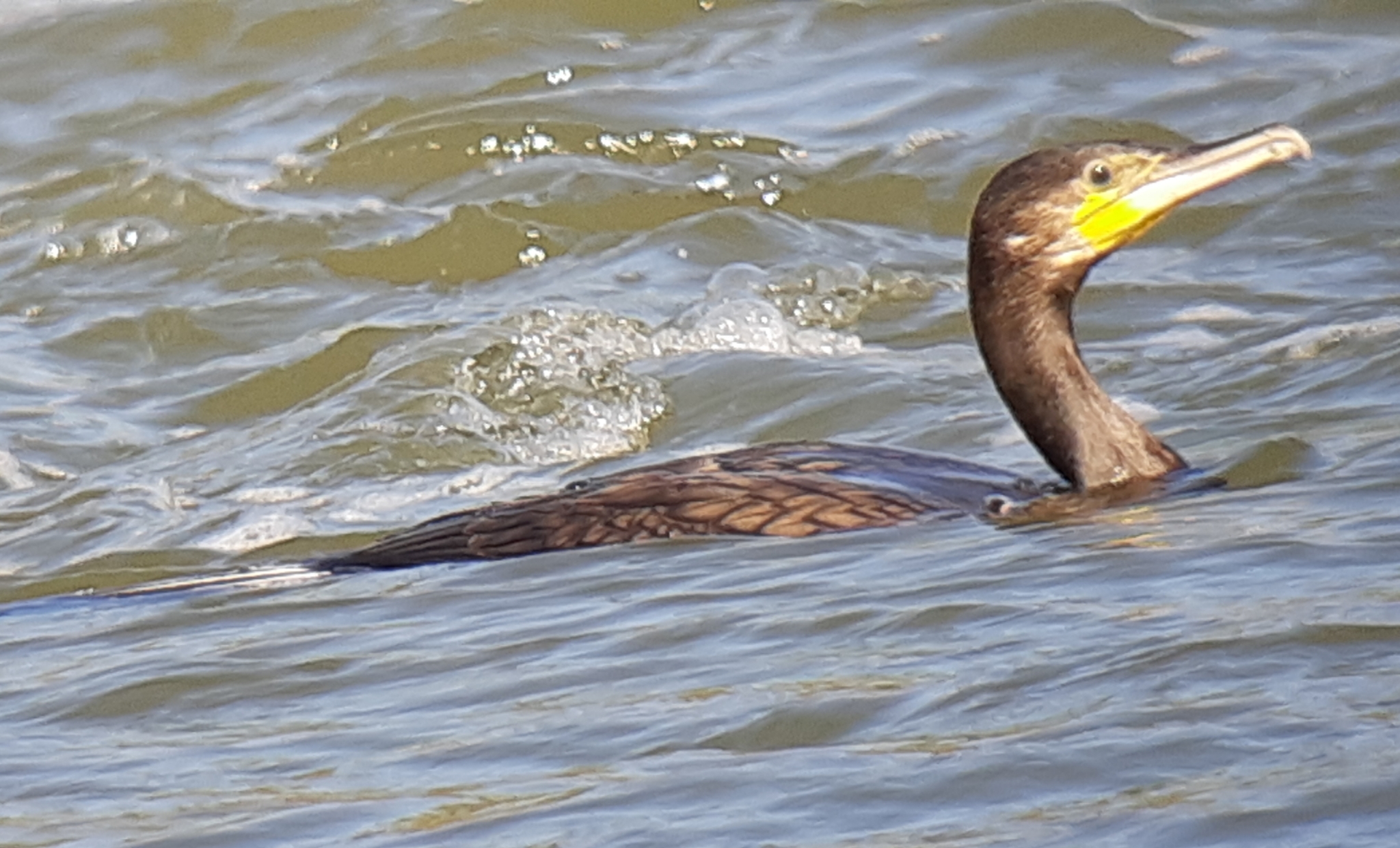
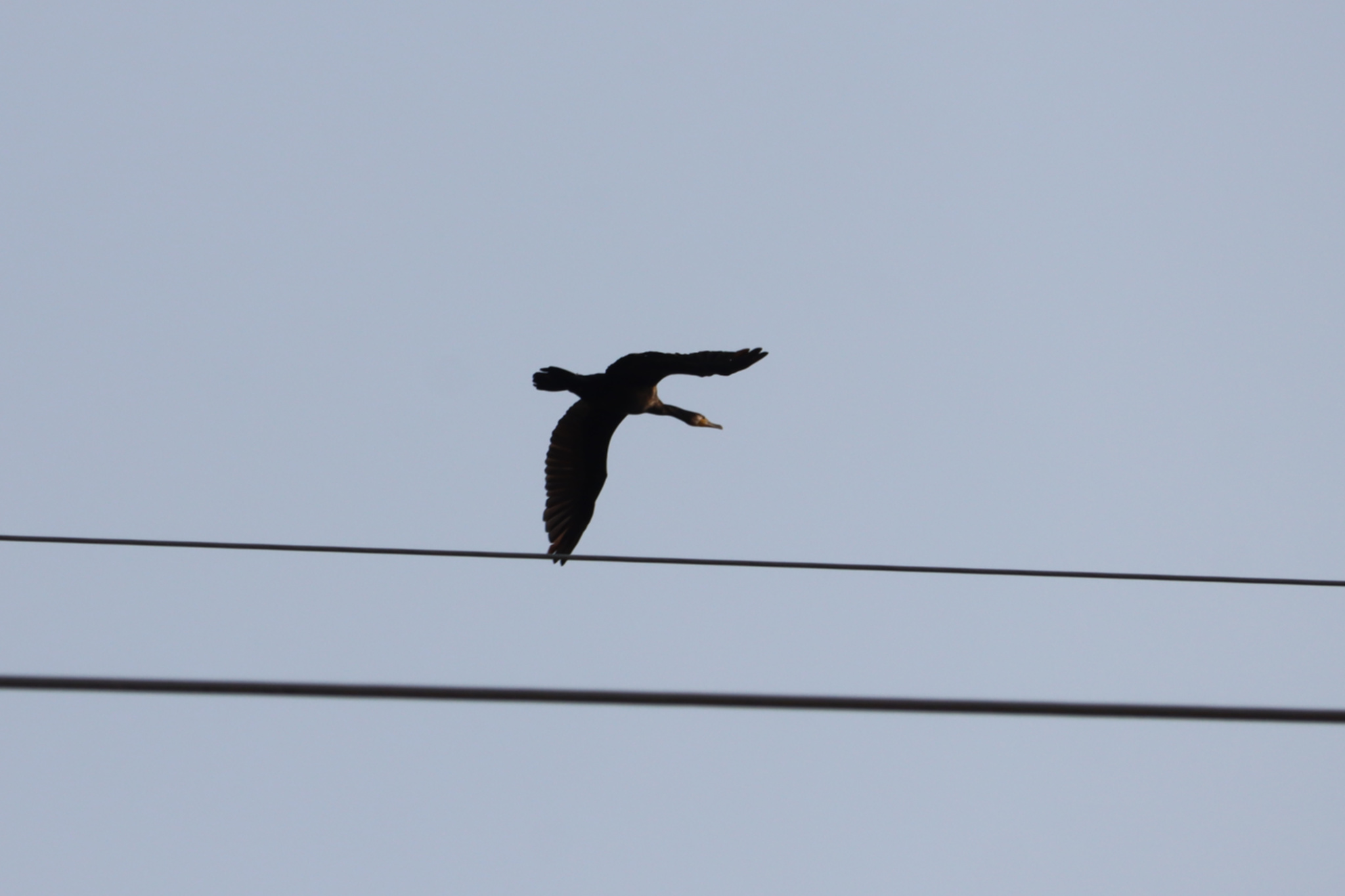
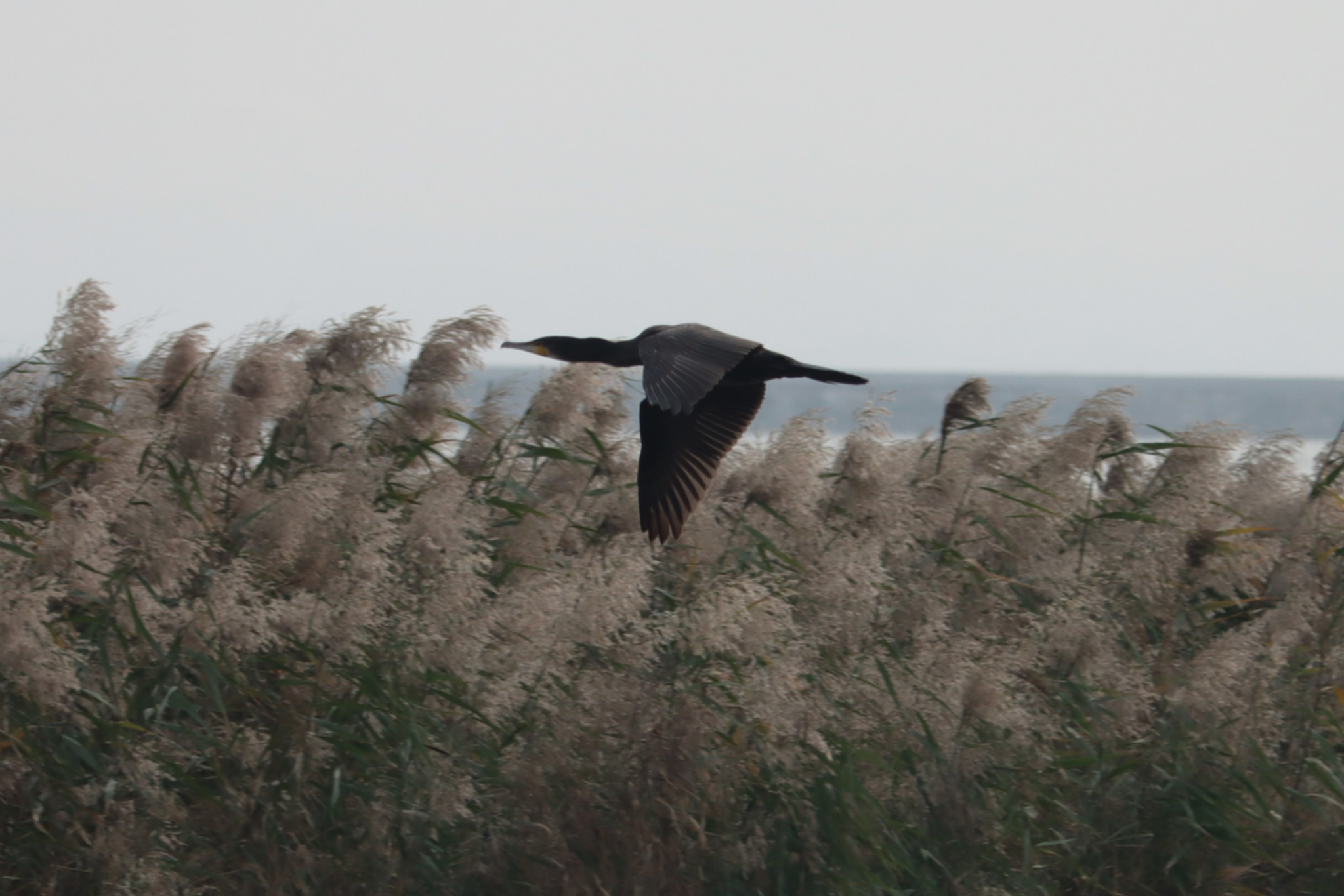
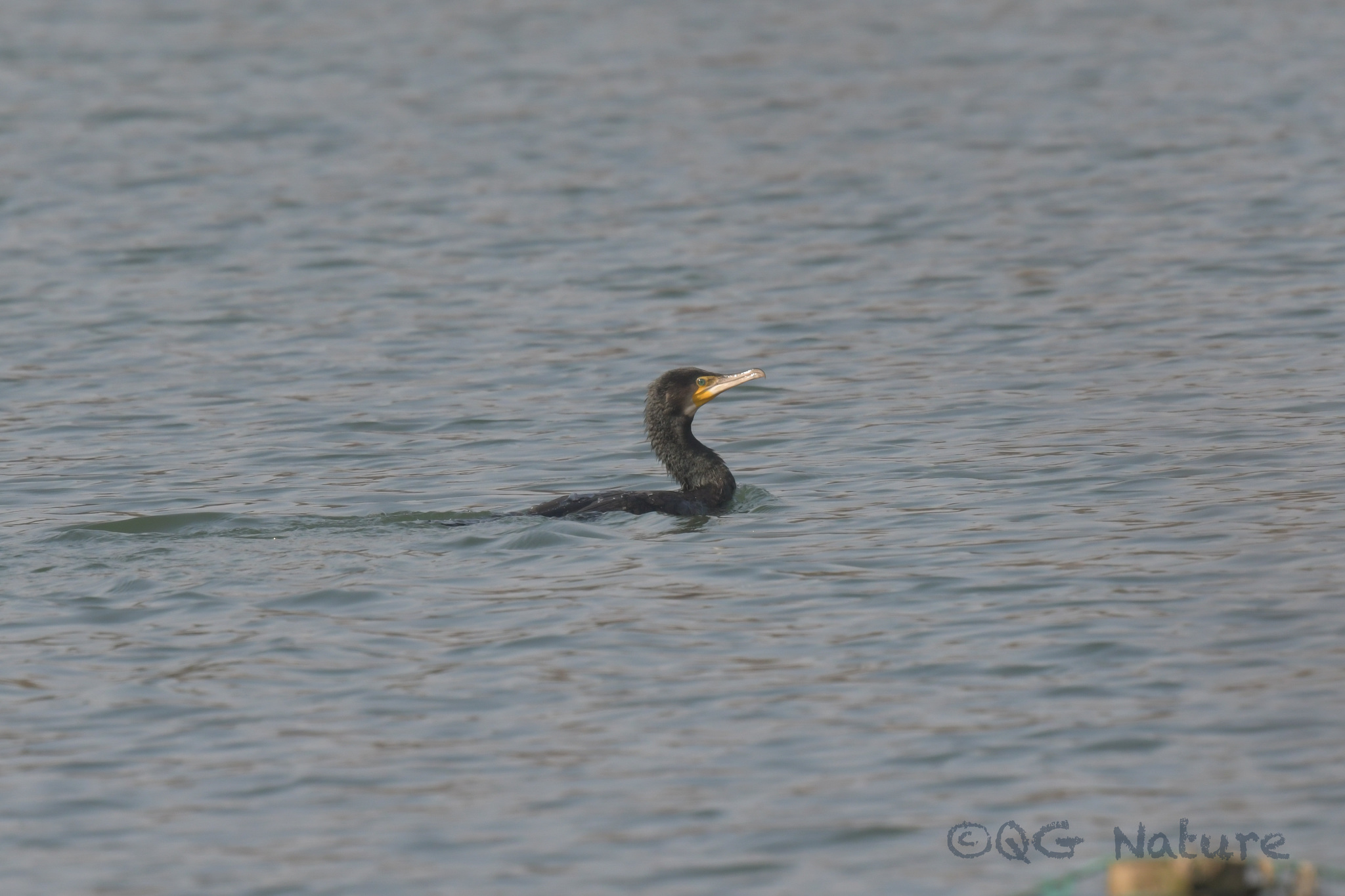
Great Cormorant
Phalacrocorax carbo
普通鸬鹚
Introduction
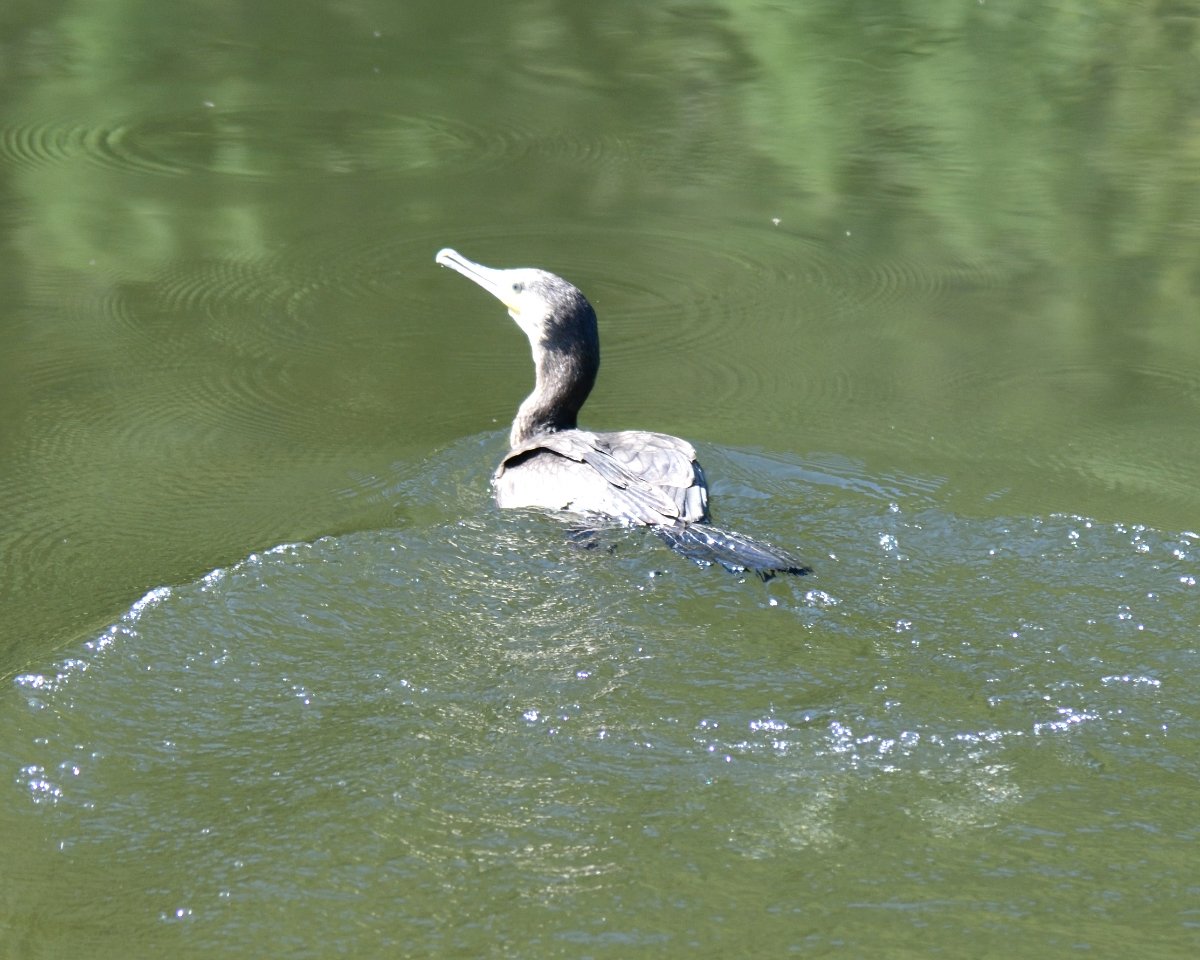
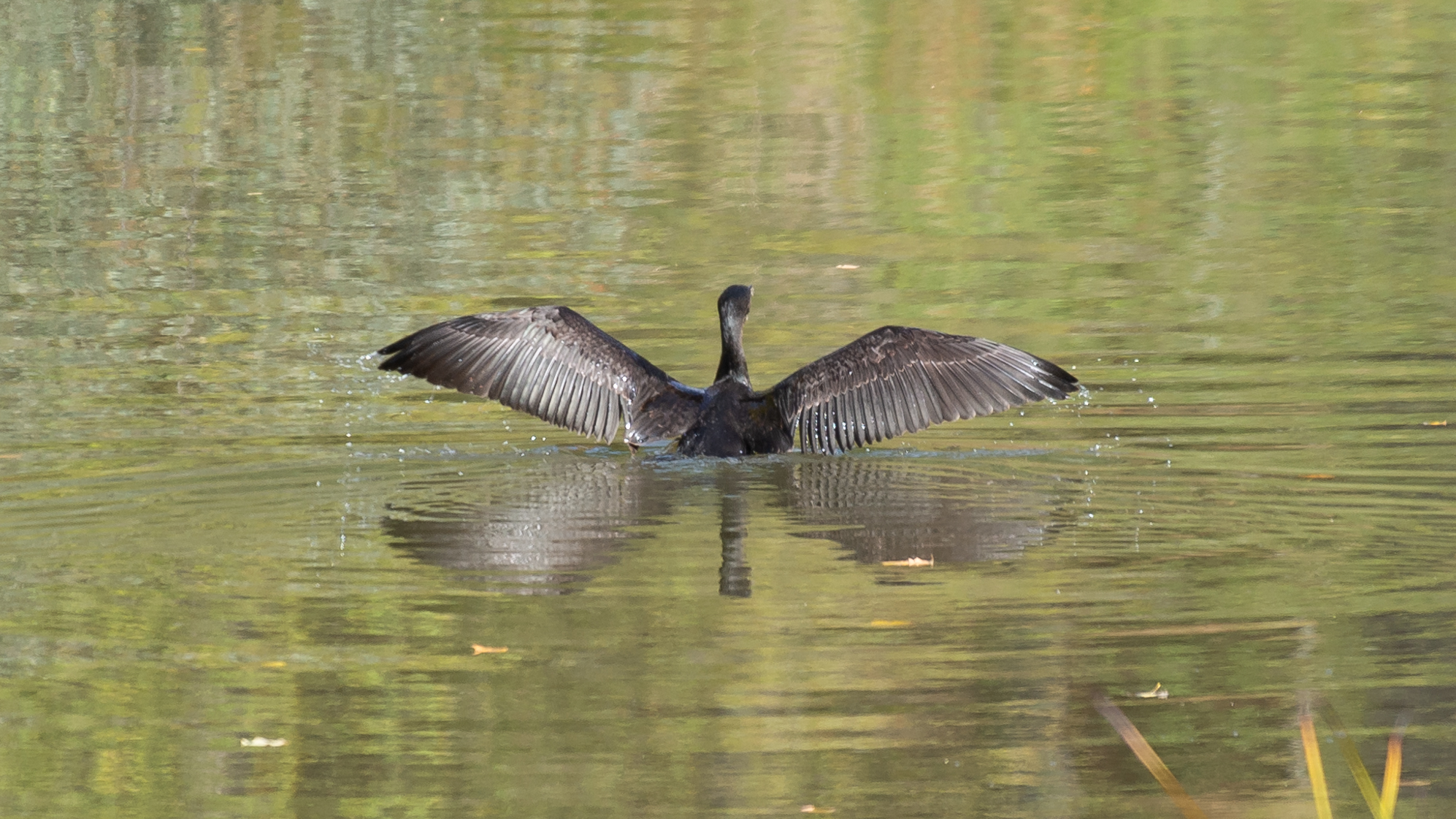
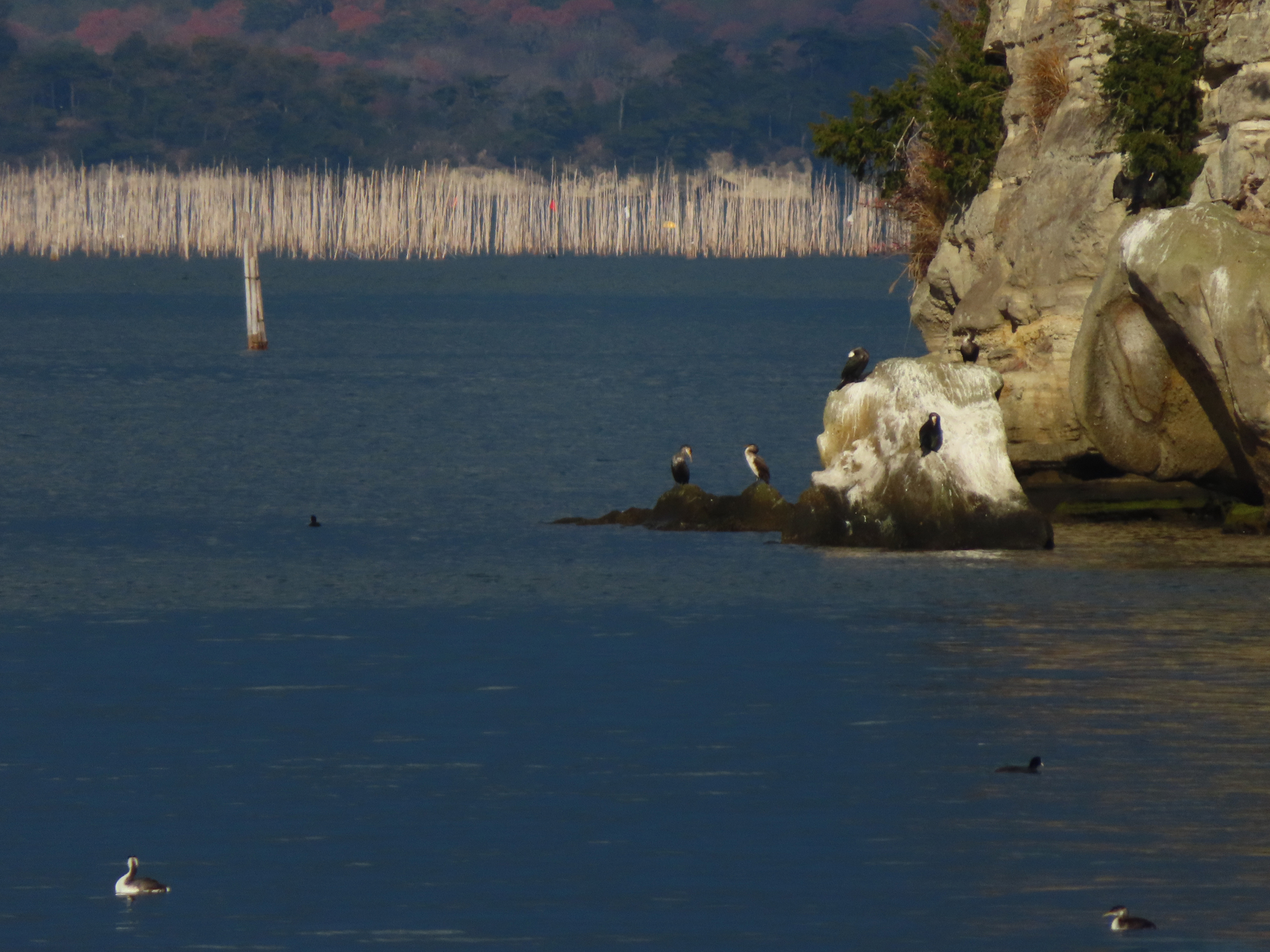
This cormorant species occurs across the Old World, Australasia, and the Atlantic coast of North America. It inhabits rocky coastlines, sheltered harbors, inland lakes, rivers, and estuaries. After diving, individuals dry their outstretched wings. Northern populations migrate southward to avoid frozen waters in winter; birds in warmer regions are year-round residents. European populations number approximately 1.2 million birds. Historically, fishermen persecuted this species, nearly eliminating local populations before conservation efforts enabled recovery. Contemporary conflicts with fisheries have led to managed culling in some regions. The species nests communally.
Description
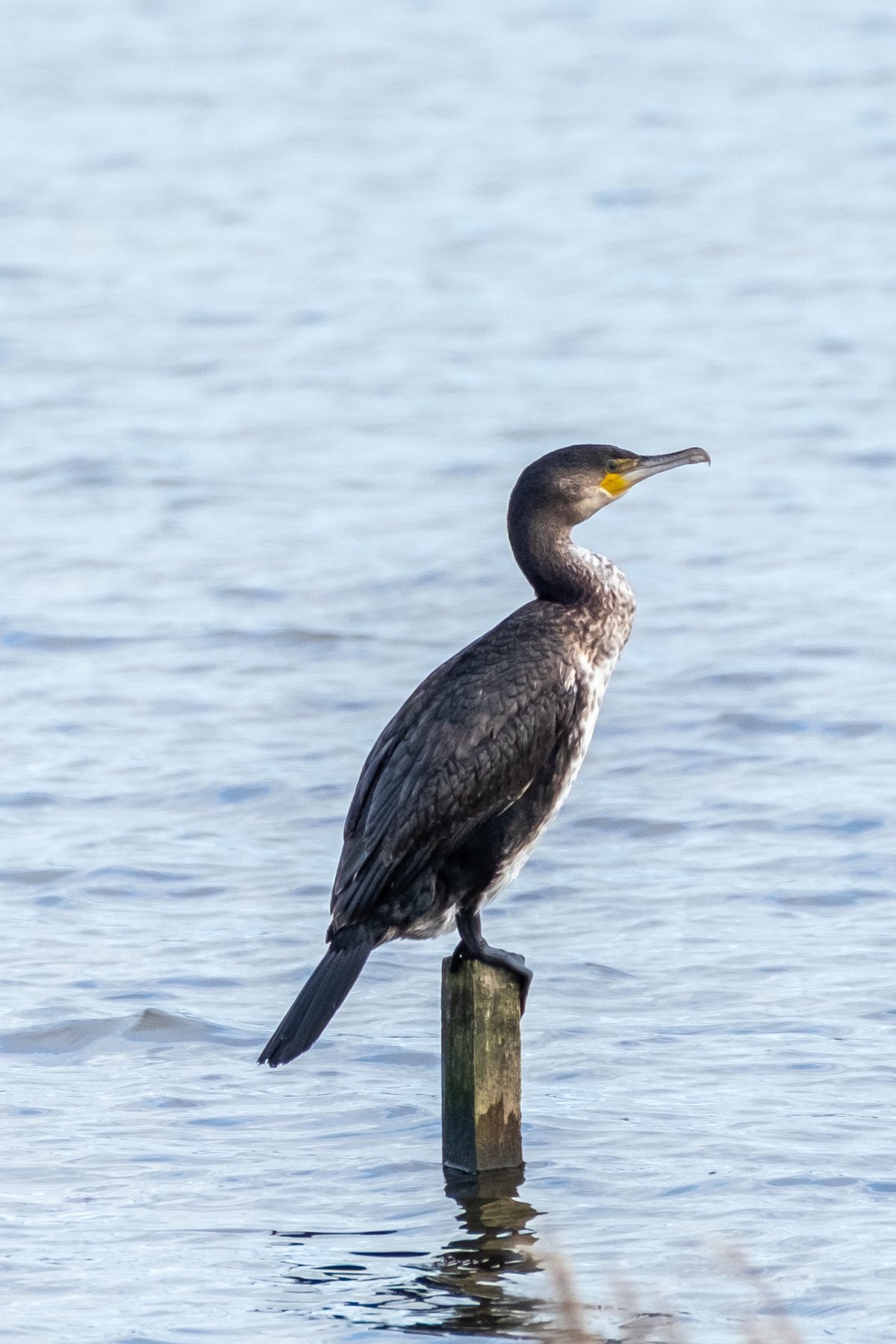
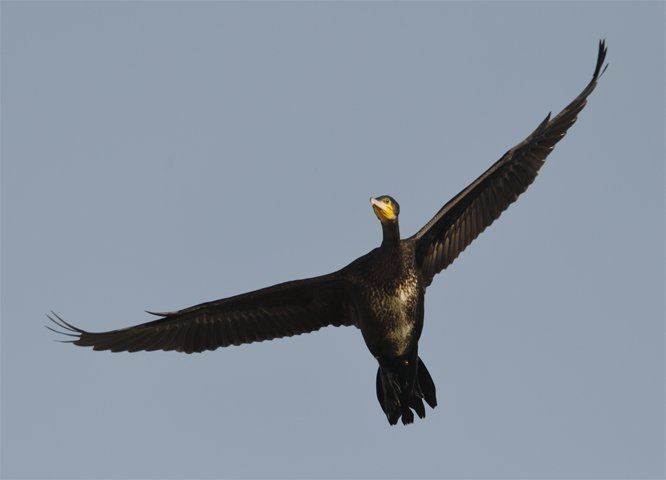
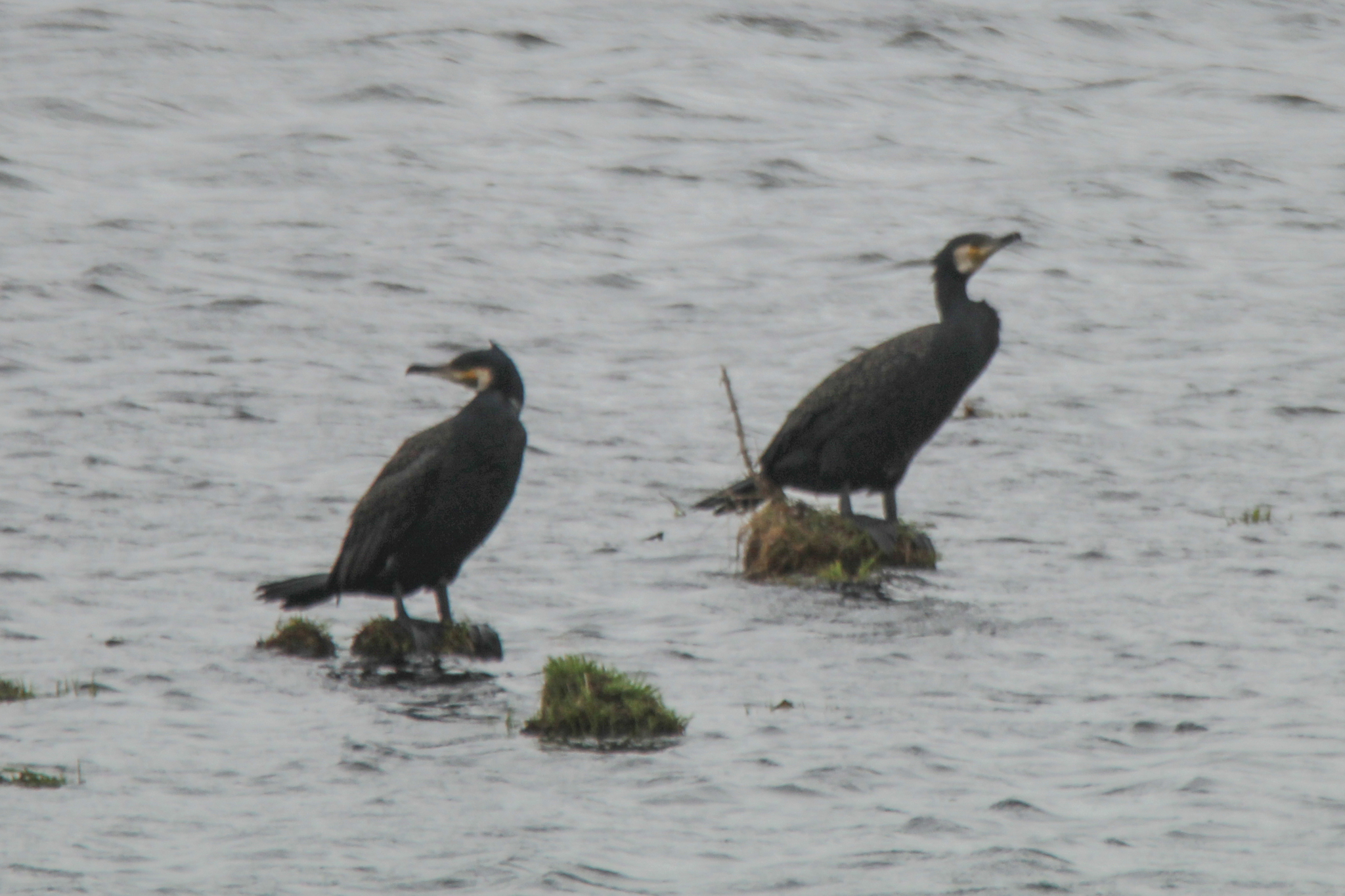
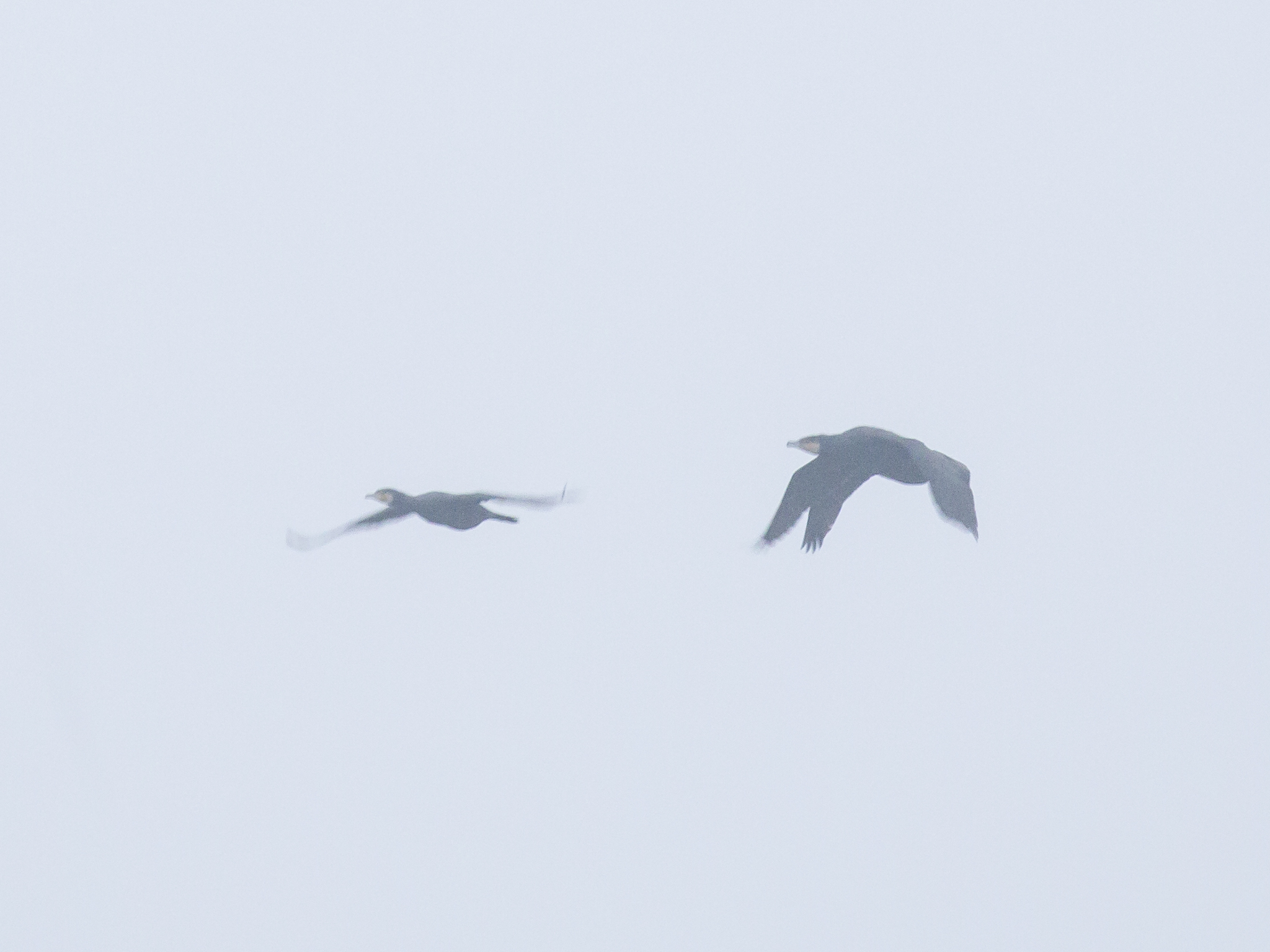
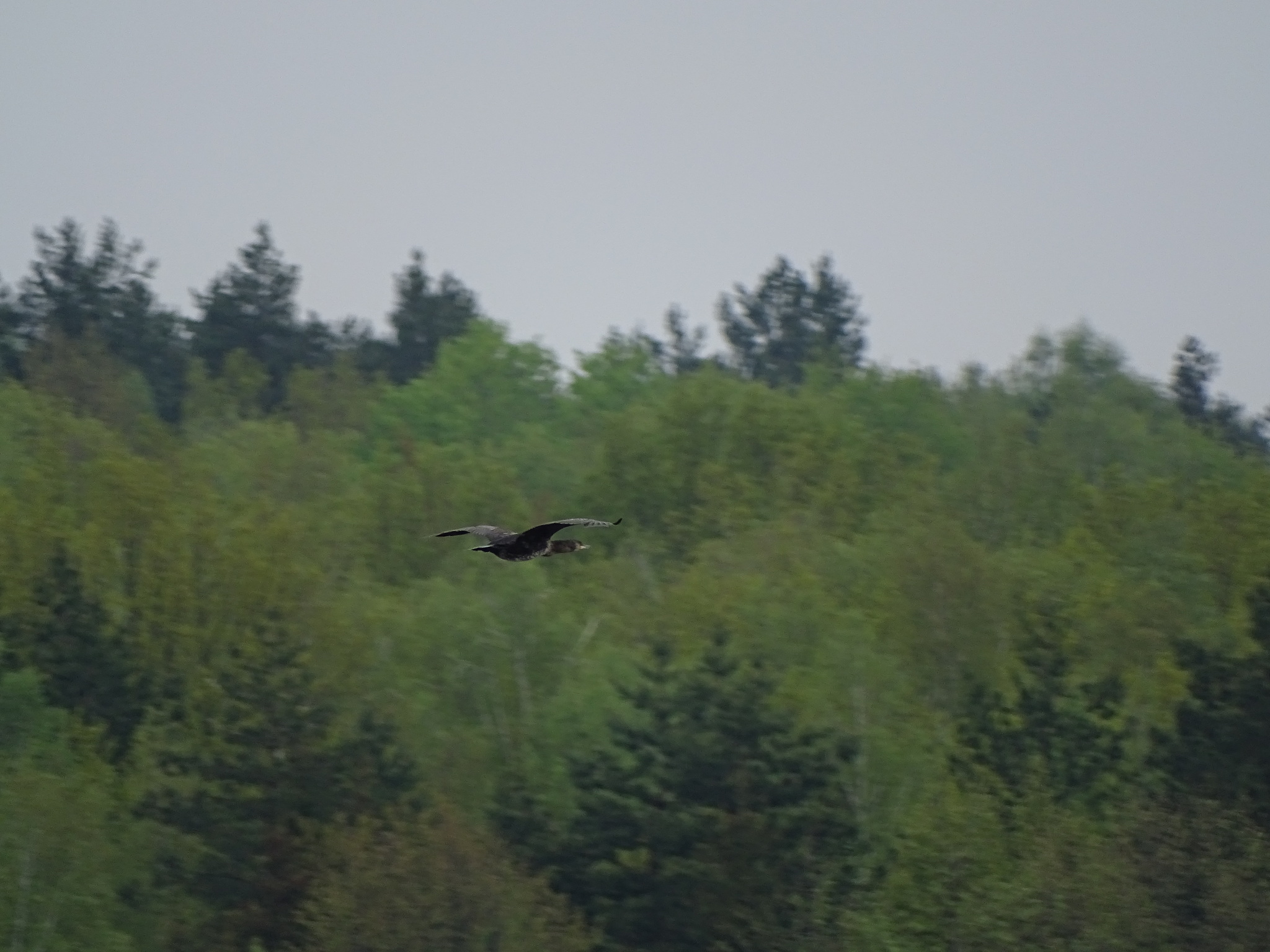
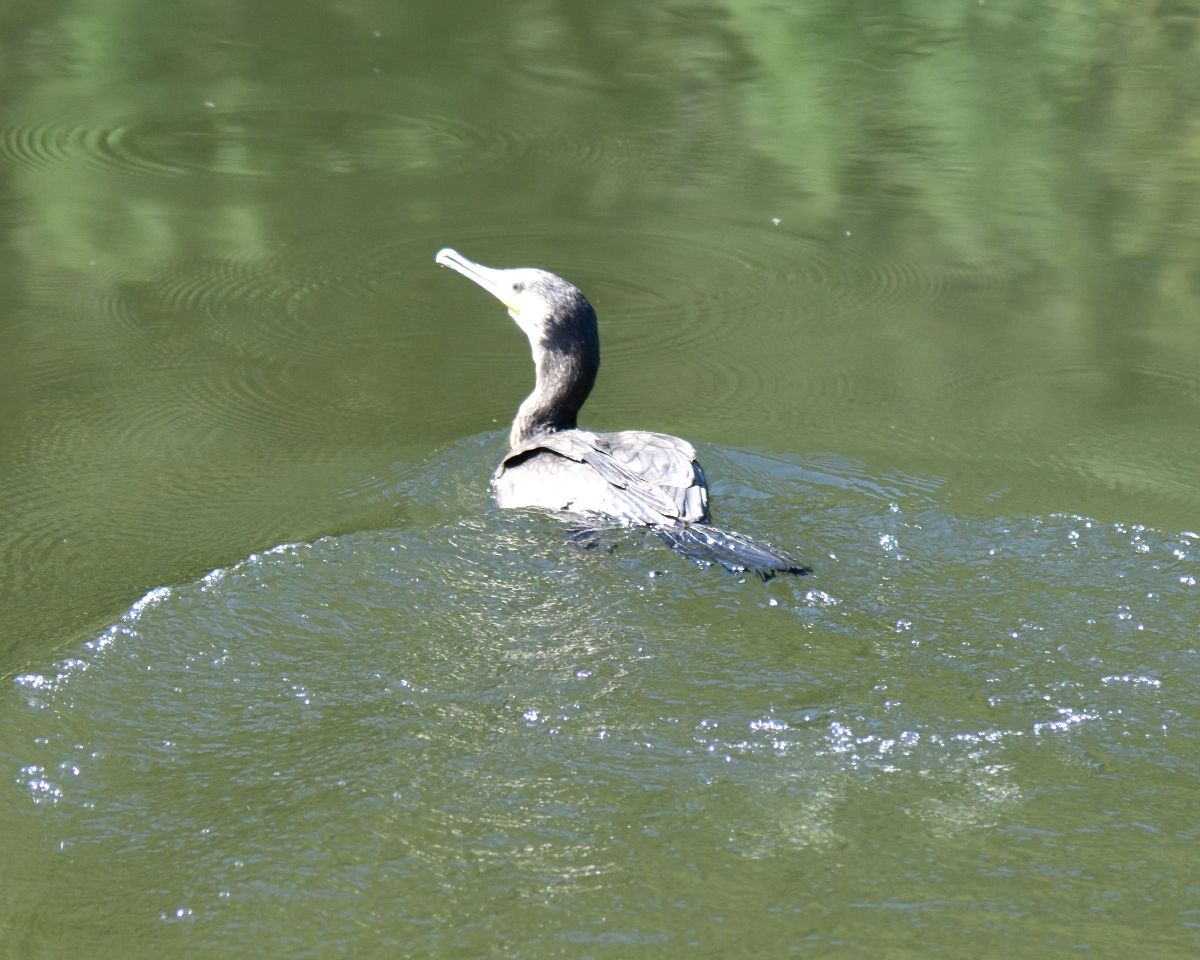
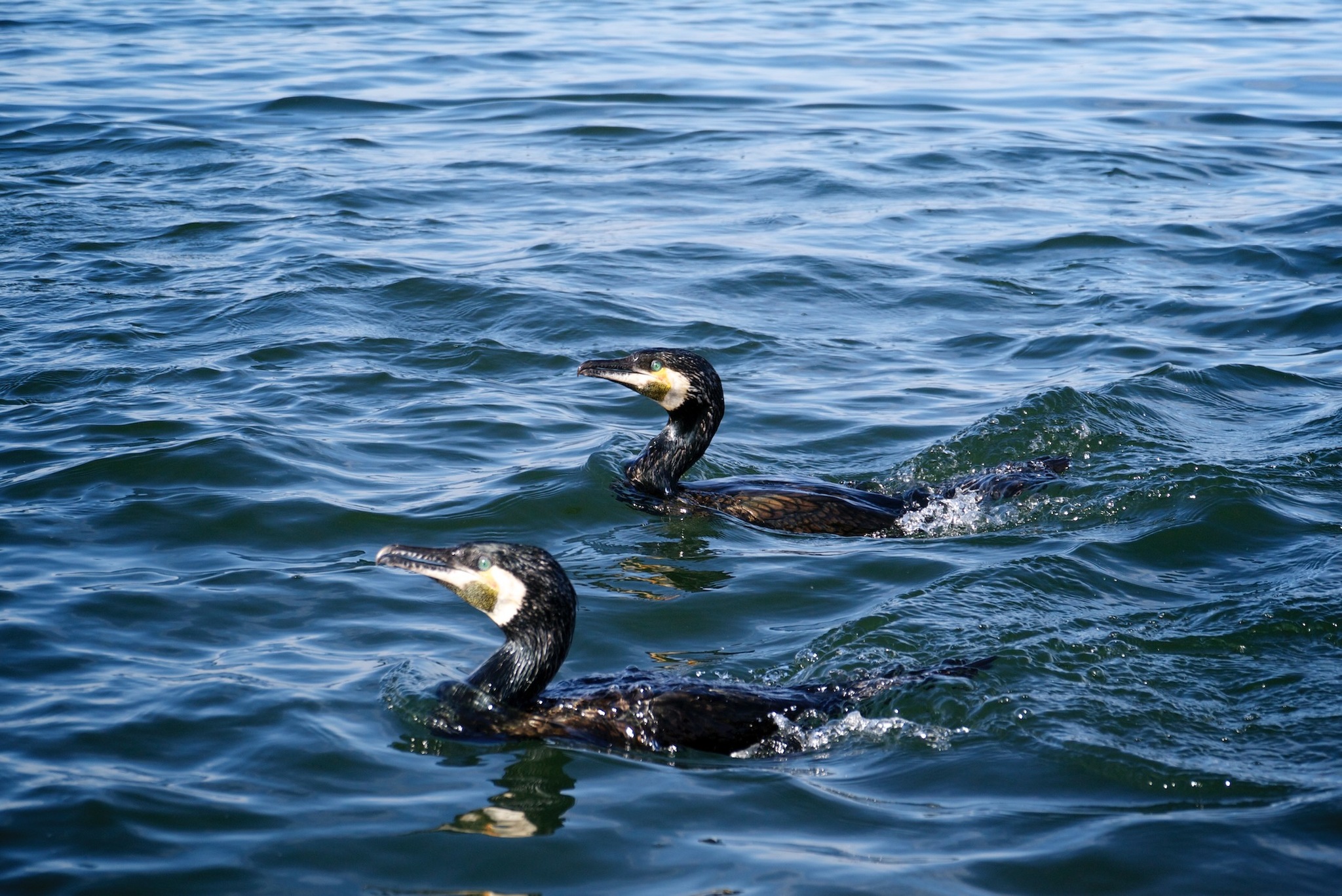
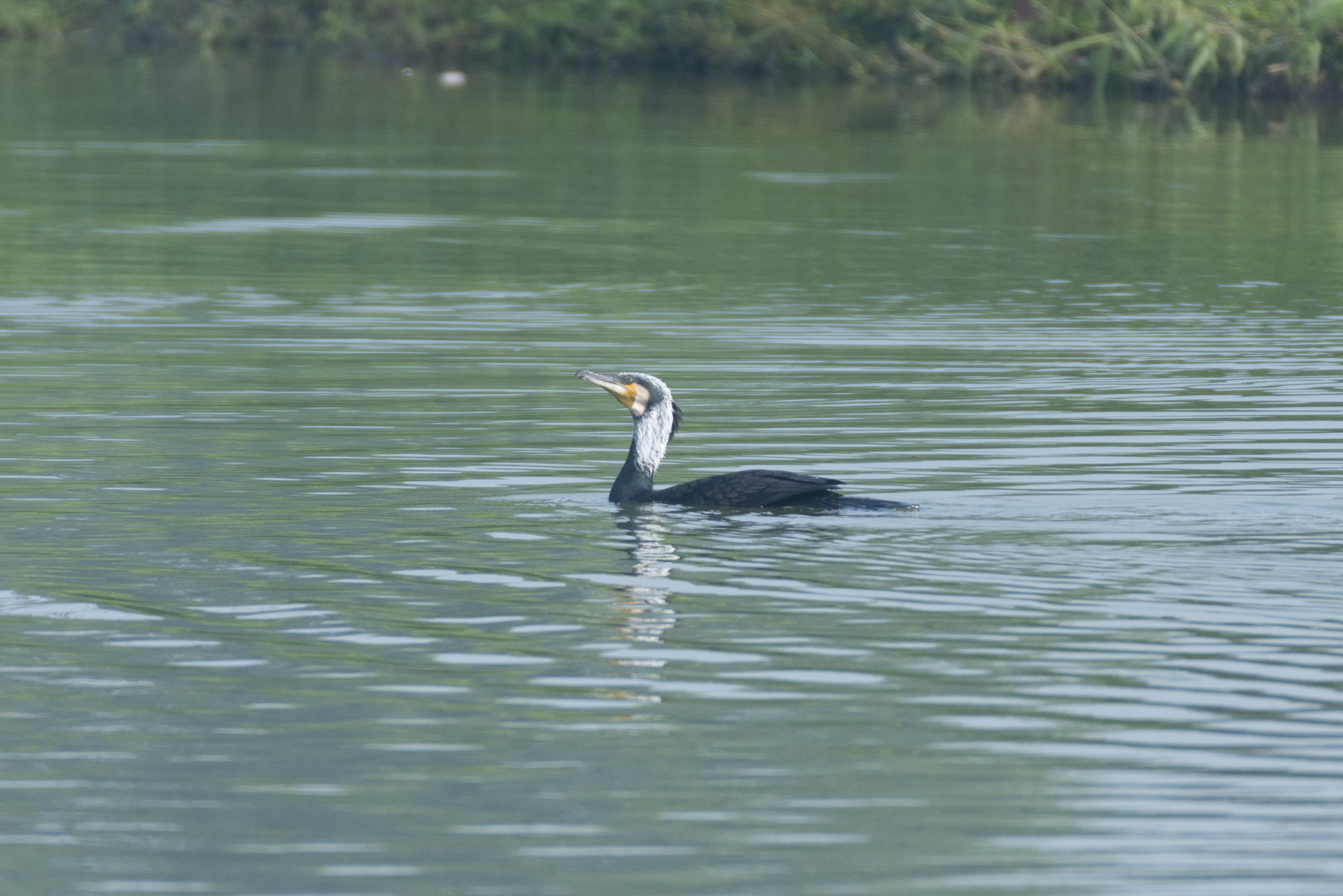
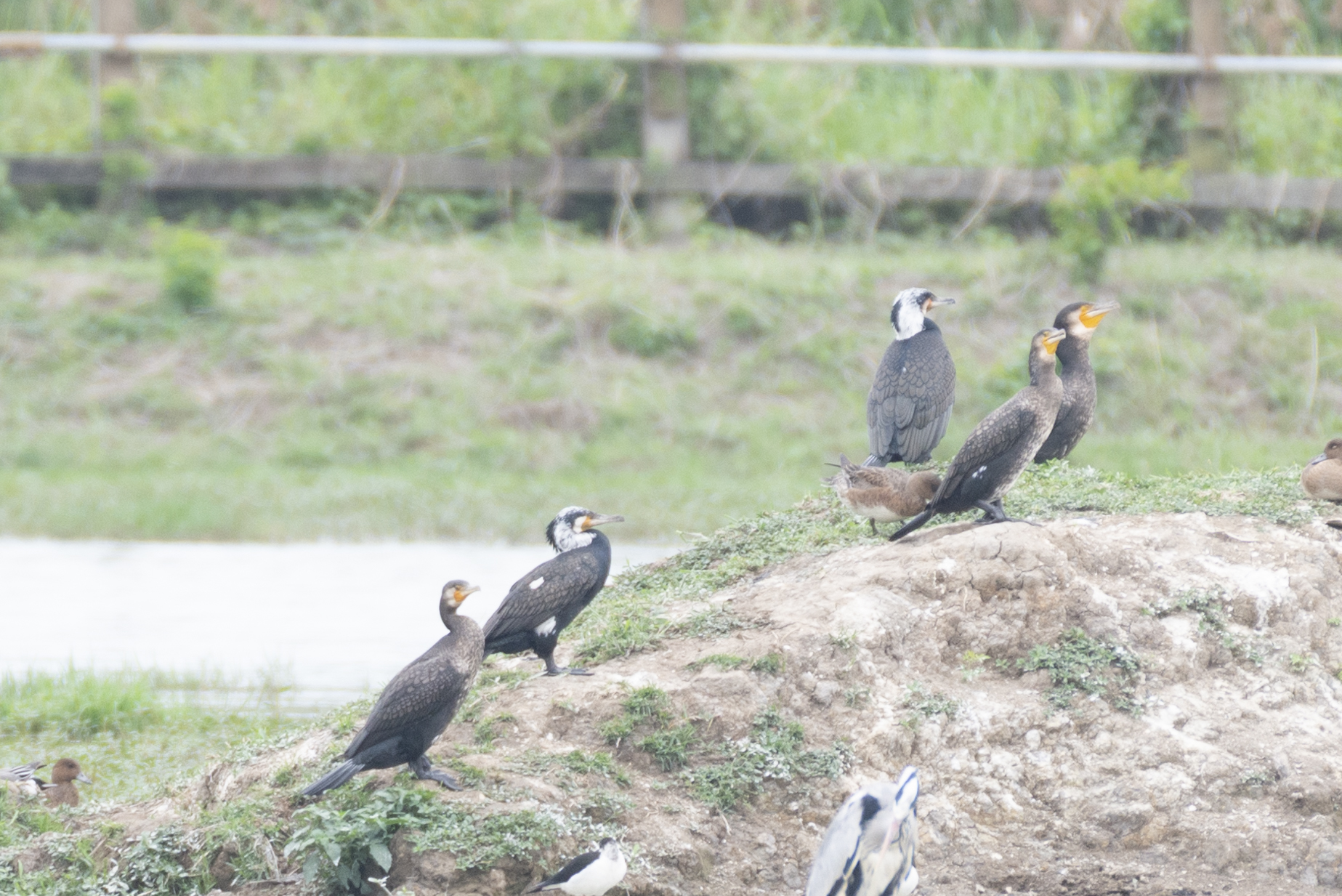
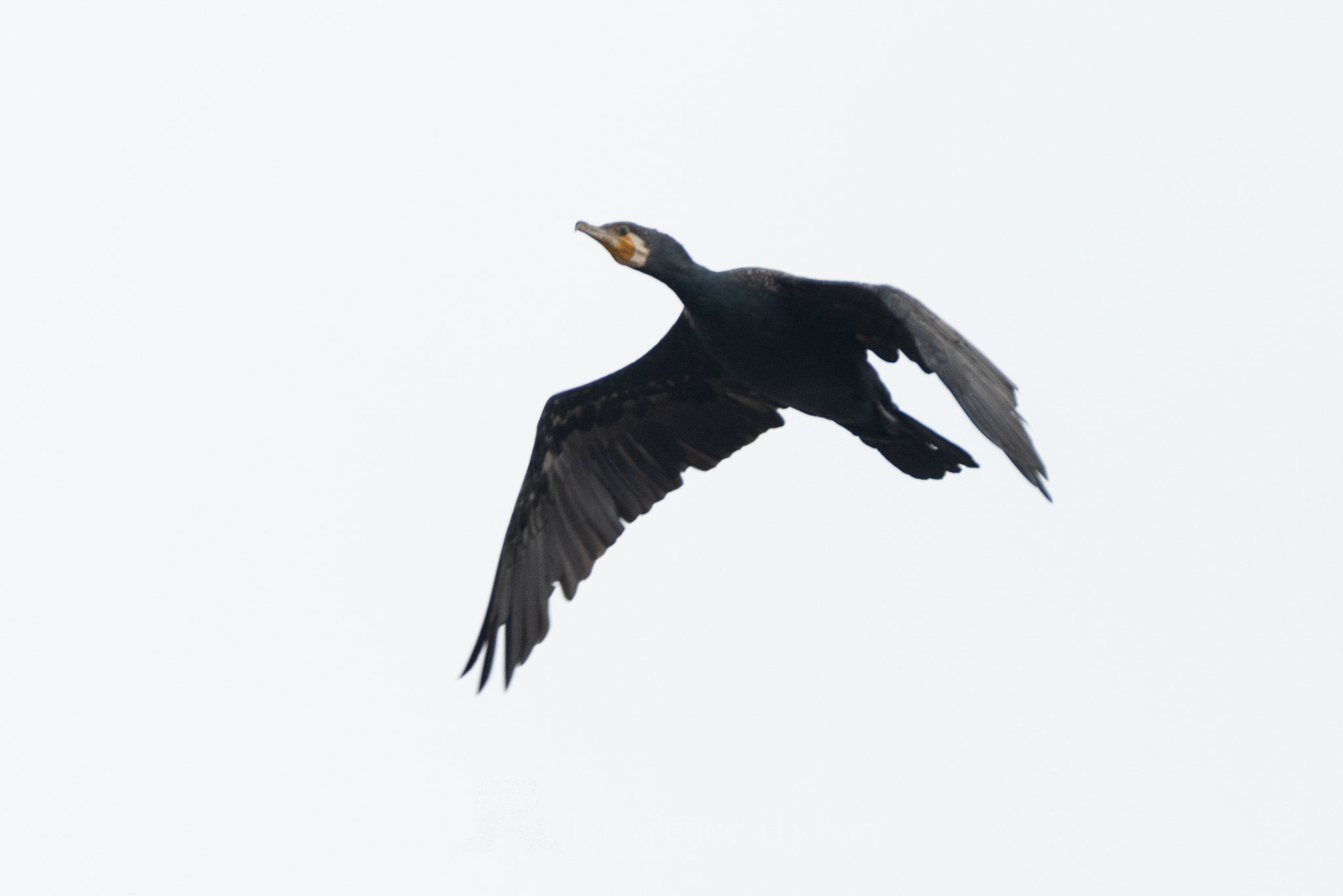
This is a substantial waterbird, though size varies considerably across its vast range. Adults typically weigh between 1.5 and 5.3 kilograms, with males larger than females. Body length ranges from 70 to 102 centimeters, and wingspan spans 121 to 160 centimeters, making it the second-largest living cormorant species. The overall plumage is black, but with a stunning iridescent quality: bronze to green on the wings and tail, and purple on the body. The eyes are a distinctive deep sea-green in adults. The stout, hooked bill is dark grey at the tip, becoming paler toward the base, and is bordered by a yellow or reddish patch of bare throat skin. Legs are short and dark grey, with large, fully webbed feet. During breeding season, adults display white filoplumes on the head, neck, and thighs. Juveniles have pale or whitish underparts, gradually acquiring adult plumage over three to four years.
Identification
The great cormorant's large size and bulky profile help distinguish it from similar species. In Europe, it is significantly larger and heavier than the European shag, with a thicker bill, no crest, and purplish rather than greenish body plumage. Both species have 14 tail feathers, unlike the shag's 12. In eastern North America, it is larger and bulkier than the double-crested cormorant, which also has more extensive yellow on the throat and lacks the white thigh patches visible on breeding adults. The shape of the bare throat patch provides the most reliable way to distinguish subspecies: an acute angle in the Atlantic subspecies and an obtuse angle in the continental European subspecies. All ages and subspecies share the habit of holding their wings spread to dry after diving.
Distribution & Habitat
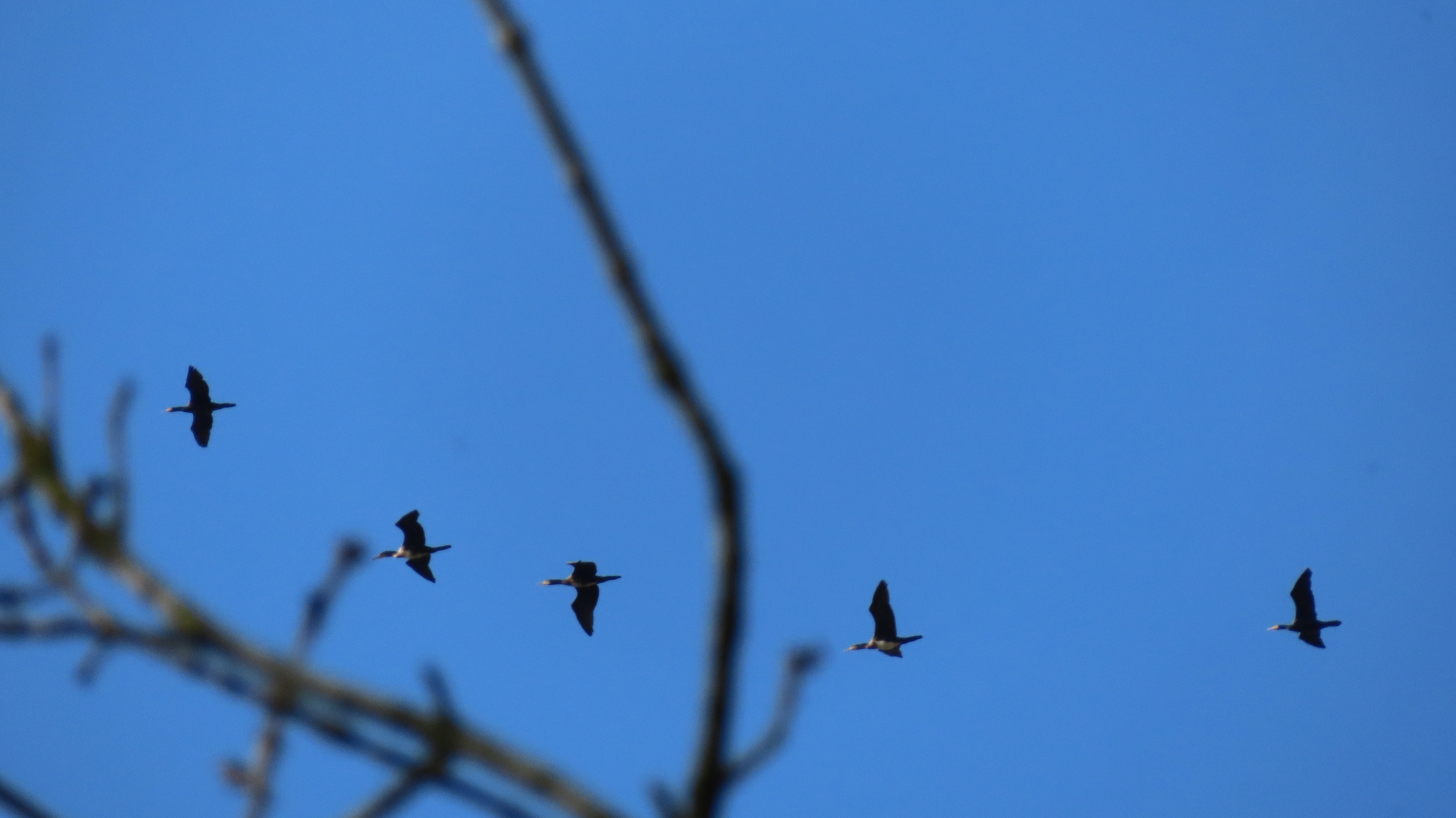
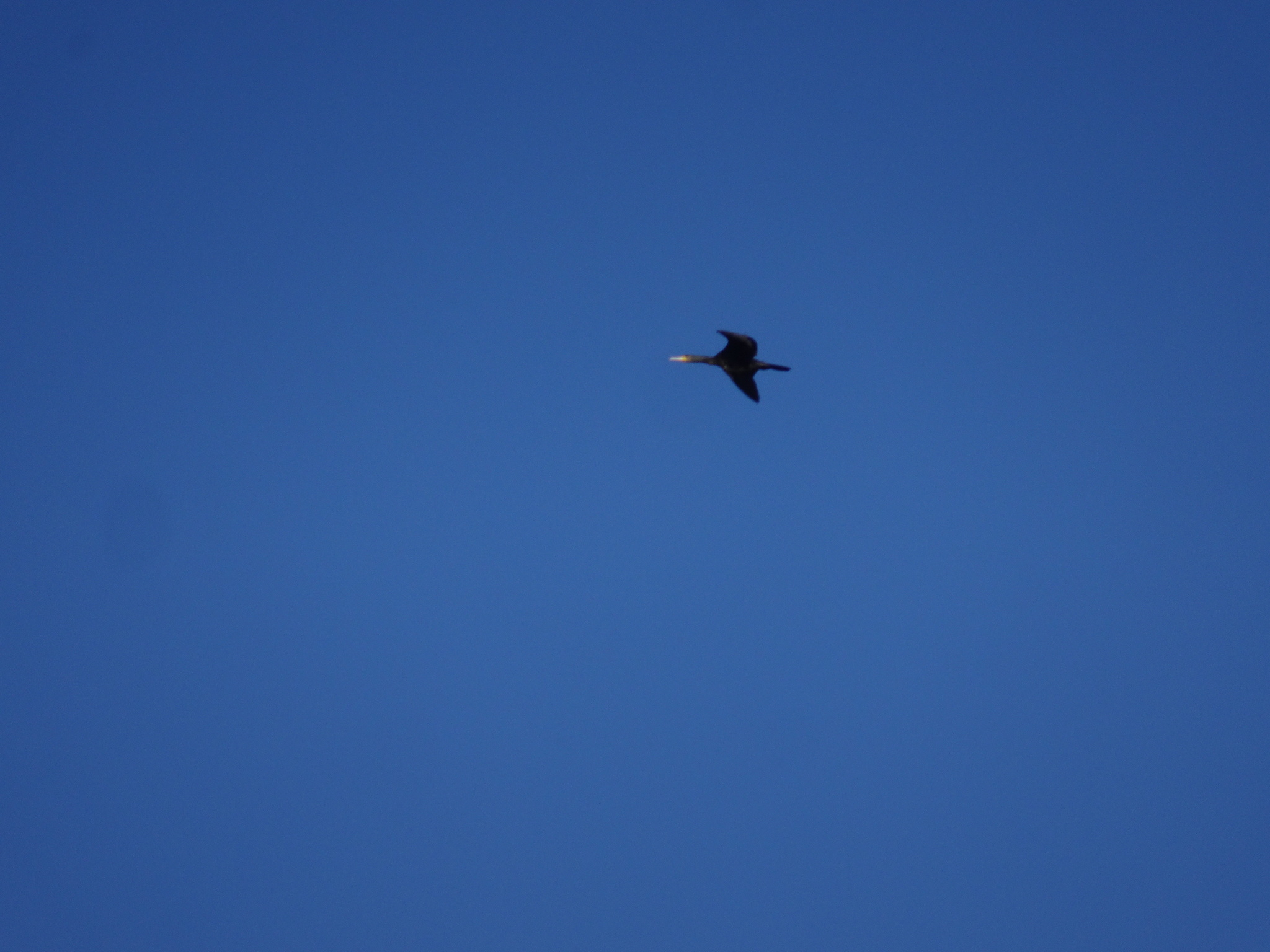
This species breeds widely across the Old World from Iceland and Greenland eastward through Europe and Asia to Australia and New Zealand, as well as along the northeastern Atlantic coast of North America. It inhabits diverse aquatic environments including inshore marine waters, estuaries, lakes, and rivers. Northern populations migrate southward in winter to reach unfrozen waters, while birds in temperate regions disperse locally rather than undertaking long migrations. The Atlantic subspecies inhabits northwestern European coasts, the Faroe Islands, Iceland, Greenland, and eastern Canada, while the continental subspecies ranges across mainland Europe through Siberia to southeastern Asia. The Australasian subspecies occurs throughout Australia and New Zealand.
Behavior & Ecology
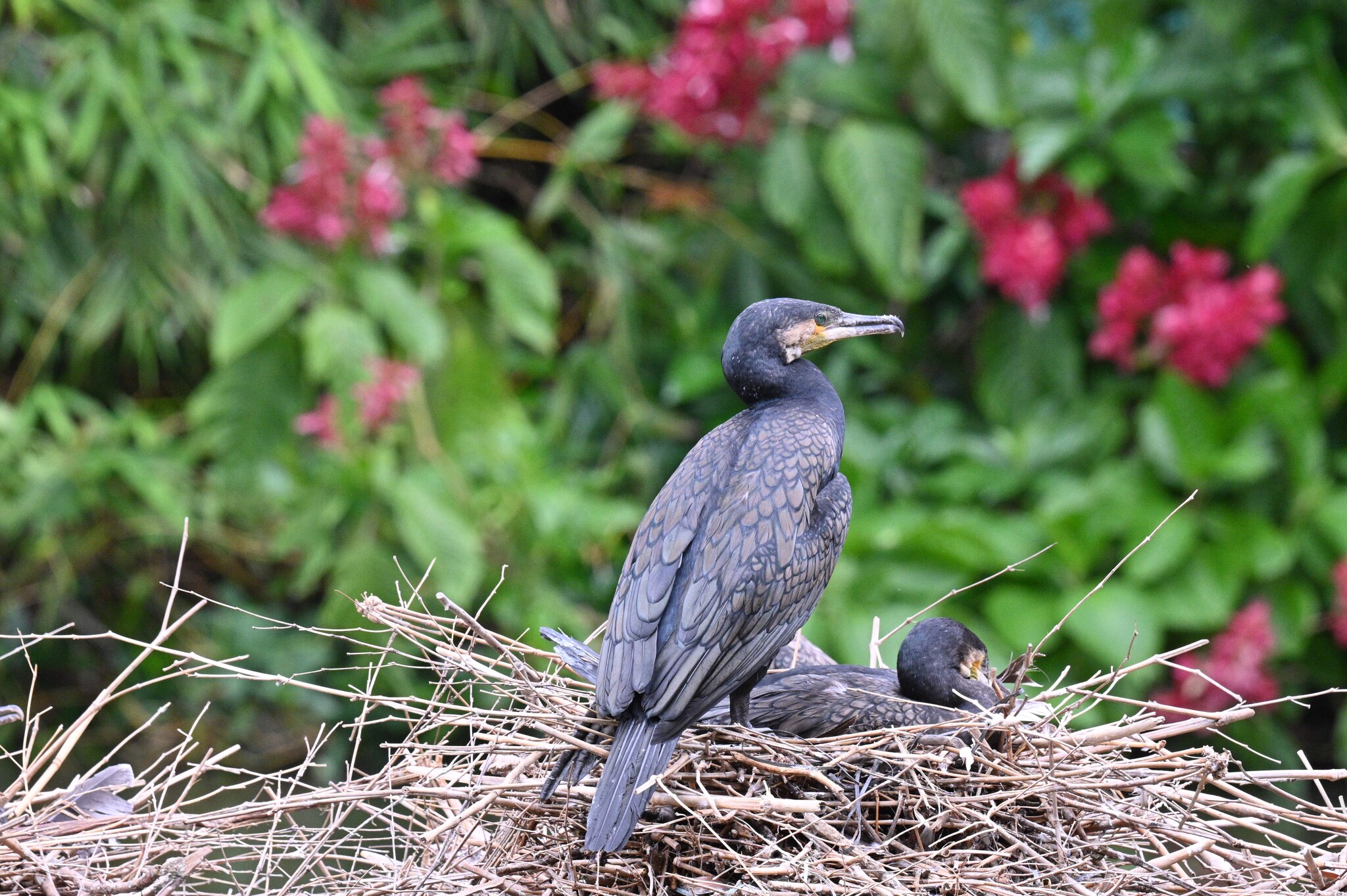
These cormorants nest colonially near wetlands, rivers, and sheltered coastal waters, using the same nest site year after year. Nests are built from sticks in trees, on cliff ledges, or on predator-free rocky islands. Clutches contain three to five pale blue or green eggs, occasionally coated with chalky lime, measuring about 63 by 41 millimeters. Incubation lasts roughly 28 to 31 days. They are expert fishers, diving to depths of up to 9.5 meters and remaining submerged for one to three minutes. Most dives target the bottom zone, and they consume fish of appropriate size, preferring larger, torpedo-shaped prey in winter. They are largely silent except at breeding colonies, where they produce various guttural calls.
Conservation
As a colonial-nesting species, this cormorant is vulnerable to highly pathogenic avian influenza outbreaks, with documented mass mortality events including over 1,700 birds dying in Baltic Sea colonies during 2021-2022. Historically, persecution by fishermen nearly drove the species to extinction in many regions, though conservation measures led to population recovery. Current populations number around 1.2 million birds in Europe alone, but ongoing conflicts with fisheries persist, particularly at inland fish farms. Annual culling licenses are issued in some countries, such as the United Kingdom, to manage predation pressures. The species' adaptability and wide range suggest a relatively stable global population despite these localized challenges.
Culture
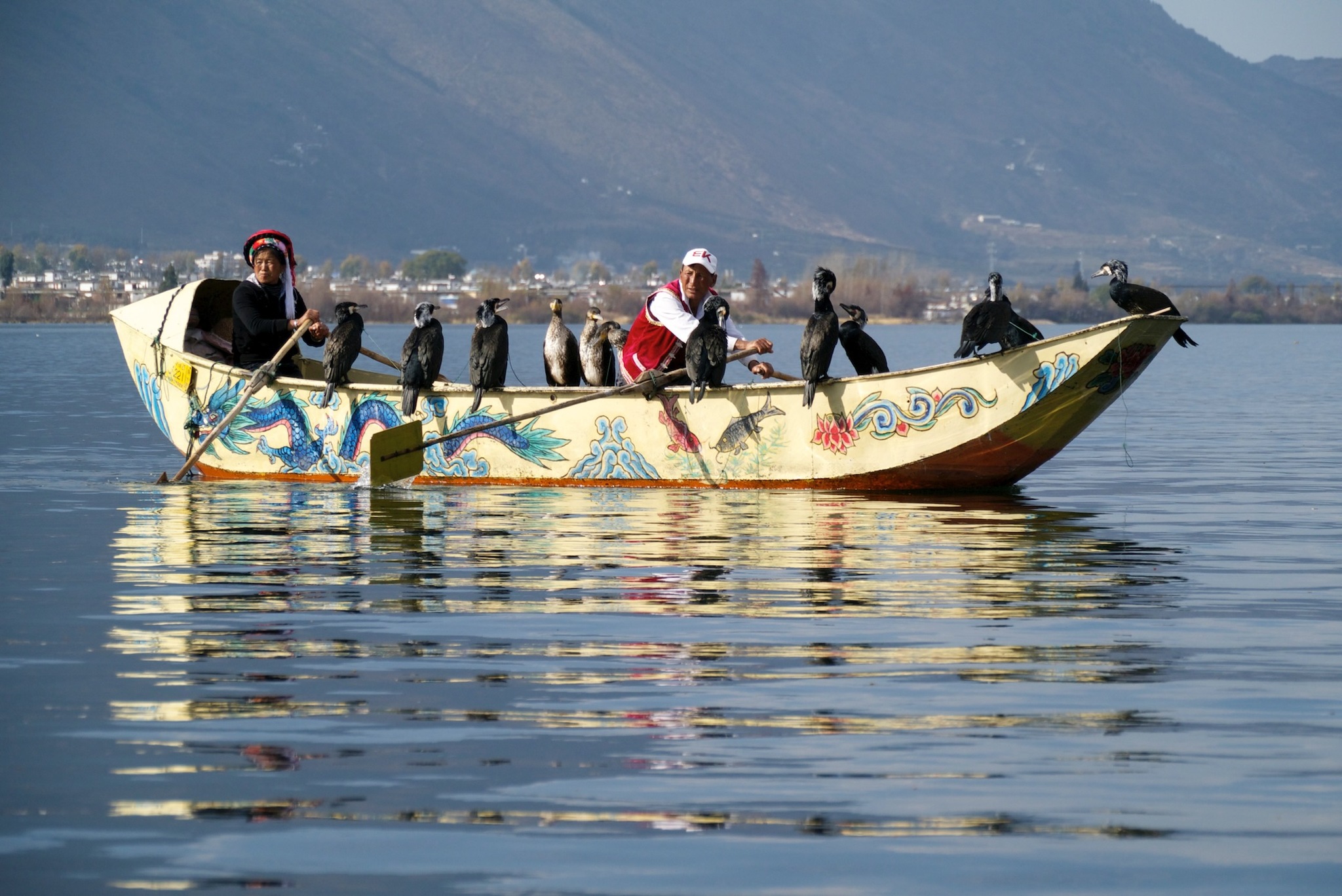
Cormorant fishing represents an ancient tradition still practiced in China, Japan, and other regions, where fishermen use trained birds to catch fish by restricting their swallowing reflex. In Norway, approximately 10,000 cormorants are shot annually as traditional game birds for consumption. More unusually, in North Norway the species holds semi-sacred status. Local tradition considers it good fortune when cormorants gather near settlements, and an old legend claims that people lost at sea whose bodies are never recovered spend eternity on the mythical island of Utrøst, visitable only in the form of cormorants. This cultural significance adds an intriguing dimension to encounters with these birds in northern regions.
Source: Wikipedia · CC BY-SA 3.0
Taxonomy
- Order
- Suliformes
- Family
- Phalacrocoracidae
- Genus
- Phalacrocorax
- eBird Code
- grecor
Subspecies (6)
-
Phalacrocorax carbo carbo
breeds coastal North Atlantic of western Greenland and western Europe, and eastern Canada to Maine (northeastern USA); winters southward on coasts to Iberian Peninsula and Delaware
-
Phalacrocorax carbo hanedae
coastal and inland Hokkaido to Kyushu (Japan)
-
Phalacrocorax carbo lucidus
inland sub-Saharan Africa and Cape Verde Islands
-
Phalacrocorax carbo maroccanus
coastal northwestern Africa (Morocco to Mauritania)
-
Phalacrocorax carbo novaehollandiae
inland and coastal Australia (including Tasmania but excluding western deserts), main islands of New Zealand including Chatham Islands, Rennell (southern Solomon Islands), and Grande Terre (New Caledonia); ranges to south-central New Guinea
-
Phalacrocorax carbo sinensis
inland central Europe eastward to northeastern Russia, in south through Indian subcontinent and Mongolia, and disjunctly Cambodia, Vietnam, and Borneo
Data Sources
Species description from Wikipedia, licensed under CC BY-SA 3.0.
Bird images and sounds sourced from GBIF, contributed by citizen scientists worldwide under Creative Commons licenses.
Taxonomy data from AviList 2025.