Accipitriformes / Accipitridae / Pernis
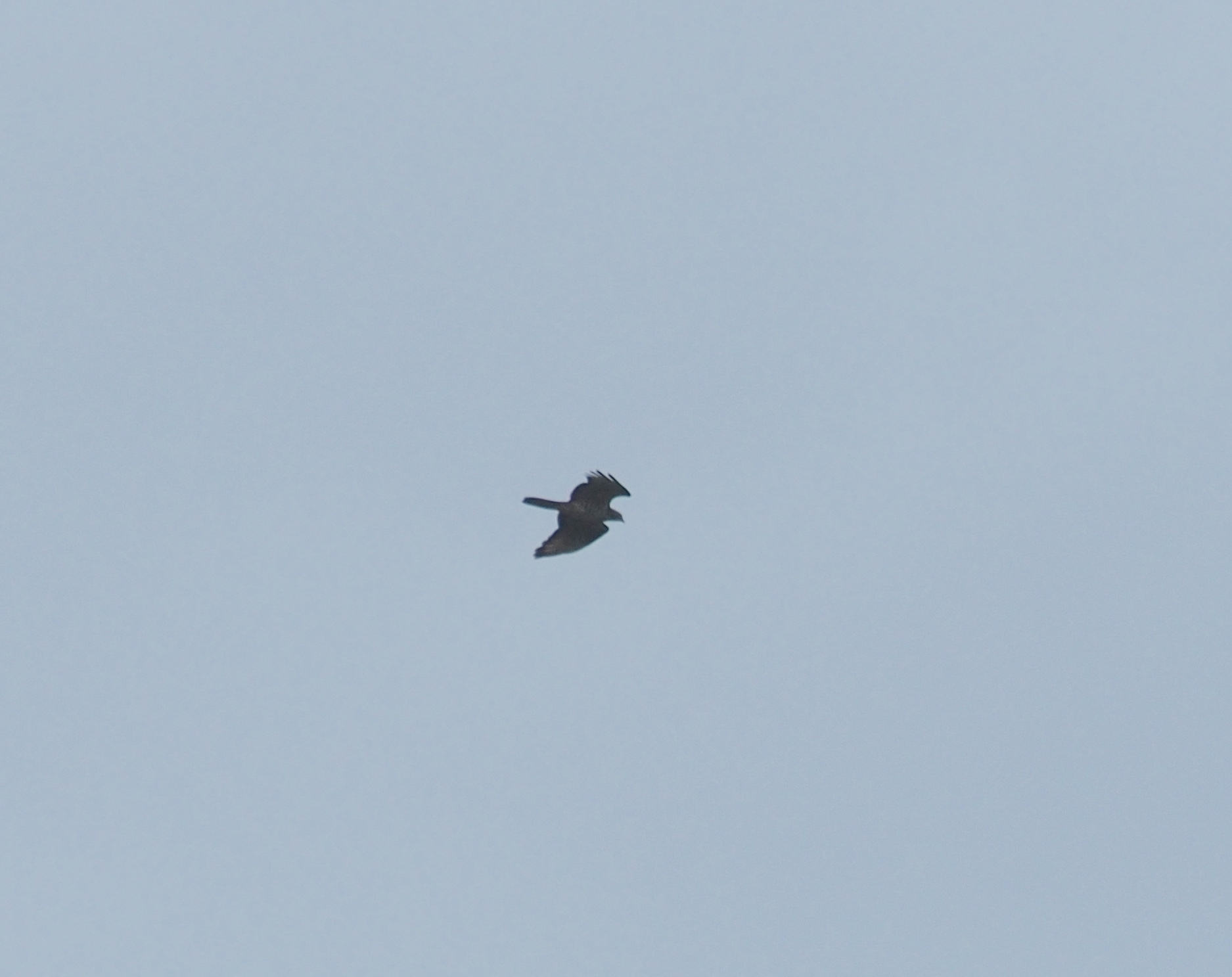
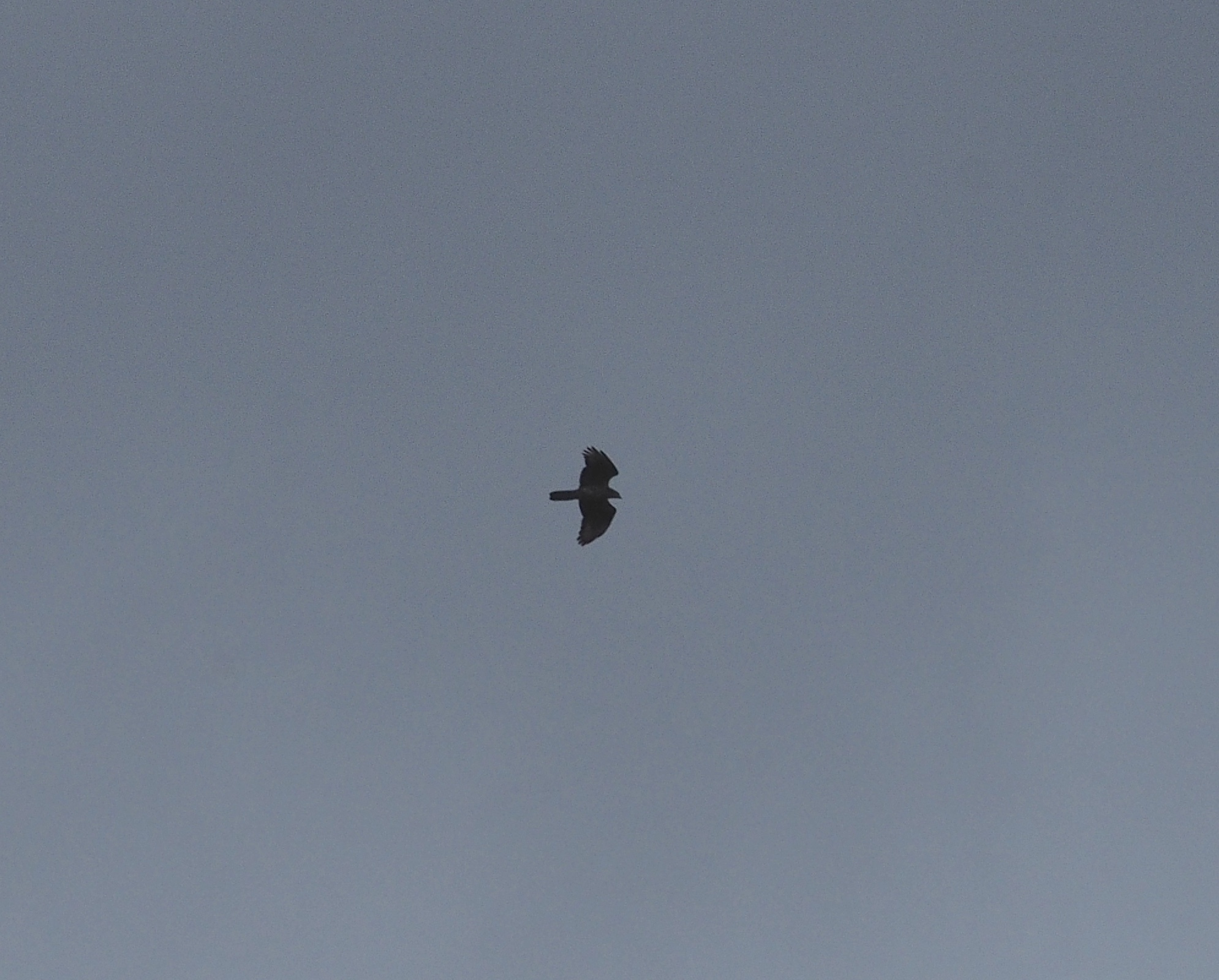
European Honey Buzzard
Pernis apivorus · 鹃头蜂鹰
Introduction
A bird of prey in the family Accipitridae, formally described in 1758. The species is monotypic with no recognized subspecies. It breeds in woodland habitats across the western Palearctic and migrates to tropical Africa for winter. Distinctive traits include a specialized diet of wasp and hornet larvae, scale-like head feathering for sting protection, and long toes adapted for digging nests.
Description
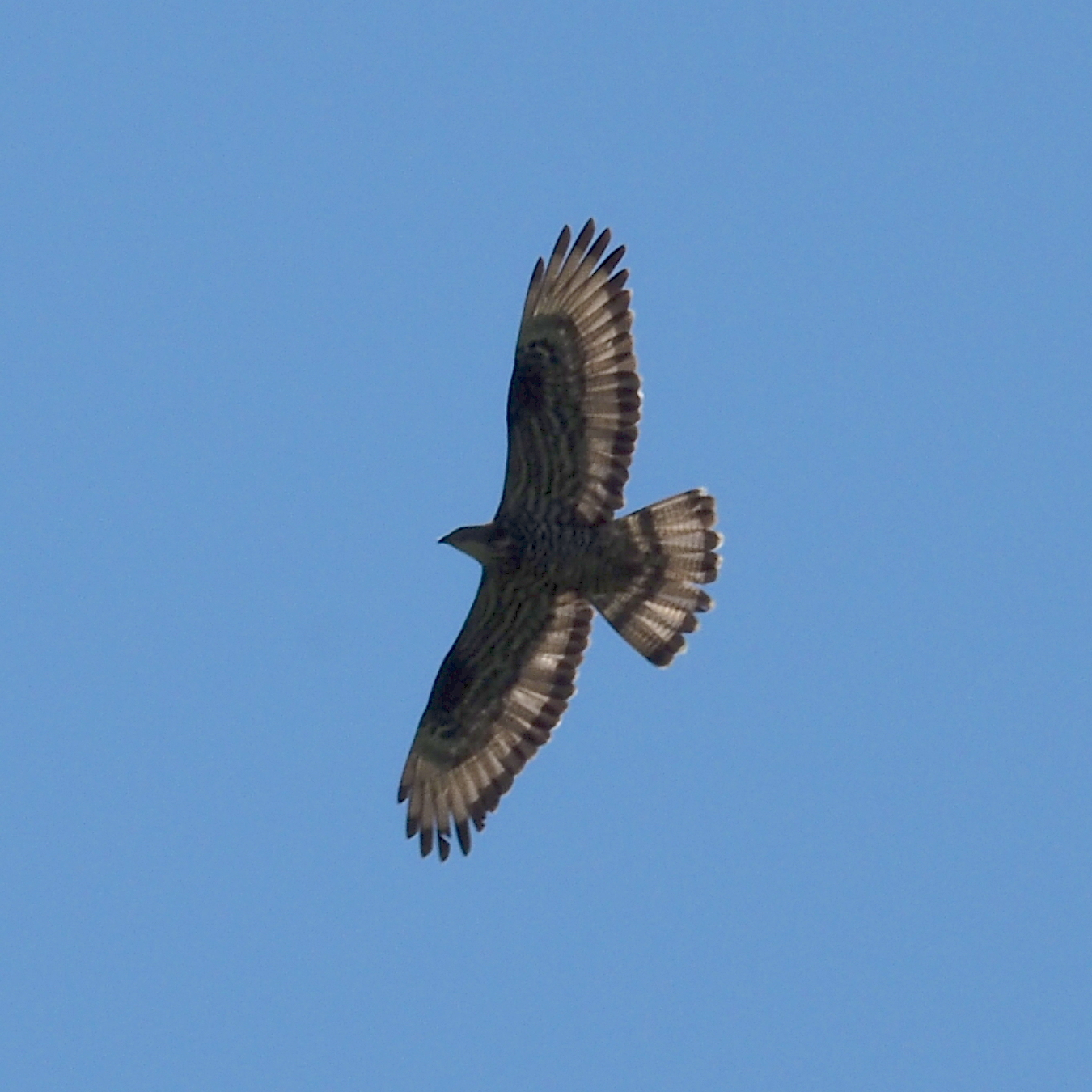
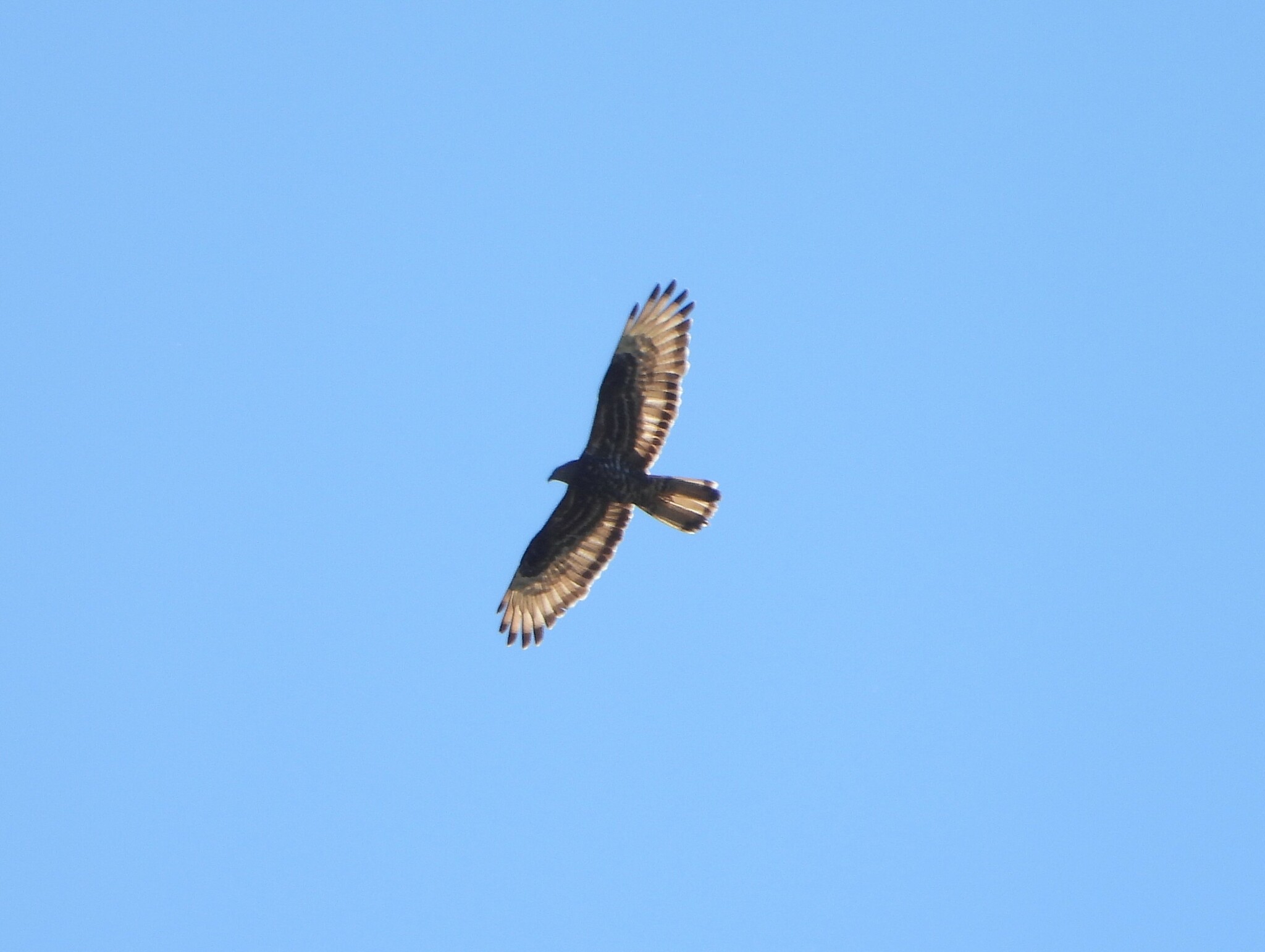
Length 52–60 cm (20–24 in) with a wingspan of 135–150 cm (53–59 in). Appears longer-necked with a small head compared to common buzzards. The tail has fewer bars, usually two narrow dark bars and a broad dark subterminal bar. Sexes differ in plumage: males have a blue-grey head, while females have a brown head and are slightly larger and darker.
Identification
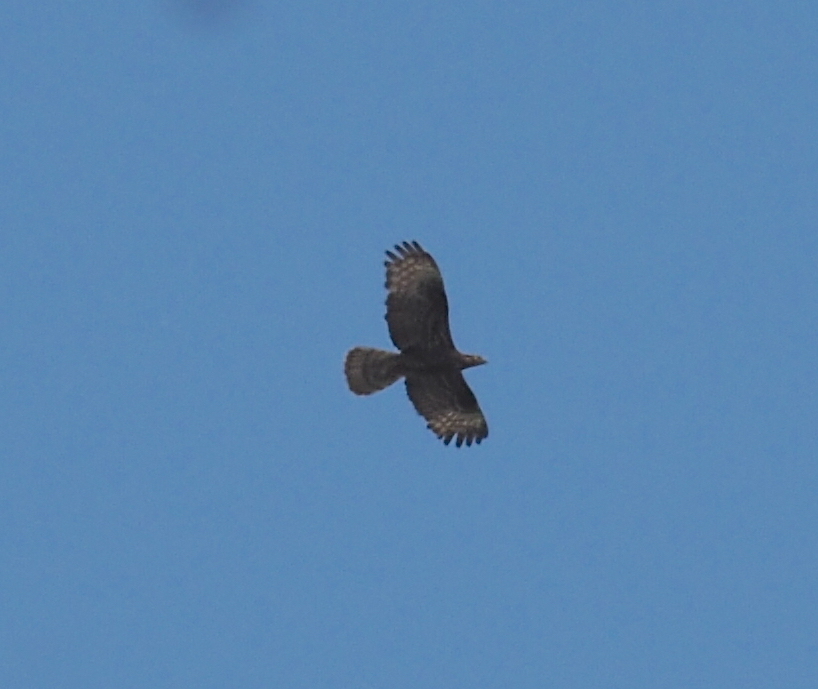
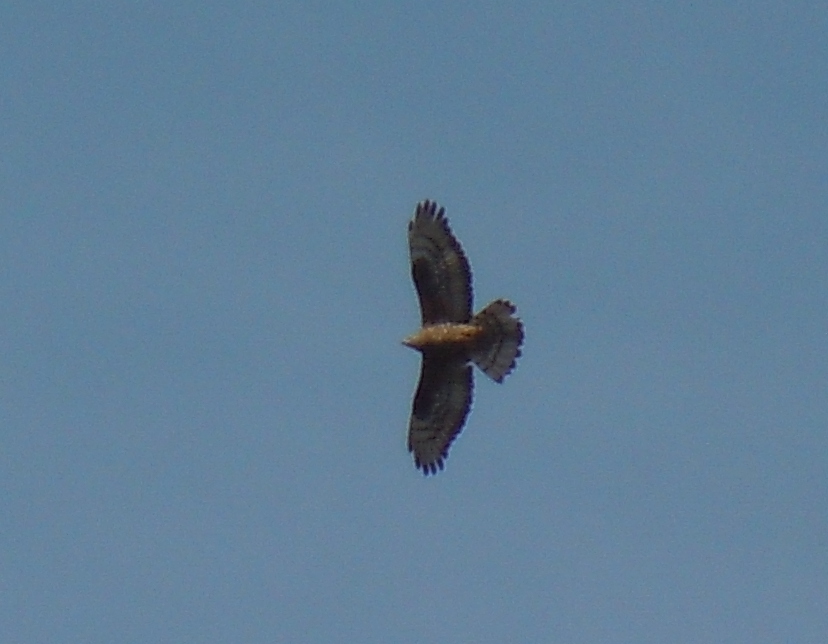
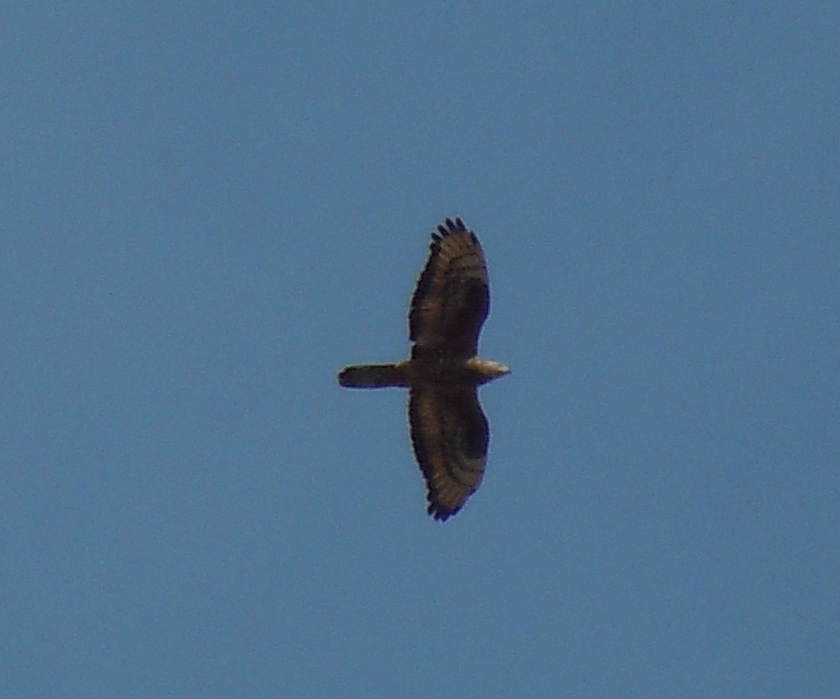
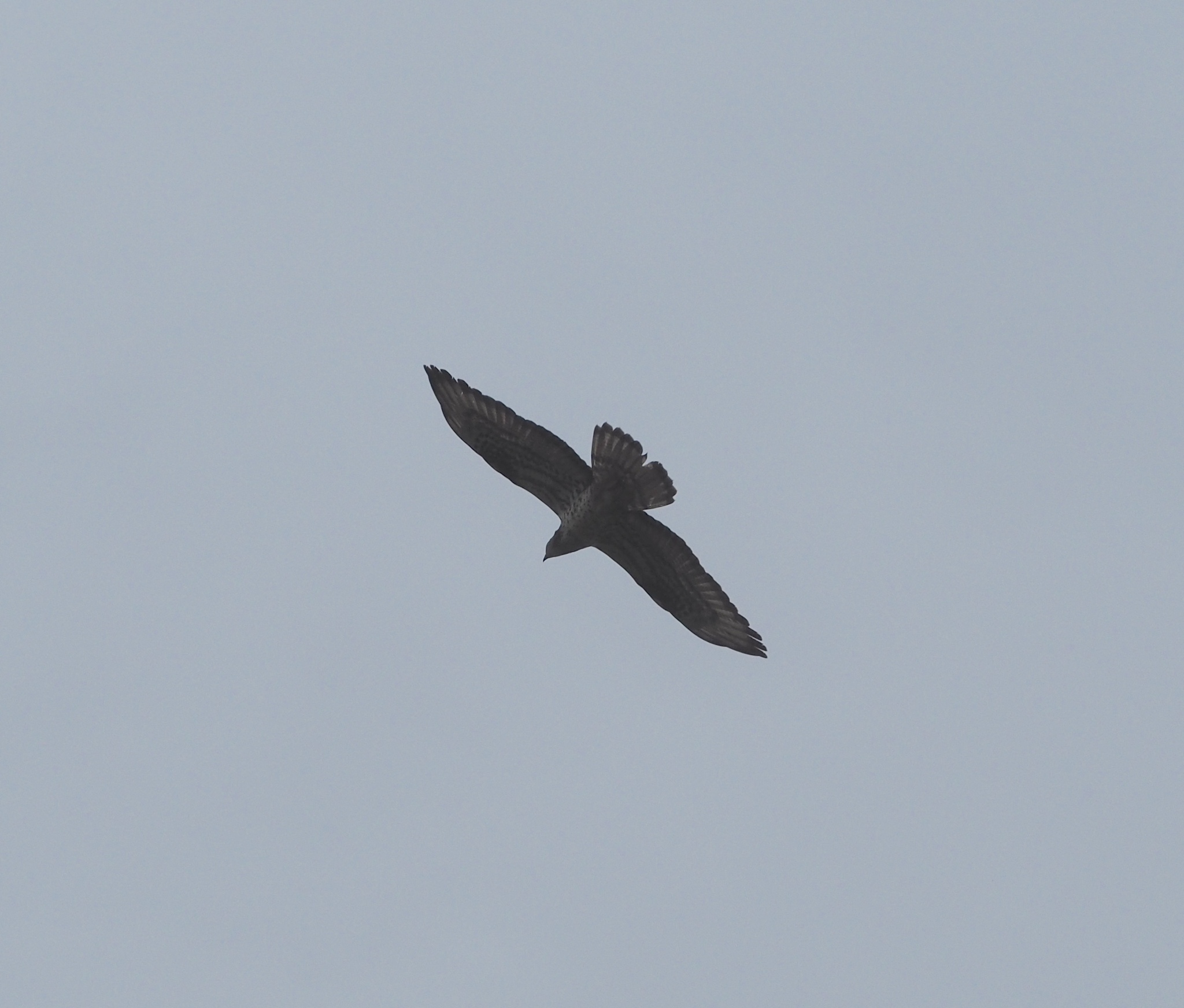
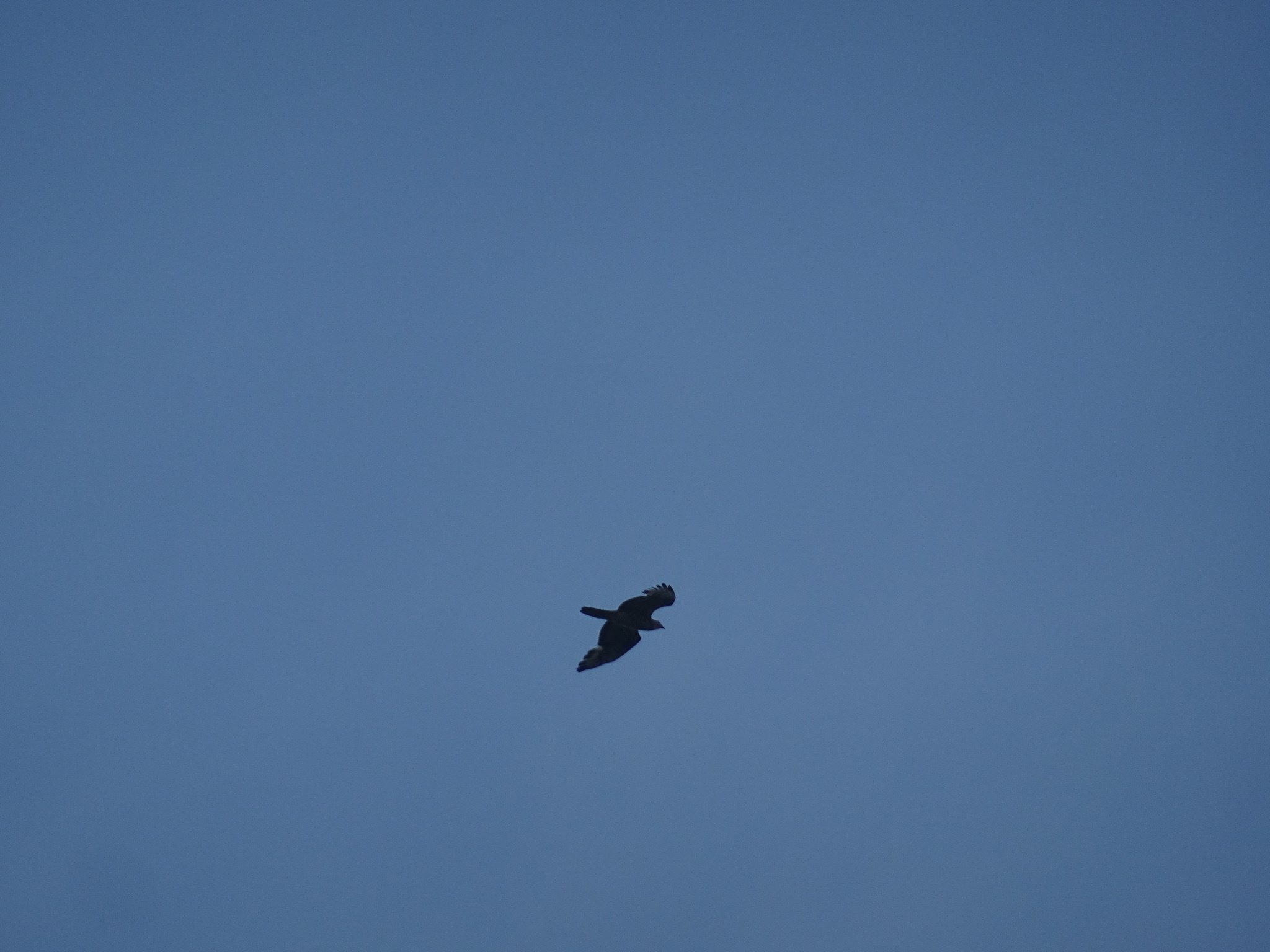
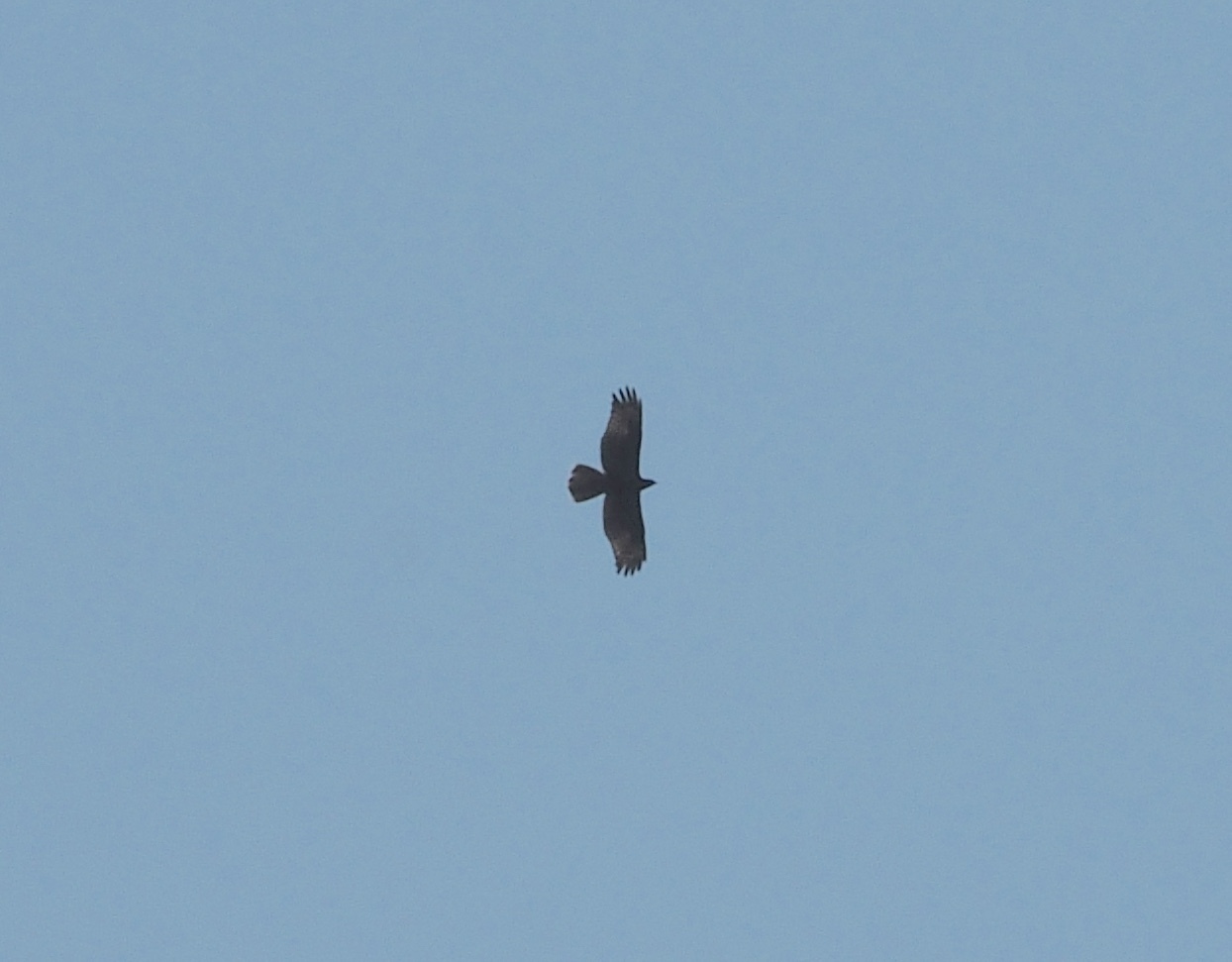
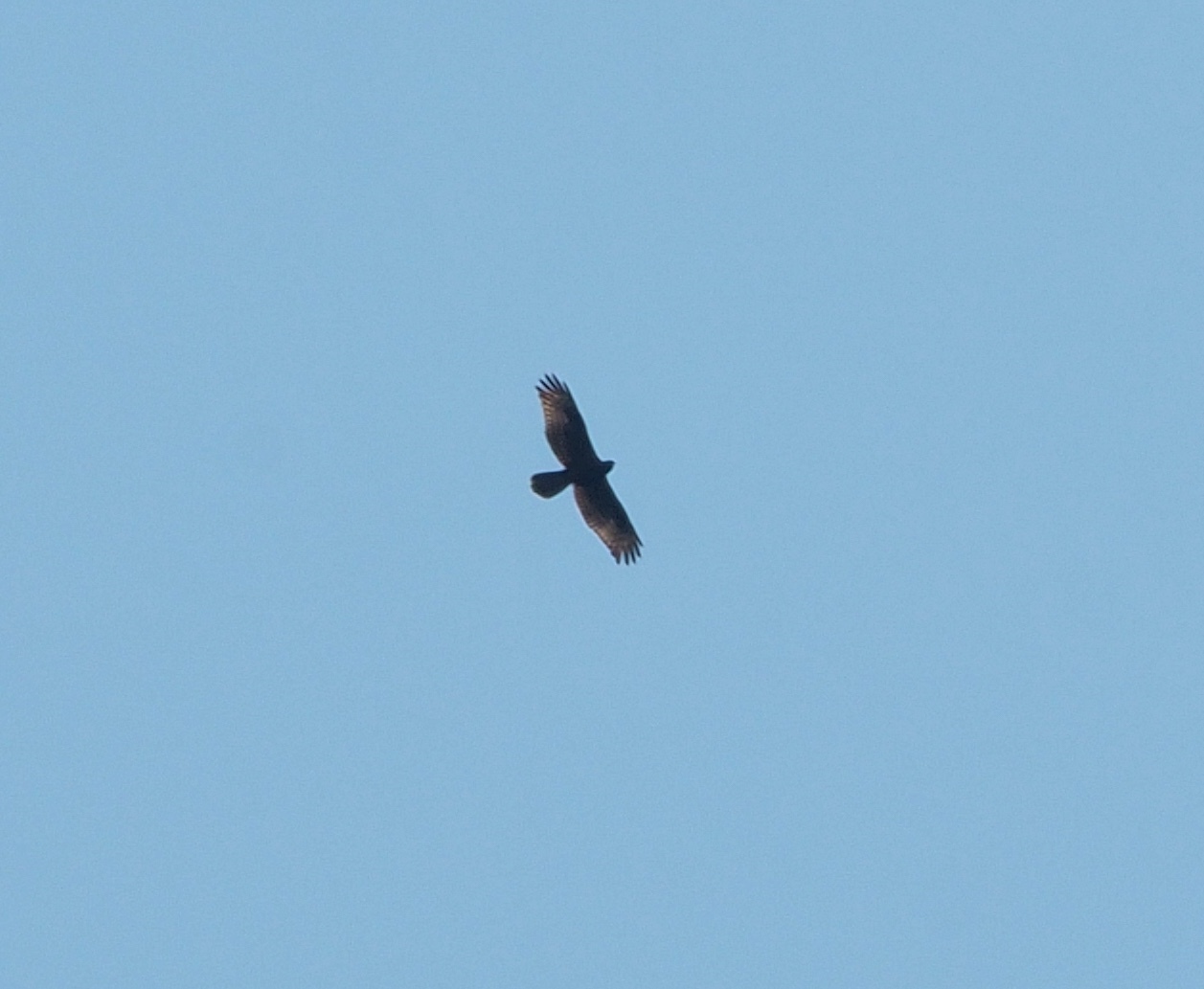
Soars on flat wings with tips horizontal or slightly pointed down; head protrudes forward with a slight downward kink. Angular chest is visible in direct flight with a narrowed tail. Tail has fewer bars than Buteo buzzards. Vocalization is a clear peee-lu. Juveniles exhibit Batesian mimicry of common buzzards.
Distribution & Habitat
Summer migrant in the western Palearctic, ranging from most of Europe east to southwestern Siberia (Tomsk–Novosibirsk–Barnaul area). Prefers woodland and exotic plantations. Migrates to tropical Africa for winter, avoiding large water expanses and crossing the Mediterranean at narrow points like Gibraltar, Messina Strait, Bosphorus, Lebanon, and Israel. Uncommon breeder in Britain.
Behavior & Ecology
Specialist feeder on wasp and hornet larvae and nests; also takes small mammals, reptiles, and birds. Only known predator of the invasive Asian hornet. Excavates nests on the forest floor using long toes and claws. Scale-like head feathers and chemical deterrents protect against stings. Soars in thermals; flies low in wooded vegetation, perching in midcanopy with drooping tail. Hops between branches with wing claps. Breeding males are territorial; mating display includes wing-clapping. Clutch typically consists of two eggs.
Culture
Historically considered a winter delicacy in Europe, with 19th-century texts describing it as fat and delicious eating.
Source: Wikipedia · CC BY-SA 3.0
Taxonomy
- Order
- Accipitriformes
- Family
- Accipitridae
- Genus
- Pernis
Distribution
breeds Western Palearctic; winters southern Europe and Iran to southern Africa
Vocalizations
Data Sources
Species description from Wikipedia, licensed under CC BY-SA 3.0.
Bird images and sounds sourced from GBIF, contributed by citizen scientists worldwide under Creative Commons licenses.
Taxonomy data from AviList 2025.