Passeriformes / Paridae / Periparus
Coal Tit
Periparus ater · 煤山雀
Introduction
A small passerine in the tit family, Paridae, widespread and common as a resident breeder in forests throughout the temperate to subtropical Palearctic, including North Africa. It typically inhabits conifer forests but shows little habitat specificity. The black-crested tit is included in this species. It is not considered a threatened species by the IUCN.
Description
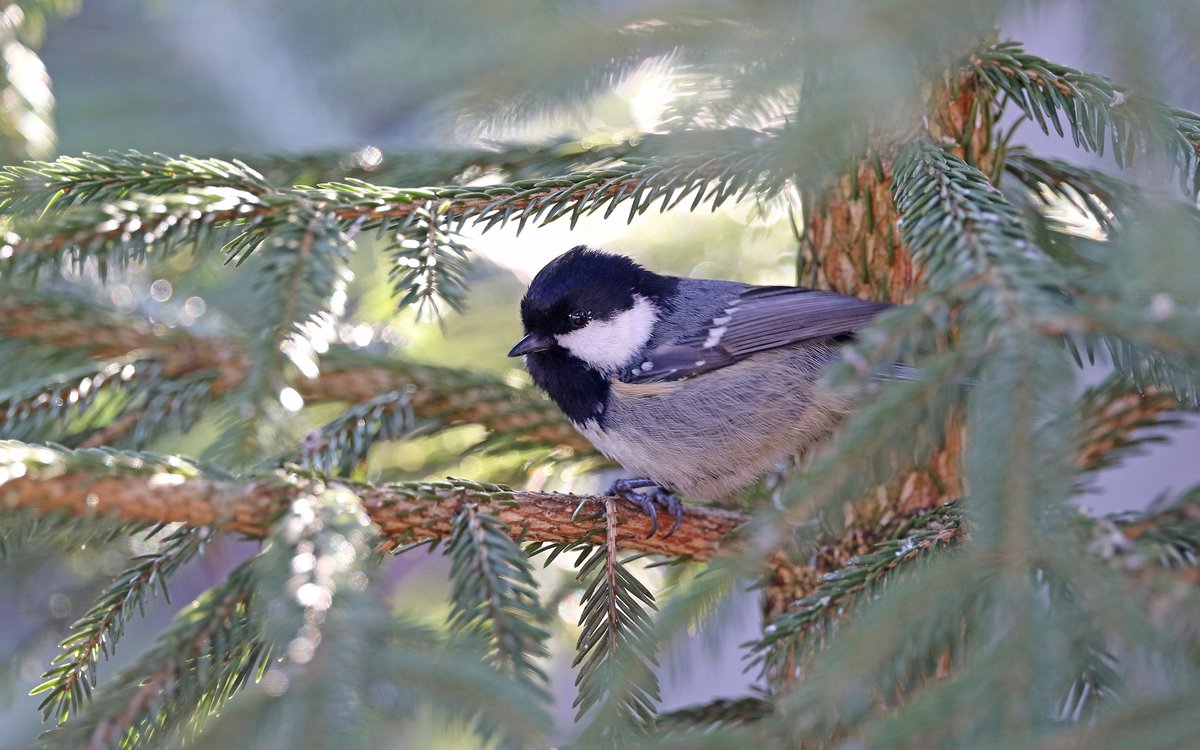
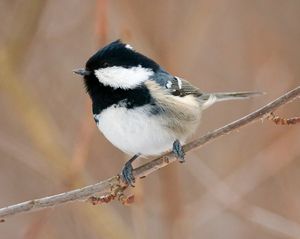
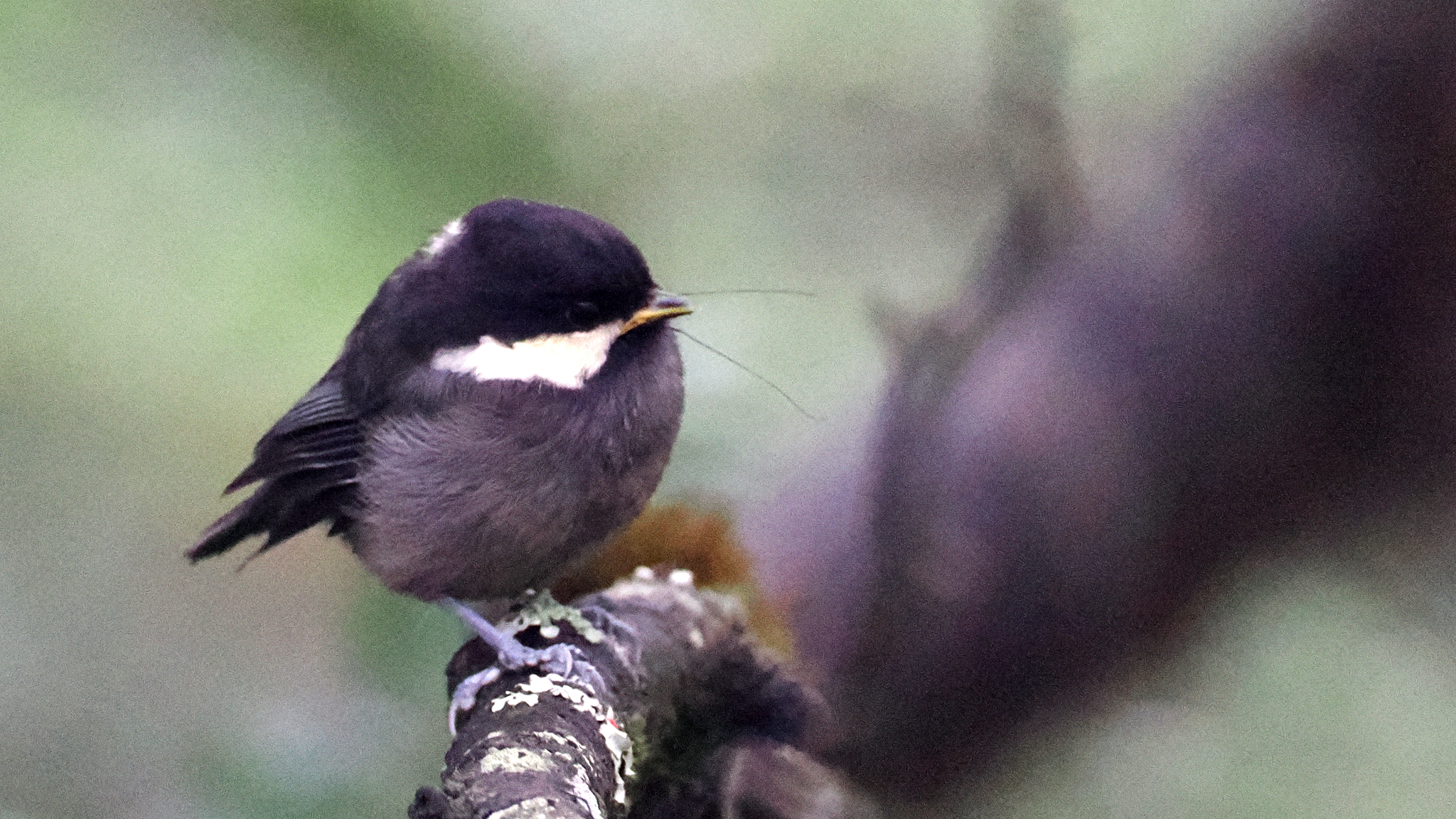
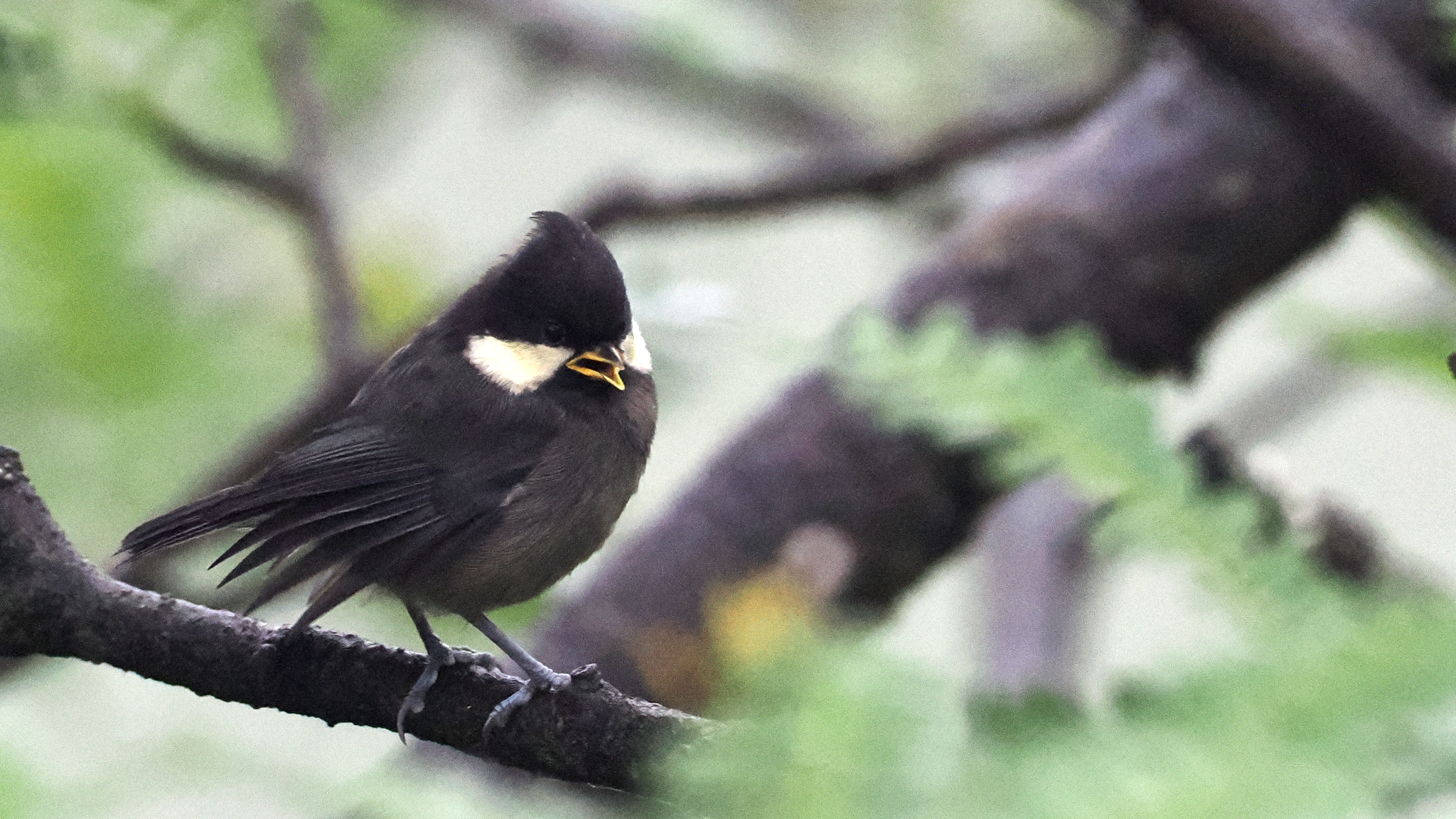
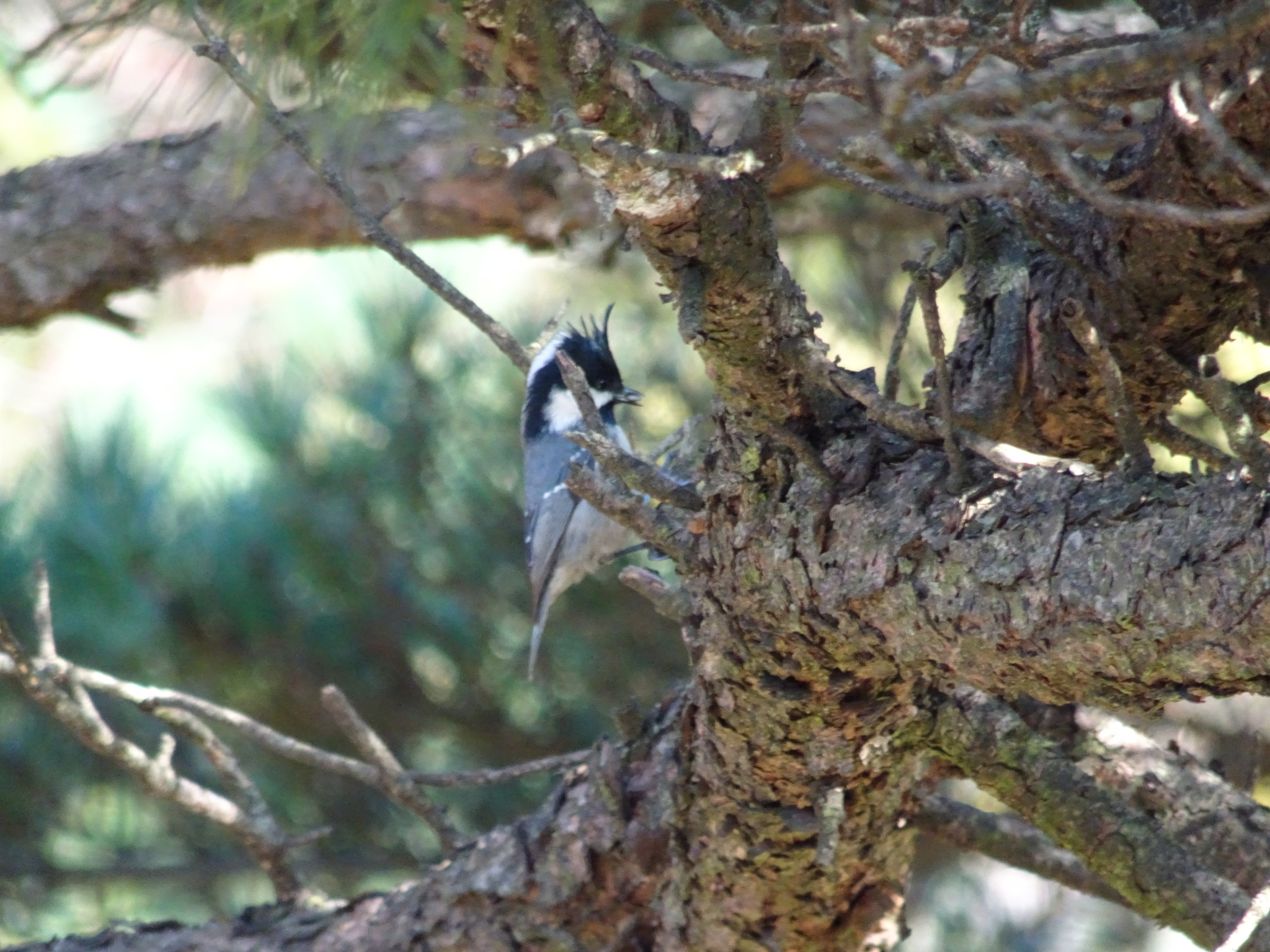
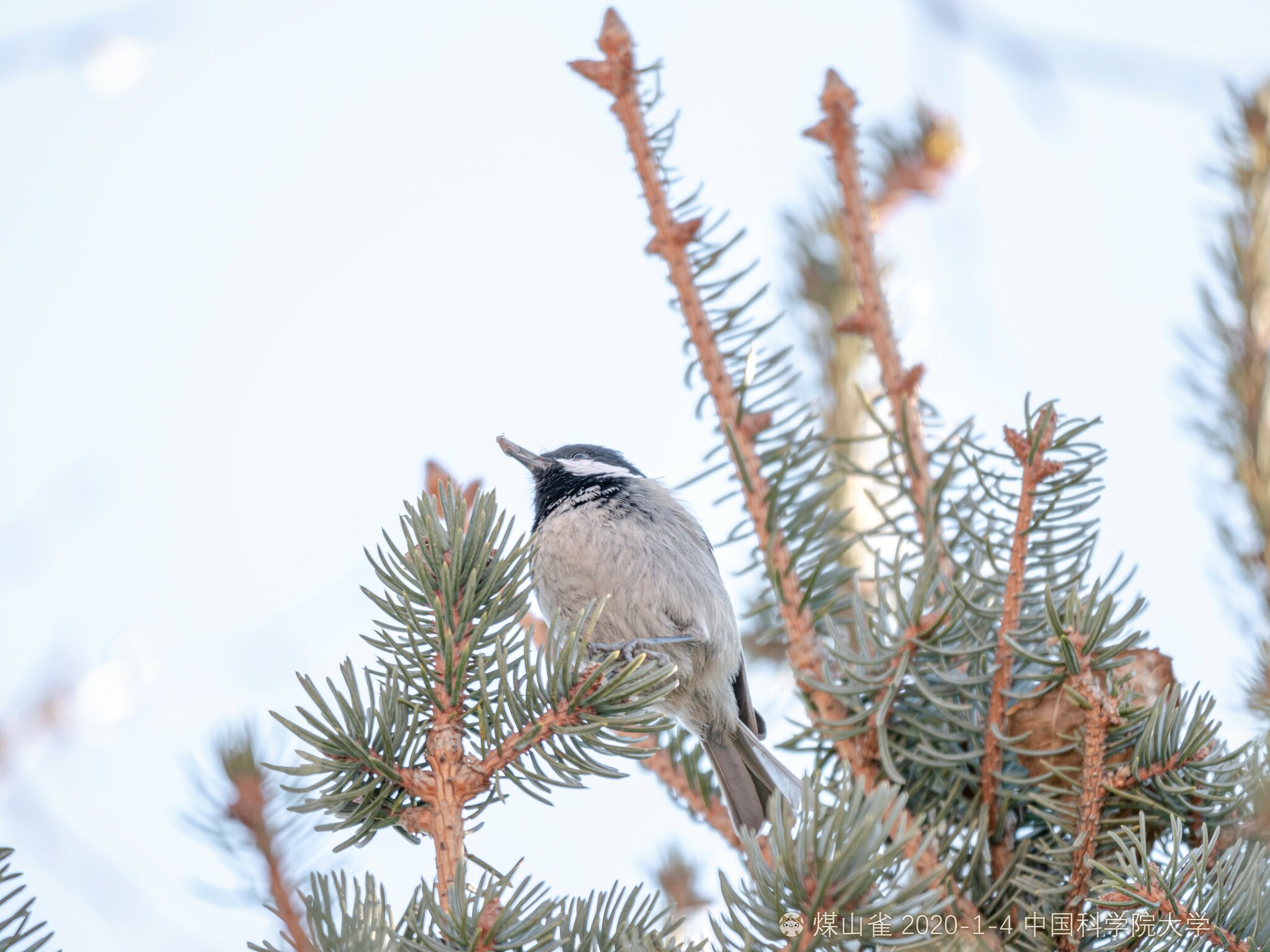
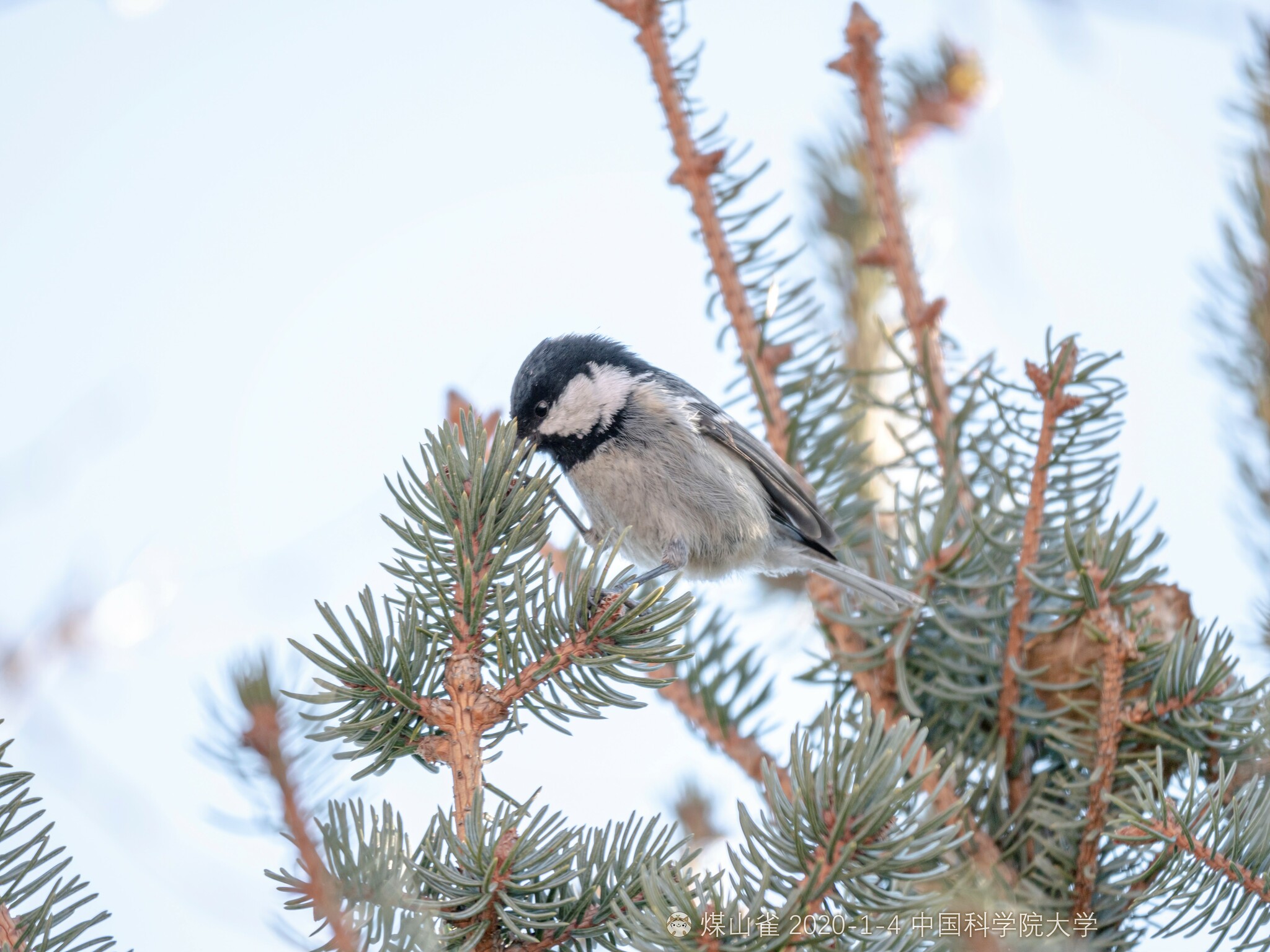
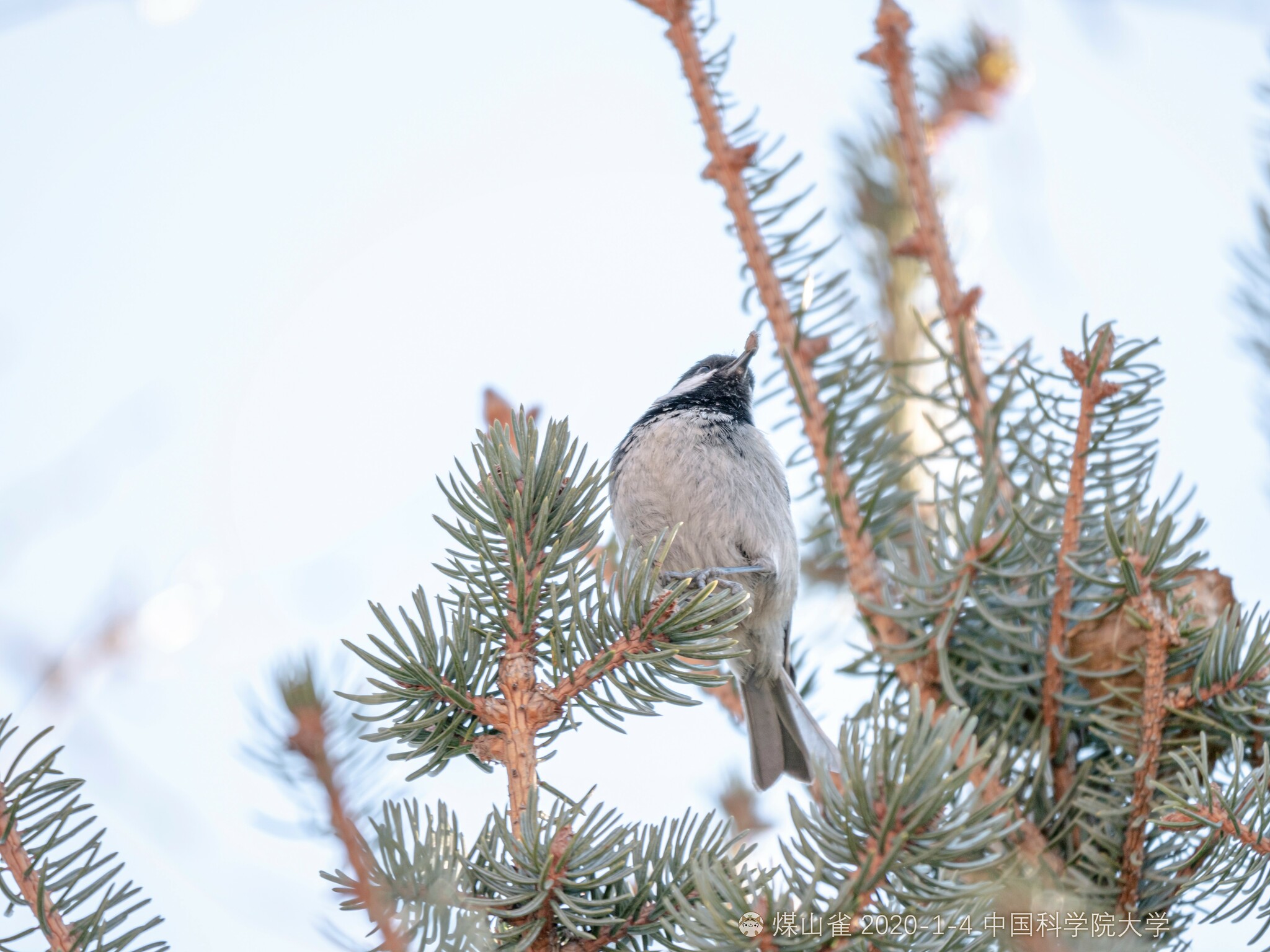
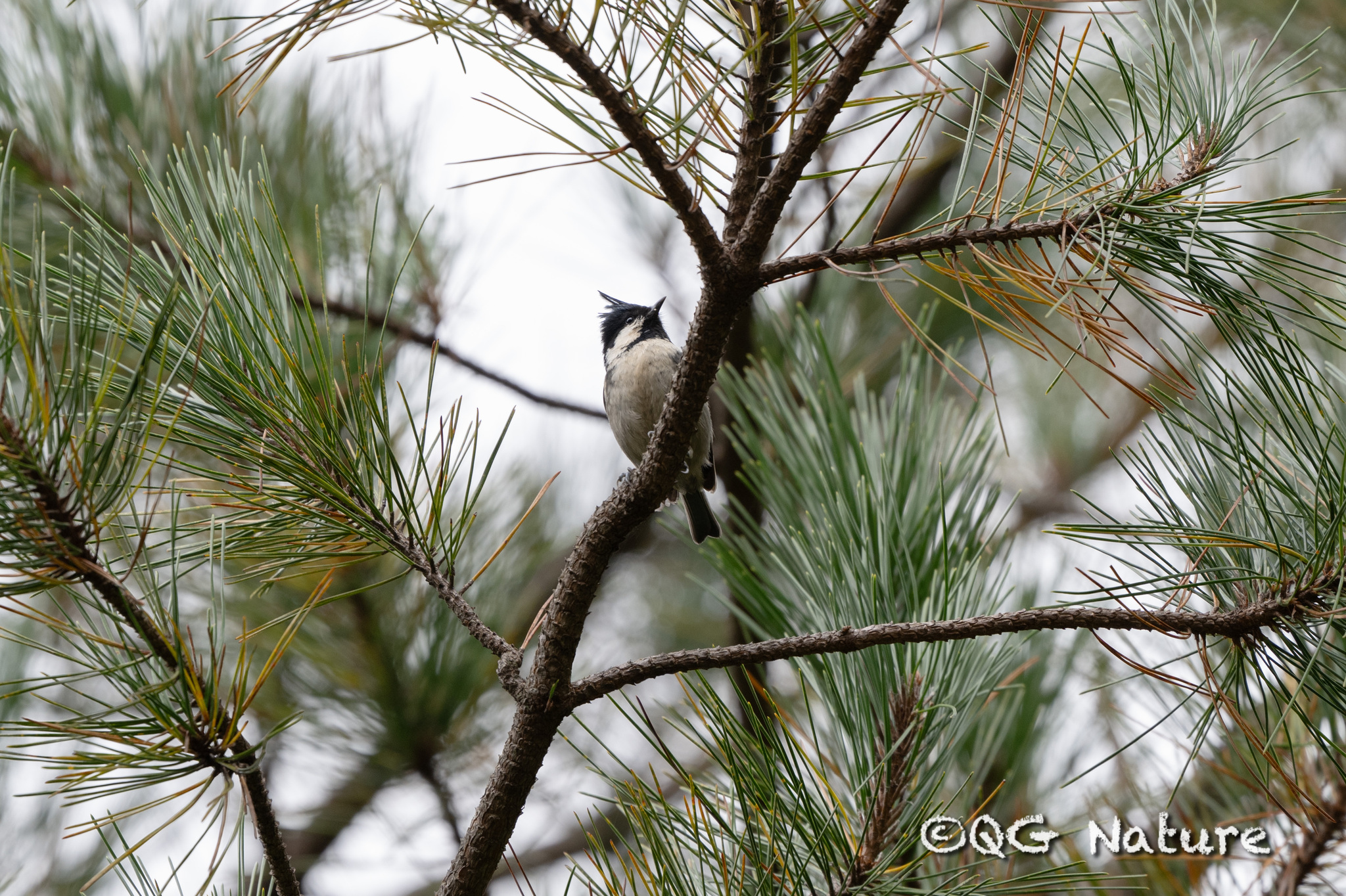
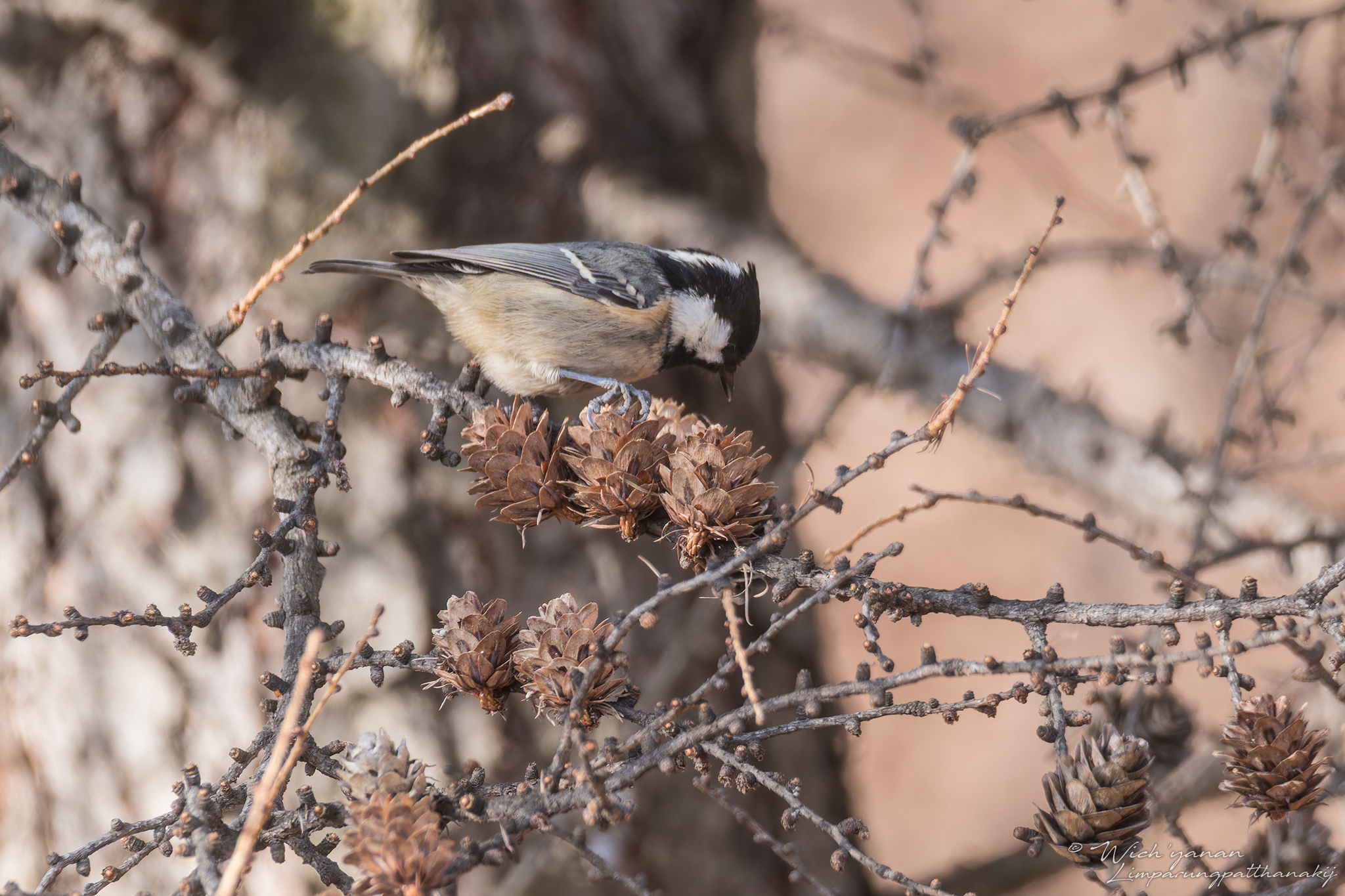
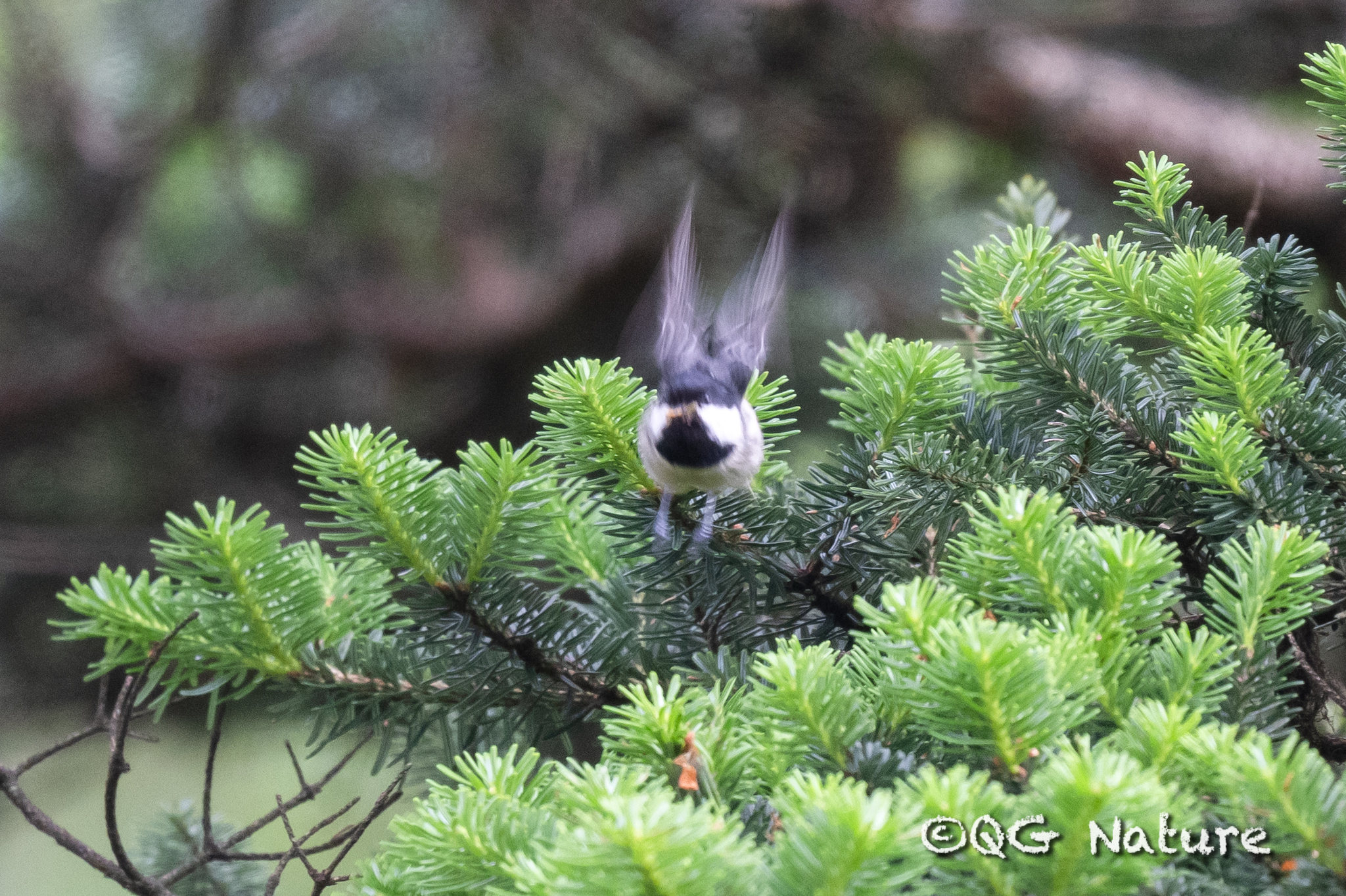
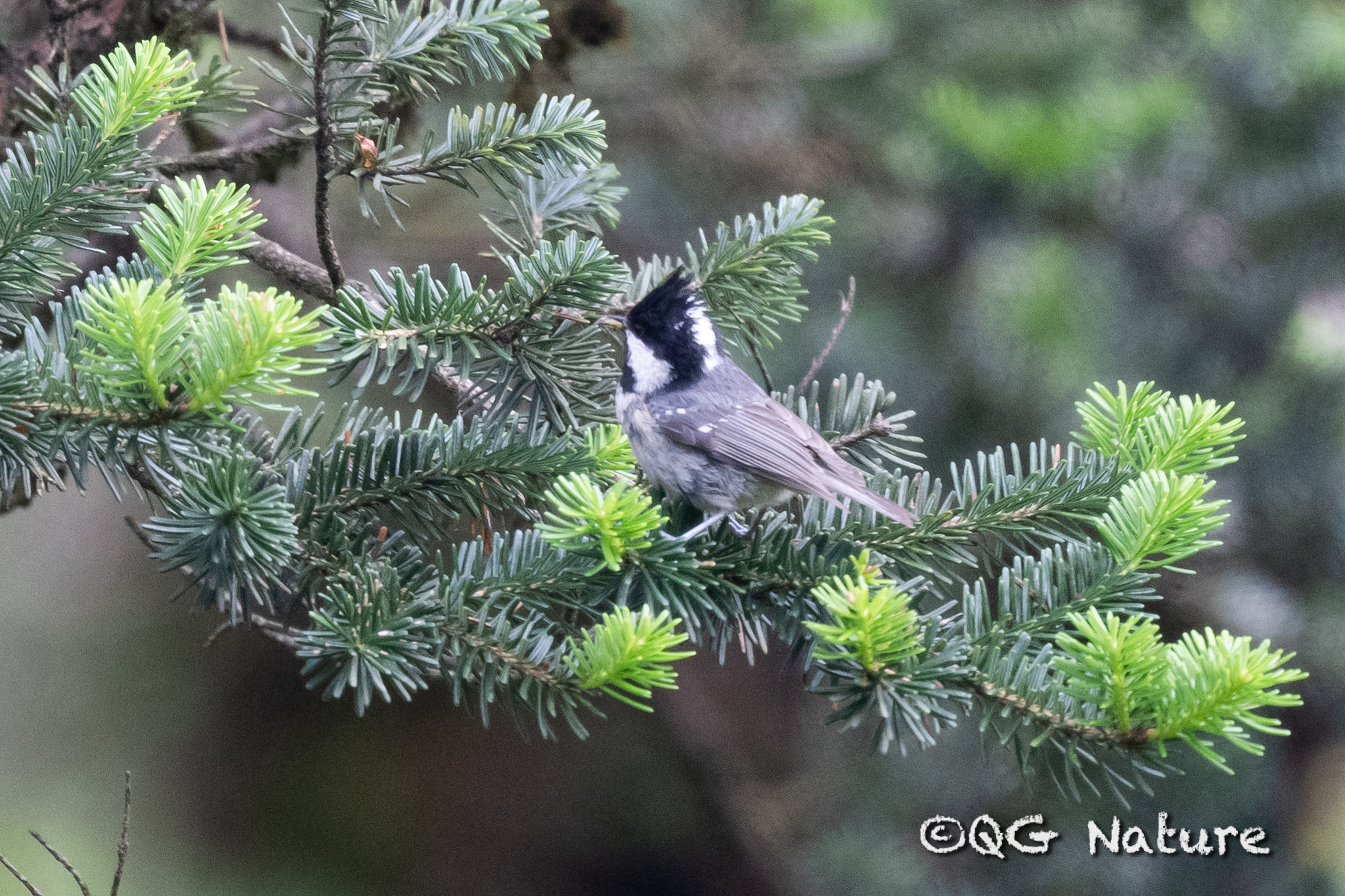
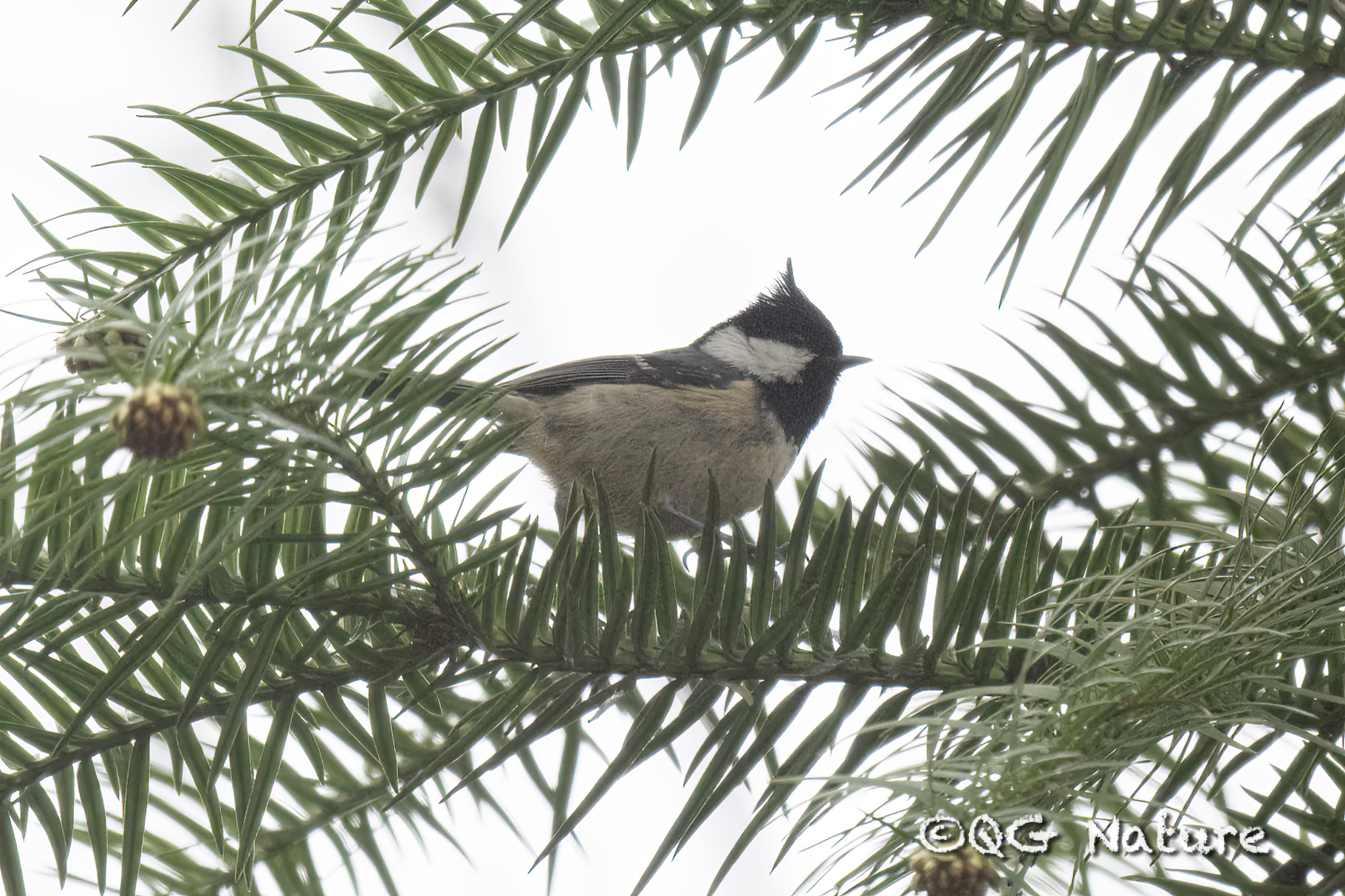
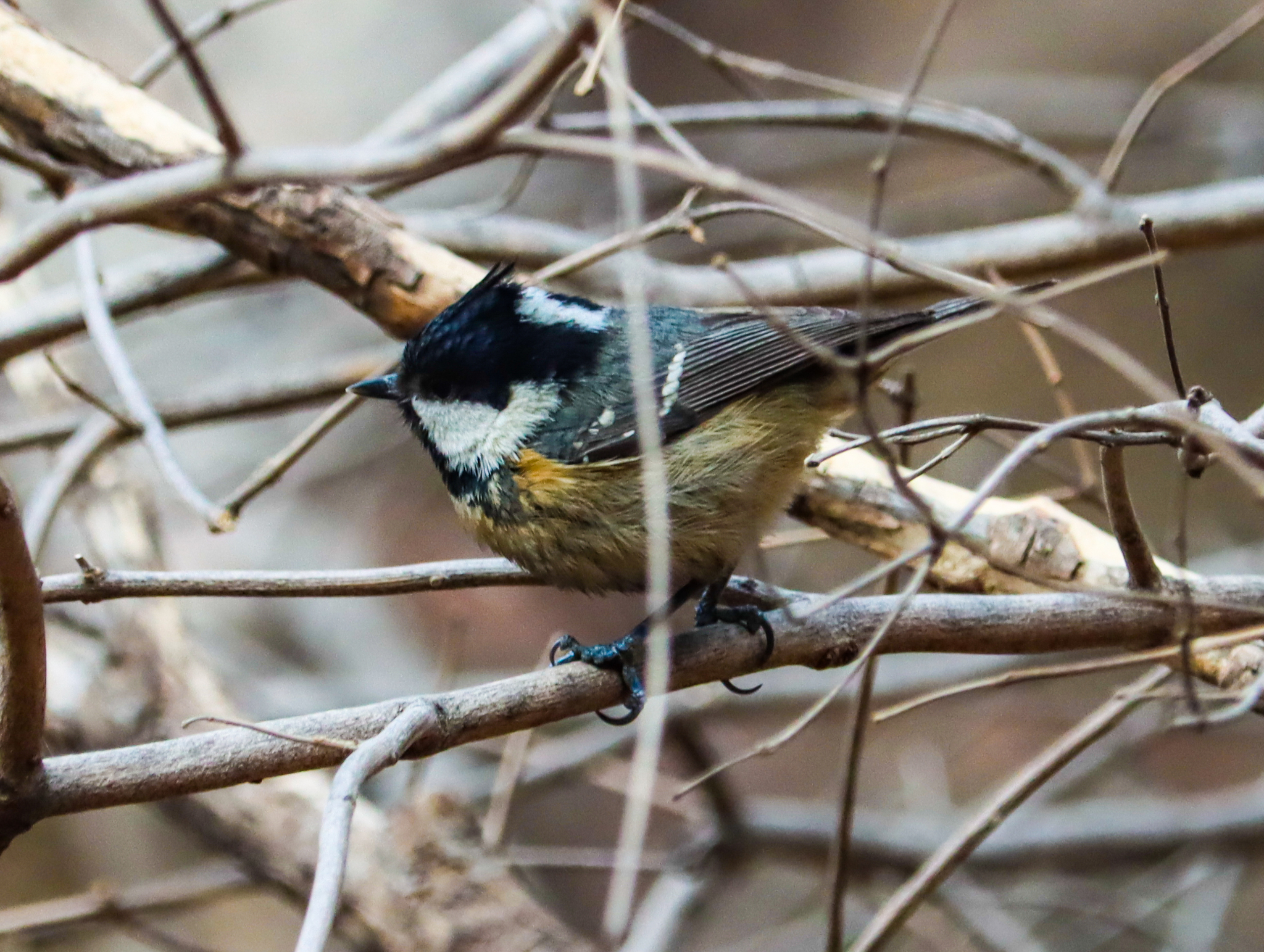
Length is 10–11.5 cm. Adults have a glossy blue-black head, throat, and neck, contrasting with off-white face sides tinged grey or yellow depending on subspecies. A distinctive large white nape spot is present on the black head. White tips of the wing coverts appear as two wingbars. Underparts are whitish, shading from buff to rufous on the flanks. The bill is black, legs are lead-coloured, and irides are dark brown. Juveniles have duller plumage, lacking the glossy black head, with yellow-tinged white nape and cheeks. Subspecies vary: the British race has an olive hue to its brownish-grey back; the Irish race has pale sulphur-yellow cheeks, breast, and belly; the North African race has yellow underparts and cheeks; the Cypriot race has buff upperparts and deep buff underparts; Asian subspecies are generally dusky brownish except for the black-and-white head.
Identification
Key marks include the large white nape spot on a black head and two white wingbars. Resembles other tits in acrobatic skills but more frequently perches on trunks and hops like a treecreeper. Vocalizations include incessant short dee or see-see calls while foraging. The song is a strident if-he, if-he, if-he, faster and higher in pitch than the great tit's song, sometimes ending with a sharp ichi. North African birds have a currr call similar to the crested tit.
Distribution & Habitat
Widespread resident breeder in forests throughout the temperate to subtropical Palearctic, including North Africa. Typically found in temperate humid conifer forests. In Bhutan, it occurs at 3,000–3,800 m ASL in fir, hemlock, and rhododendron forests. Year-round resident throughout most of its range, with only local movements in severe weather; Siberian birds migrate more regularly. Vagrants rarely travel long distances. Subspecies include P. a. ater (continental Europe), P. a. britannicus (Britain), P. a. hibernicus (Ireland), P. a. ledouci (North Africa), P. a. cypriotes (Cyprus), and various Asian races such as P. a. melanolophus (South Asia).
Behavior & Ecology
Forms small flocks with other tit species in winter. Diet includes beechmast, seeds from fir and larch cones, and garden foods like sunflower seeds. Often joins redpolls and siskins in alders and birches. Nests in holes in decaying tree stumps (usually at ground level), ground holes, mouse or rabbit burrows, wall crevices, old magpie nests, or squirrel dreys. The nest is made of tightly packed moss, hair, and grass, lined with rabbit fur or feathers. Seven to eleven red-spotted white eggs are usually laid in May; breeds once a year. Increases evening body mass in response to tawny owl calls. Winter red blood cells contain more mitochondria for heat production.
Conservation
Being common and widespread, the species is not considered a threatened species by the IUCN.
Source: Wikipedia · CC BY-SA 3.0
Taxonomy
- Order
- Passeriformes
- Family
- Paridae
- Genus
- Periparus
Subspecies (21)
-
Periparus ater aemodius
eastern Himalayas; northeastern Myanmar and Tibet?
Data Sources
Species description from Wikipedia, licensed under CC BY-SA 3.0.
Bird images and sounds sourced from GBIF, contributed by citizen scientists worldwide under Creative Commons licenses.
Taxonomy data from AviList 2025.