





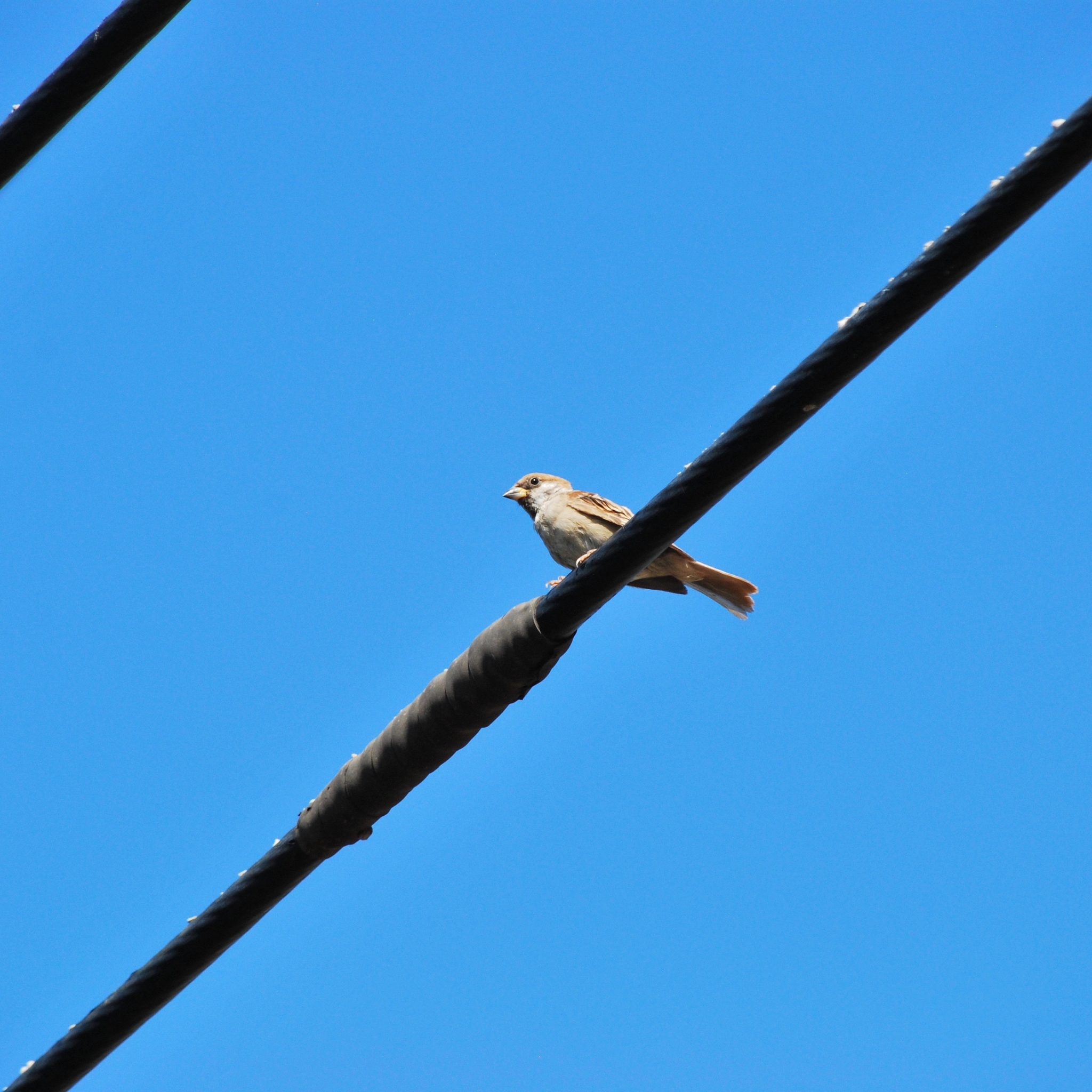
Eurasian Tree Sparrow
Passer montanus
麻雀
Introduction
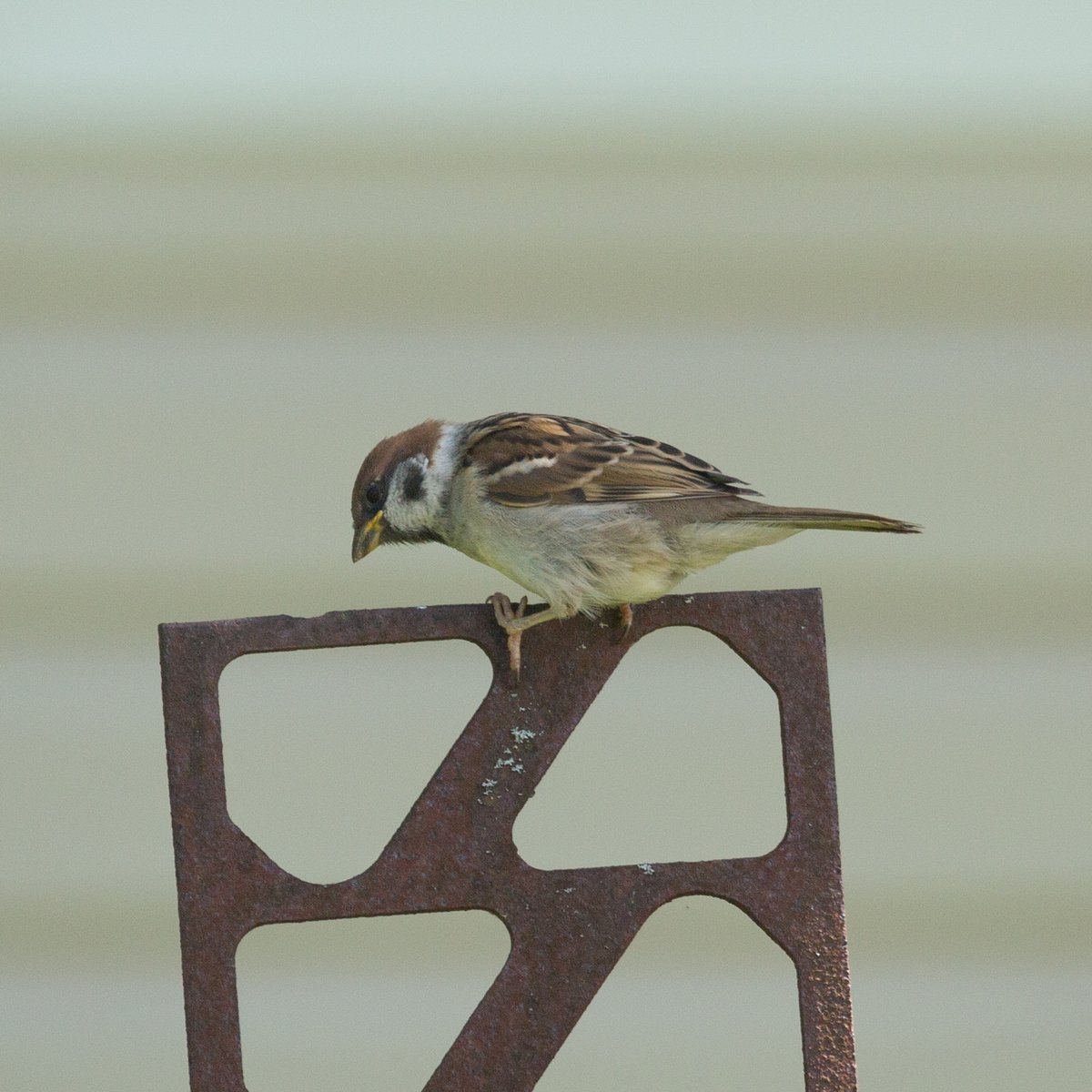
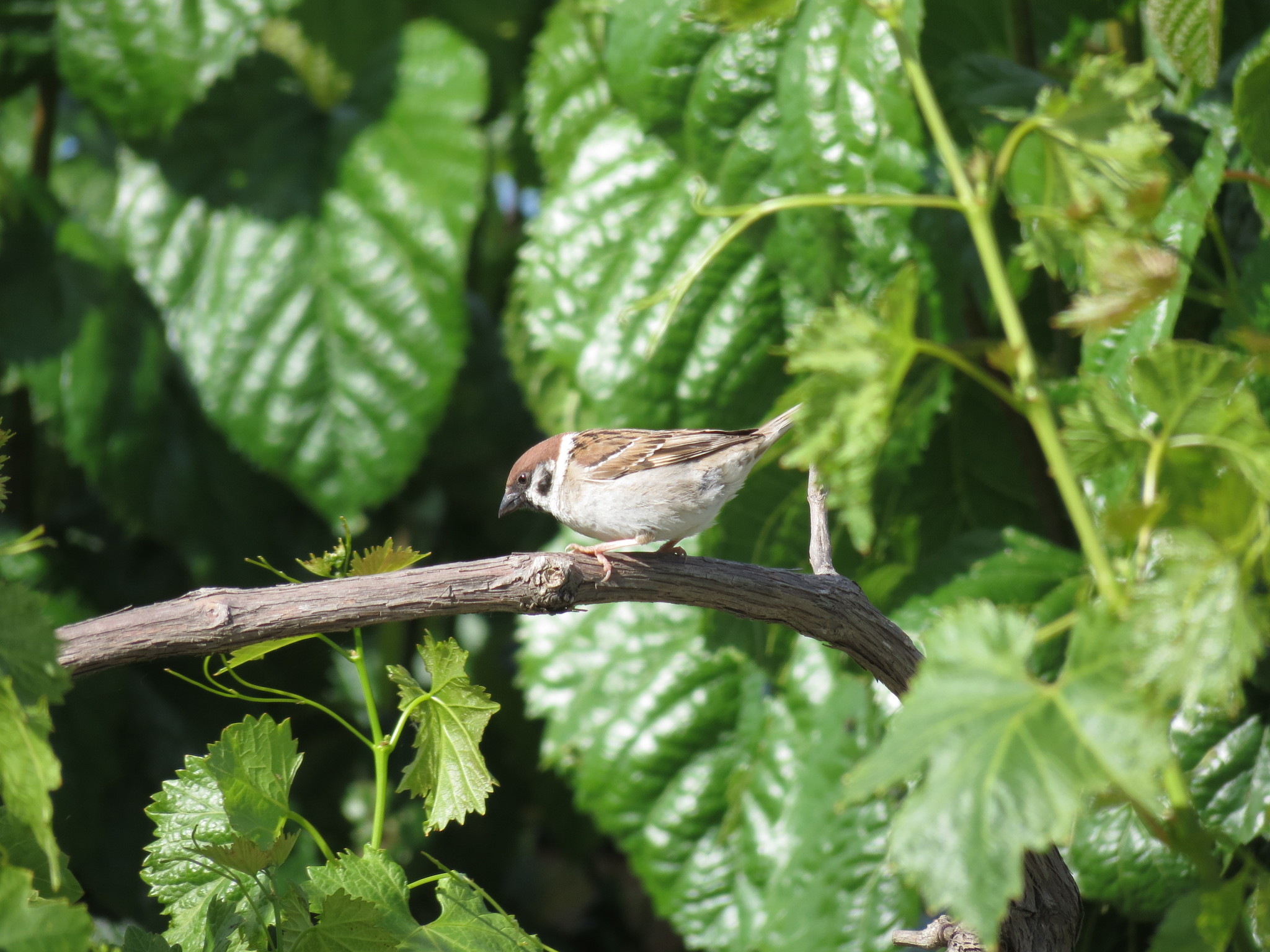
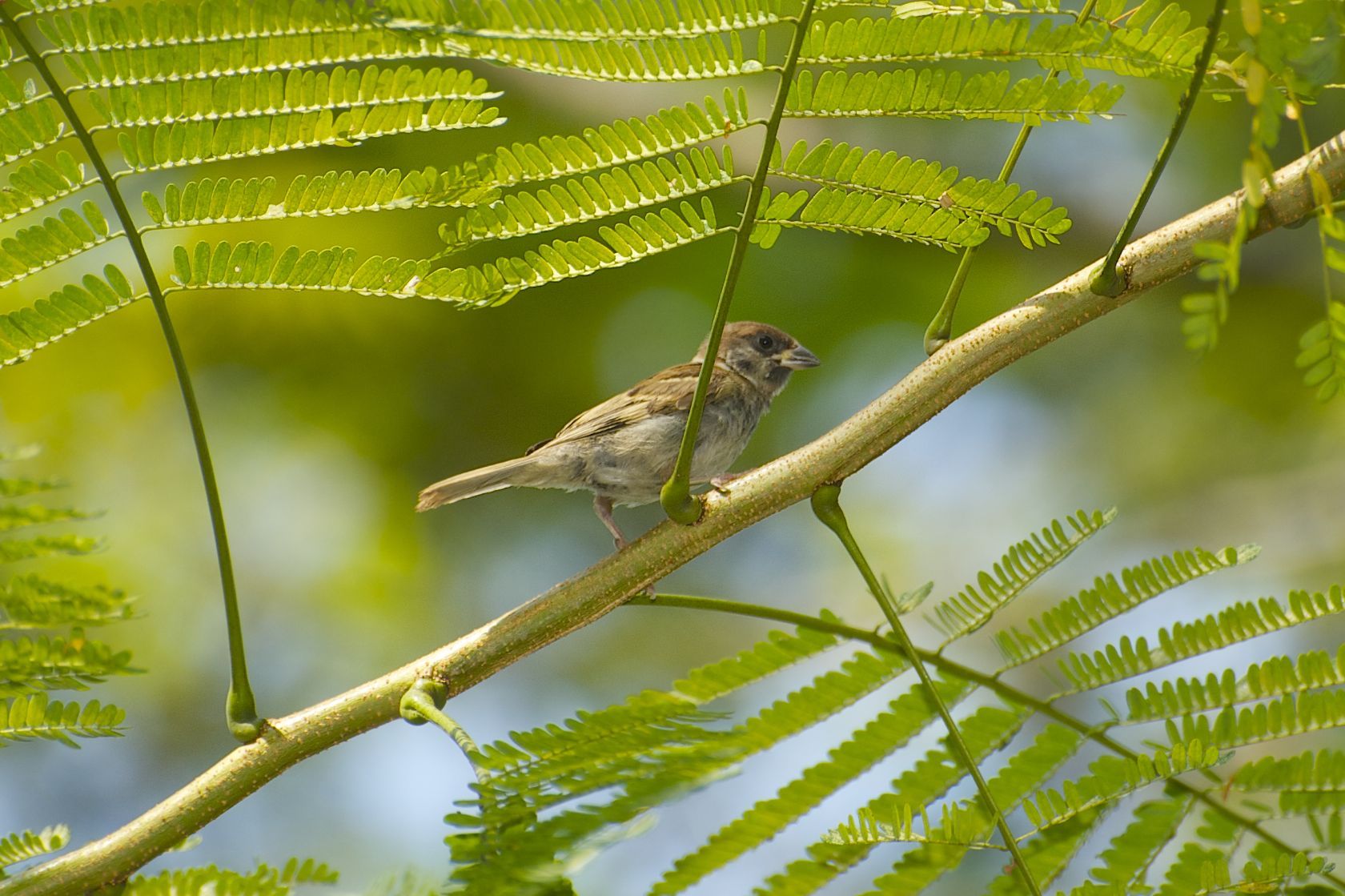
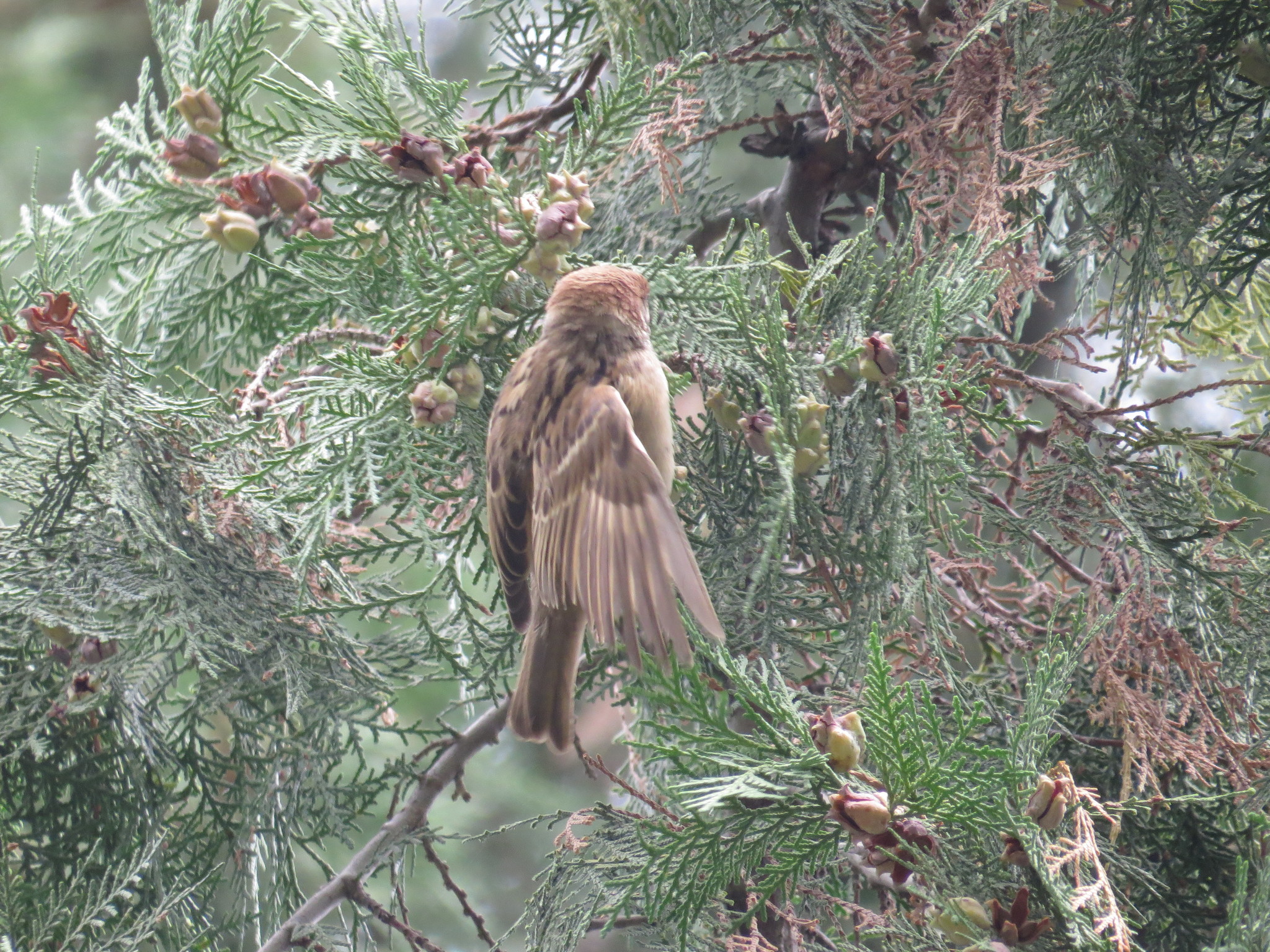
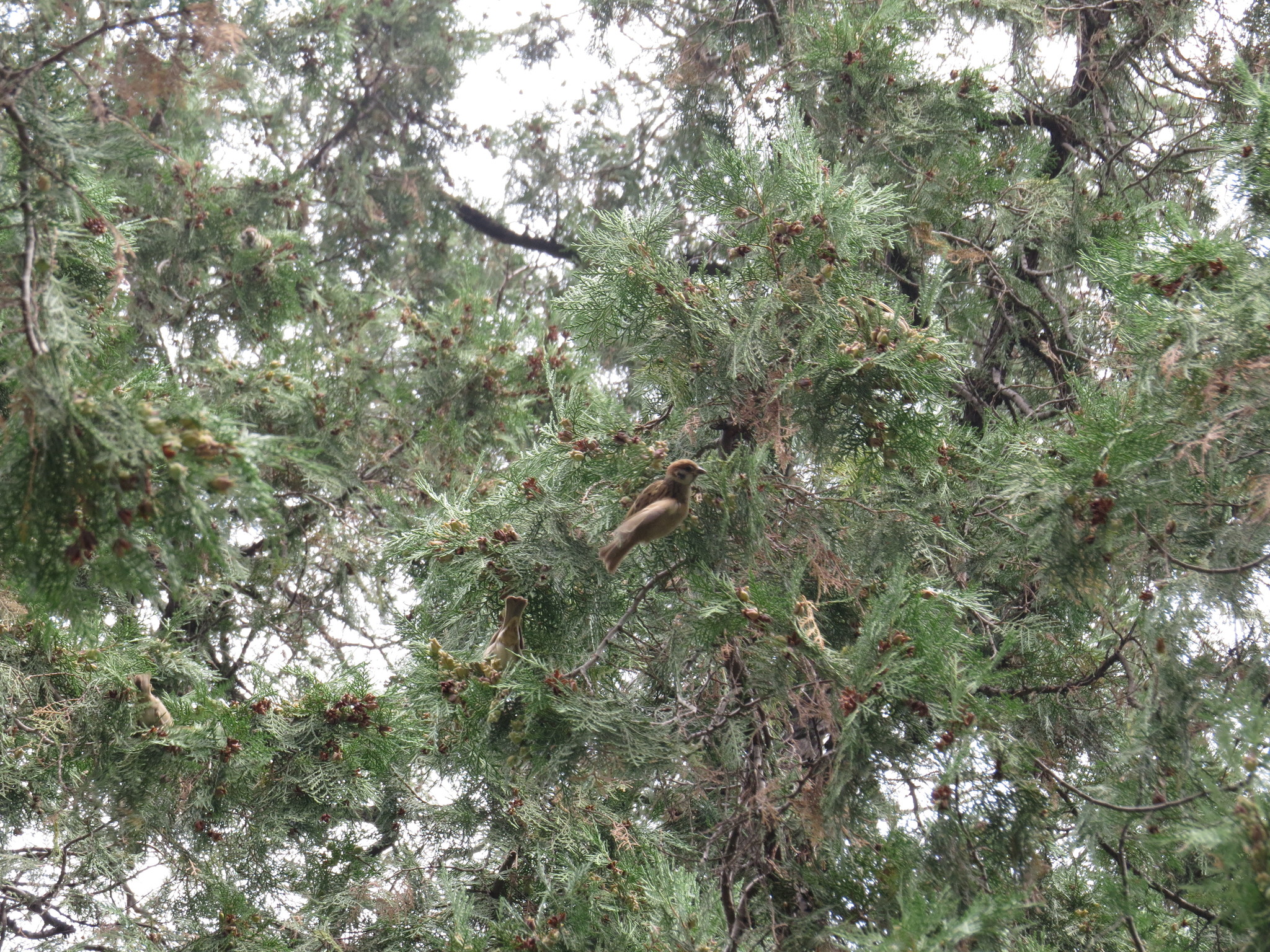
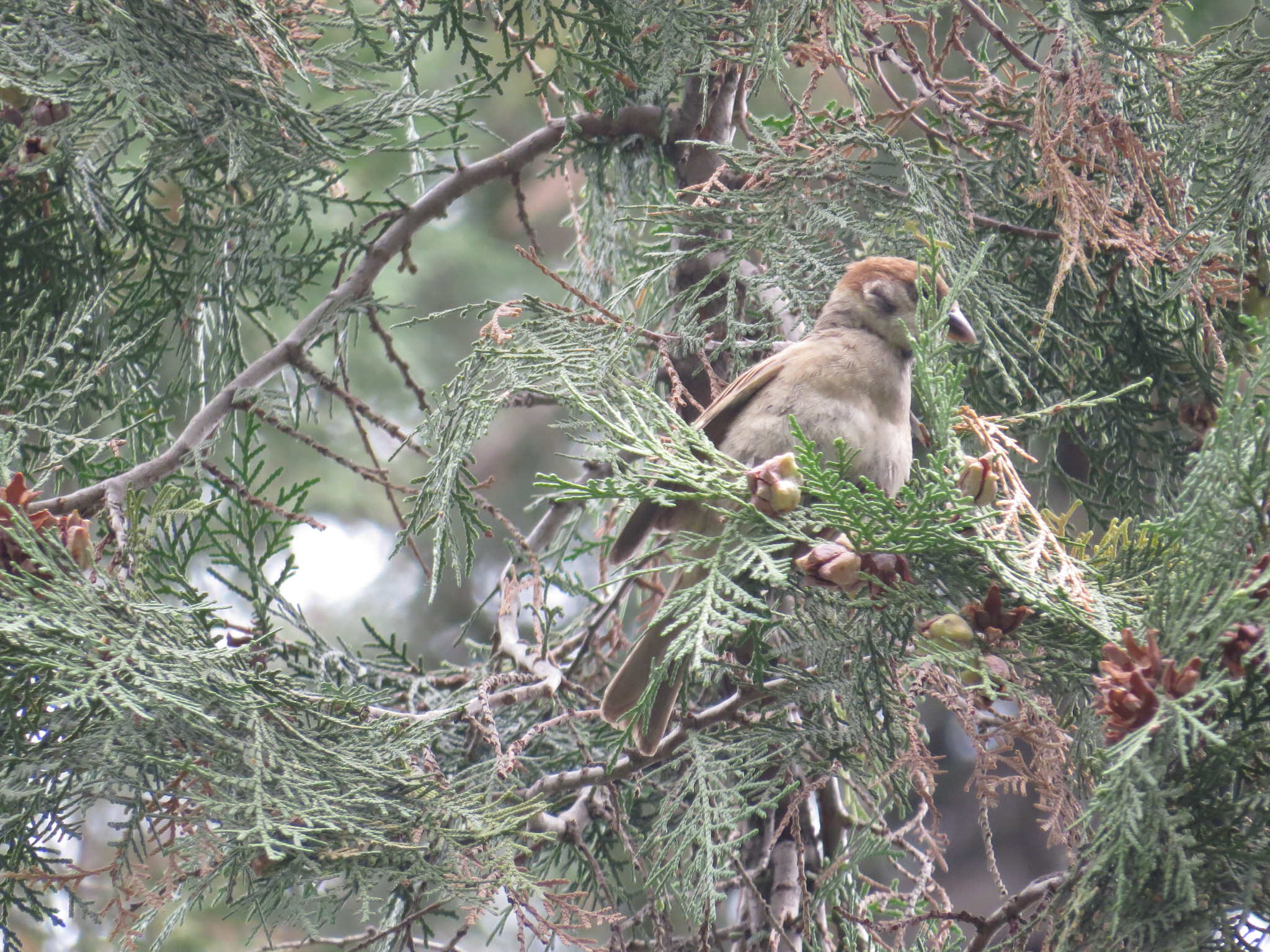
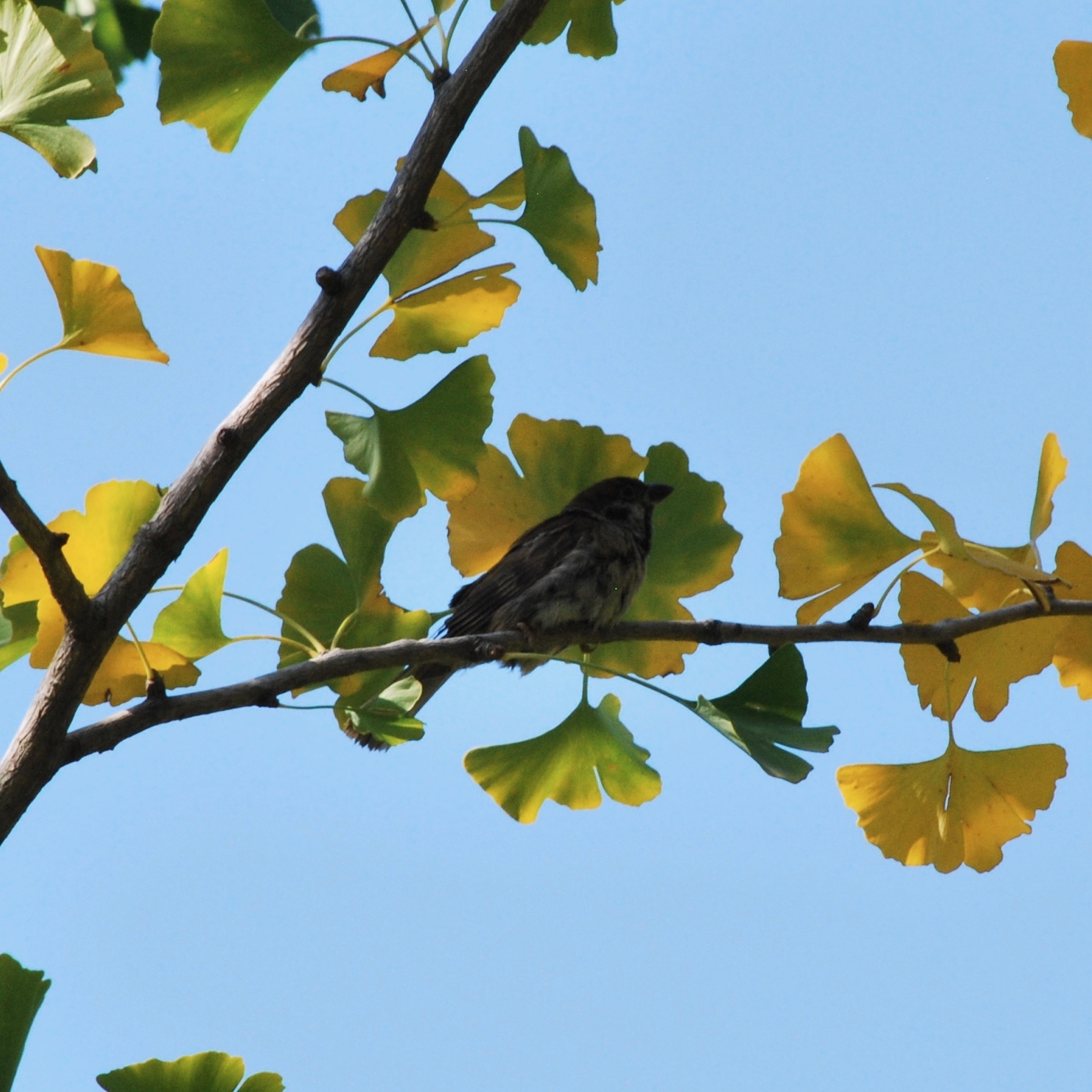
Eurasian Tree Sparrow (Passer montanus) Geographic range: Much of Eurasia. In eastern Asia, occurs in towns and cities. In Europe, inhabits lightly wooded countryside and farmland. Slightly smaller than the House Sparrow. Both sexes appear similar; juveniles are duller versions of adults rather than distinctly different. Plumage is largely uniform across the species' range, with only subtle differences between subspecies. Forms noisy flocks.
Description
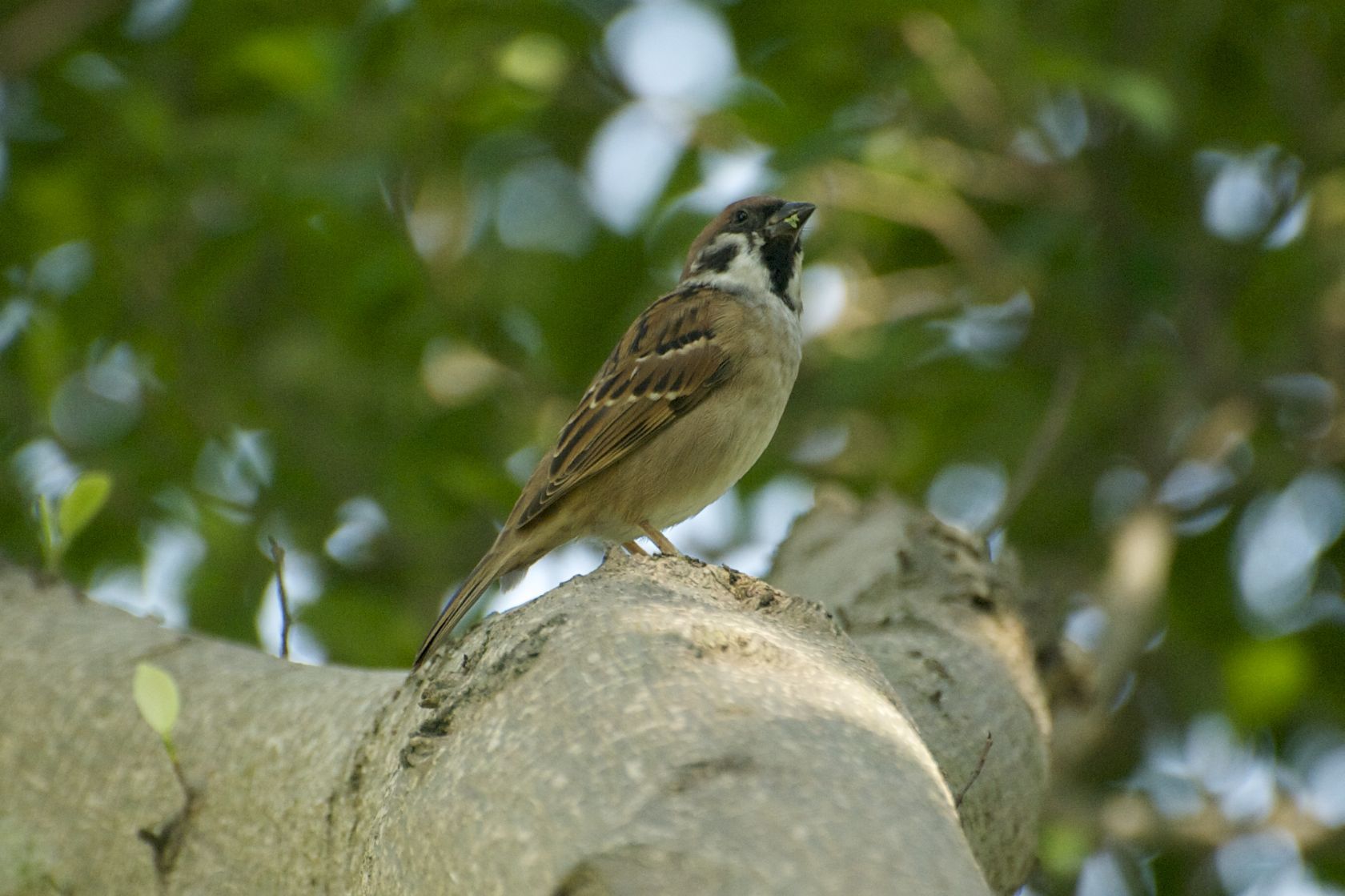
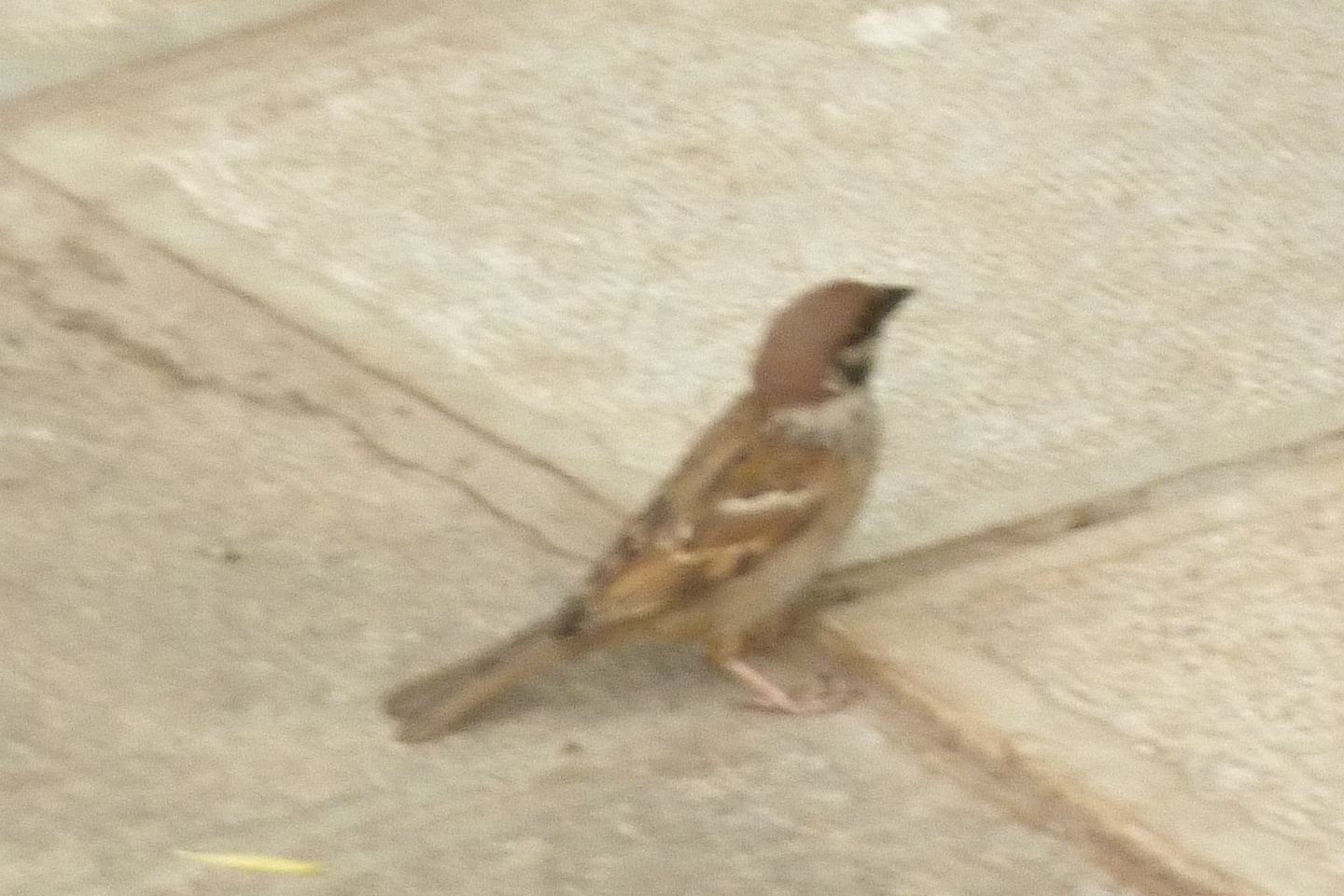
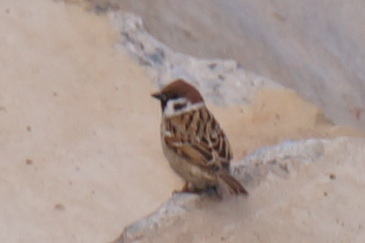
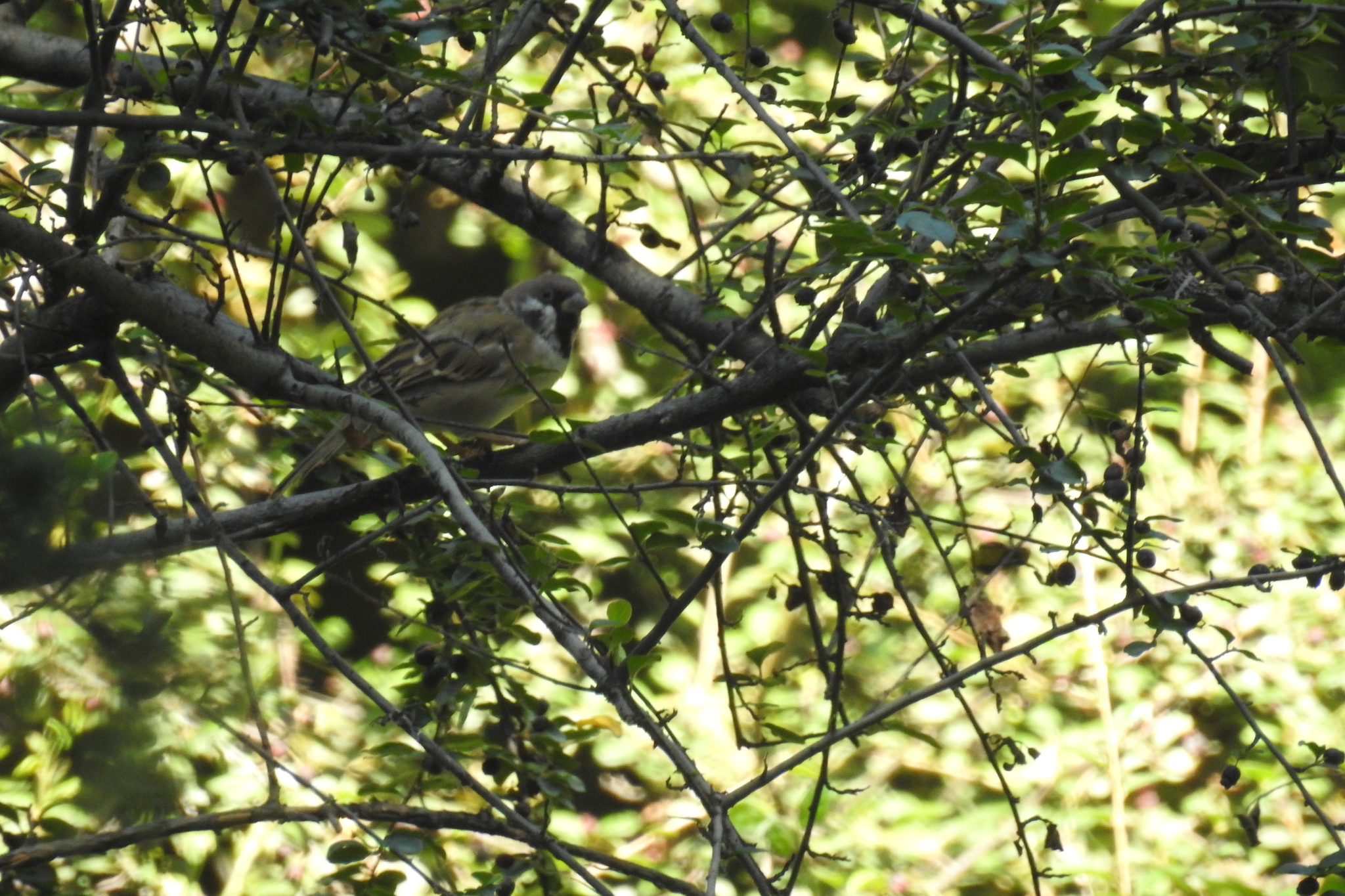
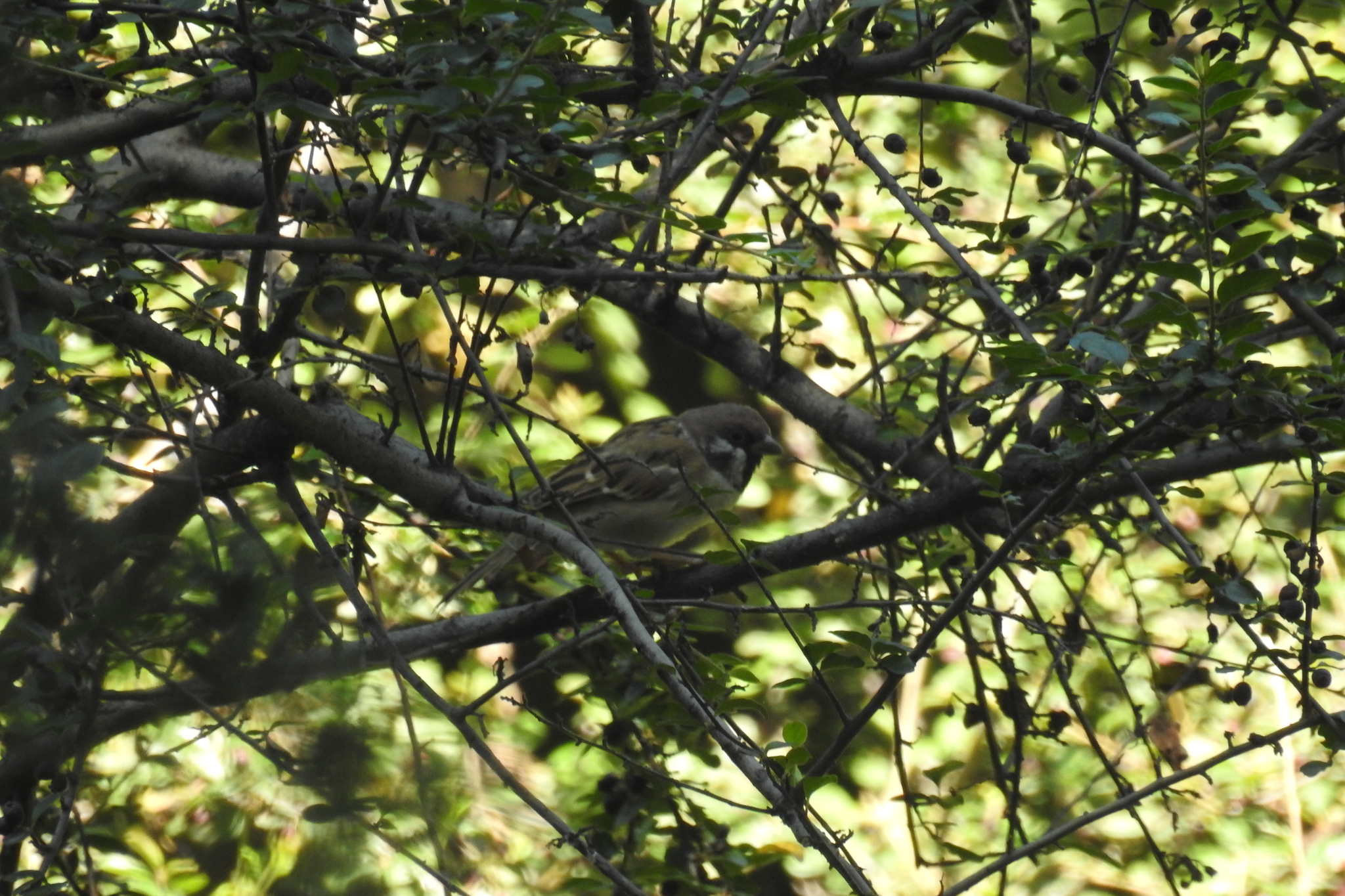
This small sparrow measures 12.5–14 cm in length with a wingspan of approximately 21 cm and weighs around 24 g, making it roughly 10% smaller than the house sparrow. The adult's most striking feature is the rich chestnut crown and nape, complemented by a kidney-shaped black patch on each pure white cheek. The chin, throat, and loral area form a black patch at the front of the face. The upperparts are light brown with black streaking, while the brown wings display two distinct narrow white bars. The legs are pale brown and the bill changes from lead-blue in summer to almost black in winter. Unlike most sparrows, there are no plumage differences between the sexes, and juveniles resemble adults but with muted colors. Both age groups undergo a complete moult in autumn, during which they actually increase body mass despite having less stored fat.
Identification
This species is unmistakable throughout its range due to its contrasting face pattern showing a chestnut crown, white cheek with black patch, and black throat—all visible at considerable distance. The smaller size and brown, not grey, crown distinguish it from the male house sparrow. The species lacks the gray underparts and larger size of the house sparrow, and males lack the house sparrow's black bib and white wing patches. Both sexes look identical, a useful distinguishing feature from the house sparrow where males and females differ. The double white wing bars are distinctive among Eurasian sparrows. In flight, the combination of brown upperparts, white wing bars, and the face pattern helps separate it from other similar species.
Distribution & Habitat
This species breeds across most of temperate Europe and Asia south of approximately 68°N latitude, extending through Southeast Asia to Java and Bali. Northern populations are migratory, moving south for winter, while southern populations are largely sedentary. In Europe, it frequents open countryside with scattered trees, coastal cliffs, and areas with pollarded willows, avoiding intensively managed farmland. The species shows a strong preference for nest sites near wetlands. It has been successfully introduced to Sardinia, eastern Indonesia, the Philippines, and Micronesia. A small North American population of about 15,000 birds exists around St. Louis, descended from 20 birds released in 1870. In Australia, it occurs in Melbourne, central and northern Victoria, and parts of New South Wales, but is prohibited in Western Australia. Despite its scientific name suggesting mountain habitat, it is not typically a mountain species, though it has been recorded up to 4,270 m in Nepal.
Behavior & Ecology
This seed-eating species feeds on the ground in flocks, often alongside house sparrows, finches, and buntings. Its diet includes weed seeds such as chickweeds and goosefoot, spilled grain, and peanuts from feeding stations. During breeding, adults consume invertebrates including insects, woodlice, millipedes, centipedes, spiders, and harvestmen to feed their young, with aquatic habitats providing important invertebrate prey resources. The species breeds in cavities in old trees, rock faces, buildings, or disused nests of magpies, white storks, and other large birds. Females also use nest boxes, preferring woodcrete over wooden designs. The untidy nest is constructed of hay, grass, and wool, lined with feathers. Clutches of five or six eggs are incubated by both parents for 12–13 days, with chicks fledging after 15–18 days. Two or three broods may be raised annually. The species has no true song but gives an excited series of tschip calls from unpaired or courting males, with other chirps used for social interaction and a harsh teck flight call.
Conservation
With an estimated range of 98.3 million square kilometers and a population of 190–310 million individuals, the species is classified as Least Concern globally. However, significant population declines have occurred in Western Europe, with Great Britain experiencing a 95% decline between 1970 and 1998 and Ireland holding only 1,000–1,500 pairs by the late 1990s. These declines are attributed to agricultural intensification, particularly increased herbicide use, the shift from spring-sown to autumn-sown crops reducing winter stubble fields, and reduced insect availability due to insecticides. In contrast, populations are expanding in Fennoscandia and eastern Europe. In China, the species was temporarily extirpated during the Four Pests campaign but has recovered following reintroduction from Russia. In eastern Asia and Australia, the species is sometimes considered an agricultural pest.
Culture
This sparrow has long been a popular subject in Chinese and Japanese art, often depicted perched on plant sprays or flying in flocks. Traditional ink paintings by artists such as Huang Quan around 965 CE and woodblock prints by Hiroshige and Hokusai have featured the species extensively. The bird's fluttering movements inspired the traditional Japanese dance Suzume Odori, developed in Sendai and depicted by artists including Hokusai. Representations have appeared on postage stamps from Antigua and Barbuda, the Central African Republic, China, Gambia, Belarus, Belgium, Cambodia, Estonia, and Taiwan. In the Philippines, where it is one of several species called maya, it is the most common urban bird and sometimes specifically referred to as the mayang simbahan or church sparrow. Many urban Filipinos confuse it with the black-headed munia, the former national bird of the Philippines, which is also called maya but distinguished in folk taxonomy as the mayang pula.
Source: Wikipedia · CC BY-SA 3.0
Taxonomy
- Order
- Passeriformes
- Family
- Passeridae
- Genus
- Passer
- eBird Code
- eutspa
Subspecies (9)
-
Passer montanus dilutus
Transcaspia to western Pakistan, Gobi Desert, and western China (Xinjiang)
-
Passer montanus dybowskii
eastern Asia (lower Amur River to Manchuria and northern Korea)
-
Passer montanus hepaticus
far northeastern India (southeastern Arunachal Pradesh) and adjacent southern China (southeastern Xizang)
-
Passer montanus kansuensis
western China (Qaidam Basin and northern Gansu)
-
Passer montanus malaccensis
western Nepal eastward to northeastern India (Assam), southern China, southeastern Asia, Sumatra, Java, and southern Philippines
-
Passer montanus montanus
Europe to northern Africa, northern Mongolia, Manchuria, and Sea of Okhotsk
-
Passer montanus saturatus
Sakhalin and Kuril Islands and Japan southward through eastern China to Taiwan and northern Philippines
-
Passer montanus tibetanus
southern and eastern Tibetan Plateau and central China (eastward to southeastern Qinghai and western Sichuan)
-
Passer montanus transcaucasicus
southern Caucasus (Black Sea coast of Georgia to northern Iran)
Data Sources
Species description from Wikipedia, licensed under CC BY-SA 3.0.
Bird images and sounds sourced from GBIF, contributed by citizen scientists worldwide under Creative Commons licenses.
Taxonomy data from AviList 2025.