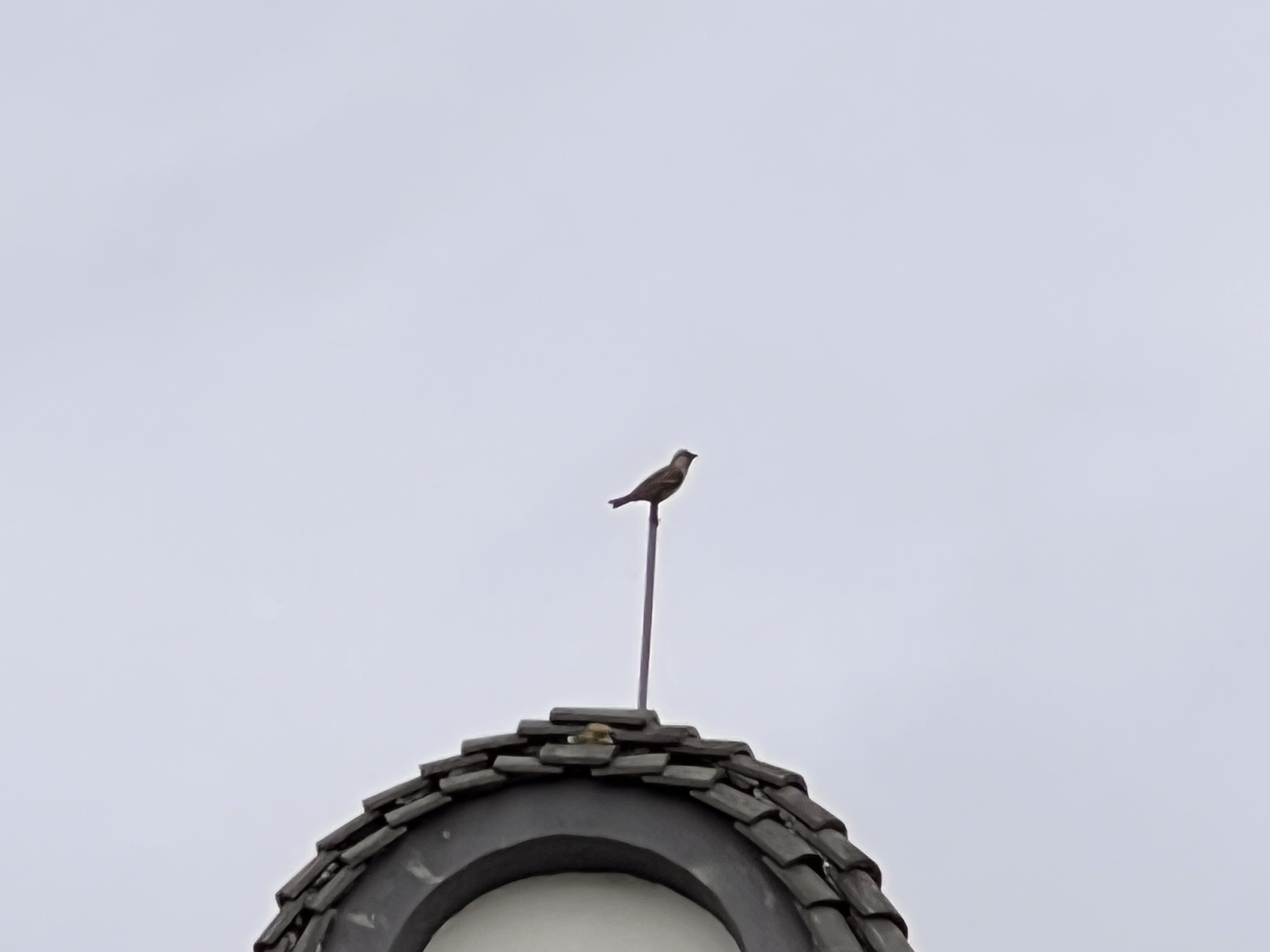
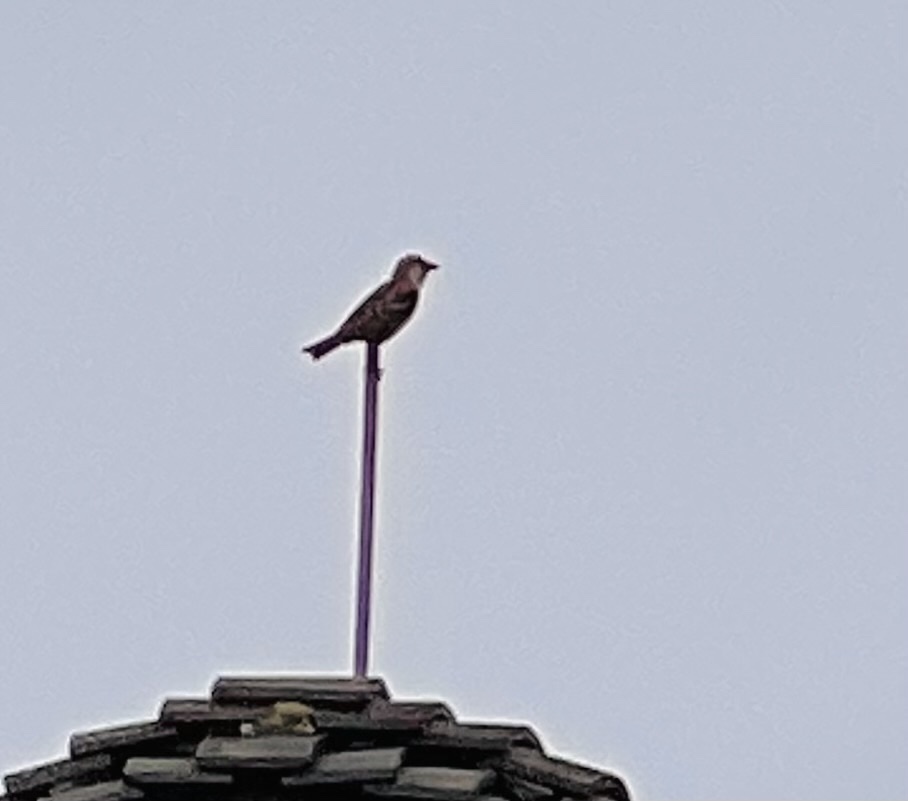
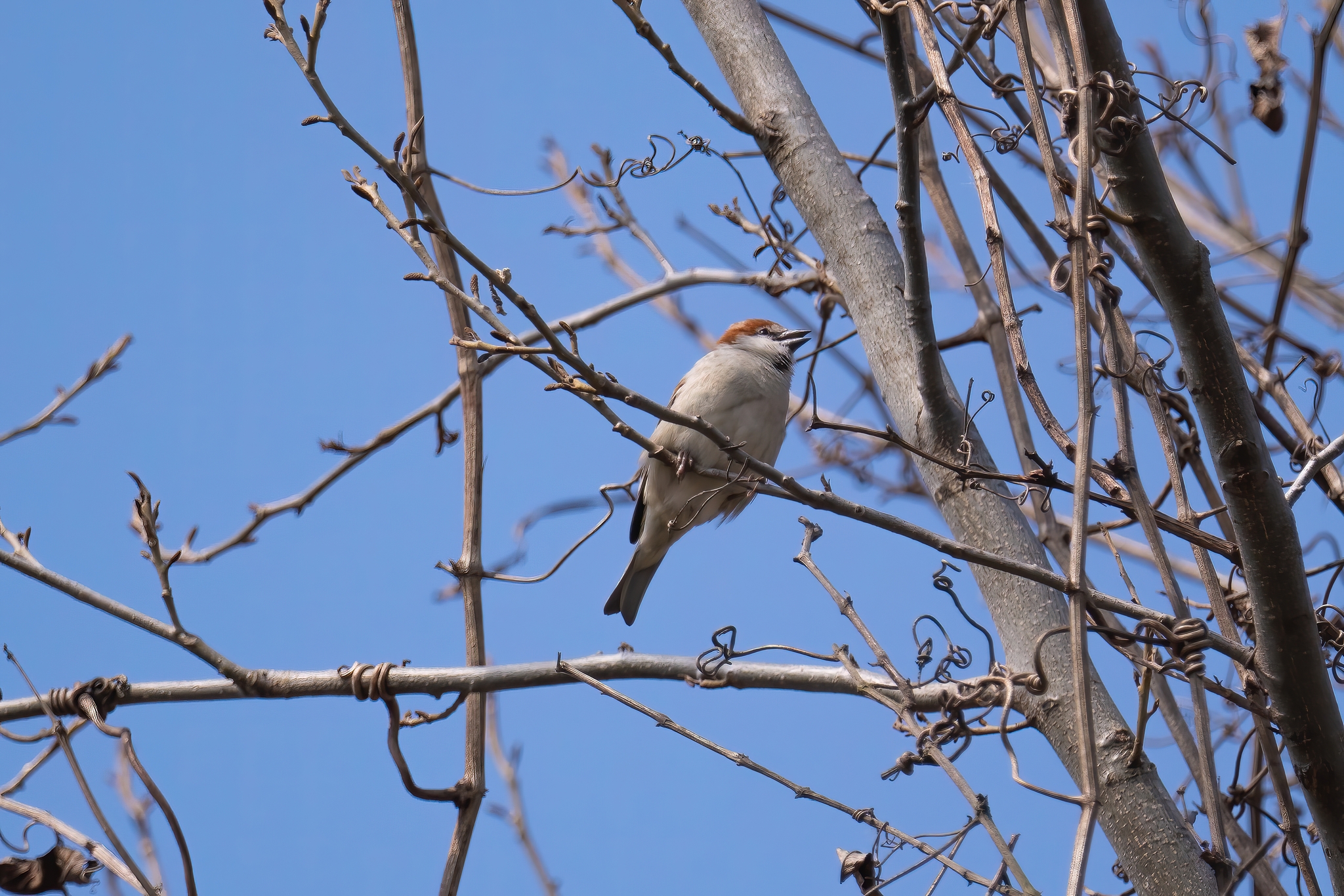
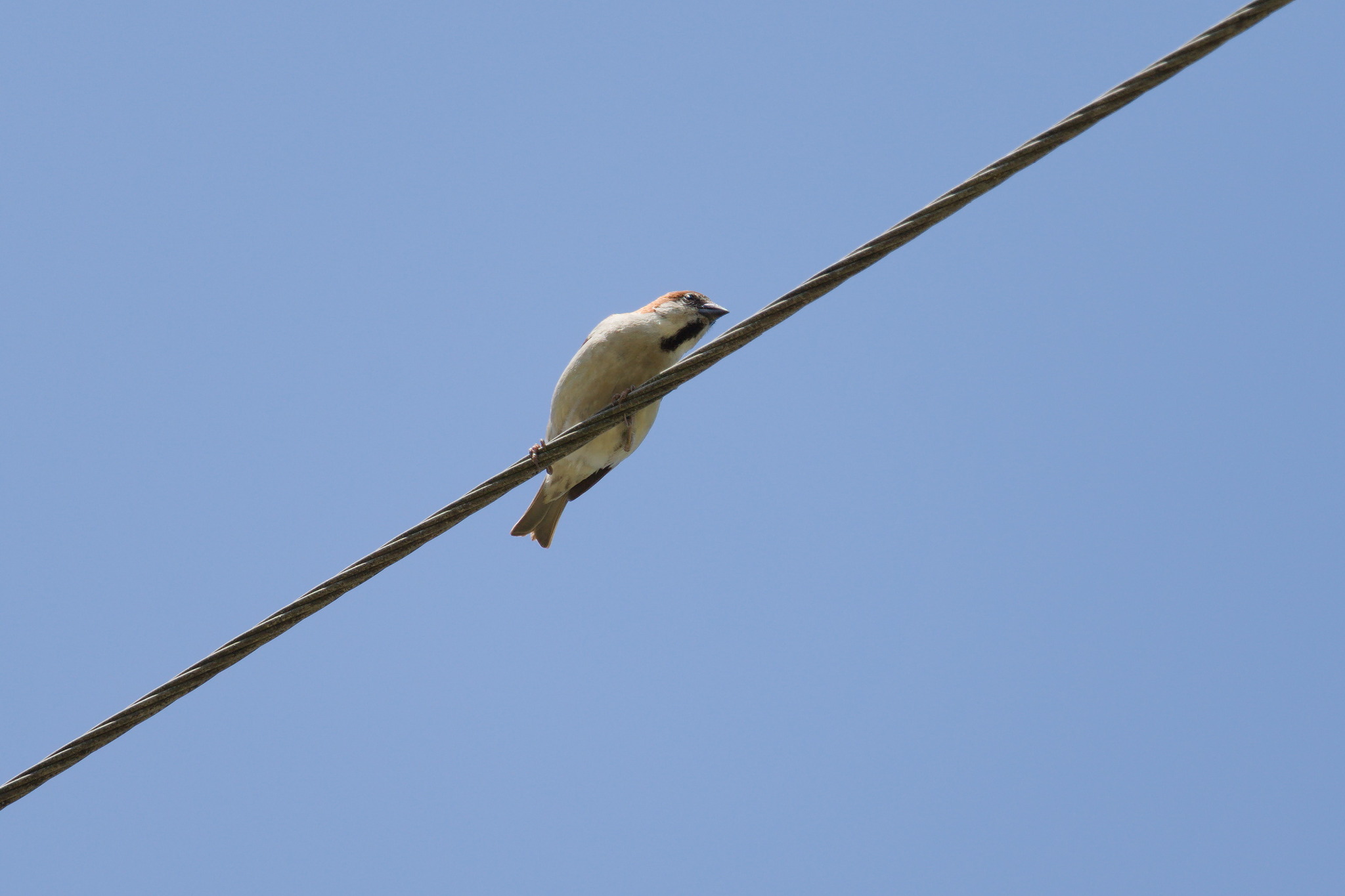
Russet Sparrow
Passer cinnamomeus
山麻雀
Introduction
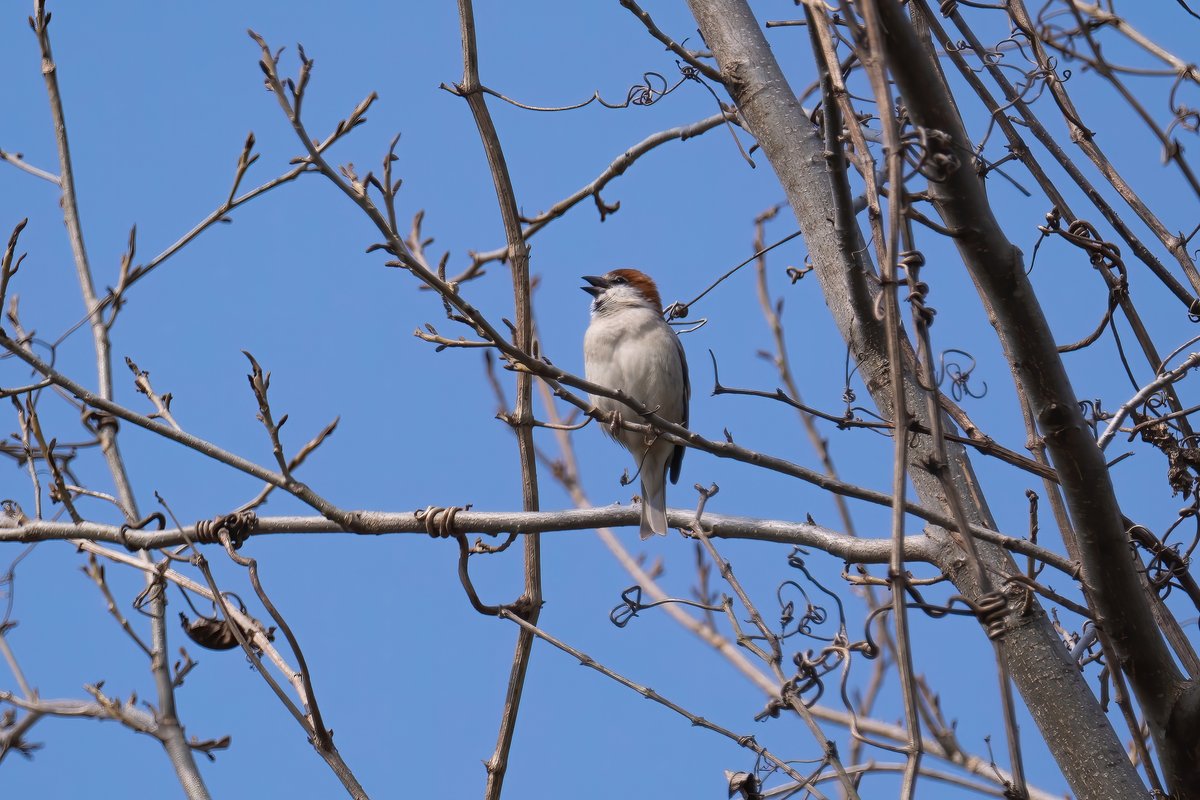
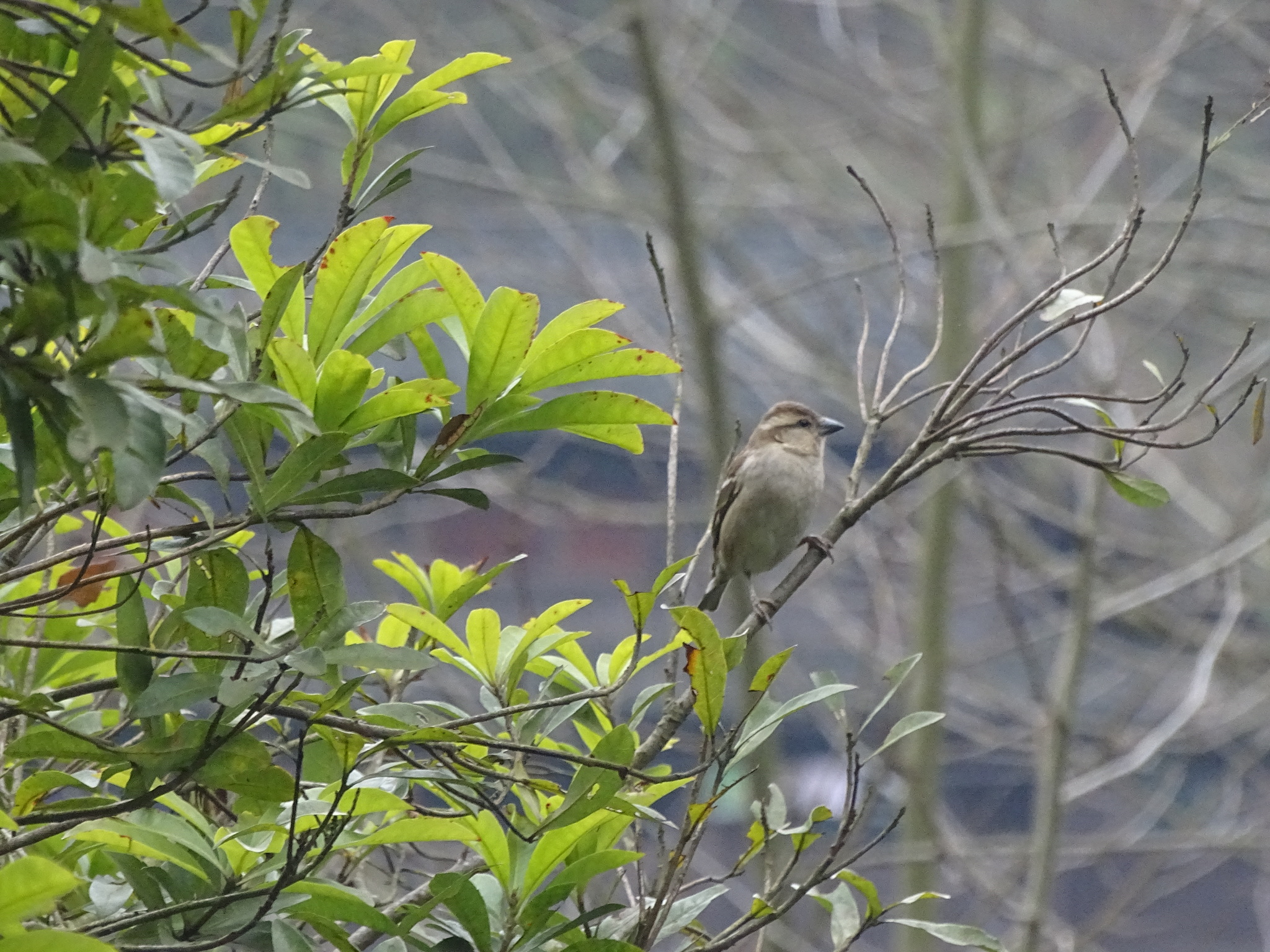
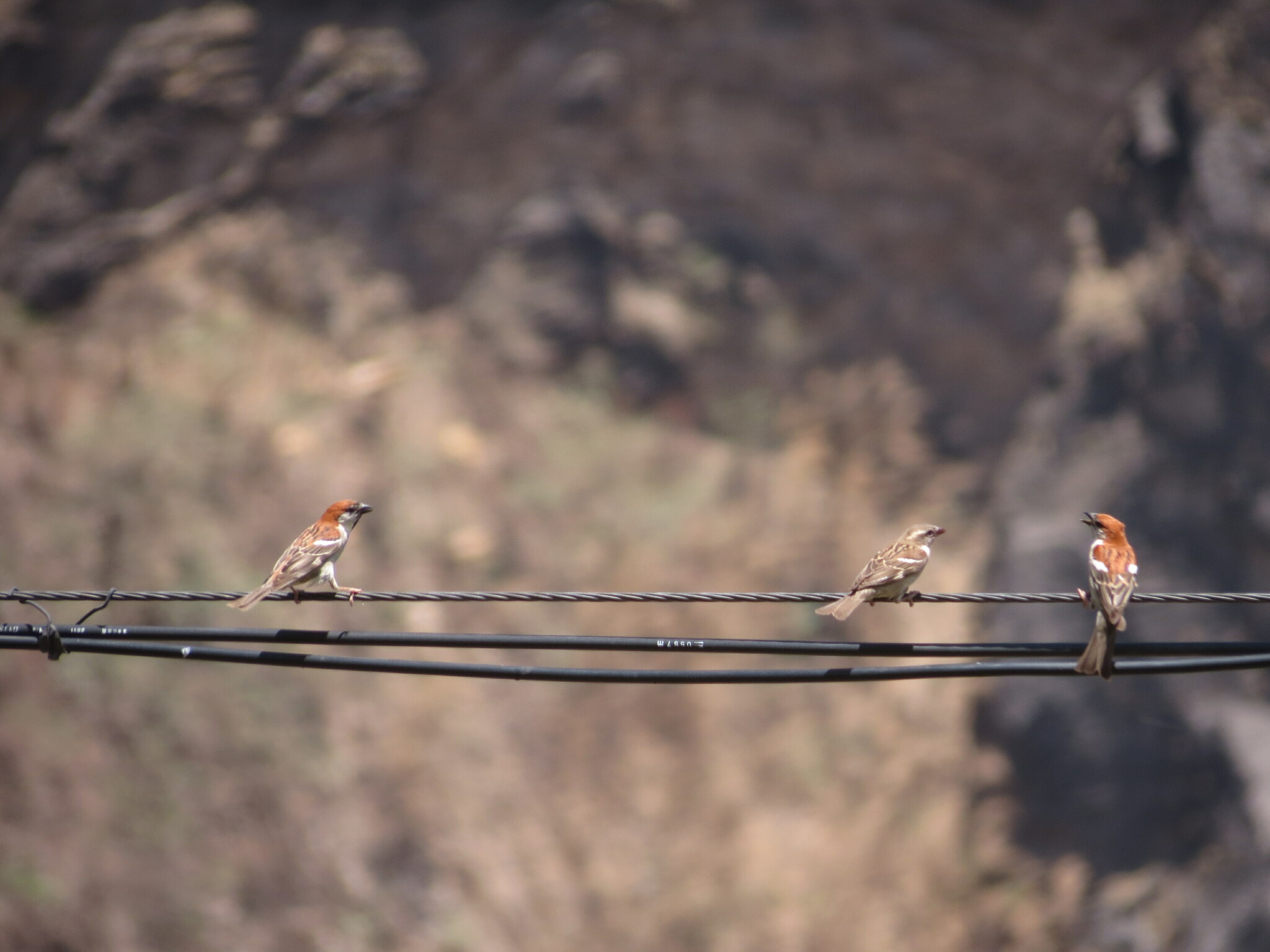
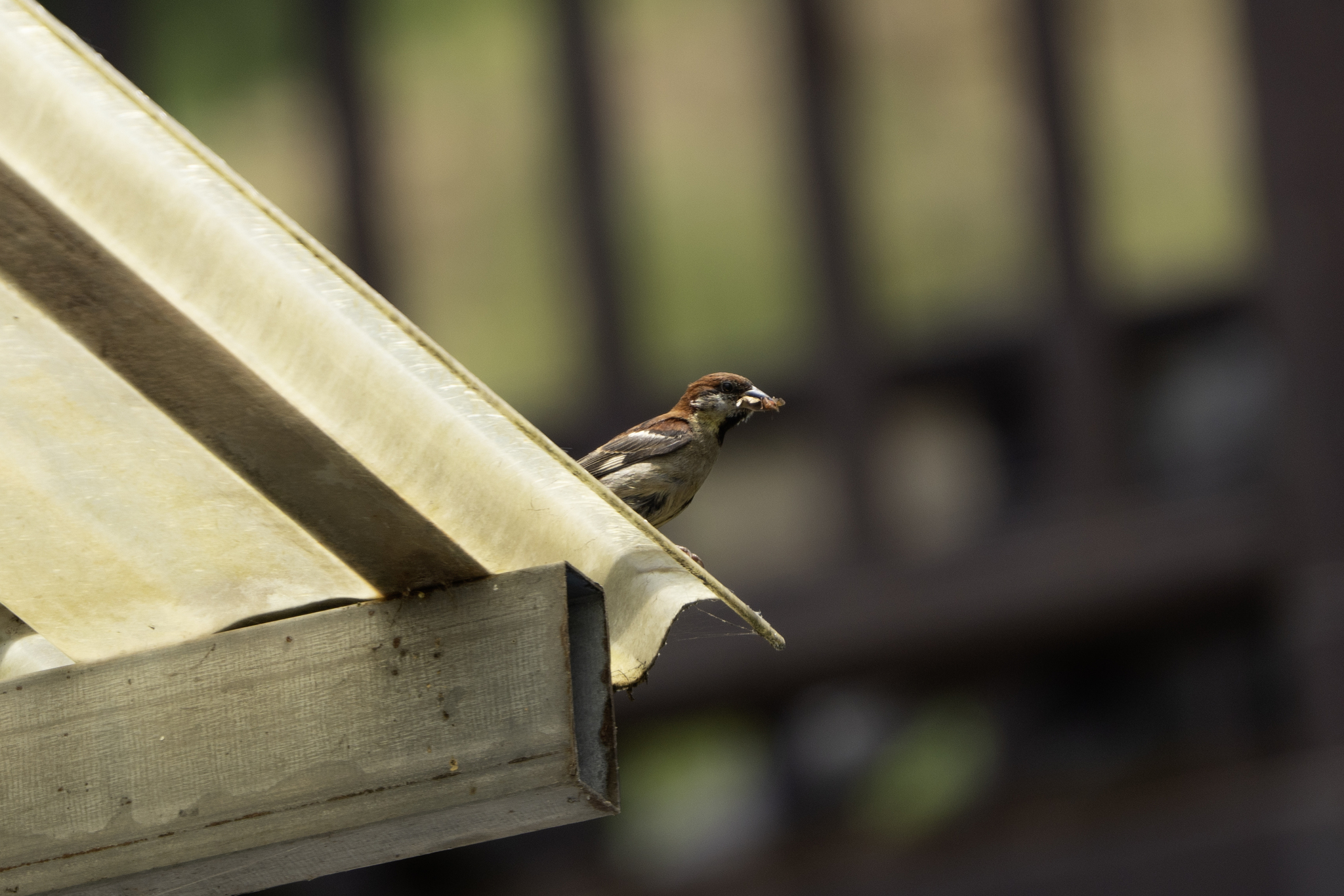
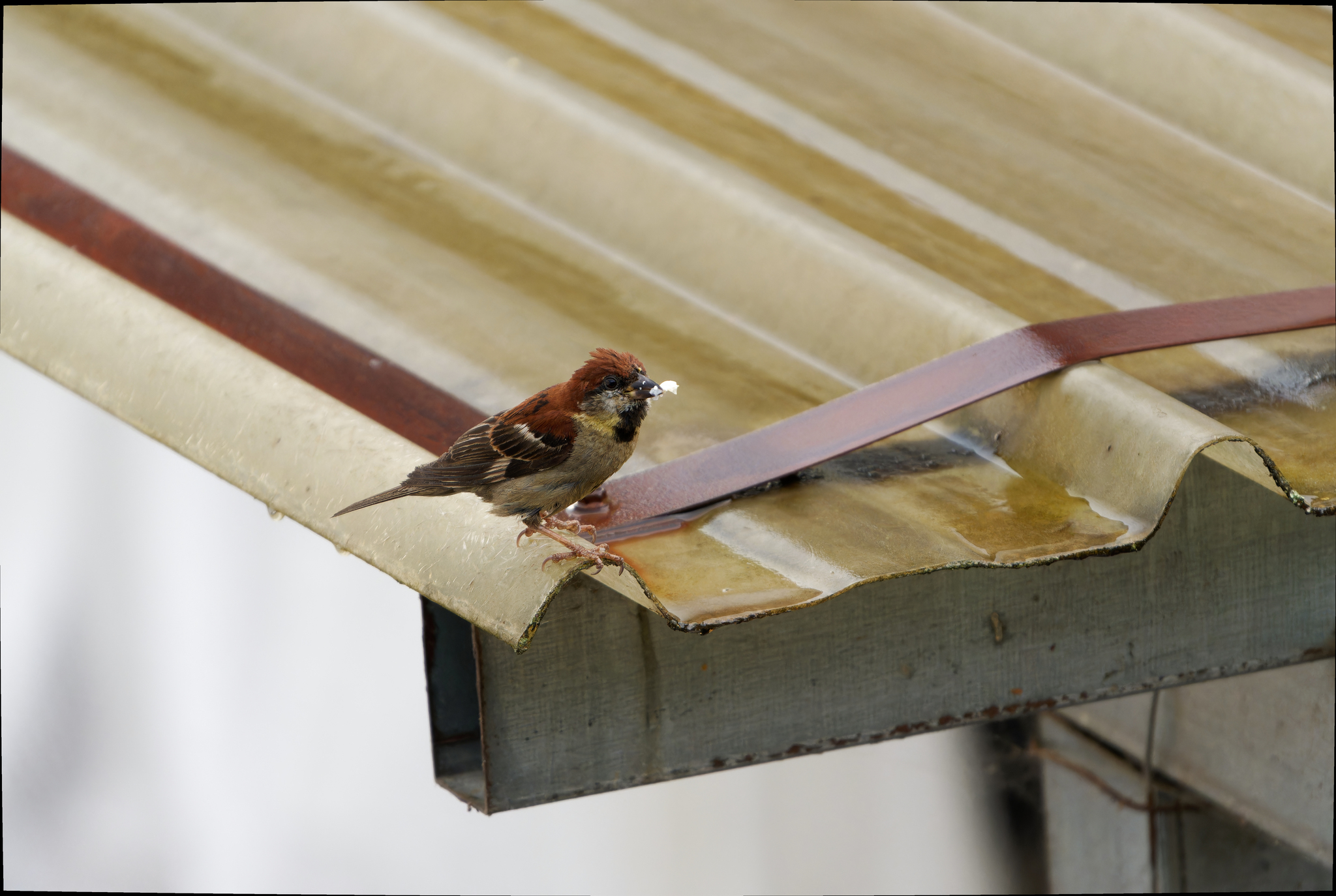
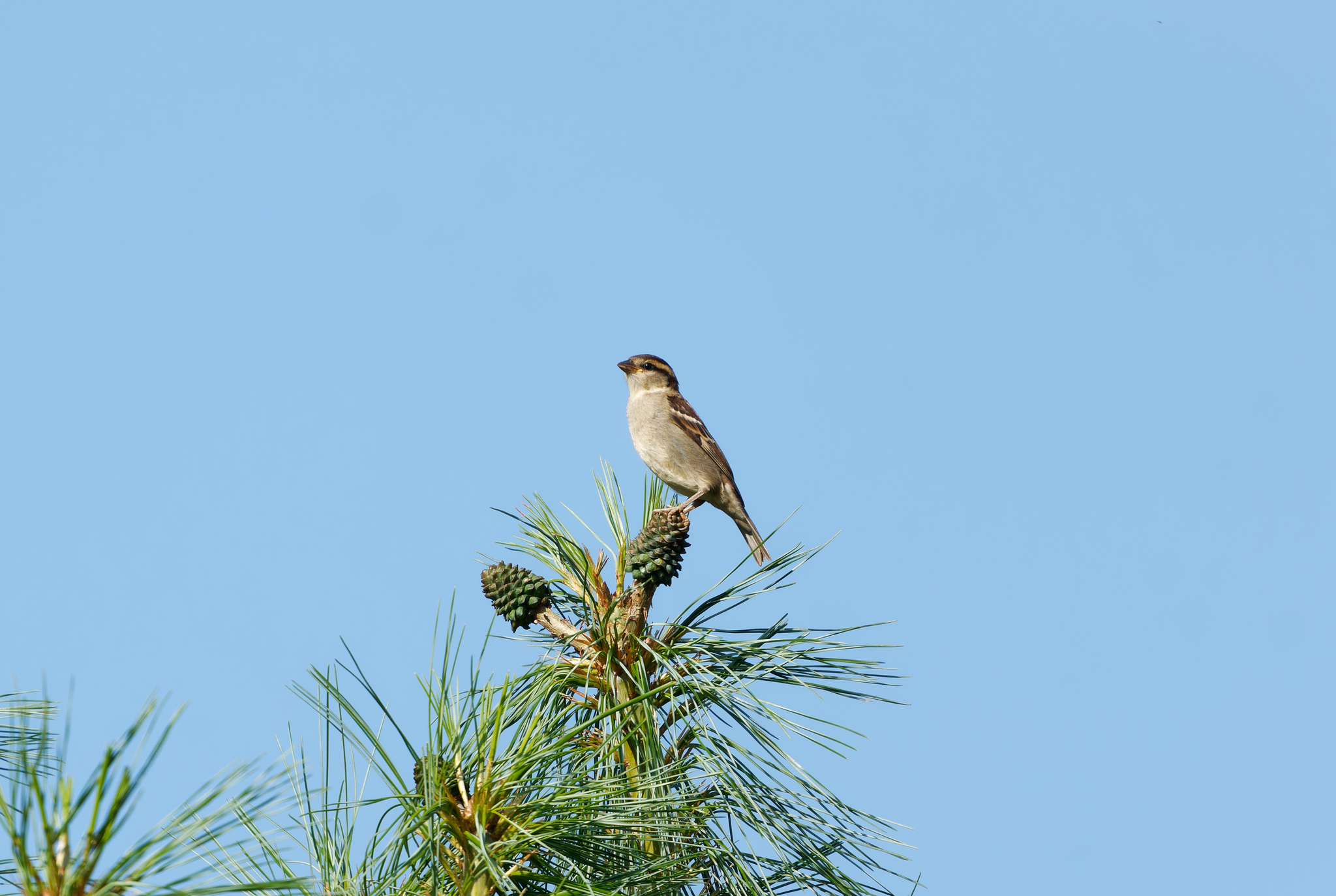
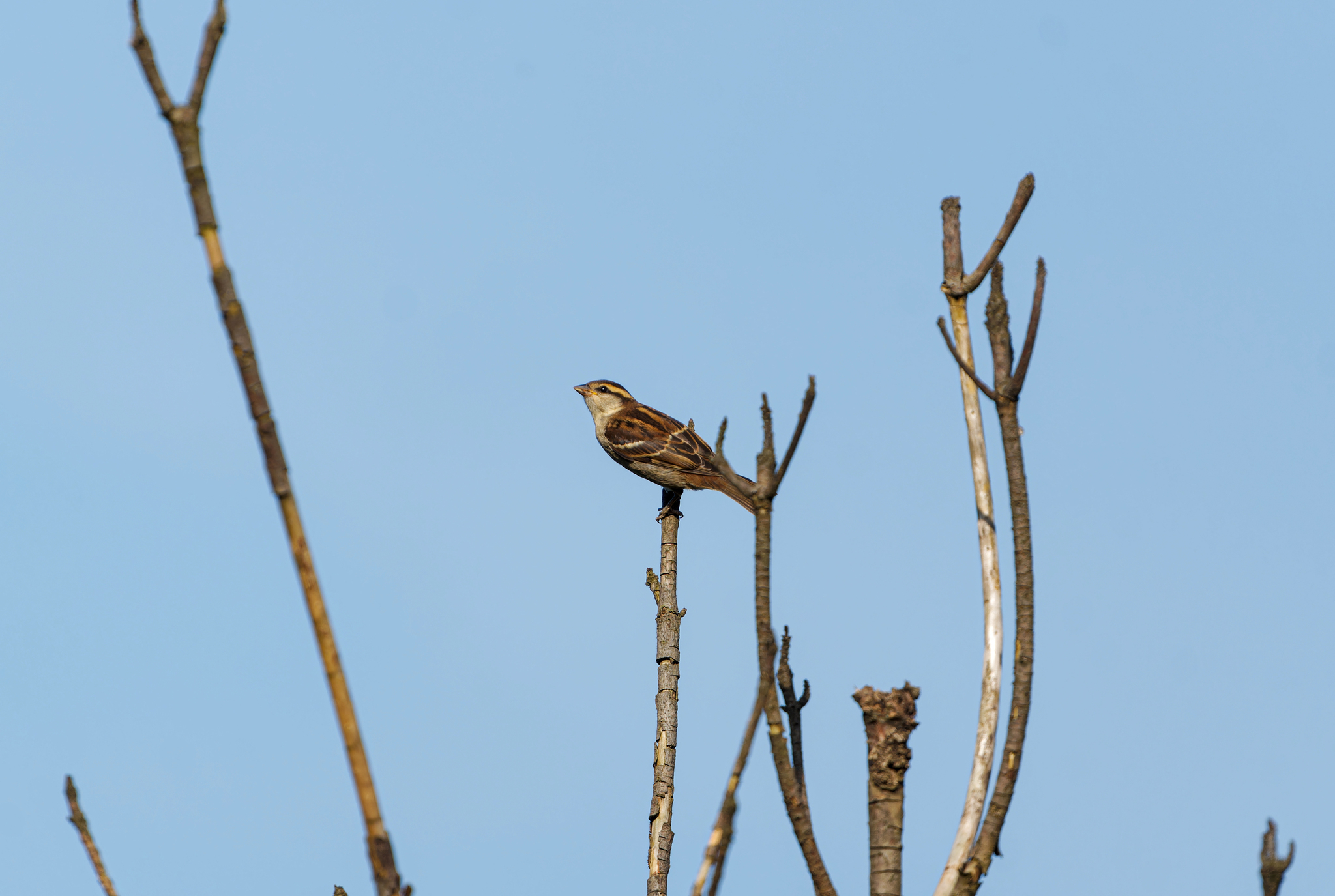
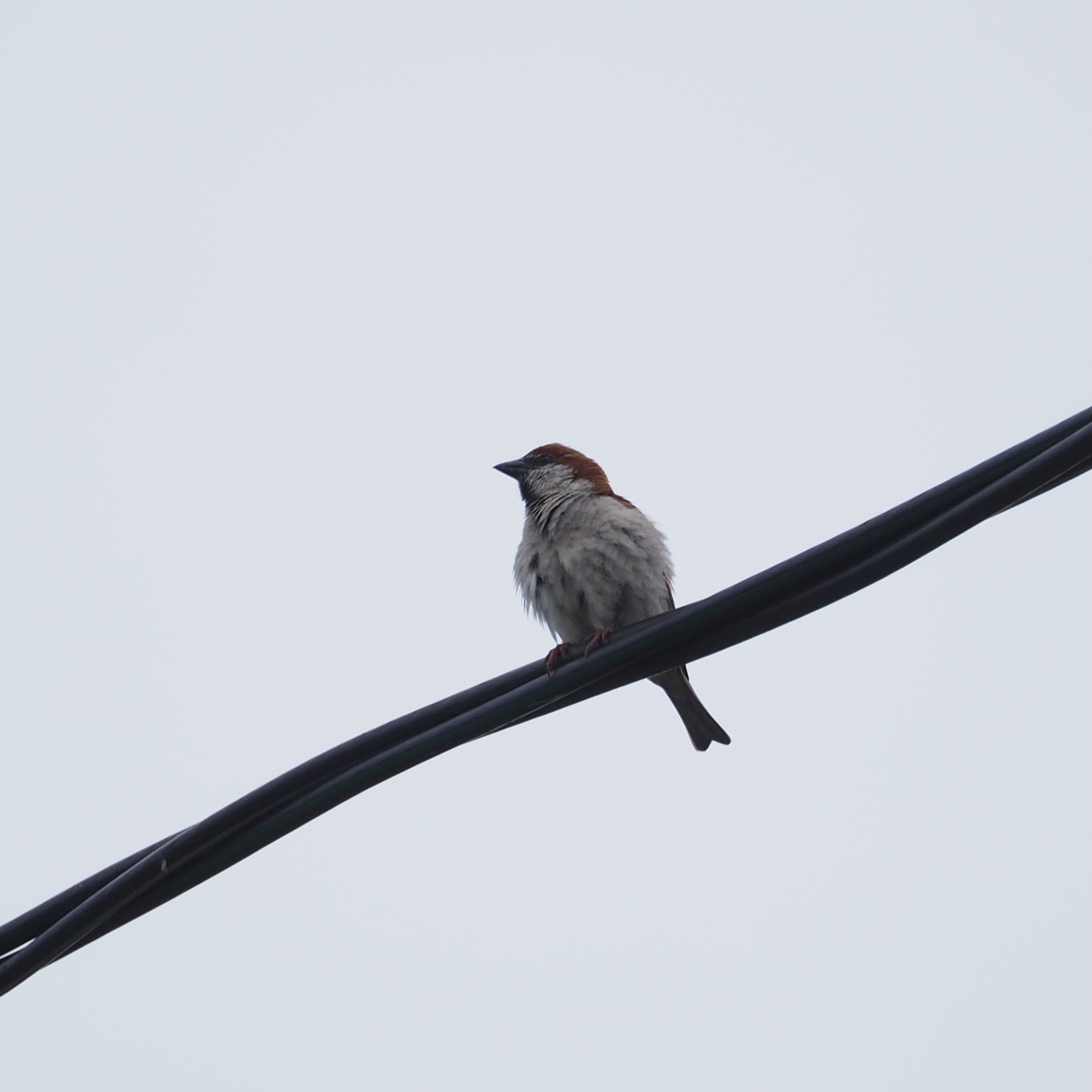
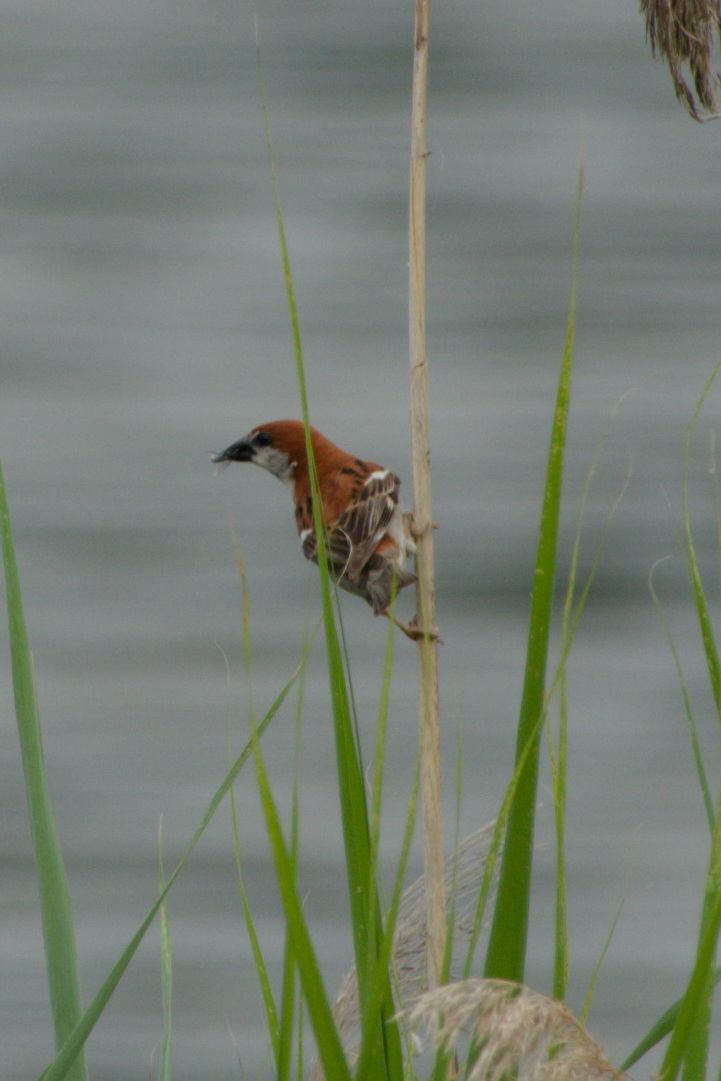
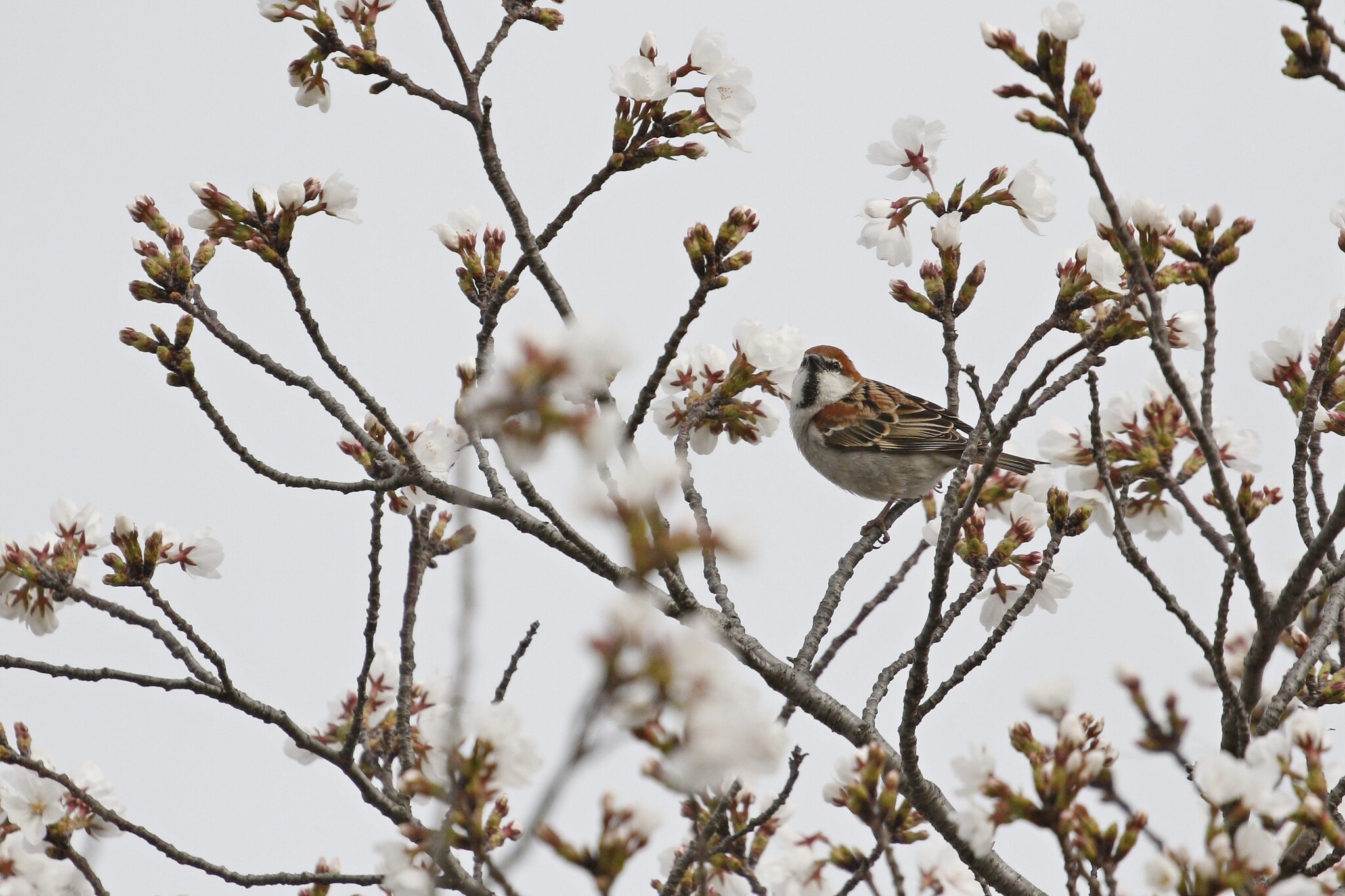
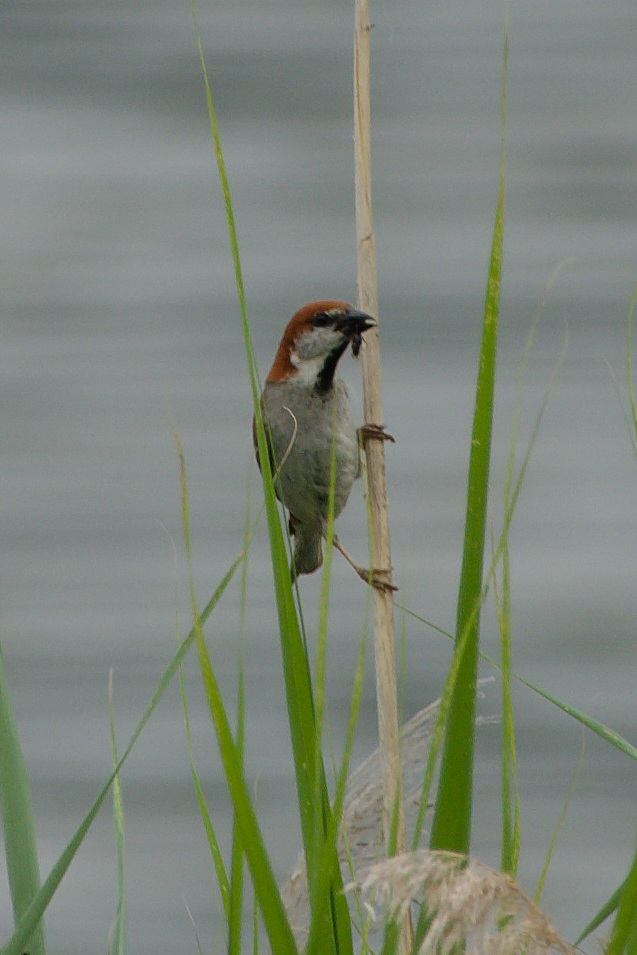
This sparrow (family Passeridae) is distributed across eastern Asia and the Himalayas. It reaches 14-15 cm in length and possesses a thick, conical bill adapted for seed-eating. Males have black bills during breeding season, while females have yellowish bills with dark tips. The upperparts are warm rufous and the underparts are grey, with characteristic russet tones throughout. Plumage shows strong sexual dimorphism with patterns paralleling the house sparrow. Three subspecies are recognized, differing primarily in the yellow wash of their underparts. The species occupies various habitats including light woodland, agricultural terraces, and human settlements, where it is the dominant sparrow species in areas absent of house and Eurasian tree sparrows.
Description
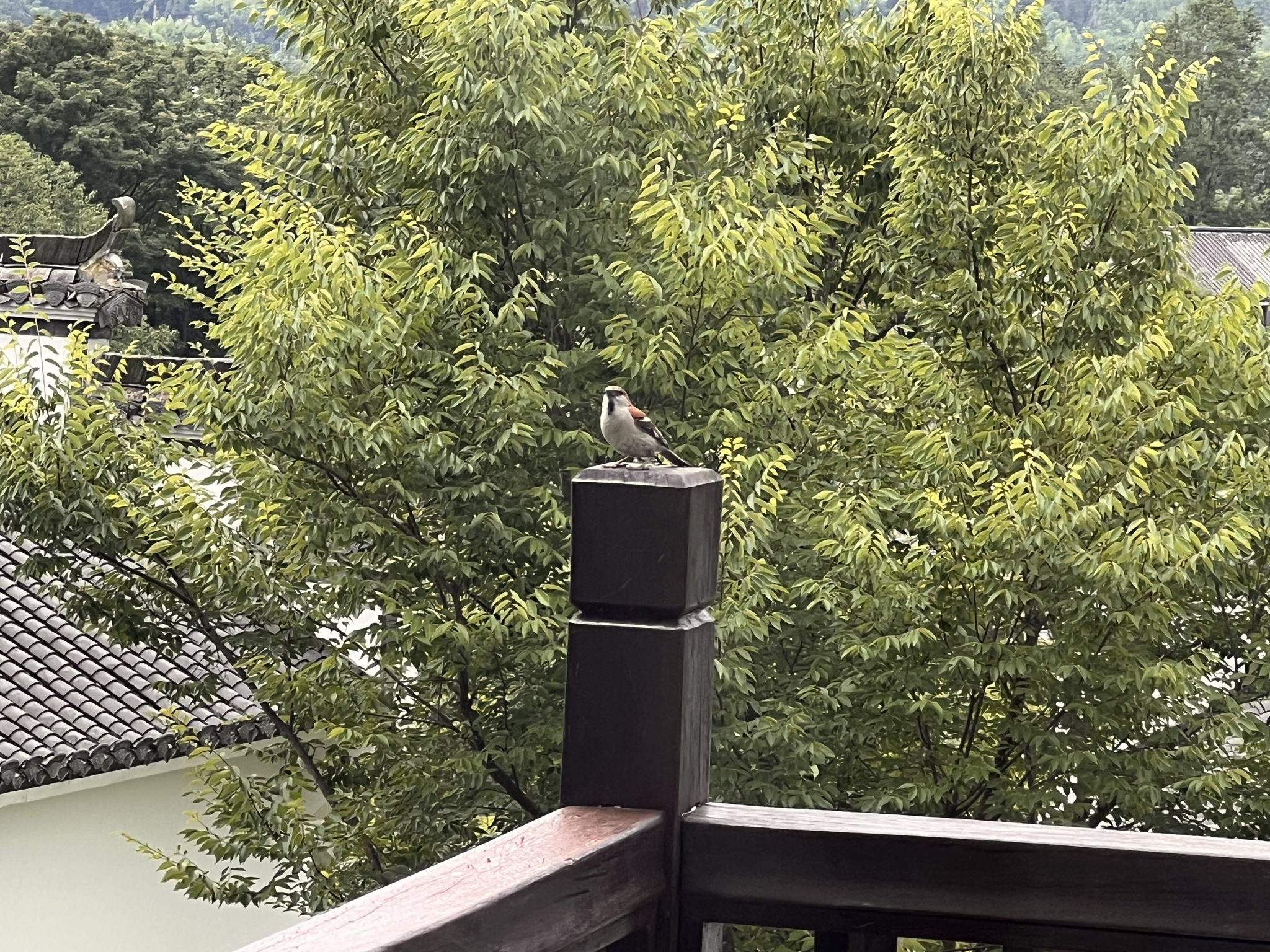
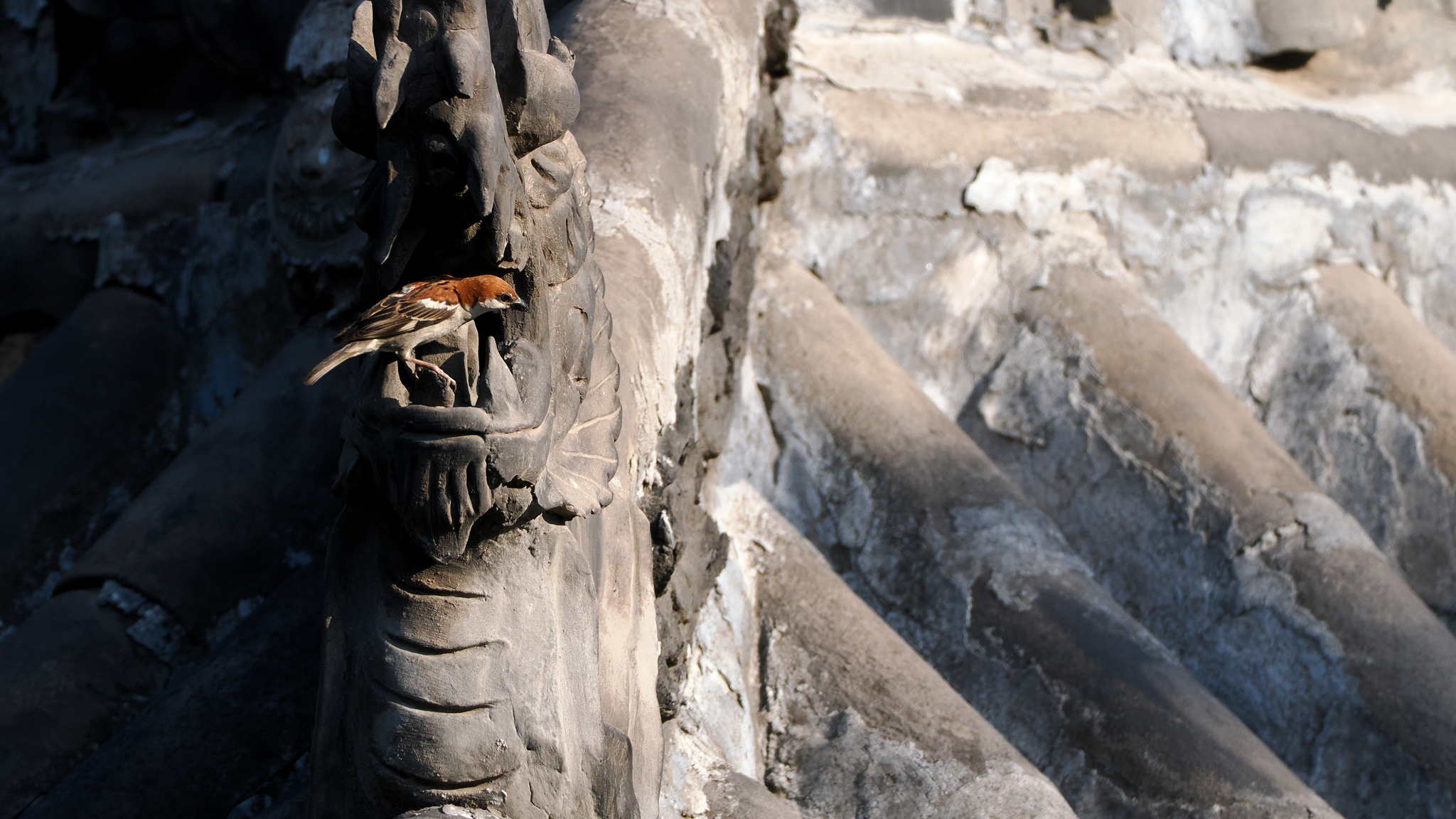
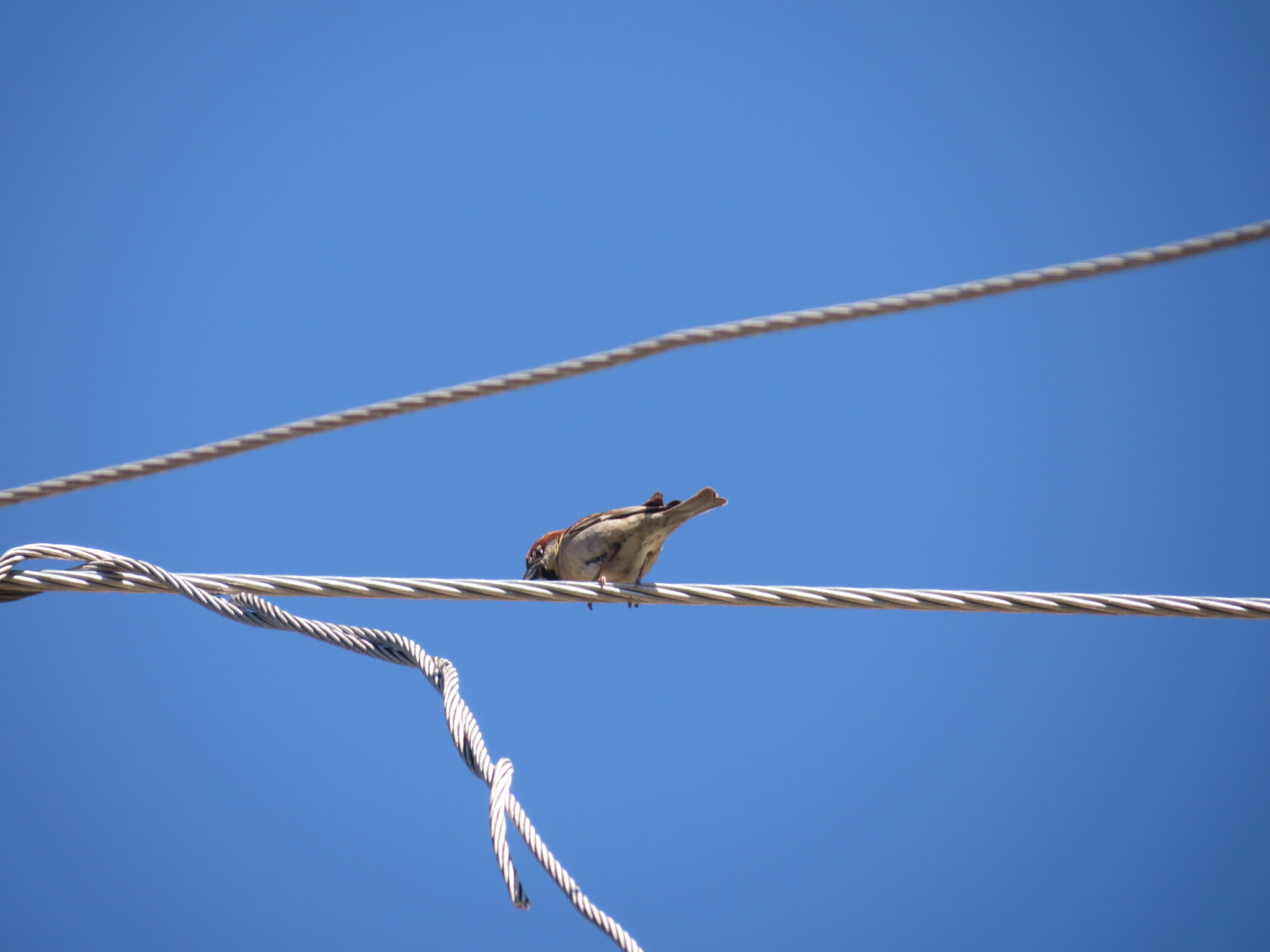
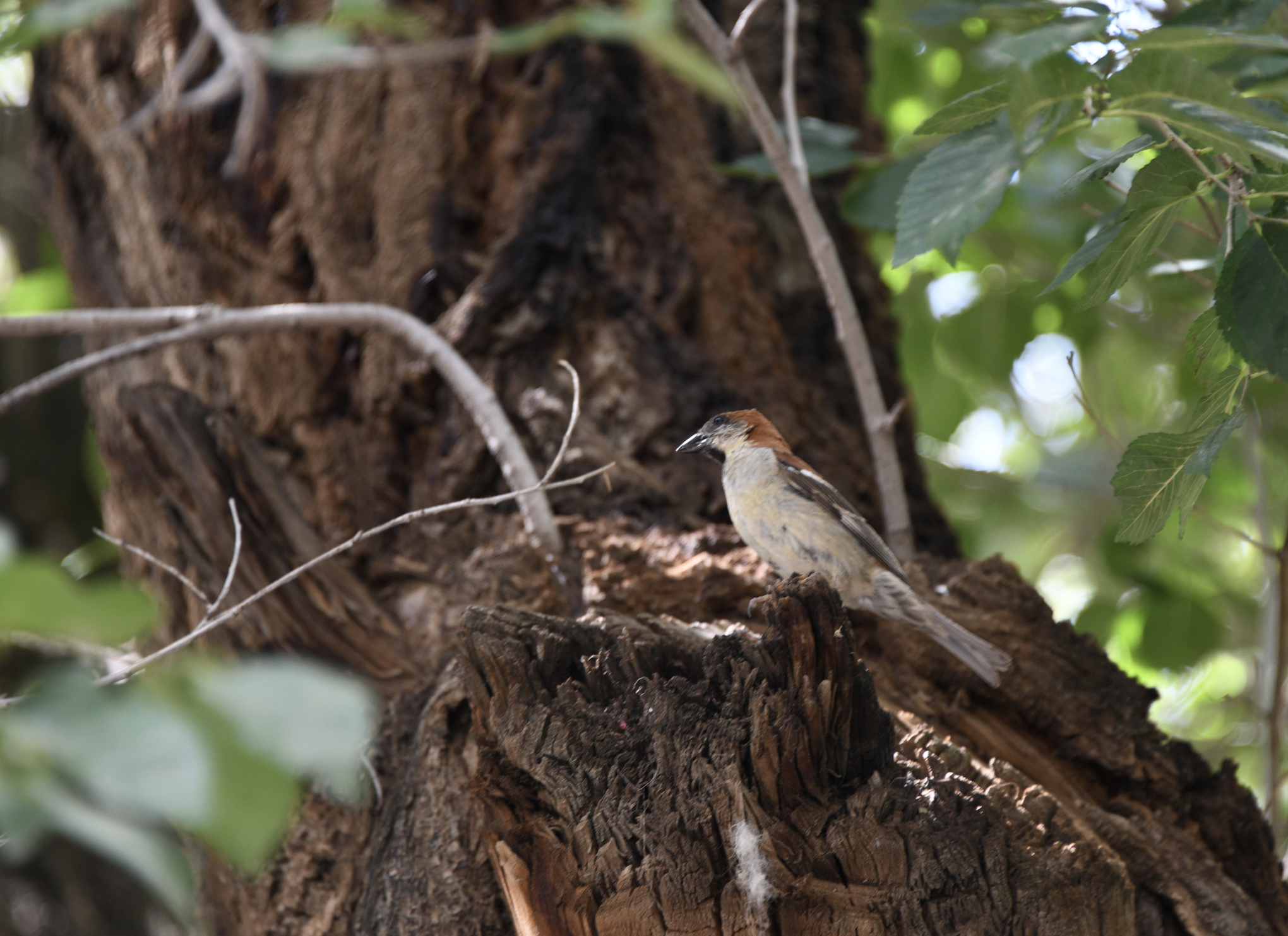
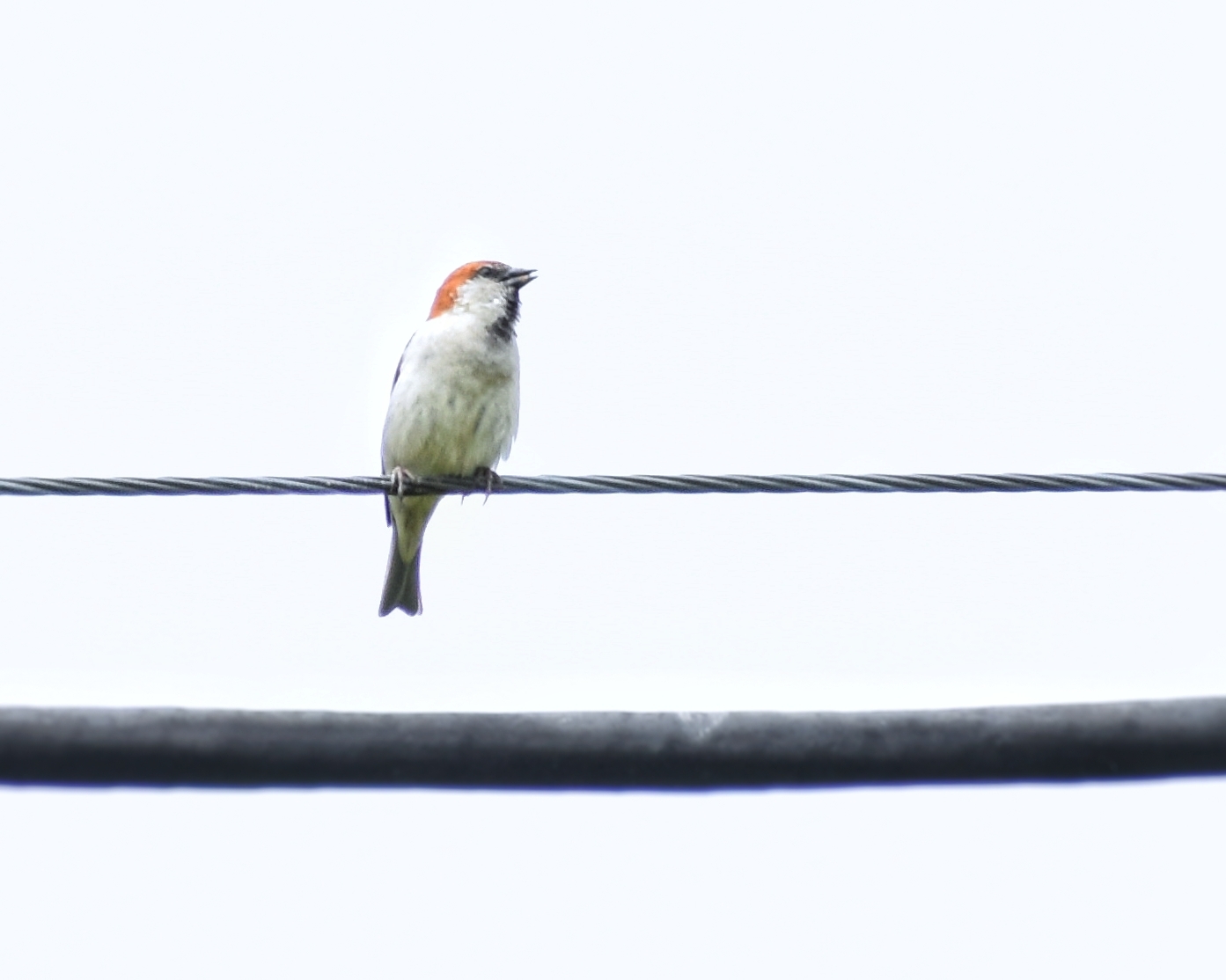
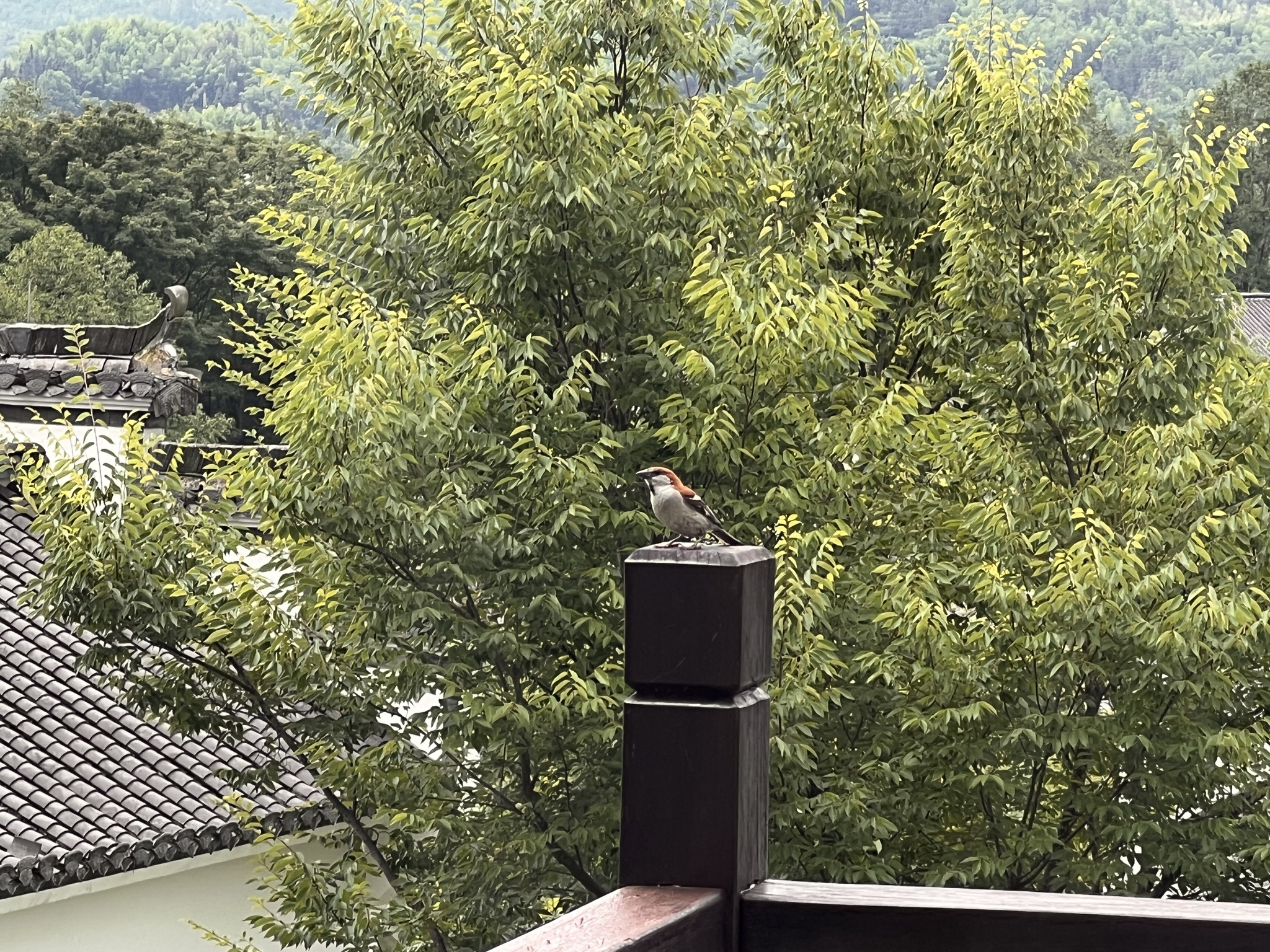
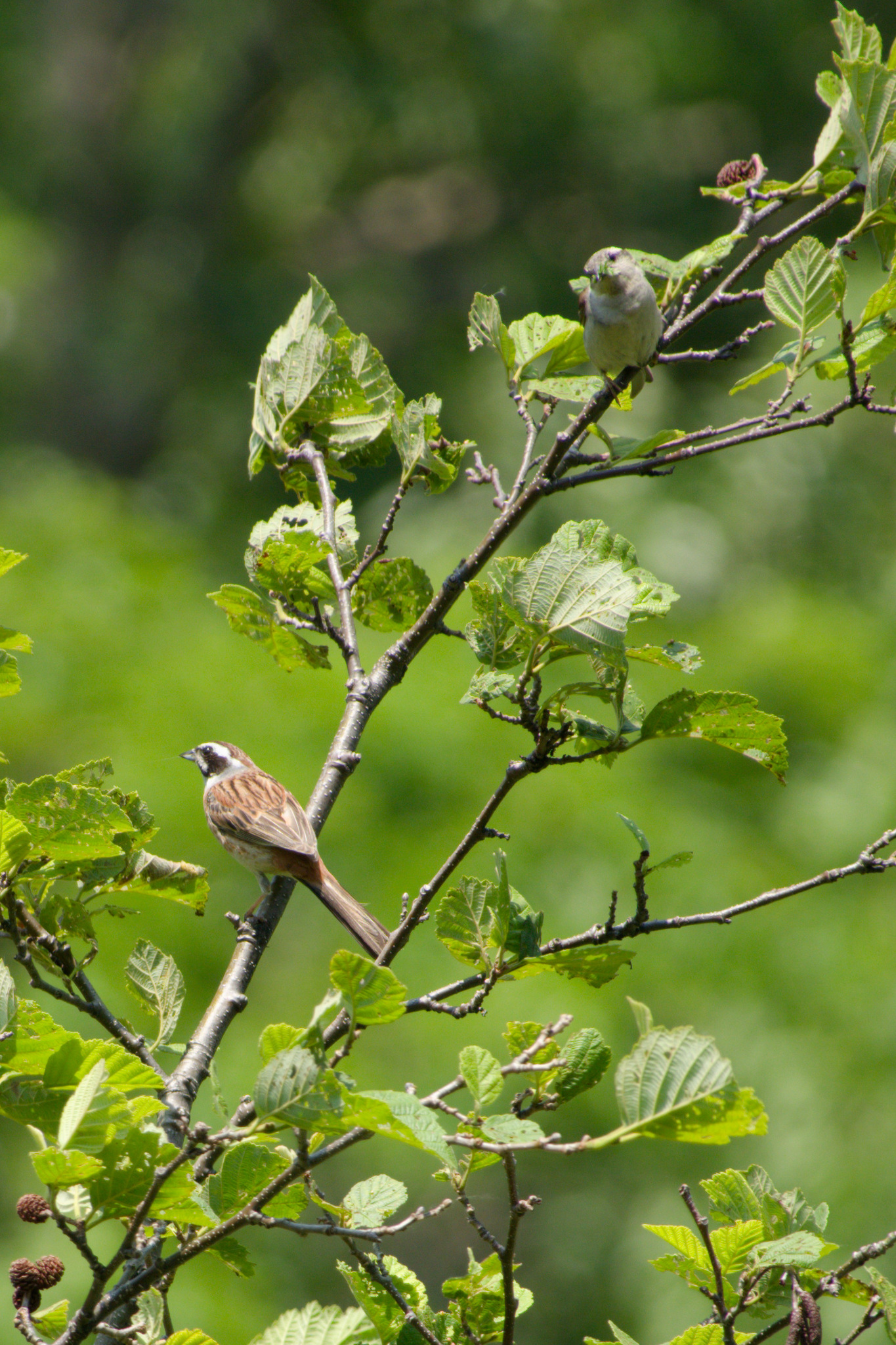
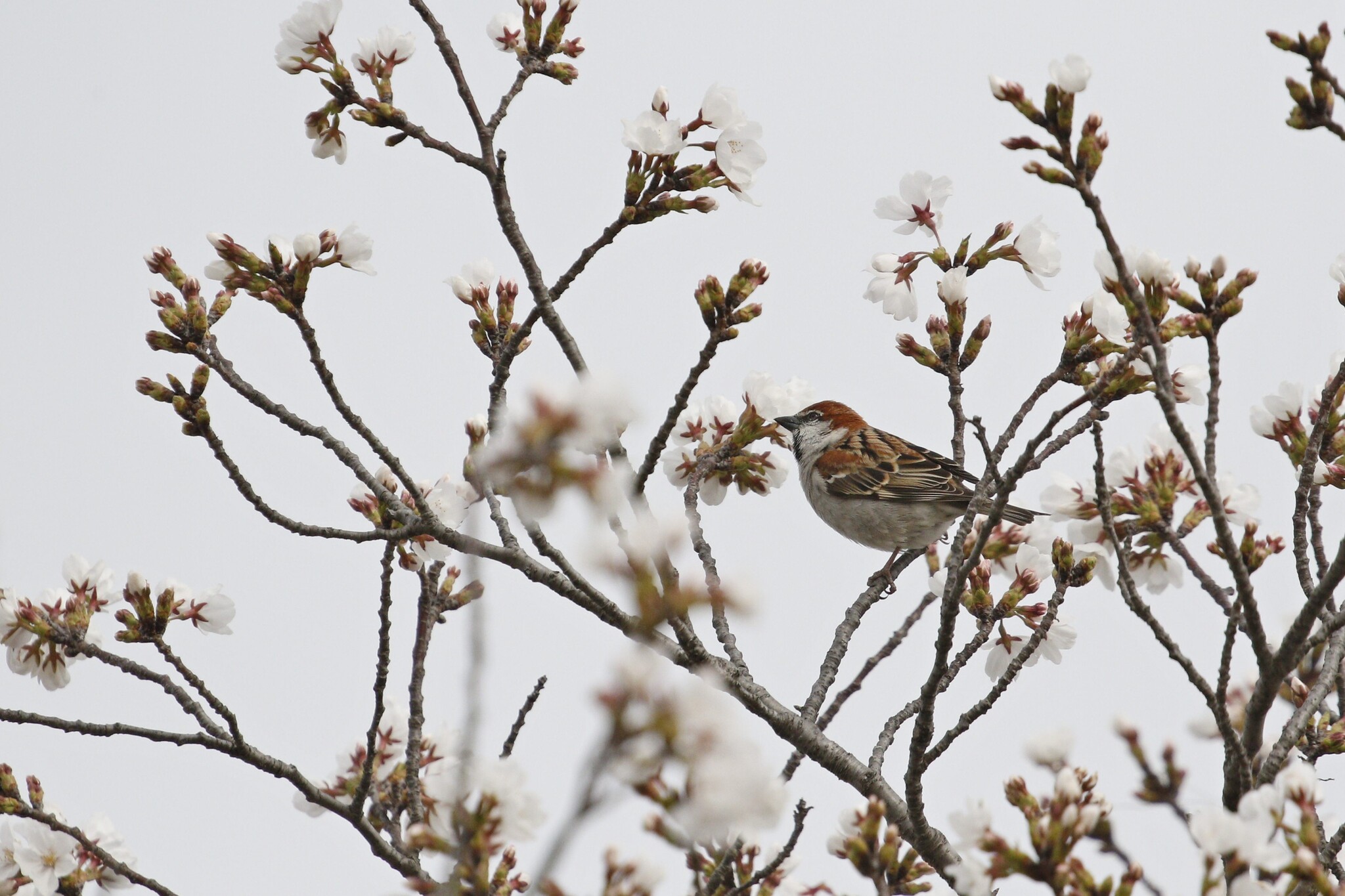
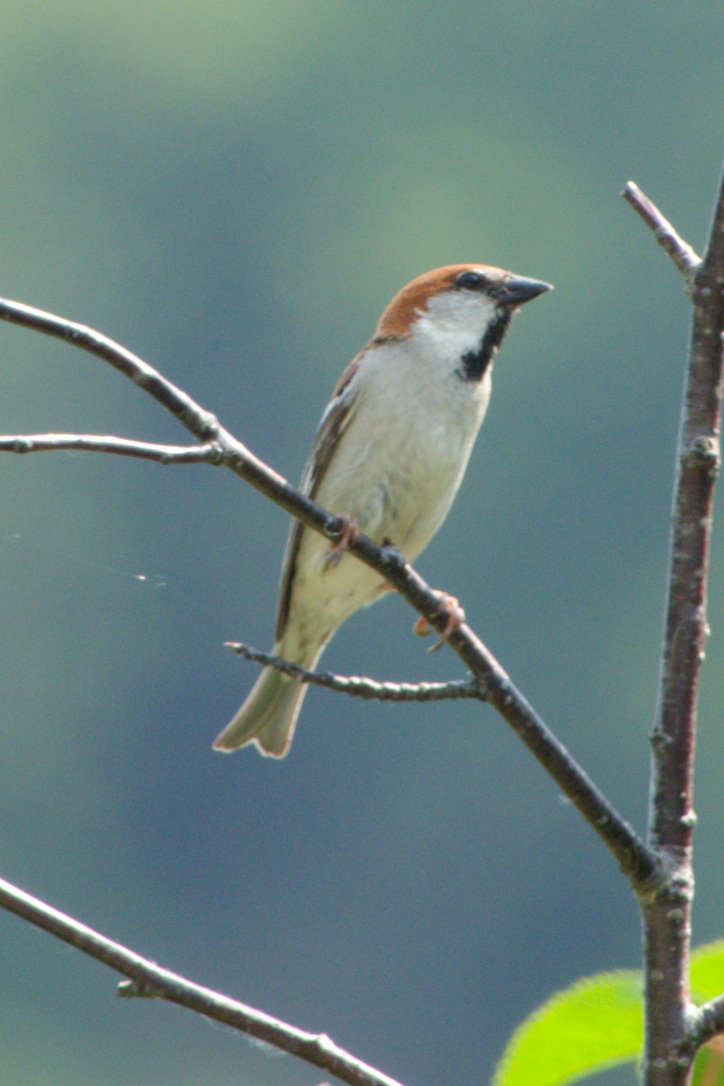
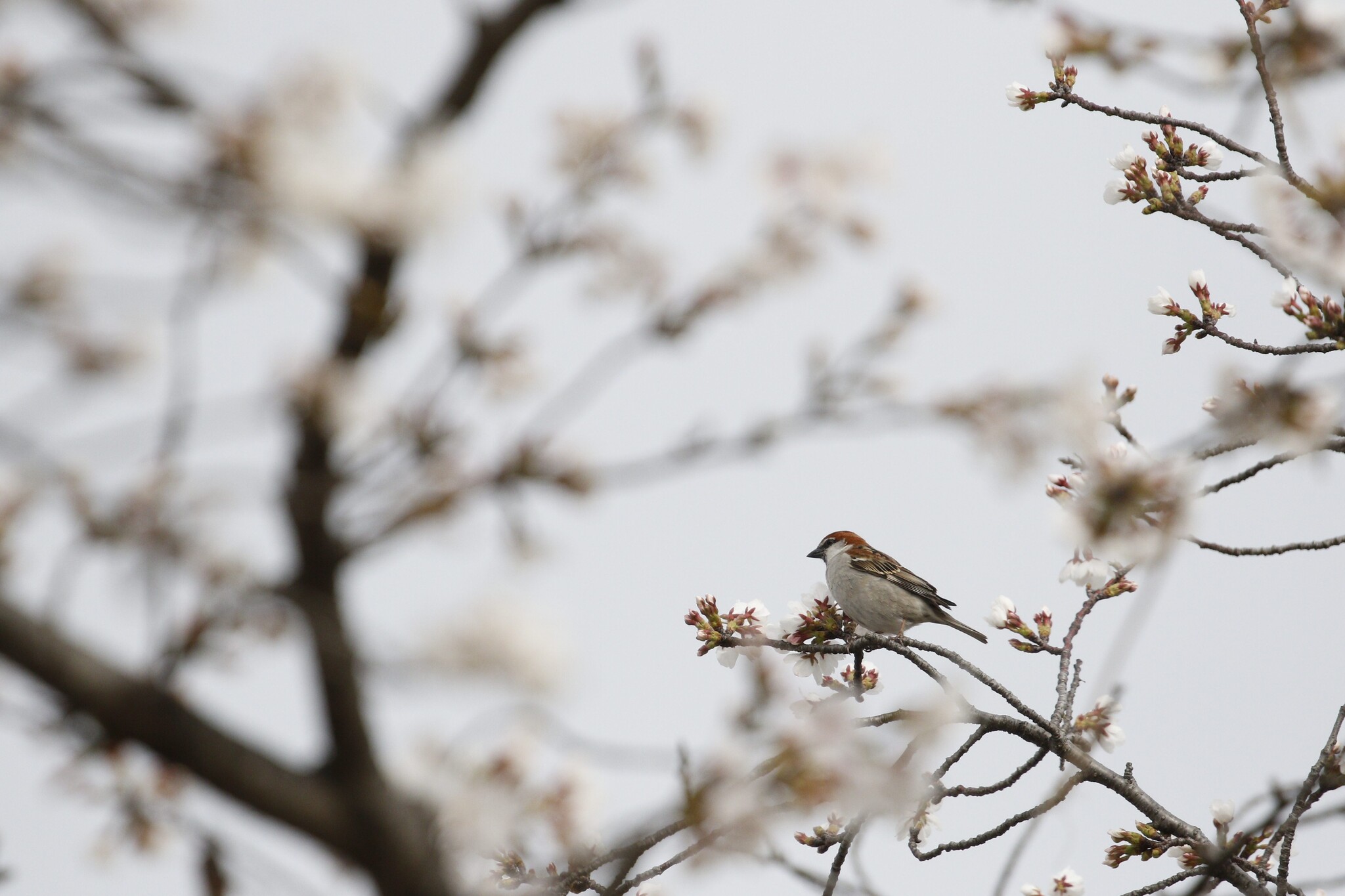
A small, compact sparrow measuring 14-15 cm in length and weighing 18-22.5 grams. It has a notably thick, conical bill suited to seed consumption, with coloration varying by sex and season. Males have black bills during breeding season, transitioning to horn-colored in non-breeding plumage, while females show yellowish bills with dark tips. Wingspans range from 6.8-8.2 cm in males to 6.7-7.7 cm in females. The iris is chestnut, and legs are pale brown to pinkish-brown. The upperparts are warm rufous or cinnamon, with the breeding male showing bright russet from crown to rump, black streaking on the mantle, and a small black bib. The underparts vary from pale grey to yellow-washed depending on subspecies. The flight is swift and more direct than that of the Eurasian tree sparrow.
Identification
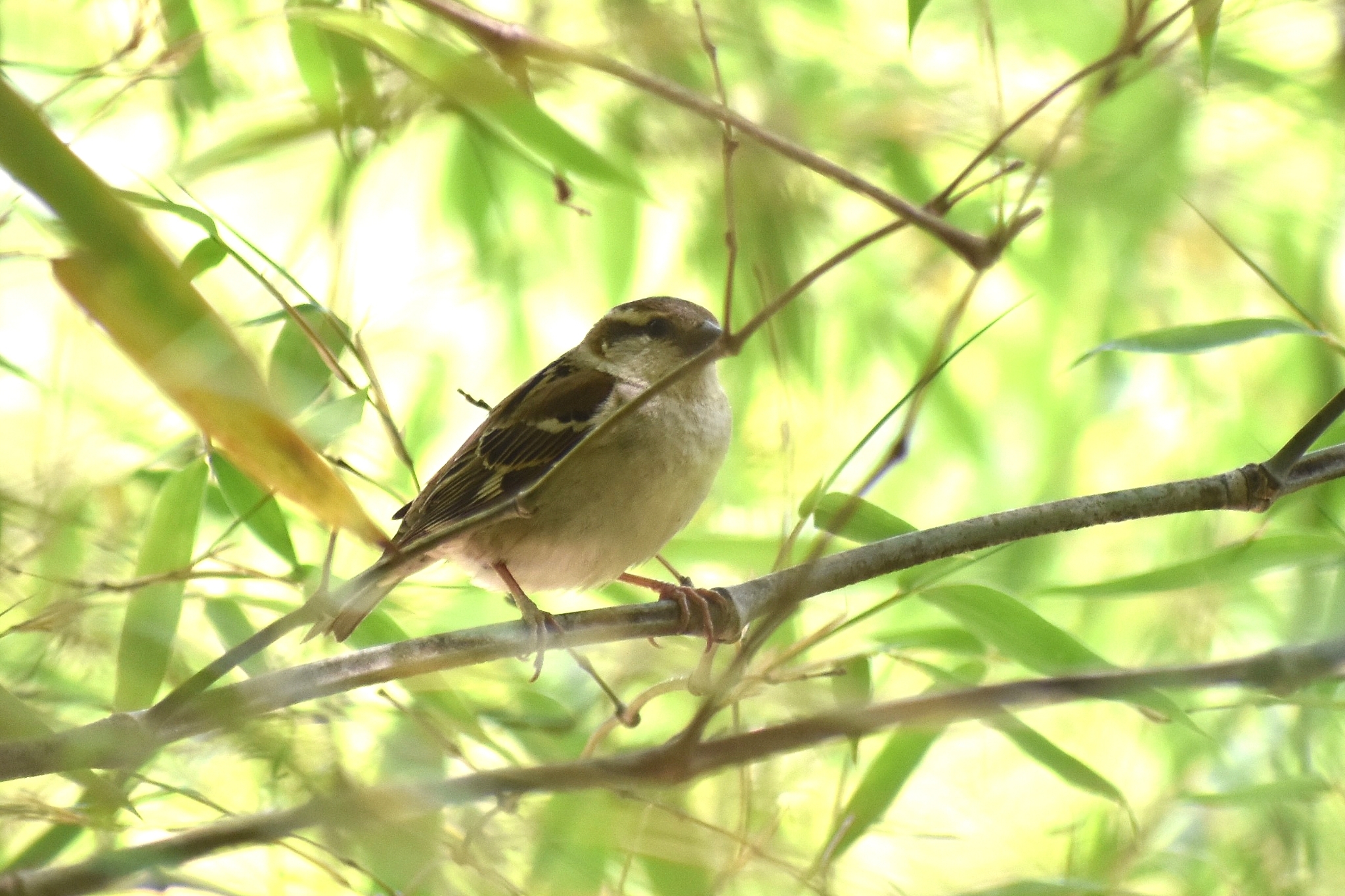
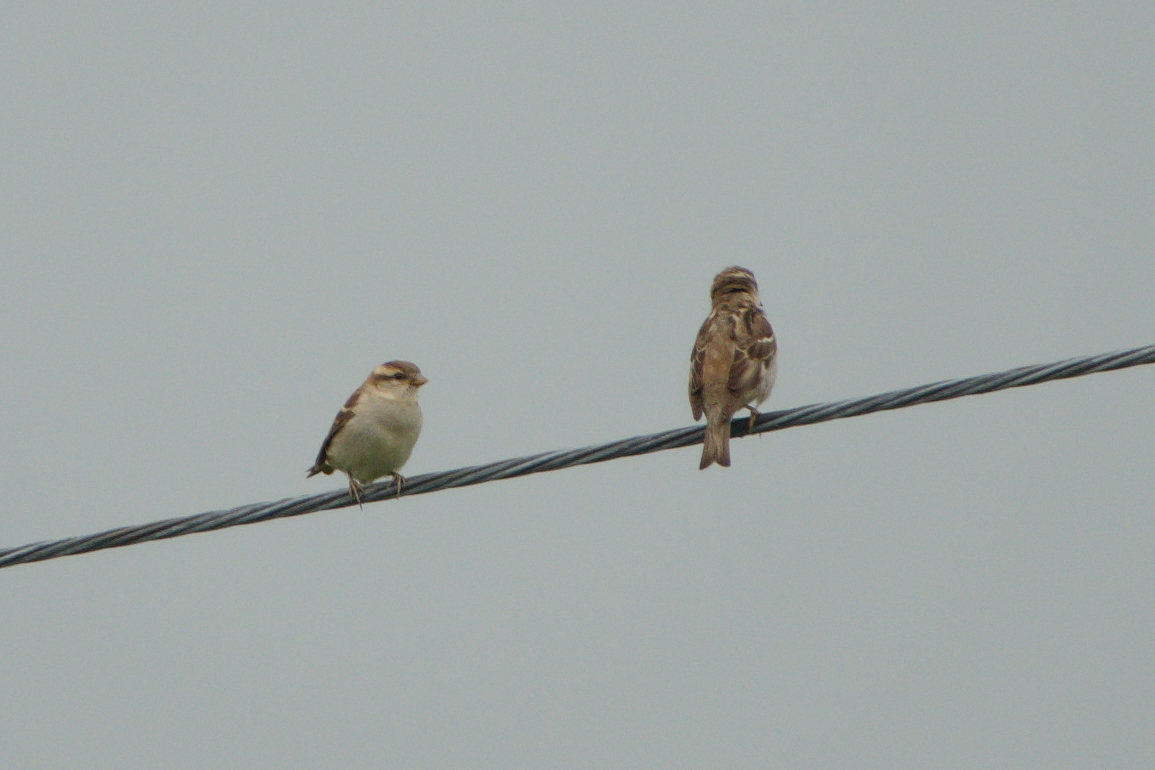
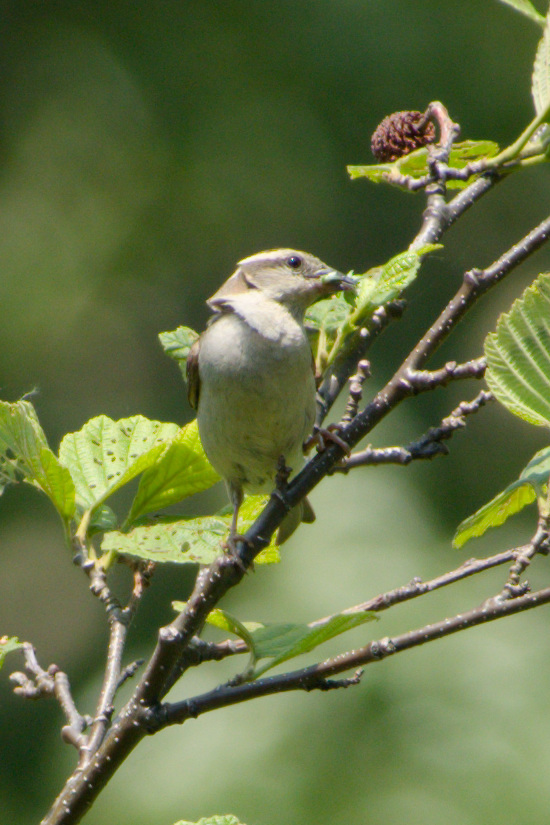
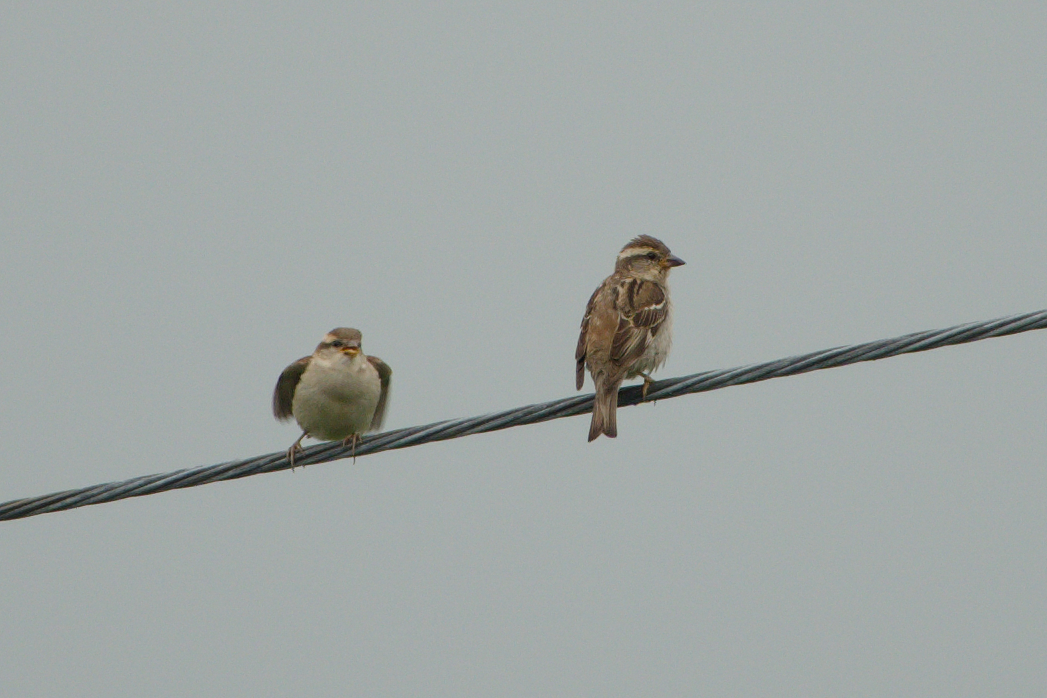
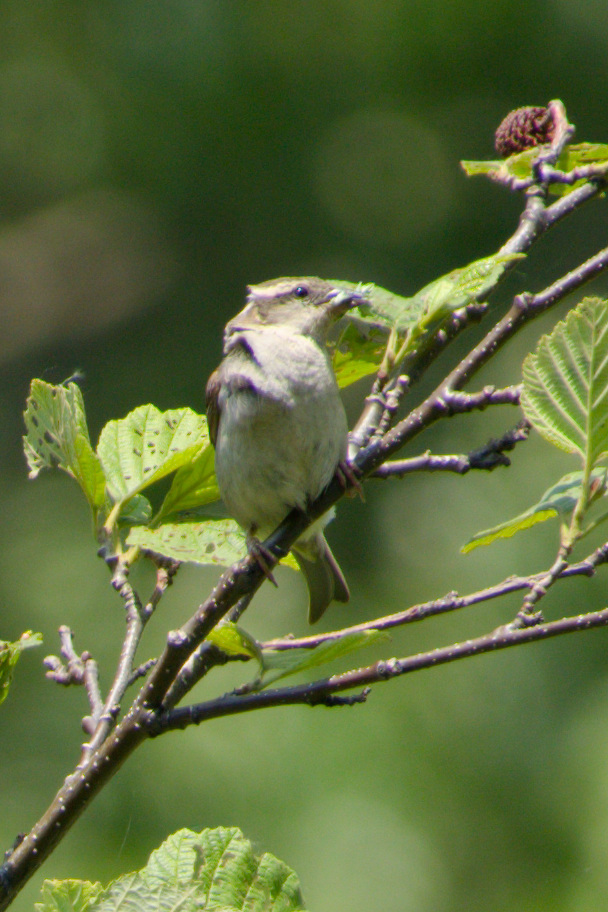
The male closely resembles the Eurasian tree sparrow but can be distinguished by its entirely rufous crown lacking the tree sparrow's brown back and distinct black cheek spot. Females resemble female house sparrows but appear slightly darker with a characteristic russet tinge to their plumage. They possess a conspicuous cream supercilium extending from above the eye nearly around the head, and a bold dark brown stripe running through the eye. The pale brown upperparts are streaked with black and buff, and the wings are mostly greyish brown. Juveniles resemble females but are paler and sandier overall, with males gradually developing adult plumage through their first winter.
Distribution & Habitat
This species occupies two primary regions: the Himalayas from northeastern India through southeastern Tibet, Bhutan, Nepal, and Uttarakhand to Kashmir and Afghanistan in the west, and eastern Asia including Sakhalin, the Kuril Islands, Japan, Korea, Taiwan, and southern China. The subspecies rutilans breeds in Japan, Korea, Taiwan, and southeastern and central China, while intensior occurs in southwest China and parts of India, Burma, Laos, and Vietnam. The nominate subspecies cinnamomeus breeds across the Himalayan range. Northern populations are migratory, moving to lower altitudes between August and November. Habitat preferences shift with latitude: southern populations breed above 2,500 meters, while northern populations often breed at sea level. It favors light woodland in eastern Asia and terrace cultivation in the Himalayas.
Behavior & Ecology
This seed-eating sparrow primarily consumes herb and weed seeds along with grains such as rice and barley, supplementing its diet with berries and insects, particularly during breeding. Nestlings are fed mainly on caterpillars and larval beetles, with flying insects caught by aerial pursuit. Outside the breeding season, it forms flocks and roosts communally in trees and bushes, though it infrequently associates with other bird species. During breeding, however, it is not gregarious, with nests dispersed rather than clustered. The breeding season lasts approximately three months, with the male selecting nest sites in tree cavities, building eaves, or cliff and building holes. Courtship displays involve the male calling near the nest, then bowing and posturing. Both sexes build the nest, incubate eggs, and feed young. Clutches contain four to six whitish eggs, and fledging occurs 14-15 days after hatching.
Conservation
This species is assessed as Least Concern on the IUCN Red List, indicating a stable global population across its very large range. While no global population estimate has been established, it is considered abundant in most habitats throughout its distribution. In Southeast Asia, its range has contracted at lower elevations due to global warming, though it has expanded to higher elevations and remains common overall. Though occurring near cultivation and sometimes considered a minor agricultural pest due to grain consumption, it also provides pest control by feeding nestlings largely on insect pests. The species has been recorded as a host for various parasites including Isospora infections, Protocalliphora blowflies, and Menacanthus chewing lice.
Culture
This sparrow holds cultural significance in several parts of its range. In the Himalayas, it is sufficiently well-known to have distinct vernacular names in local languages, distinguishing it from the Eurasian tree sparrow. In Hindi it is called 'lal gouriya,' while in Tibetan it is known as 'kang-che-go-ma.' The Japanese artist Hokusai famously depicted this species, and this artistic heritage has led to its appearance on postage stamps featuring Japanese art in Japan, The Gambia, and Guyana. In China, the species has been kept as a captive bird alongside the Eurasian tree sparrow, and historical records indicate it was consumed as food in Japan during the 1870s, being sold in game markets.
Source: Wikipedia · CC BY-SA 3.0
Taxonomy
- Order
- Passeriformes
- Family
- Passeridae
- Genus
- Passer
- eBird Code
- russpa2
Subspecies (3)
-
Passer cinnamomeus cinnamomeus
Himalayas of northeastern Afghanistan to northeastern India and southeastern Tibet
-
Passer cinnamomeus intensior
southwestern China to northern Myanmar, Laos, and northwestern Tonkin
-
Passer cinnamomeus rutilans
Sakhalin to Japan, South Korea, eastern Manchuria, southern China, and Taiwan
Data Sources
Species description from Wikipedia, licensed under CC BY-SA 3.0.
Bird images and sounds sourced from GBIF, contributed by citizen scientists worldwide under Creative Commons licenses.
Taxonomy data from AviList 2025.