Passeriformes / Paridae / Parus
Cinereous Tit
Parus cinereus · 大山雀
Introduction
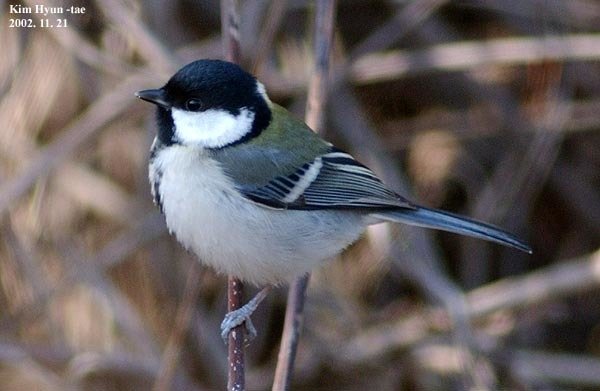
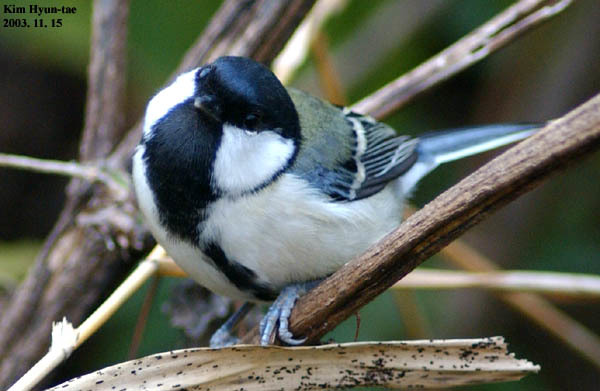
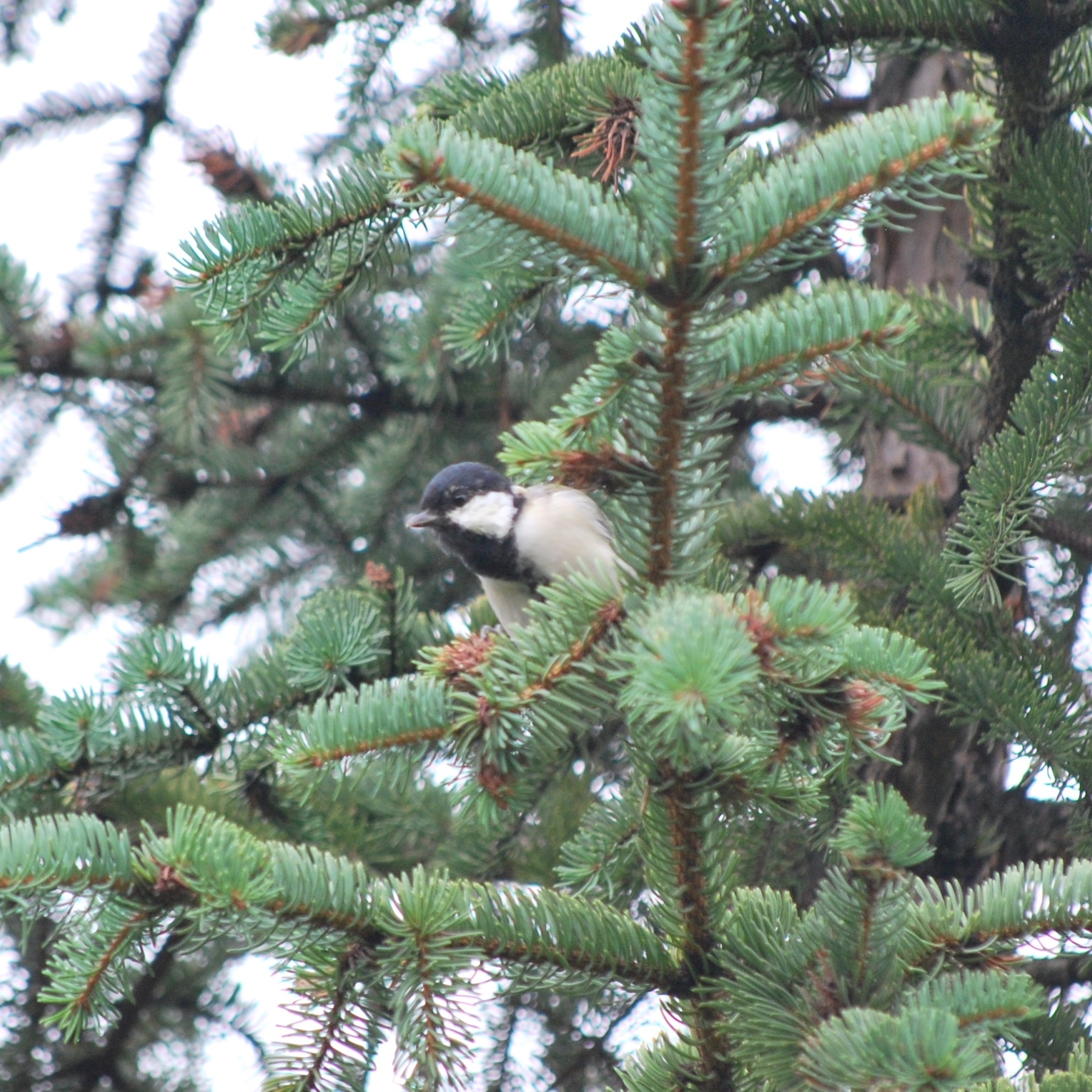
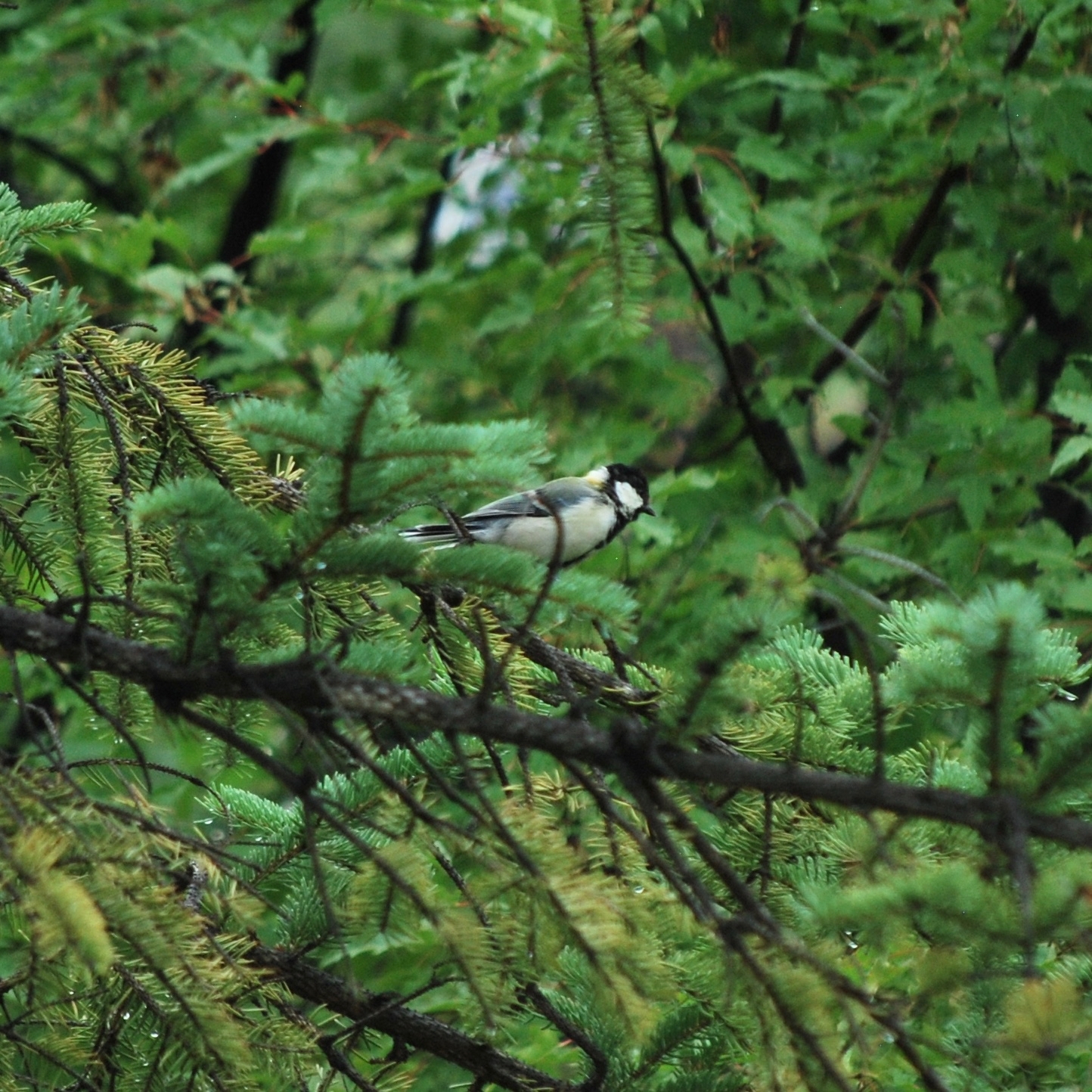
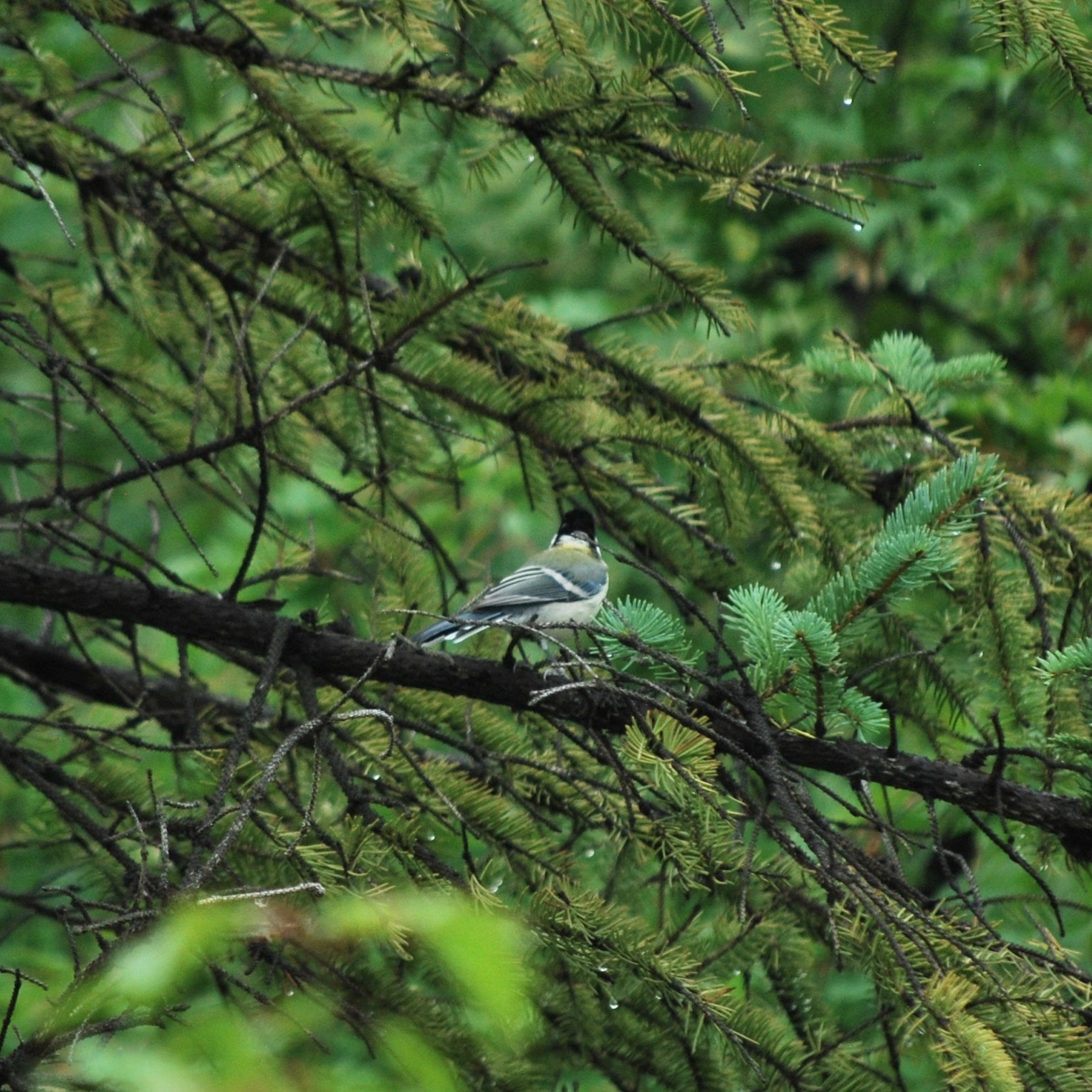
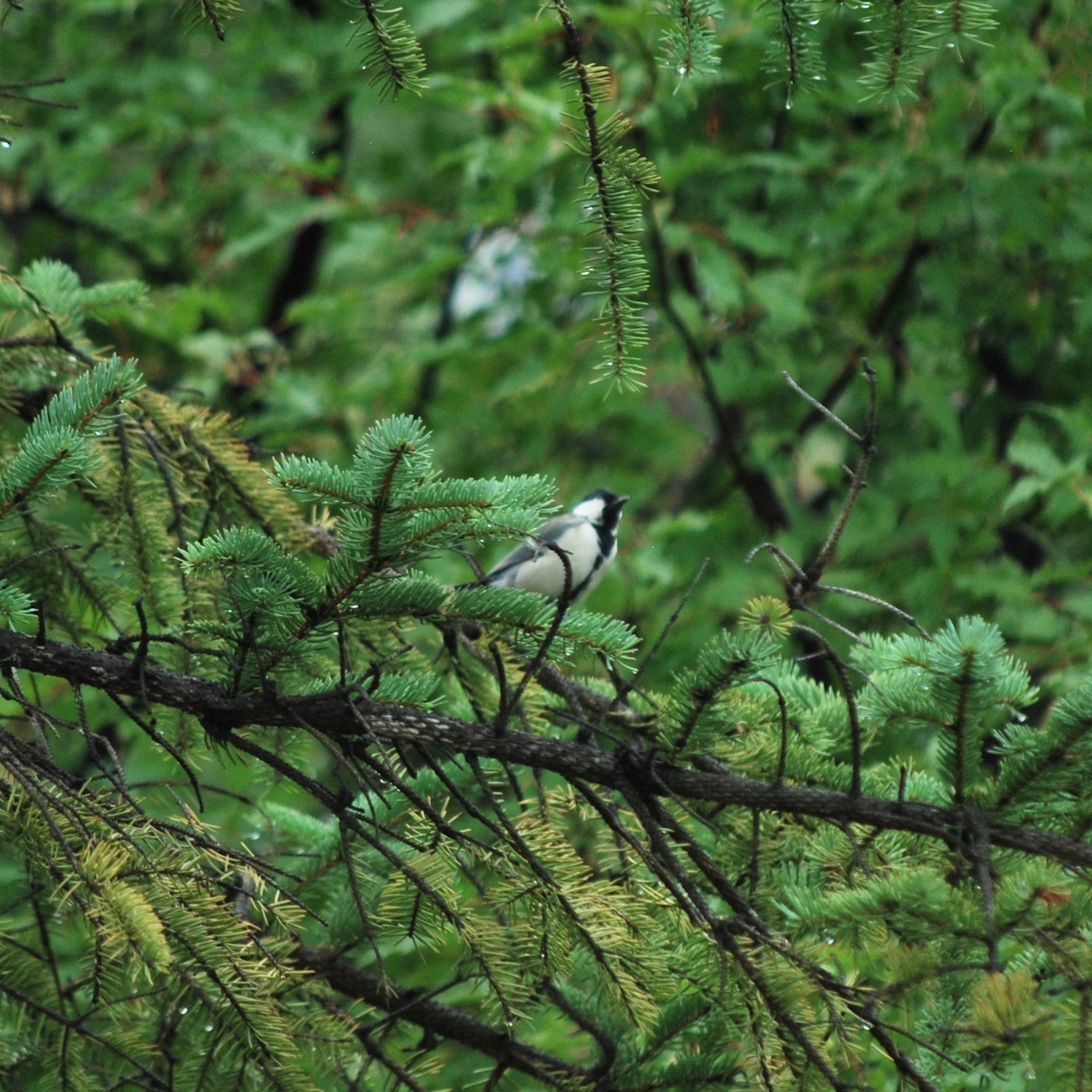
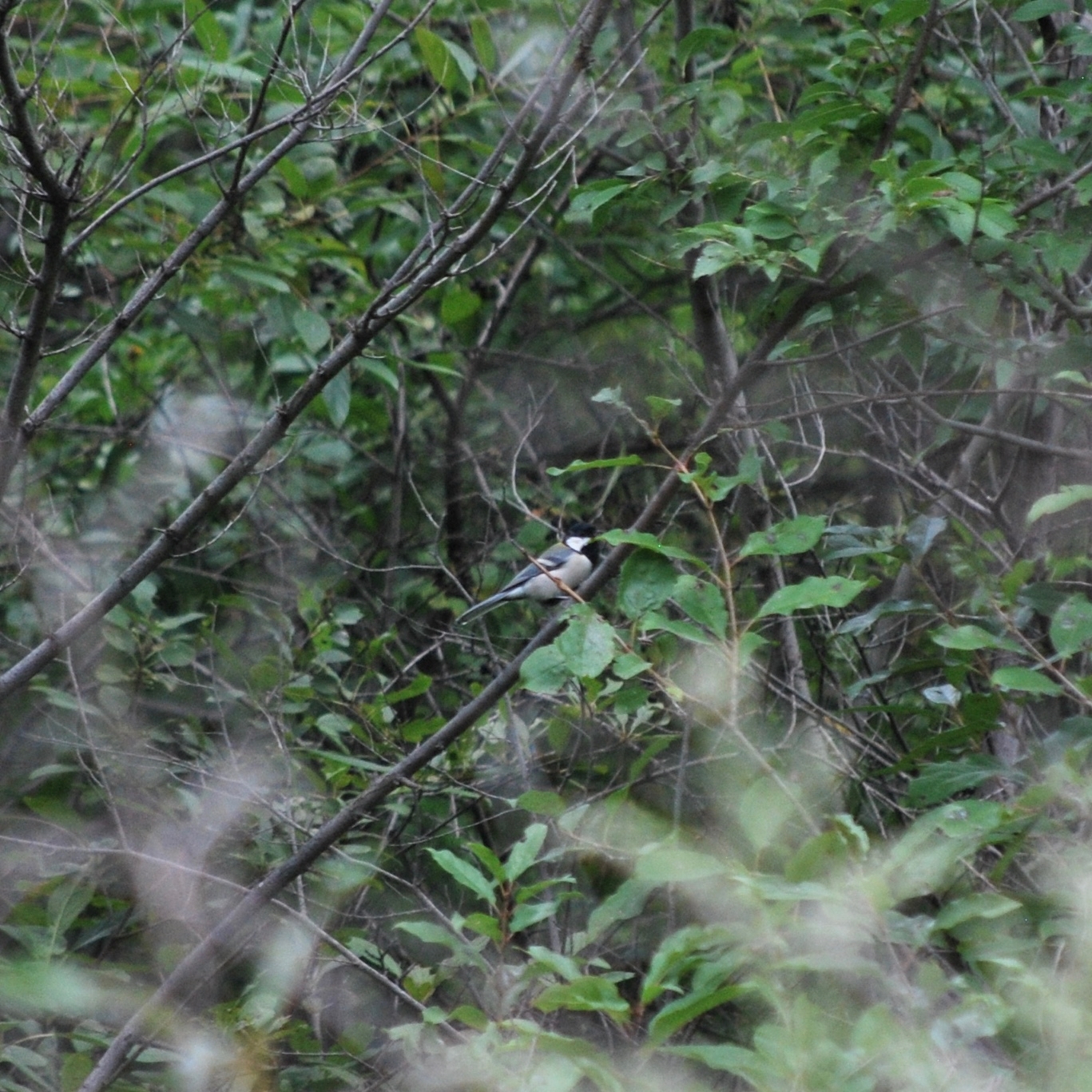
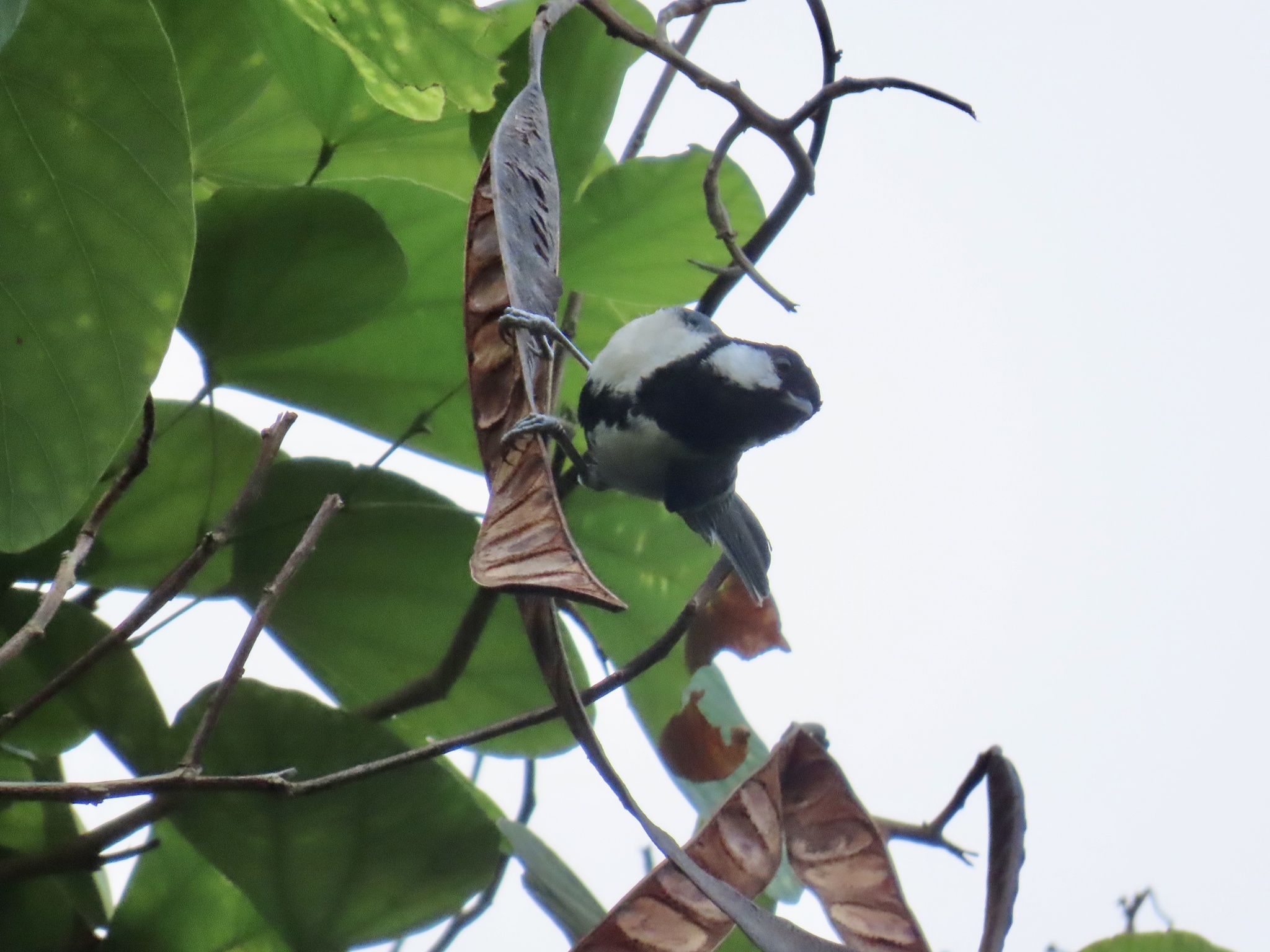
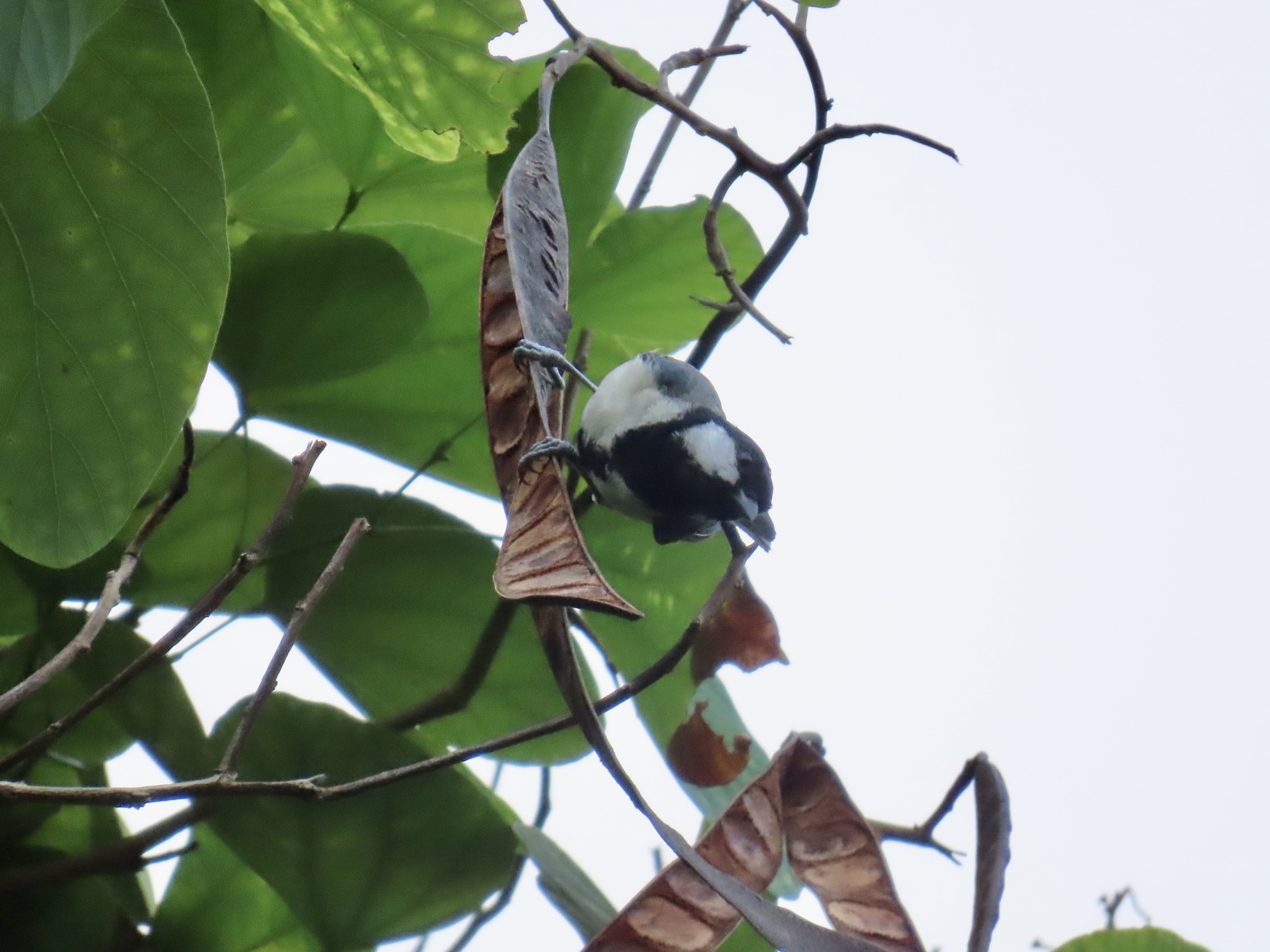
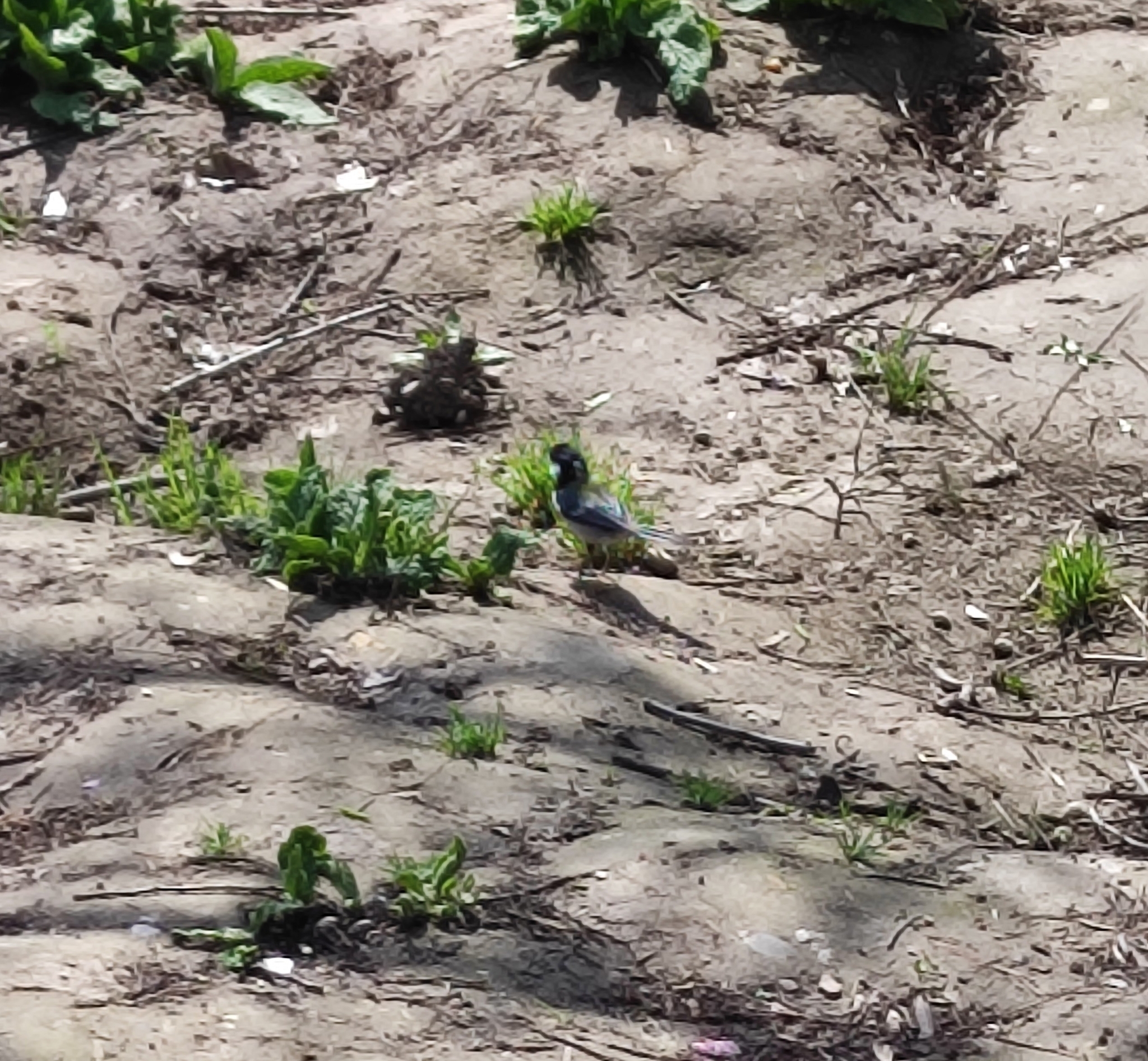
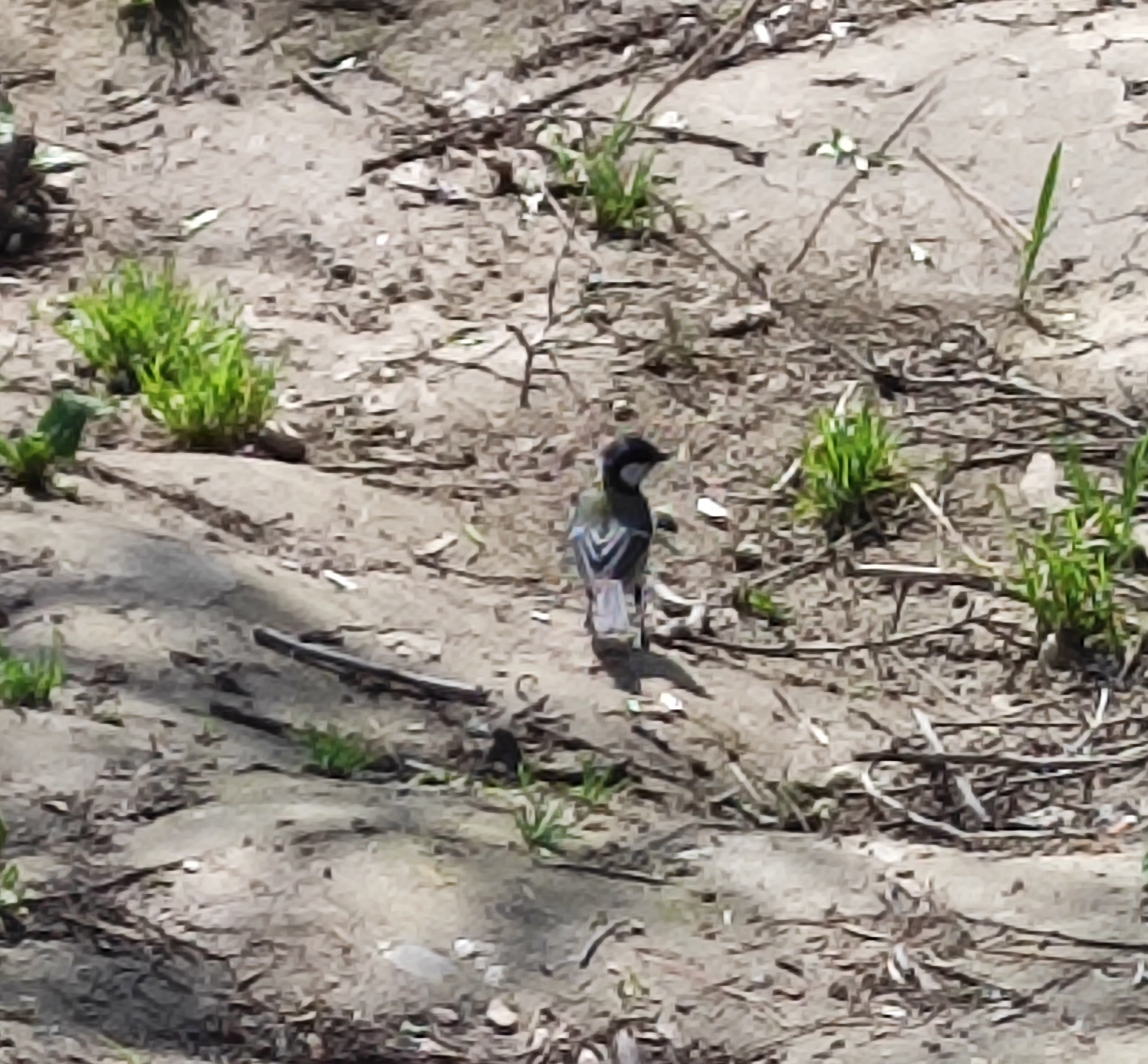
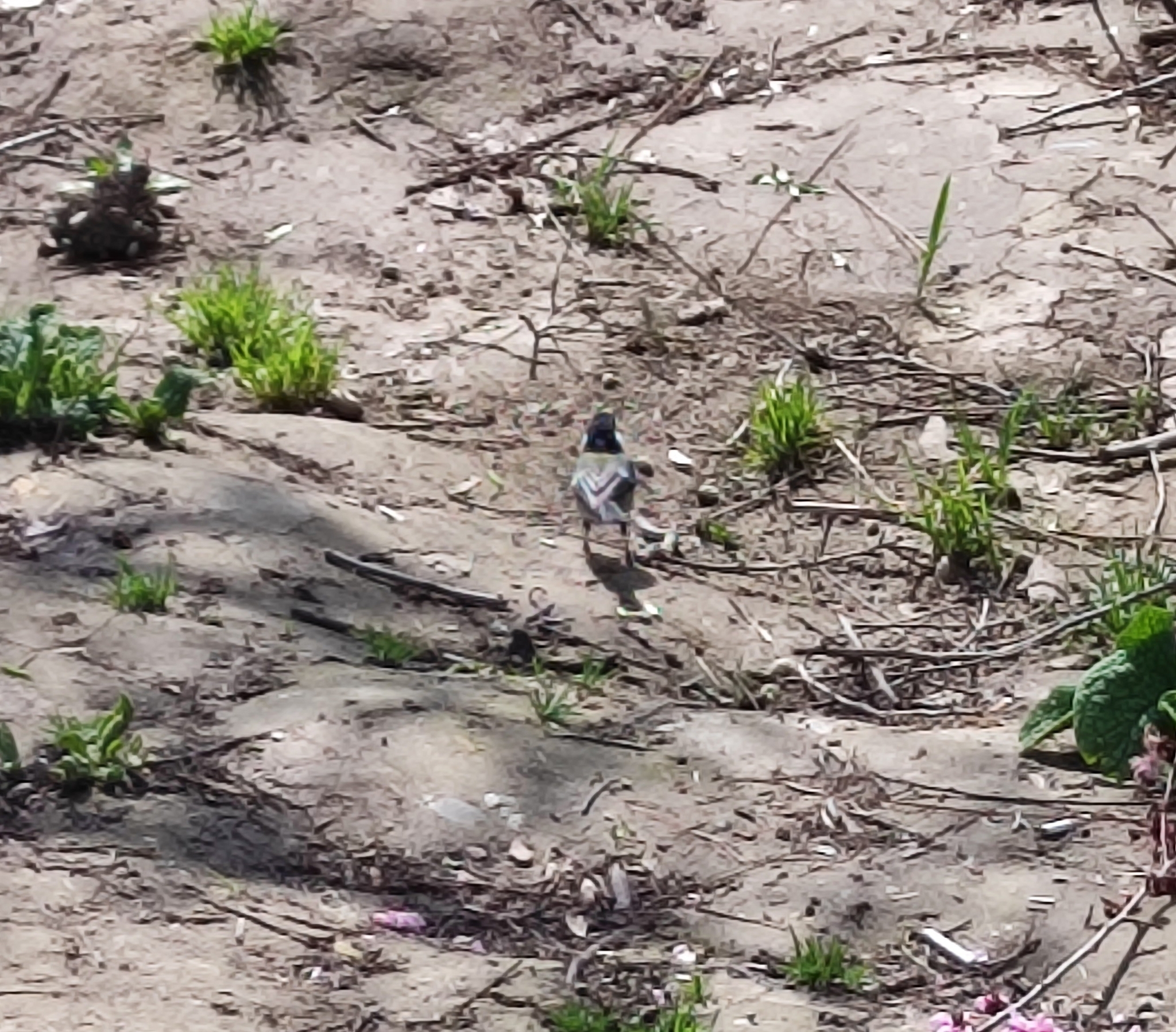
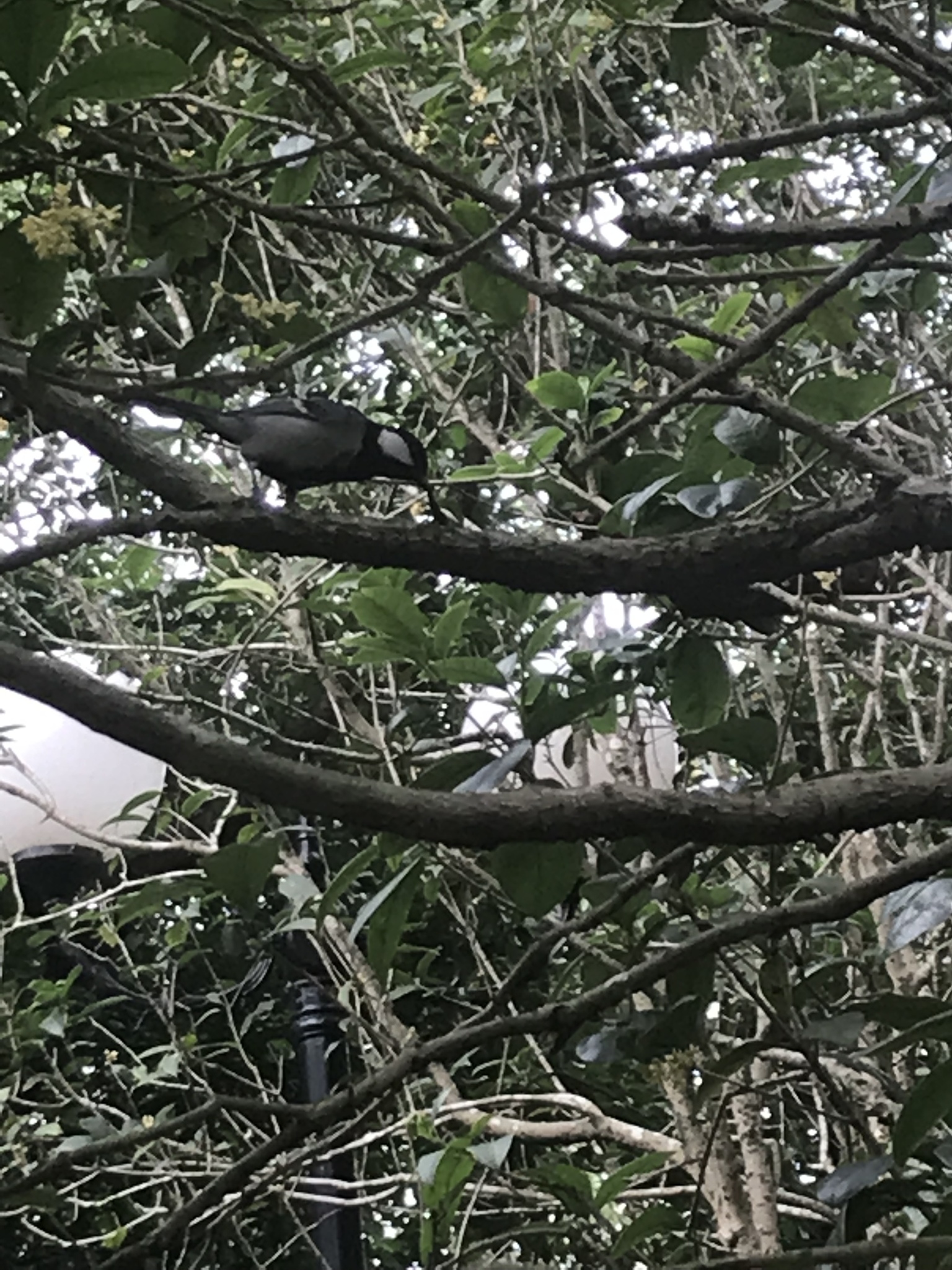
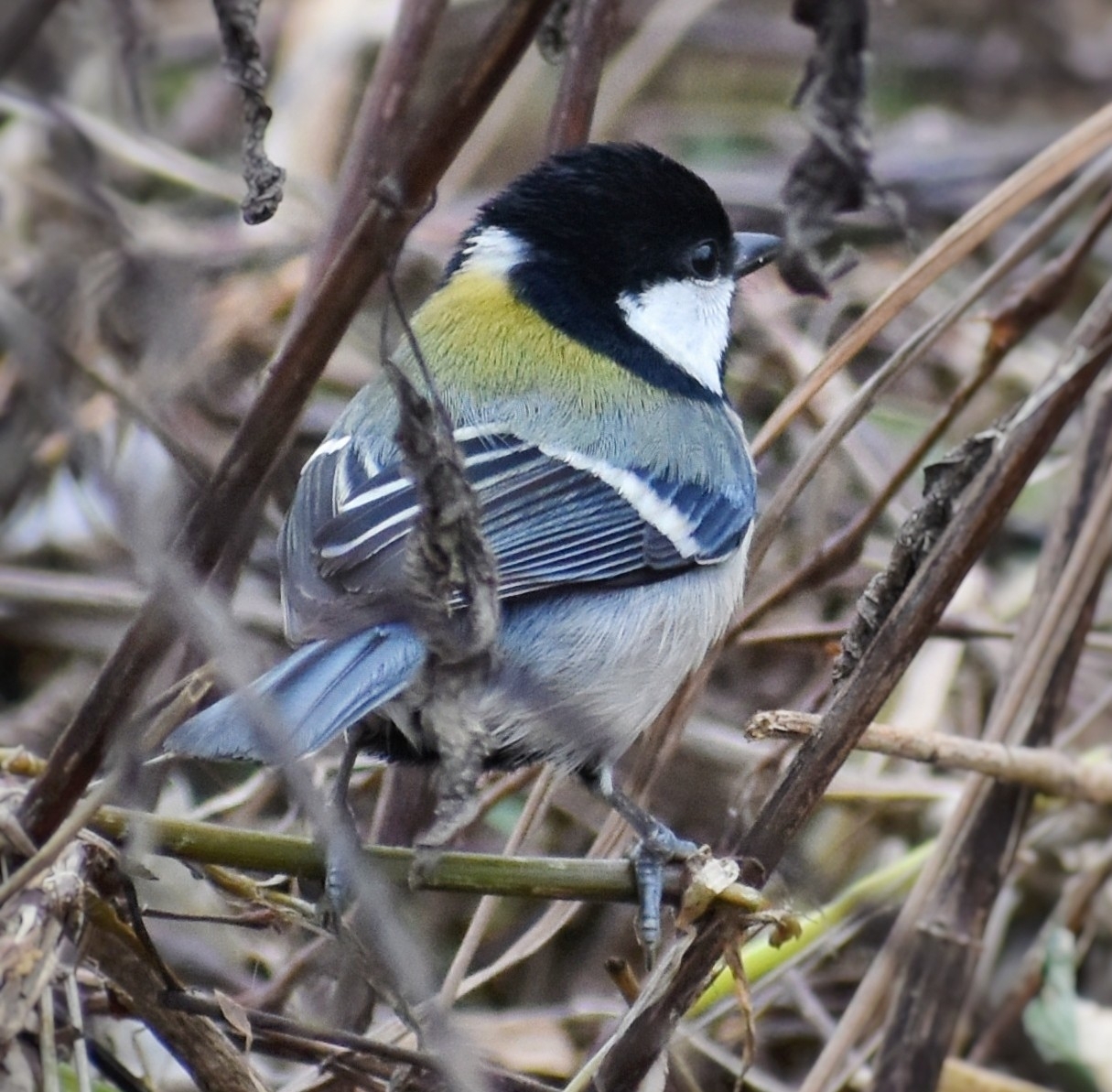
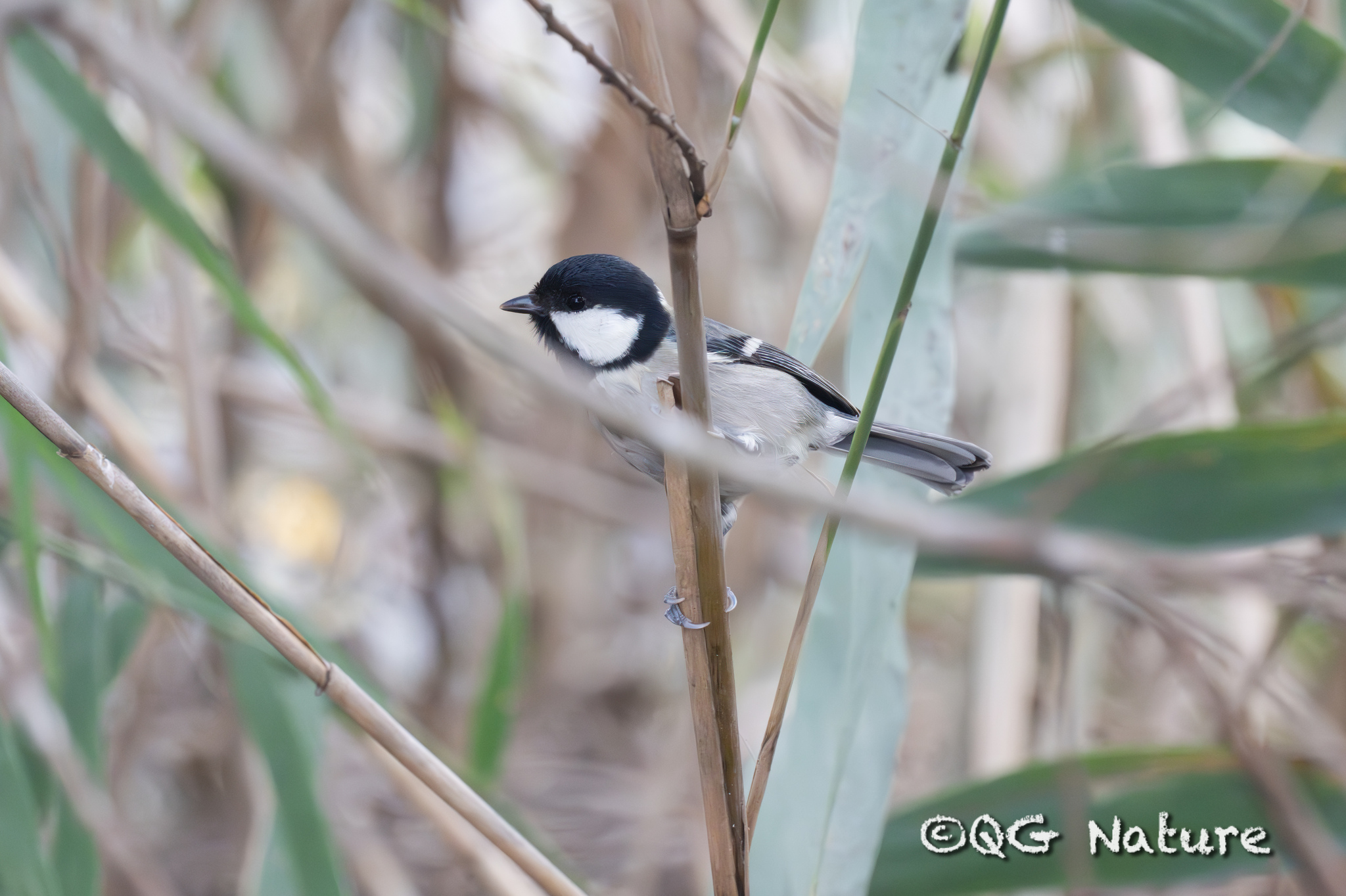
A species of bird in the tit family Paridae, formerly treated as subspecies of the great tit. It has a grey back and white undersides, distinguishing it from the green-backed, yellow-bellied great tit. The range extends from West Asia across South Asia into Southeast Asia, including Japan.
Description
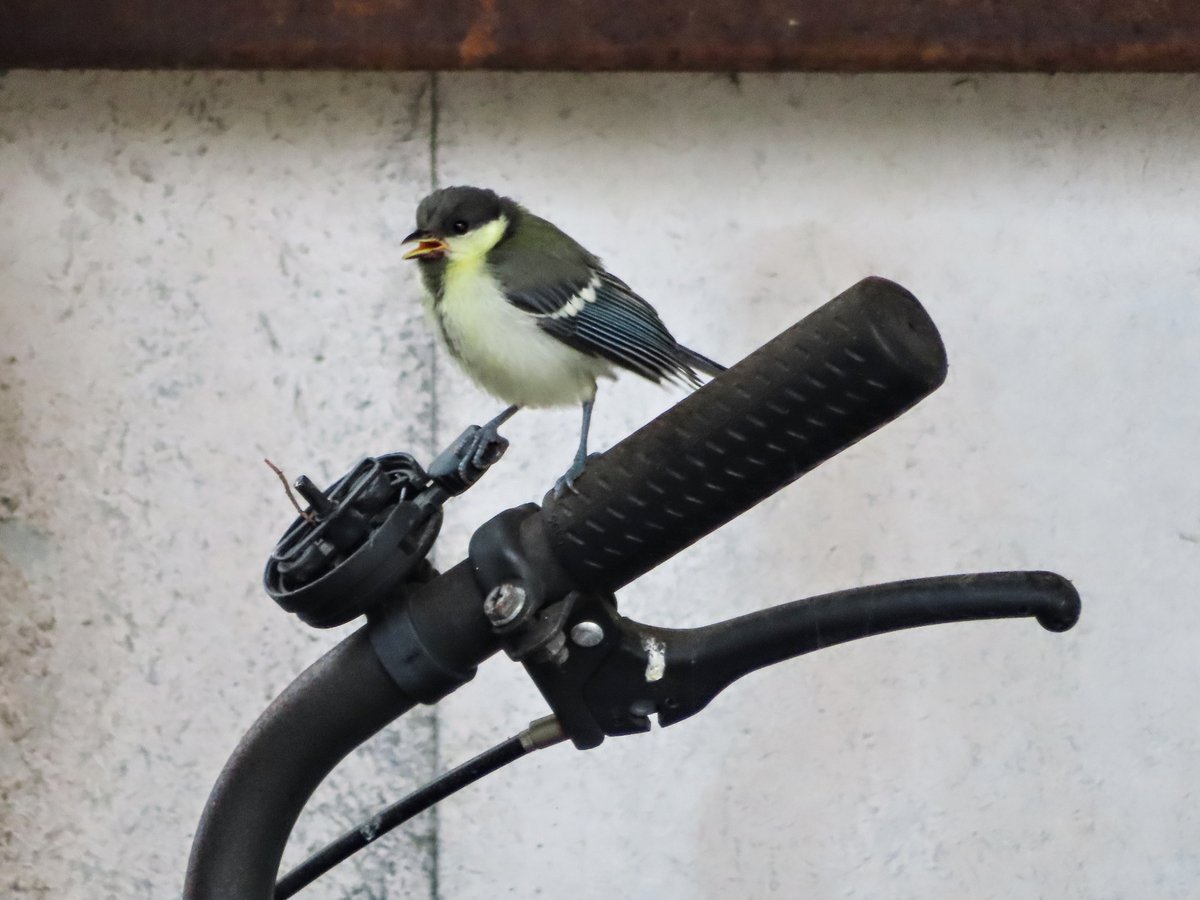
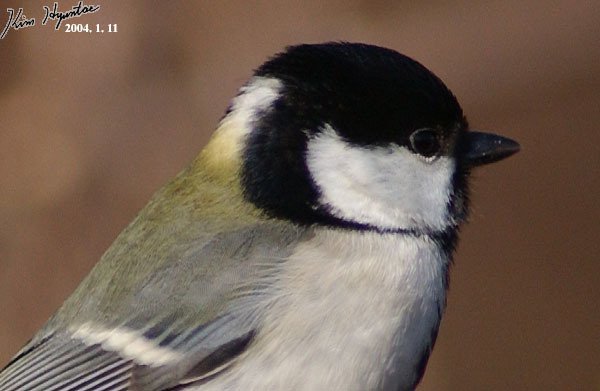
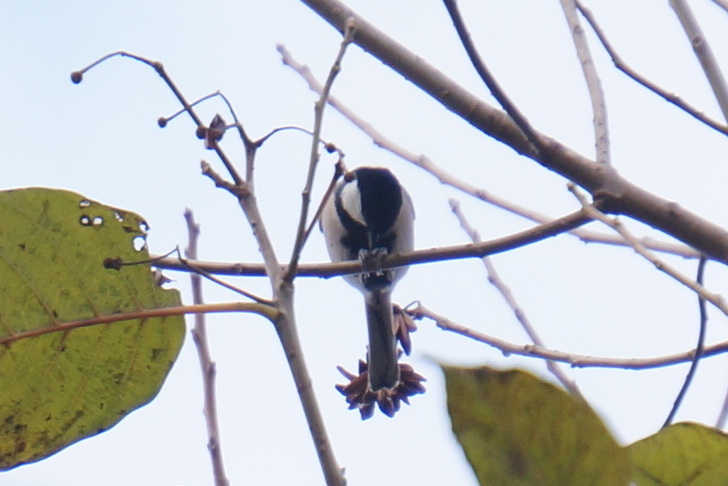
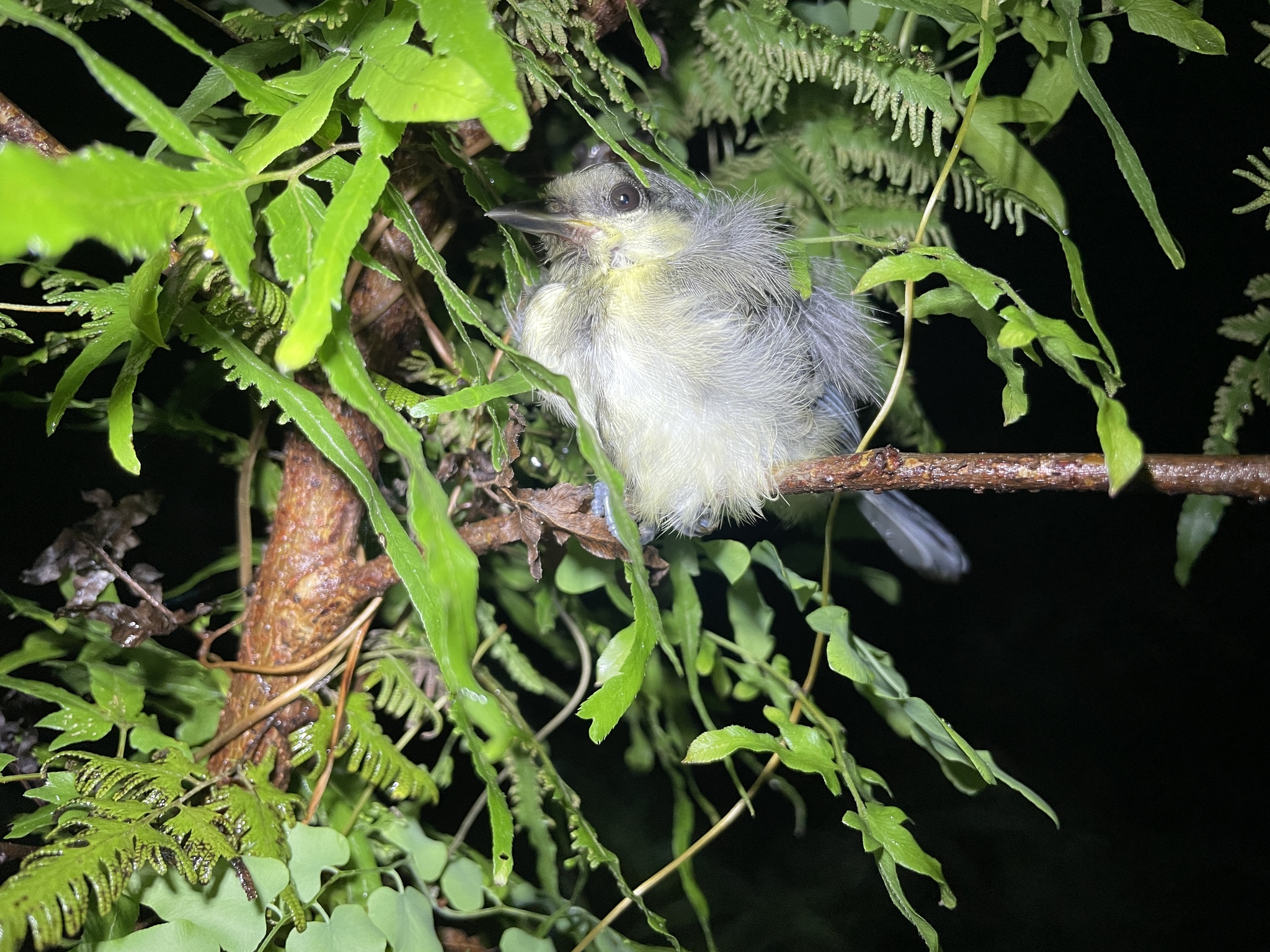
Features a grey back, black hood, white cheek patch, and a white wing-bar. Underparts are white with a broad black central ventral stripe running the length of the body; females have a narrower stripe and are slightly duller. Upper tail coverts are ashy. The tail is black, with the central four pairs of feathers ashy on the outer webs and all but the central pair tipped white. The fifth pair is white with a black rachis and inner web band. Outermost tail feathers are all white with a black shaft. Undertail coverts are black centrally and white on the sides. Young birds show some green on the back and yellowish underside. Twenty subspecies vary mainly in shade of grey, extent of white on tail feathers, and size.
Distribution & Habitat
Range extends from parts of West Asia across South Asia and into Southeast Asia. Subspecies occur in northeast Afghanistan, northwest Pakistan, central/south Afghanistan, west Pakistan, north India, Nepal, Bhutan, Bangladesh, Myanmar, northeast India, southwest India, Sri Lanka, Thailand, Indochina, Hainan, Malay Peninsula, Sumatra, Borneo, Java, Lesser Sunda Islands, east Siberia, Sakhalin, China, Korea, Japan, Ulleungdo, Ryukyu Islands, Yaeyama Islands, southeast Tibet, and north Vietnam. Formerly included the Japanese tit populations.
Behavior & Ecology
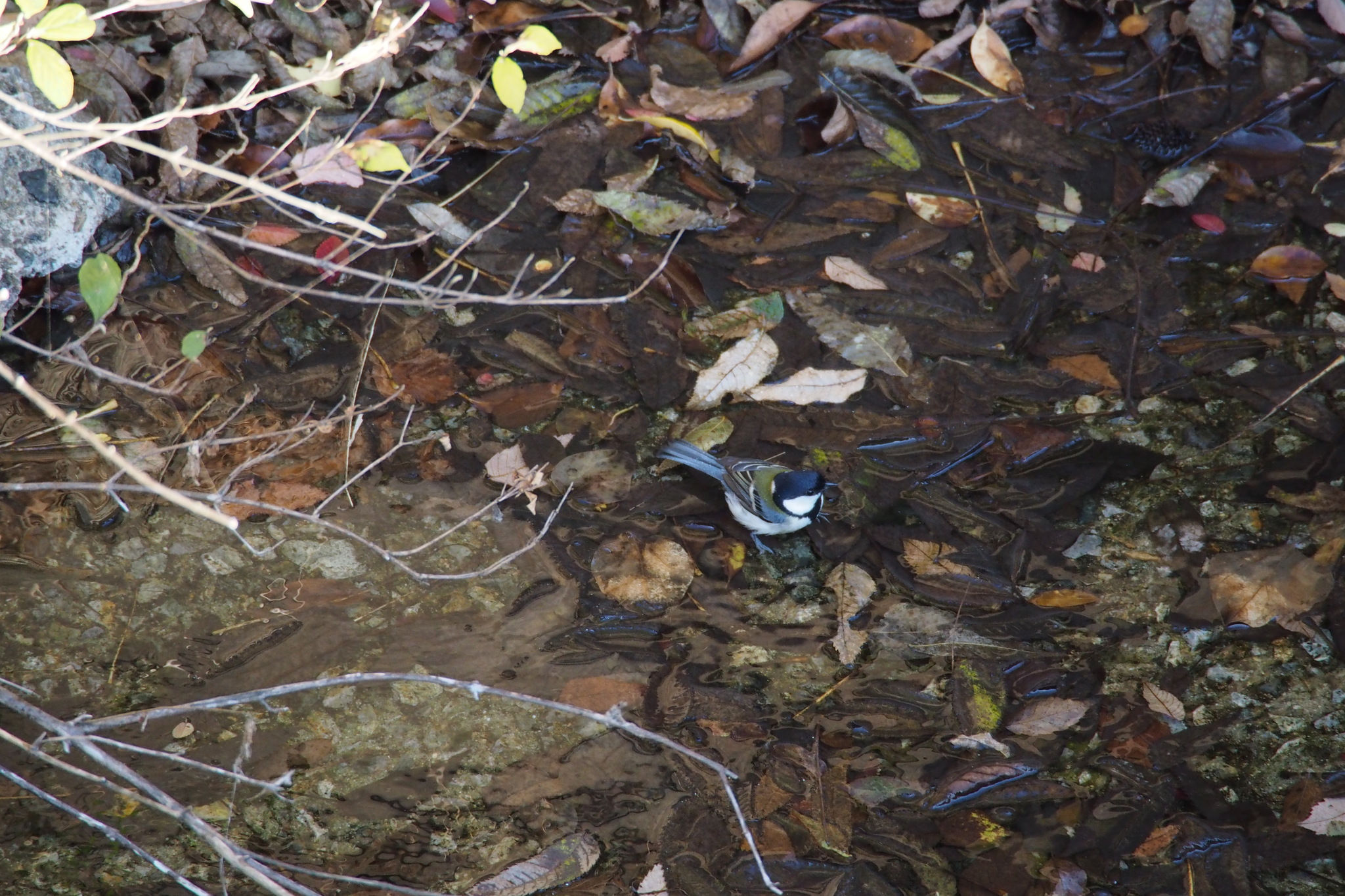
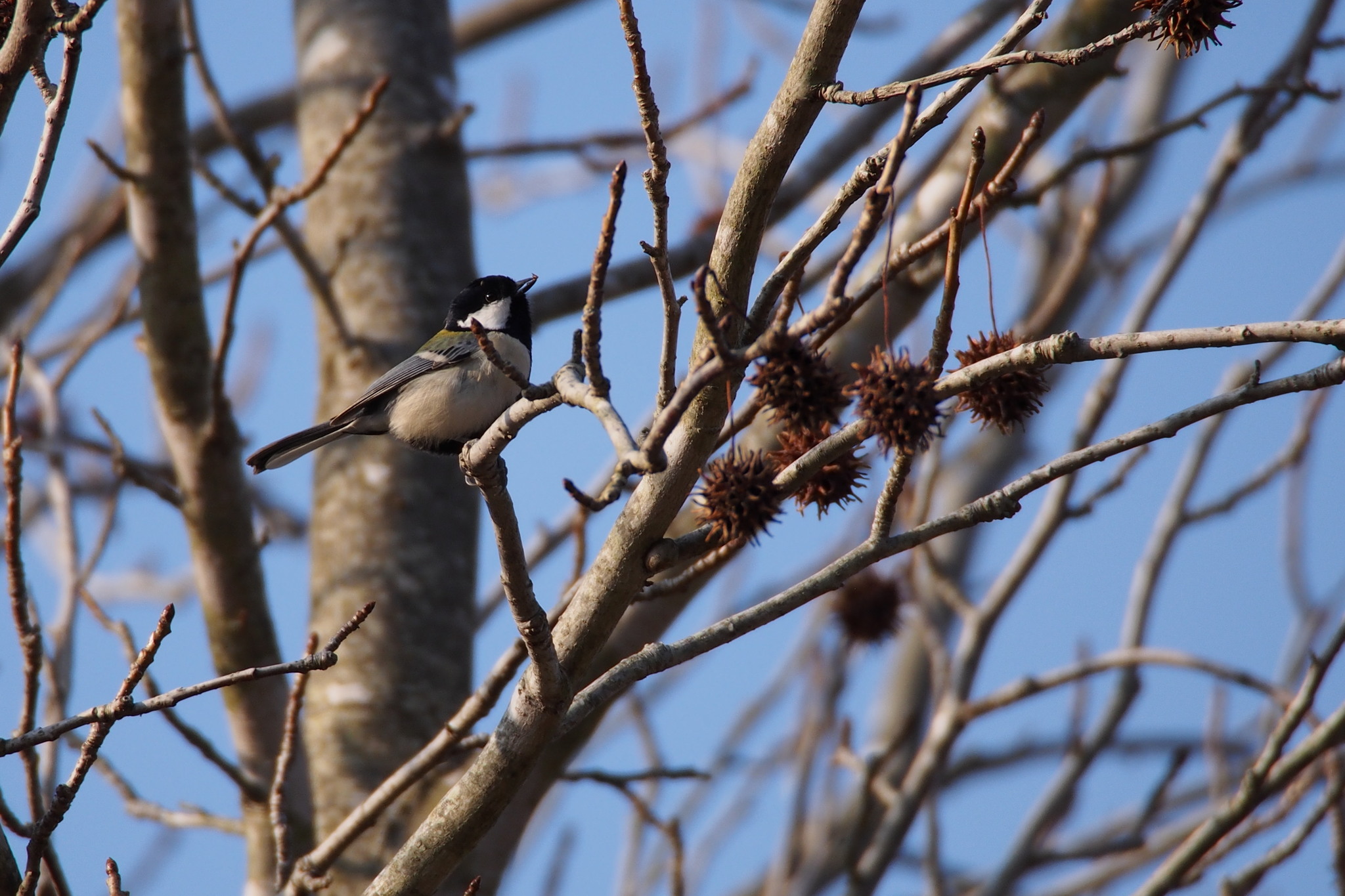
Seen in pairs or small groups, often joining mixed-species foraging flocks. Forages by gleaning insects (caterpillars, bugs, beetles), buds, and fruits. Uses feet to hold insects while tearing them with the beak; may wedge hard seeds in bark crevices to hammer them. Calls include a whistling 'titiweesi...titiweesi... witsi-seesee' repeated three or four times. Breeding season varies by region; in southern India and Sri Lanka, it is February to May, with nests also seen September to November. Clutch size is normally 4 to 6 eggs (up to 9 recorded). Nests are placed in tree hollows, walls, or mud-banks, lined with moss, hair, and feathers, sometimes using old woodpecker or barbet nests. Both parents incubate and hiss when threatened. May roost in cavities such as cut bamboo.
Source: Wikipedia · CC BY-SA 3.0
Taxonomy
- Order
- Passeriformes
- Family
- Paridae
- Genus
- Parus
Taxonomy Changes
Parus minor → Parus cinereus
Subspecies lump — GBIF Backbone Taxonomy uses the former name; AviList 2025 uses the current name.
Vocalizations
Subspecies (20)
-
Parus cinereus amamiensis
northern Ryukyu Islands (Amami Ōshima and Tokuno-Shima, southern Japan)
Data Sources
CBR Notes: 中文名由远东山雀恢复为大山雀,学名由Parus minor改为Parus cinereus
Species description from Wikipedia, licensed under CC BY-SA 3.0.
Bird images and sounds sourced from GBIF, contributed by citizen scientists worldwide under Creative Commons licenses.
Taxonomy data from AviList 2025.