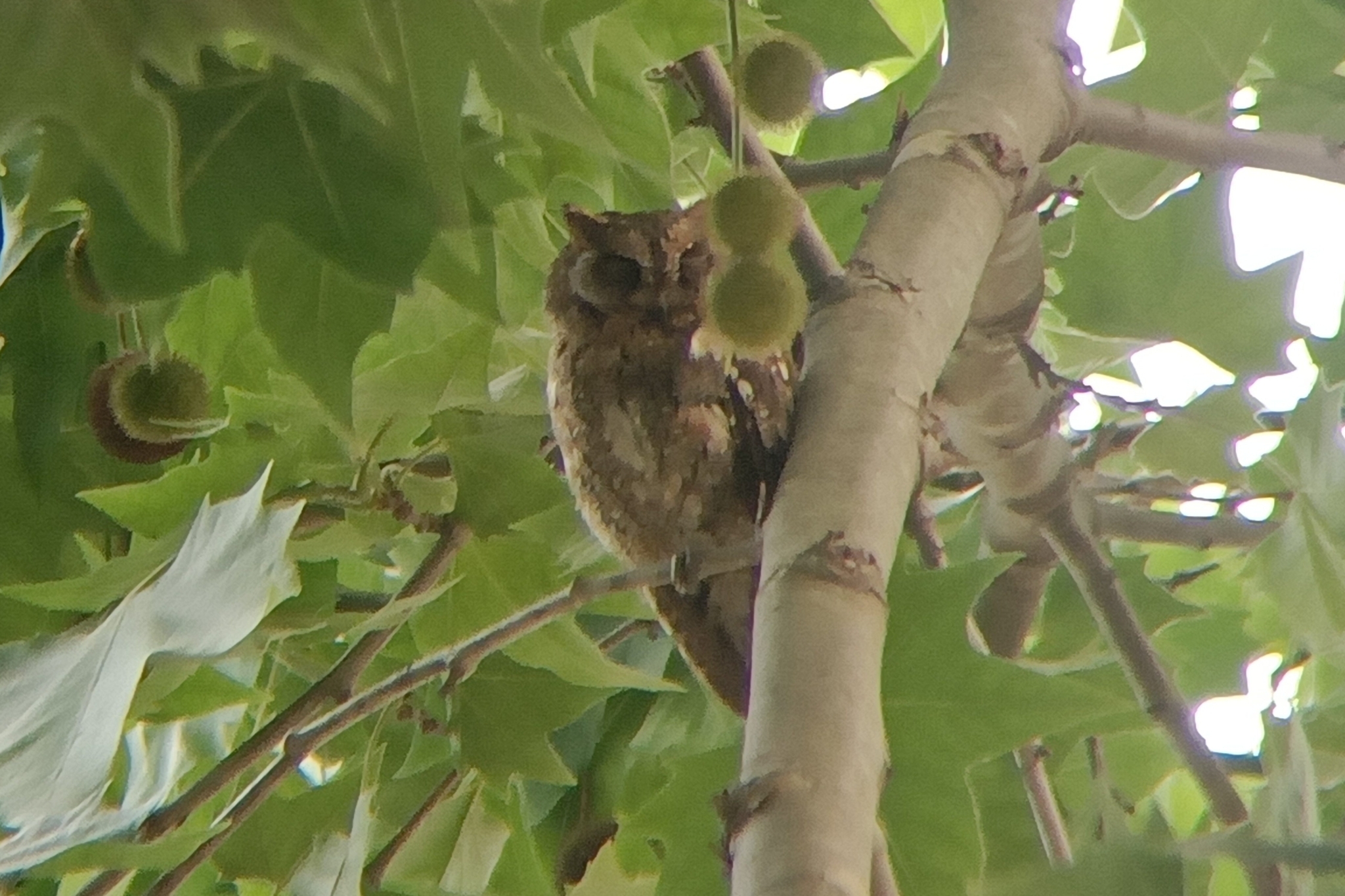
Oriental Scops Owl
Otus sunia
红角鸮
Introduction
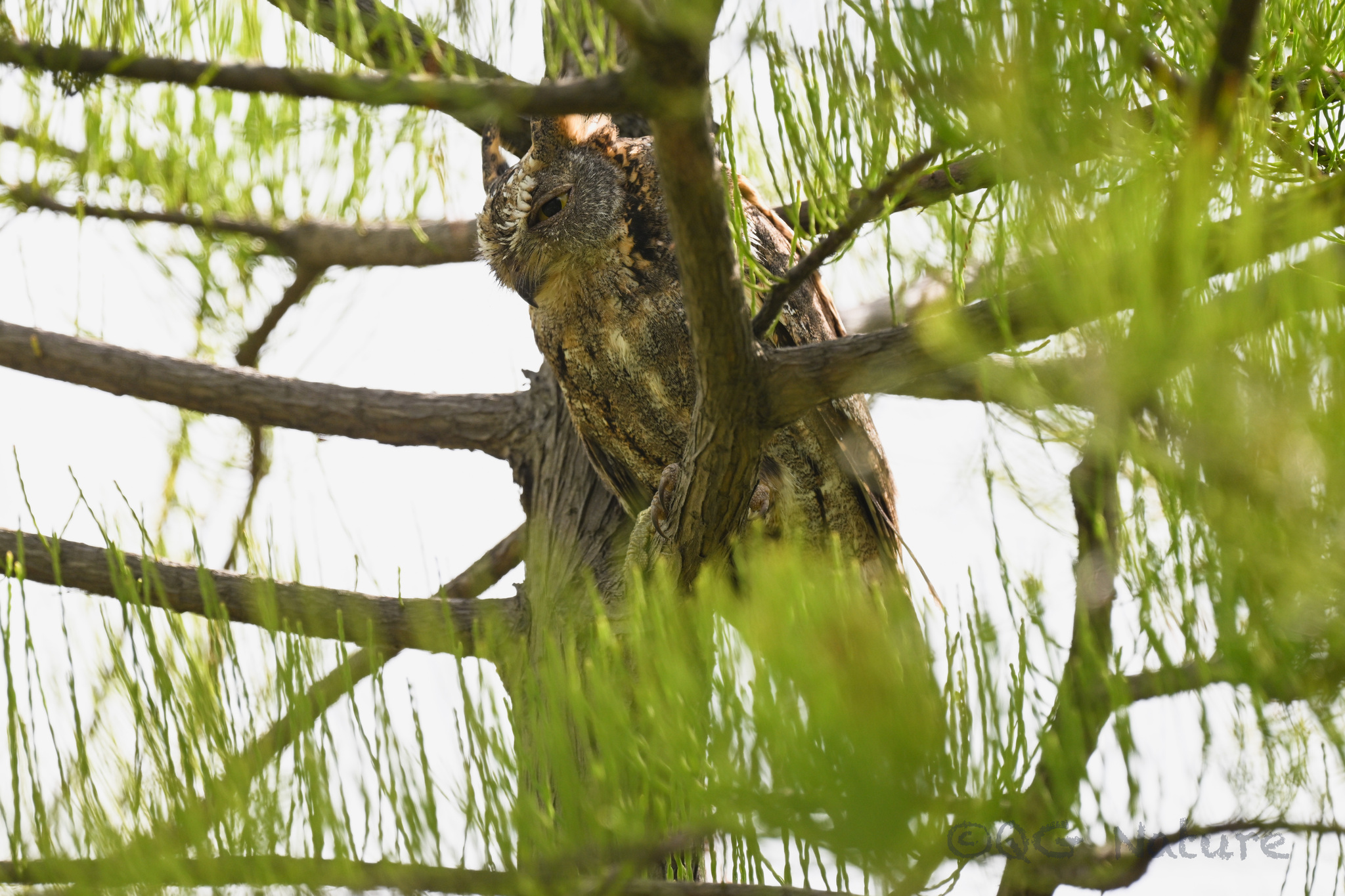
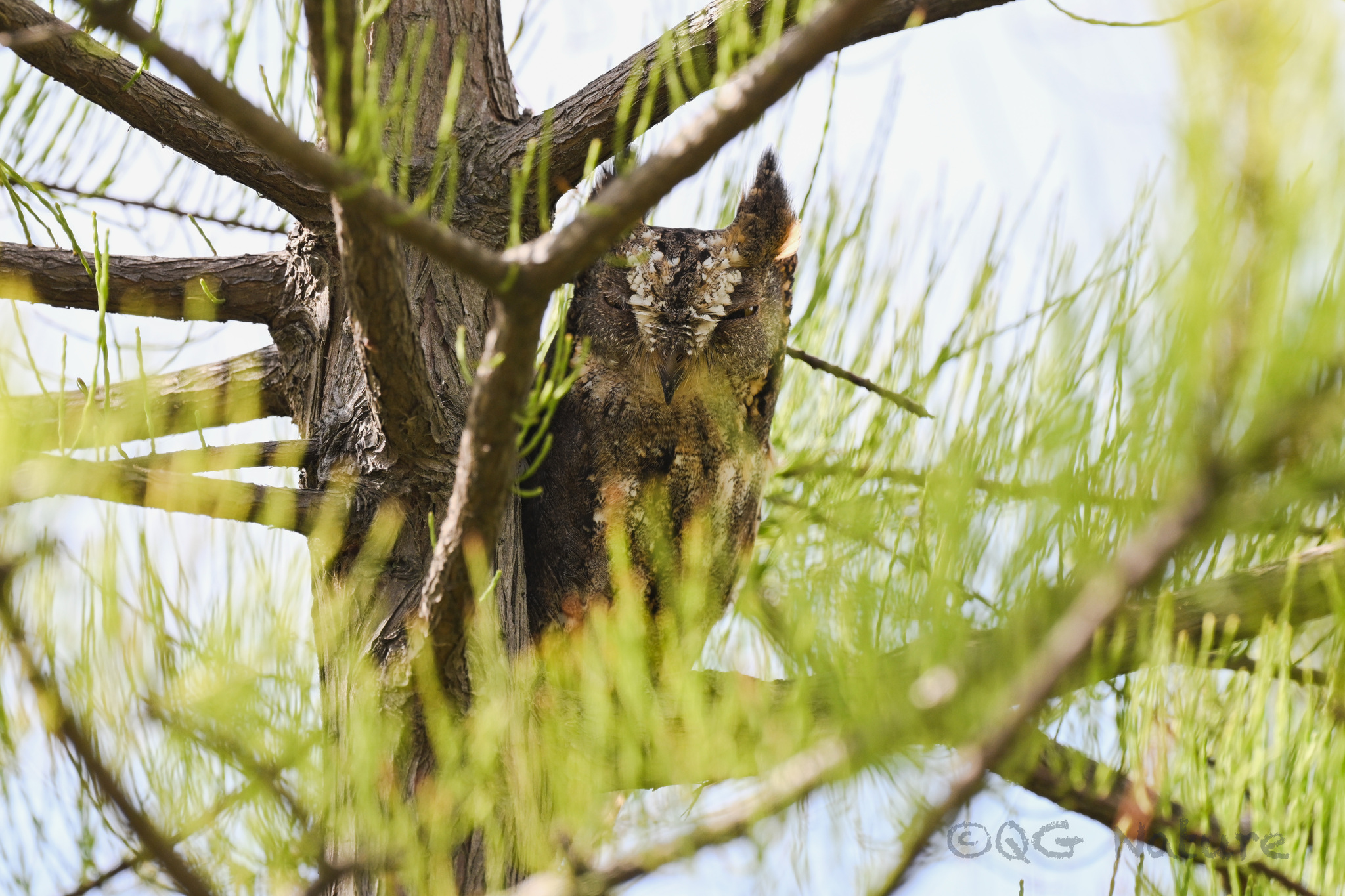
This compact owl is a widespread resident of Asian forests. Two distinct colour morphs occur - grey and rufous - with intermediate forms. The species exhibits sexual monomorphism. Adults can be distinguished from juveniles by their higher-pitched calls. The owl is active primarily at dusk and night. Its call is a repeated liquid 'tuk tok torok'. It inhabits dry forest environments and will freeze with eyes half-closed when disturbed during daylight hours.
Description
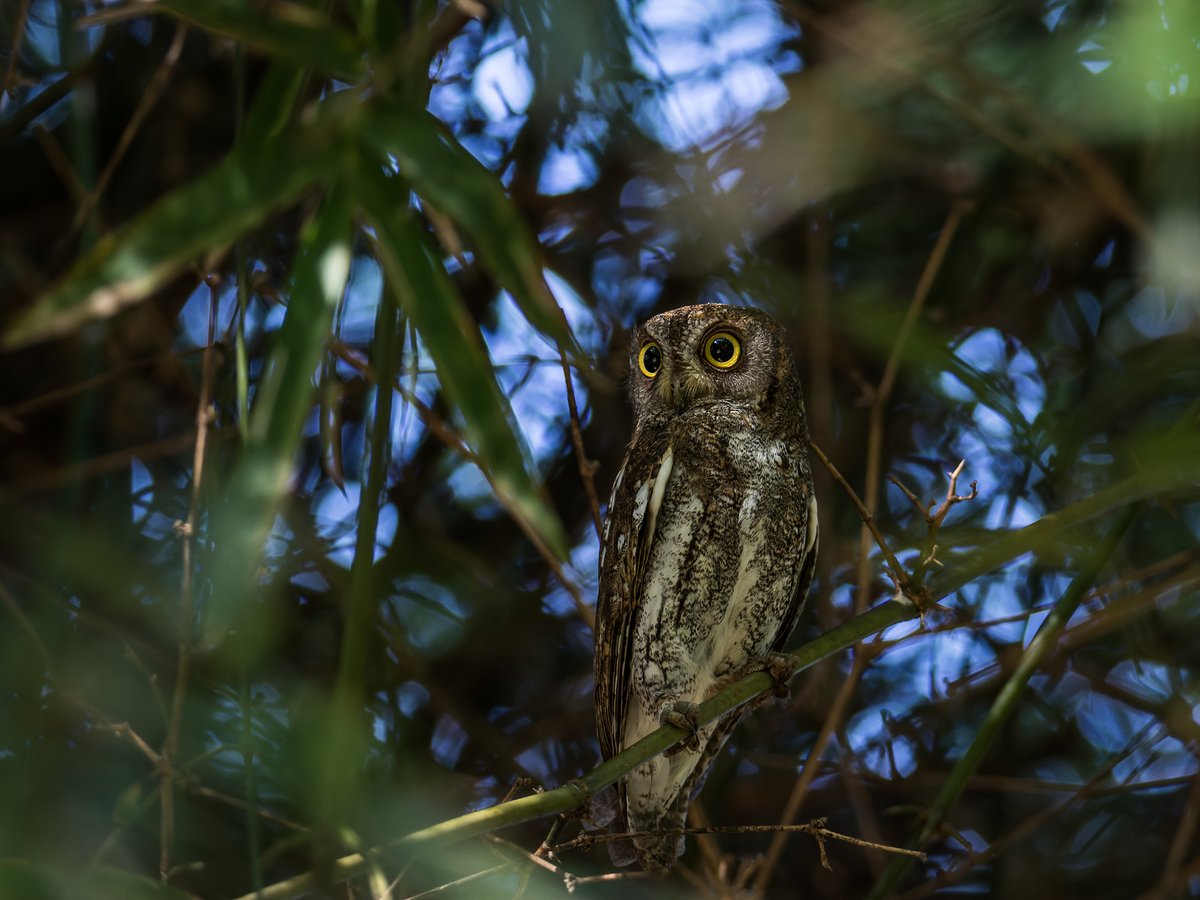
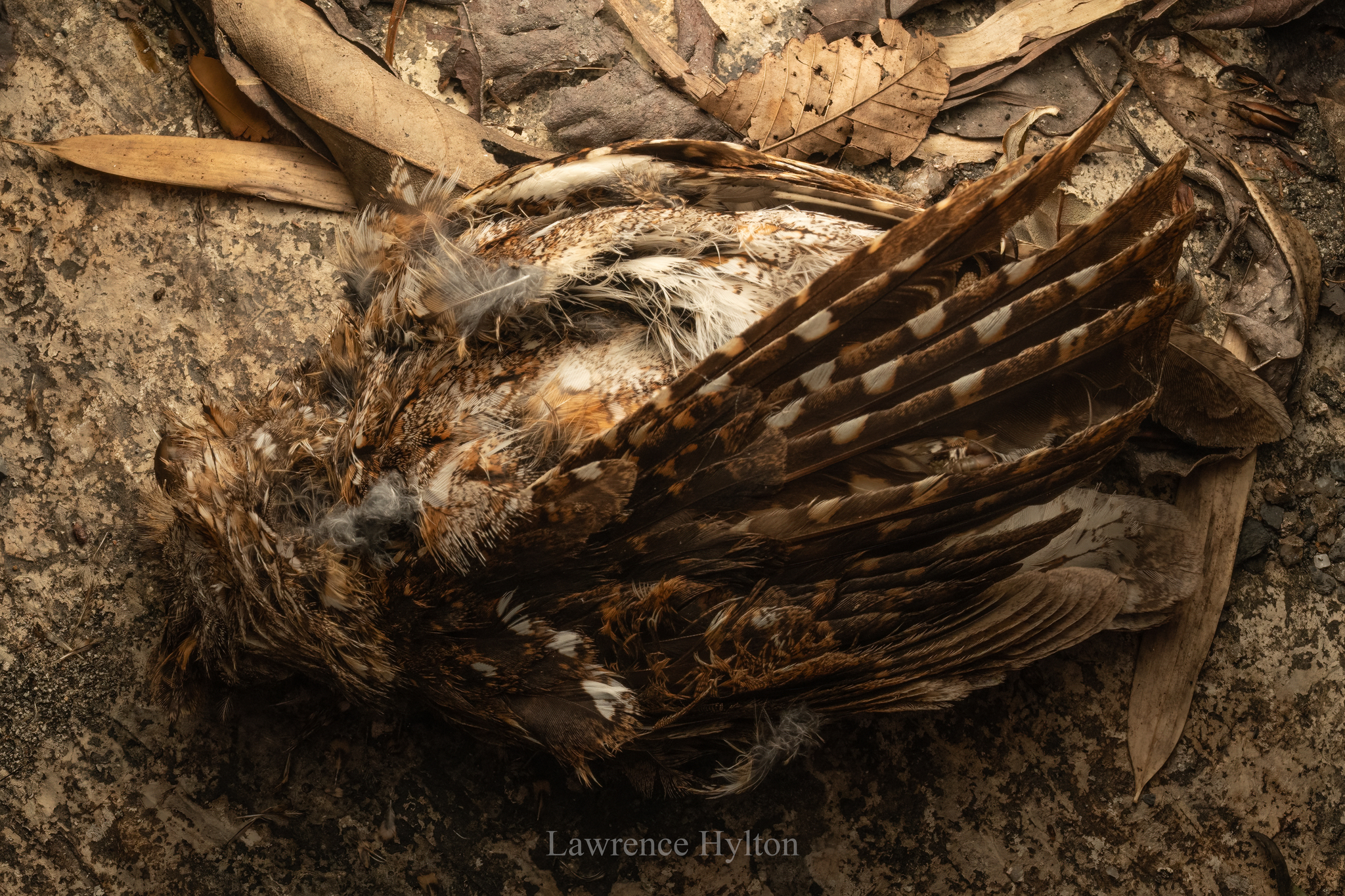
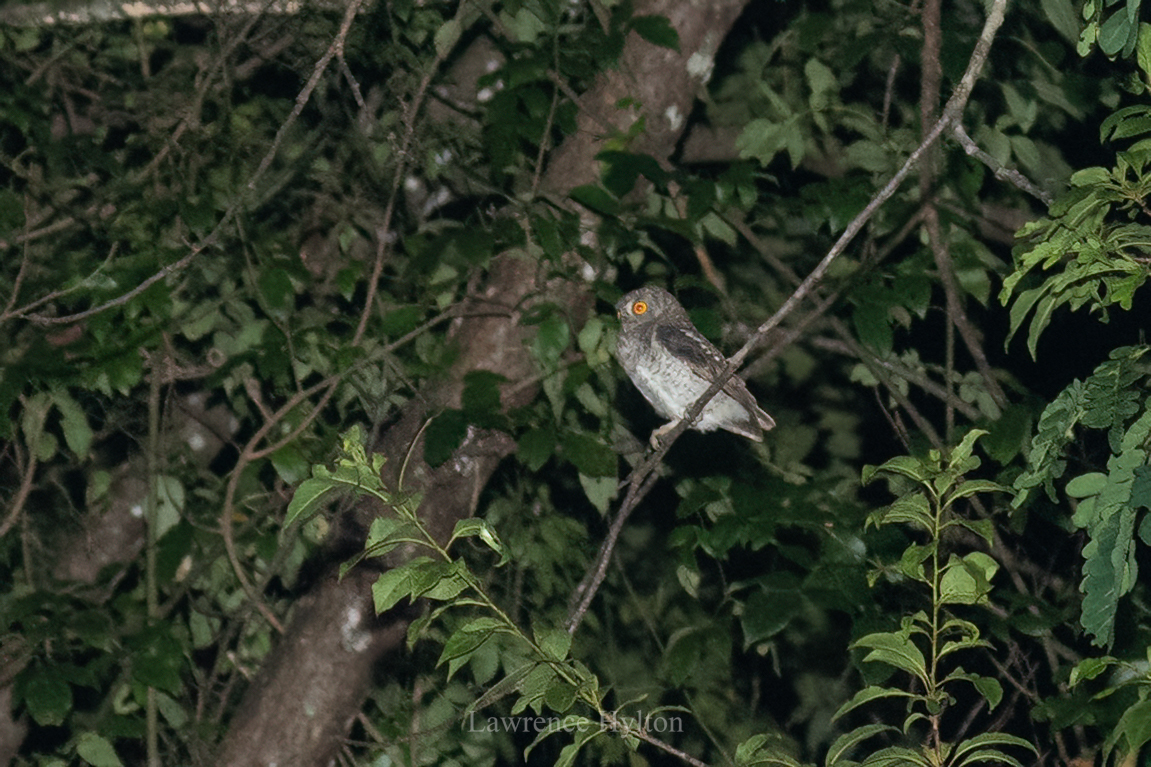
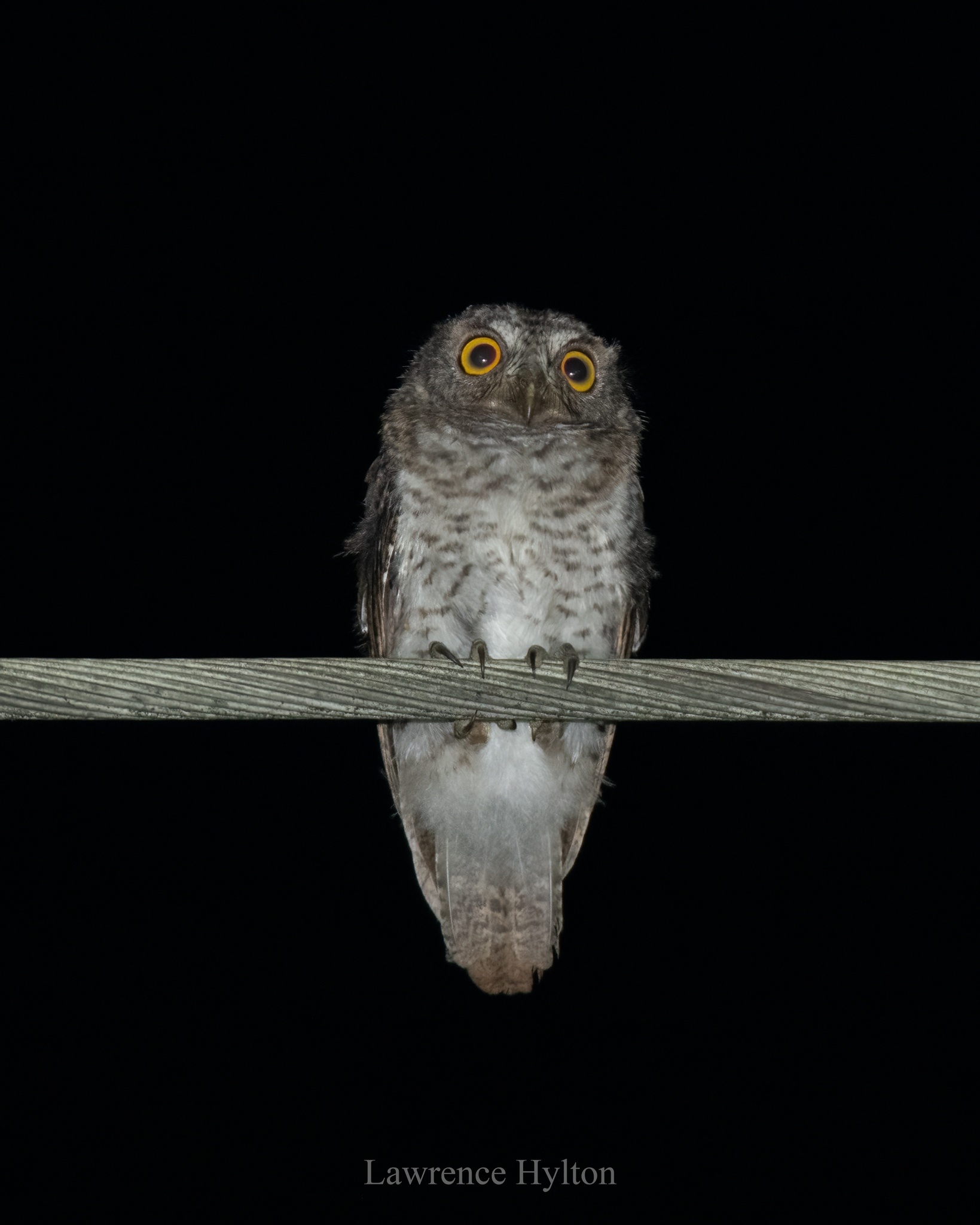
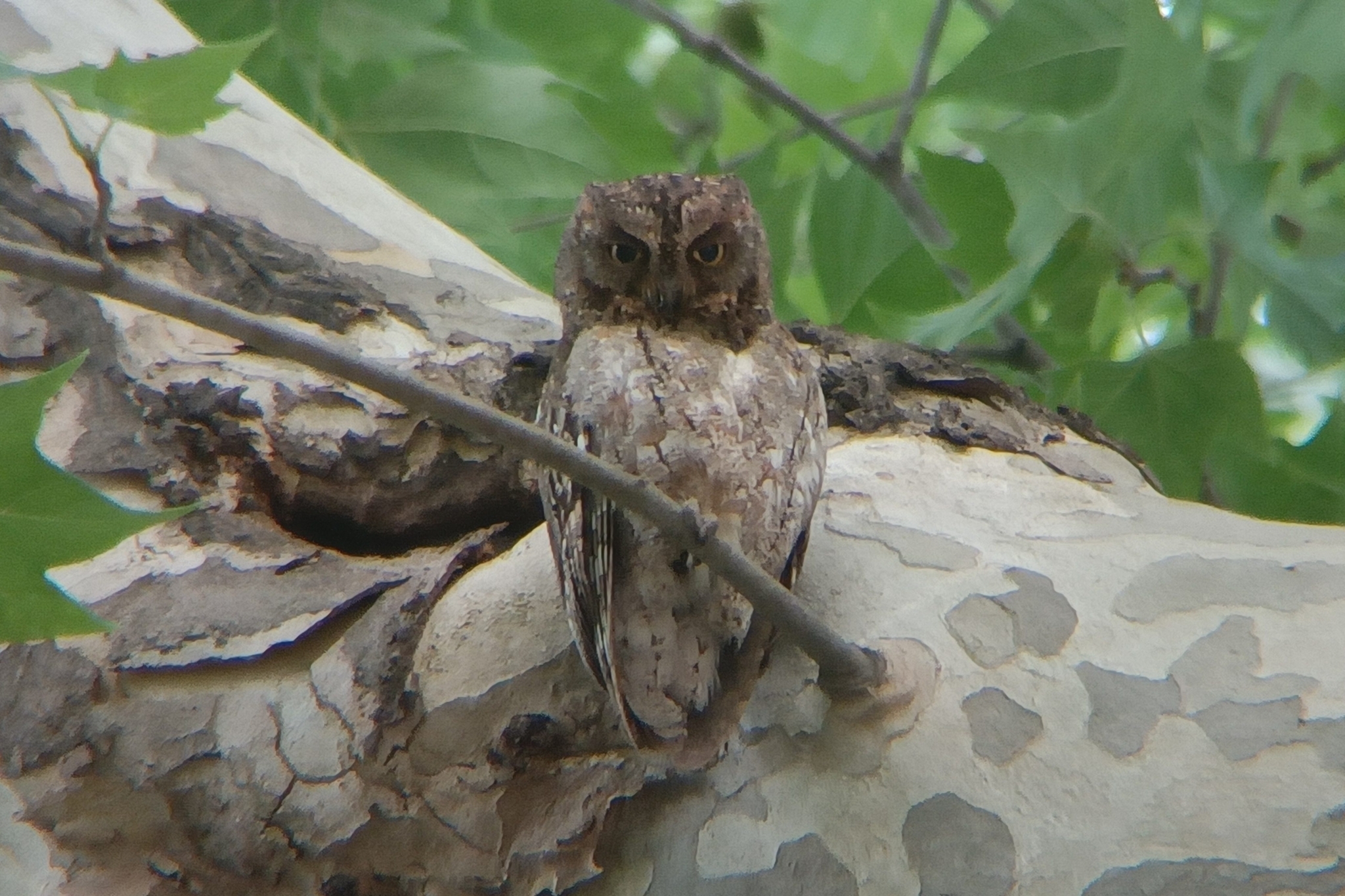
A diminutive owl measuring small dimensions, this species possesses striking yellow eyes and inconspicuous ear-tufts that may not always be erect. The plumage shows considerable variation, with two primary colour morphs: grey and rufous, along with intermediate forms. A diagnostic whitish scapular stripe contrasts with the otherwise well-marked underparts, while the absence of a pale collar distinguishes it from similar species. The sexes are visually identical. When disturbed, individuals adopt a freeze posture, often with eyes partially closed, relying on camouflage rather than flight for initial defense.
Identification
This species is most reliably separated from the collared scops owl by its prominent whitish scapular stripe, more heavily marked underparts, and notably lacking the pale collar characteristic of its congener. The two colour morphs (grey and rufous) can cause confusion with other scops owls, but the voice provides an excellent identification clue: the repeated liquid call sounding like 'tuk tok torok' is distinctive. Call pitch also aids ageing, with adults producing higher-pitched notes than juvenile birds.
Distribution & Habitat
This species occupies an extensive range across eastern and southern Asia, from Russia through Southeast Asia to Thailand. It shows a preference for dry deciduous forest habitats throughout this broad distribution. The owl is cavity-nesting, utilizing holes in various tree species with a particular fondness for Mahua trees. Breeding activity occurs during the spring months of February through April.
Behavior & Ecology
The breeding season spans February to April, when pairs occupy tree cavities for nesting. The species is cavity-dependent, using existing holes rather than excavating new ones. Mahua trees are a preferred nesting substrate. Vocalizations play an important role in territory defense and mate attraction, with the characteristic 'tuk tok torok' call being most frequently heard during breeding season. When disturbed, individuals rely on crypsis, freezing motionless with eyes partially closed rather than immediately flushing.
Source: Wikipedia · CC BY-SA 3.0
Taxonomy
- Order
- Strigiformes
- Family
- Strigidae
- Genus
- Otus
- eBird Code
- orsowl
Vocalizations
Subspecies (9)
-
Otus sunia distans
Myanmar through Indochina
-
Otus sunia japonicus
breeds Japan; at least partially migratory, but winter range not well documented
-
Otus sunia leggei
Sri Lanka
-
Otus sunia malayanus
southern China (Yunnan to eastern Guangdong); at least partially migratory, wintering to the southern Malay Peninsula and perhaps to northern Sumatra
-
Otus sunia modestus
Andaman Islands
-
Otus sunia nicobaricus
Nicobar Islands
-
Otus sunia rufipennis
southern India
-
Otus sunia stictonotus
breeds southeastern Siberia to northeastern China, Sakhalin Island, and northern Korea; winters southeastern China south at least to southern Thailand
-
Otus sunia sunia
northern Pakistan to Bangladesh and northern India
Data Sources
Species description from Wikipedia, licensed under CC BY-SA 3.0.
Bird images and sounds sourced from GBIF, contributed by citizen scientists worldwide under Creative Commons licenses.
Taxonomy data from AviList 2025.