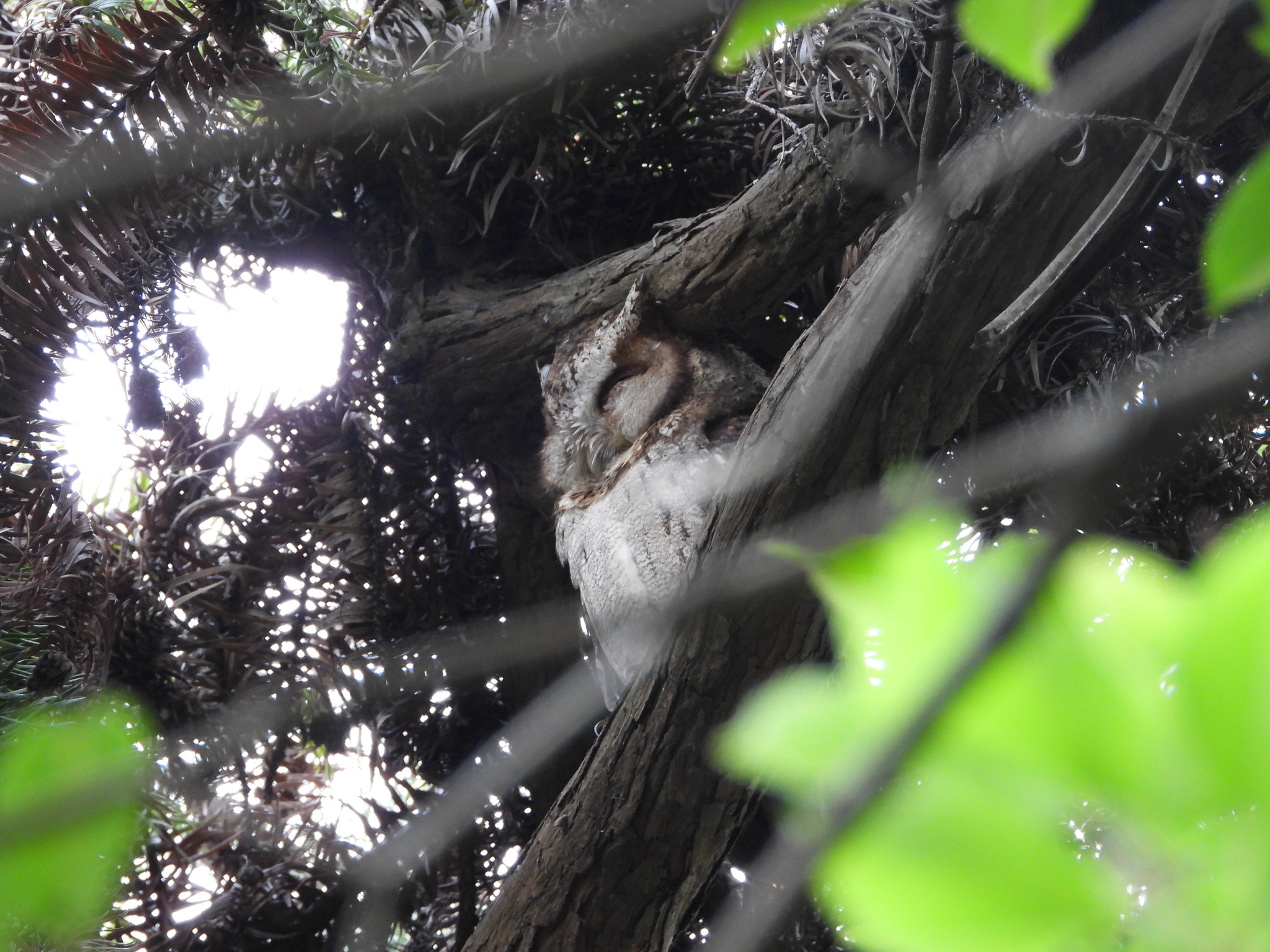
Strigiformes / Strigidae / Otus
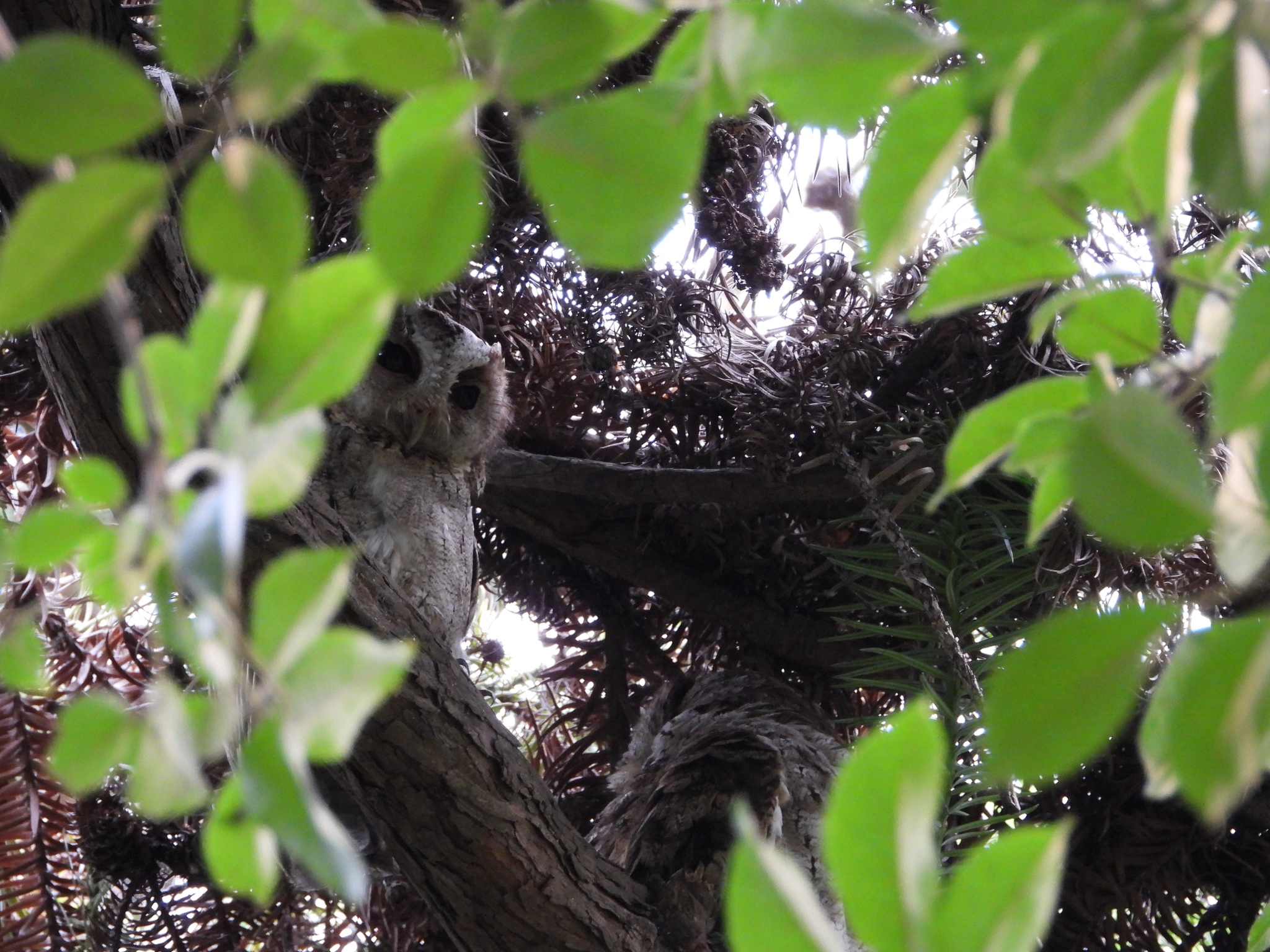
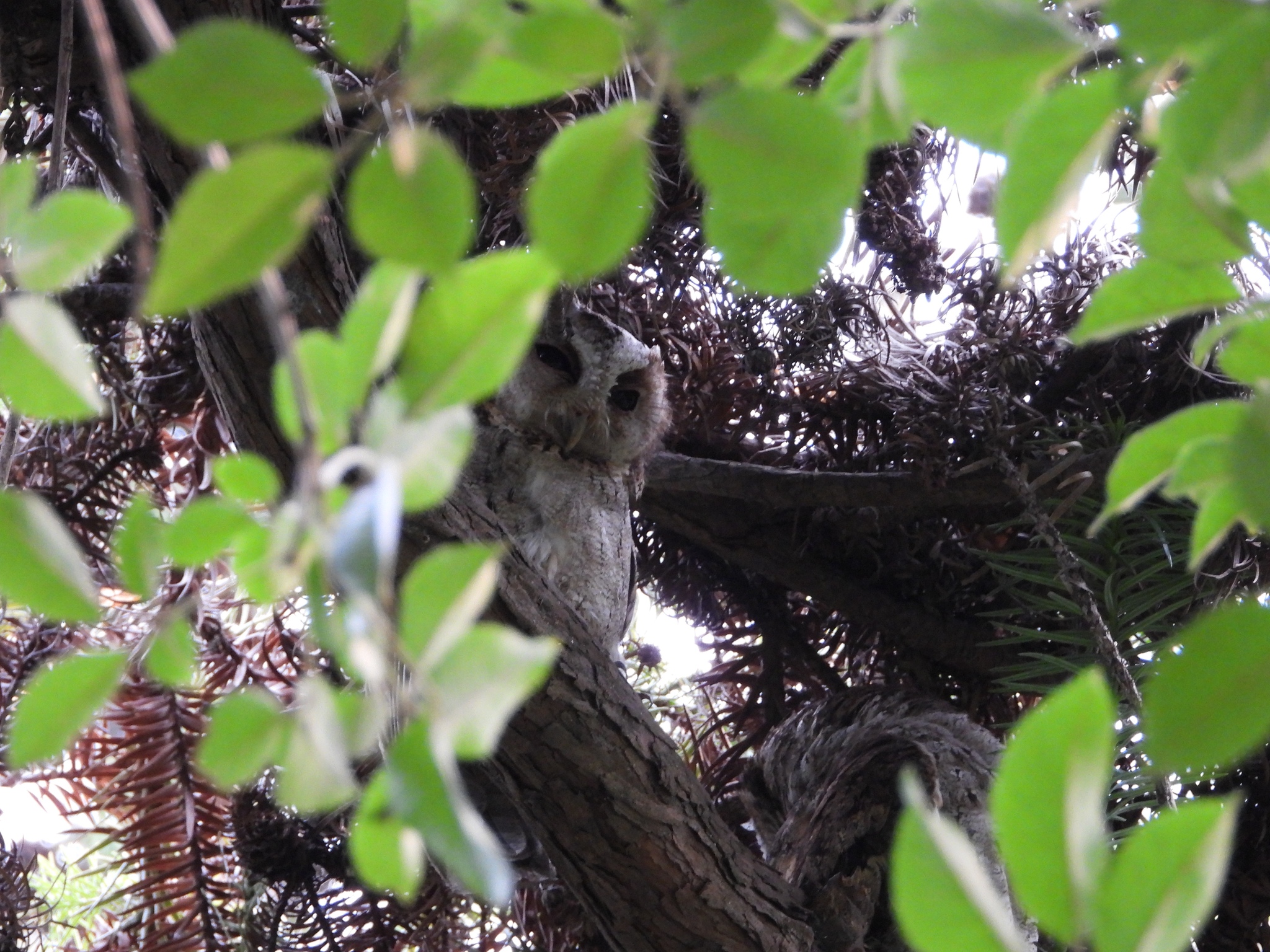
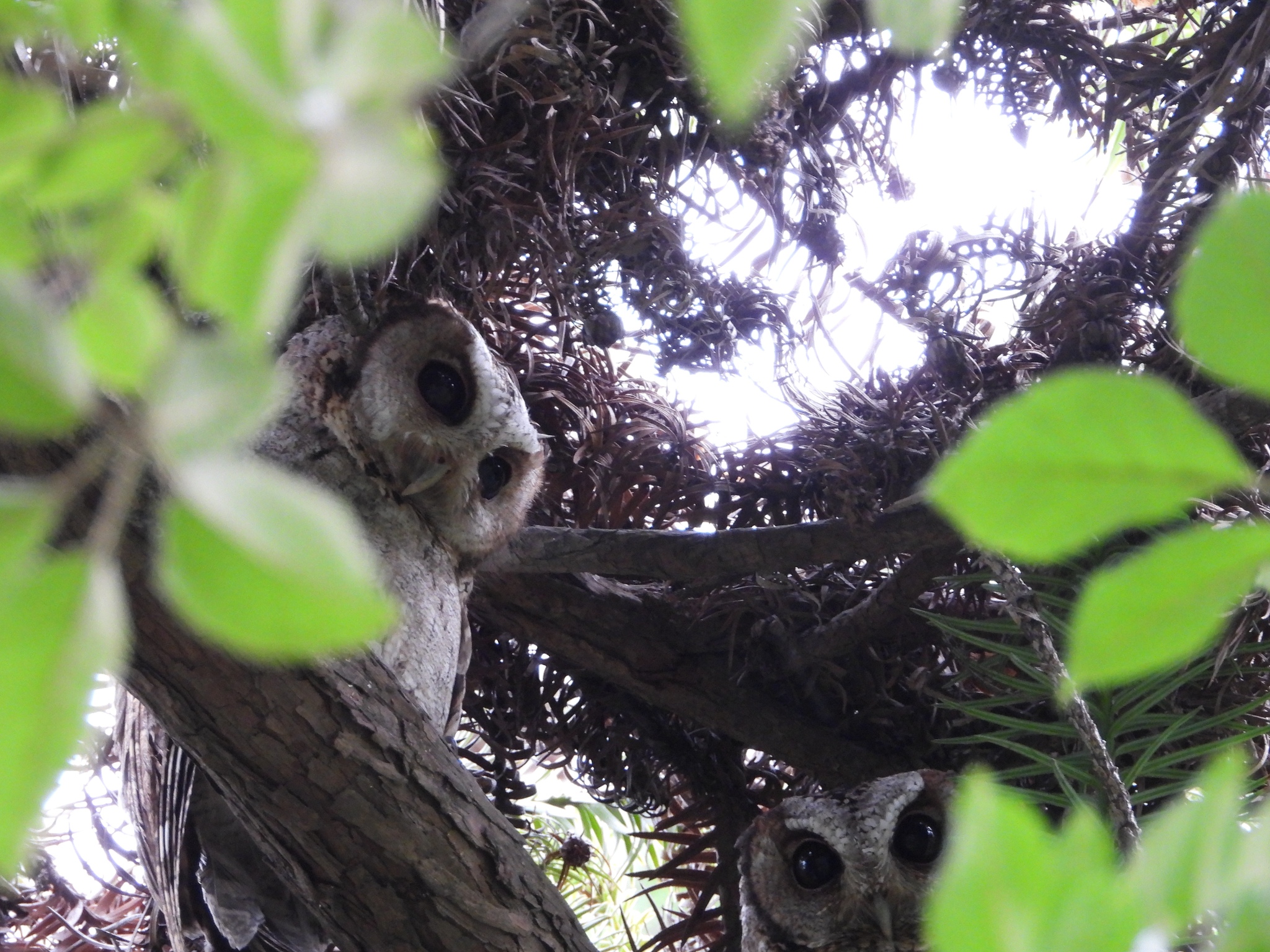
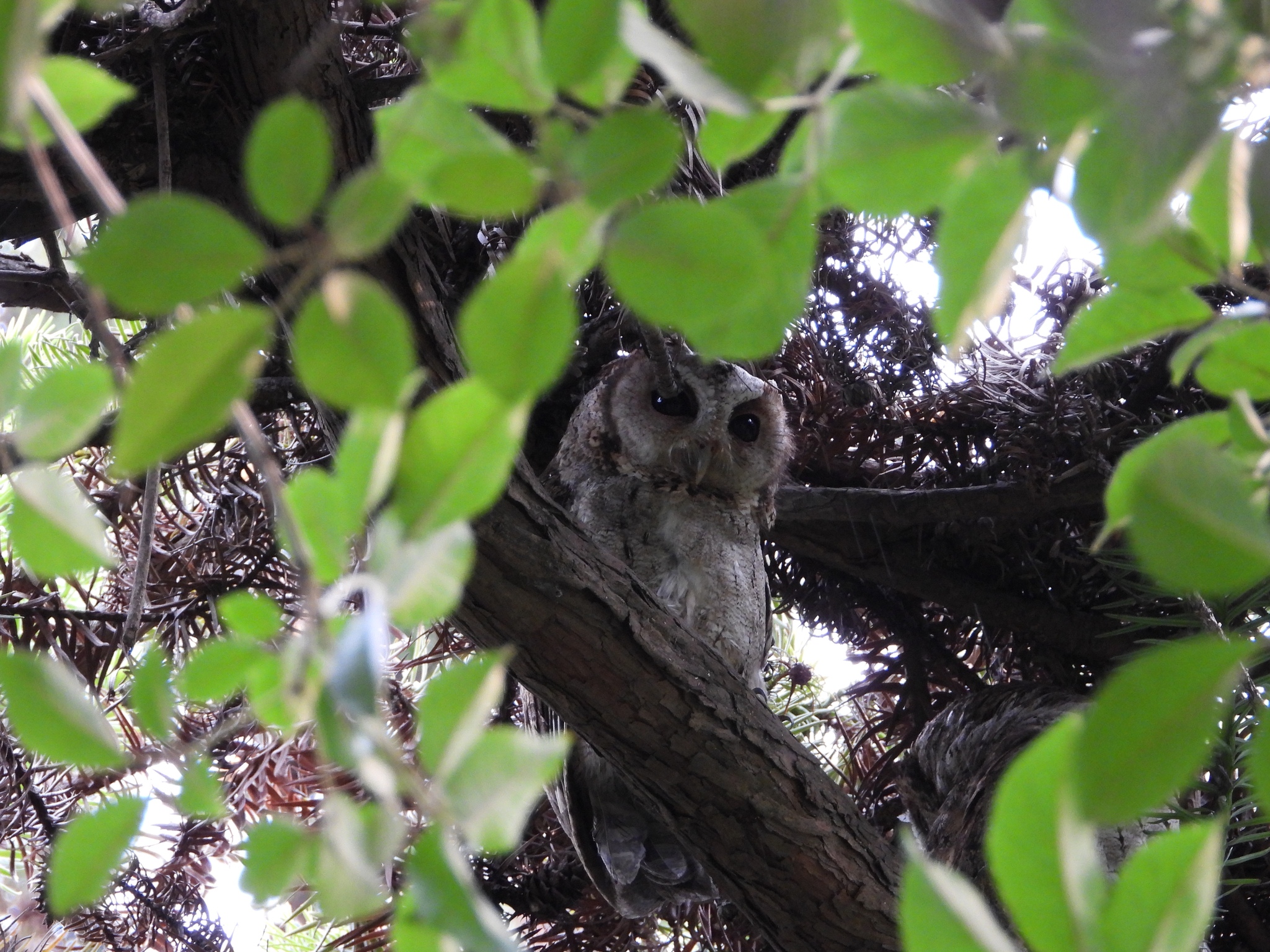
Collared Scops Owl
Otus lettia · 领角鸮
Introduction
A small owl in the family Strigidae, resident in South Asia from northern Pakistan and India east to southern China and Taiwan. It is partially migratory, with some populations wintering in India, Sri Lanka, and Malaysia. Commonly breeds in forests and well-wooded areas, nesting in tree hollows.
Description
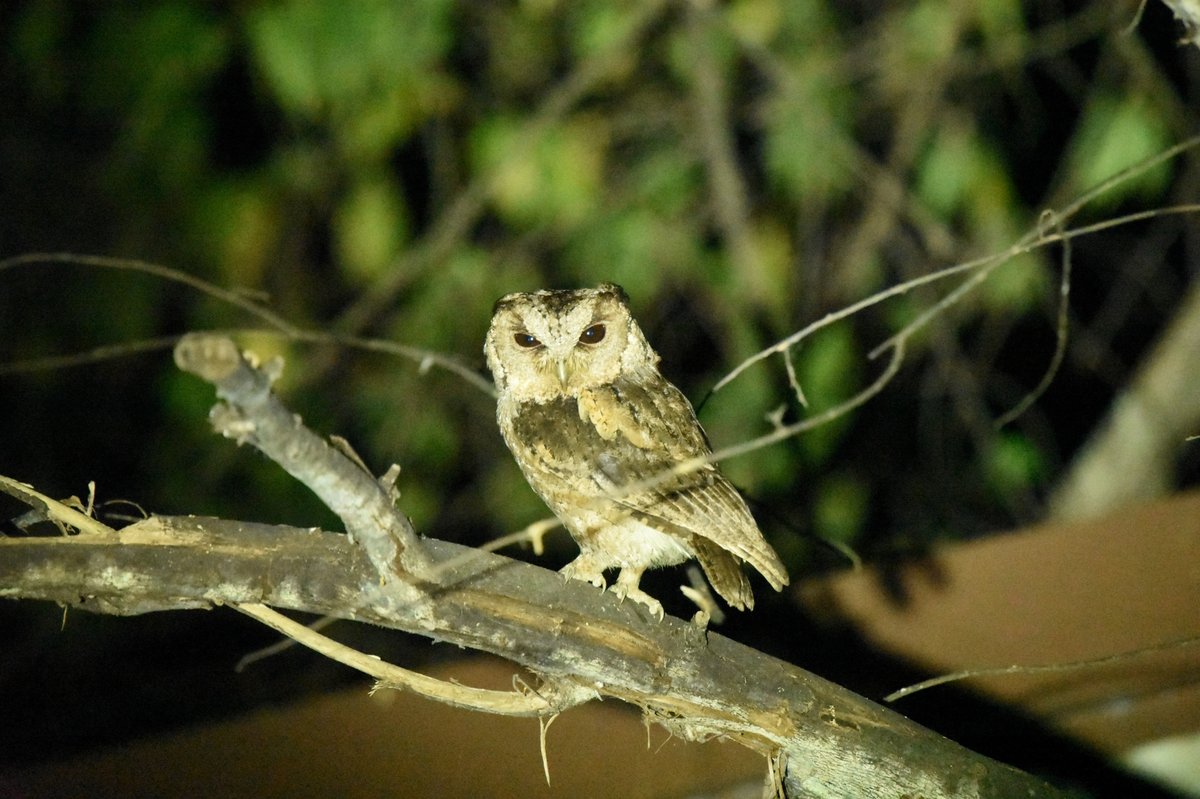
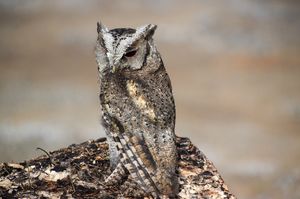
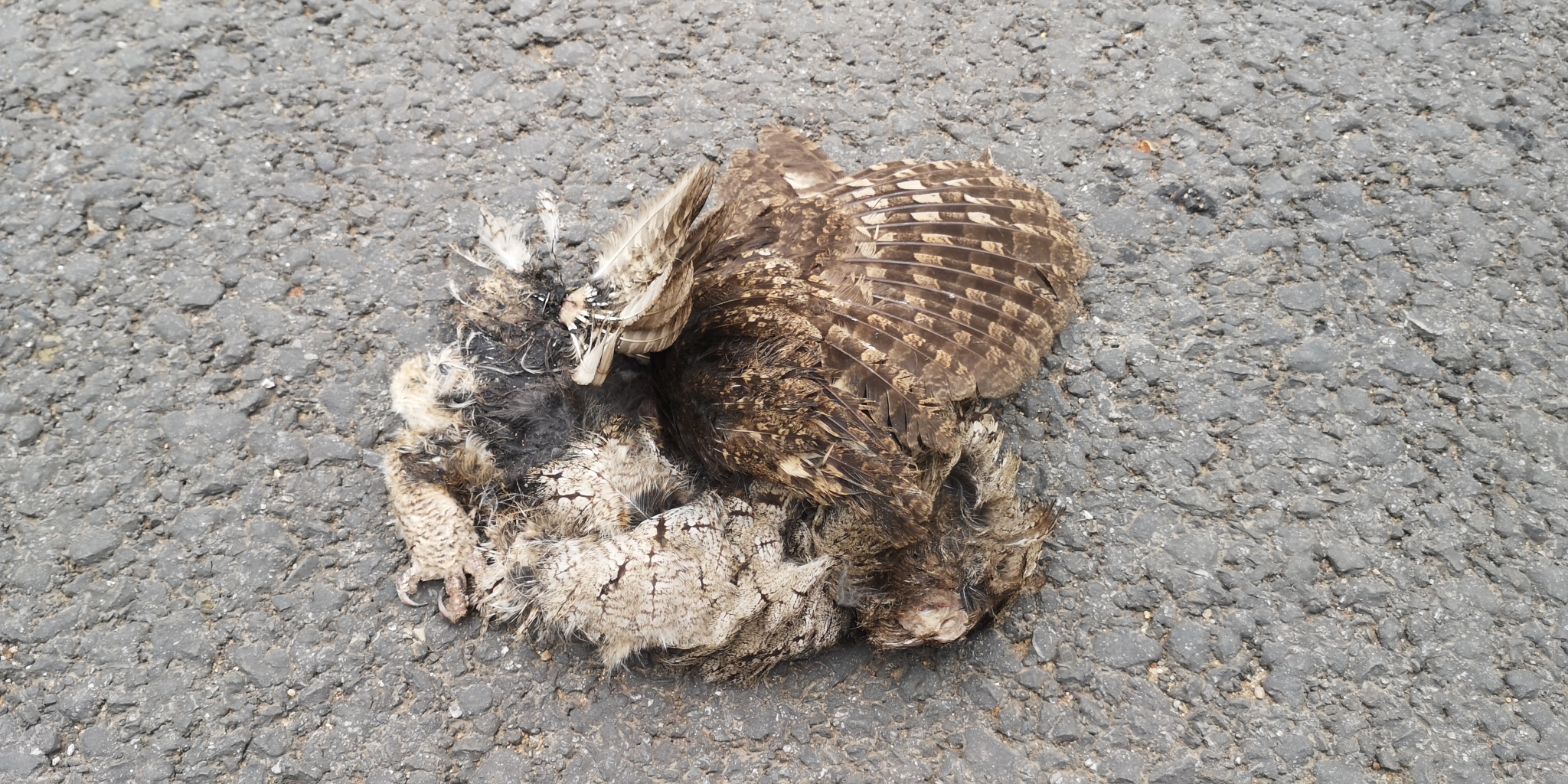
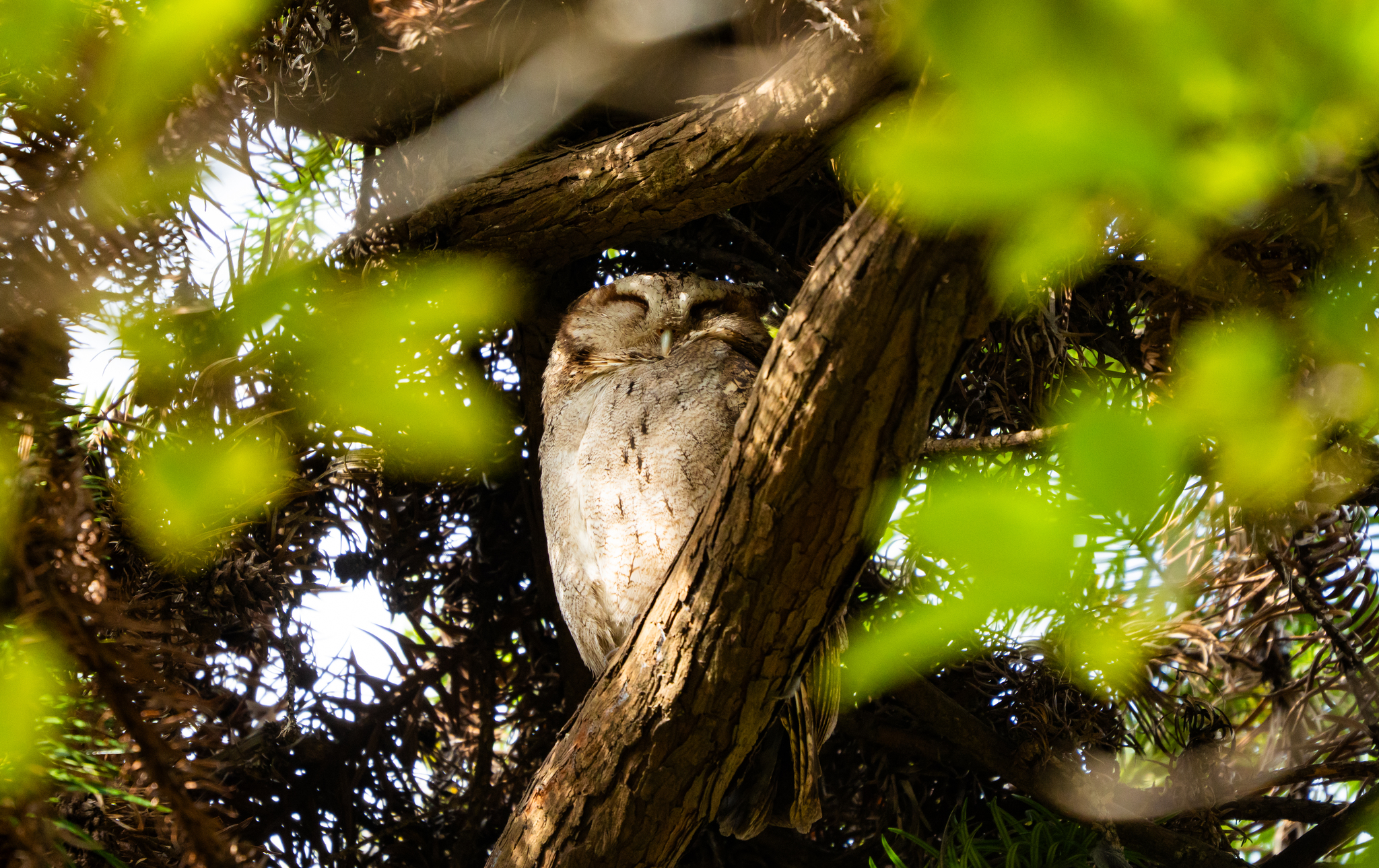
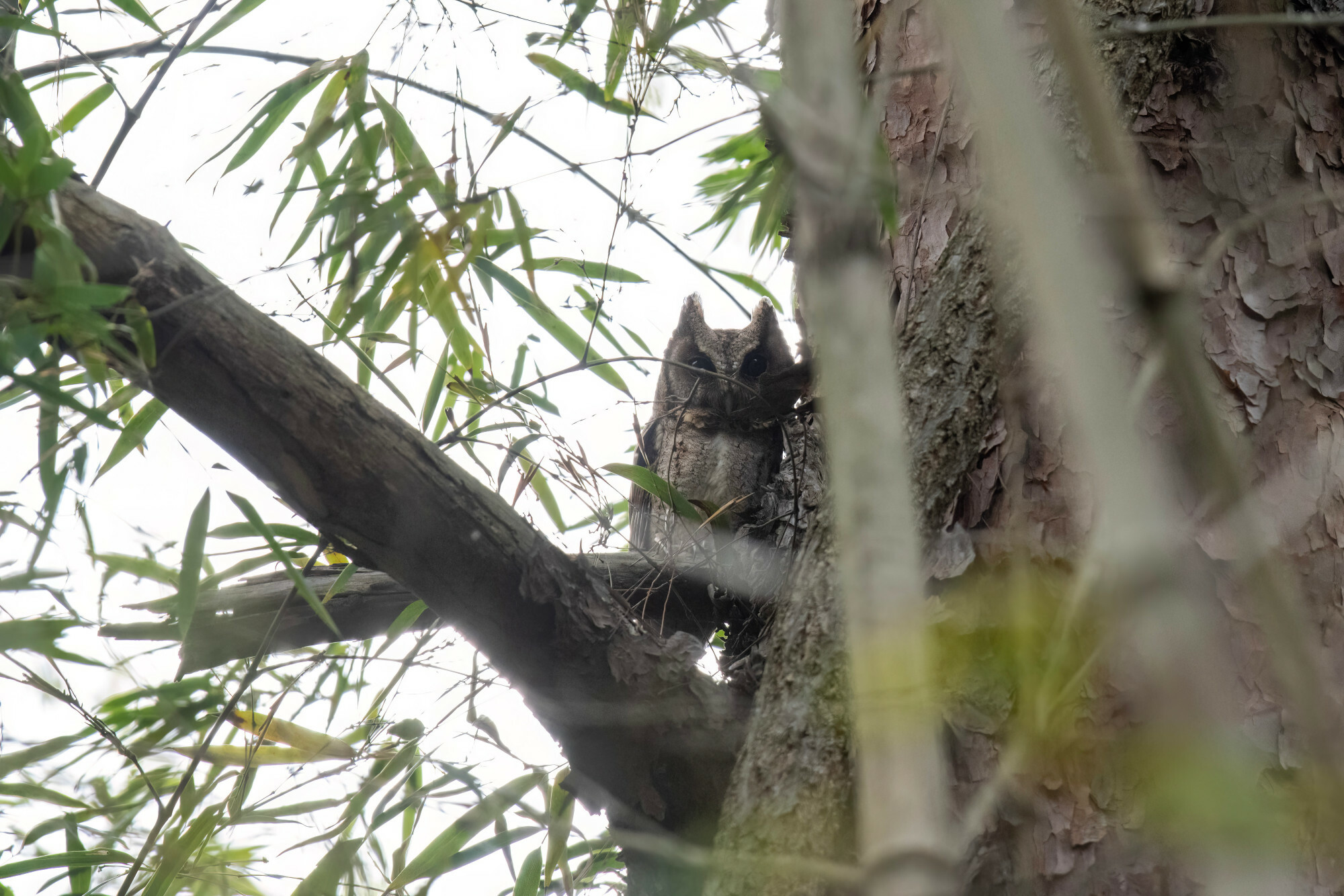
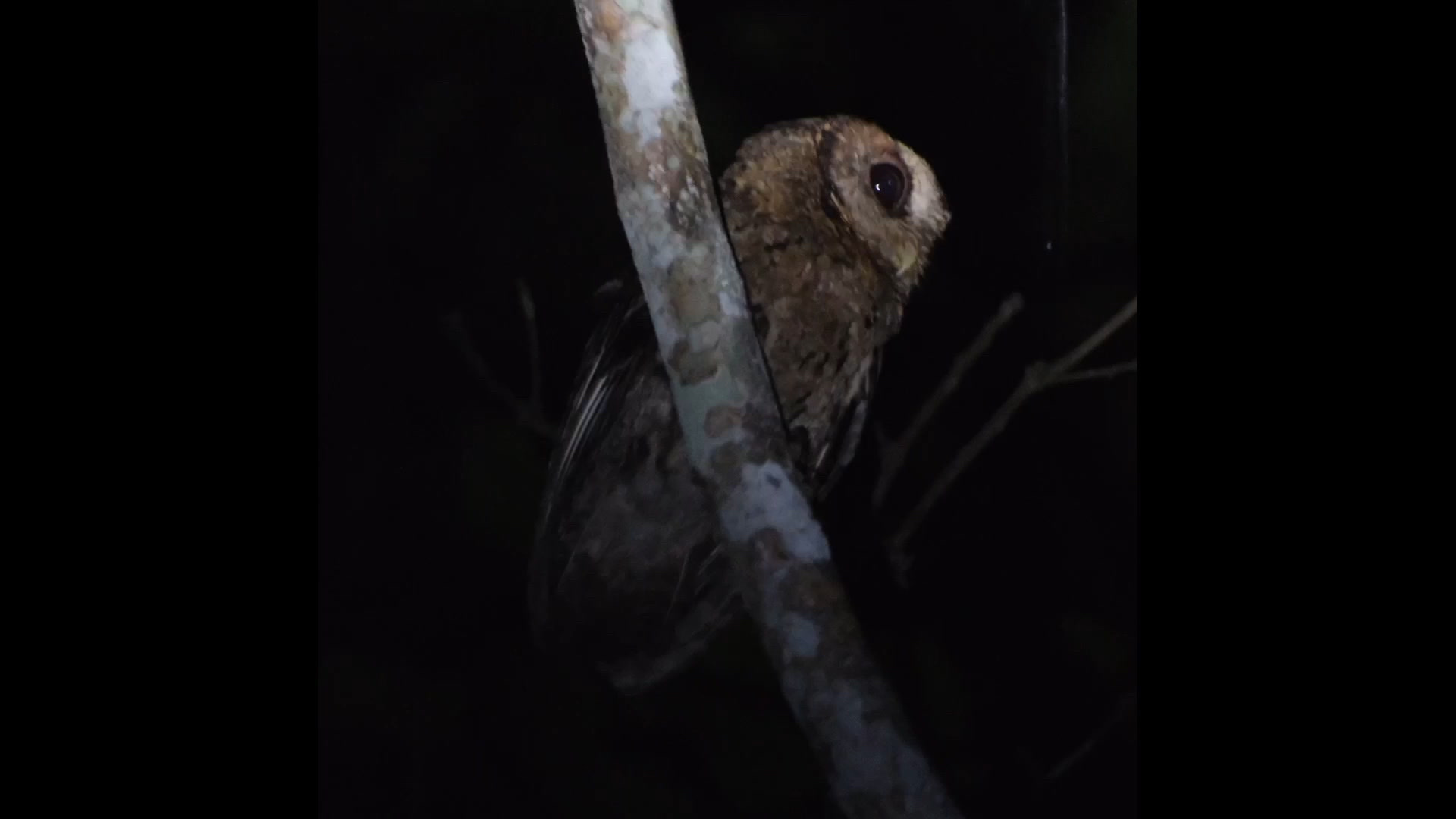
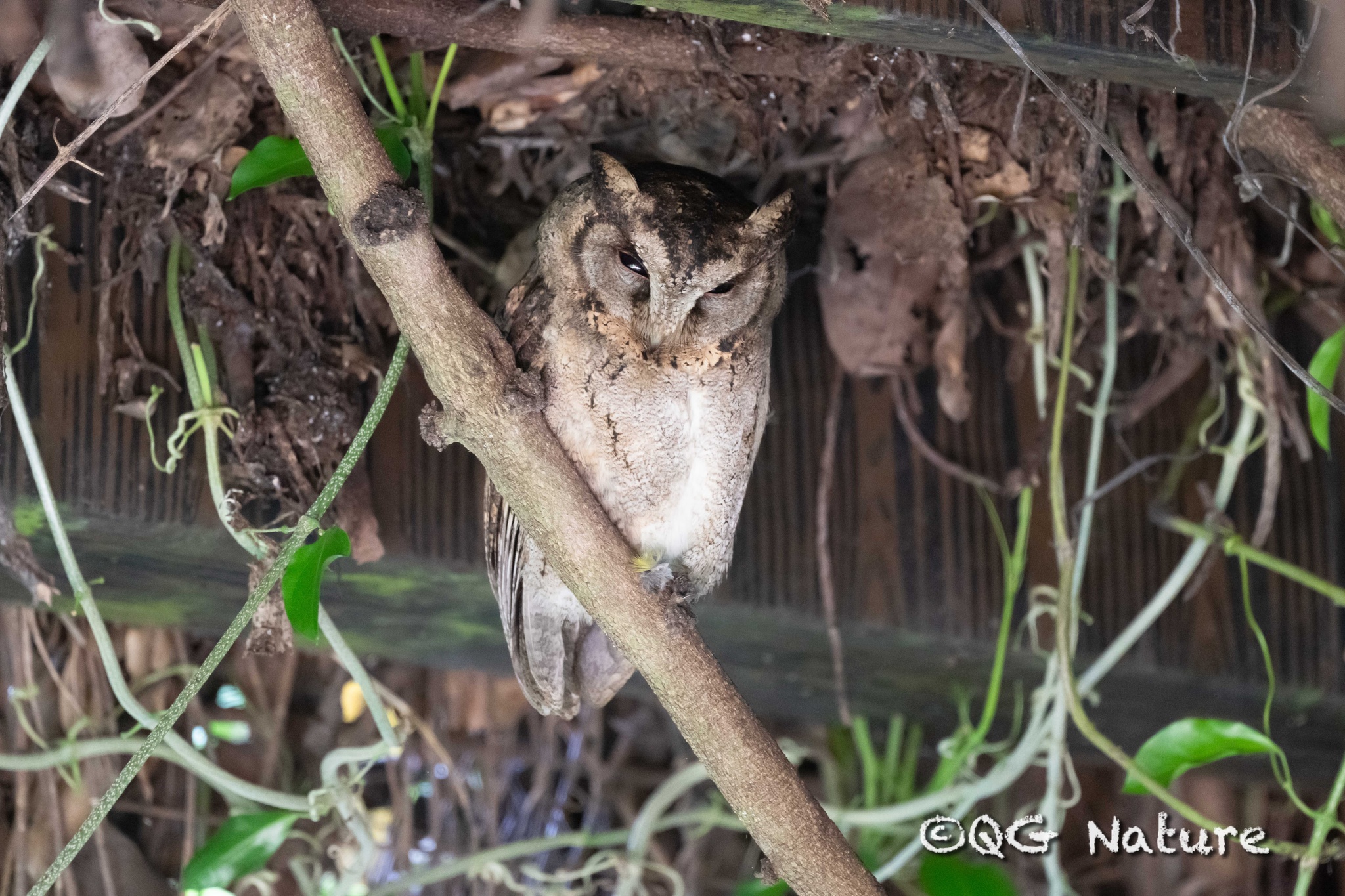
Small size (23–25 cm), representing the largest of the scops owls. Possesses small head tufts. Upperparts are grey or brown with faint buff spotting, varying by subspecies. Underparts are buff with fine darker streaking. Features a whitish or buff facial disc, orange or brown eyes, and a distinct buff neckband. Sexes are similar in appearance.
Identification
Distinguished from the similar oriental scops owl and Indian scops owl primarily by call. The flight style is deeply undulating. Often located during daytime roosting by small birds mobbing it.
Distribution & Habitat
Resident breeder in South Asia, ranging from northern Pakistan, northern India, Nepal, and Bangladesh through the Himalayas to southern China and Taiwan. Partially migratory, with some individuals wintering in India, Sri Lanka, and Malaysia. Inhabits forests and well-wooded areas.
Behavior & Ecology
Nocturnal feeder, consuming mainly insects. Nests in tree hollows, laying 3-5 eggs. Emits a quiet 'goog gook' call.
Source: Wikipedia · CC BY-SA 3.0
Taxonomy
- Order
- Strigiformes
- Family
- Strigidae
- Genus
- Otus
Vocalizations
Subspecies (6)
-
Otus lettia cnephaeus
Thai-Malay Peninsula, from south of the Isthmus of Kra to Singapore
Data Sources
Species description from Wikipedia, licensed under CC BY-SA 3.0.
Bird images and sounds sourced from GBIF, contributed by citizen scientists worldwide under Creative Commons licenses.
Taxonomy data from AviList 2025.