Black-naped Oriole
Oriolus chinensis
黑枕黄鹂
Introduction
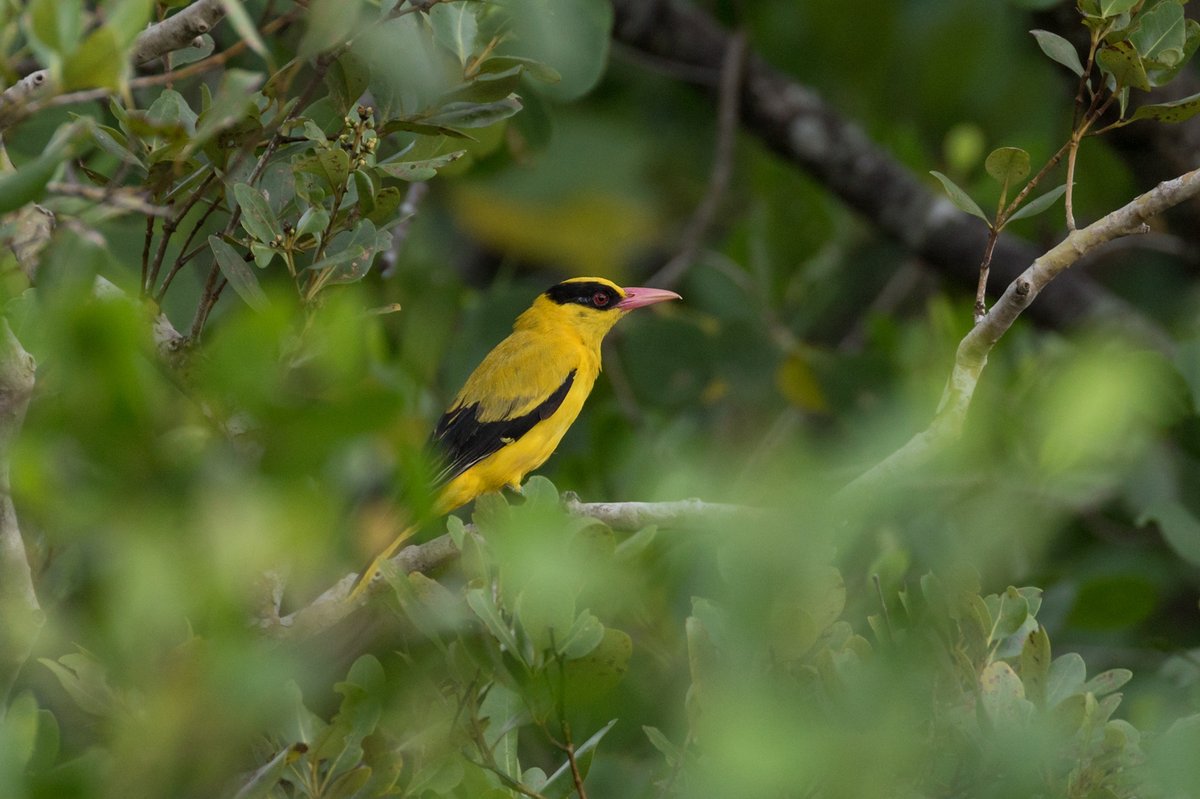
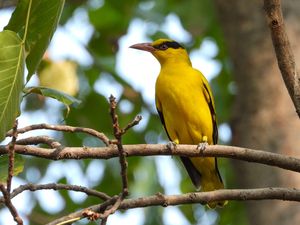
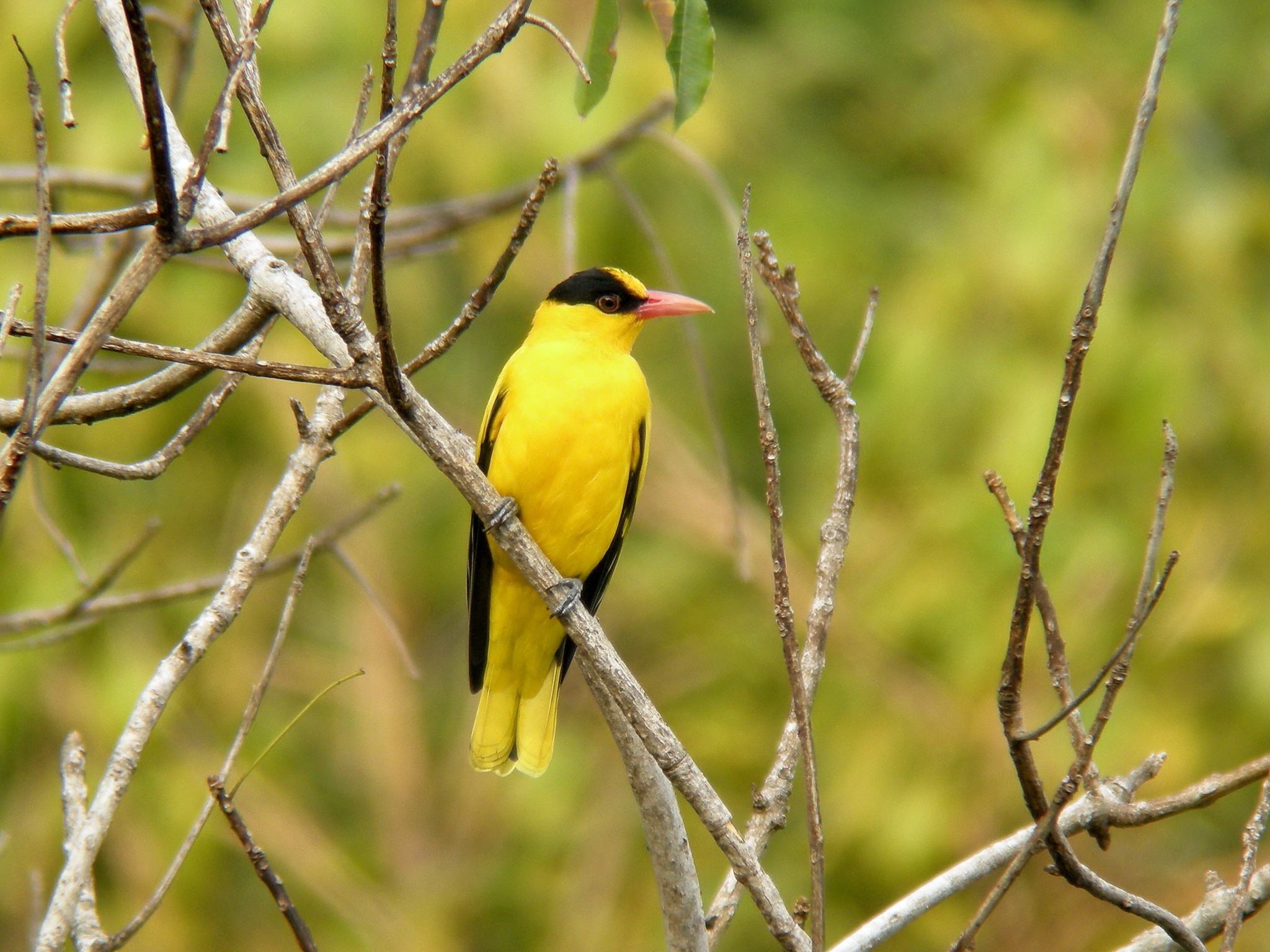
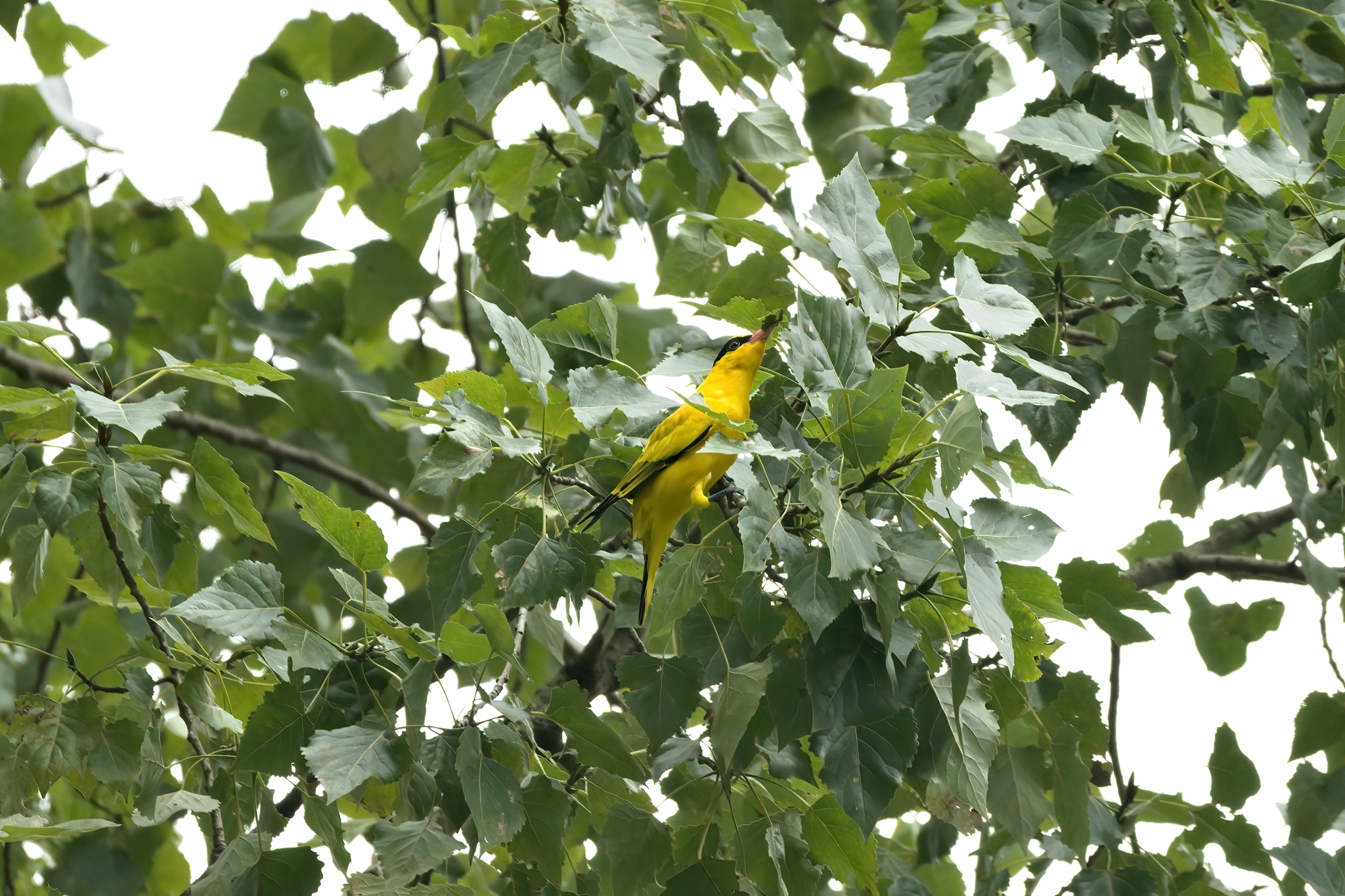
The black-naped oriole (Oriolus chinensis) is a medium-sized bird in the family Oriolidae. Its range extends from Siberia through East Asia to Indonesia, including the Indian subcontinent and Southeast Asia. It inhabits forest canopies, gardens, and parks. The species is characterized by a black stripe extending from the base of the bill through the eye to the nape, where it broadens and connects. Males and females share similar plumage; females can be distinguished by greener wing linings and mantle. Body length is 24-27 cm with a wingspan of 41-46 cm. The species has adapted to human-modified landscapes. In Singapore, breeding populations established in the 1920s. Twenty subspecies are recognized, exhibiting geographical variations in plumage brightness and marking patterns. Conservation status is Least Concern.
Description
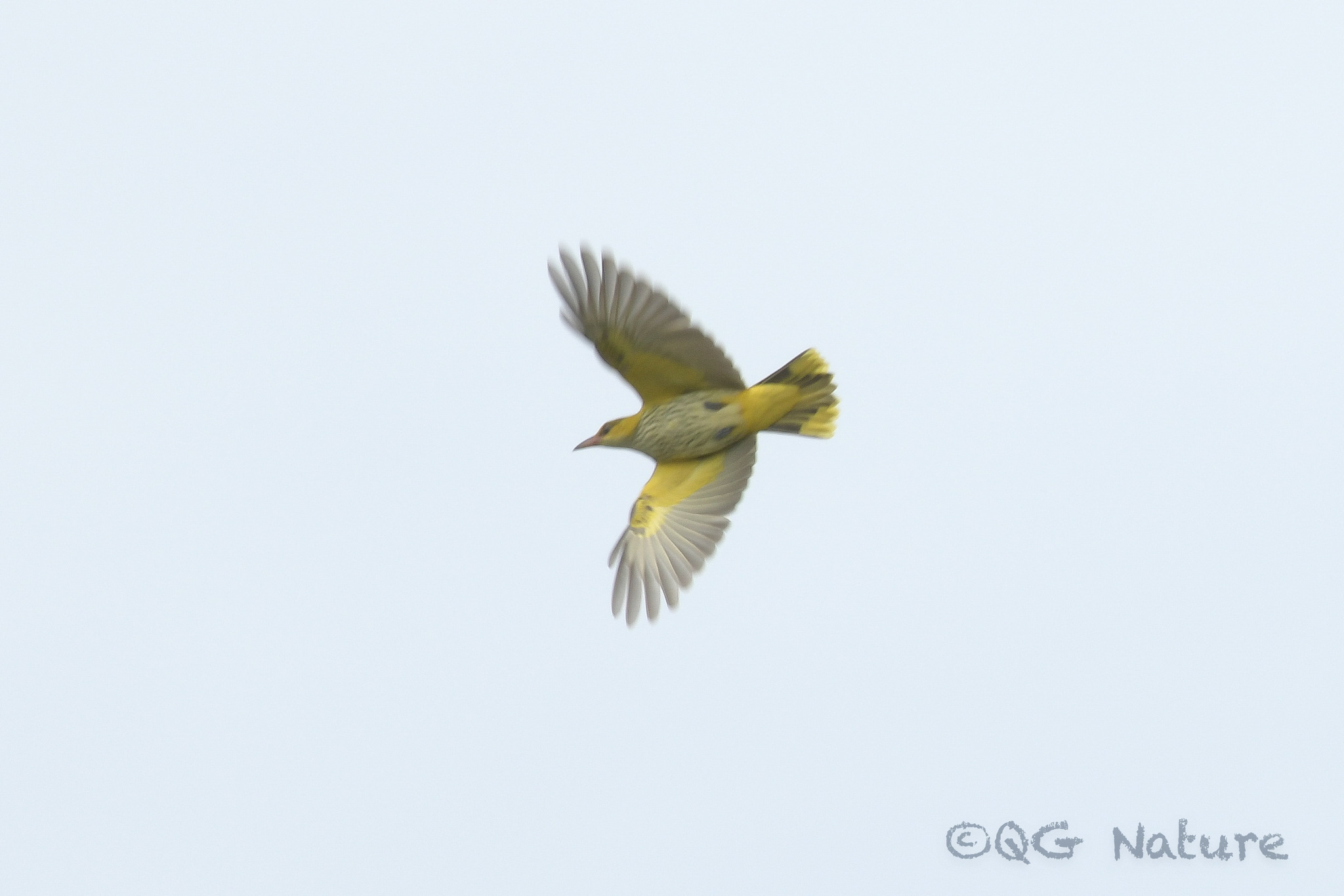
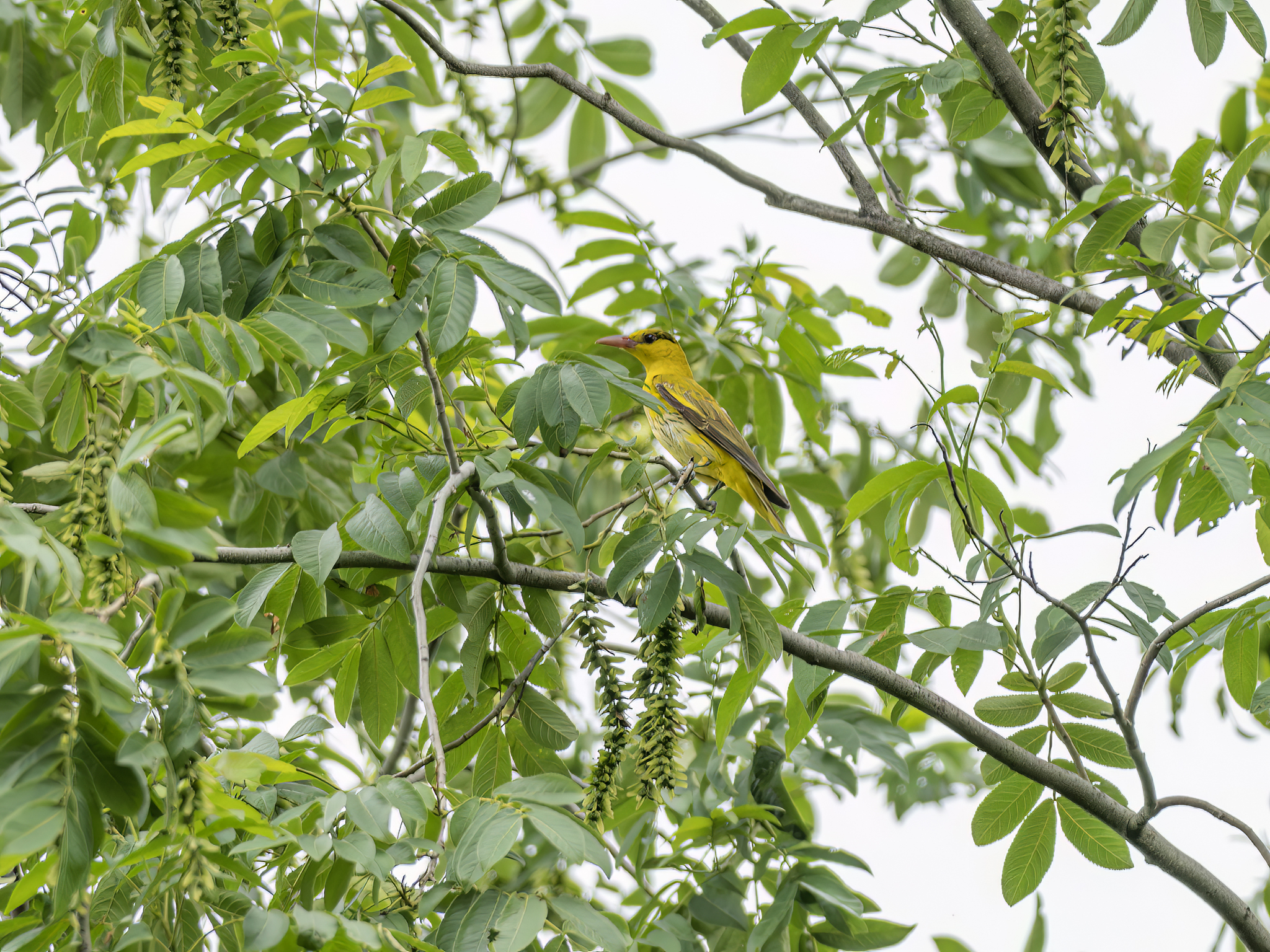
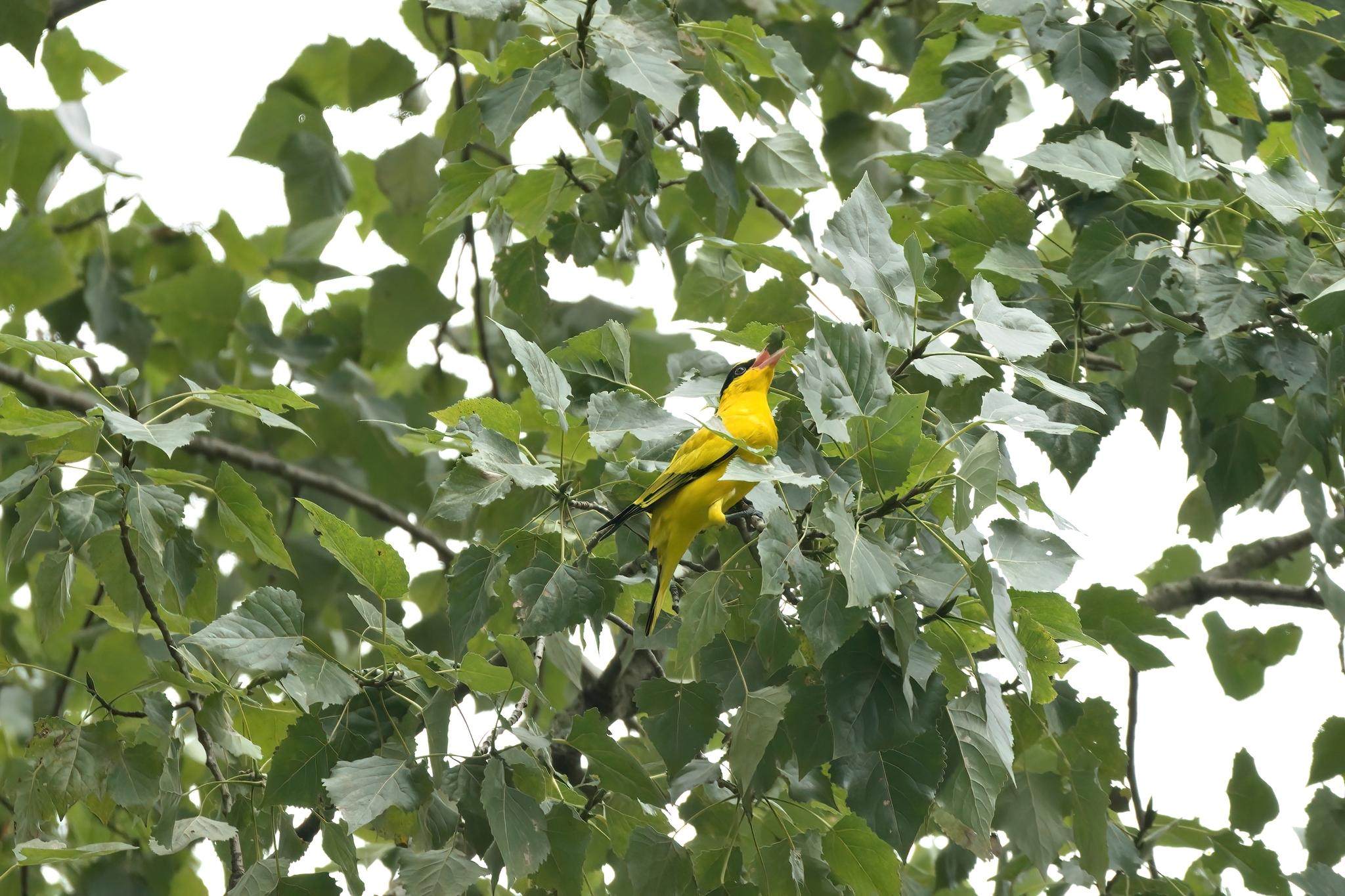
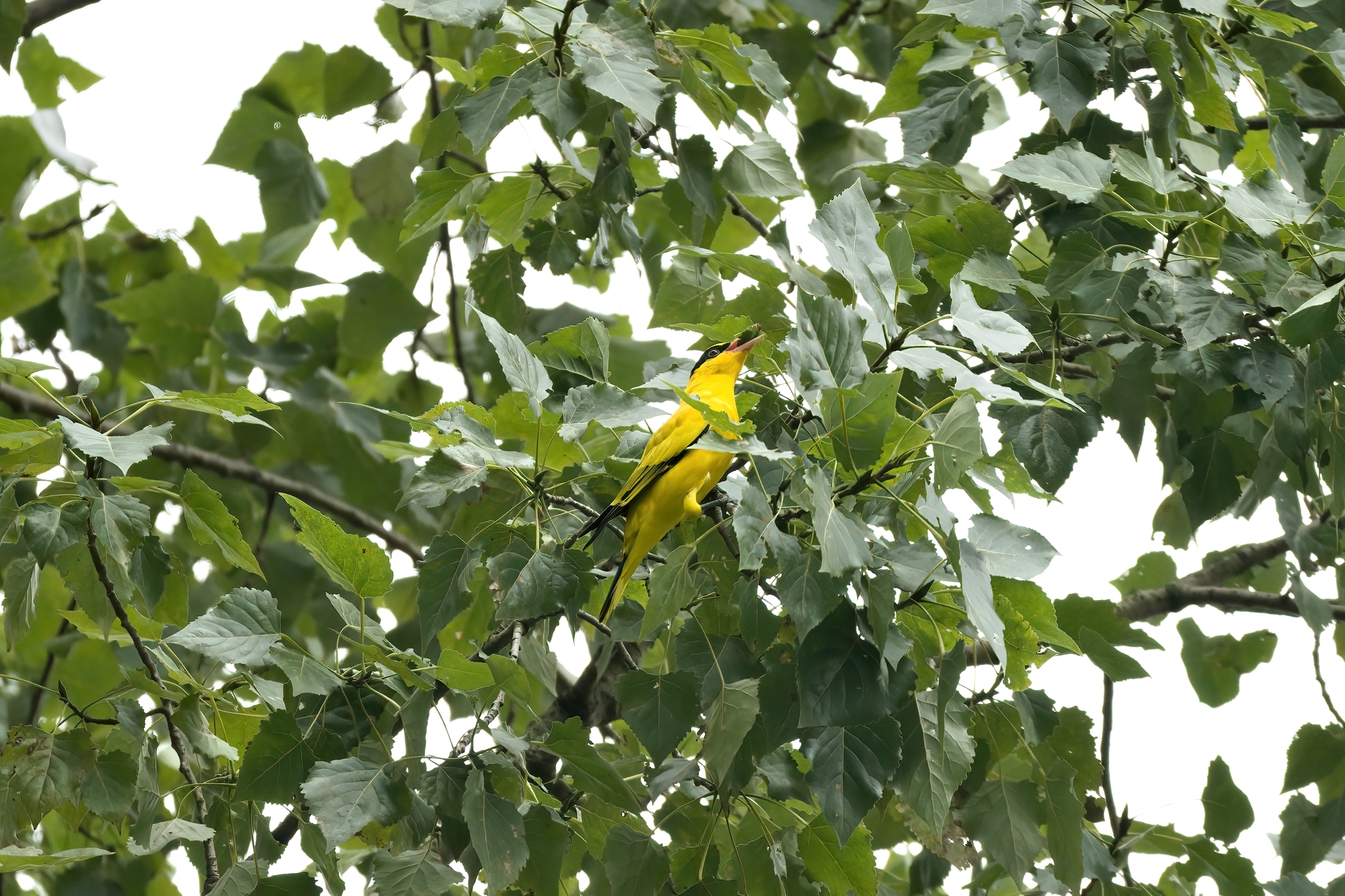
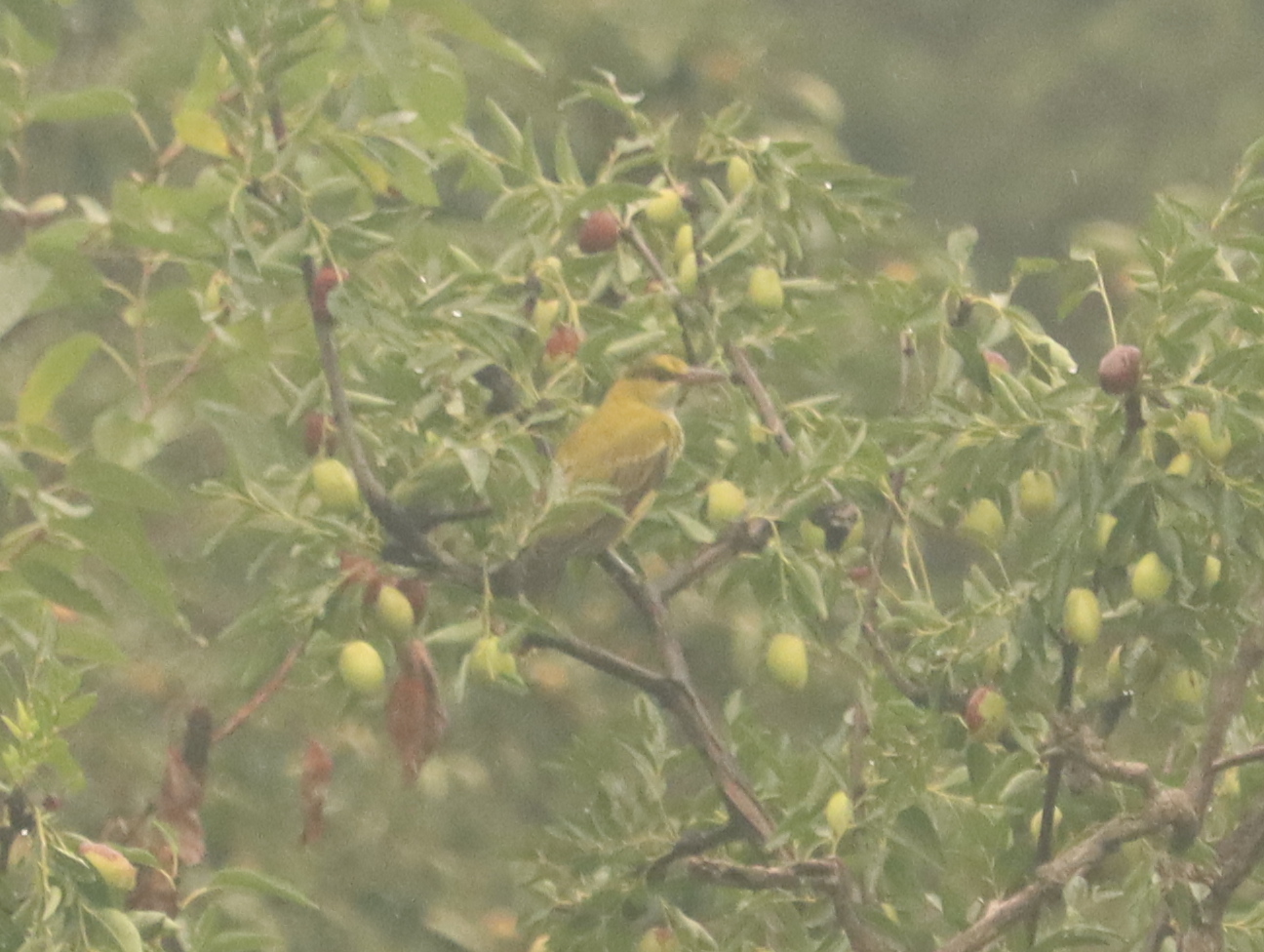
This medium-sized oriole displays overall golden-yellow plumage complemented by a distinctive broad black mask extending across the face and nape. The robust pink bill is notably stouter than that of the golden oriole. Adult males feature central tail feathers tipped in yellow with lateral tail feathers showing broader yellow coloration. Females exhibit a more greenish or olive mantle and wing lining. Juveniles differ markedly with streaked underparts, while nestlings appear dull greenish with brown streaks, yellowish head and nape, and yellow undertail coverts. Subspecies show considerable variation: O. c. andamanensis has entirely black wings, while O. c. macrourus possesses an exceptionally broad nape band leaving only the crown yellow.
Identification
The black-naped oriole is most readily distinguished from the Indian golden oriole by its striking facial pattern—the eye-stripe broadens significantly and joins at the back of the neck, unlike the short, narrow stripe of its relative. The pink bill is also noticeably stouter. Sexes are very similar, though females display a greener wing lining rather than the more yellow tones of males. Southern subspecies tend to show reduced yellow on the forehead, decreased overall brightness, and greener backs and tails compared to northern populations. Some southern females also lack the yellow spots on secondary tips seen in northern birds.
Distribution & Habitat
This species breeds across eastern Siberia, Ussuriland, northeastern China, Korea, Japan, and northern Vietnam (subspecies diffusus), with populations migrating southward for winter. Wintering grounds include northeastern and peninsular India, Bangladesh, Thailand, and Myanmar. Resident populations inhabit the Andaman and Nicobar Islands. The species is an uncommon winter migrant to South India and a rare visitor to Sri Lanka, most regularly observed in the Western Ghats. In Singapore, it transitioned from rare in the 1880s to a common breeding species by the 1920s and now frequents even urban gardens. Habitat includes forests, gardens, and plantations where it forages in the canopy.
Behavior & Ecology
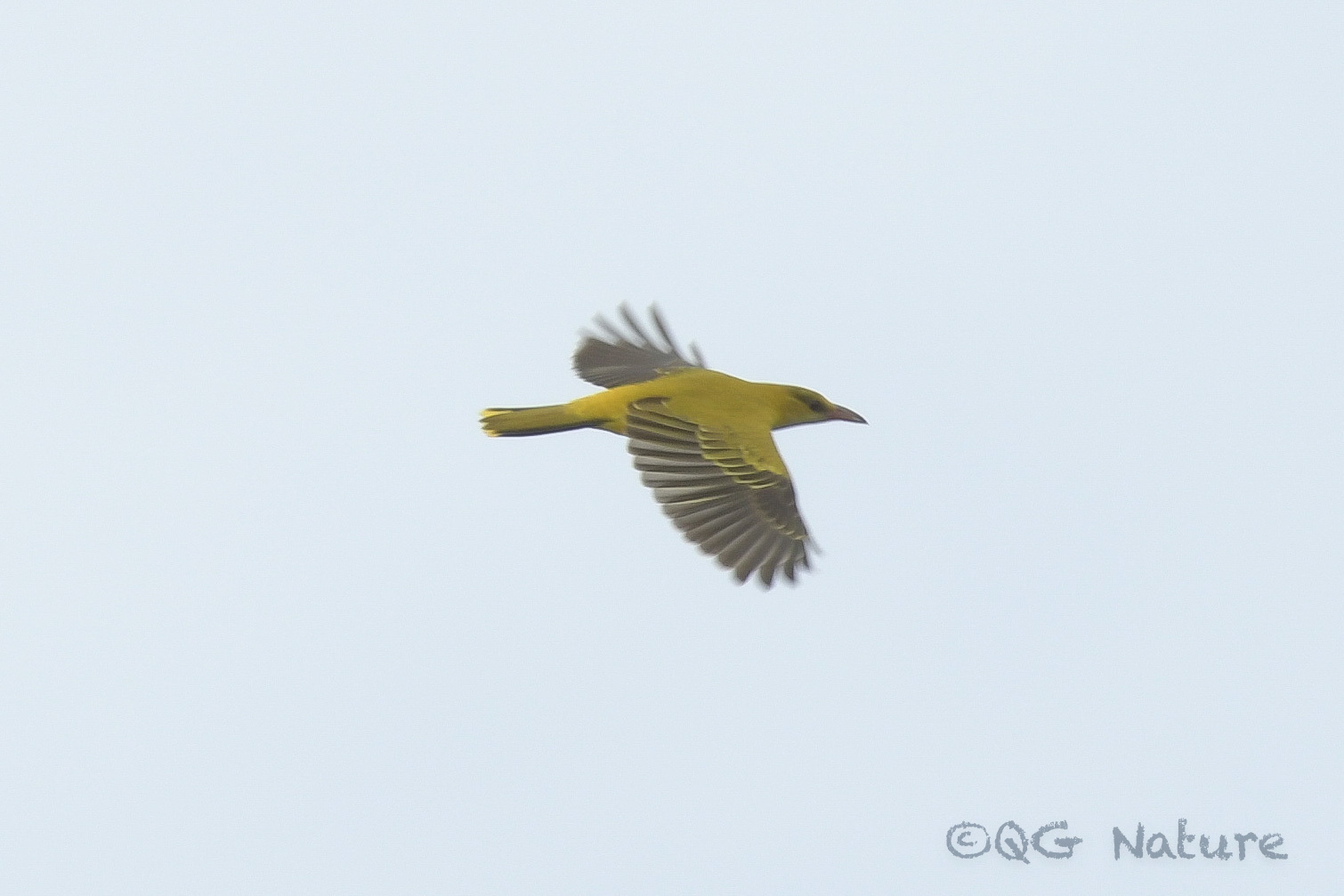
Black-naped orioles consume a varied diet including berries from trees such as Trema orientalis and Ficus, large flowers' nectar (Salmalia, Erythrina), and insects. They occasionally prey on smaller birds' nests. The breeding season runs April to June (January-March in the Nicobars), with nests built as deep cups in tree forks. Females construct two or three nests before selecting one for the two to three salmon-pink, spotted eggs. Incubation lasts 14-16 days, with fledging after approximately two more weeks. Females handle nest sanitation and defense while males guard and feed. Nests of black drongos often attract these orioles nearby. The typical call is a nasal 'niee' or 'myaa', with the song (subspecies diffusus) described as a fluty 'iwee wee wee-leeow'. They exhibit a characteristic dipping flight.
Conservation
Despite being trapped and traded in significant numbers throughout Southeast Asia, the black-naped oriole remains widespread and relatively common across much of its extensive range. The species has demonstrated remarkable adaptability, successfully colonizing urban areas like Singapore where it now thrives even in city gardens. While local population pressures exist in parts of its range due to the cage-bird trade, no specific IUCN assessment details were provided in the source material.
Culture
No specific cultural significance or folklore information was provided in the source article.
Source: Wikipedia · CC BY-SA 3.0
Taxonomy
- Order
- Passeriformes
- Family
- Oriolidae
- Genus
- Oriolus
- eBird Code
- blnori1
Subspecies (20)
-
Oriolus chinensis andamanensis
Andaman Islands
-
Oriolus chinensis boneratensis
Tukangbesi Islands (off Sulawesi) and islands in Flores Sea
-
Oriolus chinensis broderipi
Lesser Sundas (Lombok, Sumba, Sumbawa, Flores, Bisar, and Alor)
-
Oriolus chinensis celebensis
Sulawesi region, including Bangka, Talisei, Lembeh, and Togian Islands (off northeast), and Muna and Buton (off southeast)
-
Oriolus chinensis chinensis
northern and western Philippines (Luzon, Mindoro, Palawan, and associated smaller islands)
-
Oriolus chinensis diffusus
breeds eastern Asia; winters from India to Indochina and the Thai-Malay Peninsula
-
Oriolus chinensis formosus
Siau, Tahulandang, Ruang, Biaro, and Mayu islands (off Sulawesi)
-
Oriolus chinensis frontalis
Sula Islands (east of Sulawesi)
-
Oriolus chinensis insularis
Sapudi, Raas, and Kangean islands (northeast of Java)
-
Oriolus chinensis lamprochryseus
Masalembu Islands (Java Sea)
-
Oriolus chinensis macrourus
Nicobar Islands
-
Oriolus chinensis maculatus
Sumatra, Java, Borneo, Bali, Belitung Islands, and Nias
-
Oriolus chinensis melanisticus
Talaud Islands (Karakelong and Salebabu)
-
Oriolus chinensis mundus
Simeulue (off Sumatra)
-
Oriolus chinensis richmondi
Siberut and Pagi islands (off Sumatra)
-
Oriolus chinensis sangirensis
Sangihe and Tabuken islands (off northern Sulawesi)
-
Oriolus chinensis sipora
Sipura (off Sumatra)
-
Oriolus chinensis stresemanni
Peleng (Banggai Islands, off eastern Sulawesi)
-
Oriolus chinensis suluensis
Sulu Archipelago
-
Oriolus chinensis yamamurae
central and southern Philippines (Tablas, Panay, Romblon, Sibuyan, Masbate, and Samar southward to Mindanao)
Data Sources
Species description from Wikipedia, licensed under CC BY-SA 3.0.
Bird images and sounds sourced from GBIF, contributed by citizen scientists worldwide under Creative Commons licenses.
Taxonomy data from AviList 2025.