Charadriiformes / Laridae / Onychoprion
Bridled Tern
Onychoprion anaethetus · 褐翅燕鸥
Introduction
A seabird of the family Laridae found in tropical oceans. It exhibits markedly marine habits compared to most terns and breeds in colonies on rocky islands.
Description
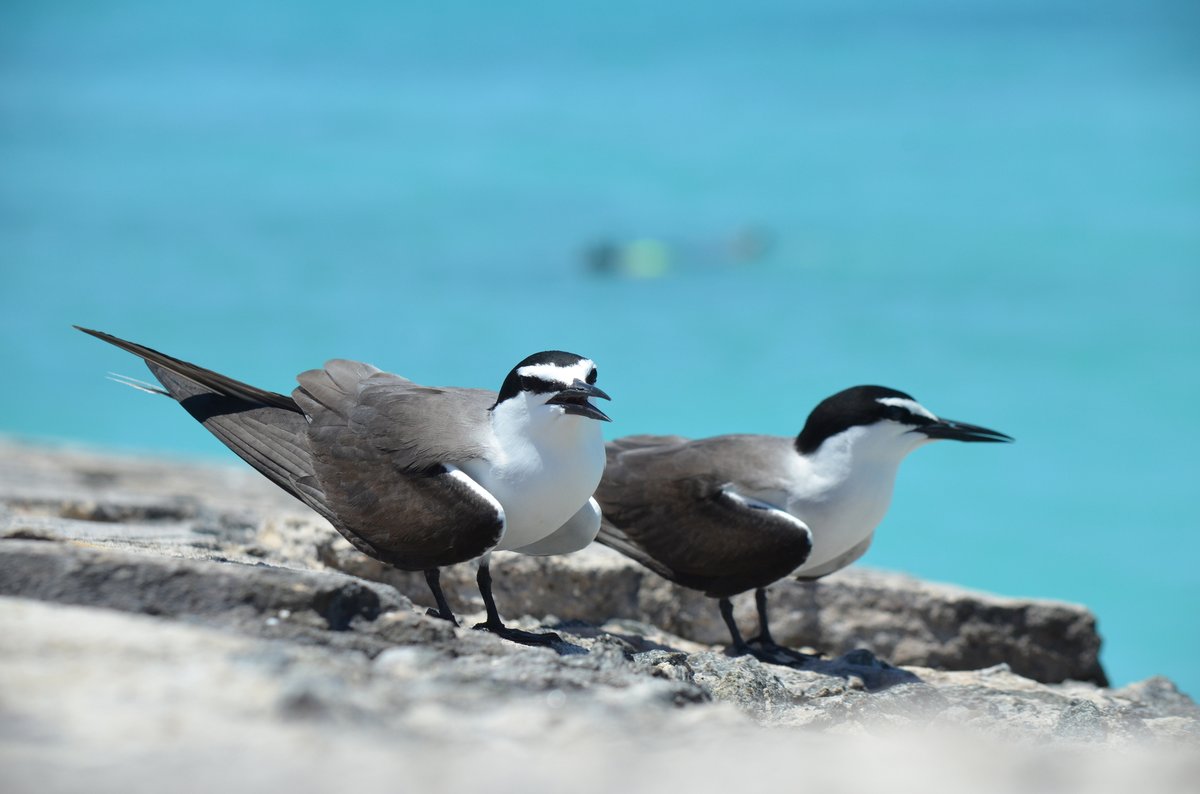
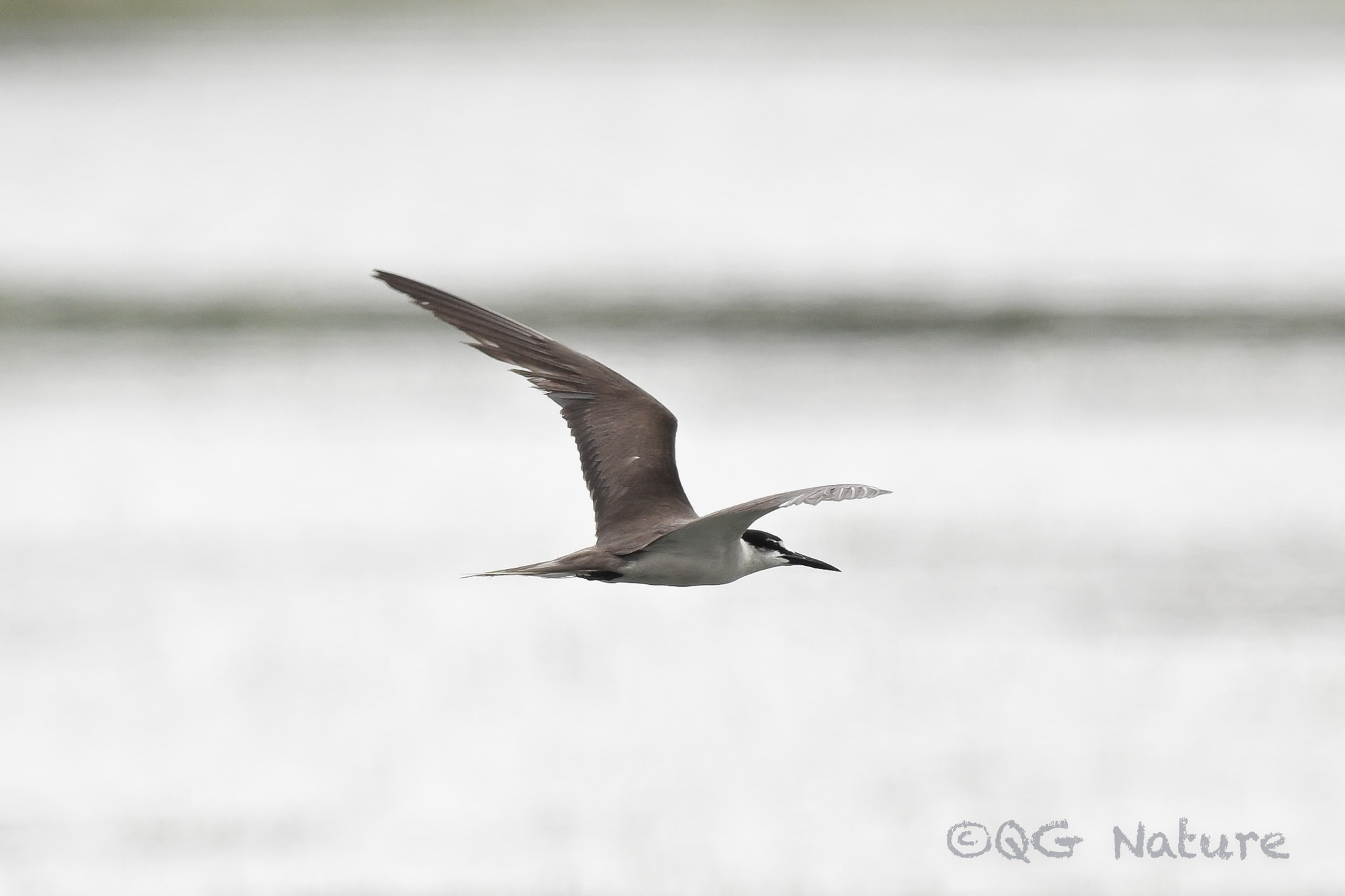
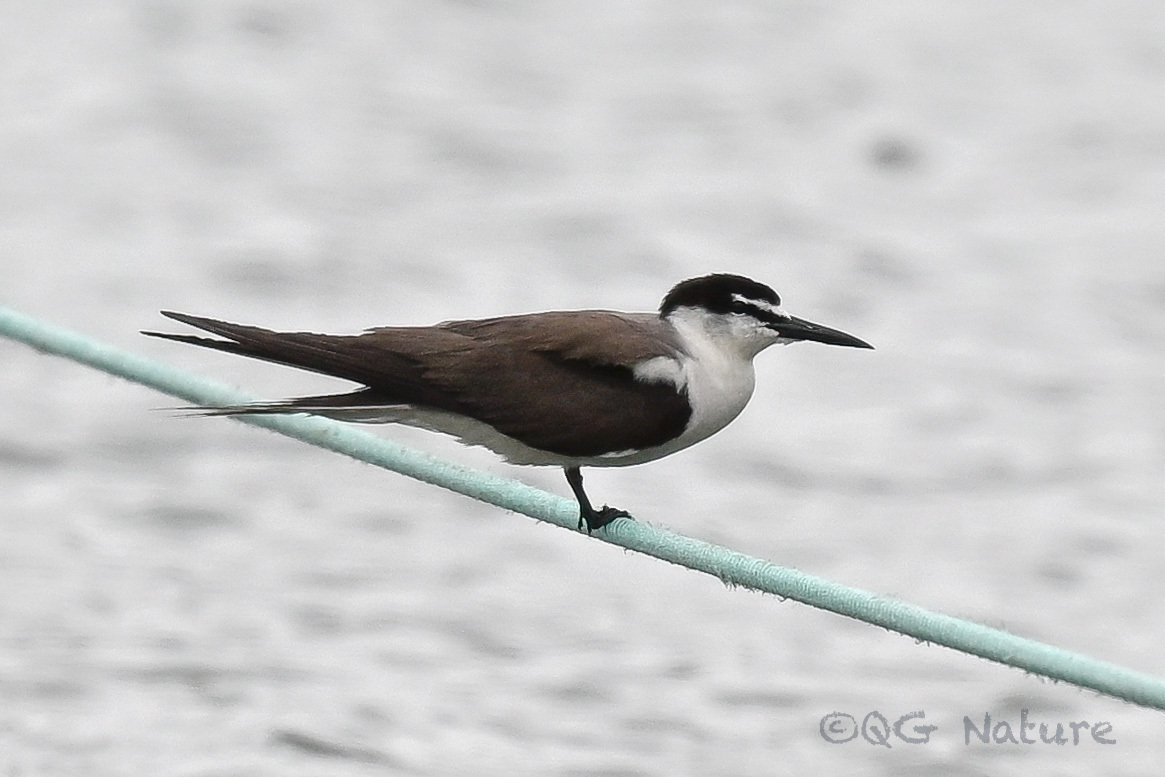
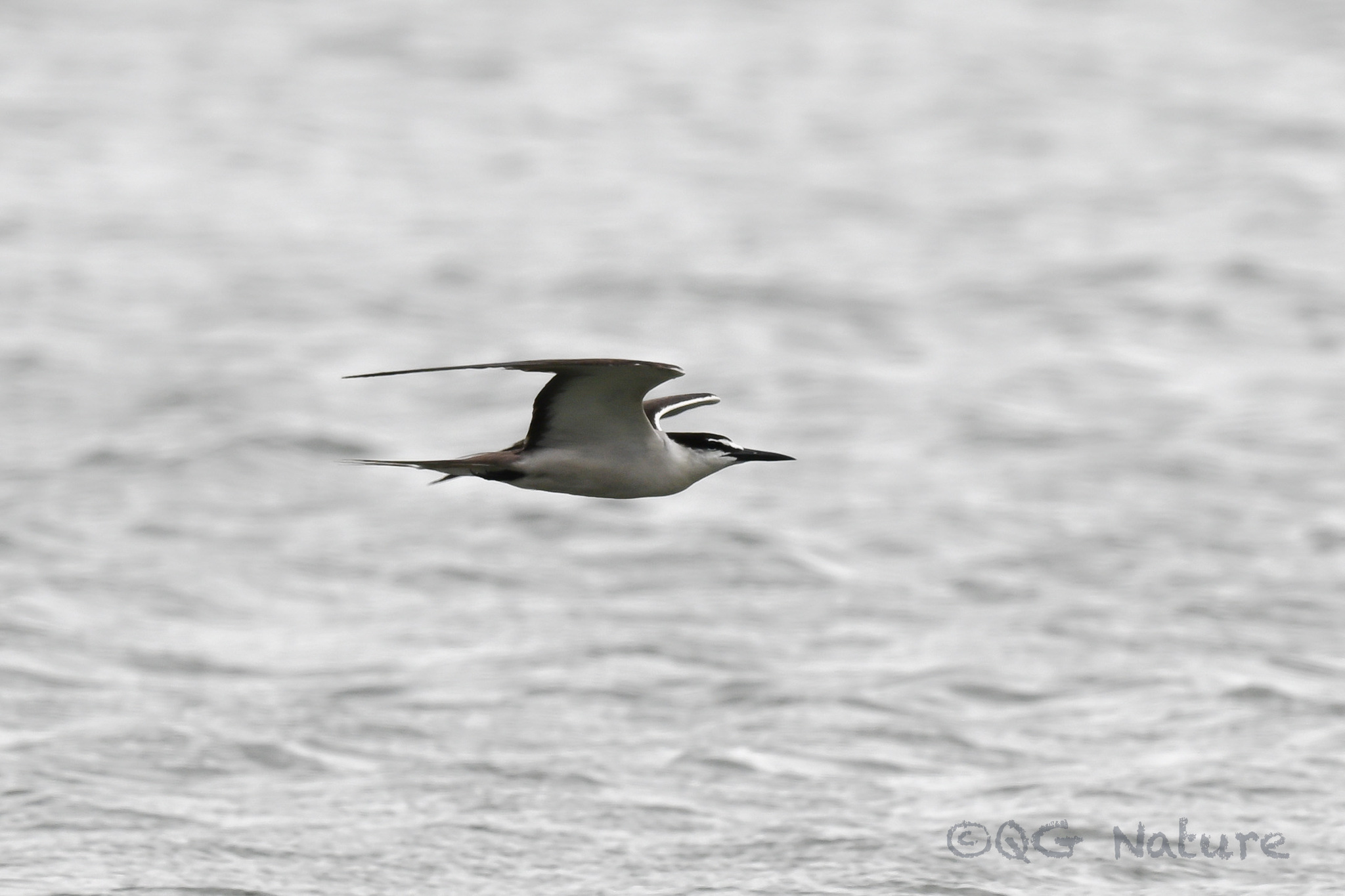
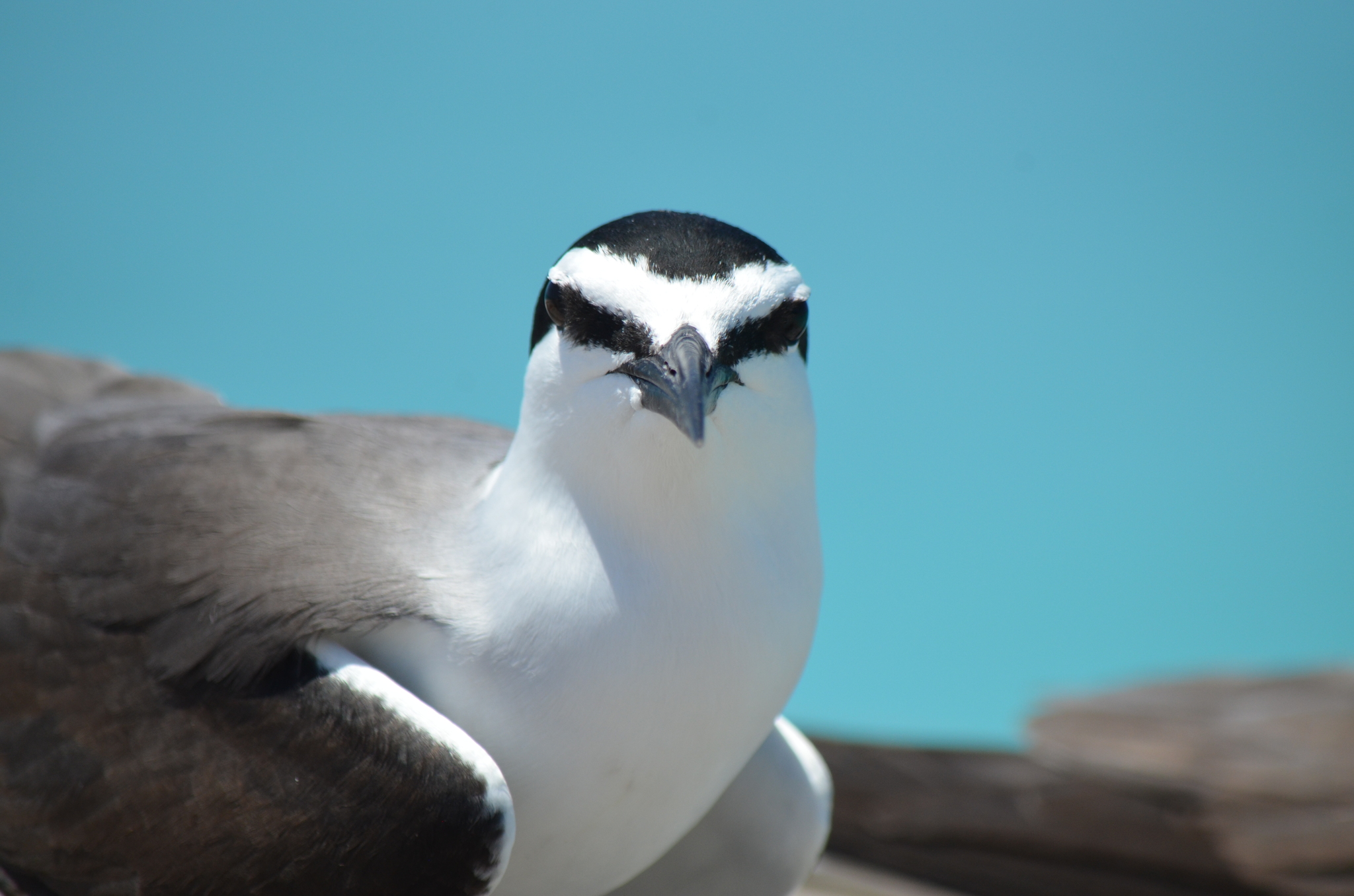
Medium-sized, 30–32 cm in length with a 77–81 cm wingspan; more heavily built than the common tern. Features long wings, a deeply forked tail, dark grey upperparts, and white underparts. Distinctive markings include a white forehead, white eyebrows, and a striking white collar on the hindneck. The bill and legs are black. Juveniles are scaly grey above and pale below.
Identification
Distinguished from the similarly dark-backed sooty tern by paler upperparts, a narrower white forehead, and a pale neck collar. Less pale than grey-backed species. Unlikely to be confused with other terns apart from the sooty tern and the spectacled tern of the Tropical Pacific.
Distribution & Habitat
Migratory and dispersive, wintering widely through tropical oceans. Breeds in Mexico, the Caribbean, West Africa, the Arabian Peninsula, Southeast Asia, and Australasia. Subspecies include O. a. melanopterus (Caribbean and West Africa), O. a. antarcticus (Red Sea, Persian Gulf, western Indian Ocean), O. a. anaethetus (eastern Indian and Pacific Oceans), and O. a. nelsoni (west coast of Mexico and Central America). Rare vagrant to western Europe.
Behavior & Ecology
Breeds in colonies on rocky islands, nesting in ground scrapes or holes and laying one egg. Feeds by plunge-diving for fish in marine environments, usually diving directly rather than from a stepped-hover, and also picks prey from the surface. Courtship displays involve the male offering fish to the female.
Source: Wikipedia · CC BY-SA 3.0
Taxonomy
- Order
- Charadriiformes
- Family
- Laridae
- Genus
- Onychoprion
Subspecies (4)
-
Onychoprion anaethetus anaethetus
breeds islets from west of Thailand eastward through Ryukyu Islands (southern Japan) and Philippines, and southward to northern Australia (southwestern Australia to northeastern New South Wales) and Samoa
Data Sources
Species description from Wikipedia, licensed under CC BY-SA 3.0.
Bird images and sounds sourced from GBIF, contributed by citizen scientists worldwide under Creative Commons licenses.
Taxonomy data from AviList 2025.