Isabelline Wheatear
Oenanthe isabellina
沙䳭
Introduction
A small passerine bird (15-16.5 cm) formerly classified in the thrush family Turdidae but now placed in the Old World flycatcher family Muscicapidae. It is a migratory insectivorous species. The breeding range extends across southern Russia and Central Asia to northern Pakistan, with the wintering grounds in Africa and northwestern India. This species inhabits steppe and open countryside environments throughout its range. It is a very rare vagrant to western Europe. The IUCN Red List classifies it as Least Concern due to its extensive range and large population.
Description
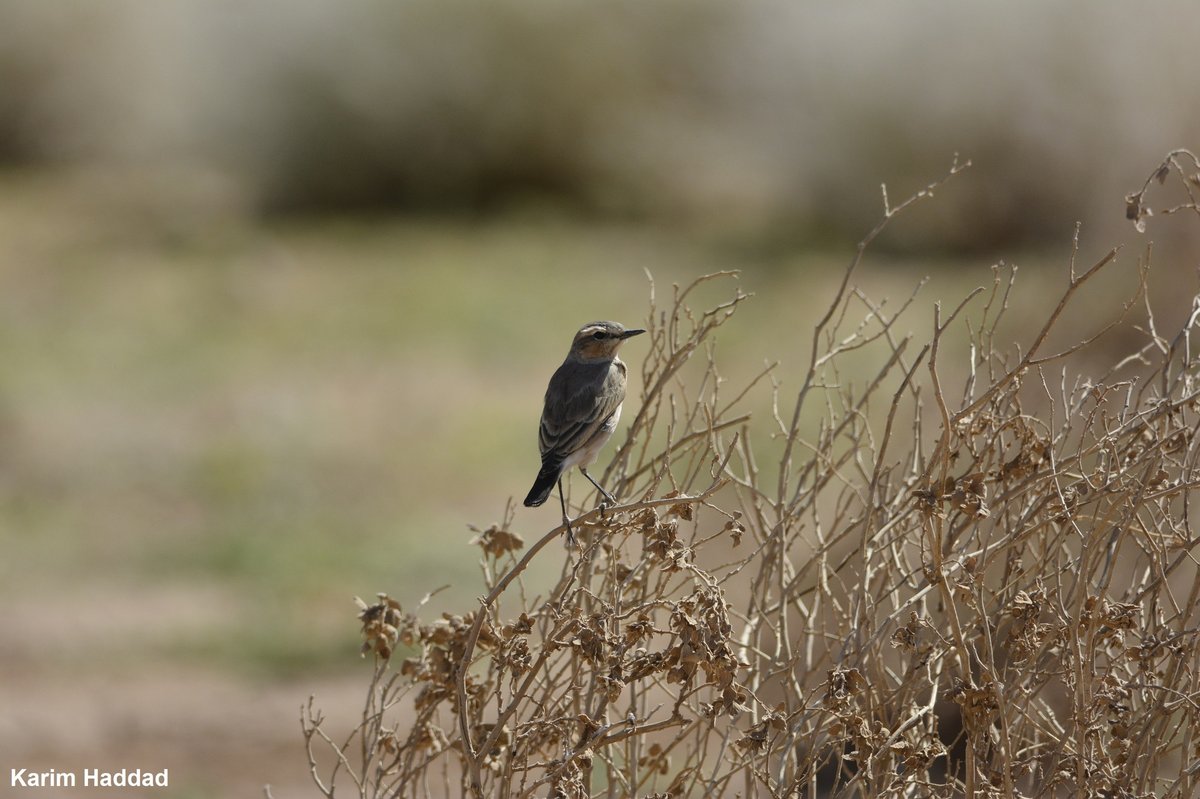
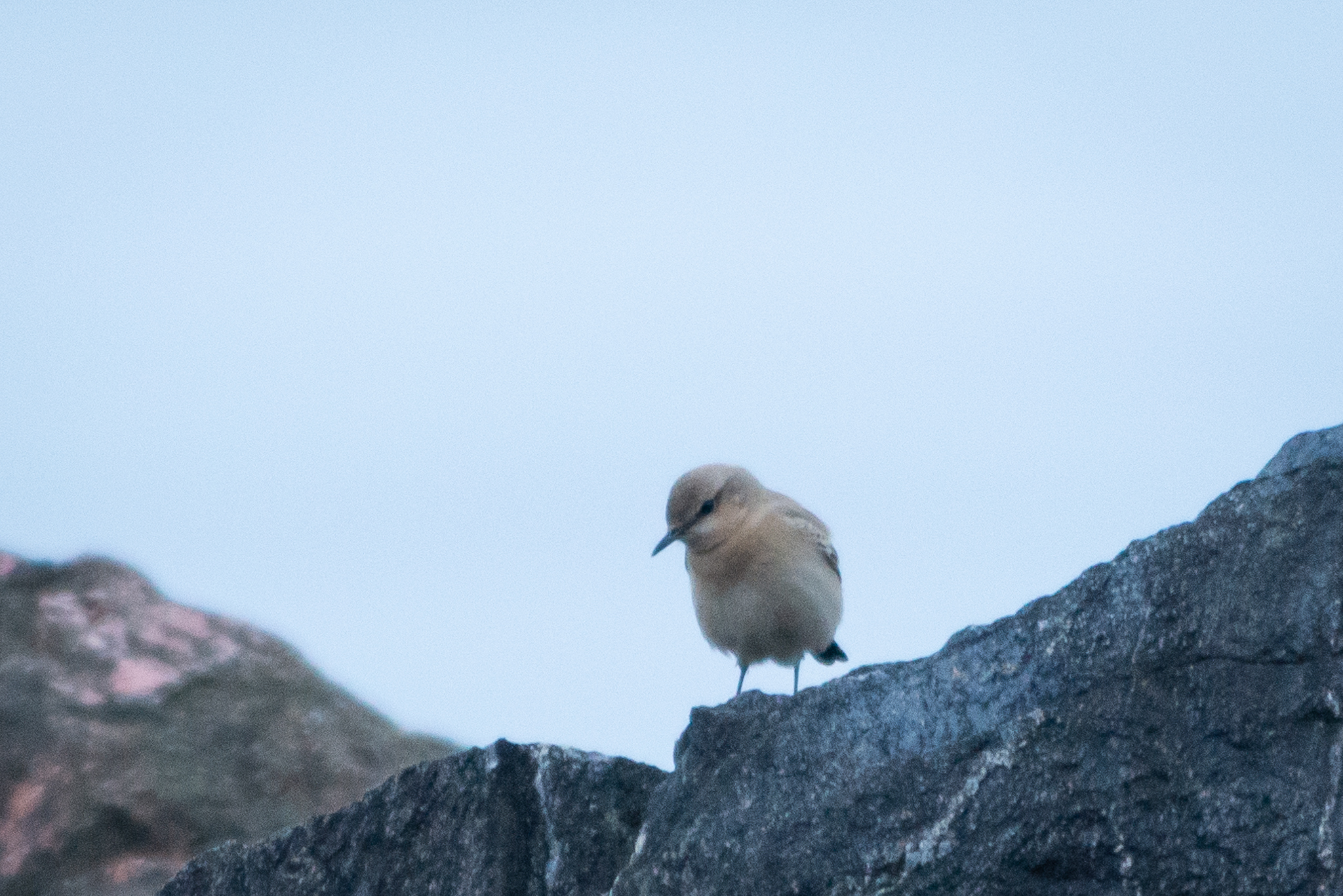
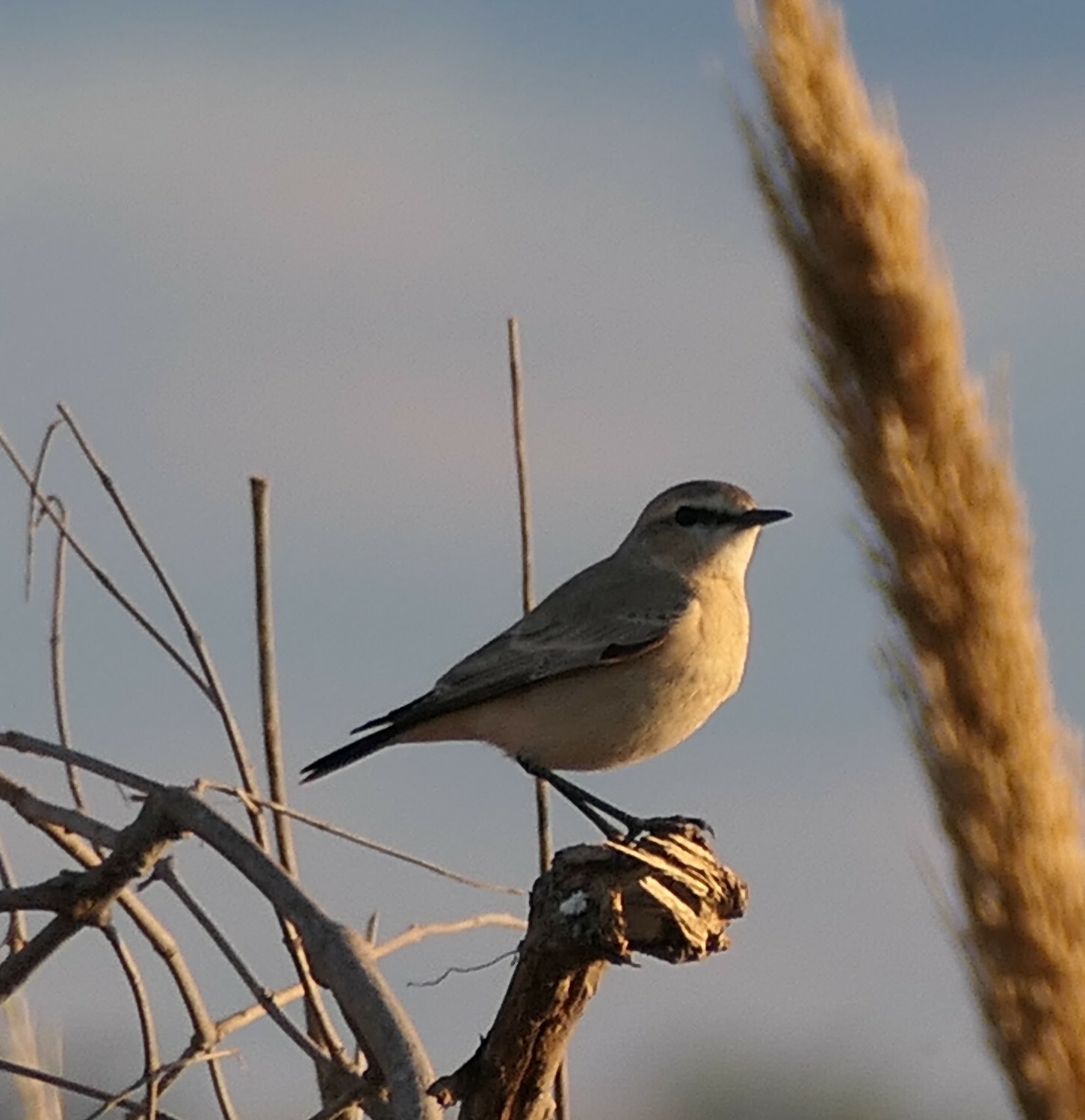
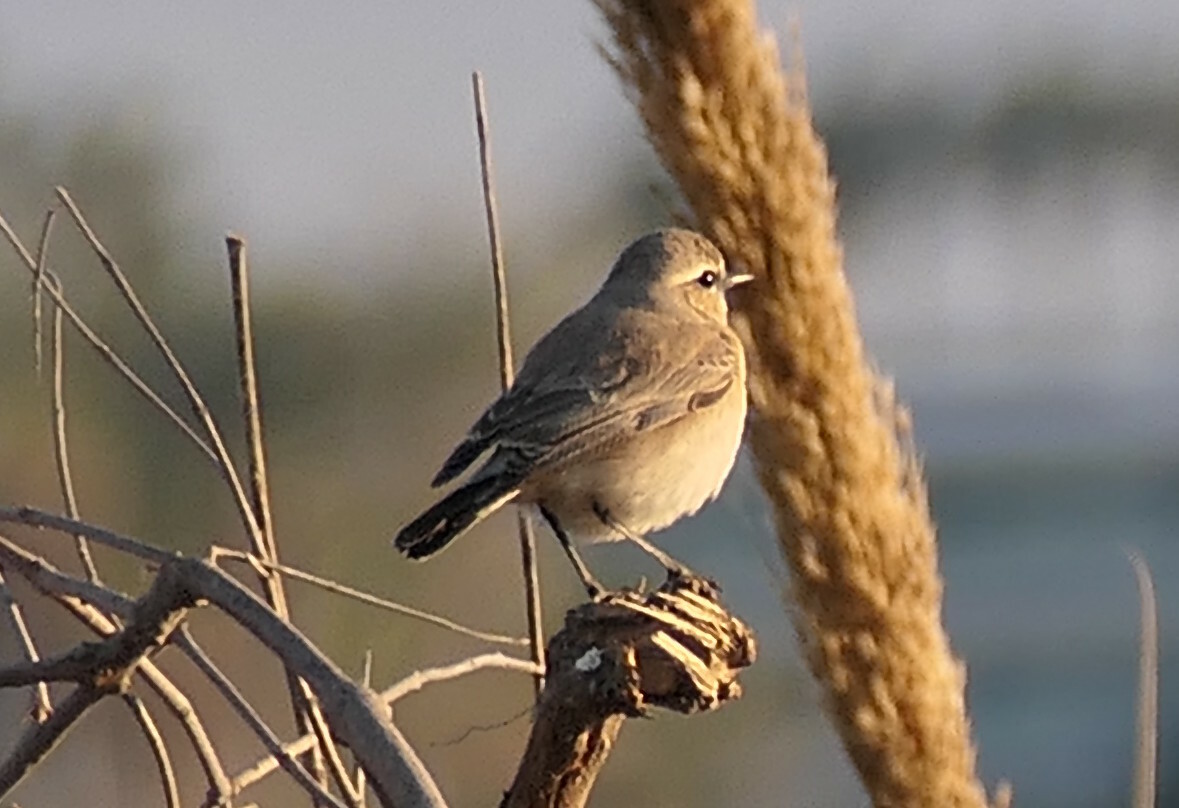
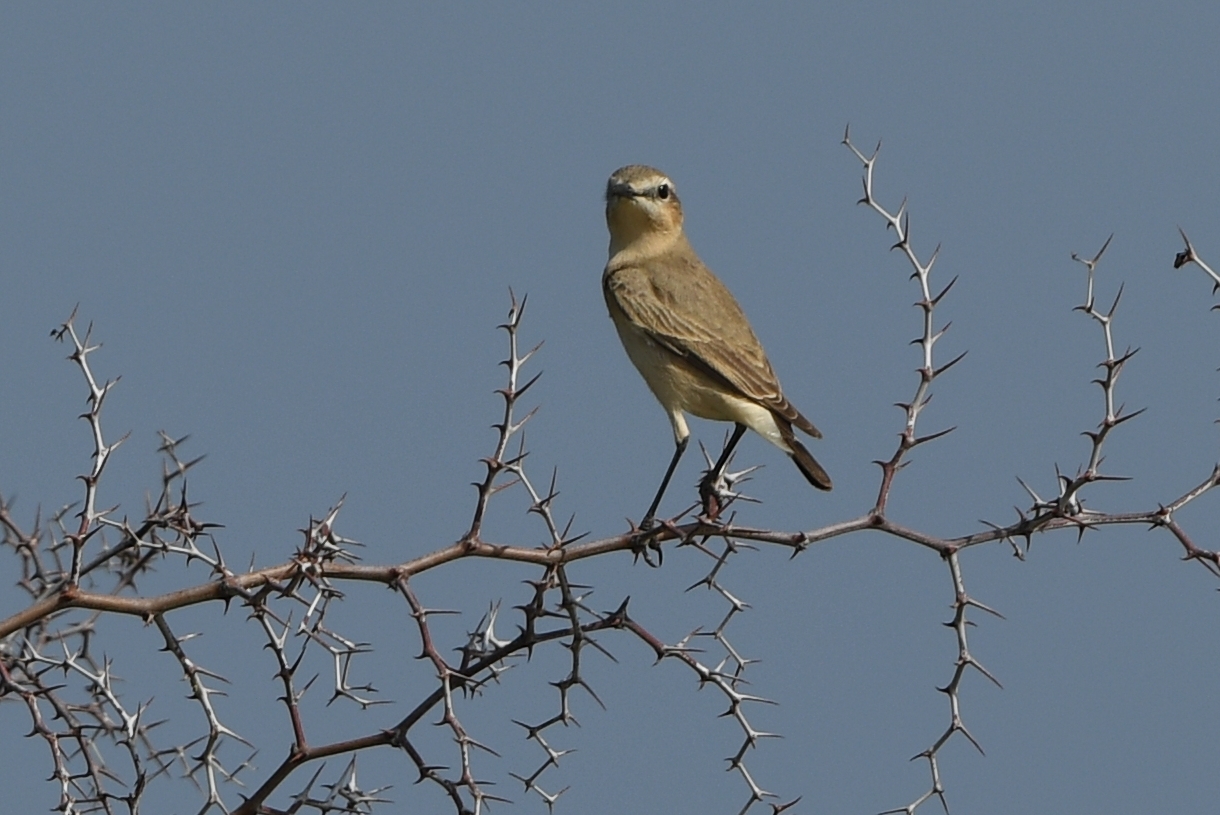
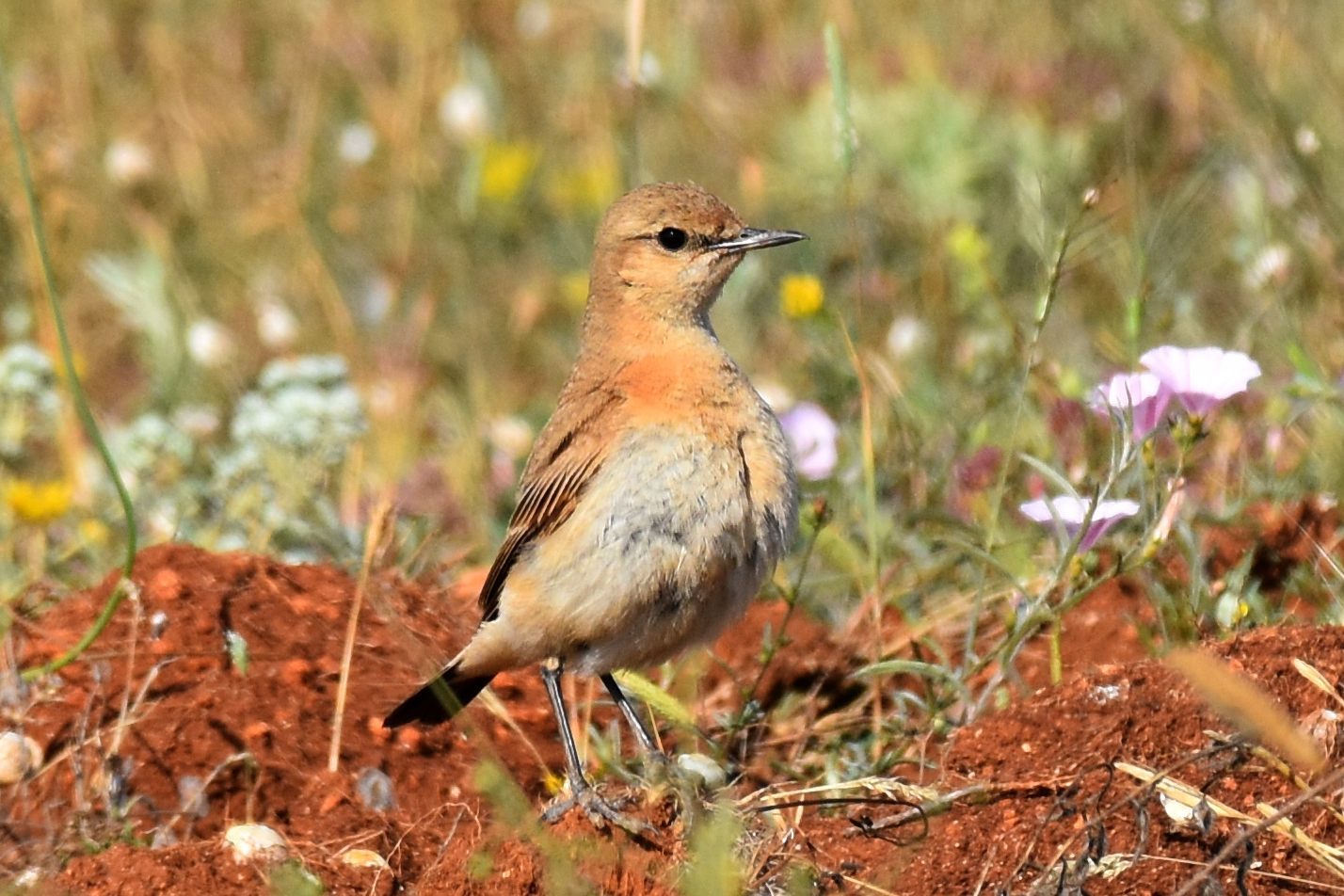
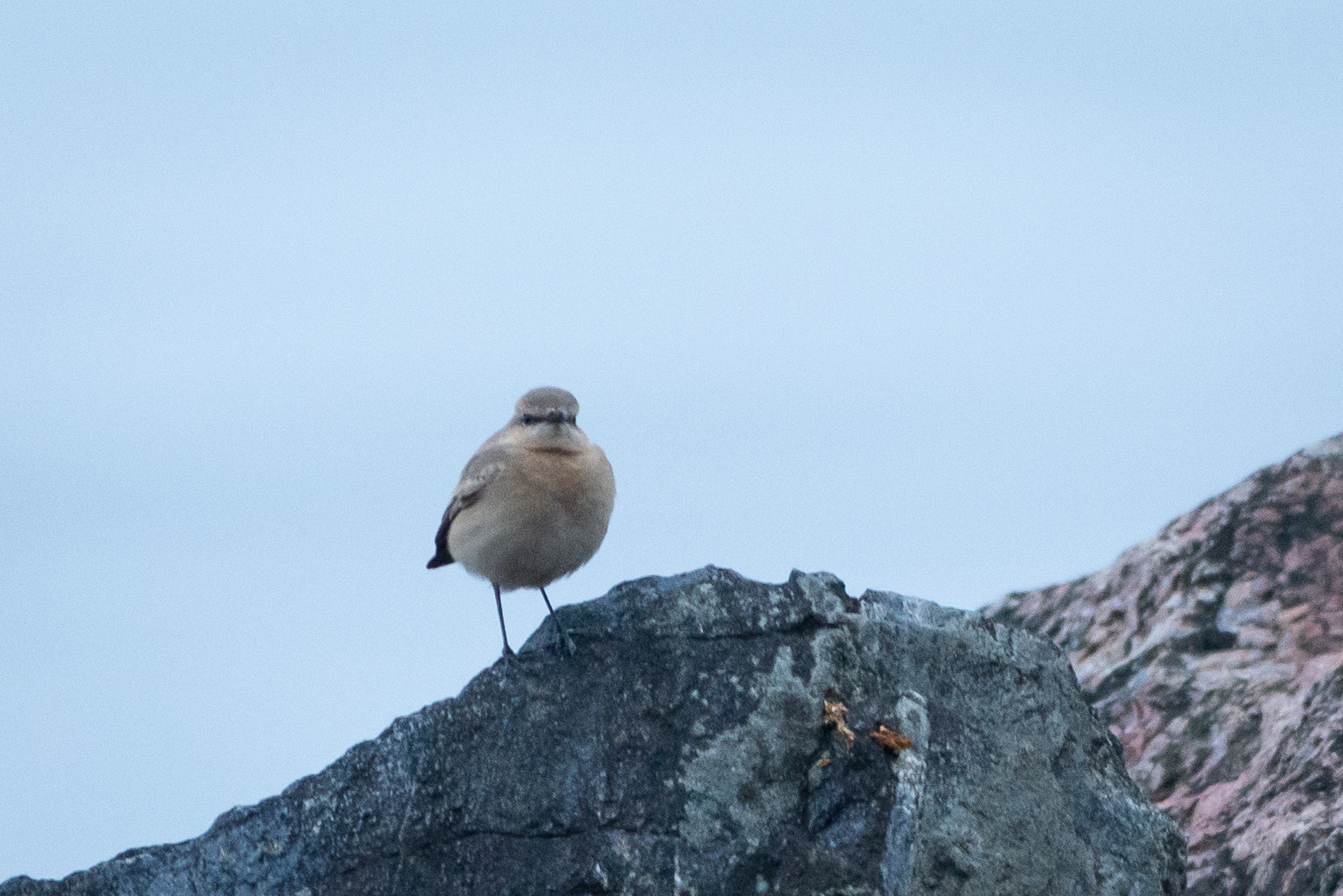
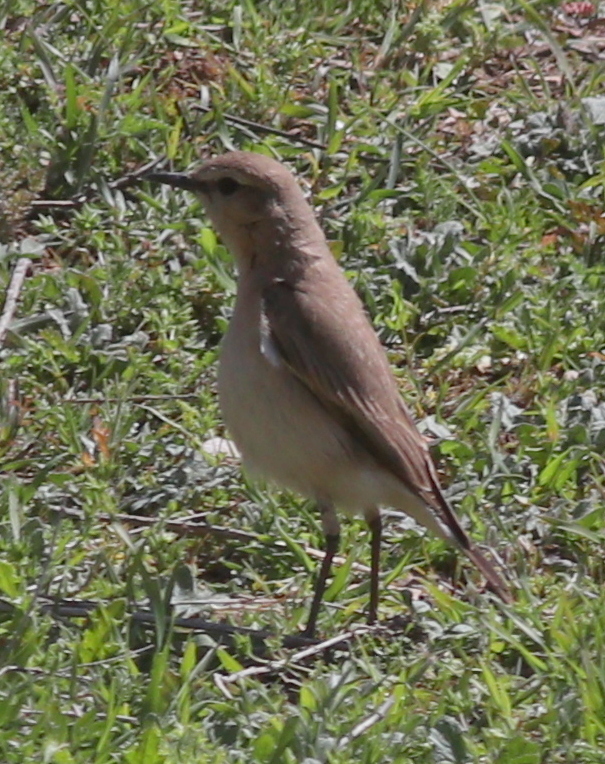
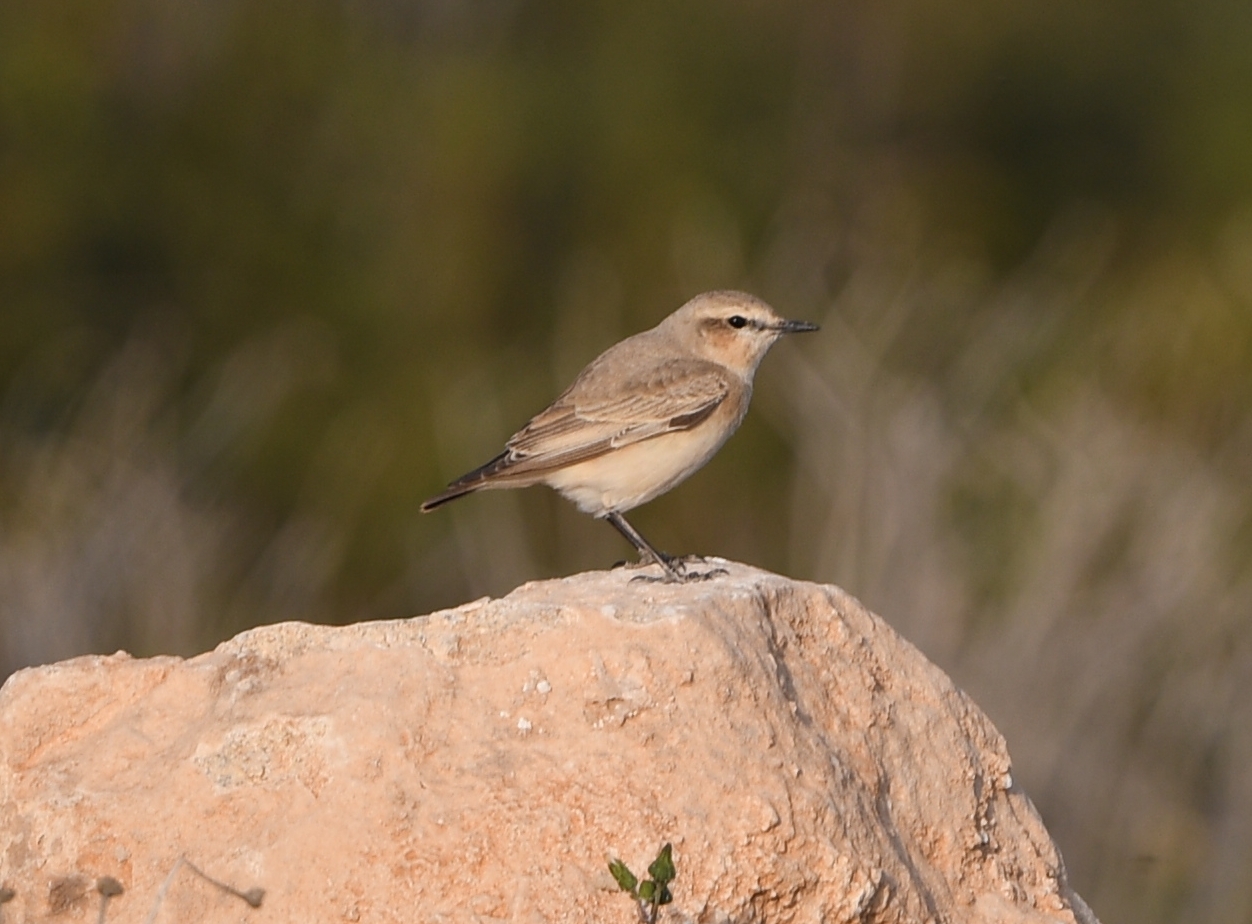
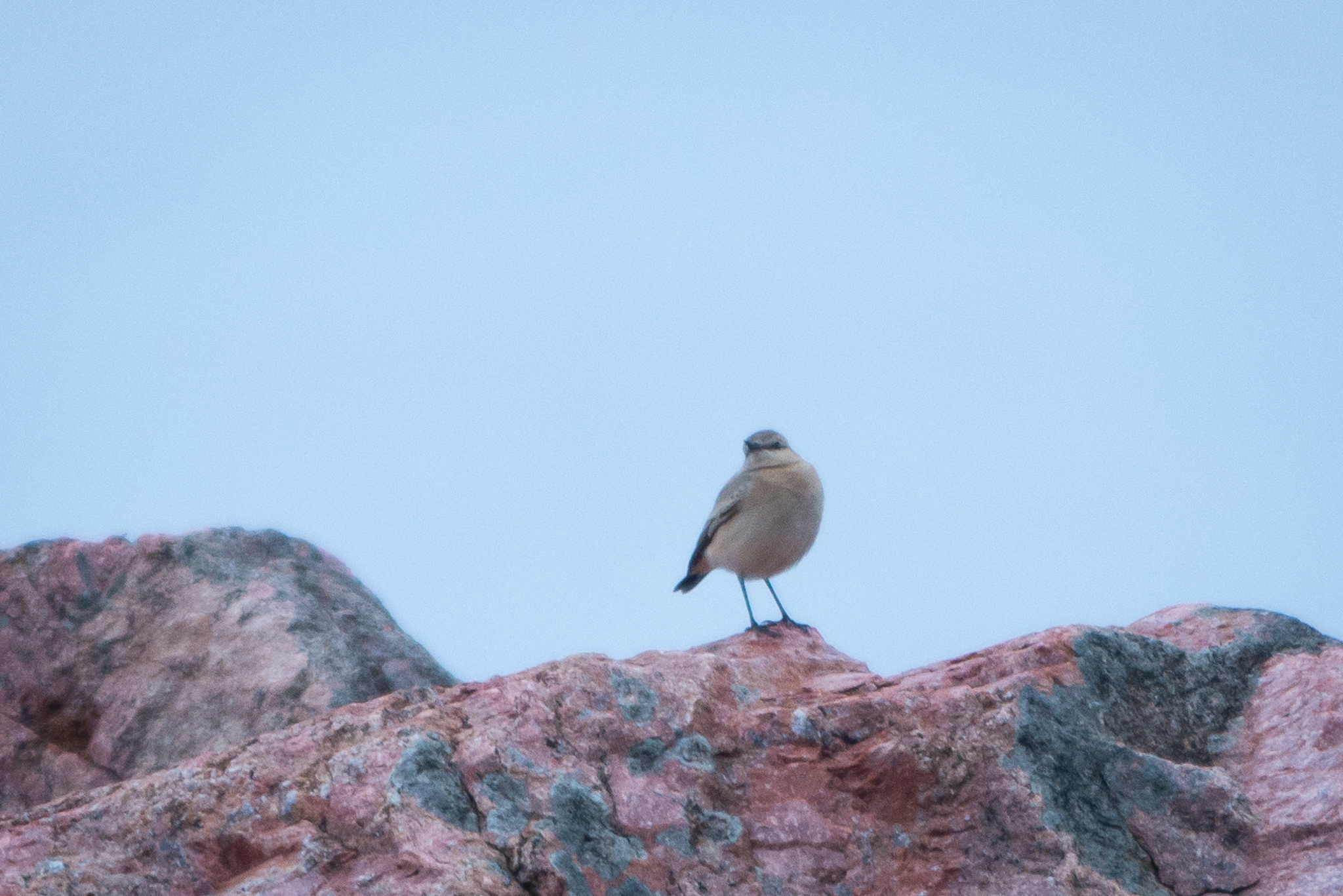
A small wheatear resembling a larger, paler version of the northern wheatear. The plumage is predominantly sandy-brown with an isabelline (pale grey-yellow, fawn, cream-brown) tinge on the upperparts. The lower back is isabelline while the rump and upper tail-coverts are white. The tail feathers are brownish-black with buff edges and tips and a large white base occupying more than half the length in outer feathers. A creamy white over-eye streak and pale brown ear-coverts contrast with the sandy coloration. The underparts include a pale cream chin, buff throat, sandy breast, and creamy white belly. The under wing-coverts and axillaries are white with dark bases. The sexes are similar in appearance. The plumage is molted twice annually—a complete molt in late summer and a partial body molt in mid-winter.
Identification
Larger and paler than the northern wheatear, with a longer beak and more upright posture. The most reliable distinguishing feature is the white axillaries and underwing coverts (mottled grey in the northern wheatear). The tail has more extensive black coloration than the northern wheatear. The ear-coverts are notably paler than in similar species. Overall coloration is more tawny and sandy compared to related species.
Distribution & Habitat
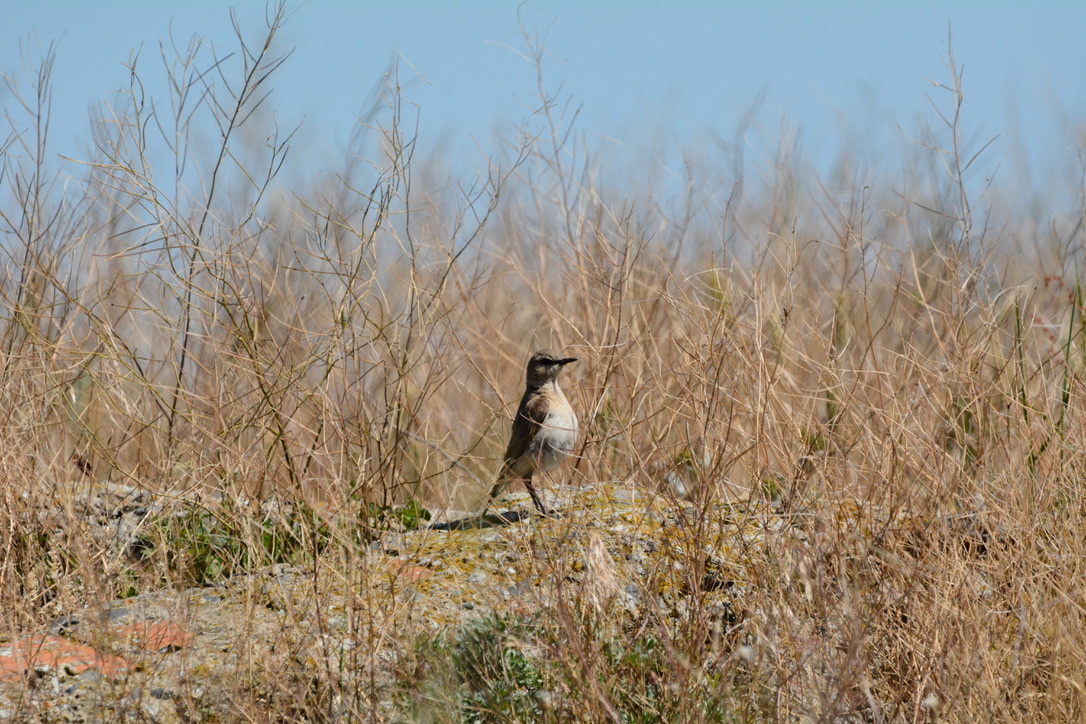
A Palearctic migratory species. Breeding range extends from southern Russia and the Caspian region through Central Asia (including Kyzyl Kum Desert and Mongolia) to Afghanistan, Iran, Iraq, Saudi Arabia, Syria, Jordan, and Israel. Winters in Africa and northwestern India. Occurs as a summer vagrant in Greece, Cyprus, Algeria, and Tunisia. In the breeding season, it inhabits open country, barren tracts, arid regions, steppes, high plateaus, and lower hill slopes. Winter habitats include semi-arid regions, open country with sparse scrub, and cultivated field borders, with a preference for sandy ground.
Behavior & Ecology
An active and restless bird that moves across the ground with long hops, flitting into the air and perching on eminences or small bushes. It maintains an upright posture and constantly bobs and flares its tail. Foraging is primarily done on the ground, probing soil with the beak, though it also catches insects in flight. Diet consists of ants, grasshoppers, moths, flies, mites, spiders, insect larvae, and occasional seeds. Males perform courtship displays by drooping and spreading wings while singing, leaping into the air, or performing aerial displays up to 15 meters while singing. The nest is typically underground in abandoned burrows of pikas, ground squirrels, or mole rats. Four to six pale blue eggs (averaging 22.16 by 16.6 mm) are laid, usually unmarked. Both parents feed the chicks with insects. The breeding season begins late March in Turkey and May in Central Asia, with potentially two broods in southern areas. The call is a chirp with occasional loud whistles; the song is lark-like with croaking followed by whistles and mimicry.
Conservation
The species has an extensive range of approximately 11.7 million square kilometers and a large population estimated between 26 million and 378 million individuals. The population appears to be stable. The IUCN Red List of Threatened Species classifies it as Least Concern.
Source: Wikipedia · CC BY-SA 3.0
Taxonomy
- Order
- Passeriformes
- Family
- Muscicapidae
- Genus
- Oenanthe
- eBird Code
- isawhe1
Distribution
breeds south-central Eurasia; winters to northeastern Africa, Arabia, and India
Data Sources
Species description from Wikipedia, licensed under CC BY-SA 3.0.
Bird images and sounds sourced from GBIF, contributed by citizen scientists worldwide under Creative Commons licenses.
Taxonomy data from AviList 2025.