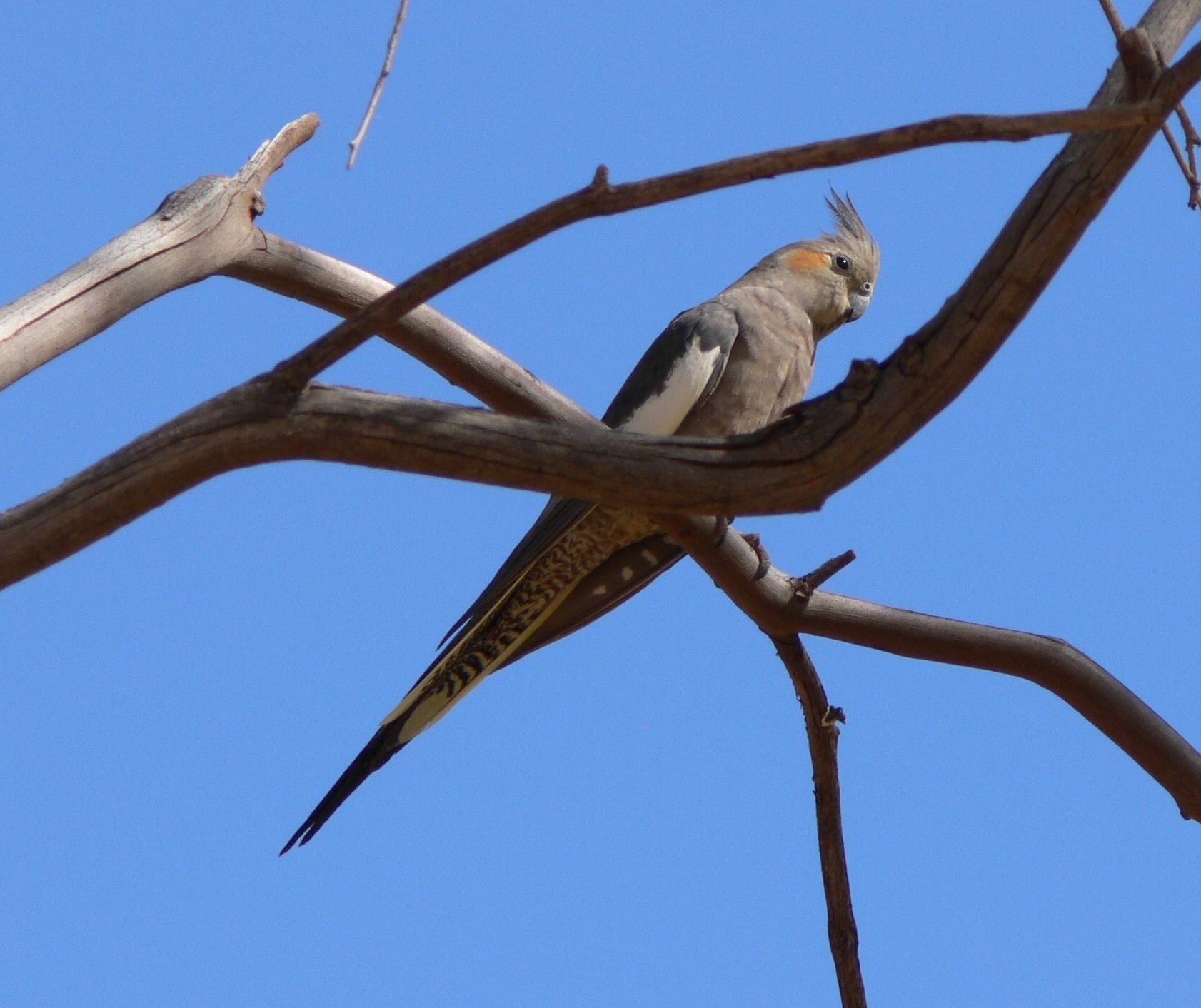
Cockatiel
Nymphicus hollandicus
鸡尾鹦鹉
Introduction
Small parrot (Nymphicus hollandicus) endemic to Australia. The sole member of genus Nymphicus and subfamily Nymphicinae within Cacatuidae (cockatoo family), making it the smallest cockatoo at 30-33 cm. Possesses all cockatoo biological features: erectile crest, gallbladder, powder down, suppressed cloudy-layer, and facial feathers covering beak sides. Favour Australian wetlands, scrublands, and bushlands in arid or semi-arid country near water. Second most popular pet bird worldwide after budgerigar; relatively easy to breed compared to other parrots. Multiple colour mutations exist in aviculture worldwide, with eight exclusive to Australia.
Description
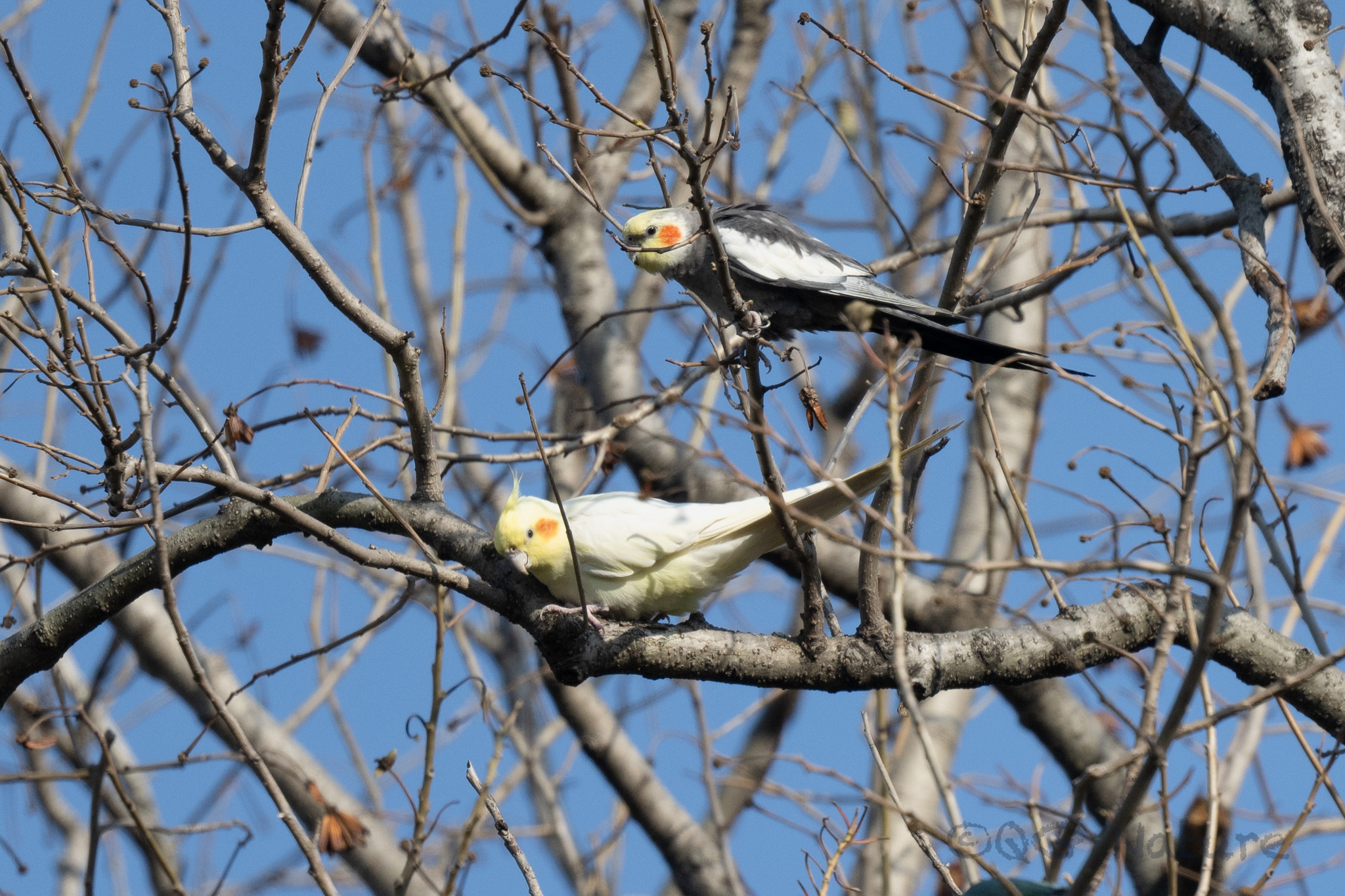
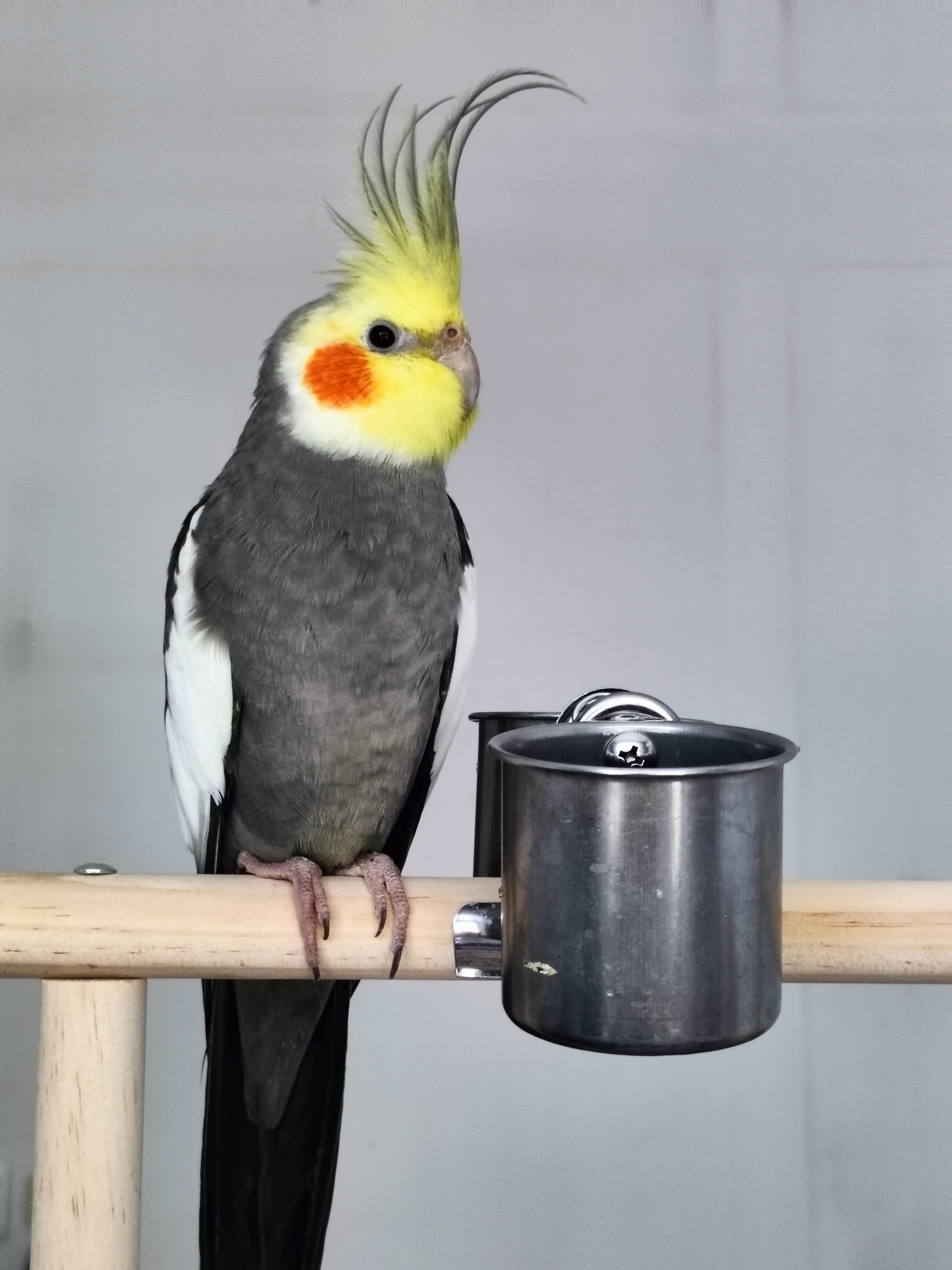
Length 30-33 cm (12-13 in), the smallest cockatoo species. Long tail feathers comprise approximately half total length. Wild-type plumage is primarily grey with prominent white flashes on outer edges of wings. Males have yellow or white face with vibrant orange cheek patches ('cheddar cheeks'); females have grey face with muted orange cheek patches. Both sexes feature round orange ear patches. Distinctive erectile crest expresses emotional state—vertical when excited, flattened when defensive, oblique when relaxed. Colour derived from melanin (grey) and psittacofulvins (yellow, orange). Sexually dimorphic after first moult at 6-9 months.
Identification
The only small cockatoo with long tail feathers (other cockatoos have shorter, square tails). Readily distinguished from similar-sized parrots by combination of grey body, yellow/white face (males), orange cheek patches, and prominent erectile crest. Differs from budgerigar by larger size, crest, and lack of barring pattern. Males show brighter yellow face and more vibrant orange cheek patches than females; females retain horizontal yellow barring on ventral tail surface. In flight, the white wing flashes are diagnostic.
Distribution & Habitat
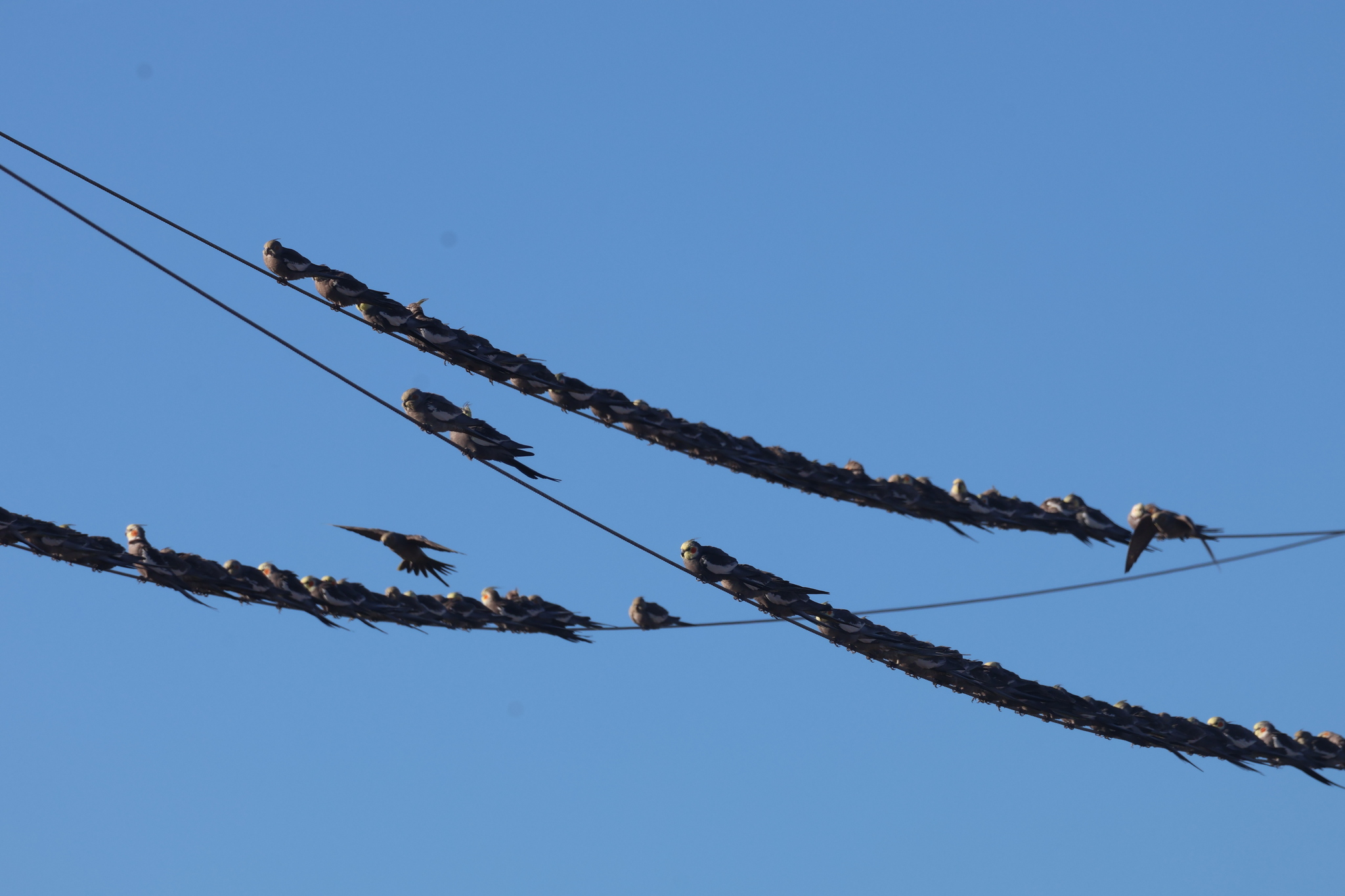
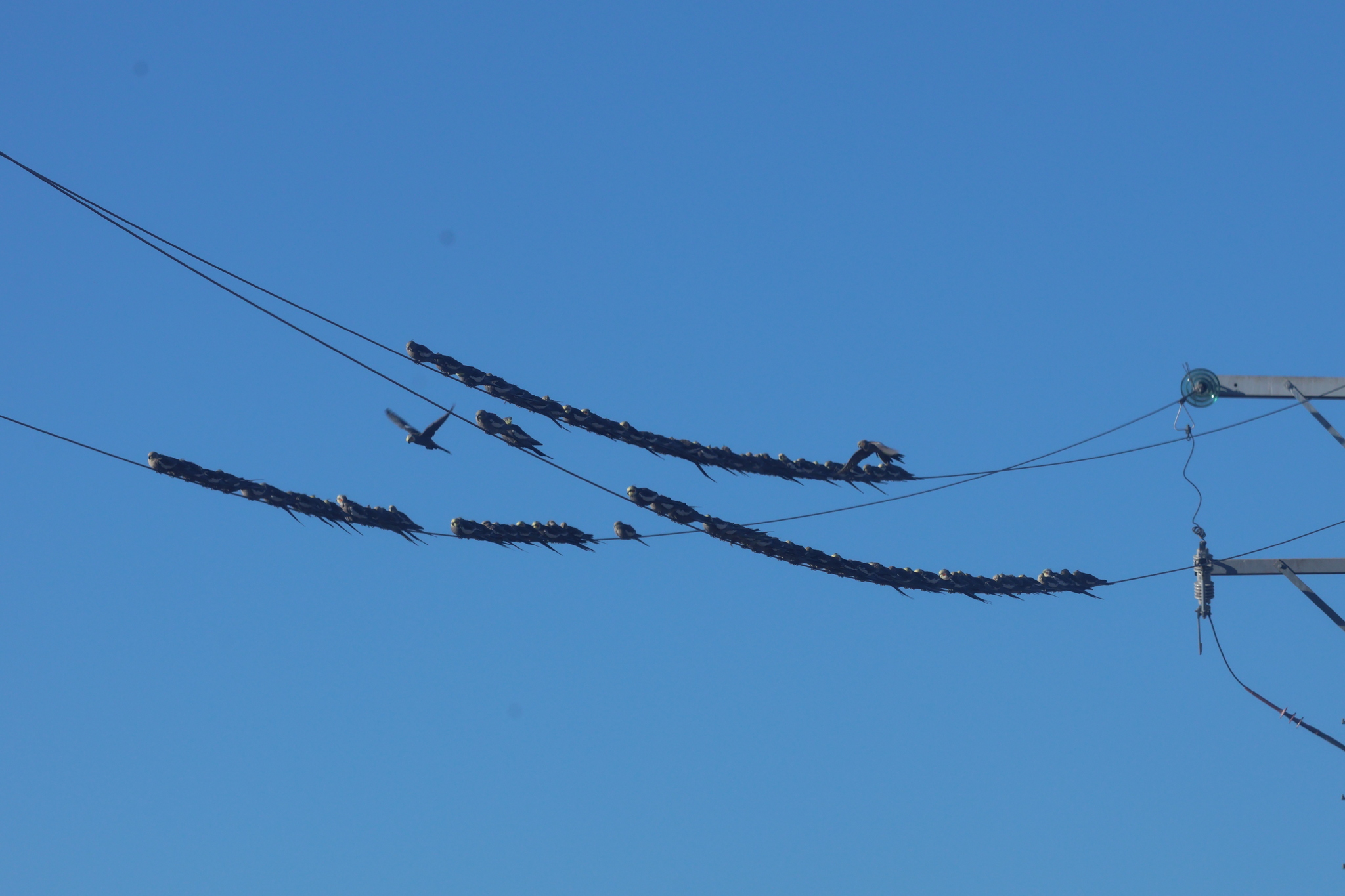
Endemic to Australia. Found largely in arid or semi-arid country but always near water. Present in western New South Wales, Queensland, Alice Springs, the Kimberley region, and northwestern Western Australia. Absent from the most fertile southwest and southeast corners, deepest Western Australian deserts, and Cape York Peninsula. Largely nomadic, moving to areas where food and water are available. Typically seen in pairs or small flocks; hundreds may gather around single water sources.
Behavior & Ecology
Diet consists primarily of seeds, particularly Acacia, wheat, sunflower, and Sorghum; often raids cultivated crops. Breeding triggered by seasonal rainfall; nests in tree hollows near fresh water, commonly eucalyptus/gum trees. Female lays 4-7 eggs (one every other day), incubating 17-23 days; chicks fledge after 5 weeks. Only cockatoo species that may reproduce by end of first year. Lifespan 12-15 years in wild, 16-25 years in captivity; oldest confirmed specimen was 36 years old. Vocal and capable of mimicking speech and melodies; males typically louder and more complex. Can learn household sounds and synchronize melodies with human songs.
Conservation
Not evaluated separately by IUCN; as a common Australian species with no significant population threats indicated, presumed to be of Least Concern. No specific conservation concerns noted in article. Wild populations remain stable across broad Australian range.
Culture
Genus name derived from European travelers' perception of the birds' beauty, naming them after mythical nymphs. The specific name 'hollandicus' references 'New Holland,' the historical name for Australia. Known also as weero, weiro, or quarrion (indigenous names). Widely kept as companion parrot globally; popular for its interactive nature and ability to mimic speech and sounds.
Source: Wikipedia · CC BY-SA 3.0
Taxonomy
- Order
- Psittaciformes
- Family
- Cacatuidae
- Genus
- Nymphicus
- eBird Code
- cockat
Distribution
Australia (except Cape York Peninsula, coastal southeastern and southwestern Australia, and Tasmania)
Vocalizations
Data Sources
Species description from Wikipedia, licensed under CC BY-SA 3.0.
Bird images and sounds sourced from GBIF, contributed by citizen scientists worldwide under Creative Commons licenses.
Taxonomy data from AviList 2025.