
Pelecaniformes / Ardeidae / Nycticorax
Black-crowned Night Heron
Nycticorax nycticorax · 夜鹭
Introduction
A medium-sized heron in the genus Nycticorax, found across Europe, Asia, Africa, and the Americas. It inhabits fresh and salt-water wetlands. Distinctive traits include a stocky build with shorter bills, legs, and necks compared to other herons, nocturnal foraging behavior, and the use of bait fishing. Four subspecies are recognized.
Description
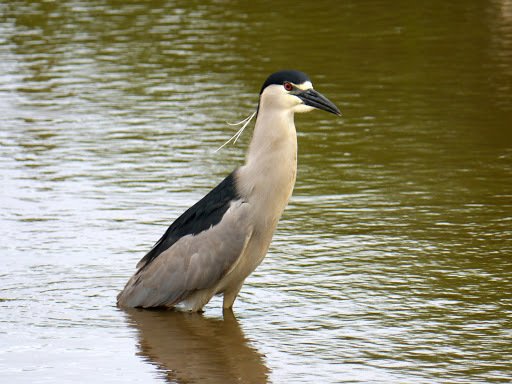
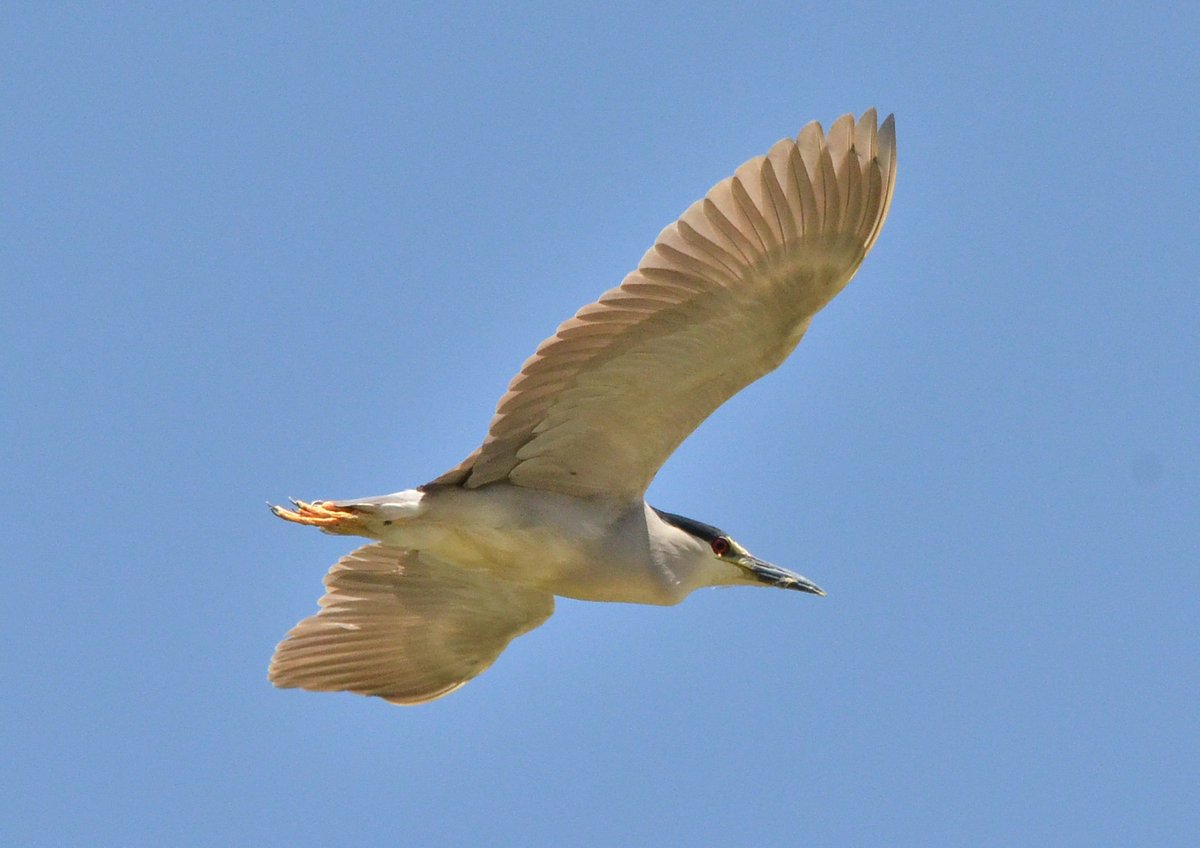
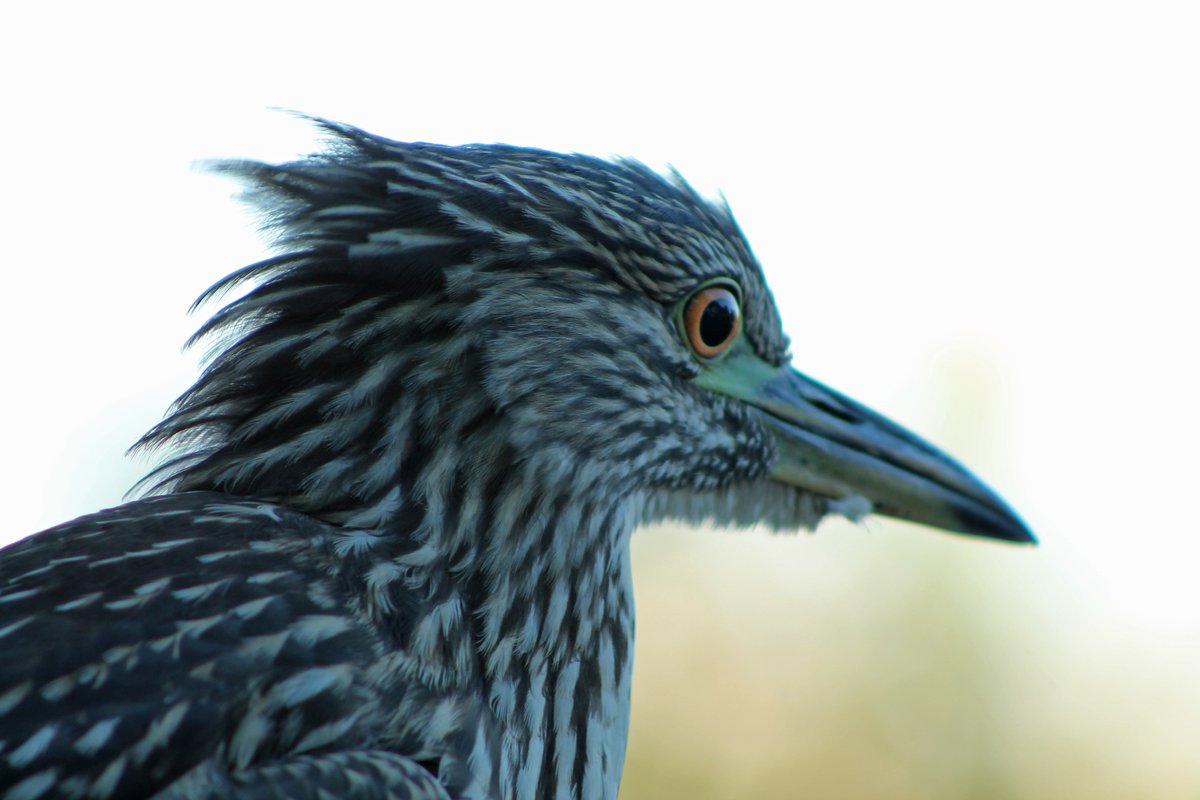
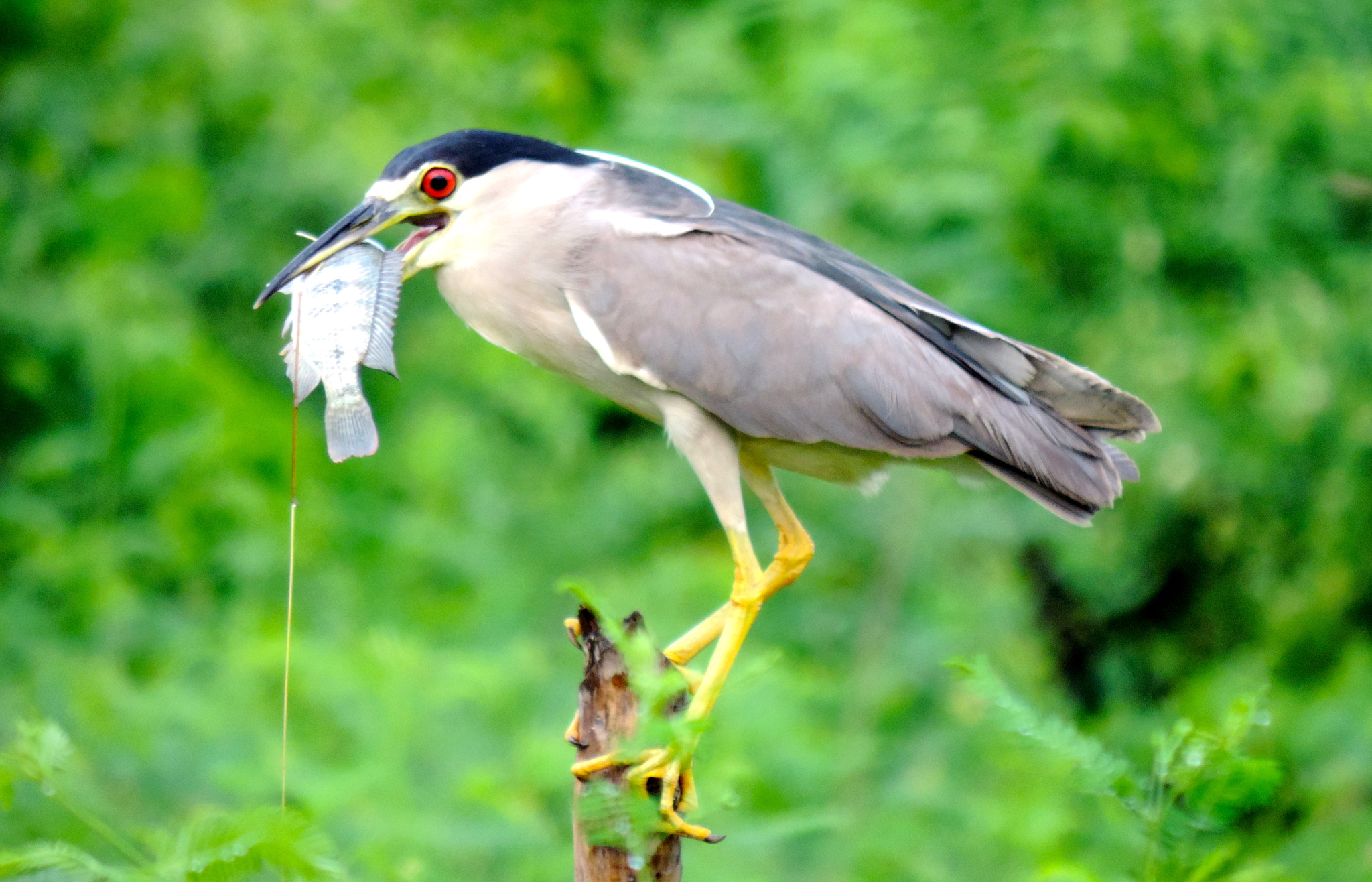
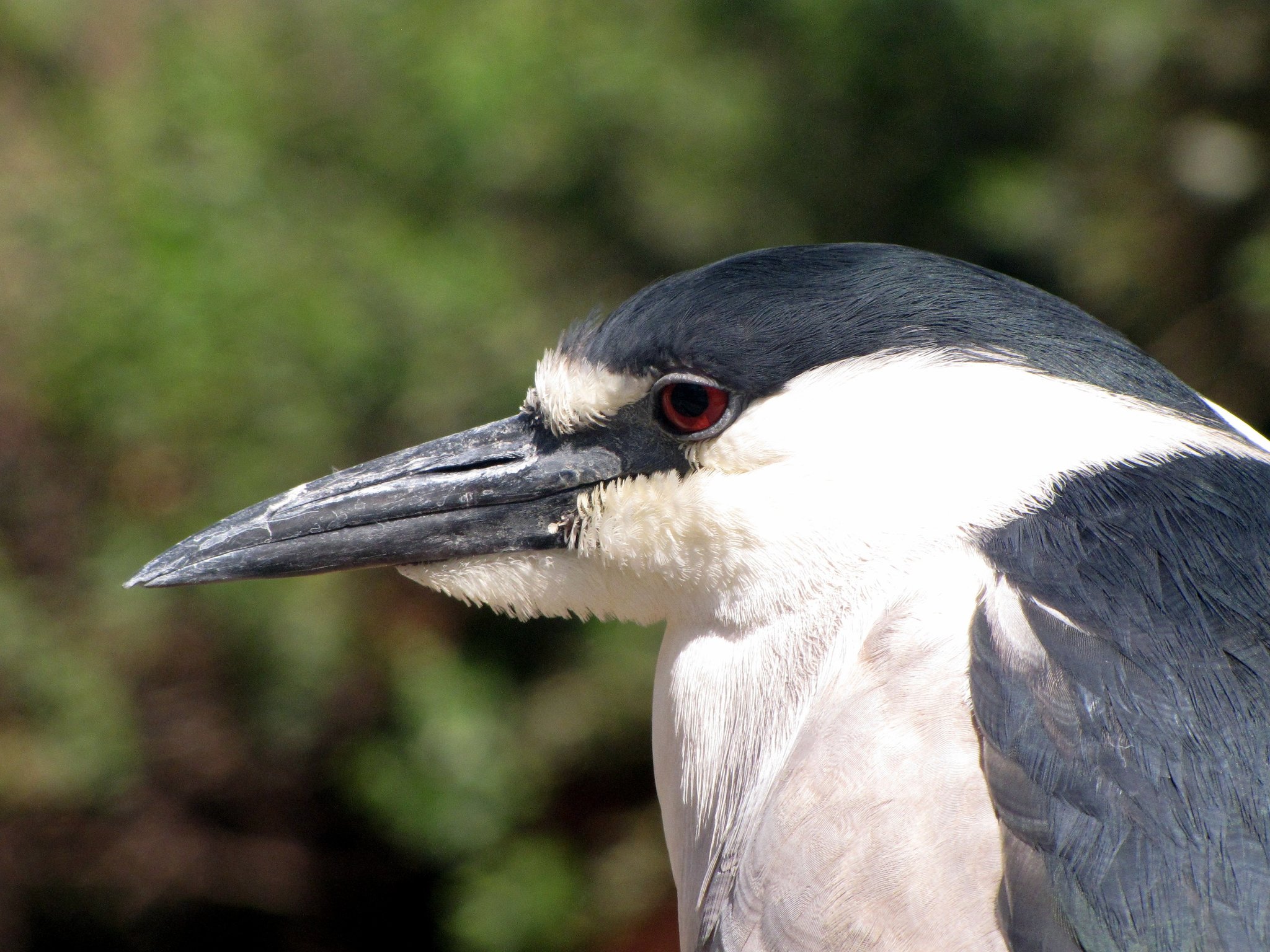
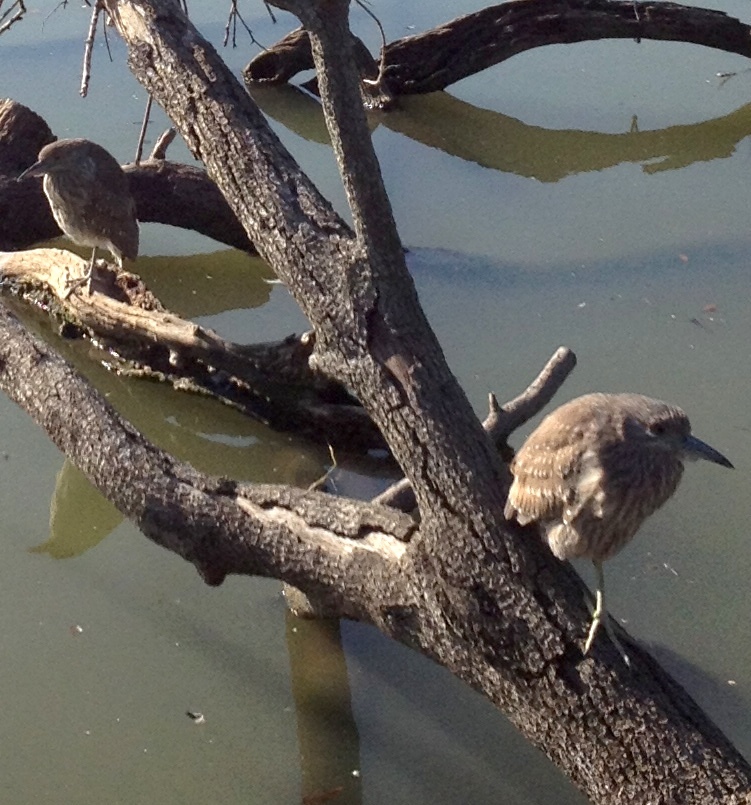
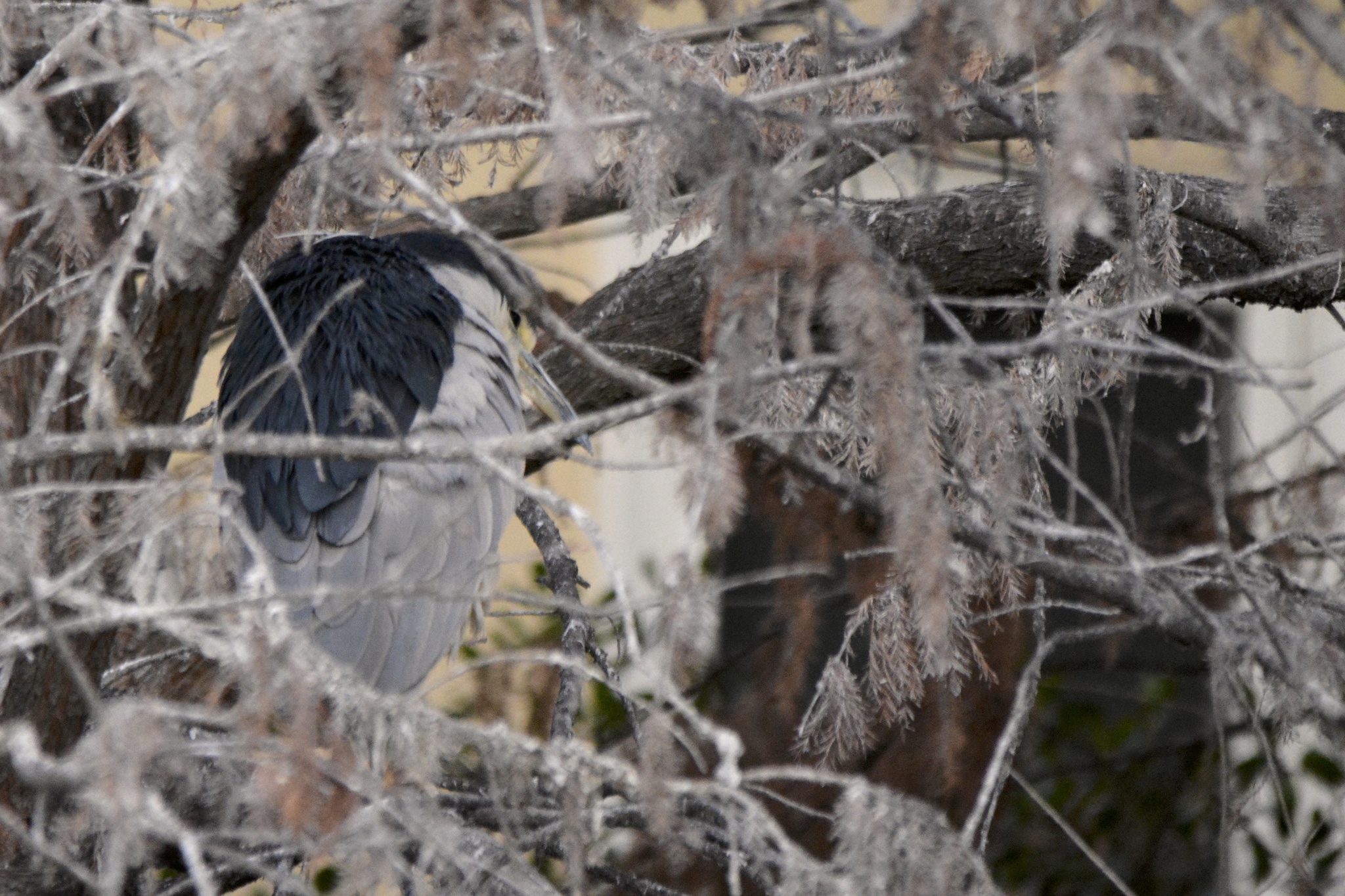
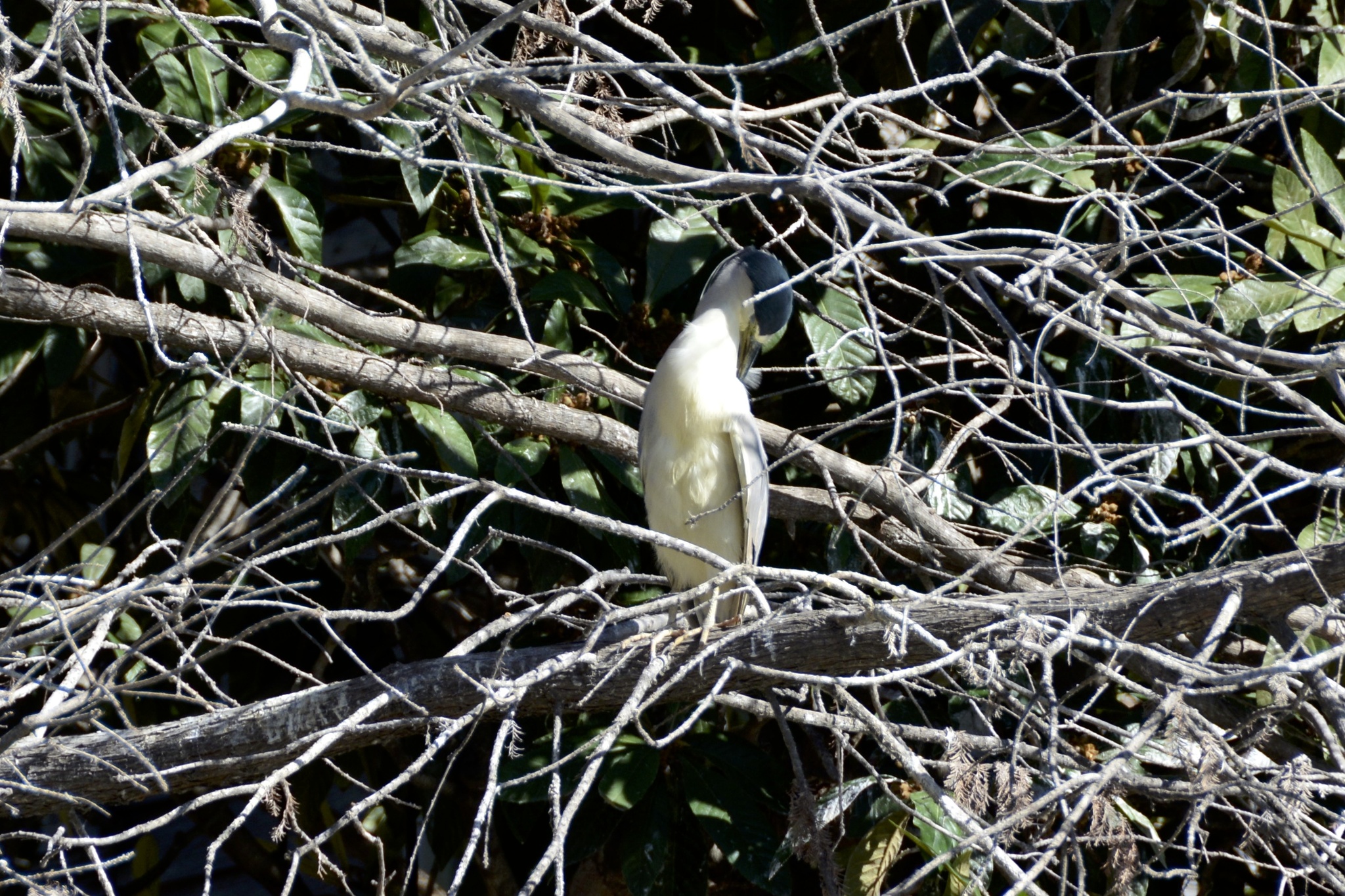
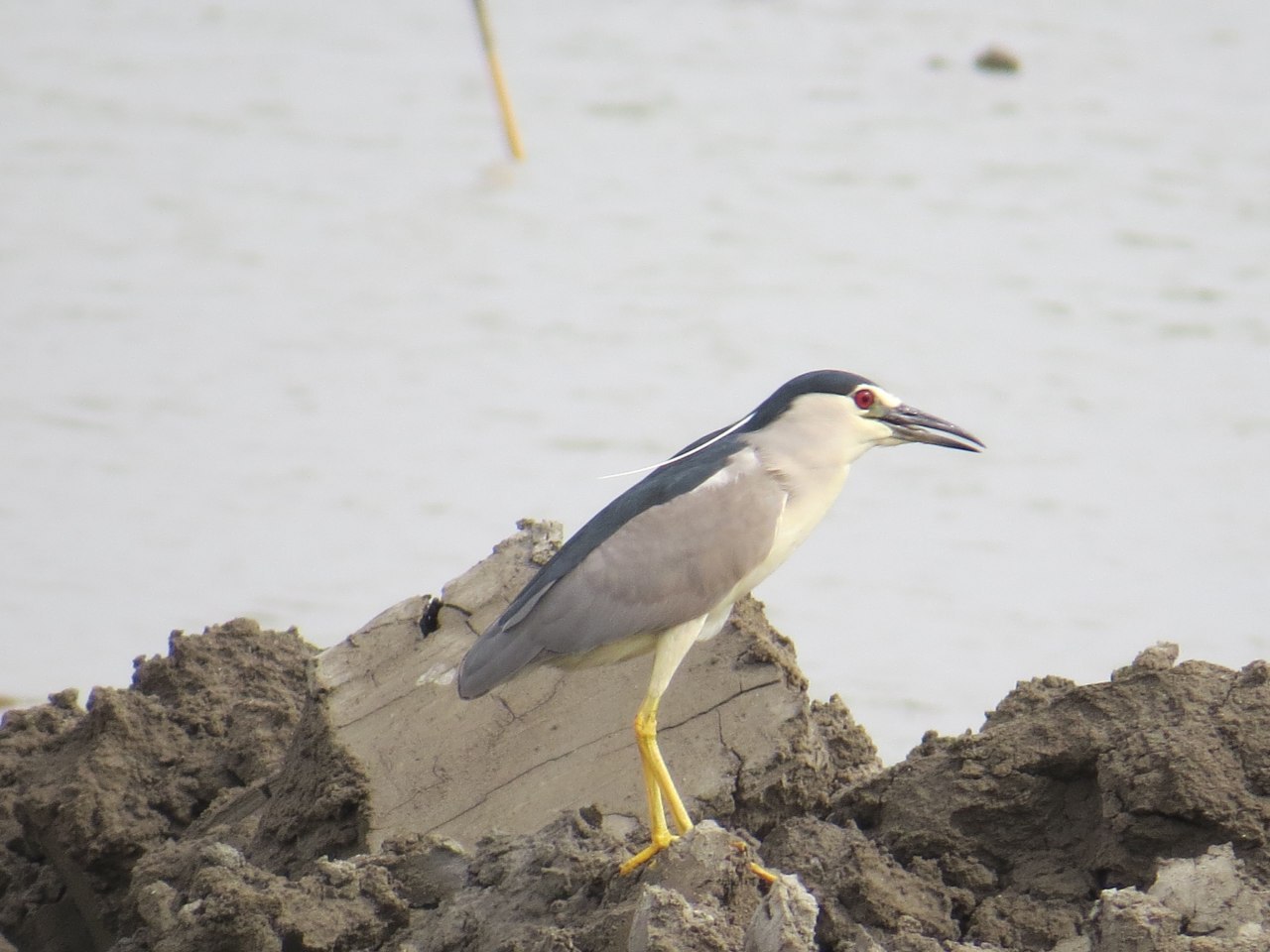
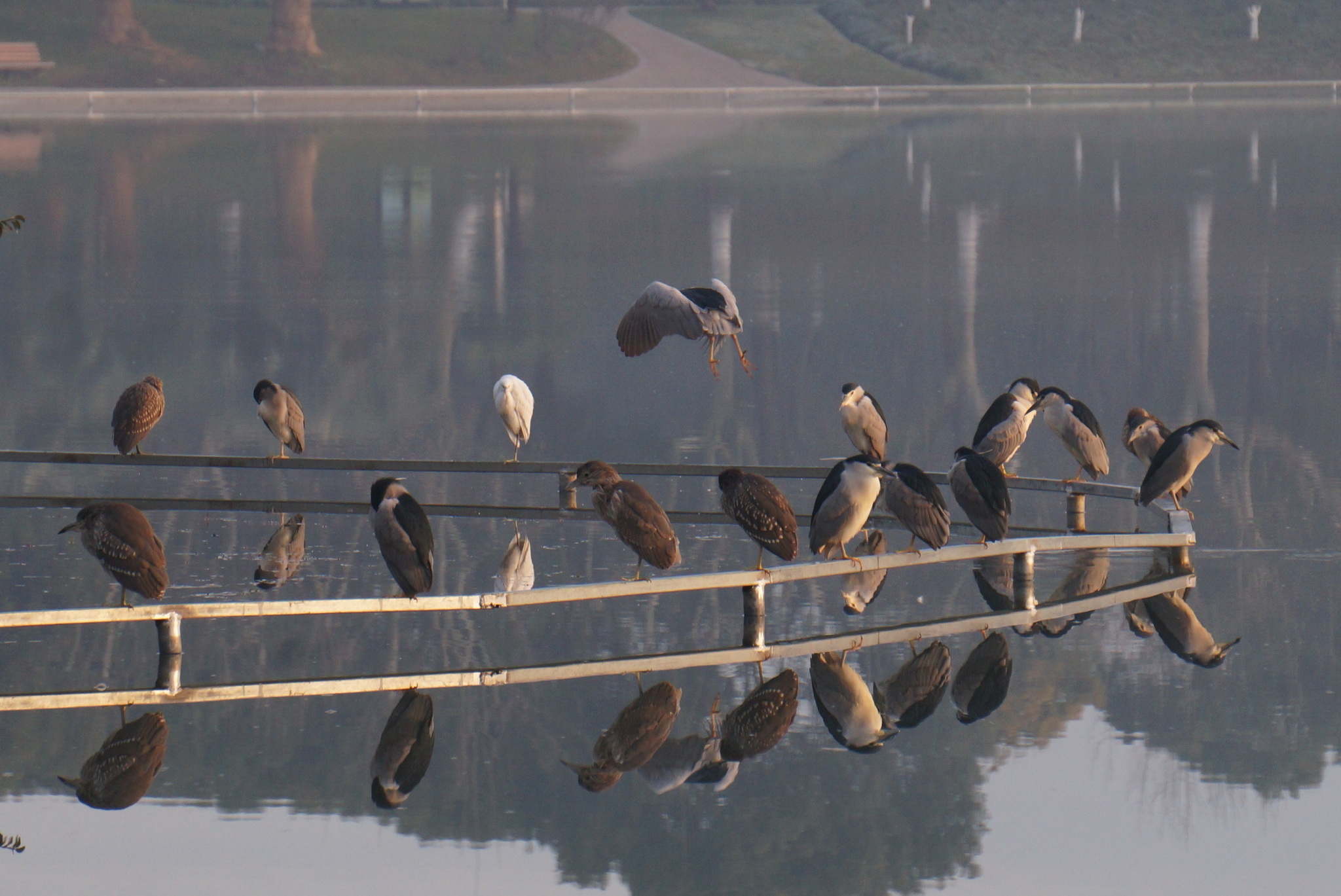
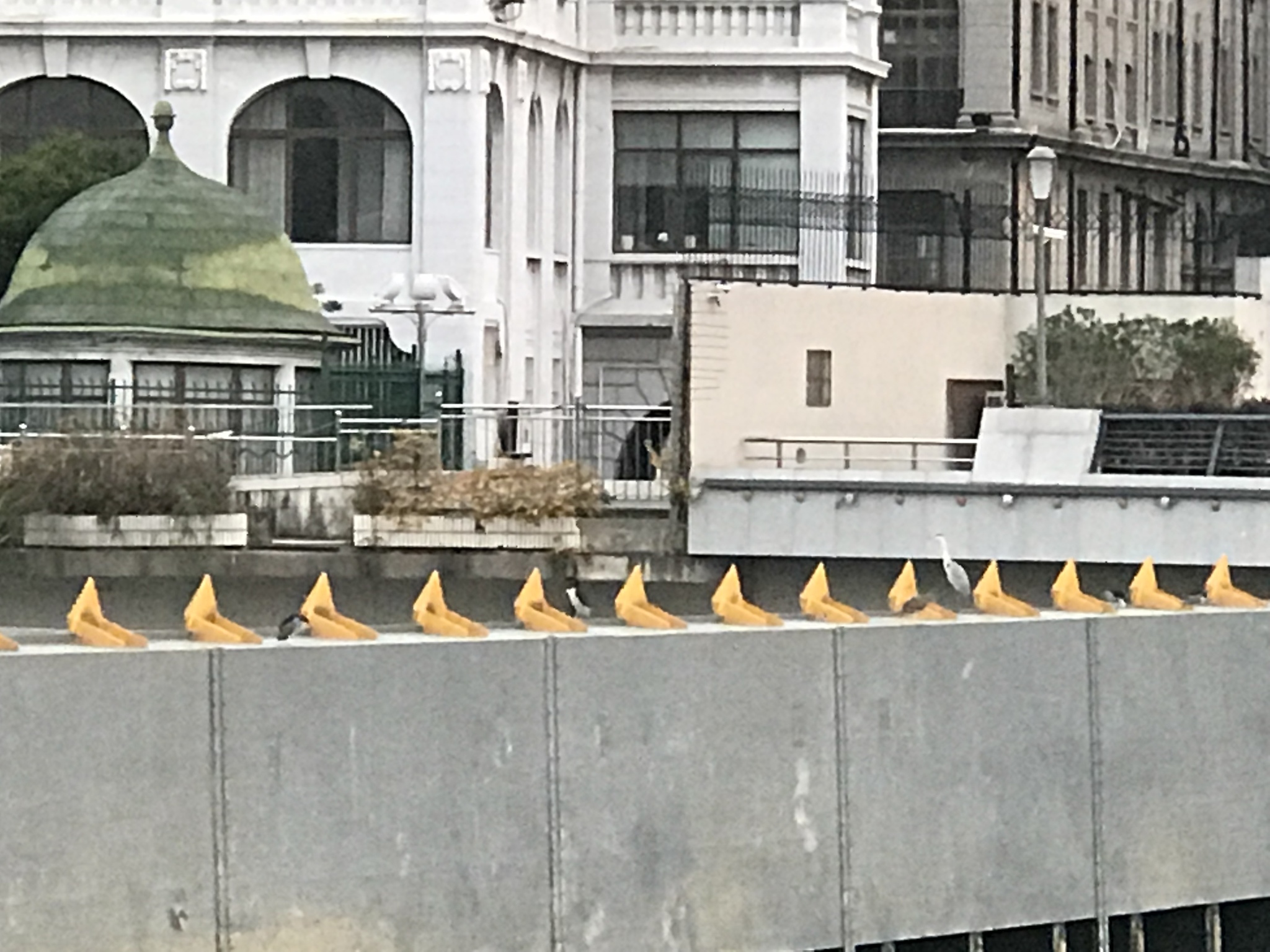
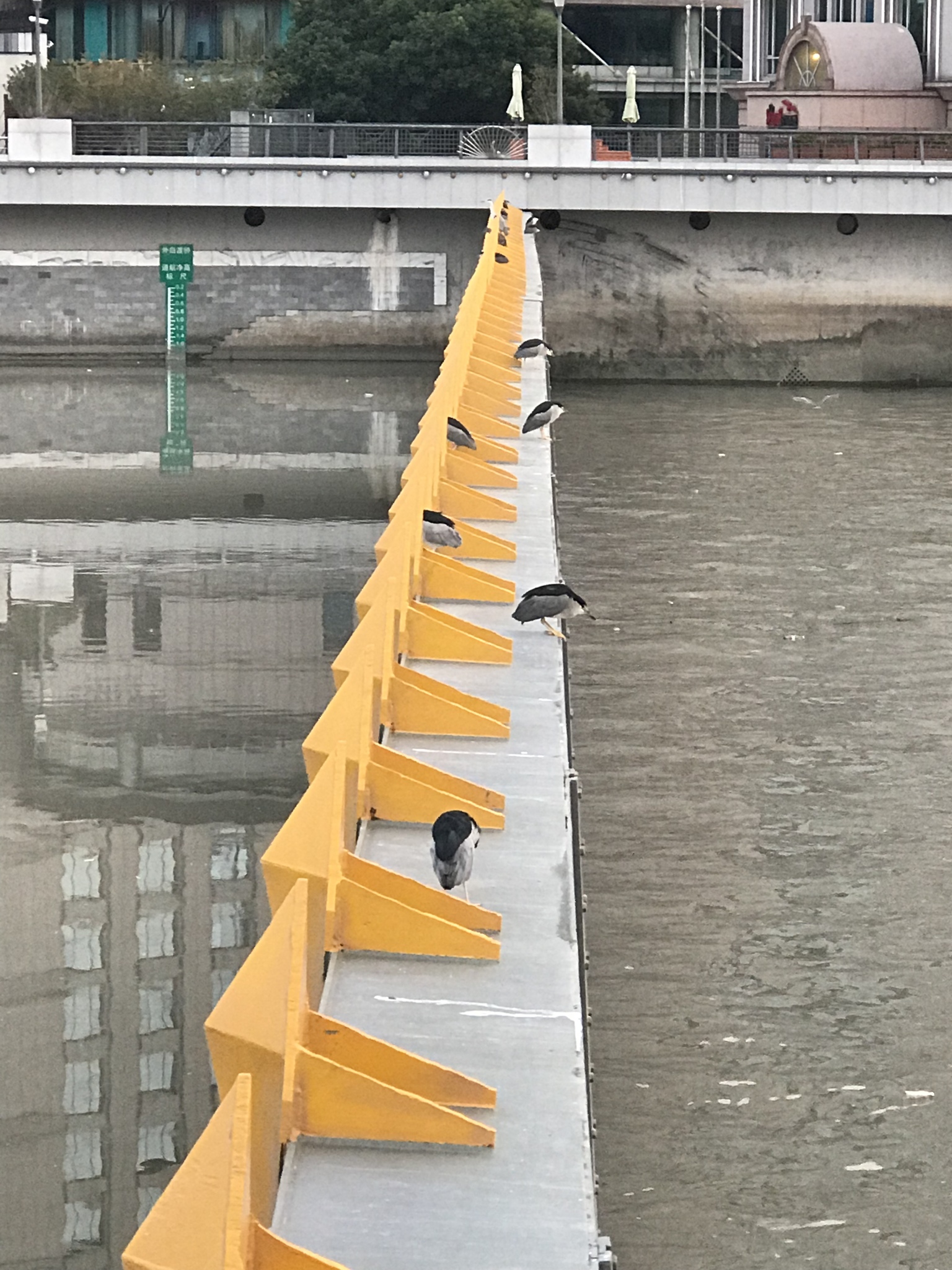
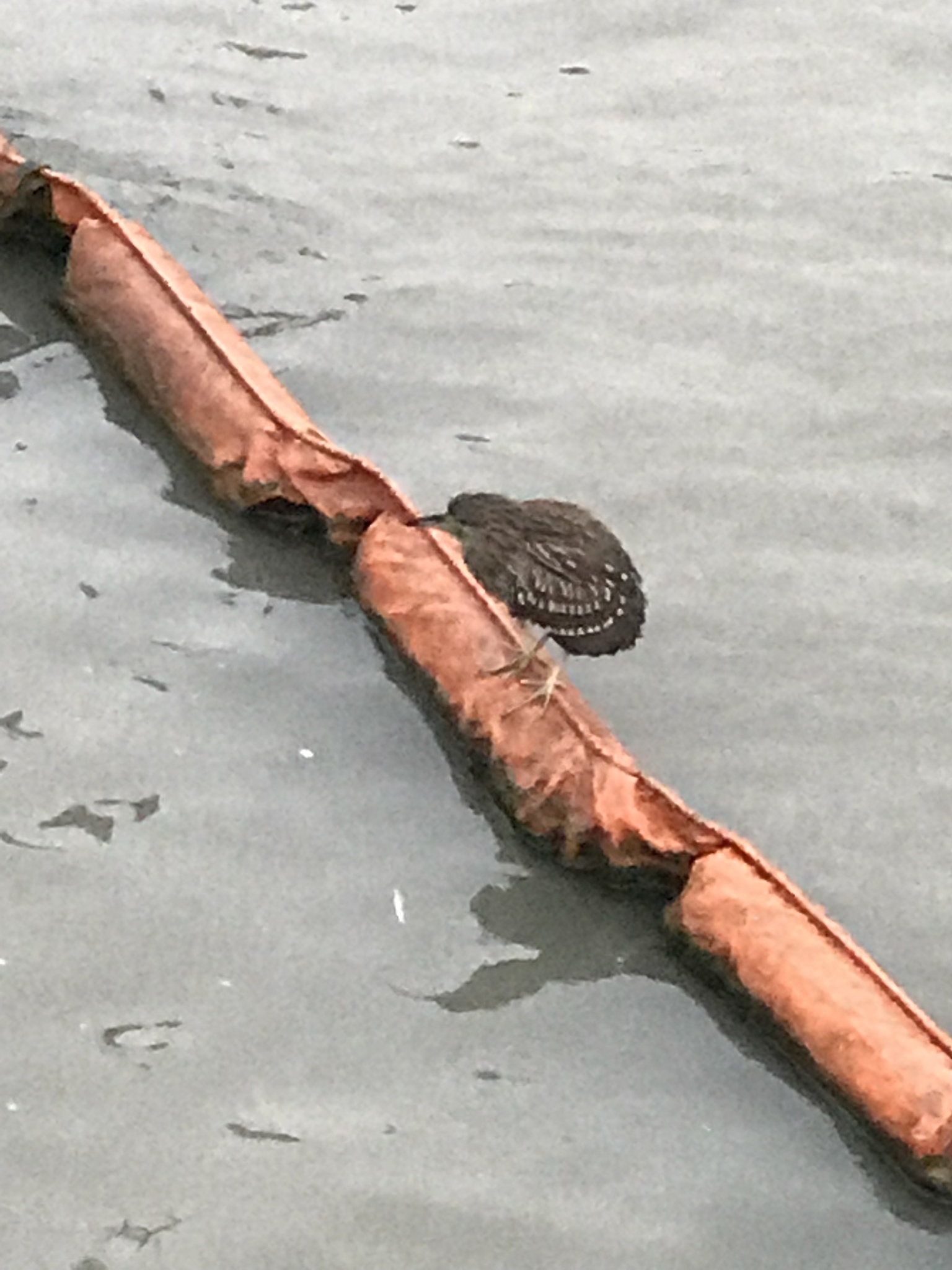
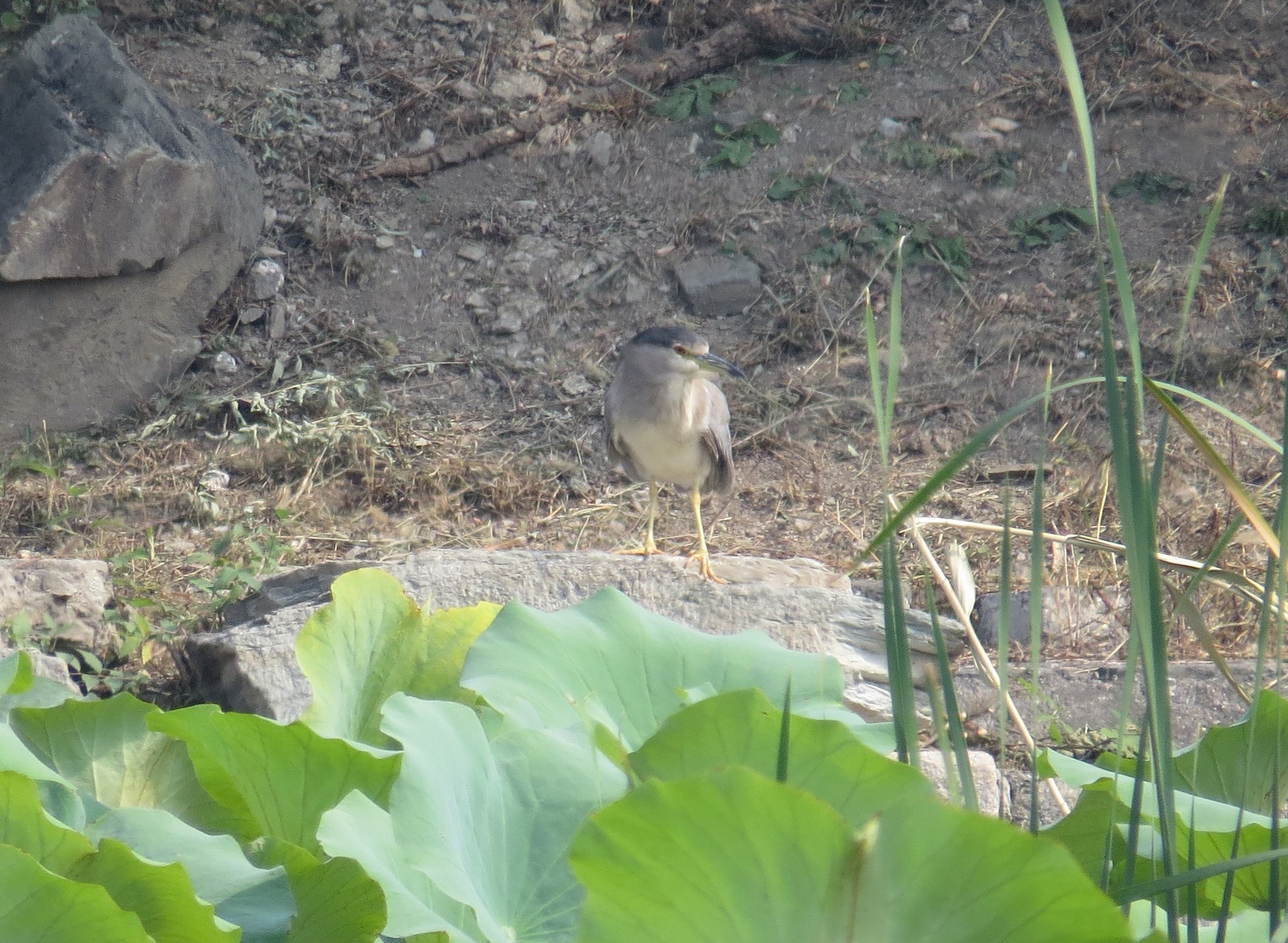
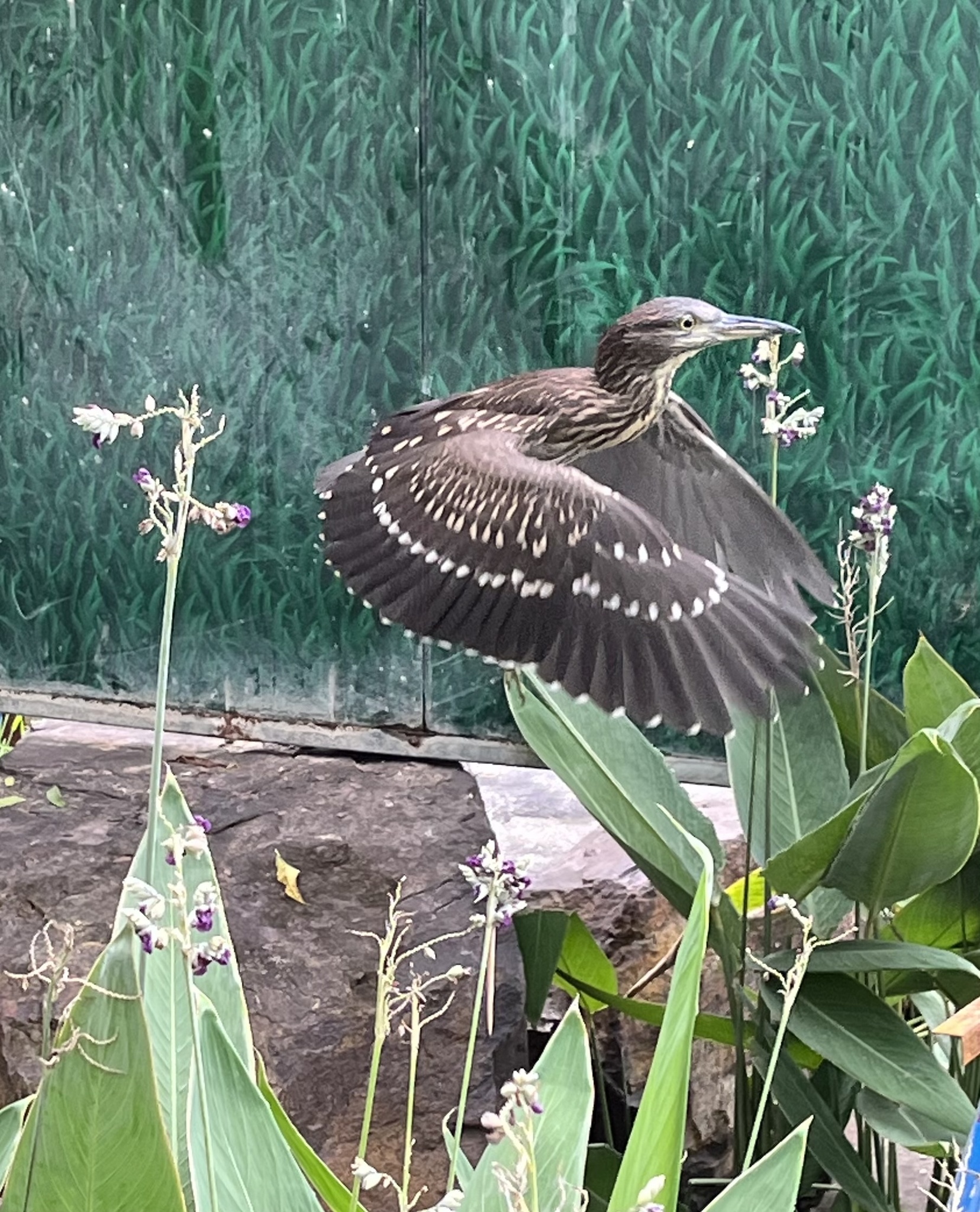
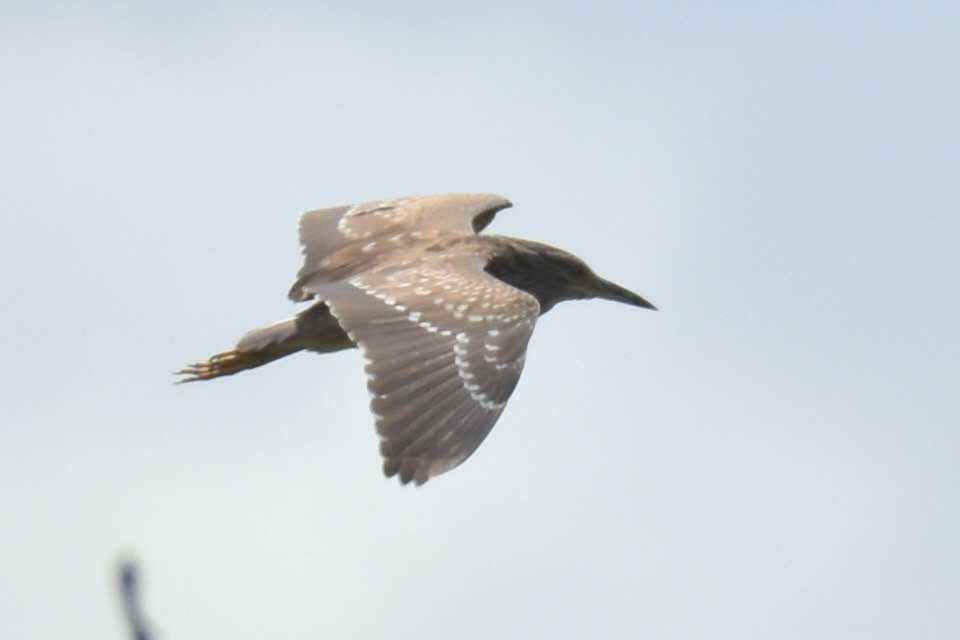
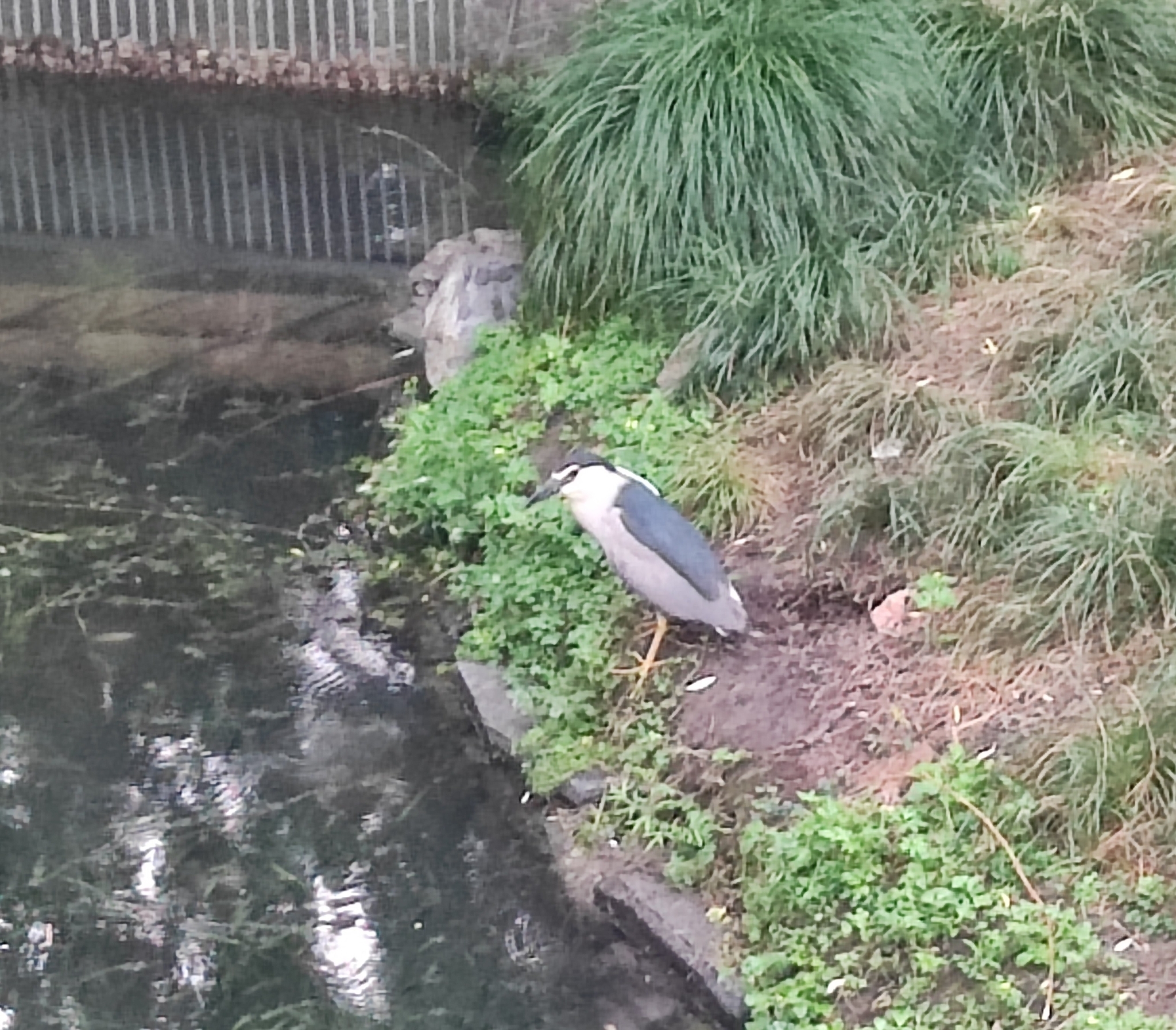
Adults have a black crown and back, pale grey wings, and white or grey underparts. They possess red eyes, short yellow legs, and one to eight long slender white plumes extending from the back of the head. Males are slightly larger than females. During courtship, adult legs turn bright salmon-pink and the bare skin around the eyes becomes blue. Immature birds exhibit dull grey-brown plumage on heads, wings, and backs with numerous pale teardrop spots, paler underparts streaked with brown, orange eyes, and duller yellowish-green legs. Second and third-year birds resemble adults but lack white head plumes. Subspecies N. n. obscurus is distinctly darker than N. n. hoactli.
Identification
Stocky posture with a hunched resting stance, distinct from the typical heron form. Short bill, legs, and neck. Adults identified by black crown/back, grey wings, white underparts, and red eyes. Juveniles identified by brown plumage with pale teardrop spots and orange eyes. Vocalizations include noisy calls transcribed as quok or woc in nesting colonies.
Distribution & Habitat
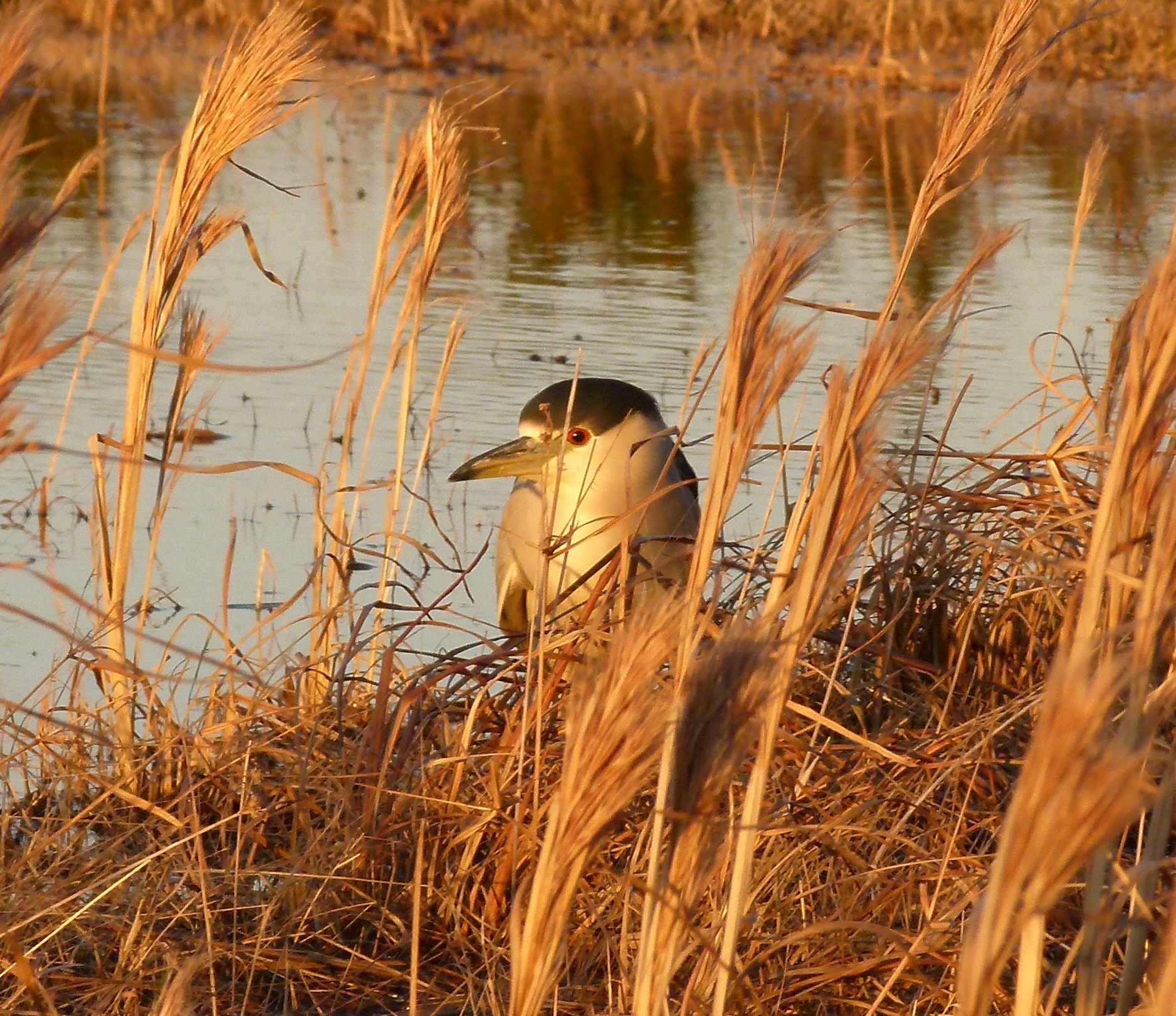
Breeds in fresh and salt-water wetlands globally. Subspecies N. n. nycticorax occurs in Eurasia, Africa, and Madagascar; N. n. hoactli in North and South America (Canada to northern Argentina/Chile) and Hawaii; N. n. obscurus in central/southern Chile and southwest Argentina; N. n. falklandicus in the Falkland Islands. Migratory in northern ranges: European birds winter in Africa, Asian birds in southern Asia, and North American birds in Mexico, southern US, Central America, and the West Indies. Resident in other areas, including Patagonia. Vagrant in Great Britain, with rare proven breeding.
Behavior & Ecology
Forages mainly at night, early morning, or evening by standing still at water's edge to ambush prey. Diet includes small fish, leeches, earthworms, mussels, squid, crustaceans, frogs, aquatic and terrestrial insects, lizards, snakes, small mammals, small birds, eggs, carrion, plant material, and garbage. Engages in bait fishing by tossing objects into water to lure fish. Rests in dense trees or bushes during the day. Nests in colonies on stick platforms in trees or on ground in protected locations like islands or reedbeds. Lays three to eight eggs. Subspecies N. n. hoactli is more gregarious outside breeding season. Hosts helminth parasites such as Neogryporhynchus cheilancristrotus and Contracaecum microcephalum.
Culture
Named Oakland's official city bird due to its resilience in urban environments. In the Falkland Islands, it is called quark. Historical names include Brewe in medieval London poulterers' lists. The scientific epithet nycticorax derives from Ancient Greek for 'night raven', historically associated with birds of ill omen.
Source: Wikipedia · CC BY-SA 3.0
Taxonomy
- Order
- Pelecaniformes
- Family
- Ardeidae
- Genus
- Nycticorax
Subspecies (4)
-
Nycticorax nycticorax falklandicus
Falkland Islands
Data Sources
Species description from Wikipedia, licensed under CC BY-SA 3.0.
Bird images and sounds sourced from GBIF, contributed by citizen scientists worldwide under Creative Commons licenses.
Taxonomy data from AviList 2025.