

Black-crowned Night Heron
Nycticorax nycticorax
夜鹭
Introduction
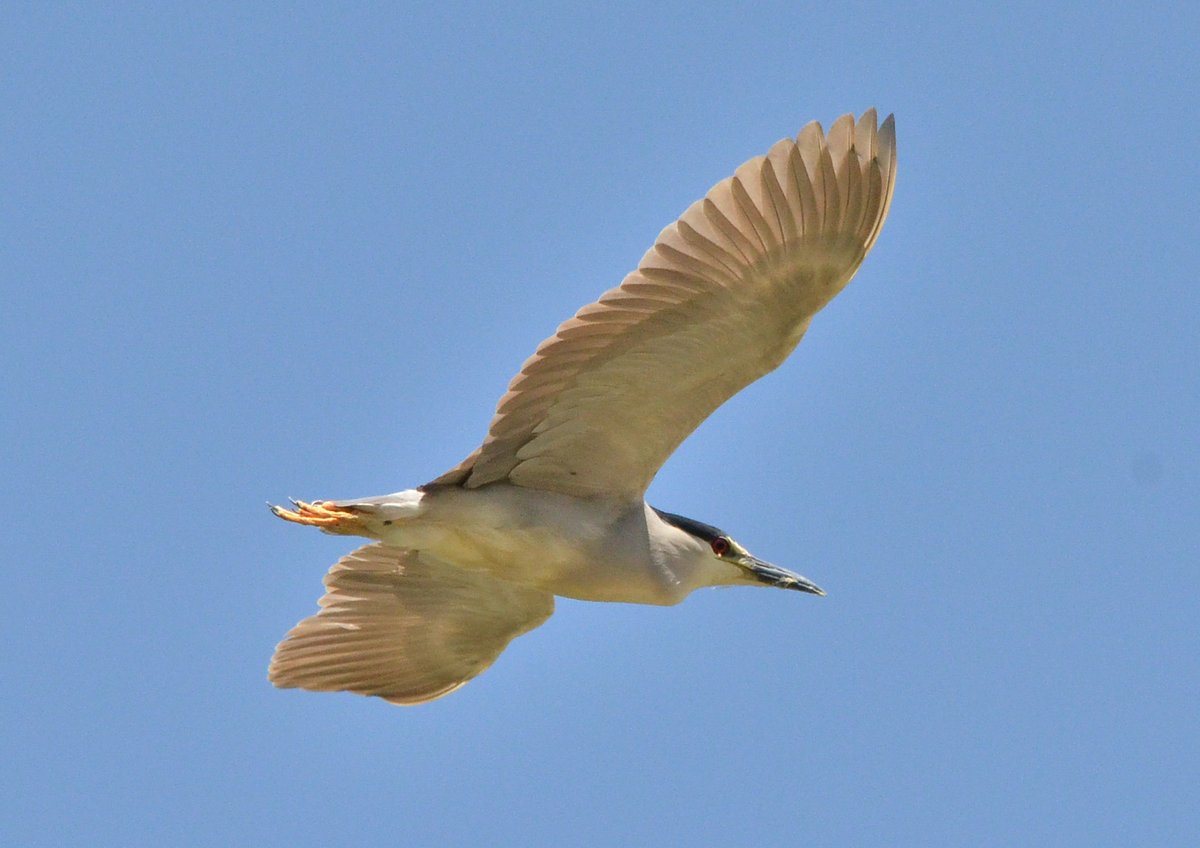
A primarily nocturnal heron with a widespread distribution across the Northern and Southern Hemispheres, occurring on four continents and numerous oceanic islands. Four subspecies are recognized, varying in size and plumage. The species inhabits wetlands and urban environments, including city parks and zoos where it establishes breeding colonies. At rest it displays a stocky build and hunched posture. In flight it appears compact with quick wingbeats. Breeding birds may be active at any hour. It calls from rookeries at dawn and dusk.
Description
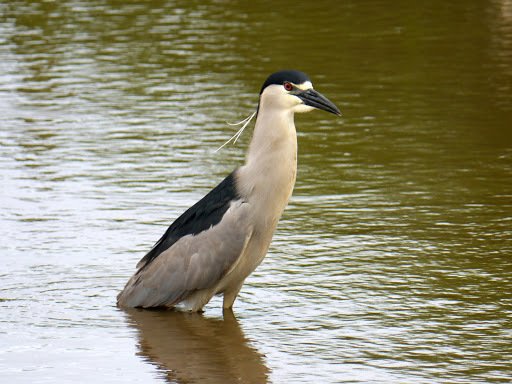
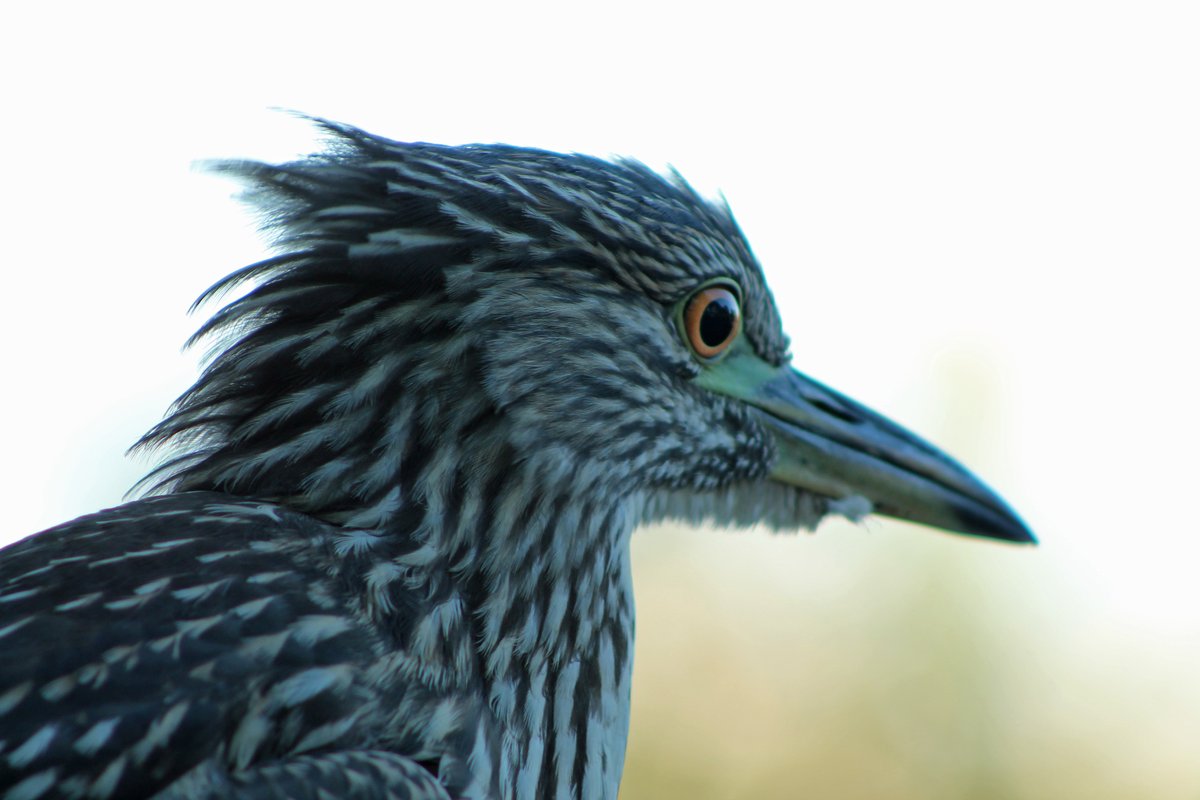
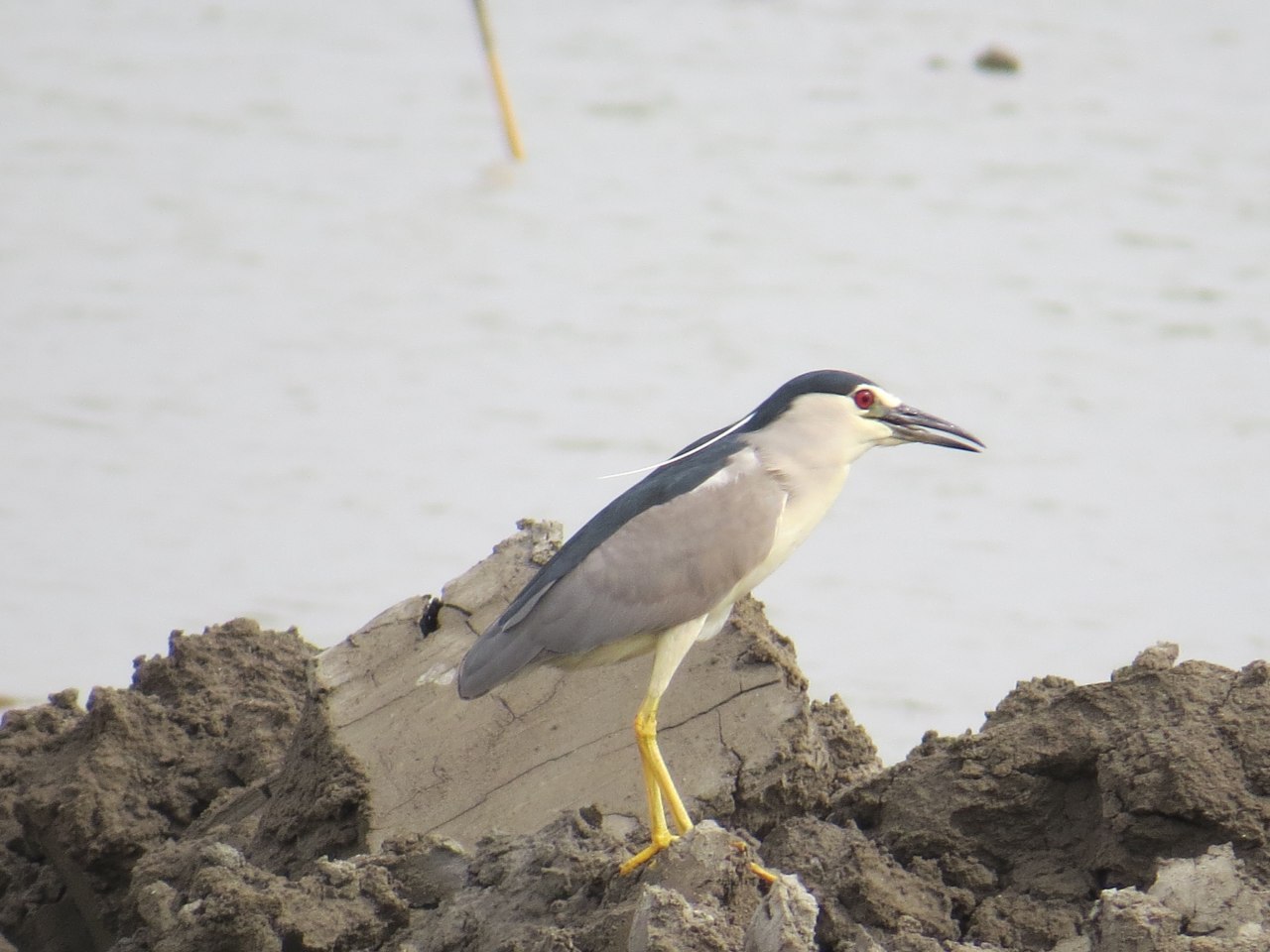
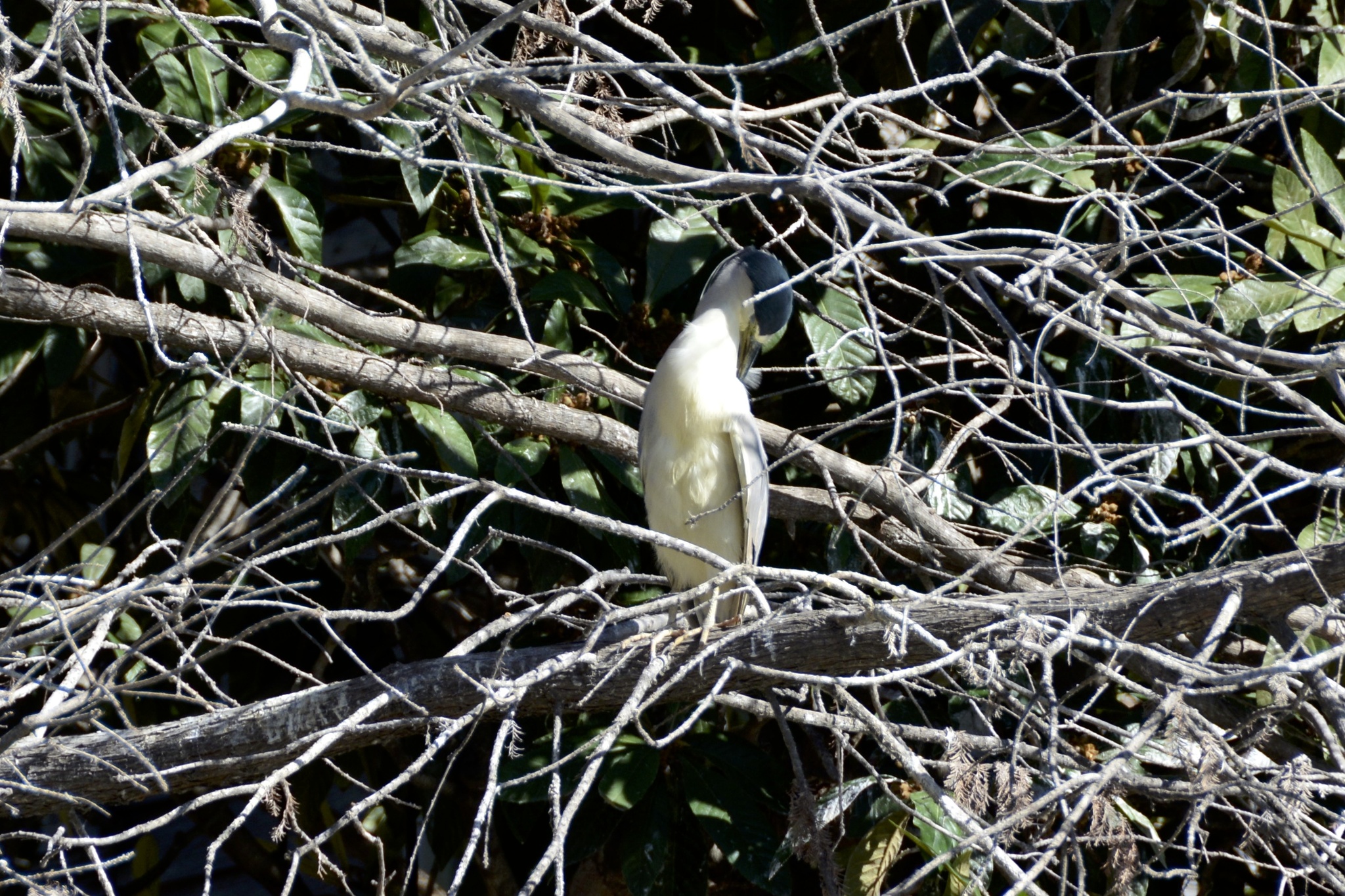
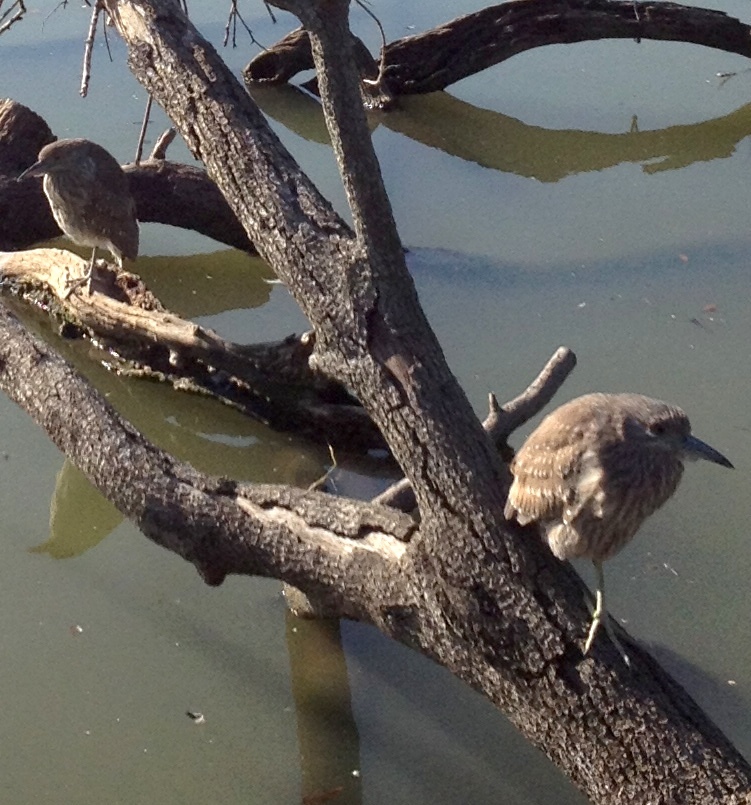
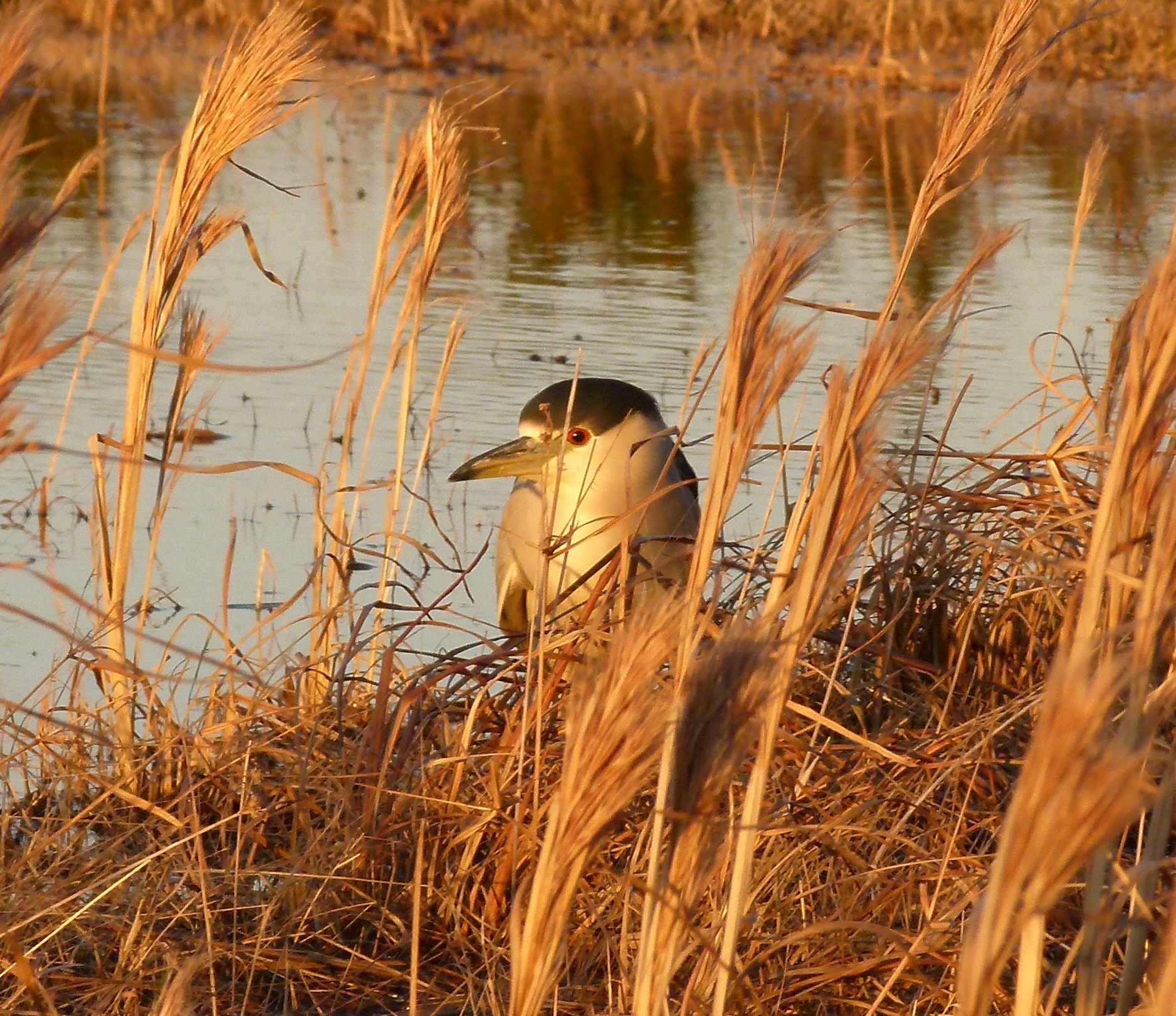
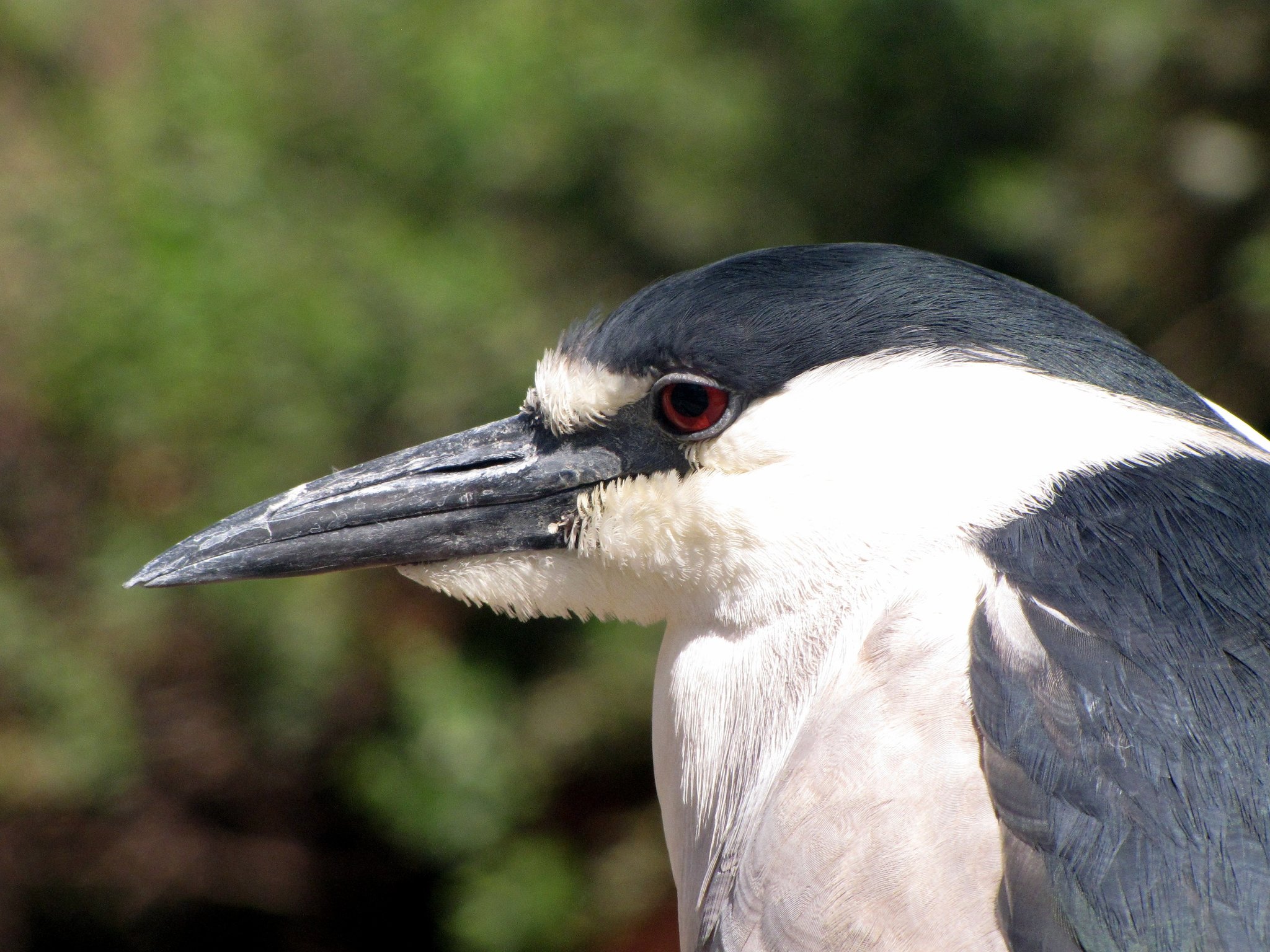
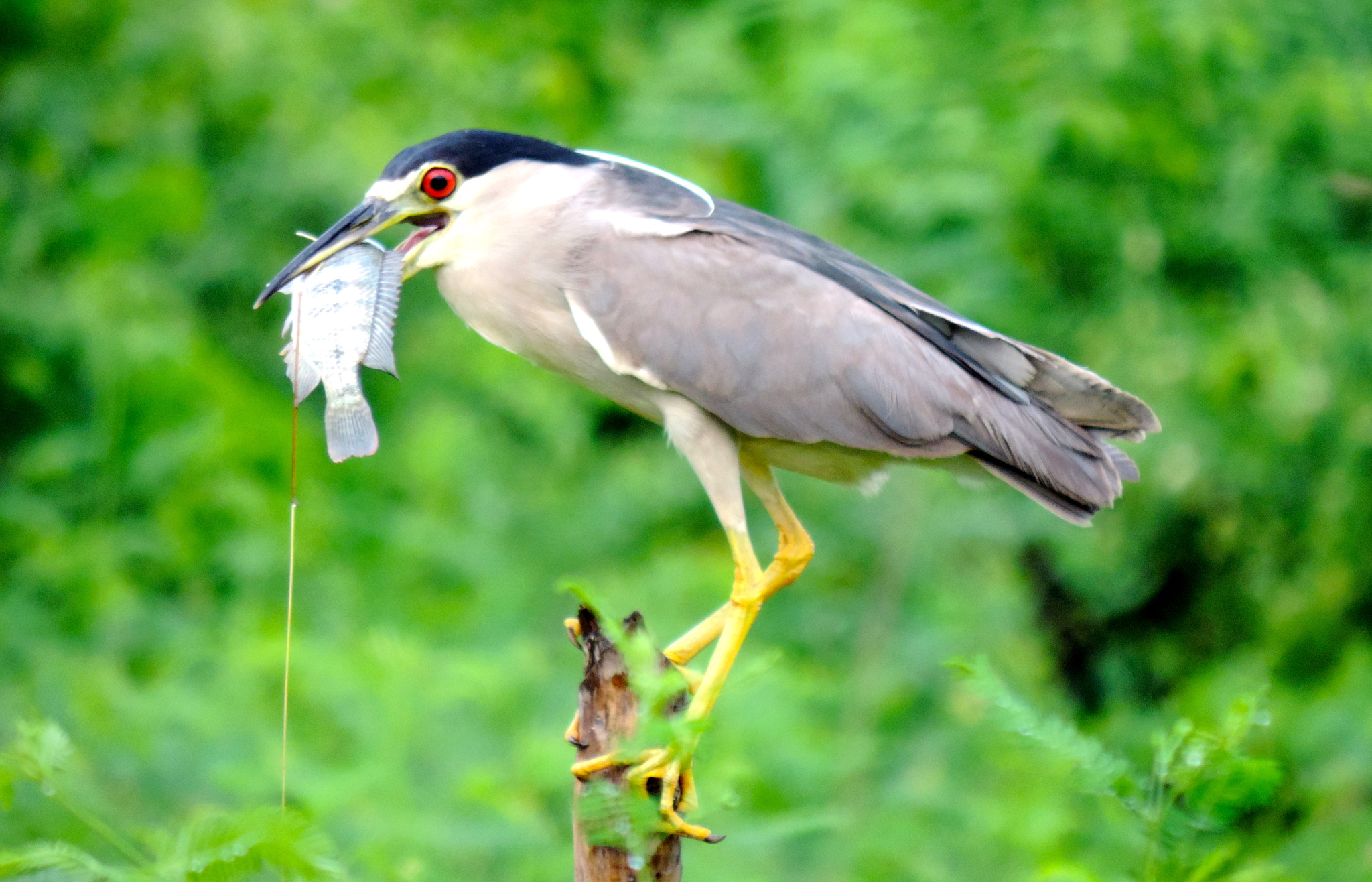
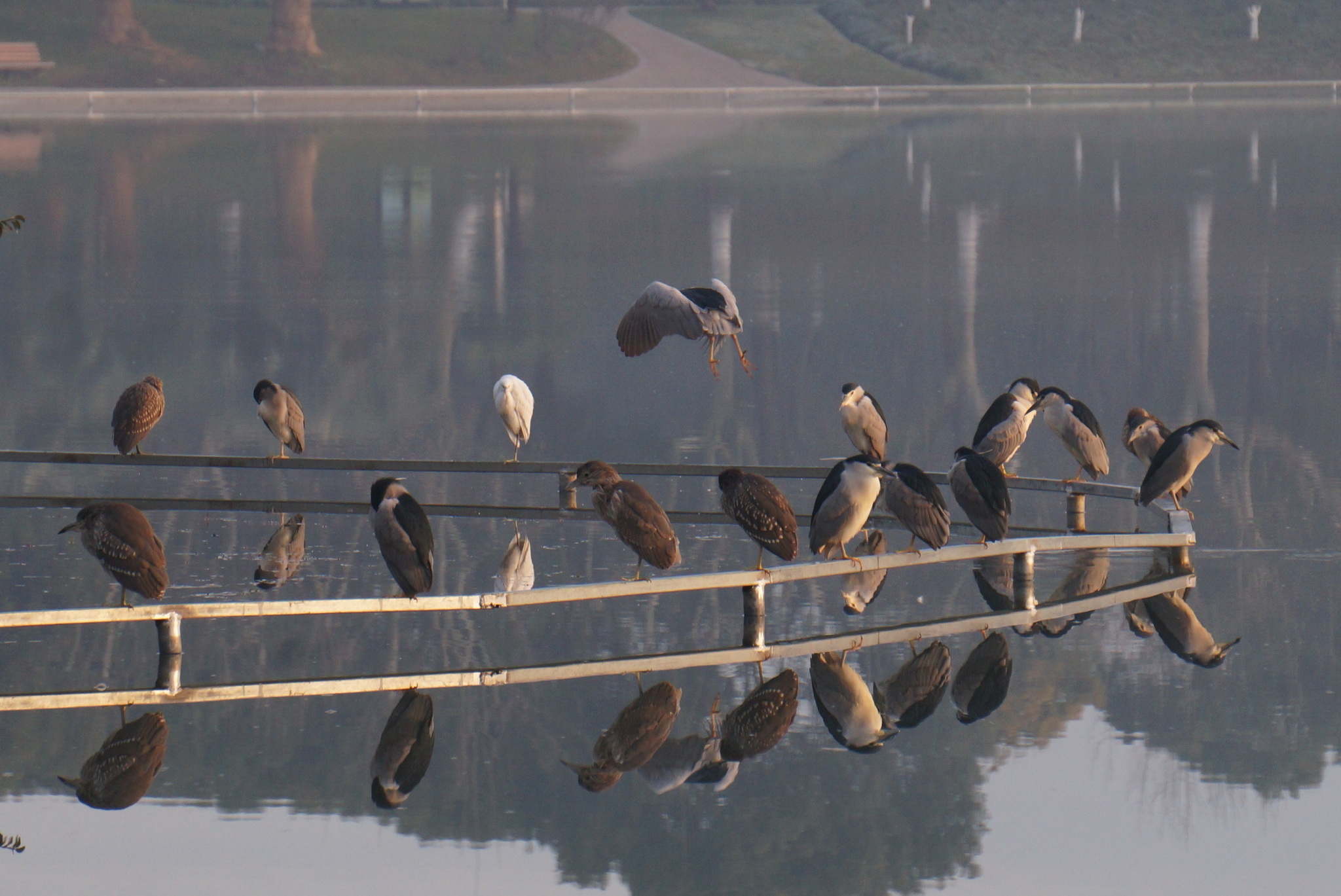
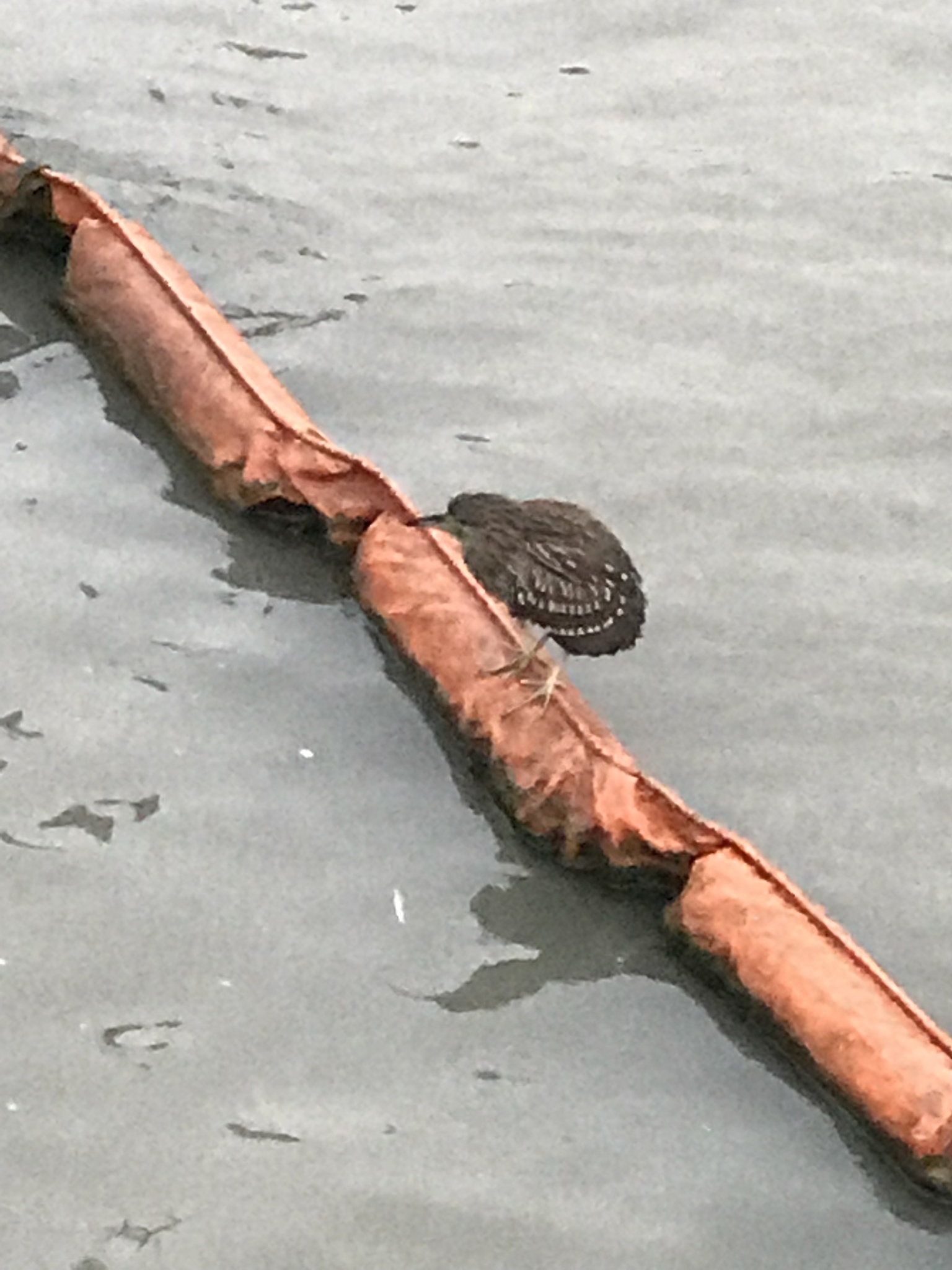
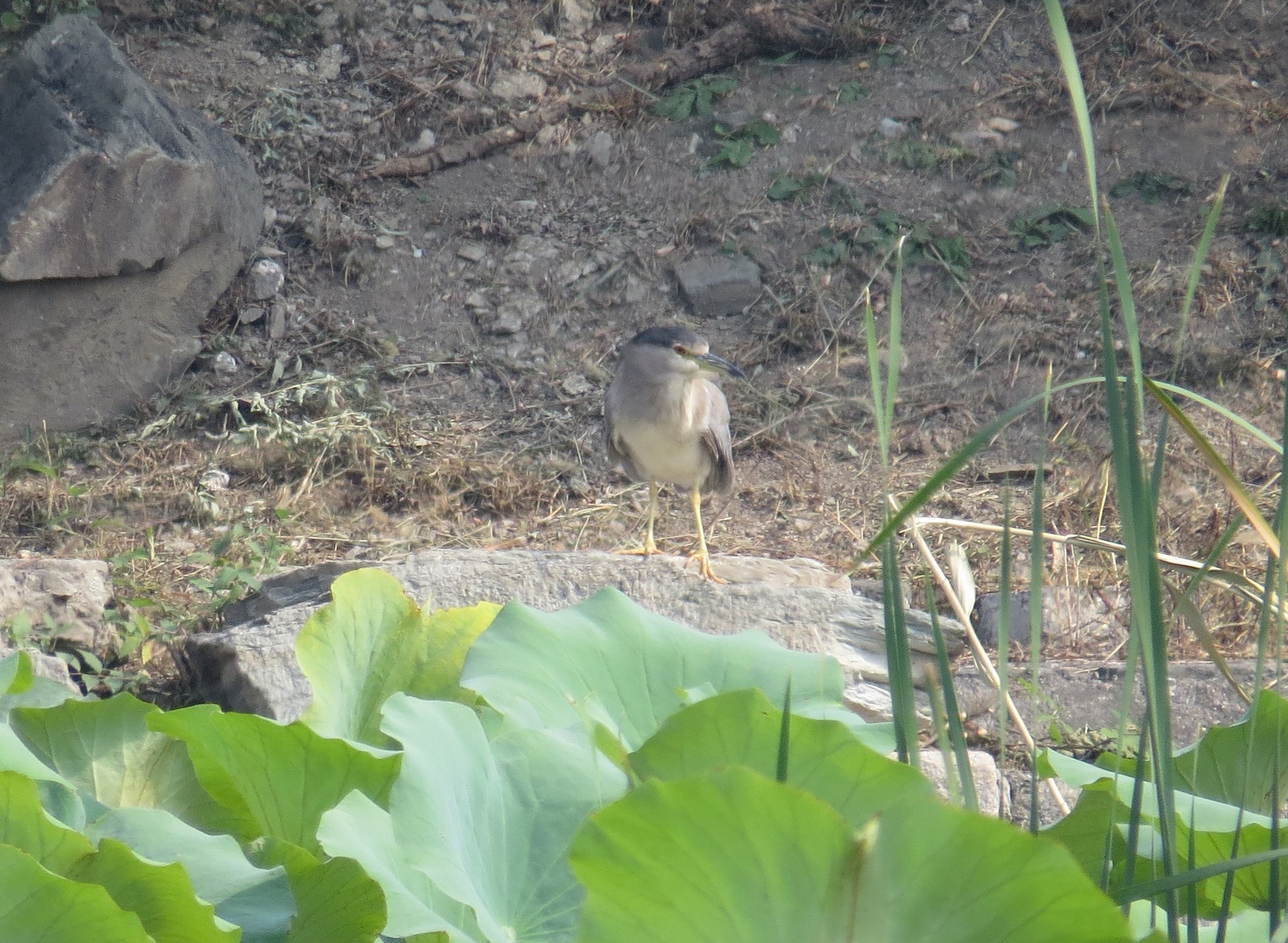
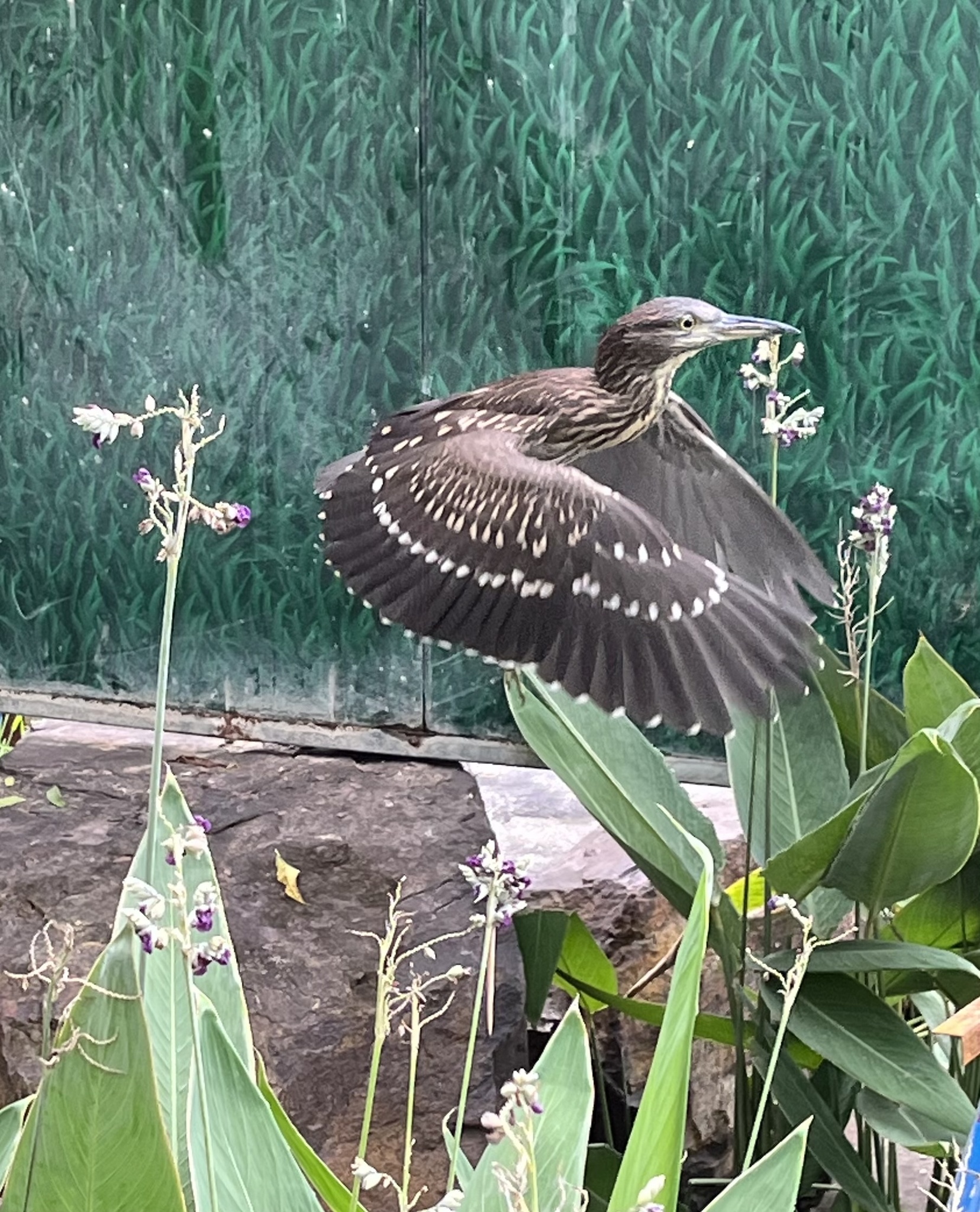
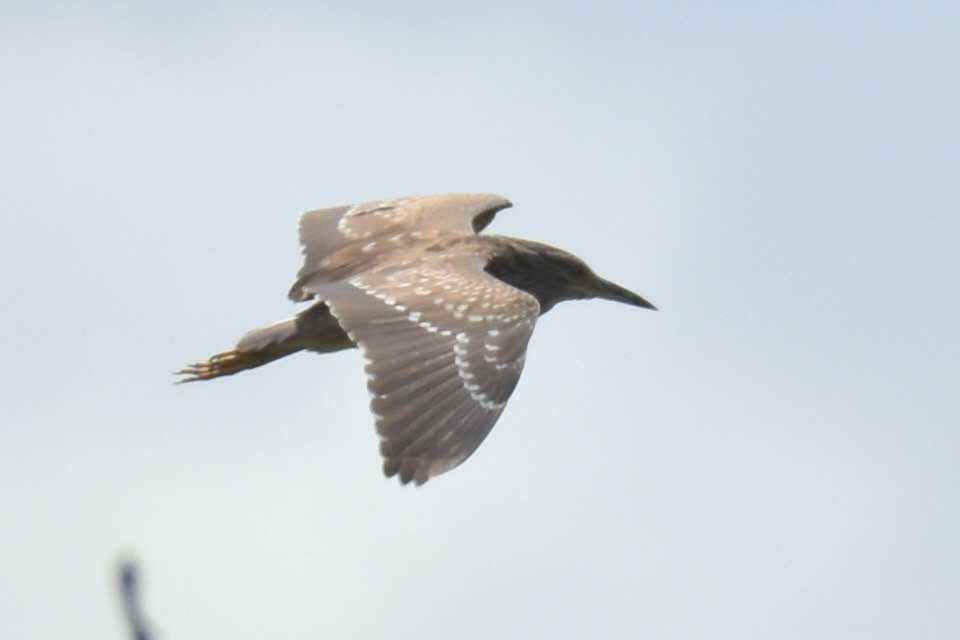
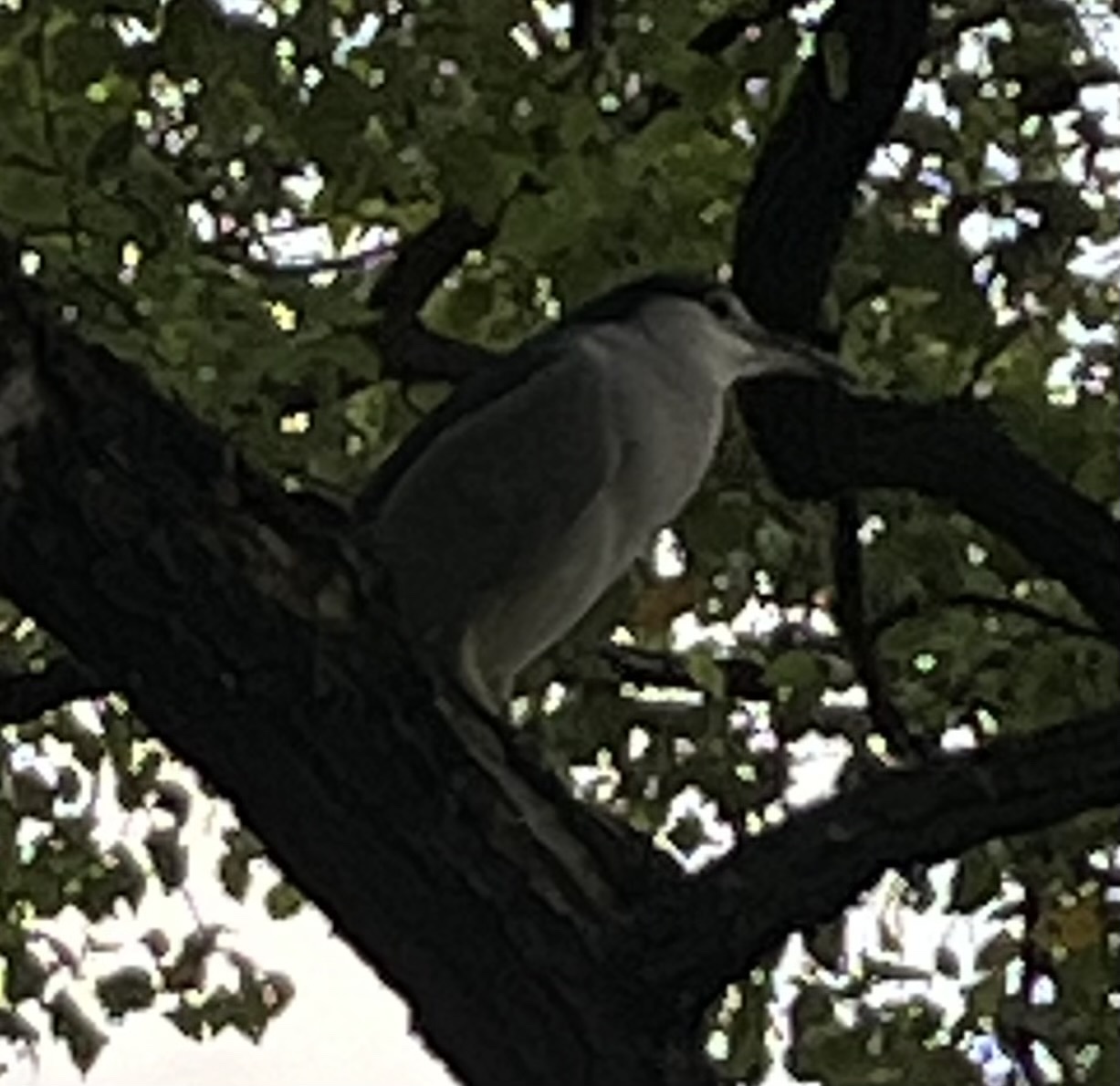
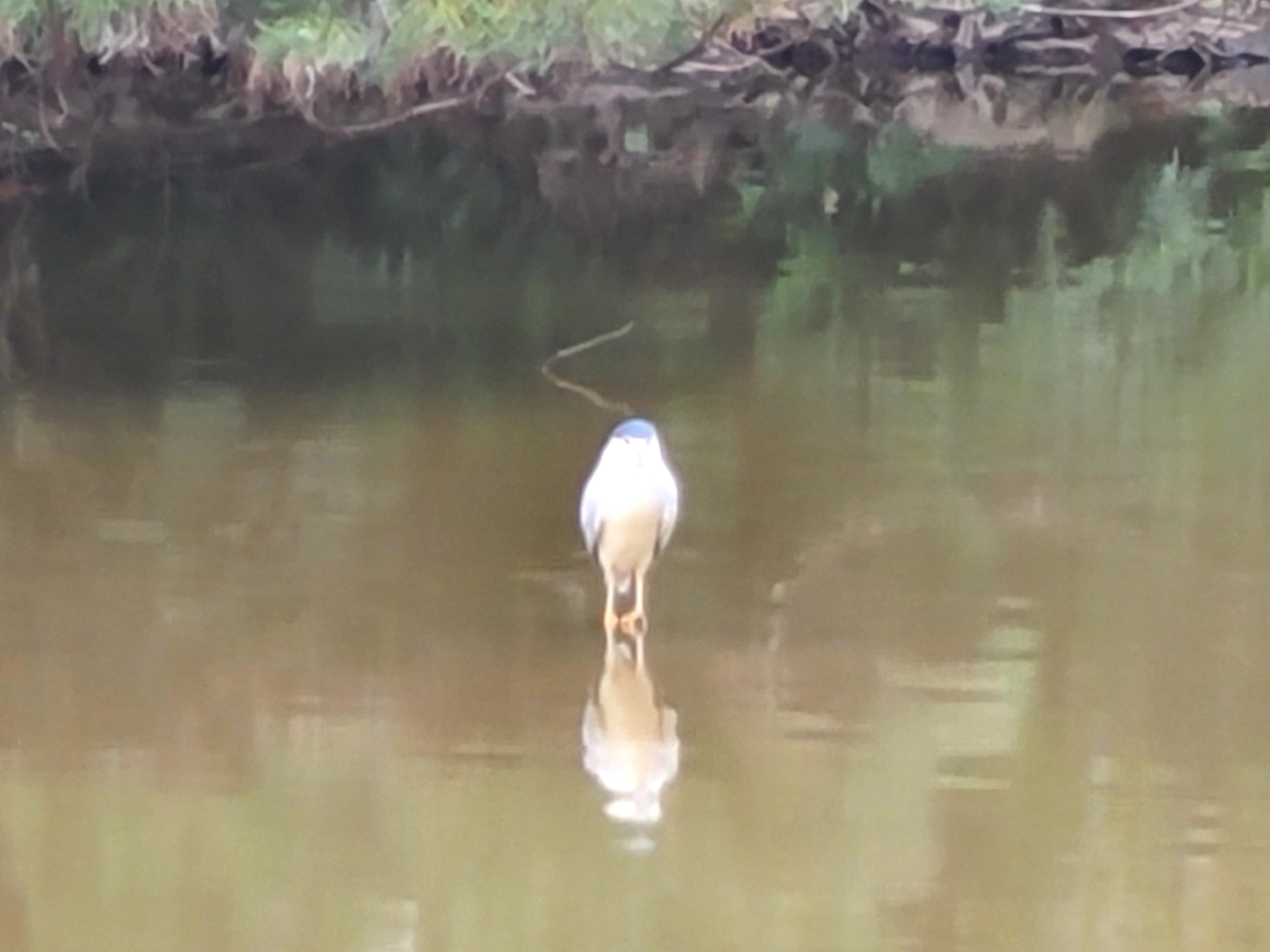
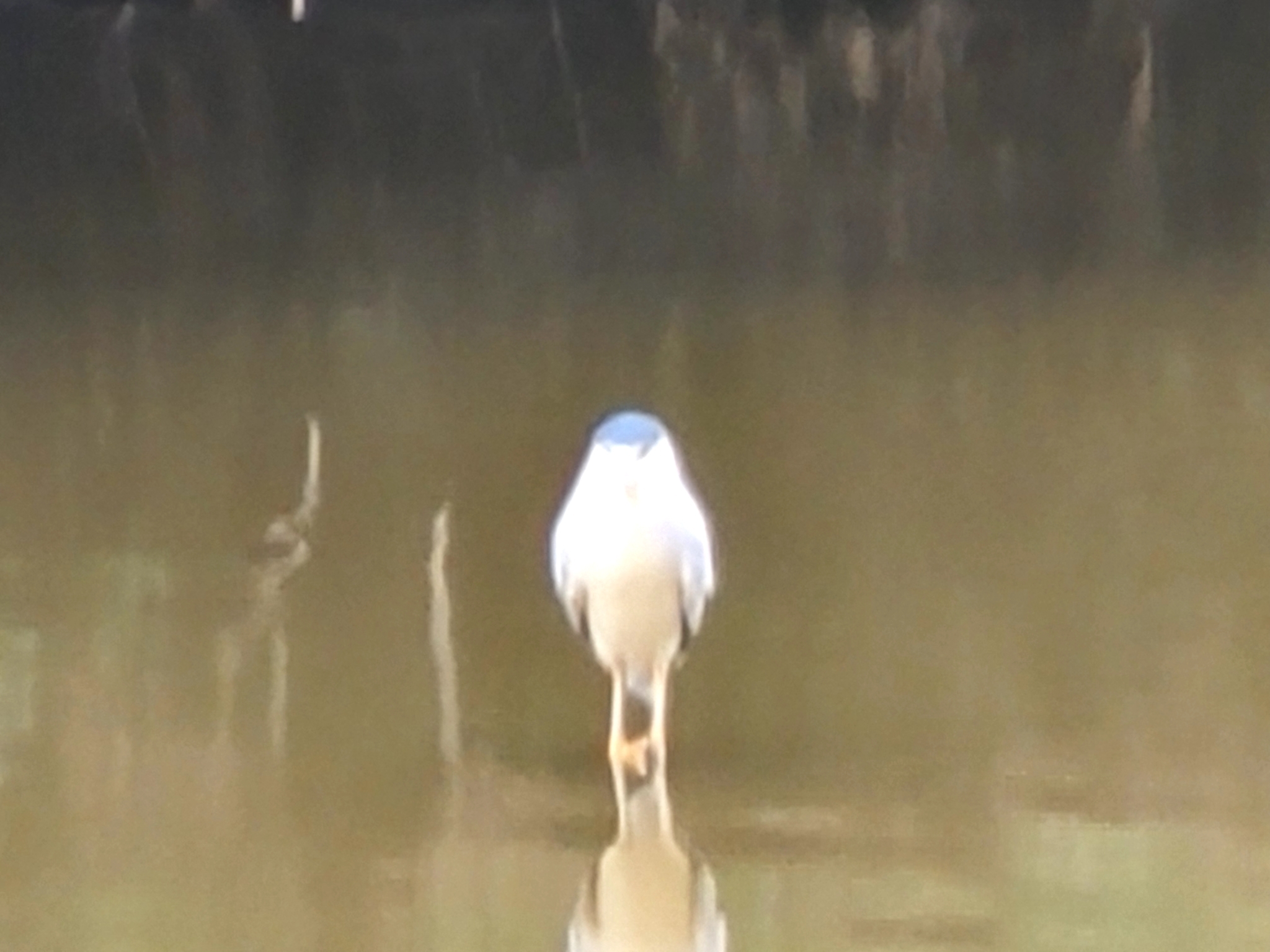
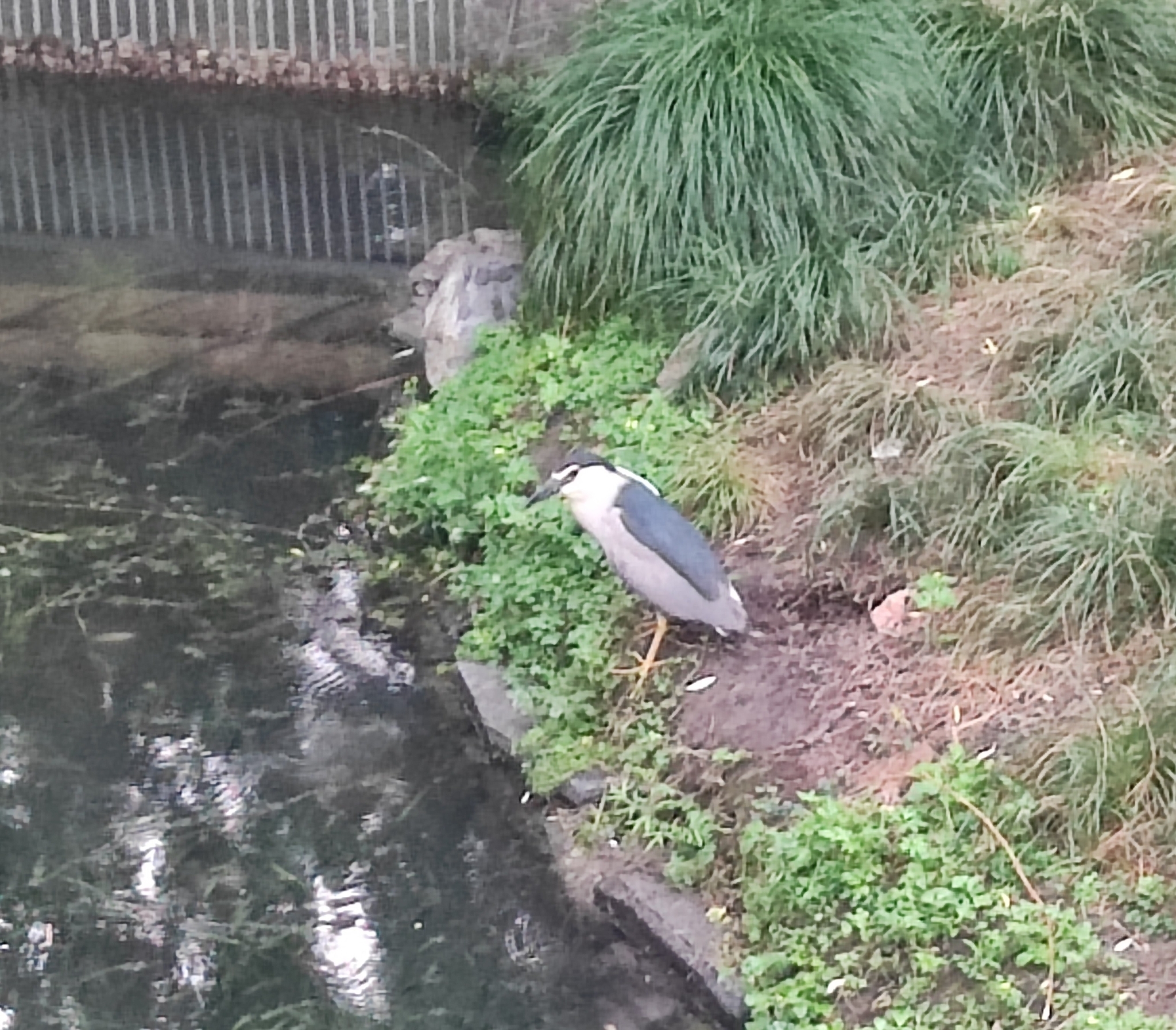
Adults display a striking two-toned appearance with black crown and back contrasting sharply with white or grey underparts. The wings are pale grey, and adults possess distinctive long slender white plumes extending from the back of the head—typically two to four, though one to eight may occur. Red eyes and short yellow legs complete the adult plumage. The species is notably stocky compared to other herons, with shorter bills, legs, and necks than the familiar egrets and day herons. During courtship, the legs briefly turn bright salmon-pink and the bare skin around the eyes becomes blue. Immature birds look entirely different: dull grey-brown overall with numerous pale teardrop-shaped spots on the upperparts and brown streaking on paler underparts. Young birds have orange eyes and dull yellowish-green legs, gradually acquiring adult plumage over two to three years.
Identification
The stocky build and relatively short features immediately distinguish this species from other herons when seen at rest. In flight, it appears compact with quick wingbeats, appearing almost crow-like. The white head plumes of adults are diagnostic when visible. Immatures can be confusing but are identified by the spotted upperparts, streaked underparts, and orange eyes—quite different from the brown plumage of juvenile night-heron species. The species does not fit the typical heron body form, so observers should look for the hunched posture when resting and the sudden neck extension when hunting. The harsh calls of immature birds in colonies, transcribed as quok or woc, often alert observers to their presence before birds are seen.
Distribution & Habitat
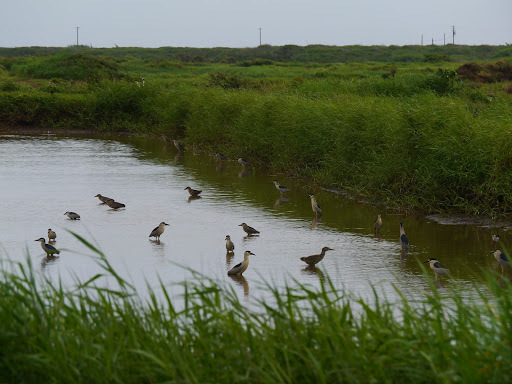
This species breeds across wetlands on four continents. The nominate subspecies occupies Europe, Asia, and Africa; N. n. hoactli ranges from Canada through Central to northern South America; N. n. obscurus inhabits southern Chile and Argentina; and N. n. falklandicus is restricted to the Falkland Islands. Breeding occurs in colonies on stick platforms in trees or on the ground in protected areas like islands or reedbeds. Northern populations migrate, with European birds wintering in Africa, Asian birds in southern Asia, and North American birds in Mexico, the southern United States, Central America, and the West Indies. Populations in warmer regions, including Patagonia, are resident year-round. Notable resident populations exist in San Francisco Bay, particularly Oakland, where the species serves as the official city bird.
Behavior & Ecology
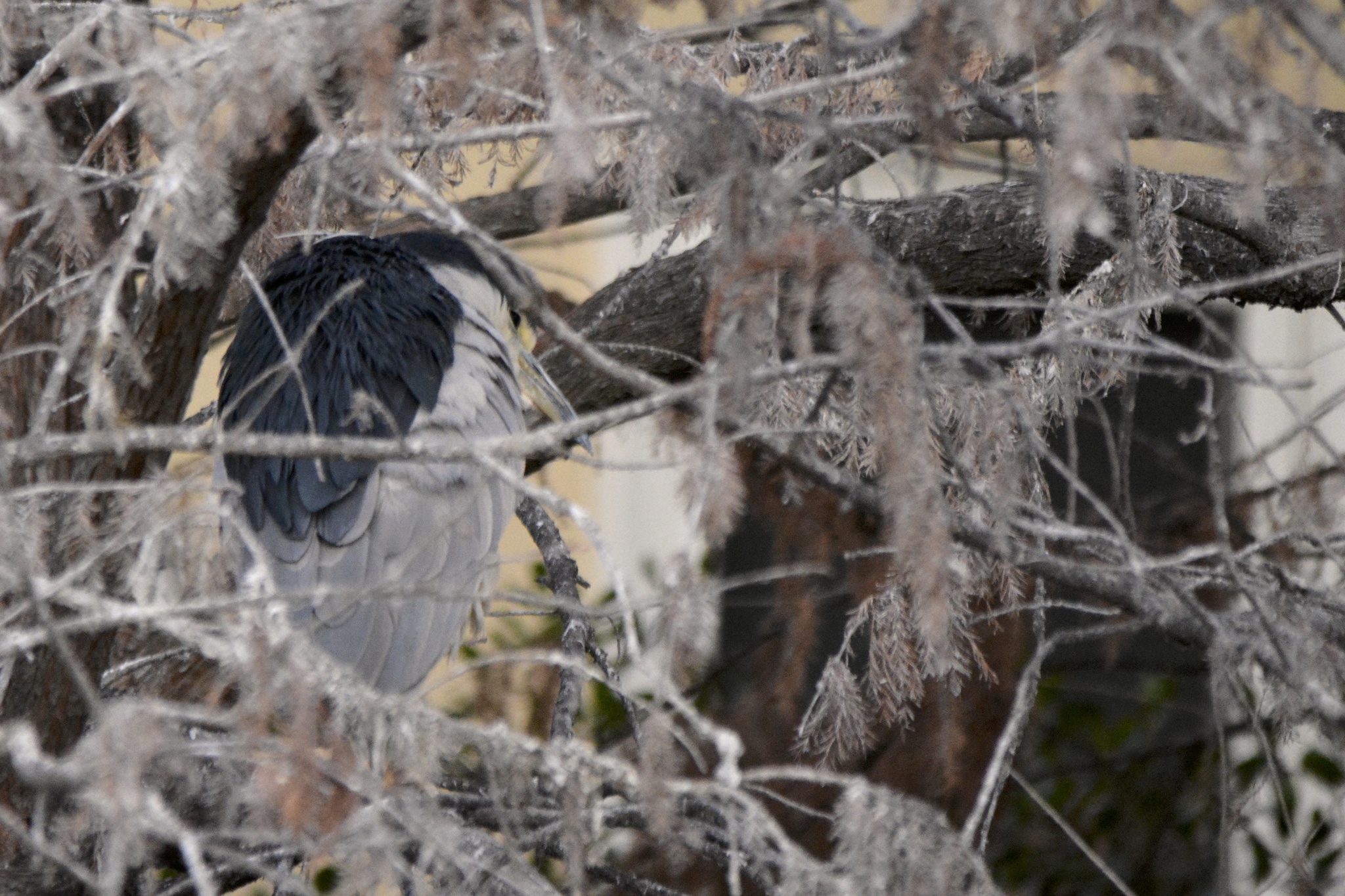
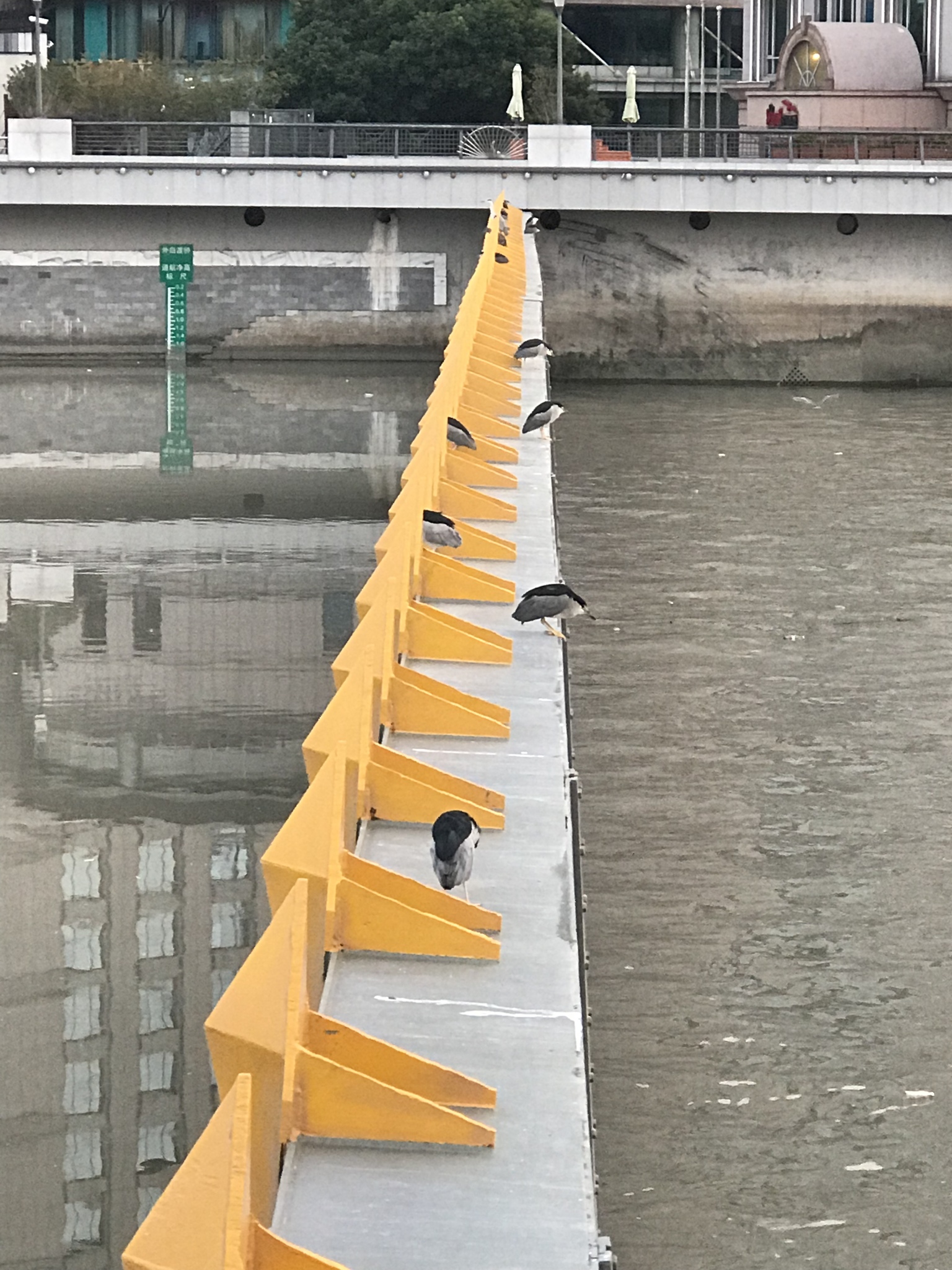
Primarily nocturnal or crepuscular, these birds stand motionless at water's edge to ambush prey, though they may hunt at any hour during breeding. Their diet is exceptionally varied: small fish, leeches, earthworms, mussels, squid, crustaceans, frogs, insects, lizards, snakes, small mammals, birds, eggs, carrion, plant material, and even garbage from landfills. Remarkably, they are among only seven heron species observed using bait fishing—dropping objects into water to attract fish within striking range, a rare example of tool use in birds. During the day, they rest in dense trees or bushes. Breeding occurs in colonies with three to eight eggs per clutch. Calls include harsh quok or woc sounds, particularly from noisy juveniles in nesting colonies.
Conservation
The species holds a status of Least Concern globally, reflecting its extensive range and large population. It has adapted well to human-modified landscapes, including urban areas, and appears to be maintaining stable numbers across much of its range. Major threats include habitat degradation of wetlands, pollution affecting prey species, and disturbance at colonial nesting sites. Conservation efforts focus on protecting critical wetland habitats and maintaining undisturbed areas within breeding colonies. The species benefits from legal protection in many countries and occurs in numerous protected areas throughout its range.
Culture
The species has accumulated various cultural associations through its wide distribution. In the Falkland Islands, it is locally called quark, an onomatopoeic term reflected in names across many languages including qua-bird in English and similar sounds in Dutch, Czech, Russian, Vietnamese, Indonesian, Khmer, and Quechua. Historical records from London price lists refer to it as Brewe, derived from medieval French Bihoreau. The bird achieved official recognition in Oakland, California, where its year-round presence throughout the city and adaptability to urban environments led to its designation as the official city bird—a rare honor for a wild species and testament to successful coexistence with humans in metropolitan areas.
Source: Wikipedia · CC BY-SA 3.0
Taxonomy
- Order
- Pelecaniformes
- Family
- Ardeidae
- Genus
- Nycticorax
- eBird Code
- bcnher
Subspecies (4)
-
Nycticorax nycticorax falklandicus
Falkland Islands
-
Nycticorax nycticorax hoactli
southern Canada to northern Argentina and Chile
-
Nycticorax nycticorax nycticorax
Eurasia southward to Indonesia, Africa and Madagascar
-
Nycticorax nycticorax obscurus
northern Chile and north-central Argentina to Tierra del Fuego
Data Sources
Species description from Wikipedia, licensed under CC BY-SA 3.0.
Bird images and sounds sourced from GBIF, contributed by citizen scientists worldwide under Creative Commons licenses.
Taxonomy data from AviList 2025.