

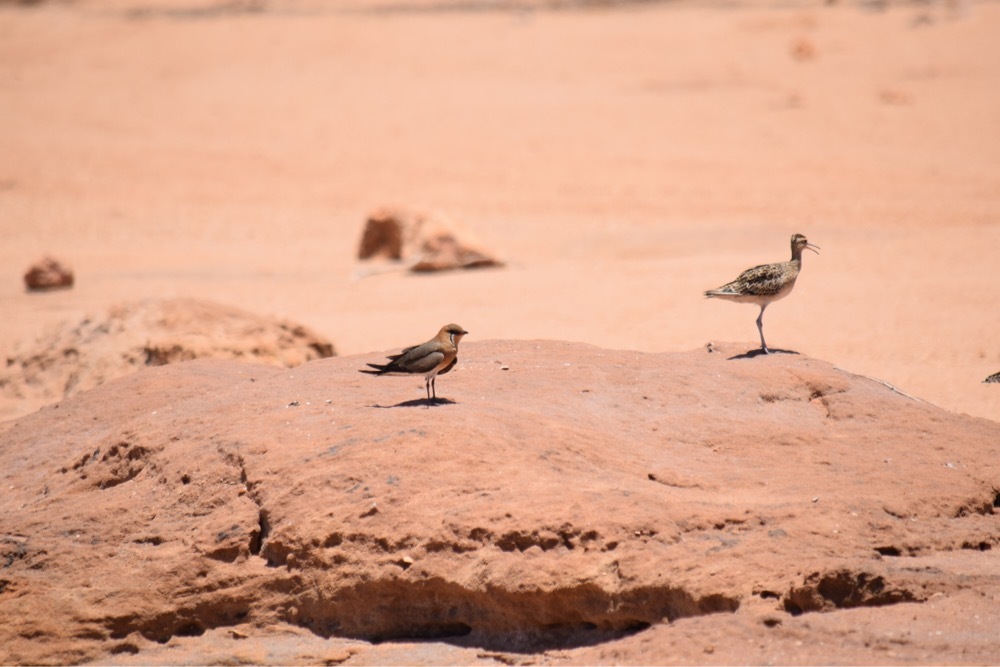
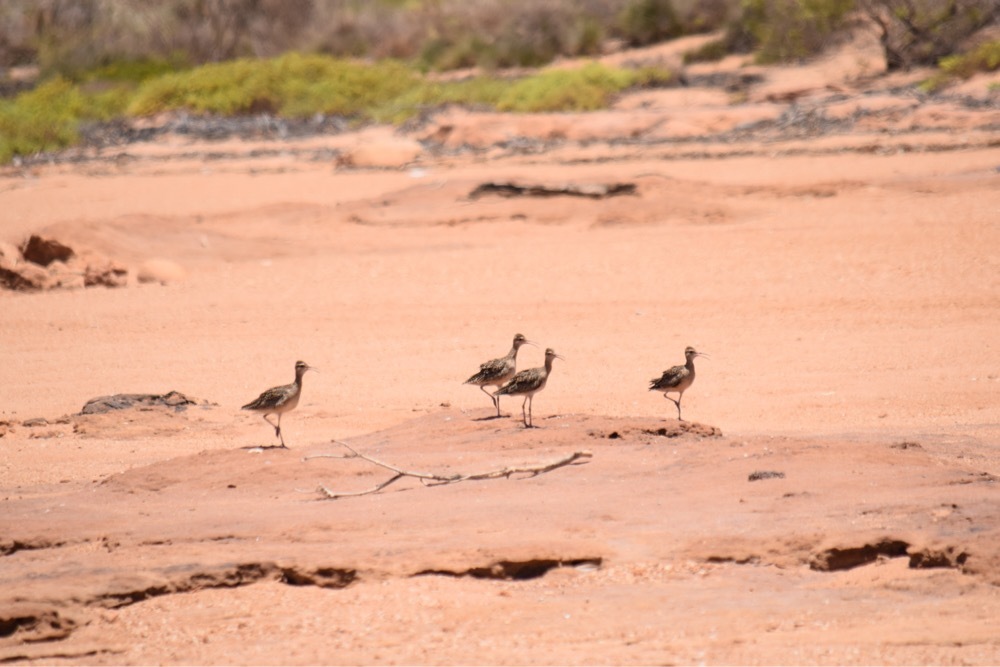
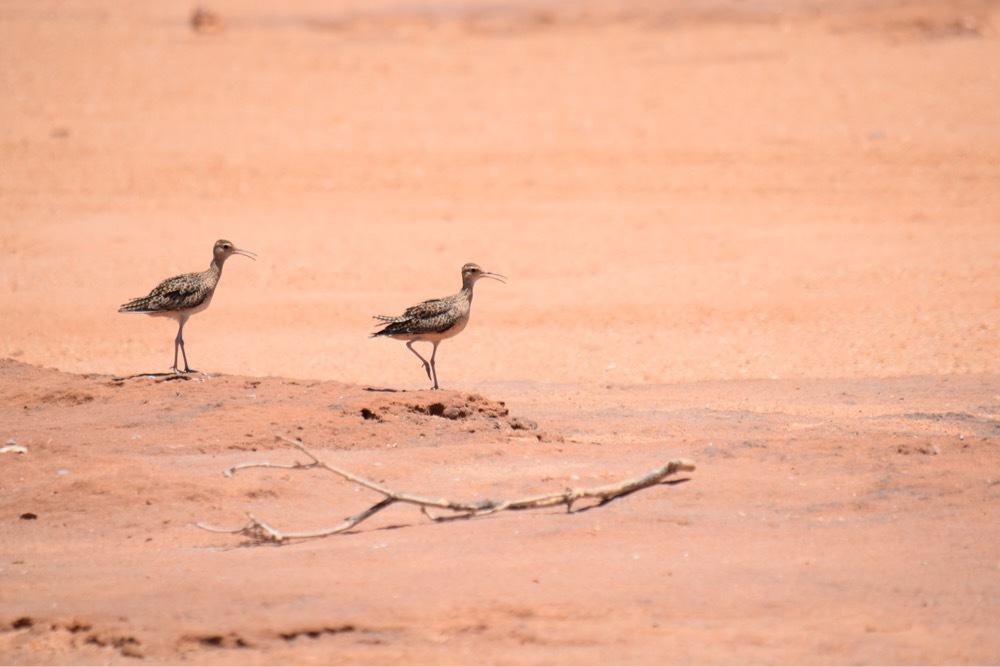
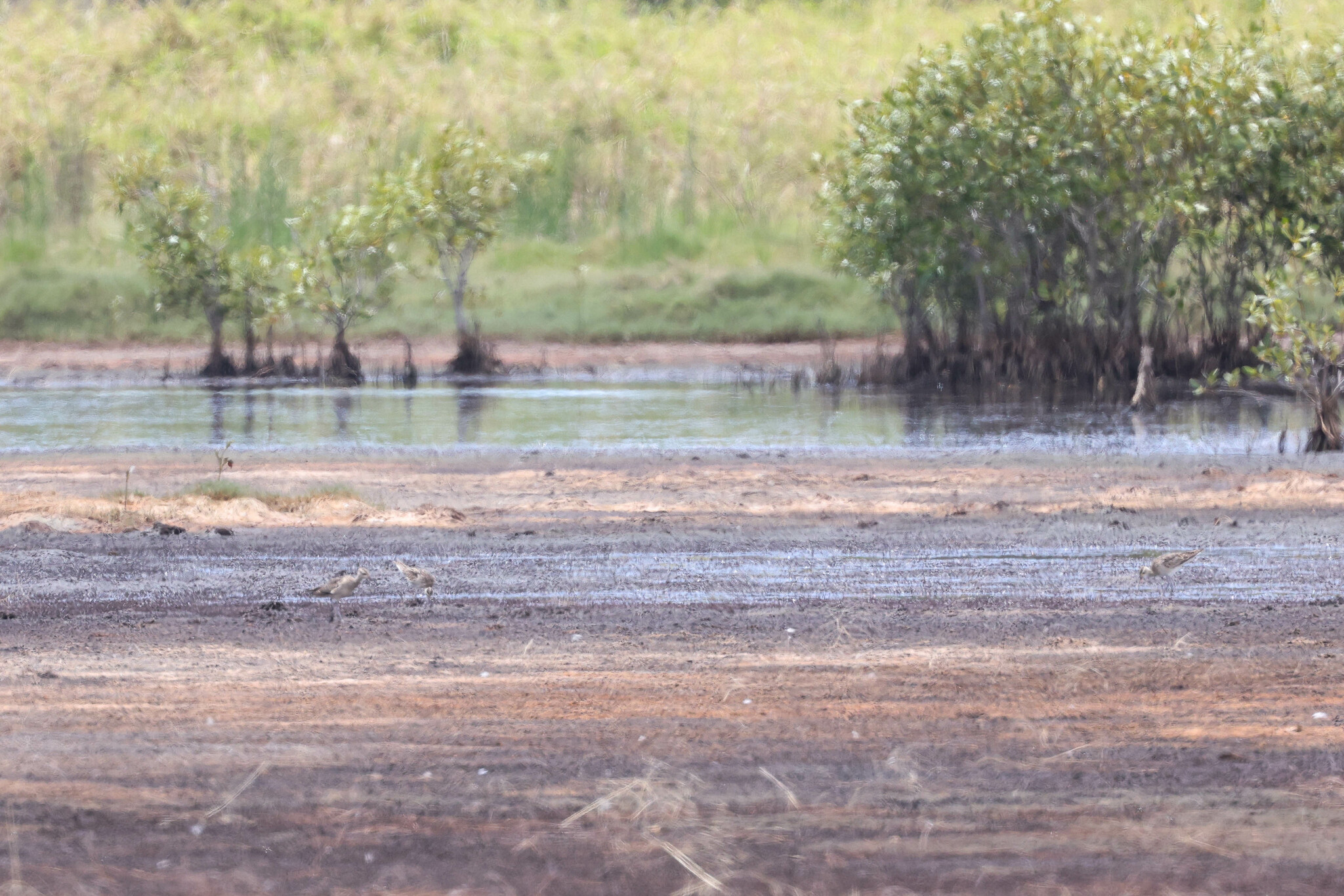
Charadriiformes / Scolopacidae / Numenius
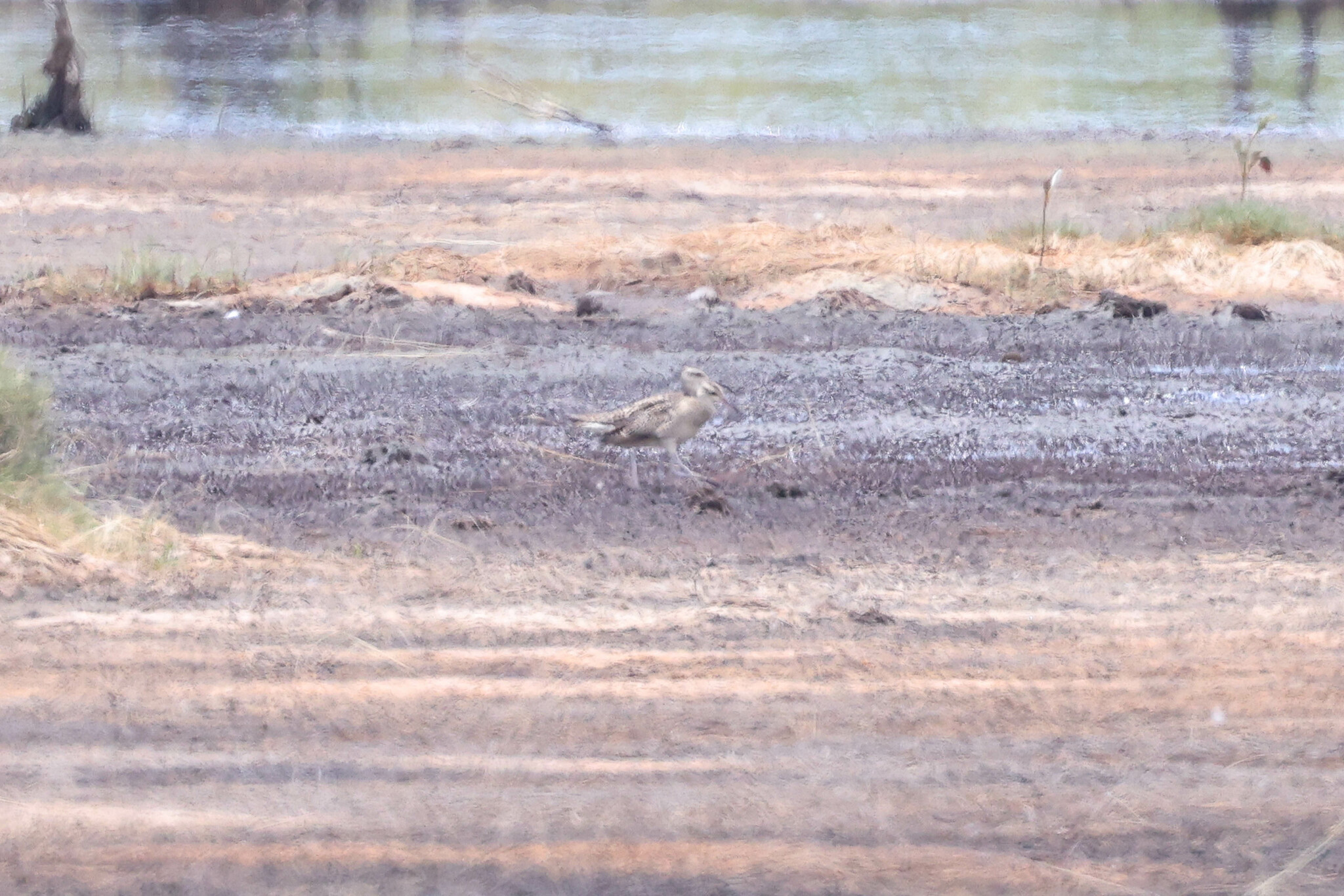
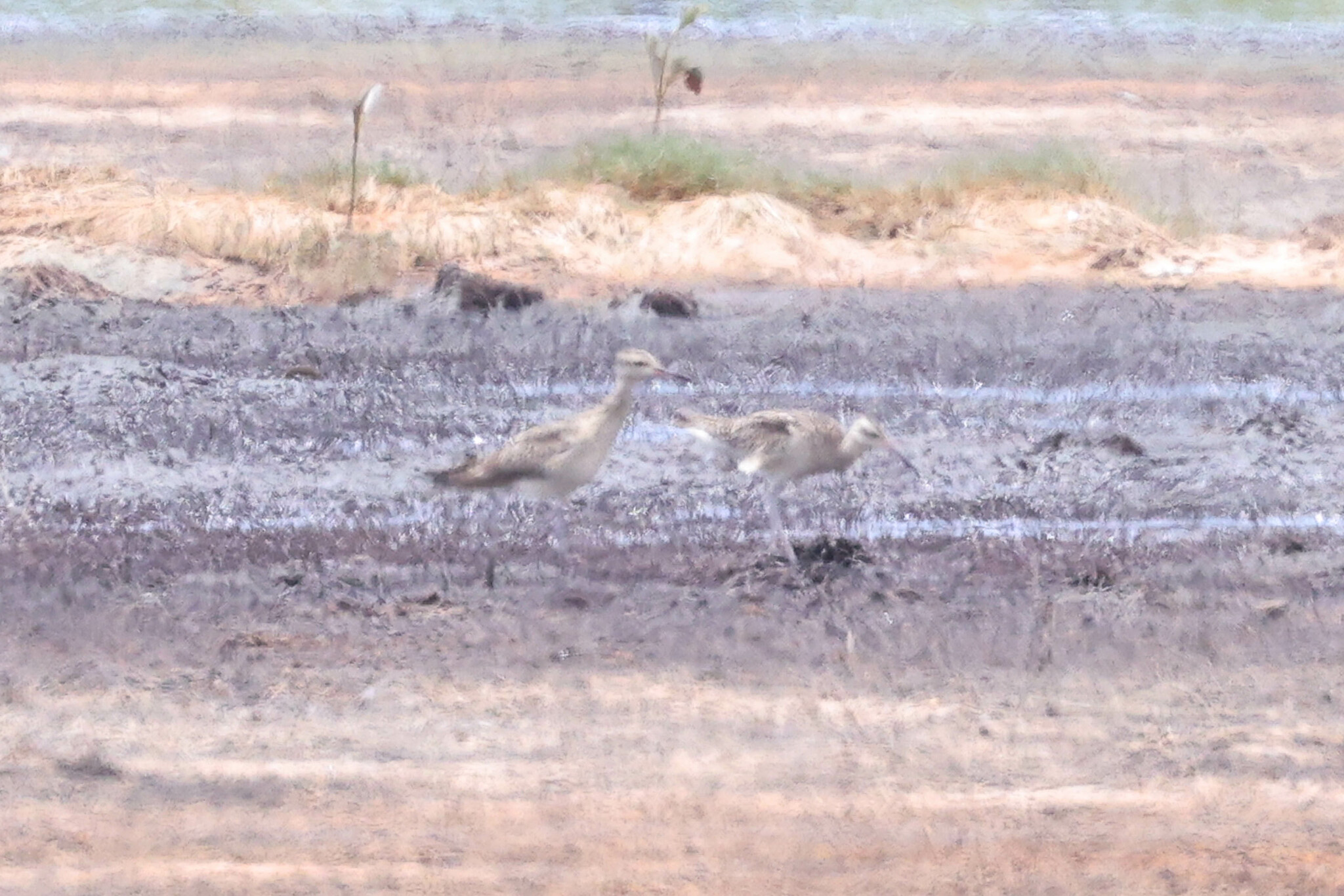
Little Curlew
Numenius minutus · 小杓鹬
Introduction
A wader in the family Scolopacidae, this species is the smallest curlew. It breeds in northern Siberia and winters in Australasia. It feeds by probing soft mud for small invertebrates and forms sizeable flocks.
Description
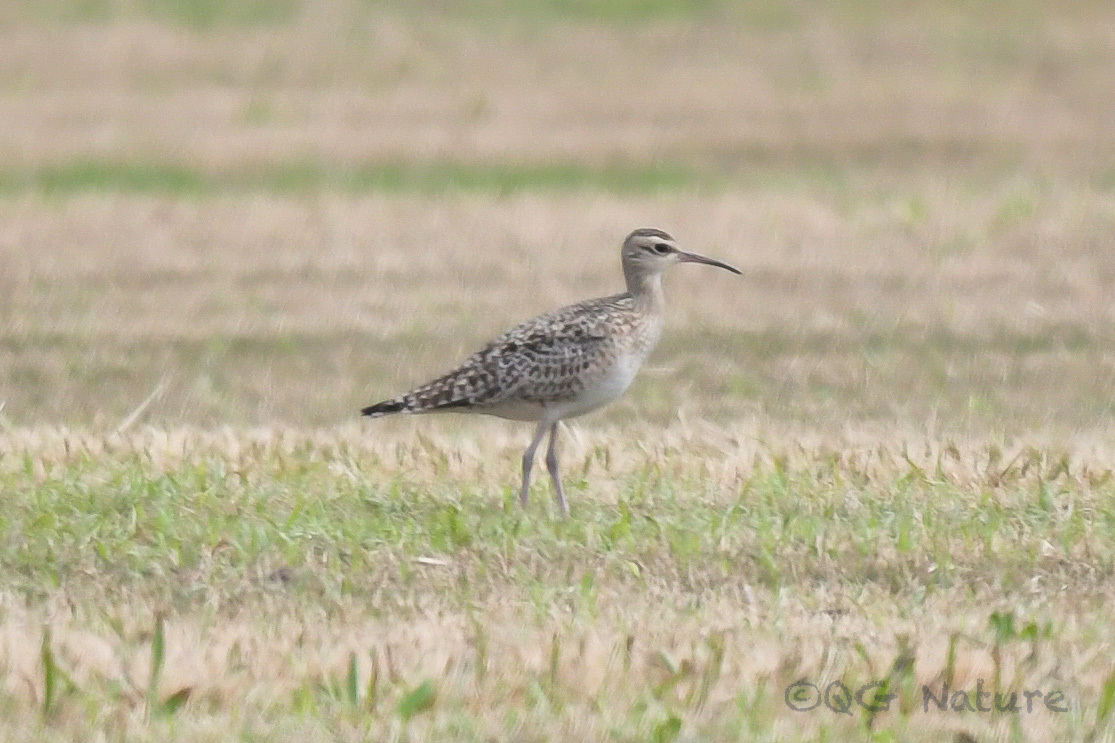
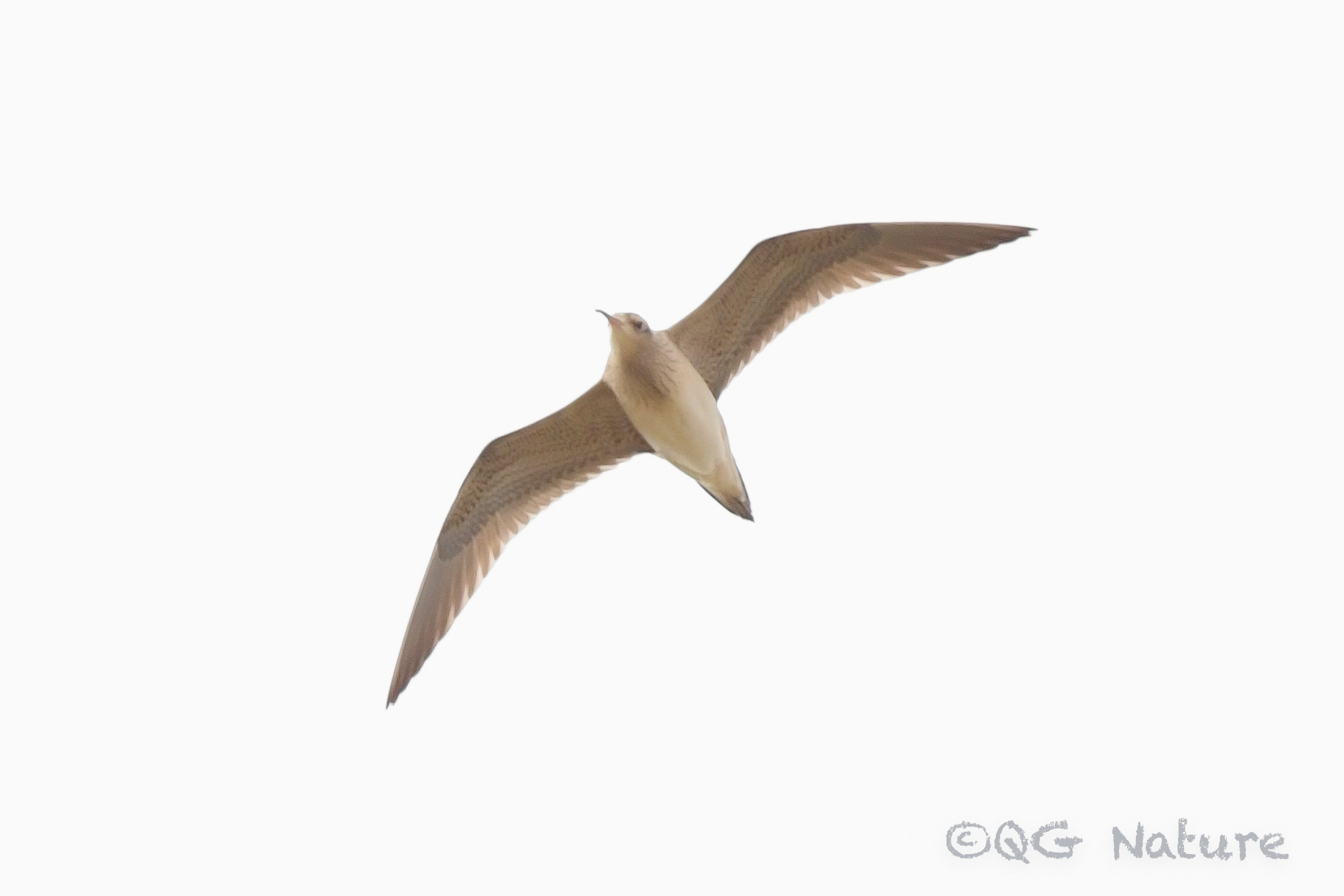
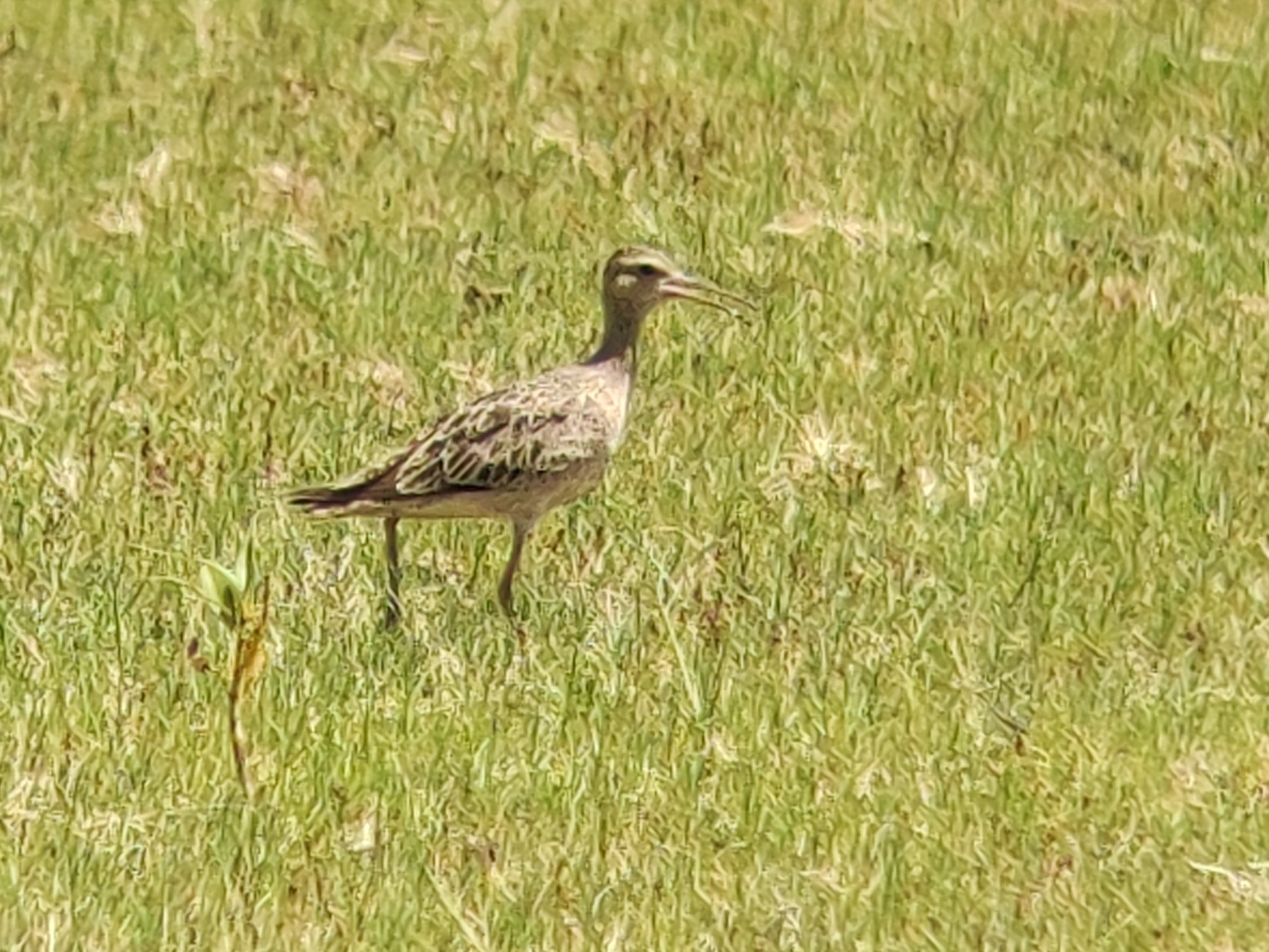
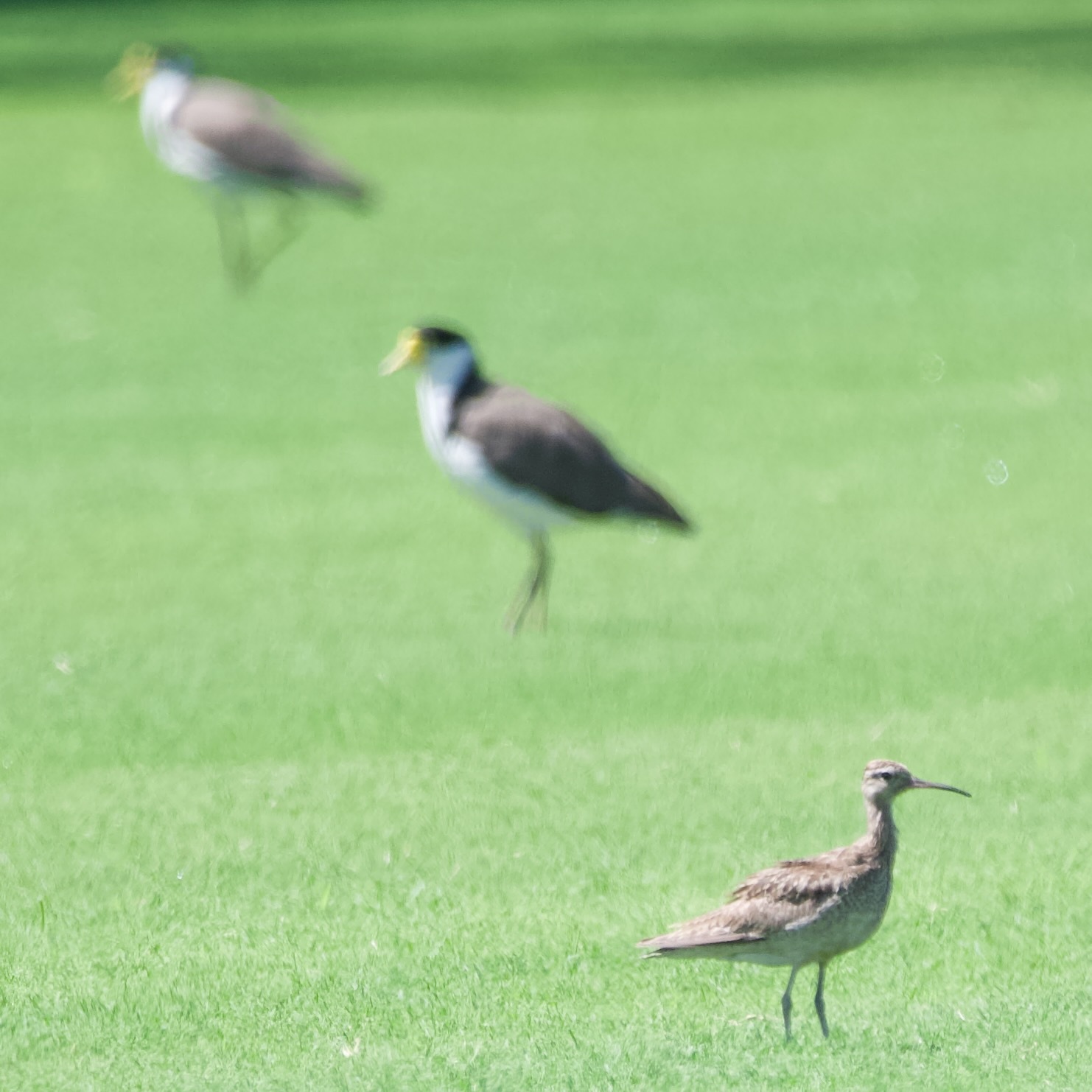
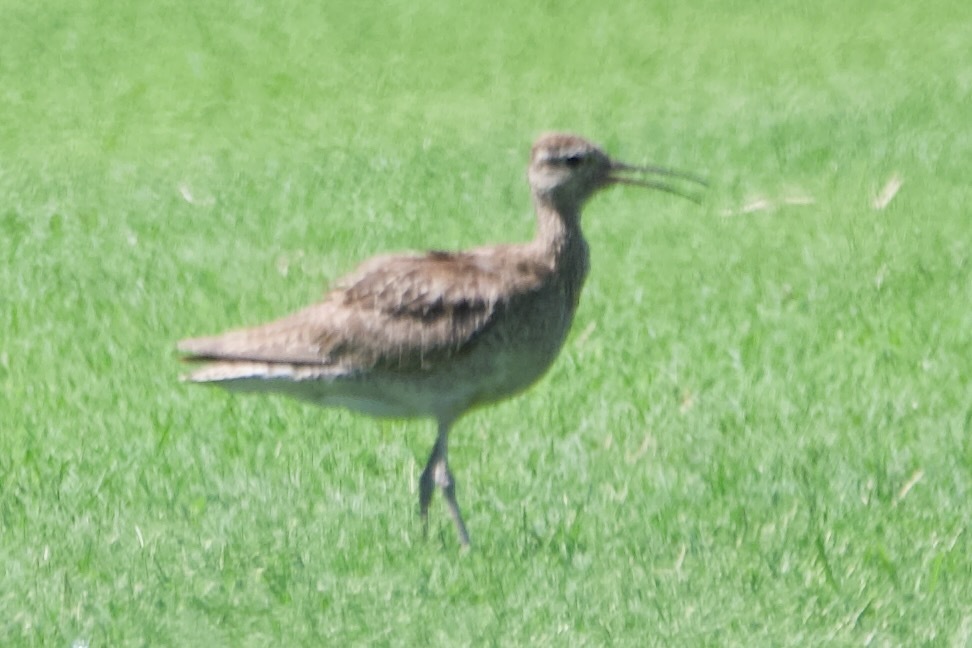
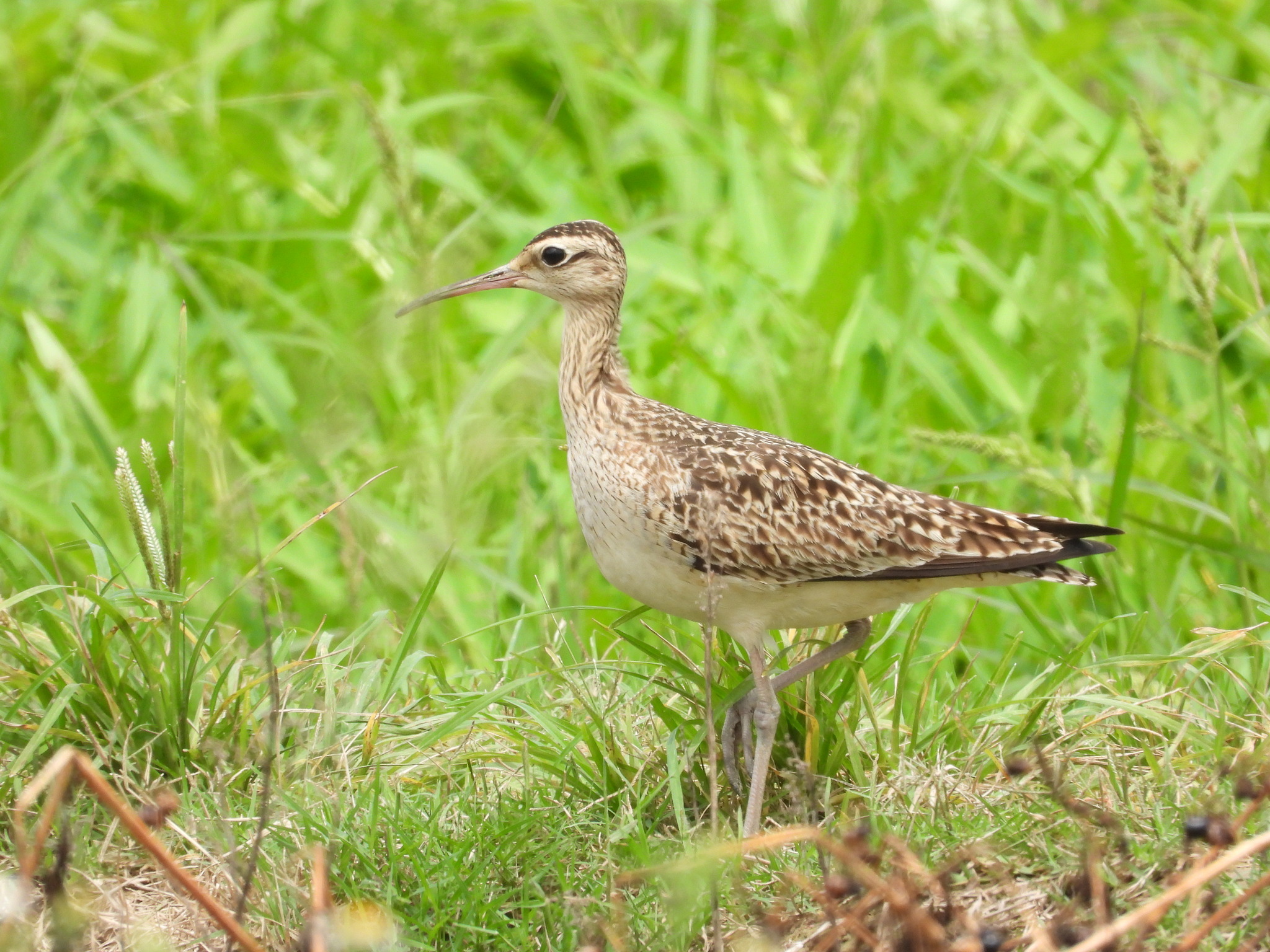
The smallest curlew species, with an average length of 28–31 cm (11–12 in), wingspan of 68–71 cm (27–28 in), and weight of 175 grams (6.2 oz). Plumage is mainly greyish-brown, including underwings, with a white belly. It has a short, curved bill and a head pattern resembling a Eurasian whimbrel, featuring crown and superciliary stripes.
Identification
Distinguished by its small size among curlews, greyish-brown upperparts, white belly, and short curved bill. Head markings include crown and superciliary stripes similar to a Eurasian whimbrel. The call is a repetitive whistle.
Distribution & Habitat
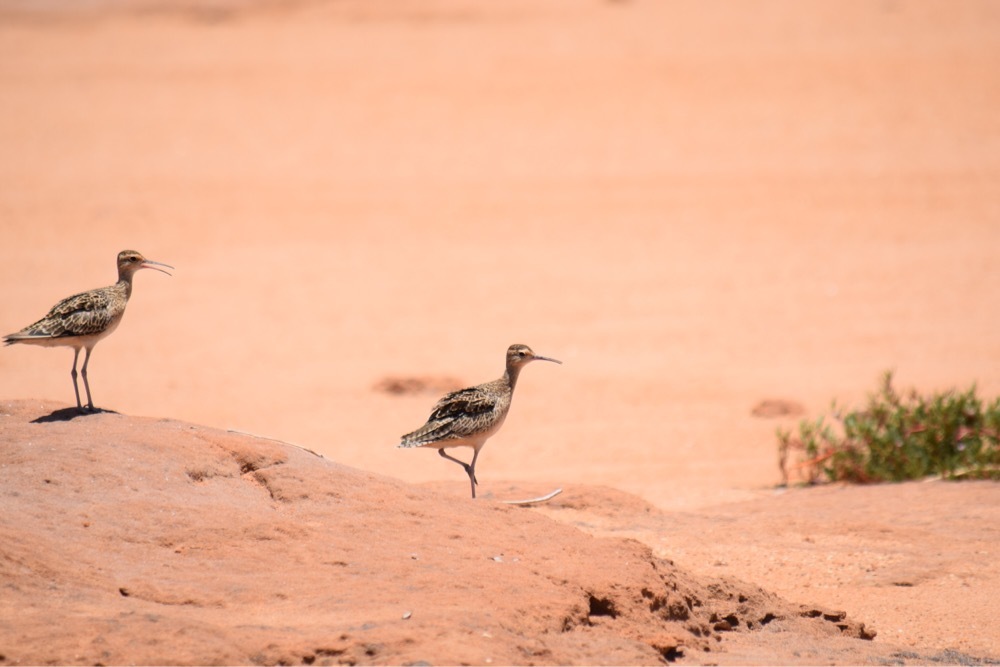
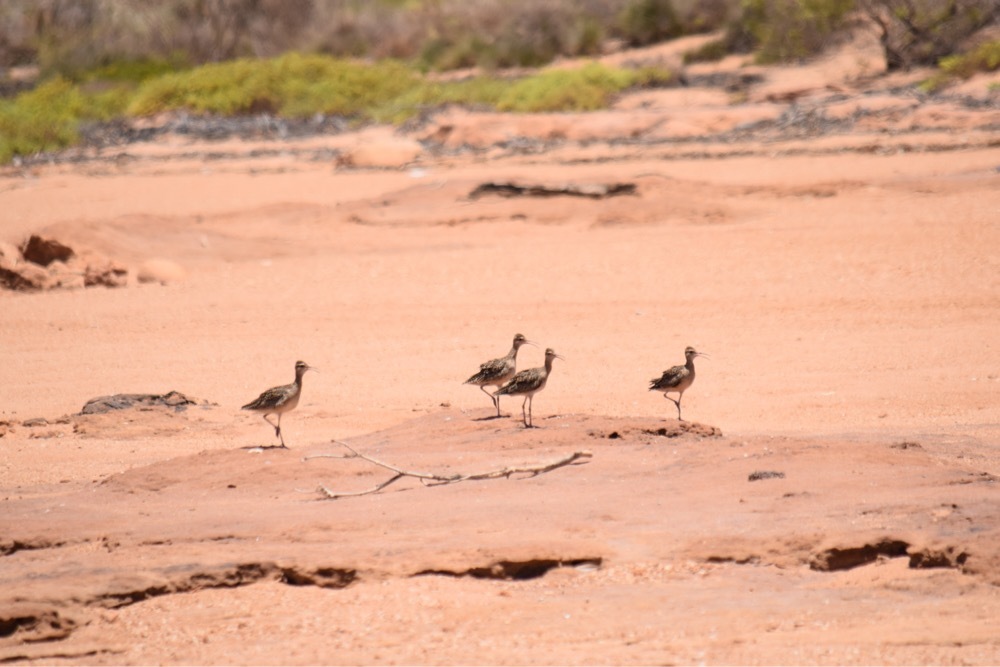
Breeds in loose colonies in forest clearings in river valleys in far northern Siberia. Migratory, wintering inland on grassland, cultivation, or near fresh water mainly in northern Australia, extending as far south as St Kilda, South Australia. Very rare vagrant to western Europe, with records in Belgium (2010) and The Netherlands (2019/2020).
Behavior & Ecology
Strongly migratory and gregarious, forming sizeable flocks. Breeds in loose colonies; the nest is a ground scrape. Feeds by probing soft mud for small invertebrates.
Source: Wikipedia · CC BY-SA 3.0
Taxonomy
- Order
- Charadriiformes
- Family
- Scolopacidae
- Genus
- Numenius
Distribution
breeds patchily in subarctic taiga of west-central to east-central Siberia; winters coastal and inland south-central New Guinea, Port Moresby area (southeastern New Guinea), and northern Australia to west-central and east-central coasts
Data Sources
Species description from Wikipedia, licensed under CC BY-SA 3.0.
Bird images and sounds sourced from GBIF, contributed by citizen scientists worldwide under Creative Commons licenses.
Taxonomy data from AviList 2025.