Far Eastern Curlew
Numenius madagascariensis
大杓鹬
Description
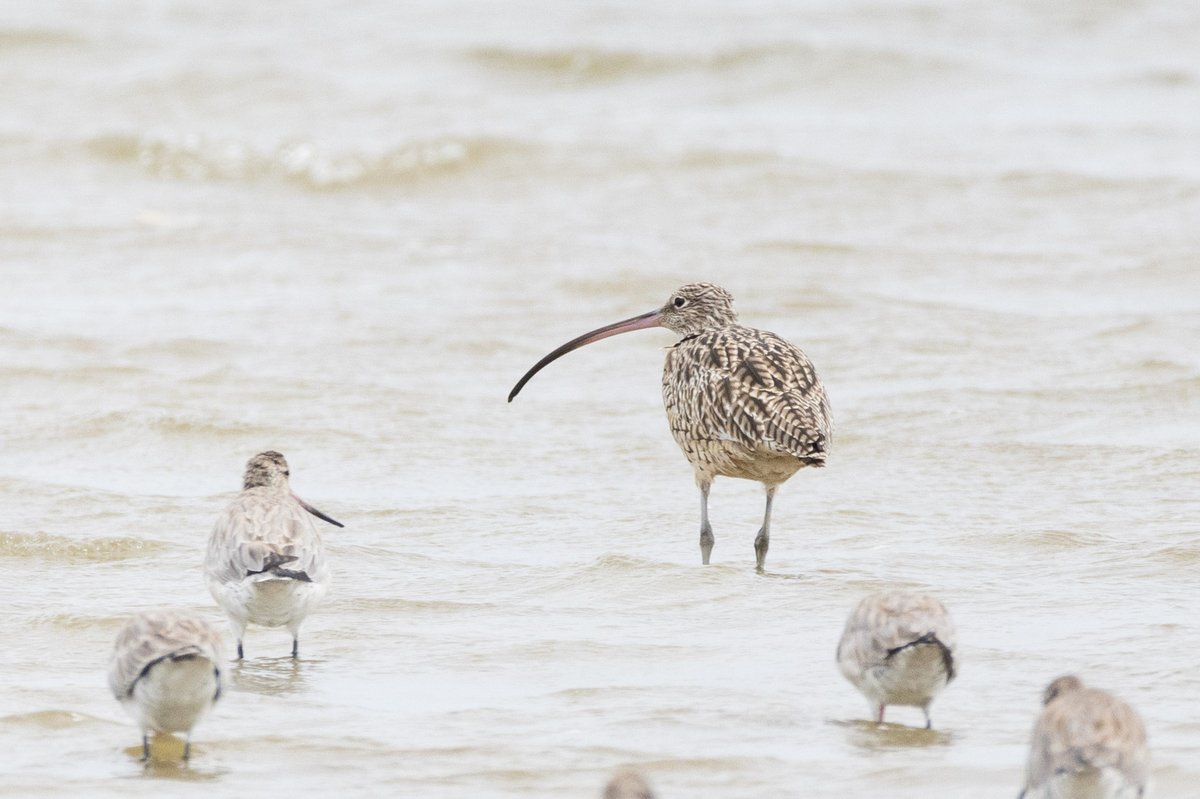
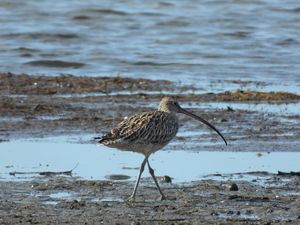
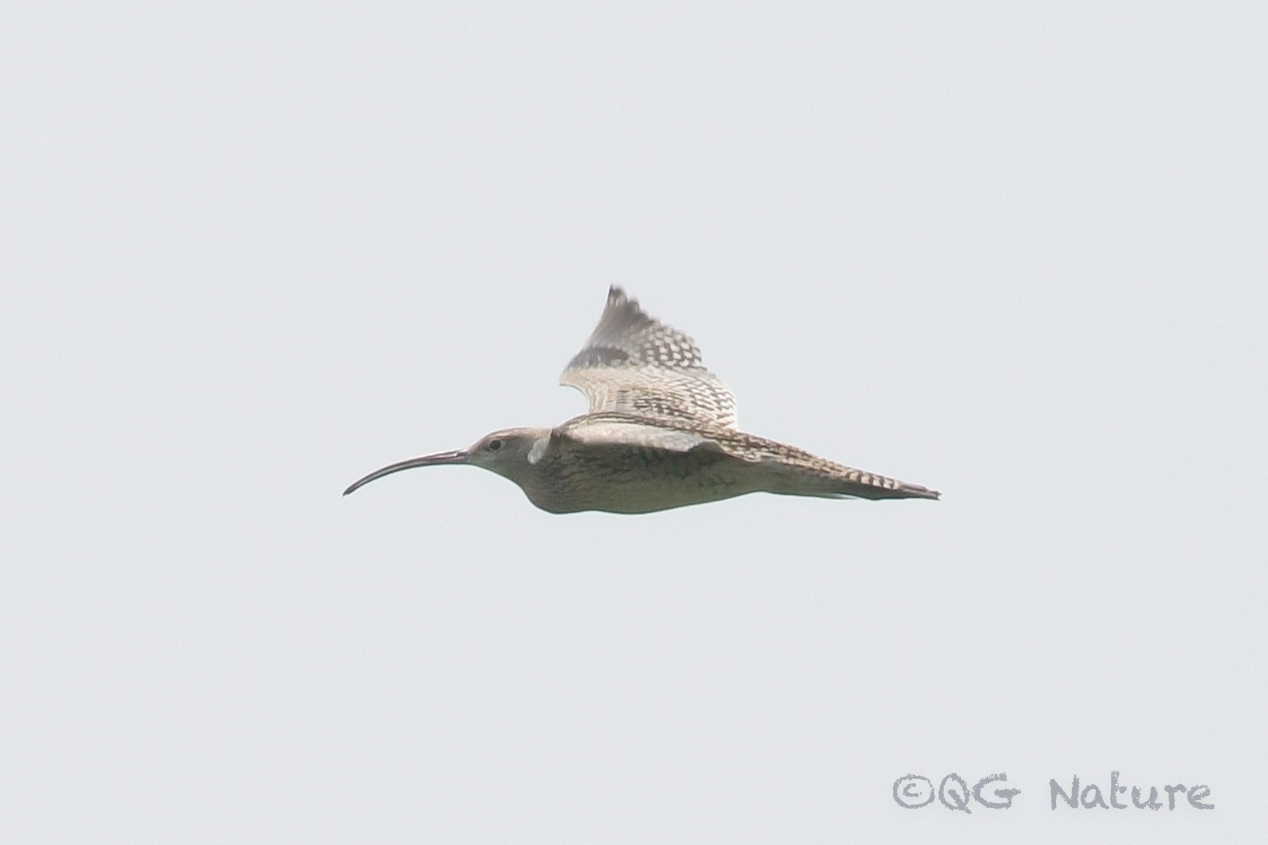
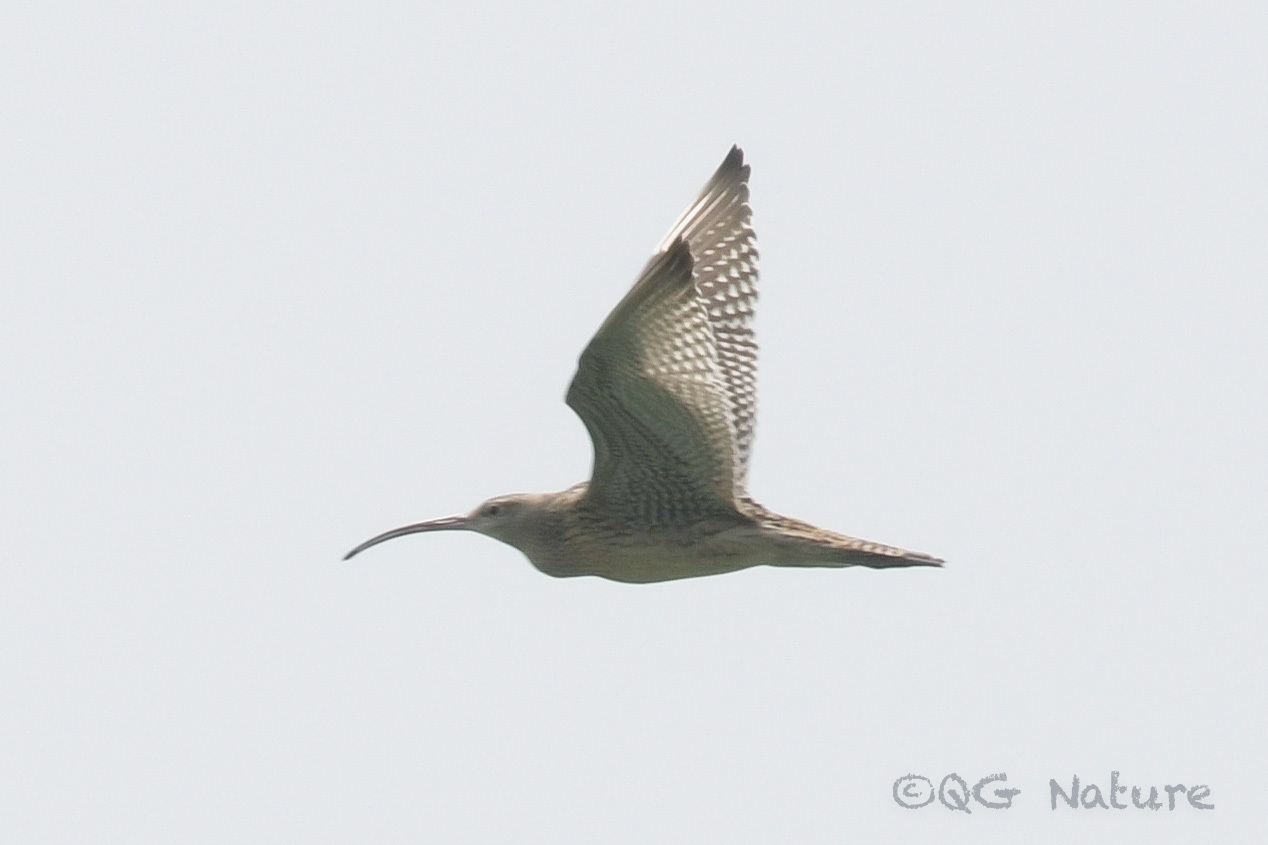
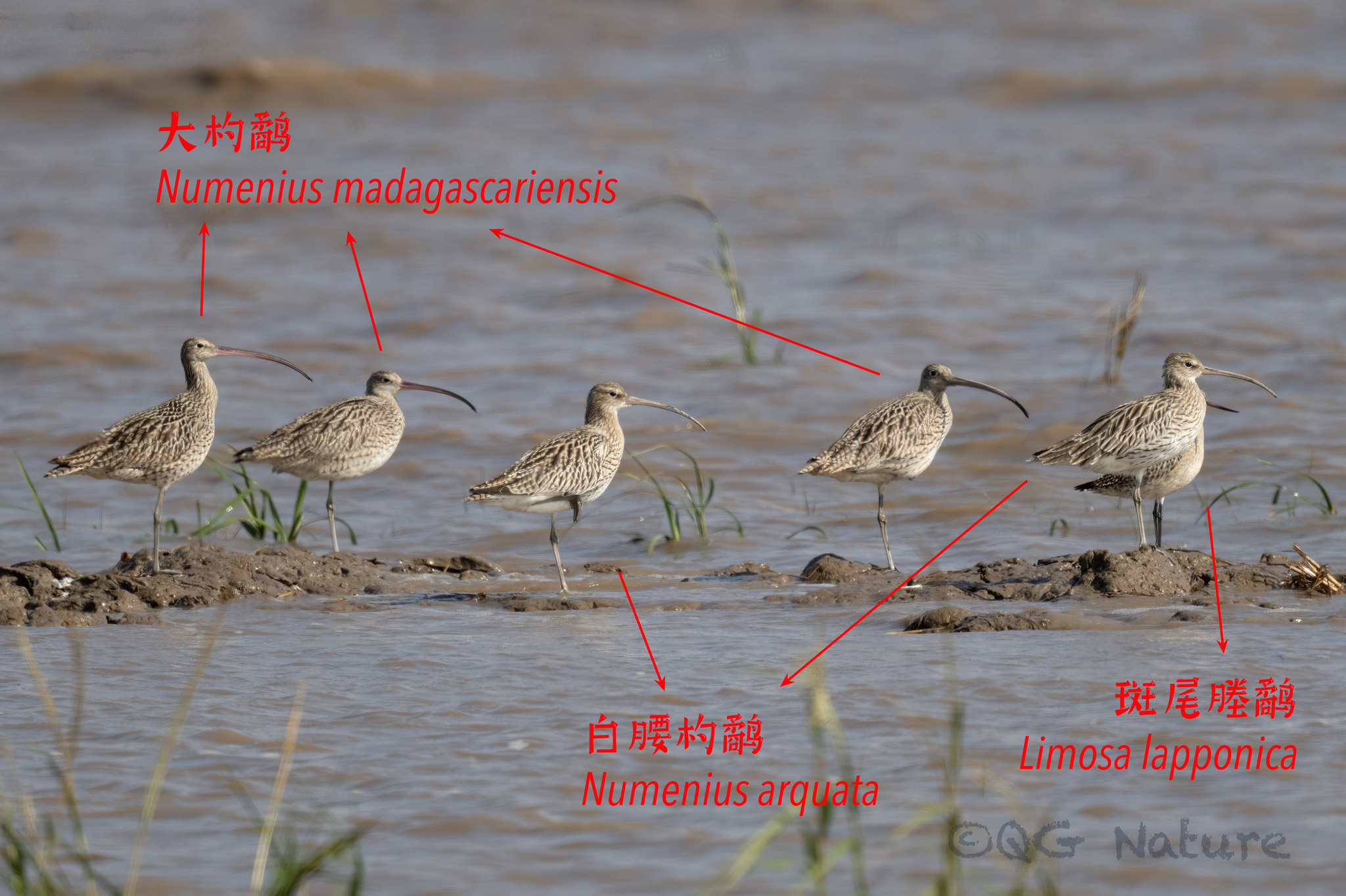
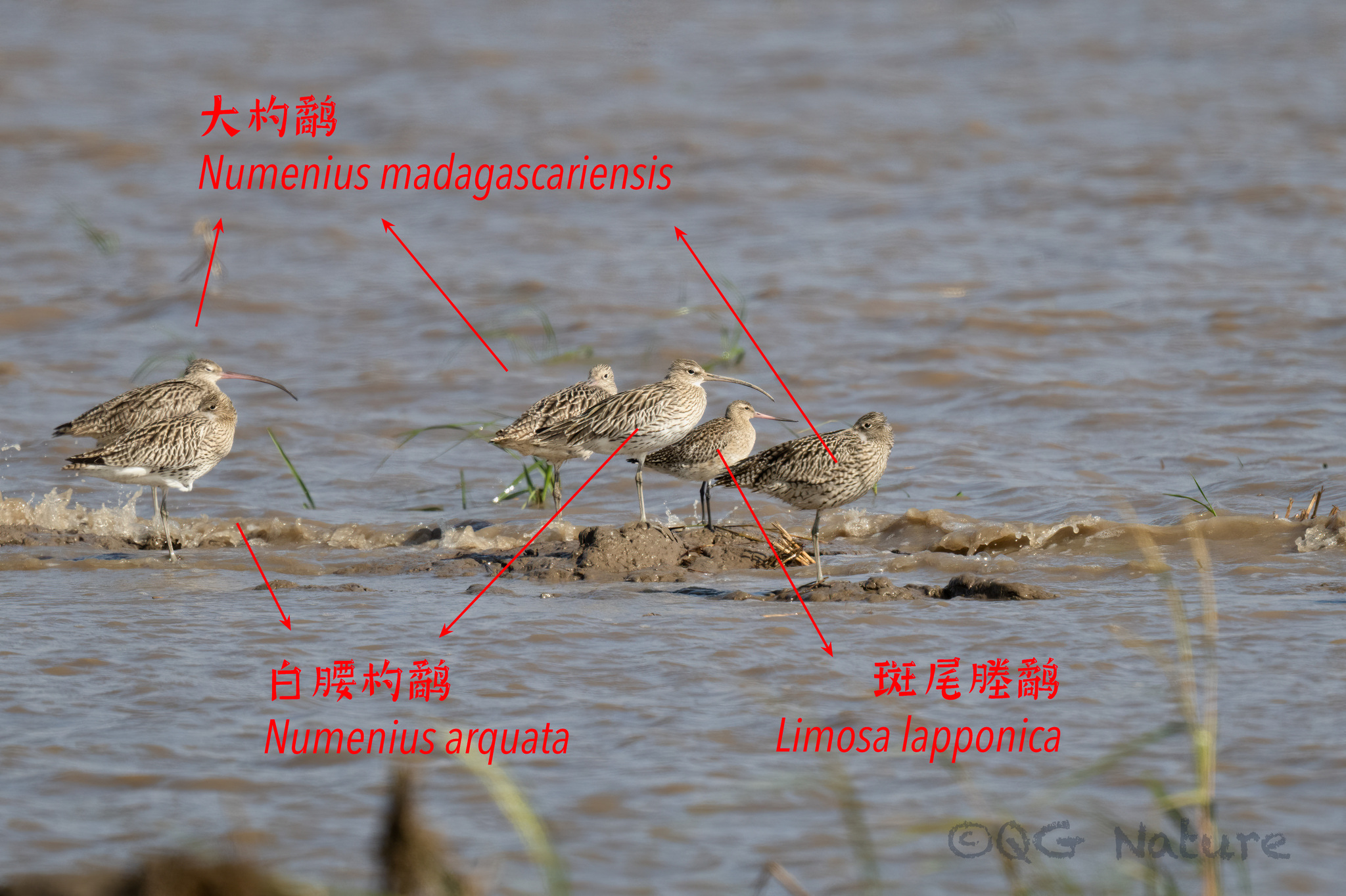
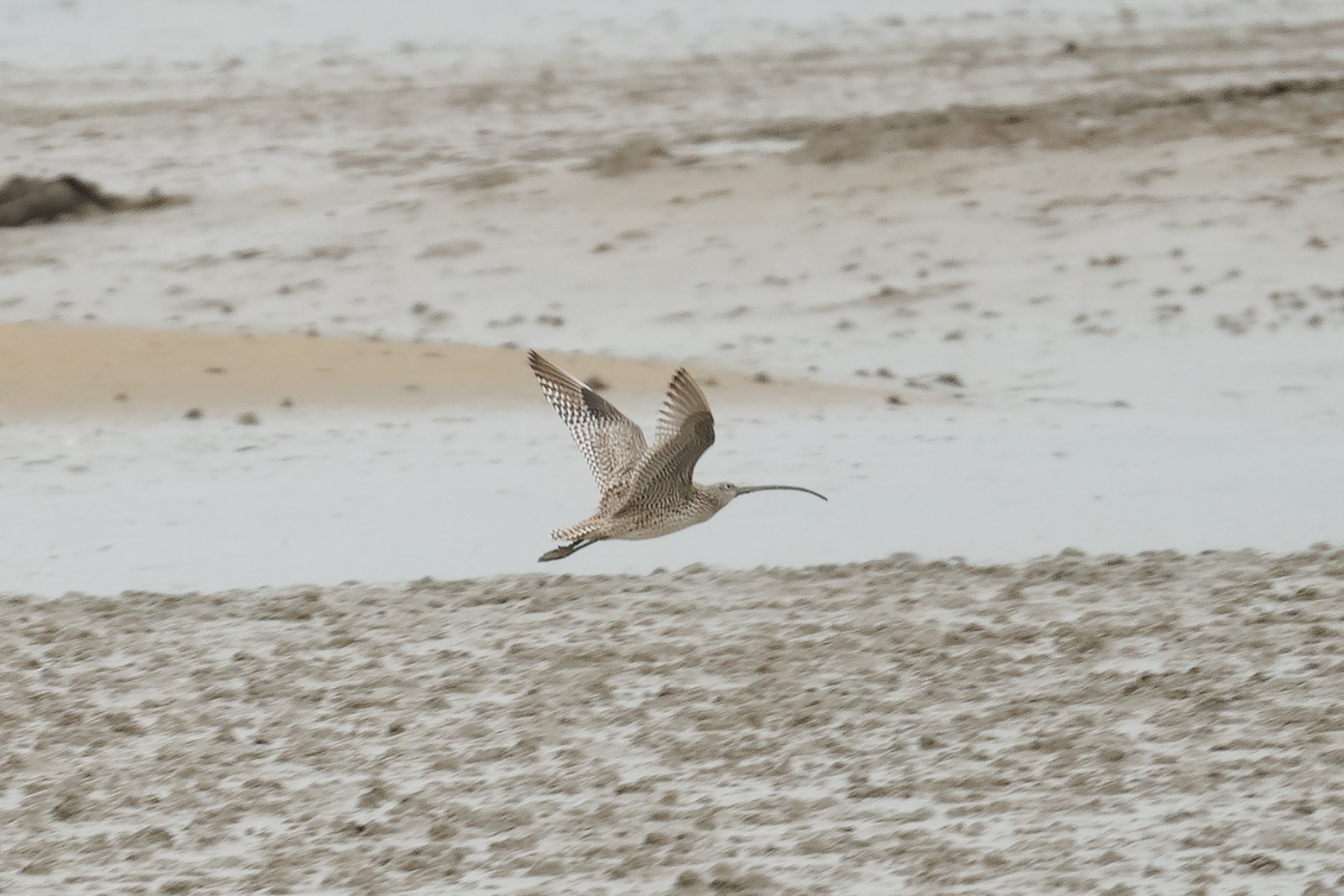
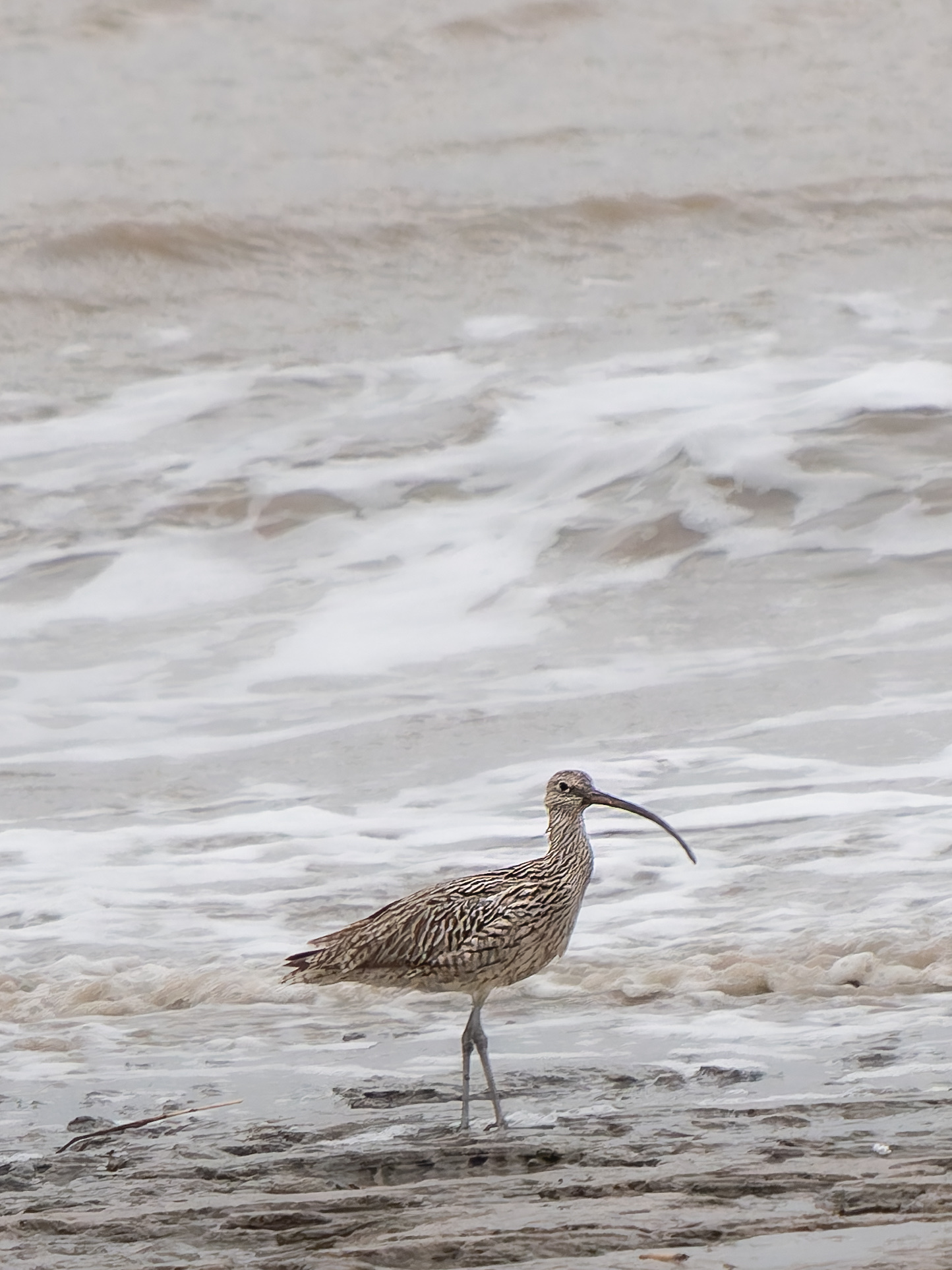
This is the world's largest curlew and probably the largest sandpiper species, with a massive body measuring 60–66 cm in length and a wingspan of 110 cm. The plumage is predominantly plain brown throughout, lacking the distinctive patterns seen in related species. The most striking feature is the extraordinarily long, decurved bill measuring 12.8–20.1 cm, which rivals that of the long-billed curlew as the longest bill among sandpipers. The underwing is characteristically plain and unpatterned brown, and the rump and lower back share this uniform brown coloration rather than the white seen in similar species. Weights range from 390–1,350 g, with females averaging approximately 100 g heavier than males. The combination of great size, uniform brown coloration, and extremely long curved bill makes this species distinctive among waders.
Identification
This species closely resembles the long-billed curlew but averages slightly larger overall. In areas where it overlaps with the eastern subspecies of the Eurasian curlew, identification relies on the brown rump and lower back, which contrast with the white rump of the Eurasian curlew. The plain brown underwing is another key distinguishing feature from other curlew species. The enormous decurved bill, combined with the overall larger size and uniform brown coloration, helps separate it from its closest relatives in the field.
Distribution & Habitat
This species breeds across northeastern Asia, including Siberia, Kamchatka, and Mongolia, where it inhabits marshy wetlands, swamps, and lakeshores. The non-breeding range centers on coastal Australia, with additional populations wintering in Indonesia, Thailand, Philippines, New Zealand, southern China, and Taiwan, where they favor estuaries, beaches, and salt marshes. During migration, critical stopovers occur on the mudflats of the Yellow Sea, with some birds also pausing along Japanese coasts.
Behavior & Ecology
This wader uses its long, decurved bill to probe deeply into mudflats for invertebrates. Feeding typically occurs solitarily, though birds congregate into large flocks when migrating or roosting. The vocalization is a distinctive sharp, clear whistle described as 'cuuue-reee,' often repeated. On breeding grounds, the diet consists mainly of insect larvae and amphipods, while migration includes berry consumption. The non-breeding season diet focuses on marine invertebrates, particularly crabs and small molluscs, supplemented by other crustaceans and polychaetes.
Conservation
The global population is estimated at approximately 38,000 individuals as of 2006. The species was downlisted from Least Concern to Vulnerable on the 2010 IUCN Red List after evidence revealed it was rarer than previously believed. In Australia, it is listed as Critically Endangered under national legislation. The primary threat is the massive reclamation of tidal flats along the Yellow Sea by China, North Korea, and South Korea, which has destroyed more than 65% of the mudflats this species depends on during migration.
Source: Wikipedia · CC BY-SA 3.0
Taxonomy
- Order
- Charadriiformes
- Family
- Scolopacidae
- Genus
- Numenius
- eBird Code
- faecur
Distribution
breeds inland wetlands from east-central Siberia to Kamchatka and Ussuriland (southeastern Russia) and Heilongjiang (northeastern China); winters to Philippines, Indonesia, Australia, and New Zealand (scarce)
Vocalizations
Data Sources
Species description from Wikipedia, licensed under CC BY-SA 3.0.
Bird images and sounds sourced from GBIF, contributed by citizen scientists worldwide under Creative Commons licenses.
Taxonomy data from AviList 2025.