

Pelecaniformes / Threskiornithidae / Nipponia
Crested Ibis
Nipponia nippon · 朱鹮
Introduction
A medium-sized to large ibis and the only member of the genus Nipponia, native to eastern Asia. It inhabits temperate mountain forests, hilly regions, and wetlands such as rice paddies and riverbanks. Distinctive traits include seasonal plumage changes and a dense crest of plumes on the nape. The species is listed in Appendix I of CITES and was brought to the brink of extinction by habitat loss and hunting, though captive breeding and reintroduction programs are ongoing.
Description
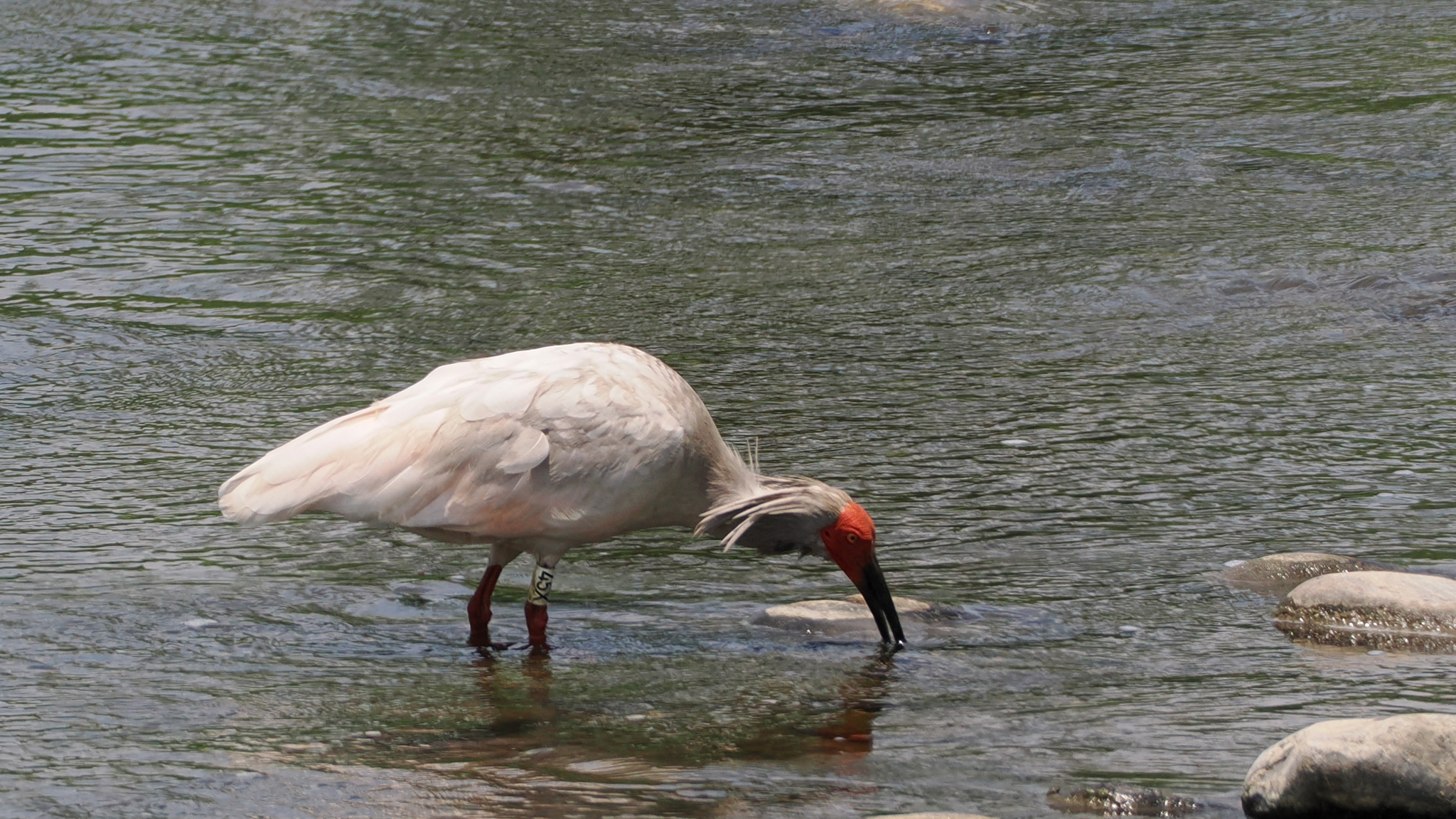
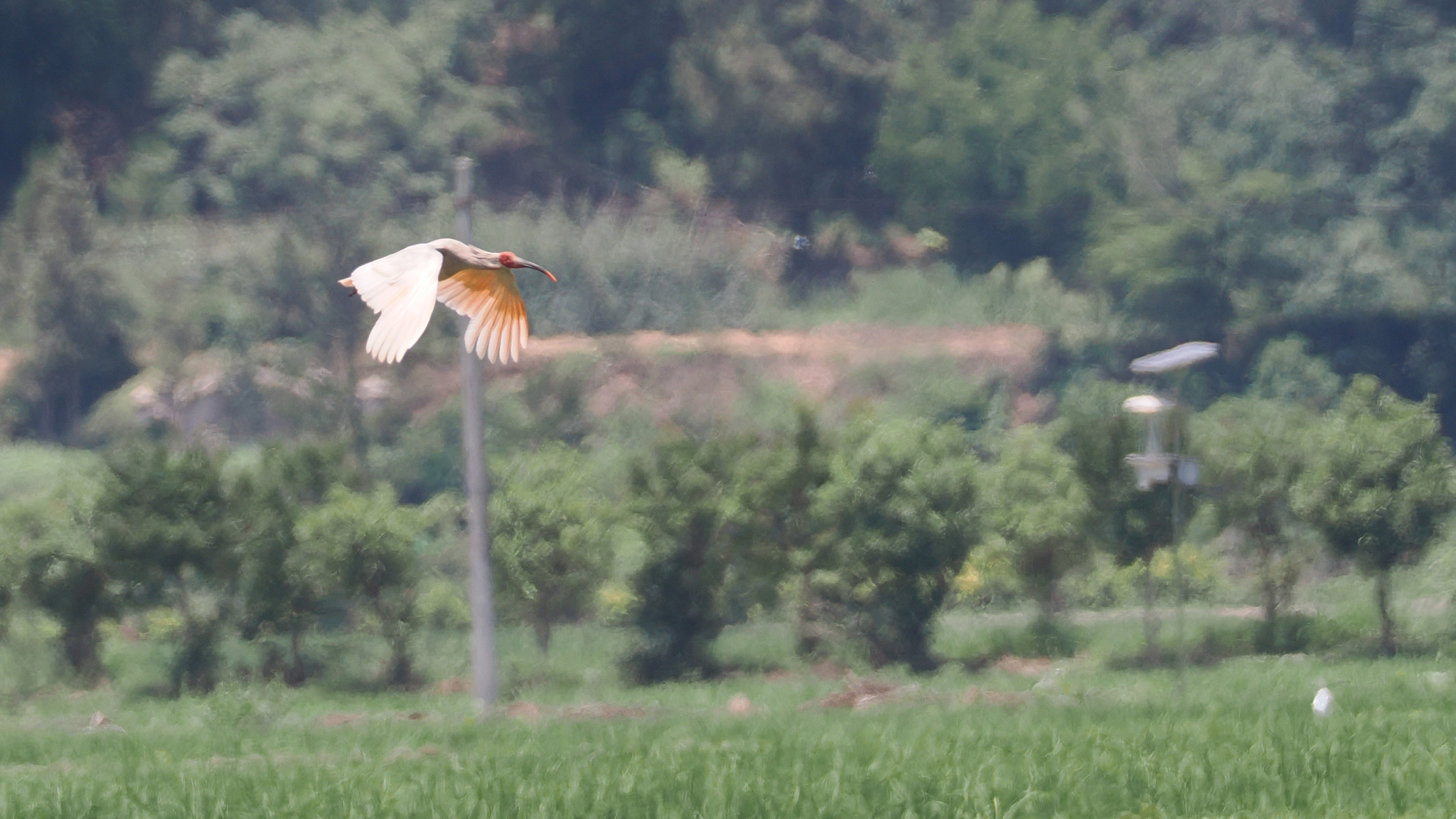
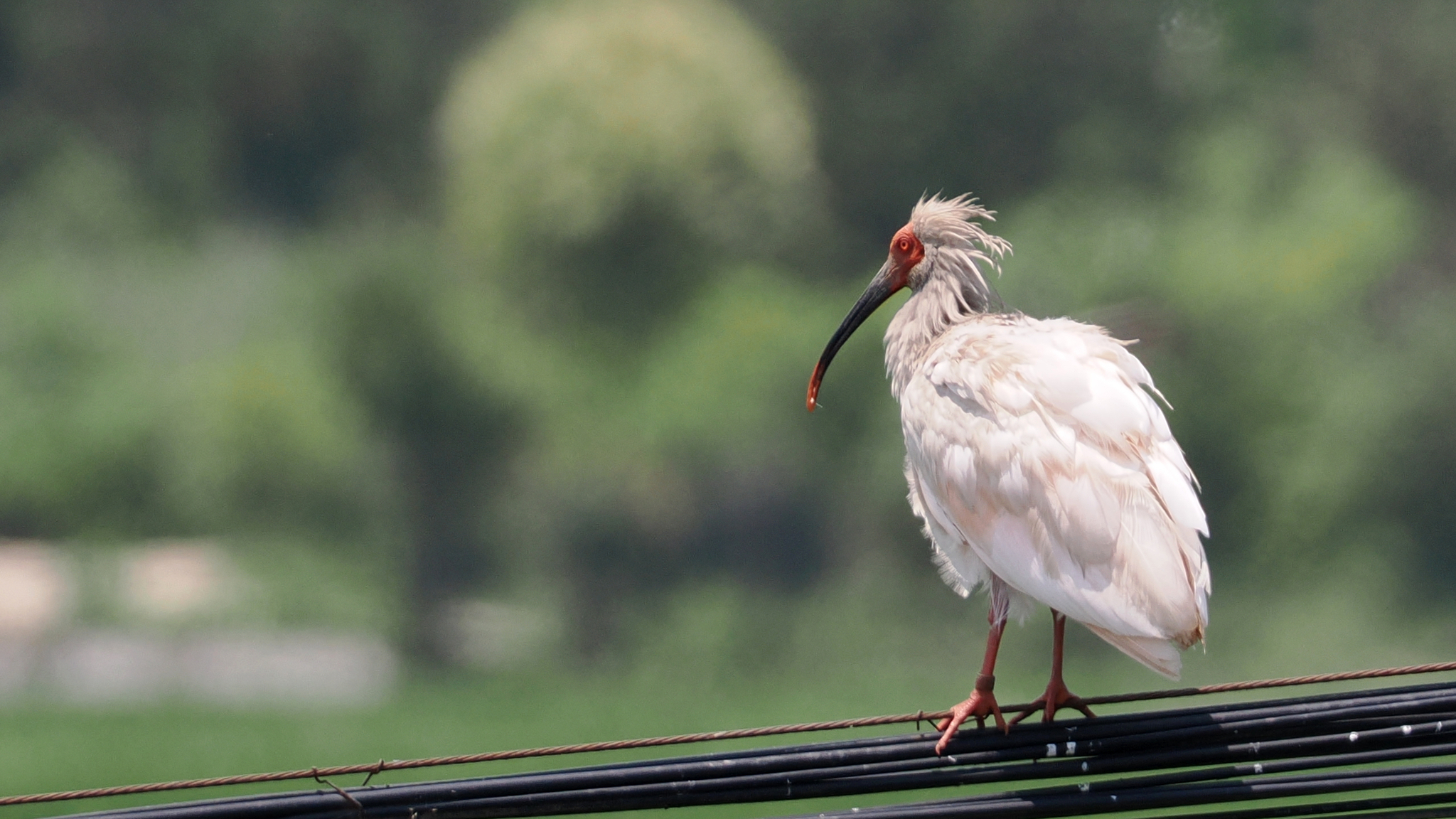
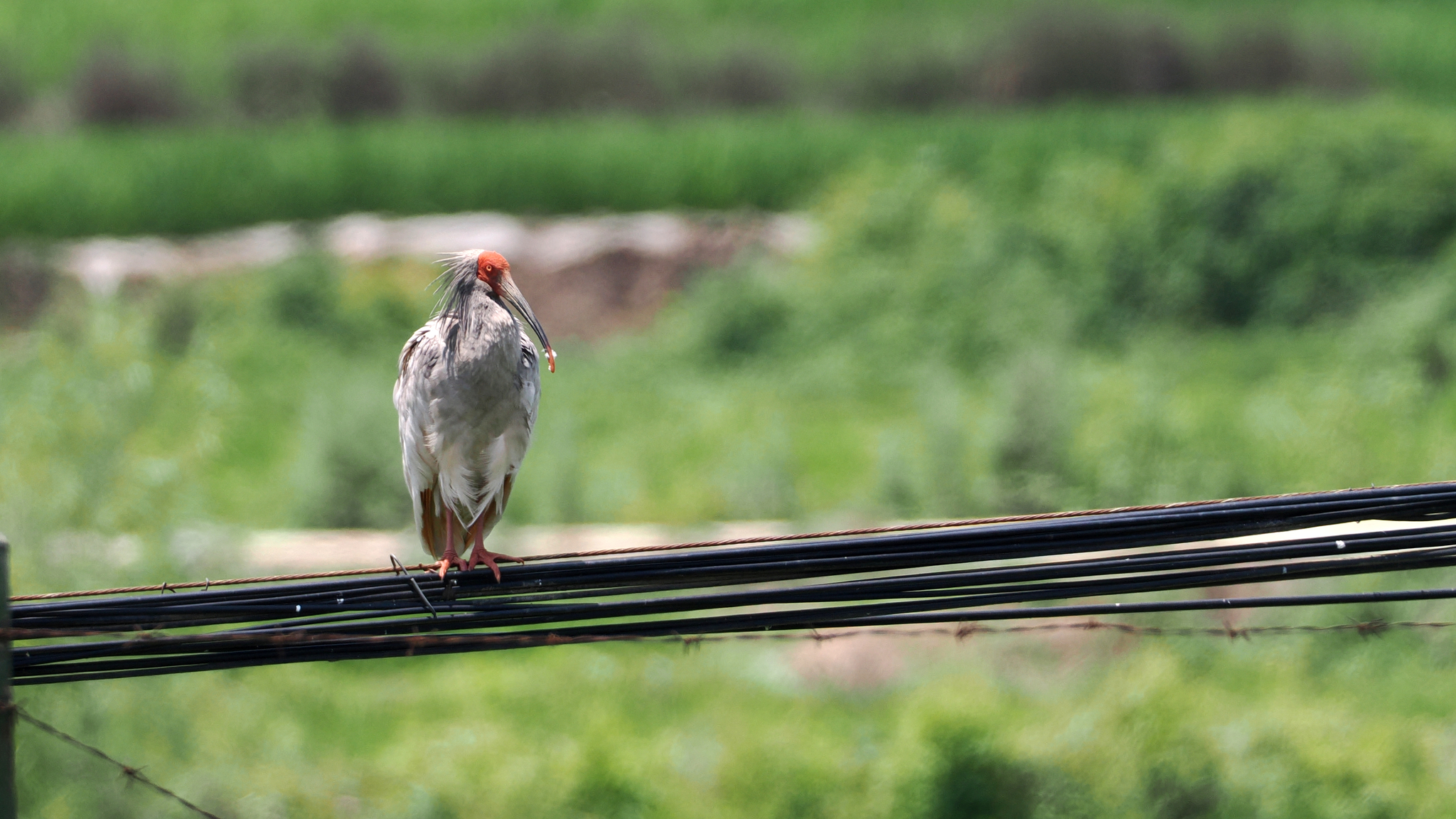
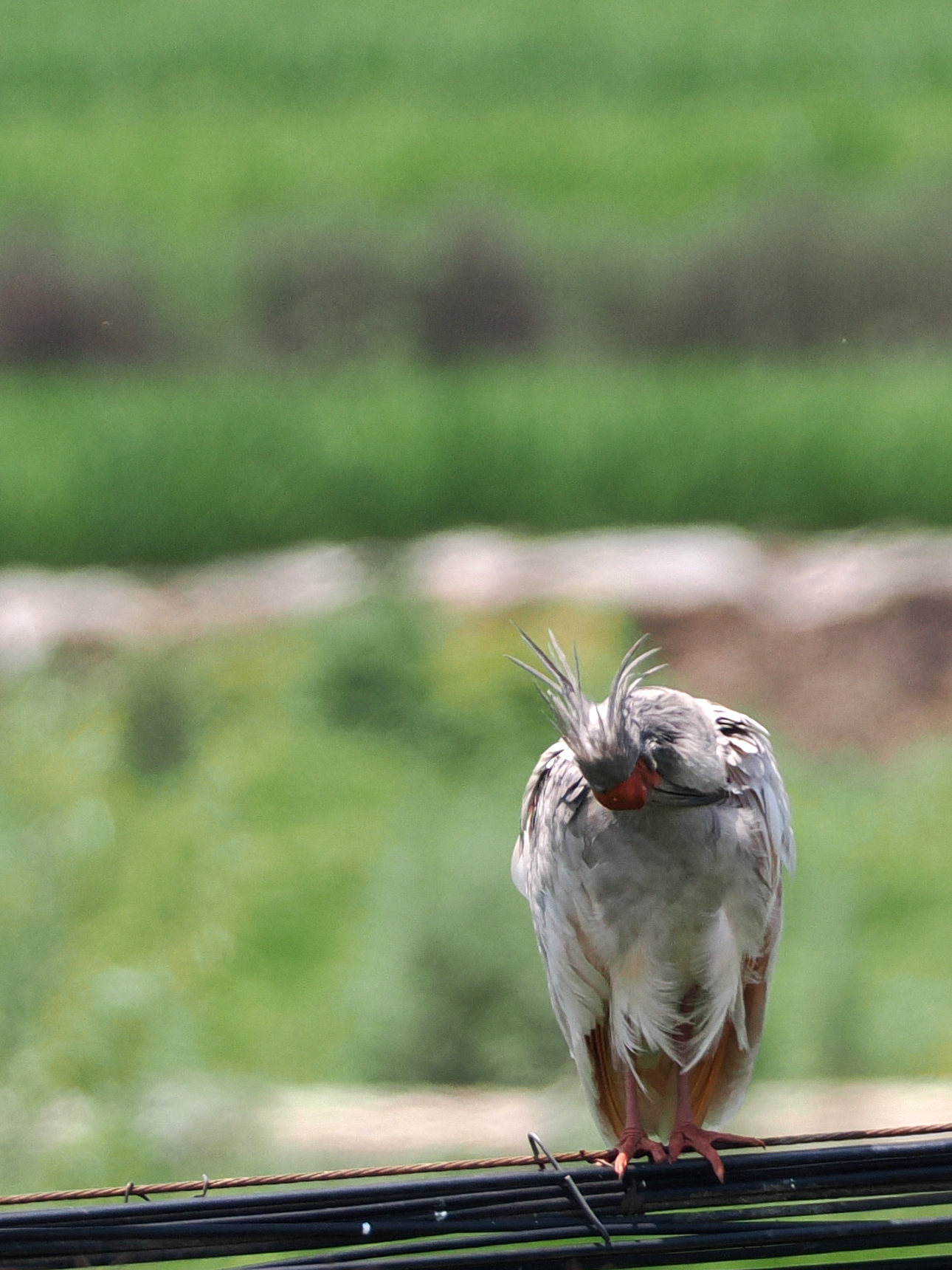
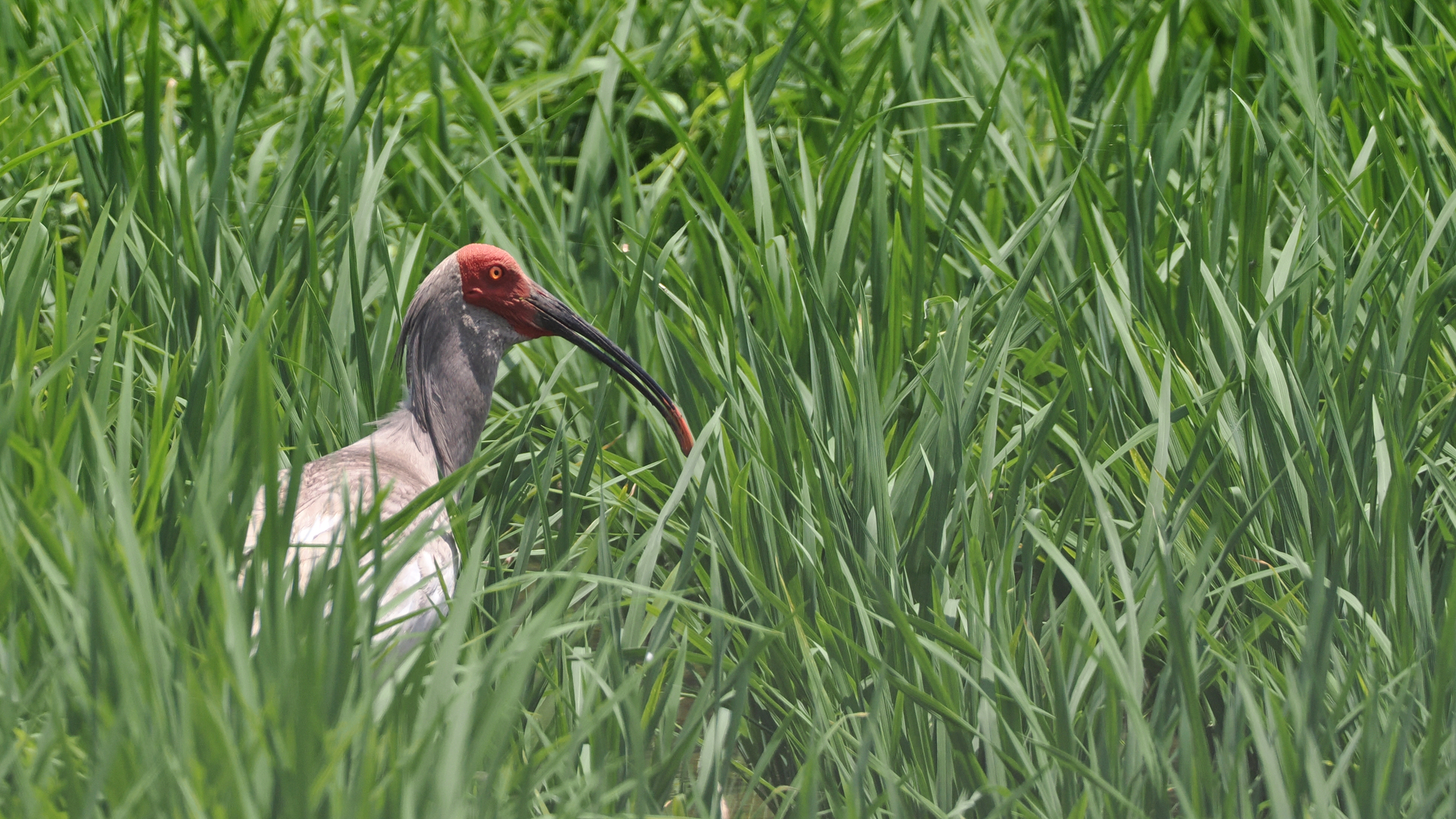
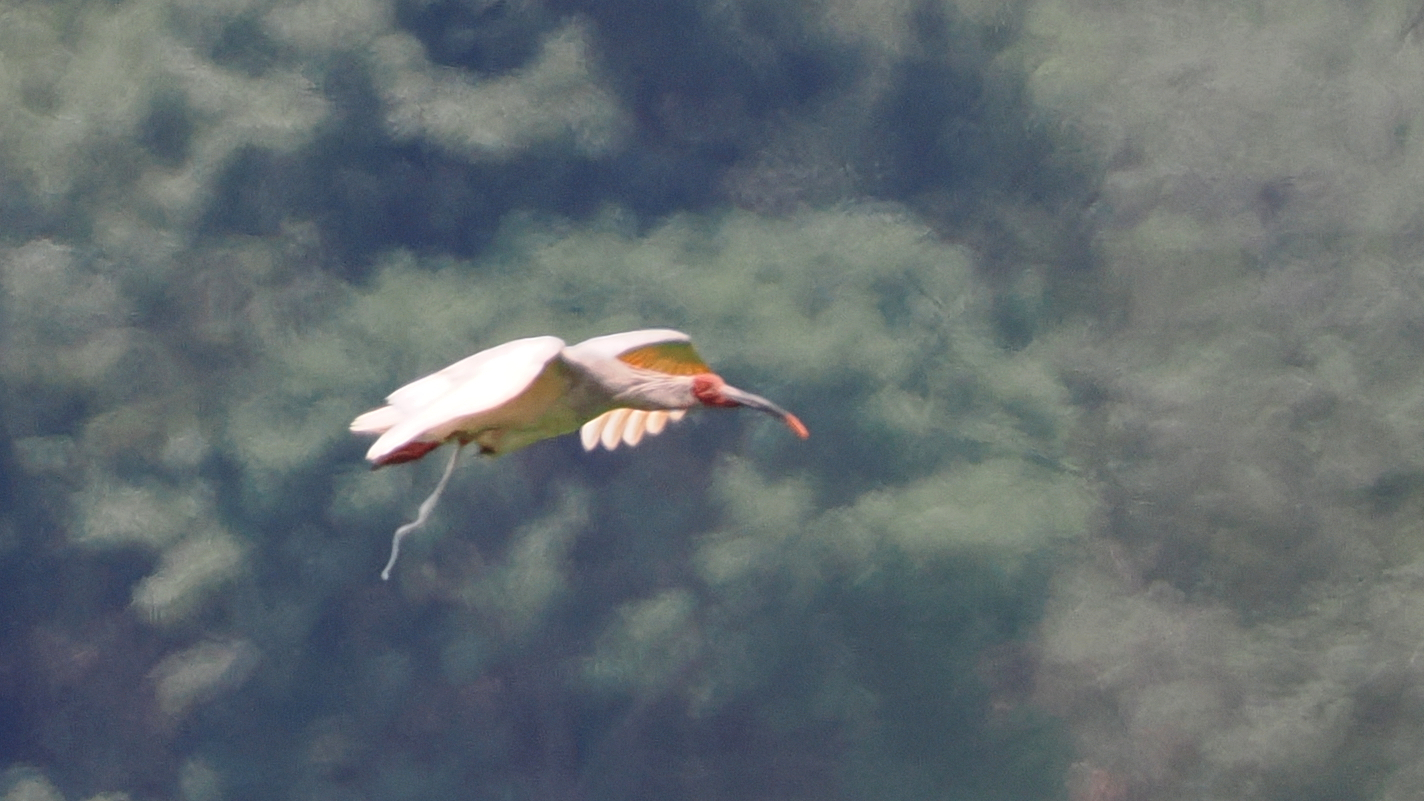
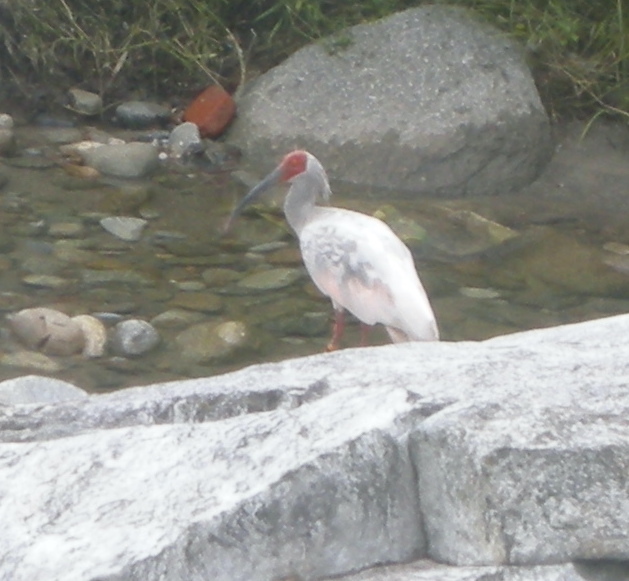
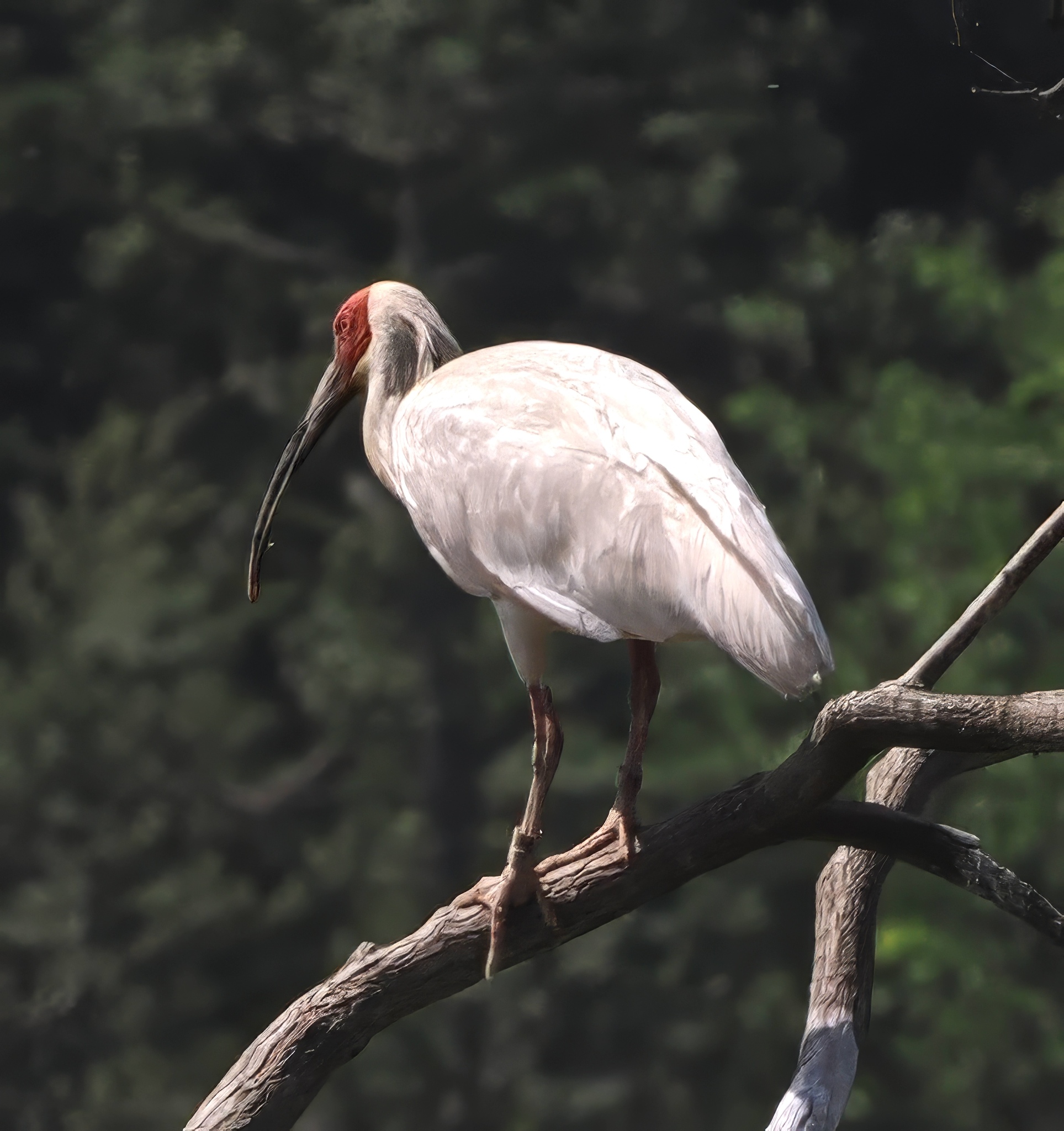
Length ranges from 55–78.5 cm (21.7–30.9 in). Features a bare red face, a long strongly downcurved black bill with a red tip, and red legs and feet. A dense crest of plumes sits on the nape. Plumage varies seasonally: winter plumage is largely white with salmon-pink tones on wings and tail; summer plumage is pale grey above and on the breast with a darker grey shawl across the back, and white with a salmon-pink tinge below. In flight, upper wings and tail are white, while undersides are strongly flushed pink. Juveniles have downy cheek feathers, an orange-yellow bare face, smoky gray plumage with a rosy sheen, pale brown legs, and light yellowish-brown irises.
Identification
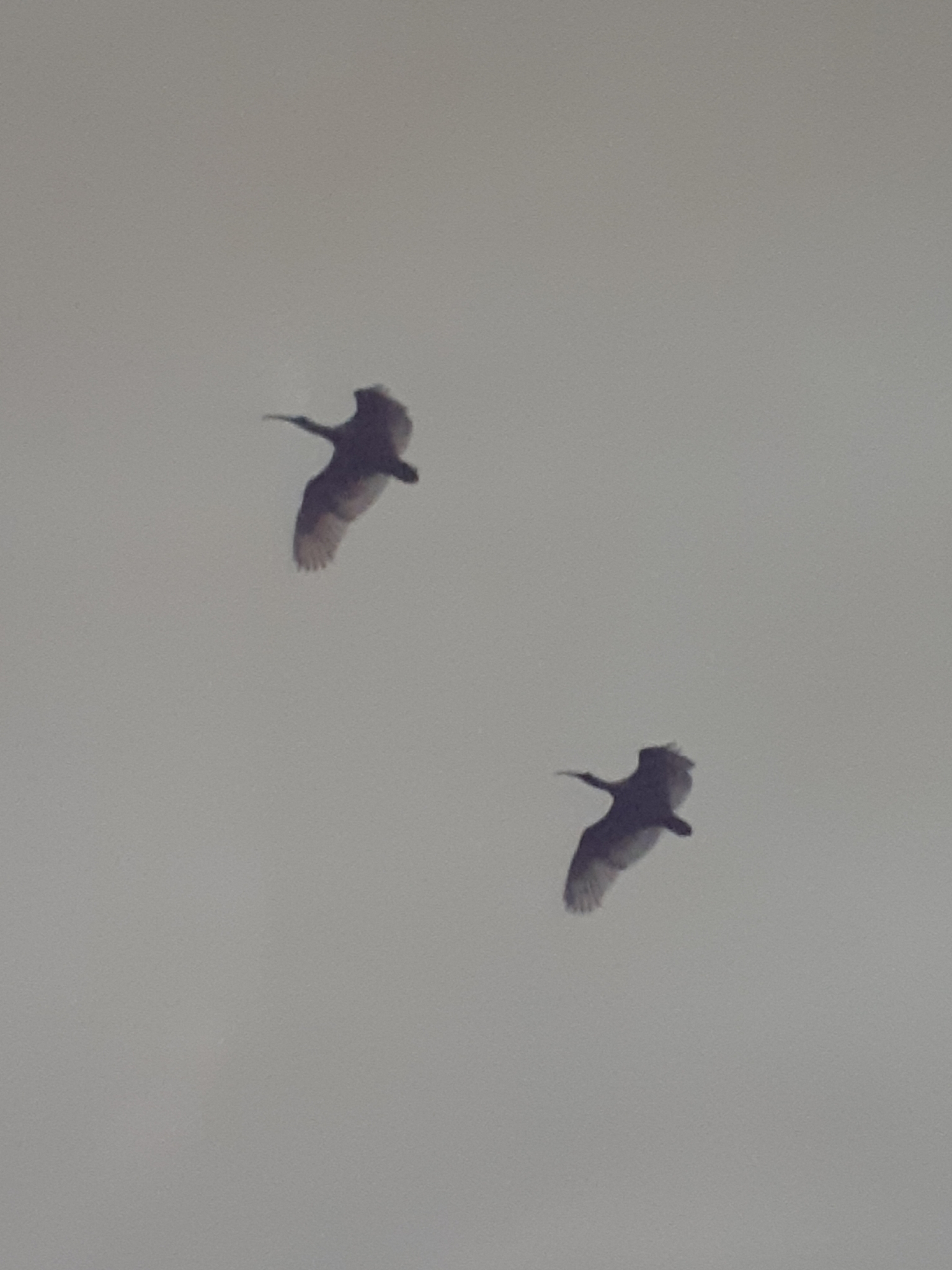
Distinguished by a bare red face, dense nape crest, and long downcurved black bill with a red tip. Flight is characterized by steady, deliberate wingbeats with head and neck extended forward and legs stretched backward, not protruding beyond the tail. Underside of flight feathers shows a strong pink flush. Vocalizes mainly when taking flight.
Distribution & Habitat
Historically widespread across eastern Asia, including northeastern China, Japan, the Russian Far East, and the Korean Peninsula, with non-breeding visits to Taiwan. Currently, the only wild population is in Yangxian County, Shaanxi Province, China. Reintroduction programs have established populations in Sado, Niigata (Japan) and Changnyeong (South Korea). The Shaanxi population is non-migratory, wandering locally post-breeding.
Behavior & Ecology
Generally solitary and quiet, observed alone, in pairs, or small groups. Diurnal forager in wetlands, roosting at night in tall trees. Forages in shallow water, mud, or land, probing with its bill for small fish, frogs, crustaceans, insects, and other invertebrates. Breeding occurs from March to May in tall trees near water. Nests are crude structures of dead branches lined with grass and moss. Clutches contain 2–5 eggs (typically 3), incubated by both parents for 28–30 days. Chicks fledge in 45–50 days and reach sexual maturity around 3 years.
Conservation
Listed in Appendix I of CITES. Once thought extinct in China until rediscovered in 1981; the last wild individual in Japan died in 2003. Threats included overhunting, pesticide use, habitat loss, and winter starvation. Extensive captive breeding programs in China and Japan have supported recovery. Reintroductions began in Japan in 2008, with wild hatching confirmed in 2012. South Korea received birds as diplomatic gifts in 2008 and 2013 for restoration efforts.
Source: Wikipedia · CC BY-SA 3.0
Taxonomy
- Order
- Pelecaniformes
- Family
- Threskiornithidae
- Genus
- Nipponia
Distribution
China (mainly Shaanxi, in north-central China); reintroduced into southern South Korea (Upo Wetlands) and Sado Island, northwestern Japan
Data Sources
Species description from Wikipedia, licensed under CC BY-SA 3.0.
Bird images and sounds sourced from GBIF, contributed by citizen scientists worldwide under Creative Commons licenses.
Taxonomy data from AviList 2025.