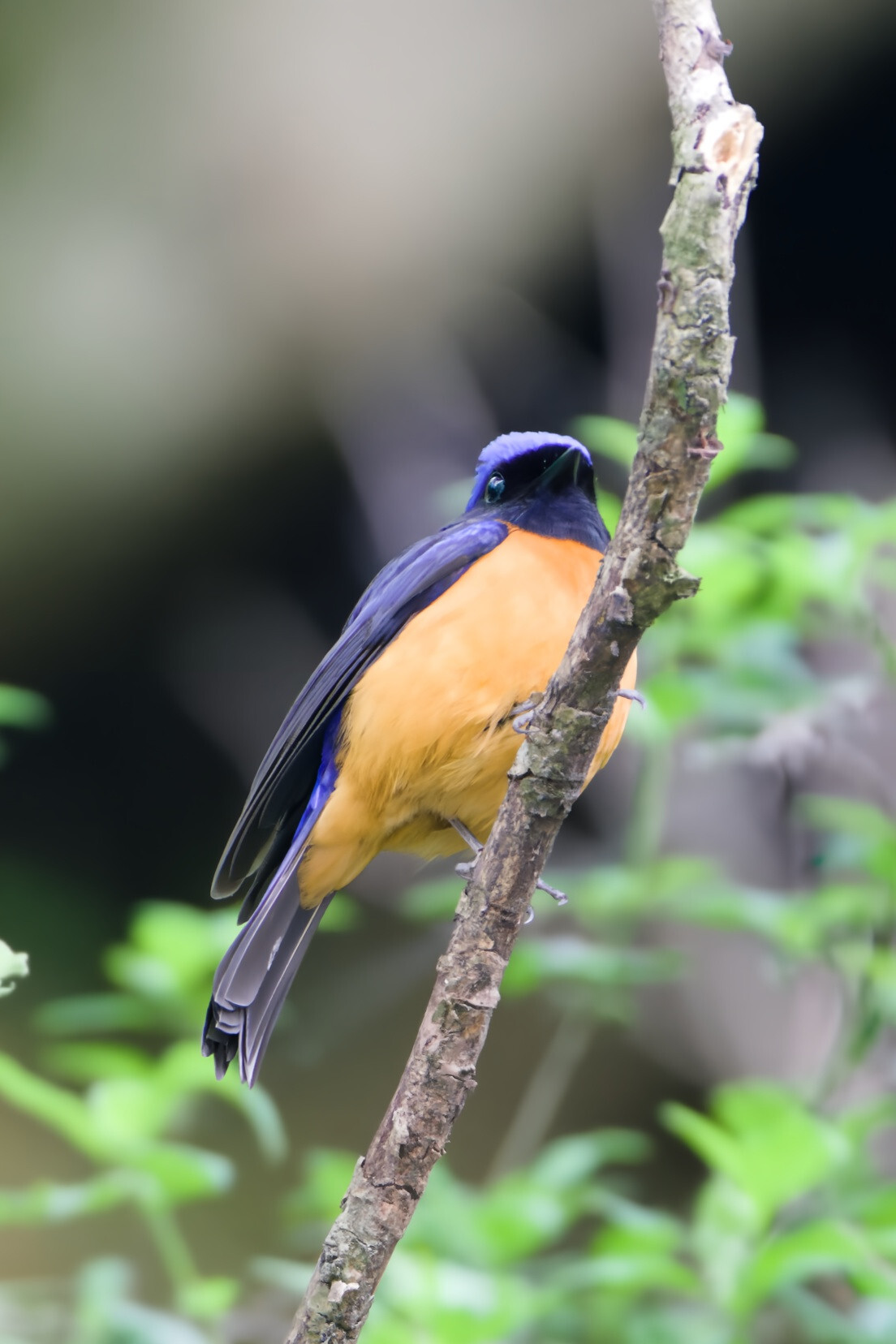
Passeriformes / Muscicapidae / Niltava
Rufous-bellied Niltava
Niltava sundara · 棕腹仙鹟
Introduction
A species in the family Muscicapidae found in South and Southeast Asia. It inhabits subtropical or tropical moist lowland and montane forests. Distinctive traits include a stocky build, rounded head, and insectivorous foraging behavior involving darting from perches.
Description
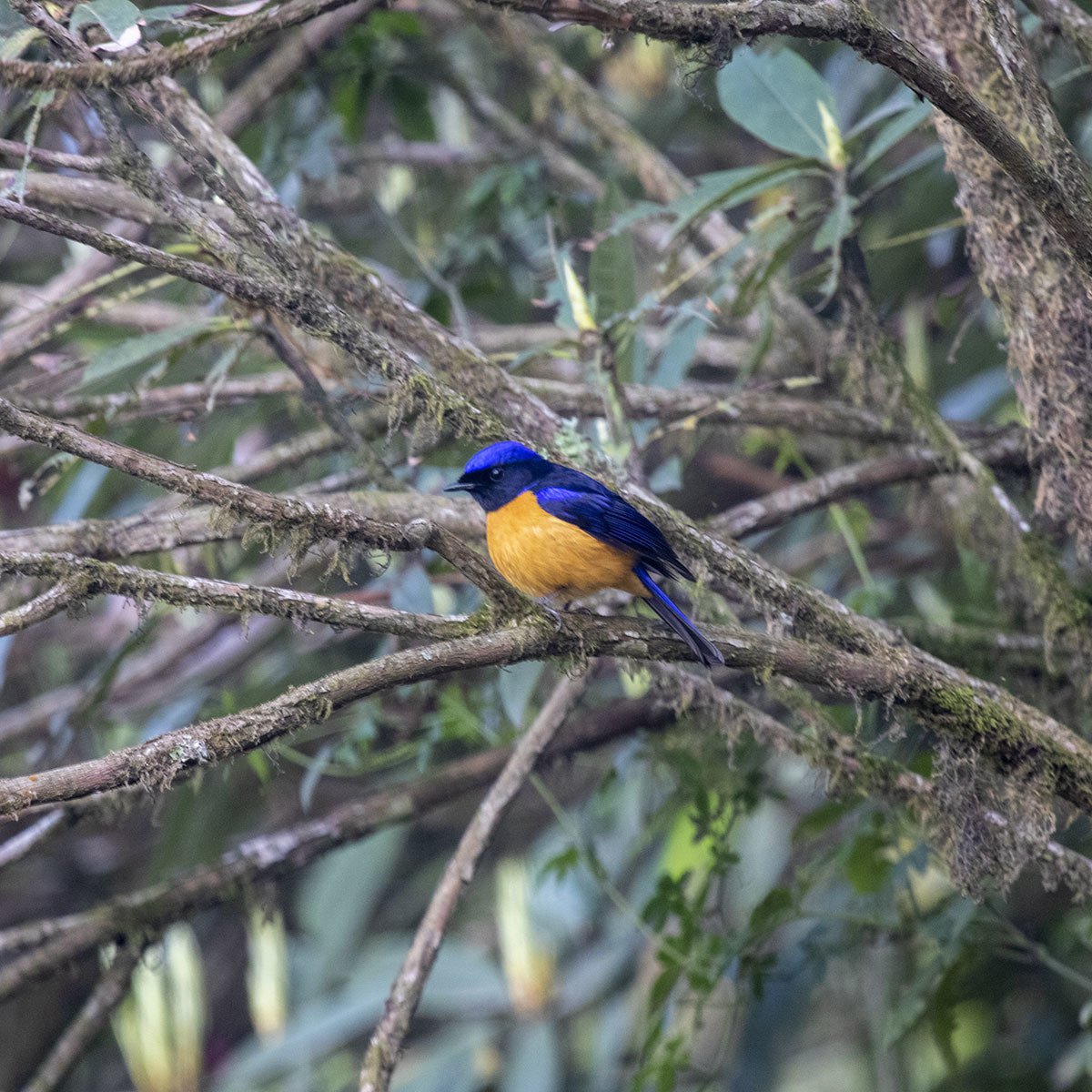
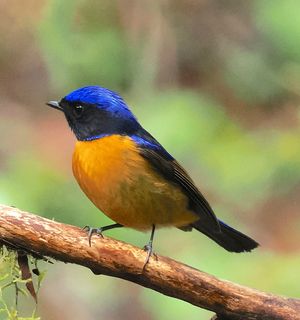
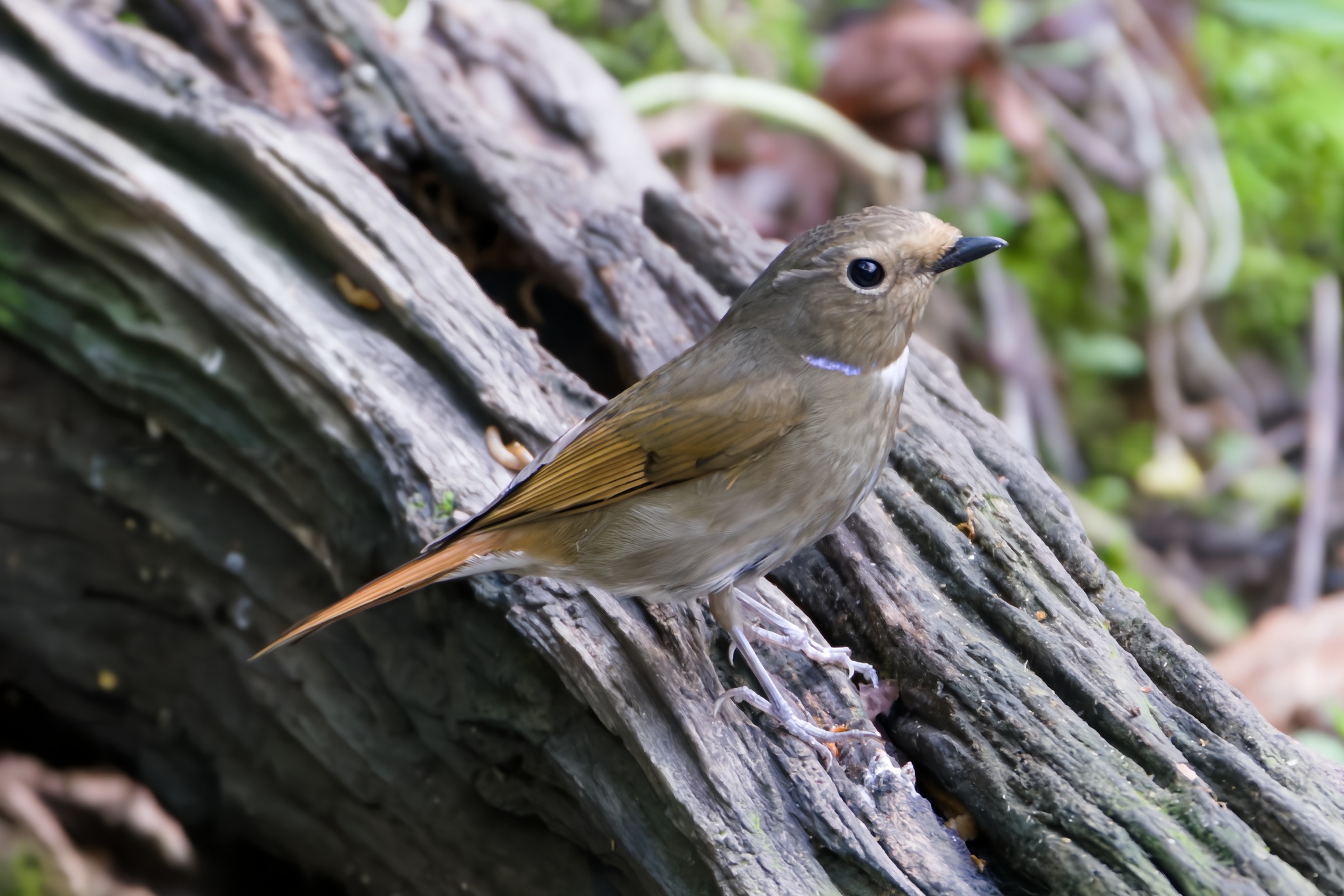
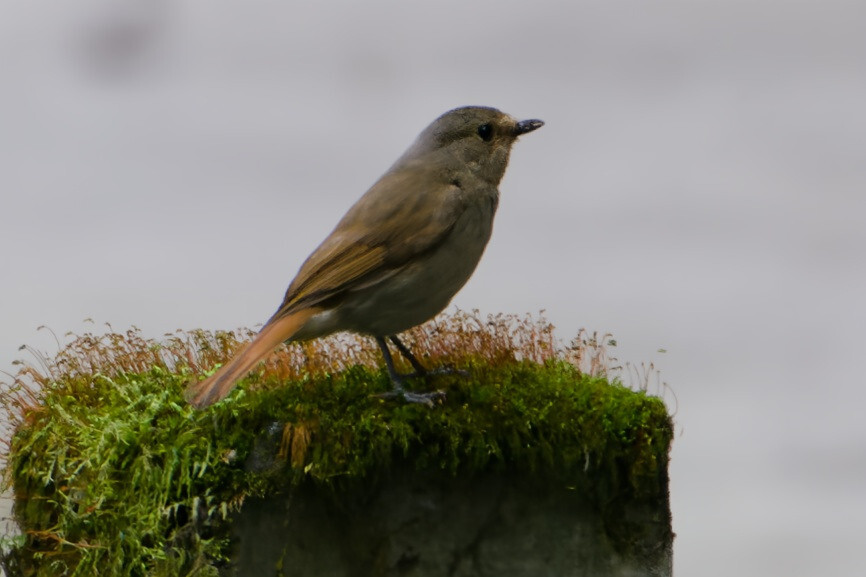
Measures 15–18 cm and weighs 19–24 g. It is a large, stocky flycatcher with a rounded head, fairly short tail, and broad-based bill. Males have blue upperparts that may appear black in poor light. Subspecies vary: N. s. whistleri males have paler underparts, while N. s. denotata males are more violet-blue. Females of N. s. whistleri have paler tails and greyish-olive underparts; females of N. s. denotata show olive-brown crowns, buff foreheads, and rufous-brown mantles.
Distribution & Habitat
Found in Bangladesh, Bhutan, China, India, Laos, Myanmar, Nepal, Pakistan, Thailand, and Vietnam. Subspecies N. s. sundara occurs in the central and eastern Himalayas (east from Nepal) to South China and Myanmar, with non-breeding individuals in northeastern Bangladesh. N. s. whistleri is found in the Himalayas of north India and Pakistan up to Uttarakhand. N. s. denotata inhabits eastern Myanmar, southern China, and northwestern Vietnam, moving south to northern Thailand and Indochina during non-breeding seasons.
Behavior & Ecology
Predominantly insectivorous, feeding on small invertebrates and larvae, especially ants and beetles, with occasional fruit consumption. Forages by perching quietly in undergrowth and darting out or dropping to the ground to catch prey. Feeds solitarily or in pairs, sometimes joining mixed-species flocks, but tends to be more solitary in winter.
Source: Wikipedia · CC BY-SA 3.0
Taxonomy
- Order
- Passeriformes
- Family
- Muscicapidae
- Genus
- Niltava
Vocalizations
Subspecies (3)
-
Niltava sundara denotata
southwestern China to northern Myanmar; winters to northern Thailand and northern Laos
Data Sources
Species description from Wikipedia, licensed under CC BY-SA 3.0.
Bird images and sounds sourced from GBIF, contributed by citizen scientists worldwide under Creative Commons licenses.
Taxonomy data from AviList 2025.